Category: Army Air Corps & Army Air Service
The 零式艦上戦闘機 of the US Navy

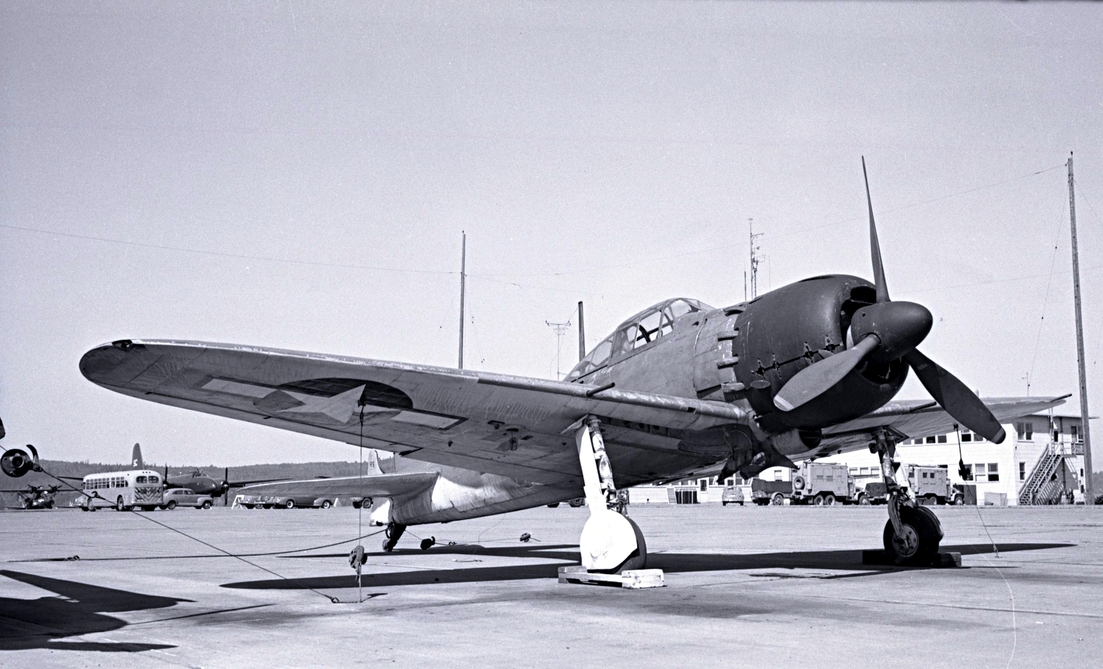
The “零式艦上戦闘機” (or, “rei-shiki-kanjō-sentōki”) is better known to the rest of the world as the Mitsubishi Zero. The first image is the intact Zero brought back from the Aleutian Islands in 1942. It is seen here at NAS North Island in that same year. The second image is of what I assume to be a different aircraft some six or seven years later at NAS Whidbey Island.
I was quite surprised to find this photo showing a Zero still around well after the war. It is at least 1948: There are P2V Neptunes in the background as well as an R5D coded “RS” of VR-5. That tail code entered service in 1948.
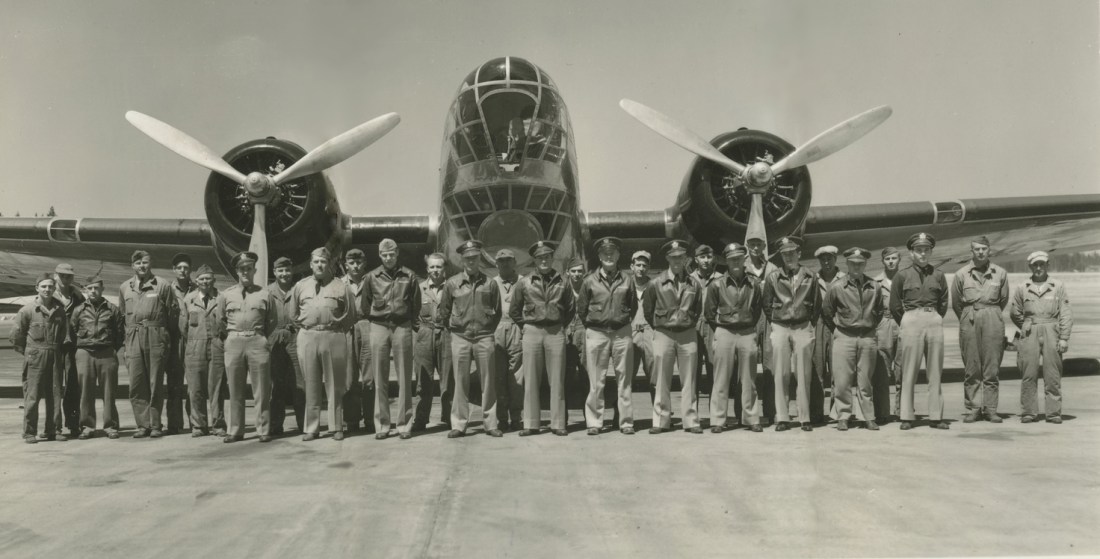
Martin B-10’s at Boeing Field,1935

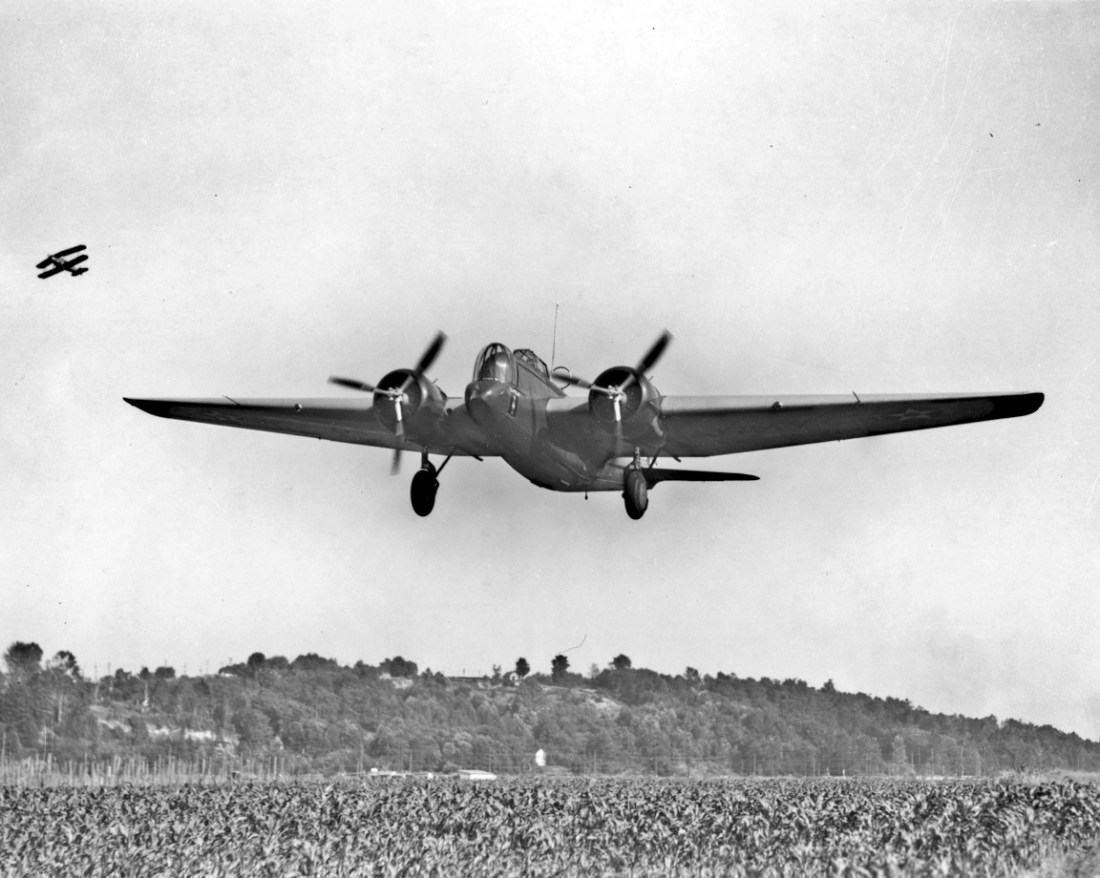

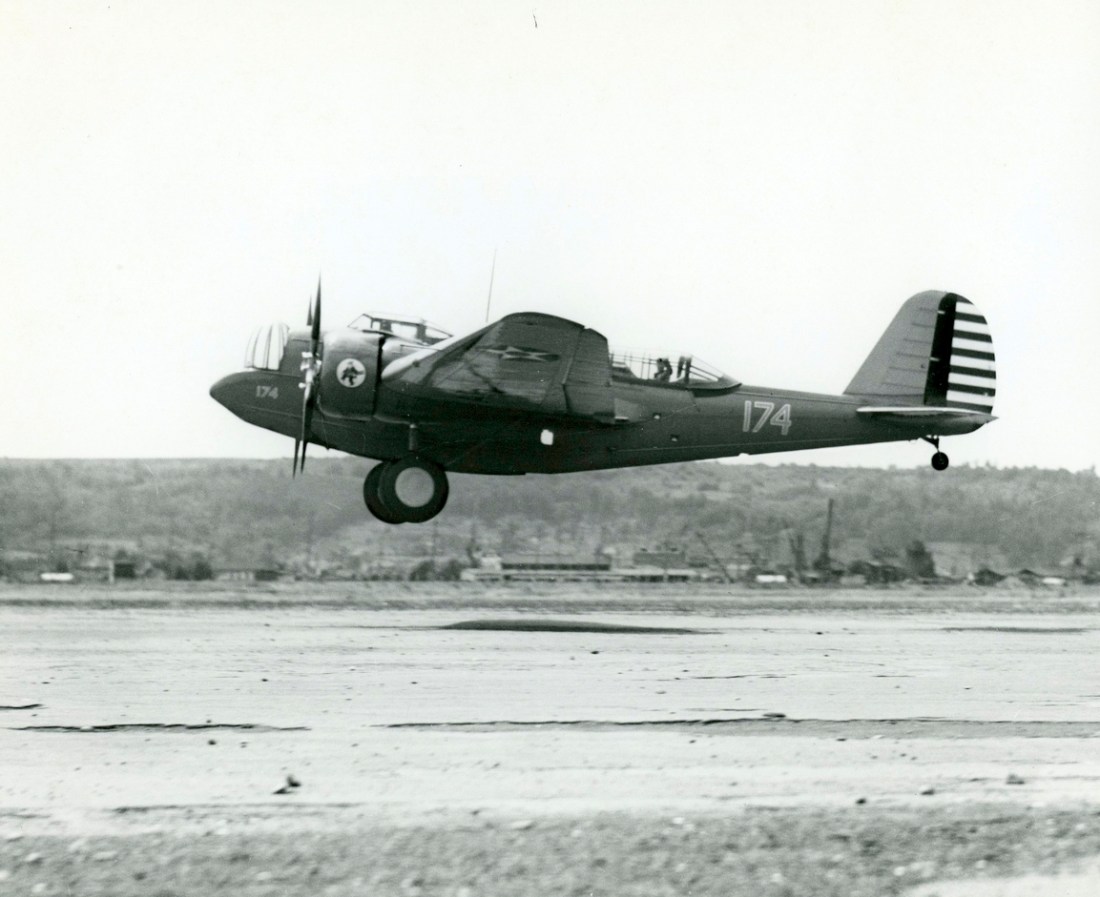
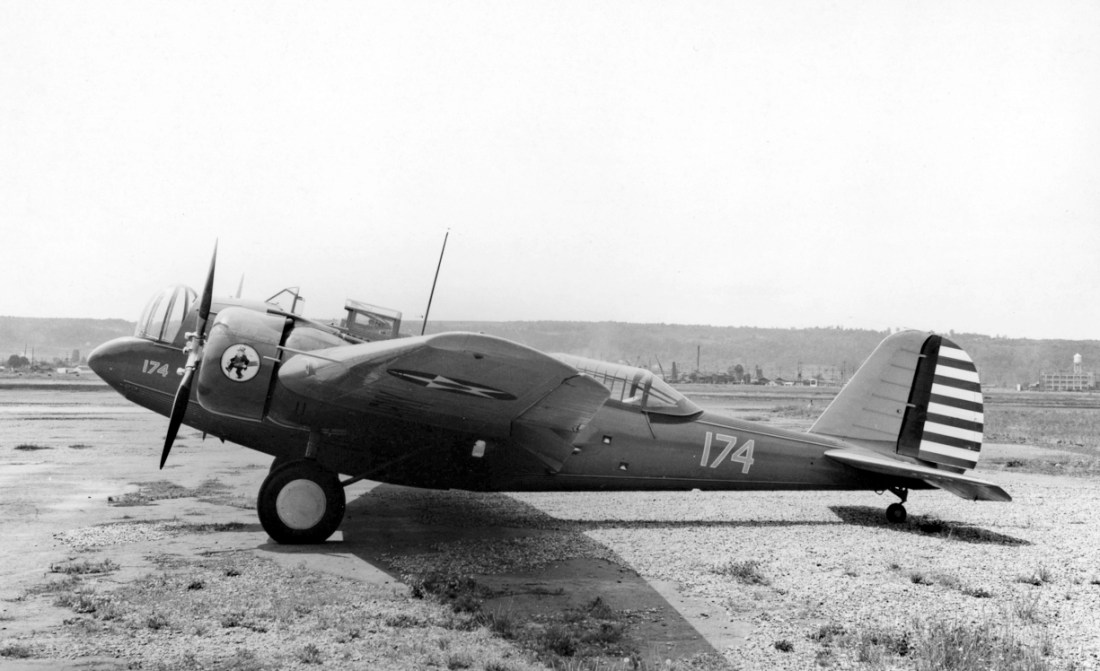
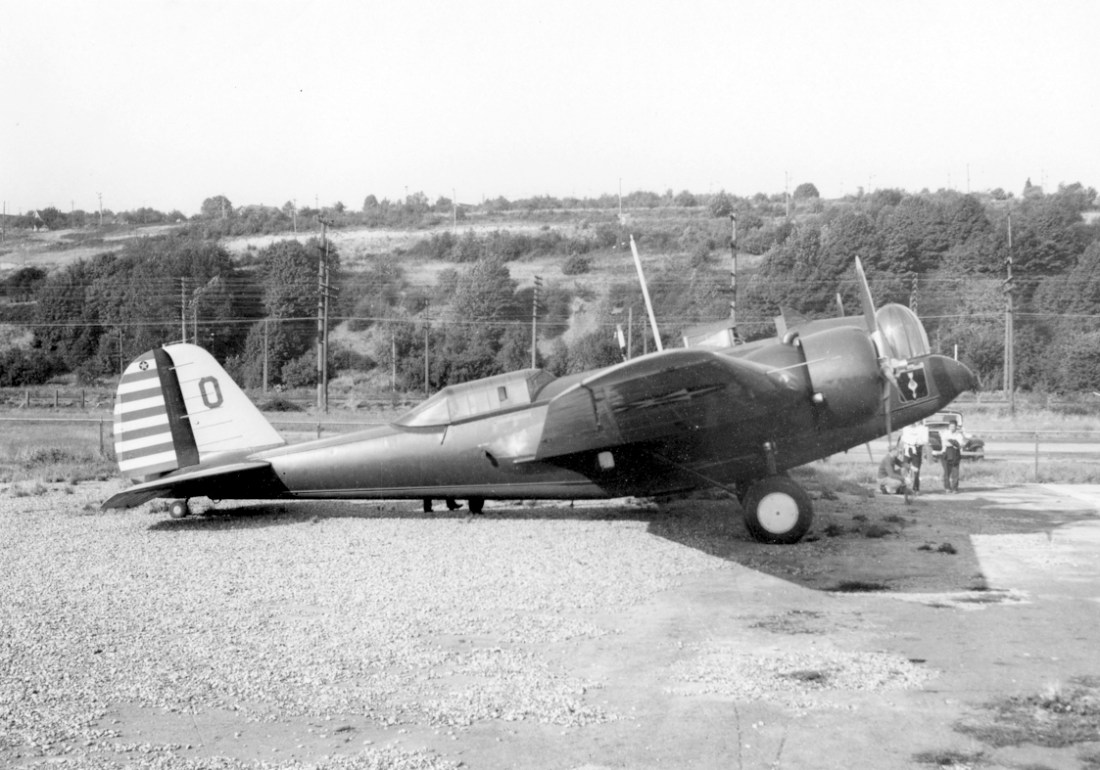
Aircraft are from several units: 11th & 31st Bomb Squadrons, and one more I am unable to identify. One plane sports the marking of the famous Alaskan flight from the year before.
Foulois, Arnold, and Spaatz

Foulois was Air Corps boss when he dropped in at March Field in 1932. Arnold commanded the base, Spaatz commanded the March Field based 1st Wing. Given Foulois’s snappy knickers and argyle socks, Arnold seems under-dressed for the occasion. Spaatz, on the right, looks for all the world like a mafia hit-man.
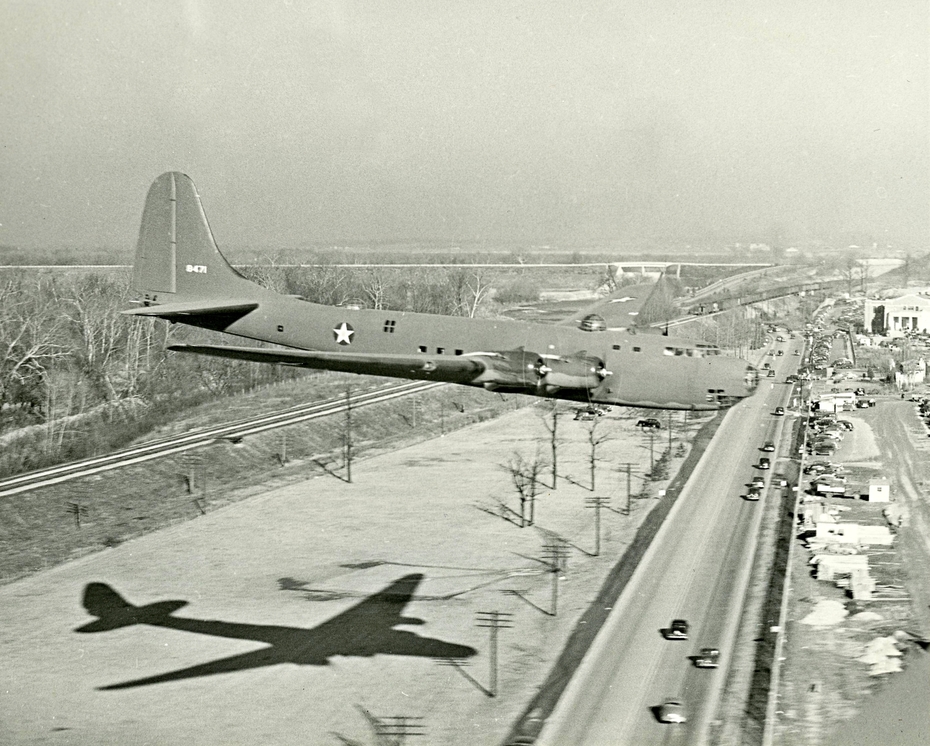
The Boeing XB-15
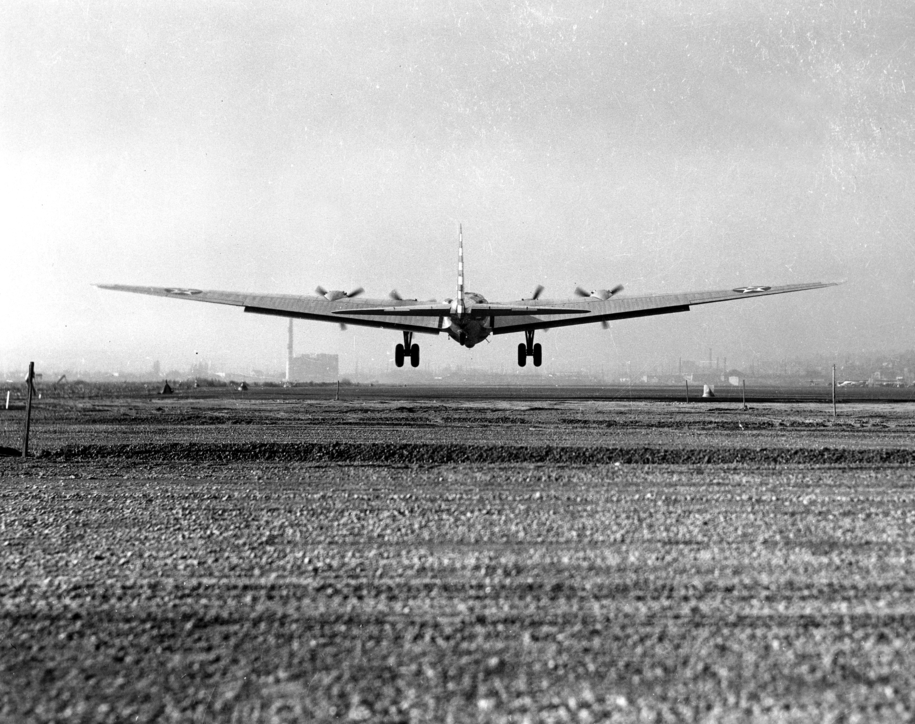
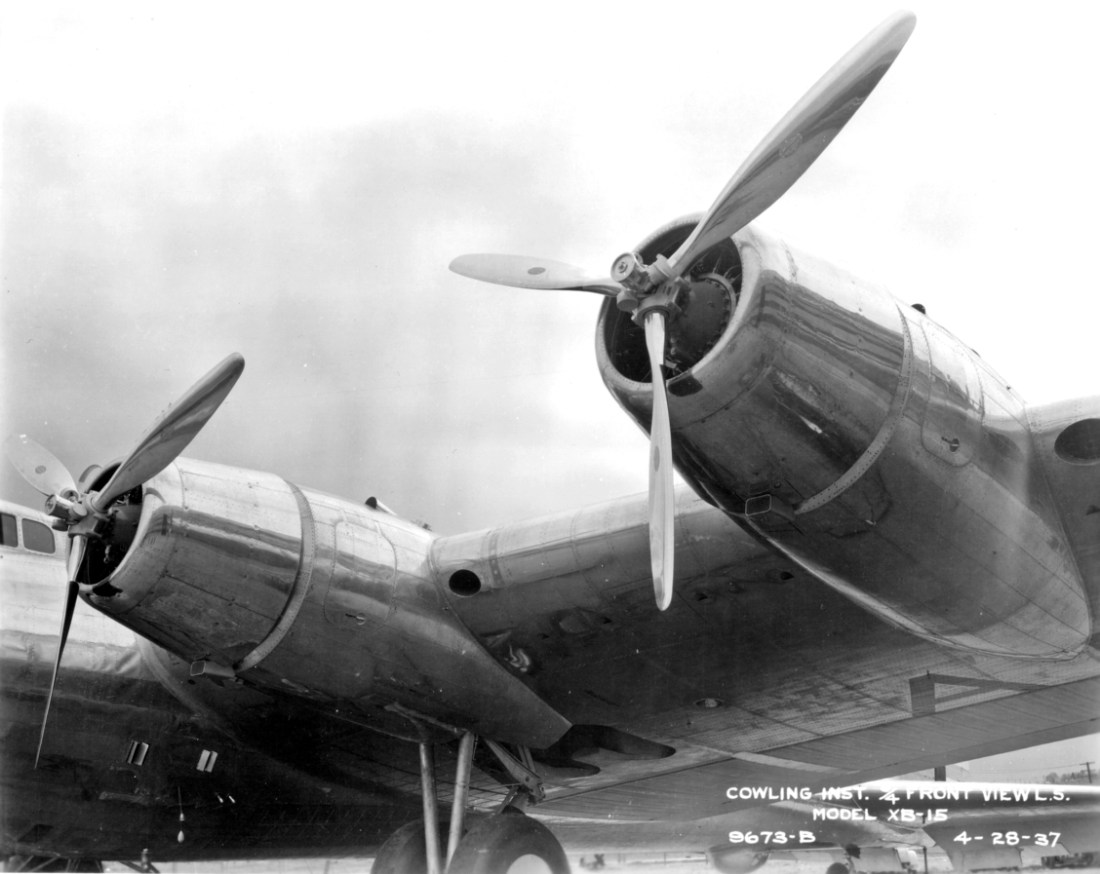


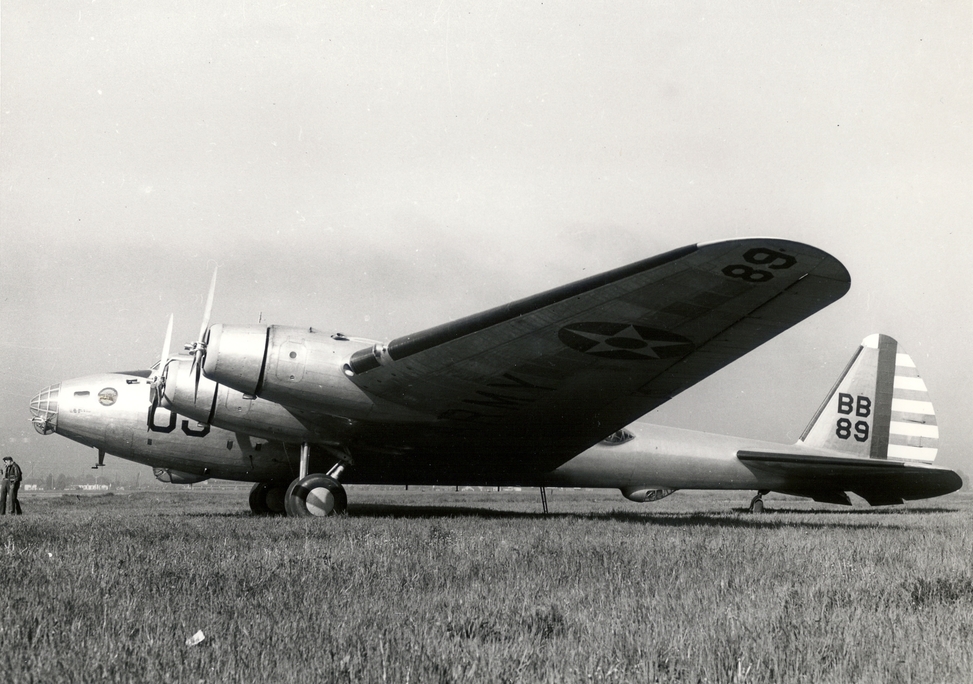
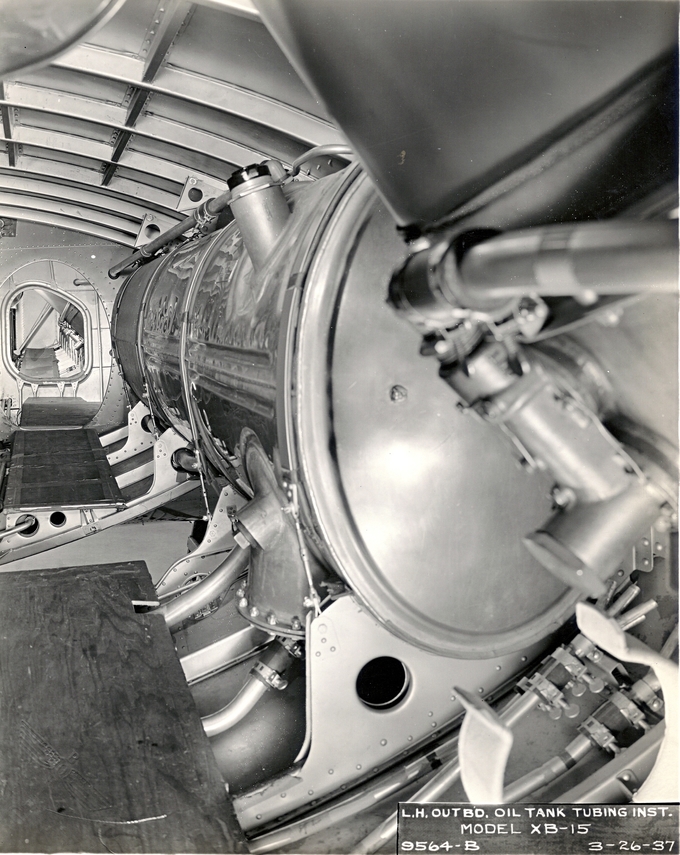
One could be pardoned for thinking this is the fuselage interior of the XB-15. It’s not; it is the interior of the wing.
49th Bomb Squadron insignia, 1929
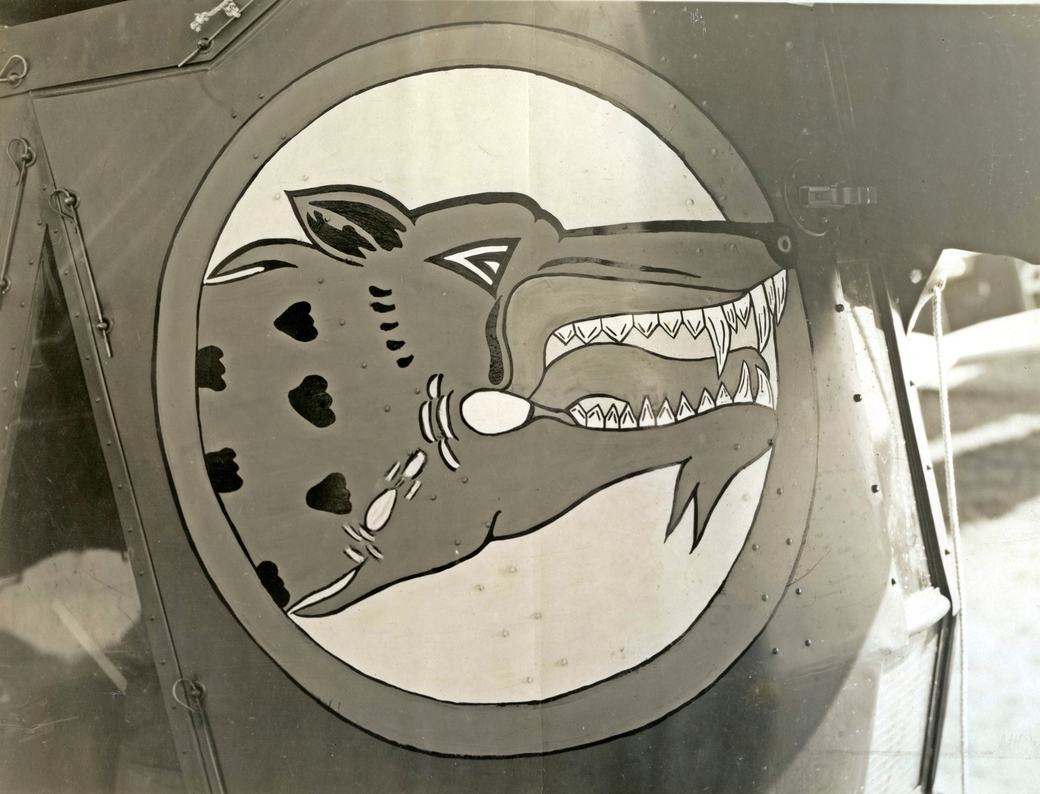
91st Observation Squadron, 1926

Aircraft is a Douglas O-2 which was flown by the 91st from 1926-30.
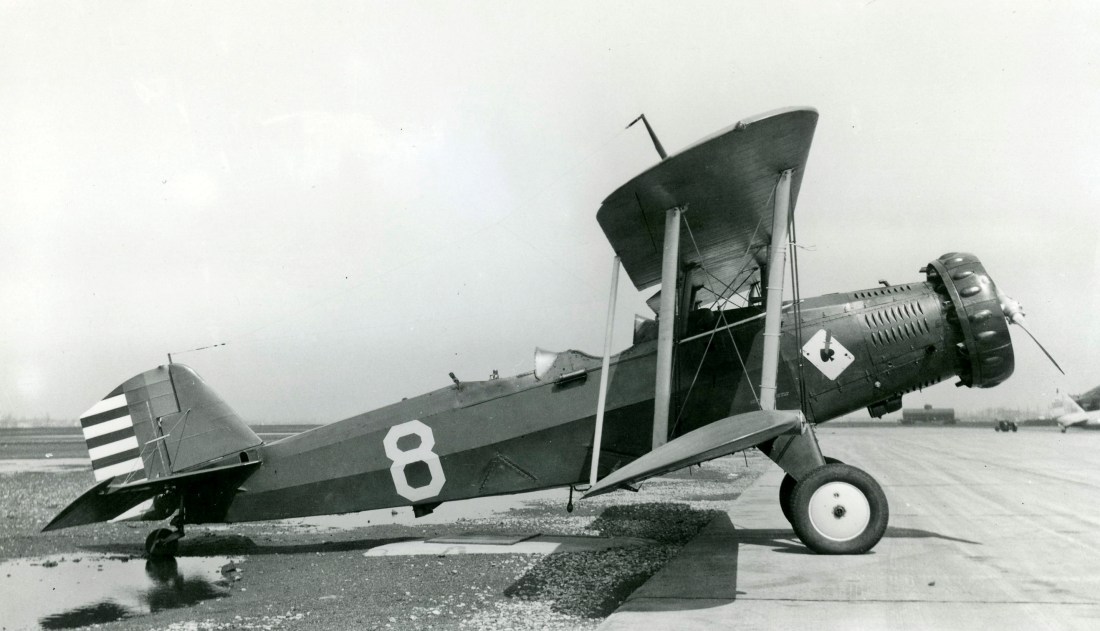
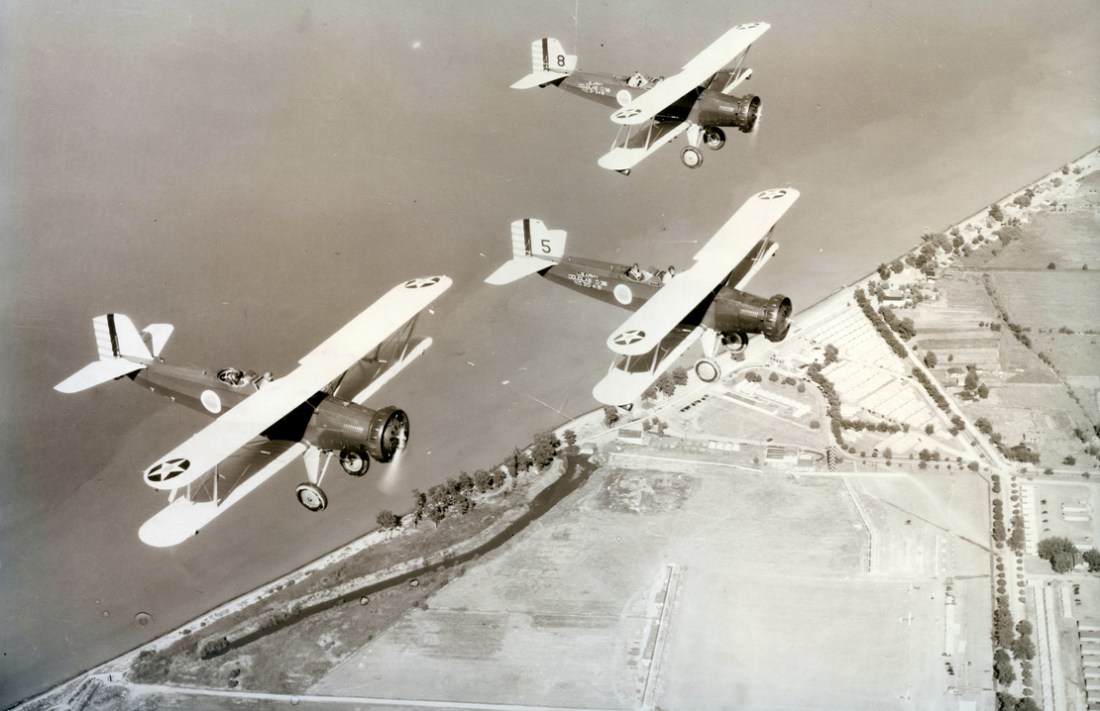
8th Attack Squadron
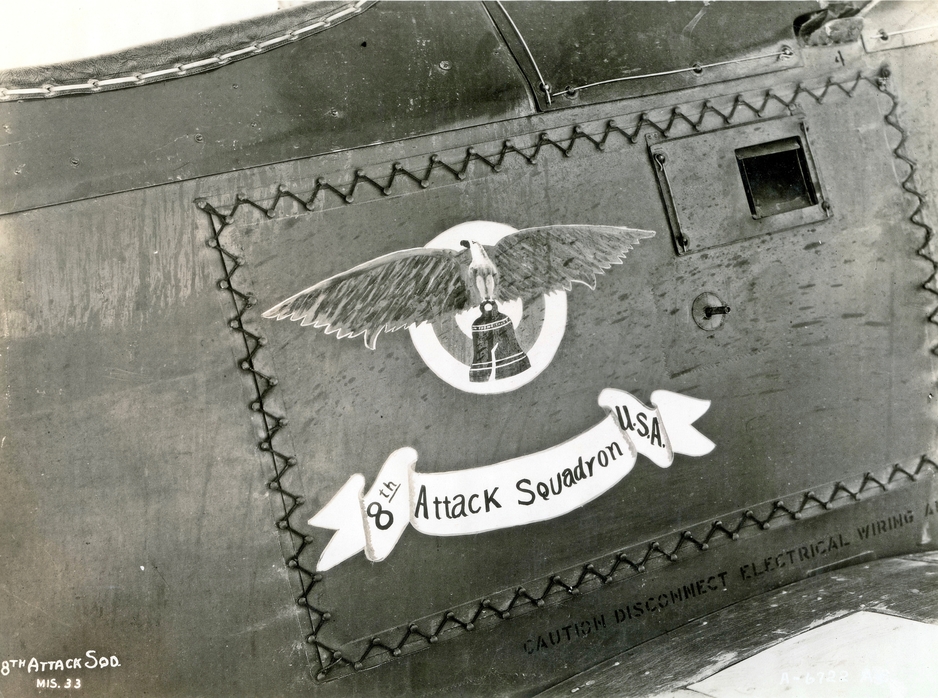
Aircraft is a Curtiss A-3 Falcon flown by the 8th from 1928-34.
LB-7’s of the 20th Bomb Squadron
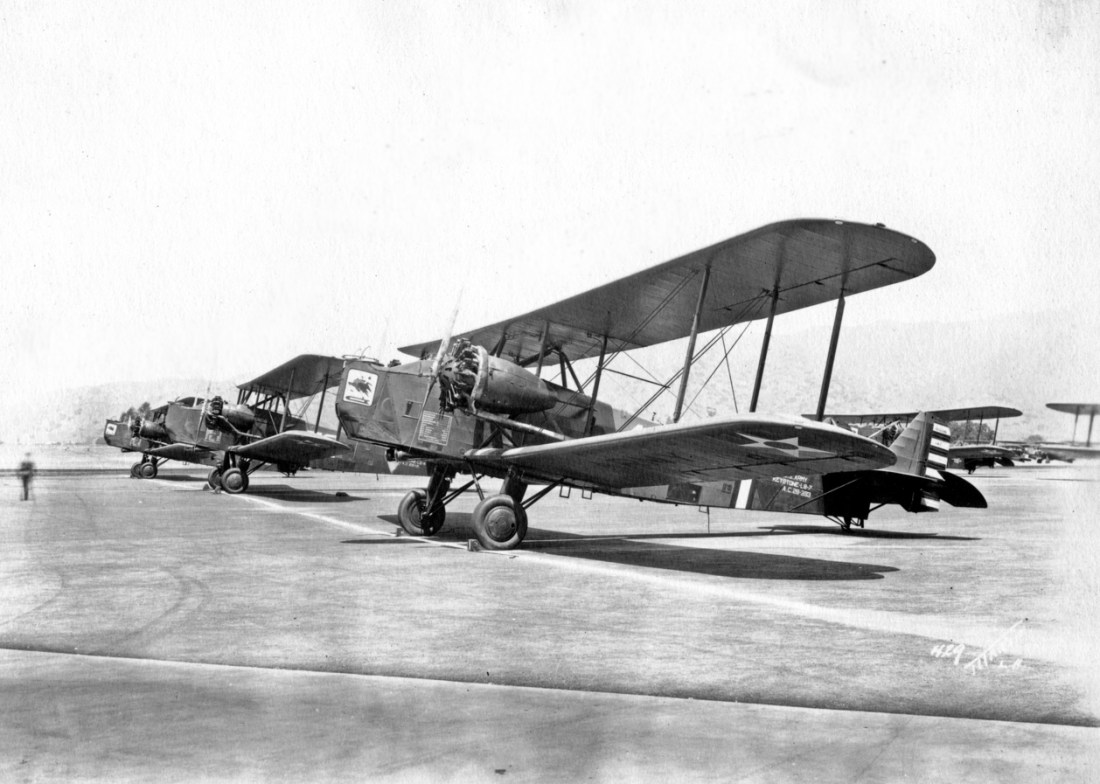
Aircraft in foreground is 28-393. Typical of the short life-span for aircraft of the era, 393 was delivered in 1929, and five years later scrapped as obsolete.
20th Bombardment Squadron, 1930
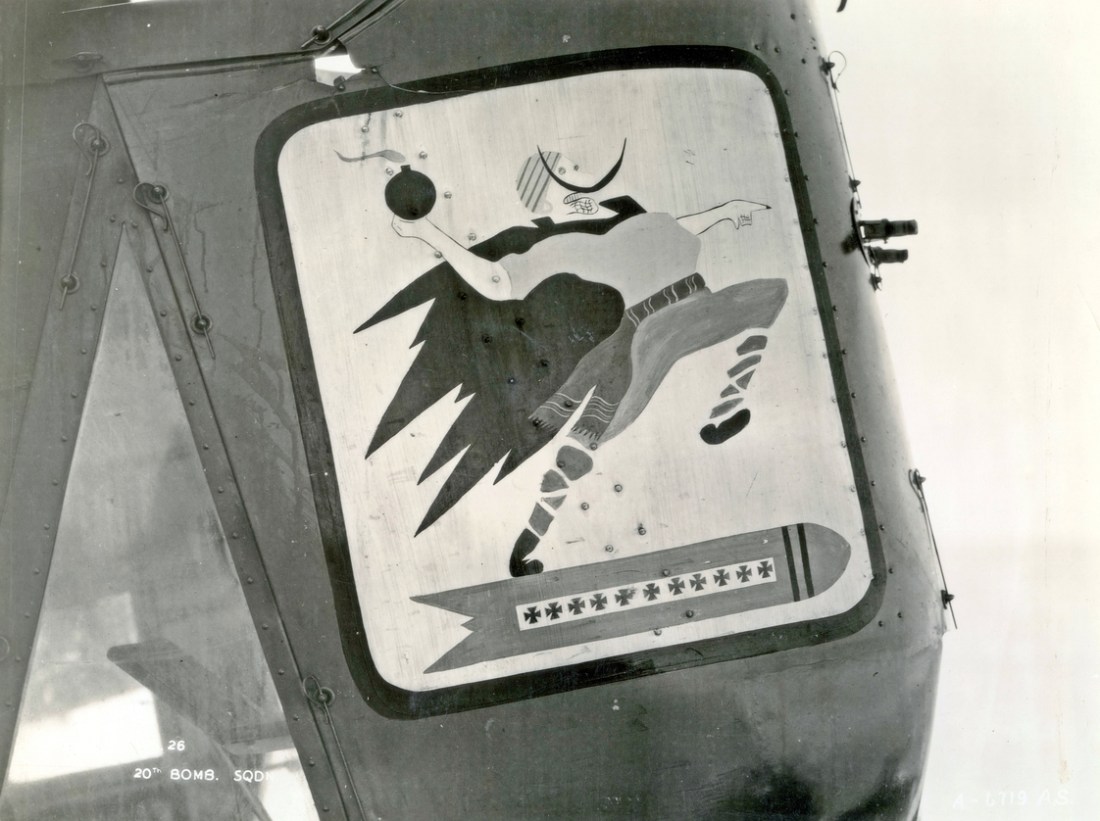
The aircraft on whose nose this insignia is applied belongs to the Keystone series of bombers flown by the 20th.
Busy doings at Langley Field, circa 1930
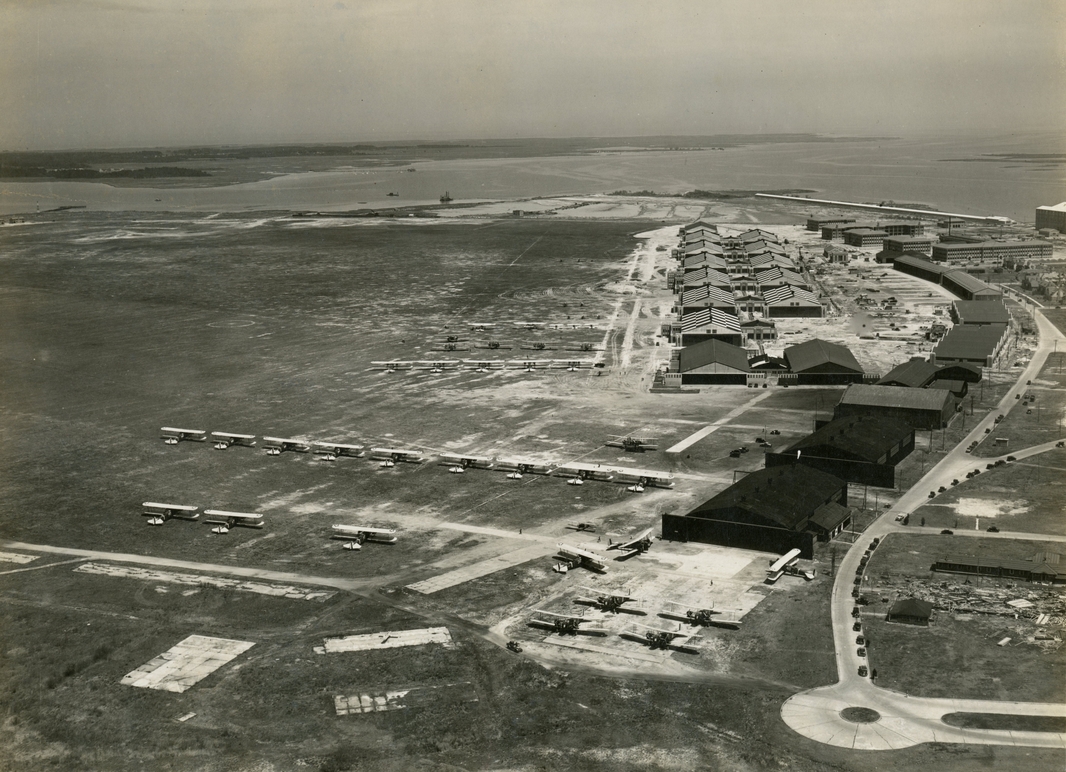

On hand are a gaggle of Keystone bombers and support aircraft. All are assigned to the 2nd Bomb Group. The aircraft in the lower photo are from the 20th Bomb Squadron.
P-1D of the 43rd School Squadron, Kelly Field

Back in the early 1930’s, the 43rd trained fledgling pursuit pilots for the Air Corps. One of them, Lt. Taylor, is seen here leaning jauntily against his ship. The sign in the background states that “Ships will not be taxied on or north of this road.”
O-46’s of the 12th Observation Squadron
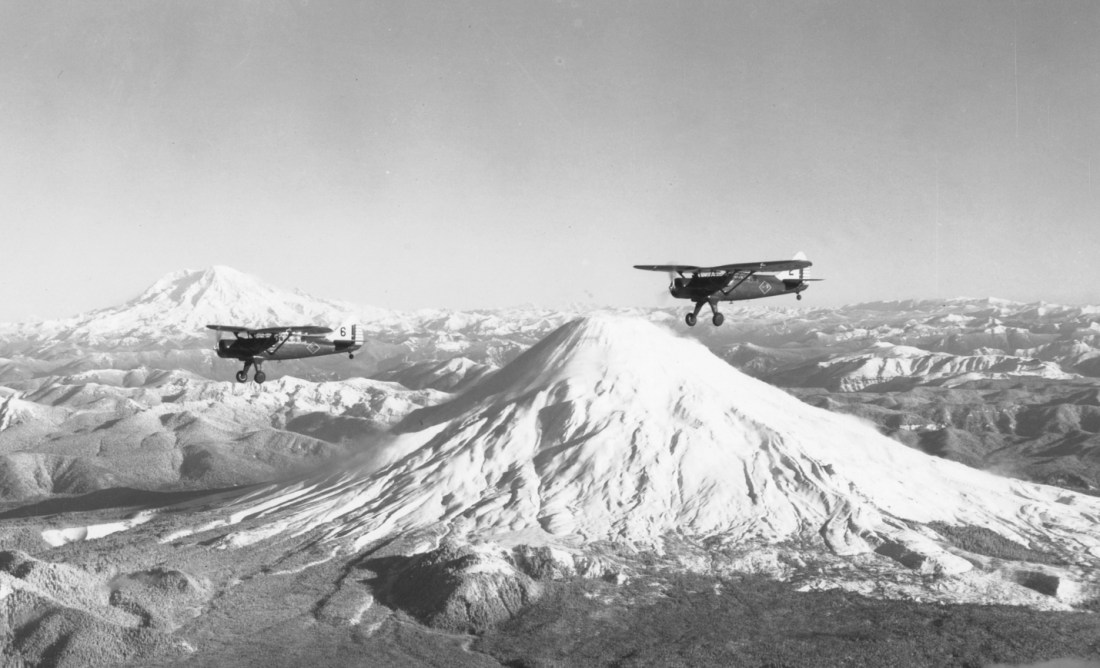
The aircraft are from Gray Army Airfield, Fort Lewis. Mount St. Helens in its pre-eruption glory is in the foreground, its bigger brother, Mount Rainier looms in the distance.
O-1 Falcons of the 5th Observation Squadron

September 1932, Mitchel Field. One was taking off, the other landing. The result: an eventful take-off, and an eventful landing.
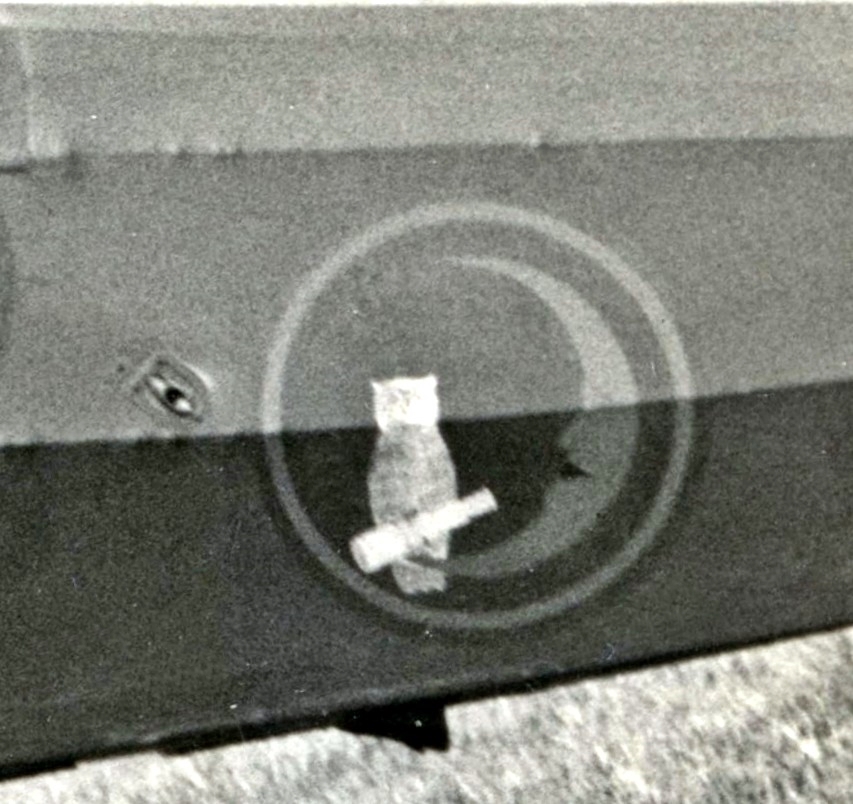
Close-up of the insignia of the 5th Observation Squadron.
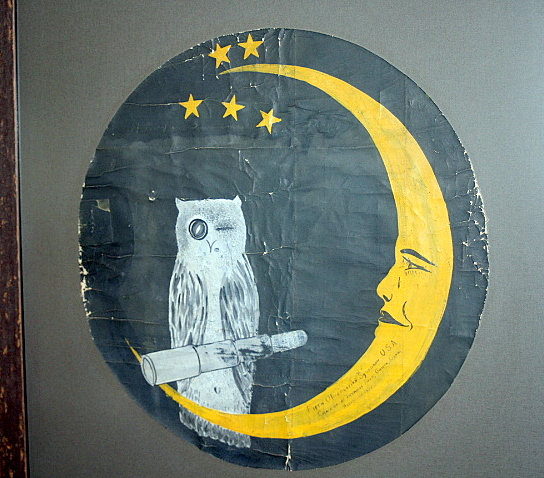
But wait – there is more to the story. The above photos are near & dear to me because a piece of an O-1 of the 5th Observation adorns my wall. Scrawled on it: “Fifth Observation Squadron, U.S.A. Crack-up at Trumbull Field, Groton Conn., August 21, 1931.” Research reveals that Lt. Elmer Tapley was the pilot and that he crashed on landing (but he walked away).
Given the time frame, the insignia seen on the mishap aircraft and on my wall were probably painted by the same man.
Keystone B-3’s of the 28th Bomb Squadron

Given that the 28th was stationed at Nichols Field in the blazing hot Philippines, it’s no surprise the rest of the bomber’s crew are taking a siesta under the wing.

The locals come to gawk at the the largest aircraft that they (and pretty much everyone else) had ever seen. They join the crew in taking advantage of the shade offered by the 74-foot wingspan of the B-3. Both photos were taken circa 1933.
Frederick Martin, the Douglas DWC, and the first flight around the world.
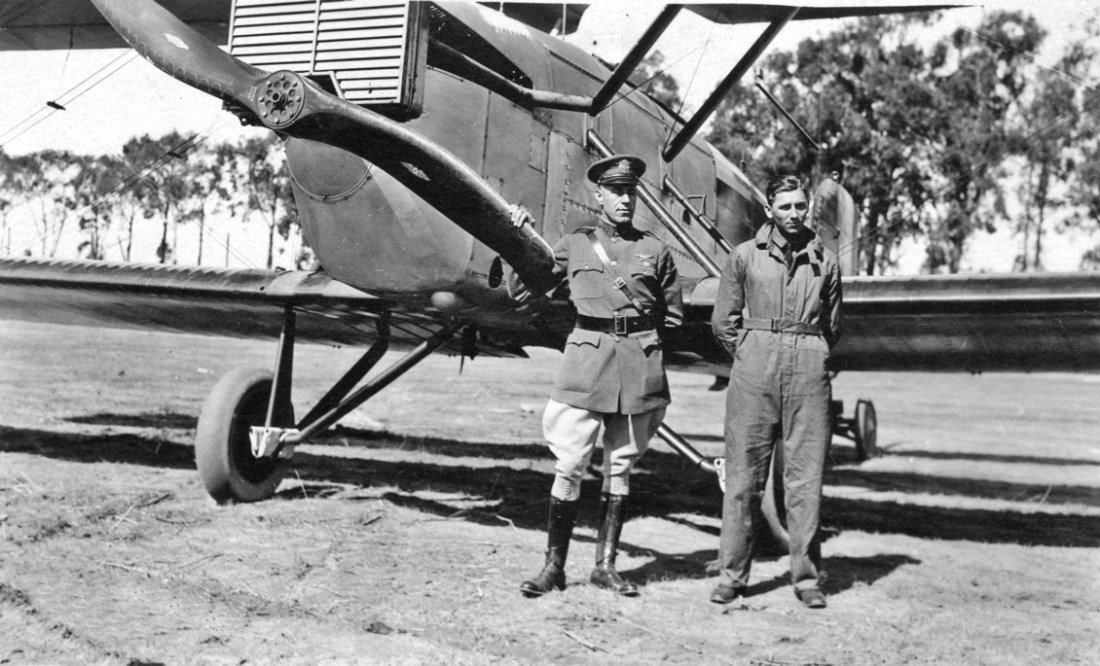
Major Frederick L. Martin and his crewman, S/Sgt Alva L. Harvey. They are about to set off in the “Seattle” to begin the famed first flight around the world in 1924.
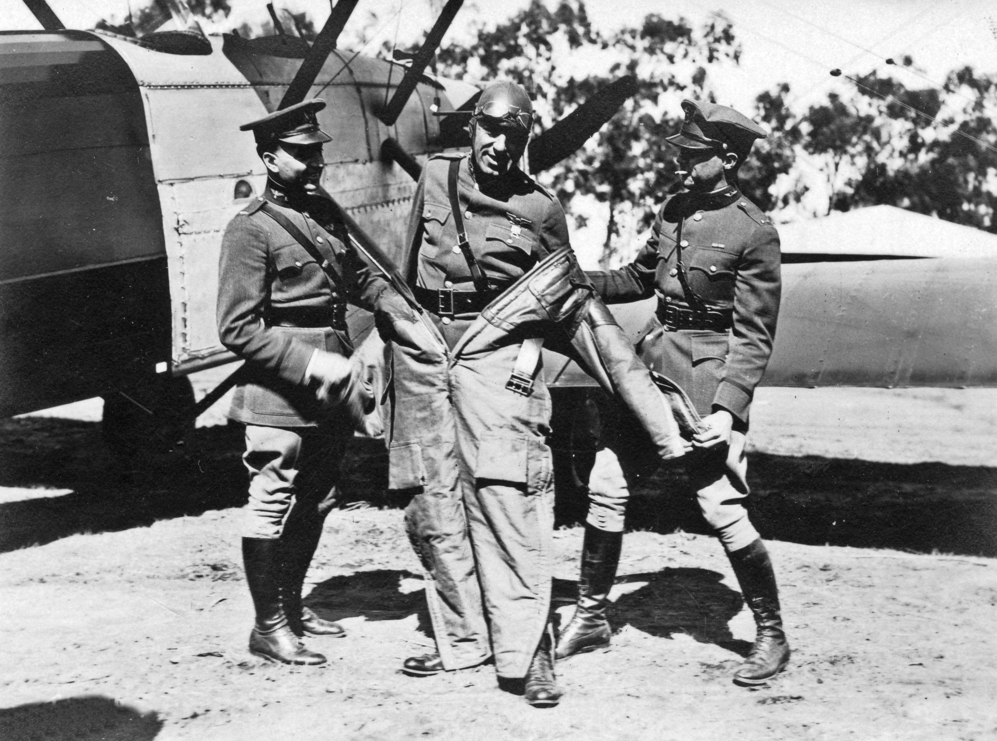
Fellow pilots on the upcoming journey, Lt.’s Lowell Smith and Leigh Wade, assist Frederick.
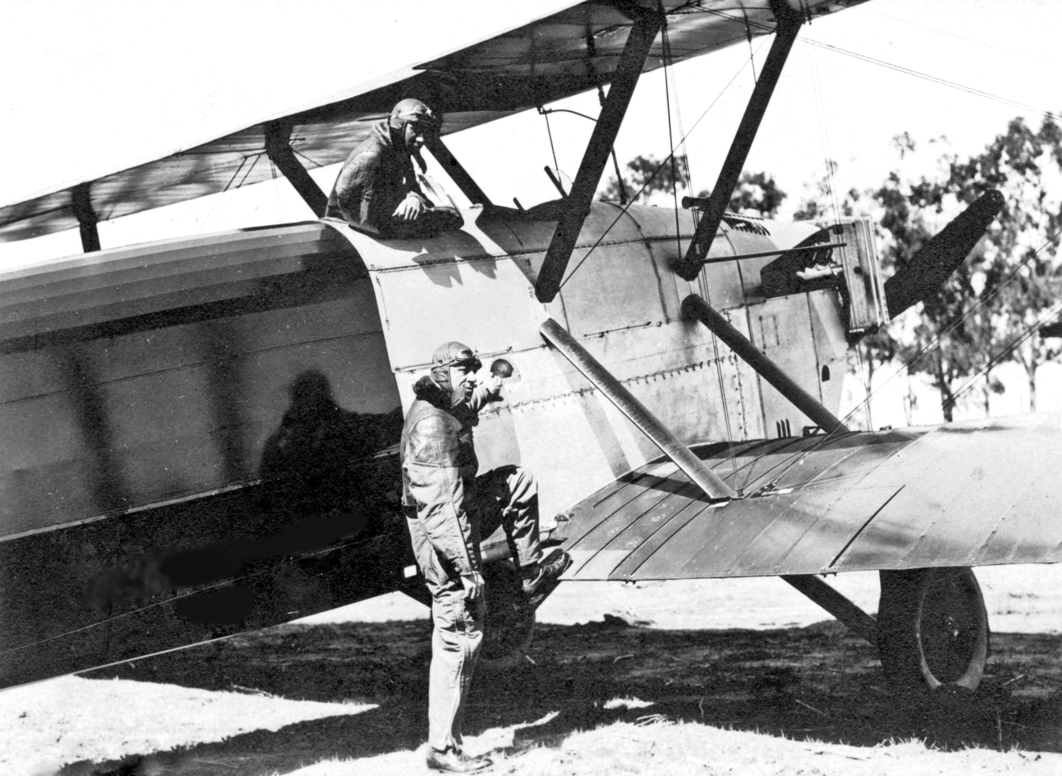
Harvey & Frederick. Alva Harvey retired as a full colonel in the USAF. Frederick was moving smartly up the ladder until December 7, 1941 when it was his misfortune on that fateful day to be in command of the Hawaiian Air Forces.
Harvey and Frederick crashed in Alaska on the first leg of the world flight. After an eventful 10 days in the wilds, they returned.