USS Intrepid & Co.

Pictured in the late 1960s are the men of VAW-33, the “Nighthawks”, who, with their Skyraiders, provided airborne early warning for the US Navy and its vessels. This included, of course, the ship they are standing on, USS Intrepid.
Winter Flying/Nosing Over

Thunderjets, Taegu Air Base, 1952


Pleiku Skyraiders


A-1 Skyraiders of the 1st Air Commando Squadron.
John B. Brooks, Aerial Pioneer


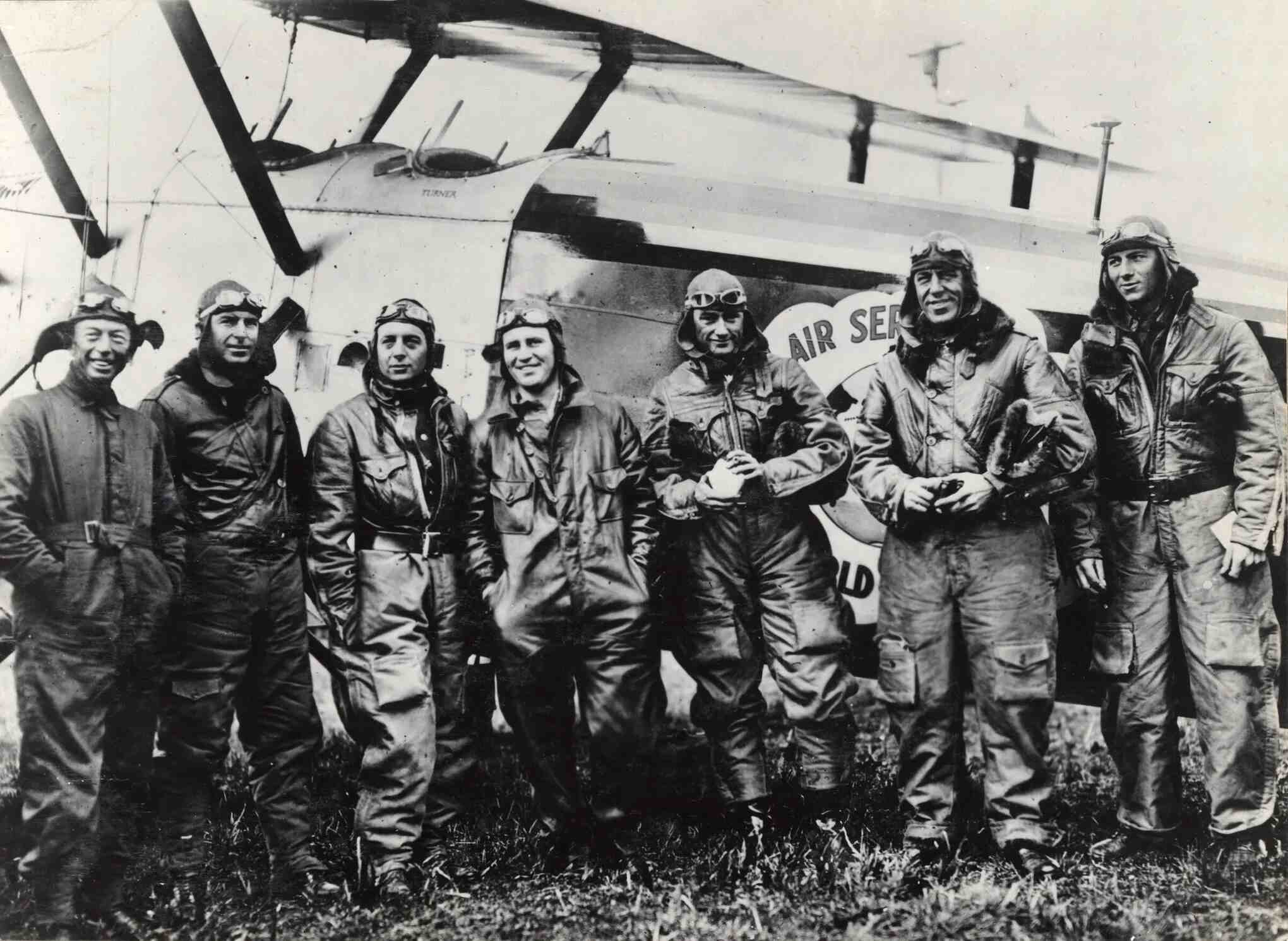
Aviation Section, U.S. Signal Corps, Army Air Service, Army Air Corps, Army Air Forces.
One of the unsung trailblazers of flight, Major General John Bernard Brooks initially served in the U.S. Cavalry (the kind with horses) along the Mexican border hunting banditos way back in 1915. He went off to pilot training, then returned to the border in 1916 with the Punitive Expedition chasing Pancho Villa & co.
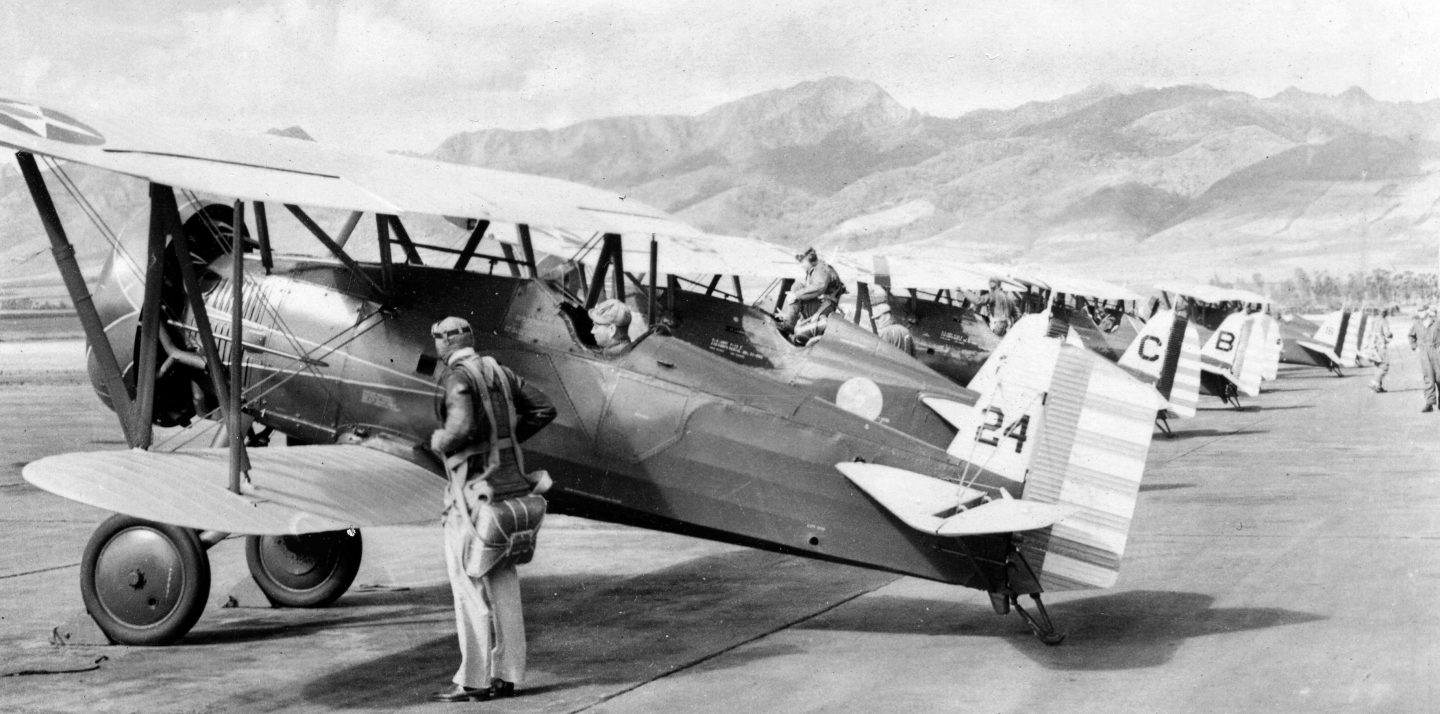
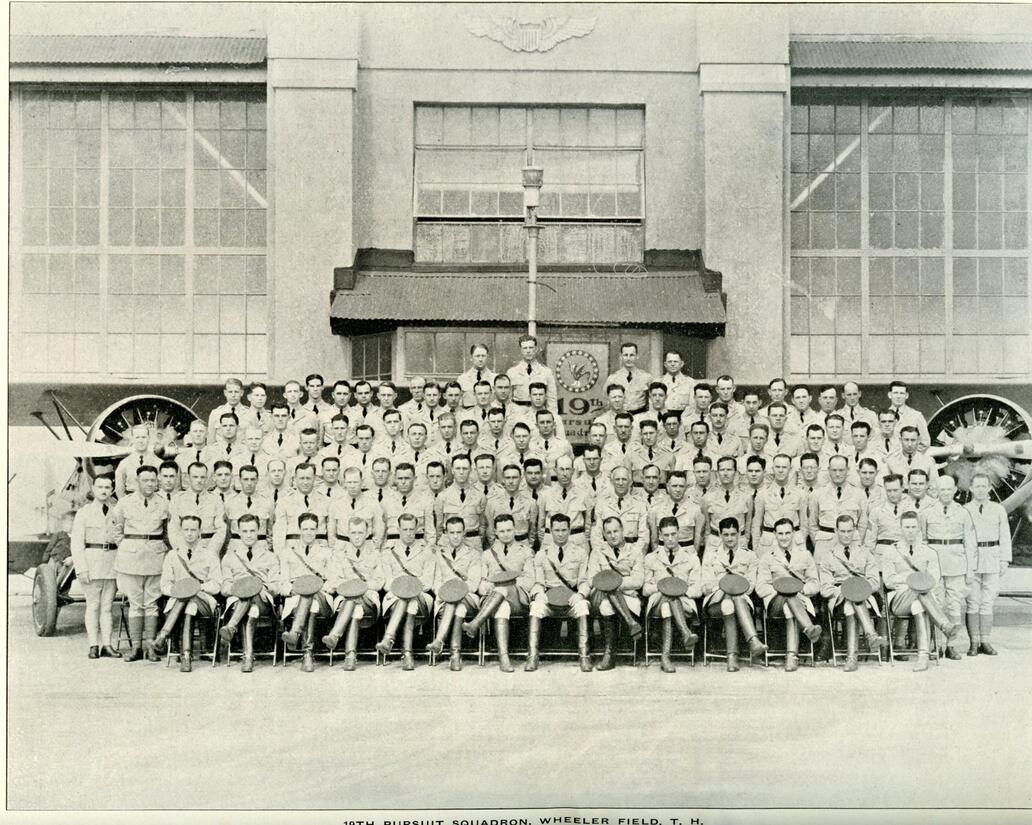
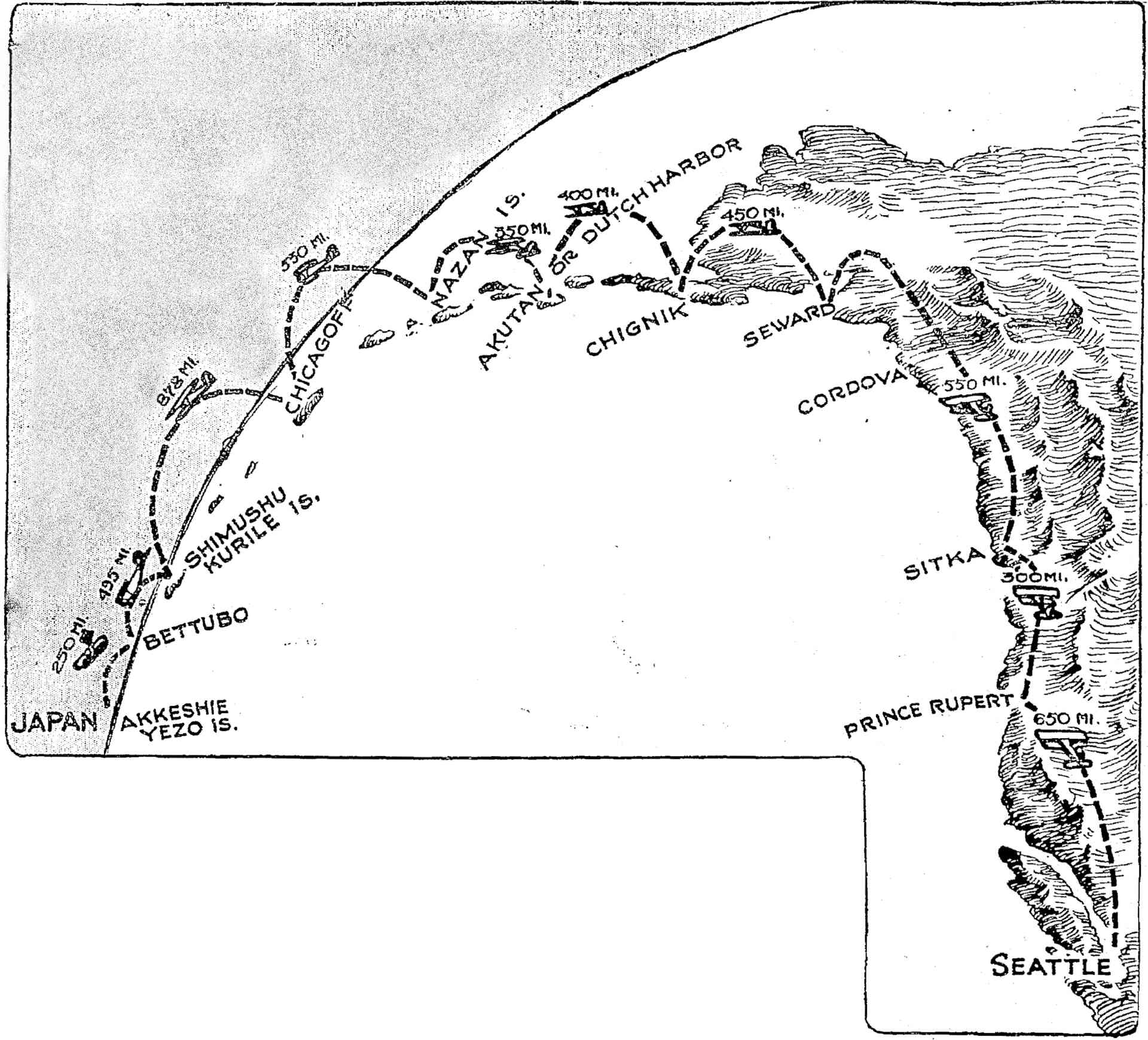
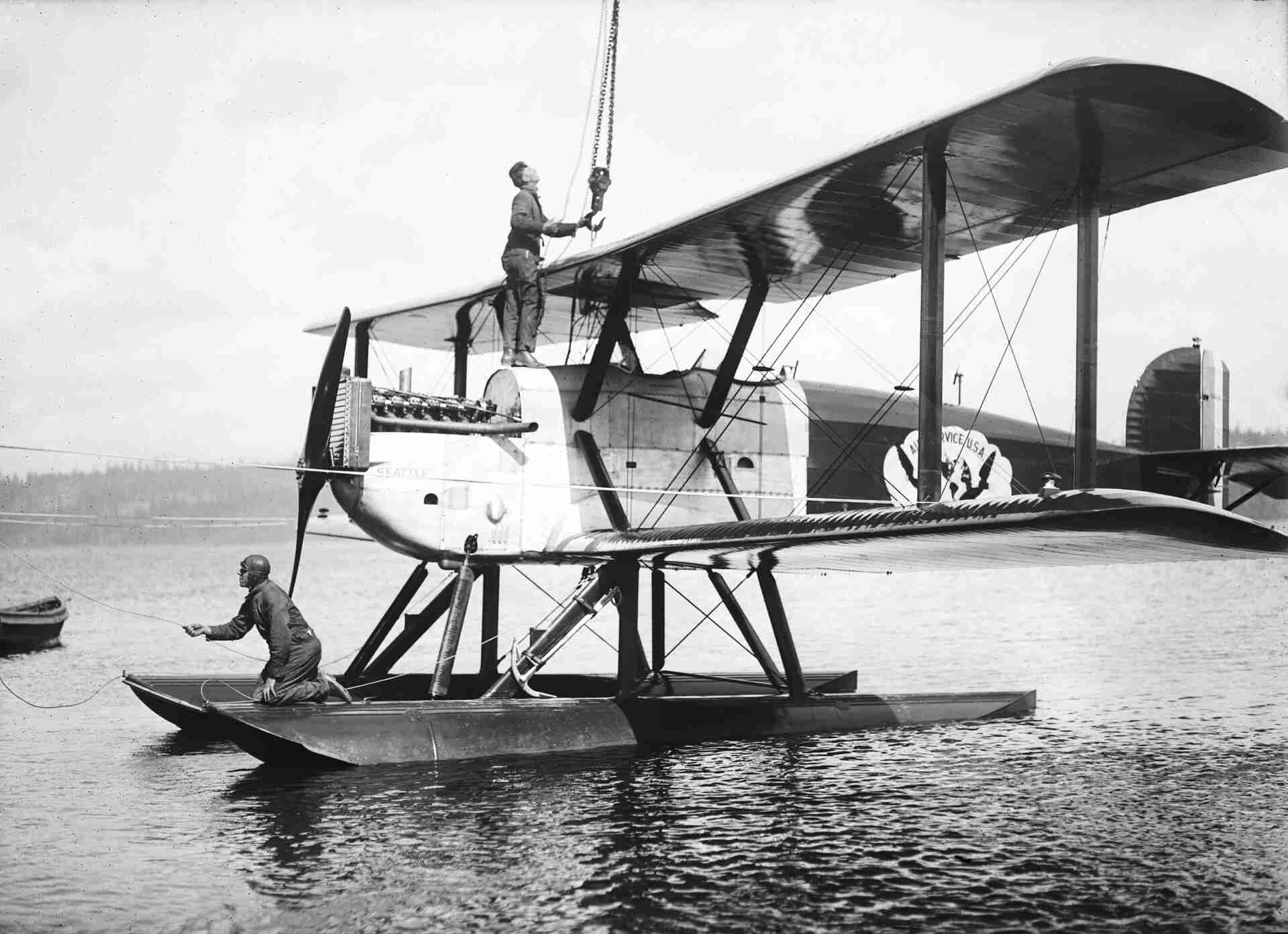
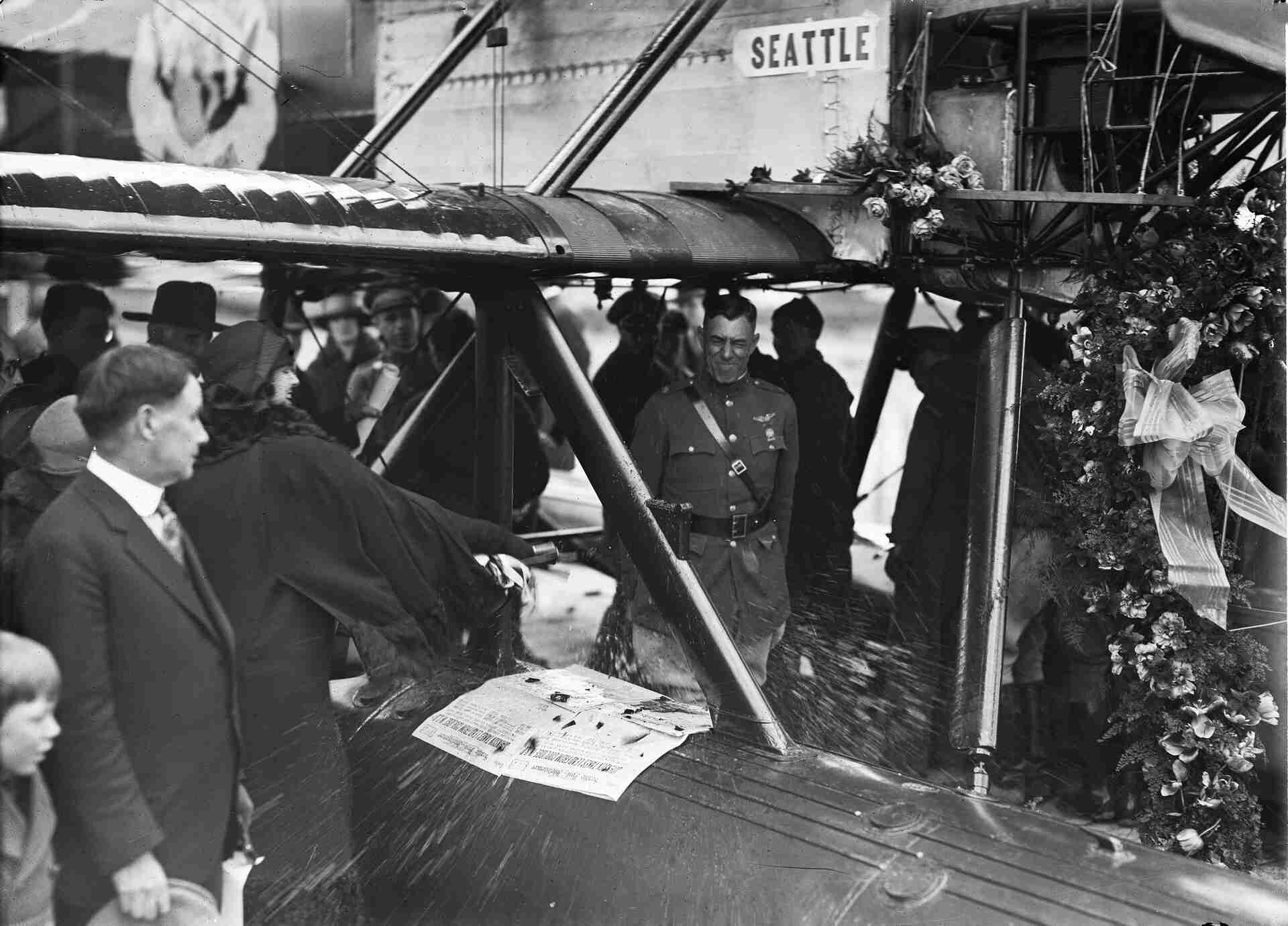
He went on to serve in Hawaii, where he was among the first aviators in the islands, as well as the commander of Luke Field on Ford Island in Pearl Harbor. He also spent time in the Philippines and Alaska. In fact, “Johnny” Brooks wore just about every title one could back in the early years of American military aviation. His is a story worth studying.
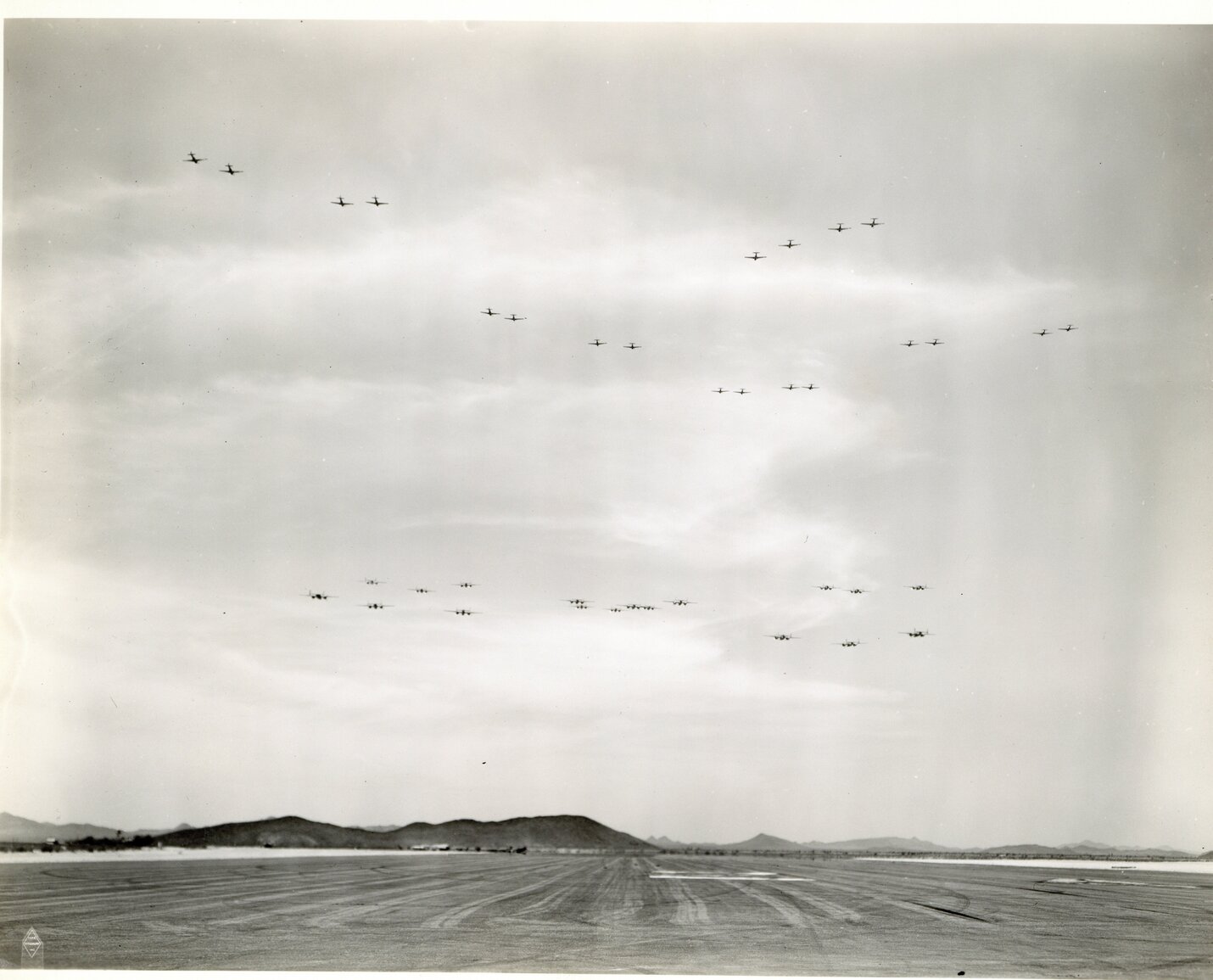
B-17 School, Pyote Army Air Field

There’s Always A Story To Tell

43-48414, a C-47B that looks like any other post-war Goony Bird going about its duties in the US Air Force, is actually a plane with a past. A combat veteran, this C-47 flew multiple missions with the 316th Troop Carrier Group during World War II, most notably in the skies over the Netherlands, dropping paratroopers and towing gliders during Operation Market Garden in September 1944.
Postcards From The Golden Age Of Air Travel


Frosty Phantom

Despite the several feet of snow piled up in the hangar, the location of this photo is NAS Pt. Mugu in sunny Southern California. Given all the testing they do at Mugu, it is safe to assume that the hangar seen here can have snow, rain, etc. Lightning – probably not.
Goedemorgen, Fellow Nato Flyer

The Dutch & Americans have an informal meeting as an F-84F Thunderstreak of the Royal Netherlands Air Force joins up with a USAF T-33 somewhere over Europe in the mid-1960s. The F-84, coded “PP-24” started out with the US serial number 53-6920 before being sold to the Dutch. Note the soot around his gun muzzles.
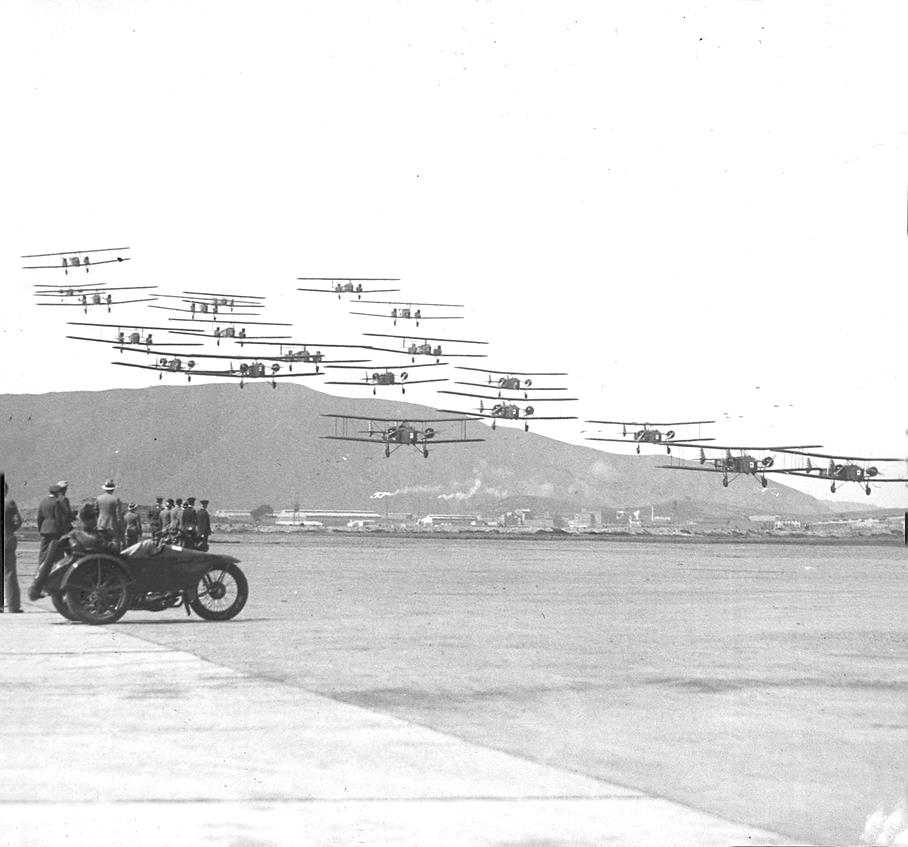
Barksdale Field, 1930s


When these photos were taken, Barksdale Field, officially opened in 1933, was still wearing its first coat of paint. (The photos date 1933-36). The early date also explains the almost total absence of trees and other features to lessen the bleakness of the setting.
Flyvevåbnet


Unfazed by the bleak winter landscape, the Royal Danish Air Force goes about its business back in the mid-1960s. The F-104G, R-707, is from Eskadrille 726. The PBY-6A, number L-861, after many years of service, has been restored and is preserved in a museum.
A-37 Dragonfly In Vietnam

Bombed up and loaded with 20mm ammo, an early A-37 awaits its next mission.
Size does not always matter. Take, for instance, the Cessna T-37 “Tweet”. Standing only waist-high and with an empty weight akin to that of a large SUV of today, it was nonetheless transformed into a highly lethal warplane, as seen here. The likely location of this photo is Nha Trang Air Base, South Vietnam. This bird began life as a regular Cessna T-37B (56-3465), but after a major overhaul, it emerged as 67-14519, an A-37A Dragonfly.
Factory Photos For P-51 Mustangs: Being Assembled, Already Assembled, And, Some Helpful Hints On Assembling Them.


These images are part of an extensive collection of recently scanned Mustang photos taken from the archives of North American Aviation.
America’s Healthiest Girl and Miss America Finally Meet
UPDATE! *

I do not know the identity of the lovely “Healthiest Girl in America”*, but I do know that “Miss America” was a young beauty named Margaret Ekdahl. It should be mentioned that the quotation marks bracketing her title are not solely for the purpose of appellation: Miss Ekdahl was not the Miss America but rather Miss Florida. However, when this photo was taken in 1930, the Miss America Pageant had been dormant for several years. This lapse provided an opportunity for the City of Miami to create its own contest of the same name. After conveniently disqualifying all out-of-state frontrunners, such as Miss Texas and Miss California, Florida girl Margaret Ekdahl took the prize.
The be-goggled fellow on the left is indeed the pilot, Mr. Jerome Waterhouse (He was also president of Maas Bros. Department Stores). His aircraft of choice looks to be a Brunner-Winkle Bird with a Kinner B5 engine.
Pity the poor sash-less woman next to Mr. Waterhouse – she is the only female in the photo who does not wear a title.
*Update! “Miss Healthiest Girl in America” has been identified by a distinguished visitor to this site, and an impeccable source: Her own proud granddaughter. Grandma’s name: Miss Florence Irene Smock of Eustis, Florida.
At the time she was awarded the “Healthiest Girl” title, she was still a high school student. Young she may have been, but she had already figured out what was good and bad for one’s body. This is evidenced by a New York Times article dated July 23, 1930, where it was declared that “Physicians, nerve specialists and experts in mental and social poise” had proclaimed Miss Smock’s health to be “98.7 per cent perfect.”
Florence Smock lived to be nearly 100 years old.
IAI Kfir


The Kfir is undoubtedly one of the most successful fighters ever built in relatively small numbers (only a few hundred – max).
The RAF in SEA

During the Vietnam War, the skies of Southeast Asia were not limited to aircraft directly involved in the conflict. Life went on for the various air forces in nearby countries, including the Royal Air Force based in Singapore. Here, one of their aircraft is paying a visit to Pleiku Air Base in South Vietnam. The plane is, of course, a Gloster Javelin – a FAW9R from No. 60 Squadron, RAF Tengah. May 1967 is the date on the photo.
Note the variety of USAF birds: C-123s, an F-100, and an RF-101. There was a war on.
1950s USN


Early CF-18s In Germany


Although not an ancient aircraft by any means, the CF-18 Hornet (also known as the CF-188 if you want to be technical) entered service some 40 years ago. Here are pics from the early days taken at the Canadian base in Baden-Soellingen, Germany, in the mid-1980s. These are 409 Squadron birds. Noteworthy, too, in these photos, are the recently retired and forlorn-looking Starfighters watching from the sidelines.
Liberator Day


Here are a few B-24 photos that were lying around.
Flight Deck: 2 Propellors: 0


Two different planes, same carrier. And pretty much the same part of the flight deck.
Couple of Skyraiders


Pair of Parasites


Designed to be hauled through the skies while clinging to a bomber, the McDonnell XF-85 didn’t work too well in that role, but it could claim honors in the category of Most Unusual-Looking Aircraft. McDonnell built only two XF-85 Goblins, both of which are seen here, and both of which can be seen today in museums.
Point Mugu