No one in the United States had any experience.
Category: Army Air Corps & Army Air Service
Boeing bombers that never flew


Here are a few Boeing designs that never made it too far off the drawing board : the Models 436, 461, 474, and 704. Although these models were never flown, you can see a lot of their elements in the B-47’s and B-52’s that were.
27th Pursuit Squadron, 1939
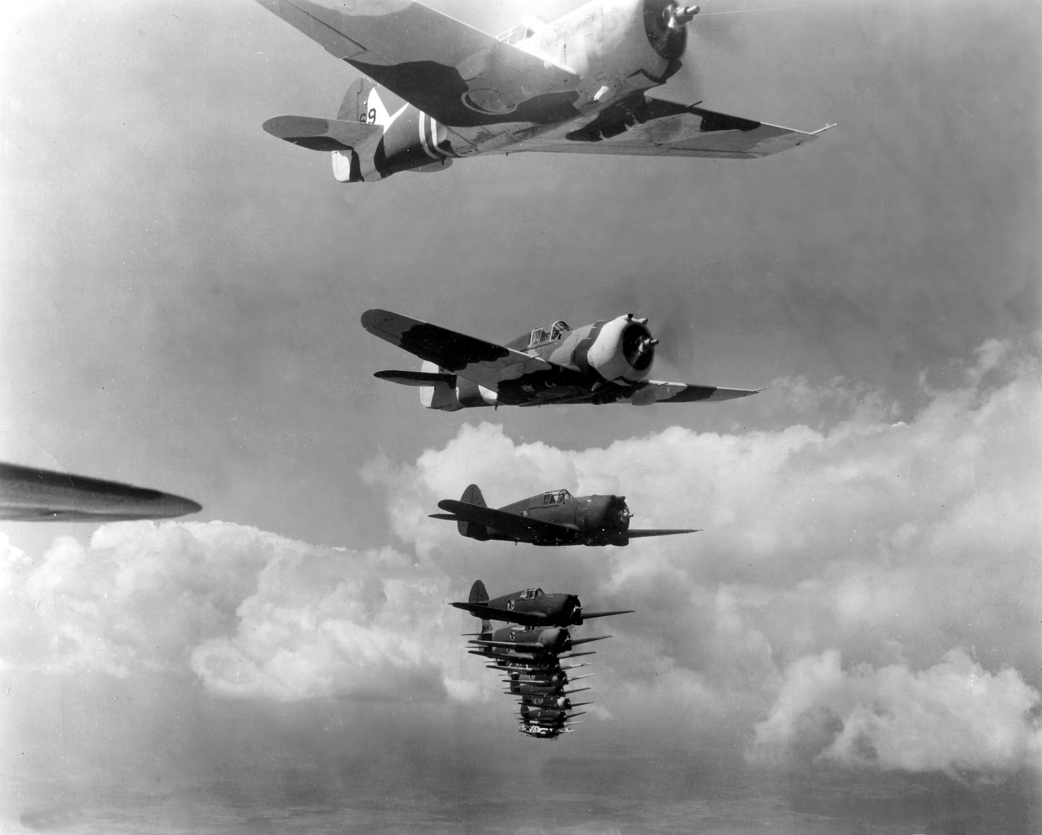
Sporting some rather bizarre camouflage paint schemes, P-36 Hawks of Selfridge Field’s 27th Pursuit do some fancy flying for the camera. Contrary to popular belief, the camo paint was not part of some war game exercise but rather for display – the 1939 National Air Races in Cleveland, Ohio. In theory, the water-based paint could be easily removed. In practice, that was not quite so: broad areas were washed clean, but the paint adhered itself into every panel seam and rivet head.
Fast forward: In the early 1980s, a pair of A-10s from my base in Alaska were given a water-based “Arctic white” paint job over their normal dark green. Used only for a one week exercise, the white paint was then given a rinse. Same results as in 1939. Every place that was not a smooth flat surface had white paint clinging to it. Every panel, rivet, and screw head was highlighted making for two hideous-looking A-10s. Eyesores that they were, the two aircraft were parked together at the far end of the ramp.
RCAF Mk. IV Mustang
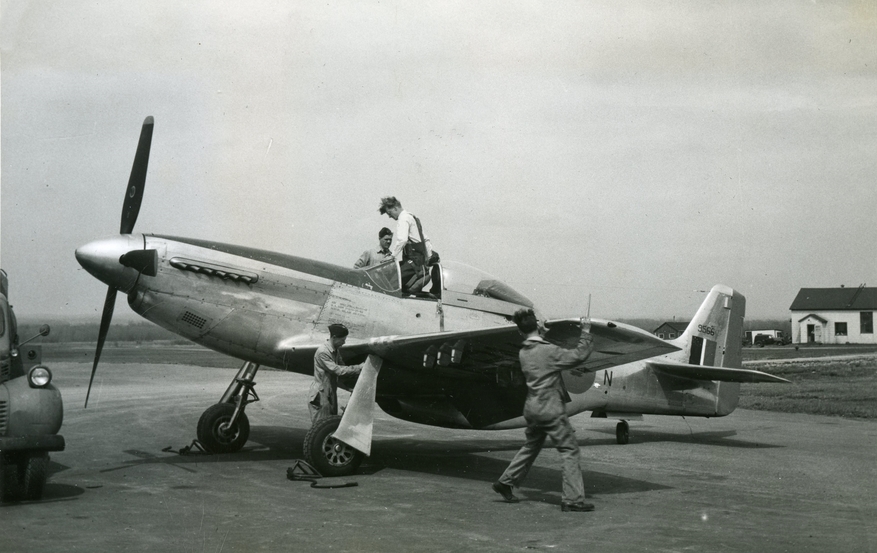
Starting life as P-51 44-73097, this Mustang was transferred to the RCAF in 1947 where it acquired the serial no. 9566. It sported the original blue and red RCAF roundel when this photo was taken at (probably) RCAF Station Chatham. Also noteworthy is the original USAAF data stenciled on the side. This aircraft crashed in 1953.
PB4Y, 1945
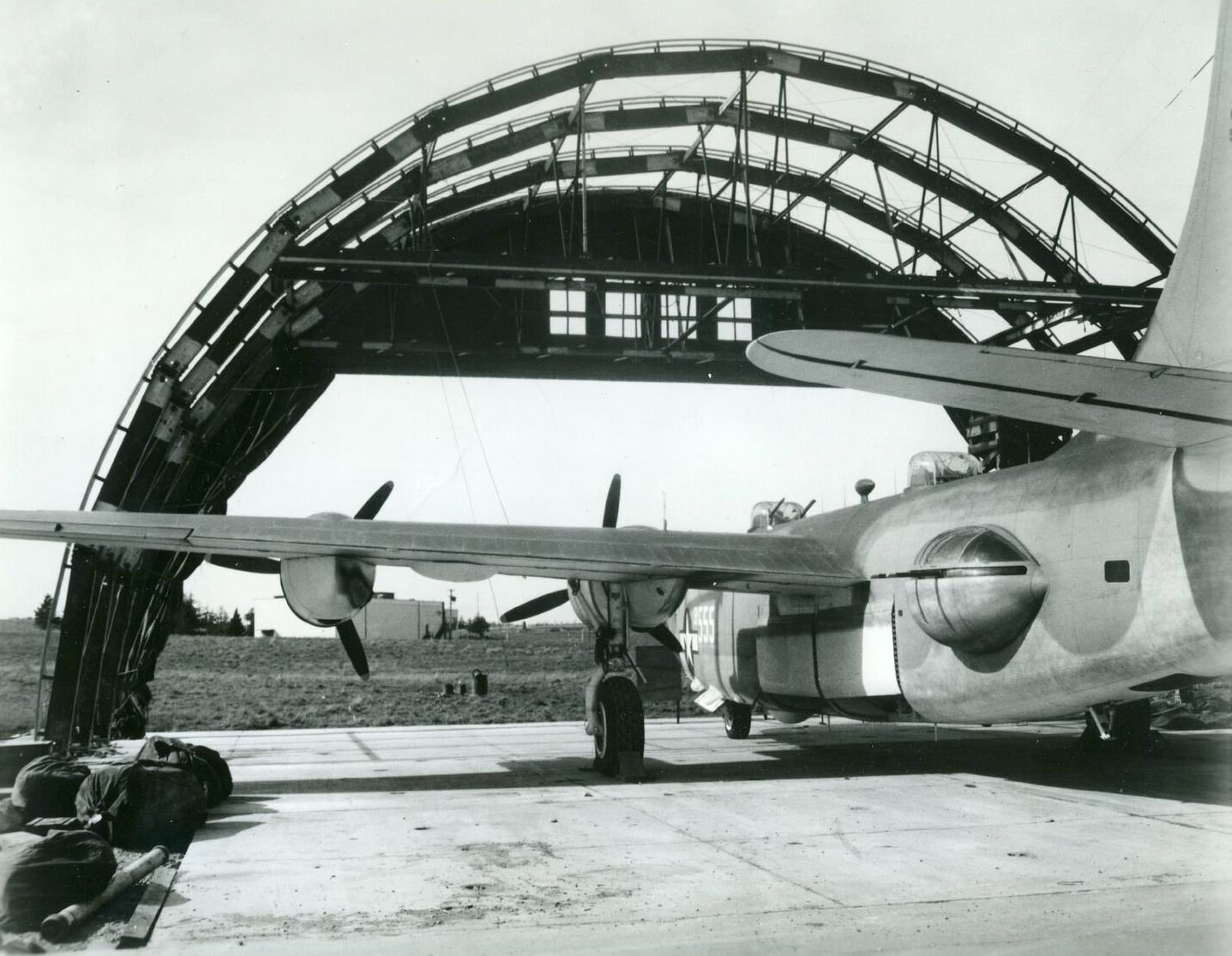
A PB4Y Privateer enjoys a sunny day at NAS Whidbey Island’s Ault Field in 1945. Given the obvious lack of protection from the as yet unfinished hangar, it is just as well that it is a sunny day. In the background is the base theater – still in use as such today.
Oddball Aircraft

The Westland-Hill Pterodactyl was one of a number of tailless aircraft designed by that firm in the 1920s. A revolutionary idea, but I have to say that in looking at this photo one would be excused for thinking it was the result of some dire mishap.

Due to its flying characteristics (to say nothing of its appearance), the Vickers Vulcan carried the nickname “Flying Pig”.

The YC-123 was fitted with skis, wing floats, and a host of other devices with the idea of having an aircraft that could fly (and land) just about anywhere.

VB-17G (44-83259) was a VIP transport for General Carl Spaatz during the time he was the Air Force’s first Chief of Staff. The aircraft was nicknamed “Boops” after his daughter.

Boeing’s XAT-15 was a promising trainer but was elbowed aside in favor of other designs. Somewhat of a throwback in construction (it used a lot of wood), the aircraft is seen here at Boeing’s Wichita plant (note the Stearmans in the background).

The XB-24N (44-48753) was another one-off Liberator, but not too bad an idea. It did illustrate that a B-24 was doable with only a single horizontal stabilizer.

The Vultee Vulture in its original configuration. With the snug-fitting engine cowl and nacelle, one could easily mistake the aircraft for having a liquid-cooled engine. It did not, but the engine didn’t like it so Vultee eventually opted for a more conventional open cowl.

The XB-24J (42-73130) was a one of a kind aircraft that incorporated the nose of a B-17G. (Translation: Okay, maybe that wasn’t such a hot idea after all.) Due to the numerous “Frankenstein” versions of highly modified B-24s, there must have been something about its design that caused engineers to have fantasies about modifying the aircraft into something it was never intended to be.
“General Gilmore & Staff”, 1930
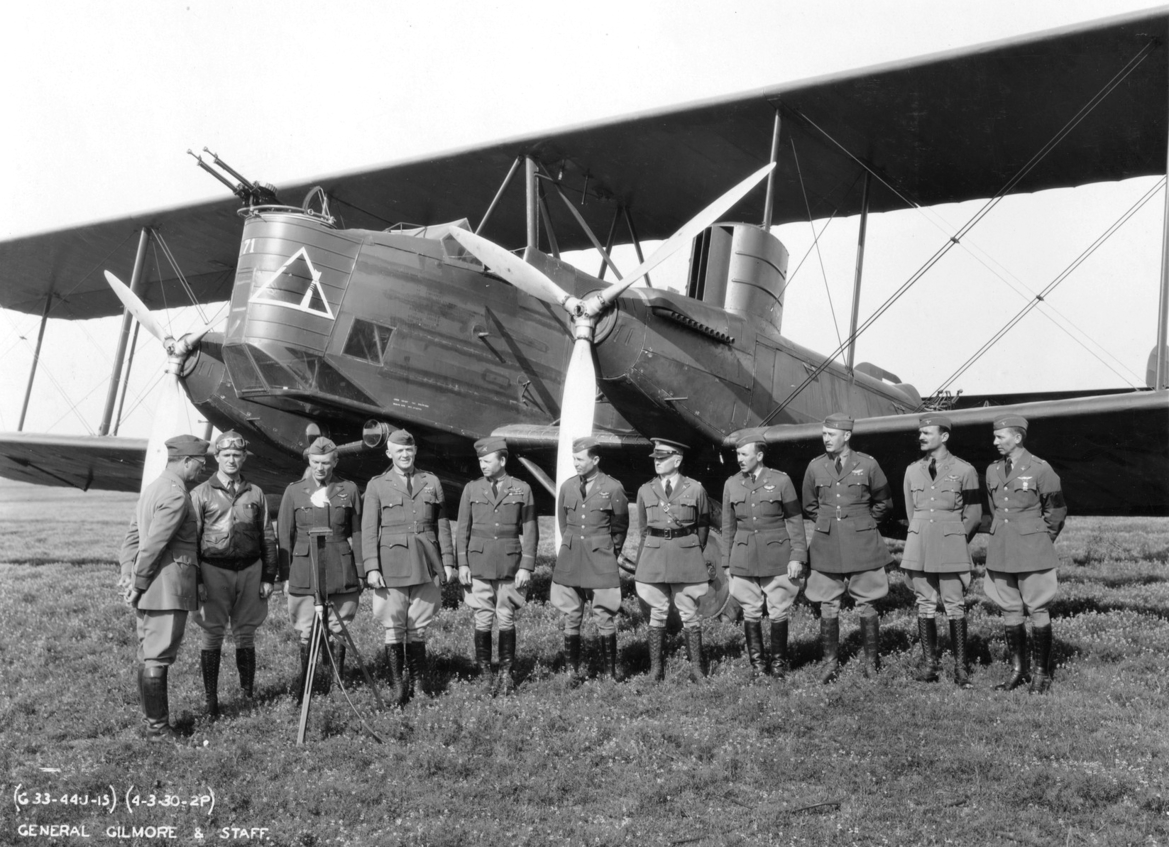
General Gilmore was Chief of the Air Corp’s Material Division where, naturally, he had a trusty staff to make things easier. That staff included Captains Frank Andrews and Laurence Kuter, and Major Henry Arnold. These men would achieve three, four, and five-star rank in the coming years. All of the men in this photo are wearing mourning bands but I am unable to ascertain who it was that died. The location of the photo is Wright Field, the aircraft, a Curtiss B-2 Condor of the 96th Bomb Squadron.
113th Observation Squadron
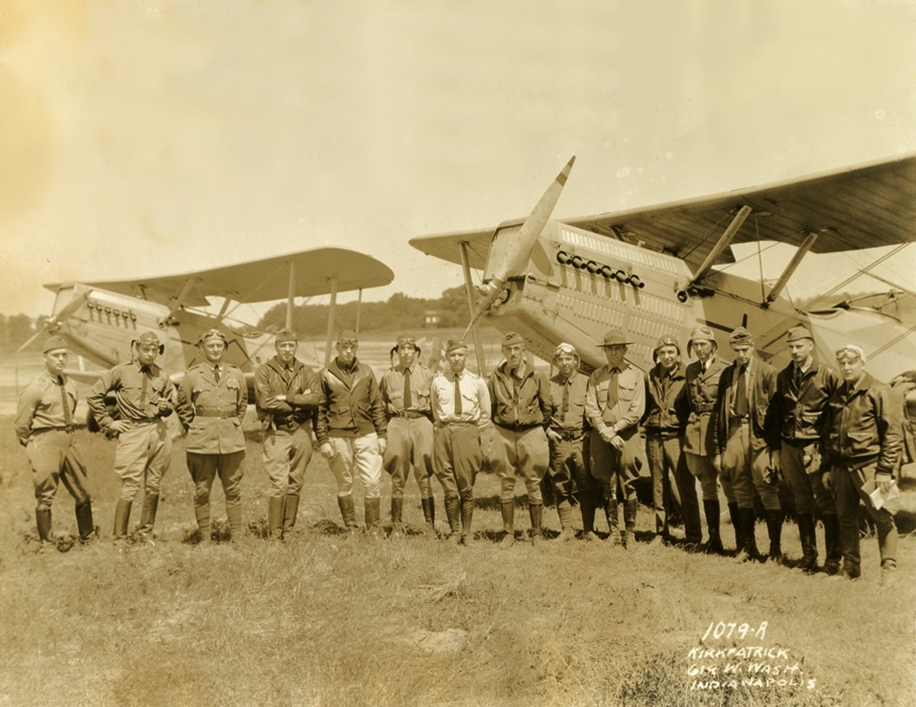
Pilots and observers of the Indiana National Guard at Stout Field in the late 20s – early 30s. The Douglas BT-1 was their aircraft and it was a familiar sight in the skies over the Hoosier State during this era.
Mitchel Field, NY – 1940


Men of the 18th Reconnaissance Squadron say cheese on October 12, 1940. Their B-18 does likewise. Although Mitchel Field shut down eons ago, the hangars seen still stand today.
B-18A in the field
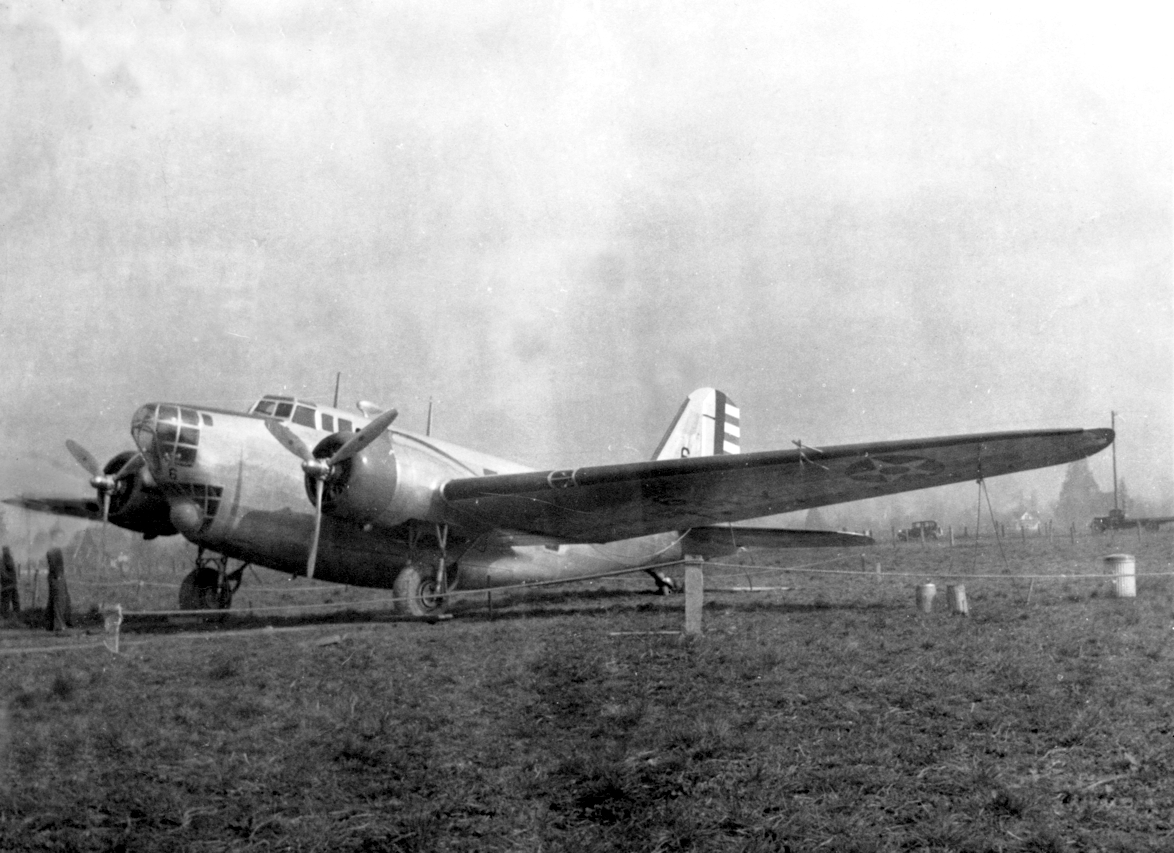
Judging by the pastoral setting, the highway in the background, and the fact the aircraft is roped off, it is safe to say that this B-18 is not on its home turf.
More great ads!
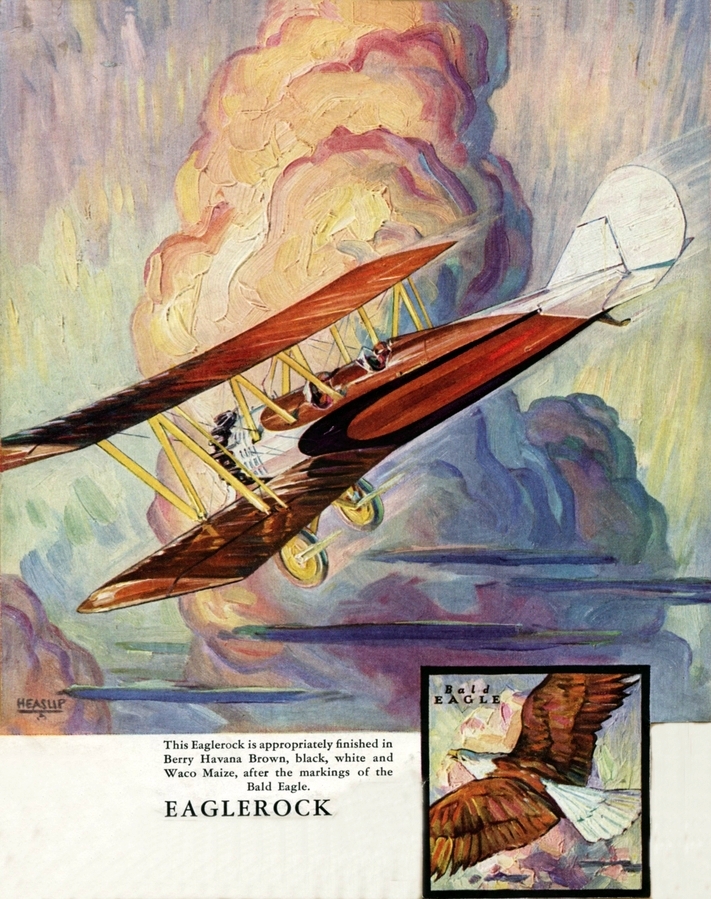


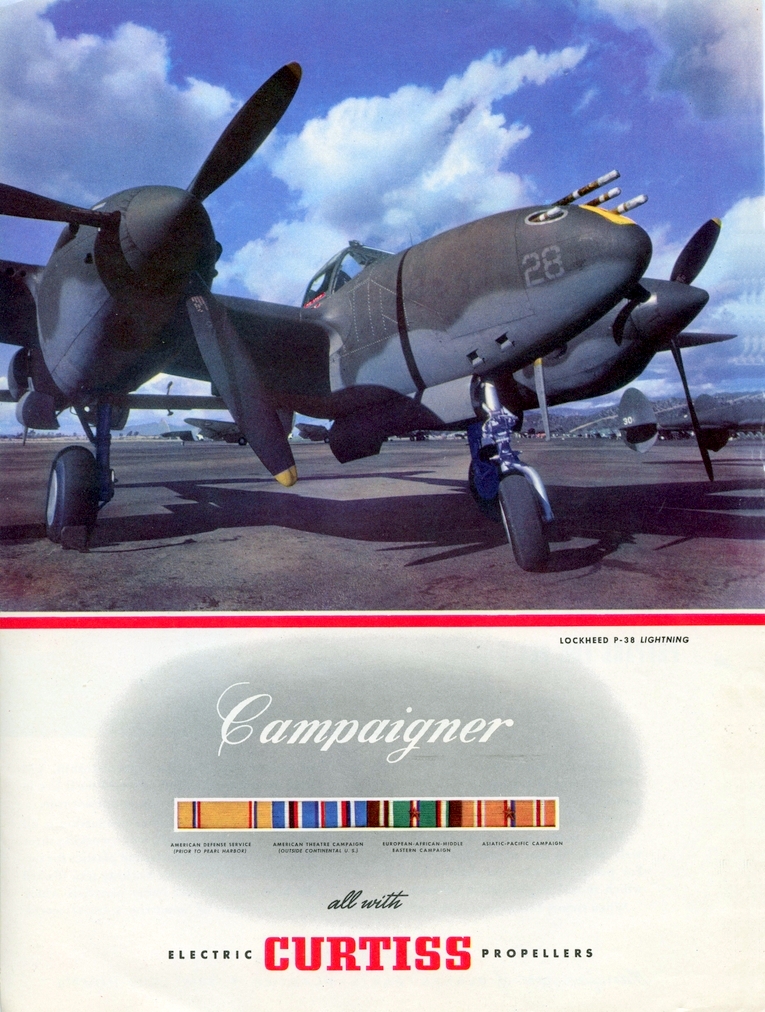
F-86 meets its fate in Fresno

Although there was an F-86 squadron at Fresno, Ca. during the 1950’s, this is not one of theirs. The date is July 19, 1958, and this F-86E (51-12994) of the Van Nuys Airport based 195th Fighter Interceptor Squadron has met its fate away from home. Mechanical difficulties brought about this mishap which was sufficient enough to write-off the aircraft.
Chanute Field, 1933

Air Corps maneuvers, Malone, NY, 1939


Photos #1 & #2 show a squadron of O-47’s lined up while on maneuvers at the Malone, NY, airfield. A couple of BT-2’s and a B-10 are thrown in for good measure.

A mass of struts and wires, an O-43 waits beside the less strutted (but less graceful appearing) O-47’s.
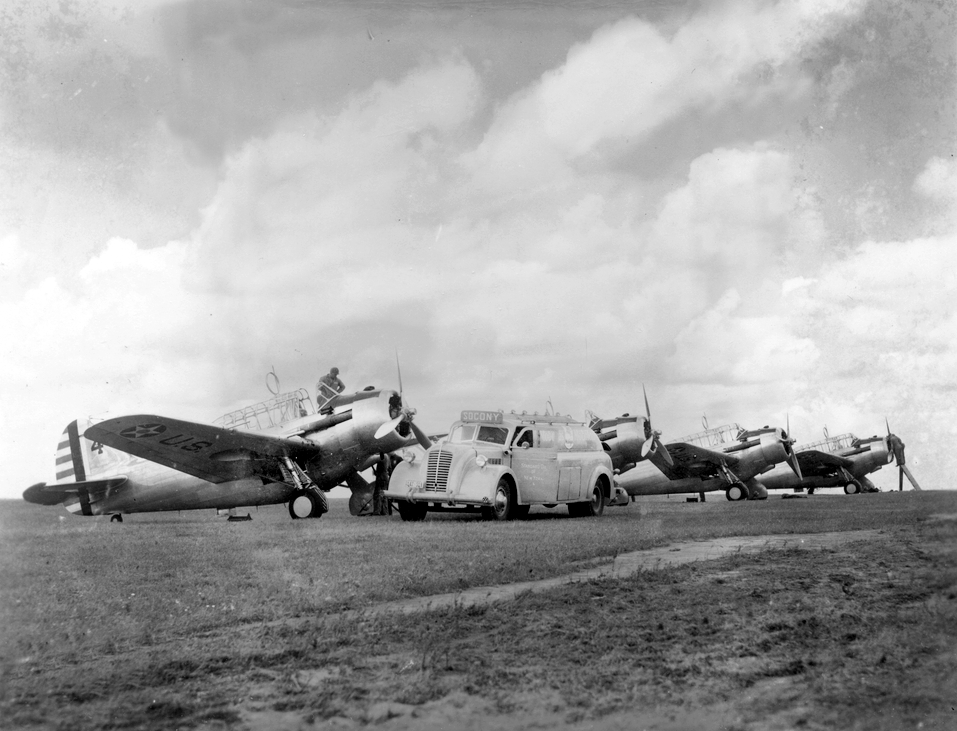

Classy gas truck fills up the beasty O-47’s.

Lt. Howard Means and crew deplane after a grueling mission over upstate New York.

O-43 (33-271) gets a few tweaks before darting back in the sky.
19th Pursuit Squadron, Wheeler Field
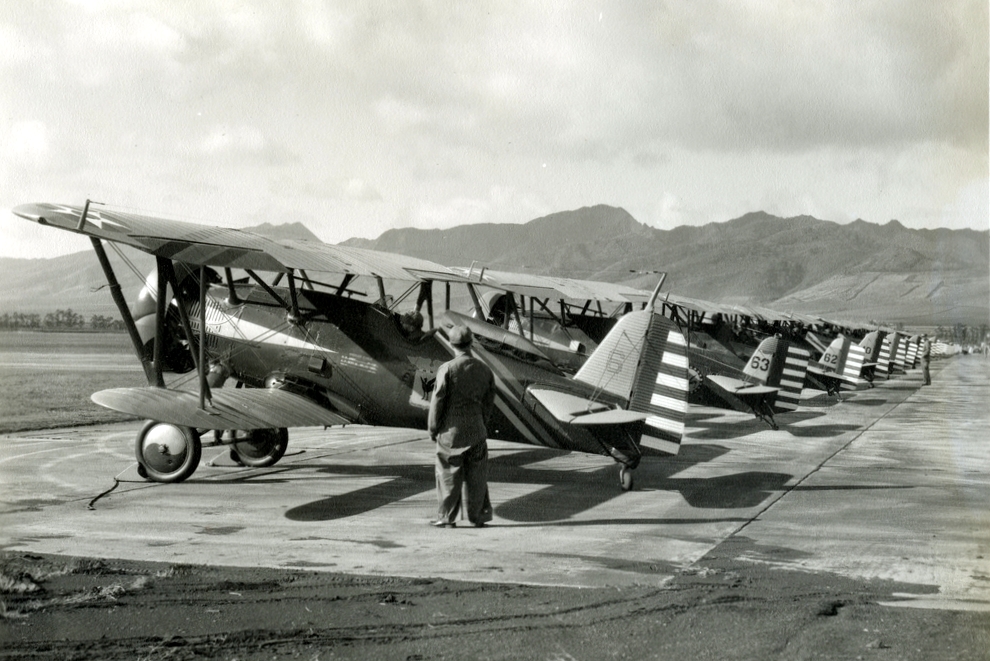
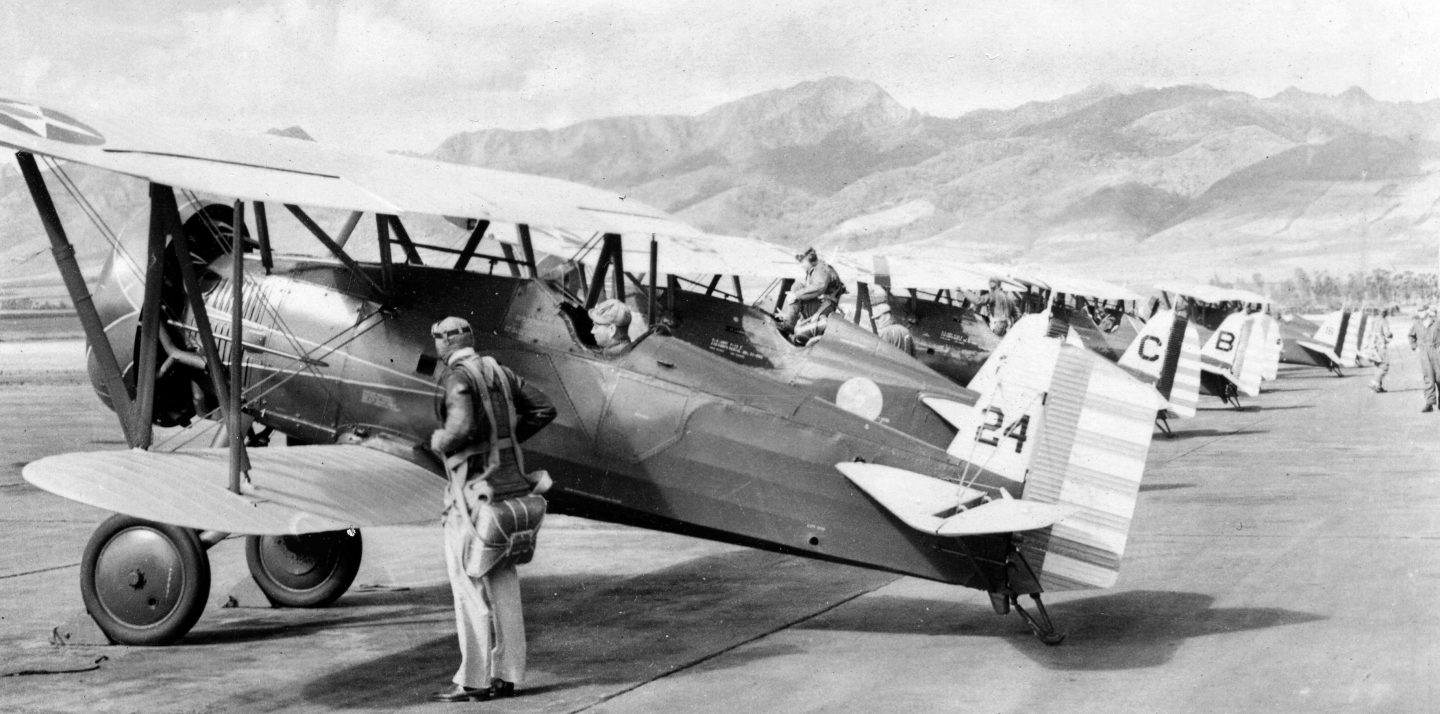
Engines are warming up as ships of the 19th Pursuit Squadron prepare to take to the Hawaiian skies in the early 1930s. The P-12E in the foreground(31-565) is the personal mount of the 18th Pursuit Group. Most of the aircraft are “C” models, but there are a few “E’s” seen as well (taller horizontal stabilizers).
Lightning Strikes: F-5’s & P-38’s
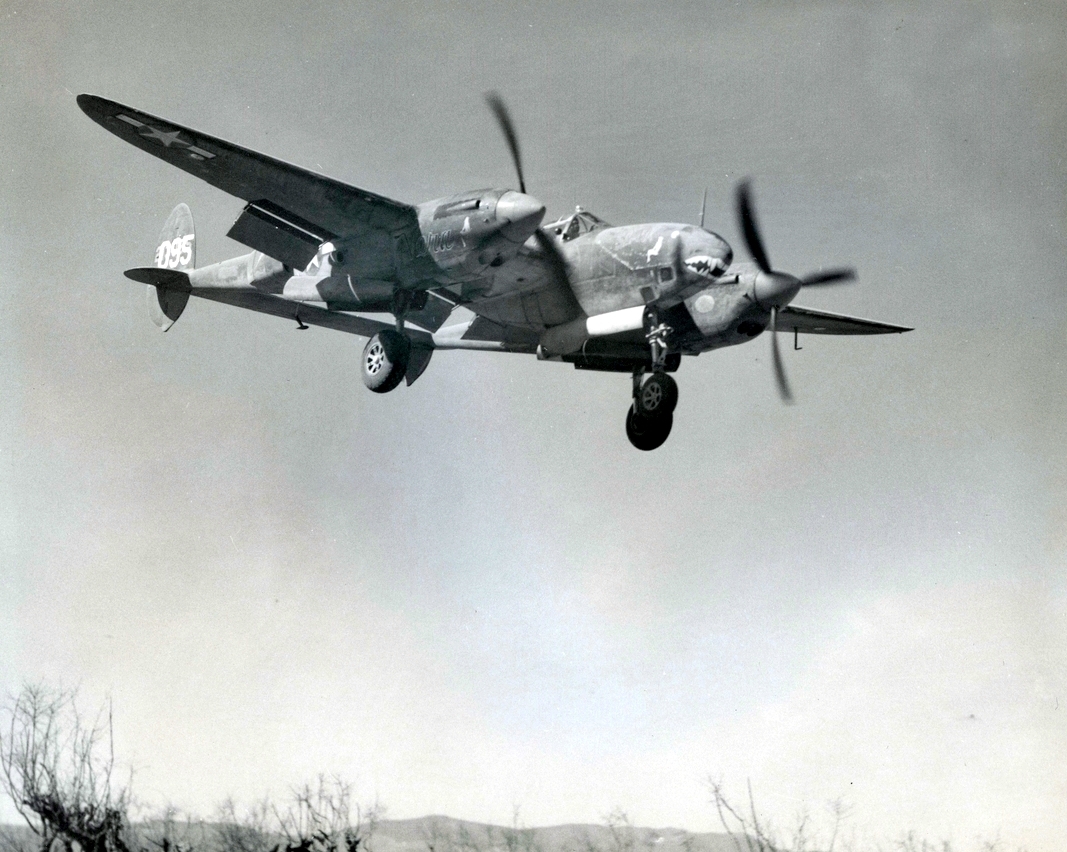
F-5 42-13095 of the 12th Photo Recon Squadron zooms in for landing at its base in Italy. This aircraft carried three names: “Shark” on the nose. “Louise” on the left engine nacelle, “Vera” on the right.
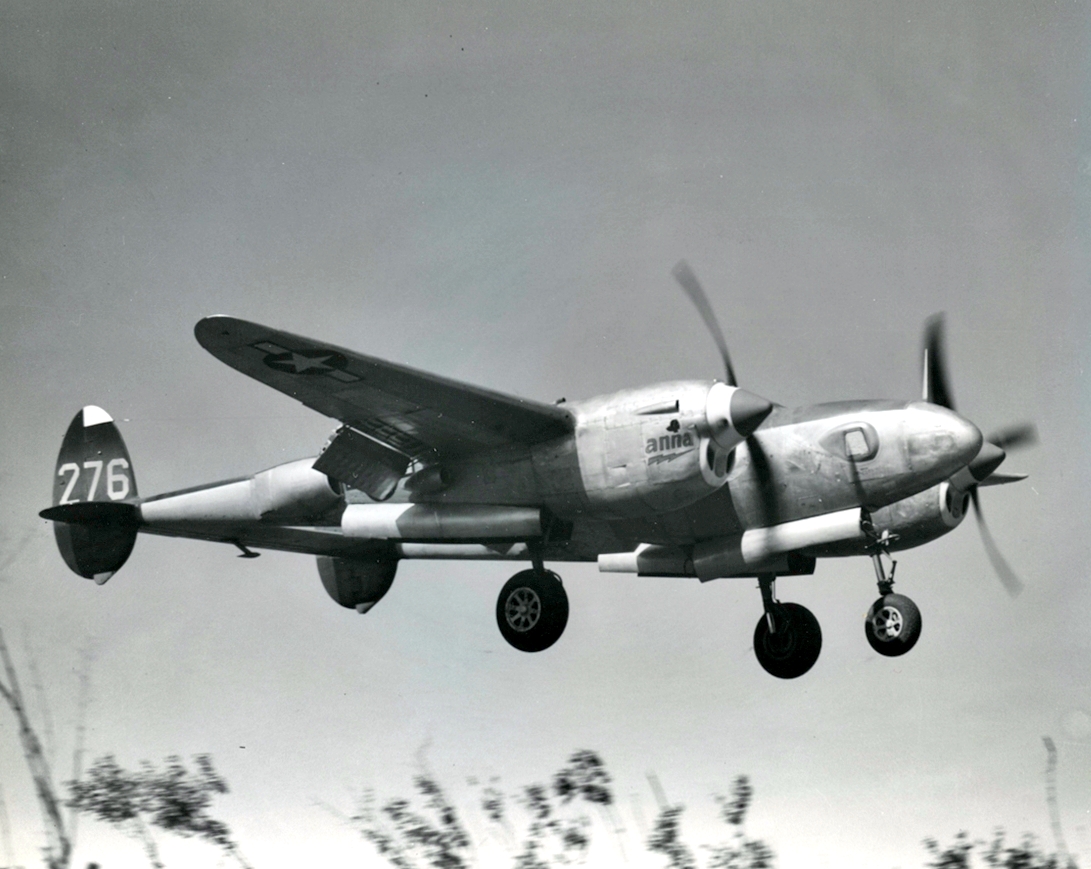

Two shots of “Anna” landing in Italy. Note the local civilian onlookers.
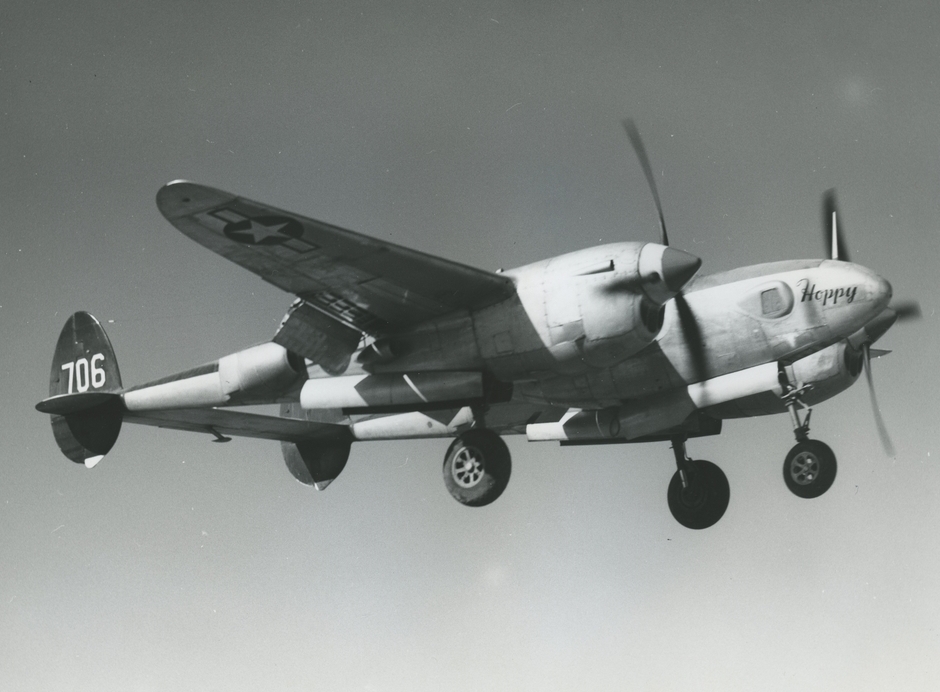
F-5 “Hoppy” flares for landing.
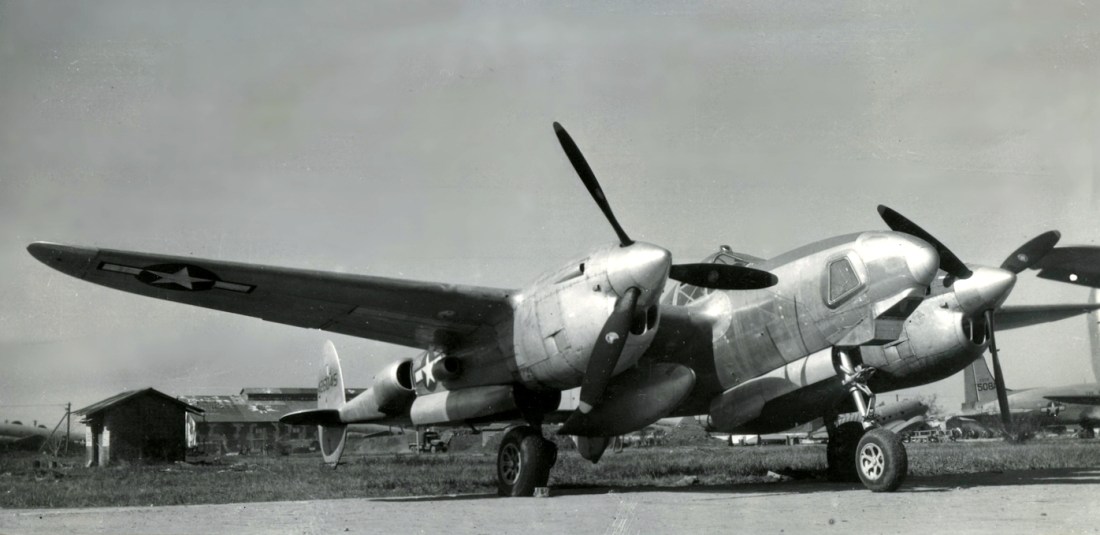

F-5F 44-26045 was transferred to the Chinese Air Force. The same thing happened to the B-24 in the background, 44-42270. Perhaps all of the aircraft pictured were similarly transferred (?)
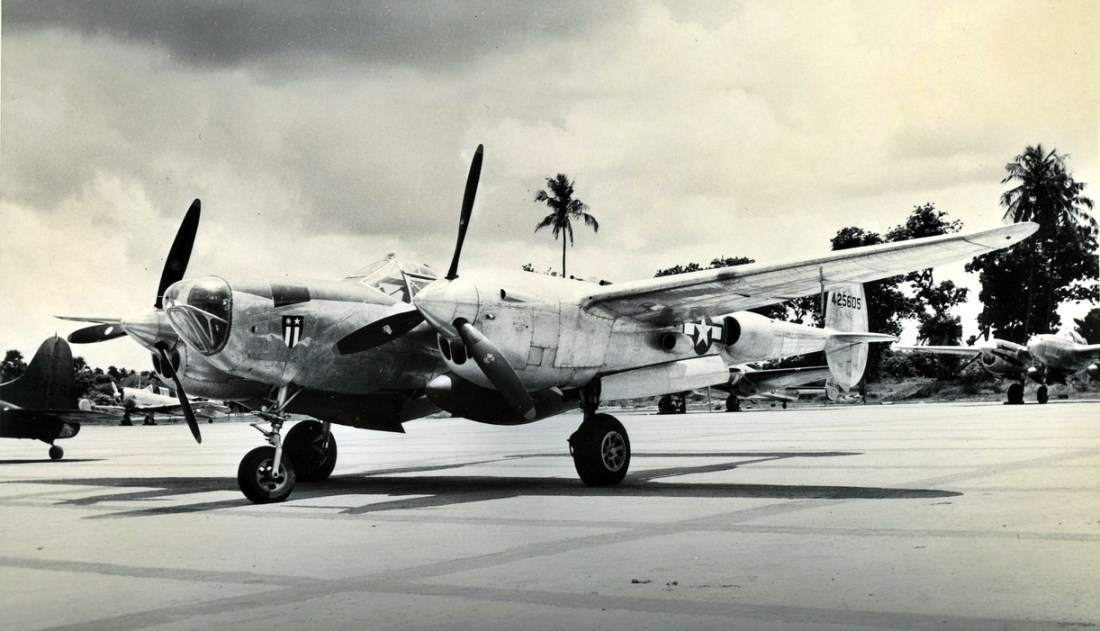
P-38J 44-25605 was modified to a personal transport for General George Stratemeyer. Perched in the Plexiglas nose, he had the best seat in the house.
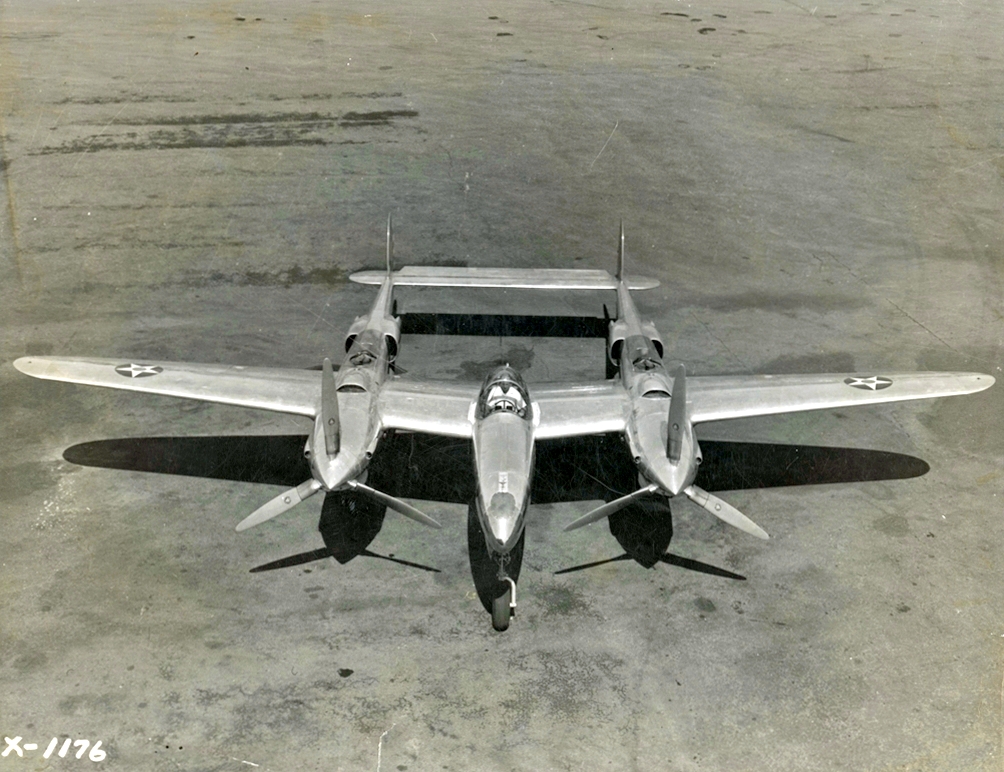
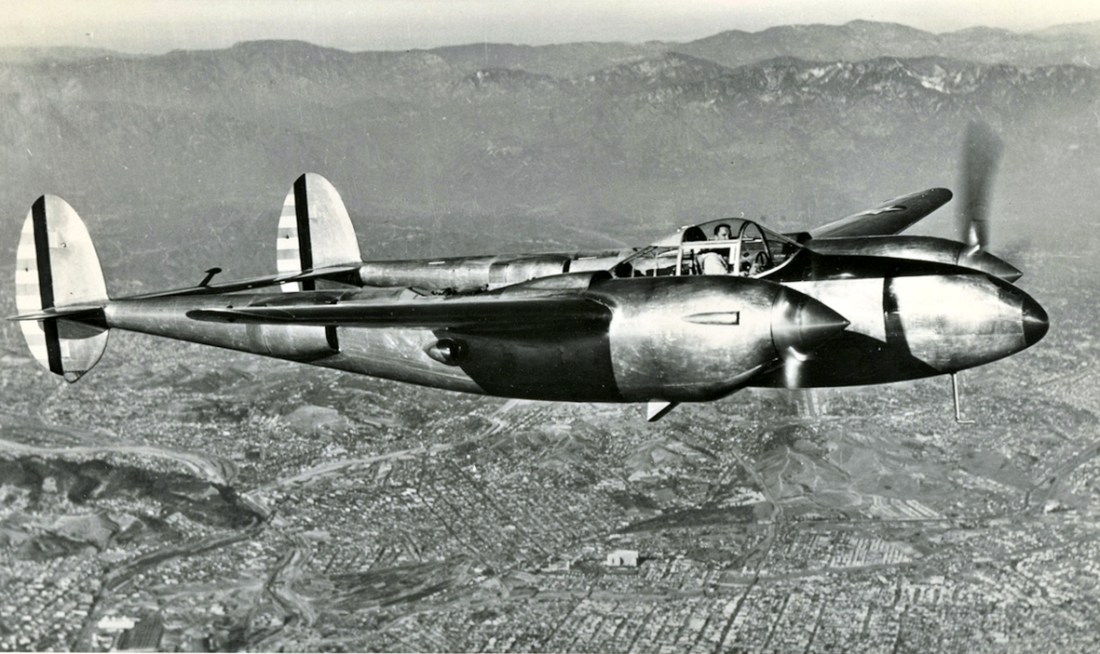
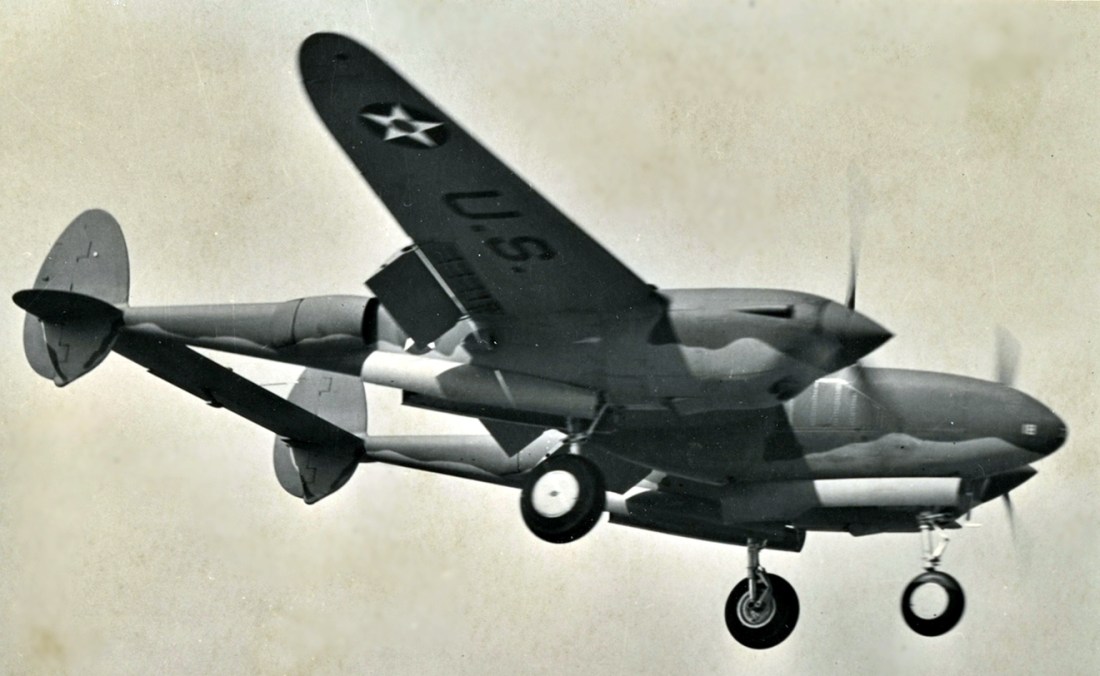
Early P-38’s. Marvelous aircraft.
B-47 Stratojets in Phoenix
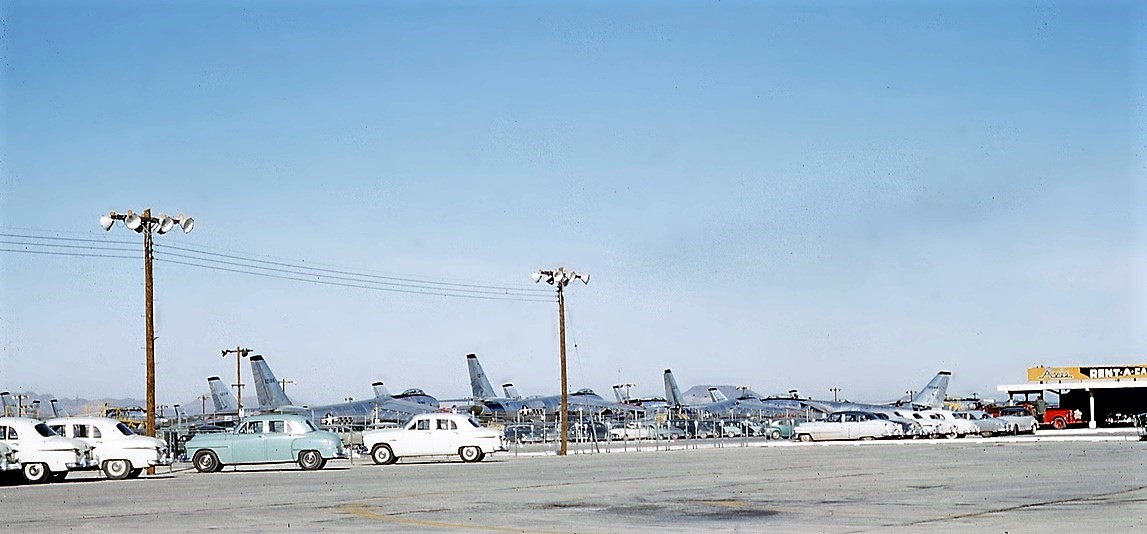
I do not know what the occasion was, but these bombers are not what one typically finds crowding your city airport (there are at least a dozen B-47’s), in this case, Sky Harbor Airport in Phoenix. Judging by the vehicles at the Avis Rent-A-Car, I would say this slide photo dates from circa 1954. There is a 1962 date stamped in the slide, but I think that is when a copy was made. My evidence: the B-47’s in 1962 wore different markings, and, the rental cars are all early to mid-1950s vintage – a company like Avis would have much newer cars on the lot way before 1962.
The Immortal Jimmy Doolittle
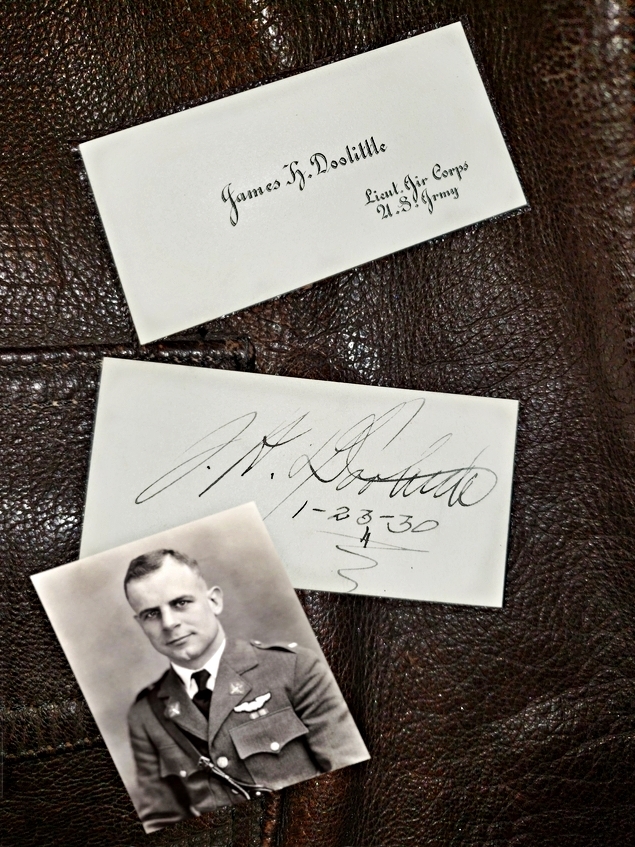 Already a legend in aviation, on January 23, 1930, Lieutenant Doolittle was in New York as the Air Corps advisor on construction of Floyd Bennett Field. Happily enough, he signed the back of his calling card for an admirer. Only three weeks later, Doolittle resigned from the active duty Air Corps and went to work for Shell Oil. He retained a commission in the Reserves, and was, of course, back in uniform for World War II and further exploits.
Time to fly

Engines were already running when this crew arrived to build their nests and get their bird moving. This B-3A (30-301) was assigned to March Field’s 31st Bomb Squadron.
Berliner-Joyce OJ

The prototype XOJ-1 (A8359) is seen at NAS Anacostia. Note the machine gun mounted in the upper wing. The hangars of the Air Corps’ Bolling Field are in the background. It was not unusual at the time for the Army and Navy to share runways but to have distinctive and separate portions of the airfield. Those days are over; today, the 100-year-old facilities are known as Joint Base Anacostia-Bolling.
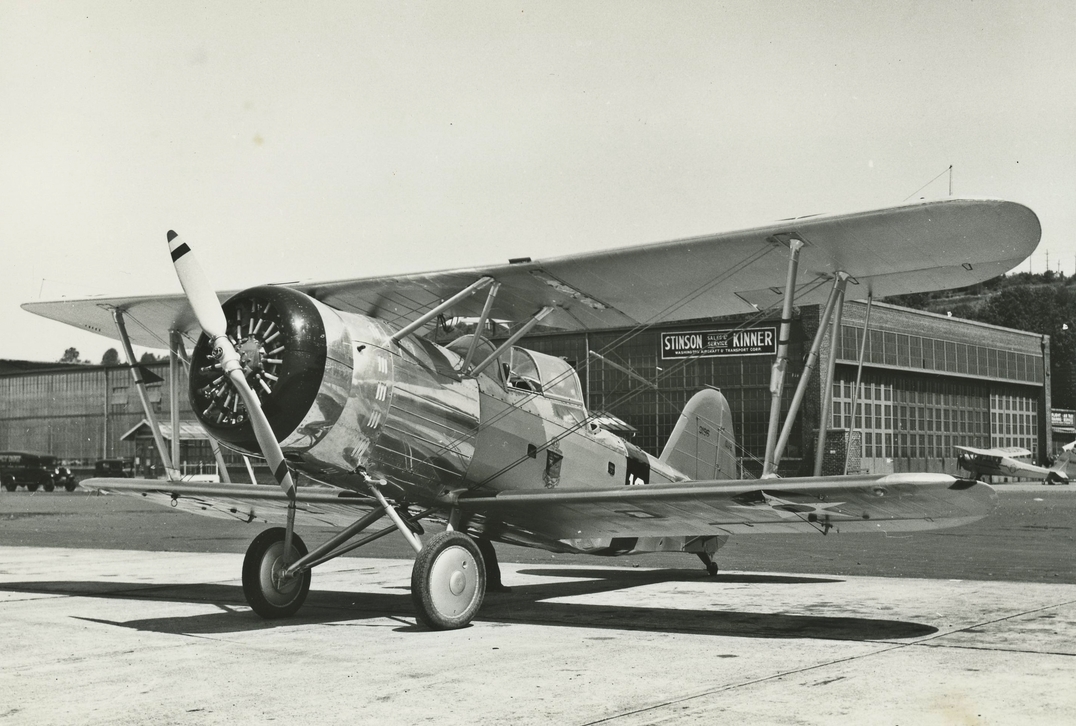
Two views of an immaculate OJ-2 (A9196) at Boeing Field. Aircraft was assigned to Naval Air Reserve Base Seattle just a few miles up the road.

Hawaii, February 26, 1932, 10:36 AM
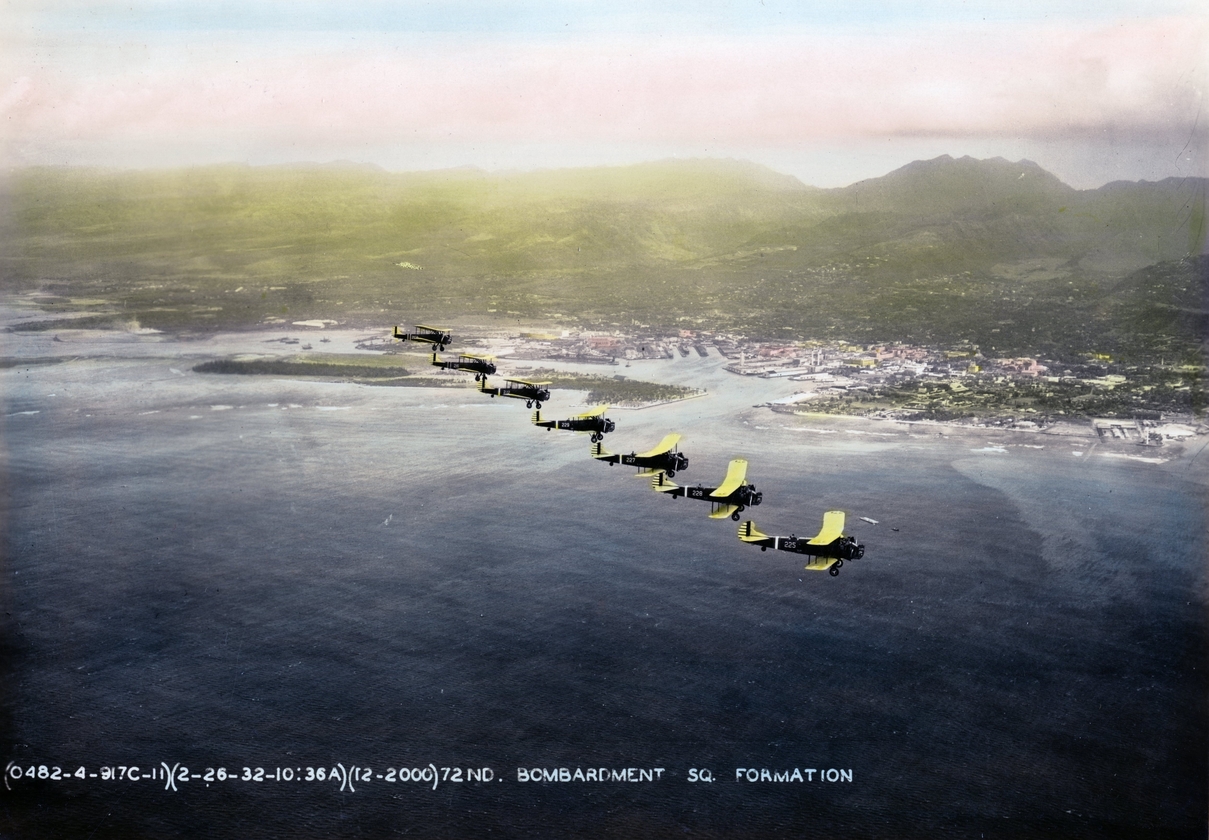
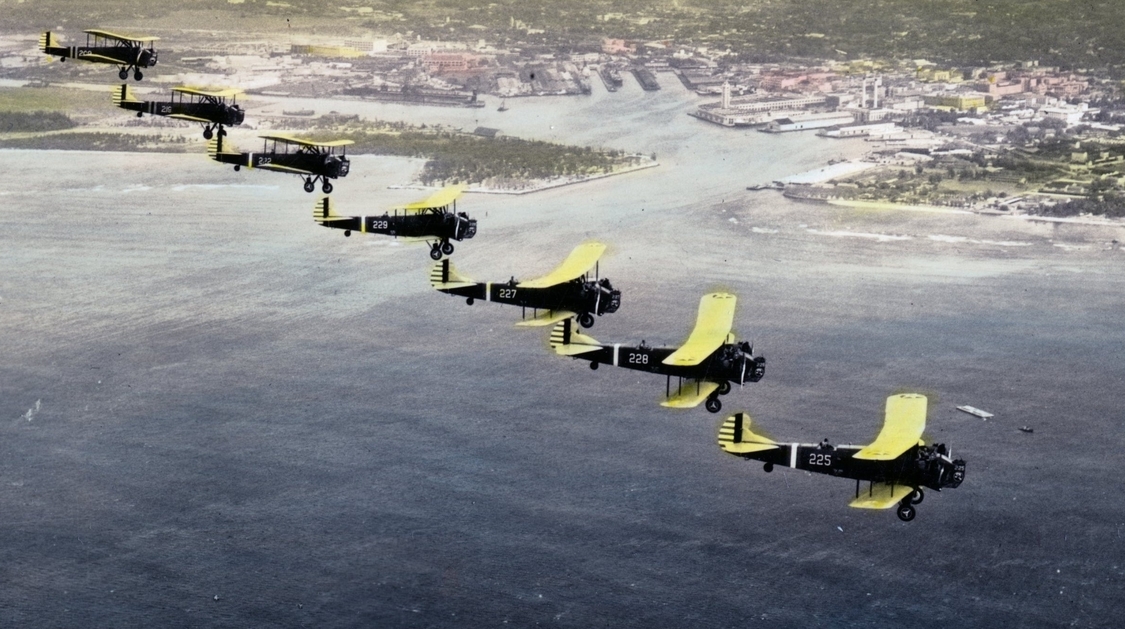
Keystone LB-5’s of the 72nd Bombardment Squadron drone past downtown Honolulu in the Territory of Hawaii. Based out of Luke Field in Pearl Harbor, the 72nd’s LB-5’s – like any Keystone Bomber – never went anywhere in a hurry. The photo was hand-tinted way back when and they did a pretty good job too.
Douglas B-23
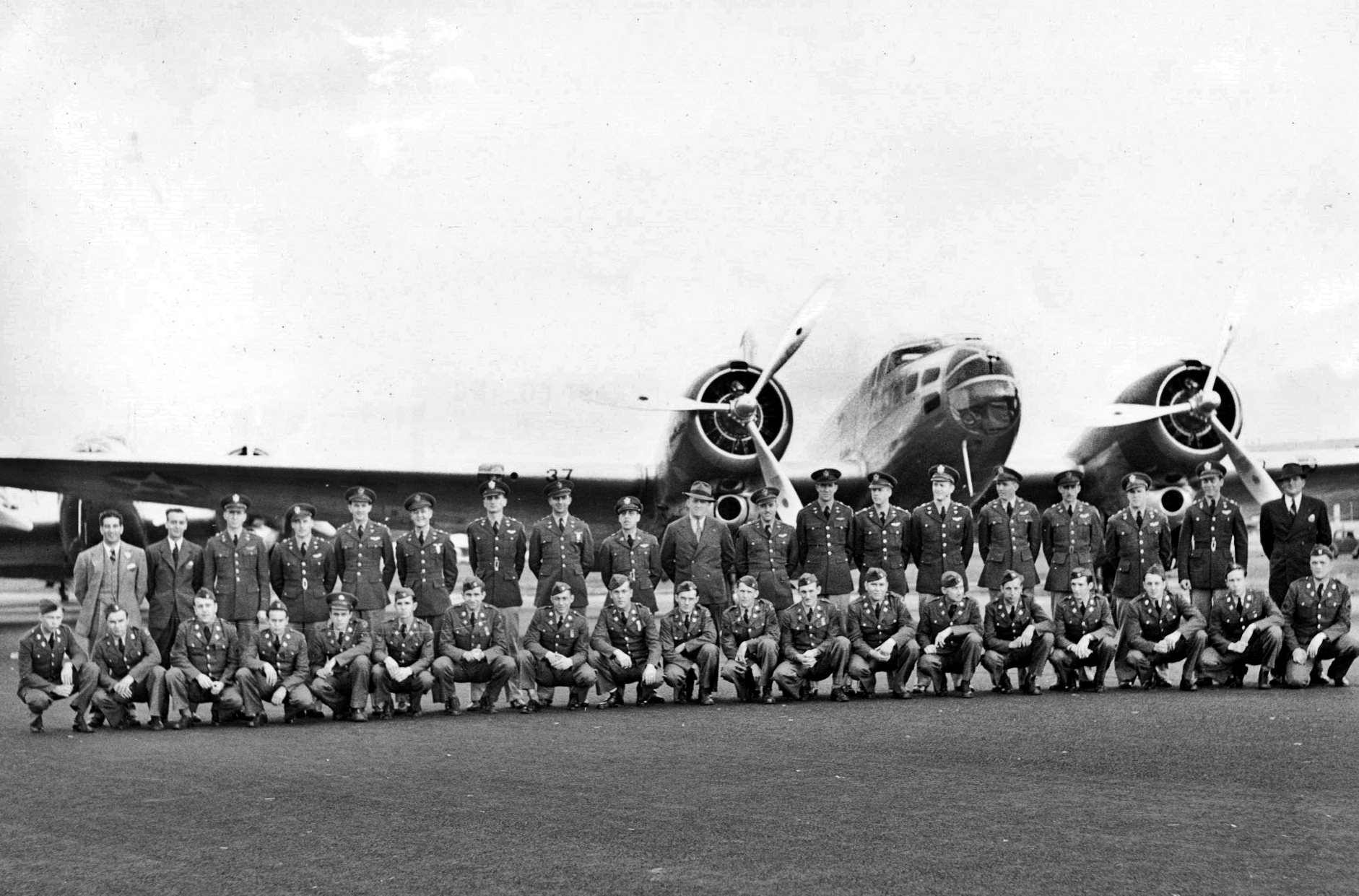
I believe this group photo was taken upon delivery of the first B-23 to the 17th Bomb Group. Although only 38 B-23’s were built, fully 21 percent of them survive to this day. Doing some quick comparison math, if that same percentage of B-17’s survived, there would be 2,673 of them still around.
Open house at CGAS St. Petersburg

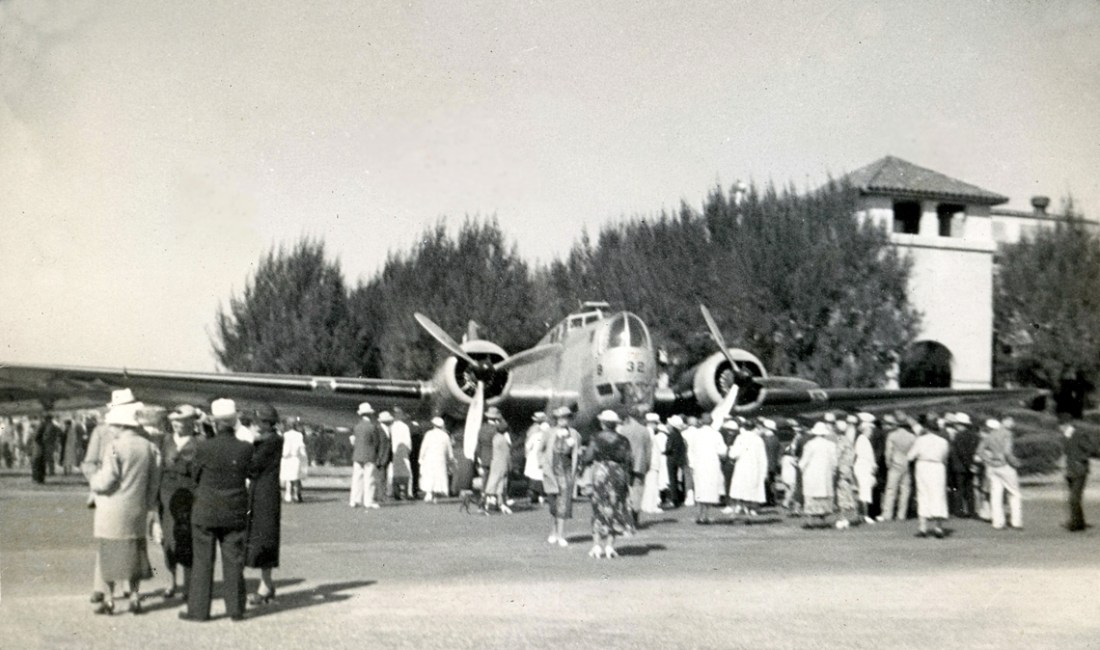

Above: B-18’s of the 32nd Bomb Squadron have flown cross-country from there home at March Field Ca. The B-18 would become a familiar sight to locals when MacDill Field opens nearby in 1941.

Douglas O-25
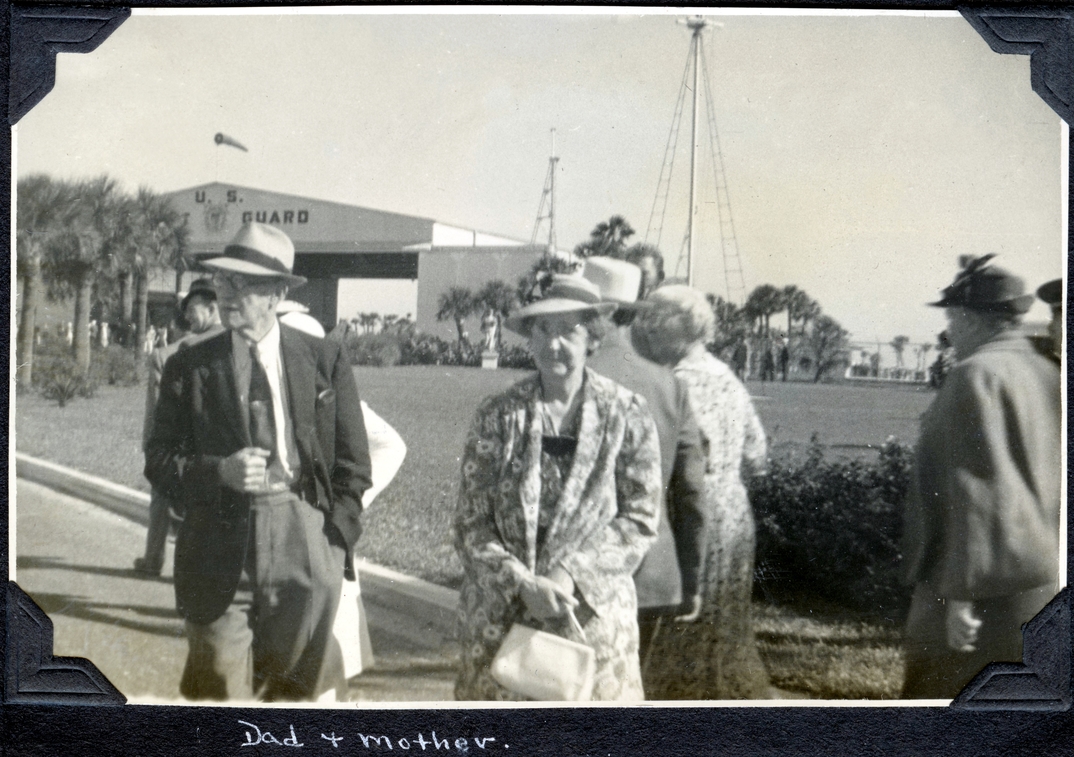
Classy mom and dad. The hangar still stands, and the base is still in use today, but is no longer an air station; it is now USCG Sector St. Petersburg.
Remembering December 7 1941.


Hickam Field, Territory of Hawaii.
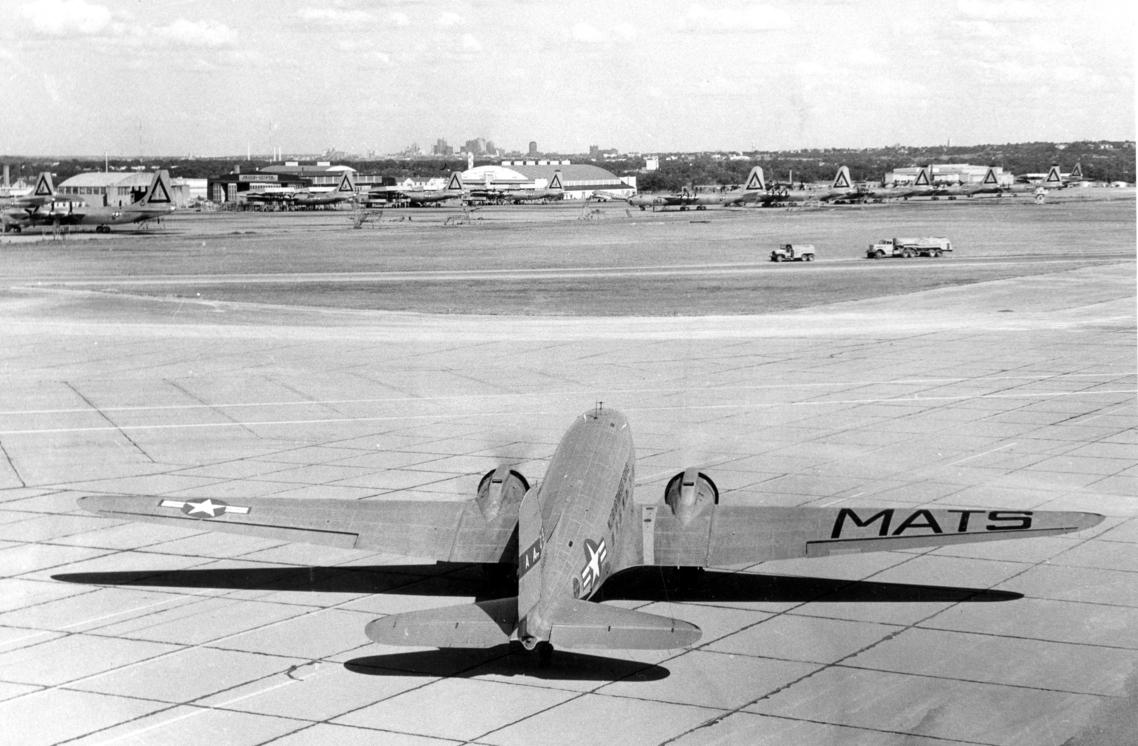
C-47 and B-36’s at Carswell AFB