
Boeing F4B-3
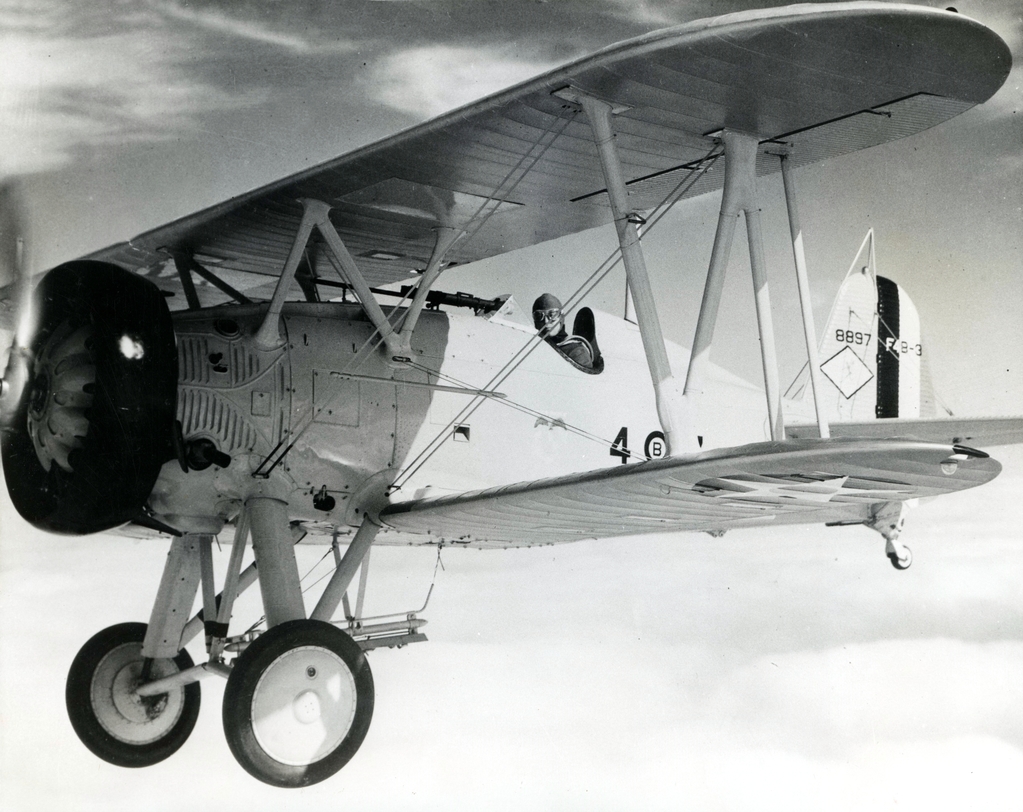
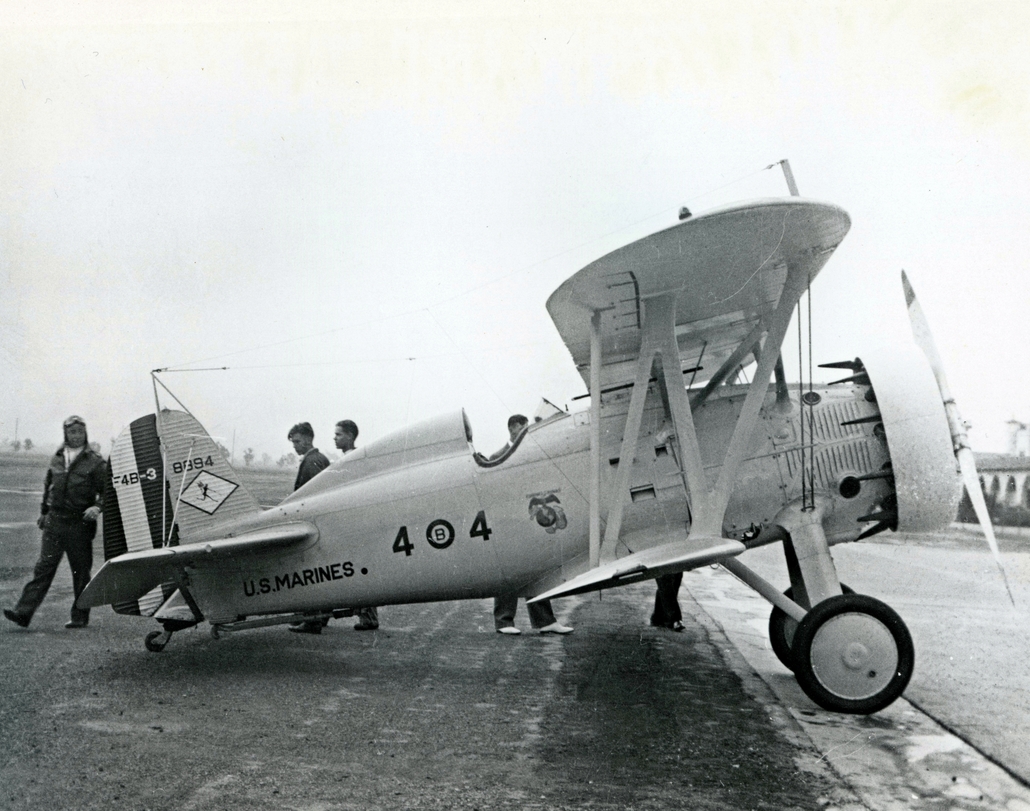
8897 & 8894 of the Marine Corps bombing squadron VB-10M.
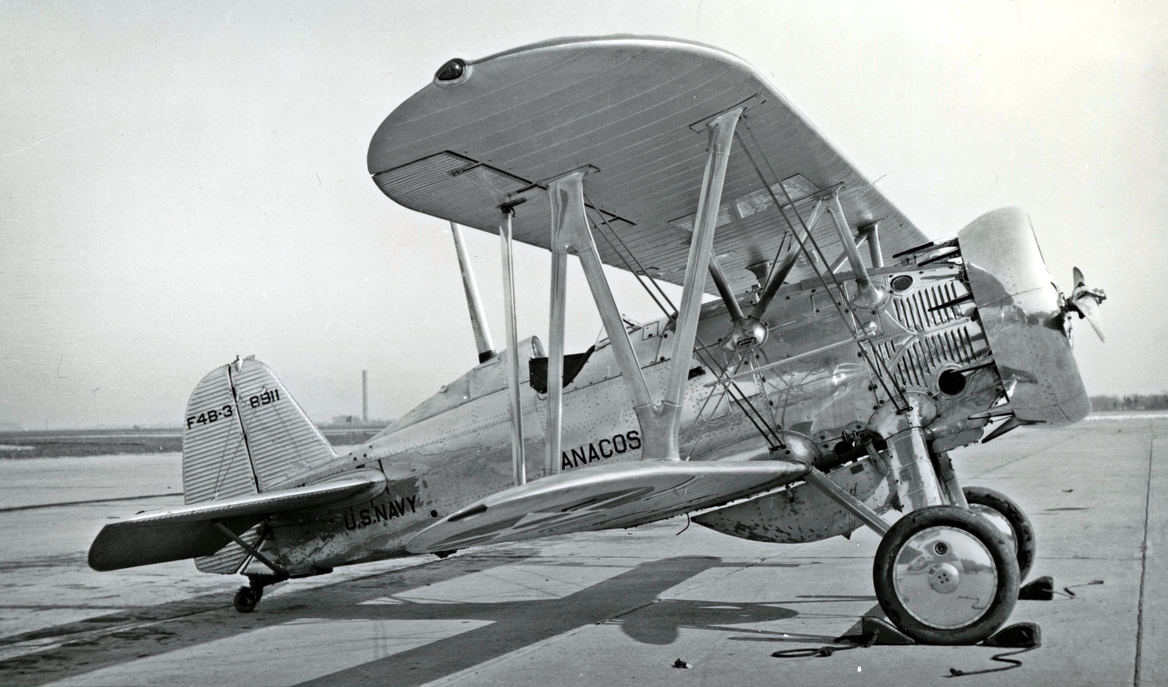
F4B 8911 of NAS Anacostia. I am thankful to not be the one keeping it shiny.
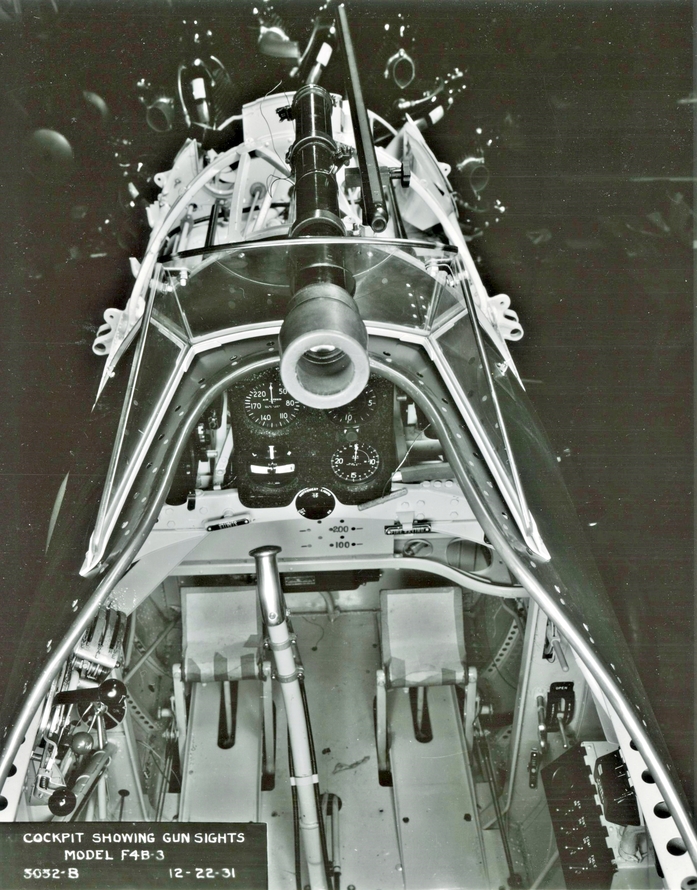
Boeing factory photo detailing the F4B’s gun sights. It offers a good view of pretty much everything else as well.
Something for the Seahawk fans
Arguably the best of its type ever built for the US Navy, the Curtiss SC came too late to play a significant role in WWII.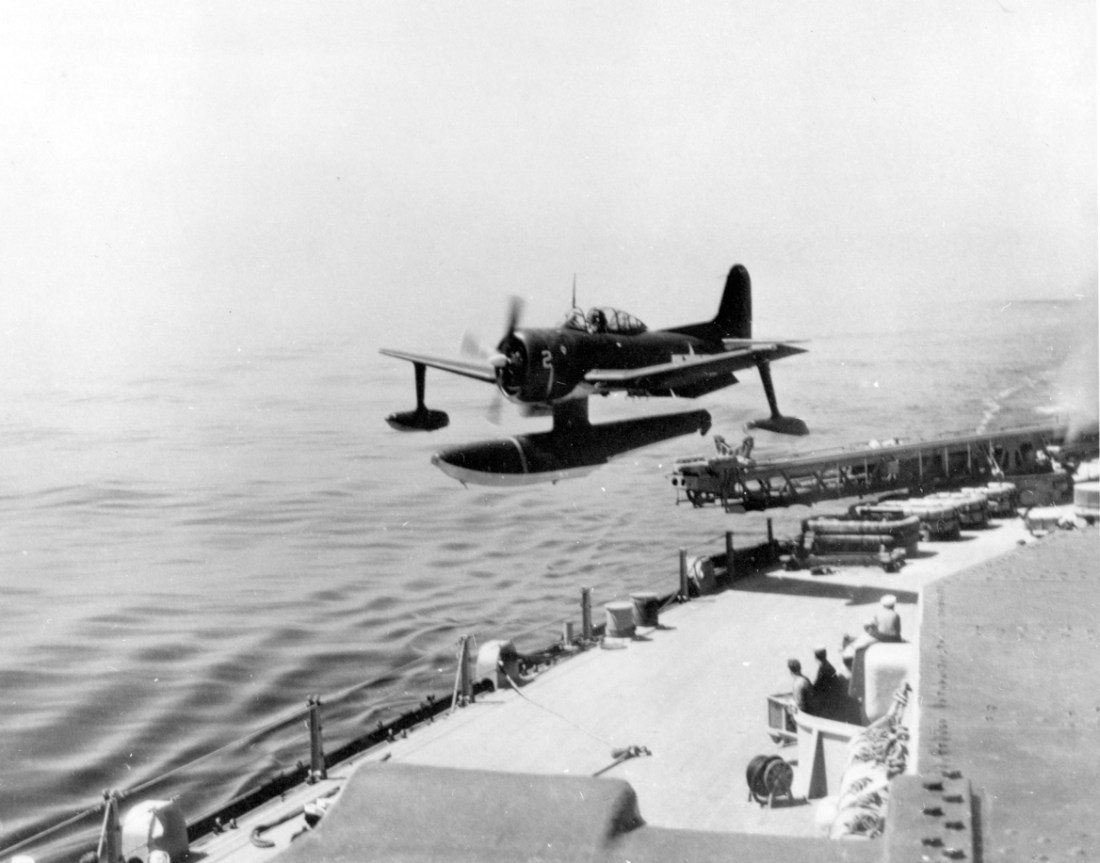 It’s hard to believe there are no surviving examples of this fine aircraft. That being said, the remains of two of these aircraft were recently seen when the wreck of the USS Indianapolis was discovered. But they are 18,000 feet deep, and in pieces.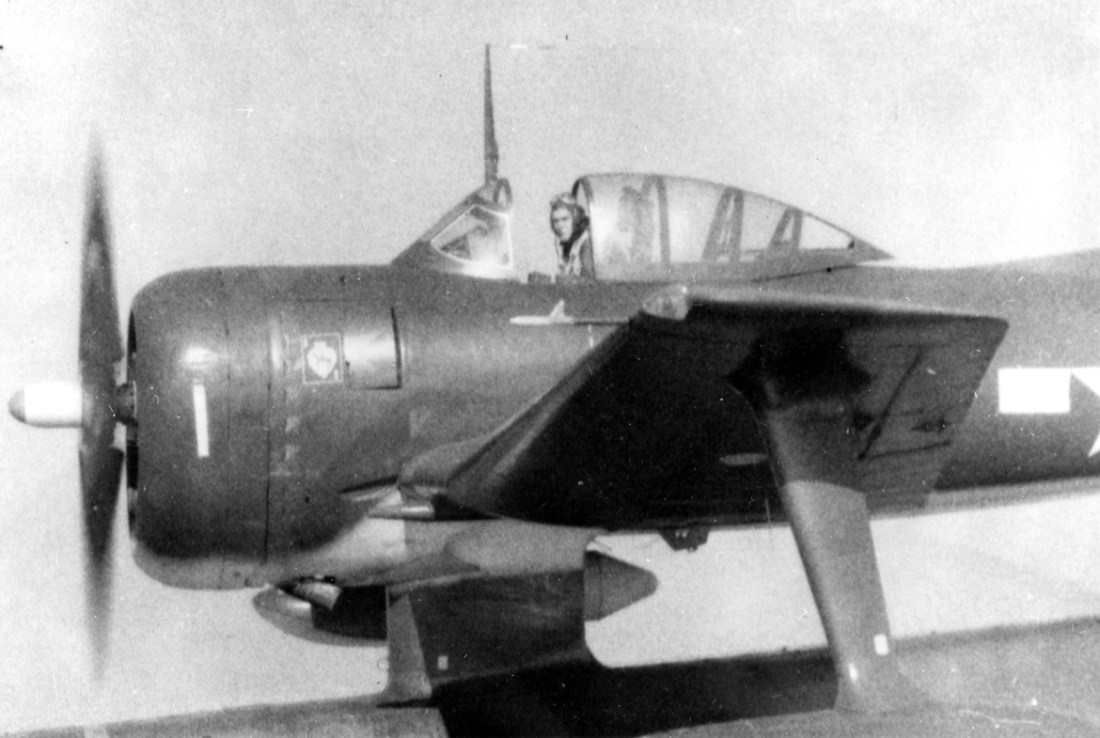
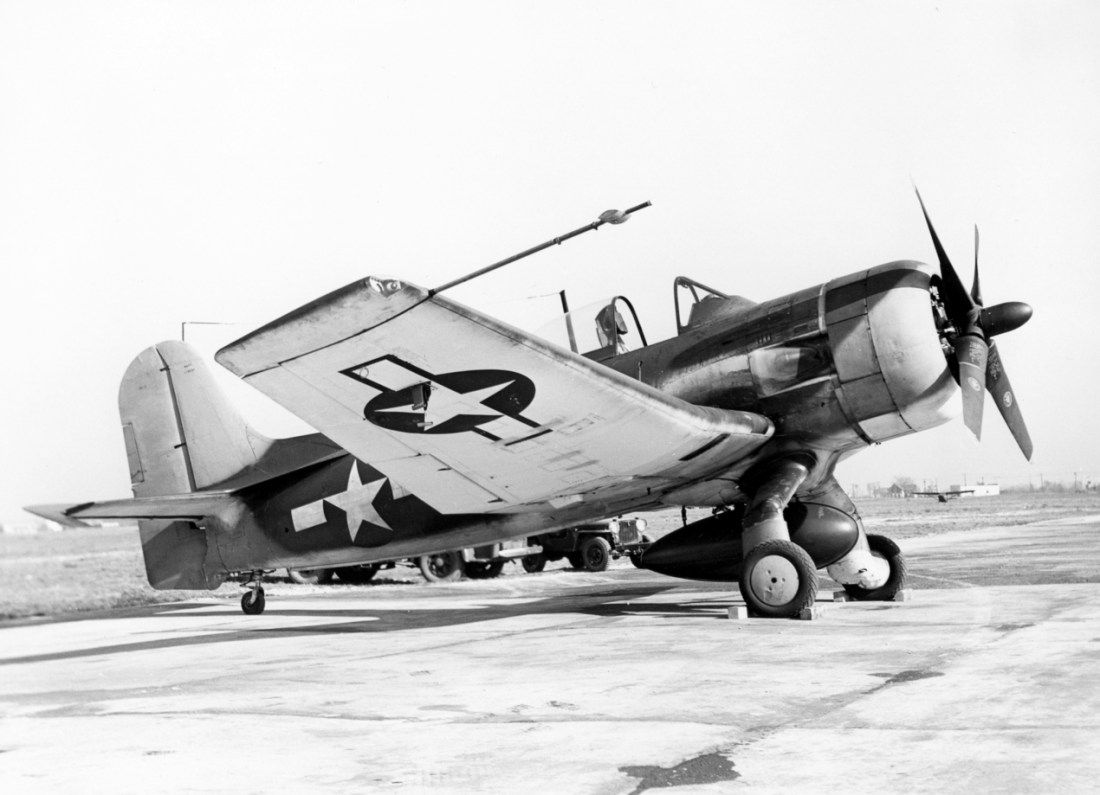 Only a handful of these were built: the SC-2
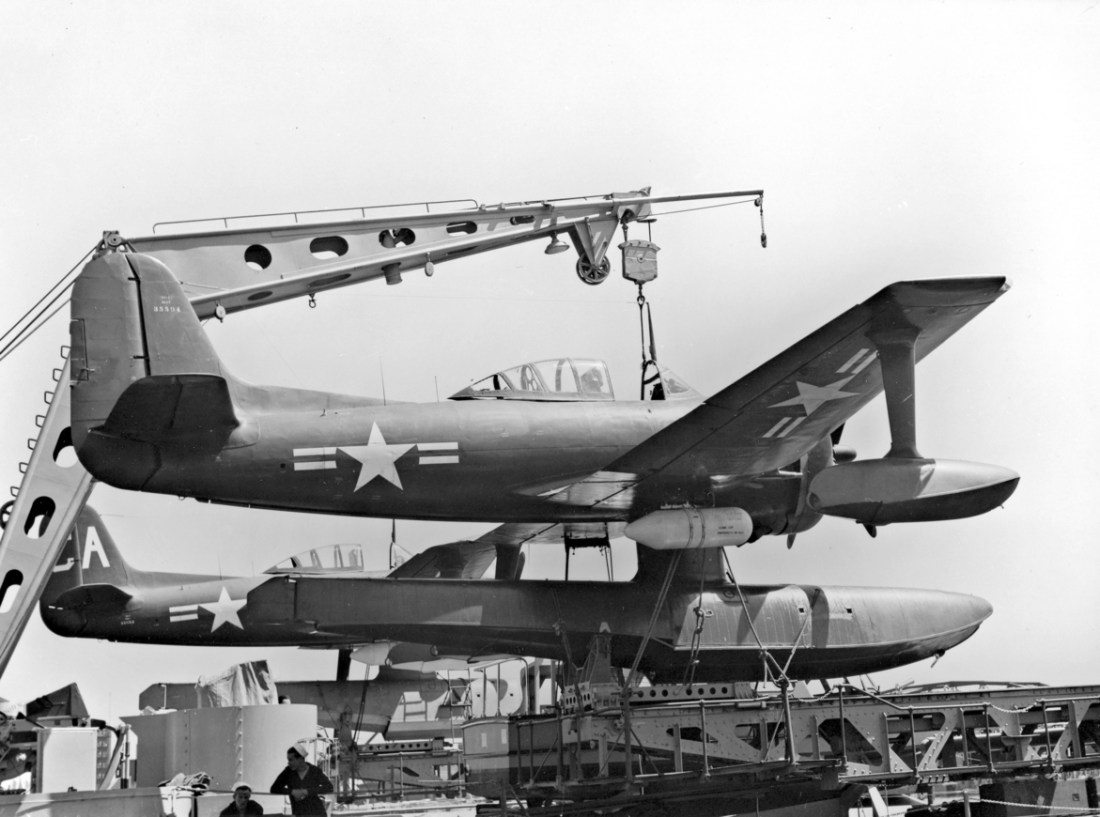 Post-war photo of 33654 and 35594 resting upon the catapults of an Iowa class battleship. “CA” was the code for VO-1C of NAS Terminal Island.
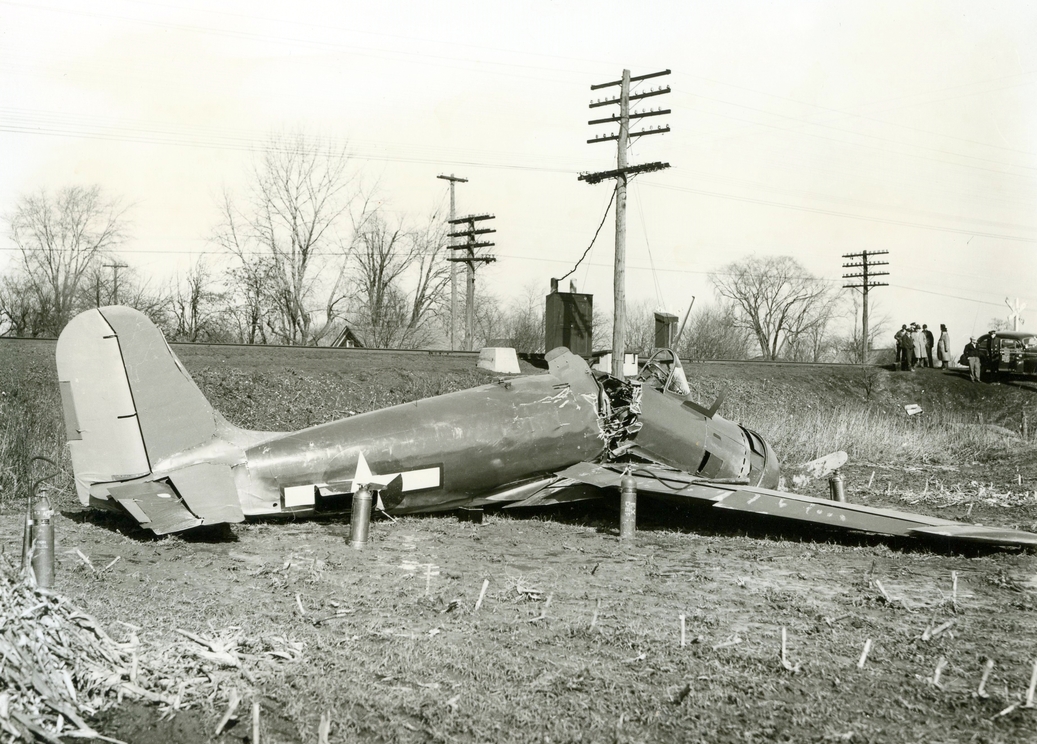 Hopefully, this was not as fatal as it looks. Bureau no. has been airbrushed out.
Boeing Field in the Early 50’s
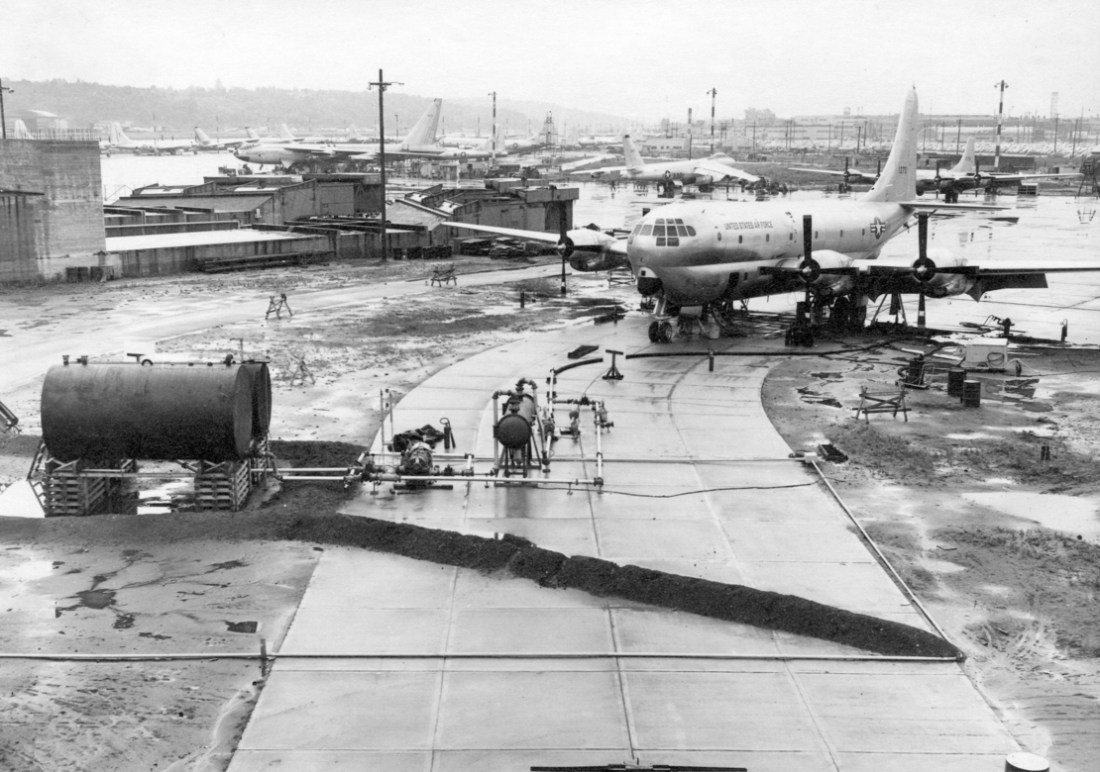
 Pretty much every Boeing product flown by the USAF in the 1950s is represented here: KC-97’s, B-29’s, B-47’s, B-50’s…you name it. And lets not forget the new kid on the block: The YB-52.
Canadair Sabre in a foreign land…

 RCAF Sabre, 23096 has just arrived at Boeing Field for its new life as a chase plane in the flight test division.


Internet sources giving varying dates when Boeing took delivery – 1962 or December 1967. I say ’62: The Canadian Red Ensign on the tail was replaced by the Maple Leaf in 1965. Okay, maybe they were slow in adding the new flag, but there is more… In the background of photo 2 there is no I-5 freeway. By Dec. 1967, this highway had been completed for almost a year. In 1962, the construction had yet to begin near Boeing Field.
December 1941 edition of Luftwissen
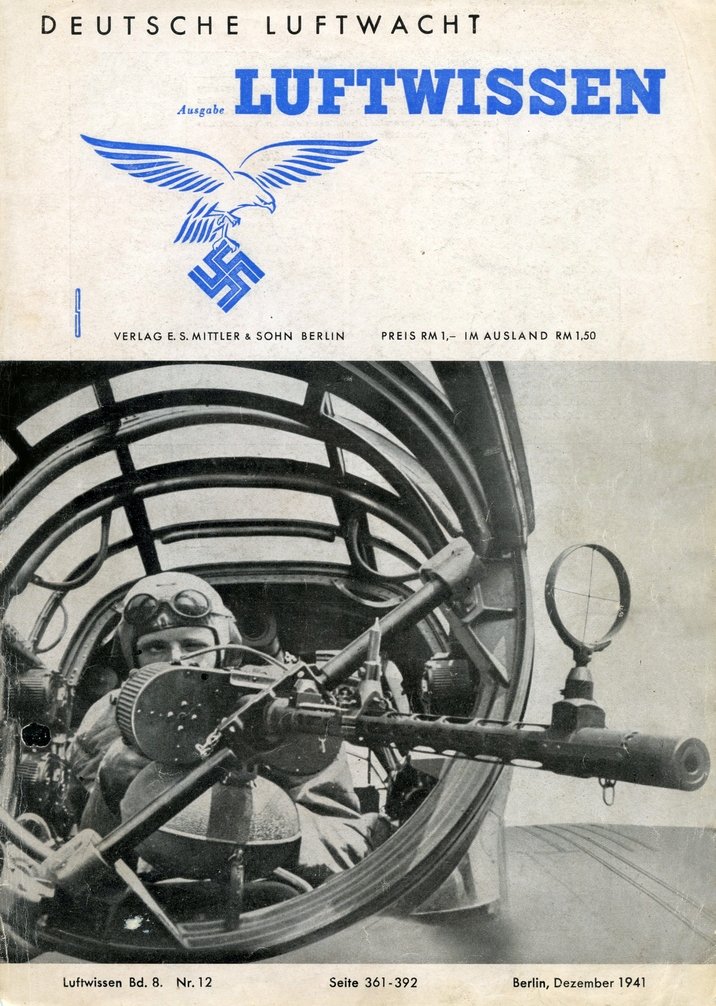
The featured aircraft is an early version FW-189 “Uhu”. Later 189’s packed more firepower. Great photo.
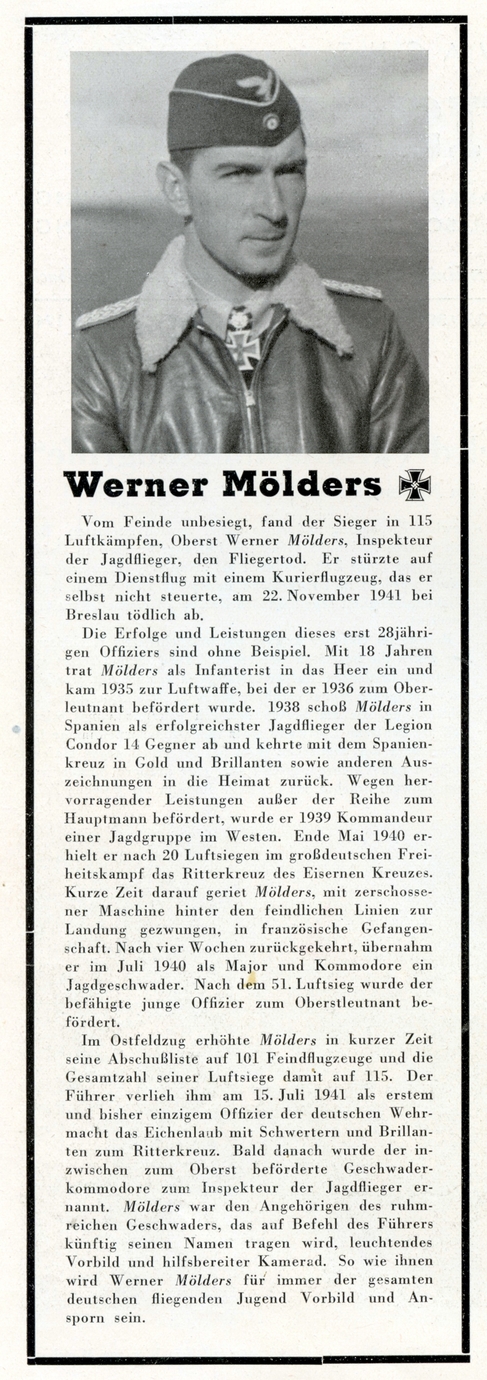
Inserted in this issue was a tribute to Werner Mölders who had died only days before when the plane in which he was a passenger crashed while attempting to land.
So you want to be a USAF flight nurse…
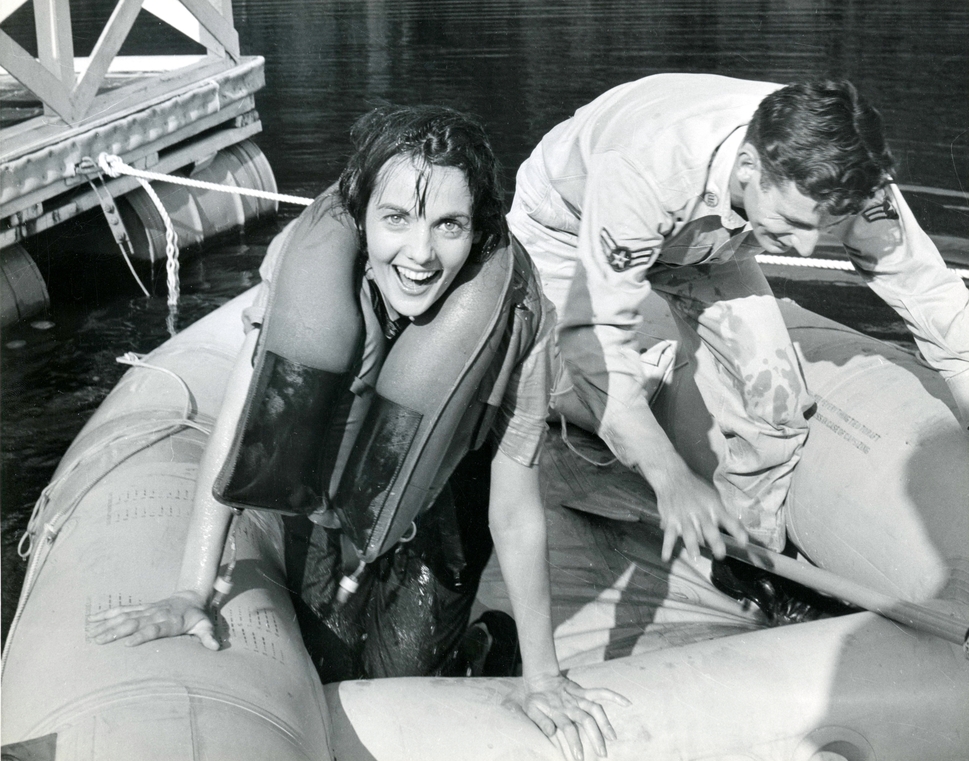 Back in the 1950’s, the USAF shot a recruiting film to attract nurses. They found a pretty actress to play the recruit, and this is the result.
 Other than the actress, everyone else were USAF personnel. Here, our “recruit” shows her skill in boarding a life raft.
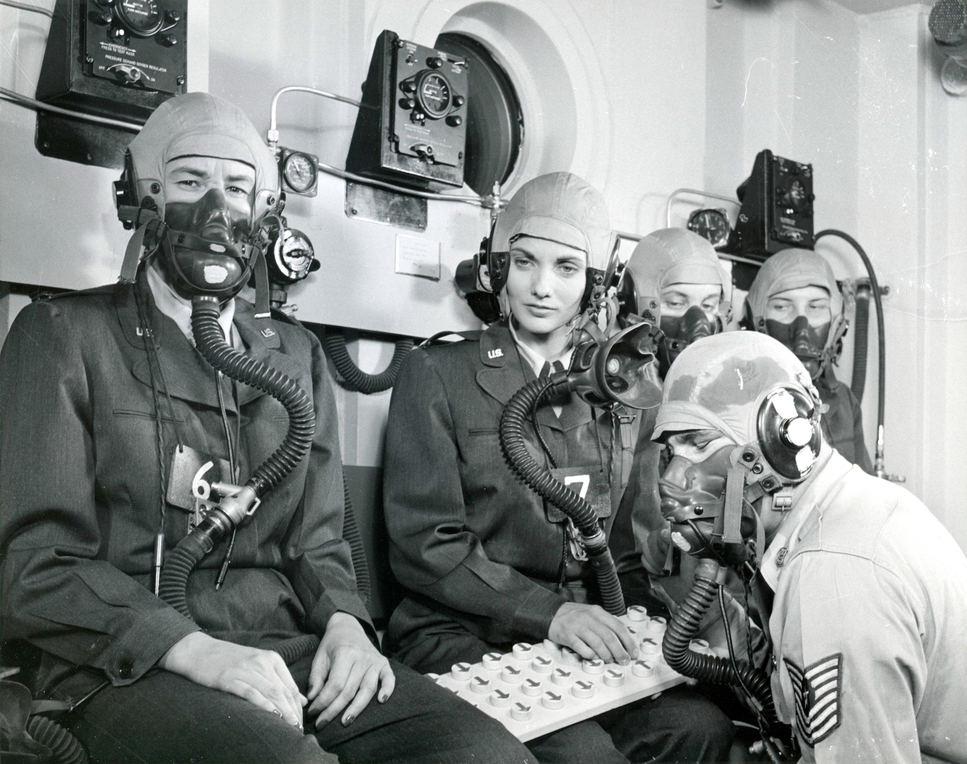 Then its off to the altitude chamber with her fellow nurses. The board games are still used today. From my own experience in the chamber, the board game was beyond my set of skills at sea level, much less at 43,000 feet.
Latest category: Russian Aircraft

We’ll start things off with the Sukhoi Su-2 (Сухой Су-2)…
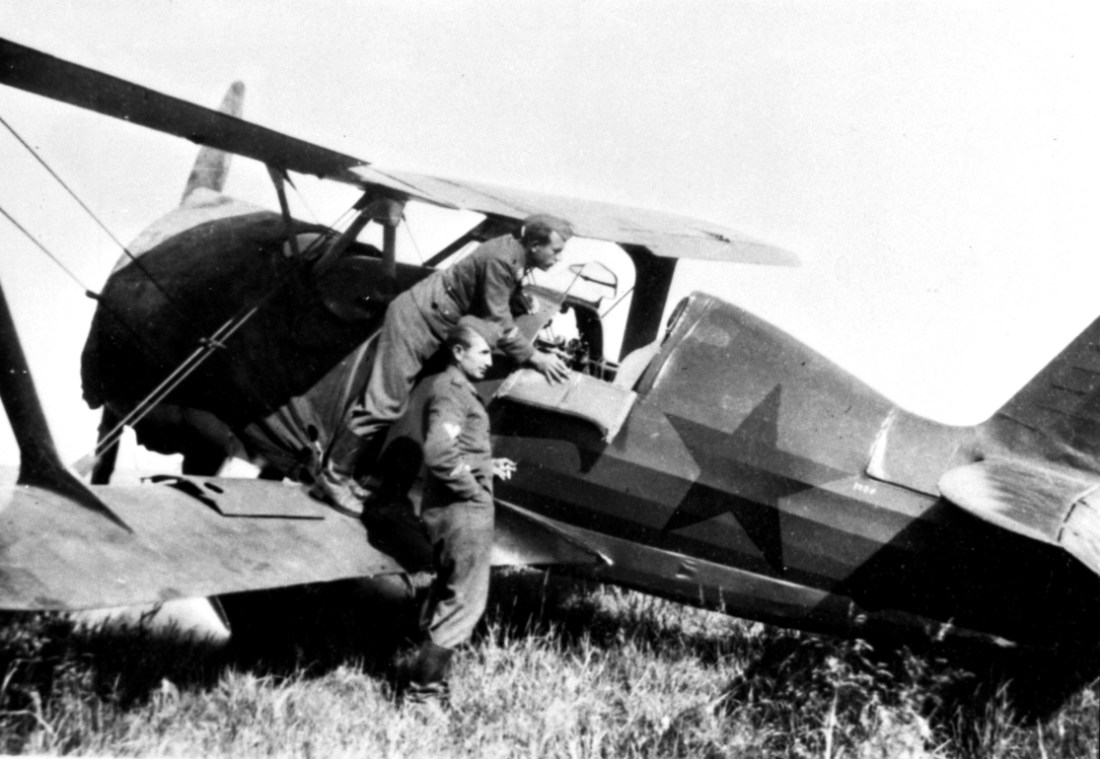
…and continue with the Polikarpov I-15 (И-15). Unfortunately for the then Soviet Air Force, this one is being inspected by its new owners – the Luftwaffe. The I-15 was a popular aircraft with not only the USSR, but half a dozen other countries as well.
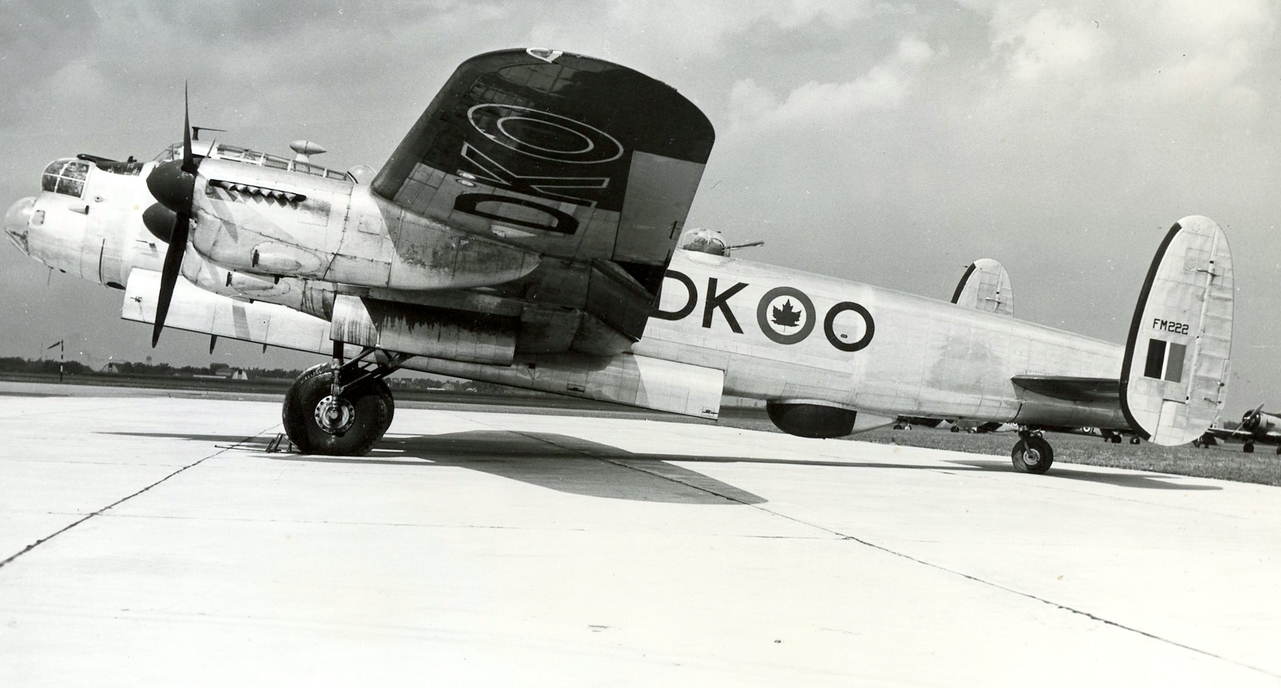
A pair of post-war RCAF Lancasters
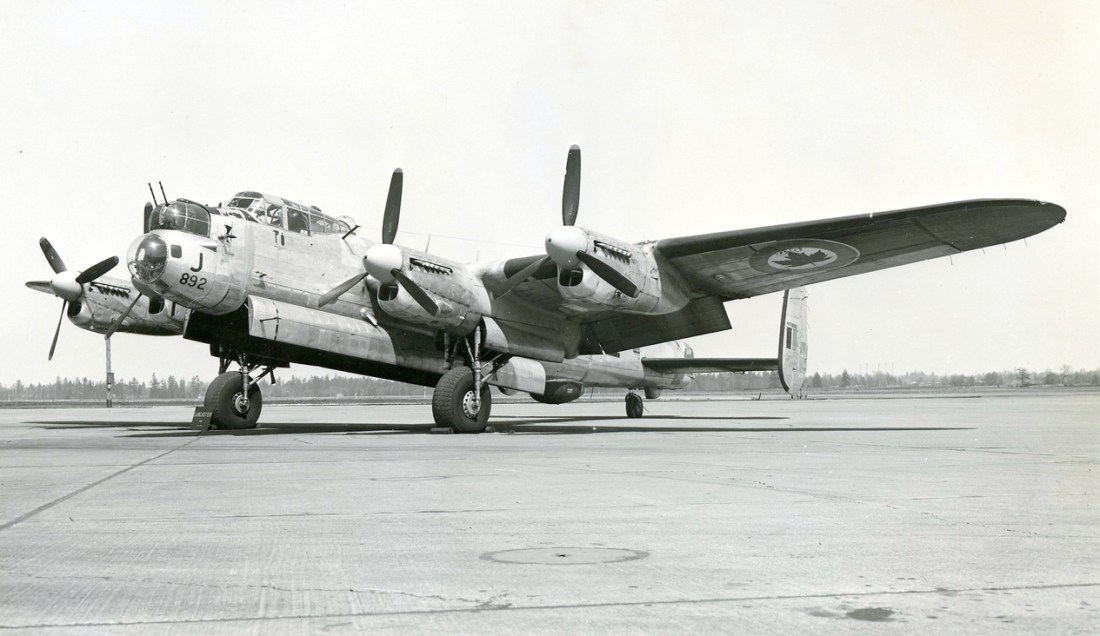
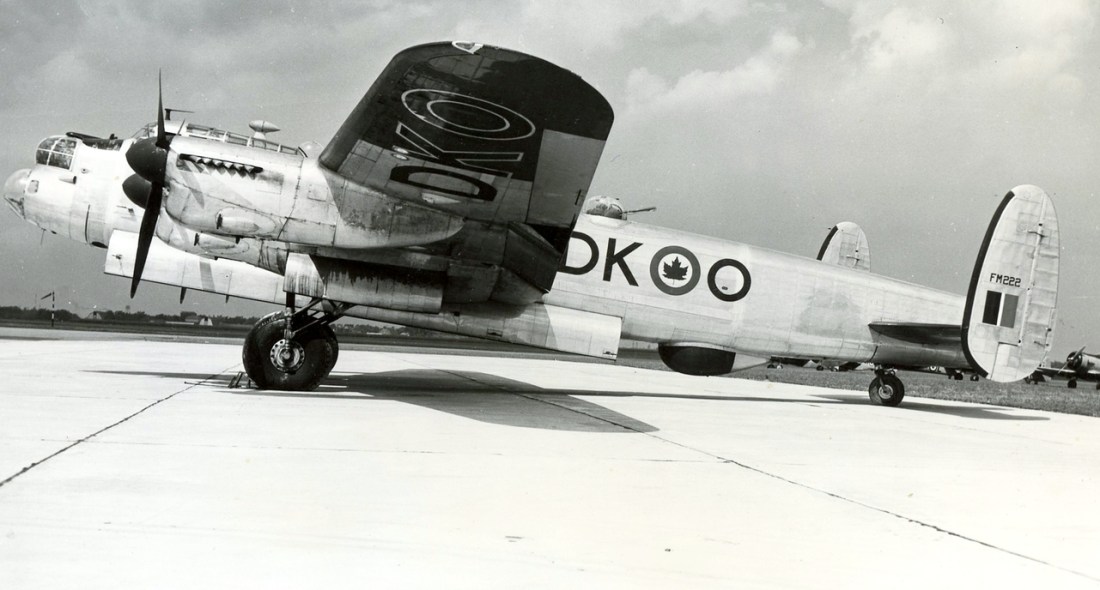 These are Canadian-built aircraft – not leftovers from the RAF. Numbers are KB892 and FM222 respectively.

A veritable variety of Voodoos
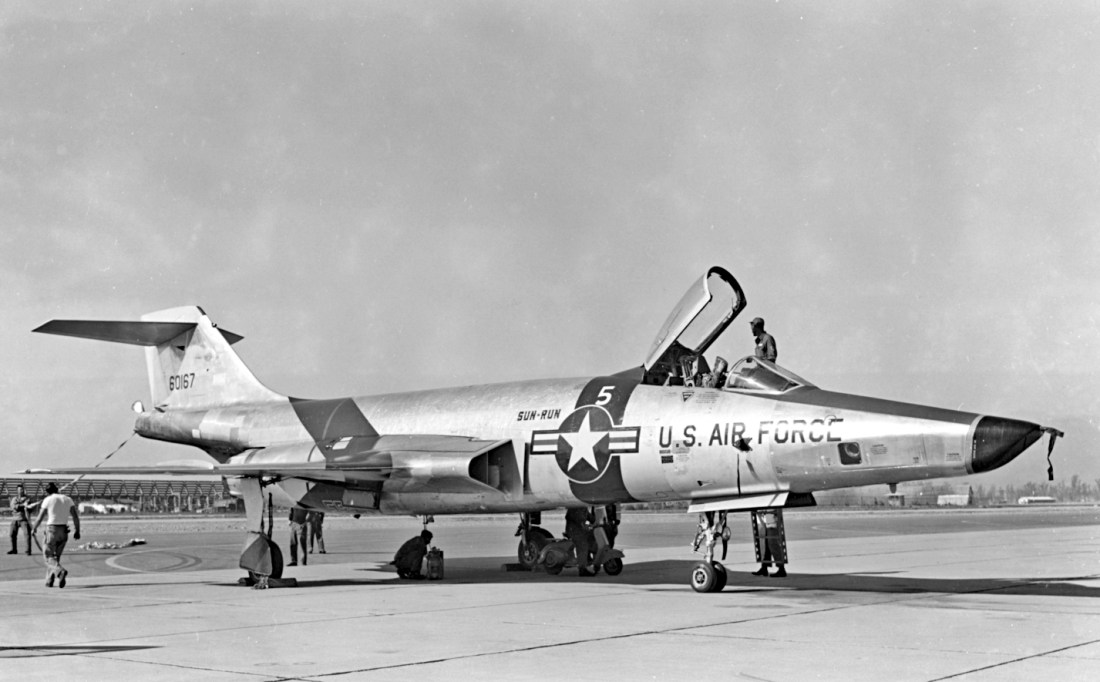 RF-101C 56-0167, 363rd Tactical Reconnaissance Wing, was part of the record-breaking “Sun Run” flight, November 27, 1957. The aircraft has just pulled in to the chocks.
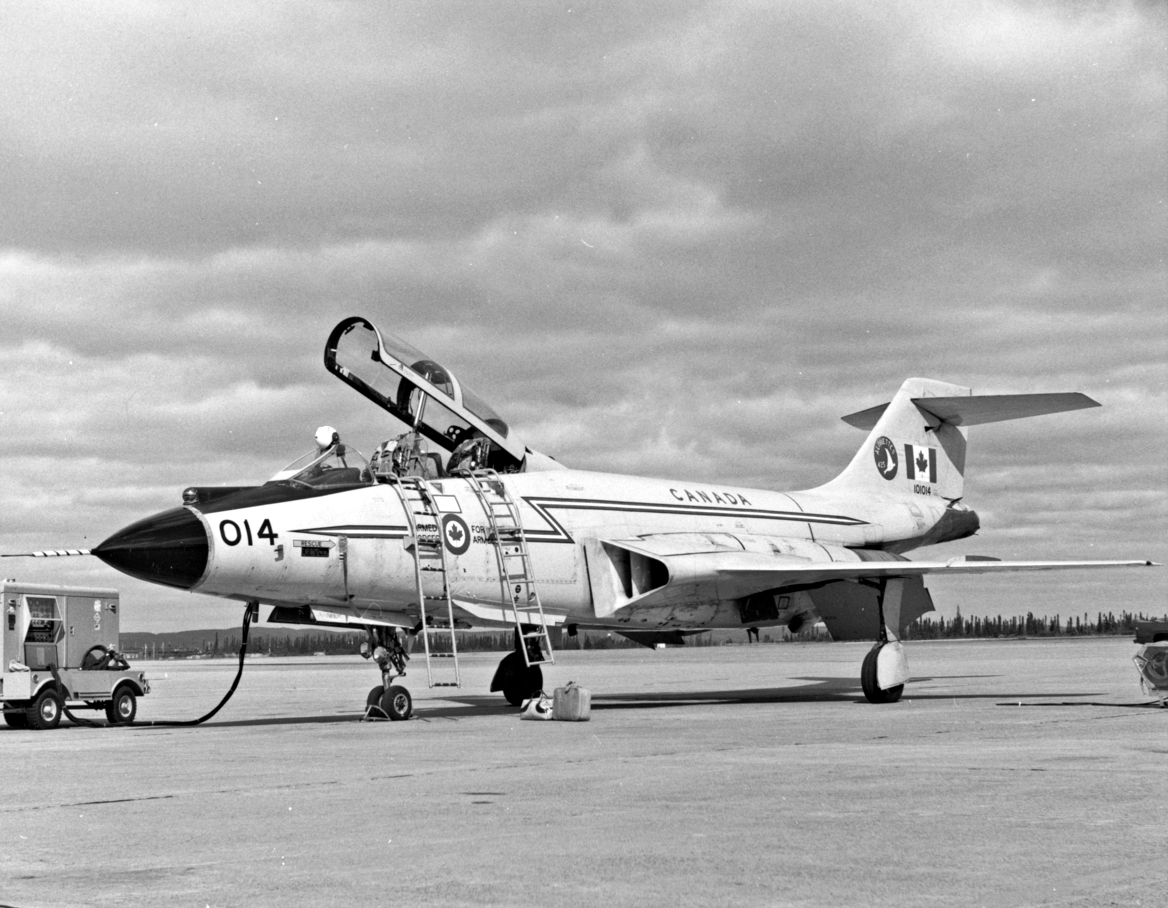
 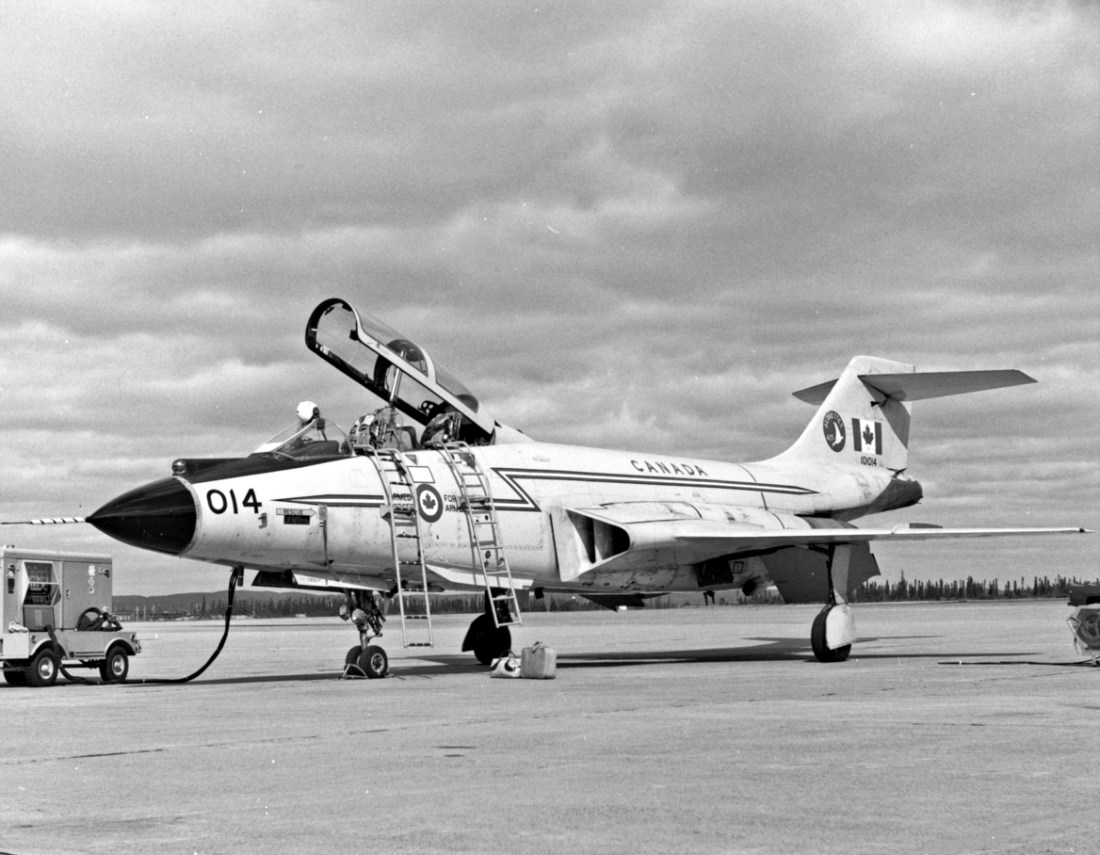 CF-101B 101014 of No. 425 Squadron. Ex-USAF 57-0298 of the 445th Fighter Interceptor Squadron, it was transferred to Canada in 1970.
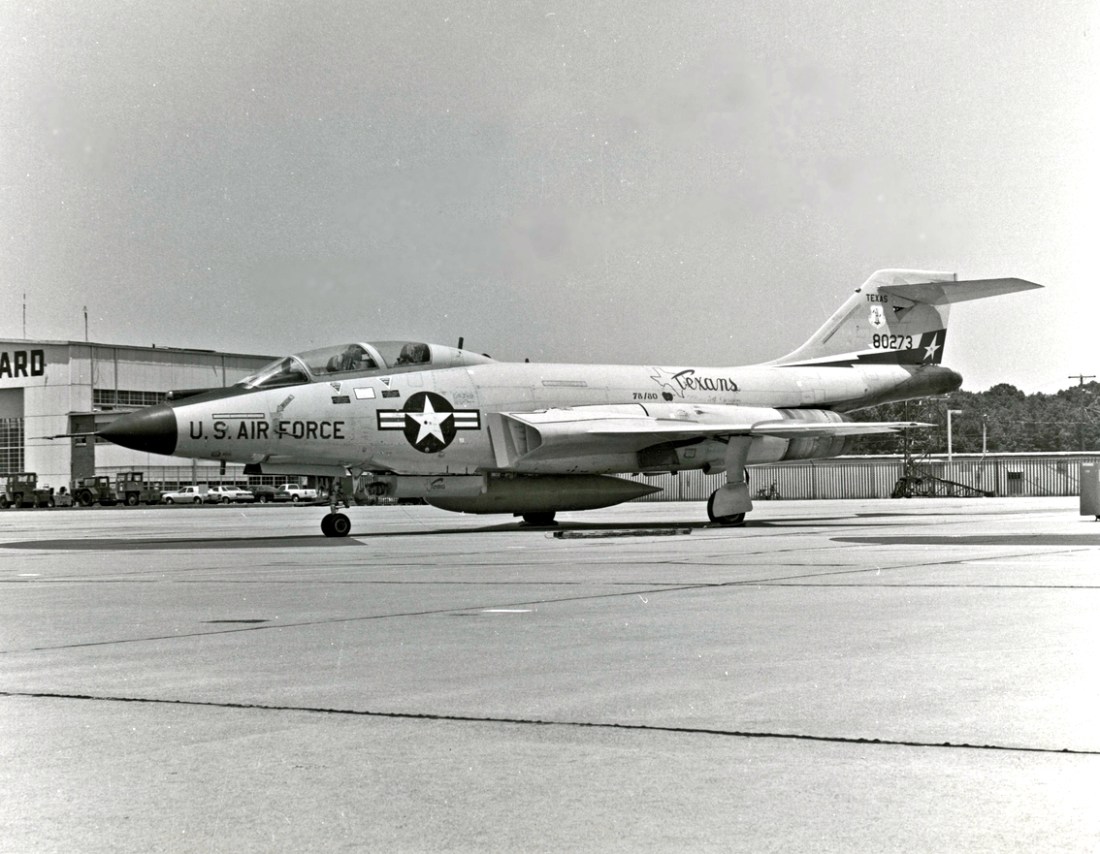 F-101B, 111th Fighter Interceptor Squadron. 58-0273 is now on display in South Carolina.
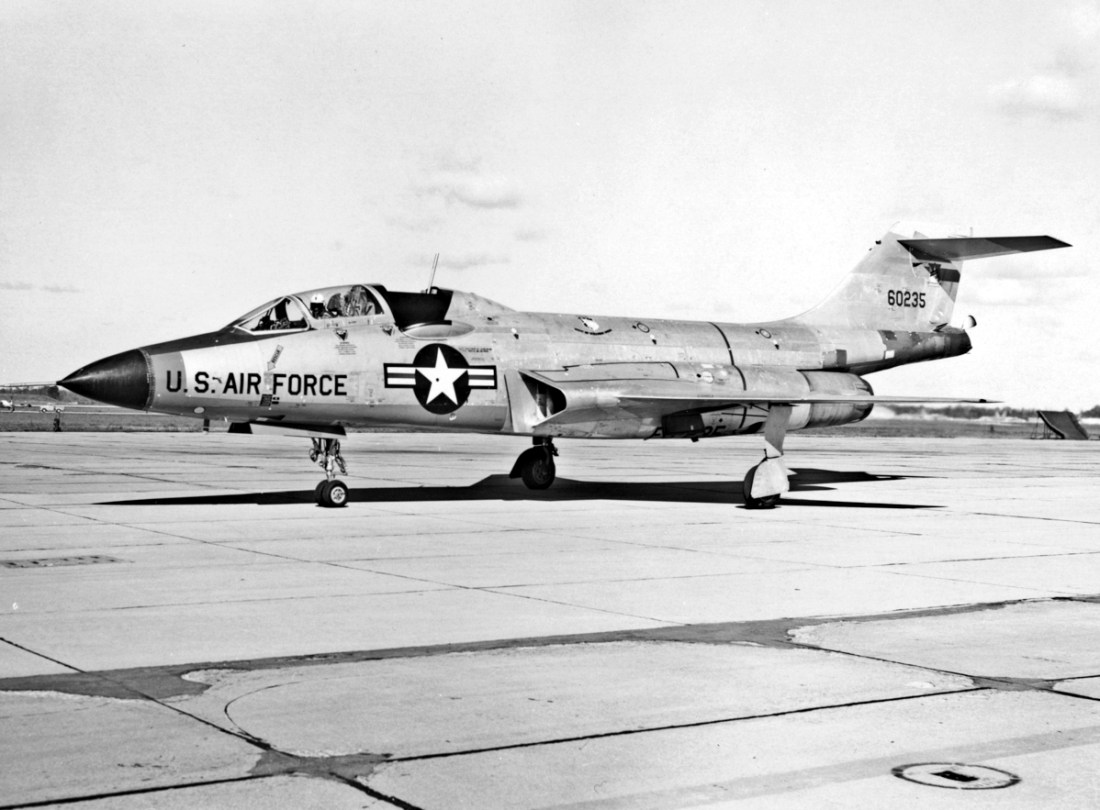 NF-101B of Air Research and Development Command. Obviously it was used for, among other things, ejection seat tests. It is now a display aircraft at the Yankee Air Force Museum.



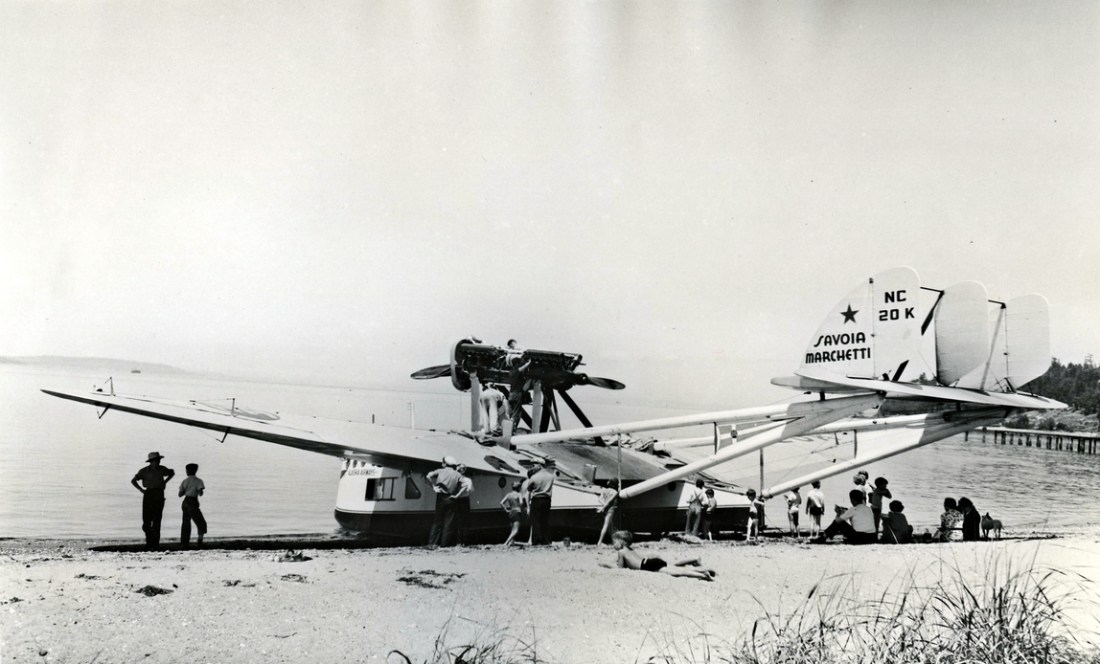
Classics from Savoia Marchetti


Two views of an S.55 of Alaska Airways on Seattle’s Lake Union. As an aside, the house I grew up in is visible on Queen Anne Hill in the background. The houseboats in the background though were, when this photo was taken, inhabited by people my grandmother politely referred to as “no-good bums”. That was true then, but how times can change – any such house on the lake today would be very pricey.

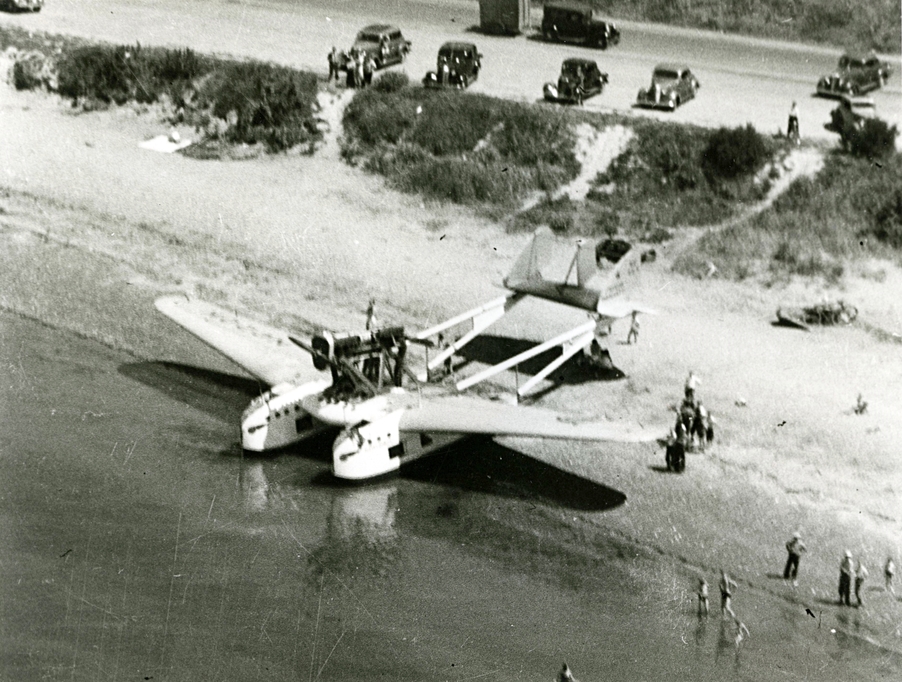
Same aircraft, different water. This is Golden Gardens beach in Seattle, and I can think of no reason whatsoever for the aircraft to sit upon that beach unless there was a maintenance issue. There are mechanics atop the wing, so this S.55 probably ran into trouble shortly after taking off from nearby Lake Union (See photos 1 & 2). Made a nice shady spot for beach goers though.


S.56 on Lake Union. This aircraft survives today at a museum in North Carolina.
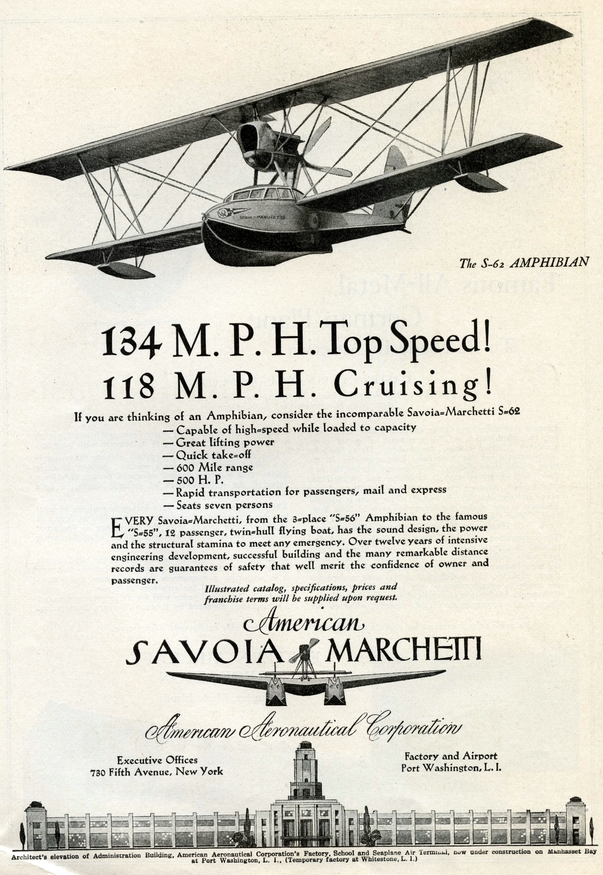
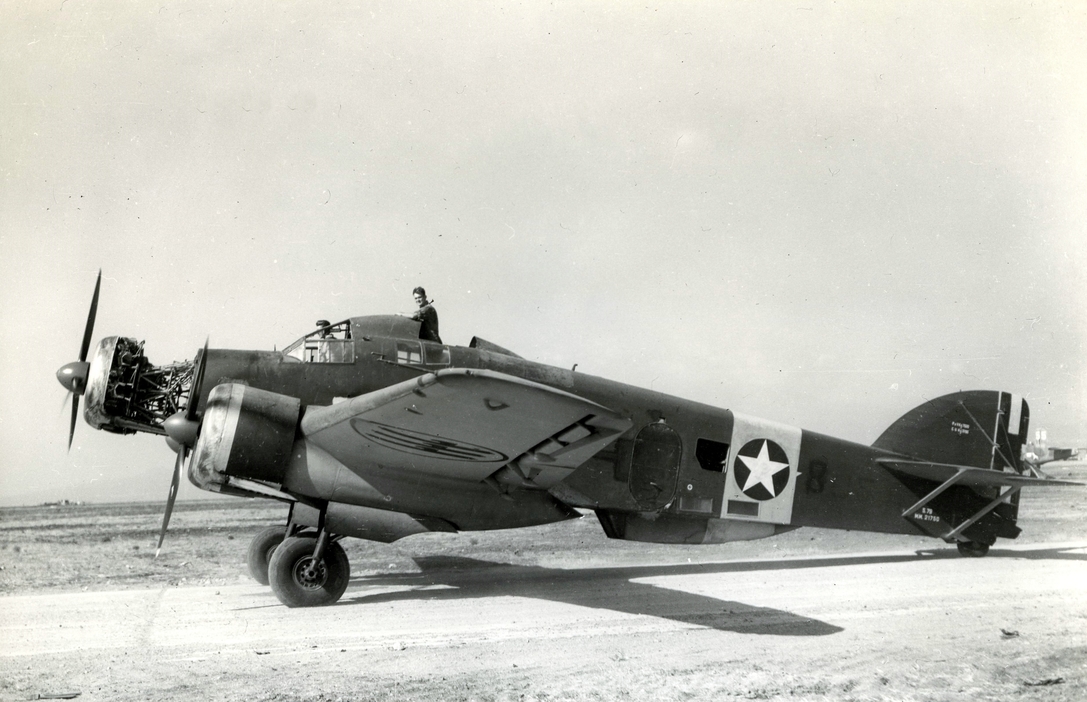
SM.79 bomber gets ready for a hop by US personnel. For reasons apparent, the 79 was nicknamed “il gobbo maledetto” (“damned hunchback”).
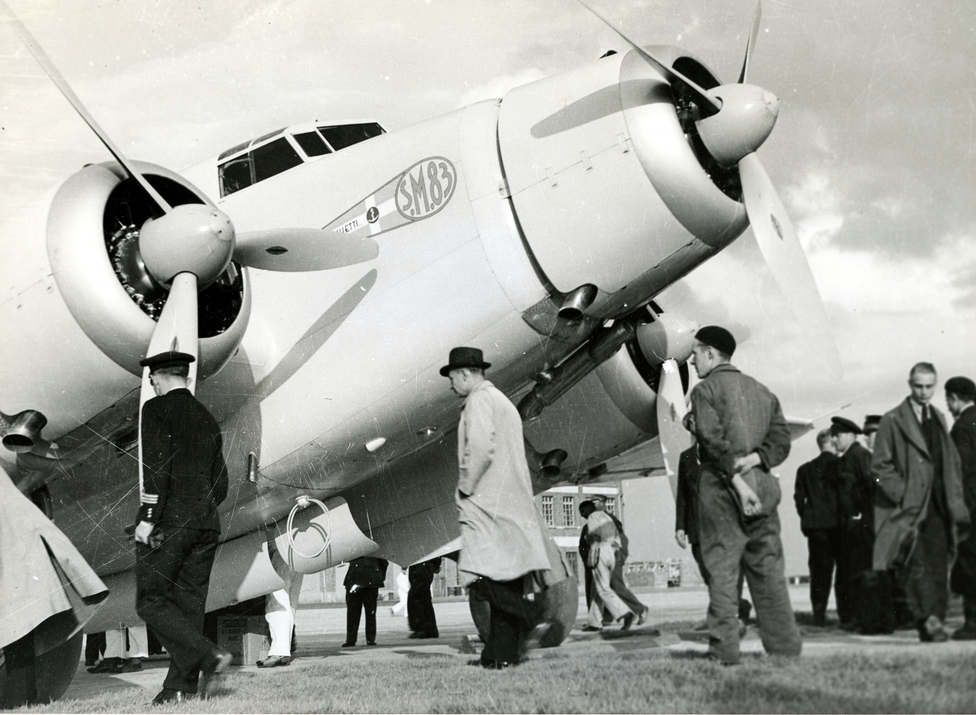
SM.83 airliner – the transport version of the SM.78 bomber.
Lufthansa 247
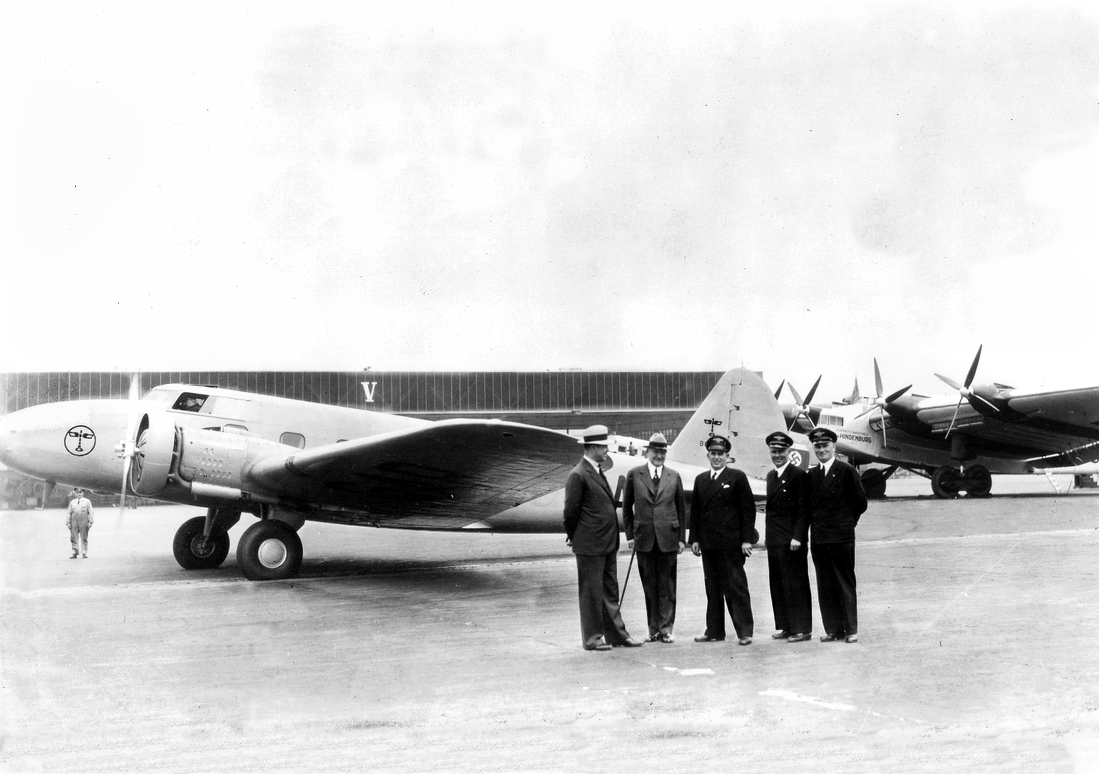
Lufthansa bought two of Boeing’s sleek airliner – one to fly (this one) and one for instructional purposes. A Junkers G.38 (the “Generalfeldmarschall von Hindenburg”) looks on from the background.
B-17F of the Free French Air Force
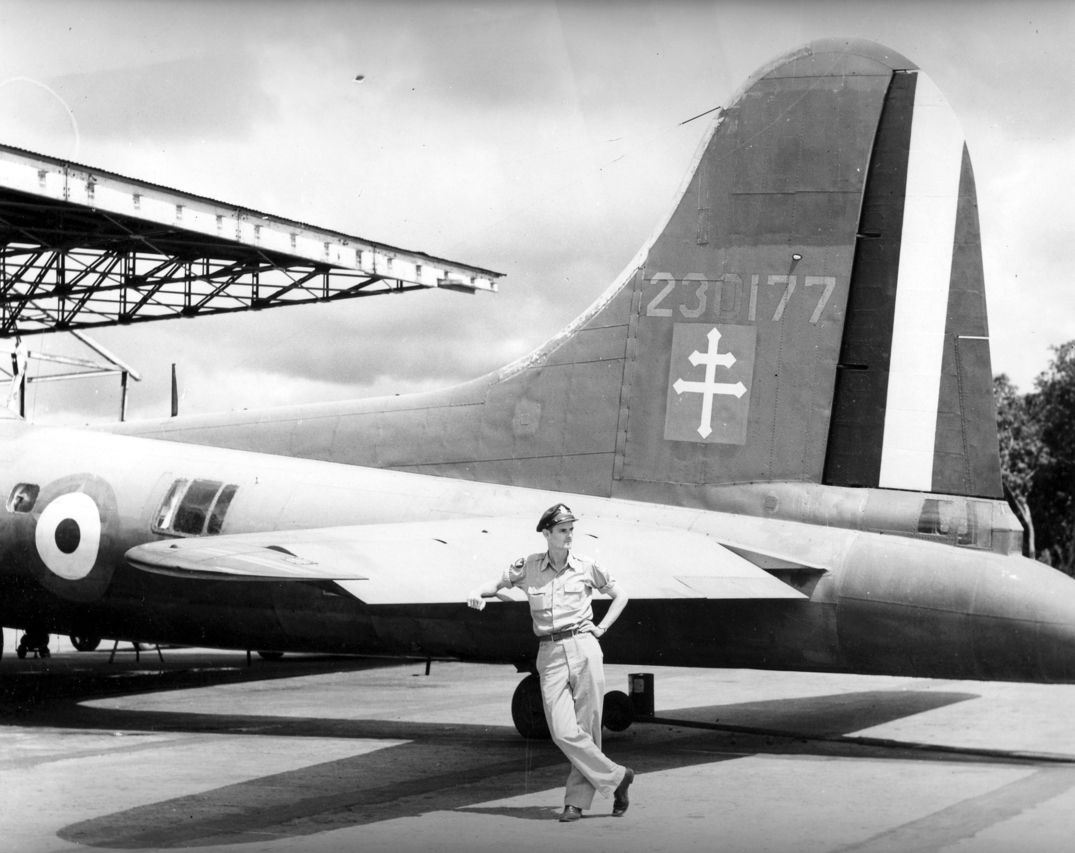
This aircraft (42-30177) survived until the 1970’s when it was foolishly allowed to be scrapped. Future famed aviation expert Pete Bowers, then with the USAAF, leans casually on the elevator. An absolute airplane aficionado, Bowers was also a pleasure to know. He was kind enough to give me a copy of this photo.
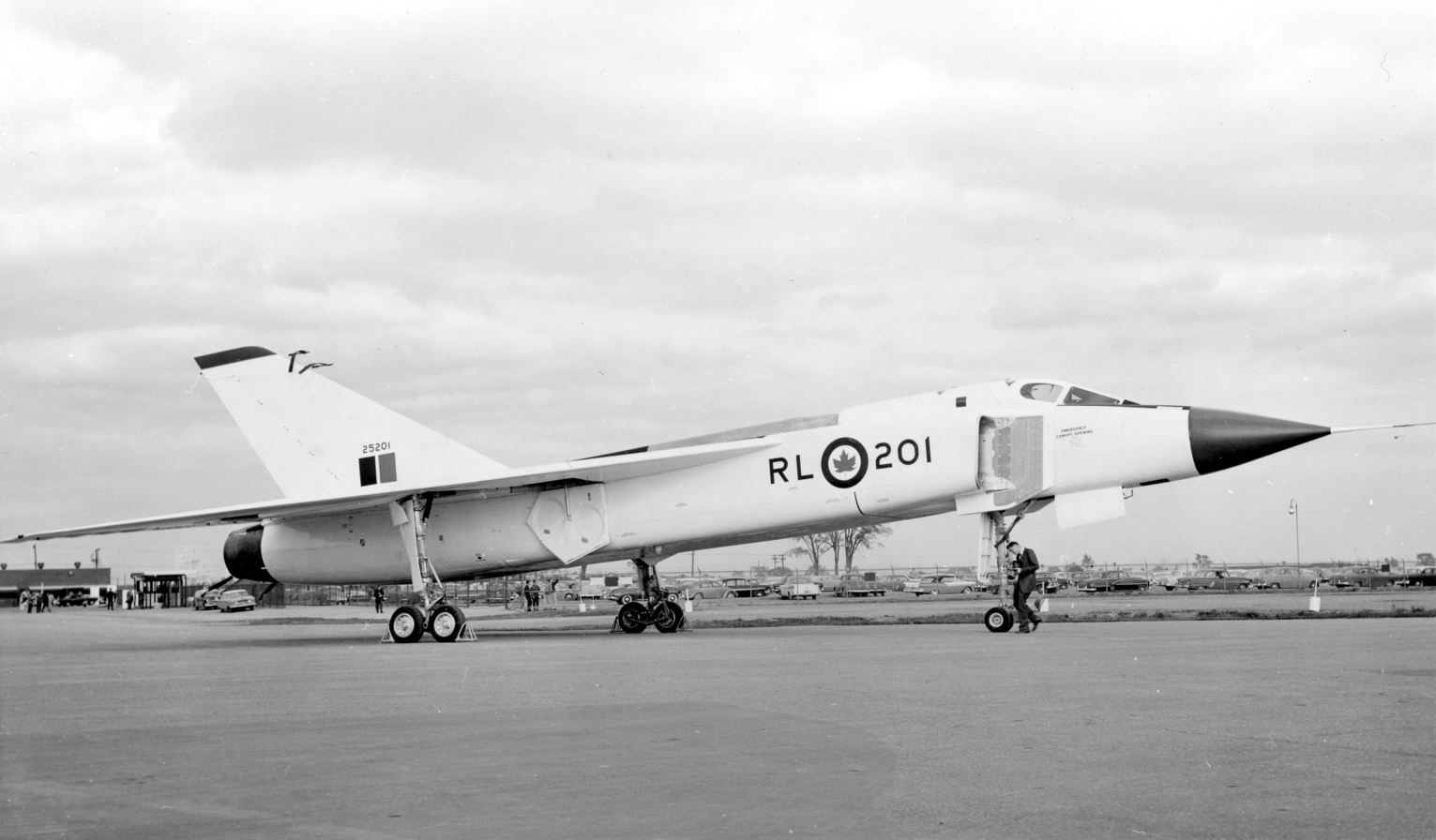
The CF-105 Arrow
RCAF Vickers Vedette
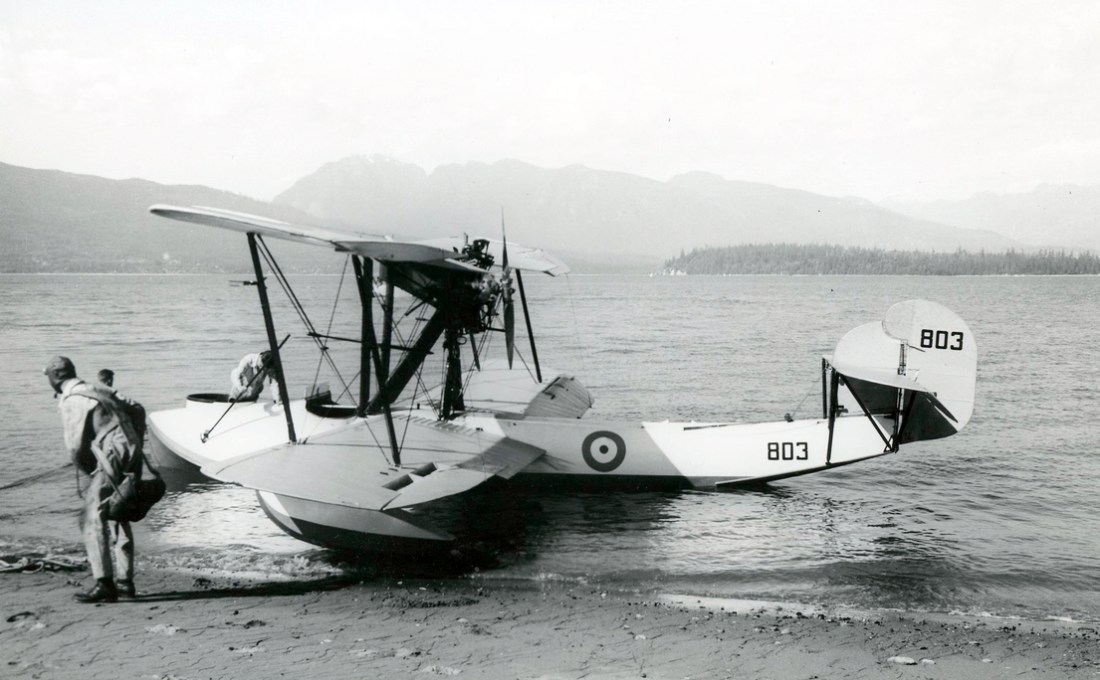 Vedette pays a visit to Vancouver’s Jericho Beach.
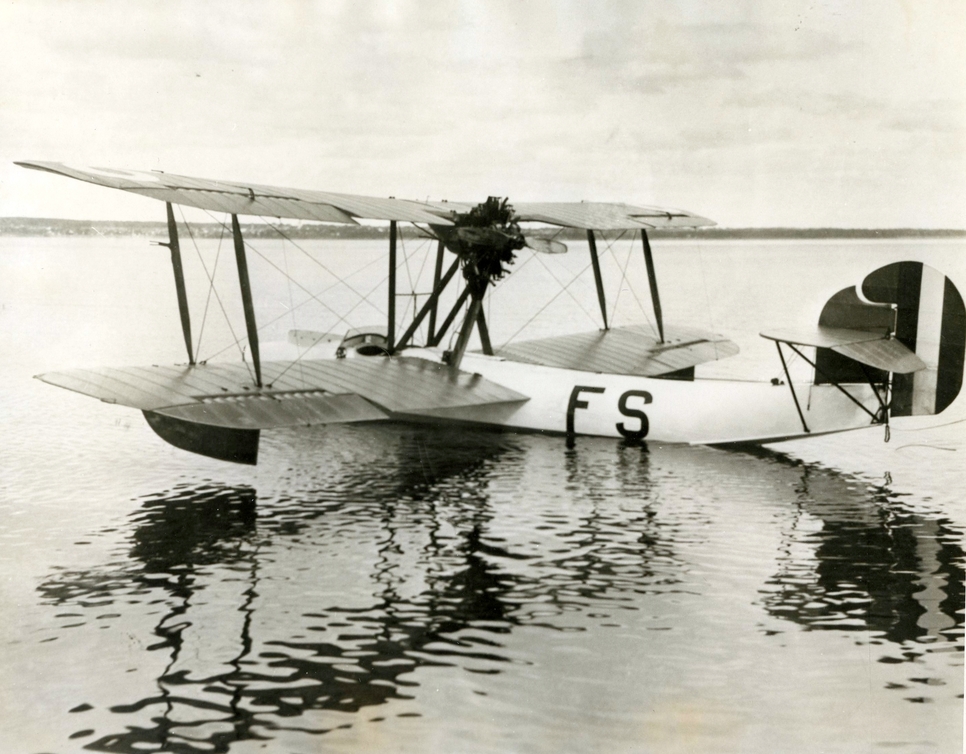 The Vedette was the first aircraft designed and built in Canada to that country’s specifications and requirements. Wish I had one.

B-47 Stratojets, 321st Bomb Wing, Pinecastle AFB, 1956


C-47 and B-36’s at Carswell AFB
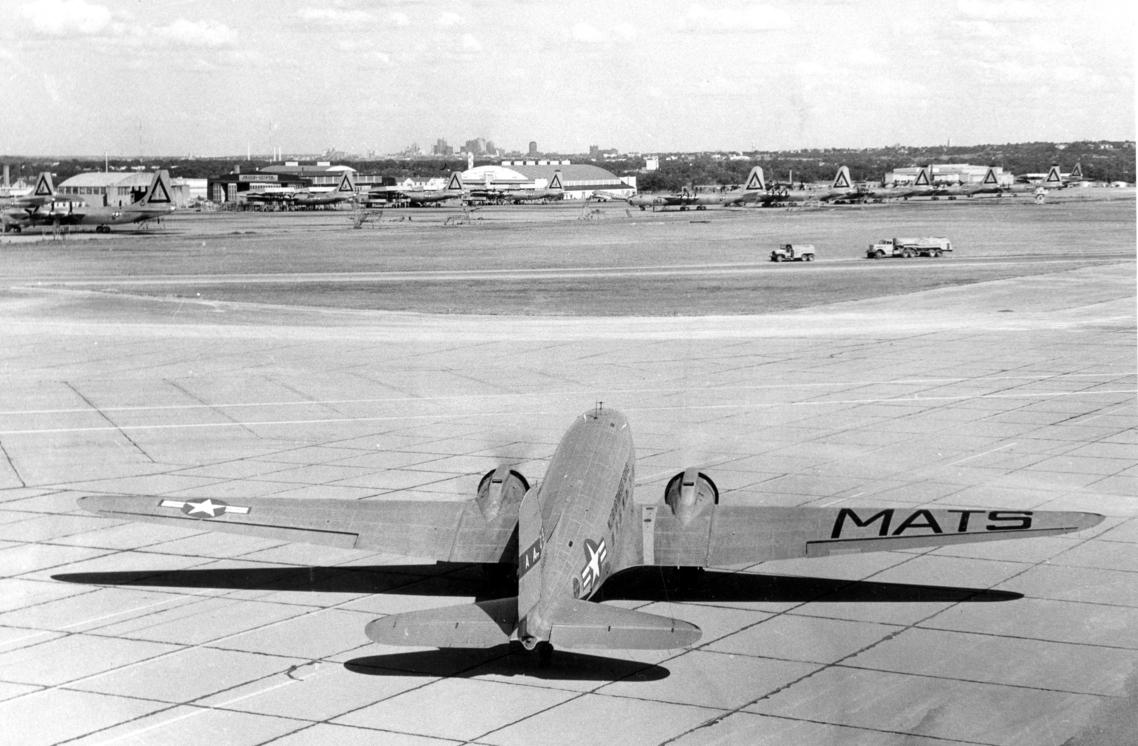
This photo, among other things, illustrates just how flat the world can be – that is downtown Dallas in the far distance. The C-47 says MATS (Military Air Transport Service), but is also assigned to Airways and Air Communication Service (AACS). MATS was higher up the totem pole than AACS, hence the wing markings) The B-36’s are of Carswell’s 7th Bomb Wing.
Zentralflughafen Tempelhof-Berlin
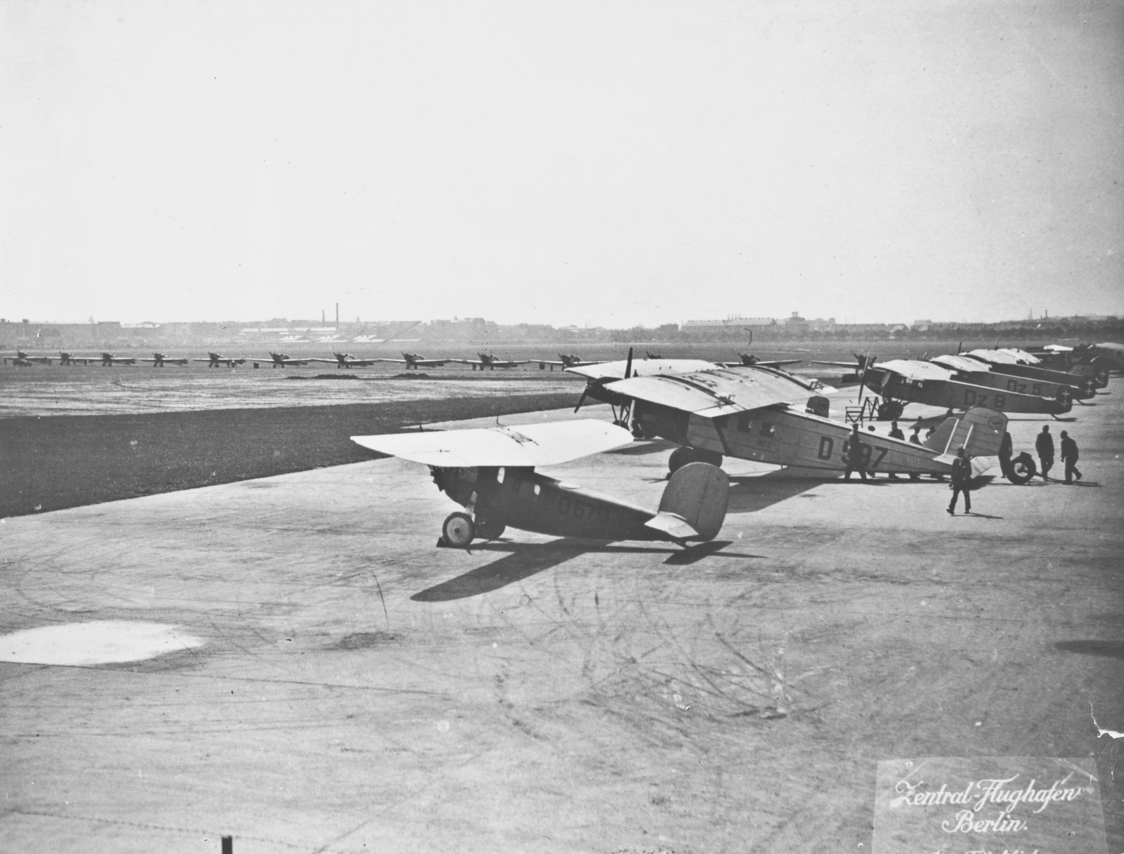
According to the caption on the back, the photo was taken 1923/4. This, of course, before the airport’s Nazi era makeover. An Udet U-8 is seen in the foreground.
Haven’t posted any Corsairs in awhile…
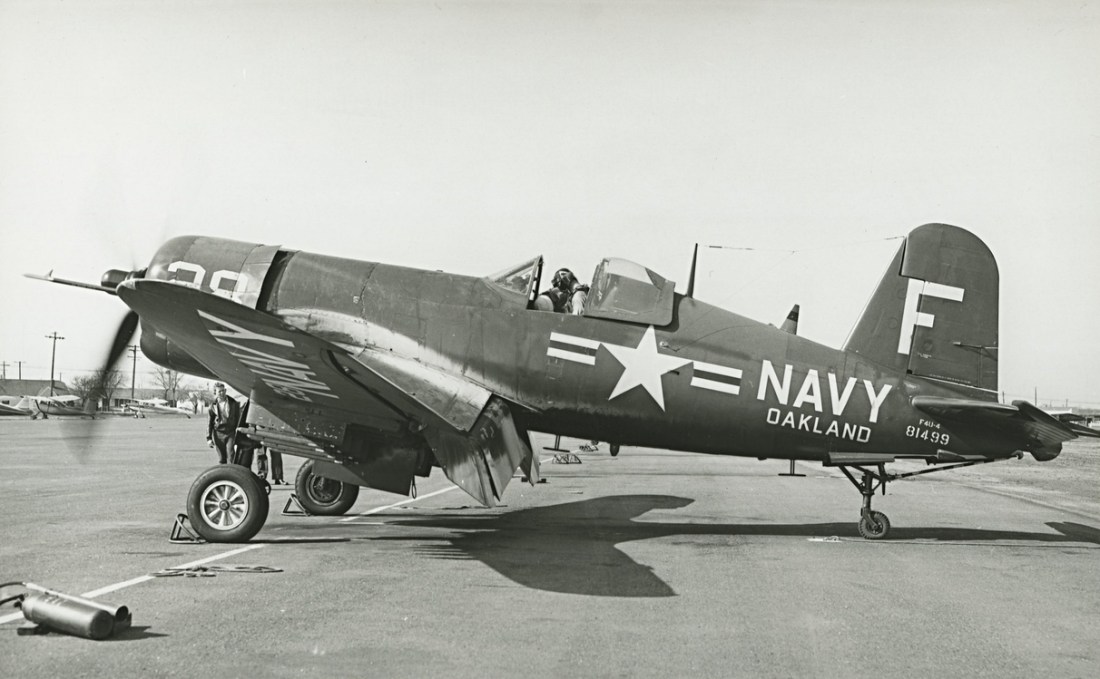
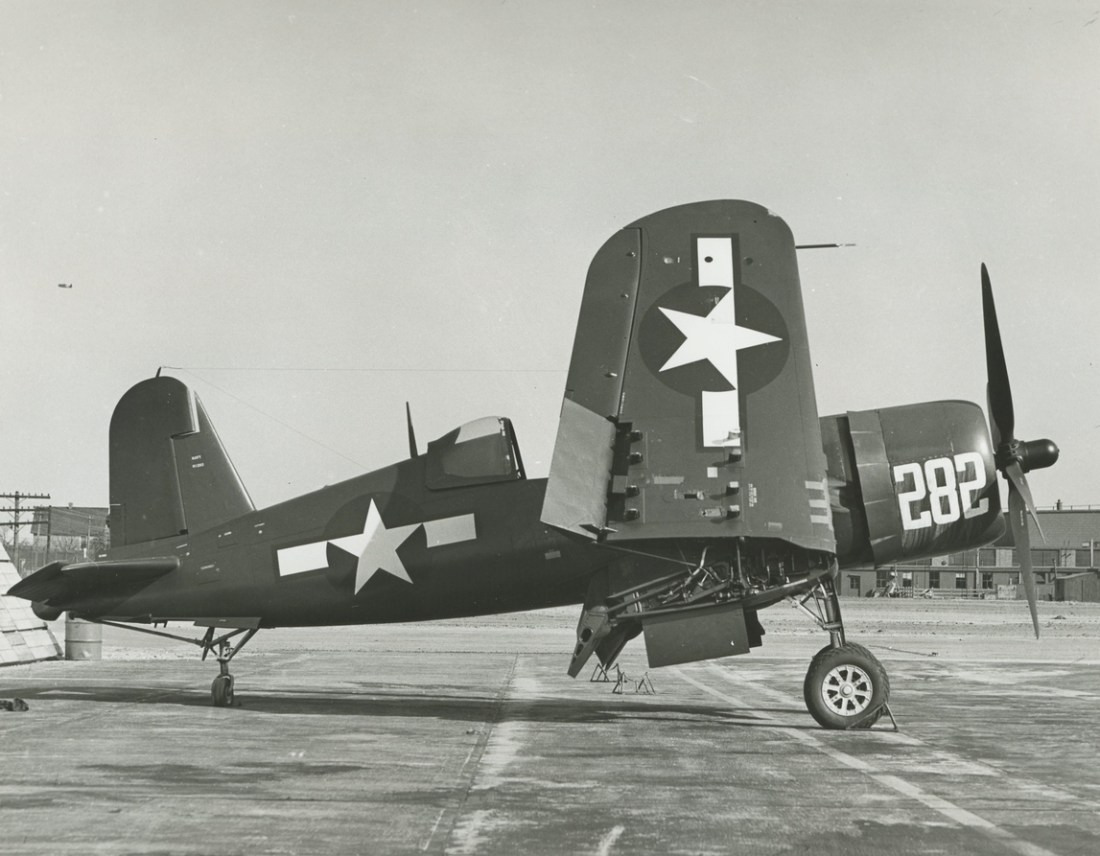
Top photo: F4U-4 (81499) of VF-873, NAS Oakland. Next, 81282, unit unknown.
The XB-19 buzzing the field
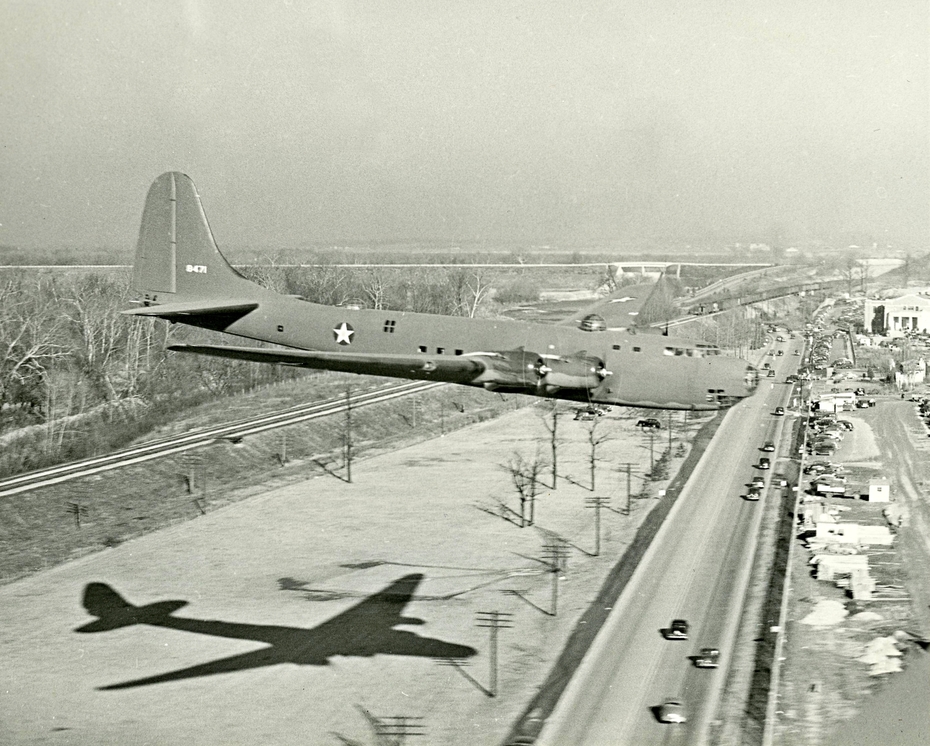
Lesson of the day: Do not always trust the caption on a photo. This one states the photo was taken at Long Beach, California, in 1941. A sharp-eyed reader noted something in the photo that puts that caption in doubt: There appears what seems to be piles of melting snow. For those not familiar with the climate of Southern California, there is about as much a chance of it snowing in Long Beach as there is in Miami Beach. Further reflection makes me guess this photo was not taken in 1941, but rather 1942. The aircraft is painted, and still has radial engines (It was re-engined with Allisons in 1943).
But, where then was the photo taken? I took a guess, looked at some old photos for verification, and can confirm the aircraft is approaching the west side of Wright Field, Ohio. (And hey: It snows there often.)
The 零式艦上戦闘機 of the US Navy

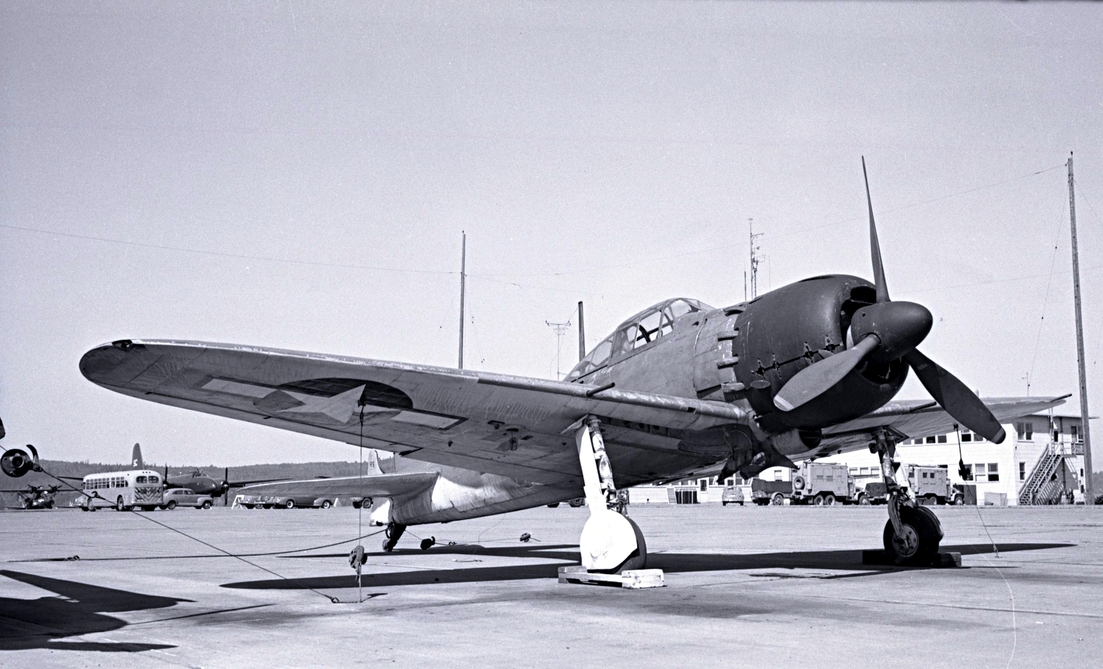
The “零式艦上戦闘機” (or, “rei-shiki-kanjō-sentōki”) is better known to the rest of the world as the Mitsubishi Zero. The first image is the intact Zero brought back from the Aleutian Islands in 1942. It is seen here at NAS North Island in that same year. The second image is of what I assume to be a different aircraft some six or seven years later at NAS Whidbey Island.
I was quite surprised to find this photo showing a Zero still around well after the war. It is at least 1948: There are P2V Neptunes in the background as well as an R5D coded “RS” of VR-5. That tail code entered service in 1948.
Japanese aircraft of WWII
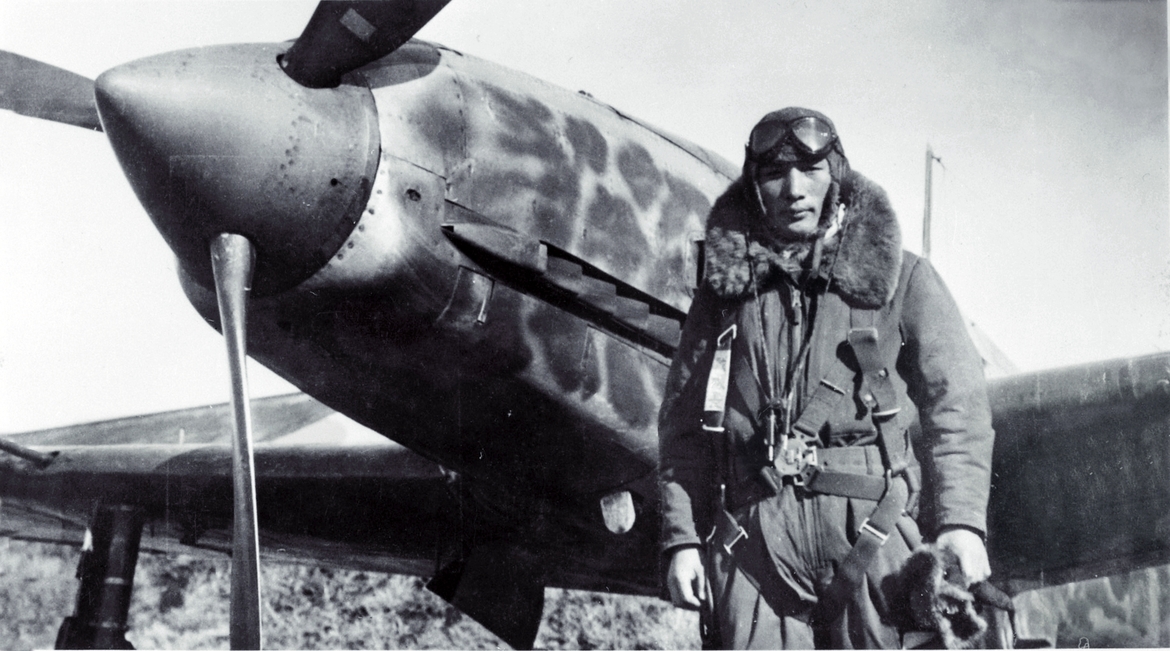


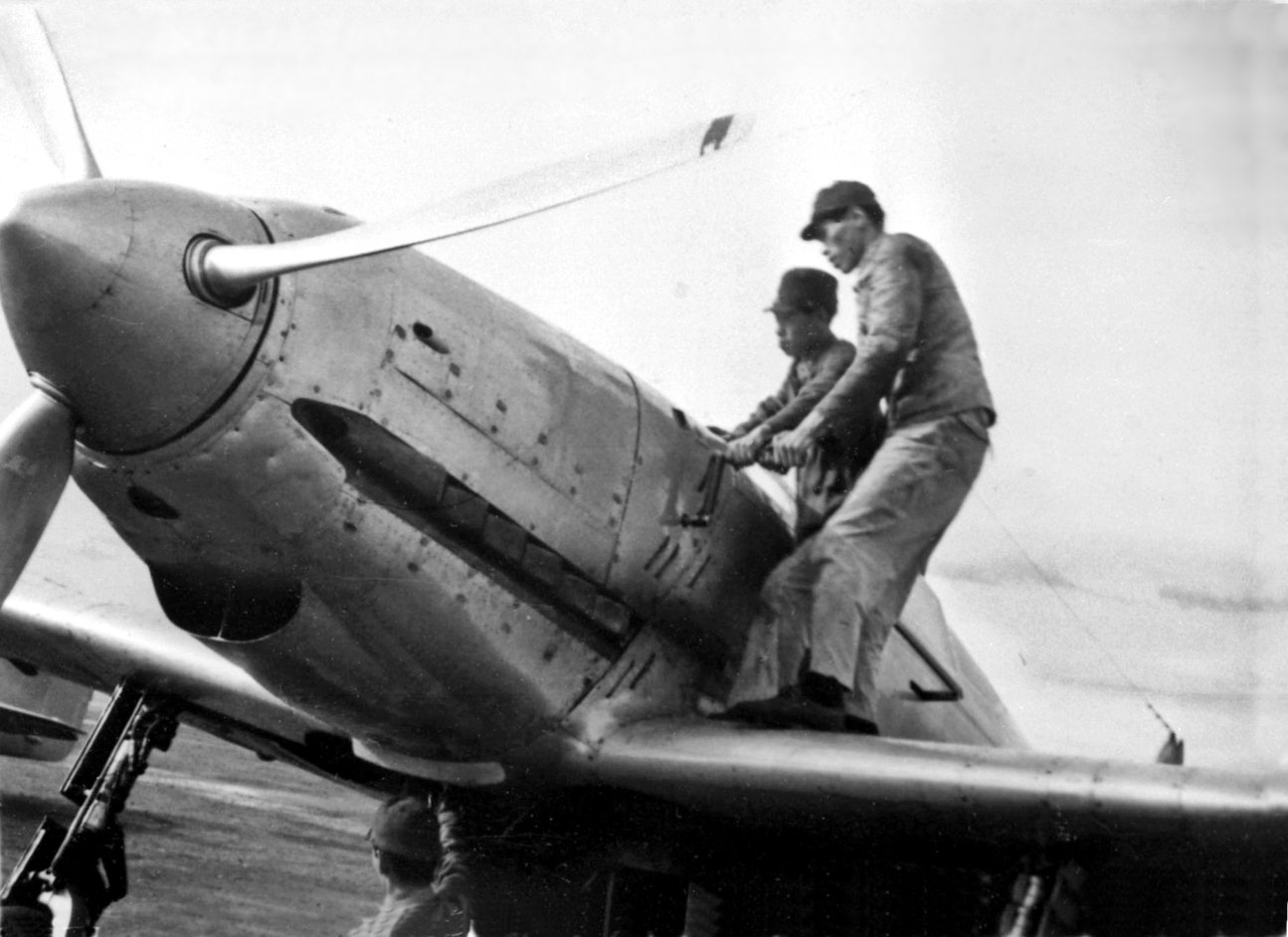
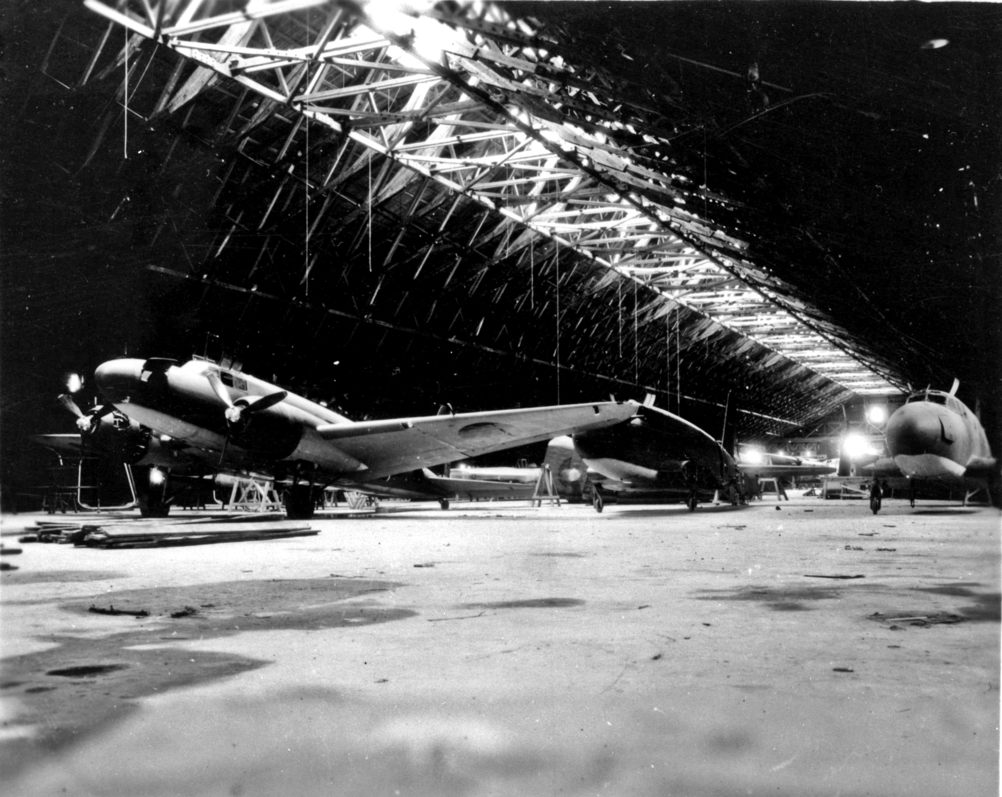

A mixture of Mitsubishi’s, Kawasaki’s, Kawanishi’s, etc.
“Mainliner Arizona” readies for takeoff at Boeing Field, 1949

Dad was at the controls when this photo was taken way back when. His logbook shows that he flew this aircraft numerous times between 1947 and 1956, but he’s pretty sure this was 1949. SeaTac opened in 1947, but United didn’t shift its operations there until a few years later. Dad didn’t mind; Boeing Field was closer to our house.
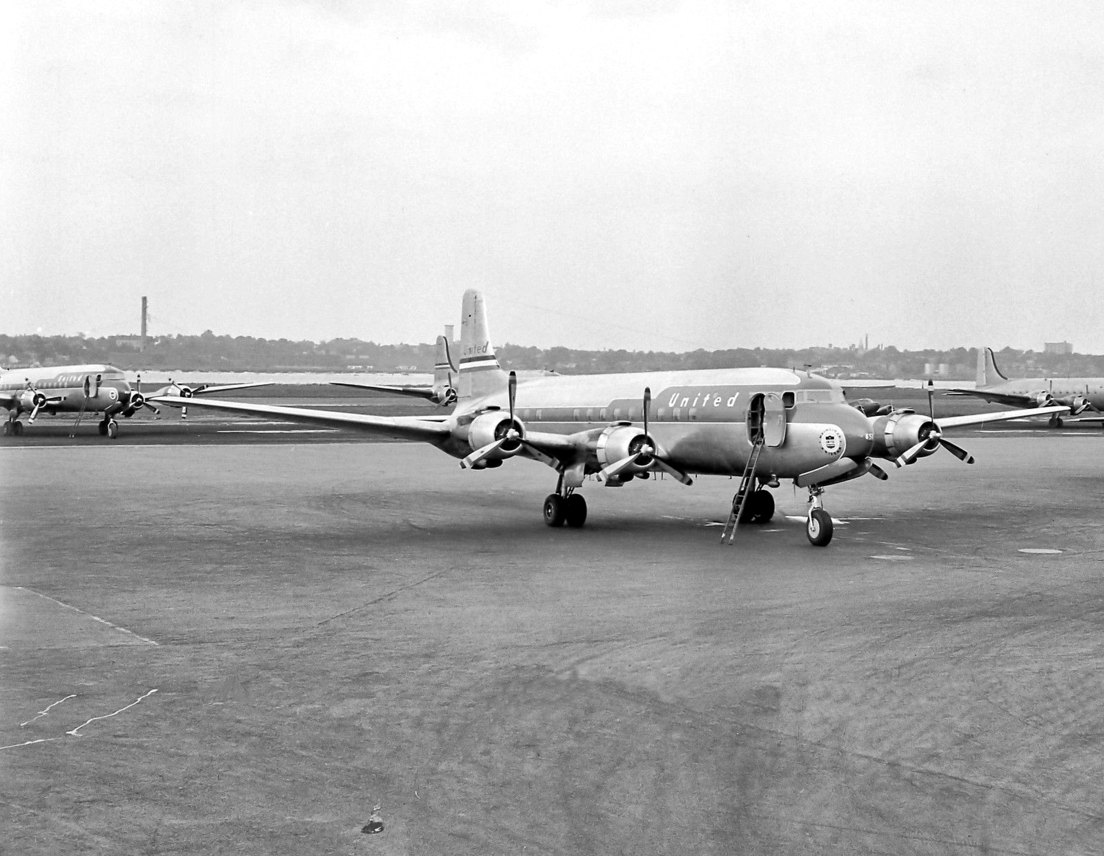
Same aircraft (N37511) on the United ramp at Chicago.
Martin B-10’s at Boeing Field,1935

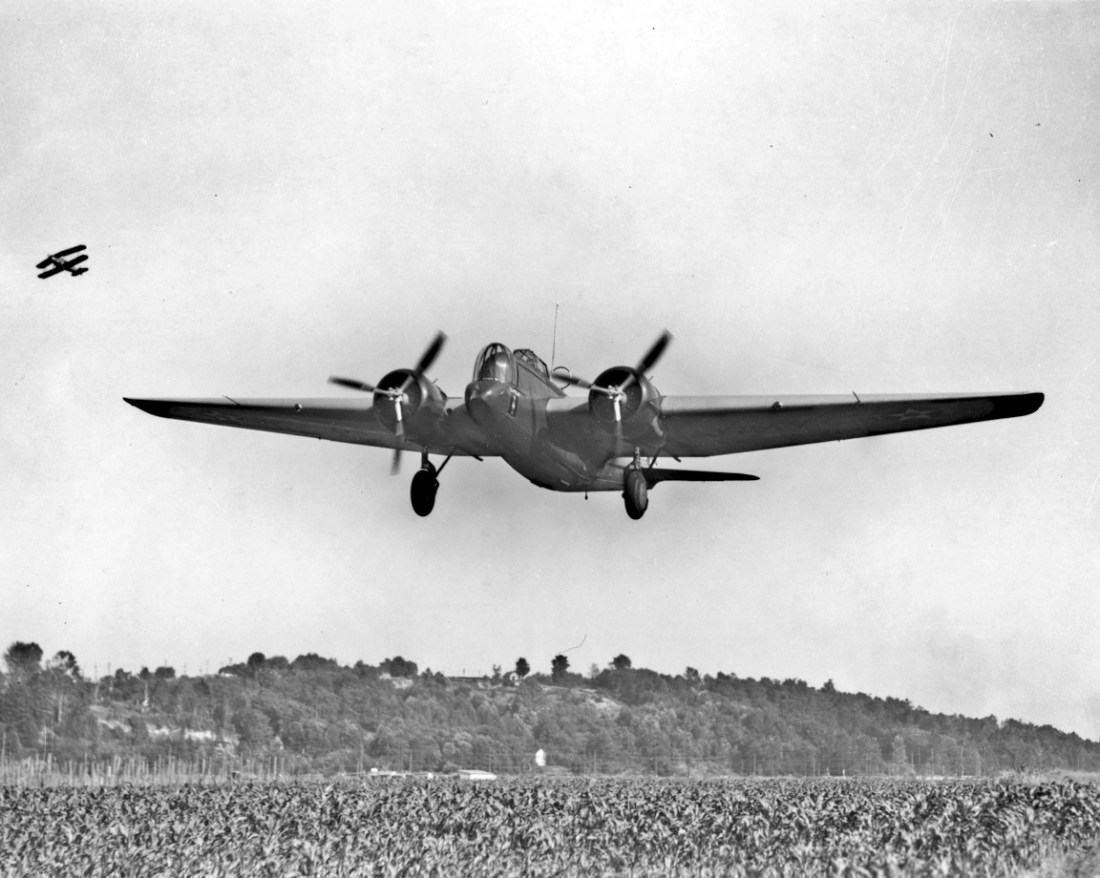

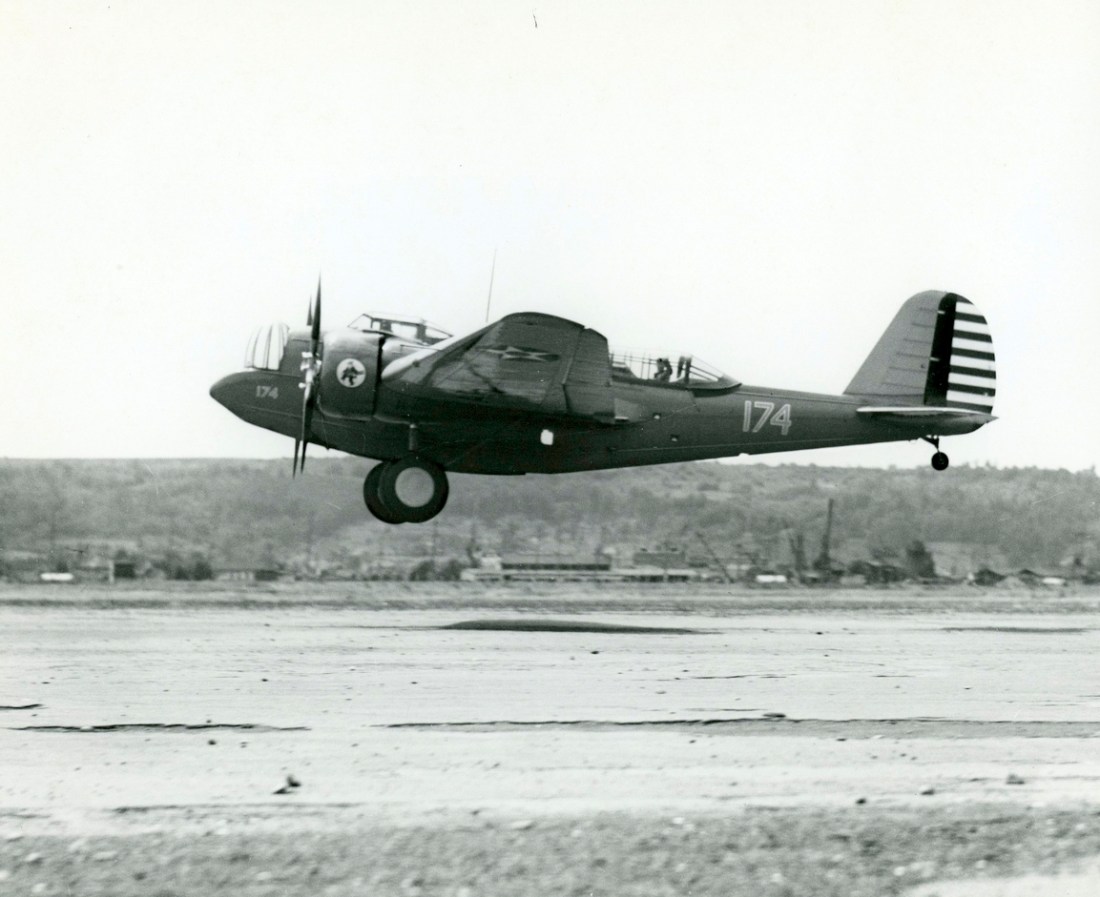
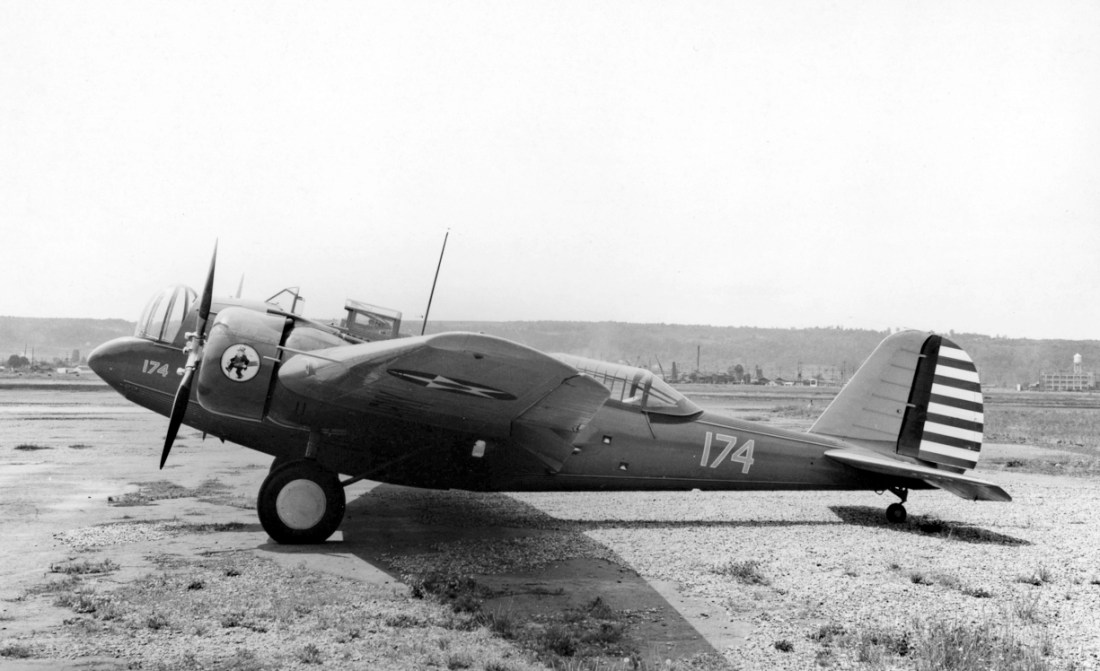
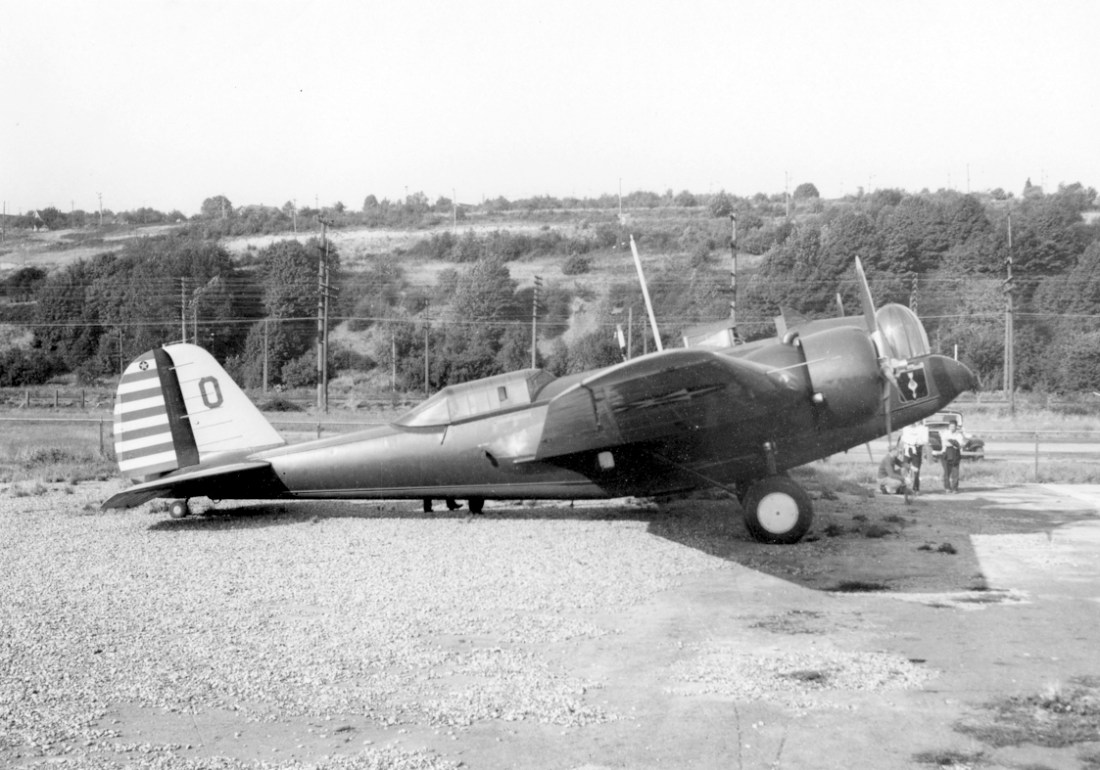
Aircraft are from several units: 11th & 31st Bomb Squadrons, and one more I am unable to identify. One plane sports the marking of the famous Alaskan flight from the year before.
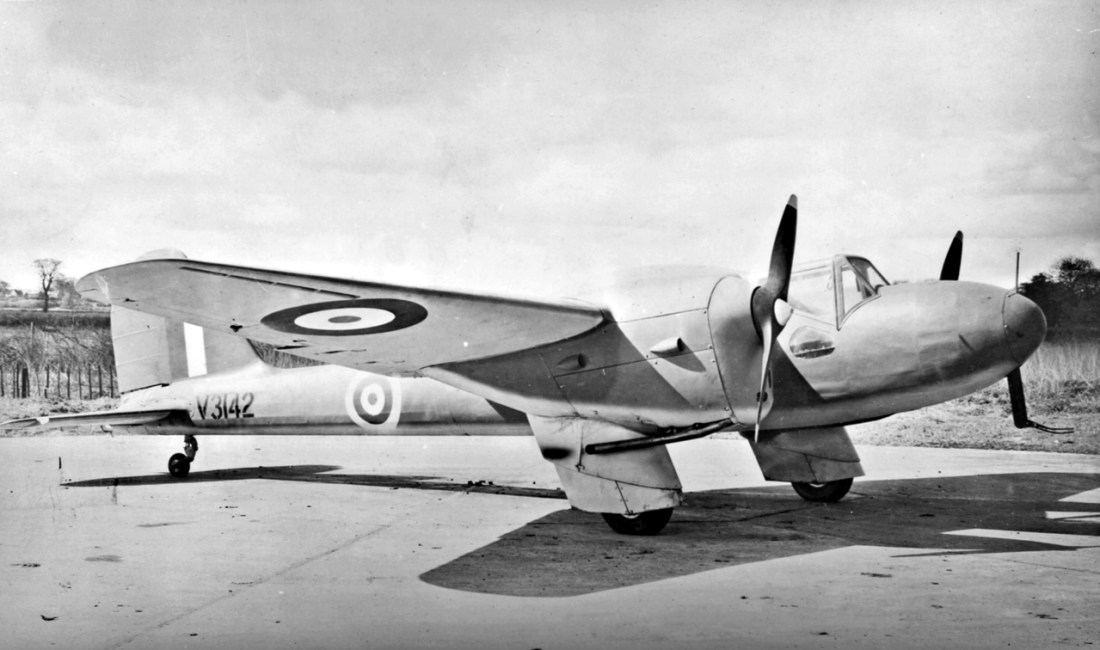
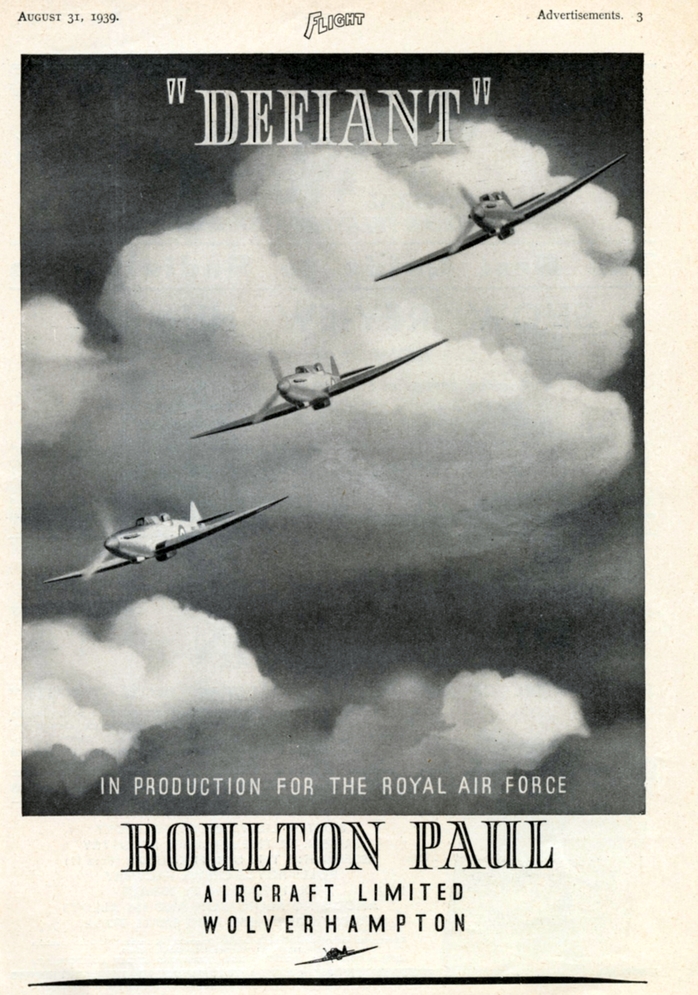
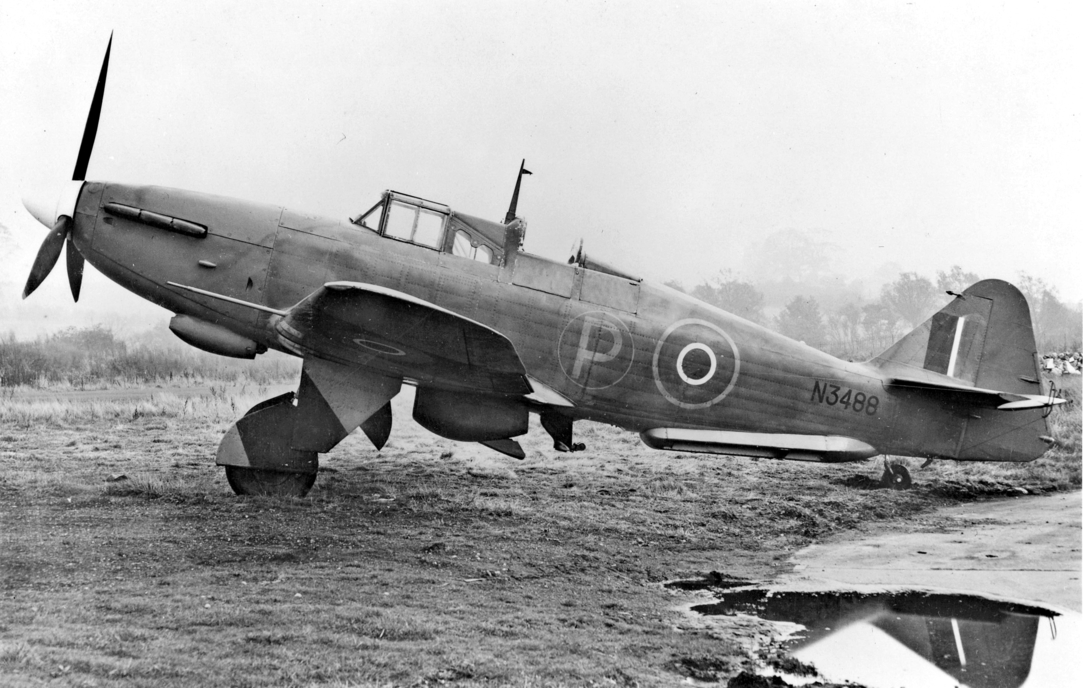
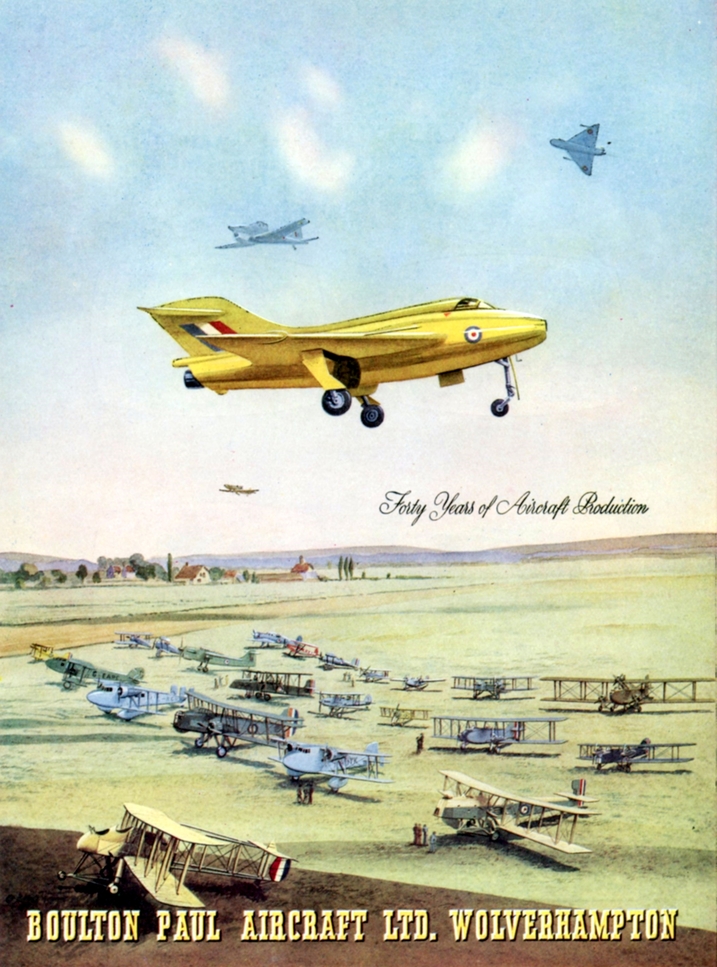
Boulton & Paul

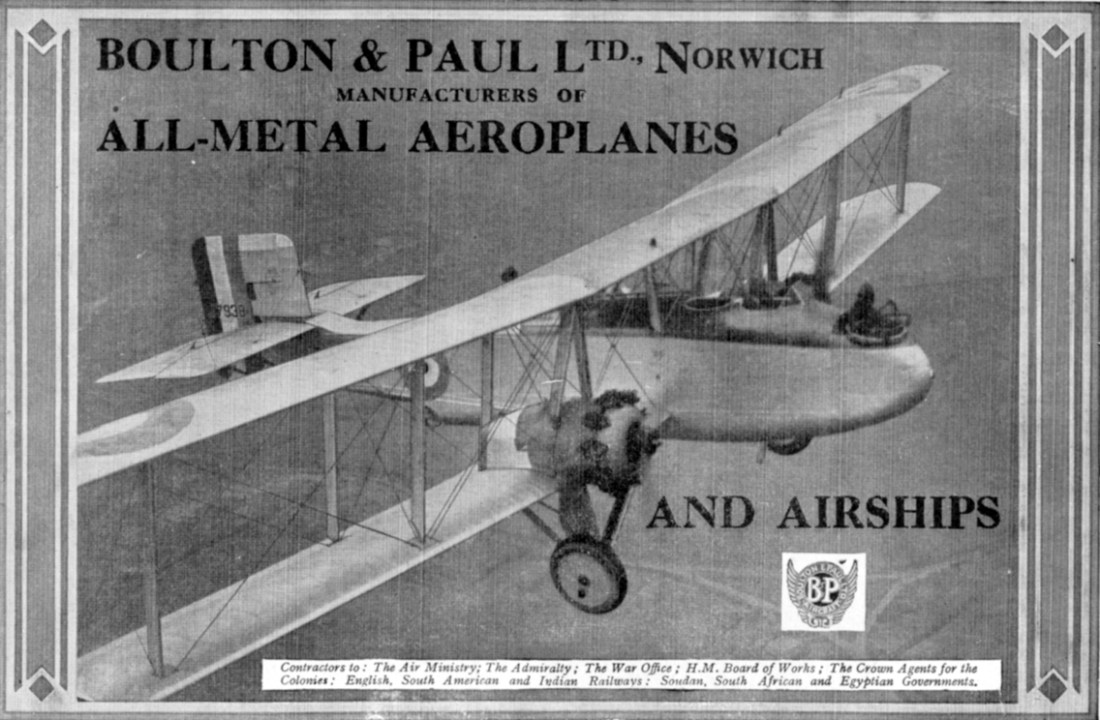
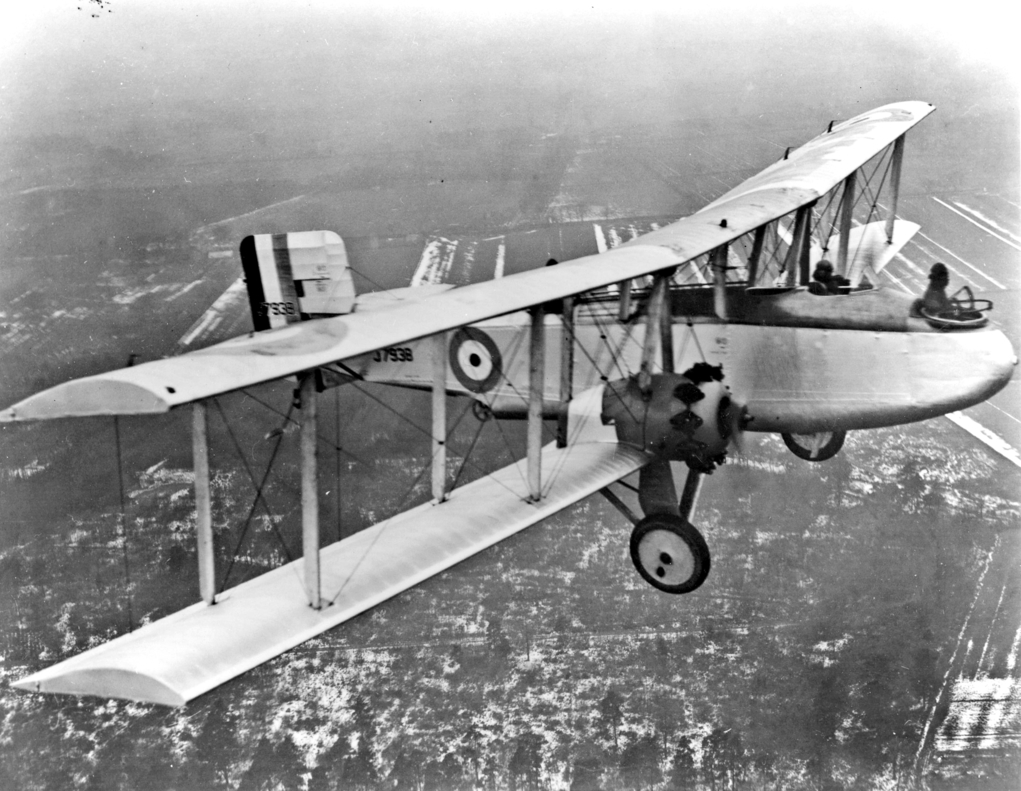


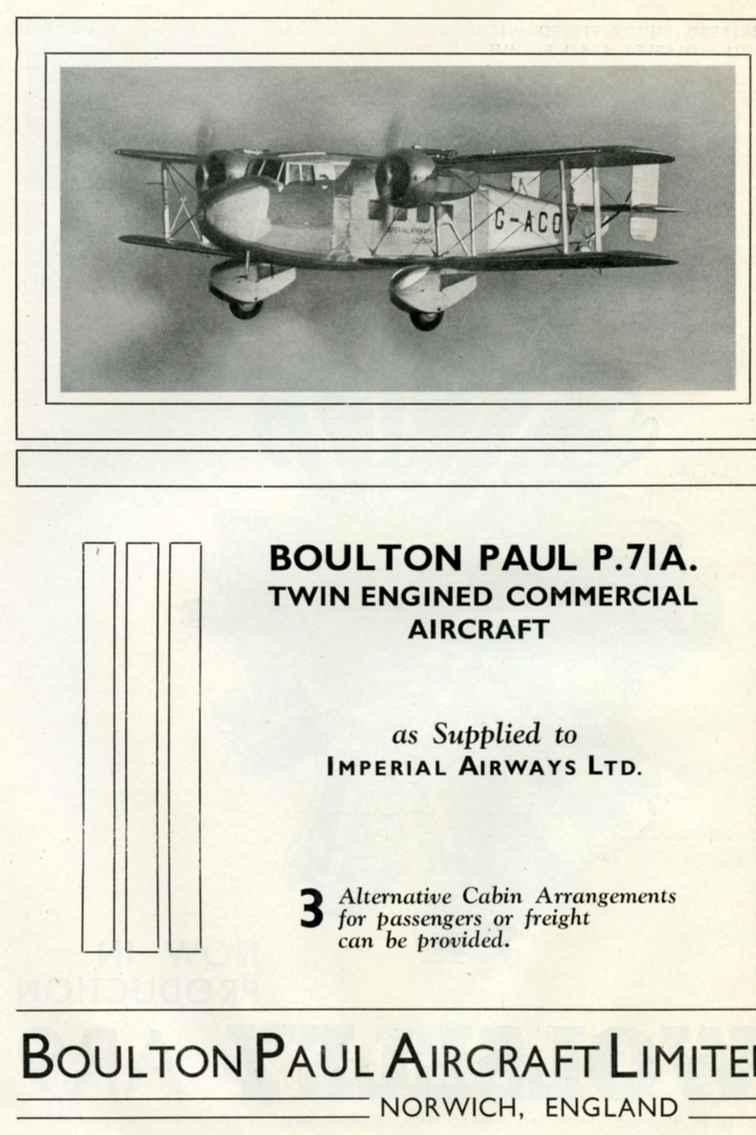




 The Jive Bomber