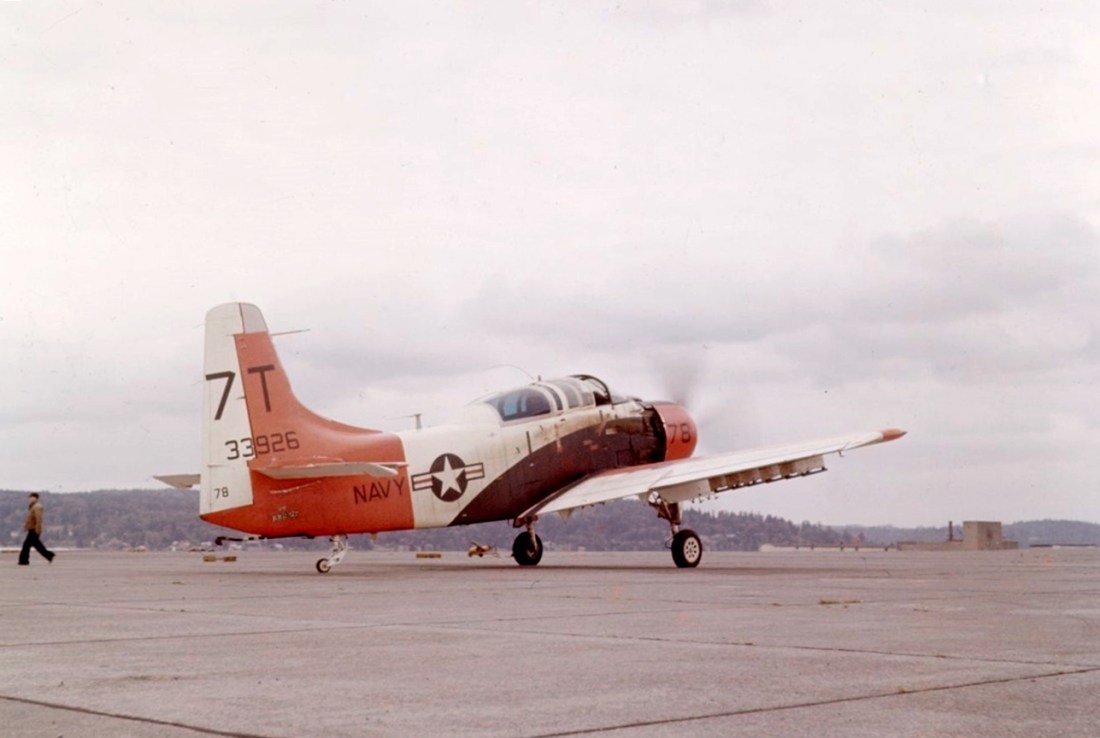
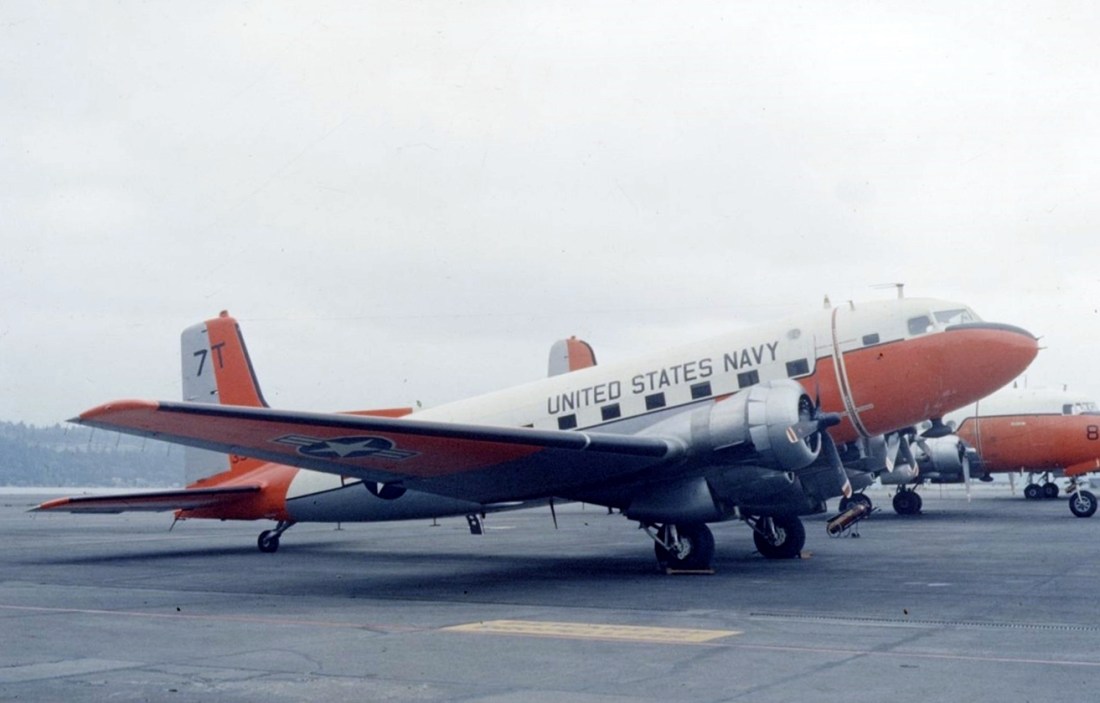
Naval Air Station Spokane shared the runways of Geiger Field with the USAF, Washington ANG, and the city of Spokane. The navy arrived in 1948, and closed up operations there in 1958.
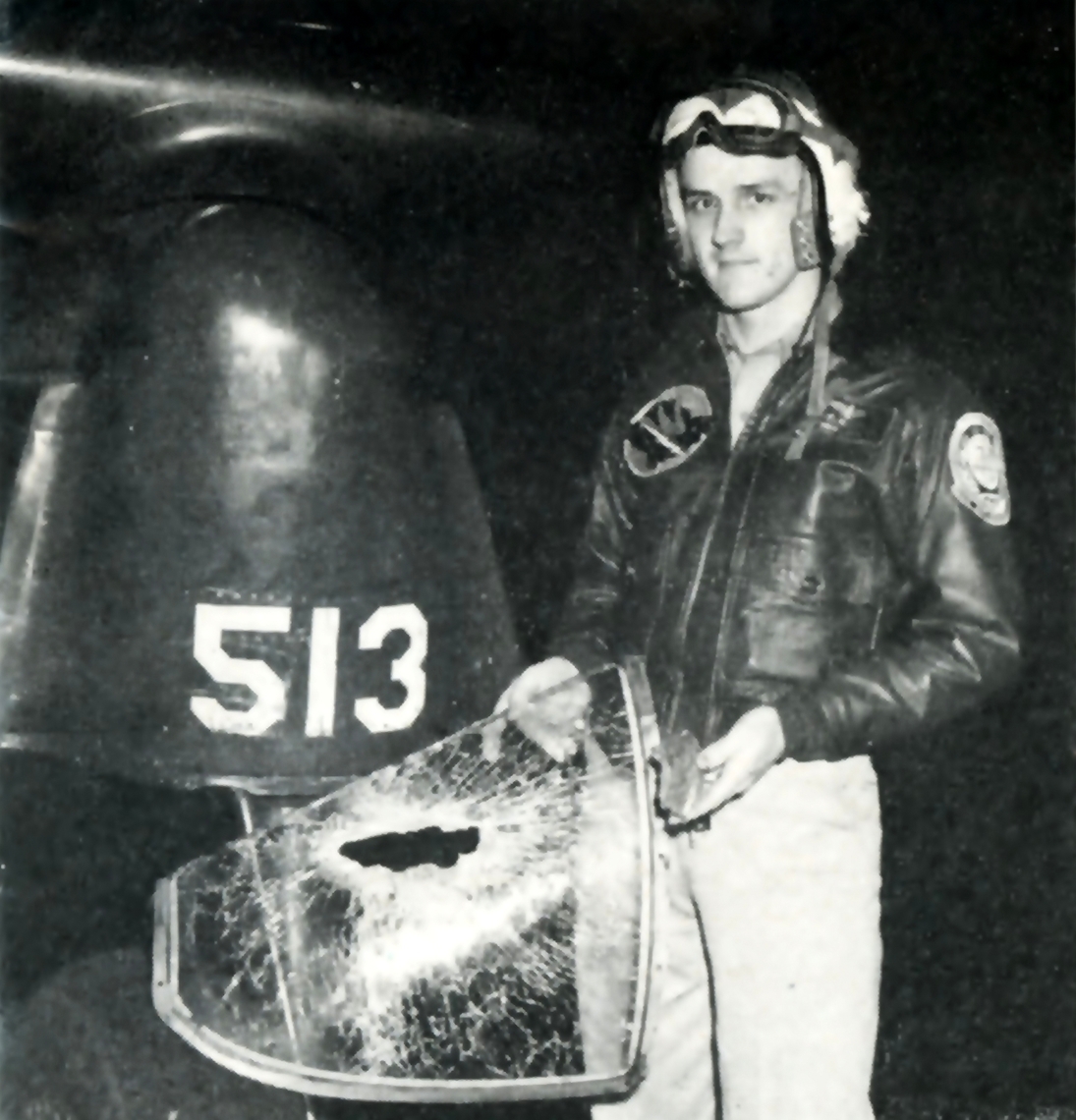
Standing before his AD Skyraider aboard USS Antietam after a mission over North Korea, he holds what remains of his windscreen after flak nearly took his head off.
One of the US Navy’s unsung yet most important squadrons was VC-5 in the late 40’s/early 50’s. Flying first the P2V Neptune, then the AJ Savage, VC-5 was tasked with lugging atomic weapons from the decks of carriers at a time when the navy was struggling to maintain a viable role. No longer allowed to possess bombers (thanks, USAF!), the navy scratched about and came up with “Attack Squadrons.” (“No, no, these aren’t ‘bombers’; they are ‘attack’ aircraft.”) Whatever the name, the successful innovation of a carrier-based nuclear bomber – er, attack aircraft – saved the navy’s bacon.
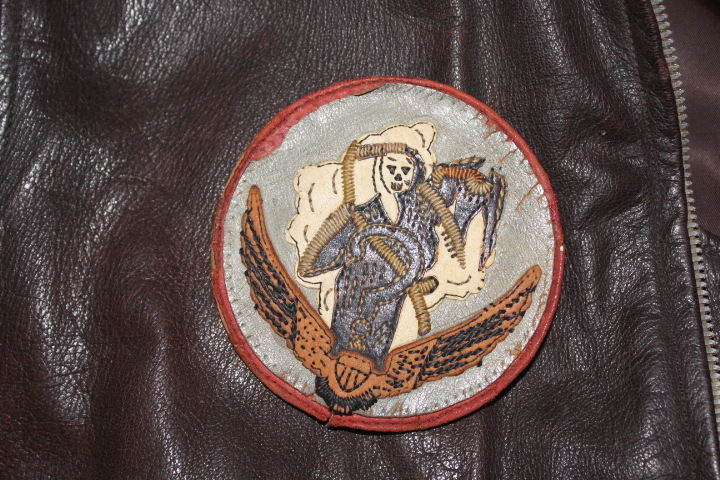
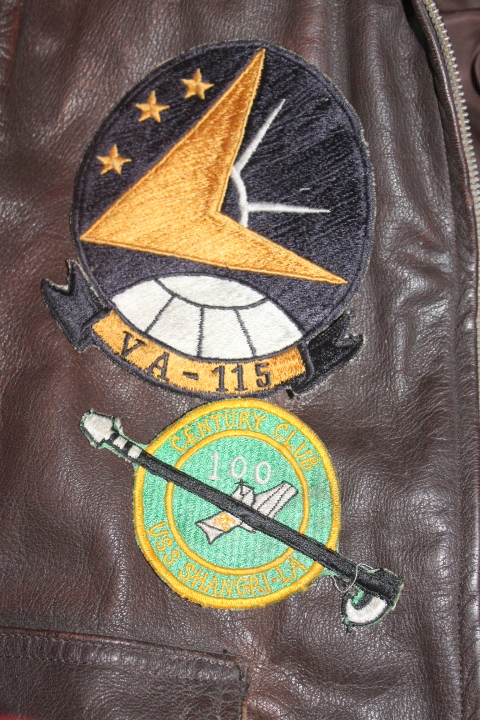
VA-115 flew the AD Skyraider when these patches were worn way back when. These came from Dick Francis, who is seen piloting an AD on the cover of Bob Dorr’s great book about the Skyraider. Photo was taken by Francis’s wingman during the 1958-9 Shangri-La cruise.
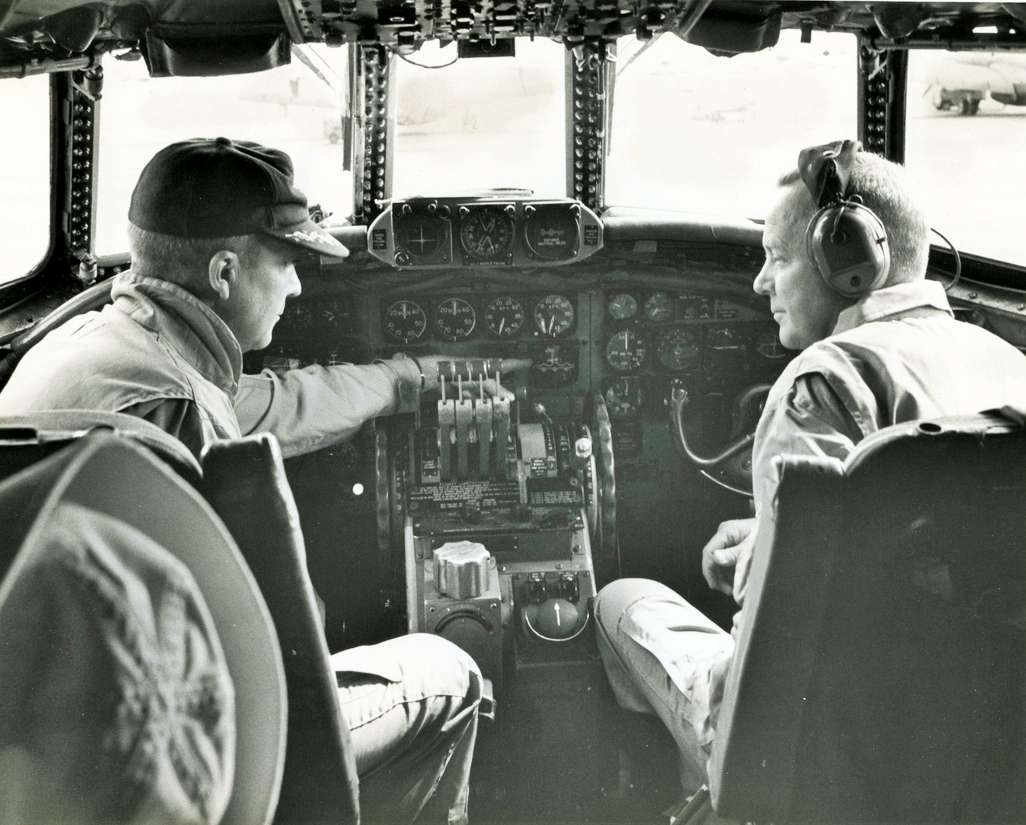
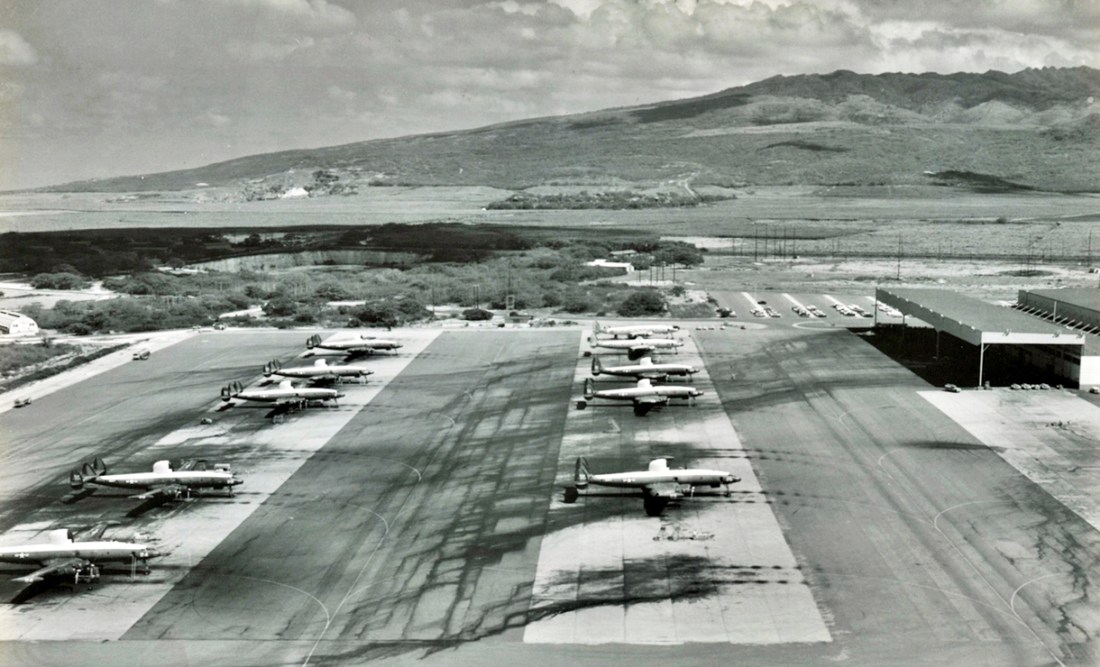
The Lockheed WV (later the EC-121) flew the Pacific Barrier missions during the Cold War. Operating from places such as the Midway Islands, the Lockheed WV (Willy Victor) crews flew long missions over the north and central Pacific. Plenty of good info at sites such as WillyVictor.com. Photos here show:
1. Pilots at NAS Barbers Point, Hawaii.
2. Willy Victor raft and survival gear. Despite the humor (“Royal Hawaiian”, as in the fancy hotel on Waikiki), the Pacific Barrier flights consisted of endless hours flown over endless seas. This raft and related equipment seen here were not to be taken for granted.
3. Barbers Point with plenty of WV’s to gawk at.
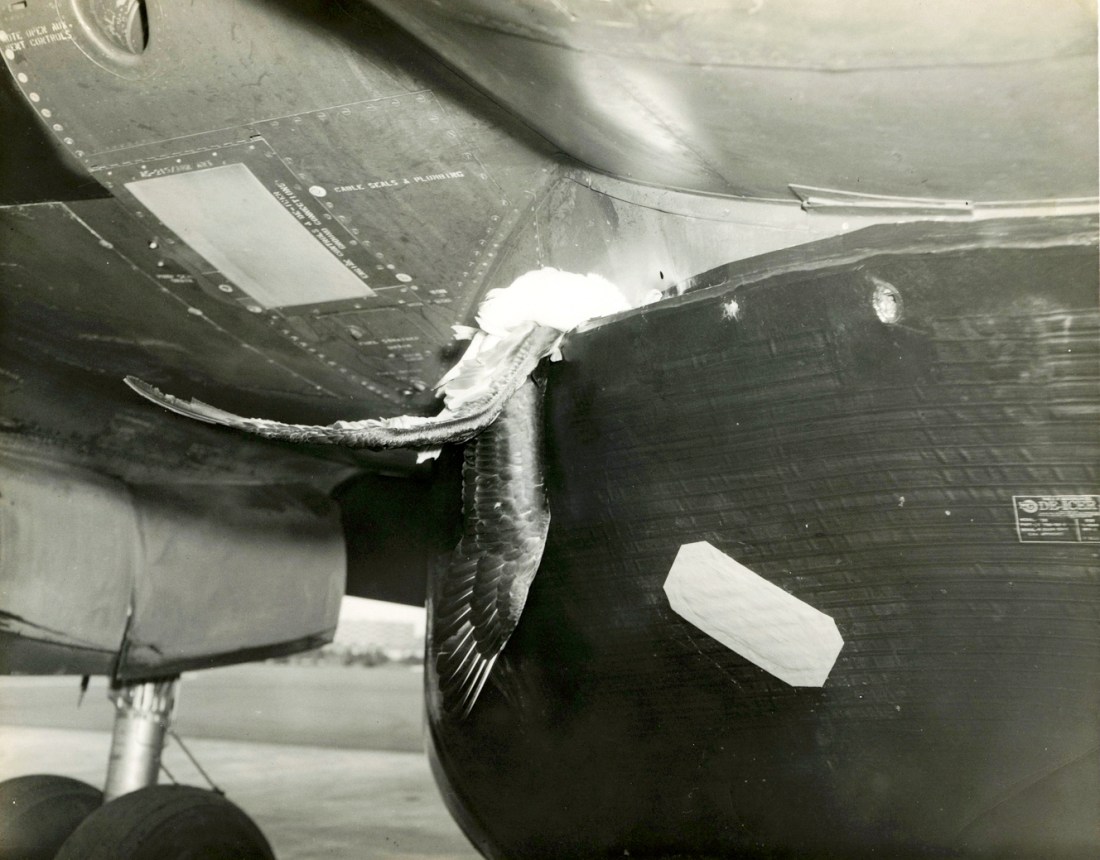
4. Lower radome of a WV after taking out a goony bird at Midway. Having flown in and out of Midway a time or two myself, I can attest that bird strikes there are a common occurrence.
The nose wheel failing on landing resulted in a nice furrow through the runway concrete courtesy of the wheel-less nose strut. Assigned to Composite Squadron Eight (VC-8) based at NAS Roosevelt Roads, Puerto Rico, this unfortunate Neptune (148338) was repaired and eventually made its way back home.
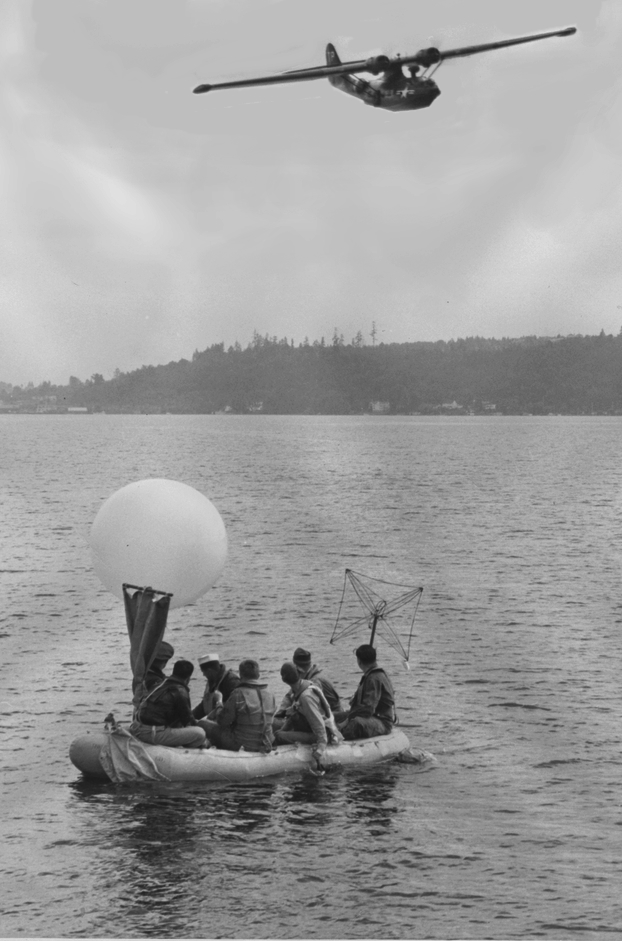
Survival training in the late 1940s. Here is the scenario: this crew of a “downed” PBY Catalina are no doubt “miles behind enemy lines” and their only hope of salvation is the timely arrival of a rescue aircraft. Naturally, they utilize every trick in the survival kit to attract rescuers.
Luckily for them, an eagle-eyed PBY pilot from their own squadron has them in sight.
Swooping in just when all hope was lost…
It was a close call, but help has arrived – and no doubt just in time for lunch.
So, this training was accomplished on Lake Washington, a body of water upon whose littoral there was once NAS Seattle (both the men in the raft and those in the PBY are, of course, from said air station.) A lot has changed since then: the naval base is no more, and the forested slopes along the lake are crammed with houses.
Godfrey at the controls of an SNJ at NAS Pensacola in September, 1950. At that time, he was one of the busiest men in the entertainment world as well as being a tremendously successful pitchman. And, in case he was not busy enough, he was also an aviation advocate and veteran pilot who flew for both the Naval and Air Force Reserve (such was his fame, both wanted his association for recruitment purposes).
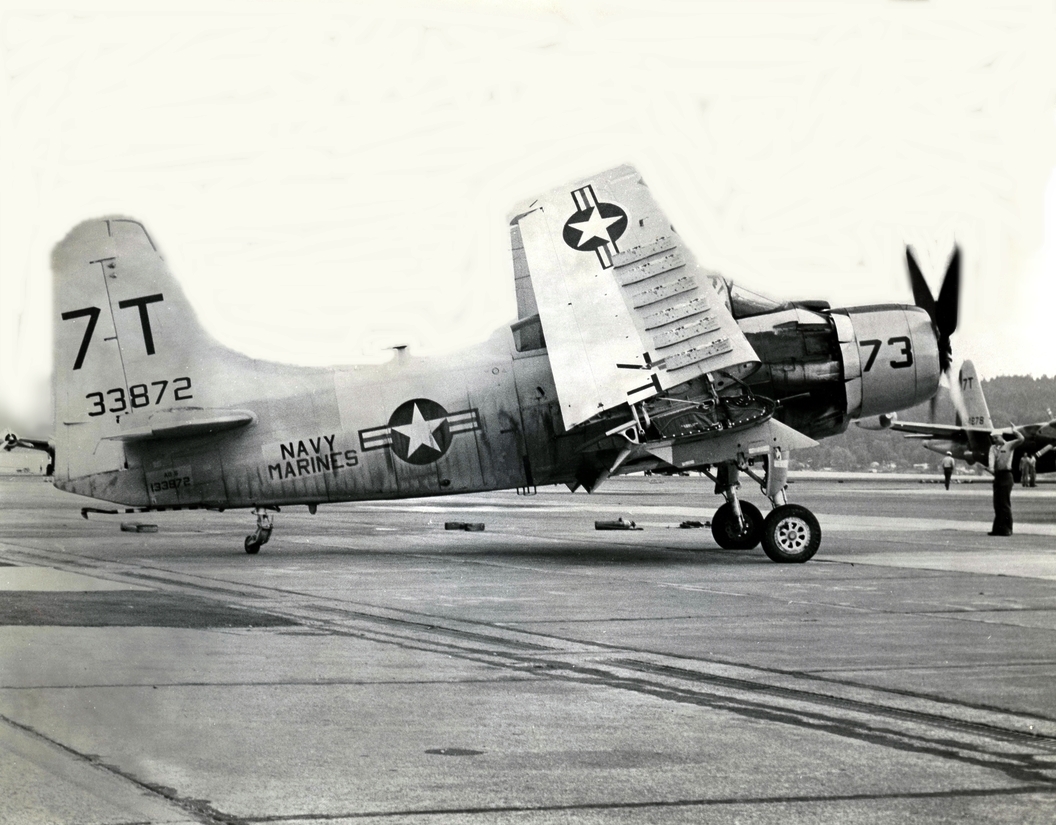
The Naval and Marine Corps Reserve at NAS Seattle took turns with their Skyraiders. To keep everyone happy (or near to it) the dual designation on the AD’s reflected each branch of those services. AD-5 133872 was later transferred to the South Vietnam Air Force.
Martin Aircraft had a post-war string of bad luck that included the Mercator. Though a capable aircraft, it lost out to Lockheed’s more versatile (and less expensive) P2V Neptune. The Mercator did enter service, but only 21 were built.












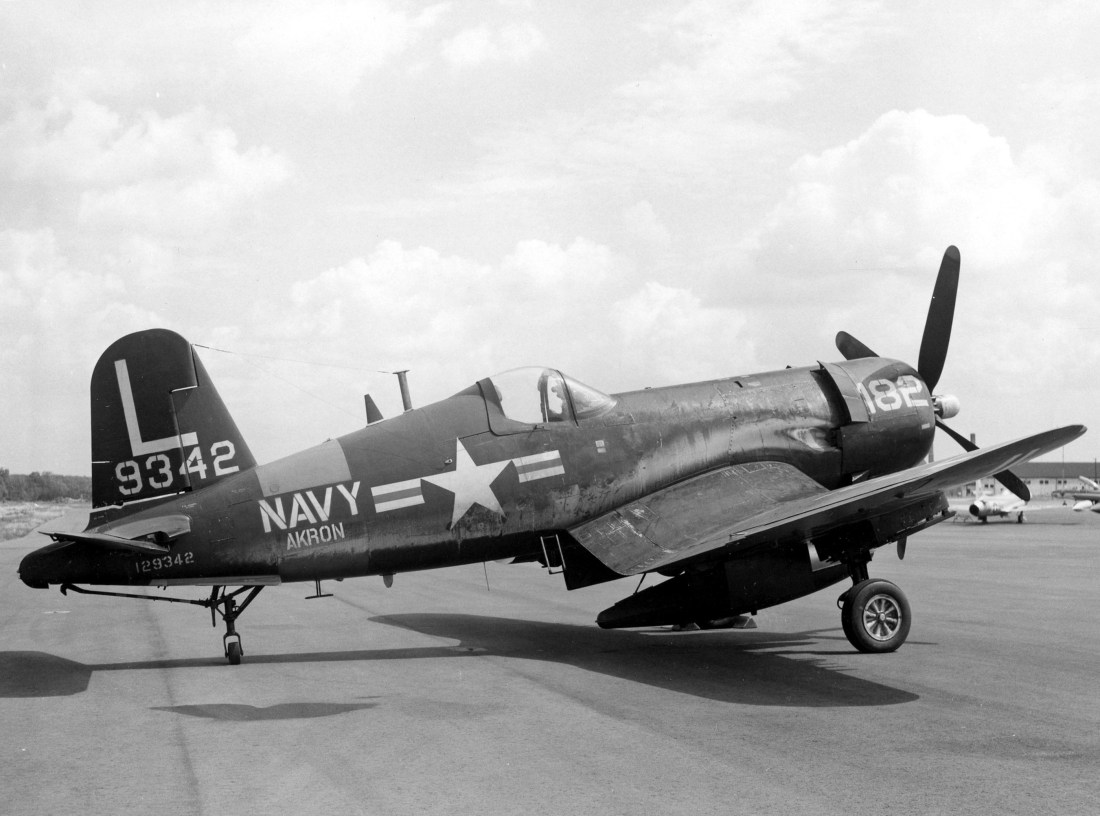
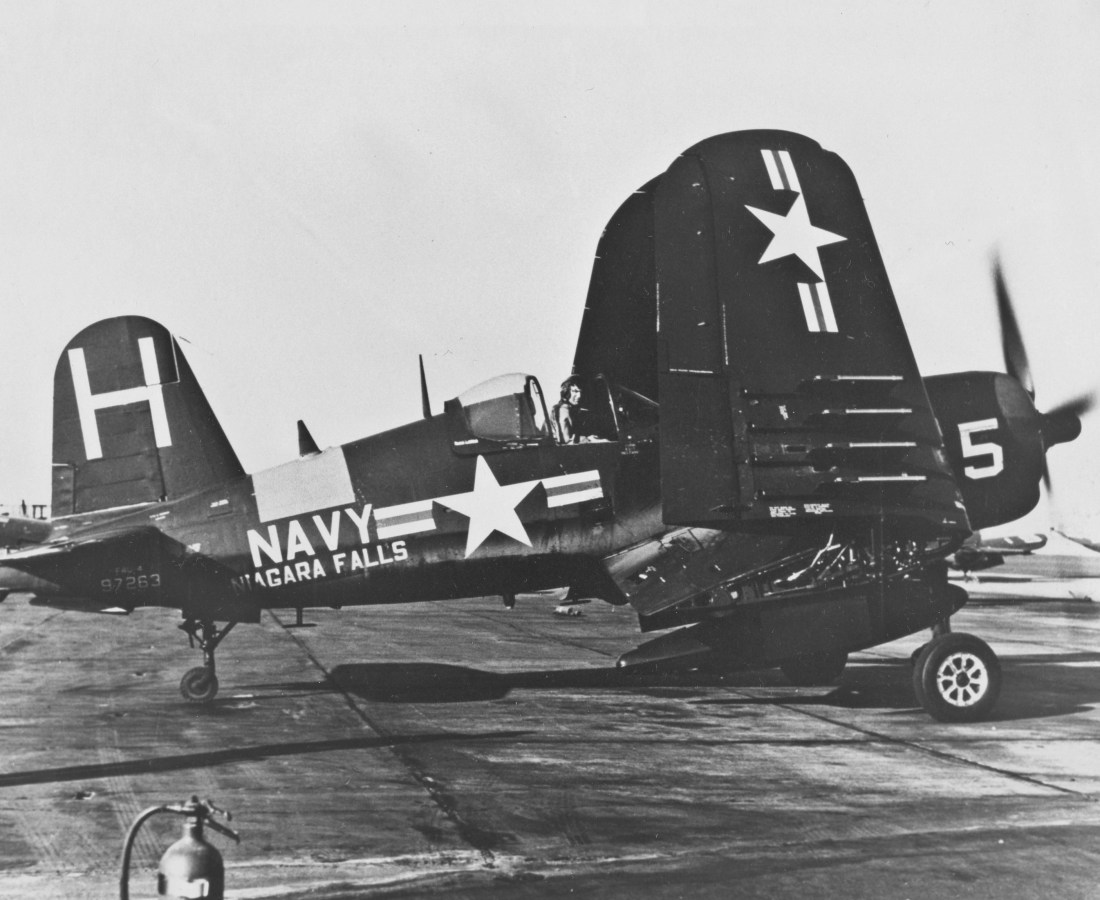


 The Jive Bomber