Category: Army Air Corps & Army Air Service
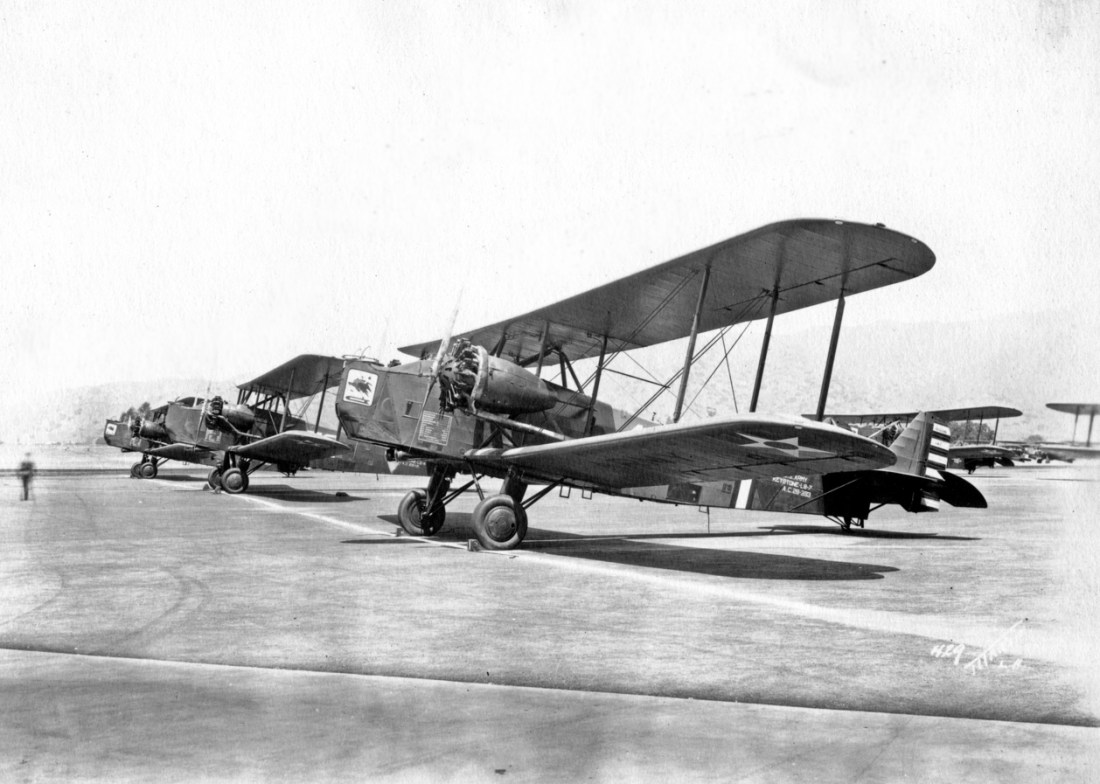
20th Bombardment Squadron, 1930
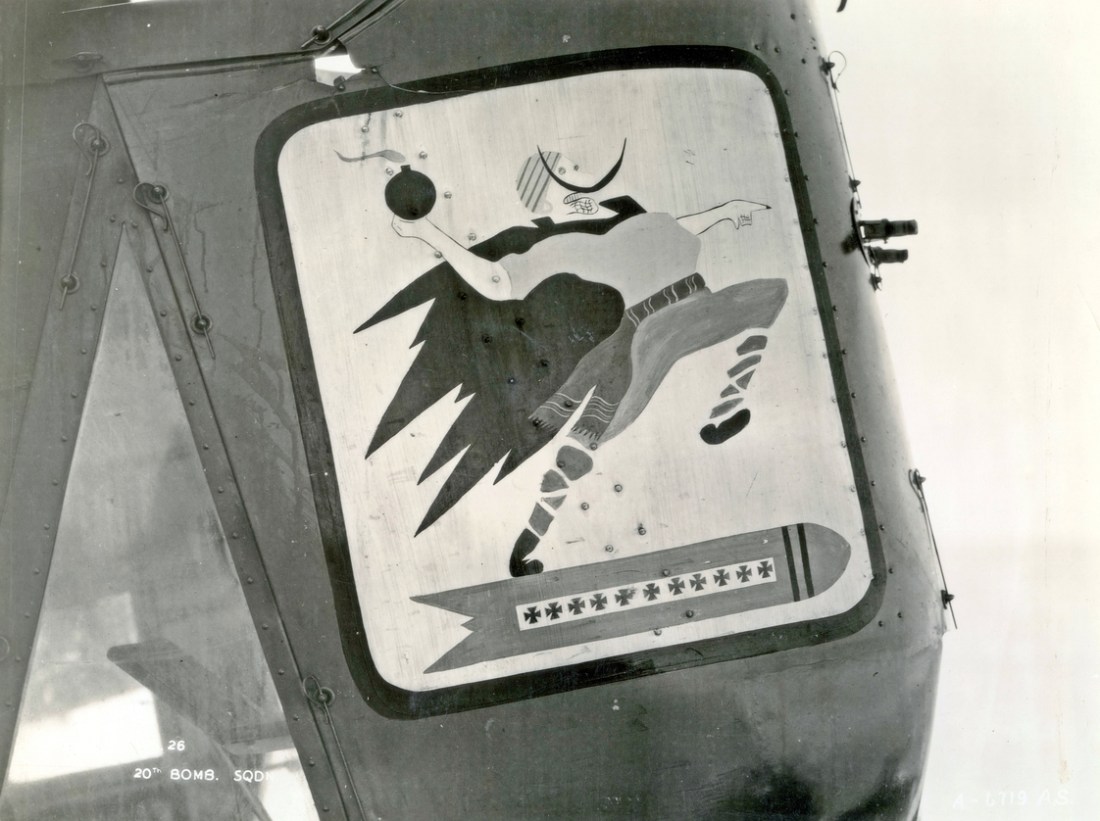
The aircraft on whose nose this insignia is applied belongs to the Keystone series of bombers flown by the 20th.
Busy doings at Langley Field, circa 1930
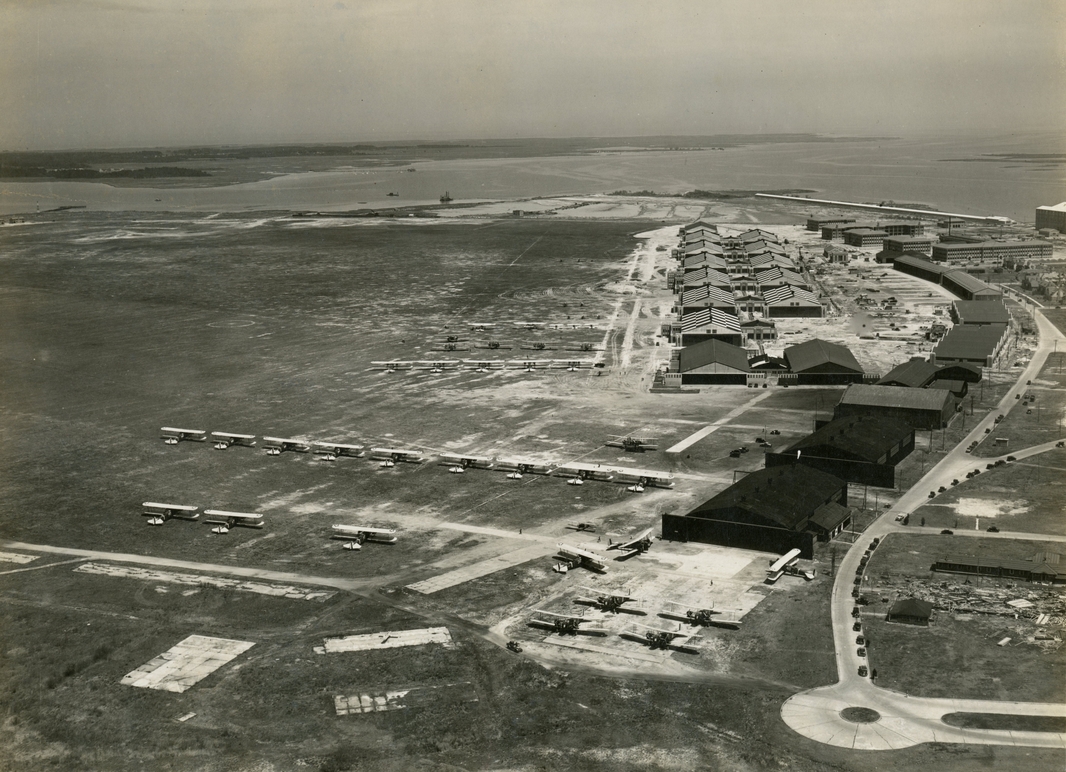

On hand are a gaggle of Keystone bombers and support aircraft. All are assigned to the 2nd Bomb Group. The aircraft in the lower photo are from the 20th Bomb Squadron.
P-1D of the 43rd School Squadron, Kelly Field

Back in the early 1930’s, the 43rd trained fledgling pursuit pilots for the Air Corps. One of them, Lt. Taylor, is seen here leaning jauntily against his ship. The sign in the background states that “Ships will not be taxied on or north of this road.”
O-46’s of the 12th Observation Squadron
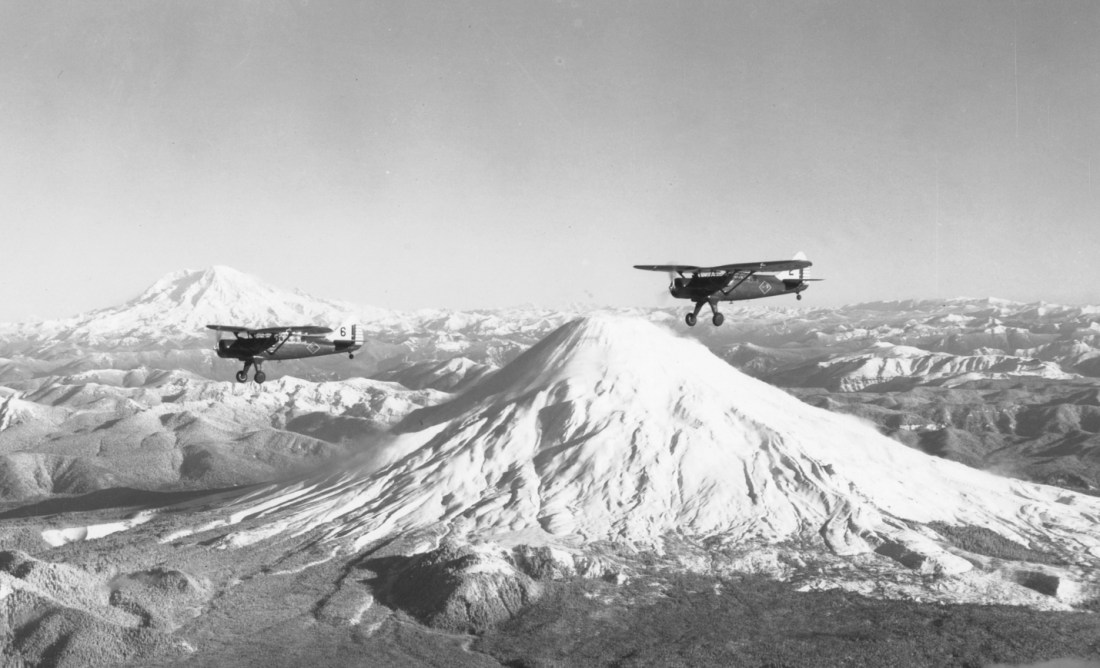
The aircraft are from Gray Army Airfield, Fort Lewis. Mount St. Helens in its pre-eruption glory is in the foreground, its bigger brother, Mount Rainier looms in the distance.
O-1 Falcons of the 5th Observation Squadron

September 1932, Mitchel Field. One was taking off, the other landing. The result: an eventful take-off, and an eventful landing.
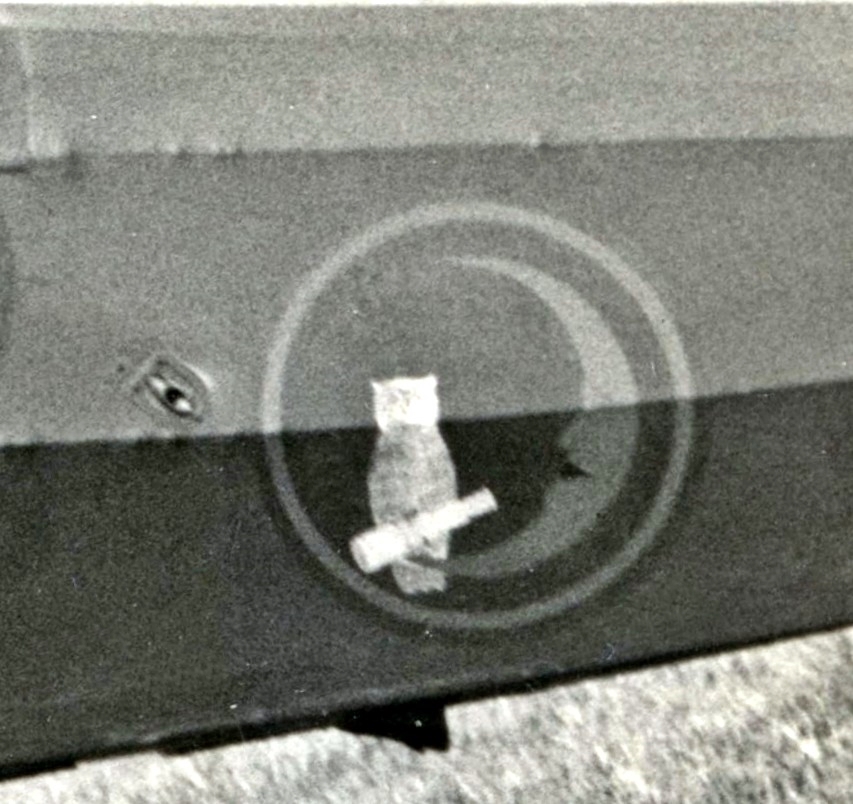
Close-up of the insignia of the 5th Observation Squadron.
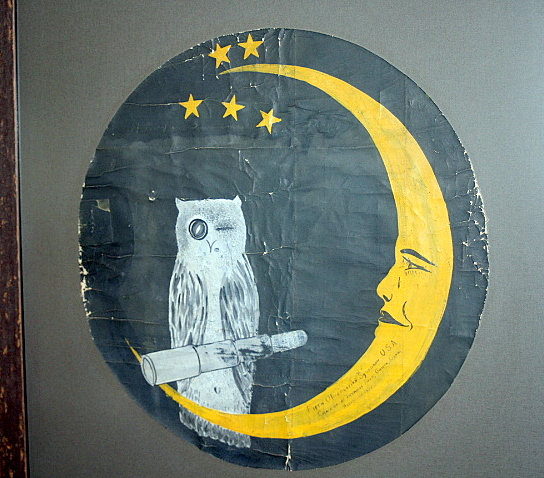
But wait – there is more to the story. The above photos are near & dear to me because a piece of an O-1 of the 5th Observation adorns my wall. Scrawled on it: “Fifth Observation Squadron, U.S.A. Crack-up at Trumbull Field, Groton Conn., August 21, 1931.” Research reveals that Lt. Elmer Tapley was the pilot and that he crashed on landing (but he walked away).
Given the time frame, the insignia seen on the mishap aircraft and on my wall were probably painted by the same man.
Keystone B-3’s of the 28th Bomb Squadron

Given that the 28th was stationed at Nichols Field in the blazing hot Philippines, it’s no surprise the rest of the bomber’s crew are taking a siesta under the wing.

The locals come to gawk at the the largest aircraft that they (and pretty much everyone else) had ever seen. They join the crew in taking advantage of the shade offered by the 74-foot wingspan of the B-3. Both photos were taken circa 1933.
Frederick Martin, the Douglas DWC, and the first flight around the world.
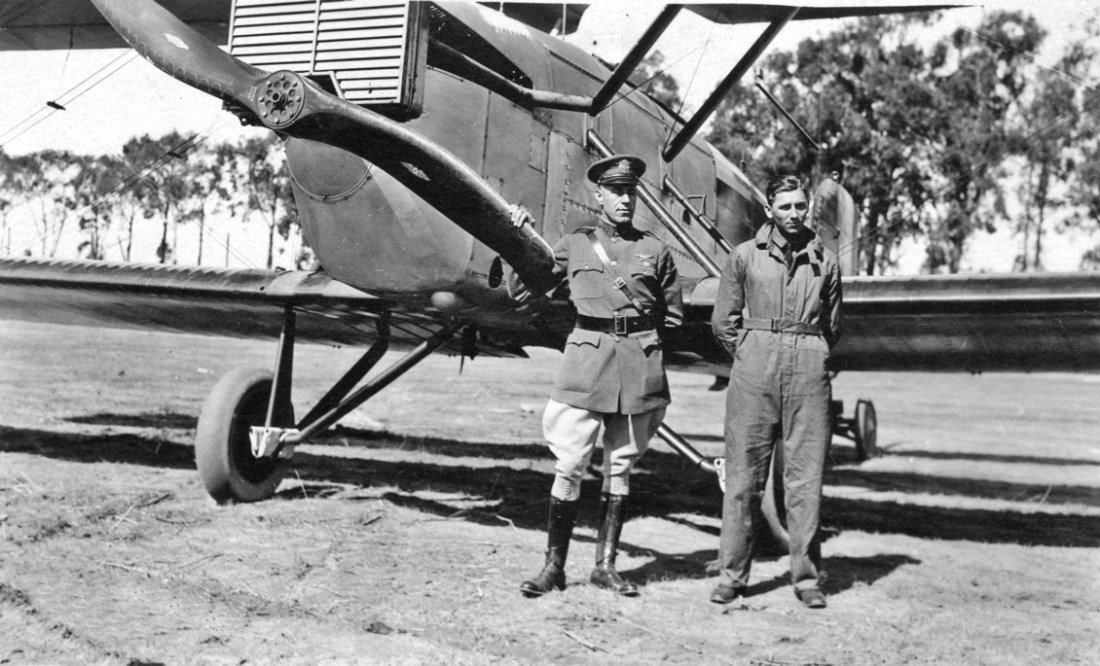
Major Frederick L. Martin and his crewman, S/Sgt Alva L. Harvey. They are about to set off in the “Seattle” to begin the famed first flight around the world in 1924.
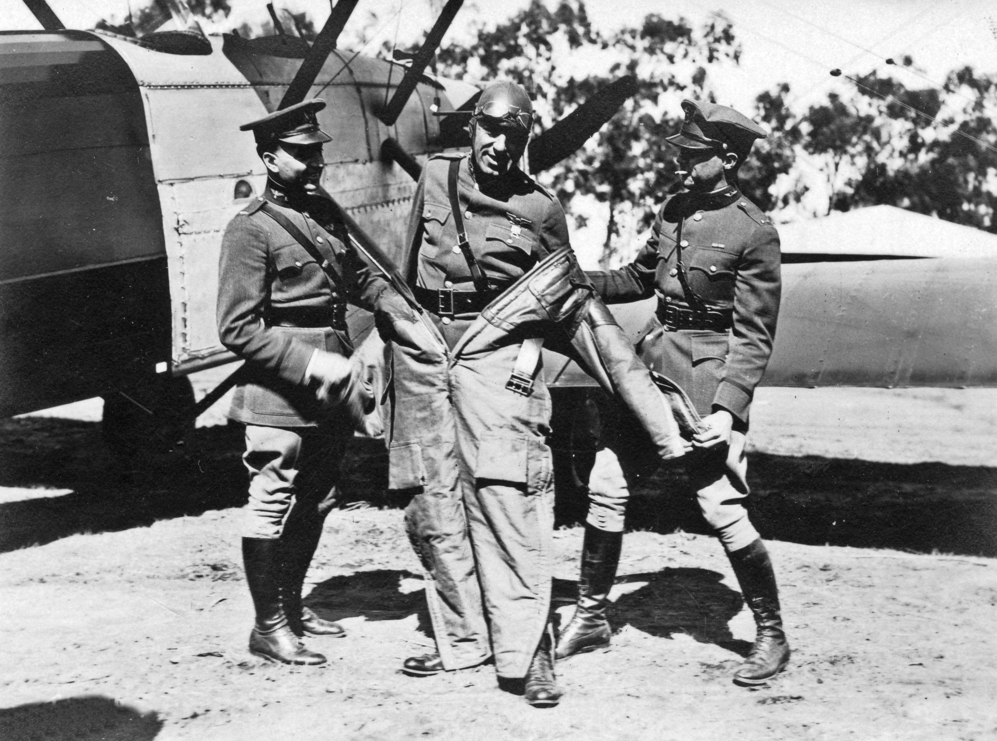
Fellow pilots on the upcoming journey, Lt.’s Lowell Smith and Leigh Wade, assist Frederick.
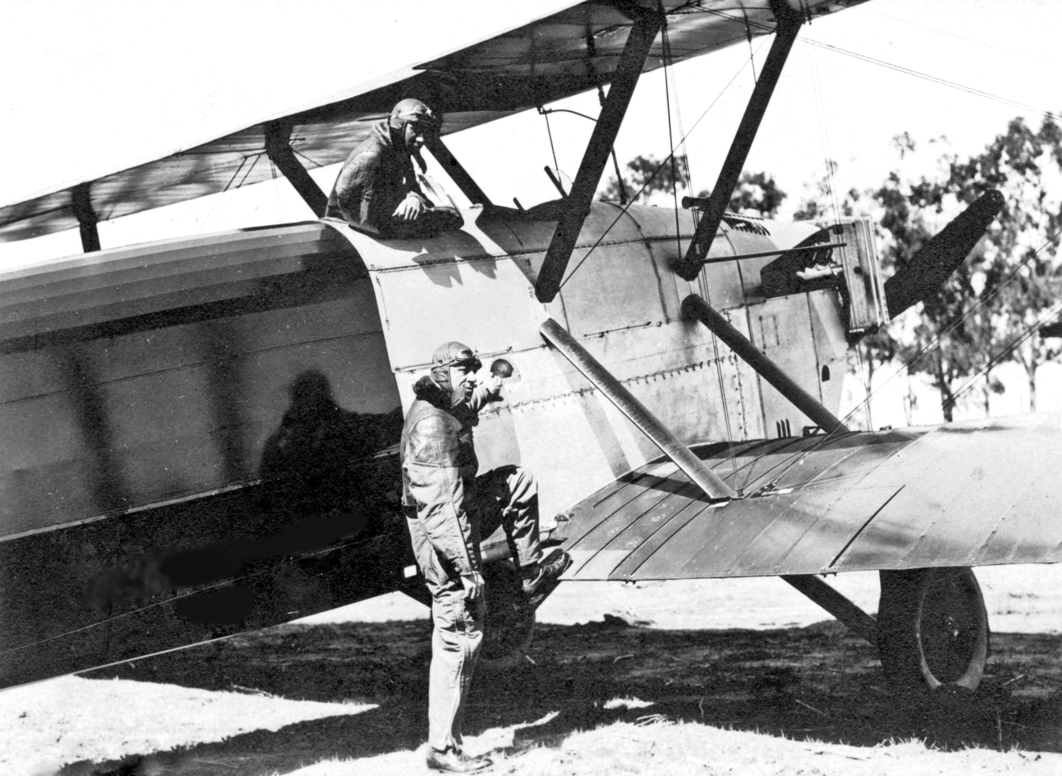
Harvey & Frederick. Alva Harvey retired as a full colonel in the USAF. Frederick was moving smartly up the ladder until December 7, 1941 when it was his misfortune on that fateful day to be in command of the Hawaiian Air Forces.
Harvey and Frederick crashed in Alaska on the first leg of the world flight. After an eventful 10 days in the wilds, they returned.
Mechanic of the 86th Observation Squadron, Wheeler Field Hawaii, 1941

The aircraft is an O-47B which the 86th had received the previous year. On December 7th, the 86th and it’s 7 O-47’s were located at Bellows Field, southeast of Wheeler. This would be one of those aircraft, and, one of the men. Check out the wood tool chest – very nice.
P-6 pilots of the 2nd Wing, Langley Field

Byron Q Jones, center, acquired his wings in 1914 and was one of the early birdmen in the Aeronautical Division, U.S. Signal Corps. Saw service chasing Pancho Villa, won the MacKay Trophy, and was also the first army pilot to perform a loop (and live to tell about it). All of these men went on to important assignments – Nugent and Longfellow attaining general’s stars.
Douglas O-38, Washington National Guard
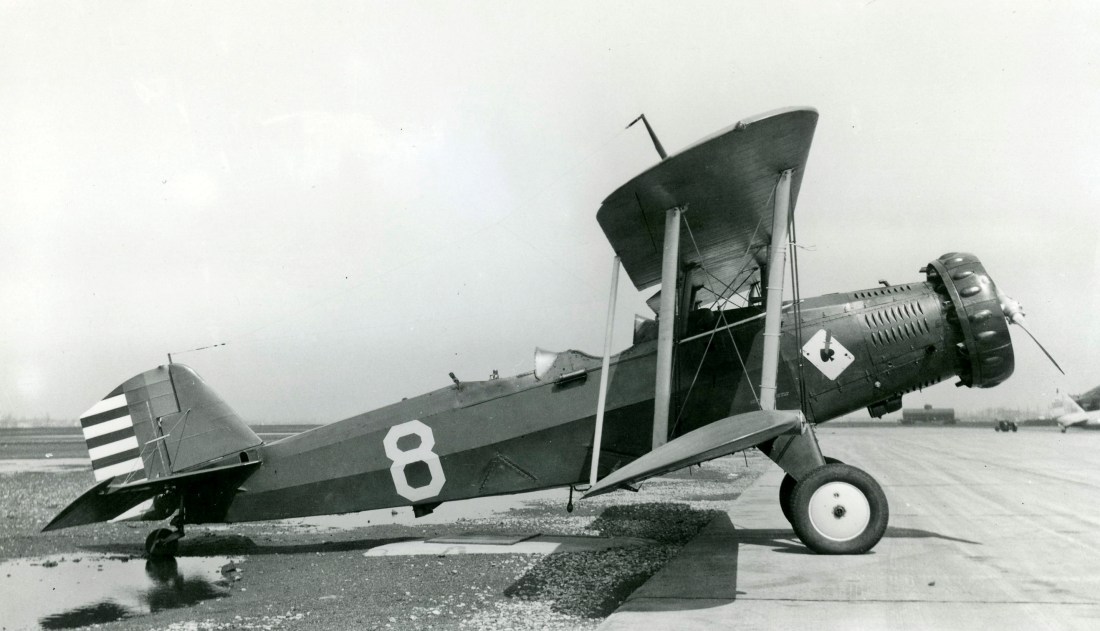
Washington’s 116th Observation Squadron flew the O-38 from 1931-40.
91st Observation Squadron, Crissy Field, 1931

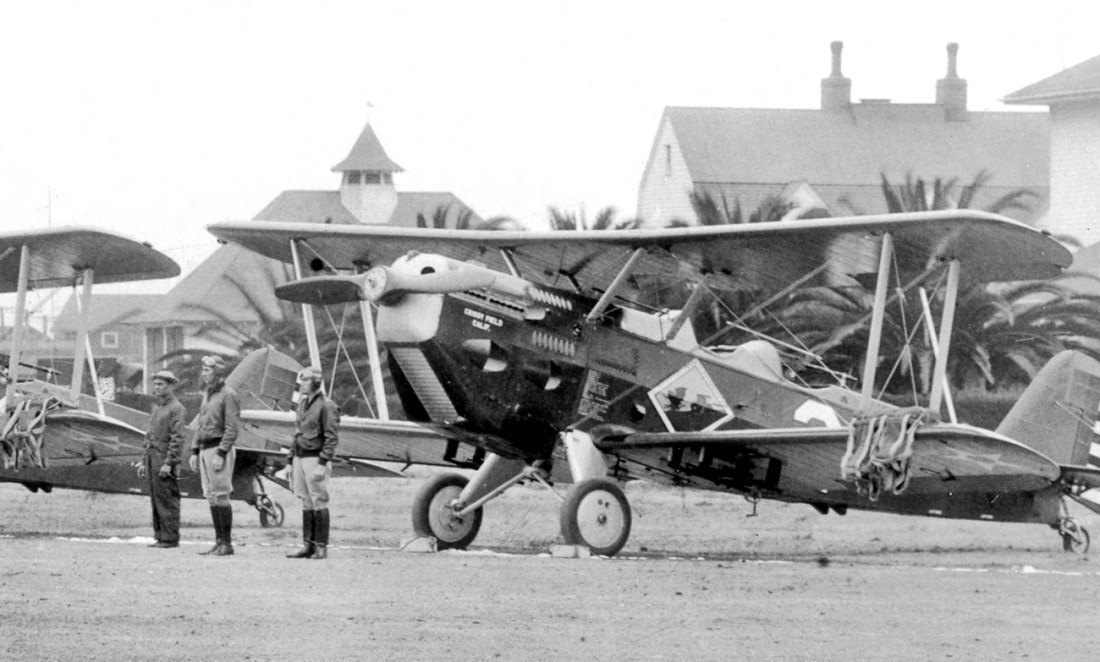
The squadron had just received the new Douglas O-25, and the aircraft are immaculate. Serials visible are: 31-169, 170,171,172.
Men of the 17th Bomb Group, McChord Field,1941
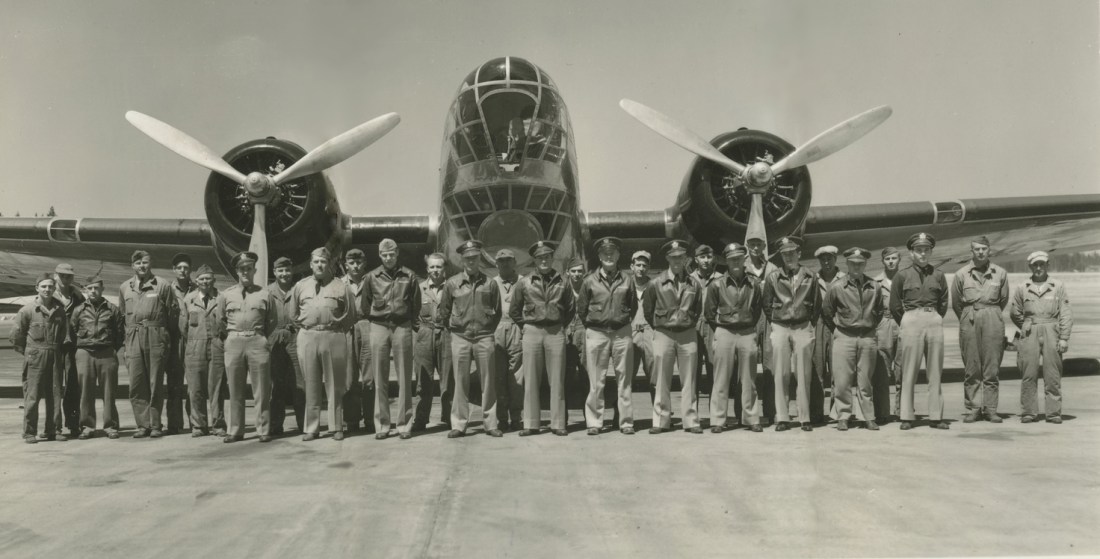
The 17th soon transitioned to the B-25 whereupon they attained eternal glory for taking part in the Doolittle raid. Several of these men will take part in that historic mission. (I recognize some of the faces)
The aircraft is, of course, a Douglas B-18. Try as I might – and I’ve really given it a go – I can find no angle to view the B-18 which does anything to improve its appearance.
Ohio National Guard O-38’s over Camp Perry
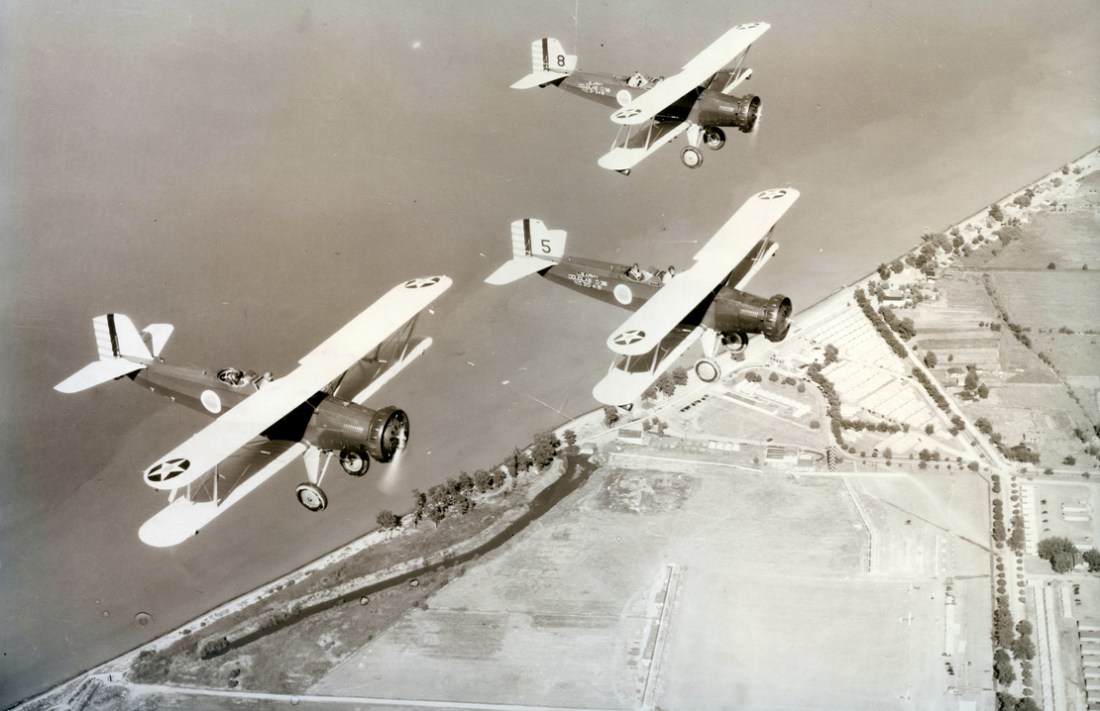
Aircraft belong to the 112th Observation Squadron. Serials are 30-418, and 31-349. First plane carries no extra markings other than the insignia of Ohio’s 37th Infantry Division. This leads me to believe the aircraft was recently painted or overhauled. All their wheels are muddy, so you know what their runway is made of. The photo is almost 2 x 2 feet – must have hung on a squadron wall somewhere back when.
Night photo of Barksdale Field, May 24, 1940

Who needs NVG’s? Photos such as these were, of course, taken with illuminating flares. The effectiveness of this method is seen here – even from 5,000 feet one can see pretty much everything worth looking at.
Natchitooches Airport, La., May 20, 1940

Air Corps photo taken at “9:01 pm”. Obviously they used flares, but that makes this photo impressive in its own right. Picture was taken during the Louisiana Maneuvers of 1940. Airport is still in use today.
West Point cadets whoop it up at Langley Field, July 3 1931
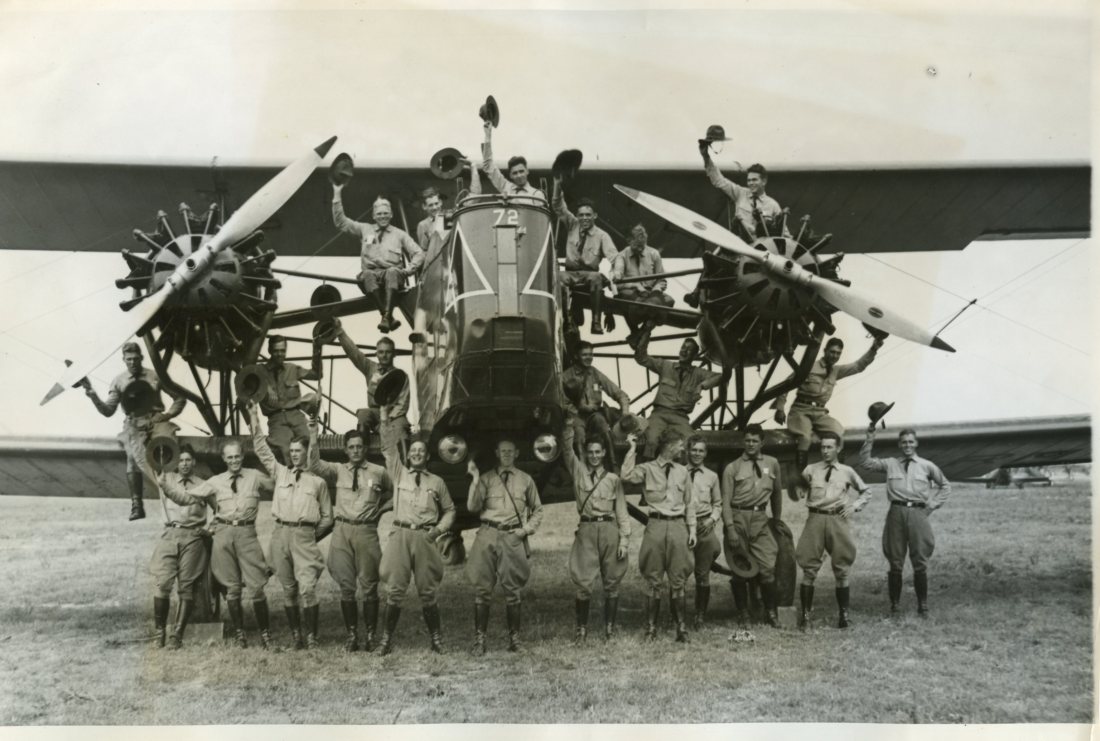
With a 96th Bomb Squadron Keystone B-5 as a grandstand, the cadets were obviously enjoying their opportunity to escape the gray walls of West Point. There are several notables I recognize in these young faces, one of whom is William Darby, to gain immortality commanding his famous “Darby’s Rangers” in World War II.
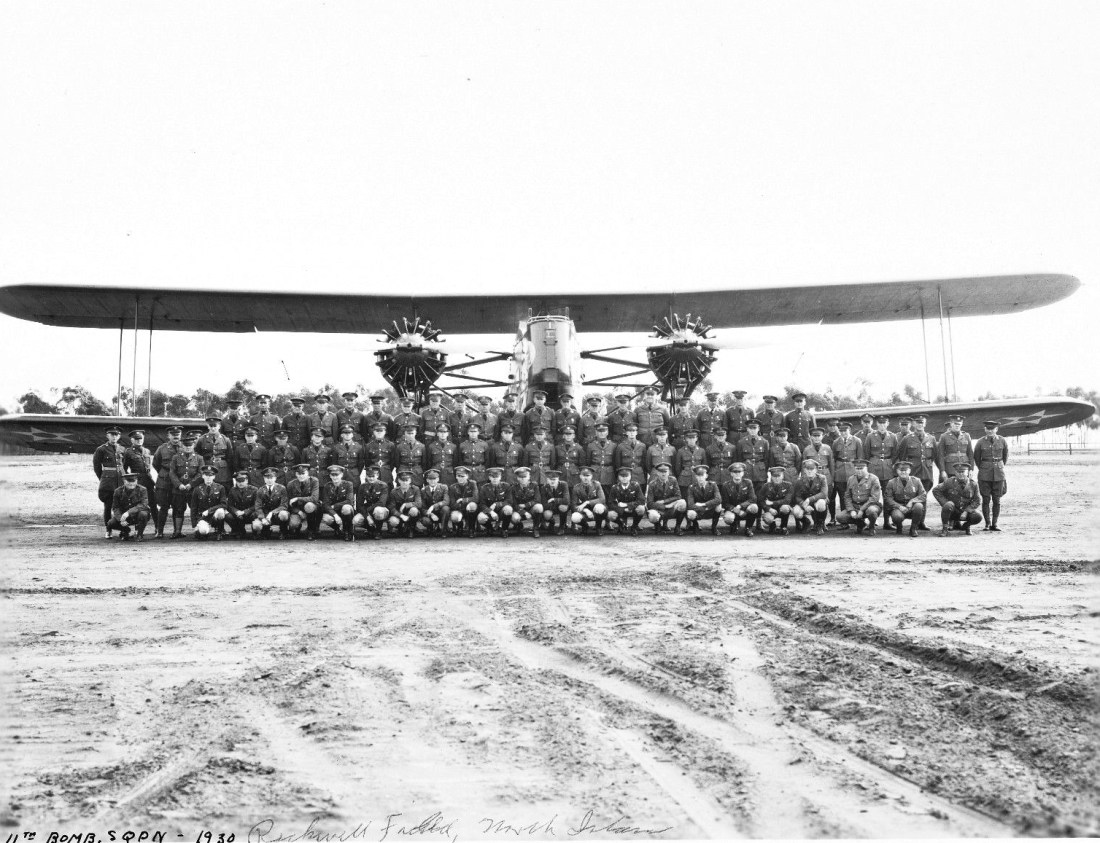
Keystone LB-7, 11th Bomb Squadron, Rockwell Field, April 29th 1930

Hollywood actresses Winnie Lightner and Irene Delroy clown for the camera as Lt. William C. Kingsbury of the 11th Bomb Sq. looks on. The 11th is still active today, and fly the B-52. Their insignia, “Jiggs” of Sunday comics fame, was designed for the squadron by the character’s creator, George McManus. (He served with the 11th in World War I.) Lt. Kingsbury retired as a major general in 1966 after having flown almost anything with wings, from the rickety LB-7 to the B-52. Quite a career.
Martin B-12 of the 23rd Bomb Squadron

Taken at Luke Field on Ford Island, Hawaii.
Loening OA-1A back from South America

Having just returned from the Pan American flight of 1927, this is one of the five aircraft that made the historic flight. Seen here at Langley Field.
11th Bomb Squadron, Rockwell Field, 1930. Keystone B-3
Chanute Field, 1927
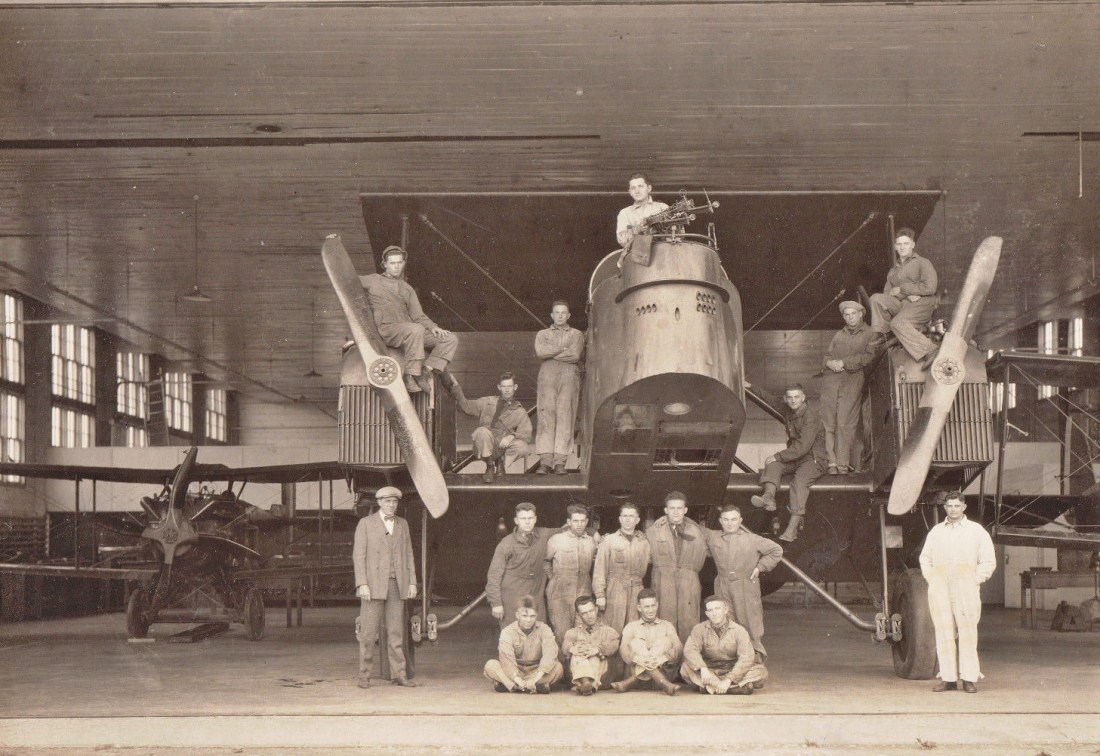
A group of newly-minted aeroplane mechanics pose in what I believe is a Martin MB-1. Lacking most of its wings, it has obviously been relegated to training purposes. In the background is (another “I believe”) a chopped down Loening PA-1.
B-18 lineup at March Field
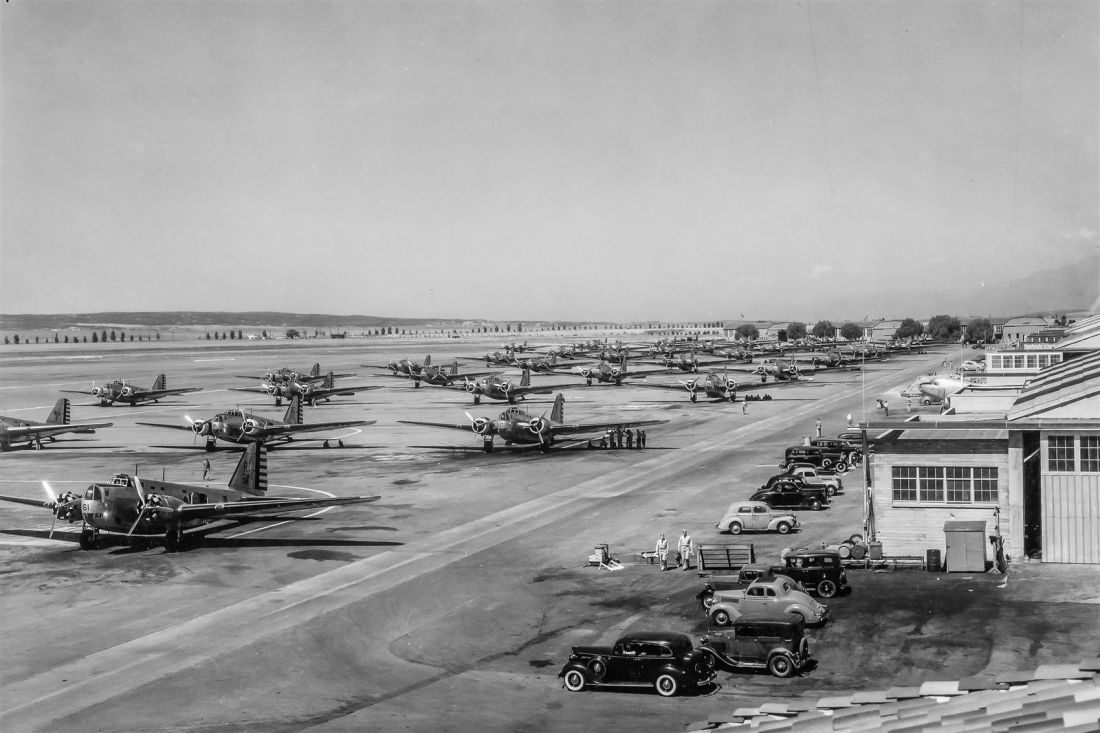
Close examination shows these to be a mixed bag of Bolo’s from various bomb groups. Don’t know what the occasion was, but obviously it was a good day to visit March.
Some pre-war B-17’s for your viewing pleasure…
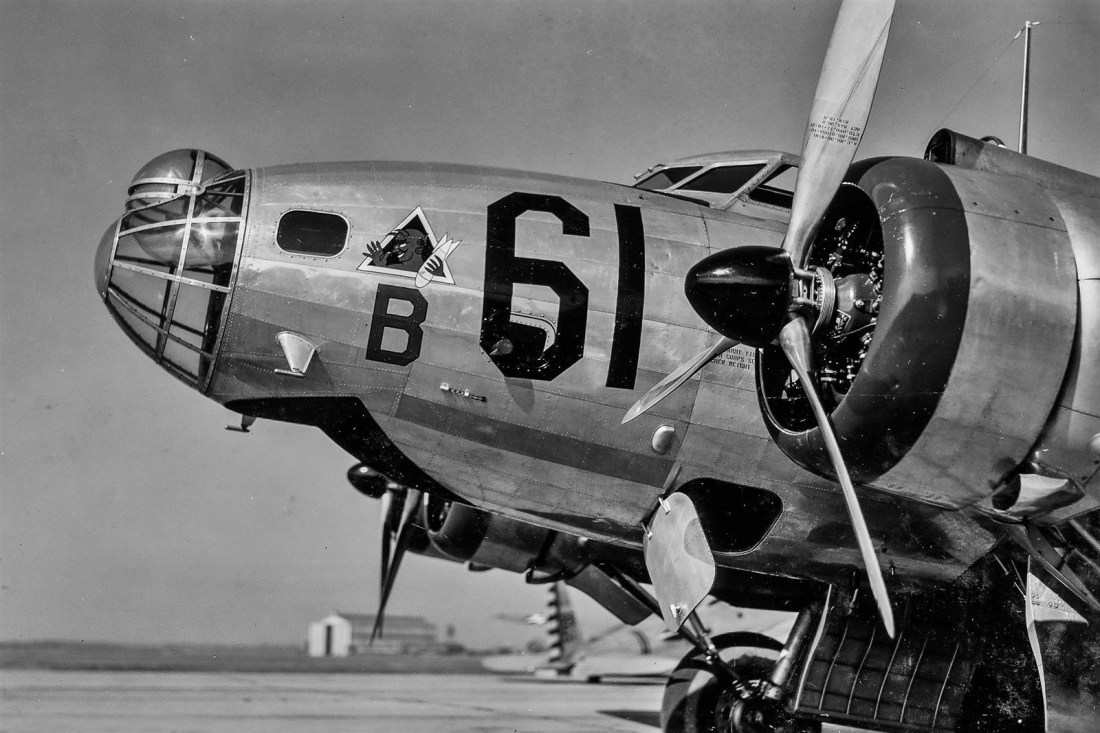
Y1-B-17 of the 96th Bomb Squadron, Langley Field.
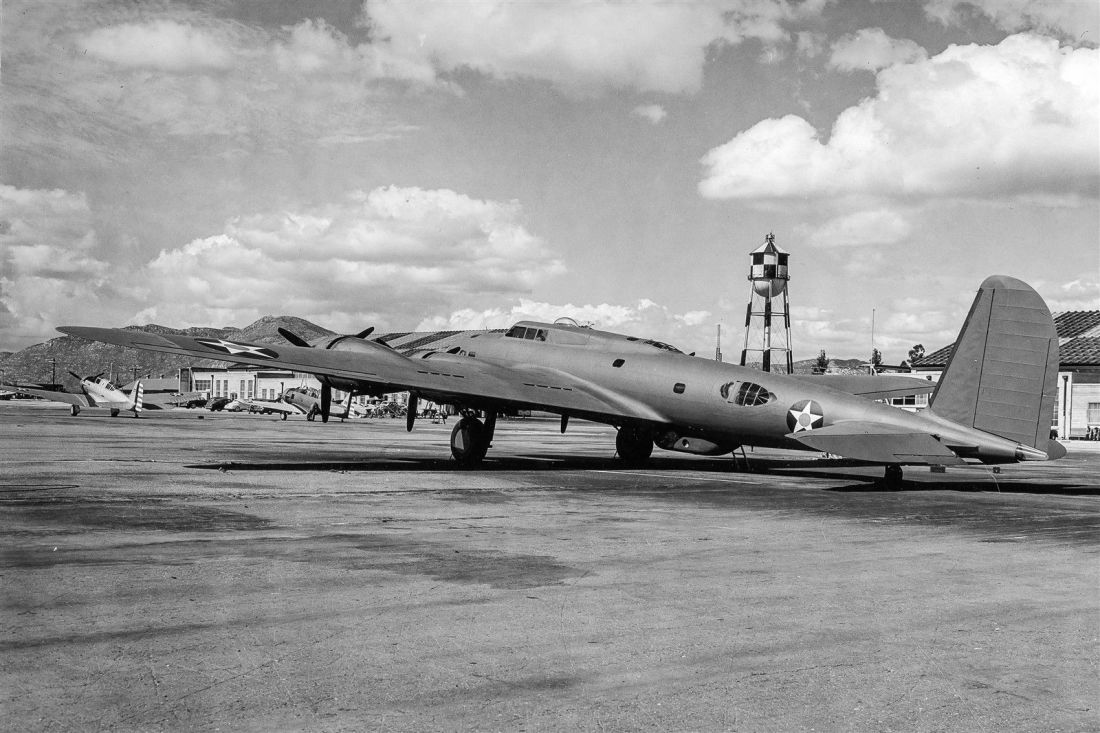
B-17C of the 19th Bomb Group, March Field.
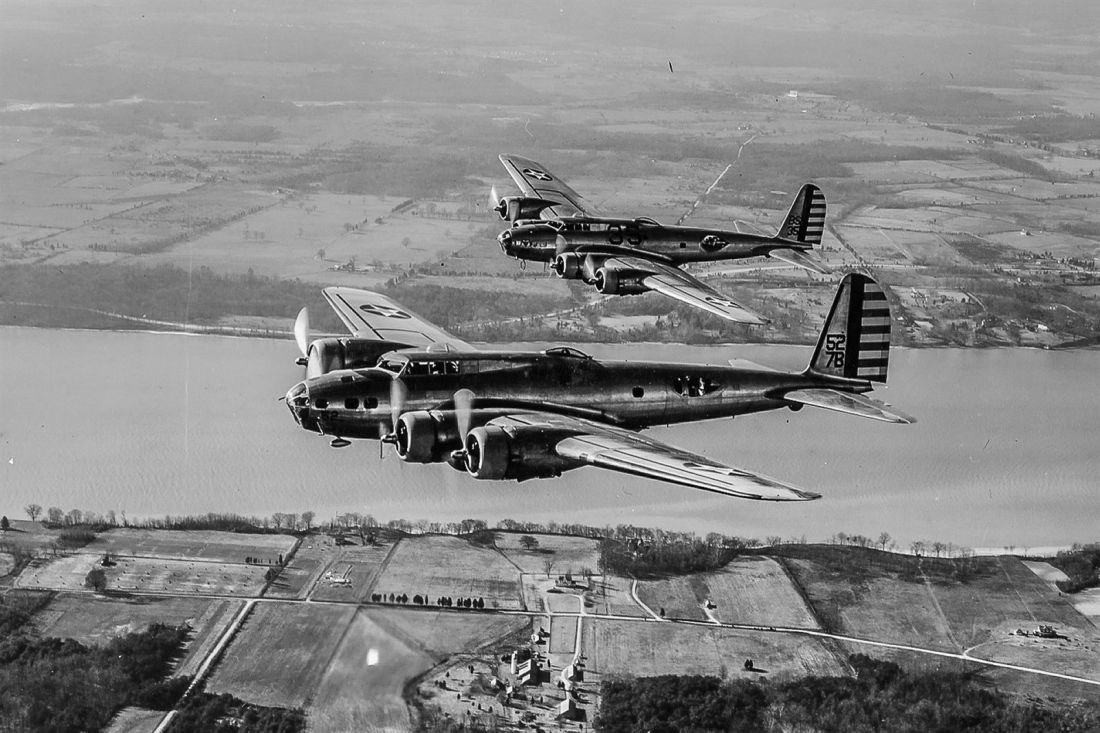
B-17B’s of the 2nd Bomb Group, Langley Field.
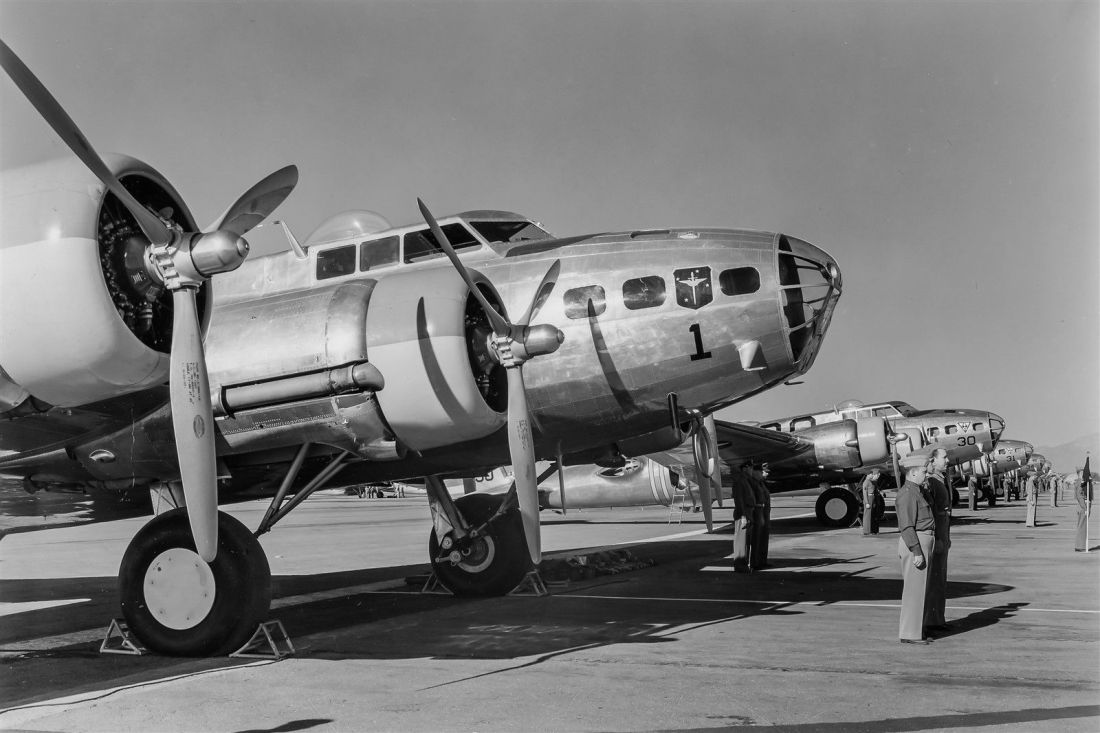
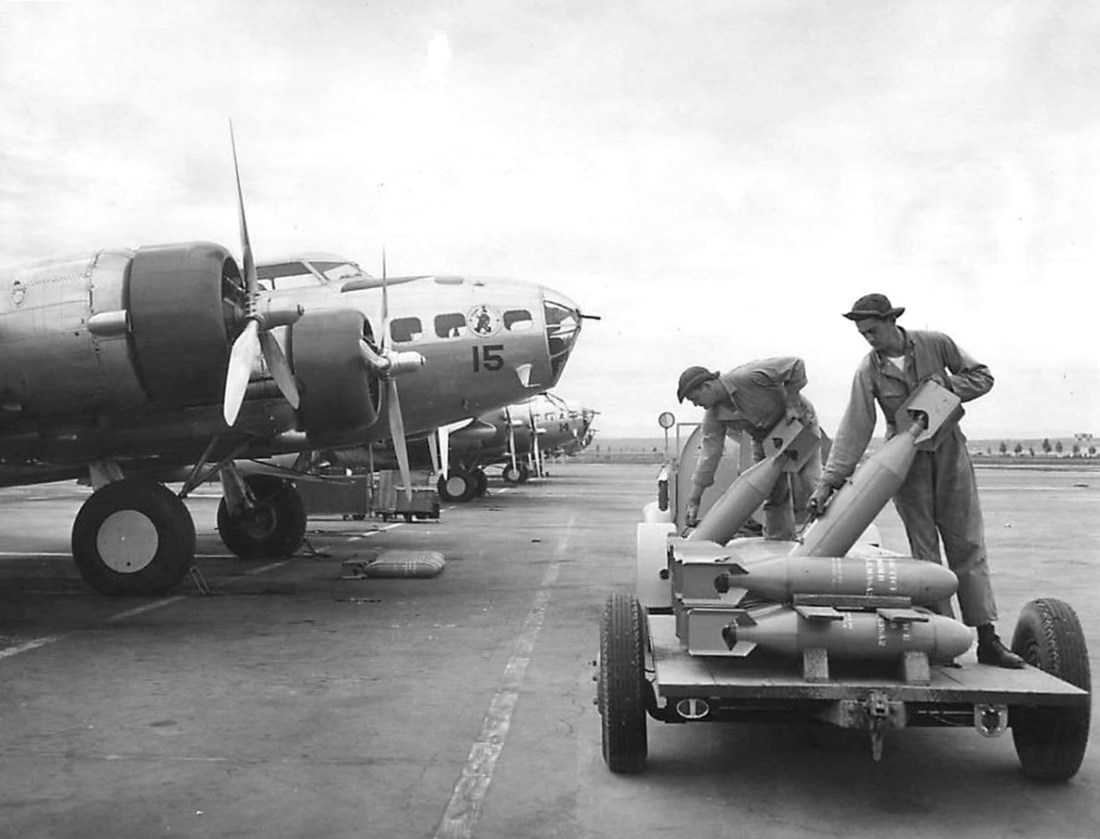
B-17B’s of the 19th Bomb Group, March Field.
Instructors and students, California School of Aeronautics, 1940

 The Jive Bomber