Author: thejivebombers
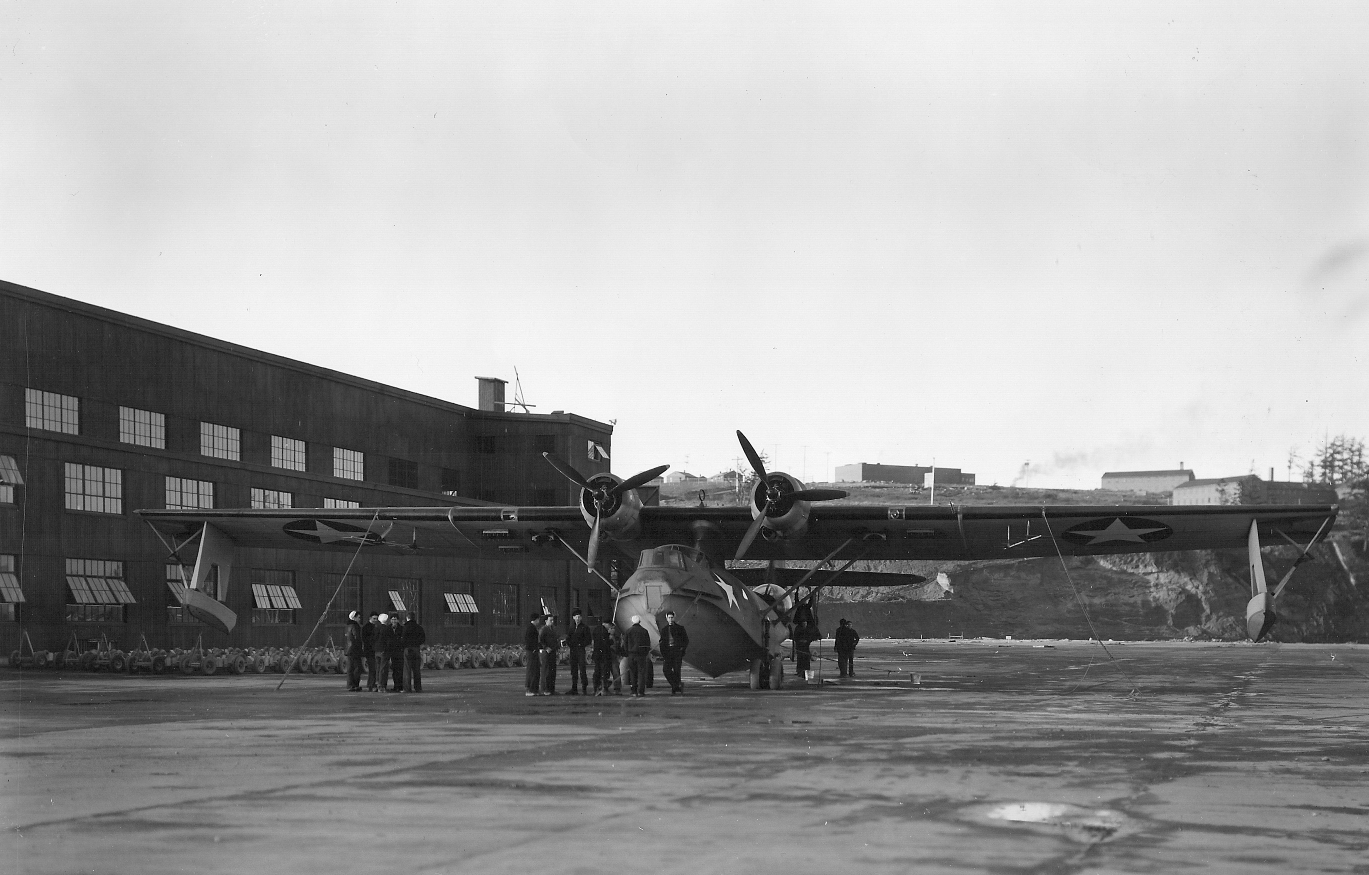
1942: The first PBY arrives at NAS Whidbey
The date is December, 1942, and this is the first PBY to arrive at the brand new NAS Whidbey Island seaplane base. (Note the construction material littering the ramp in the background.) The installation was intended to be a support facility for PBYs from NAS Seattle, but even before work began the plan was altered to where Whidbey would be its own base.
This PBY’s arrival was not without some apprehension. The pilot, Lt. Morrison, stated that he circled the area for quite some time before spotting the “red girders of the seaplane hangar under construction.” Even then he had to land four or five miles out due to an abundance of logs floating in the harbor. After carefully picking his way through the debris he was met by a boat that succeeded in clearing a path for the incoming aircraft.
This hangar (minus the ordnance carts parked alongside) still stands today, but with a different mission: It is now the Navy Exchange (NEX) department store. From this angle, the former hangar looks pretty much the same now as it did then.
“Lone Ranger” – The XPBB-1
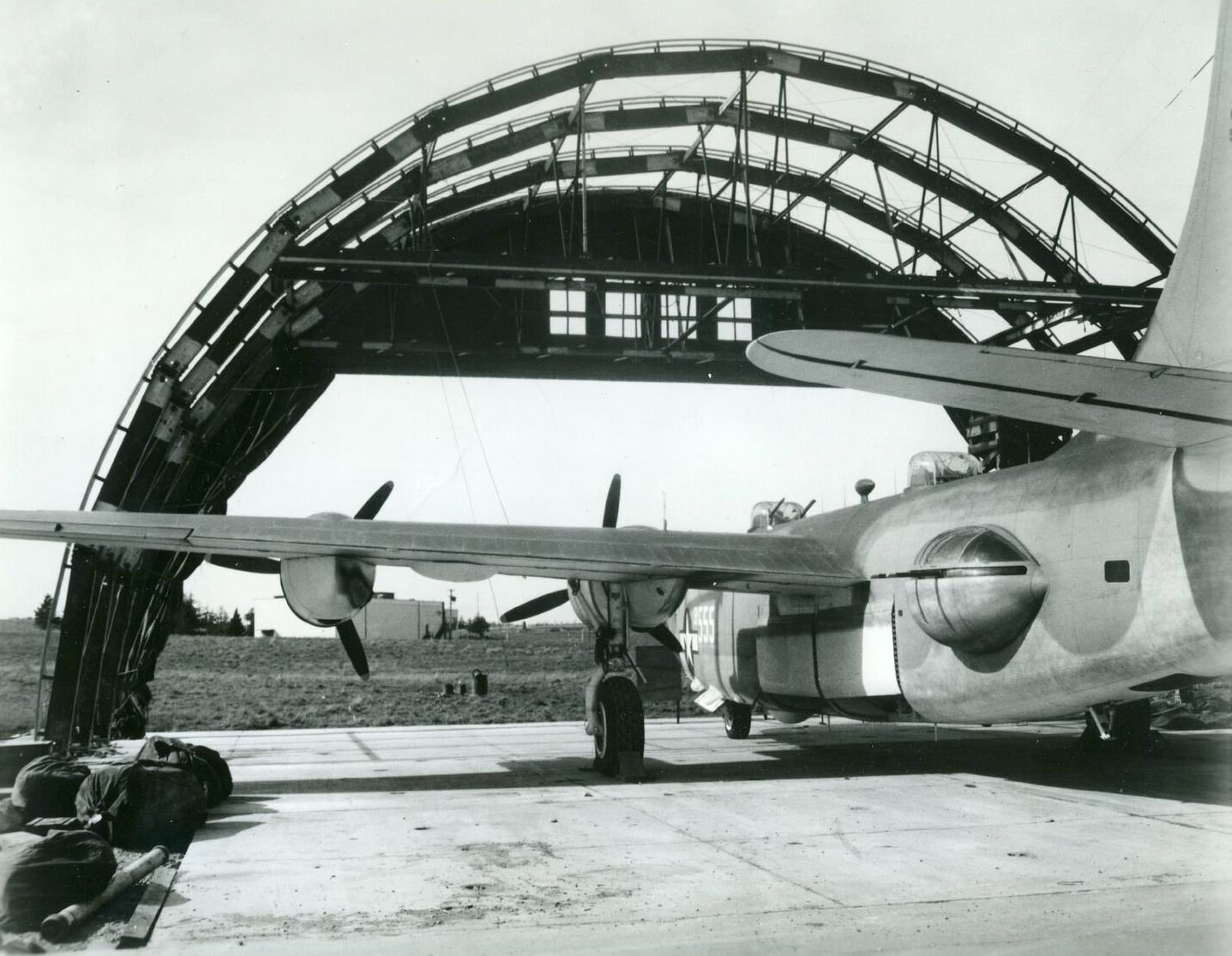
The XPBB-1 “Sea Ranger” was Boeing’s effort at fulfilling the Navy’s need for a better long-range flying boat. Such aircraft are always a battle between aero and hydro dynamic engineers, but the XPBB was a remarkably streamlined and efficient design. Internal bomb bays with sliding doors were incorporated into the wing were one such aerodynamic feature.
First flown on July 7, 1942, the XPBB proved a winner from the start and seemed to have a bright future, but…other forces were at work. Despite the Navy’s satisfaction with the project, Boeing’s talents (and factories) were needed for the B-29 program. This was given priority, and, with only one example built, The XPBB project was cancelled. The B-29 program, coupled with the Navy’s growing lack of enthusiasm for the future of large flying boats, caused the one and only XPBB-1 Sea Ranger to became known as the “Lone Ranger”.
Oddball Aircraft
The XB-24J (42-73130) was a one of a kind aircraft that incorporated the nose of a B-17G. (Translation: Okay, maybe that wasn’t such a hot idea after all.) Due to the numerous “Frankenstein” versions of highly modified B-24s, there must have been something about its design that caused engineers to have fantasies about modifying the aircraft into something it was never intended to be.
Hahn Air Base, 1956
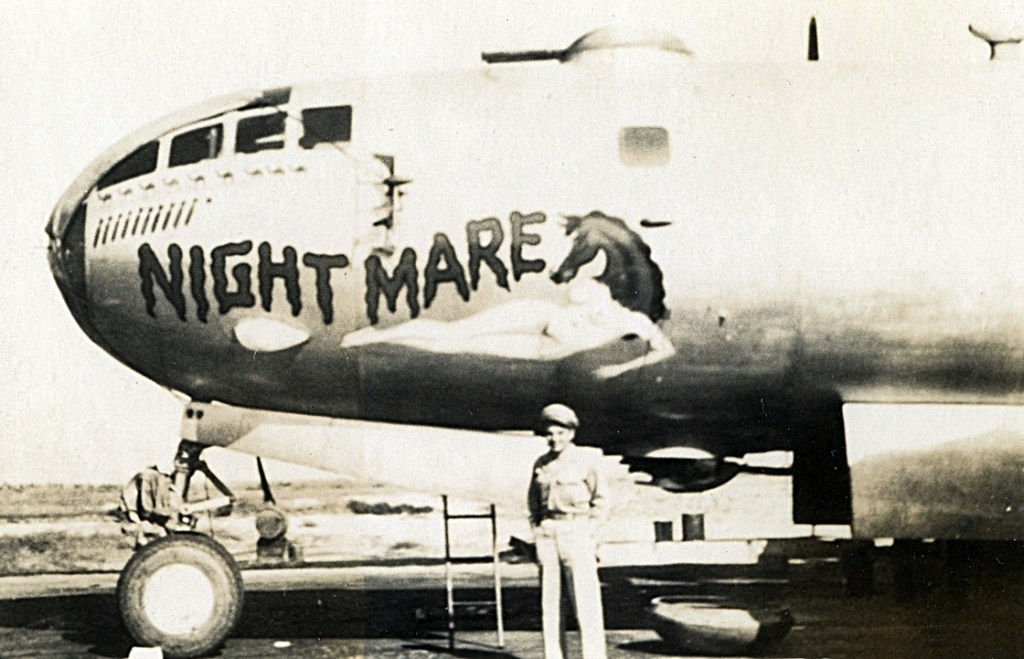
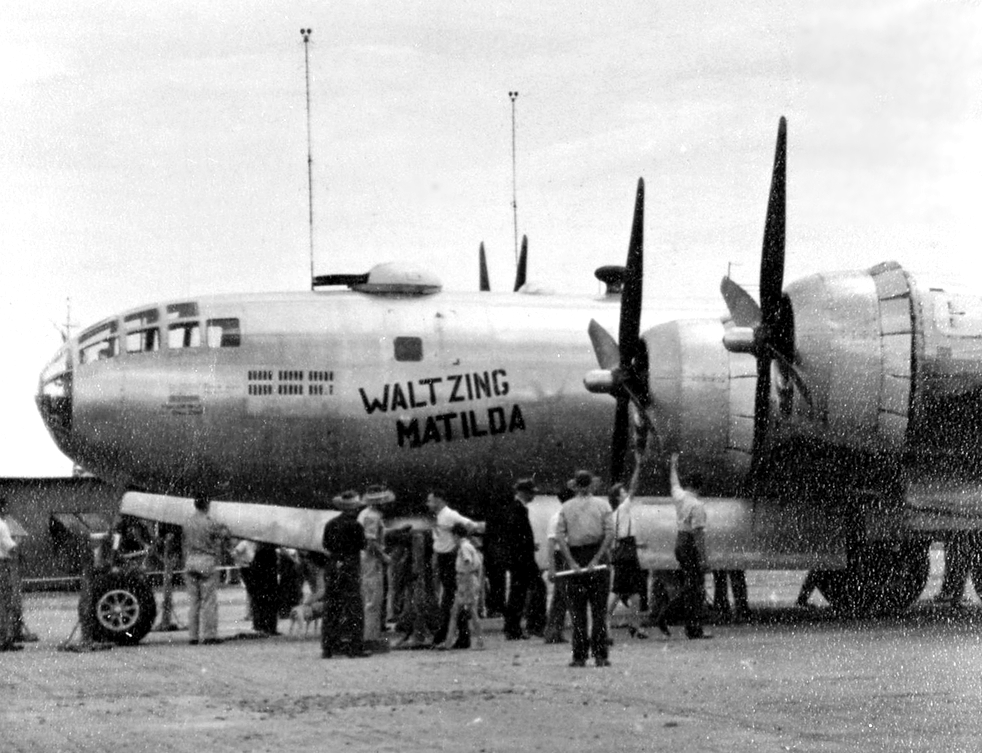
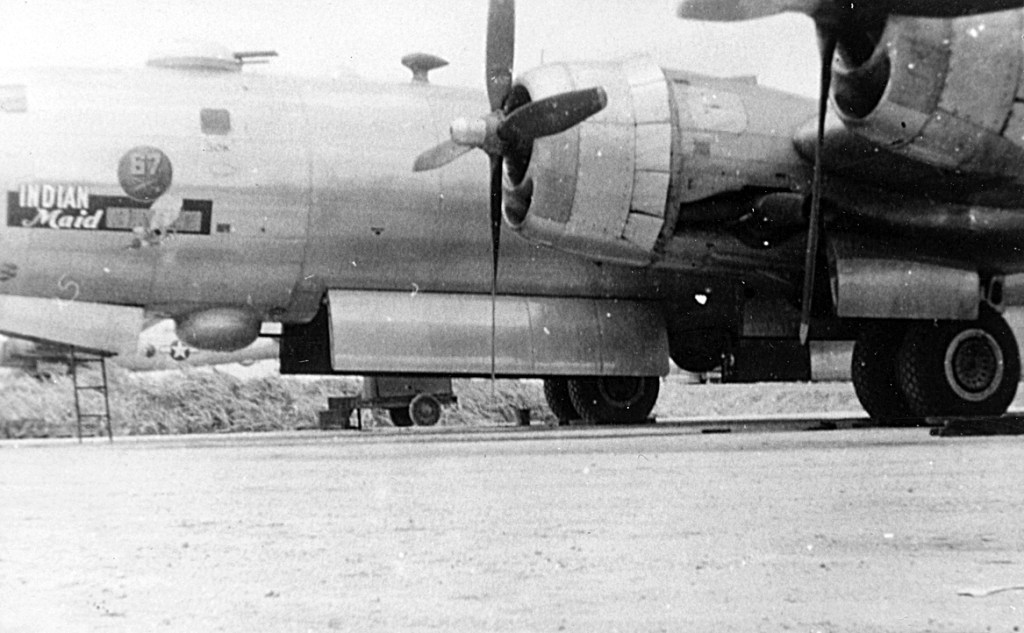
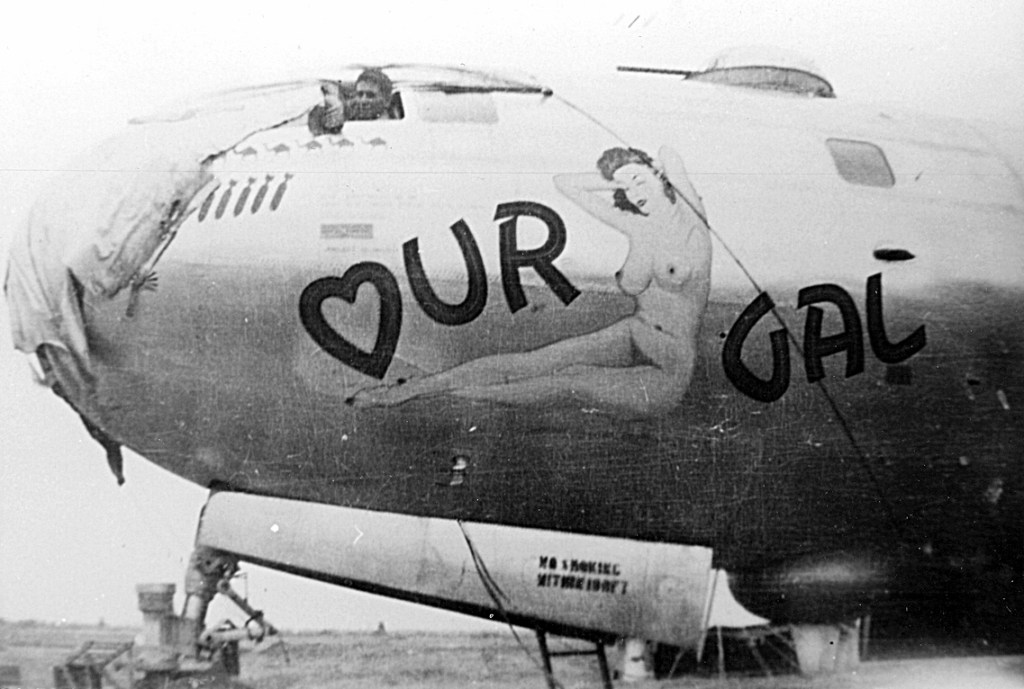
Some B-29 nose art
Early KC-97A at Boeing Field
Born a cargo aircraft, C-97A 49-2591 was soon converted to a tanker configuration as seen here. Her air refueling days were short-lived as she was then reconfigured to once again become a trash hauler. Not the very obvious rear cargo doors where the boom operator’s pod has been attached.
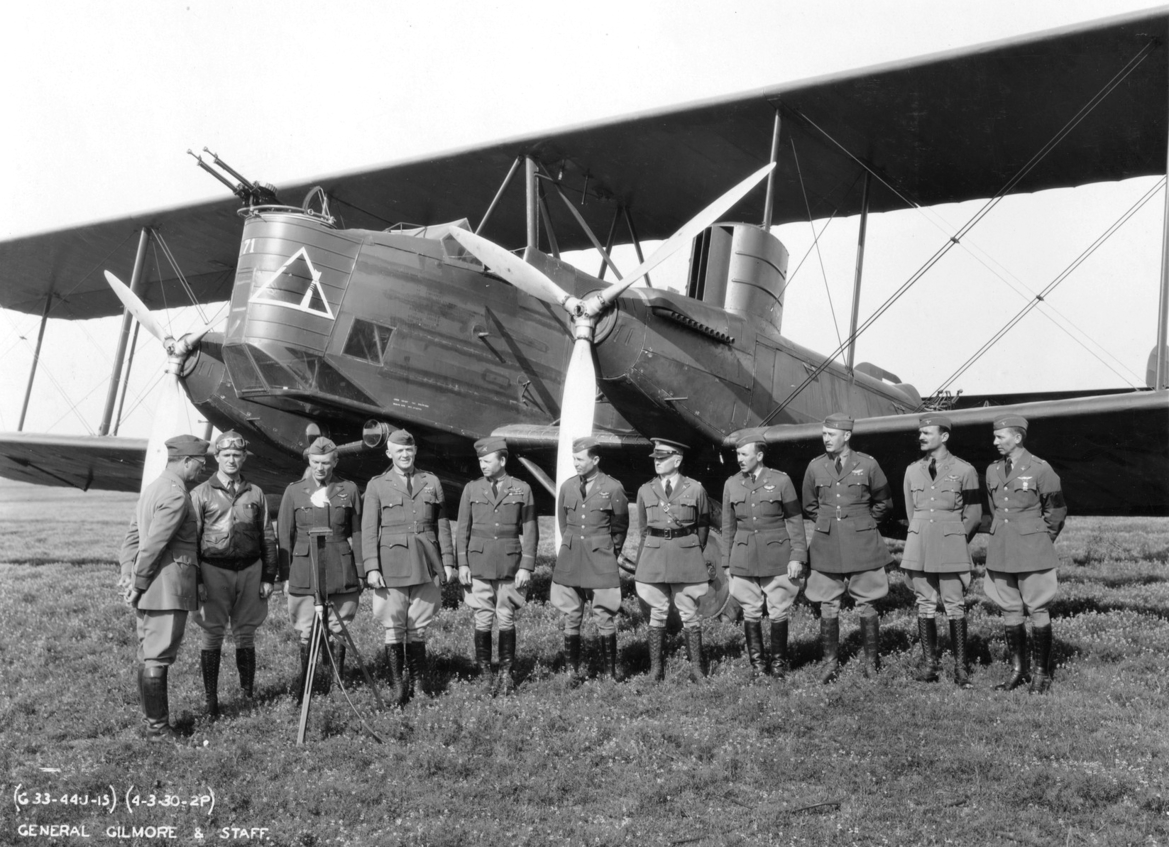
“General Gilmore & Staff”, 1930
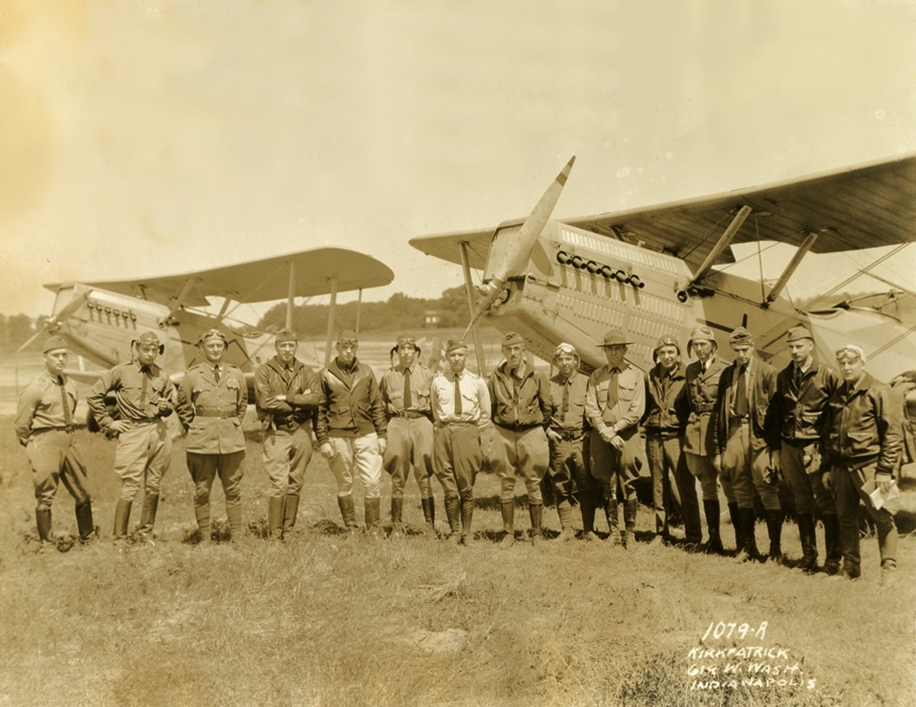
General Gilmore was Chief of the Air Corp’s Material Division where, naturally, he had a trusty staff to make things easier. That staff included Captains Frank Andrews and Laurence Kuter, and Major Henry Arnold. These men would achieve three, four, and five-star rank in the coming years. All of the men in this photo are wearing mourning bands but I am unable to ascertain who it was that died. The location of the photo is Wright Field, the aircraft, a Curtiss B-2 Condor of the 96th Bomb Squadron.
American Airlines, 1949

-
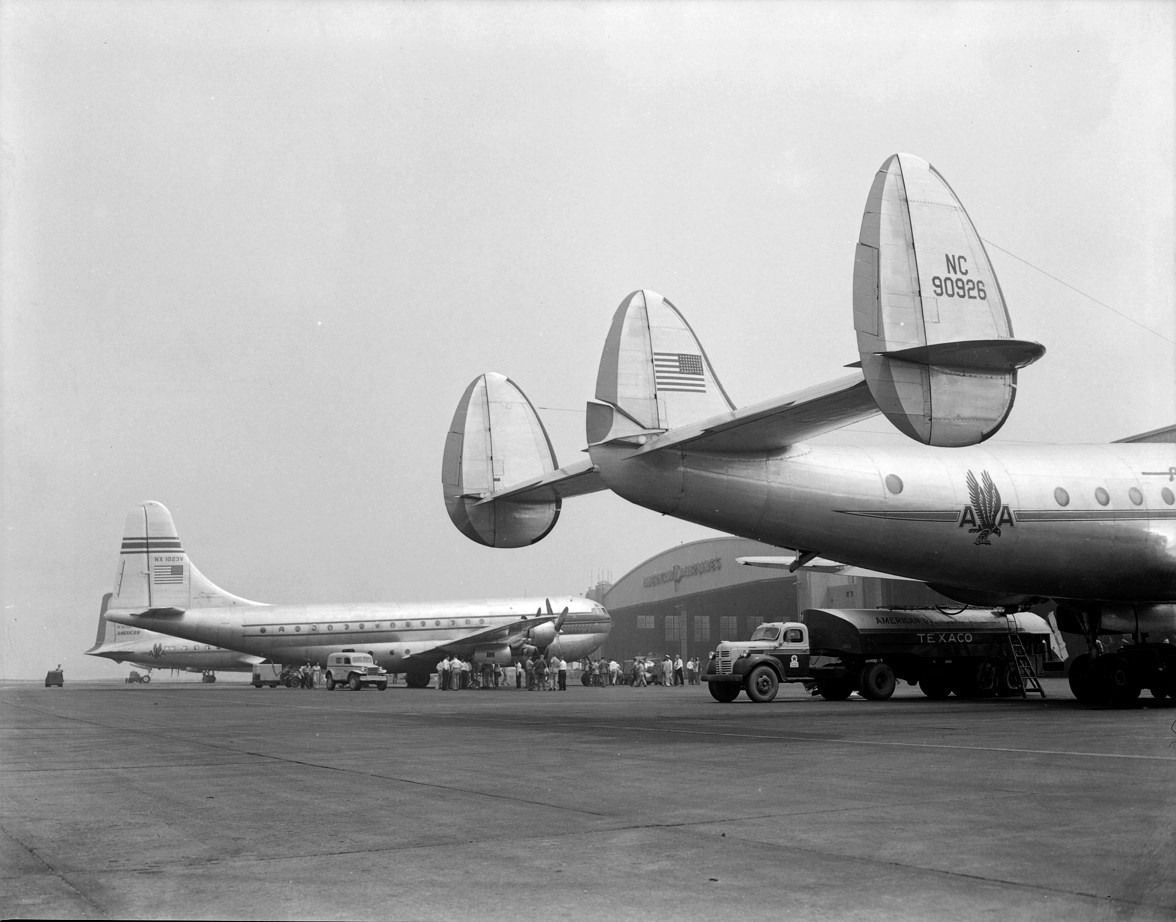
Super Connie NC90926 (“Star of Tunis”) heads an all-star ensemble of American Airlines heavies. B-377 Stratocruiser (NX1023V, “Clipper Golden Gate”) is next. It was the second prototype of the 377 and, judging by its lack of company markings plus the sizable crowd, had probably just arrived. Sadly, it crashed in Manila on 2 June, 1958. Last in the line is the stalwart DC-6.
RAAF Beaufighters
The Beaufighter was pretty much all engine. Location of photos: Moret Field, Philippines.
124th Fighter Squadron, Iowa Air National Guard, 1951
The year 1951 was busy for the Iowa Air National Guard at Des Moines Airport. At the beginning of that year the boys had been flying F-84 Thunderjets, but with the Korean War now in full-swing those F-84s went to active duty units while Iowa reverted to the F-51. Having flown them from 1946-1949, the 124th and the Mustang were old friends. This state of affairs continued until the war ended thus making jets available once again.
18th Fighter Group P-38s at Moret Field, Philippines, 1945
113th Observation Squadron
The RAAF in the Philippines, 1945
The original “Skyblazers”
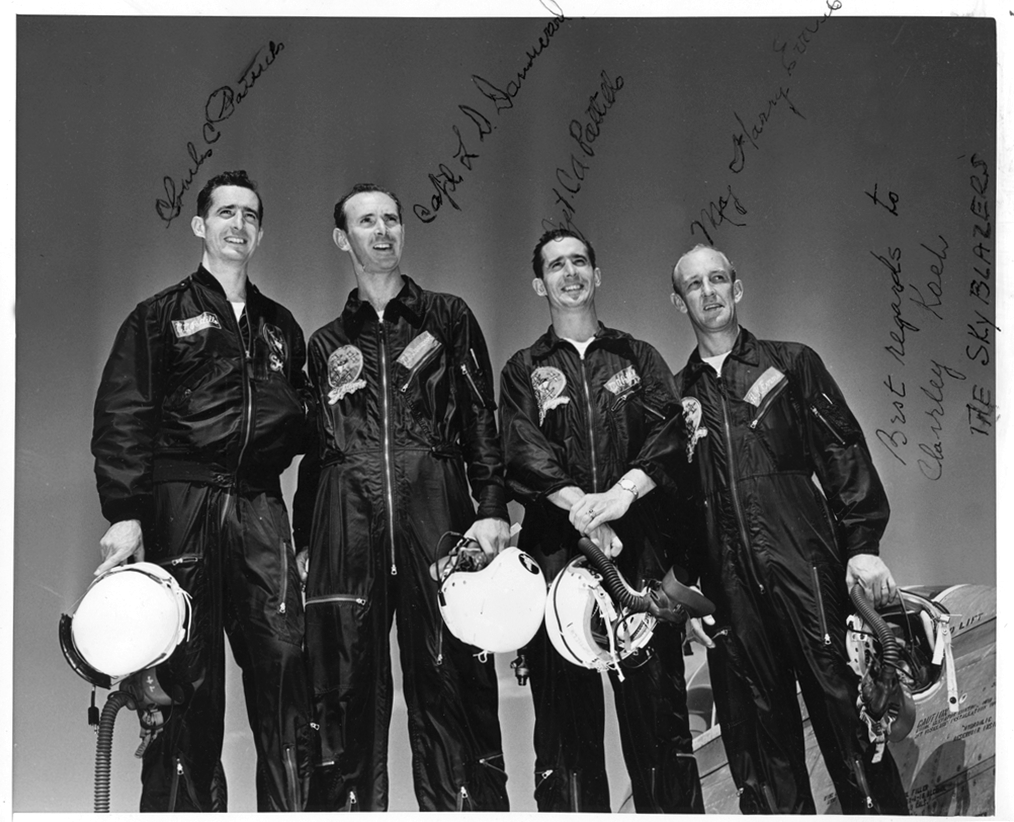
From 1949-1962, the Skyblazers of US Air Forces Europe (USAFE) thrilled European audiences with feats of aerial precision and showmanship. Here they are in the early days atop one of their F-84 Thunderjets: team founder Major Harry Evans, pilots Lawrence “Dagwood” Damewood, and twin brothers Charles “Bill” & Cuthbert “Buck” Pattillo.
Young pups: K/C-135’s in the early 60’s.
Alaska aviation in days of yore
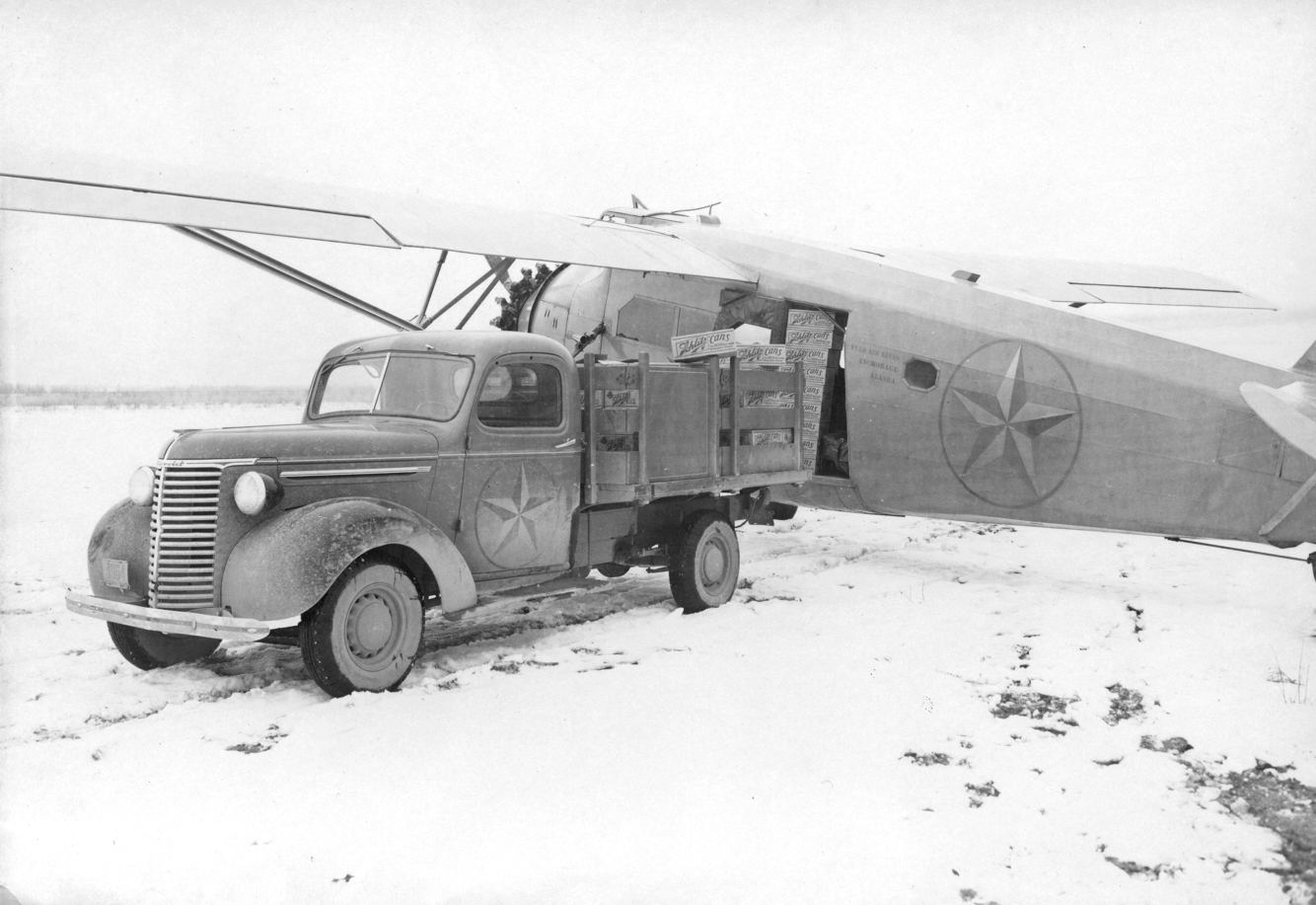
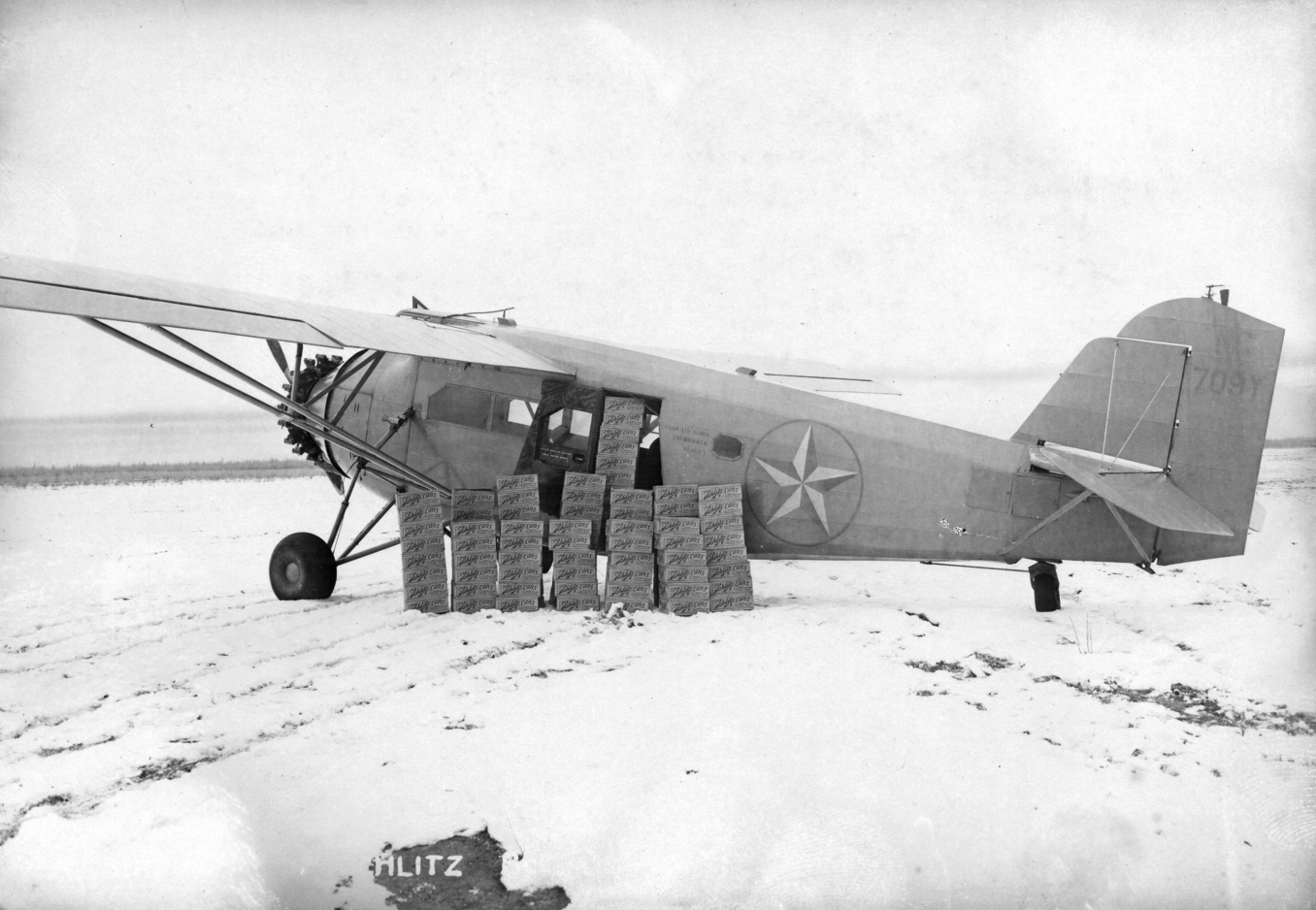
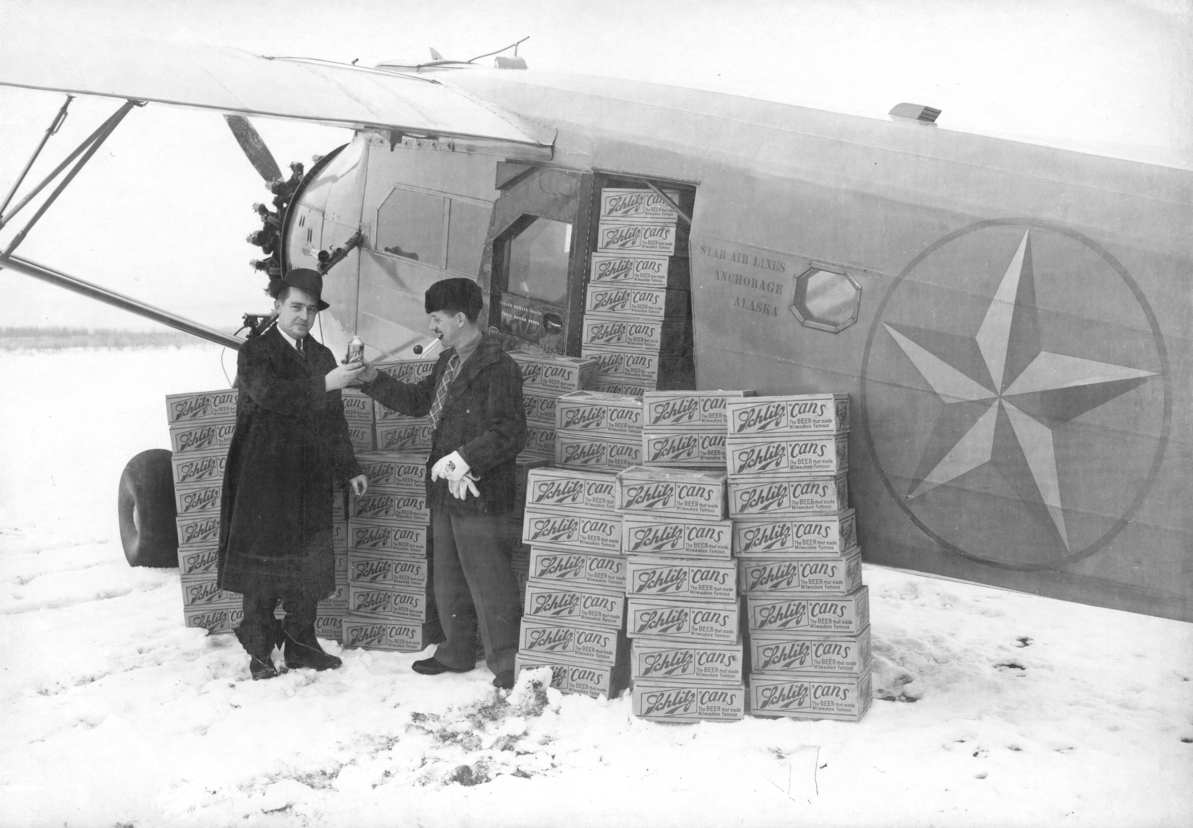
Naturally, the true test of an aircraft’s load capability is the amount of beer it can get airborne. A rough count of the number of beer cases x the 24 cans (12 oz. each) they hold makes this load approximately 2,000 pounds. Easily enough done, but the trick is finding a pilot who won’t help himself to the cargo while en route. Wherever this aircraft is bound in Alaska, the people there will be happier for its arrival.
The aircraft, a Pilgrim 100-B (N709Y), belongs to Star Air Lines and is, believe it or not, still in existence today. Comfortably housed in the Alaska Aviation Heritage Museum, N709Y is still in flying condition. It has been a few years since it hauled a ton of beer, but it’s still a pretty good old aircraft.
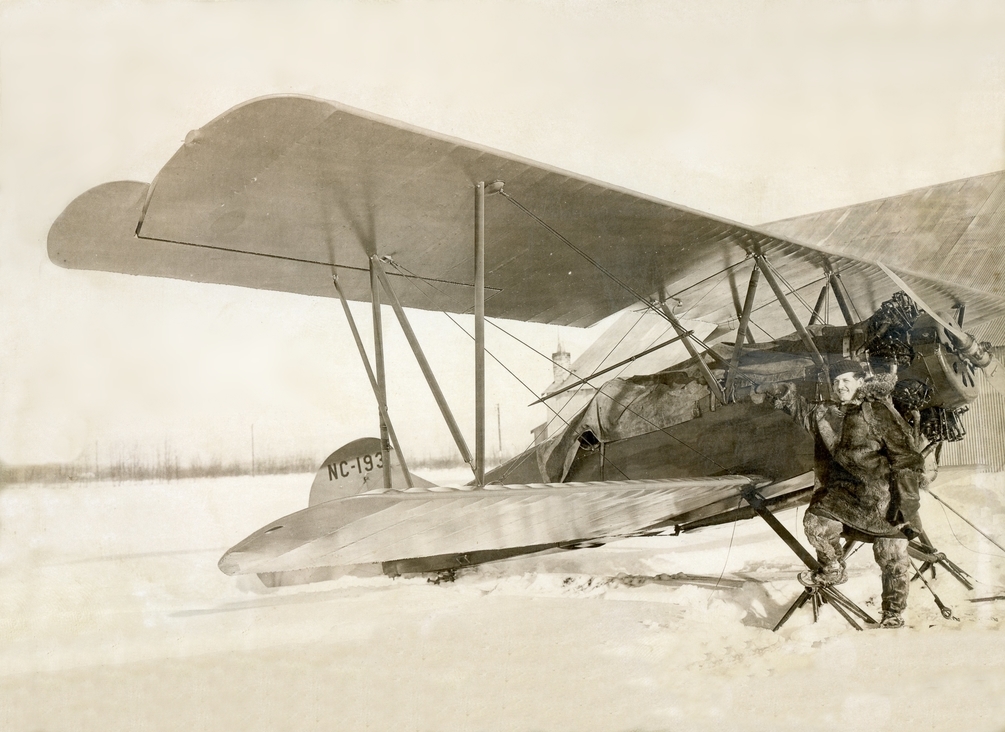
Pioneer Alaska Bush Pilot John W. “Johnny” Moore poses with a ski-equipped Travel Air BW. With that open cockpit for an office, Moore’s furry ensemble will serve him well in the skies of Alaska.
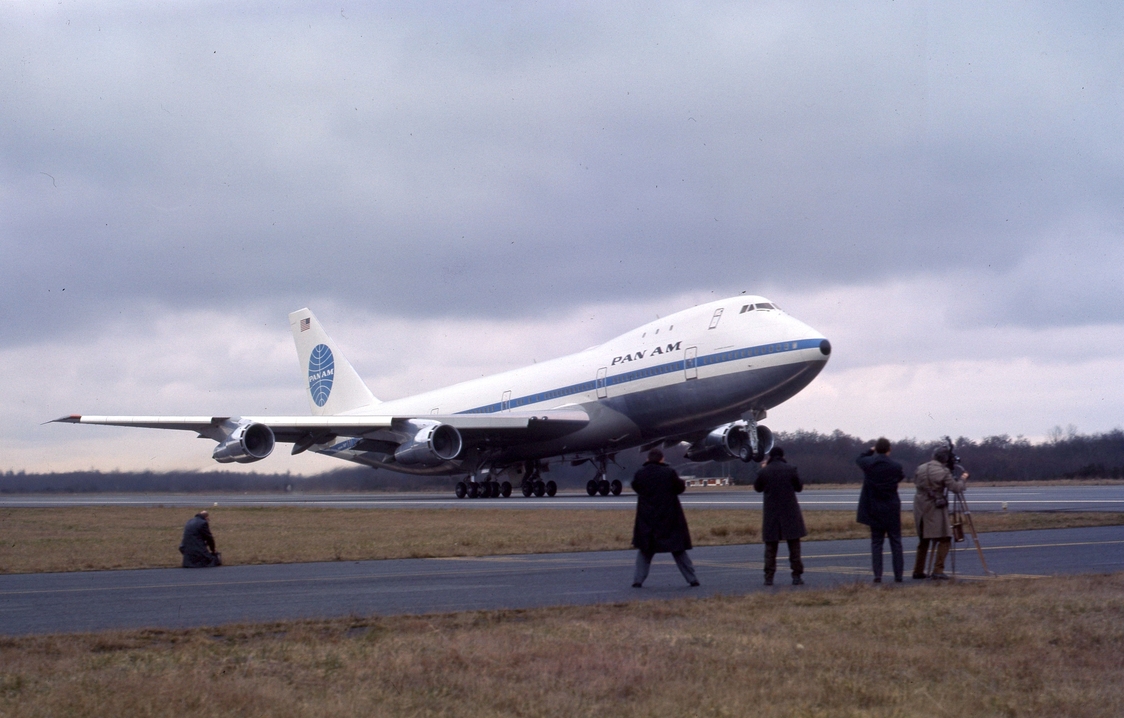
Up, up, and away with Pan Am…
460th Bombardment Group
It’s always fun to browse thrift stores for bargains; never know what you might find. The patches seen here illustrate that point: They were glued to a cheap imitation leather flight jacket that was priced $4.99. Alas, there was no name on the jacket – it no doubt belonged to a veteran who wore it to reunions and such. He would have flown the B-24’s of the 460th from their bases in Italy (the patches are Italian made). But the patches live on, and those mementos of a veteran’s service have been saved for all time.
A soggy day for an airshow…
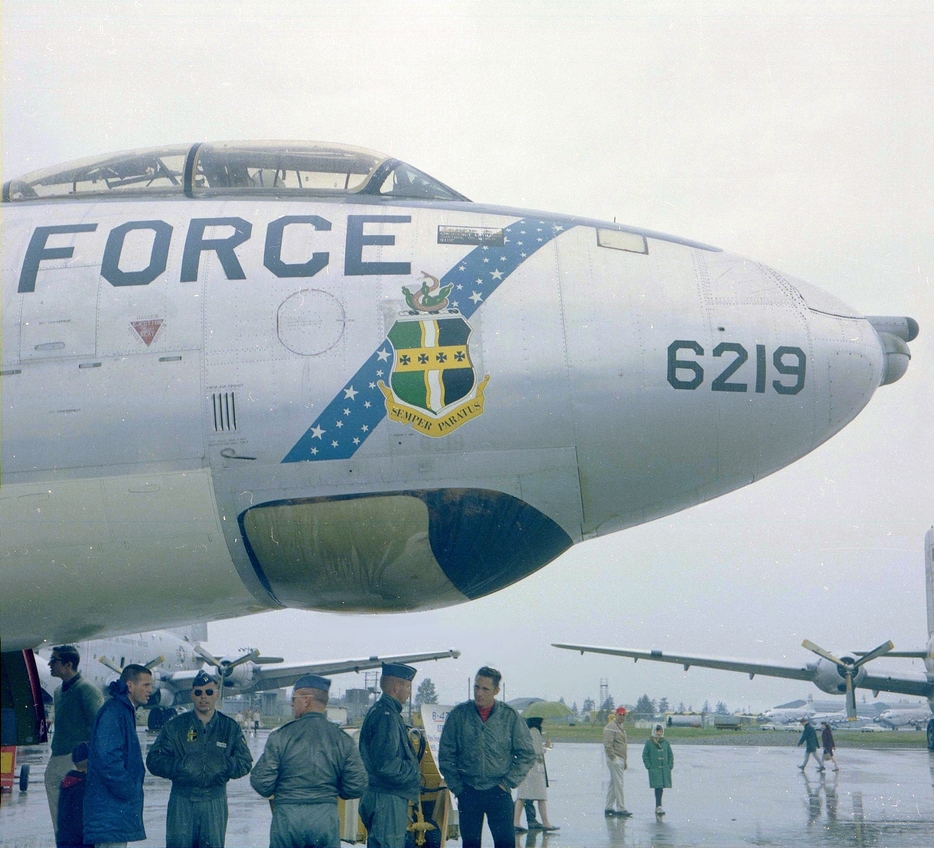
It is a rainy day at McChord AFB, but such weather never deters the die-hard aircraft fans. B-47E 53-6219 – as with all Stratojets – was nearing the end of its days when this photo was taken in 1963, but it could still draw admirers. (Made a good umbrella too) This 9th Strategic Aerospace Wing aircraft was visiting from Mountain Home AFB, a place where rain is less a concern than dust and tumbleweeds.
When this photo was taken, McChord AFB was home to a rather large fleet of rather large aircraft: The C-124 Globemasters, many of which are seen in the background.
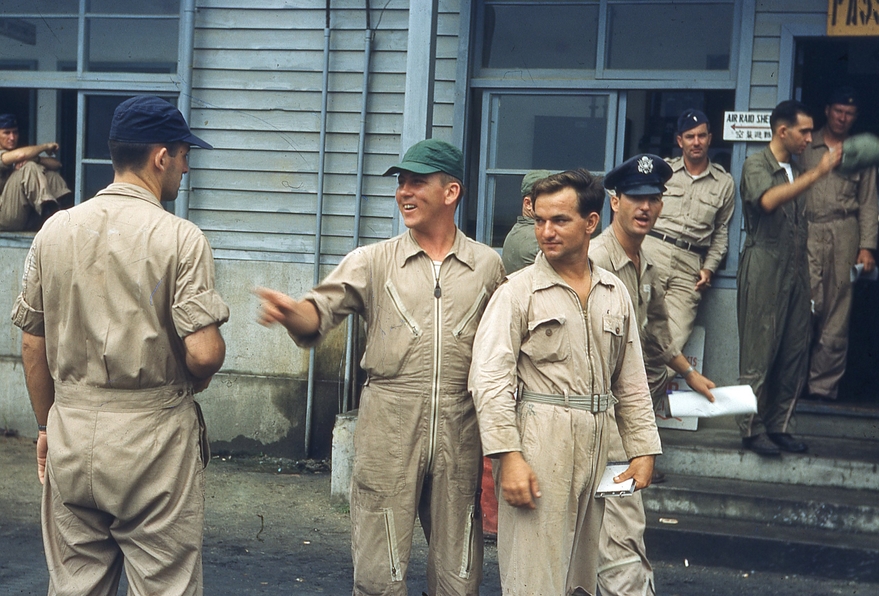
Pilots and F-80’s of the 26th Fighter Interceptor Squadron
With his .50 caliber gun muzzles showing evidence of wear & tear, the pilot of this 26th FIS F-80 (49-0649) drives past the tower at Naha Air Base, Japan.
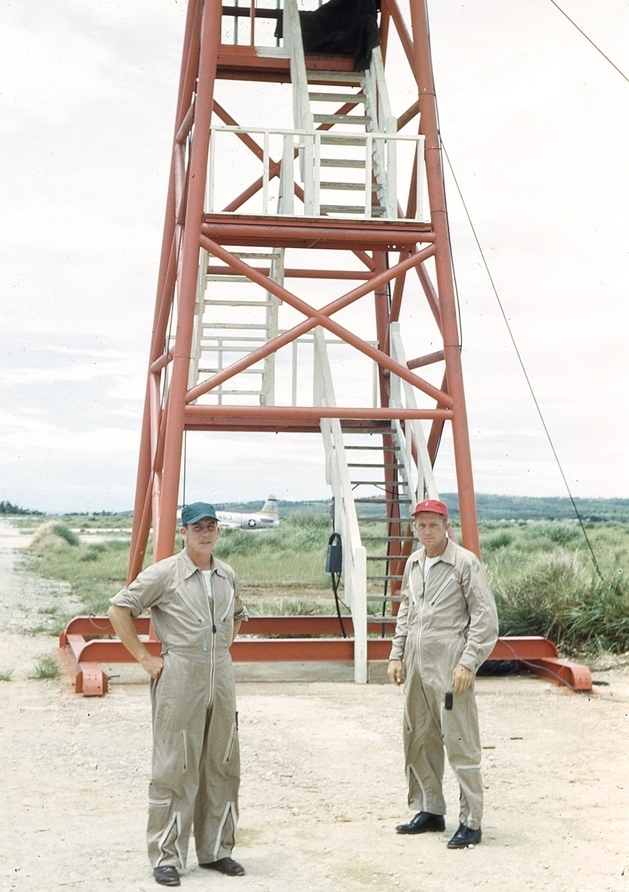
49- 0453 sits quietly beyond the tower. Note the portability of said tower.
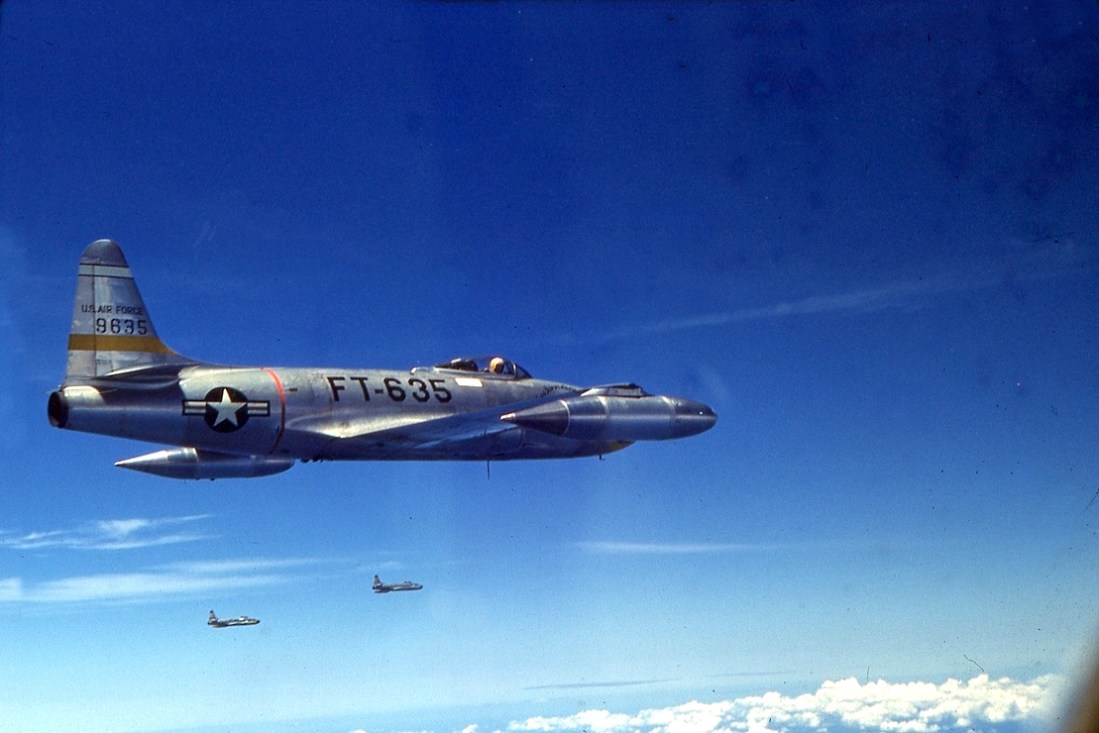
Nice day for flying as 49-0635 & co. cruise the Japanese skies in the early 1950’s.
Mitchel Field, NY – 1940
VP-101, Philippines, 1941
Under the tropical skies of the Olongapo Seadrome on Subic Bay, men of Patrol Squadron 101 stand before one of their PBY-4 aircraft. When this photo was taken in late 1941, war clouds were gathering over the western Pacific. In response, VP-101 has hastily camouflaged their aircraft; this is easily seen on the OS2U Kingfisher on the right. Soon, the squadron would be at war. Very few of the men pictured will avoid death or capture in the coming weeks and months.
Here’s five feet of the 18th Fighter Interceptor Squadron