Month: August 2019



Mitchel Field, NY – 1940


Men of the 18th Reconnaissance Squadron say cheese on October 12, 1940. Their B-18 does likewise. Although Mitchel Field shut down eons ago, the hangars seen still stand today.
VP-101, Philippines, 1941


Under the tropical skies of the Olongapo Seadrome on Subic Bay, men of Patrol Squadron 101 stand before one of their PBY-4 aircraft. When this photo was taken in late 1941, war clouds were gathering over the western Pacific. In response, VP-101 has hastily camouflaged their aircraft; this is easily seen on the OS2U Kingfisher on the right. Soon, the squadron would be at war. Very few of the men pictured will avoid death or capture in the coming weeks and months.
Here’s five feet of the 18th Fighter Interceptor Squadron


Five feet is the length of this photo, and given that I had to scan it in segments then stitch it all together, I would not have minded had the 18th FIS done its job with fewer men. That being said, it is a great shot of the entire squadron at Ladd AFB, Alaska, on July 18 1955, Major John “Buck” Rogers commanding. The following summer they moved to the somewhat less frigid Wurtsmith AFB in Michigan. F-89D Scorpions were the weapons of choice for the 18th in Alaska. One can be identified: 52-1839.
B-18A in the field
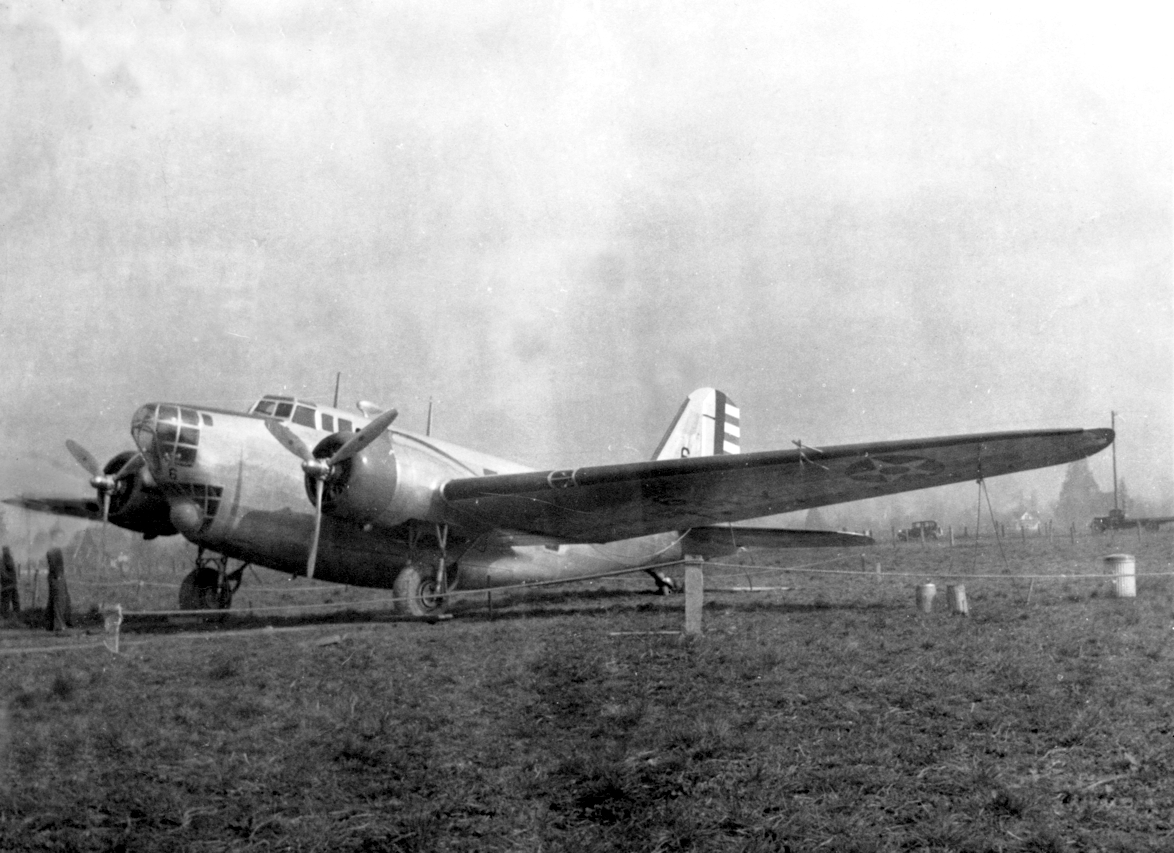
Judging by the pastoral setting, the highway in the background, and the fact the aircraft is roped off, it is safe to say that this B-18 is not on its home turf.
Sabre Dog in New Mexico
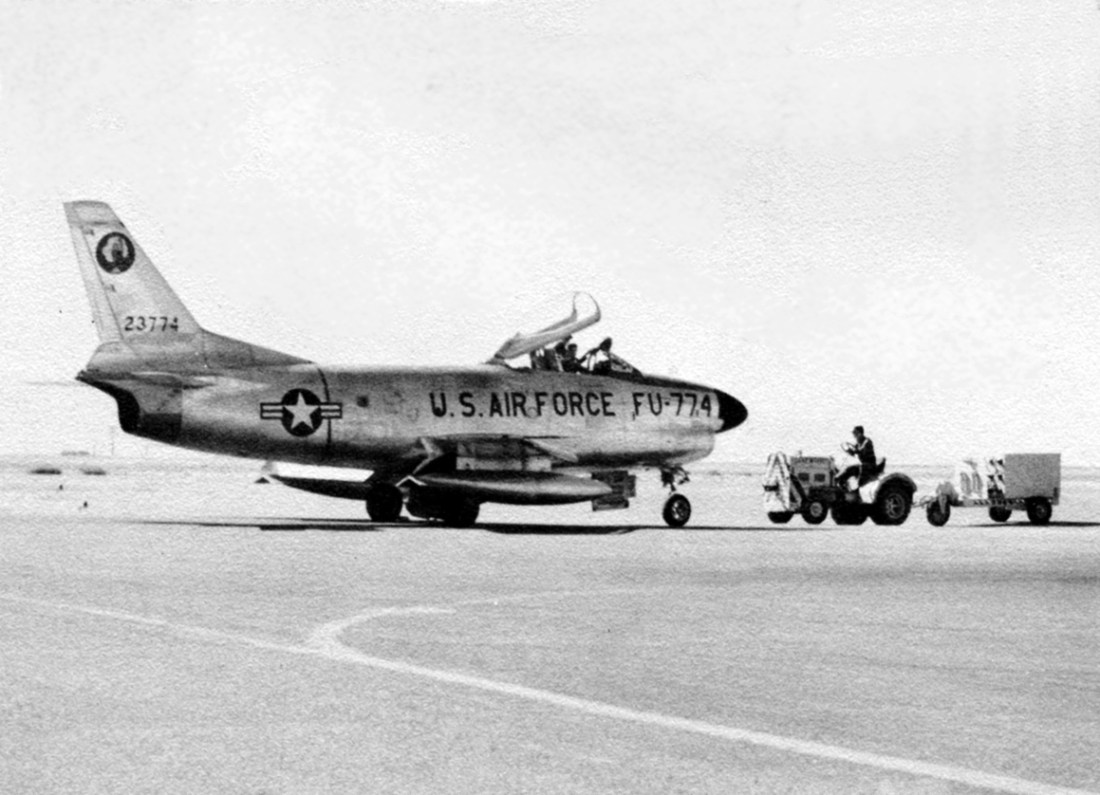
F-86D (52-3774) of the 93rd Fighter Interceptor Squadron in front of the alert barn at Kirtland AFB, New Mexico around about 1957. What was there to make it worth a man’s while to go up and intercept things you ask? Answer: New Mexico was home to all things atomic bomb.
More great ads!


Patrol Squadron 3, 1937


Posing proudly before their PBY at NAS North Island in the fall of 1937 are the men of VP-3. Of additional interest are the large numbers of enlisted pilots (note the wings on their chests). VP-3 had already racked up some impressive achievements with their new patrol bombers.
The PBY shattered no existing speed records, but that being said, with its single wing, no landing gear, and a minimum of external braces all contributing to relatively low drag, the early PBY was, by 1937 standards, a speedy enough machine. Its rated top speed was only 170 knots, comparable to most fighter aircraft of the period, primarily biplanes with fixed landing gear.
Friends in a Friendly Land


I found this last week on eBay listed as a 1930s RAF photo. After receiving said picture, a closer examination showed it to be RAF, but it was taken in America during World War II (Note the “USA” titles worn by some of the men). Most who know a thing or two about WWII aviation also know that the airmen of many Allied nations trained in the United States during that time. With wide-open spaces, fair weather, and, most importantly, a noticeable lack of Luftwaffe fighters to distract you, the US was the logical place to learn the fundamentals of flight.
Men from Britain and other nations were welcomed, and by the time the program ended, thousands of airmen had been trained in what was obviously a very successful idea. To those who may disagree, I offer this: Name one man in the RAF who was shot down in American skies by Luftwaffe fighters.
I rest my case.
Hot “Dog”



 The Jive Bomber