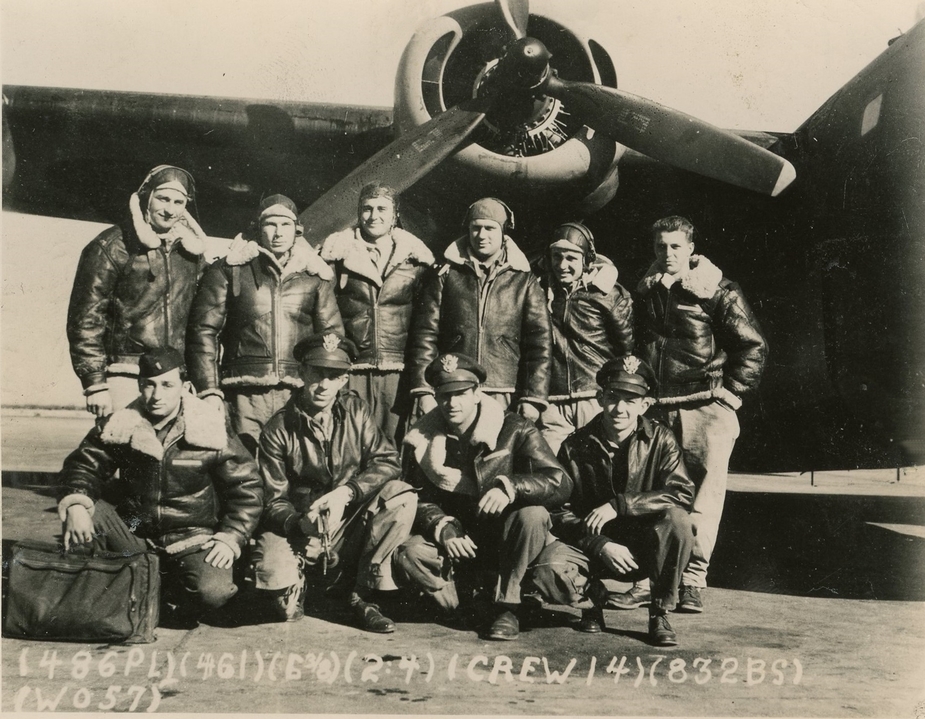
832nd Bomb Squadron, 486th Bomb Group. Though they pose in front of a B-24, they eventually transitioned to the B-17. The crew signed the back of the photo, and unfortunately, several of these men did not survive the war.
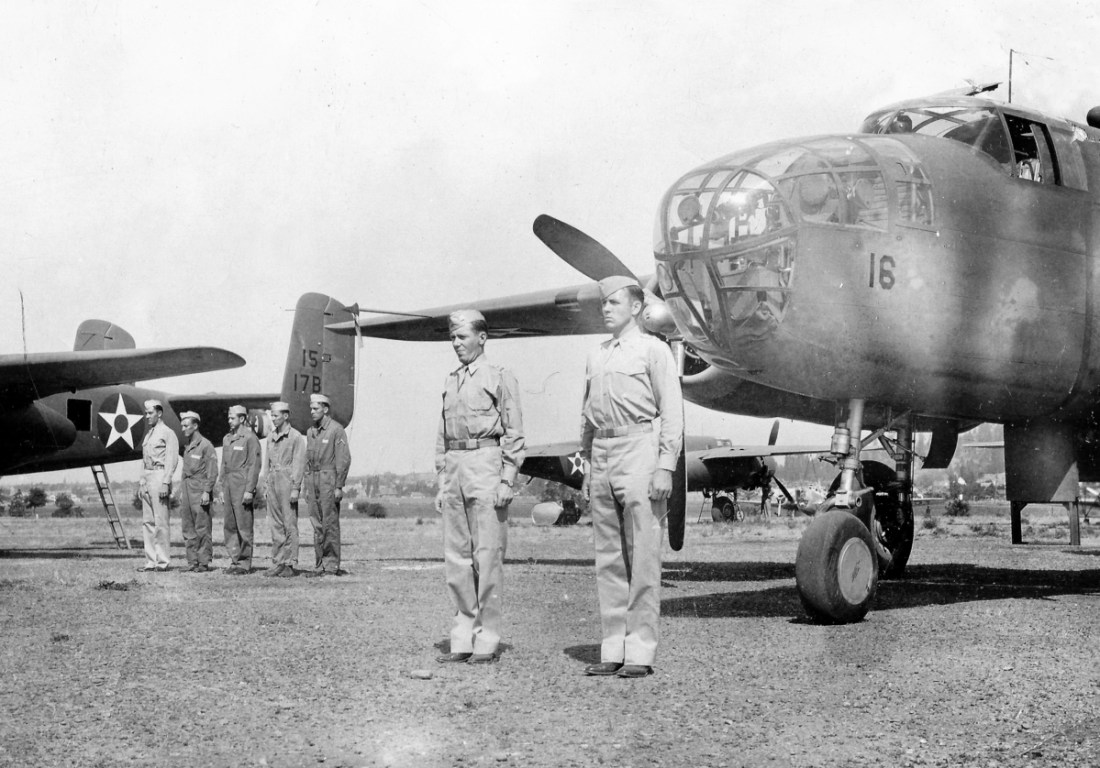
Crews of the 17th Bomb Group and their B-25’s in the summer of 1941. Sharp-eyed viewers will spot several of the men who will soon become forever famous as Doolittle’s Tokyo raiders. Photo #1 has the future author of “30 Seconds Over Tokyo”, Ted Lawson, on the right.
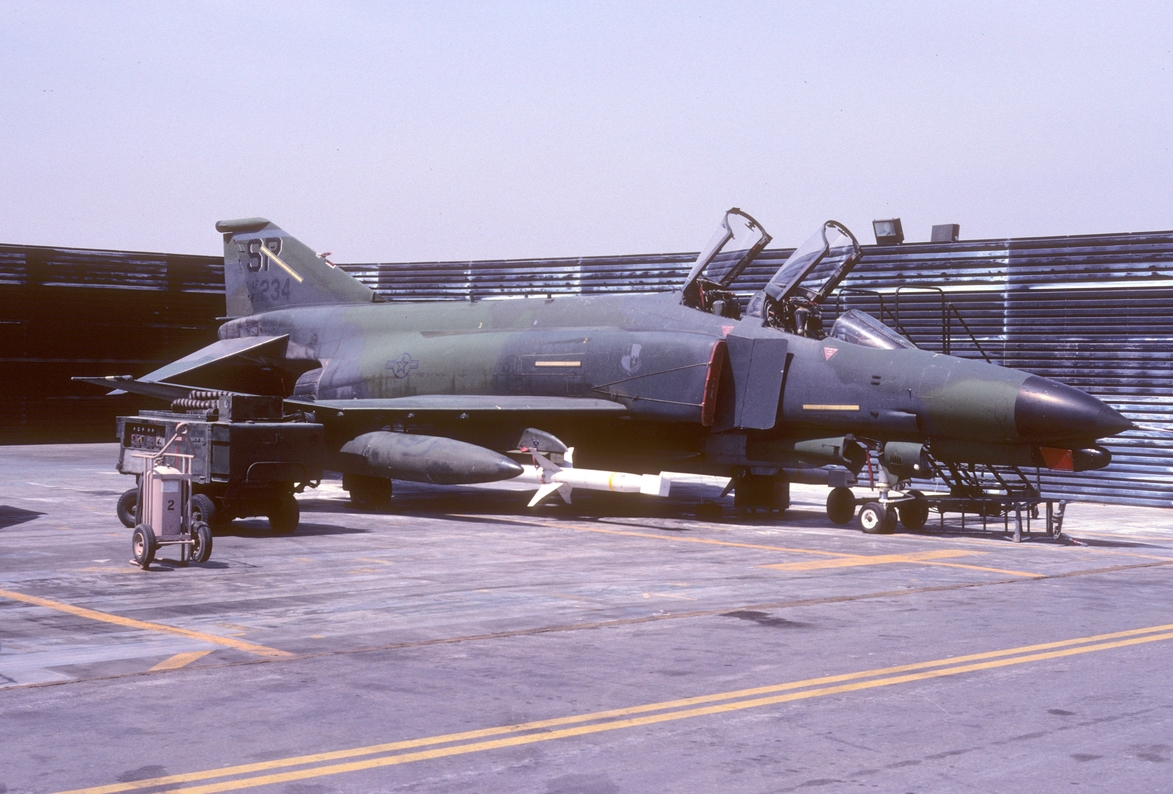
69-7234, lately of Spangdahlem Air Base’s 480th TFS, is seen here at Shaikh Isa Air Base, Bahrain during the Gulf War of 1991. While assigned there, the aircraft was part of the 3552nd Tactical Fighter Squadron. Interestingly, 234 was the only aircraft at that base that still retained the old green & gray “European 1” paint scheme.
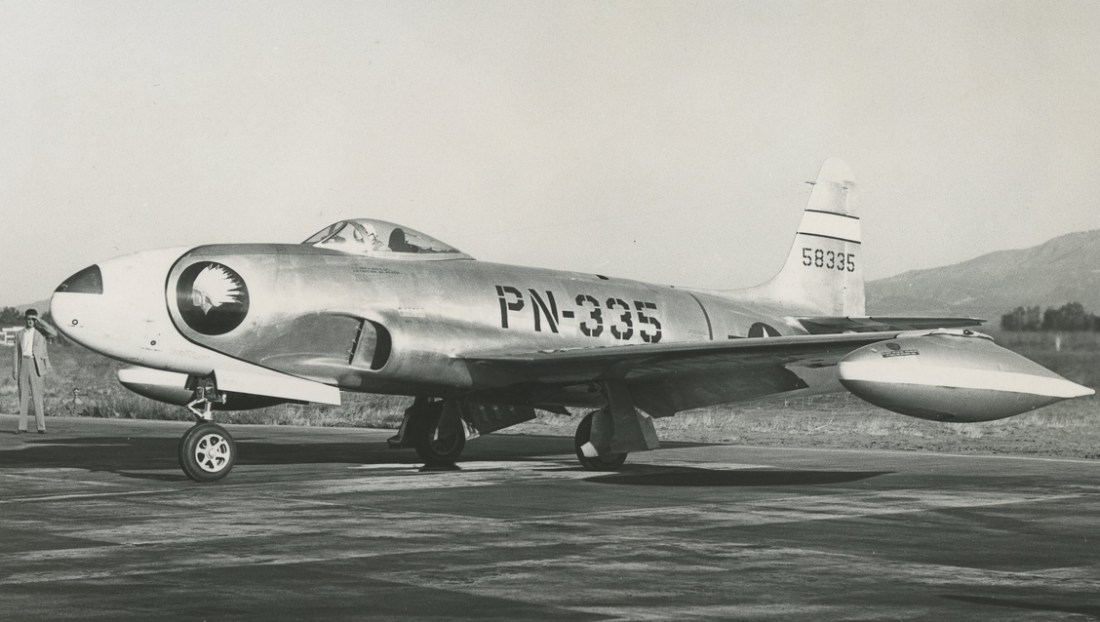
(45-8333) of the 63rd Fighter Interceptor Squadron, P-80 (44-85275) of the 61st FIS, and 45-8335 of the 335th Fighter Squadron, Jet Propelled.
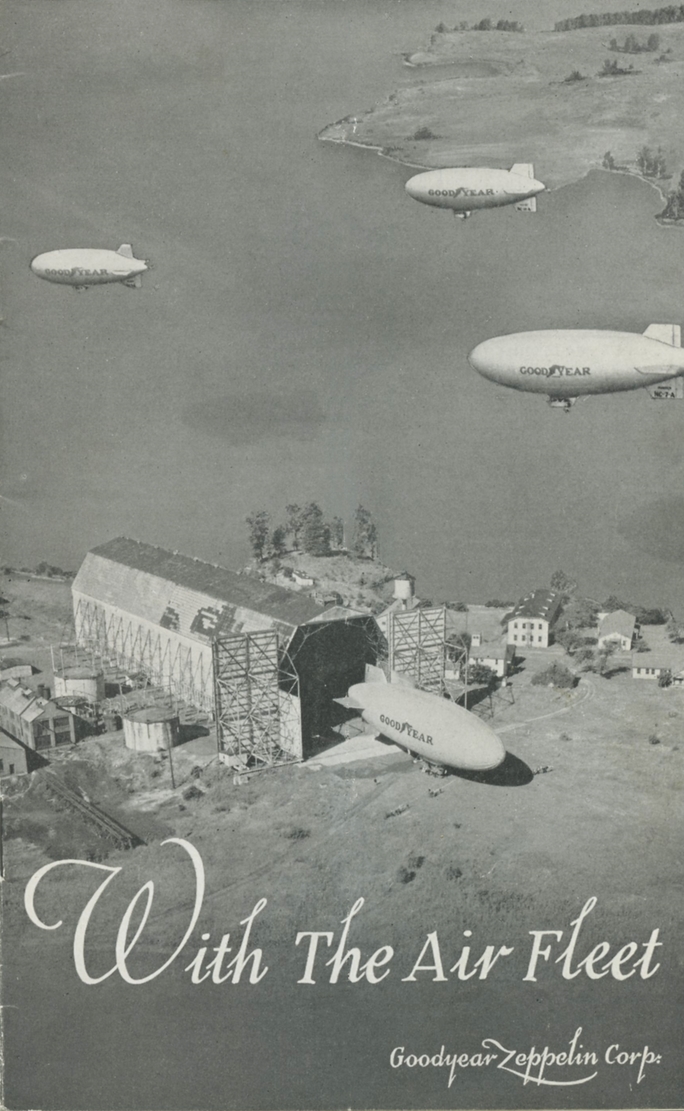
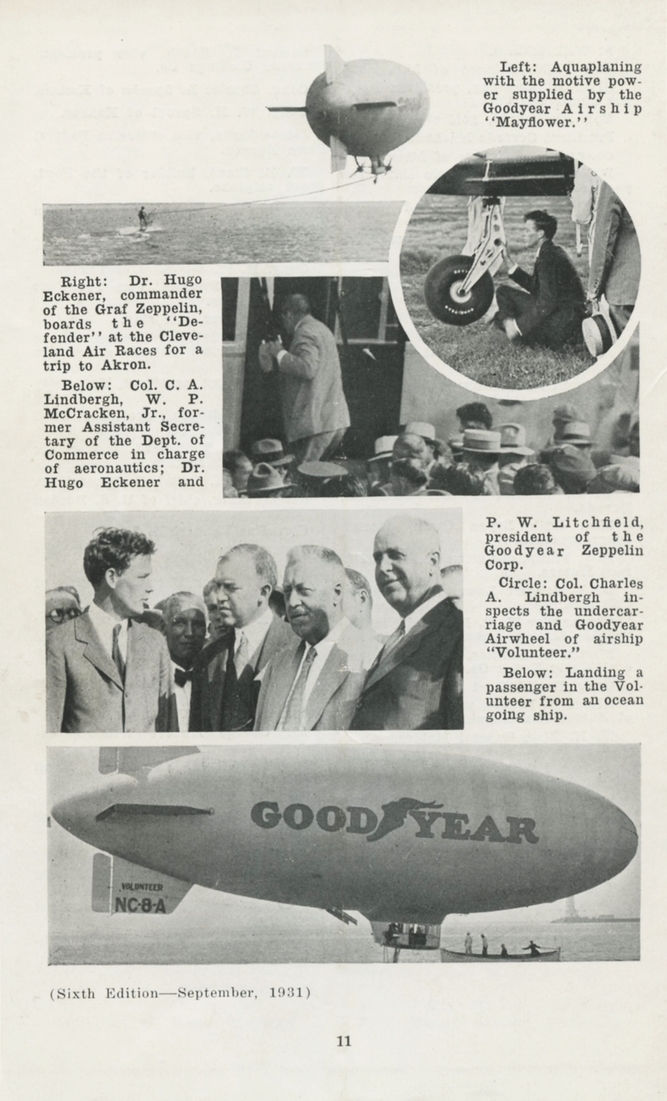
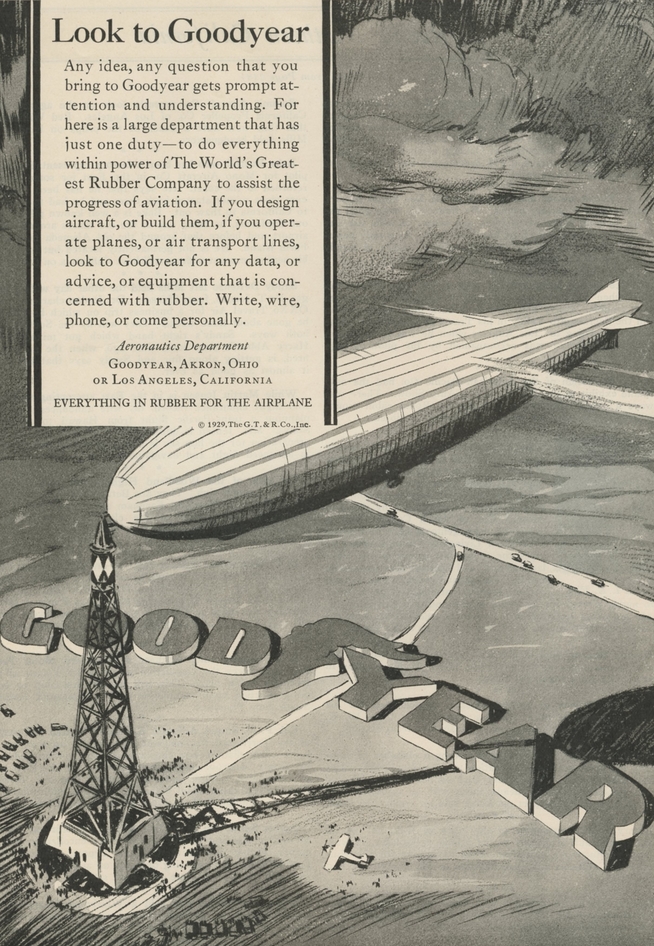
Things were looking pretty good for the Goodyear Zeppelin Corporation in the late 20’s and early 30’s. The first two photos are from a Goodyear booklet from 1931. The ad dates to 1929.
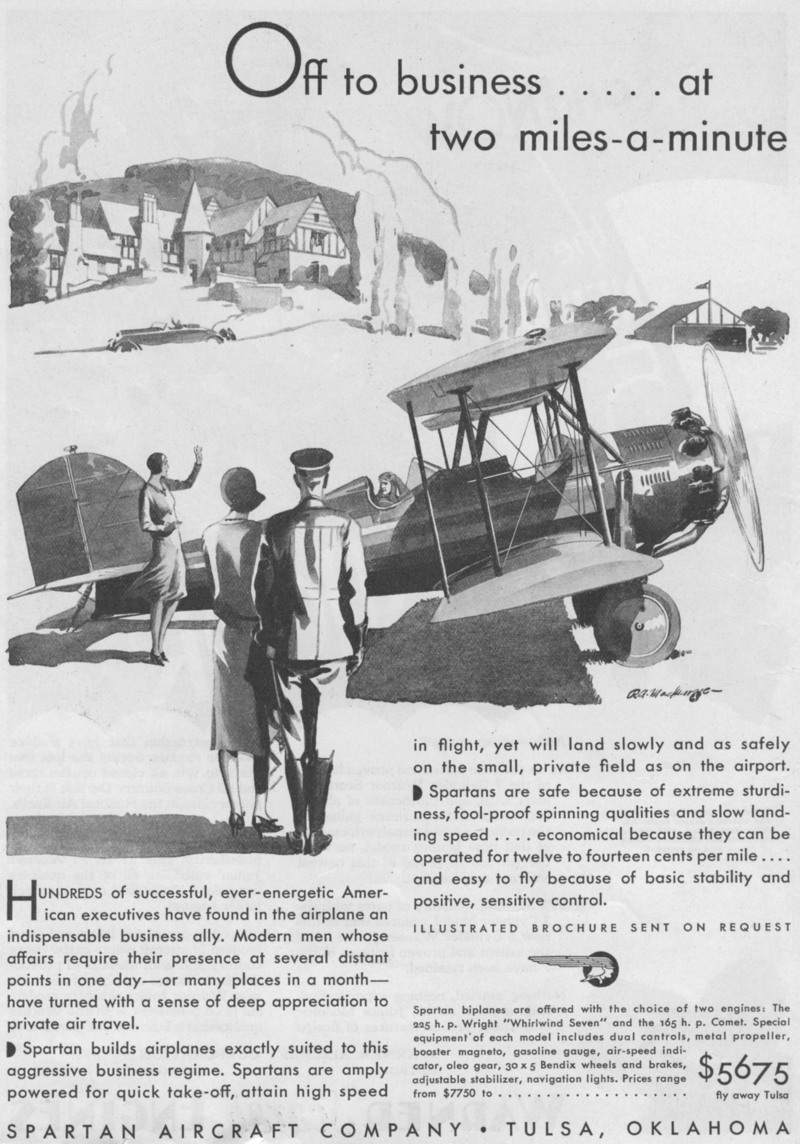
This guy lives like Bruce Wayne. Wise choice with the aircraft; a Spartan was a pretty good machine. The $5675 price tag translates to $81,000 today.
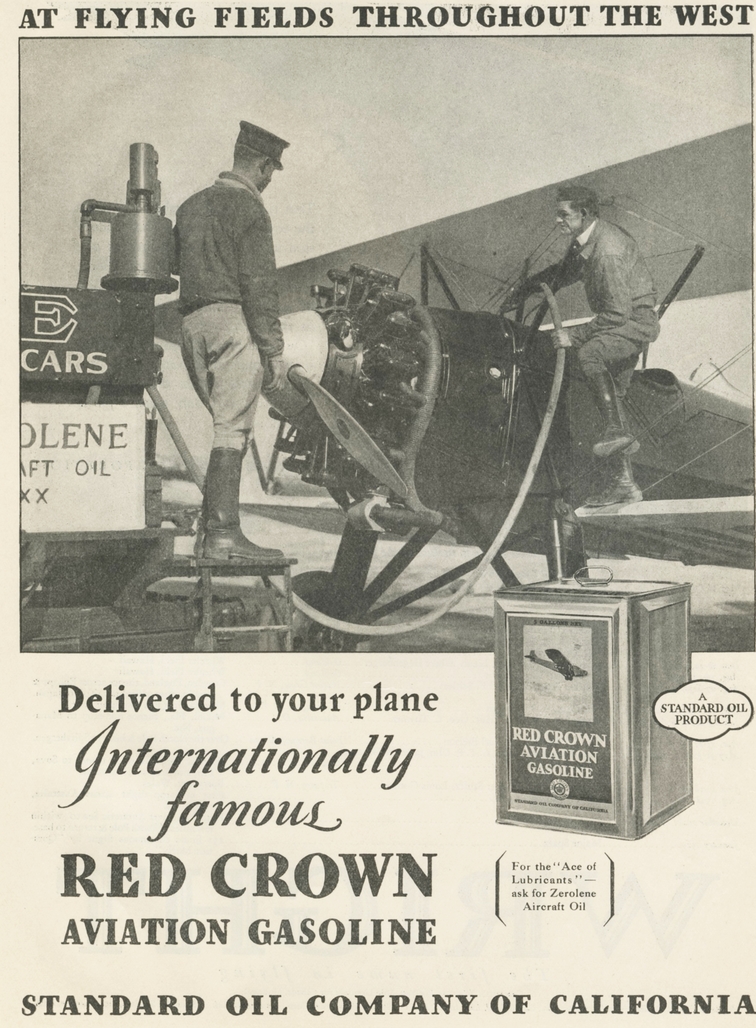
Red Crown Aviation Gasoline billed itself as the “Ace of Lubricants.” The pilot in this ad looks a lot like Claire Chennault of “Flying Tiger” fame.
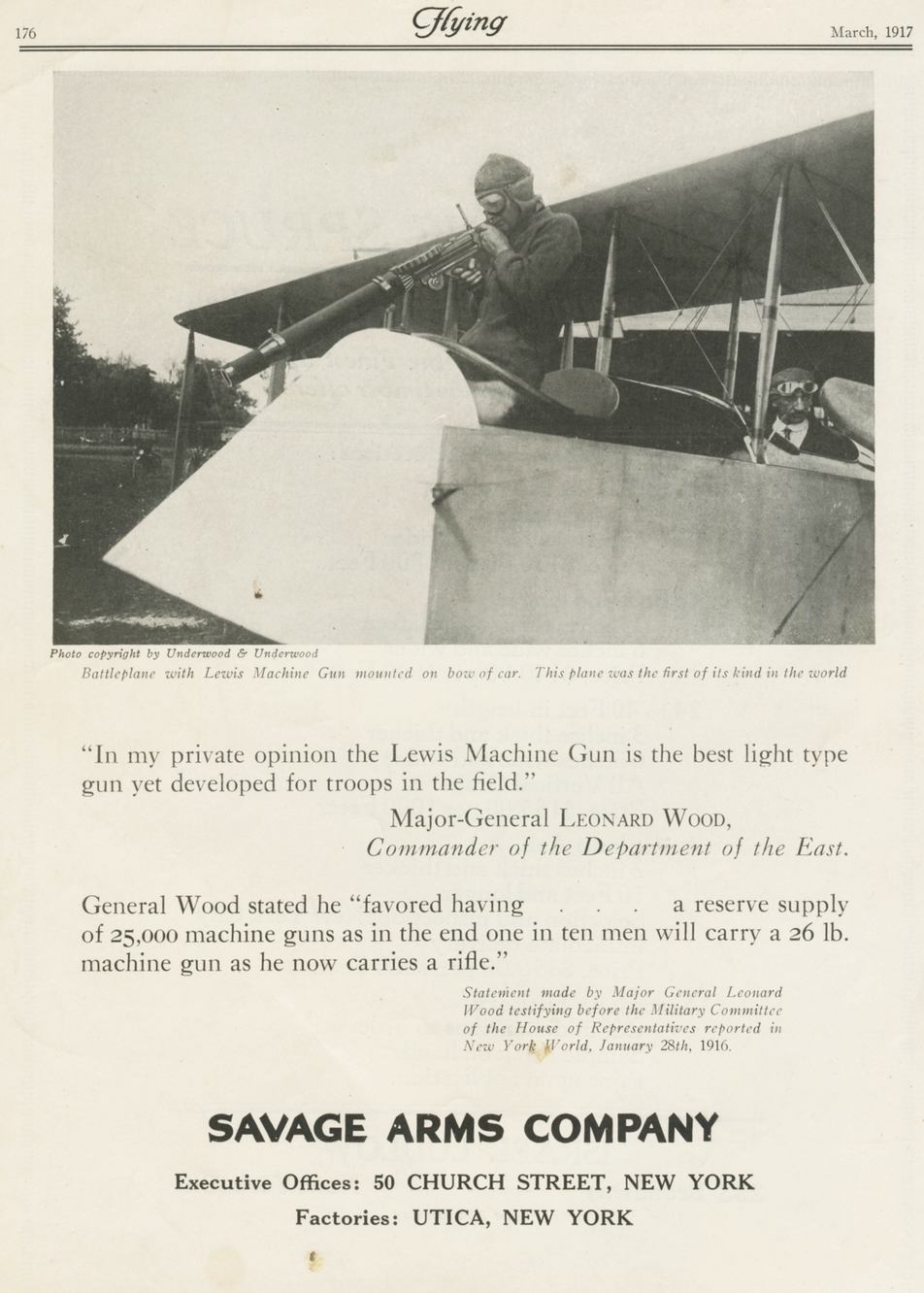
A “battleplane” armed with a Lewis machine gun, WW1. Savage Arms knew their audience in this March 1917 ad. Even though the US was not yet in the war, arms makers such as Savage were already selling weapons hand over fist to the British and French.
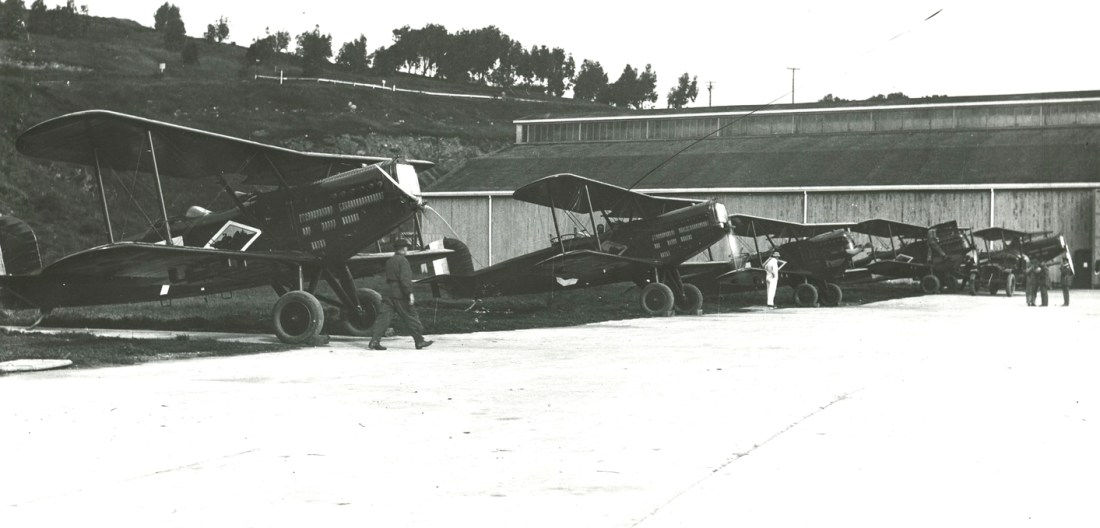
Crissy Field in California wasn’t huge, but it was one of the better known airfields of its day. Photo #1 shows O-2’s of the 91st Observation Squadron. Photo 2, taken a few years earlier, has a pilot of the same squadron taking a smoke break with his O-25.
The Martin B-10 was many things, but it will always be associated with its newsworthy flight to Alaska in 1934. Here, the boss of that mission, Major Hap Arnold, discusses things with some of the locals.
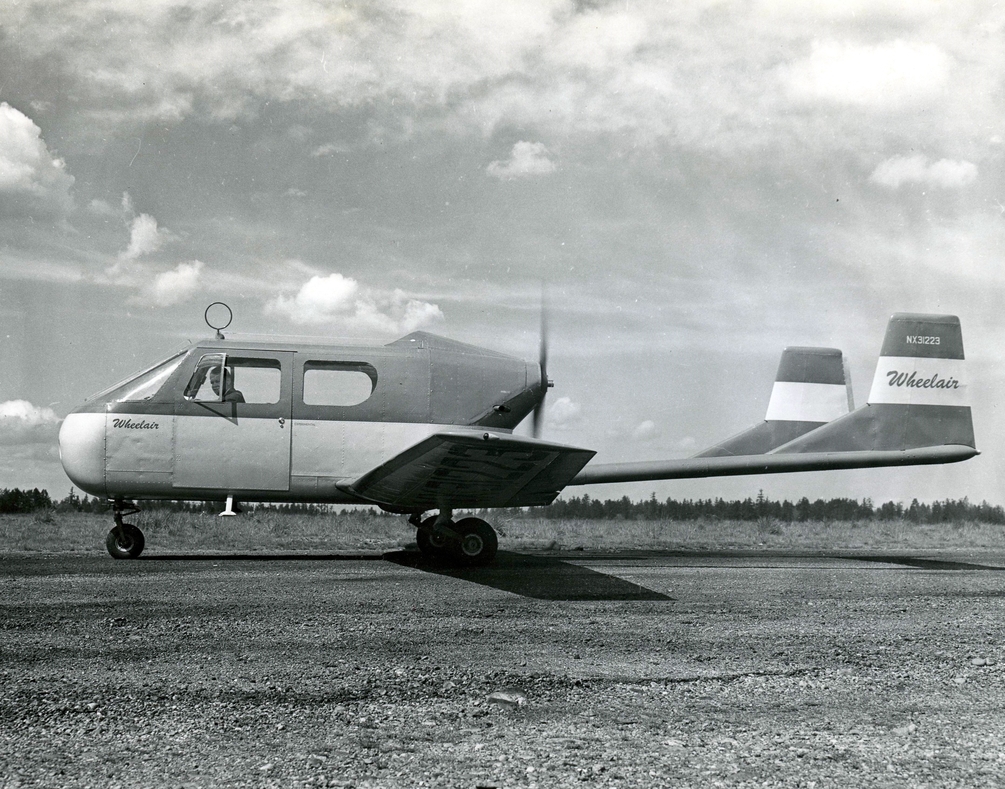
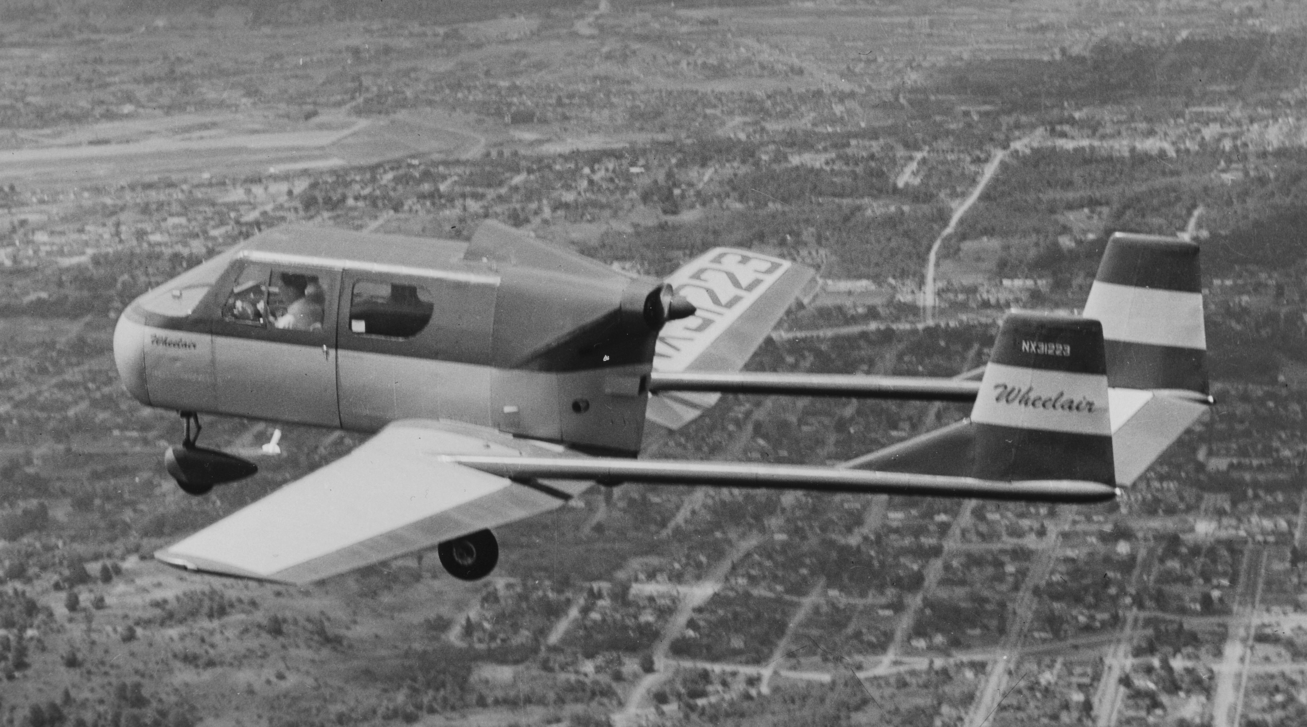
The “Wheelair” was a post-war Washington State creation that all in all, didn’t look like such a bad idea. The airport in the lower photo is the then new SeaTac.
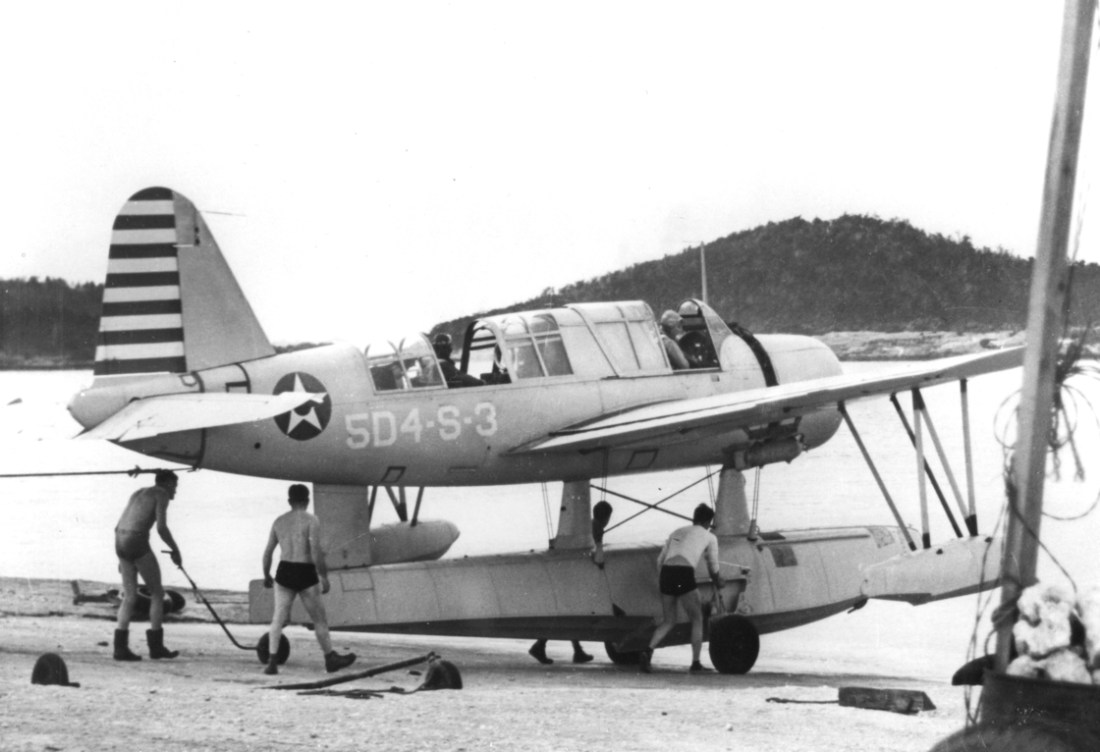
In my dad’s 40+ years of flying, first for the Navy, then United Airlines, there was only one plane he managed to destroy, and that would be an OS2U Kingfisher, as follows. NAS Corpus Christi, 1942, and dad is getting checked out in an OS2U. He landed in the bay and had slowed to about 25 knots when the aircraft lurched to one side and started sinking fast – the main float mounts had broken. He and the instructor inflated their Mae West’s and headed for shore. Dad was sure his career was over. The instructor, paddling on his back, seemed non-fazed by the experience. He only said, “It’s not the first swim I’ve taken, but hell, I just got these shoes last week.”
PS. They hauled the wreck from the bottom of the harbor, and it was discovered that the float attach bolts were corroded to dust.













 The Jive Bomber