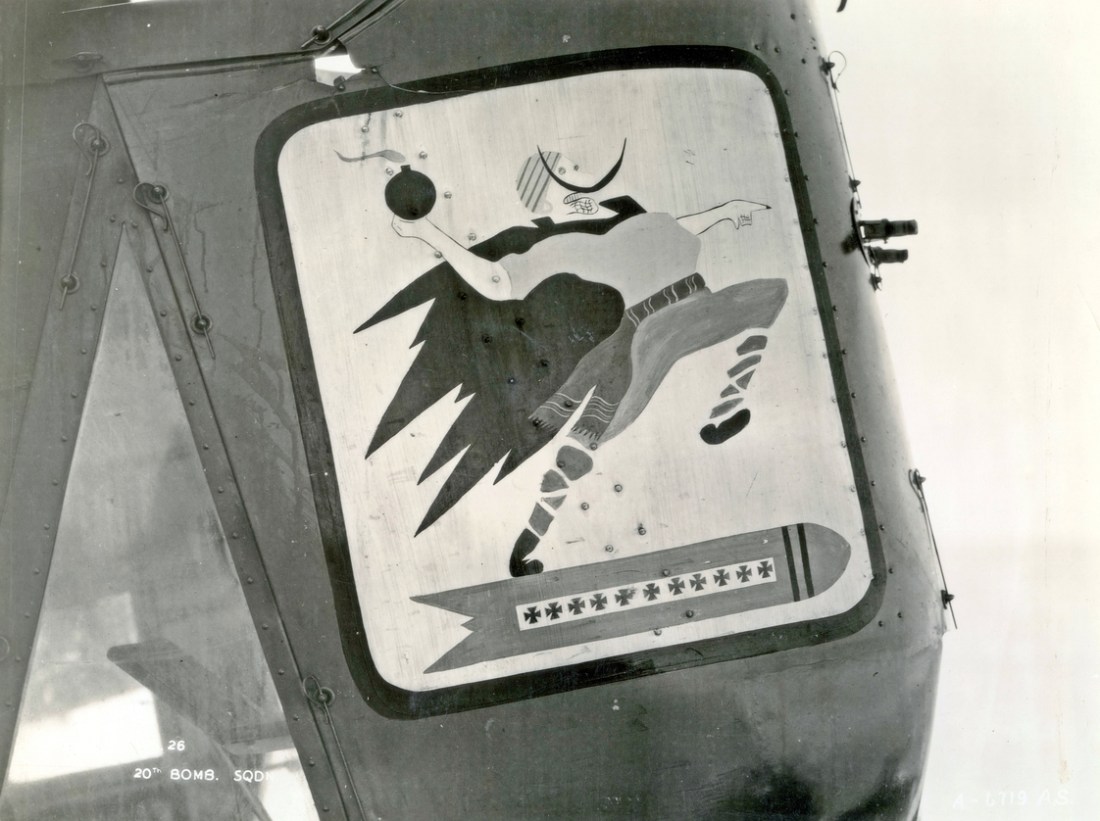
Busy doings at Langley Field, circa 1930
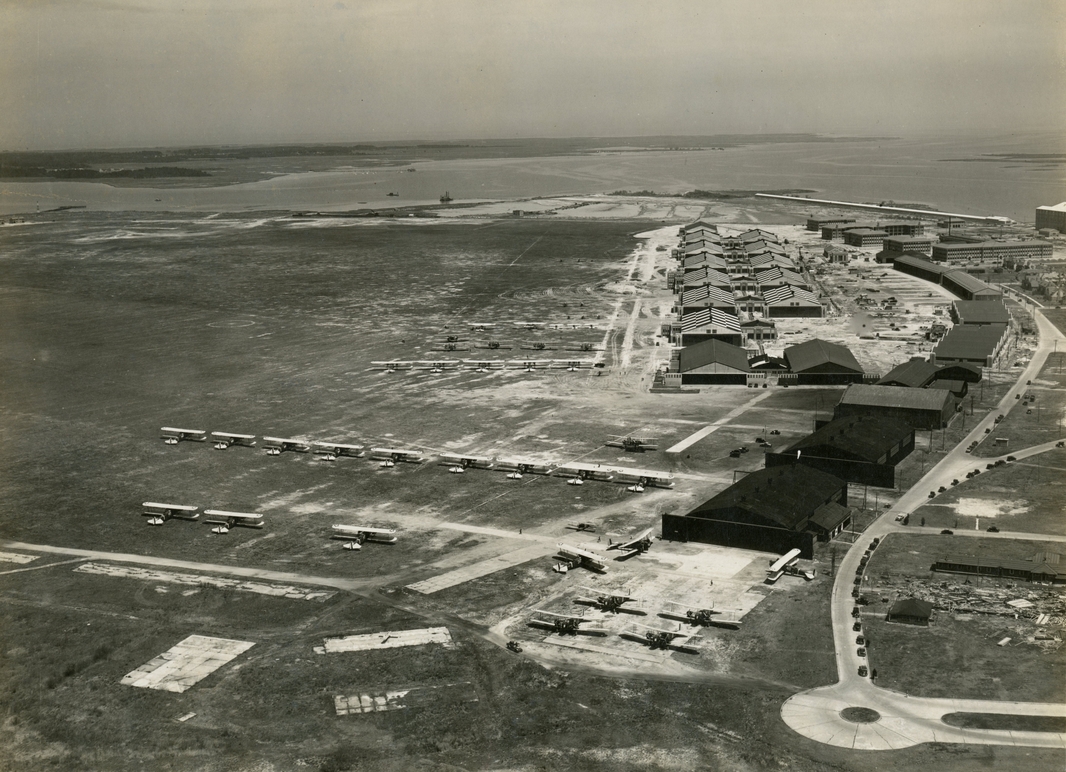

On hand are a gaggle of Keystone bombers and support aircraft. All are assigned to the 2nd Bomb Group. The aircraft in the lower photo are from the 20th Bomb Squadron.
P-1D of the 43rd School Squadron, Kelly Field

Back in the early 1930’s, the 43rd trained fledgling pursuit pilots for the Air Corps. One of them, Lt. Taylor, is seen here leaning jauntily against his ship. The sign in the background states that “Ships will not be taxied on or north of this road.”
492nd Bomb Squadron, WWII

The 492nd flew the B-24 Liberator from various bases in British India.
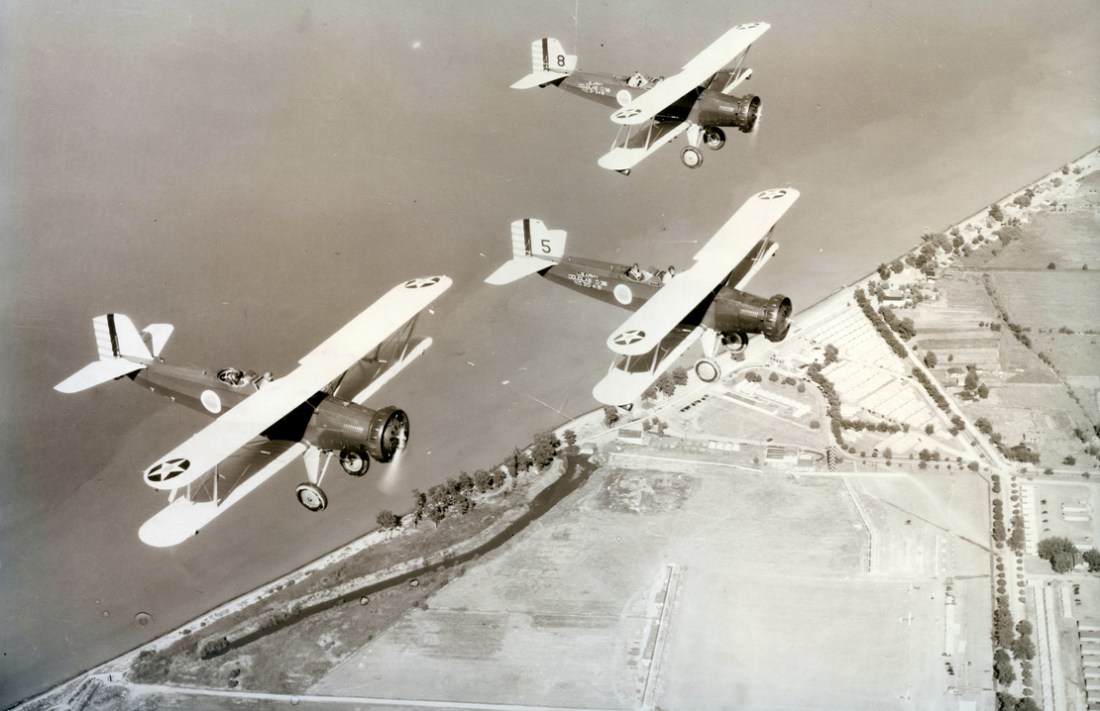
O-46’s of the 12th Observation Squadron
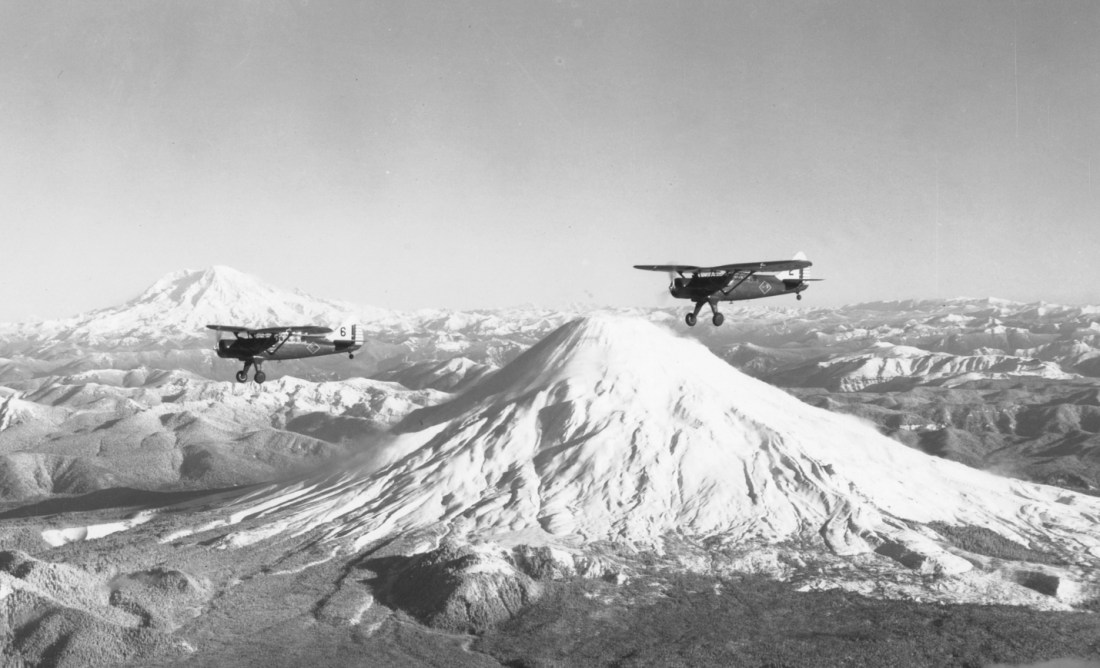
The aircraft are from Gray Army Airfield, Fort Lewis. Mount St. Helens in its pre-eruption glory is in the foreground, its bigger brother, Mount Rainier looms in the distance.
9th Air Division (Defense), 1954-58

Based at Geiger Field, WA, in the mid-1950’s, the 9th Air Division controlled the fighter interceptor squadrons of Larson AFB, WA that guarded the skies of Eastern Washington & Oregon, and all of Idaho. They were also in charge of the various radar squadrons in the region.
Of note on this big patch is the Ground Observer Corps watchtower superimposed over the radome. Even in the mid-1950’s, the radar coverage of North America had gaps that still required eyes, and not electronics.
85th Fighter Interceptor Squadron, Scott AFB, 1952-59


From my closet. L-1B flightsuit with 85th FIS patch. The same type baseball cap is worn by the pilots in photo #1.
O-1 Falcons of the 5th Observation Squadron

September 1932, Mitchel Field. One was taking off, the other landing. The result: an eventful take-off, and an eventful landing.
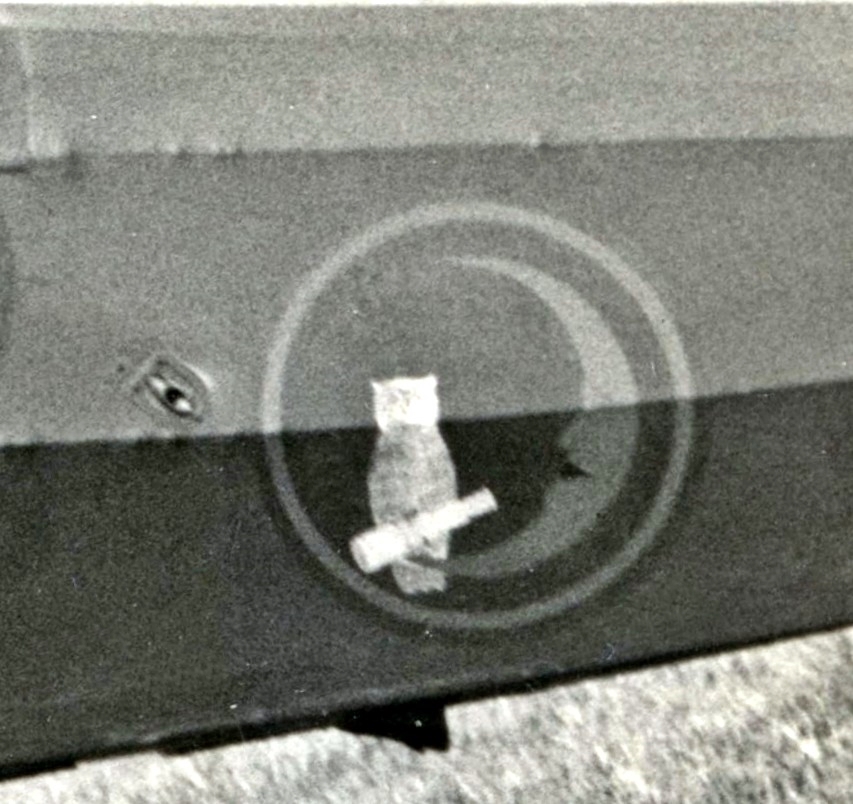
Close-up of the insignia of the 5th Observation Squadron.
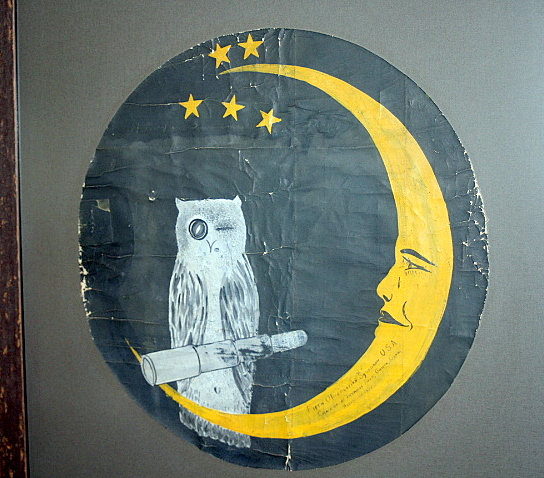
But wait – there is more to the story. The above photos are near & dear to me because a piece of an O-1 of the 5th Observation adorns my wall. Scrawled on it: “Fifth Observation Squadron, U.S.A. Crack-up at Trumbull Field, Groton Conn., August 21, 1931.” Research reveals that Lt. Elmer Tapley was the pilot and that he crashed on landing (but he walked away).
Given the time frame, the insignia seen on the mishap aircraft and on my wall were probably painted by the same man.
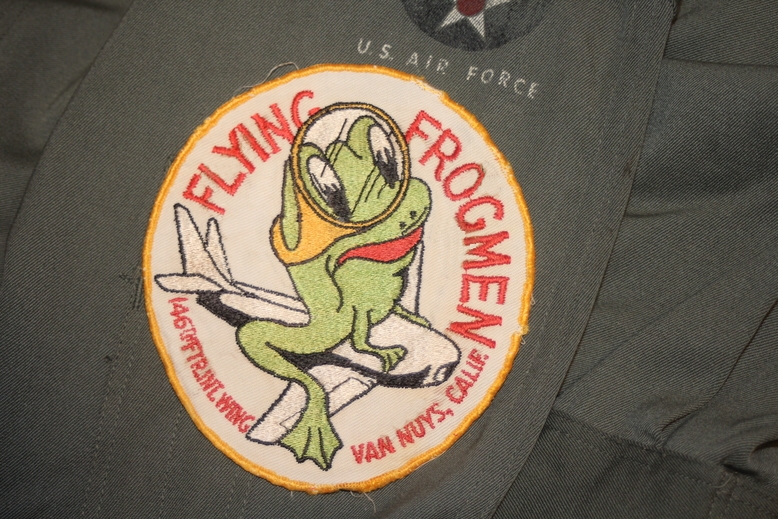
195th Fighter Interceptor Squadron

Based at Van Nuys California, the 195th flew various models of the F-86 Sabre from 1953-61. Sometimes you’ll see this patch with the pilot’s name on a bottom tab, sometimes you won’t. Either way, it’s not a common patch.
F-4D’s of the 62nd Tactical Fighter Squadron, Macdill AFB 1978-80
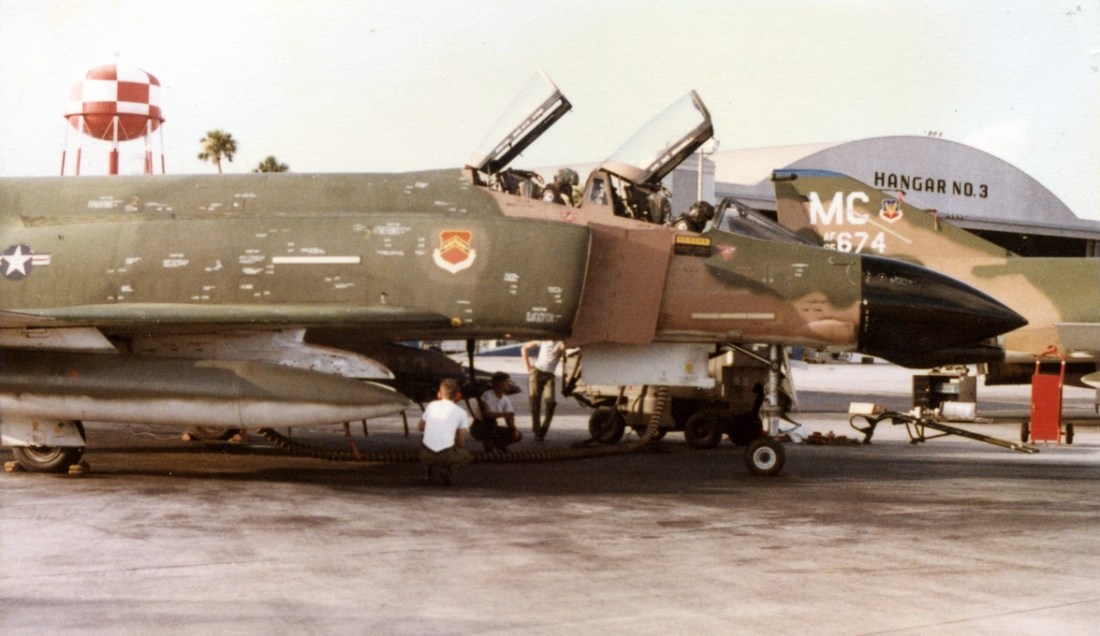
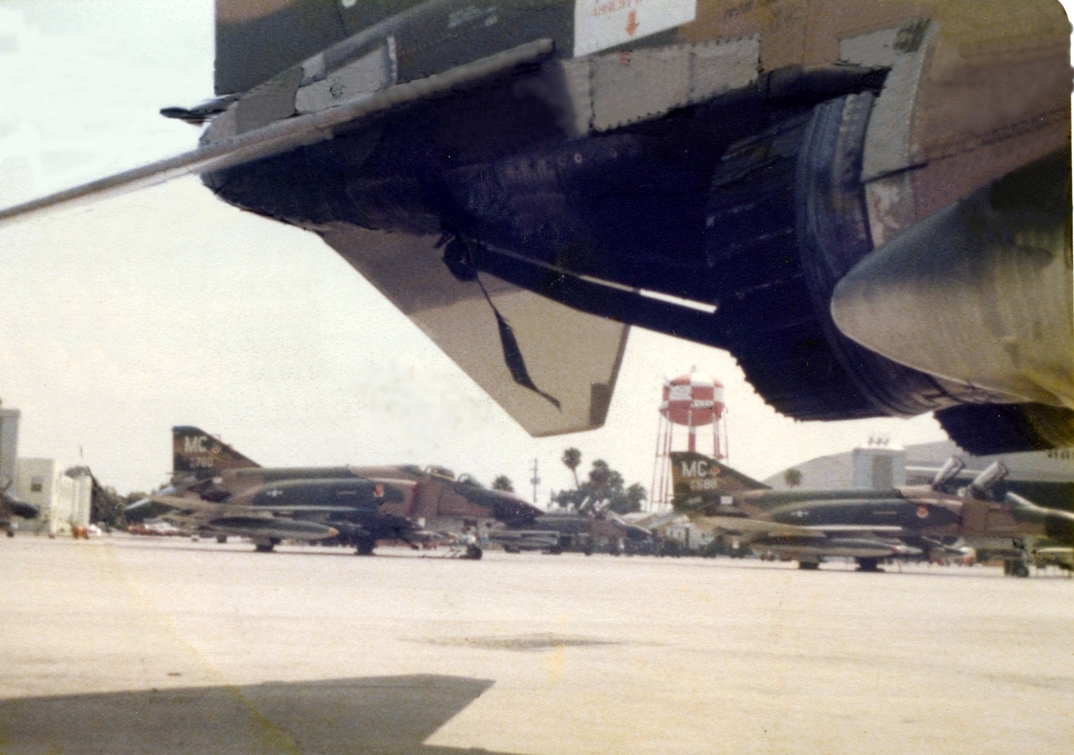
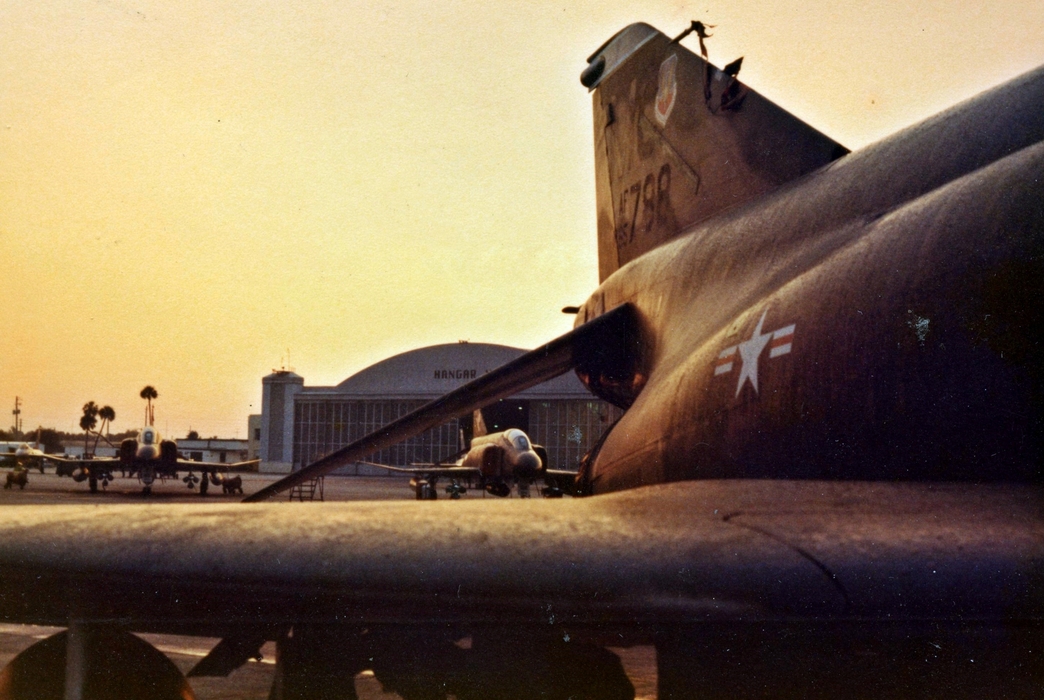

Took these myself way back when. Only had a cheap camera, but I took it in to work almost every day. Looking at the first photo of 65-0707 and 674, I am struck by the amount of stenciling they carried. The last Phantom (65-0794) is from the 13th TFTS. Their squadron tail stripe was white, but they changed that to black when the Wing added the white borders on the fin.
Keystone B-3’s of the 28th Bomb Squadron

Given that the 28th was stationed at Nichols Field in the blazing hot Philippines, it’s no surprise the rest of the bomber’s crew are taking a siesta under the wing.

The locals come to gawk at the the largest aircraft that they (and pretty much everyone else) had ever seen. They join the crew in taking advantage of the shade offered by the 74-foot wingspan of the B-3. Both photos were taken circa 1933.
F-94 crews of the 449th Fighter Interceptor Squadron, Ladd AFB

Dressed for the Alaskan cold, the pilots and radar observers of the 449th say “cheese” in front of F-94 49-2526. Photo is undated, but given that 49-2526 (in the background) crashed in 1954, it is safe to assume it was taken sometime before.
Frederick Martin, the Douglas DWC, and the first flight around the world.
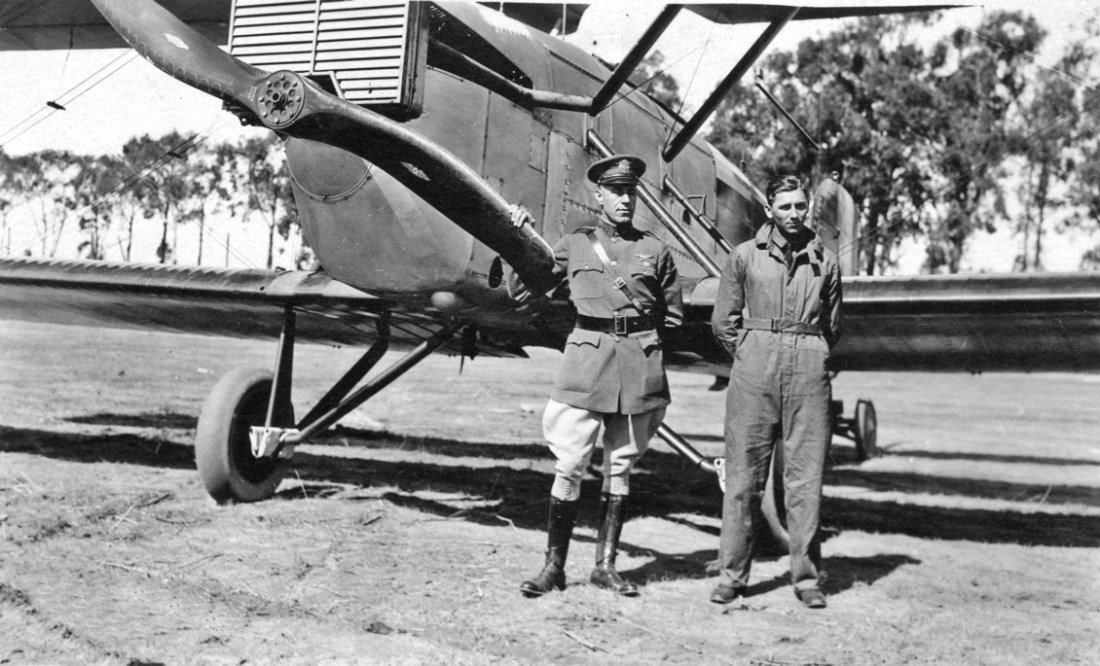
Major Frederick L. Martin and his crewman, S/Sgt Alva L. Harvey. They are about to set off in the “Seattle” to begin the famed first flight around the world in 1924.
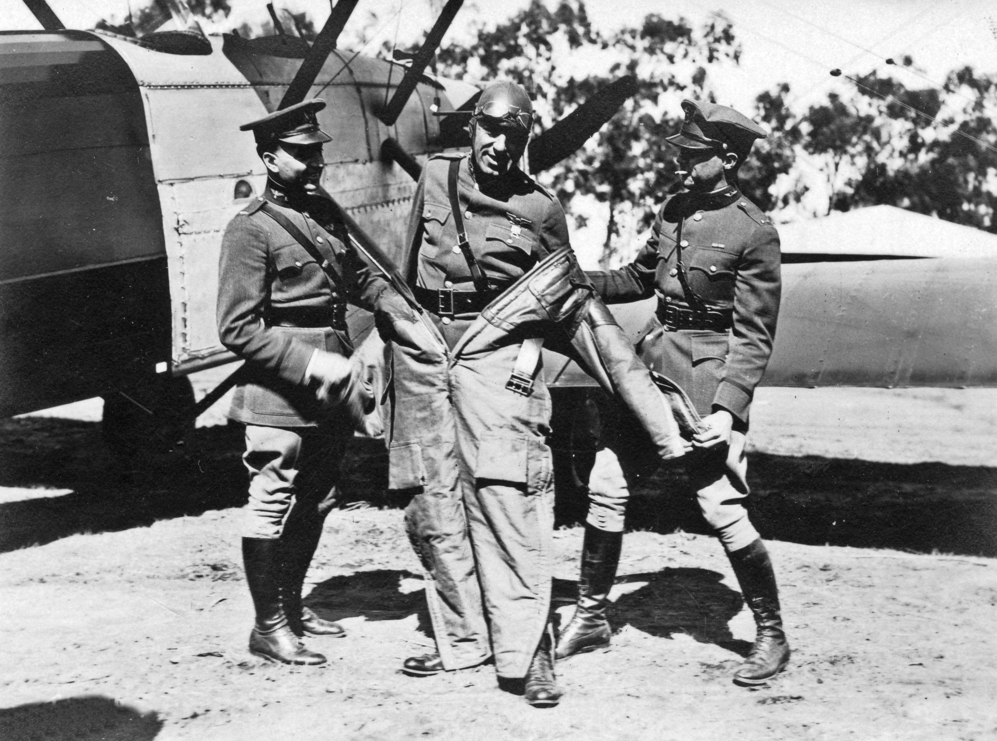
Fellow pilots on the upcoming journey, Lt.’s Lowell Smith and Leigh Wade, assist Frederick.
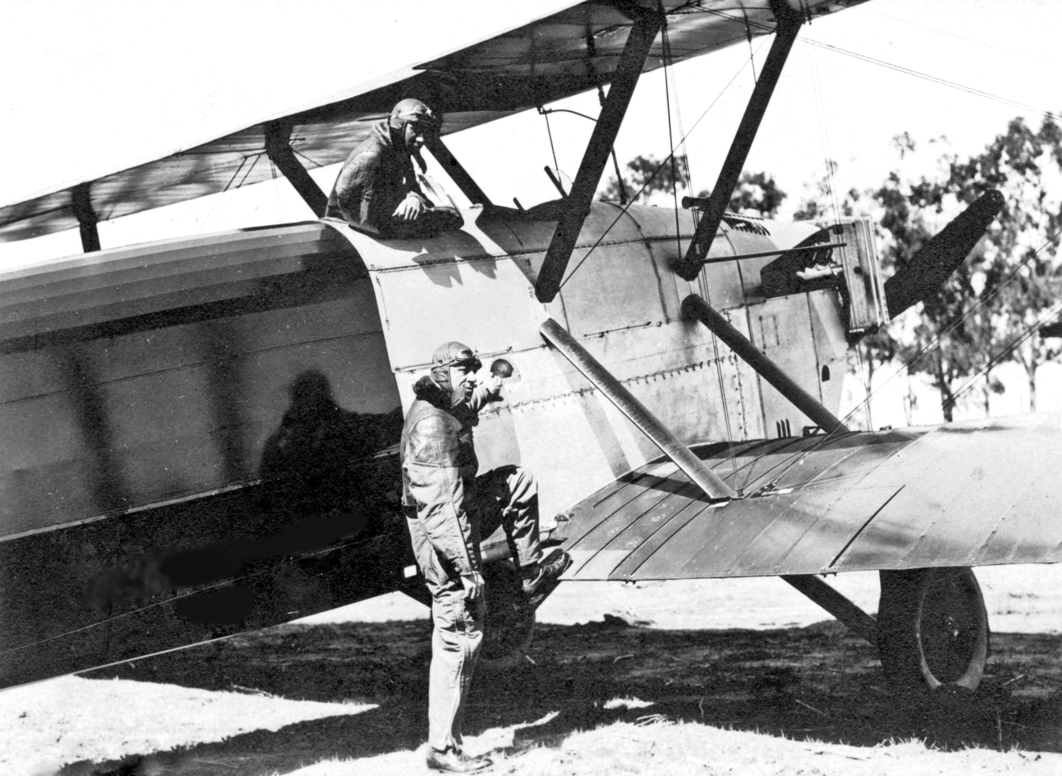
Harvey & Frederick. Alva Harvey retired as a full colonel in the USAF. Frederick was moving smartly up the ladder until December 7, 1941 when it was his misfortune on that fateful day to be in command of the Hawaiian Air Forces.
Harvey and Frederick crashed in Alaska on the first leg of the world flight. After an eventful 10 days in the wilds, they returned.


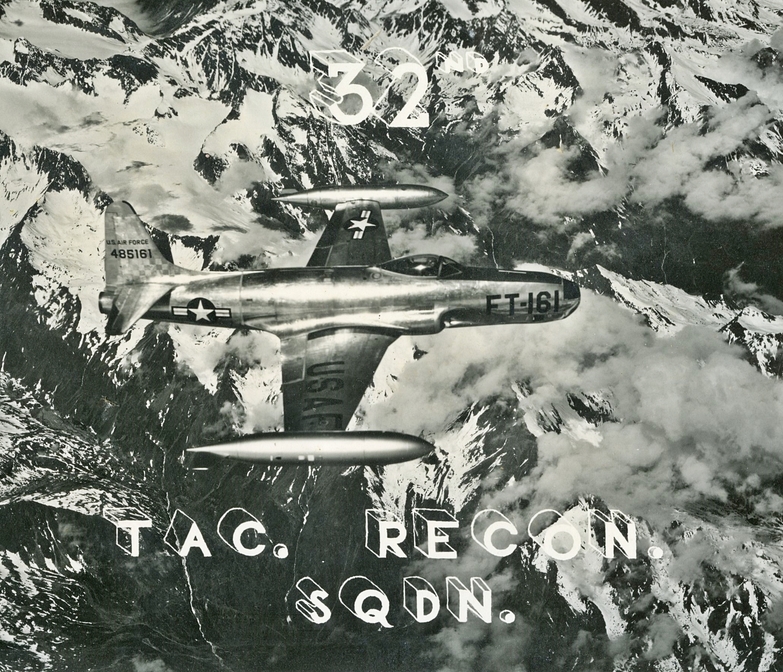



 The Jive Bomber