
Berliner-Joyce OJ

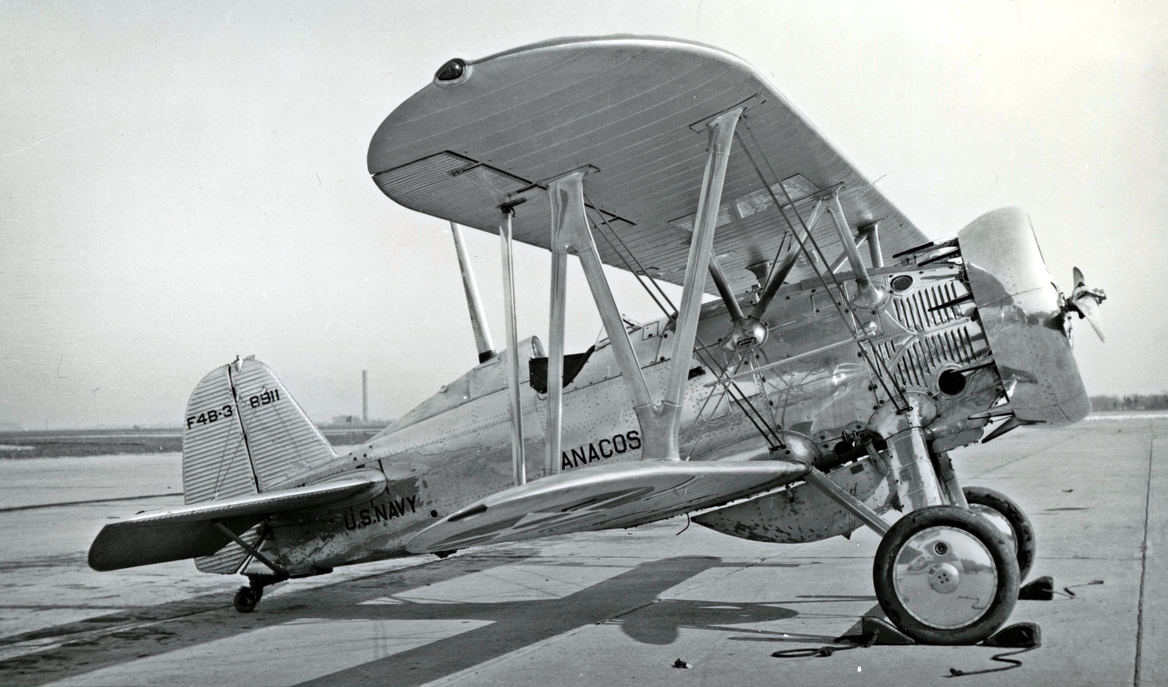
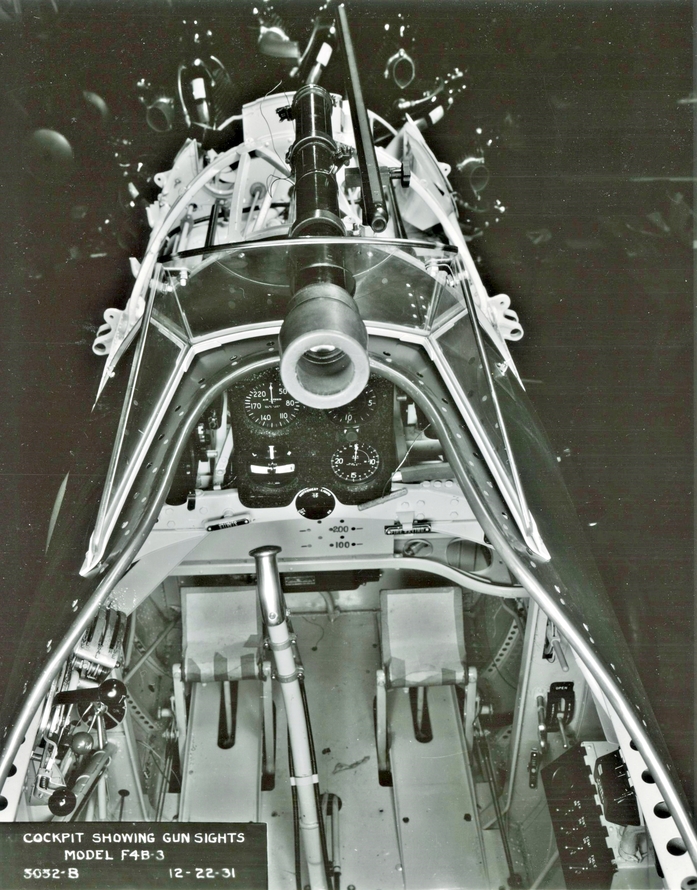
The prototype XOJ-1 (A8359) is seen at NAS Anacostia. Note the machine gun mounted in the upper wing. The hangars of the Air Corps’ Bolling Field are in the background. It was not unusual at the time for the Army and Navy to share runways but to have distinctive and separate portions of the airfield. Those days are over; today, the 100-year-old facilities are known as Joint Base Anacostia-Bolling.
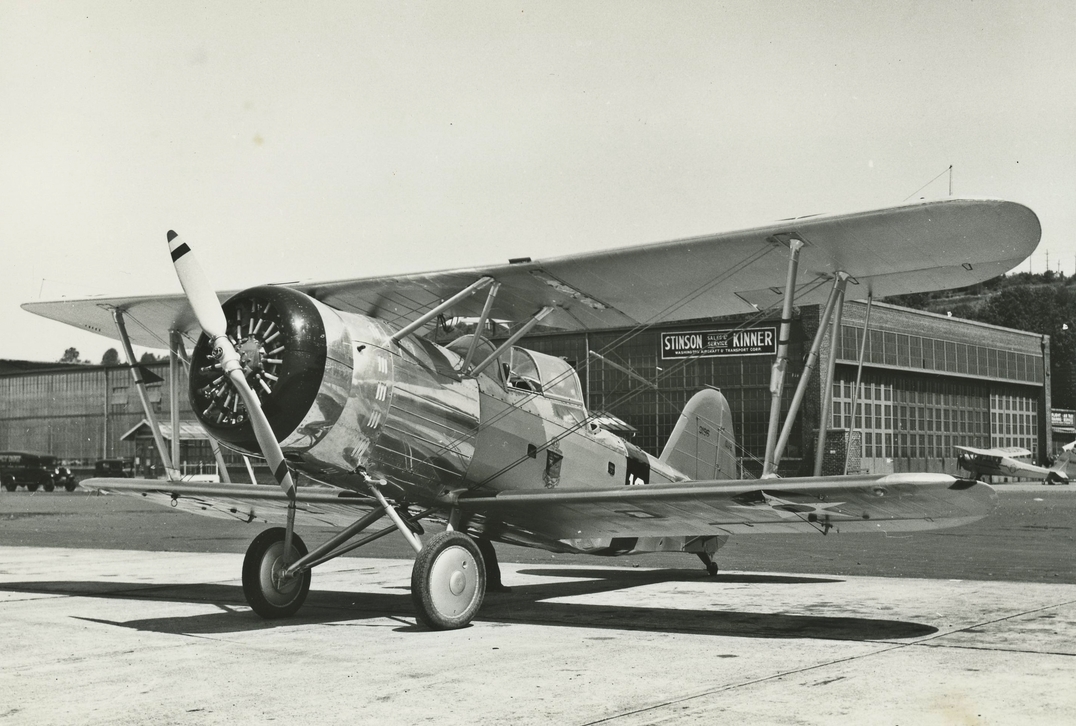
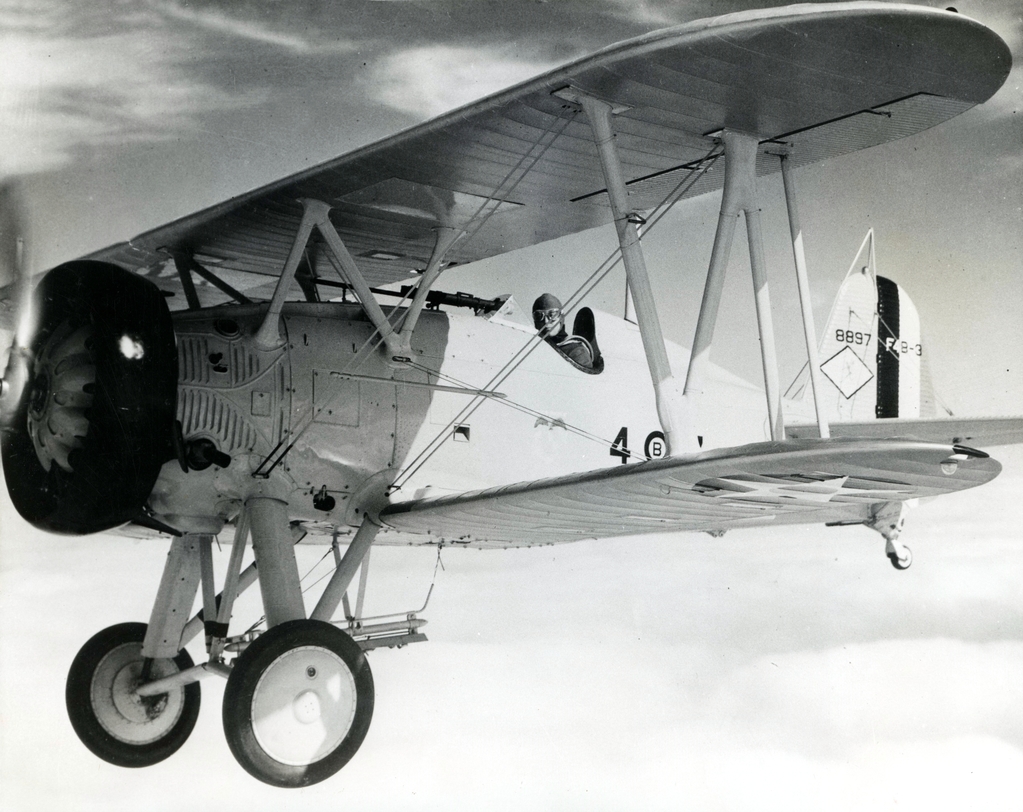
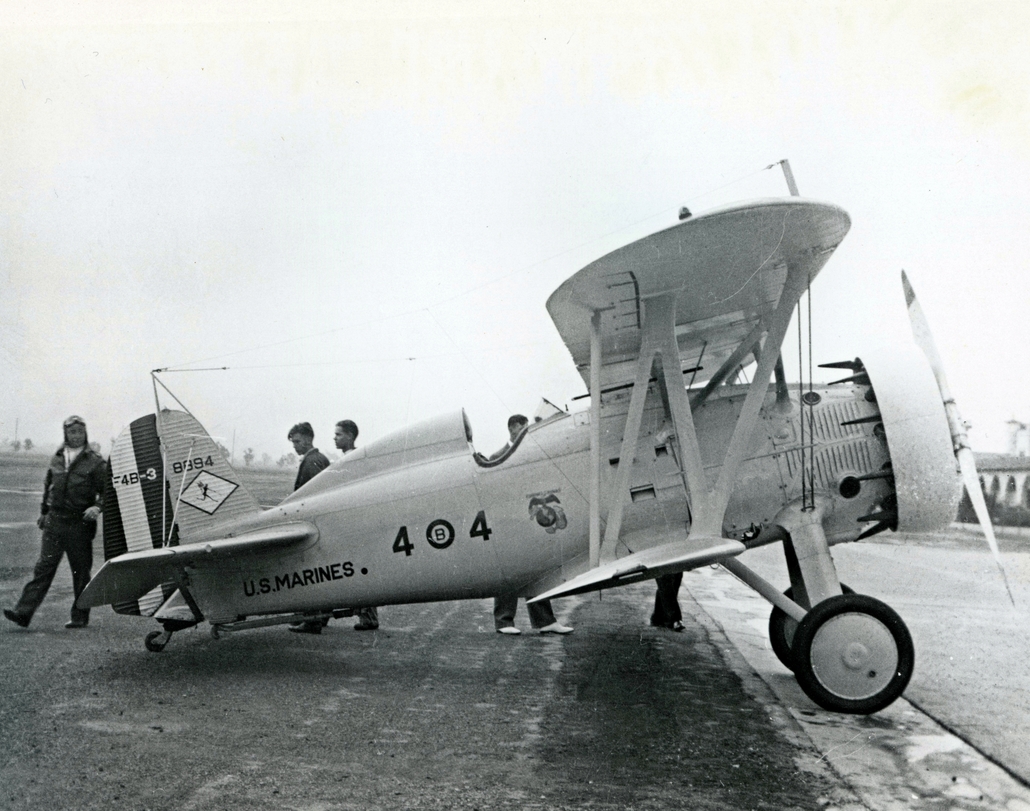
Two views of an immaculate OJ-2 (A9196) at Boeing Field. Aircraft was assigned to Naval Air Reserve Base Seattle just a few miles up the road.

21st Base Flight, Chambley-Bussières Air Base, France

As part of the 21st Fighter Bomber Wing, the Base Flight mainly consisted of T-33’s and other utility aircraft in support of the Wing’s operations. Patch dates from the mid-1950’s.
Vietnam War Flight Nurse Jo Miller
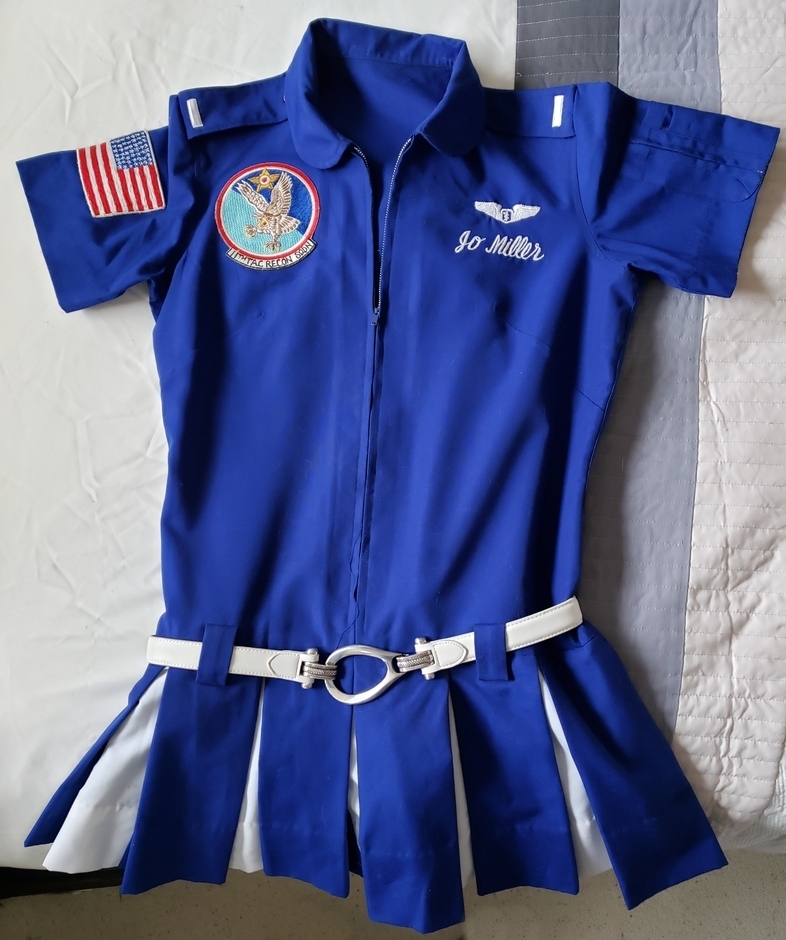
During the Vietnam War, crazy flightsuit-like garments were made by local tailors for wearing at the club. These “party suits” were usually in squadron colors, festooned with patches, and completely outlandish. Well, that was for the men, but what about the nurses? It seems they had their own after hours attire as seen here: A mini-skirt with emphasis on “mini.” The patch is the 11th Tactical Reconnaissance Squadron from Udorn Air Base, Thailand. Nurse Miller would not have been assigned to the 11th (their’s was man’s work), but this dress would have been made with their blessing. Year: about 1969.
26th Fighter Interceptor Squadron

From Clark Air Base in the 1950s Philippines, comes one of the more odd-looking patches in my collection. A Viking perhaps? Some forgotten cartoon character? Whatever the case, the squadron went out of the interceptor business in 1959 so it’s likely the inspiration for this patch will remain a mystery. BTW: They were fixing cameras on F-86’s.
Hawaii, February 26, 1932, 10:36 AM
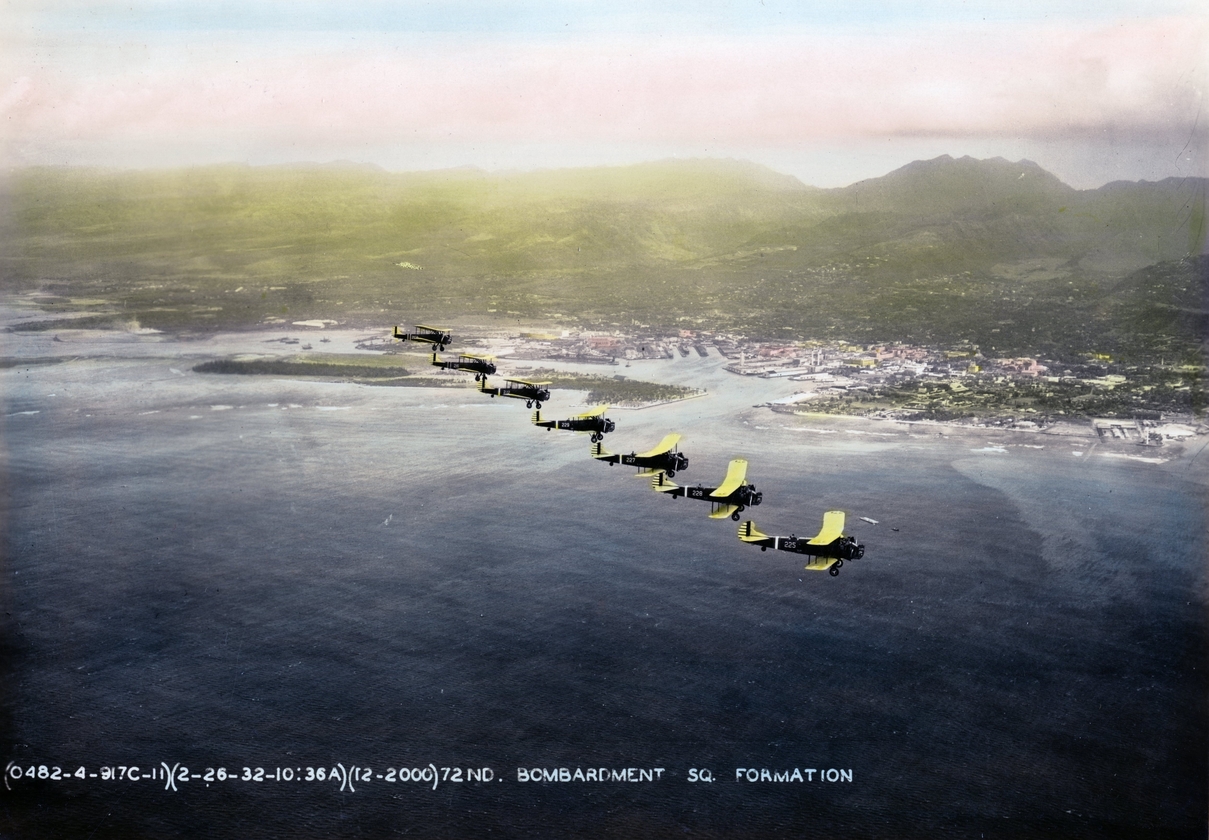
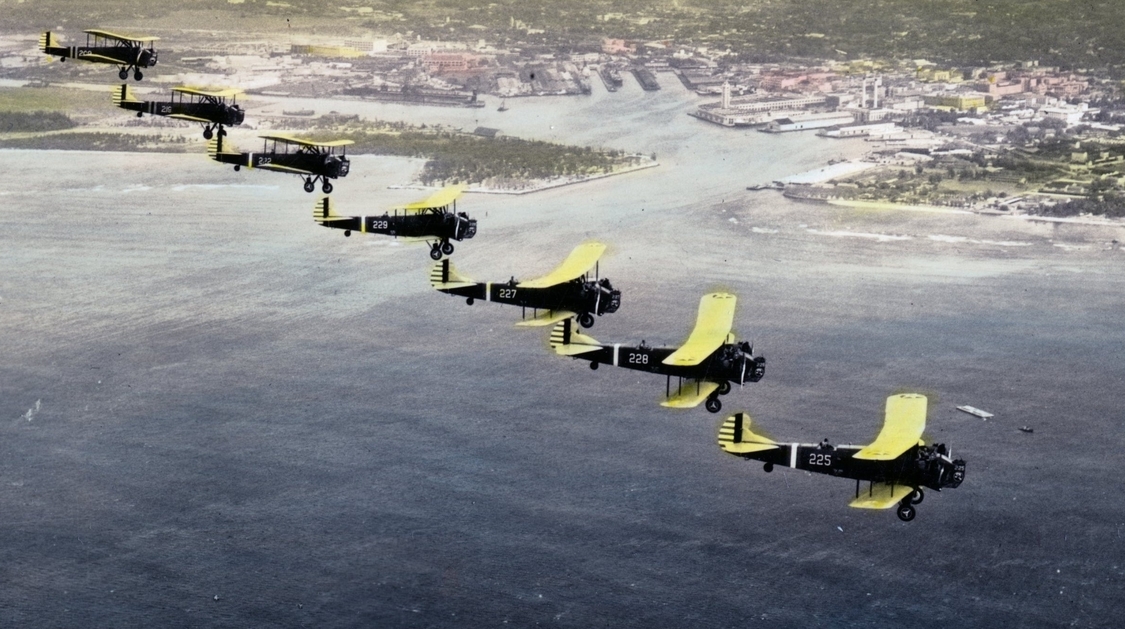
Keystone LB-5’s of the 72nd Bombardment Squadron drone past downtown Honolulu in the Territory of Hawaii. Based out of Luke Field in Pearl Harbor, the 72nd’s LB-5’s – like any Keystone Bomber – never went anywhere in a hurry. The photo was hand-tinted way back when and they did a pretty good job too.
B-24 crew, Gowen Field Idaho

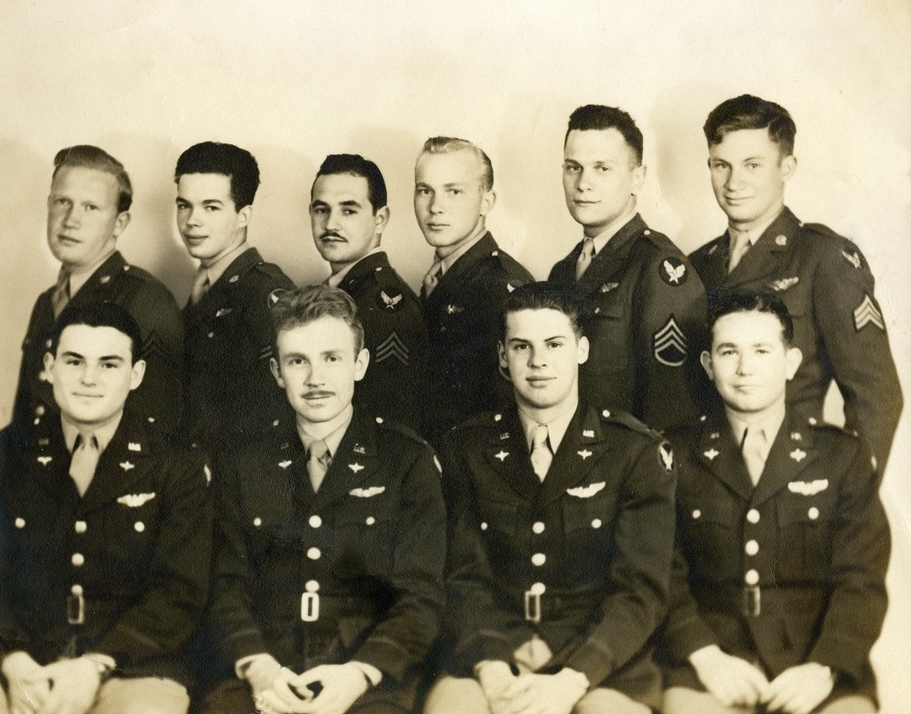
Unfortunately, the name of this crew remains a mystery. I tried every photo editing trick I have ever heard of to read the name tags on their A-2 jackets but I could get just one: top photo, kneeling 2nd from right “Davis”, one of the gunners. More research required.
The DO 335 Pfeil
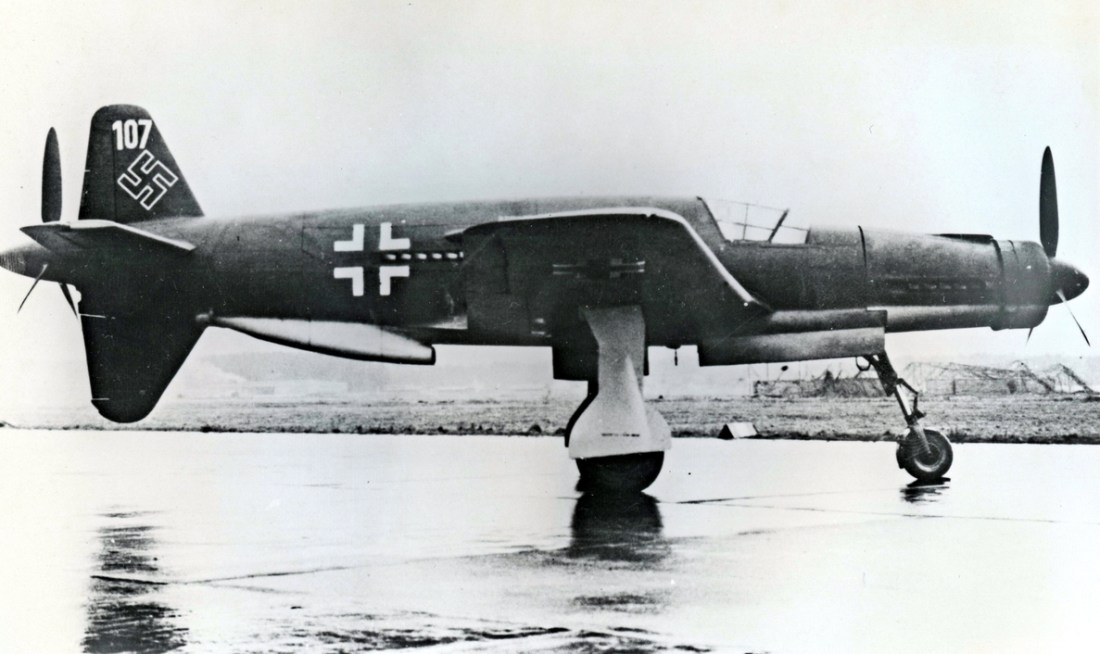
What more can one say? The 335 was one of the fastest piston-engined aircraft ever.

The end of the Pfeil, Dornier factory at Oberpfaffenhofen, 1945. An array of 335’s are examined by US servicemen. Problems with engine production hampered the 335’s deployment and this can be attested to by the lack of engines in most of these aircraft.
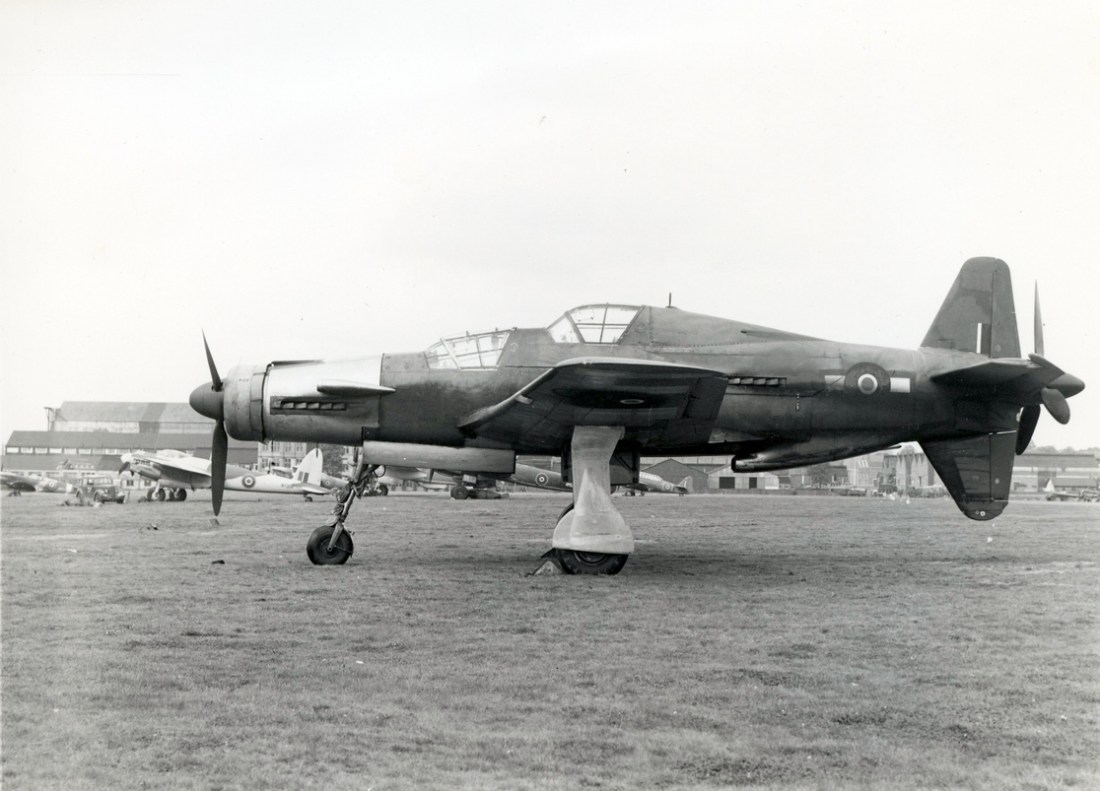
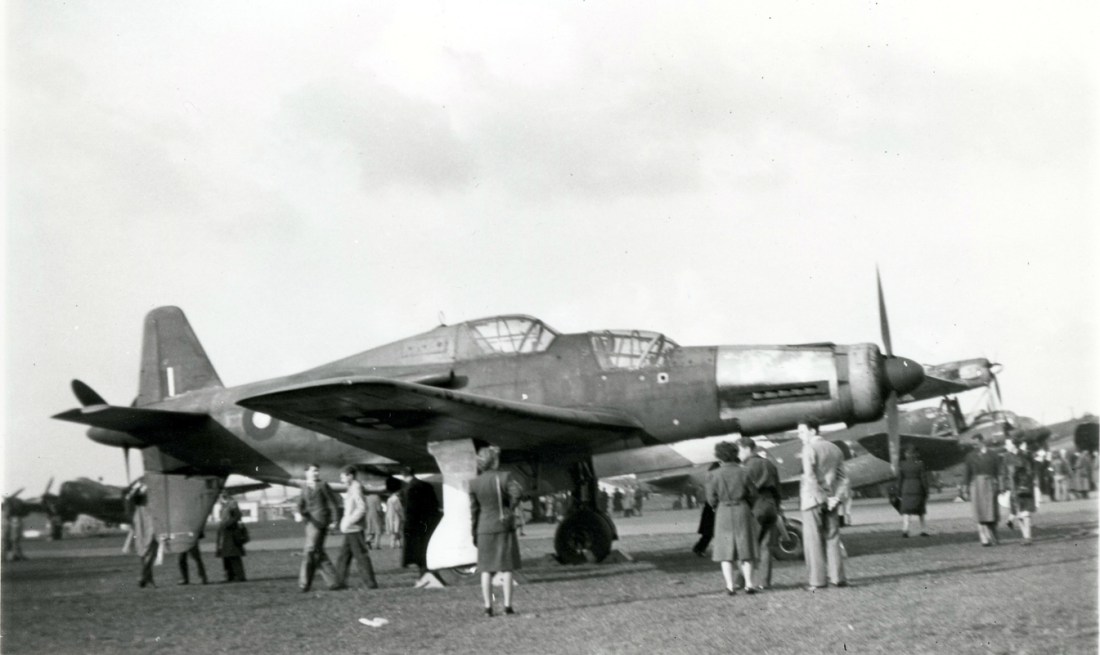
Two-seater 335 in RAF markings attracts curiosity while on display in post-war Britain.

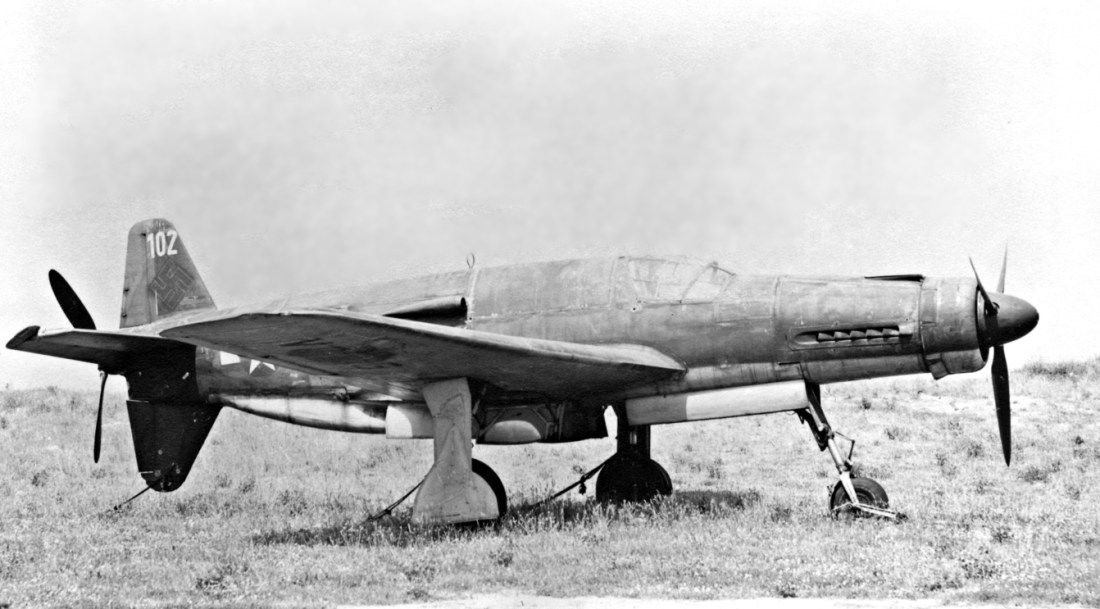
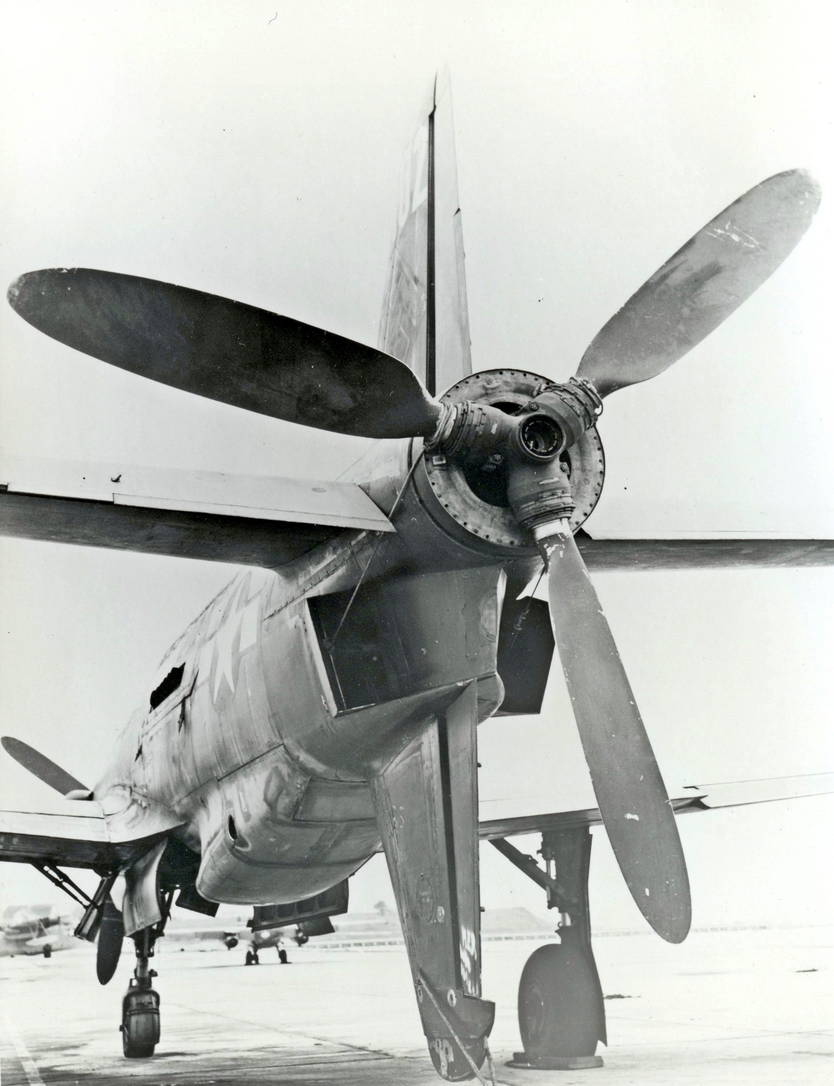
The only surviving example of a 335 is this one, an American war prize. Restored by Dornier in the 1970’s, it is now at the National Air & Space Museum.
What dad wore in the 1950’s
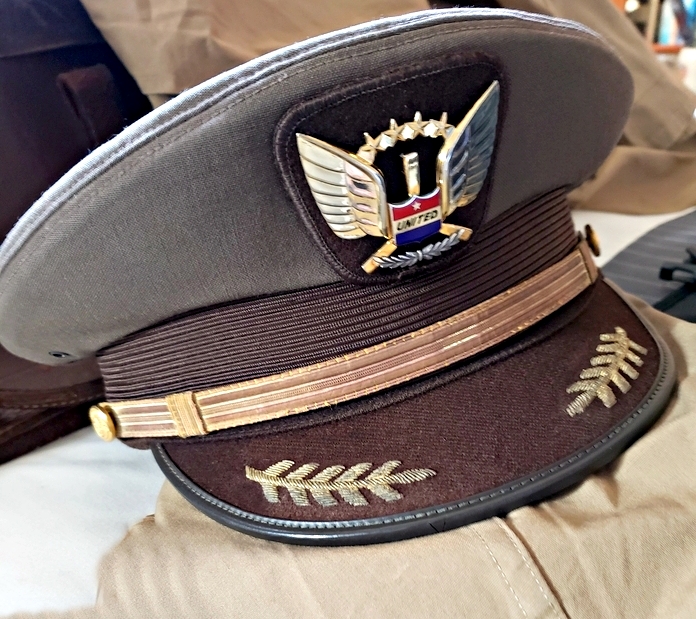
This hat dates from the time dad was captain on DC-6’s and 7’s (Note the propeller device). The buttons holding the strap state “Coast to Coast”. For the record, dad was never happy with the chocolate brown motif.
Civilian B-17’s

The Bomber Gas Station (1947-91) of Milwaukie Oregon was world famous. The aircraft was removed for restoration in 2014. I can proudly say that I did make a point of stopping there for gas on several occasions. I recall that the wings didn’t offer much protection on a windy and rainy day, but who cared.
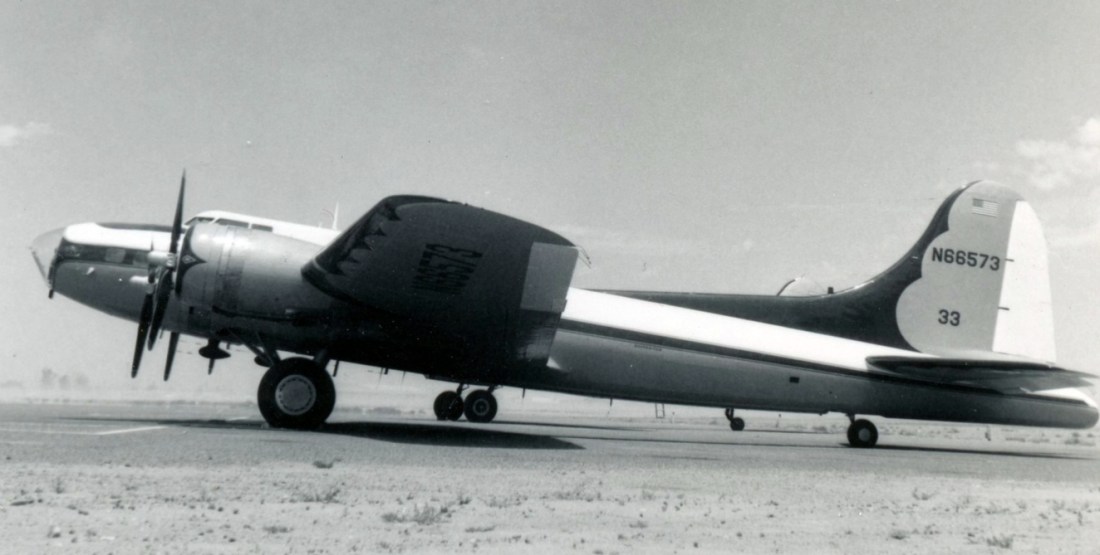
Starting life as 42-102715 (a B-17G), N66573 did a number of odd jobs before crashing as a fire bomber in 1979.


Typifying the life of a surplus B-17, N117W started life as a B-17G (44-85806), went to the Coast Guard as a PB-1G, passed through several civilian owners and was destroyed in 1964. These 3 photos show it in when it was flown by the Biegert Bros. of Nebraska as an aerial sprayer.
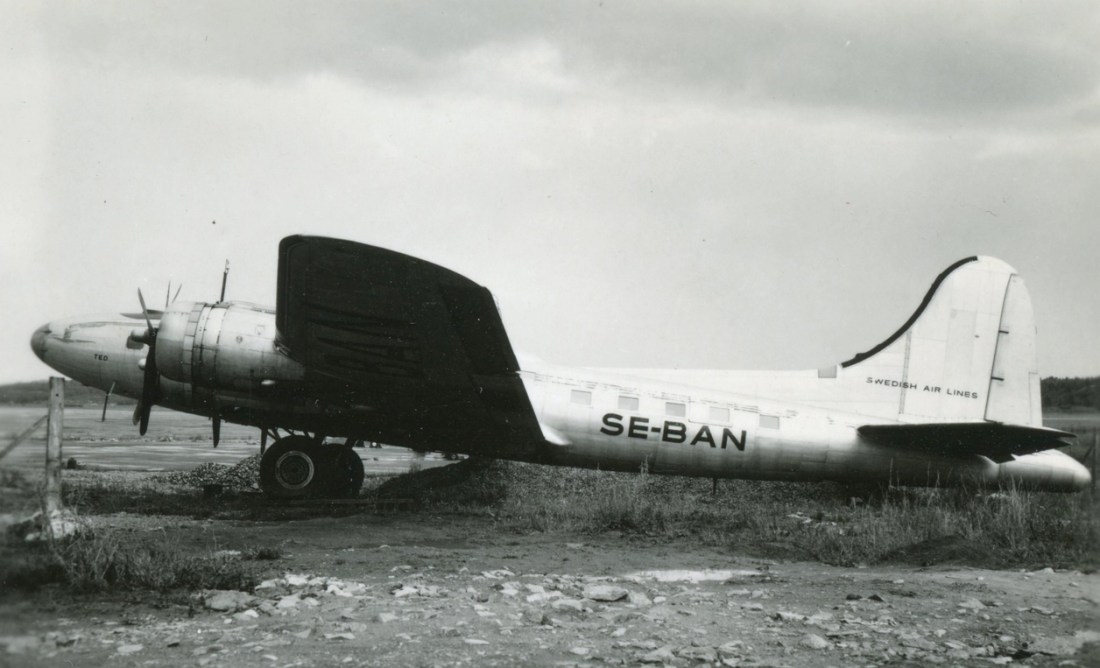
Unlike most civilian B-17’s, those operated by Sweden were combat veterans. SE-BAN (formerly USAAF 42-3490) of Swedish Air Lines came to that country courtesy of the 385th Bomb Group (and German flak) when damaged on a mission to Berlin. Opting for neutral Sweden, the crew was interned and the aircraft put into service at war’s end. Unfortunately it was scrapped in 1950.

Another weary B-17G (42-3470) ended its days in 1962 while flying for the Colombian government.

1959 ad from Flying Magazine. I did the math: $15,000 in today’s money is about $130,000.
B-17’s of France
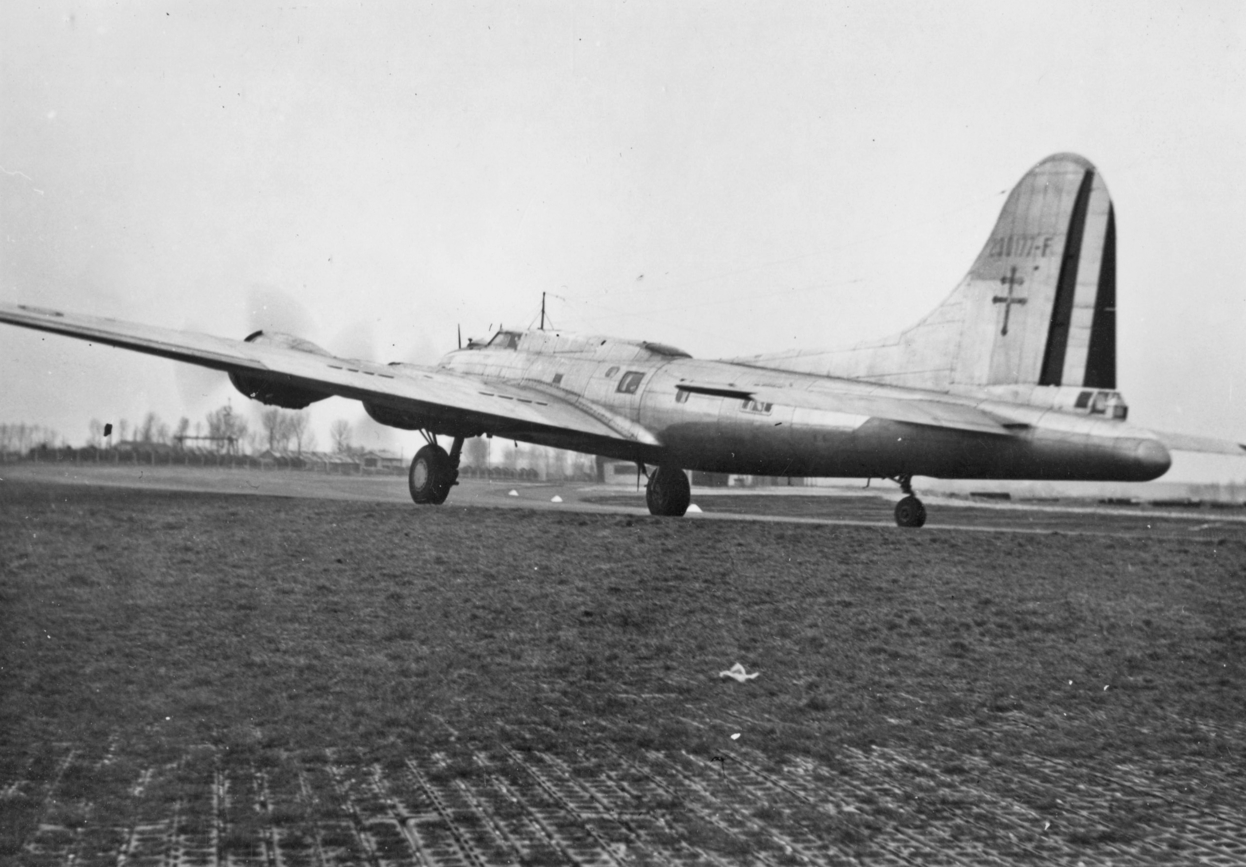
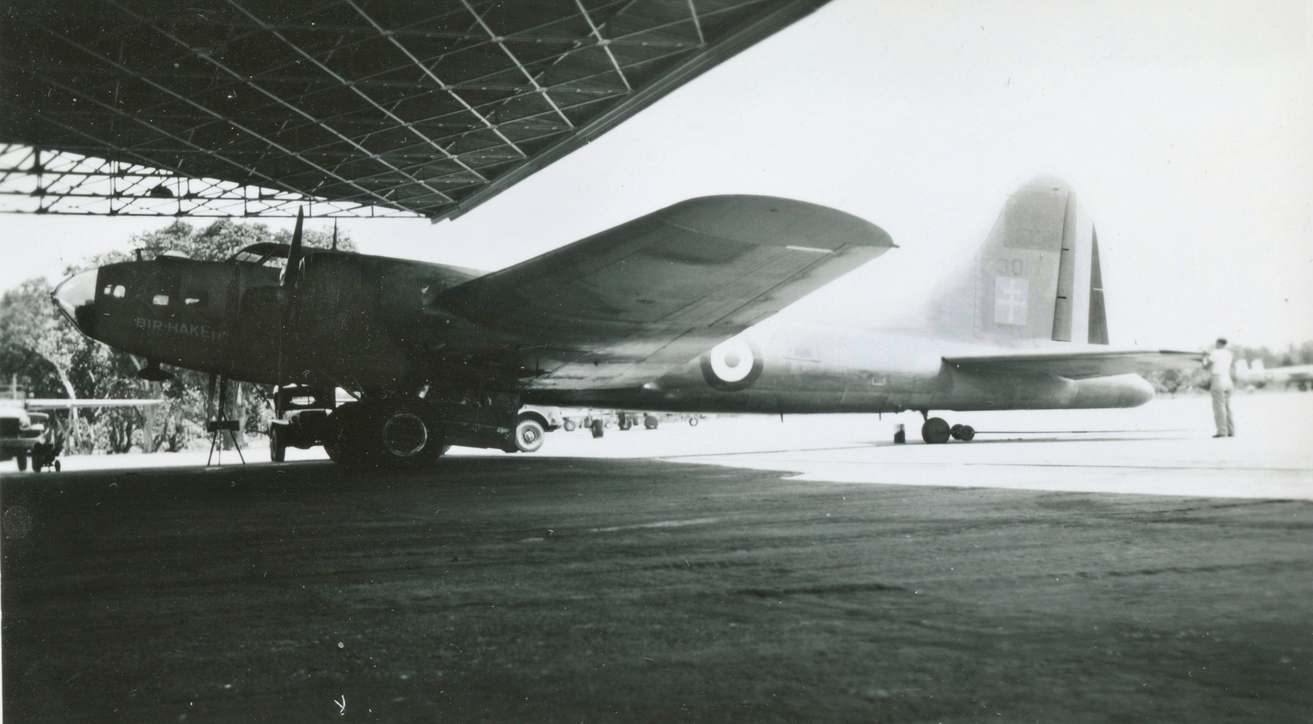
42-30177 started life with the USAAF but was donated to the Free French Air Force. Christened “Bir Hakeim” to honor the heroic Libyan battle where Free French forces held off the Germans for weeks in 1942, it was used as a transport by the commander at Bir Hakeim, General Marie-Pierre Kœnig.
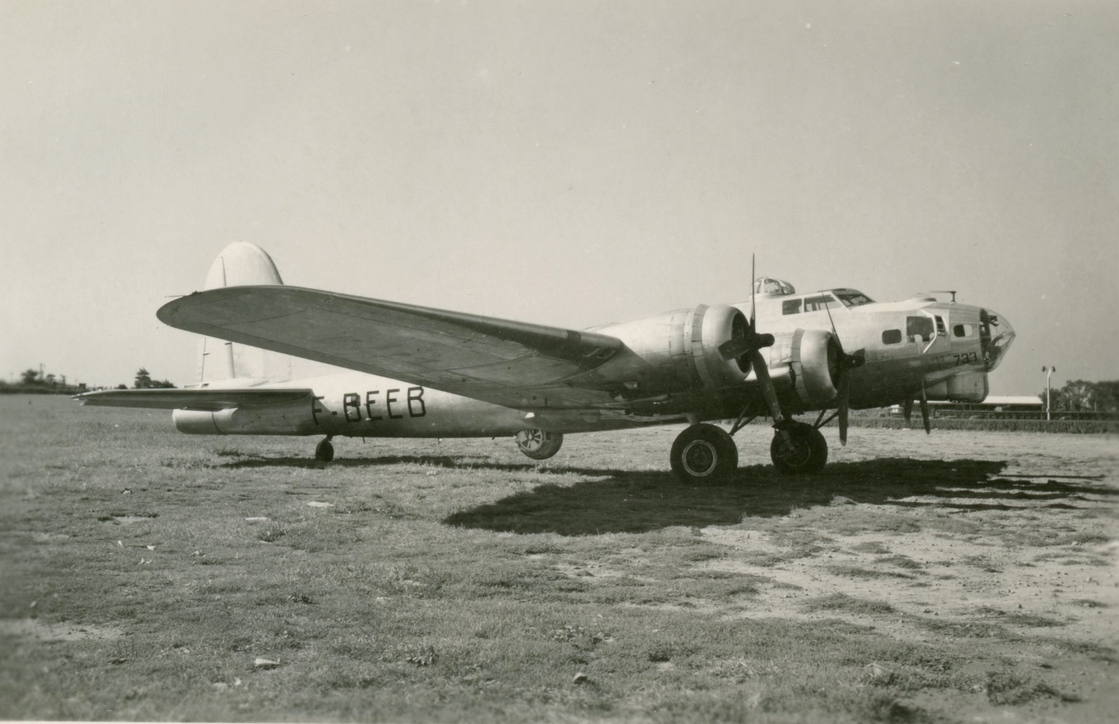
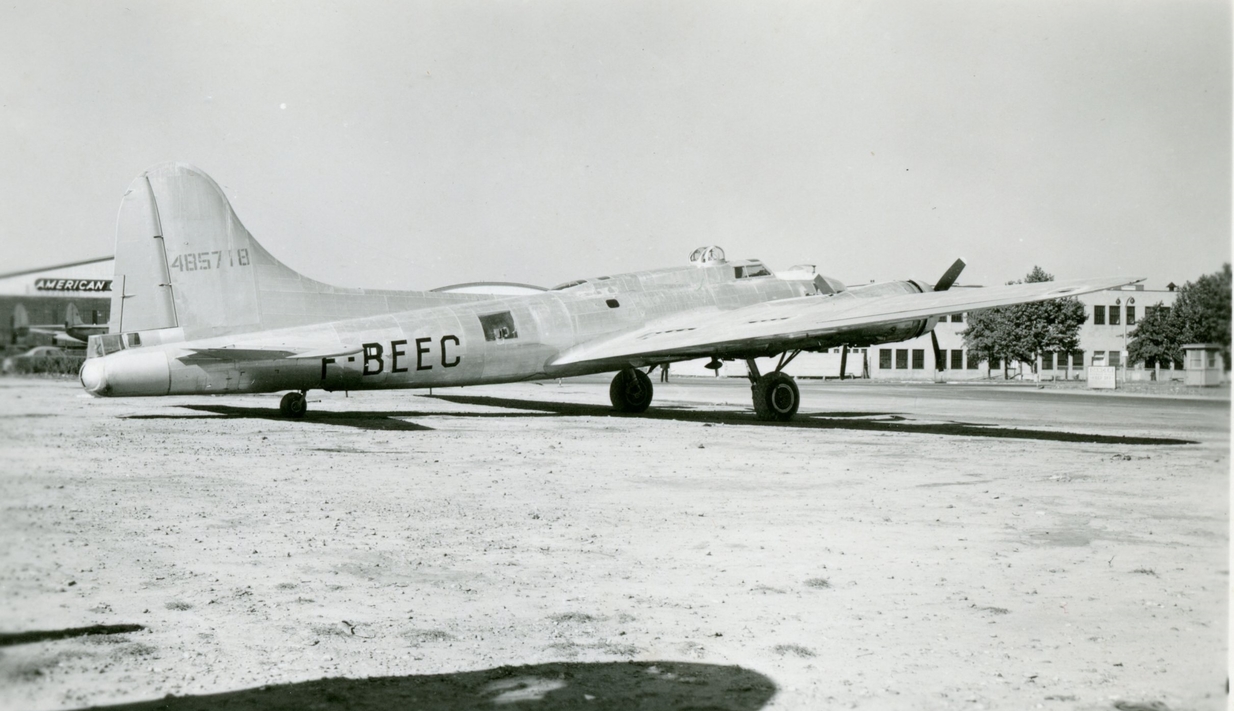
After the war, the French Institut Géographique National (IGN) acquired B-17’s and began what was a decades long affiliation with the aircraft. Used for research and mapping, several of these planes soldiered on until the 1980’s. “BEEB” was not so fortunate; she crashed in 1949. “BEEC” was luckier. She continued to fly with the IGN until 1987 and then was sold to the Lone Star Flight Museum to be restored to a WWII configuration and renamed “Thunderbird.”
B-17’s of Japan
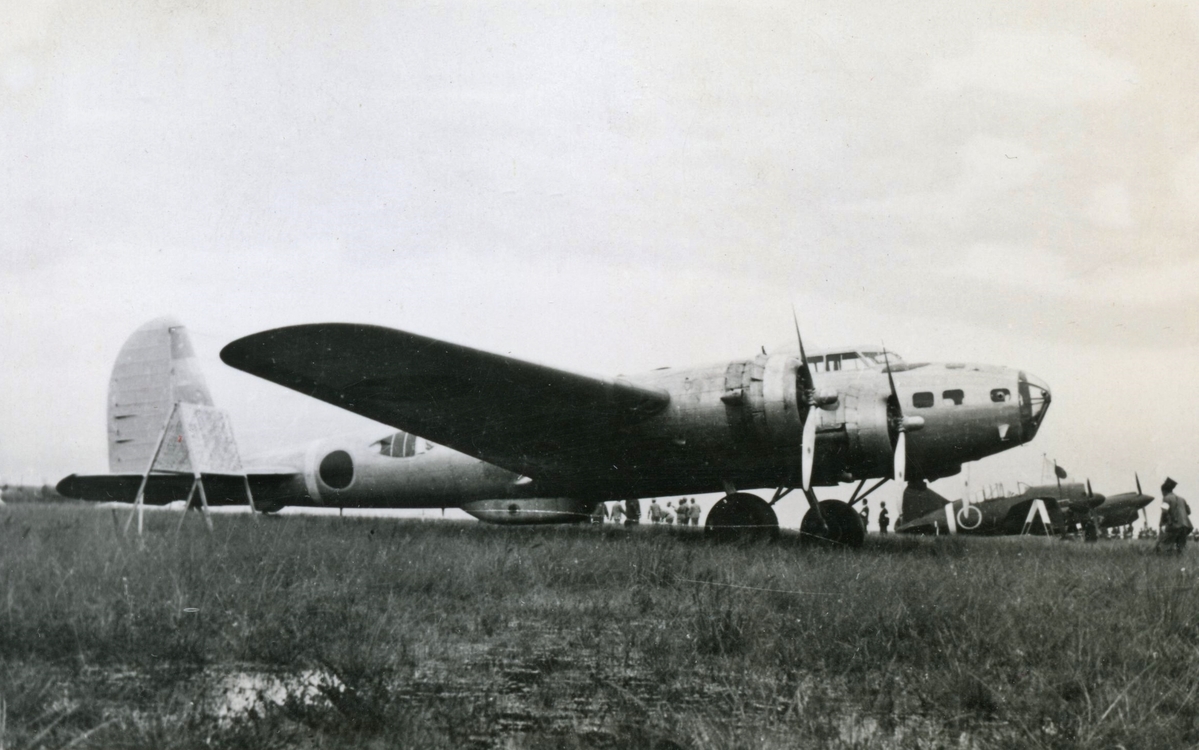
Former 19th Bomb Group B-17D that was pieced together from several damaged birds abandoned by the US in the Philippines. Alongside are a pair of other captured aircraft: A Brewster Buffalo from the Netherlands, and a U.S. P-40 Warhawk.

B-17E taken as a prize in Java. Interestingly, the photo was taken from what I believe is the B-17D in the previous picture.
The mighty P5M Marlin

P5M-1 of VP-40 pays a call at NAS Whidbey Island in the mid-1950’s.
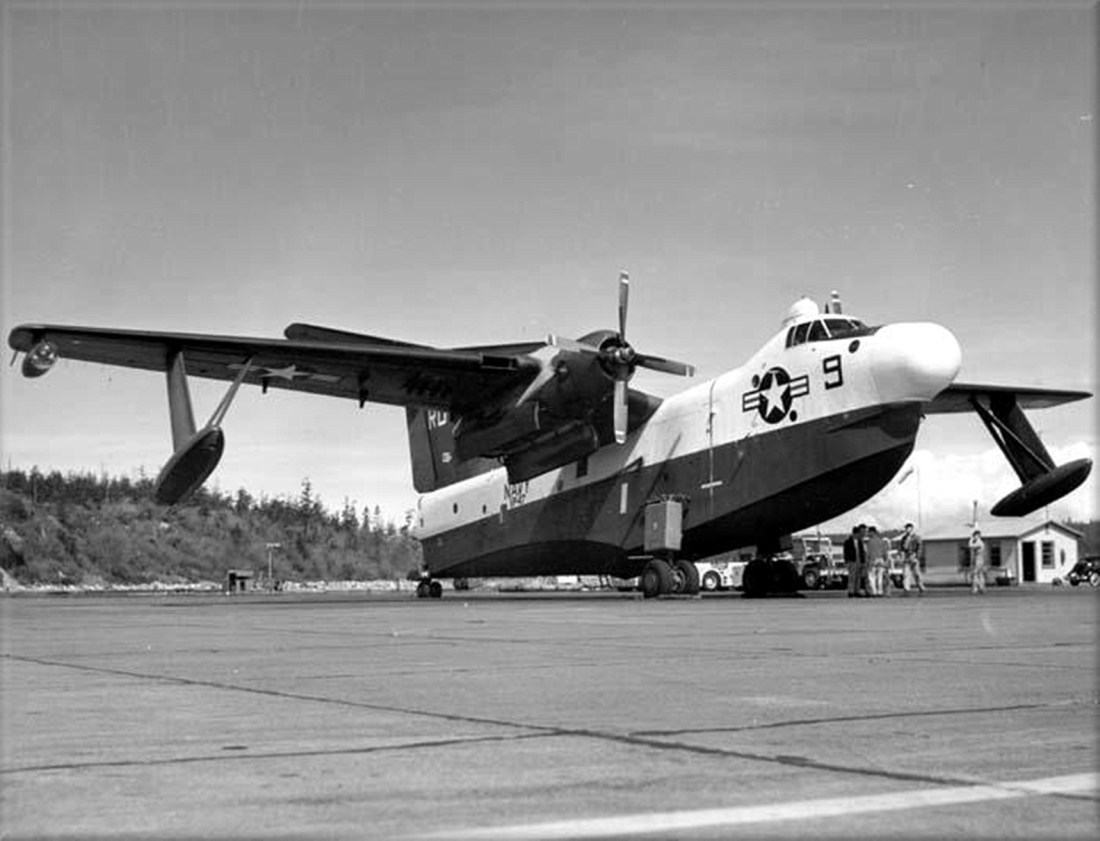
P5M-2 of VP-47, NAS Whidbey Island, 1963.

The VP-47 ramp at NAS Whidbey Island in the early 1960’s. The destroyer at the pier is USS Watts (DD-567). VP-47 was based at Whidbey from 1960-65, and their departure marked the end of seaplane operations there. The squadron returned in 2017 with P-8 Poseidon aircraft.

VP-47, with the exception of one aircraft, is deployed. (Note the oil stains where aircraft are usually parked.) The hangar was later converted into the navy’s department store, the Navy Exchange. Looking nothing like a department store on the outside & nothing like a hangar on the inside, its parking lot is 1942 concrete, and the aircraft tie-down points are still in place.
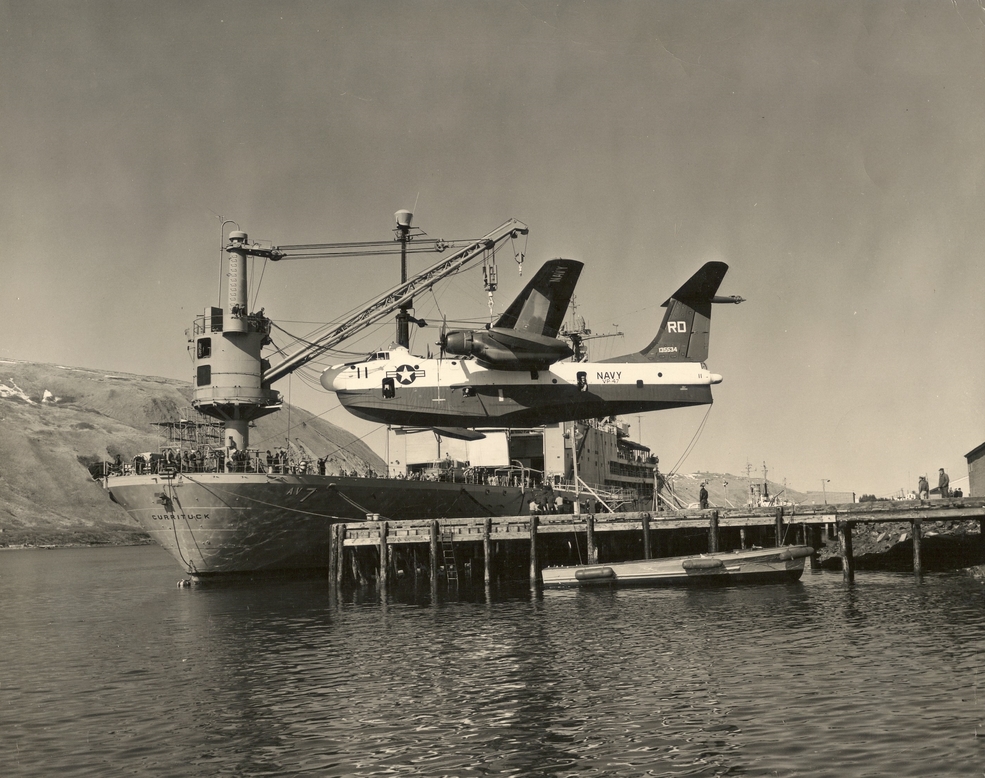
Following the Tri-Service aircraft designation system change in 1962, the P5M-2 became the SP-5B. Here, one is hoisted aboard the seaplane tender USS Currituck (AV-7) while VP-47 was in the Aleutian Islands.

VP-40 Marlin gets a helping hand.
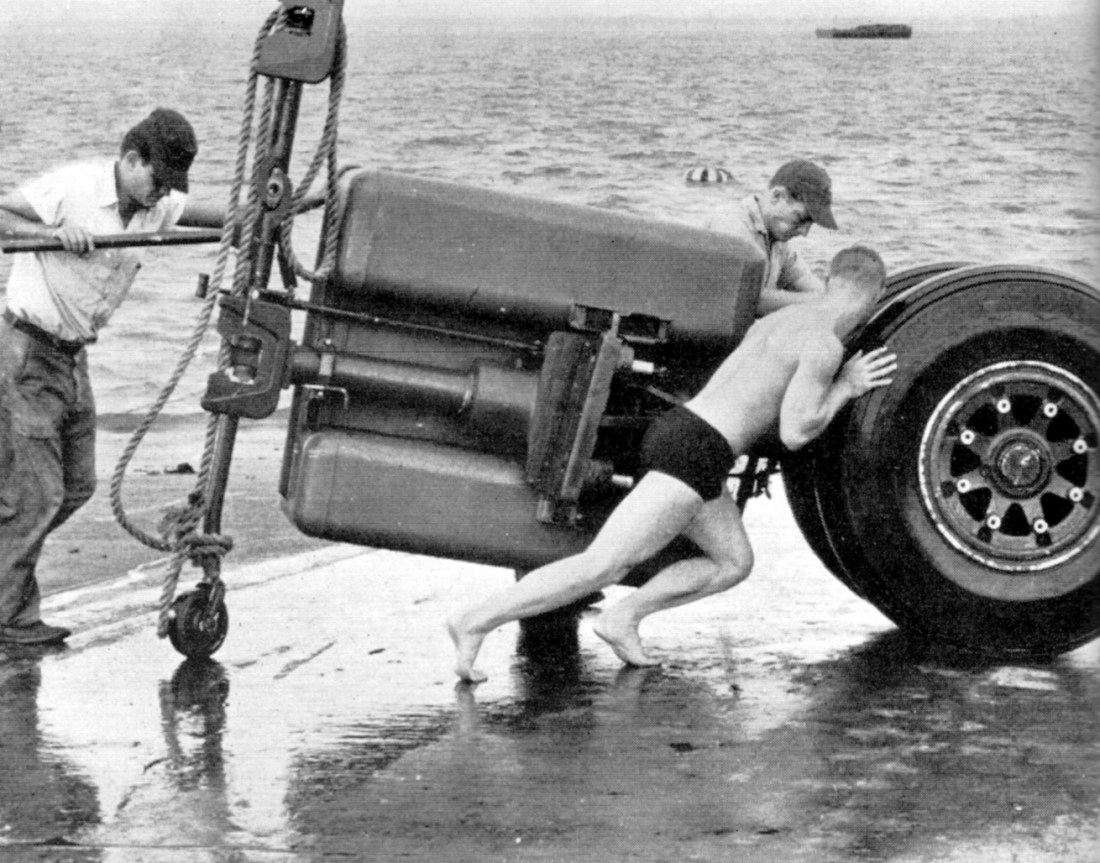
The Marlin was a massive aircraft and required considerable effort to handle. Here, the beaching gear – having been removed from a now afloat aircraft – is manhandled into position to await the aircraft’s return.
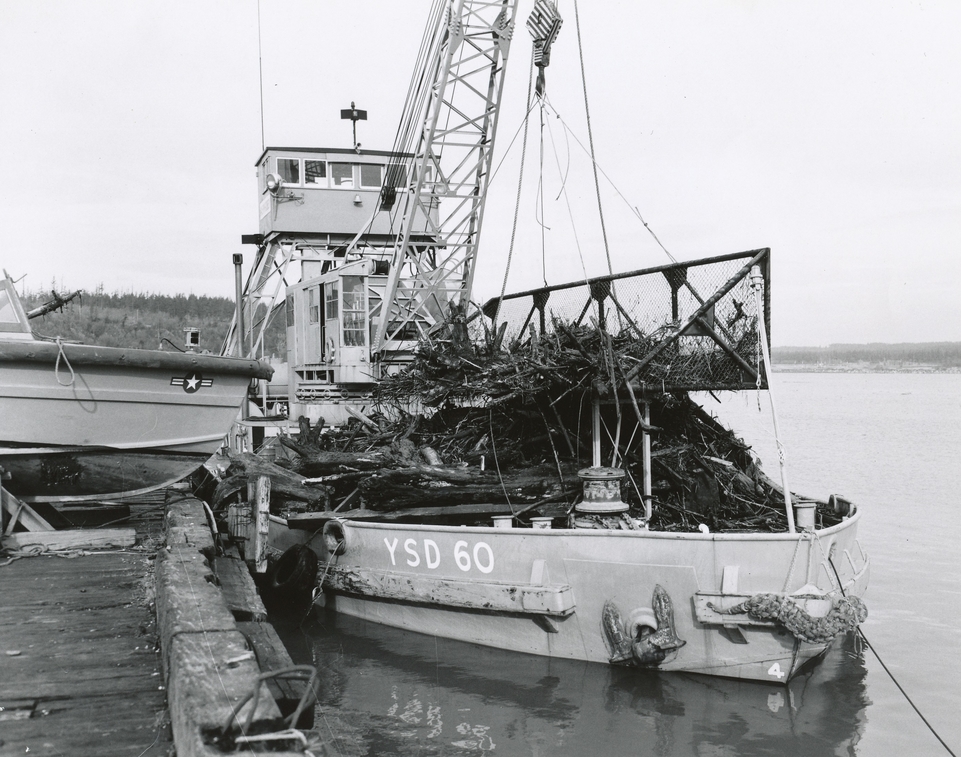
This ungainly and ignoble-looking beast was a vital piece of equipment for a seaplane squadron. Nominally it was a crane to haul up sunken seaplanes, but it also filled roles as seen here: dredging the debris from the harbor/runway. The boat on the dock was one of the numerous types used in seaplane operations. Painted day-glo orange, it has a rubber bumper to avoid damage to aircraft when they were afloat and tied to their buoys, or at anchor. Note the aircraft insignia on the bow. Location: NAS Whidbey Island.

Maritime reconnaissance meant long and lonely hours staring out windows.

Luft Hansa Ju52 “Boelcke”

This Junkers-Ju 52/3m (Wk-Nr 4013) was, in 1932, the first Ju52 delivered to Luft Hansa. Registered as D-2201, on its nose is the name of the immortal (Oswald) Boelcke.
B-29’s of the 5th Rescue Squadron

Douglas B-23
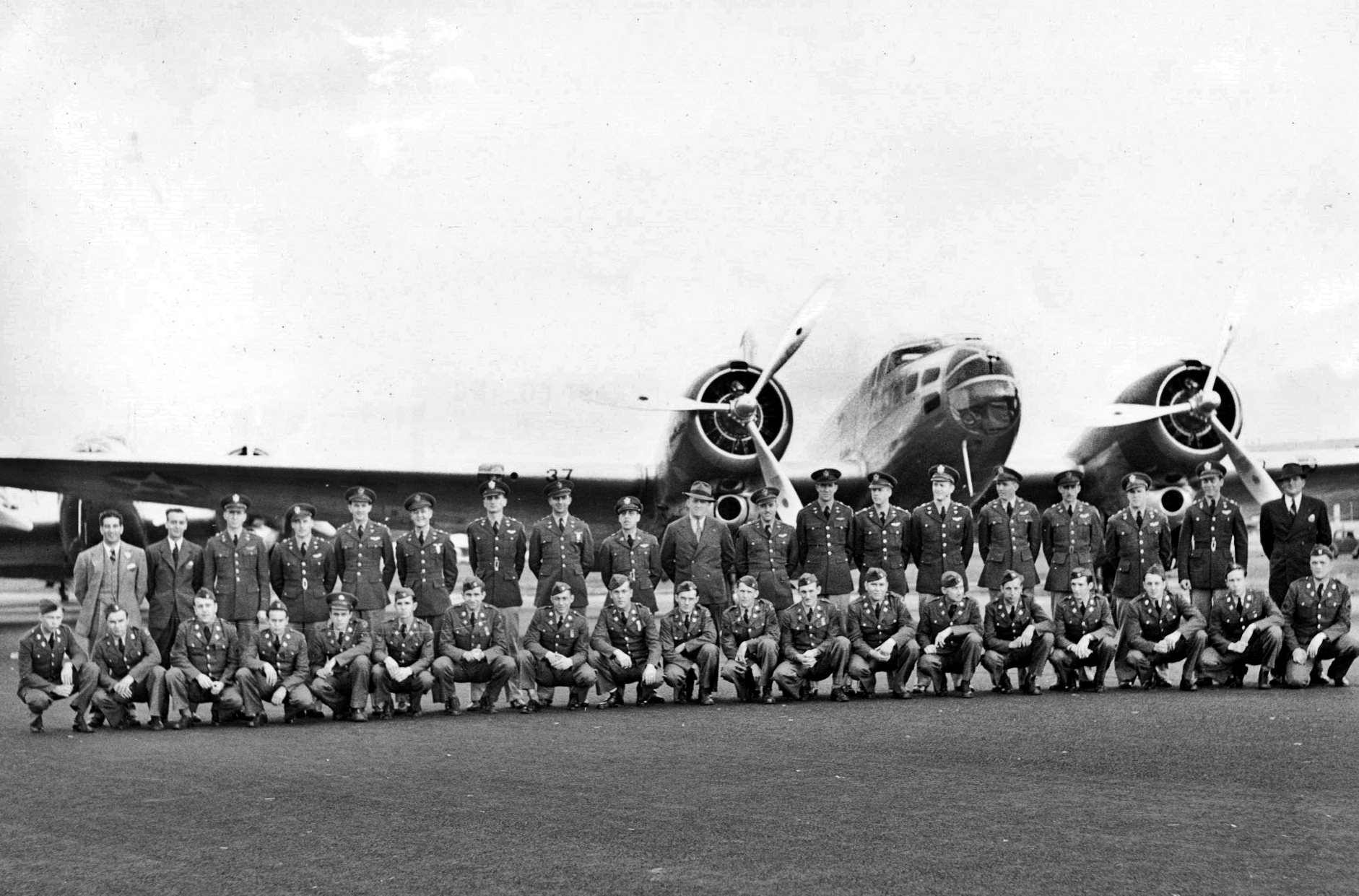
I believe this group photo was taken upon delivery of the first B-23 to the 17th Bomb Group. Although only 38 B-23’s were built, fully 21 percent of them survive to this day. Doing some quick comparison math, if that same percentage of B-17’s survived, there would be 2,673 of them still around.
Open house at CGAS St. Petersburg

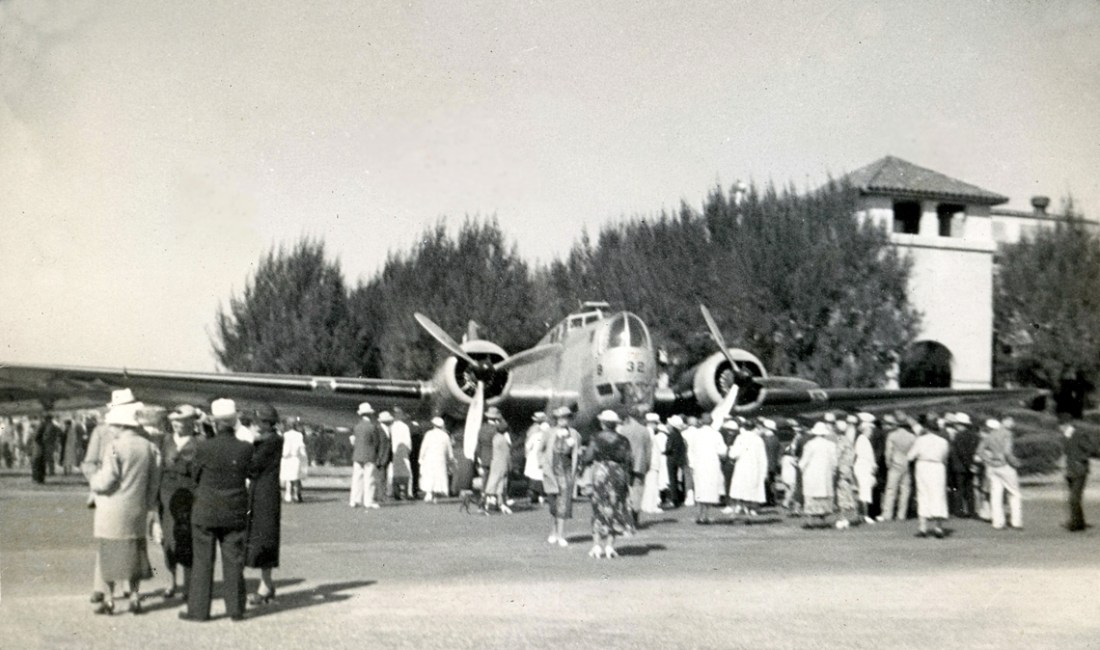

Above: B-18’s of the 32nd Bomb Squadron have flown cross-country from there home at March Field Ca. The B-18 would become a familiar sight to locals when MacDill Field opens nearby in 1941.

Douglas O-25
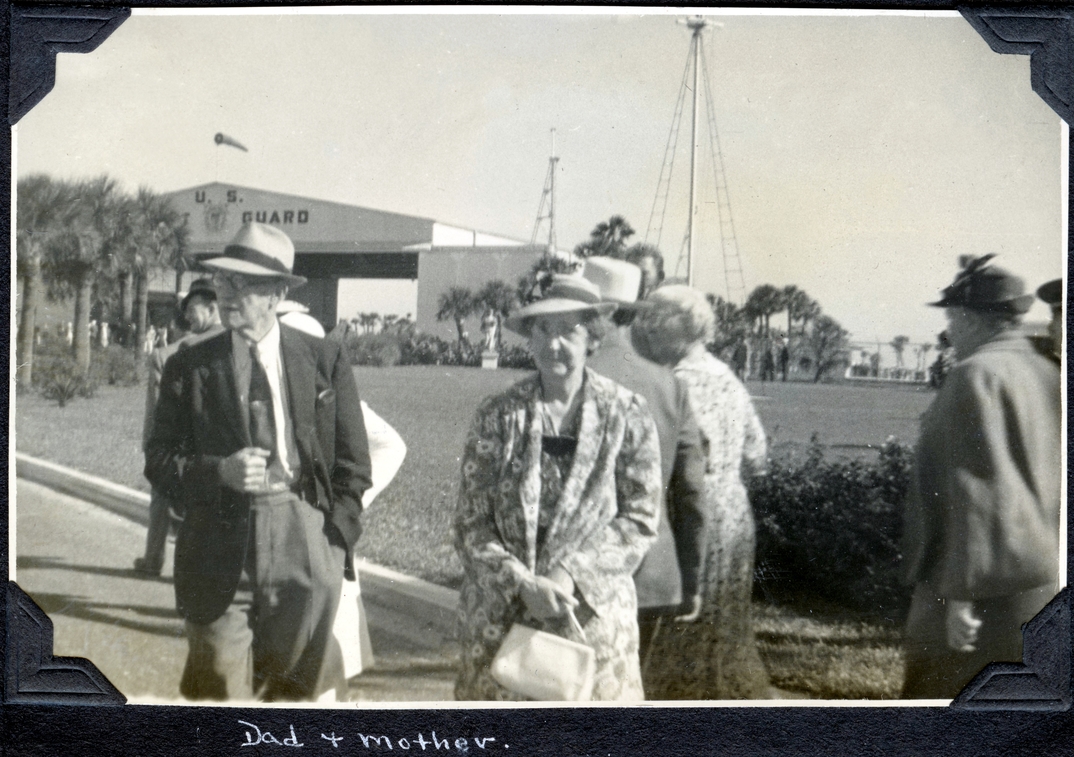
Classy mom and dad. The hangar still stands, and the base is still in use today, but is no longer an air station; it is now USCG Sector St. Petersburg.
Remembering December 7 1941.


Hickam Field, Territory of Hawaii.
B-29’s over North Field, Tinian

This 19th Bomb Group aircraft, “Slick Chick”, drones over its home base on Tinian Island in 1945. North Field was home to several bomb groups, most famous, of course, was the 509th tasked with the atomic bomb missions. The B-29 seen here bears the markings of many missions flown.
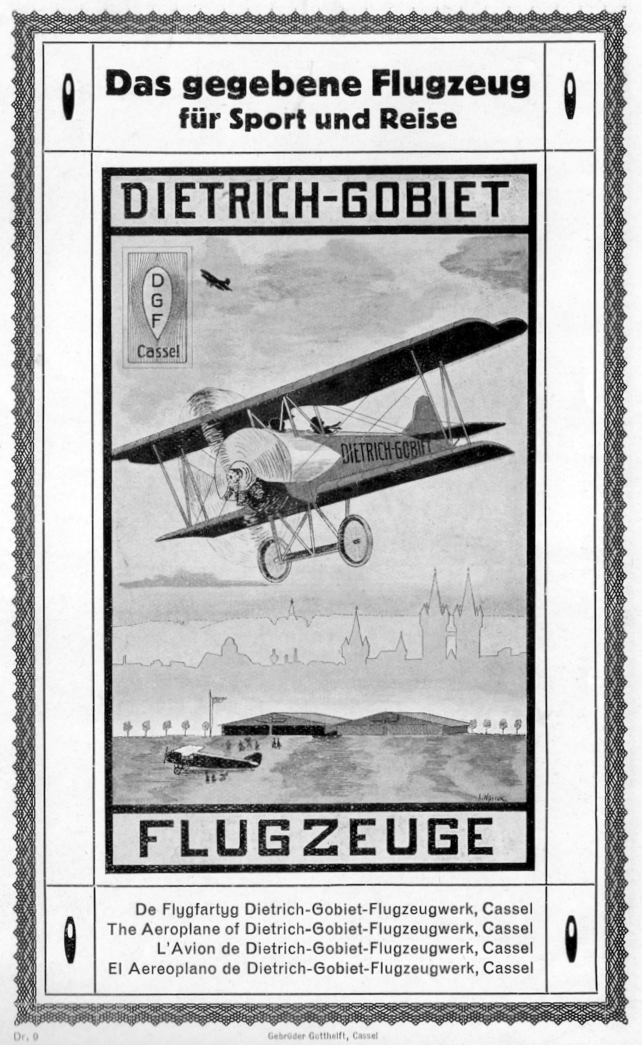
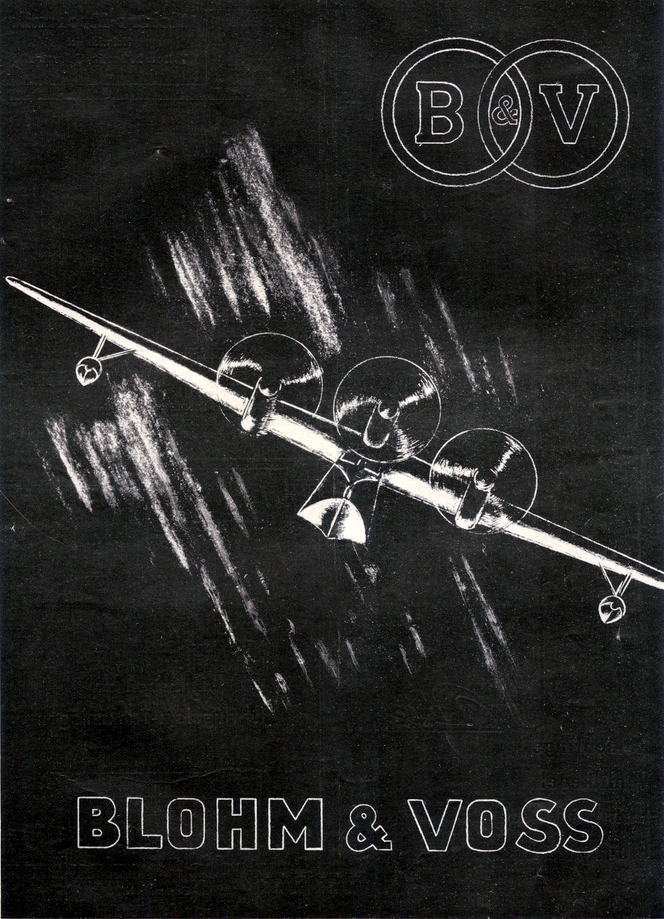
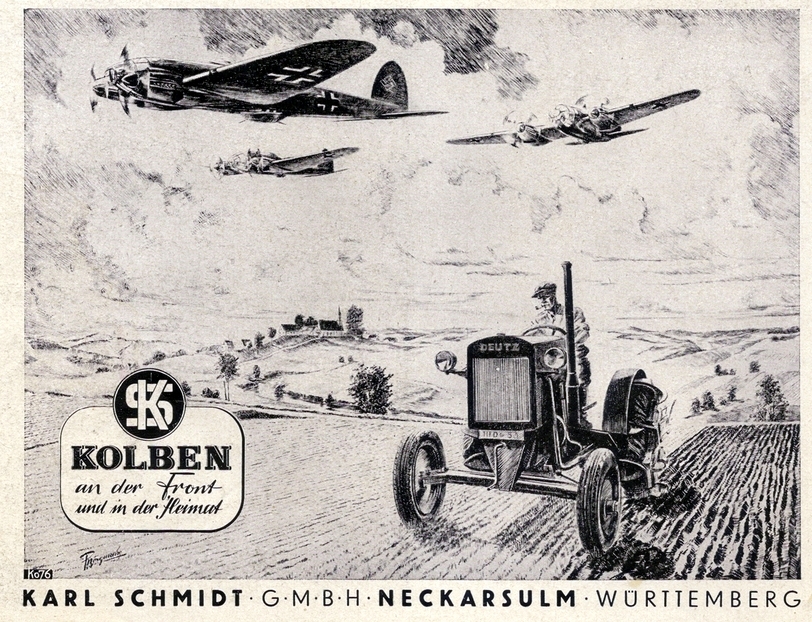
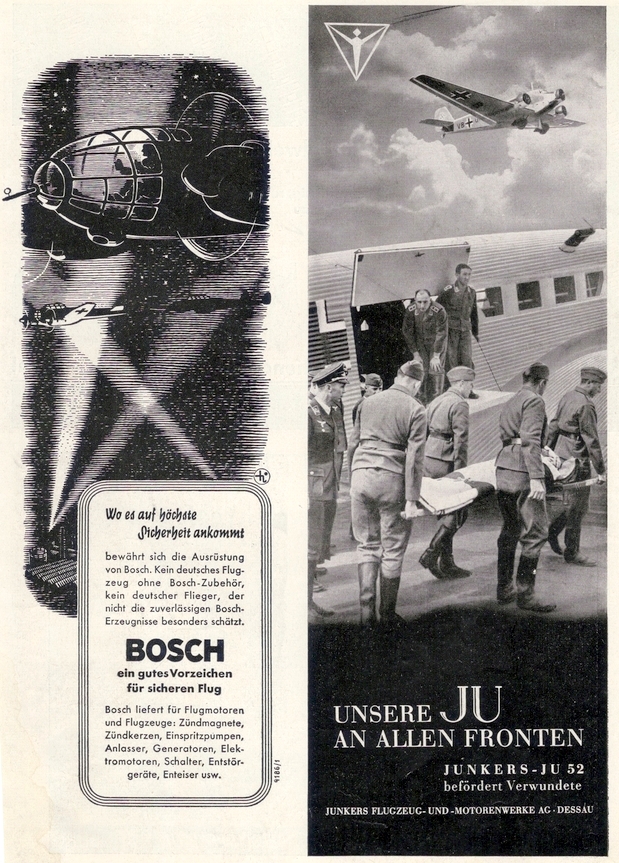
A variety of German aircraft ads…



Zeppelin-Staaken bombers
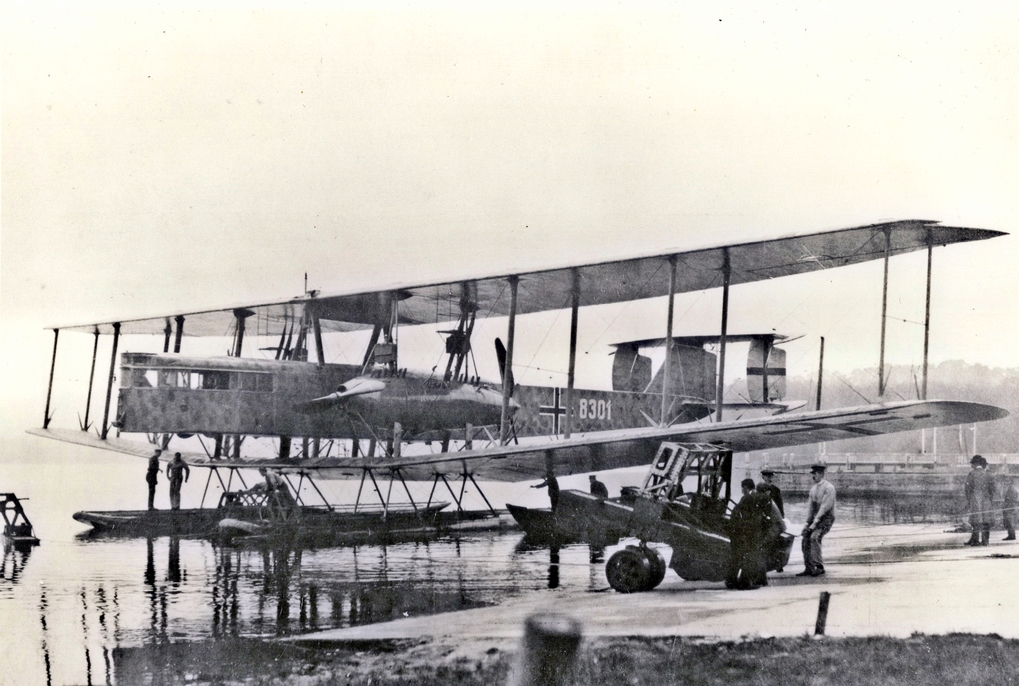
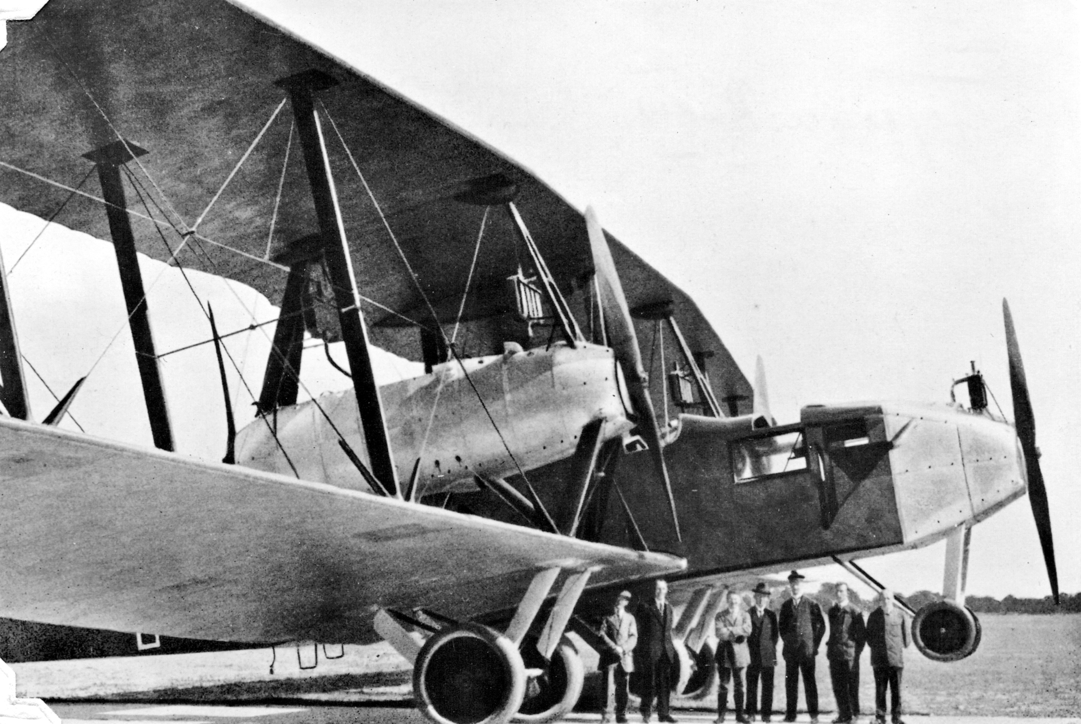
You see the word “Zeppelin” and automatically think “airship”, but they were also in the heavier than air business as well. Pictured here are the R .VI and its later refinement the R.XIV.
Welcome to the USAF
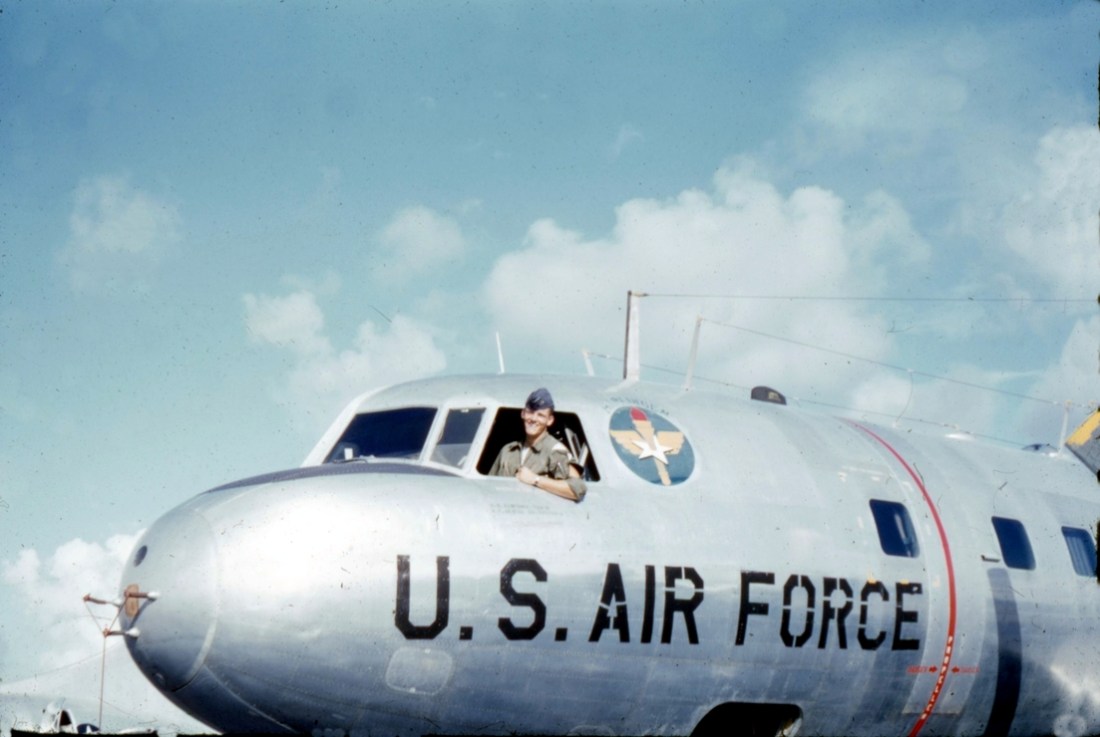

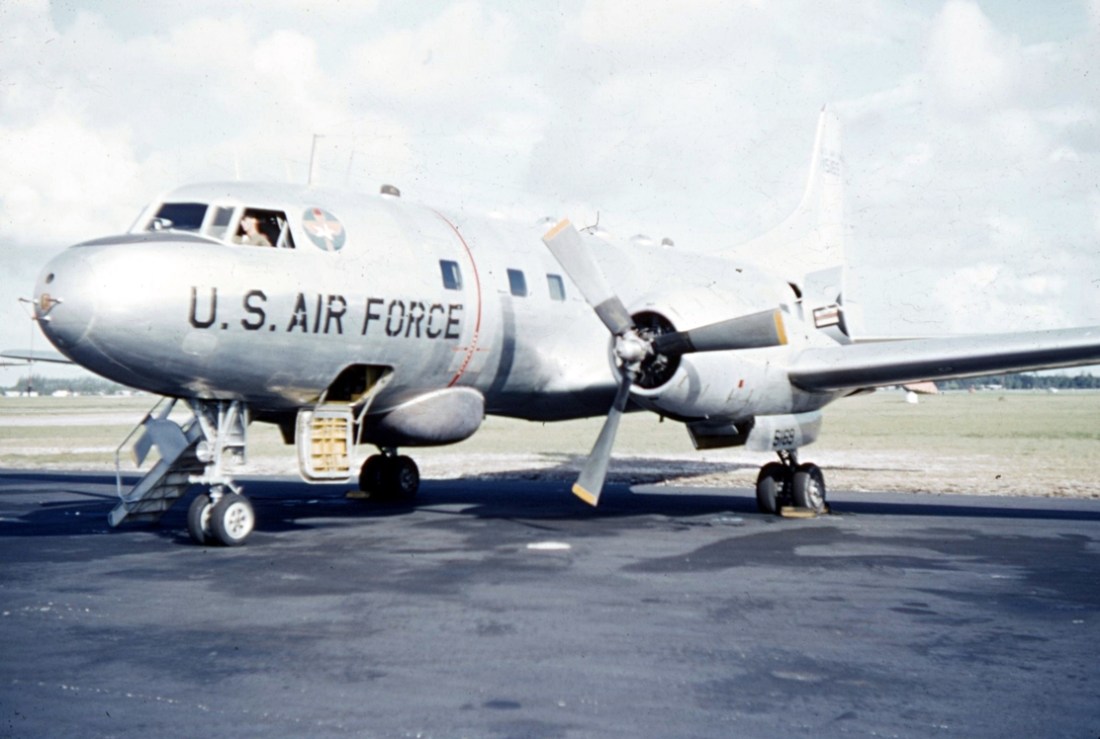
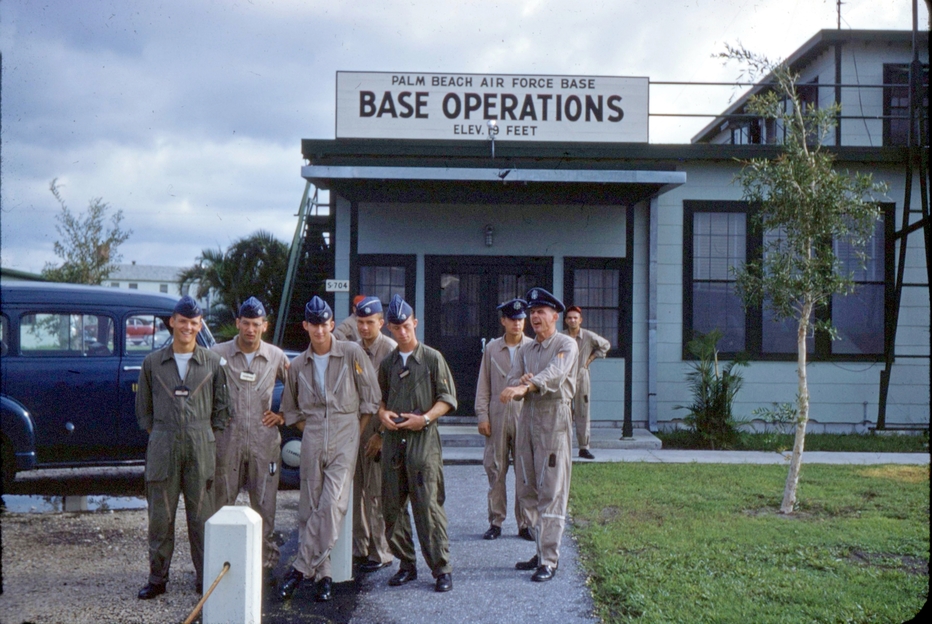
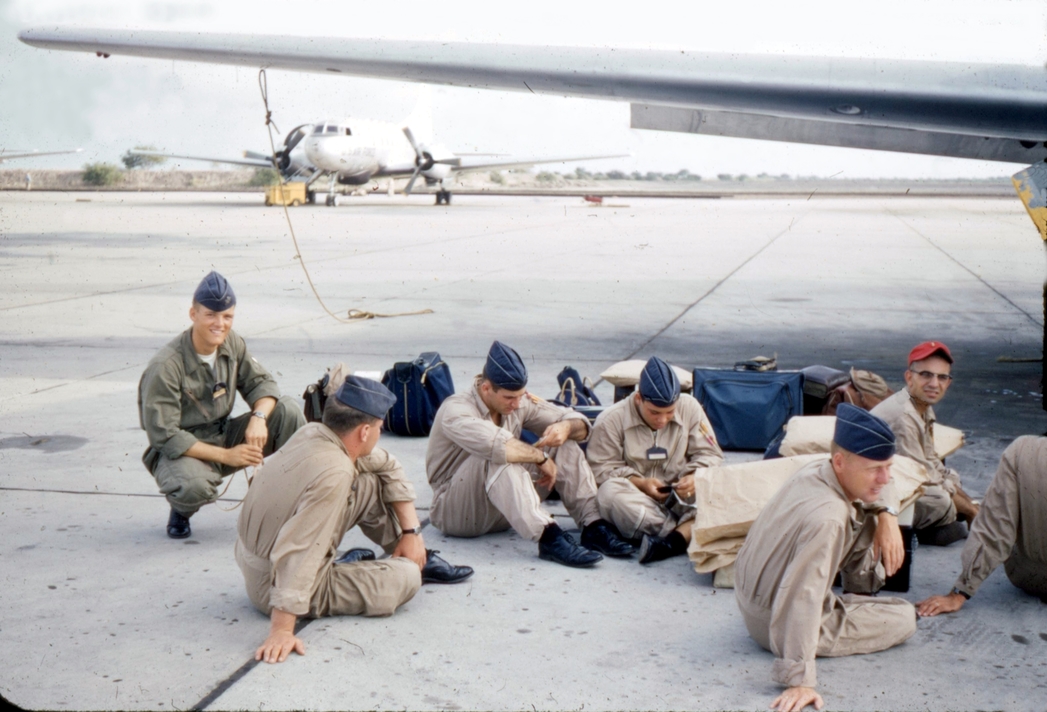
Aviation cadets in the mid-1950’s get a taste of Air Force life: Proudly posing in and around a Convair T-29, being bellowed at to get moving, and then of course, the time-honored “hurry up and wait.” (In my Air Force days, we referred to this as the “Mill Around Aimlessly Checklist.”) Photos taken at long-gone Palm Beach AFB.
Canadian transport and observation aircraft


 The Jive Bomber