
Continental Airlines 707 cruising northbound over Puget Sound in 1959. Below is Vashon Island.

T-33A (56-1687) out for an early morning tow


Unsure of the unit, but judging by all those fancy stripes, this is the bosses’s aircraft. Location looks like McChord AFB.
T-33A of the USAF Thunderbirds

This T-Bird, 53-5547, was later passed down to the Brazilian Air Force. Flown for many years, it is now on display in Sao Paulo.
F-80A (45-8393), 196th Fighter Squadron, Jet.

Boeing FB-1 (A6885) of Marine Corps Fighting Squadron Six

I suppose I could have written that as “VMF-6”, but the lettering on the fuselage does say “Fighting Squadron Six”, and besides, it sounds classy.
Douglas O-25
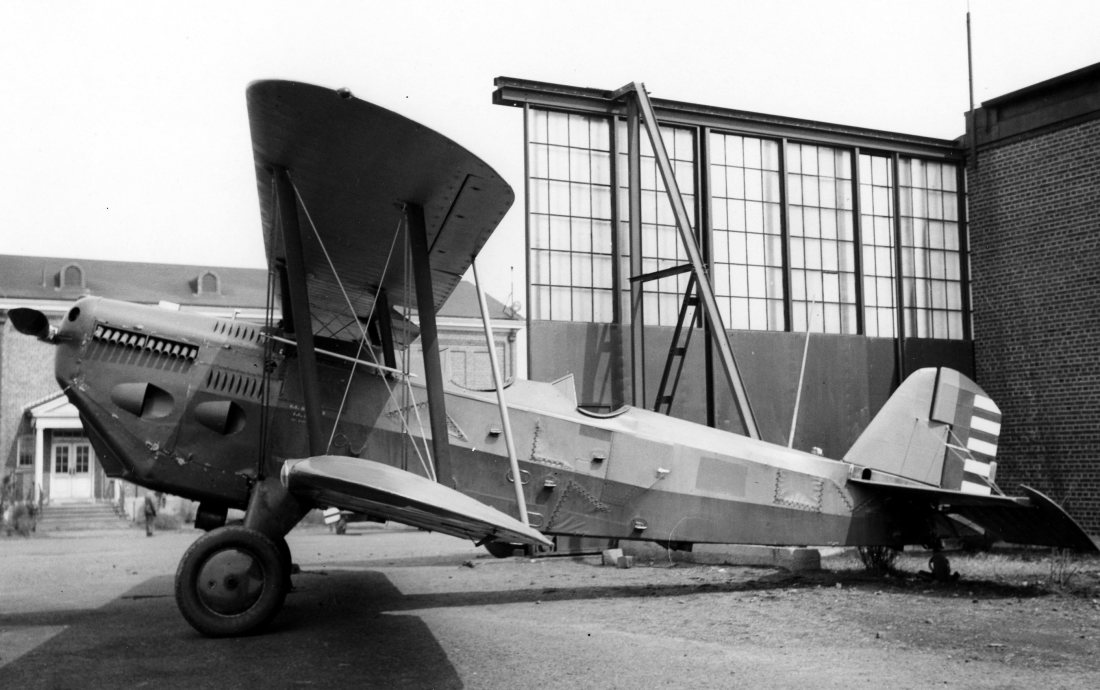
Thomas Morse O-19

Northrop’s MX-324

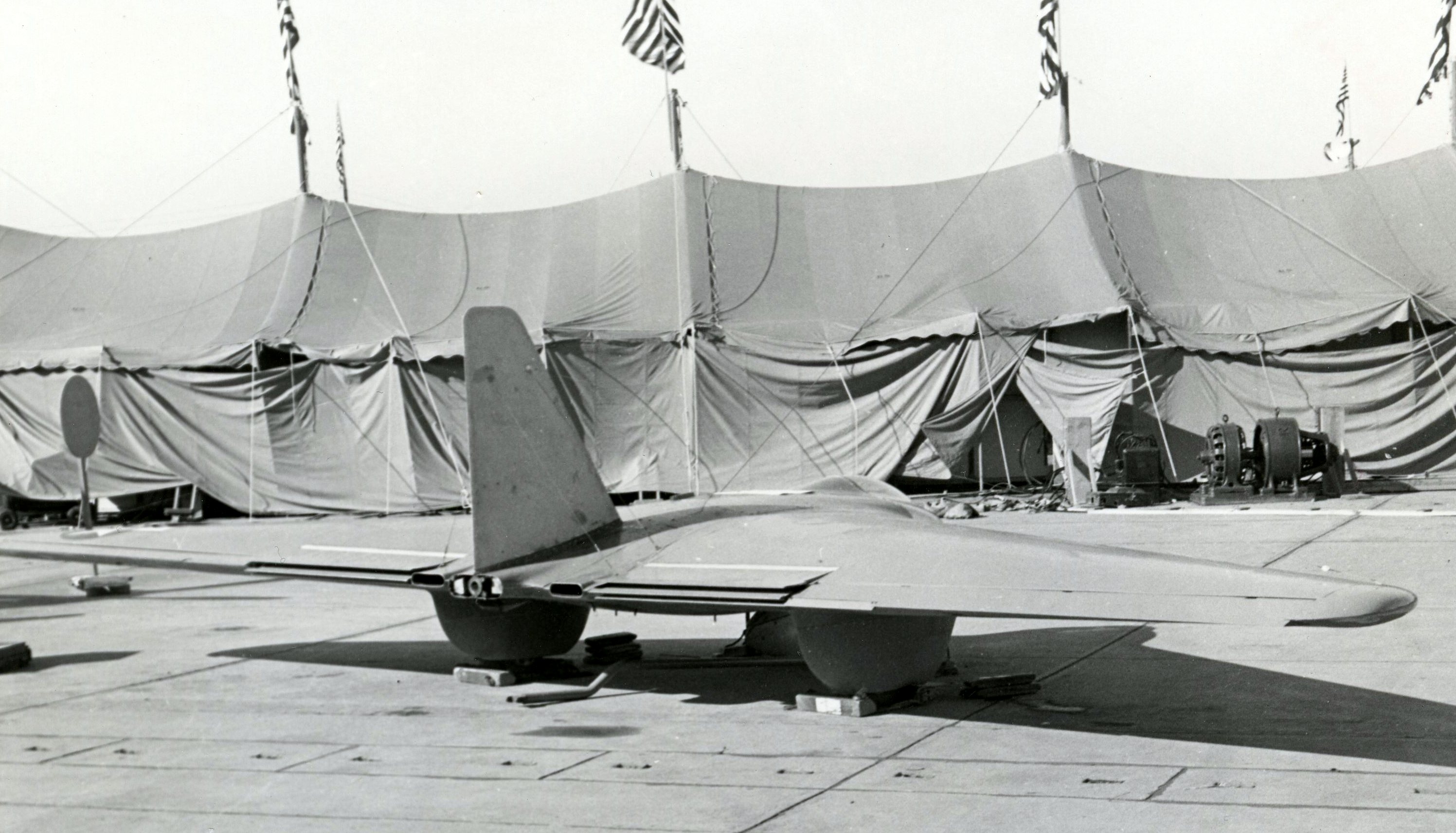
Even today, Northrop’s MX-324 looks like something out of Buck Rogers. When it was built in 1943, it was almost beyond the imagination of mortal man. Interesting that the aircraft is heavily weighted to keep the nose on the ramp. I expect it had no motors installed and the cg was out of whack.
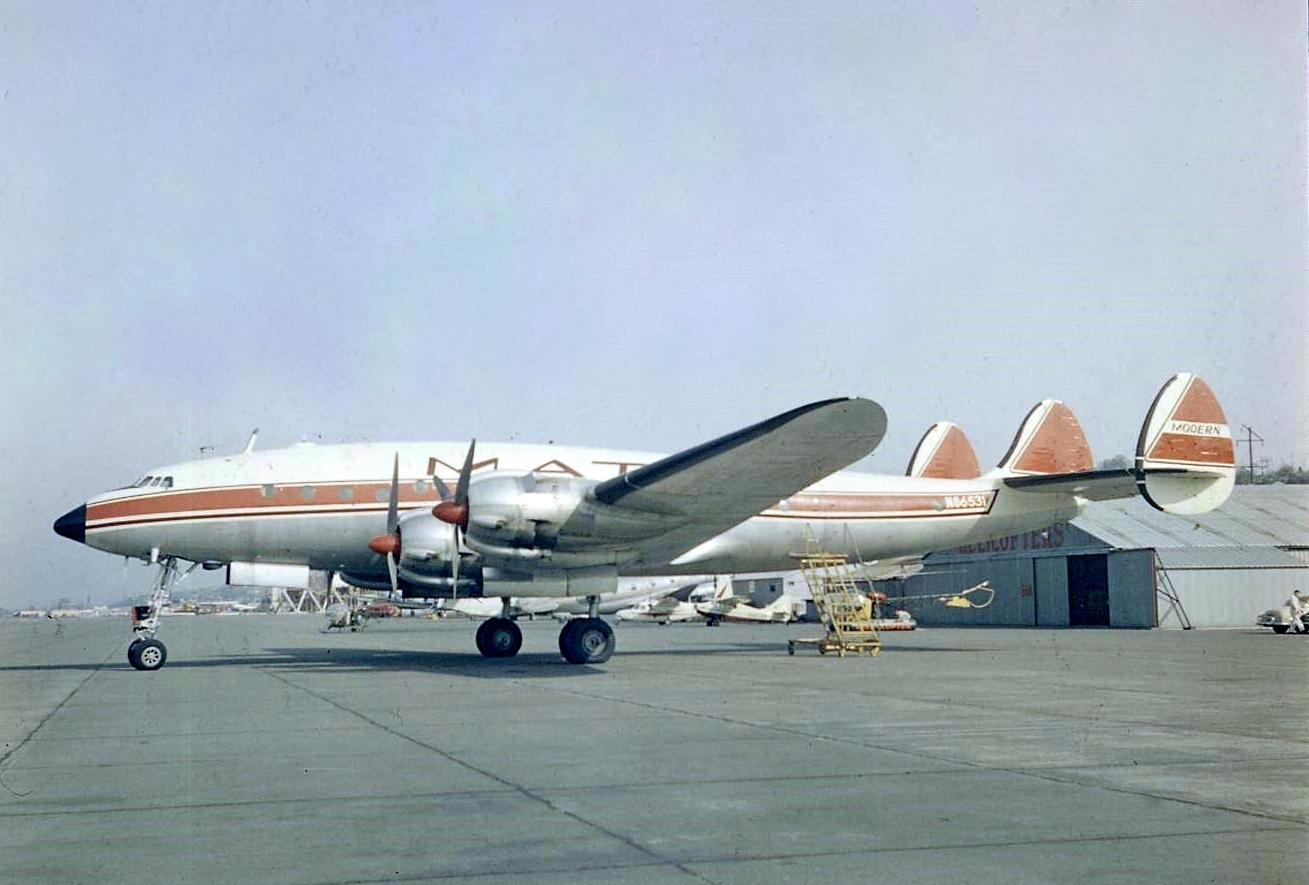
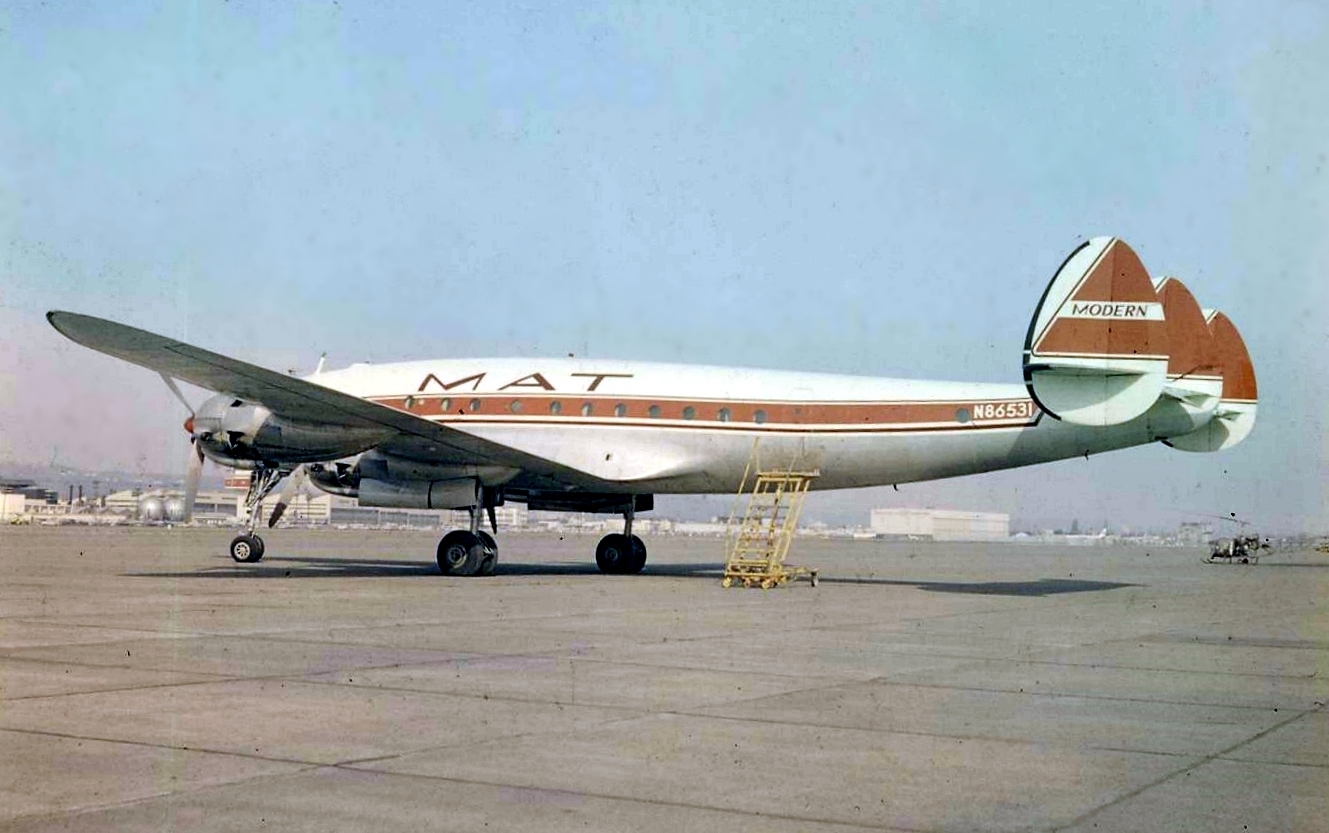
Lockheed Super Constellation (N86531) of Modern Air Transport basks in sunshine at Boeing Field in the early 1960’s.
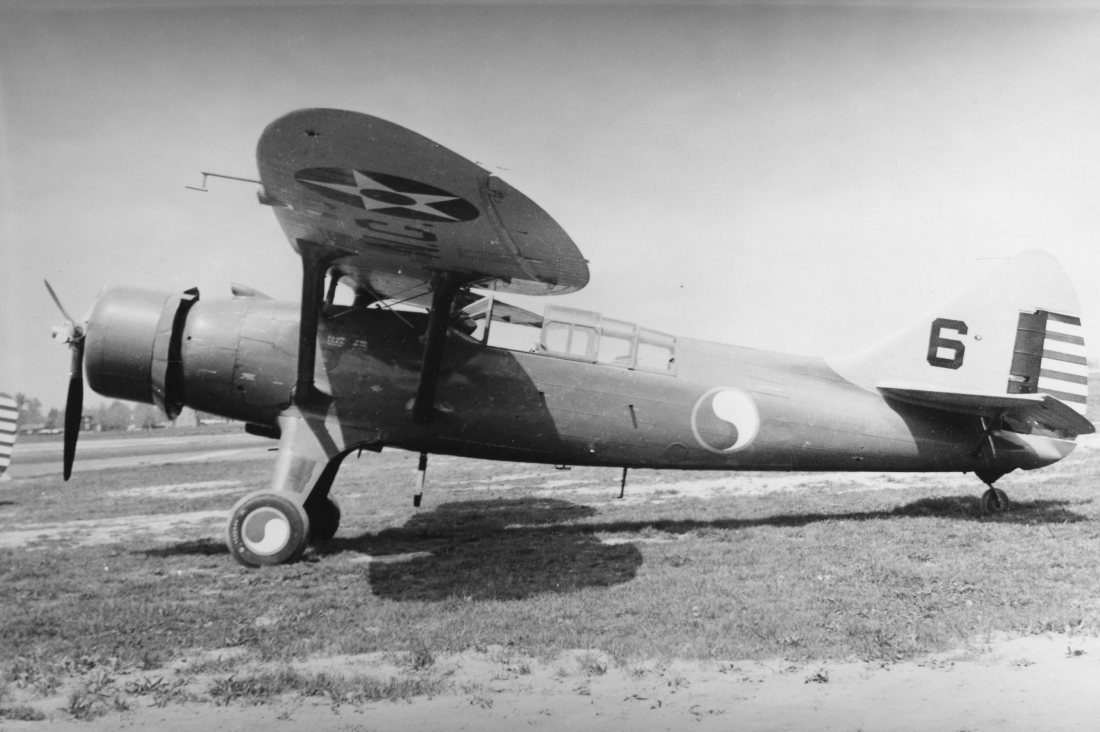
Douglas O-46 of the Aviation Section, 29th Division
AD-5 Skyraider of NAS Seattle.
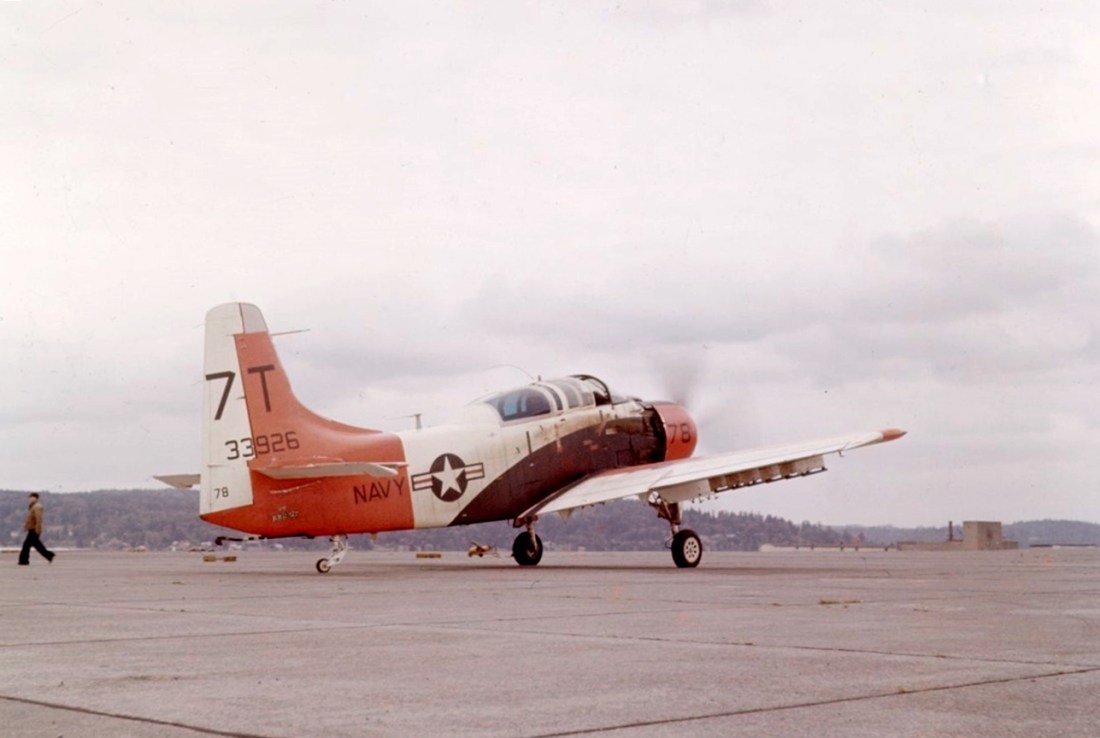
This aircraft, 133926, was later transferred to the USAF as 52-133926 and was unfortunately shot down in Vietnam in 1966.
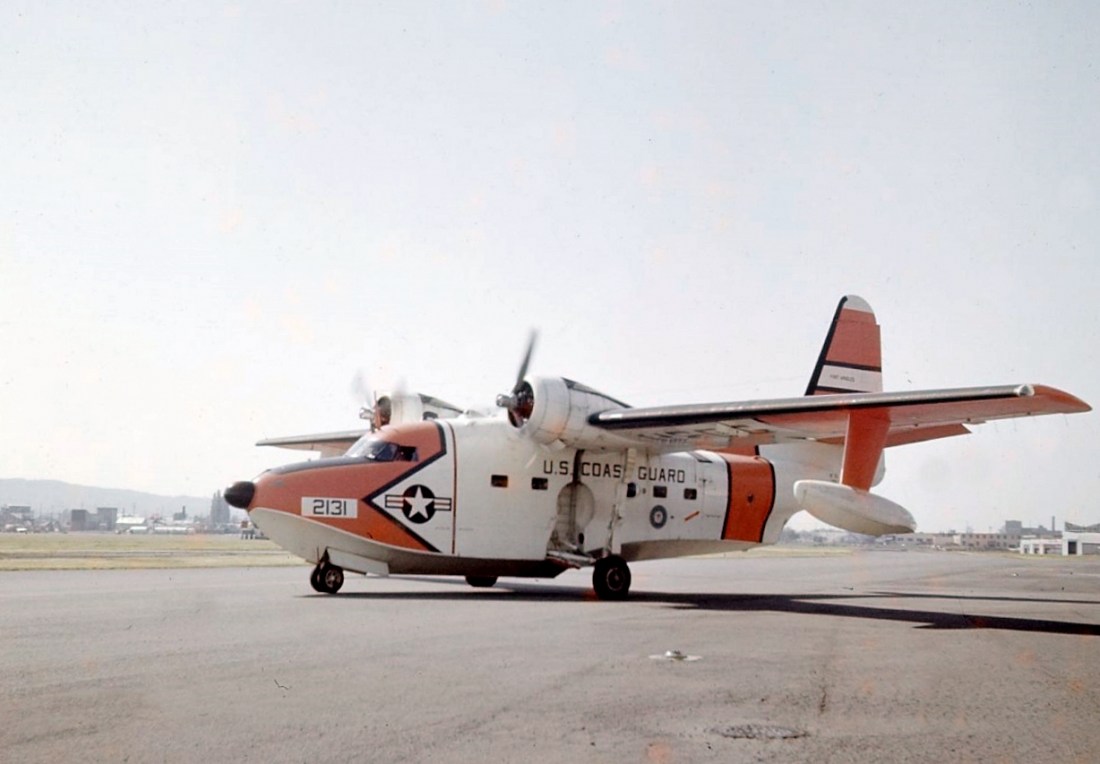
Grumman Albatross from Coast Guard Air Station, Port Angeles, in the early 60’s
F4D Skyray (139151), VMF-542

This squadron operated the F4D “Ford” from 1958-63.
Day-glo orange paint was all the rage back in the 50’s and 60’s…
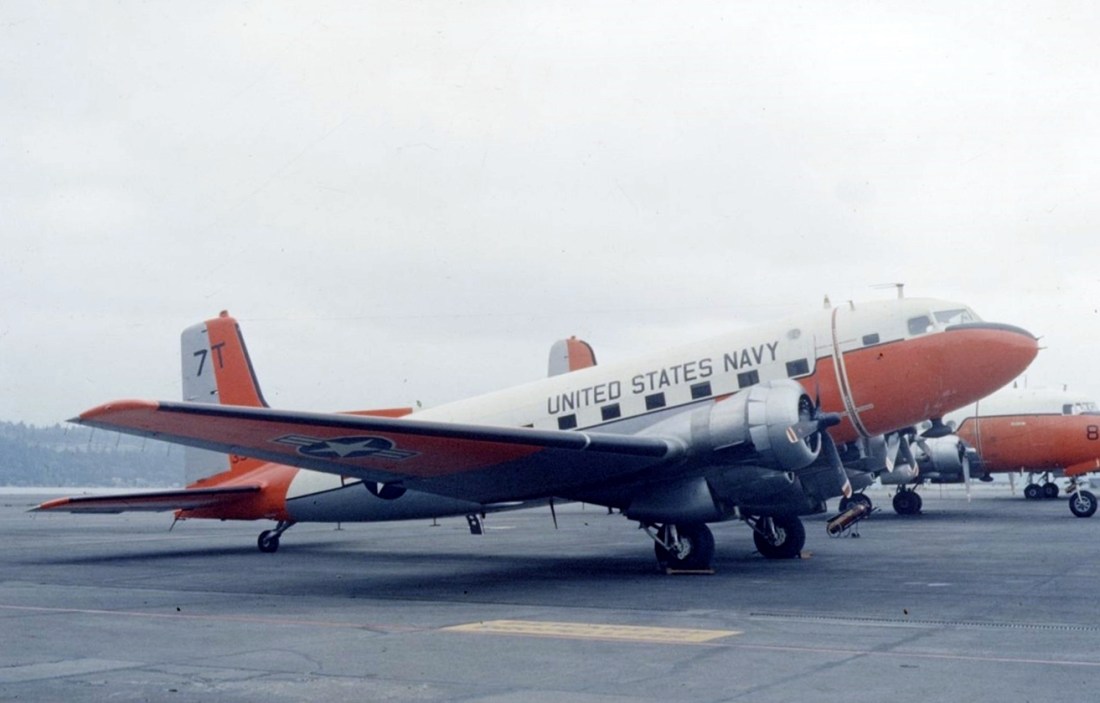
This R-4D of NAS Seattle wears said paint handsomely.
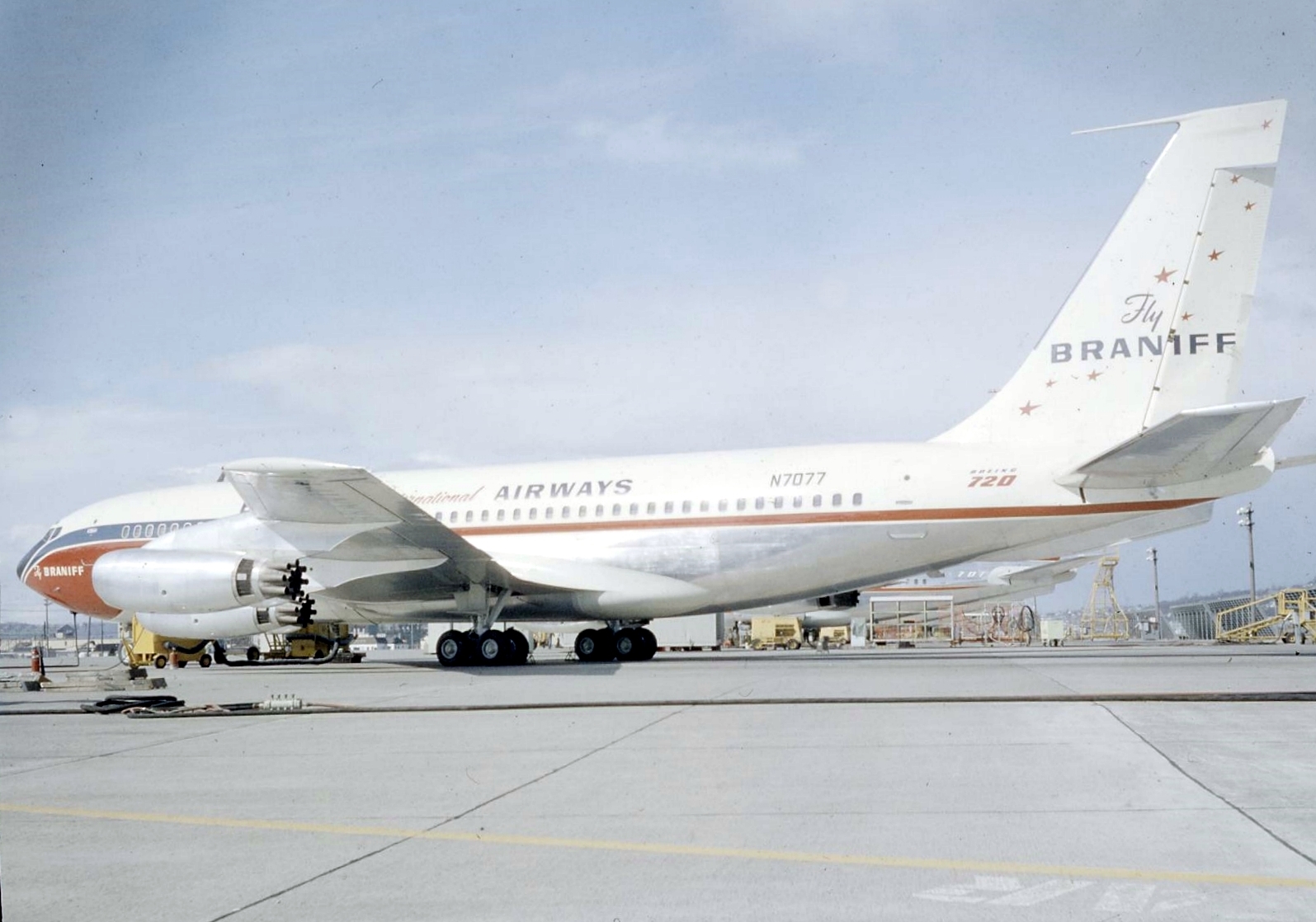
Very pretty Boeing 720 of Braniff Airlines.
Ansett 727
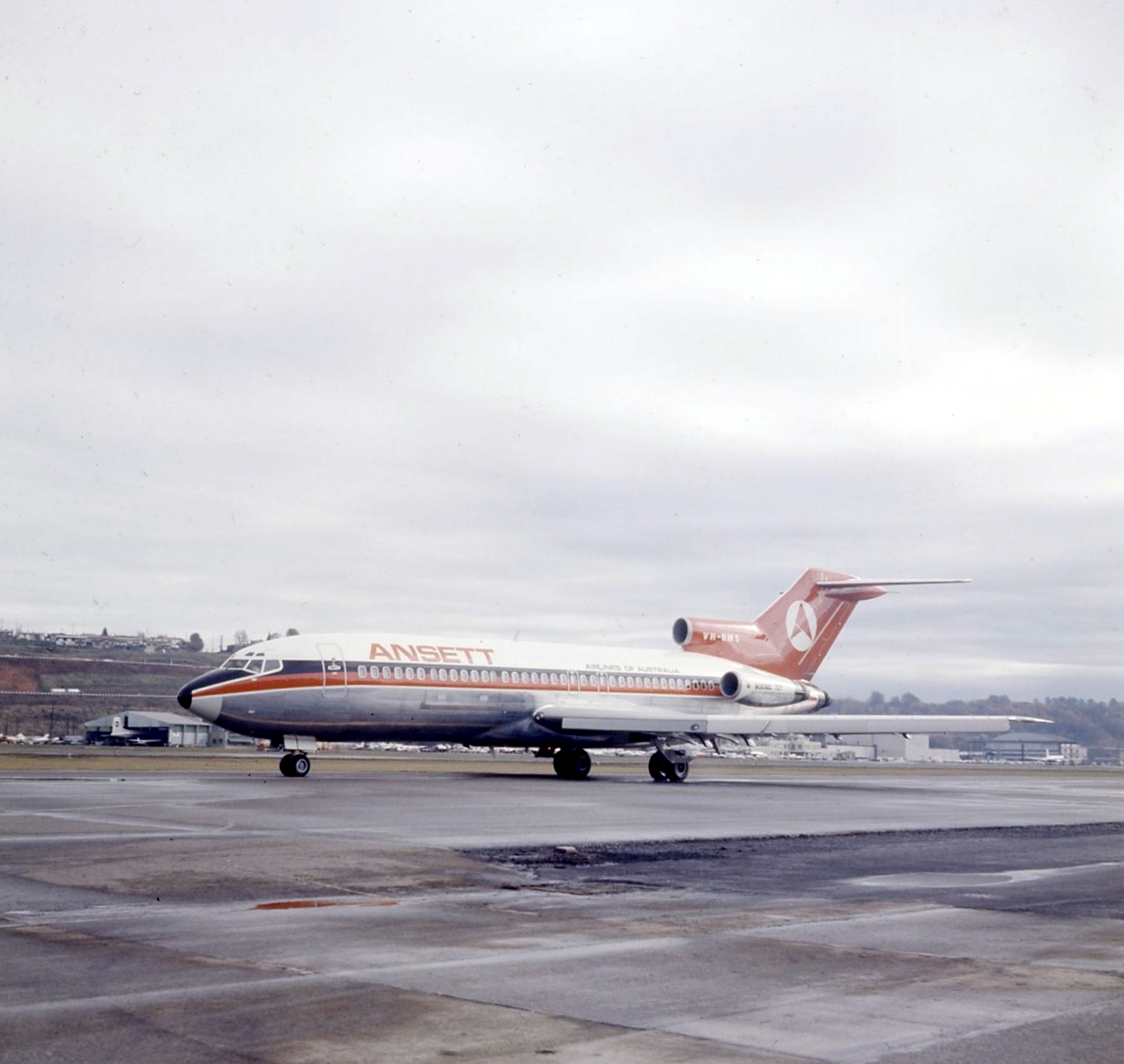
When Australia’s Ansett Airlines got their 727’s, it marked a great leap forward for air travel Down Under as they were now the operators of the first pure jets to operate within Australia proper.
Seems that the Dornier Do.18 wasn’t made out of any old metal. Nope, they used “Ulminium.”

Varig Airlines of Brazil

Varig threw down the big bucks and bought themselves 707’s in the early 1960’s. Here’s one of their first on a test hop over Eastern Washington.





 The Jive Bomber