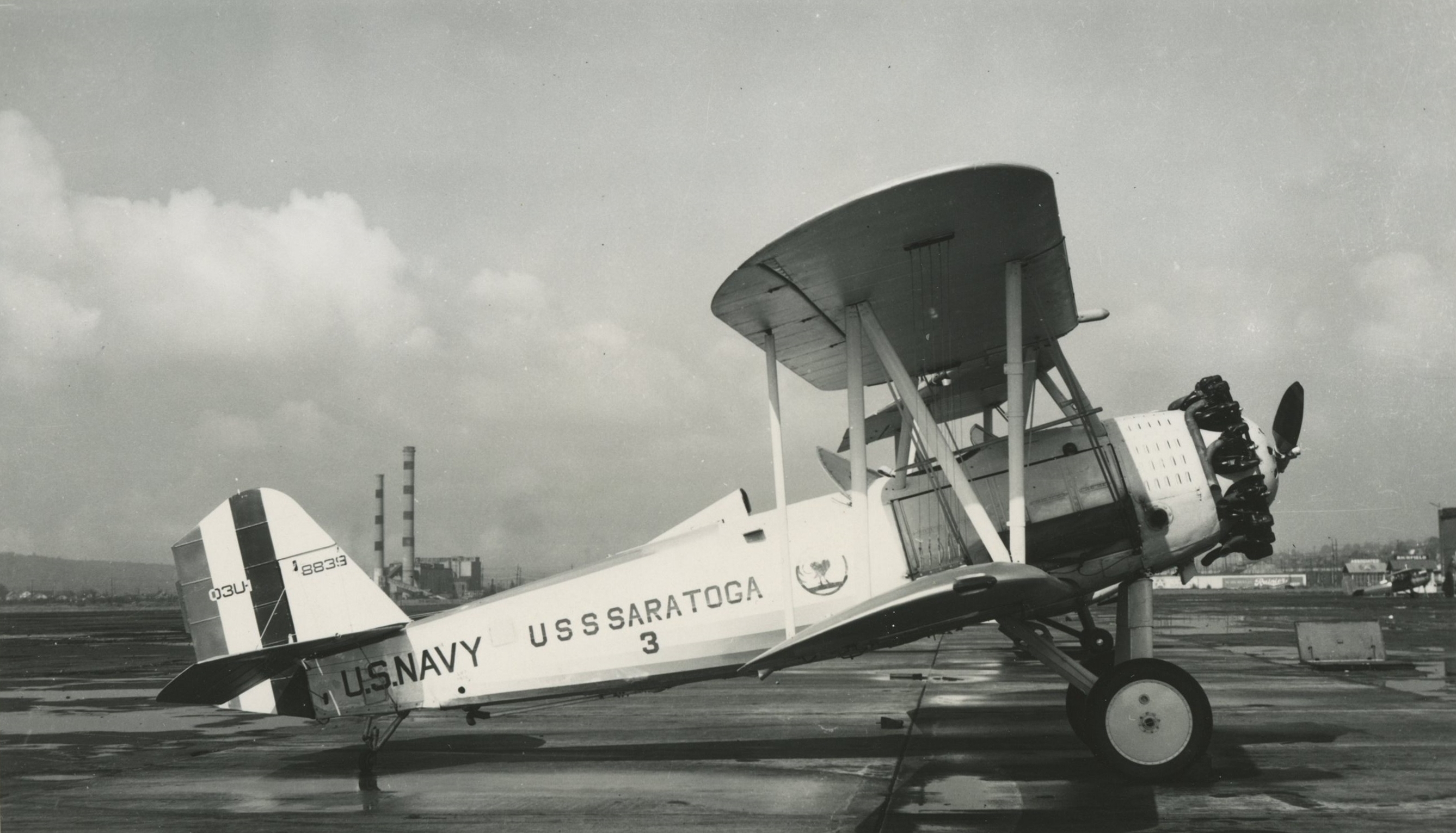
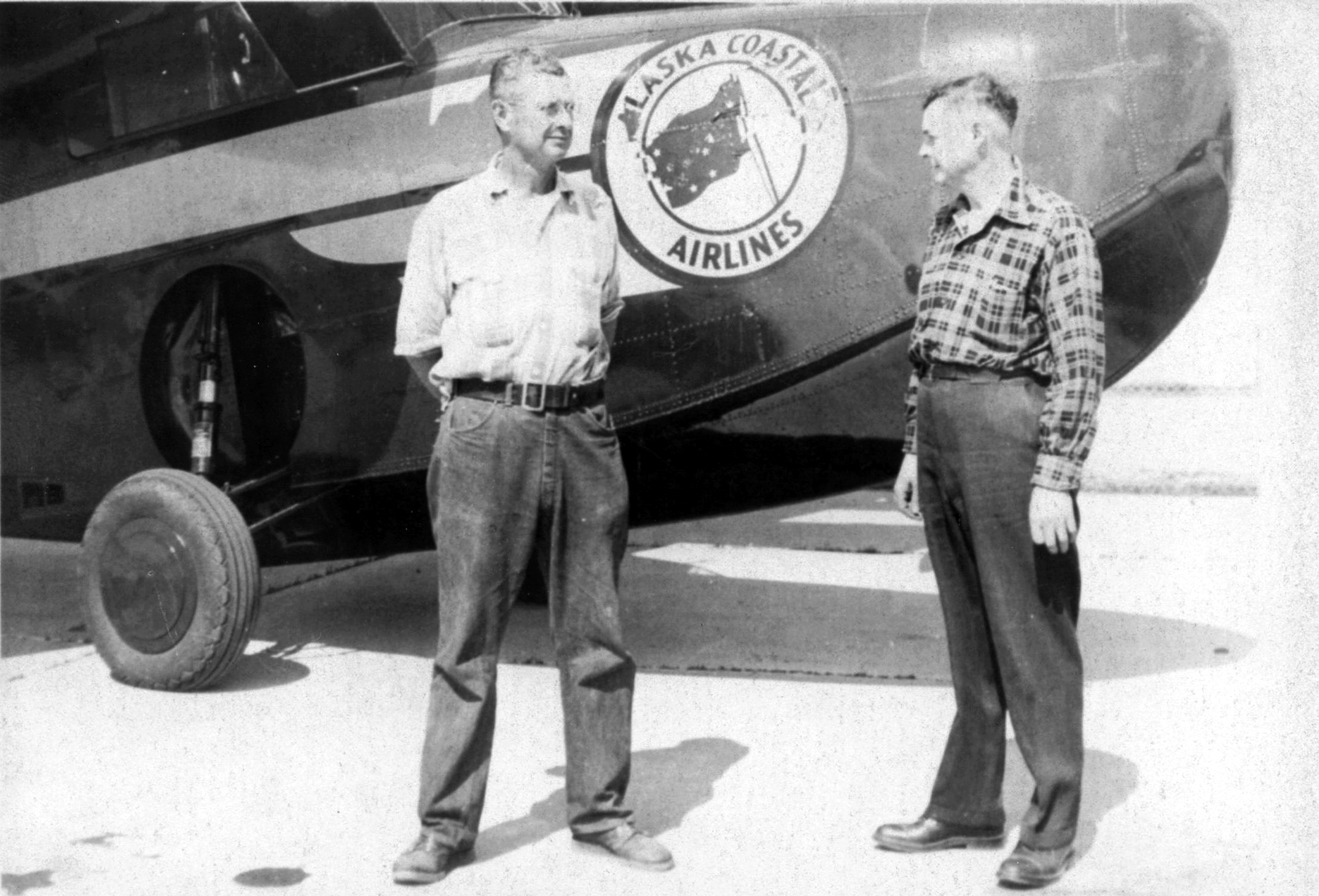
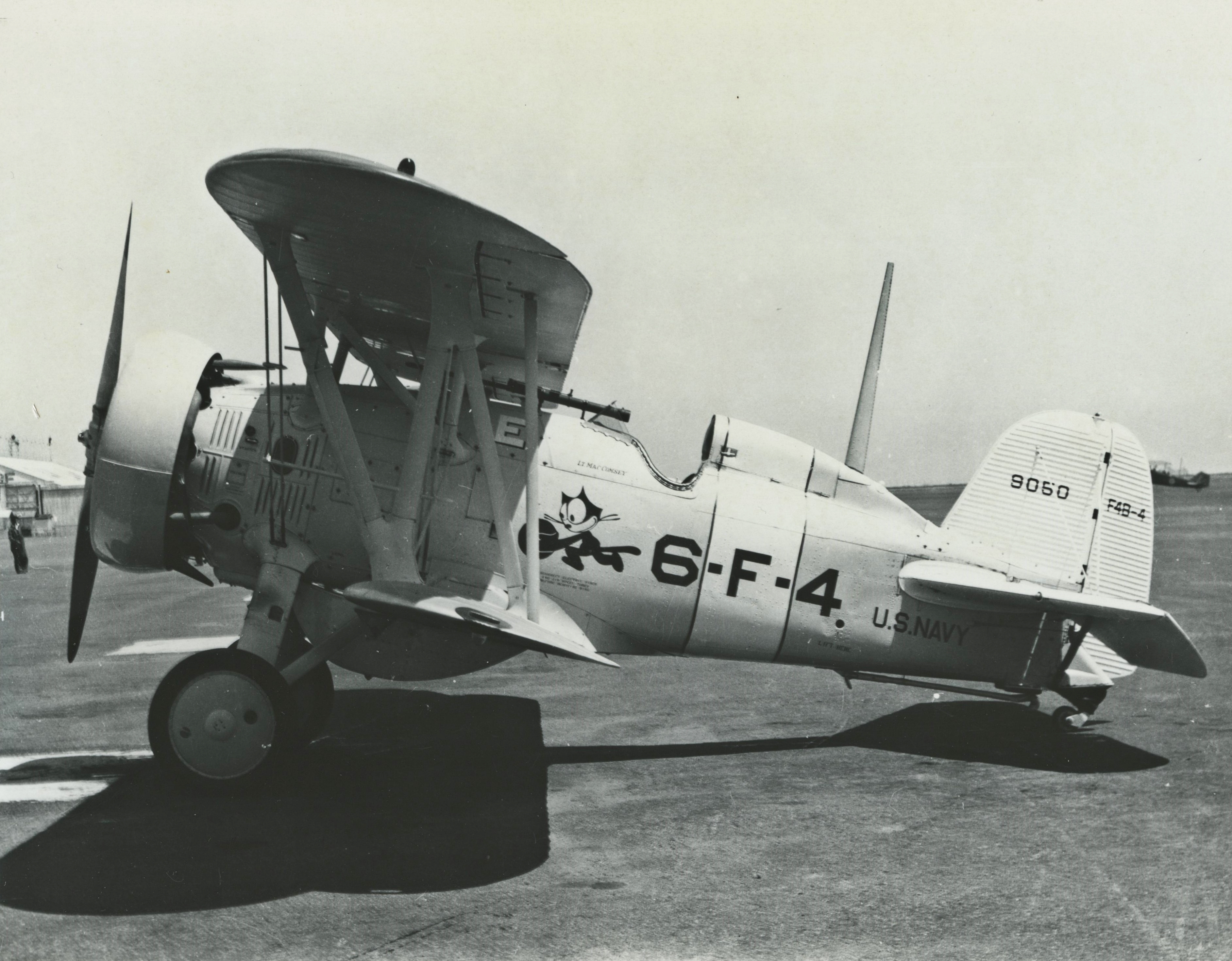
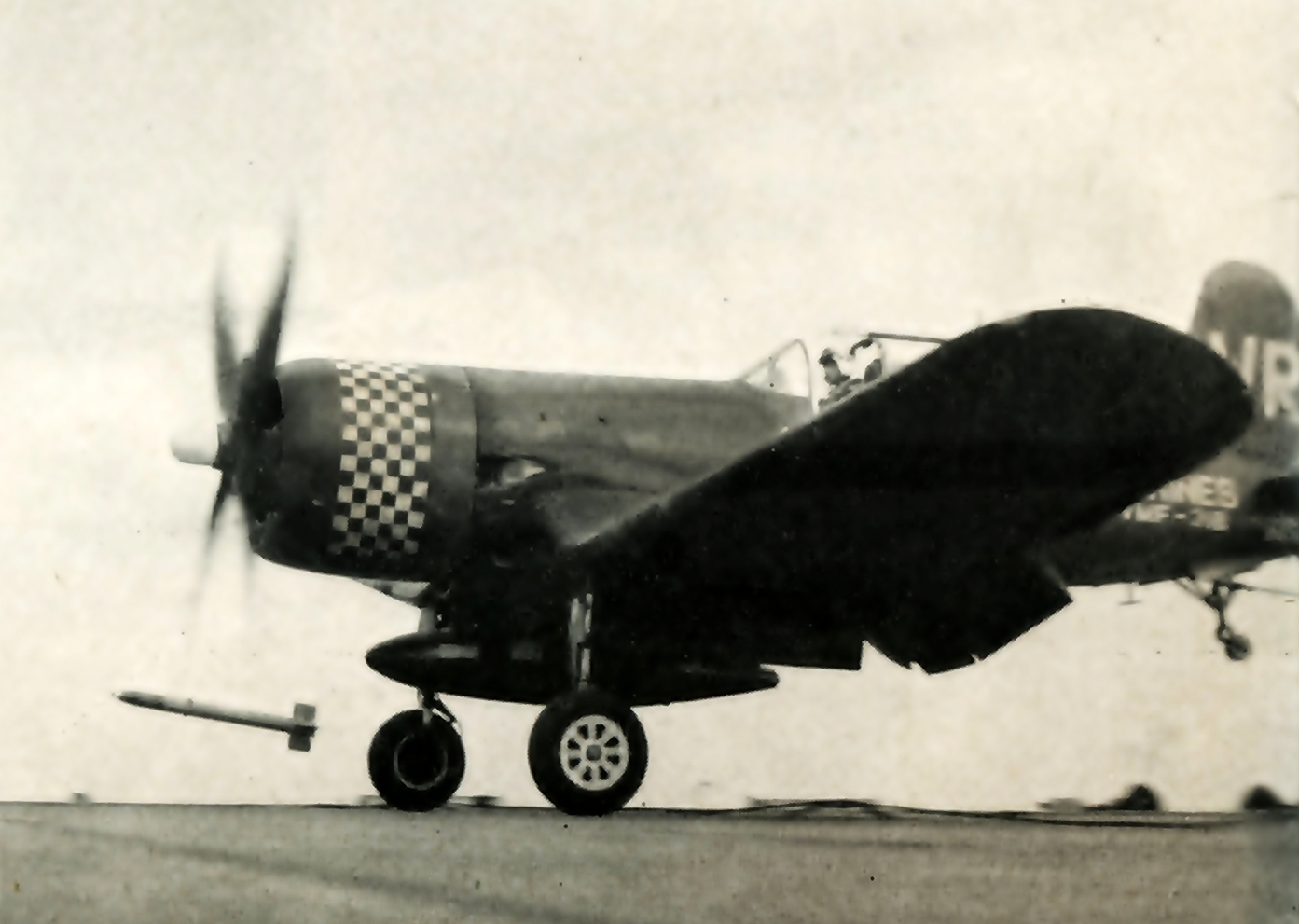
USMC F4U of VMF – 312
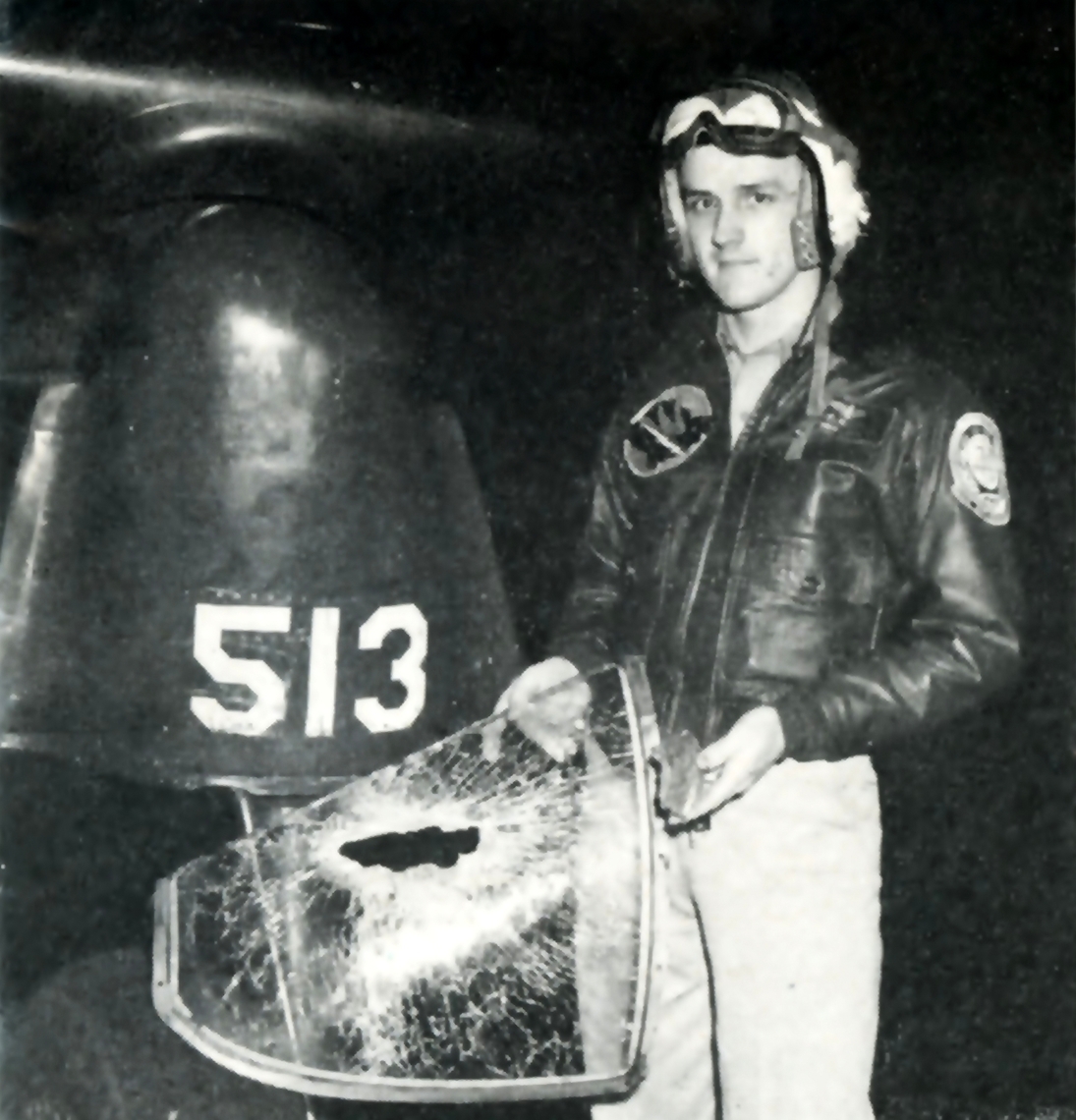
Ensign John Higgins of VA-728
Standing before his AD Skyraider aboard USS Antietam after a mission over North Korea, he holds what remains of his windscreen after flak nearly took his head off.
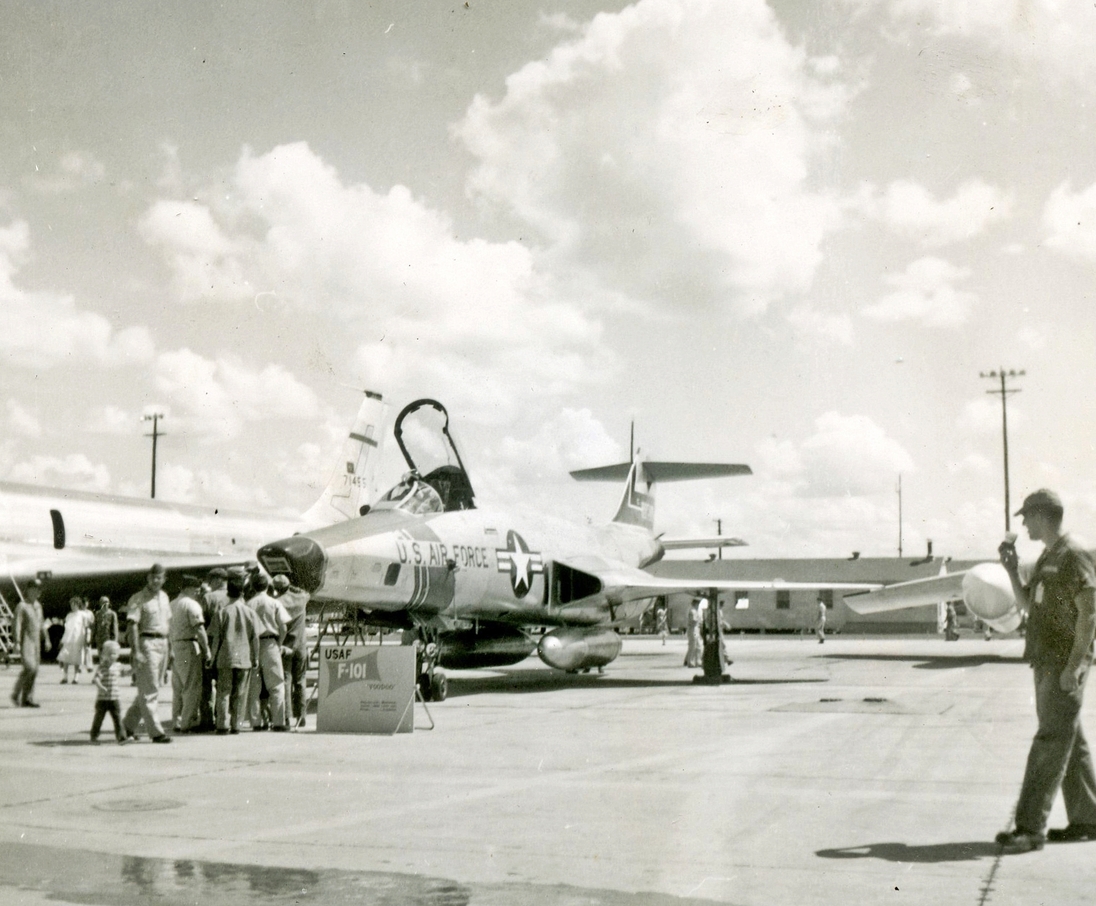
RF-101 Voodoo, 363rd Tactical Reconnaissance Wing
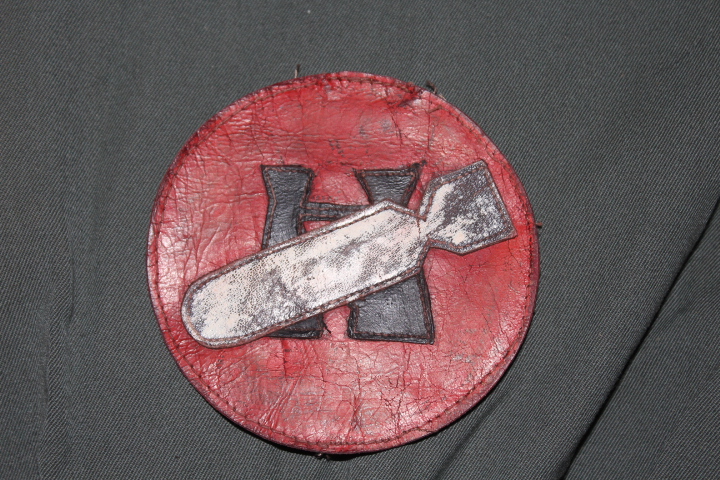
877th Bomb Squadron
One of the Saipan based B-29 units that unleashed hell on Japan in 1945.
21st Tactical Reconnaissance Squadron
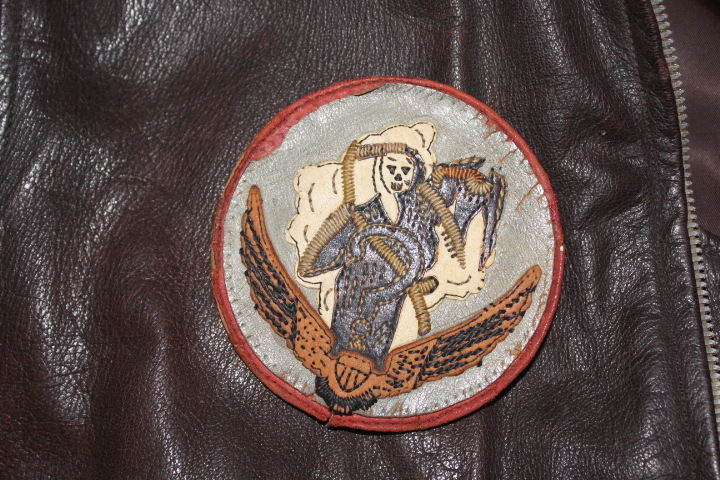
VC-5, early 1950s
One of the US Navy’s unsung yet most important squadrons was VC-5 in the late 40’s/early 50’s. Flying first the P2V Neptune, then the AJ Savage, VC-5 was tasked with lugging atomic weapons from the decks of carriers at a time when the navy was struggling to maintain a viable role. No longer allowed to possess bombers (thanks, USAF!), the navy scratched about and came up with “Attack Squadrons.” (“No, no, these aren’t ‘bombers’; they are ‘attack’ aircraft.”) Whatever the name, the successful innovation of a carrier-based nuclear bomber – er, attack aircraft – saved the navy’s bacon.
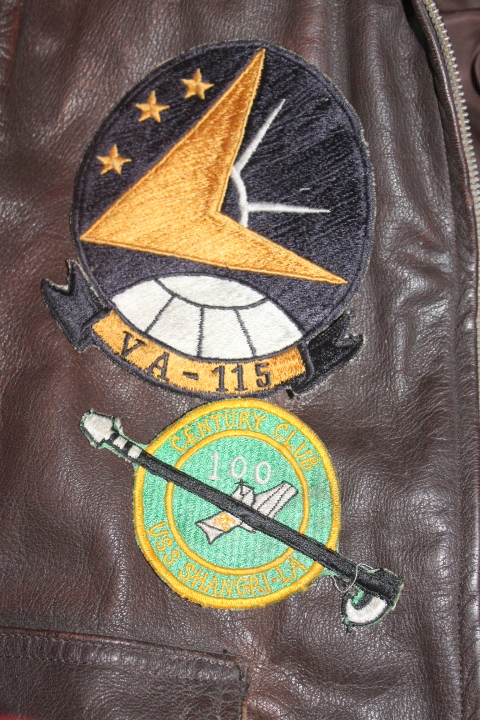
VA-115, USS Shangri-La, 1958-9
VA-115 flew the AD Skyraider when these patches were worn way back when. These came from Dick Francis, who is seen piloting an AD on the cover of Bob Dorr’s great book about the Skyraider. Photo was taken by Francis’s wingman during the 1958-9 Shangri-La cruise.
335th Bomb Group, World War II
The 335th Bomb Group flew B-26 Marauders at Barksdale Field, 1942-44.
Flightline gang of VMA [AW] – 225
Marines find a moment to pose atop one of their A-6 Intruders at Danang, South Vietnam, in 1970. VMA 225, the “Vikings”, spent two years in Vietnam flying close air support missions, 1969-71.
Needless to say, who wouldn’t want to find a pile of these goodies in dad’s top drawer? Ad dates from the late 1920’s. 
US Navy PBY crew in Britain
The US Navy in Britain. PB4Y crew of VPB-110 at RAF Dunkeswell in 1943
PBY-5 crew of VP-44, Midway veterans
The crew is seen after returning stateside after the Battle of Midway.
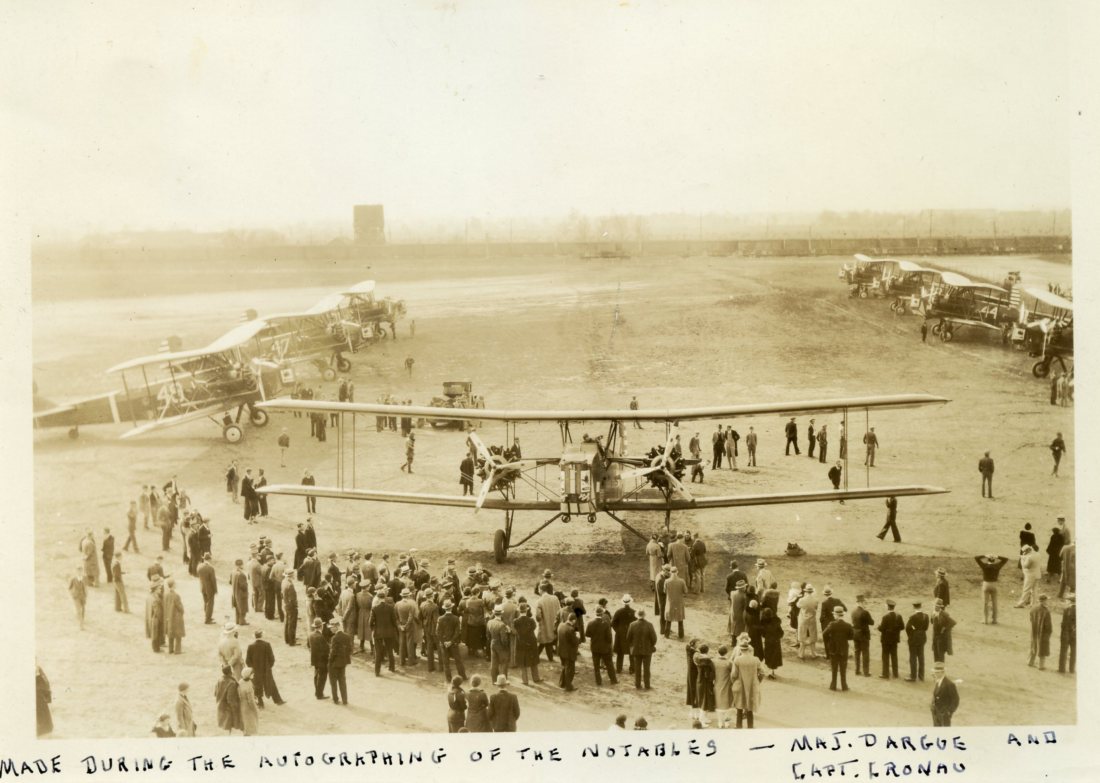
The dedication of the Columbia South Carolina Municipal Airport in 1930
Many notables attended, but one of the real eye-catchers were the Keystone bombers of the 20th Bomb Squadron from Langley Field, VA. The lead ship was christened “Miss Columbia SC” by Miss Clara-Ellen Owens, daughter of mayor L.B. Owens. Hizzoner’s name was later given to the airport itself, and remains in use to this day.
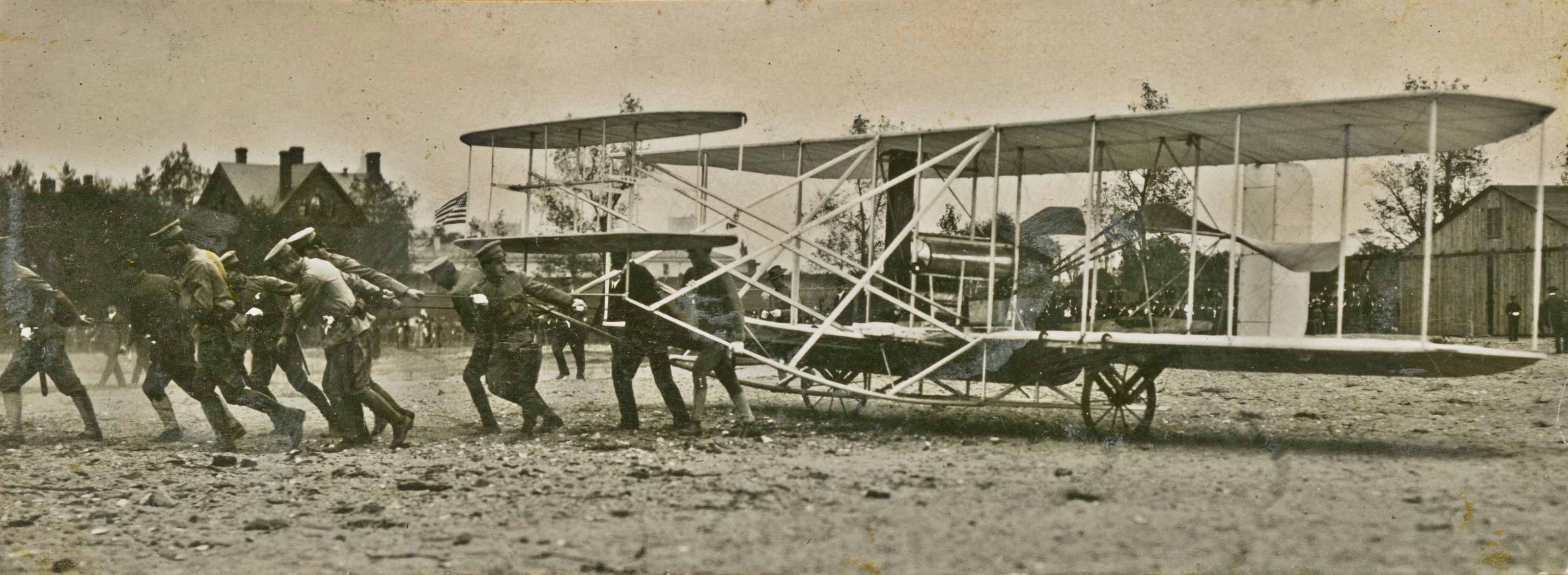
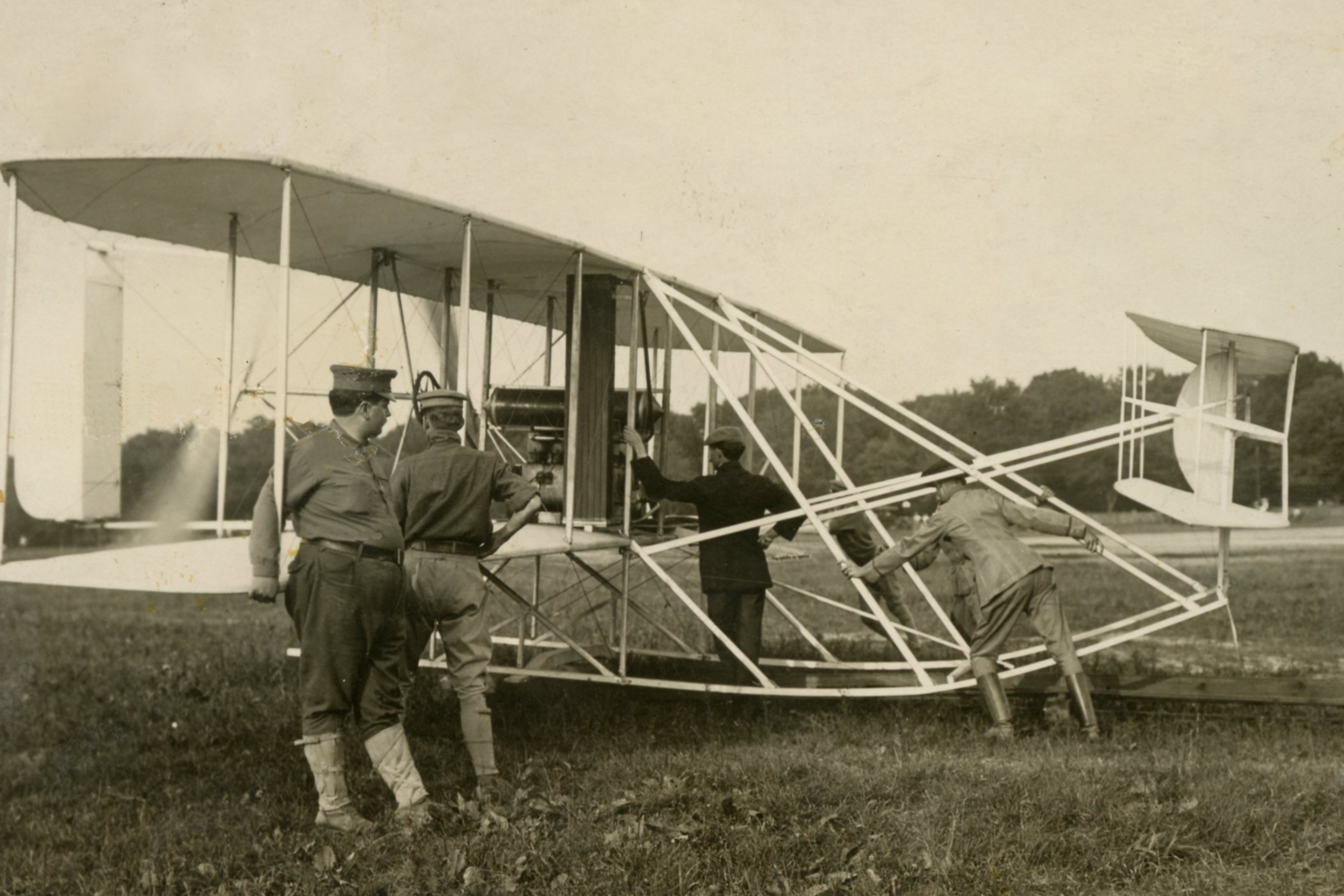
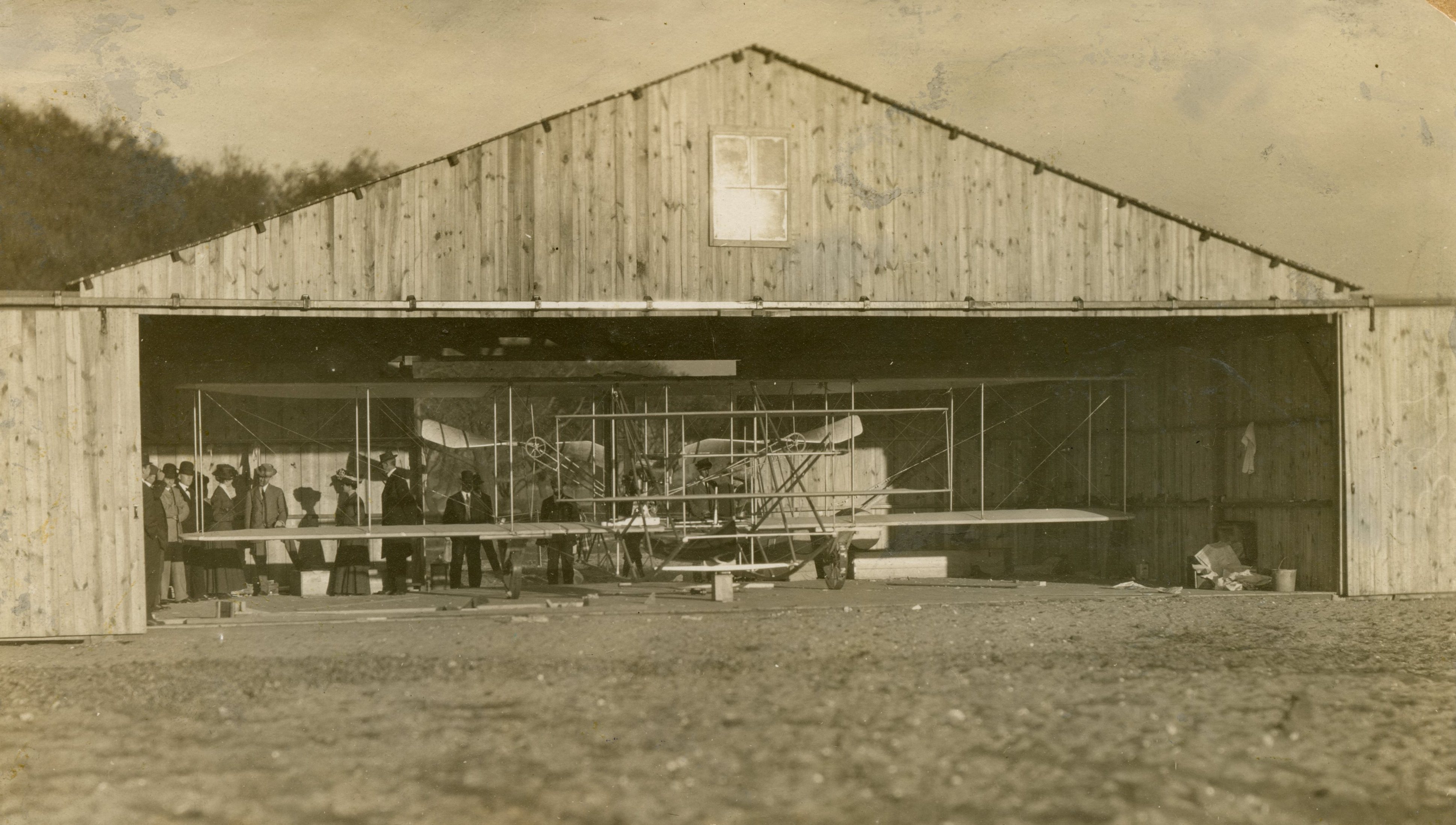
The Wright Brothers


A series of original Wright Brothers photos that I have never seen before. Comparing them with known photos, the first two were taken during the famous trials at Fort Myer, Virginia in 1908. The second photo shows Orville standing in front of the “cockpit” while soldiers restrain the machine which ran at only one speed – full power. This series of demonstration flights ended in tragedy when the aircraft crashed killing the observer, Lt. Thomas Selfridge, and severely injuring Orville.
The next two photos show the Wright Flyer at Governors Island, NY, in September, 1910. The close-up sees Wilbur Wright explaining to a lady the finer points of the machine. With Orville recuperating from the Fort Myer crash, Wilbur carried on the brothers’s work. While at Governors Island, he undertook several flights the most famous being around the Statue of Liberty and New York harbor. If one looks closely, they can see the red canoe Wilbur strapped to the machine’s underside in case he had to ditch in that harbor. Ever the realist, Wilbur’s intent was not that the canoe would keep the aircraft afloat, but rather that it would make a water landing survivable – that set of forward elevators would have dug into the water and launched Wilbur right through them.
2nd Bomb Group B-17B
With all four motors turning, this B-17B Flying Fortress of the 2nd Bomb Group readies to taxi at Langley Field in the late 1930’s.
The story goes that when reporters saw the machine guns bristling from an early B-17, they dubbed it a veritable “Flying Fortress.” I have often questioned that tale, and here’s why: The four machine guns of an early B-17 did not represent a quantum leap in quantity when compared to the other bombers of the era. (The Martin B-10 carried 3) One man’s opinion, but I have always felt the Flying Fortress name derived less from its armament and more from its size and its ability to defend neutrally-minded America. Or, it was just a good sounding name.
YO-33 of the 1st Pursuit Group
Thomas-Morse O-19
The Short Sandringham
Der Deutsche Sportflieger of Oktober 1940
This issue features Hermann Goering making friends with his fellow Luftwaffe airmen during the closing days of the Battle of Britain. Der Sportflieger of that era of course contains a healthy dose of propaganda (hey, what wartime aviation magazine didn’t?), but it also contains outstanding information.
The Blohm & Voss Ha-139 was, undoubtedly, one of the more pleasing appearing aircraft in an era of, well, pleasing looking aircraft
Bayerische Flugzeugwerke & Junkers
Two great pieces of artwork. The first is from Bayerische Flugzeugwerke in Augsburg. This is part of a several page promotional booklet, hence the German and French. The other is cover art from Flug-Woche magazin featuring the Junkers G-31.