
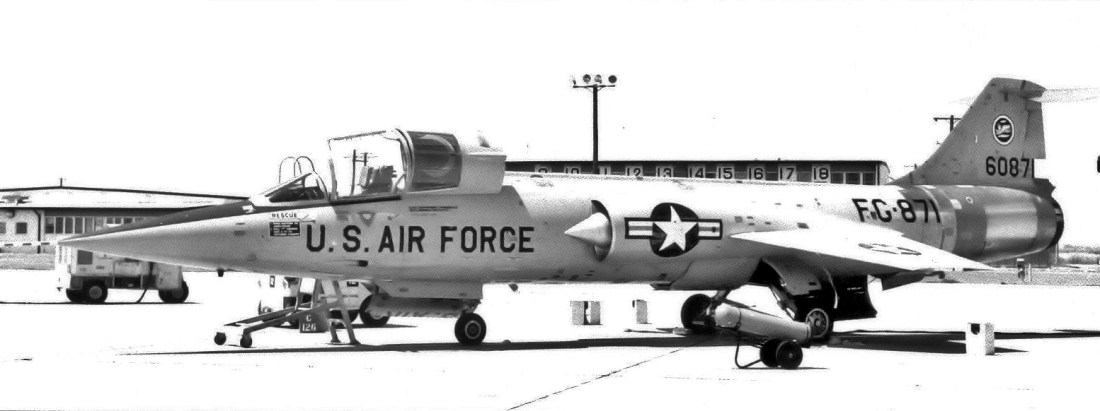
431st Fighter Interceptor Squadron, Wheelus Air Base, late 1950’s


Stationed in the less than salubrious clime of Libya, the 431st buzzed the North African skies in the mighty F-86 Sabre. 51-13168 was an F model in this squadron. Humorous anecdote: A day or so after I got this patch, I came home to find it in the mouth of my dog who was busily gnawing away. Luckily, he had only succeeded in getting it soaking wet with dog slobber – no holes or damage. Nonetheless, I aged ten years on the spot.
405th Fighter Wing, Clark Air Base, circa 1962
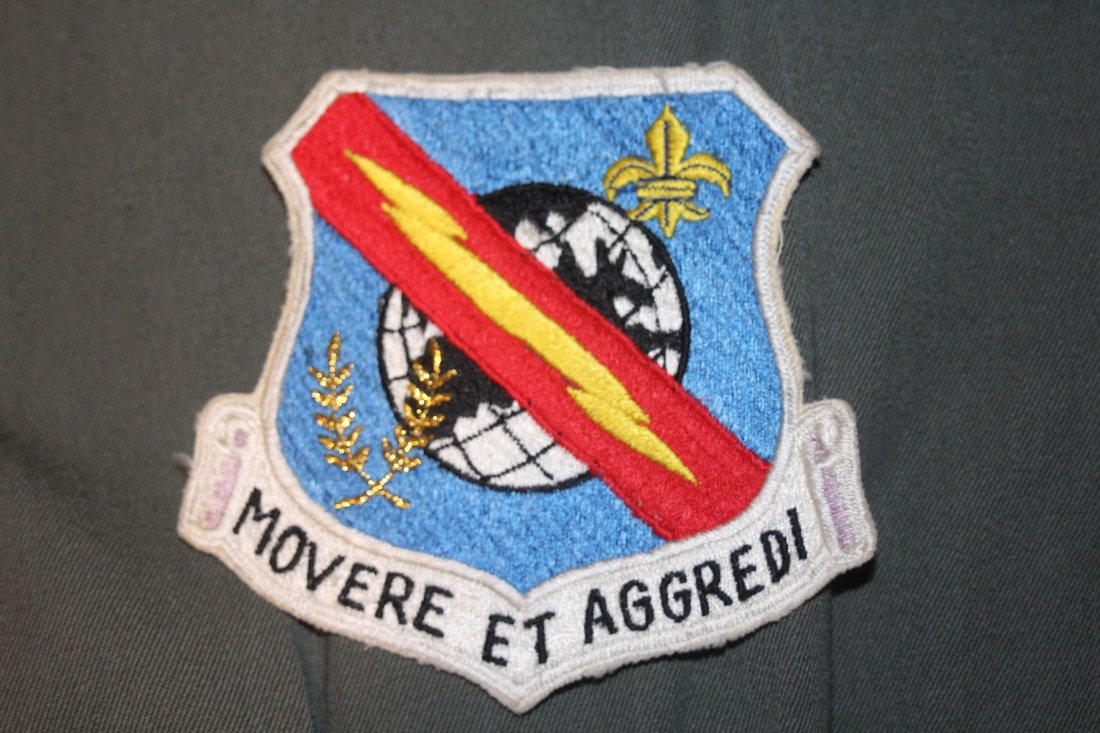
Massive patch; belonged to an F-102 pilot of the 509th Fighter Interceptor Squadron, 405th Fighter Wing.
In 1962, the term “Fighter Wing” was rather unusual; that was the age of “Fighter Interceptor” and “Tactical Fighter” Wings (squadrons, groups, etc.) that oversaw a particular fighter with a particular mission. However, the 405th at Clark Air Base was somewhat different in that it oversaw both interceptor and tactical fighters (along with a host of other aircraft) and the generic name of the Wing reflected that fact.
F-4 Phantom Phixer patch, Kadena Air Base, 1970’s

We usually see the ubiquitous “Spook” figure on such a Phantom patch. When this patch was worn, the Phixers were phixing the F-4D.
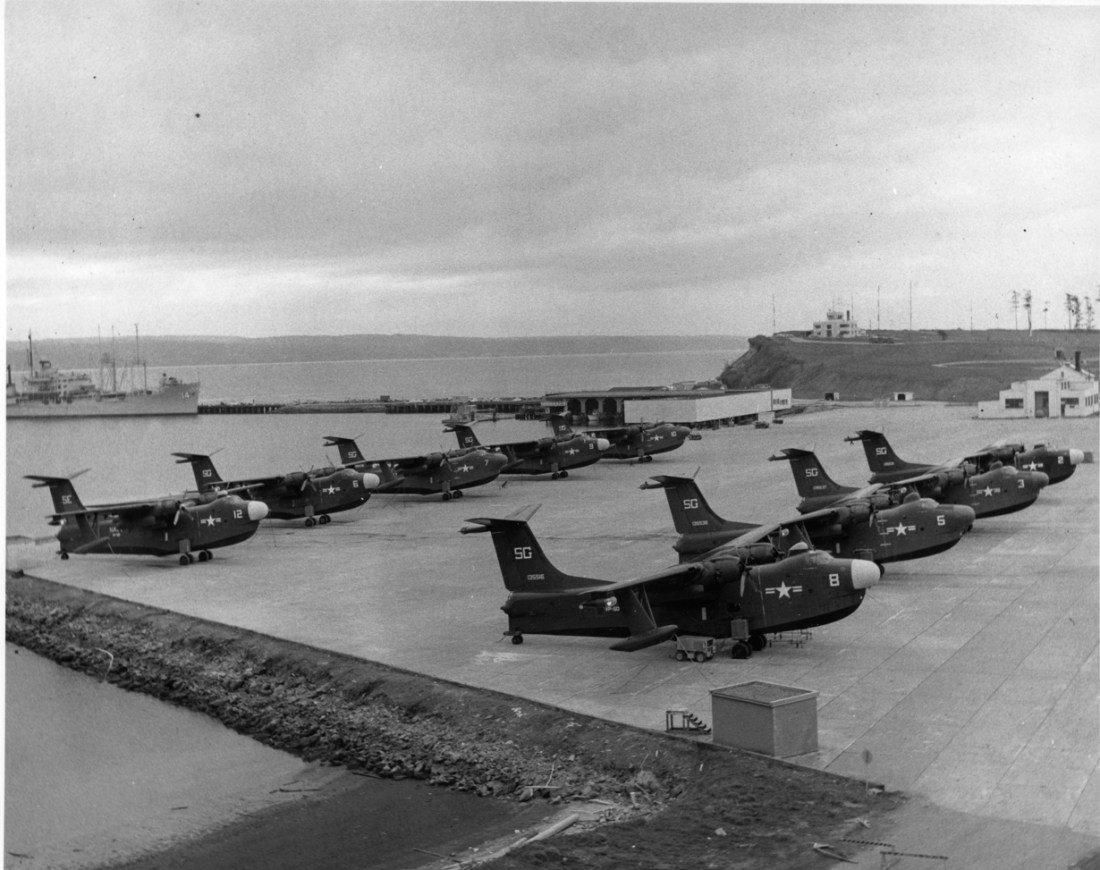
P5M Marlin patches, VP-50, circa 1958
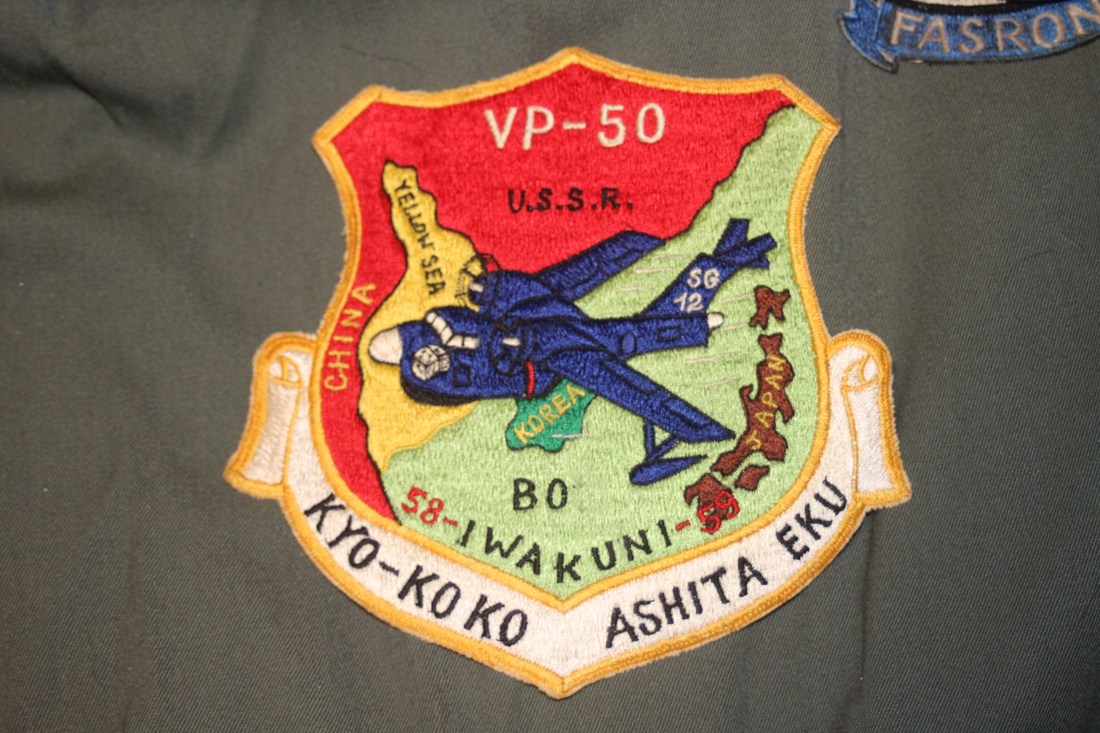

Both patches were made for the squadron’s deployment to the Far East. I asked the man who gave me patch #1 why the aircraft’s right wing was swept back. Answer: “Because we weren’t supposed to fly over the Soviet Union.” Bottom photo shows VP-50 at NAS Whidbey Island. The seaplane tender USS Kenneth Whiting (AV-14) is tied to the dock.
C-46 Commando comes to grief at Buffalo NY, August 6, 1942
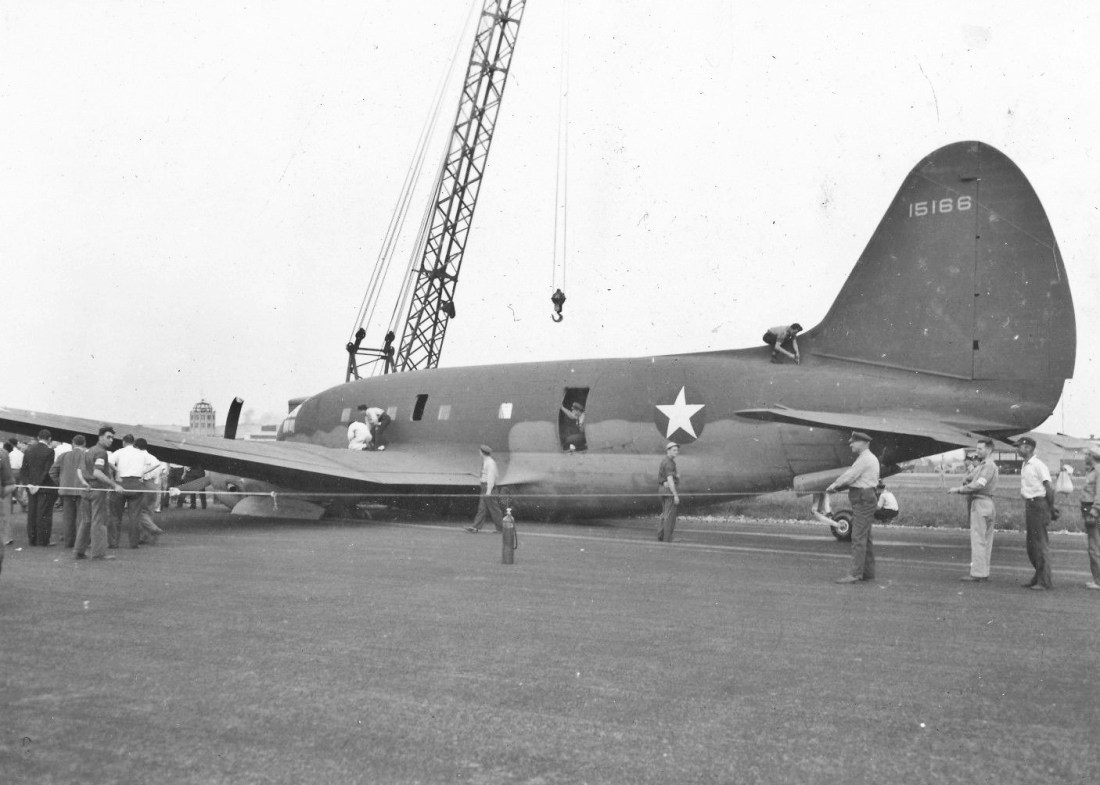
The tailwheel is extended, so I assume the gear handle was down. Handle down, but obviously the gear was not locked. It is worth noting that when this incident occurred in the summer of ’42, retractable landing gear was still in its infancy; the bugs had to be worked out. This aircraft, 41-5166, was soon patched up and doing its part to win the war.
OS2U Kingfisher kicking up the spray

I showed this photo to my dad – a former OS2U pilot – and all he did was shake his head and laugh: “If you don’t want to get wet, don’t fly a Kingfisher.” When asked why he didn’t close the canopy, he replied: “because with all the spray, you couldn’t see through it.” Pretty logical guy, my dad.
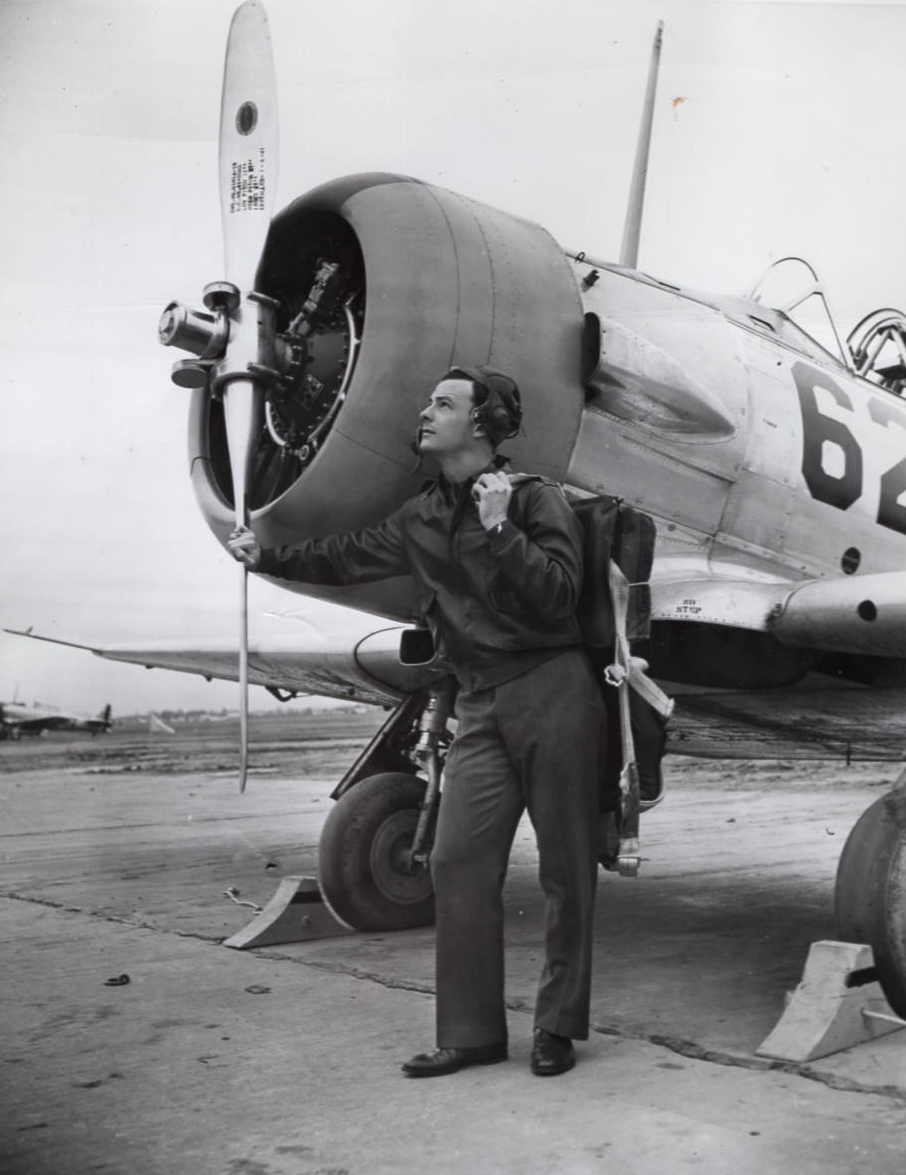
Junior birdman strikes a classic pose with his nice looking AT-6
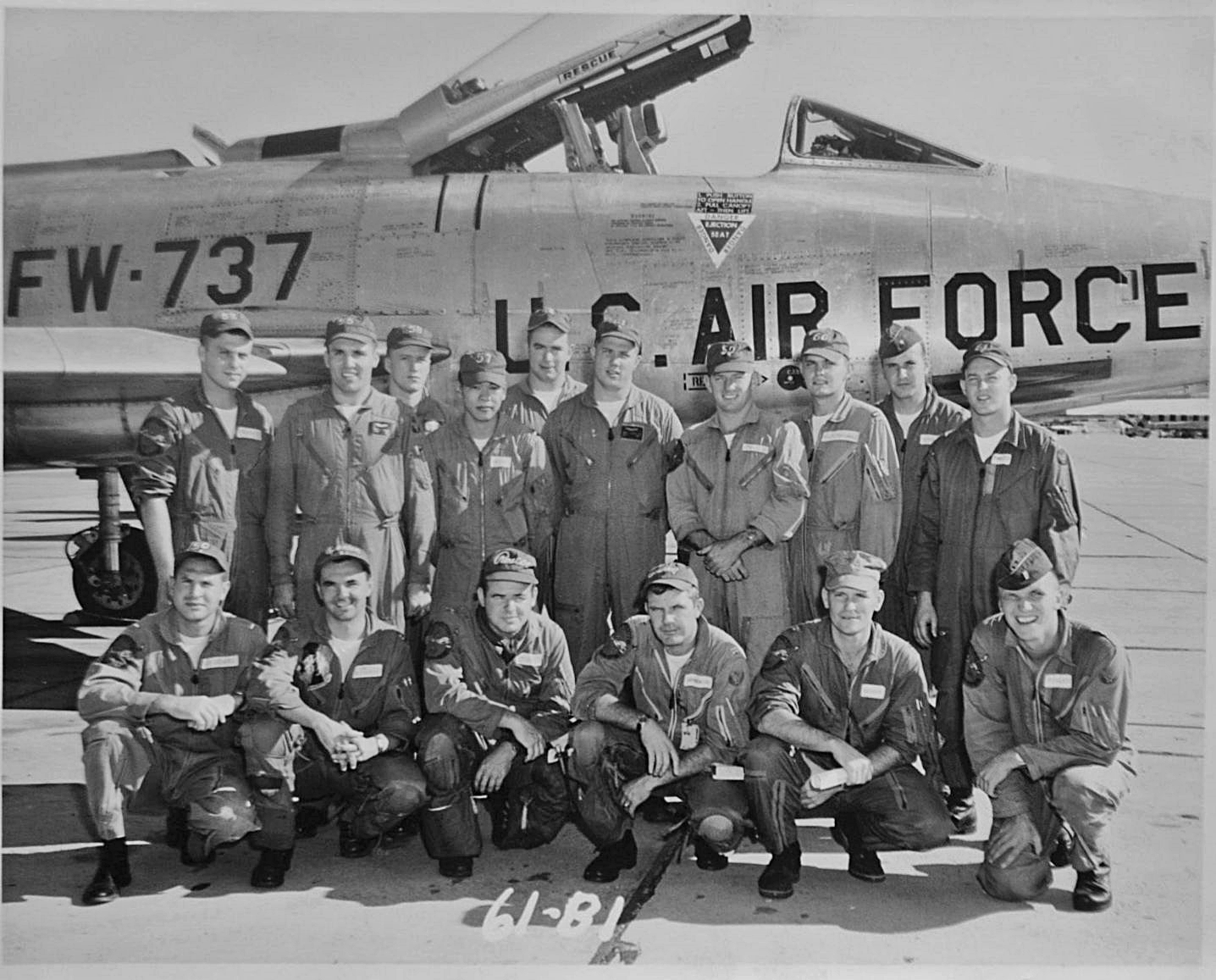
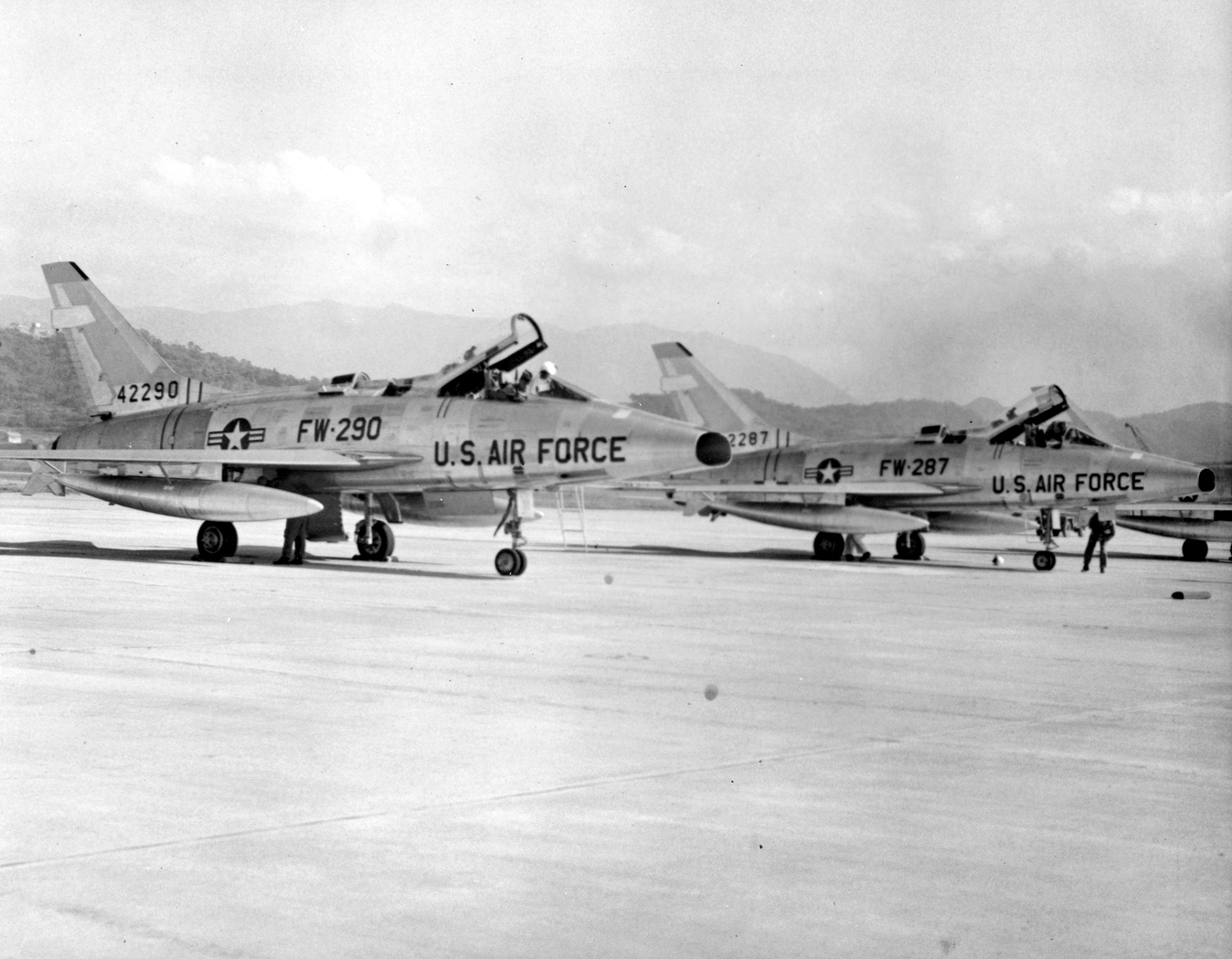
F-100 pilots of the 4514th Combat Crew Training Squadron, Luke AFB, 1961
RB-45 Maintenance men of the 91st Strategic Reconnaissance Squadron

Instructors and students, California School of Aeronautics, 1940

P-12 pilot of the 19th Pursuit Squadron.
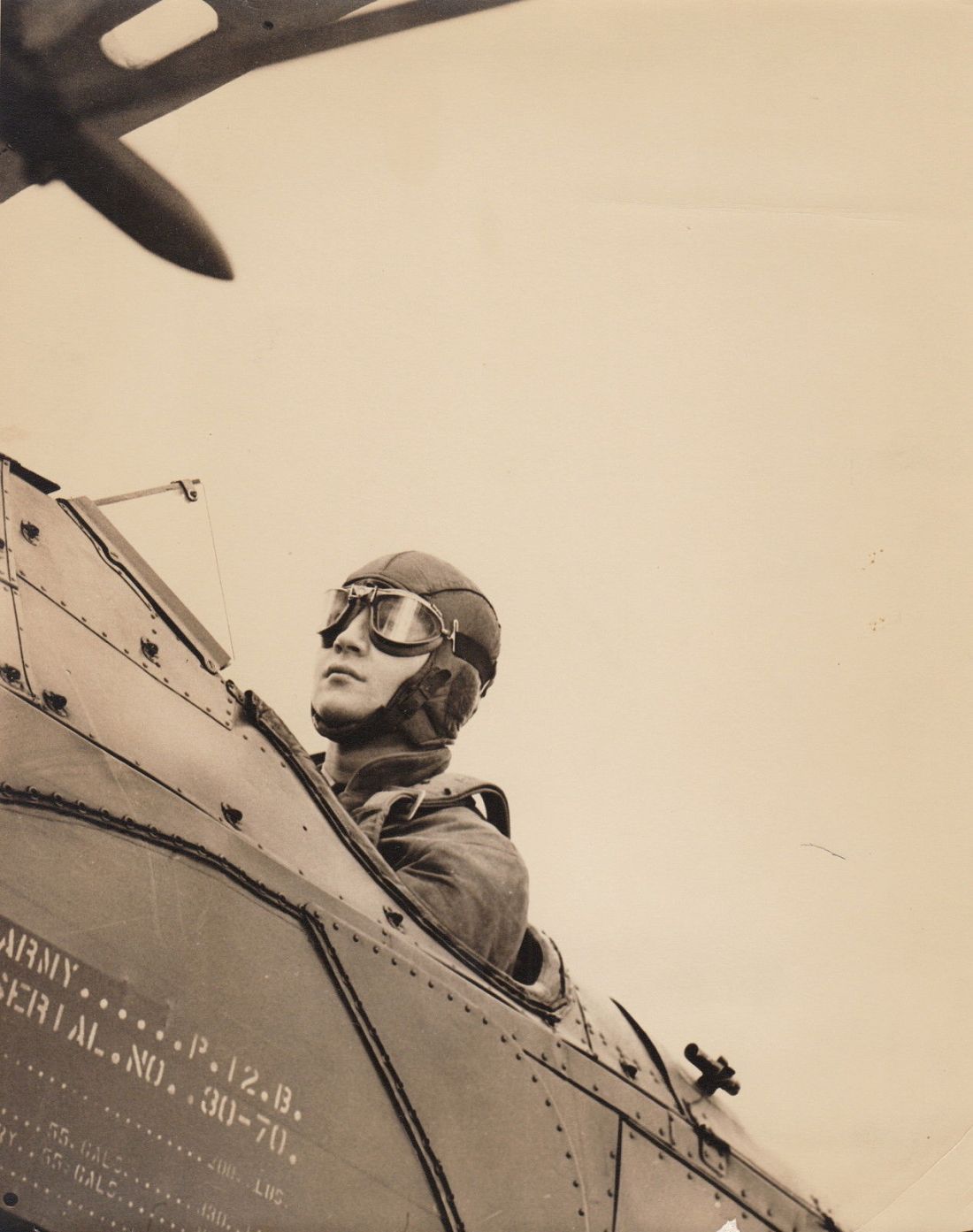
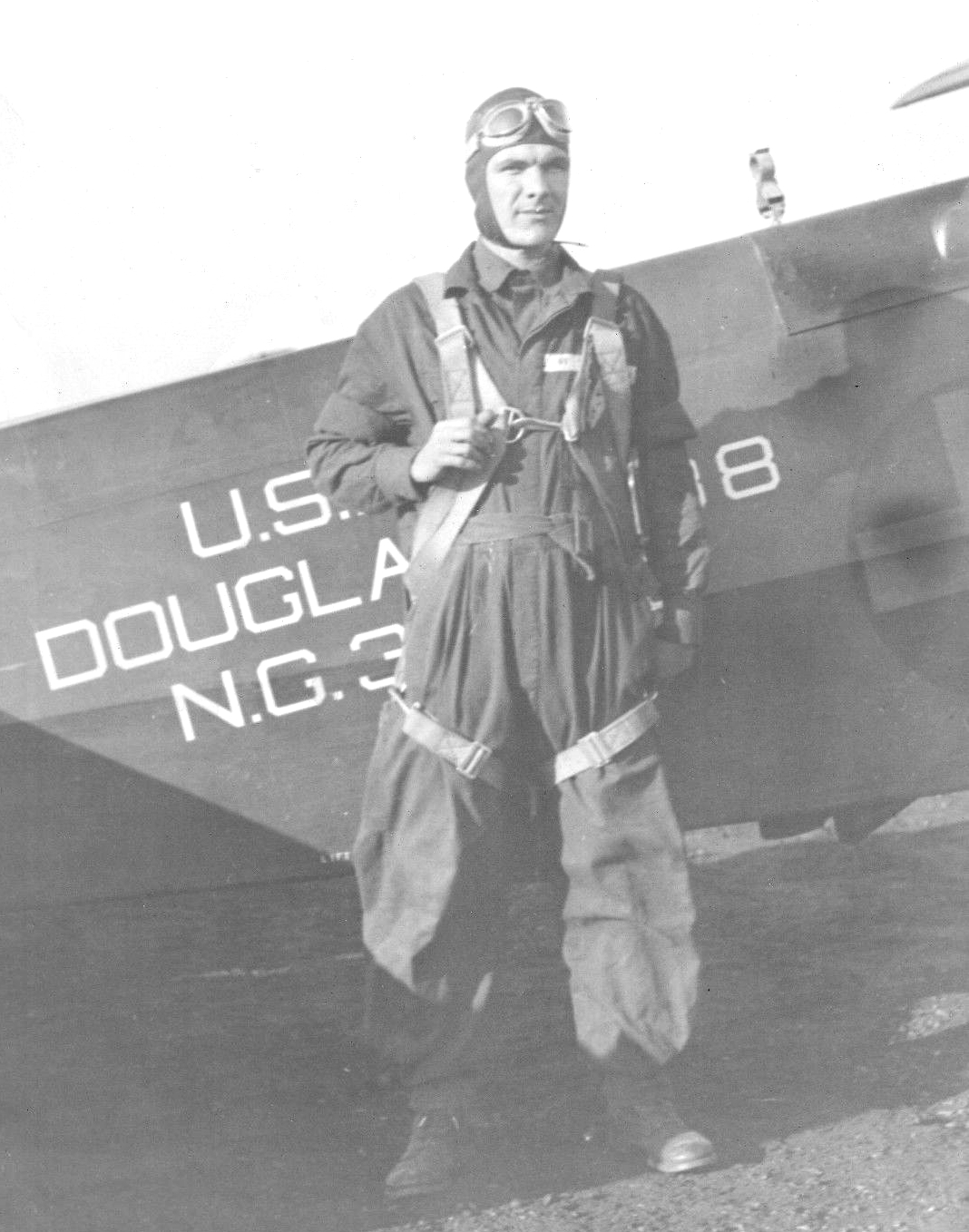
Dashing aviator of the 108th Observation Squadron with his O-38
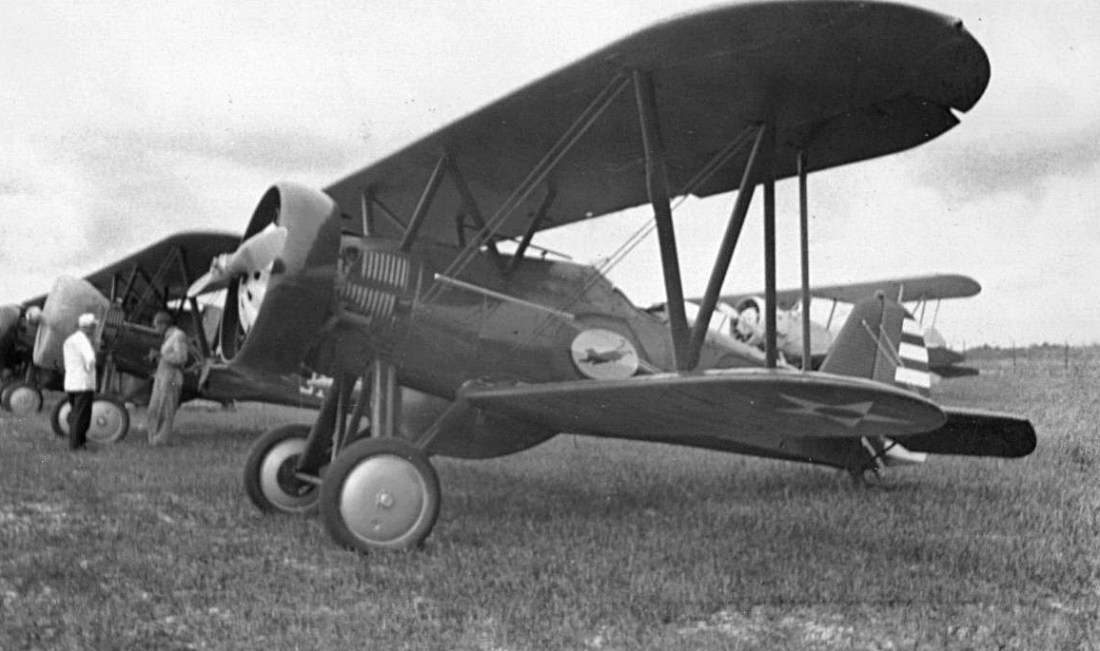
P-12 of the 35th Pursuit Squadron, Mitchel Field
B-2 Condors over Atlantic City
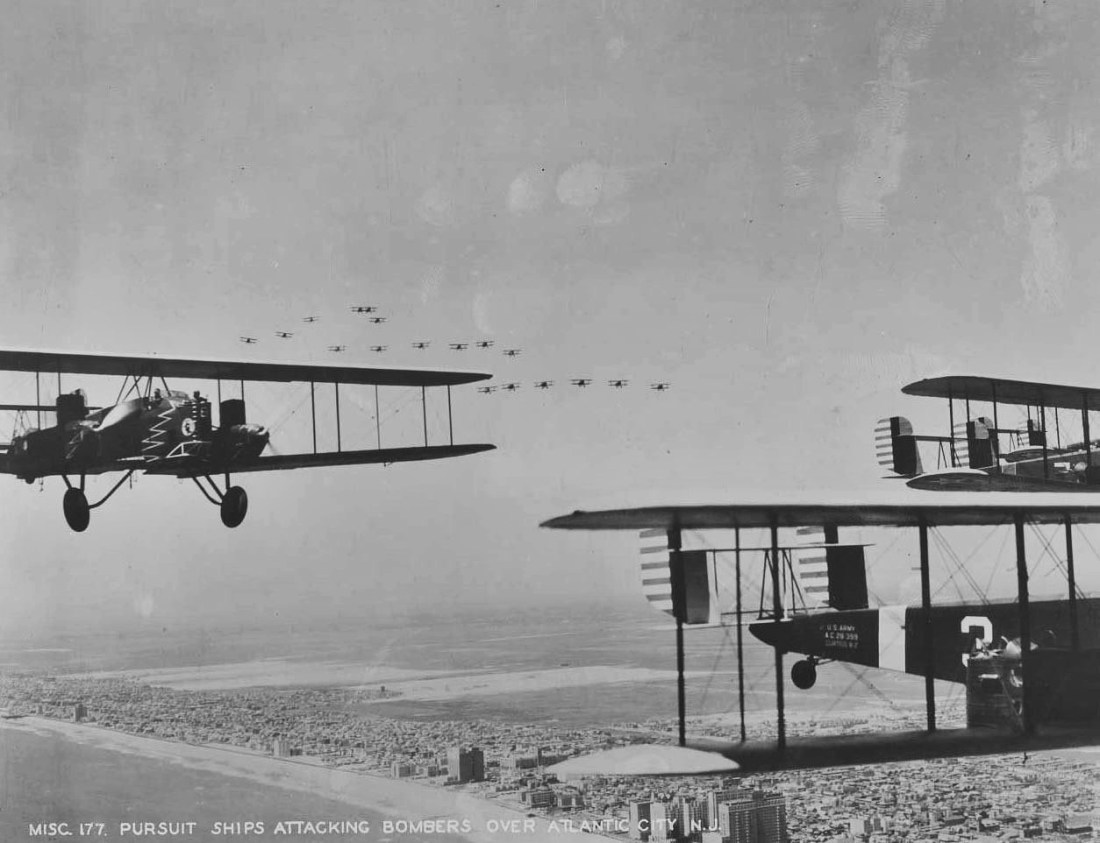
With the Boardwalk in their sights, the 11th Bomb Squadron was moments away from pounding the resort city to flinders. That is until, at least if we read the caption correctly, they were intercepted by the pursuit ships we see stealthily approaching from the southeast.
Lucky guys
 I say “lucky”, but there is always the possibility that when this photo was snapped the instructor was in the middle of giving his student unshirted hell. Either way, great shot of a BT-14.
Pilots of the 105th Observation Squadron pondering the merits of Coca-Cola, September 1940
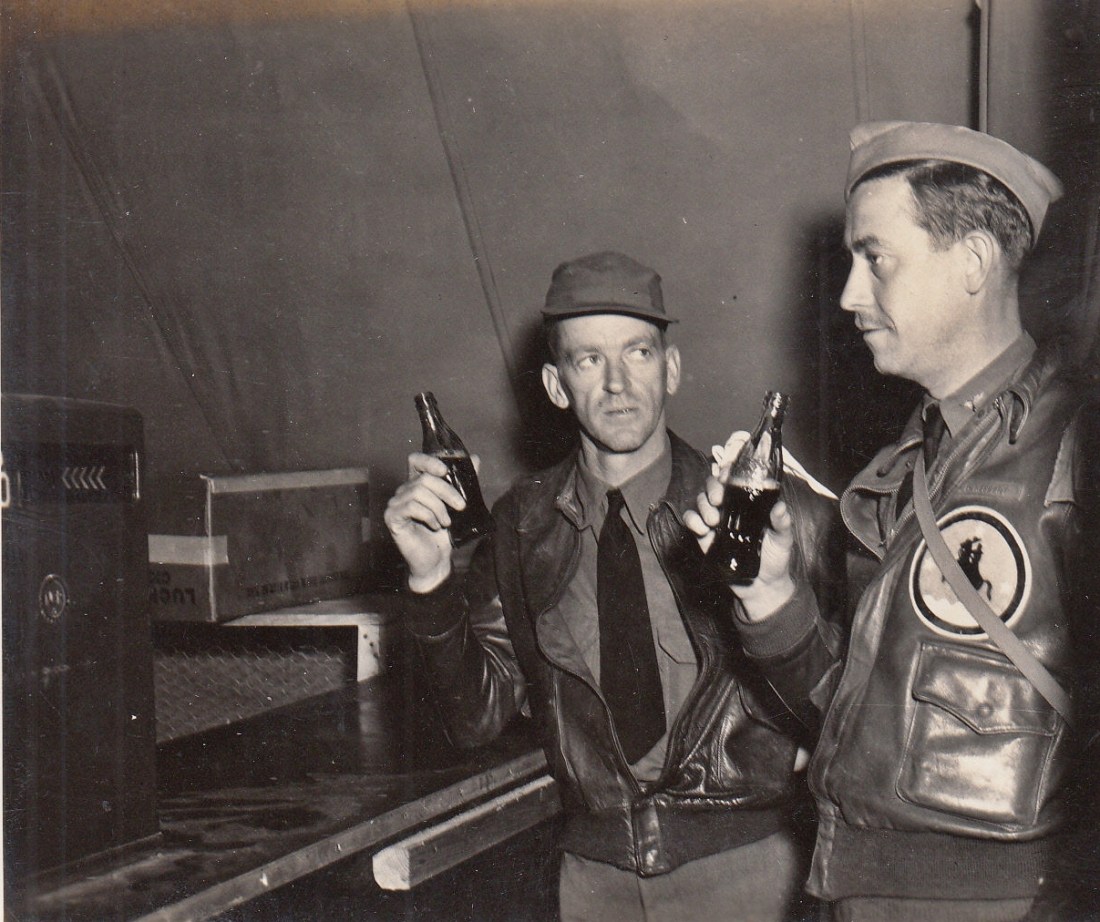
The 105th of the Tennessee National Guard was participating in the Louisiana Maneuvers when these men took a break from buzzing the bayous.
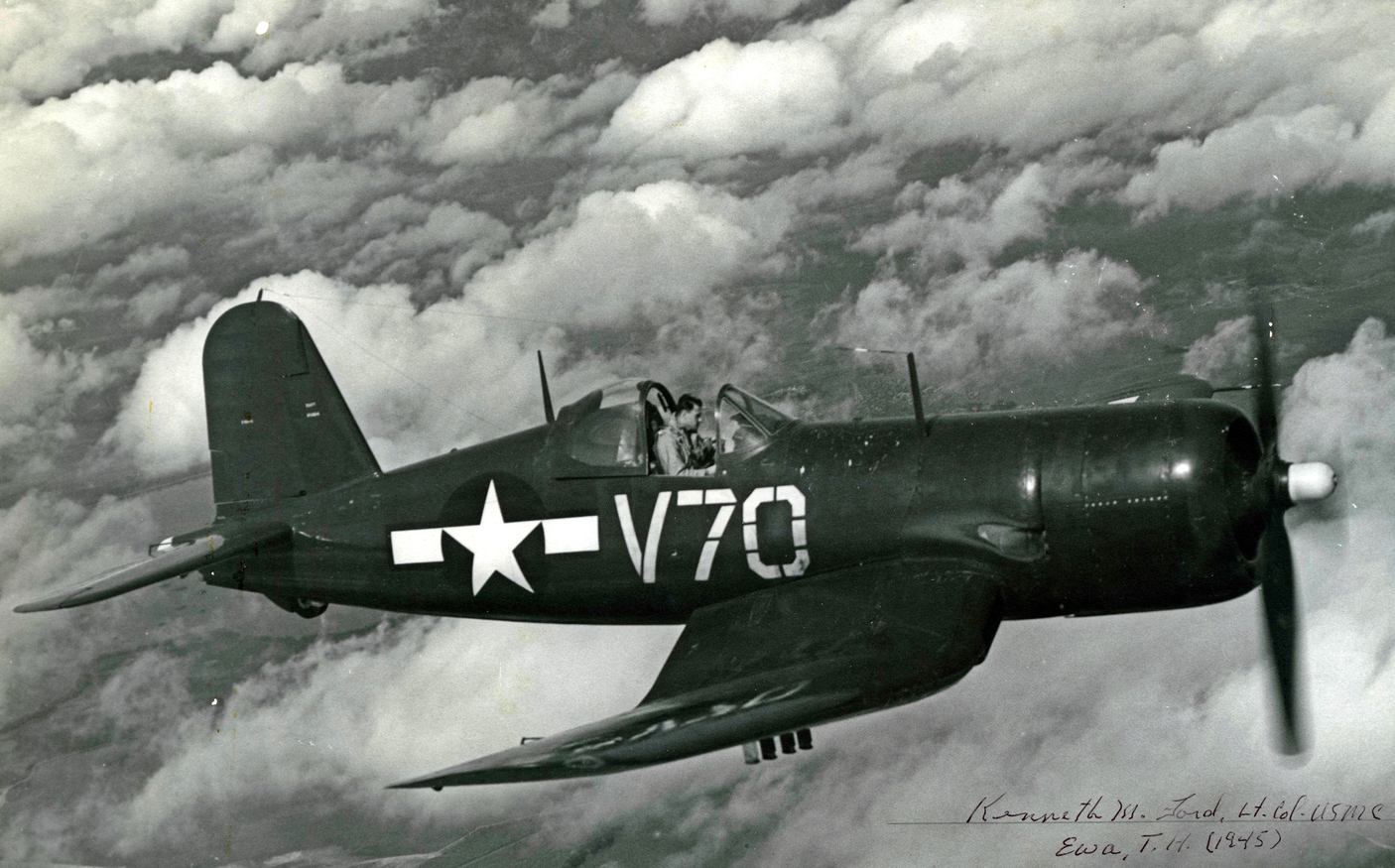
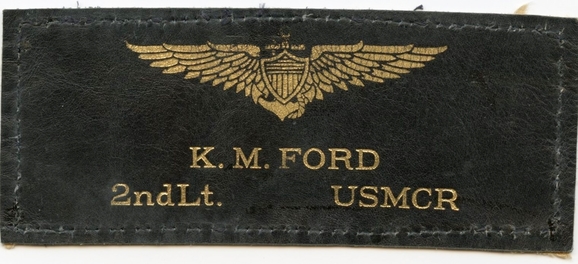
Kenneth Ford, Marine Corps Ace, VMF-121
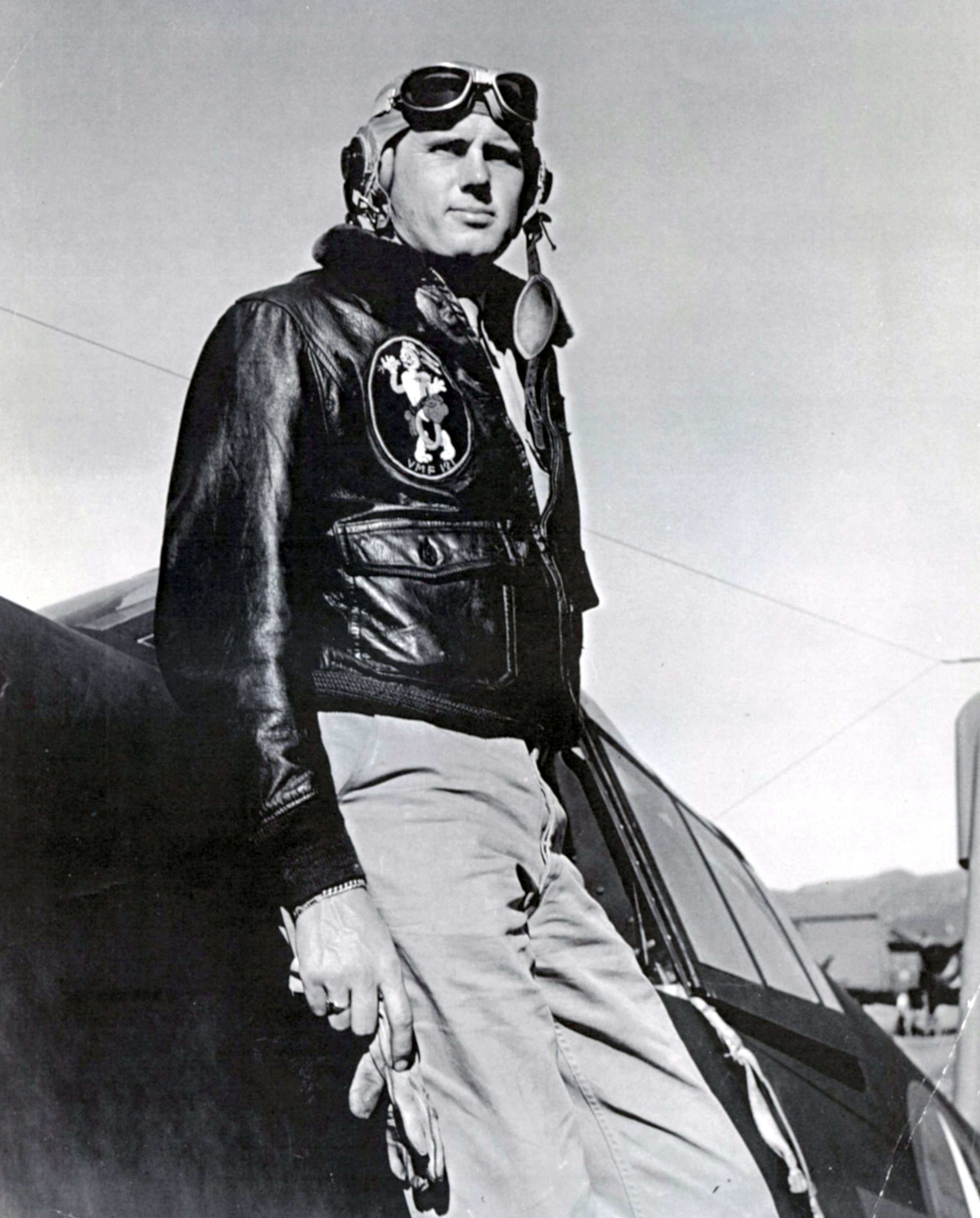
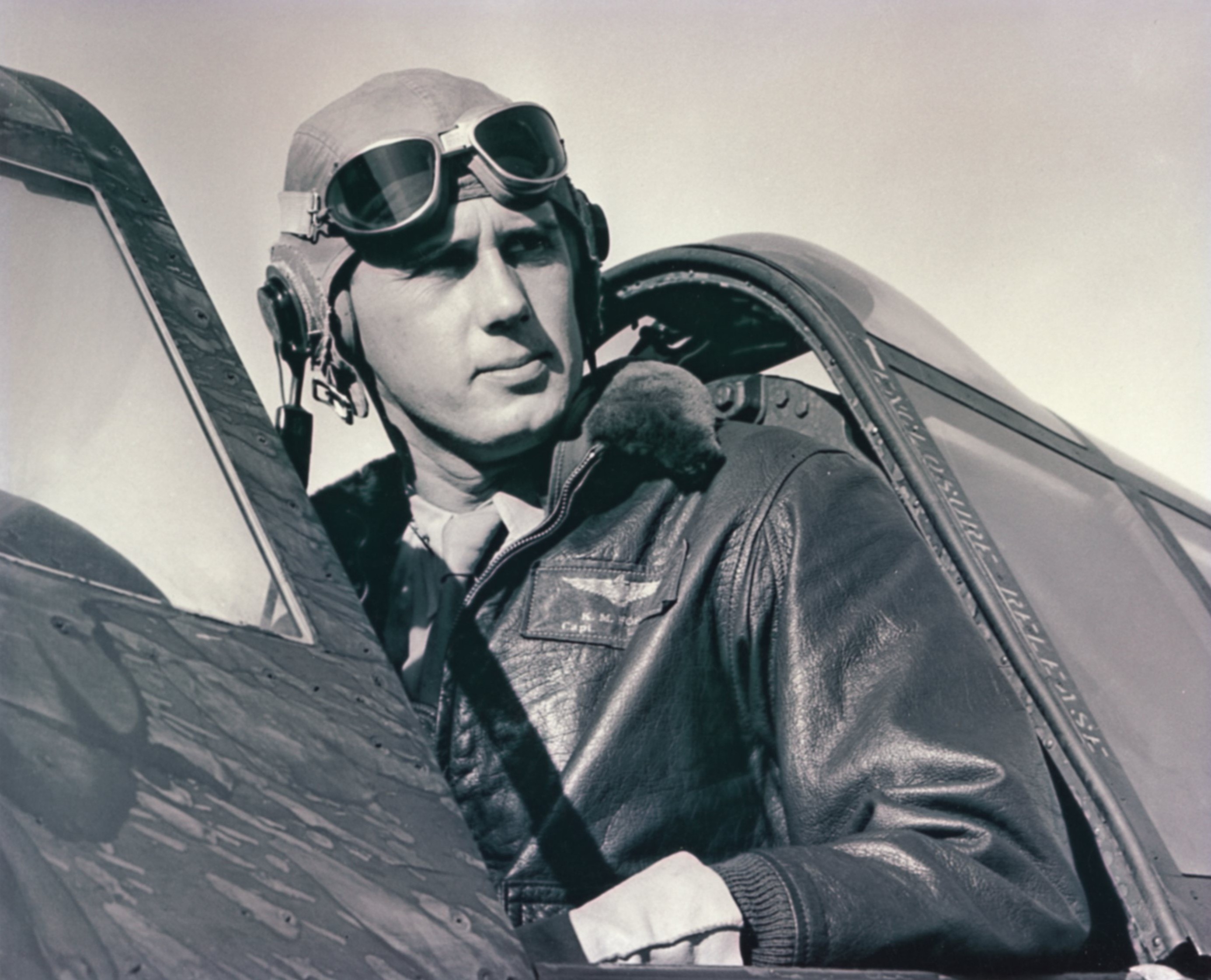
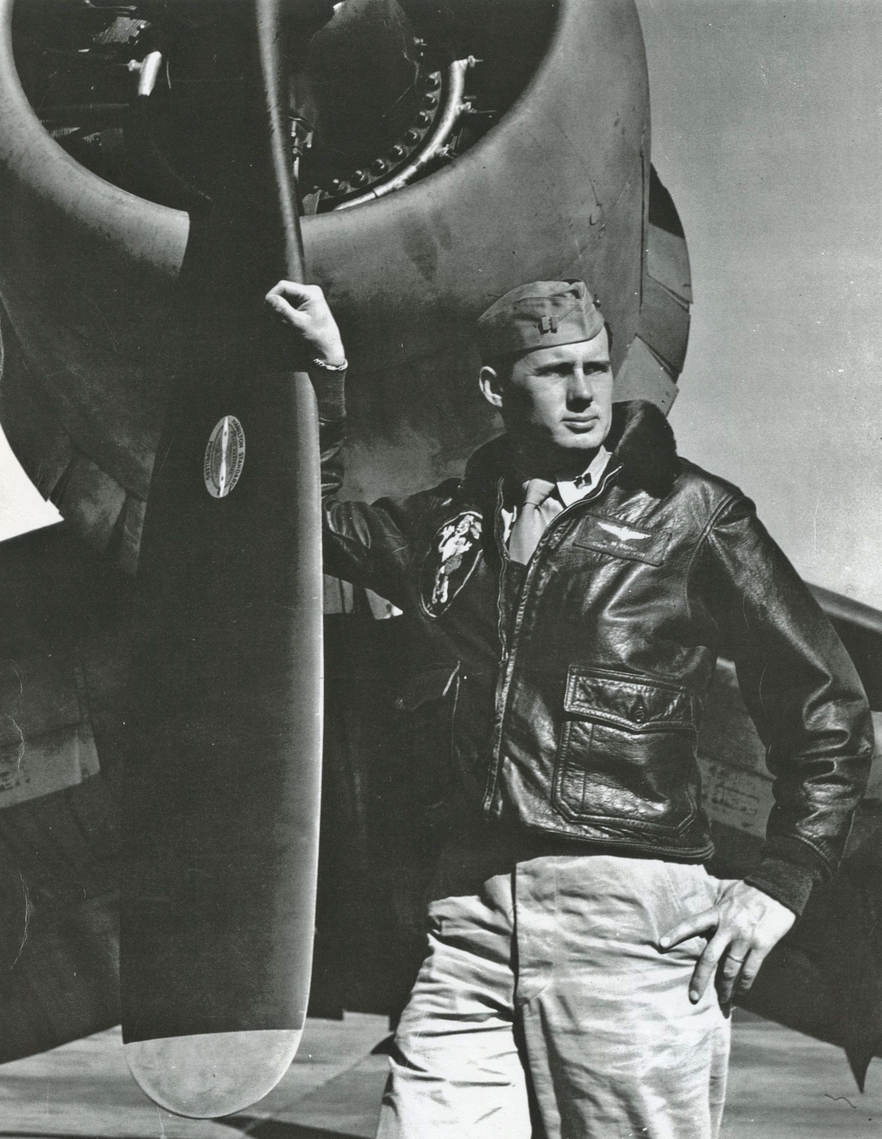
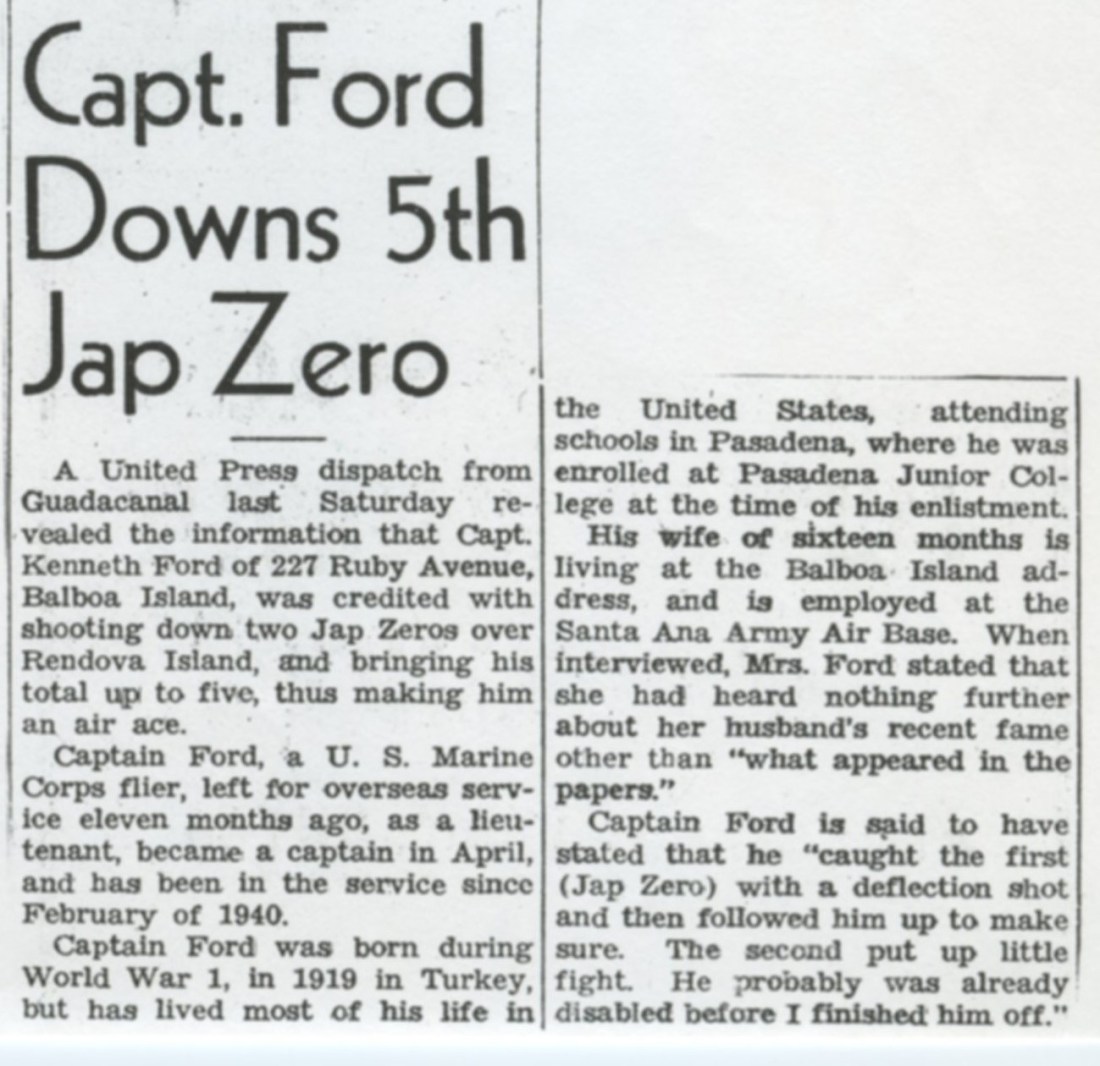
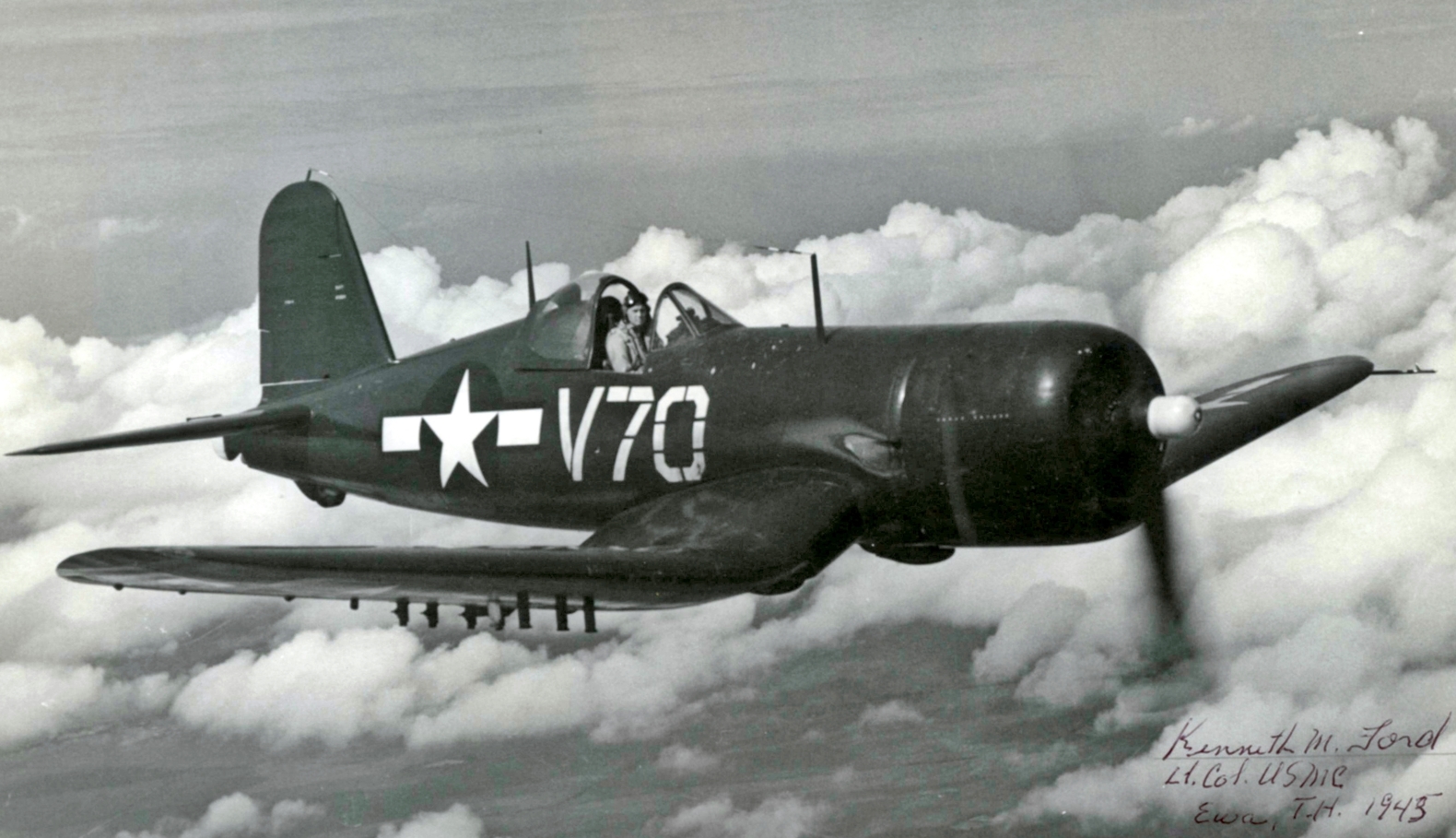
Kenneth M Ford flew with Guadalcanal’s “Cactus Air Force” during the early days of WWII. First seeing action in F4F Wildcats, Ford later shot down five aircraft at the controls of the F4U Corsair. Ford was in the thick of things. Shot down on one occasion, and forced to ditch on others, he never stayed on the ground for long. I got to know the man in later years. His love for the Marine Corps and his Corsairs were something he never tired of talking about.
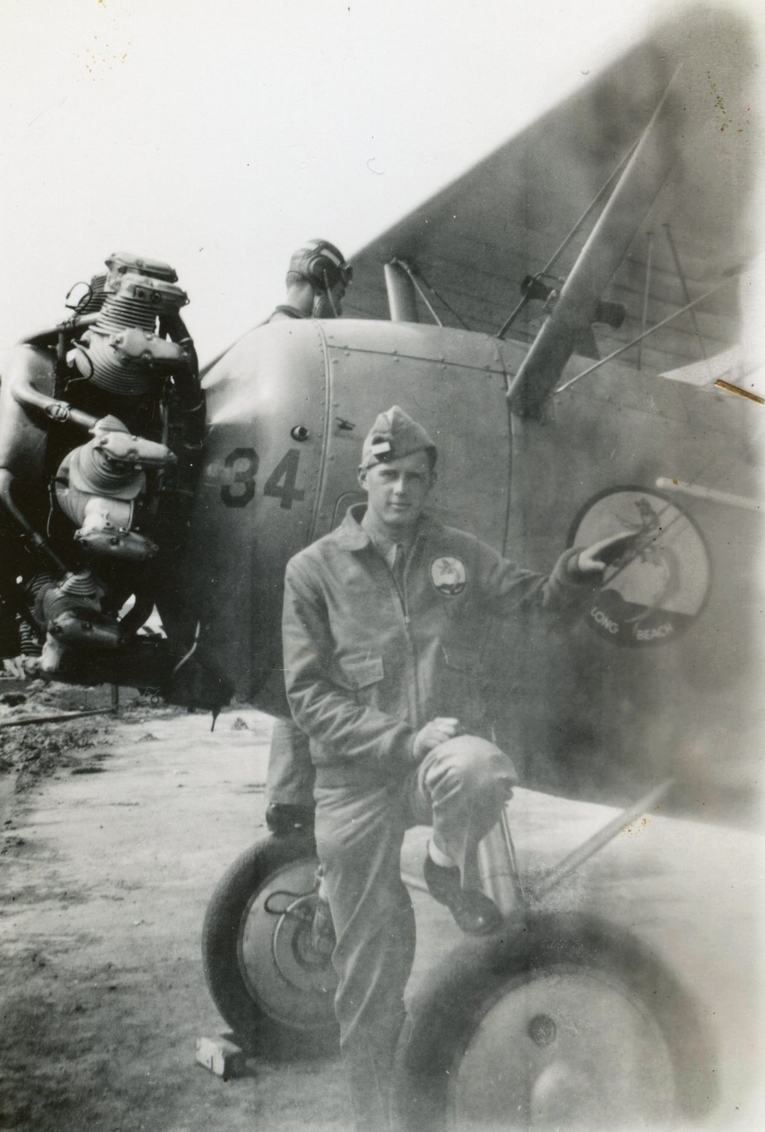
Marine Corps aviation cadet at Long Beach, 1940.
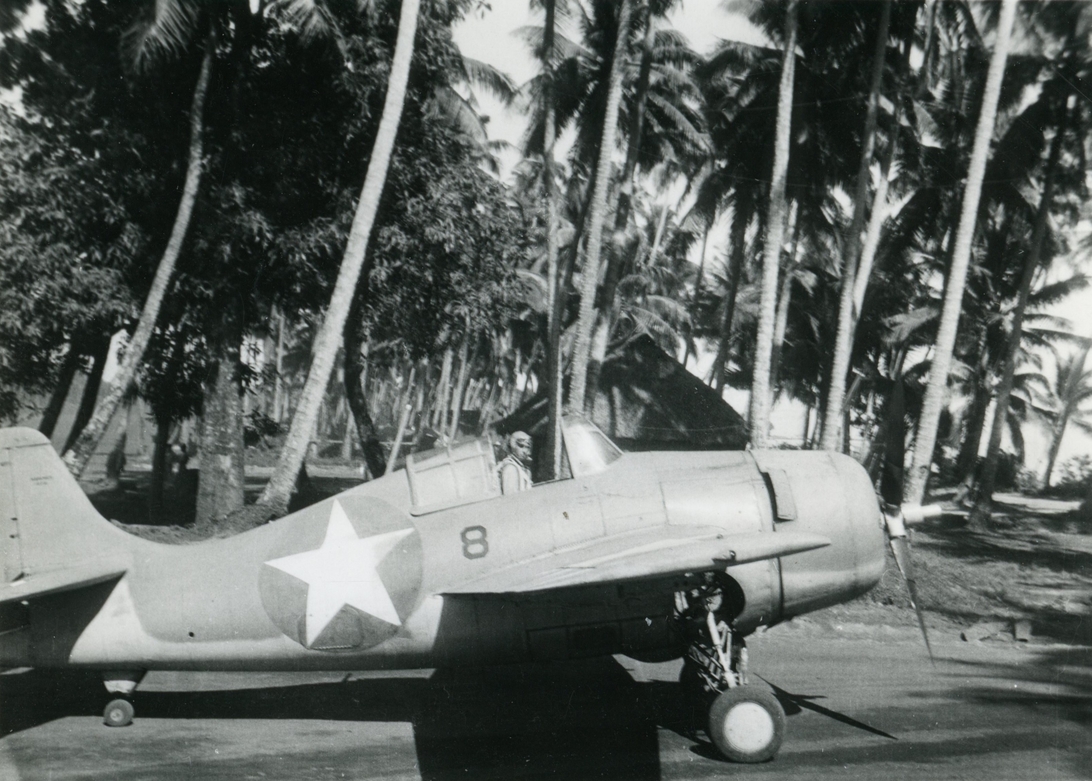
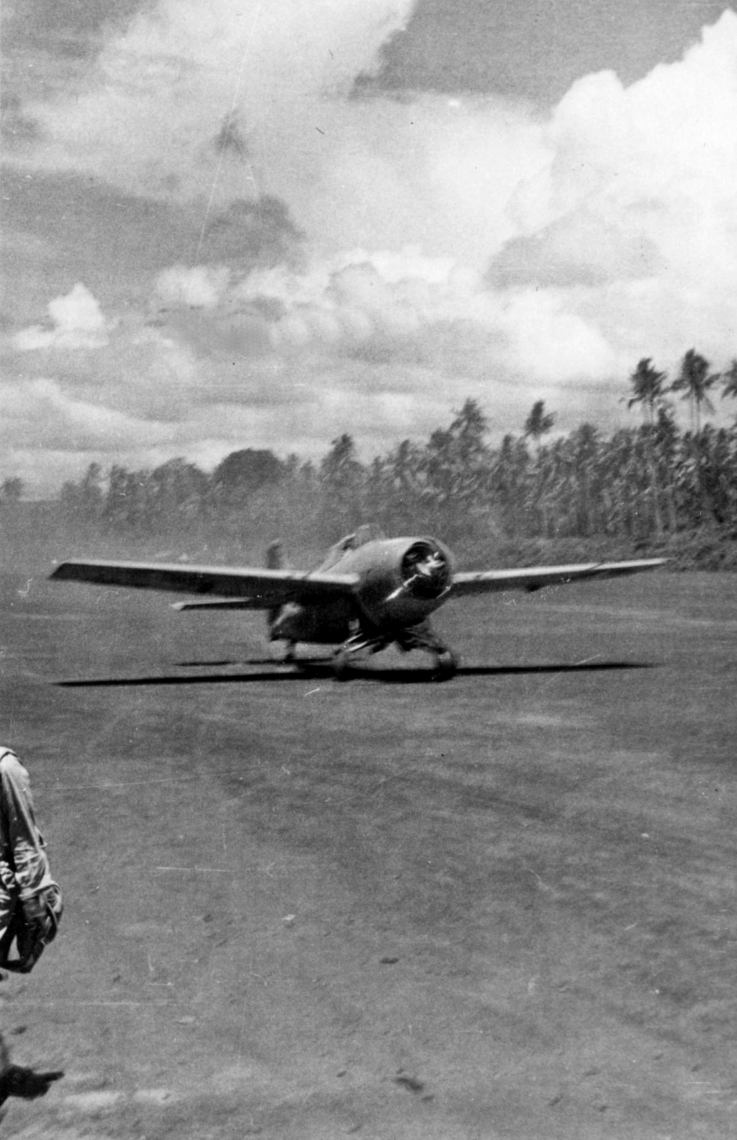
Early days in the South Pacific. The Wildcats Ford flew were ex-USS Lexington aircraft that recovered aboard USS Yorktown at Coral Sea when the former carrier was aflame. Given that the Yorktown had more Wildcats than it needed, the “surplus” Lexington aircraft were handed to the Marines. Pictured are two of those aircraft, F4F-3’s with non-folding wings. The new -4’s (folding wings) had arrived in the fleet, and the older “hard wing” birds were fine by the Marines on land.
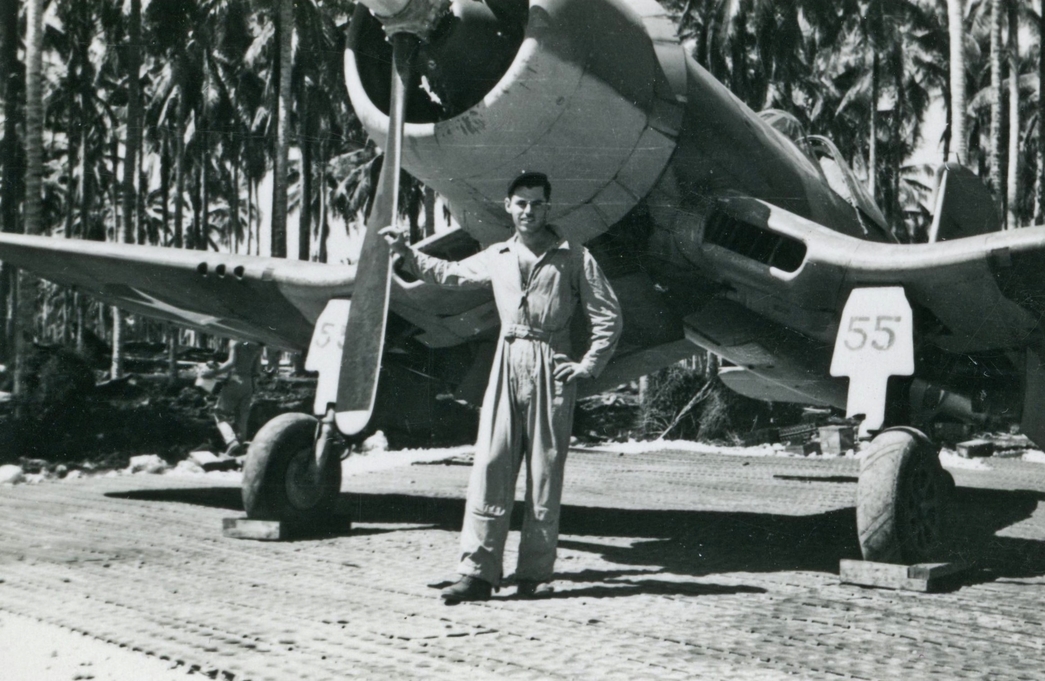

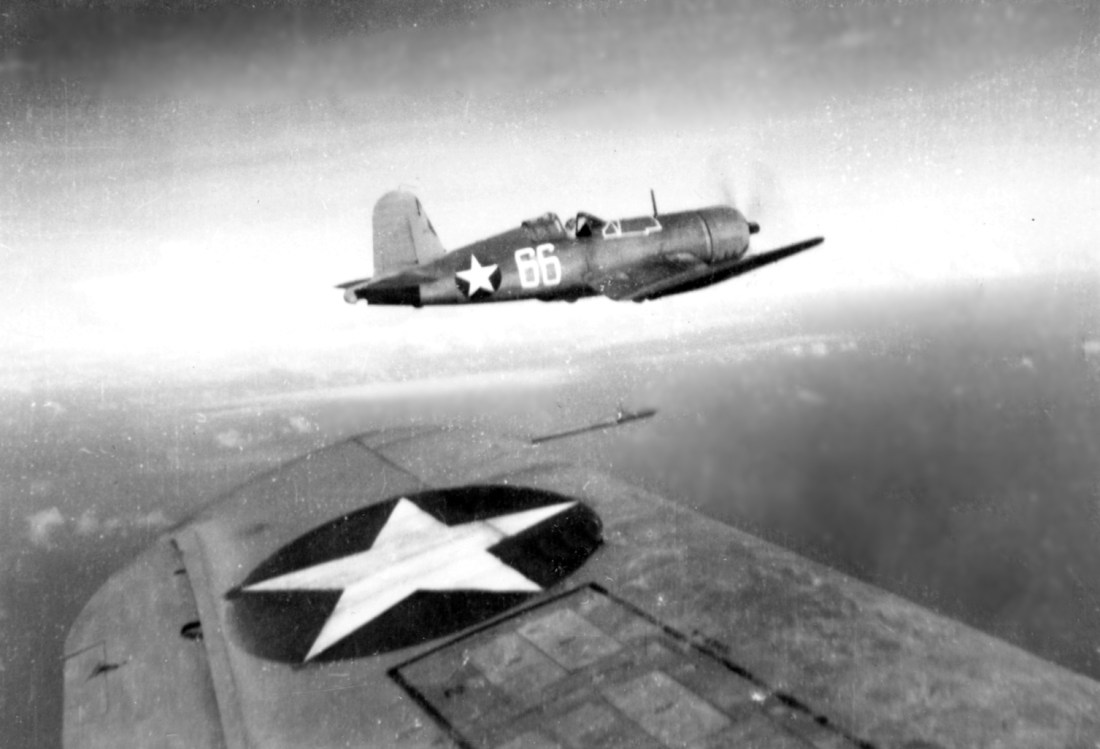
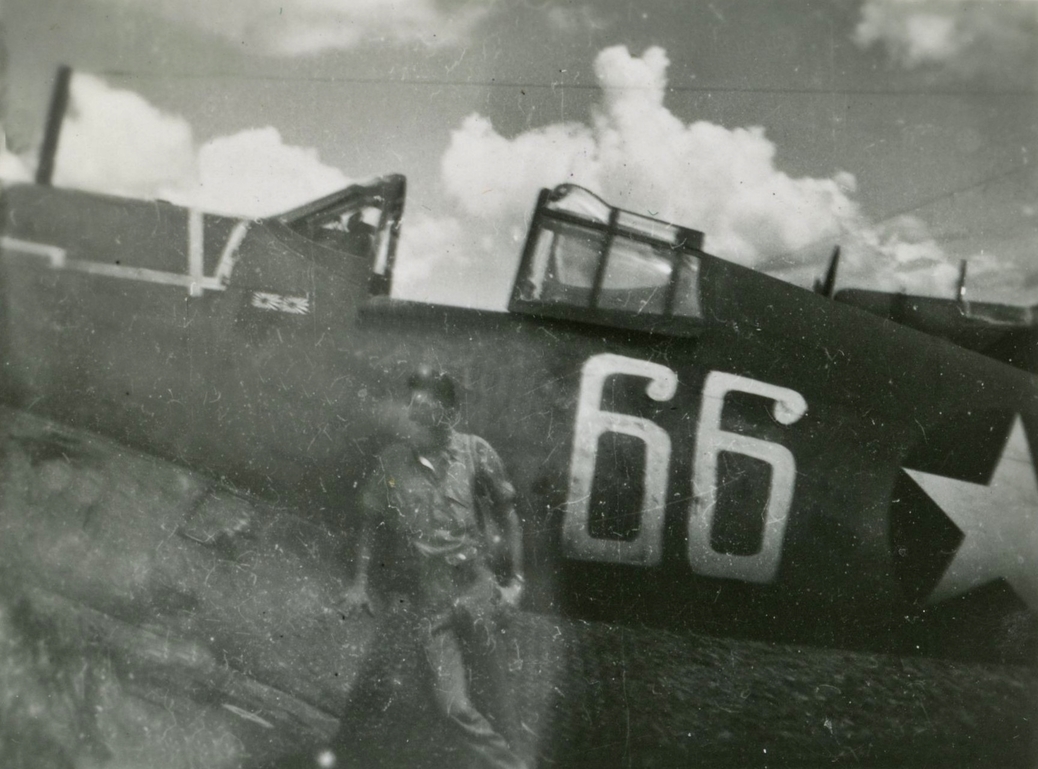
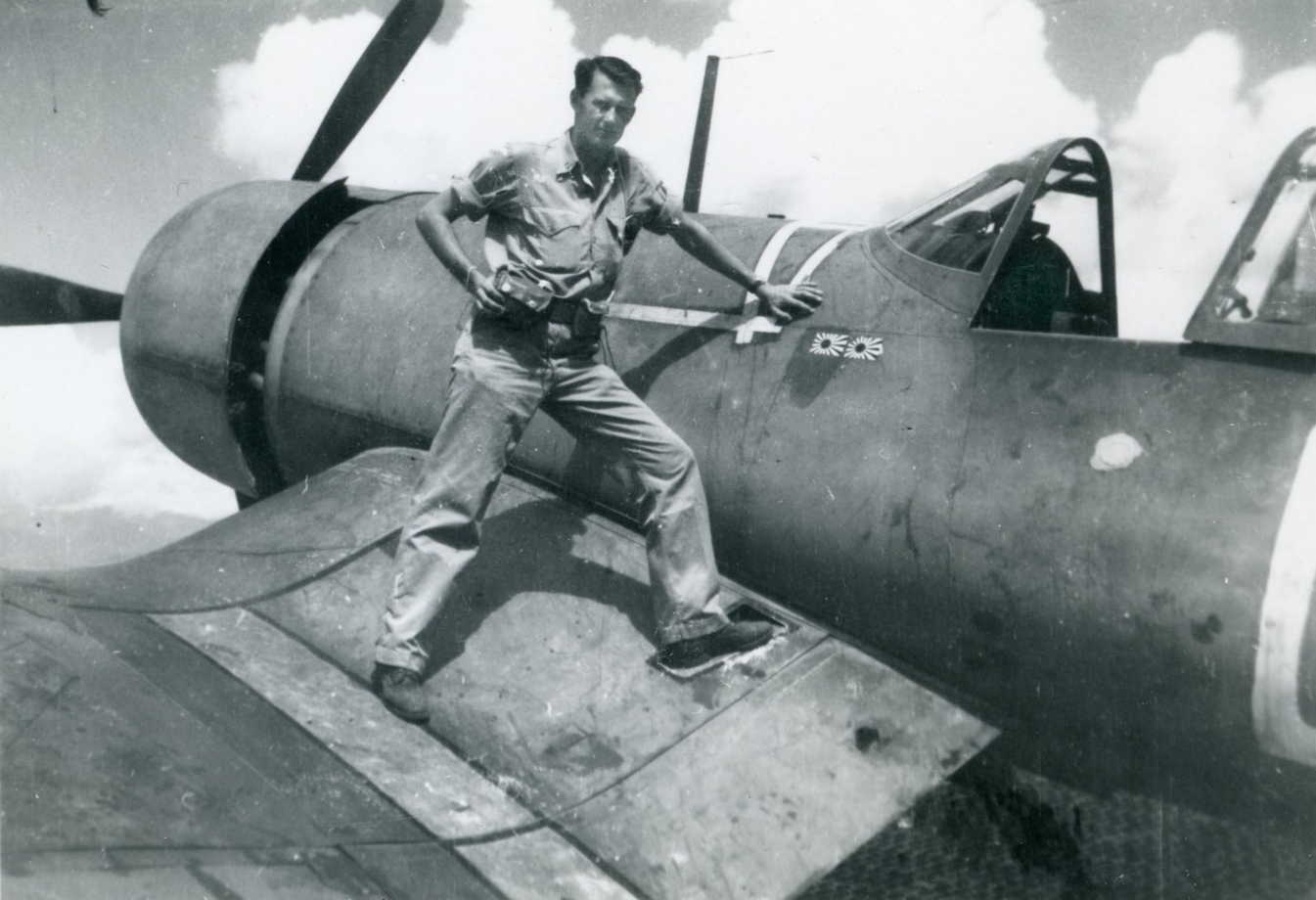
“66” was Ford’s mount when he bagged two Zeros. Taking off from Henderson Field on 12 June 1943, Ford and a flight of eight Corsairs intercepted Japanese fighters over the Russell Islands. Ford had two confirmed, and one probable. Ford told me that squadron mate Joe Foss was a great instructor. “I listened – we all listened – to Foss. When it came to air combat tactics, he was always right. When I first saw Zeros face to face, I was hopped-up and nervous, but boy, was I prepared.”


Colonel William F. Barns brings the first F-100 to Itazuke.

The arrival of the Mach busting Super Sabre was obviously big news. Interesting in that Barns is wearing a USN vest.
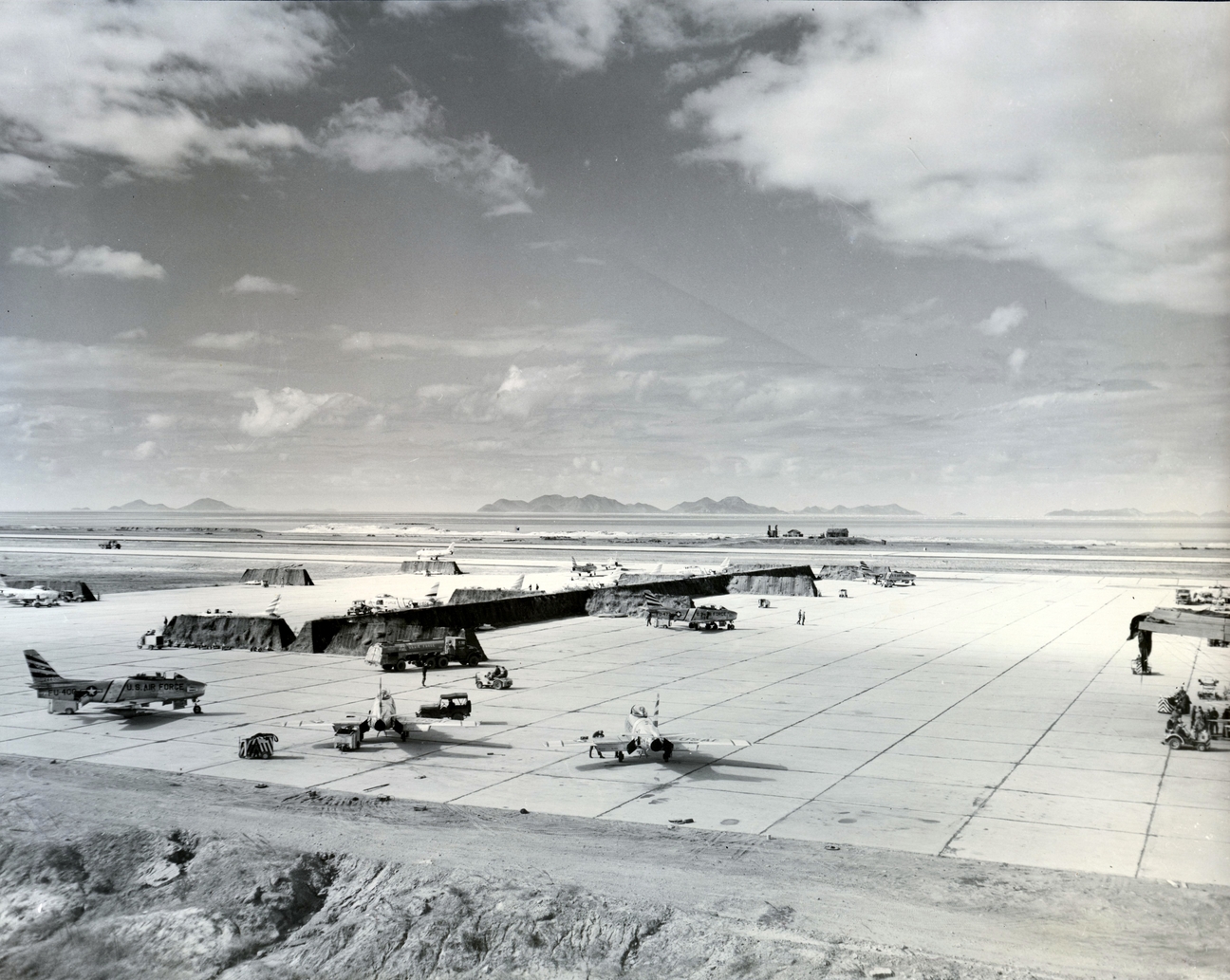
F-86’s of the 68th Fighter Interceptor Squadron.

No idea what the occasion is, but it was a pleasant enough one.
The dawn of an era: The P-3 Orion makes its debut in 1962
The first issue of Lockheed’s product support magazine for the P-3, Nov-Dec 1962. Front and back cover.


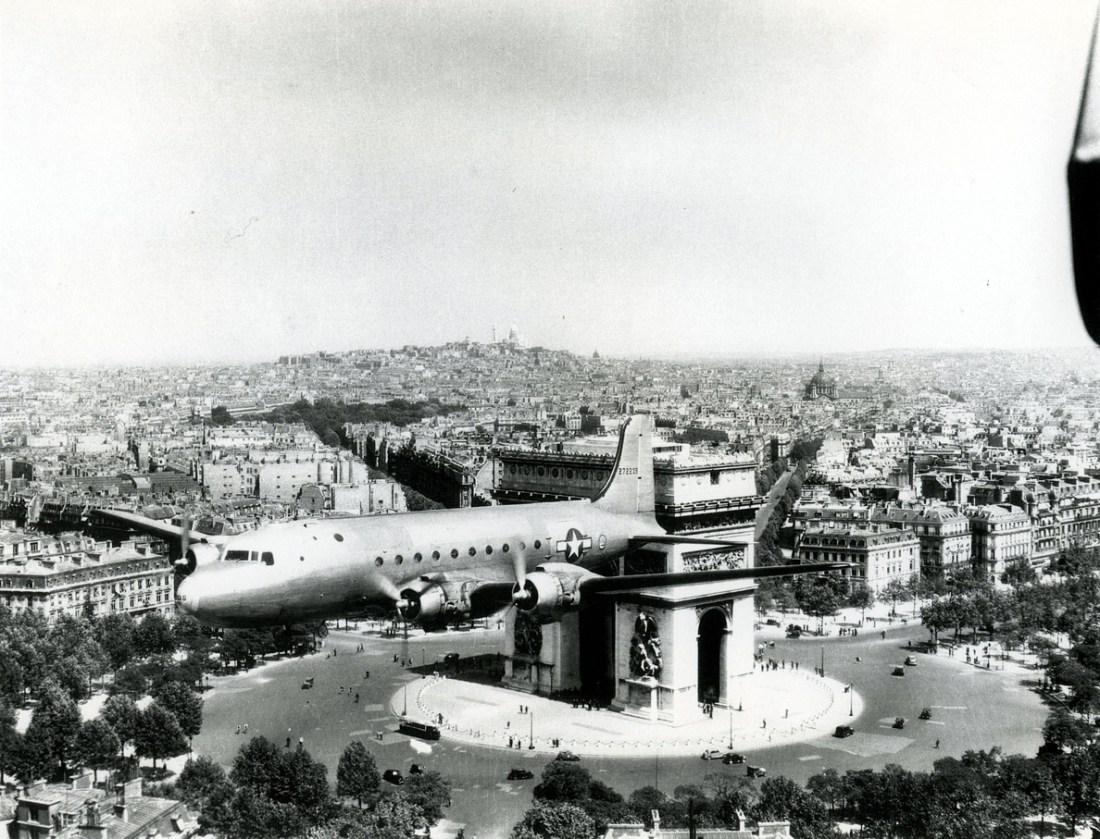
Another installment in the series “Ya can’t do that anymore.” Place de l’Étoile, Paris, 1944

 The Jive Bomber