






B-25, 1st Air Commando Group
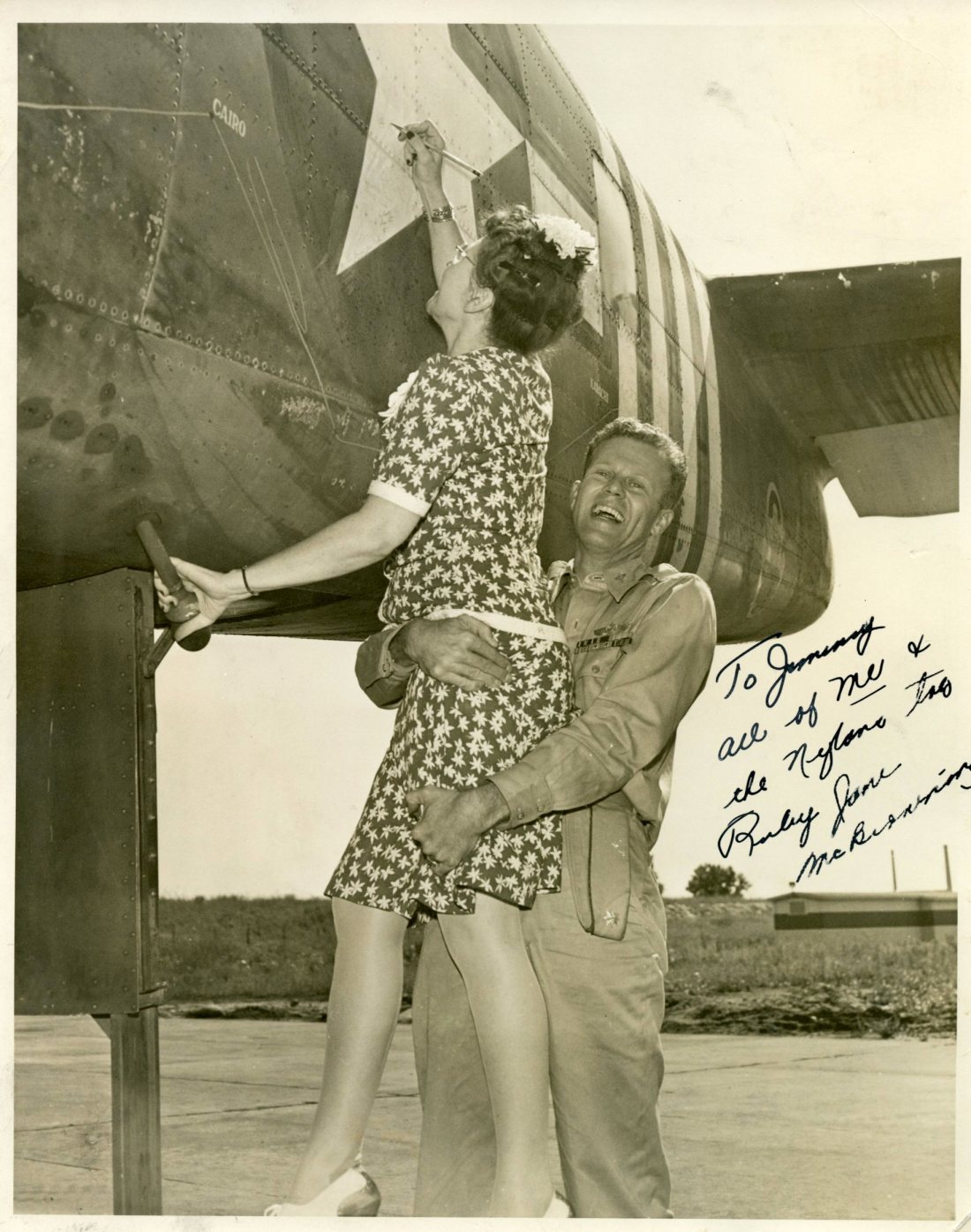
In what is obviously a stateside publicity shot, a recently returned B-25 is autographed by a perky Ruby Jane held aloft by one happy pilot.
Kawasaki Ki-61
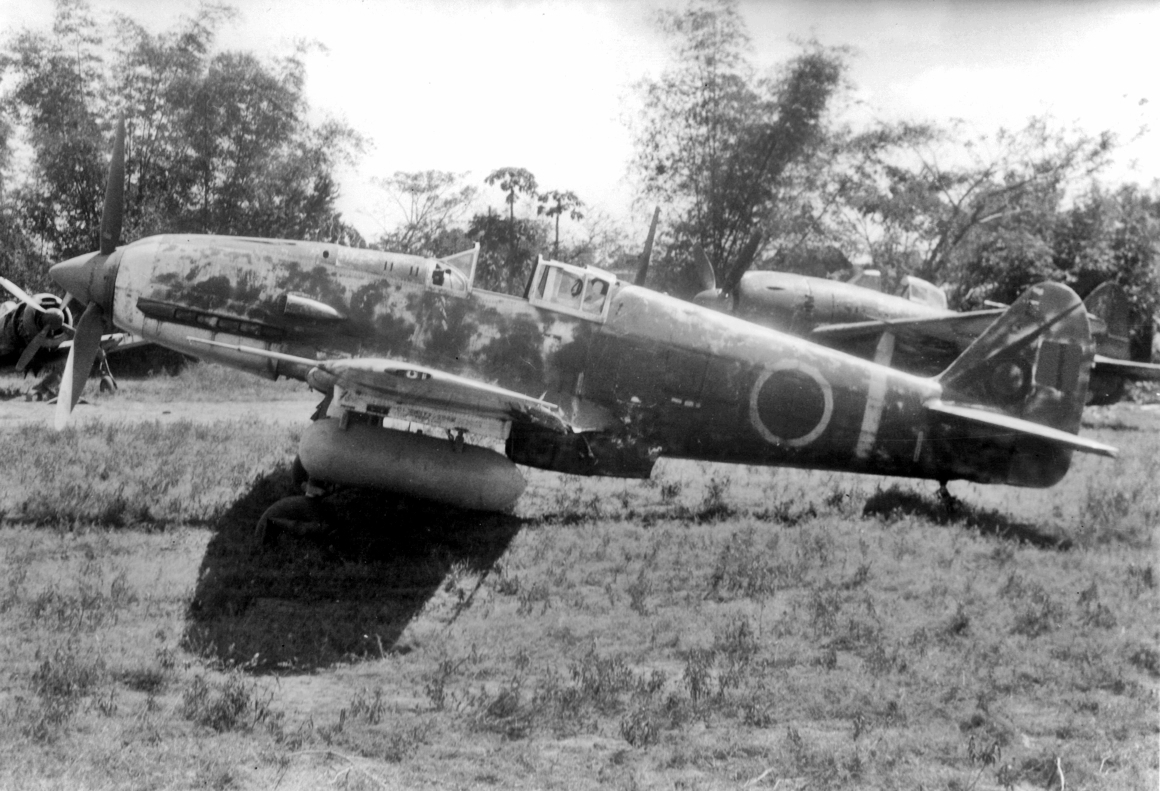
The Ki-61 was a solid performer, but was not built in great numbers. Good looking aircraft.
Ki-45 Toryu

Known on the Allied side as “Nick”, the Ki-45 was a speedy and versatile aircraft. The name “Nick” is nowhere near as imaginative as the aircraft’s Japanese name: “Toryu” (“Dragon Slayer”).
Kawasaki Ki-60

Here are every Kawasaki Ki-60 that was ever built. Despite its rather pleasing appearance, the Ki-60 was plagued by difficulties and poor performance. However, it did lead to the more successful Ki-61.
F-106A 56-0464 & F-106B 57-2510
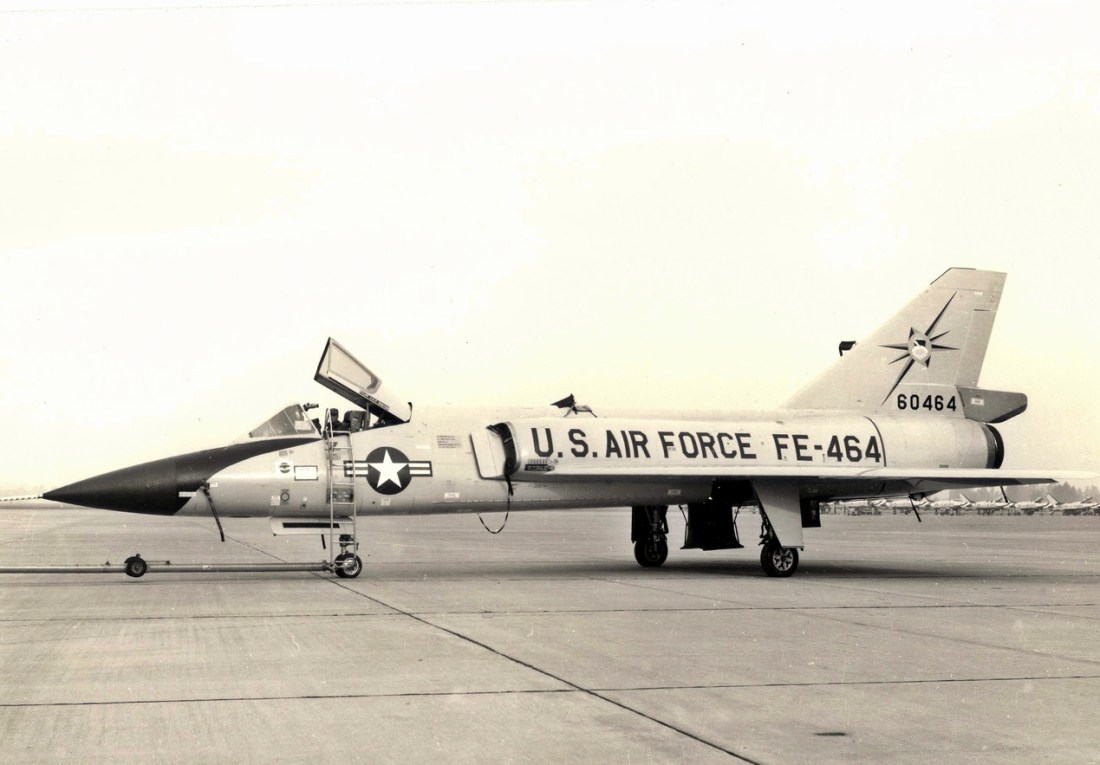
Sporting the insignia of the 325th Fighter Wing (Air Defense), 464 was photographed at McChord AFB on 19 Oct 1963. F-100’s of the USAF Thunderbirds lurk in the background. 56-0464 crashed 6 Aug ’64, the pilot ejected safely. The wreckage is still scattered in the woods today.

57-2510 is pictured here early in its life wearing the markings of the Air Research and Development Command. It had a long career before going to the boneyard in 1984.
Post-war PBY & crews at the ready

The men are lined up to hear what is undoubtedly some earth-shaking information.
C-119’s at Hickam AFB

Foulois, Arnold, and Spaatz

Foulois was Air Corps boss when he dropped in at March Field in 1932. Arnold commanded the base, Spaatz commanded the March Field based 1st Wing. Given Foulois’s snappy knickers and argyle socks, Arnold seems under-dressed for the occasion. Spaatz, on the right, looks for all the world like a mafia hit-man.
Syd Chaplin Aircraft Corp.
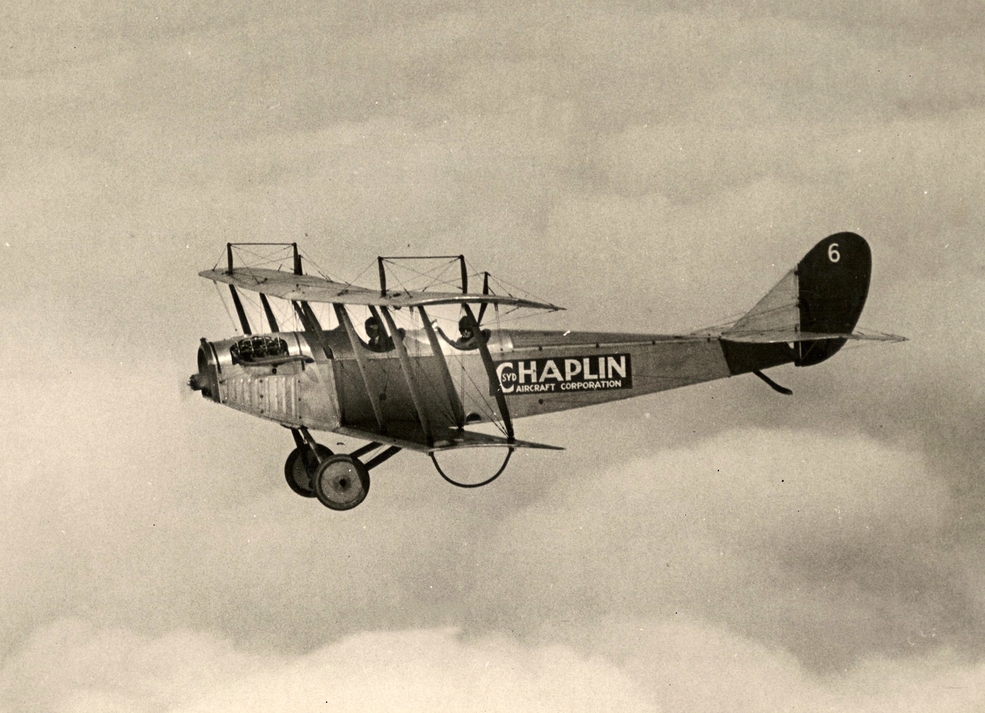
Sydney “Syd” Chaplin was an all-around man: Actor, aviation pioneer, and business manager to his younger half brother, Charlie. (Yes, that Charlie Chaplin) But it was in aviation where he made history in 1919 when he bought a plane and hired pilot Emery Rogers and thus begun the first privately owned domestic American airline.
Things were looking good for Chaplin, but when the pesky government began requiring things like pilot licenses, he got out of the business. The aircraft is, of course, a Curtiss Jenny.
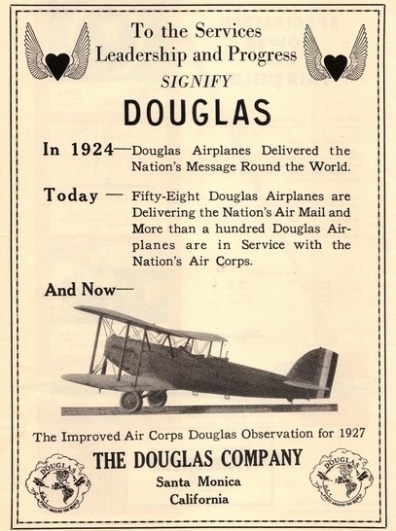
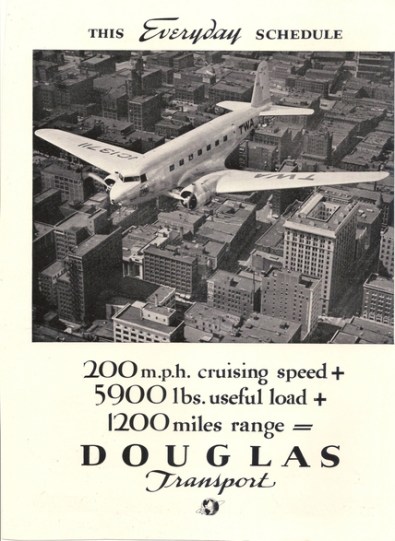
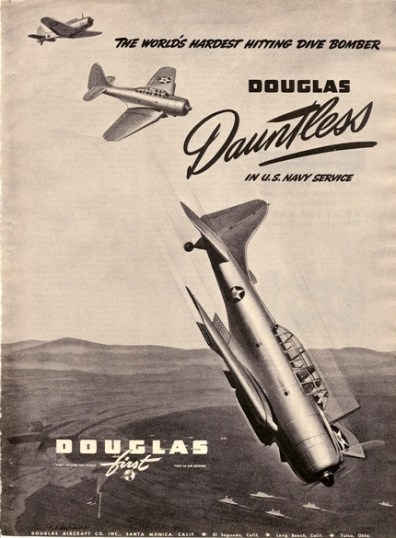
Mixed bag of ads & such

When this PBY ad was seen in 1940, the aircraft was already a seasoned veteran.

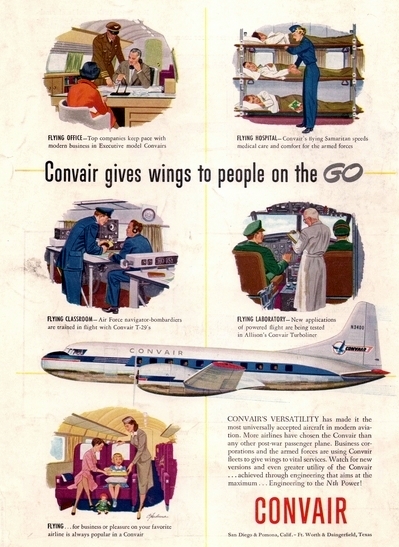
The Convair 37 never made if off the drawing-board.



Official newspaper of Sikorsky, 1930.

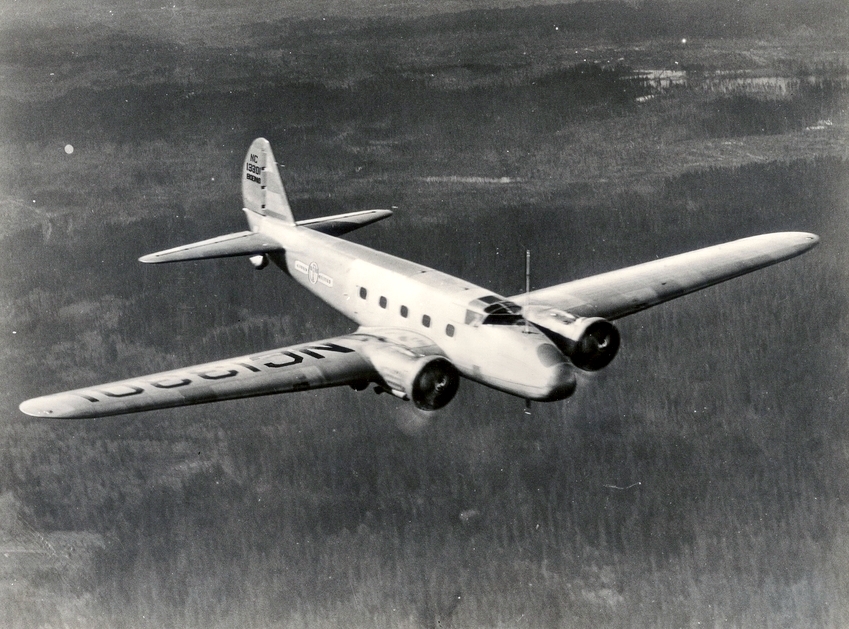
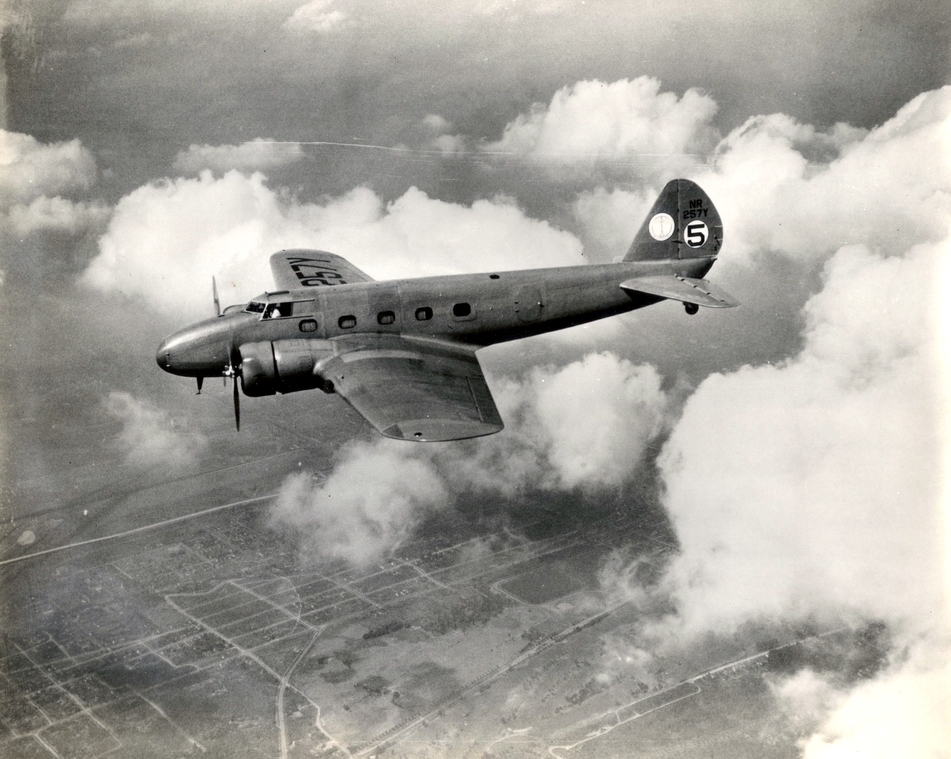
Boeing 247

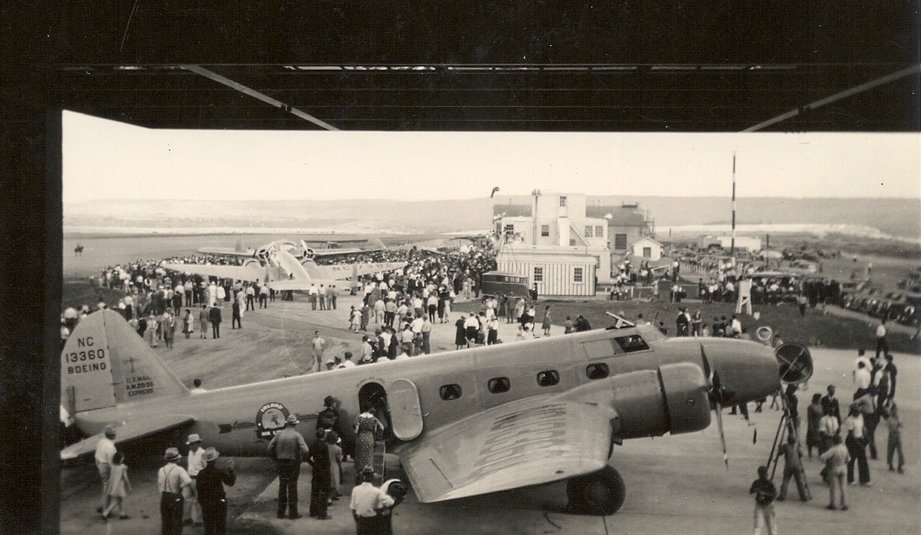
Above are two shots of a 247 belonging to Inland Airlines at Billings, Montana.

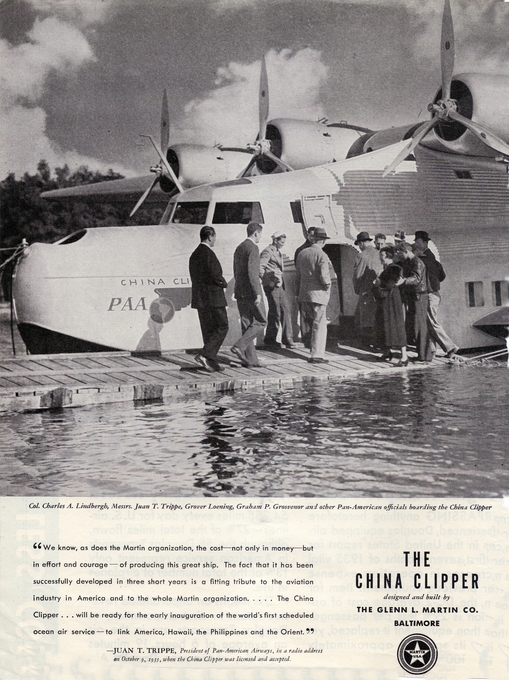
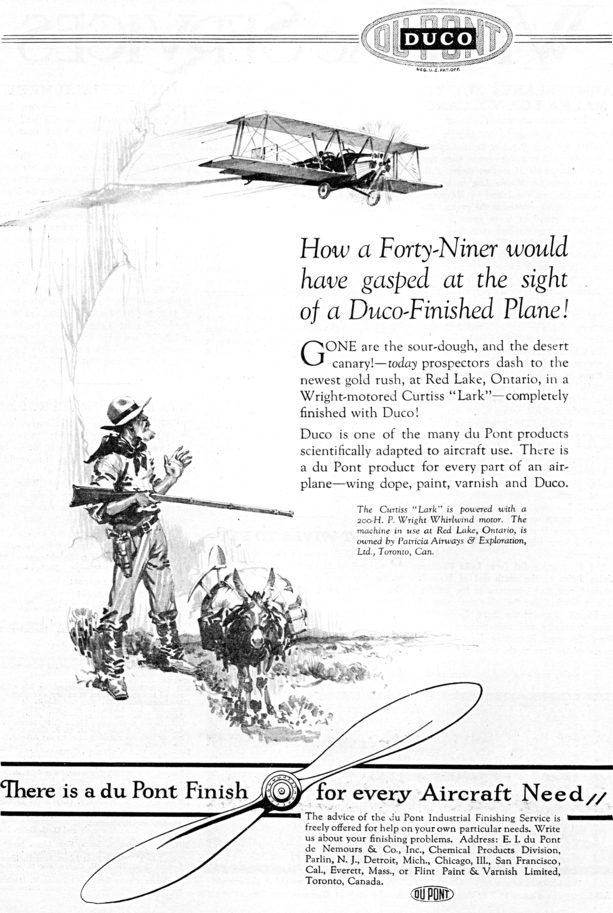
Your daily ad assortment
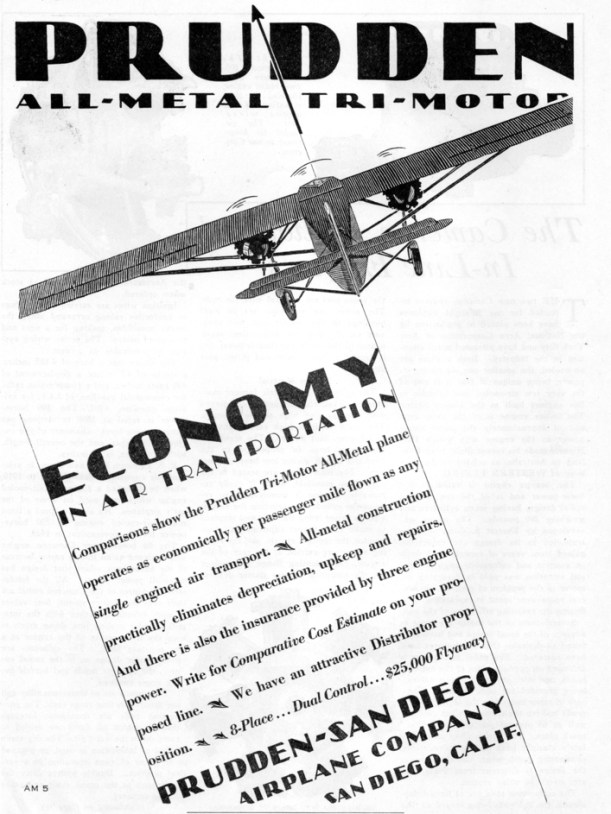

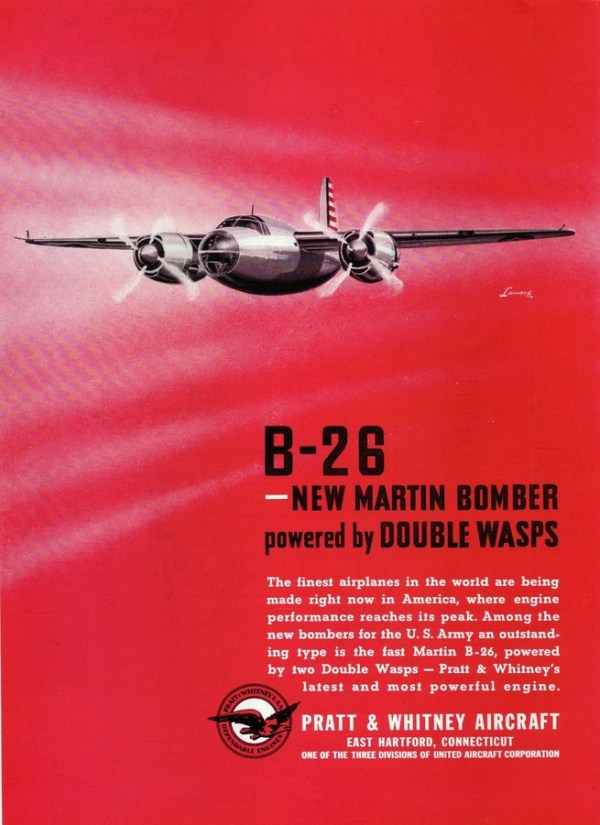
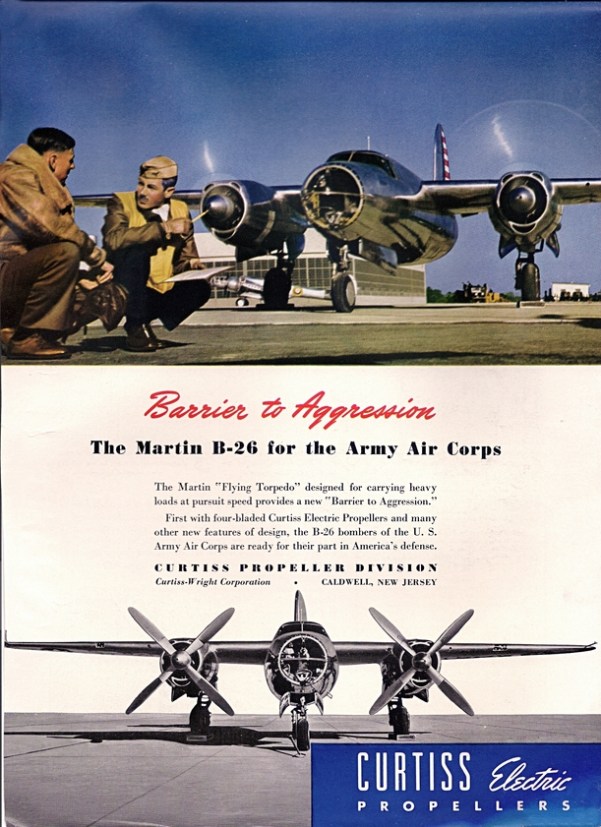
The Boeing XB-15
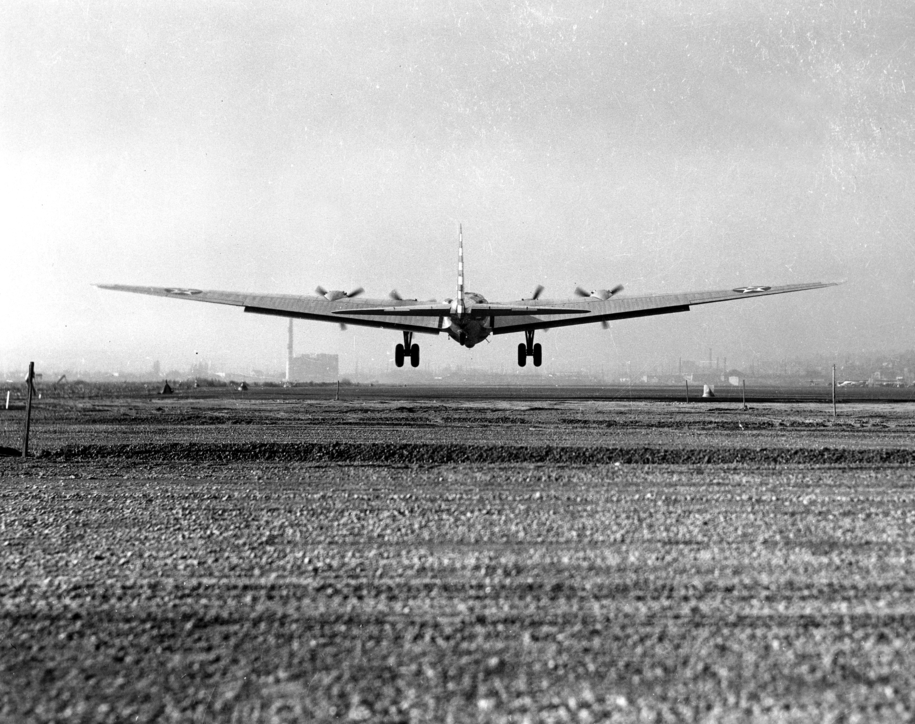
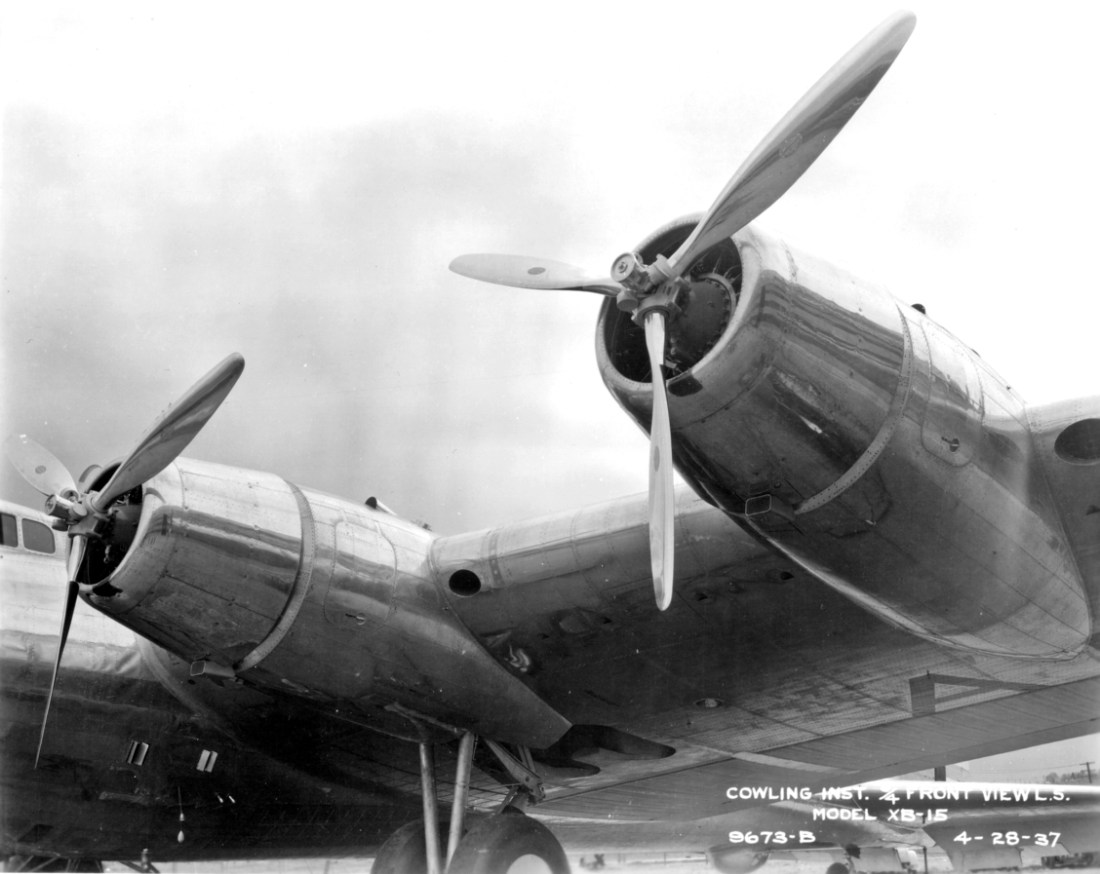


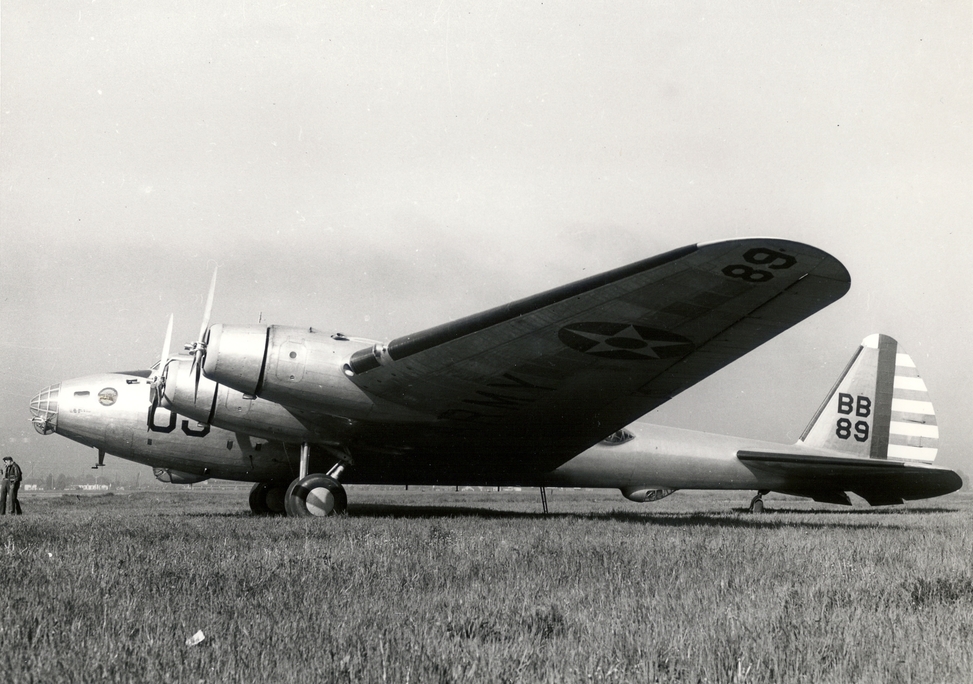
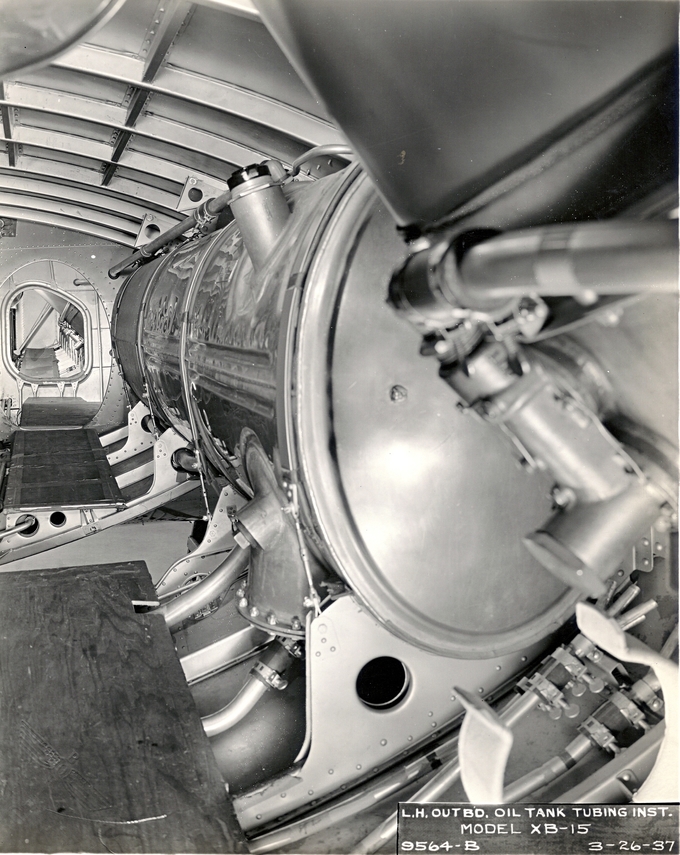
One could be pardoned for thinking this is the fuselage interior of the XB-15. It’s not; it is the interior of the wing.
Two magazines, two eras

Flugsport magazine of November 1921 offers a glimpse at a grand aircraft display.
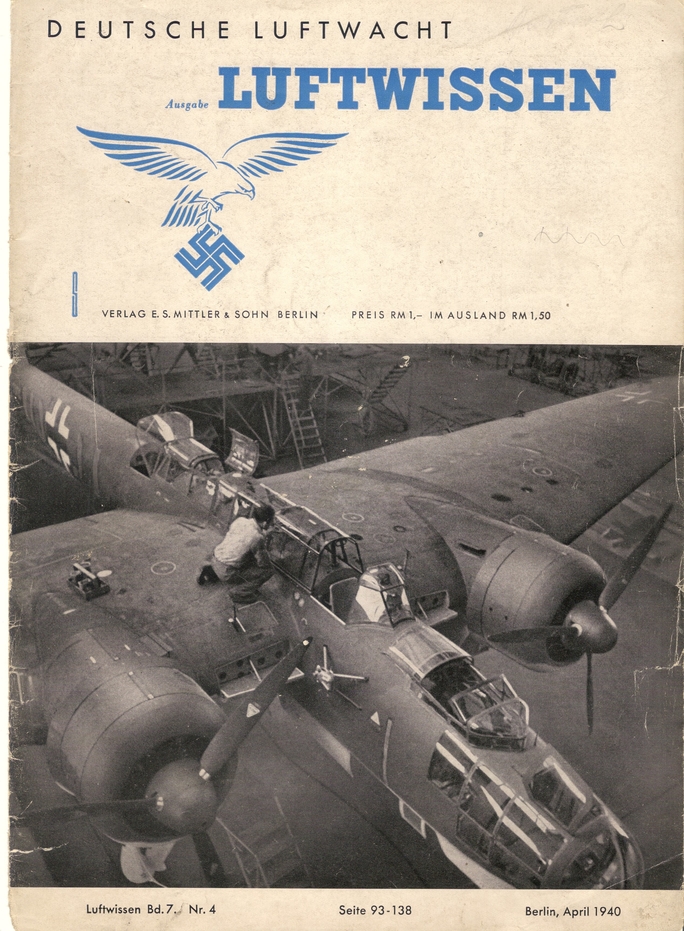
When the April 1940 edition of Luftwissen hit the stands, both aircraft and Germany had changed. Aircraft is a Heinkel 115 seaplane.
Schilling AFB B-47
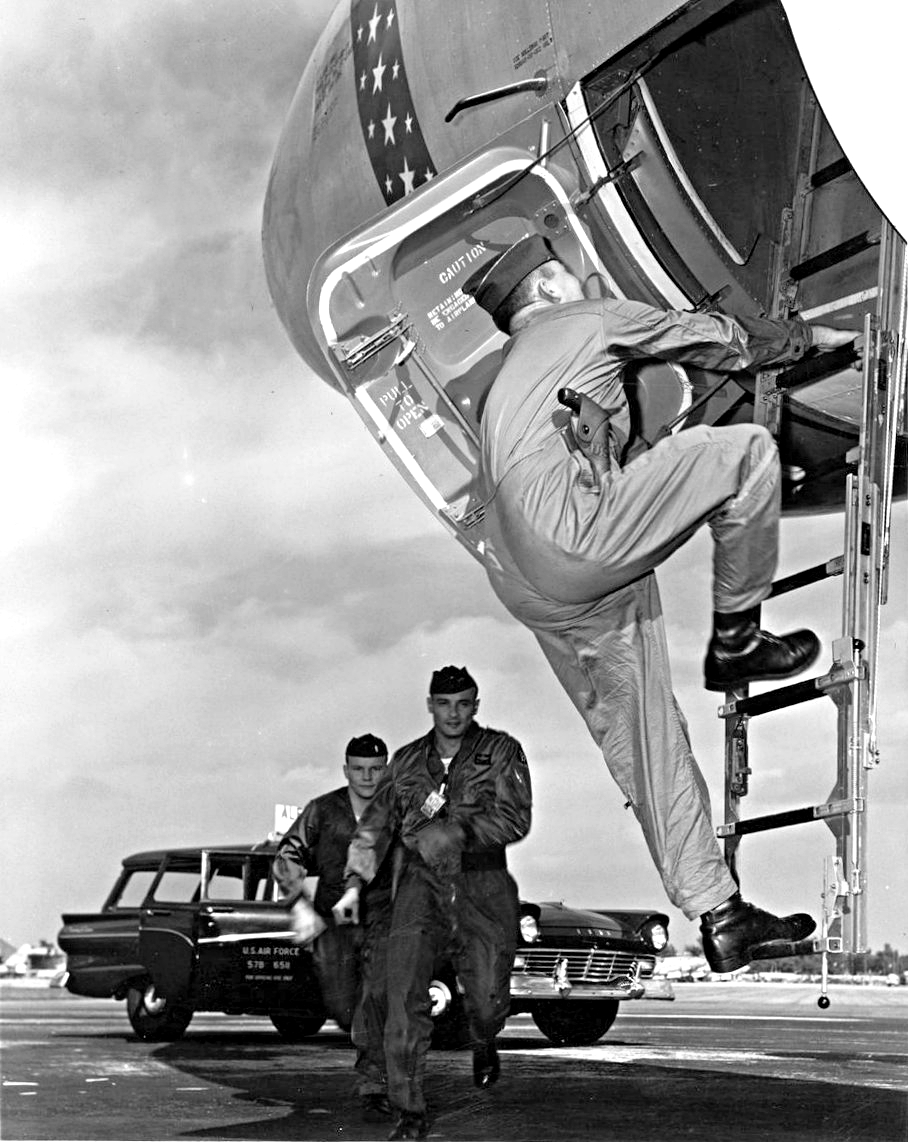
Men of the 40th Bomb Wing race to their aircraft. Someone else gets to move the station wagon.
RCAF Otters are ready for anything

Vivian Gersema, US Air Force Nurse Corps, 1953
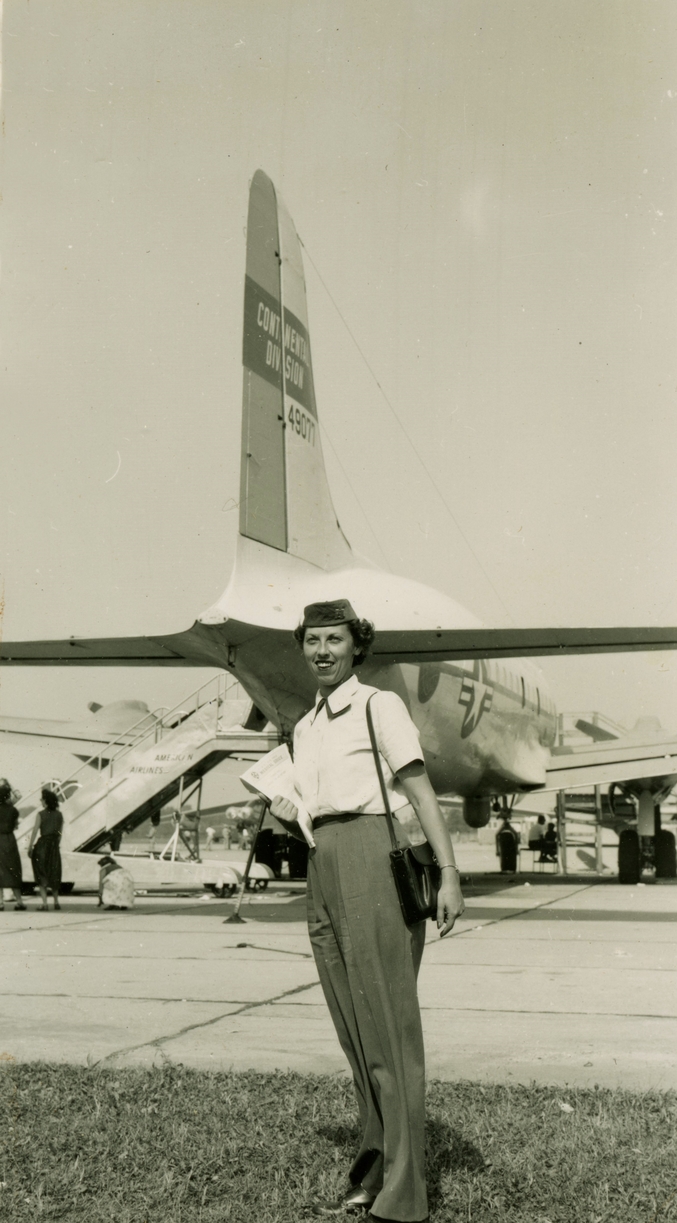
Captain Vivian M. Gersema at Offutt AFB with her flying hospital, a C-54. 44-9077 was dubbed an “MC-54M” due to its medical role. Gersema started her military service as a flight nurse in WWII. She eventually attained the rank of colonel.
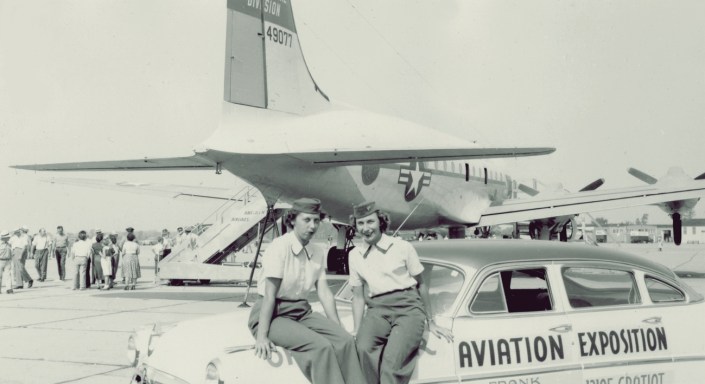

Having flown a medevac missions myself, there is always room for flight nurses in the cockpit.

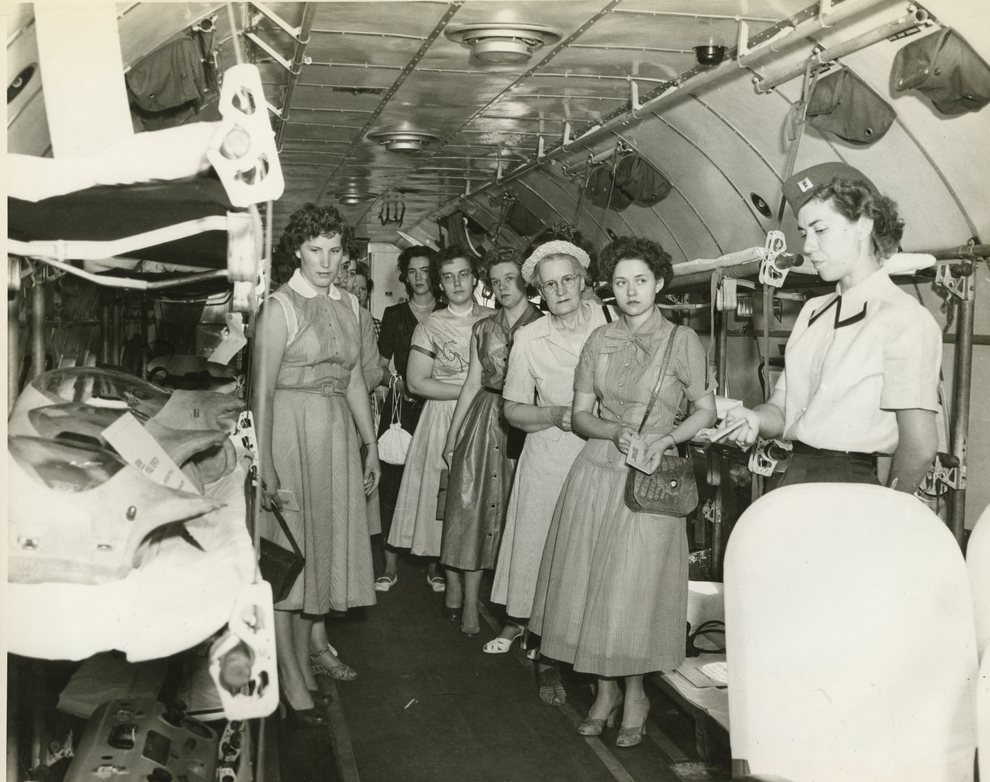
Civilian nurses are briefed on the finer points of aeromedical care.

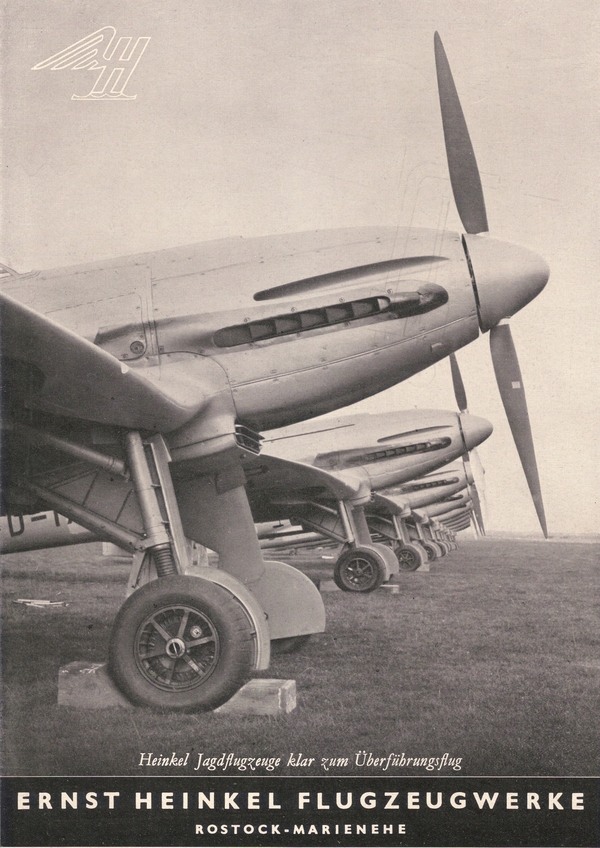
Heinkel 112B
President Kennedy at Homestead AFB, 1962

On November 26 1962, Kennedy visited Homestead for an inspection and to award citations to the units that had participated during the Cuban Missile Crisis. Chief among these was the 363rd Tactical Reconnaissance Wing whose RF-101’s can be seen in the distant right background. Closer to view, F-102’s of the 325th and 326th Fighter Interceptor Squadron get the once over by Kennedy. Note the pilot wearing his full pressure suit.
B-36A, June 1948
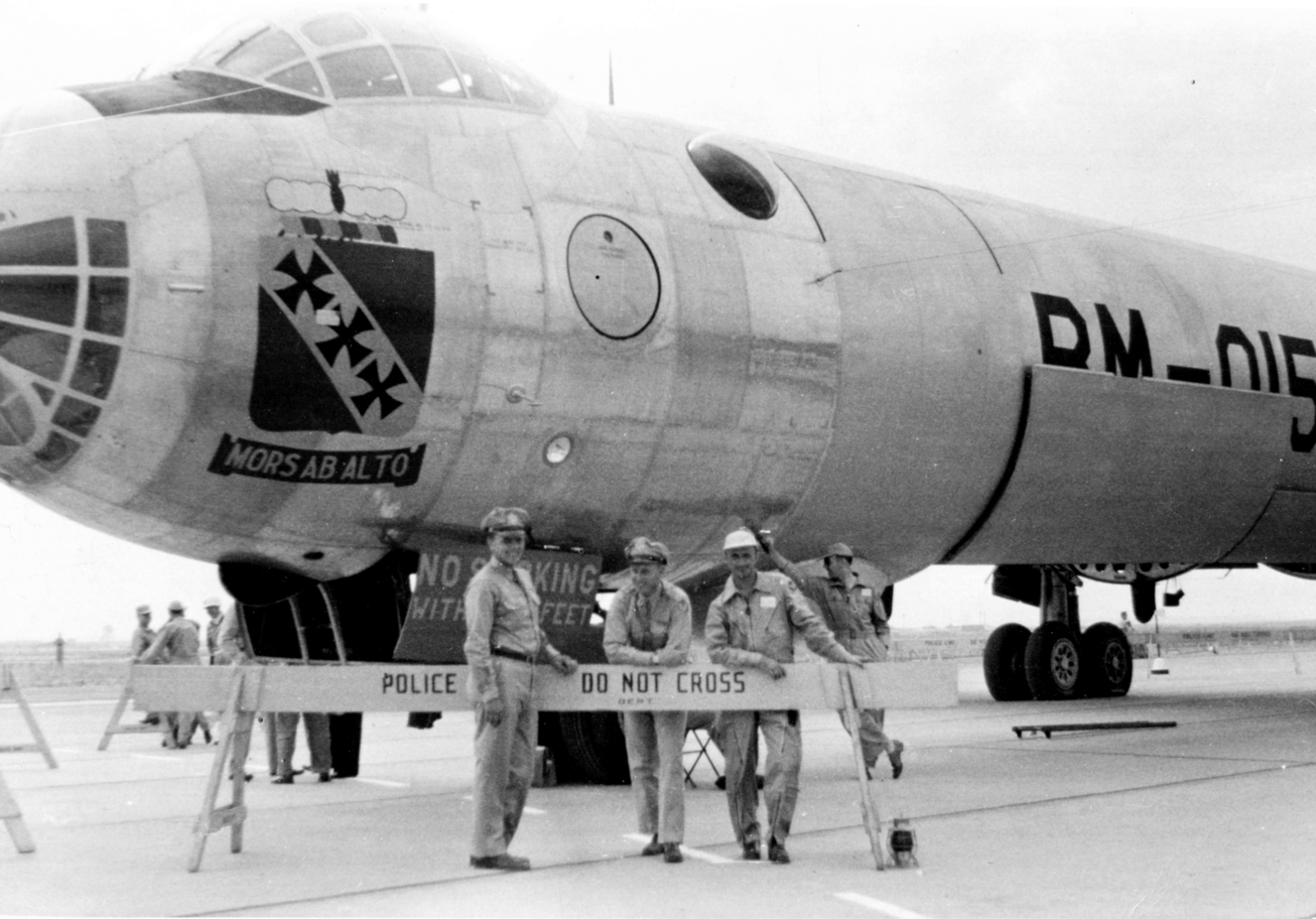
This aircraft (44-92015) was the first B-36 delivered to an operational unit, in this case the 7th Bomb Wing of Carswell AFB. Given that the Convair factory was right across the runway, the aircraft was taxied to its new home where it was soon christened “The City of Fort Worth.”
So, it’s June of ’48, and the USAF is about nine months old. This explains the army uniforms. It would be another year or so before the Air Force unveiled its own uniform design.
49th Bomb Squadron insignia, 1929
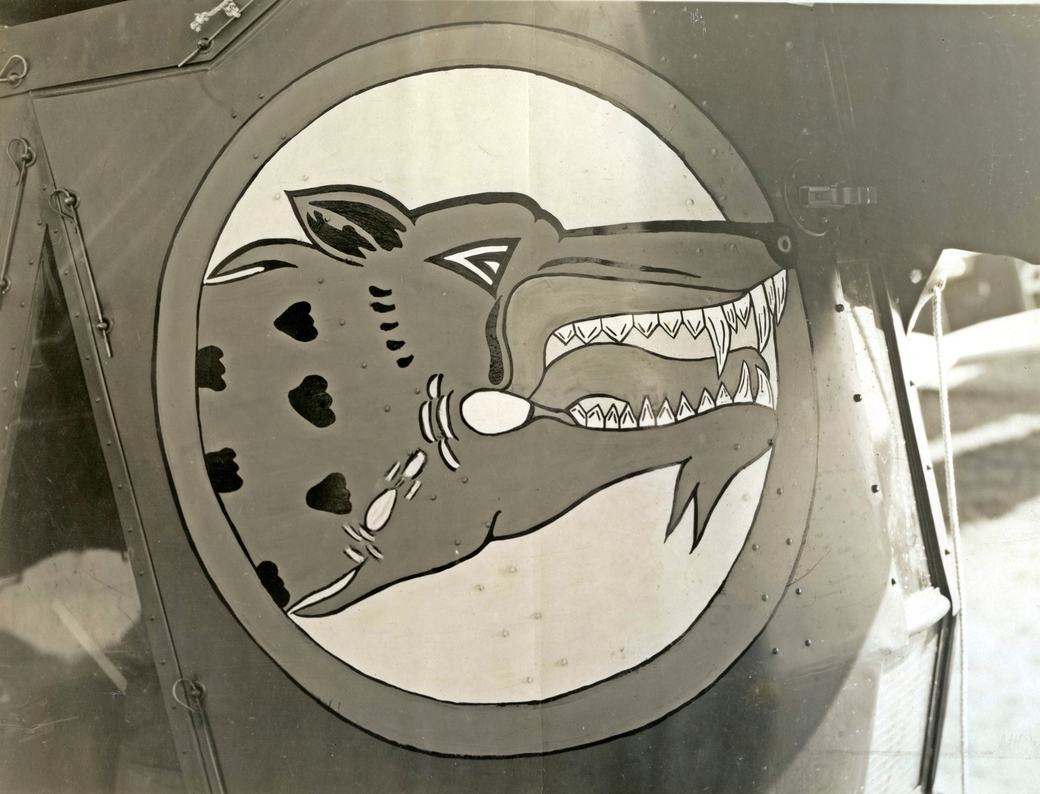
91st Observation Squadron, 1926

Aircraft is a Douglas O-2 which was flown by the 91st from 1926-30.
8th Attack Squadron
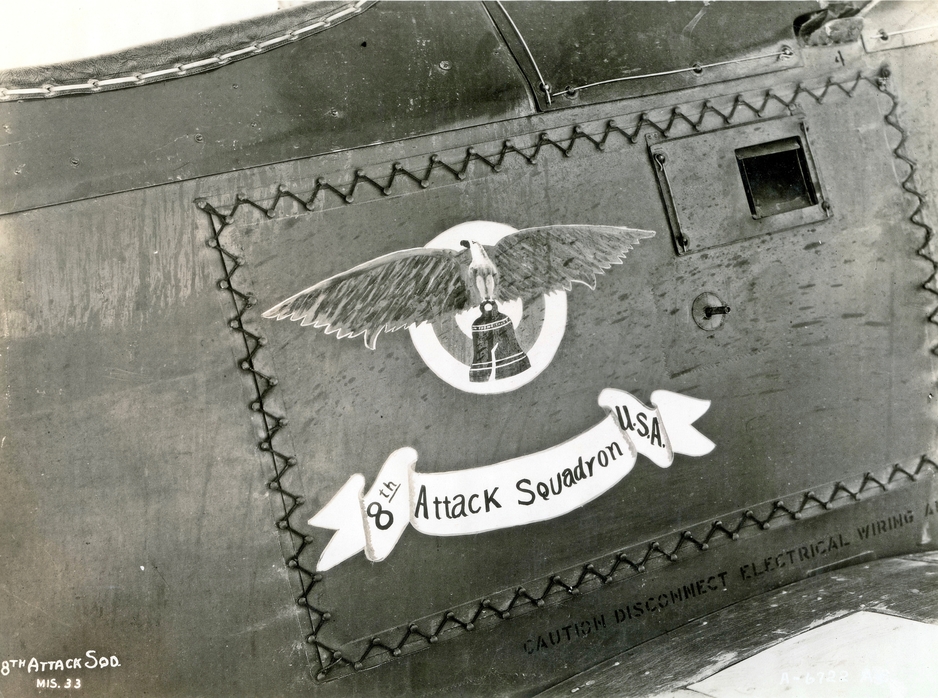
Aircraft is a Curtiss A-3 Falcon flown by the 8th from 1928-34.
LB-7’s of the 20th Bomb Squadron
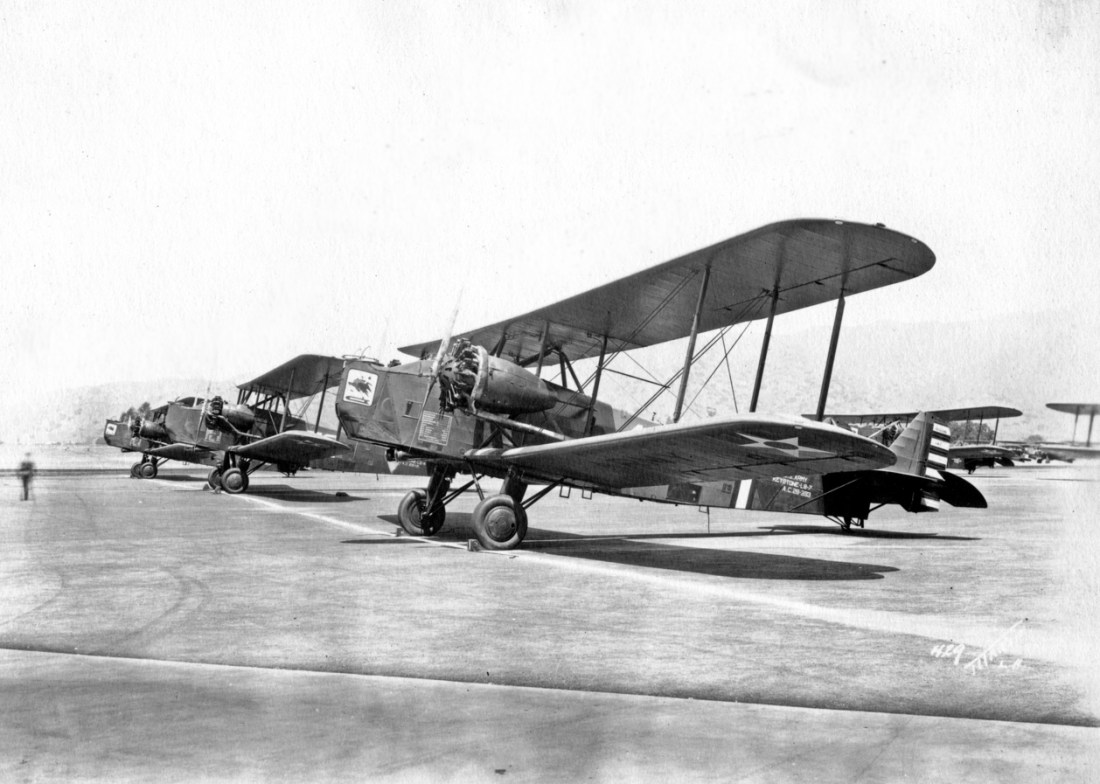
 The Jive Bomber