Category: Naval Aviation Pre-war
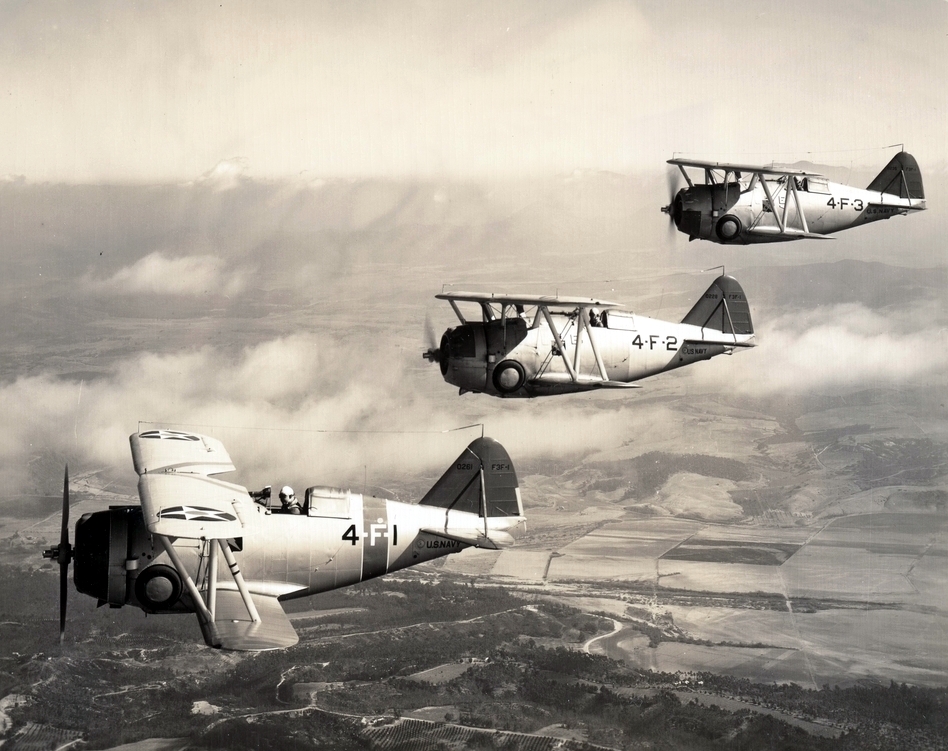
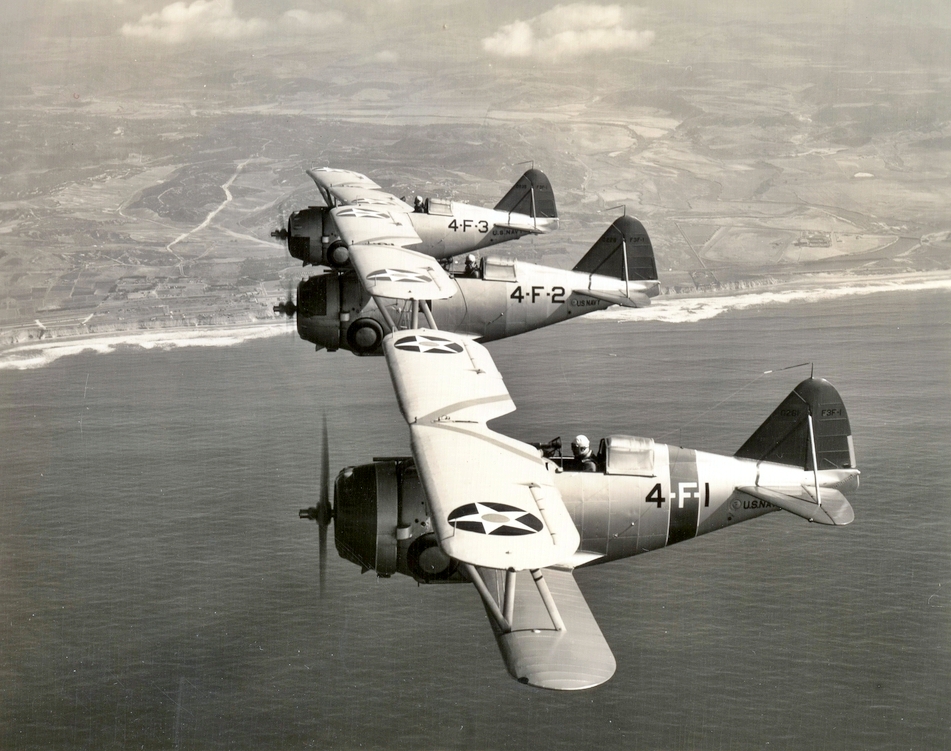
Grumman F3F – the “Flying Barrel”
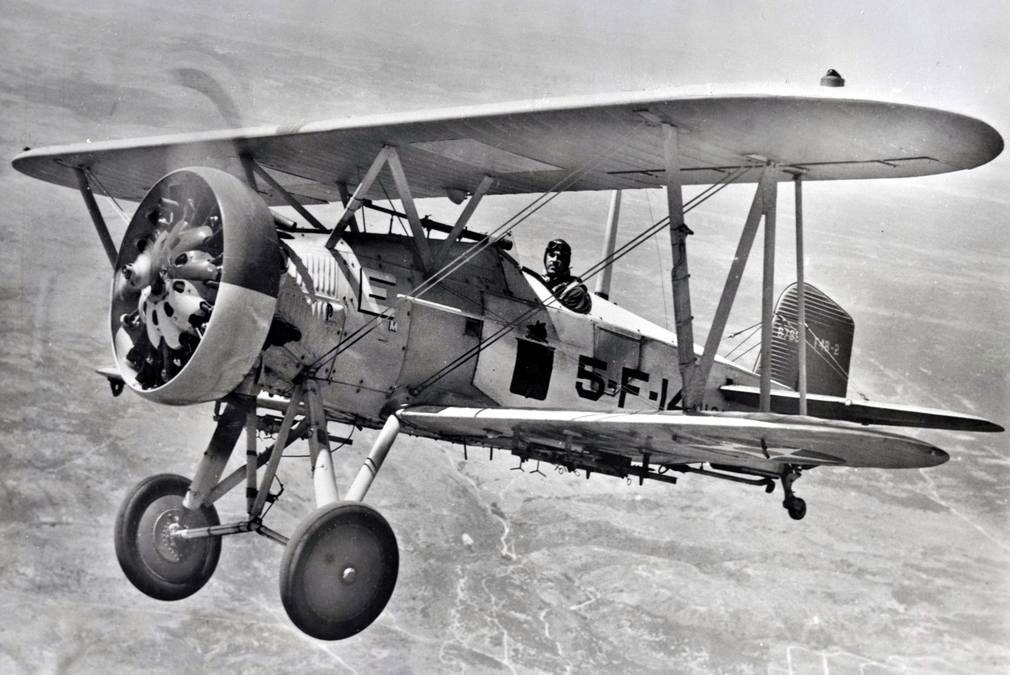
The F3F had several nicknames, all related to its appearance. Nevertheless, it was rugged, reliable, and pretty quick. It was also the last biplane fighter ordered by the US military. The first two photos show VF-4 out for a cruise above California in the late 1930s. Numbers are 0261, 0228, 0235
Here, we see Marines of VMF-2 out for a drive in the F3F-2. This second model had a bigger motor and was readily identified by the size of the engine cowl. Numbers are 0973, 0977, and 0979.
Scouting Three, USS Saratoga, 1939
Hurrying across the hills of Southern California, 18 SBC Helldivers of Scouting Squadron Three (VS-3) make a fine display for the cameraman.
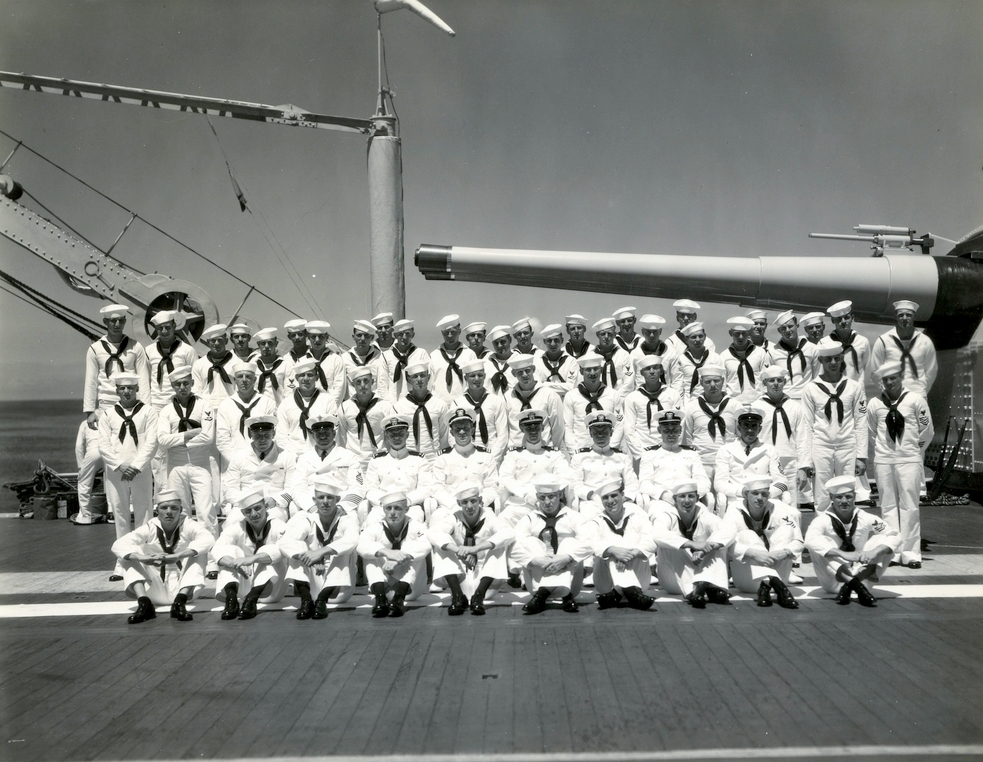
The men of VS-3 aboard their home base, USS Saratoga. The ship’s main battery of 8″ guns makes a nice backdrop. Note the small saluting/practice gun at the base of the big rifle barrels.
Many have dismissed this armament on America’s early carriers Lexington and Saratoga as a throwback, a sop to the old-school admirals who could not fathom that the day of the big gun ship had been eclipsed by aircraft. Believing that fossilized admirals were wedded to outdated beliefs sounds dramatic. Still, that belief ignores a simple fact: The battle aircraft of that period were pretty well limited to fair weather operations and, thus, were not a reliable substitute for a capital warship’s heavy armament. Therefore, big guns were needed, but not as offensive weapons (the relatively unarmored Lexington and Saratoga were not to fill part of the battle line). What was required were defensive weapons. What type and size of defensive guns? The Lex and Sara were speedy vessels and could easily outrun any battleship of that time, so battleship-sized guns were not required. What they could not outrun was a cruiser. Given that the typical armament for a cruiser was 8″ guns, it made sense to provide the same weaponry to the two carriers.
Less than ten years after the two carriers were commissioned, the advances in aviation technology made the big guns less critical, and they were eventually removed. While those guns were in service, they were not there at the insistence of outmoded and narrow-minded navy brass. When the two carriers were designed, the question must have been asked: what were they to do on a zero-visibility day with aircraft grounded and an enemy cruiser sweeping through the mist? Answer: Provide the two ships with all-weather firepower. It was a perfectly sound idea.
TBD Devastators of USS Lexington and USS Saratoga
Torpedo 3 (VT-3) prepares to land aboard Saratoga in 1939. Barely visible above the center aircraft, in echelons of three, are six SBC Helldivers (Well, at least in the original photo they are visible). 3-T-11 is BuNo. 281 which was lost in 1942 while landing on the Sara. Note the “plane guard” destroyer trailing behind the carrier.
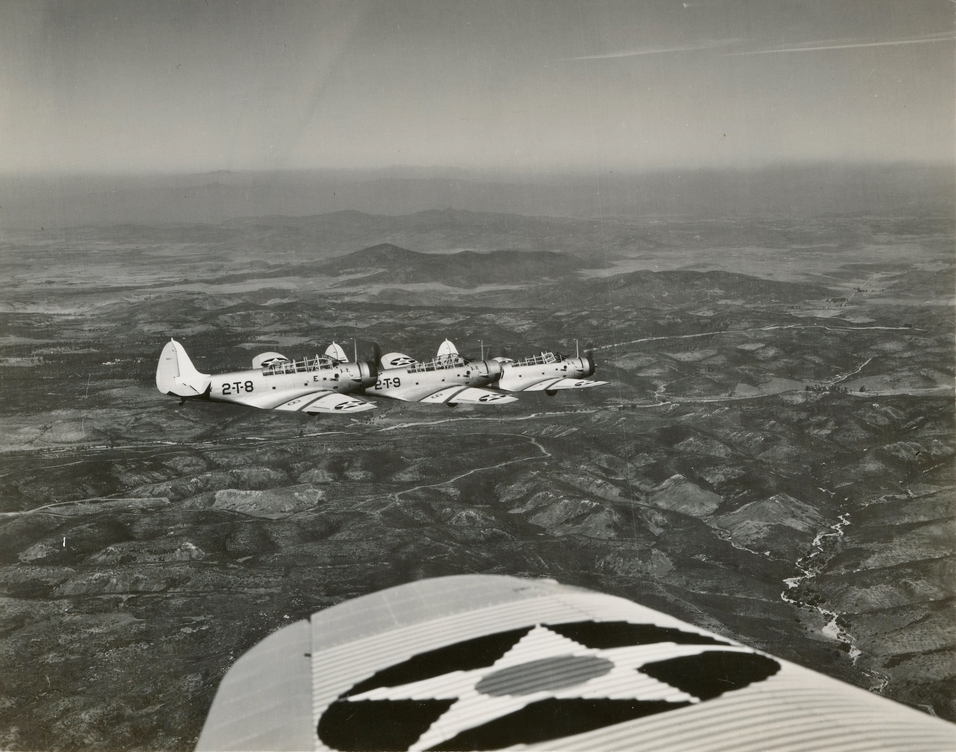
Torpedo 2 cruises up the California coast in the late 1930’s. Left to right: 292, 293, and 298. The first, 292, was lost in a mid-air collision with another TBD in 1940. 293 was transferred to VT-8 and was shot down at Midway. 298 saw action when assigned to VT-5 but was forced to land in in a lagoon at Jaluit Atoll in Marshall Islands Feb 1, 1942.
The same aircraft as seen above.
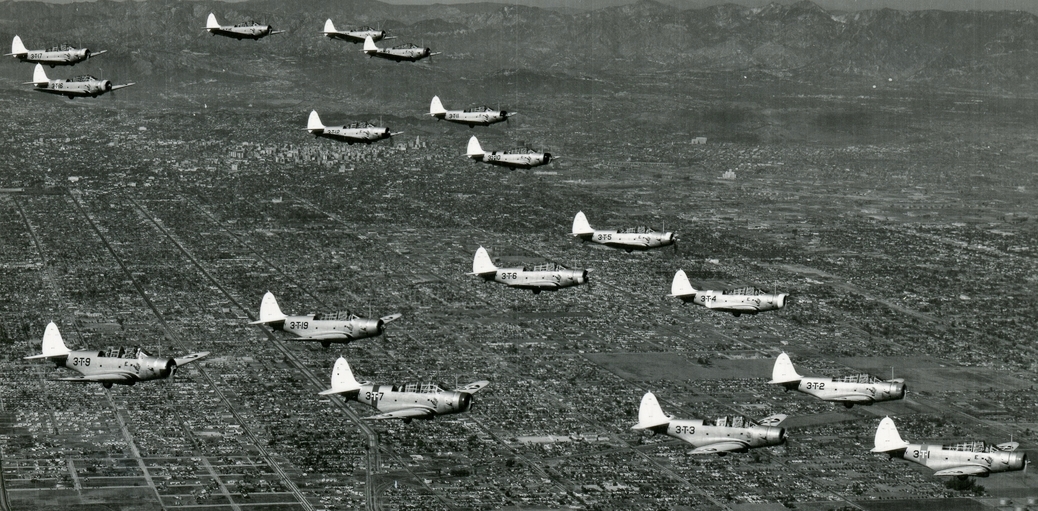
Looks like they managed to get almost every TBD in Torpedo 3 aloft for this photo.
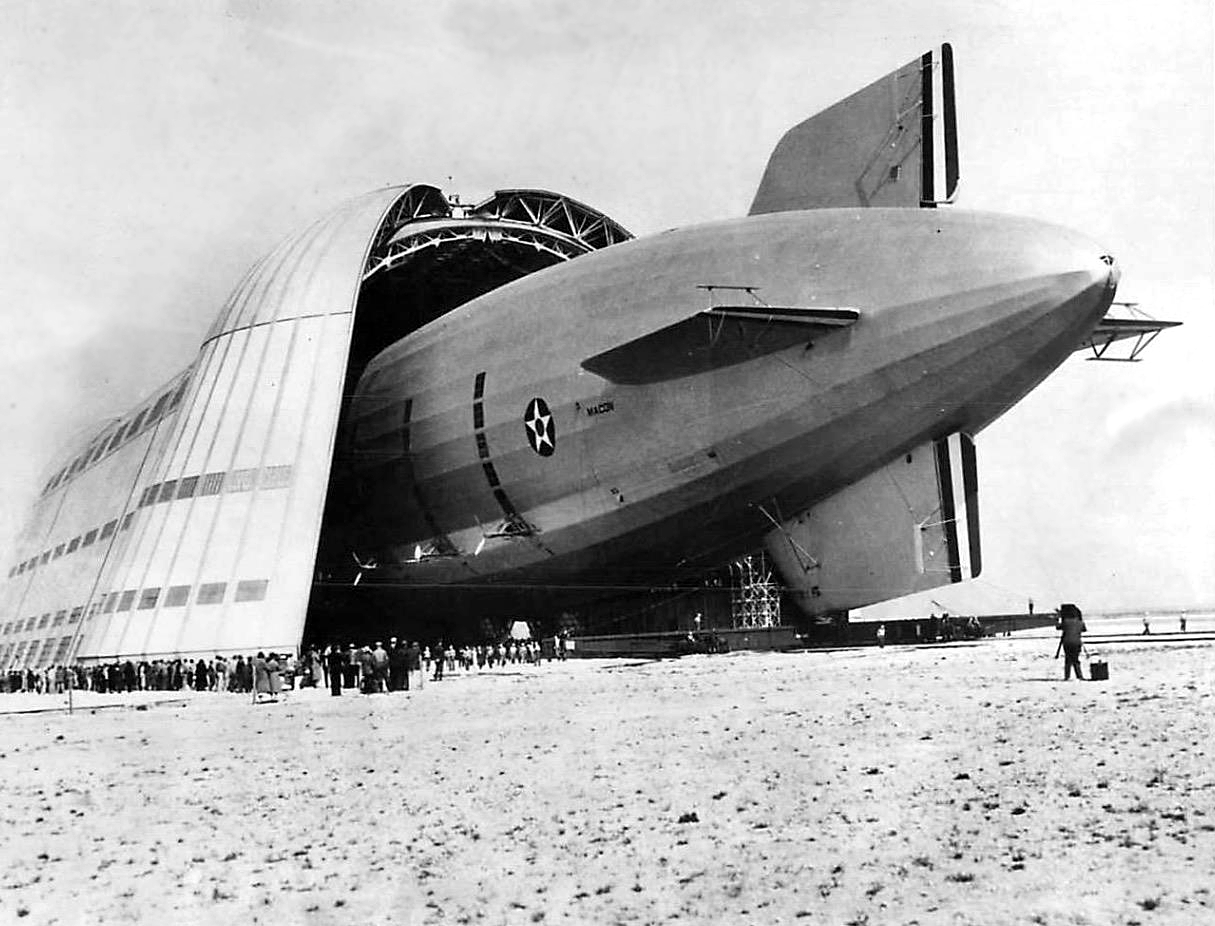
USS Macon at Sunnyvale, CA
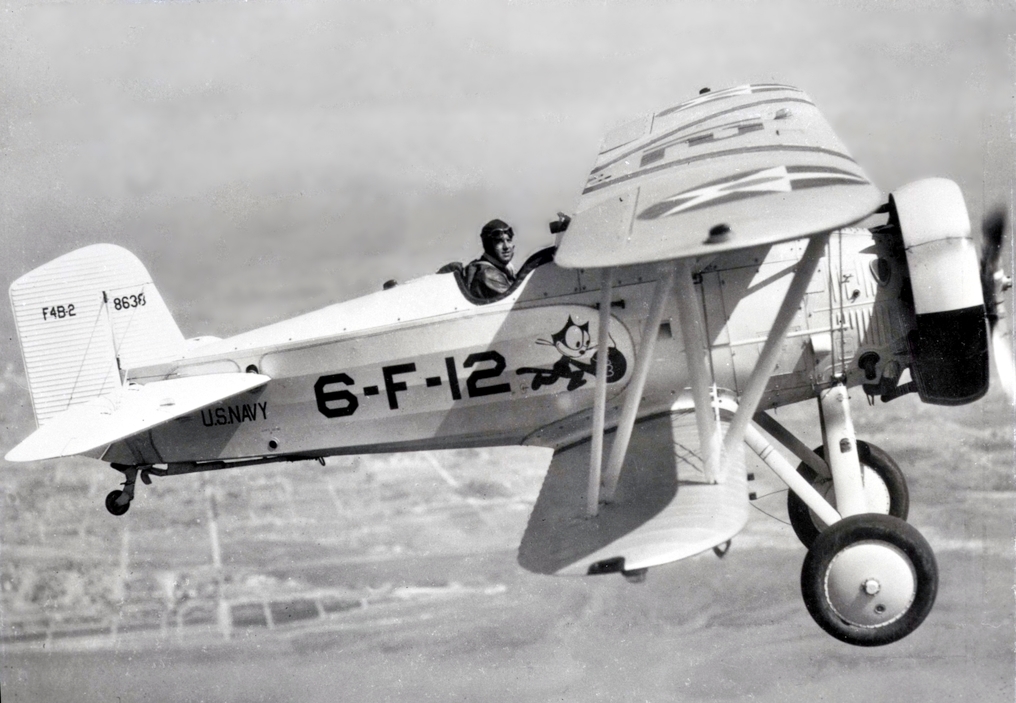
A few F4B’s
Berliner-Joyce OJ
The prototype XOJ-1 (A8359) is seen at NAS Anacostia. Note the machine gun mounted in the upper wing. The hangars of the Air Corps’ Bolling Field are in the background. It was not unusual at the time for the Army and Navy to share runways but to have distinctive and separate portions of the airfield. Those days are over; today, the 100-year-old facilities are known as Joint Base Anacostia-Bolling.
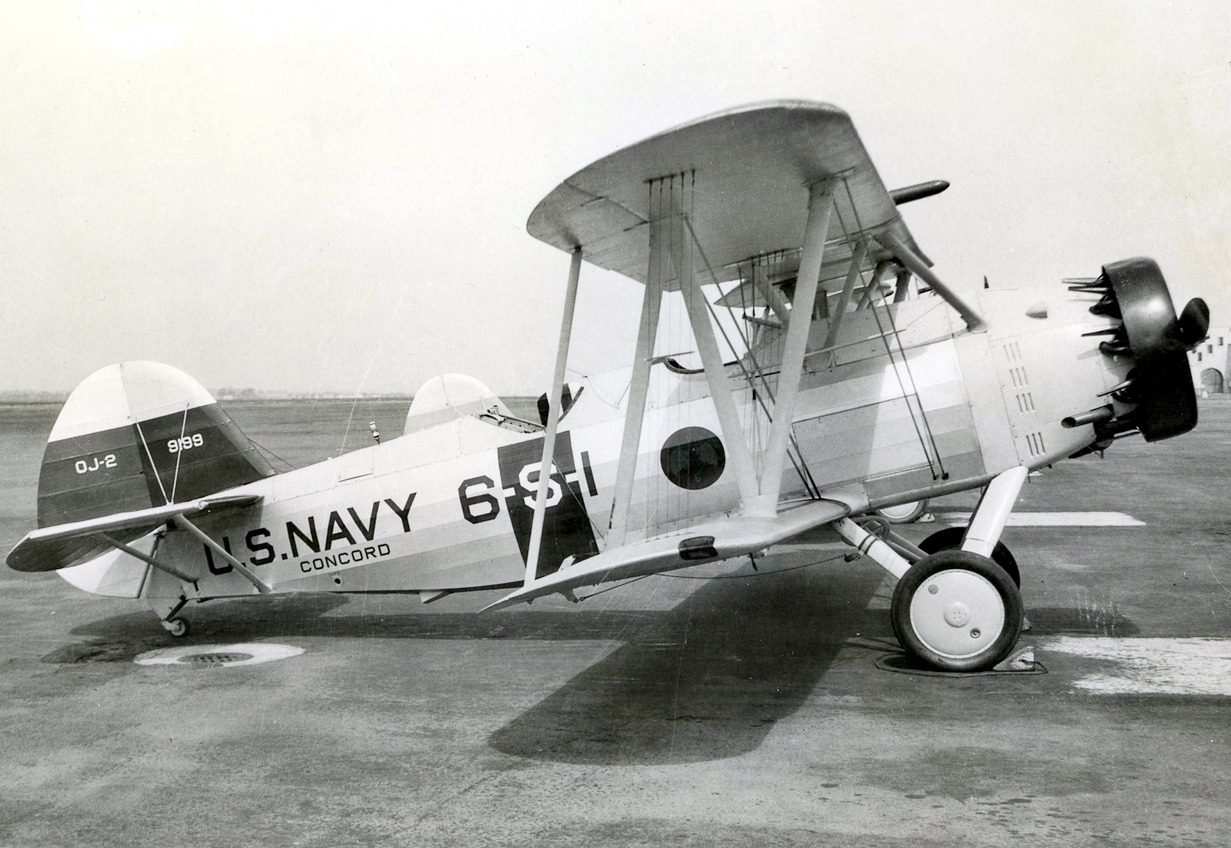
Two views of an immaculate OJ-2 (A9196) at Boeing Field. Aircraft was assigned to Naval Air Reserve Base Seattle just a few miles up the road.
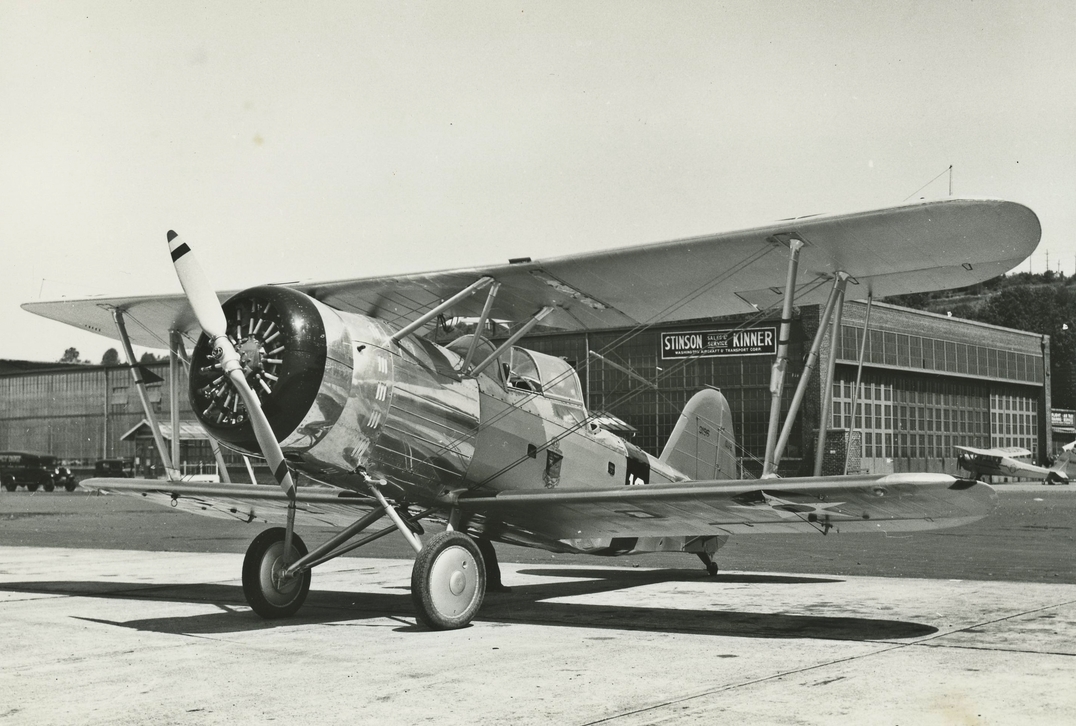
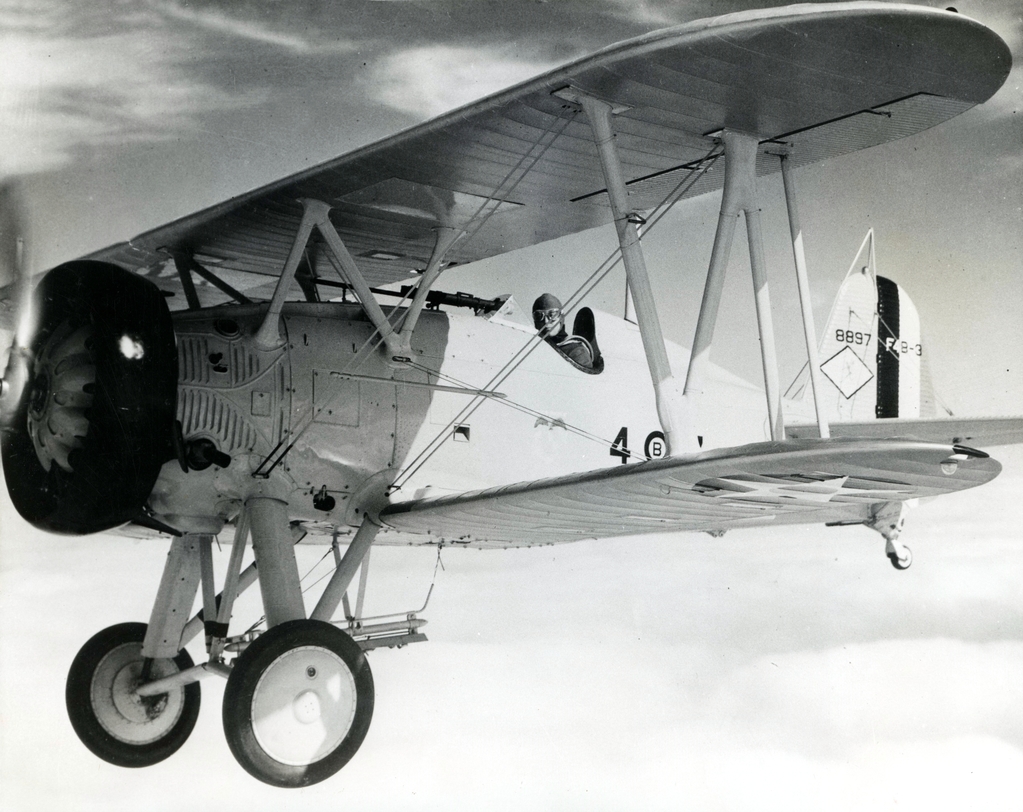
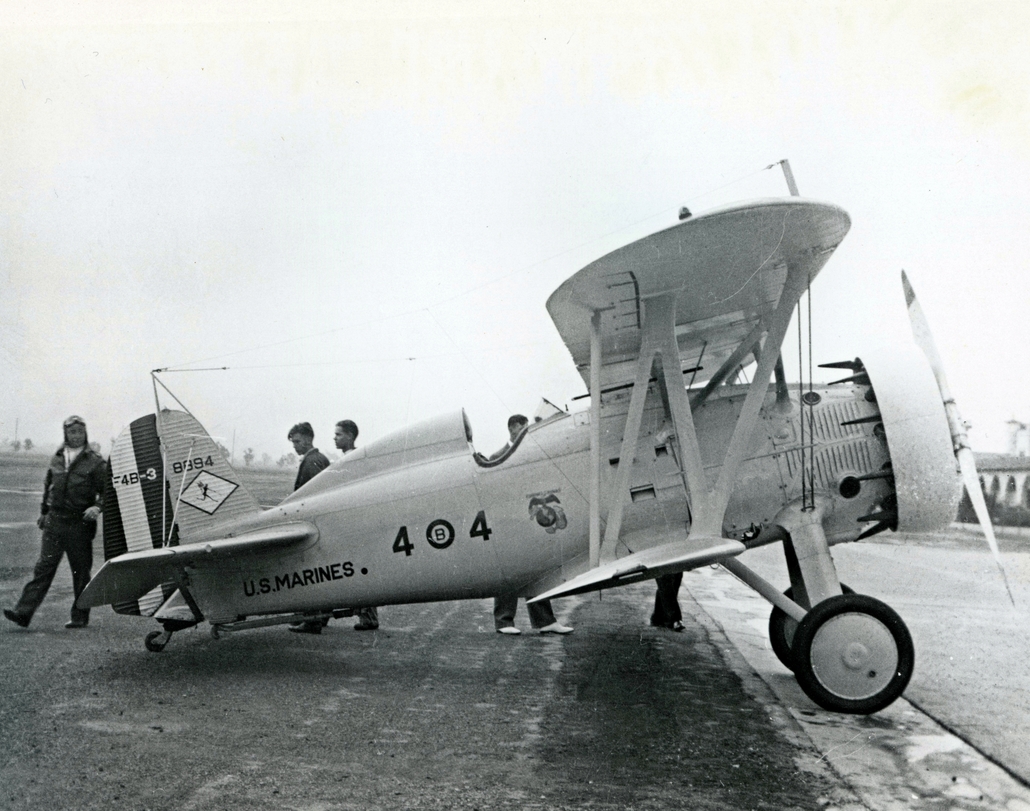
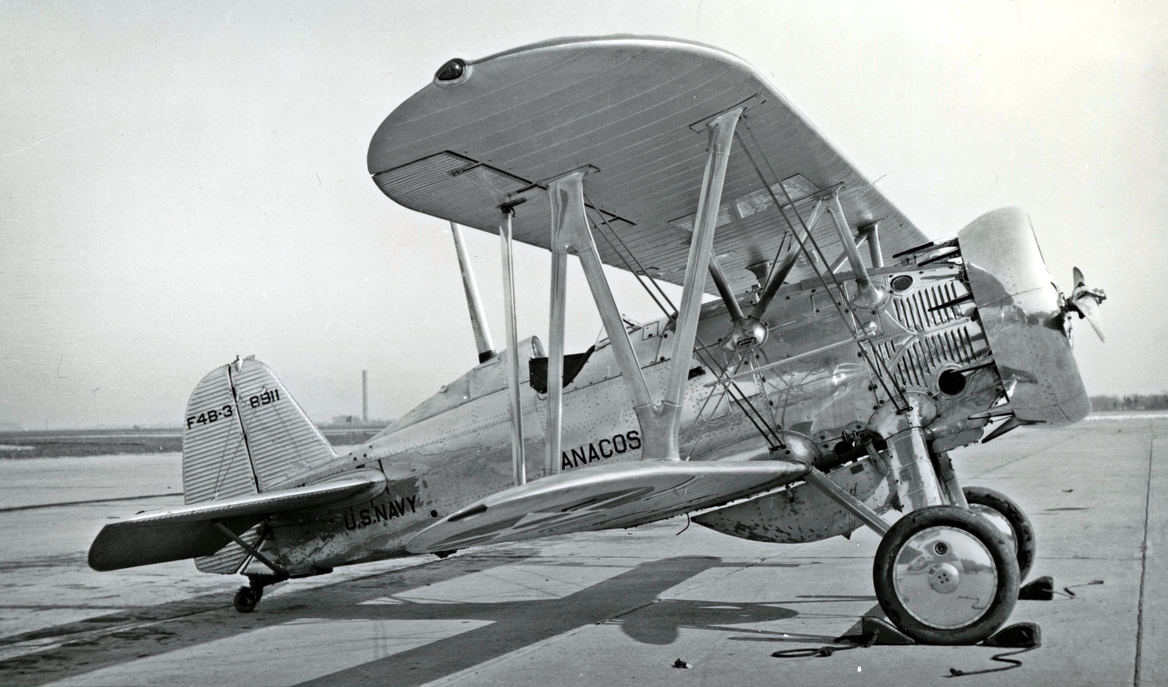
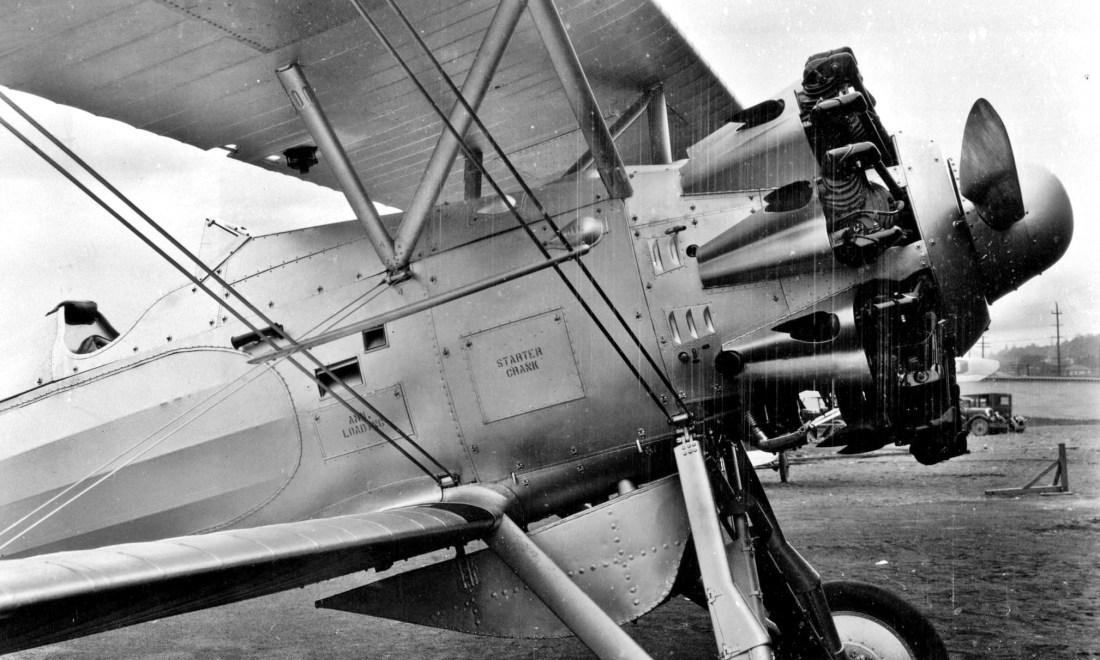
Boeing F4B-3
Busy Beach at NAS North Island in WWI
Boeing XF2B
Boeing F4B all Bombed Up and Ready to Go
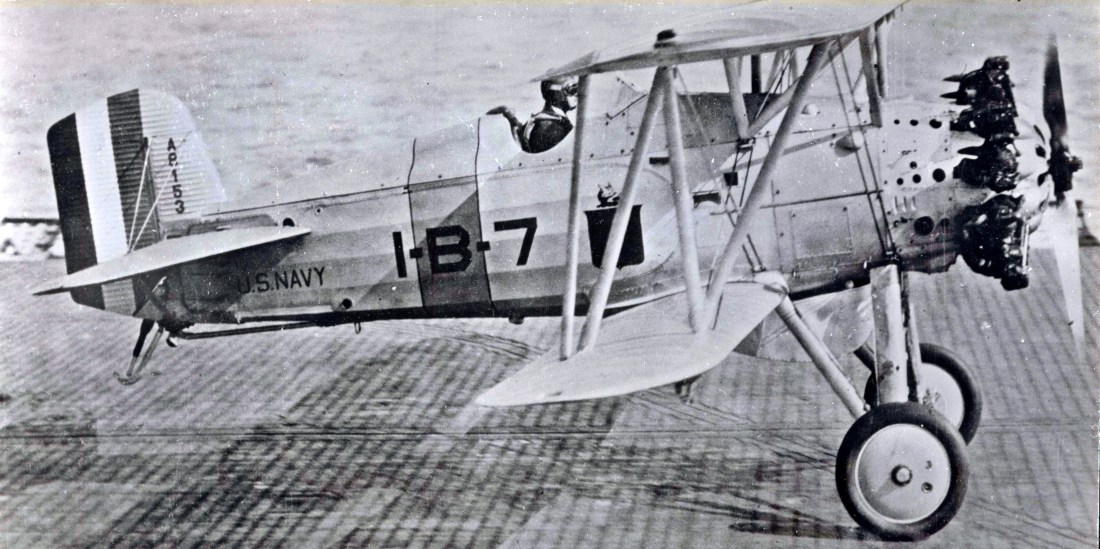
Boeing F4B’s of the US Navy
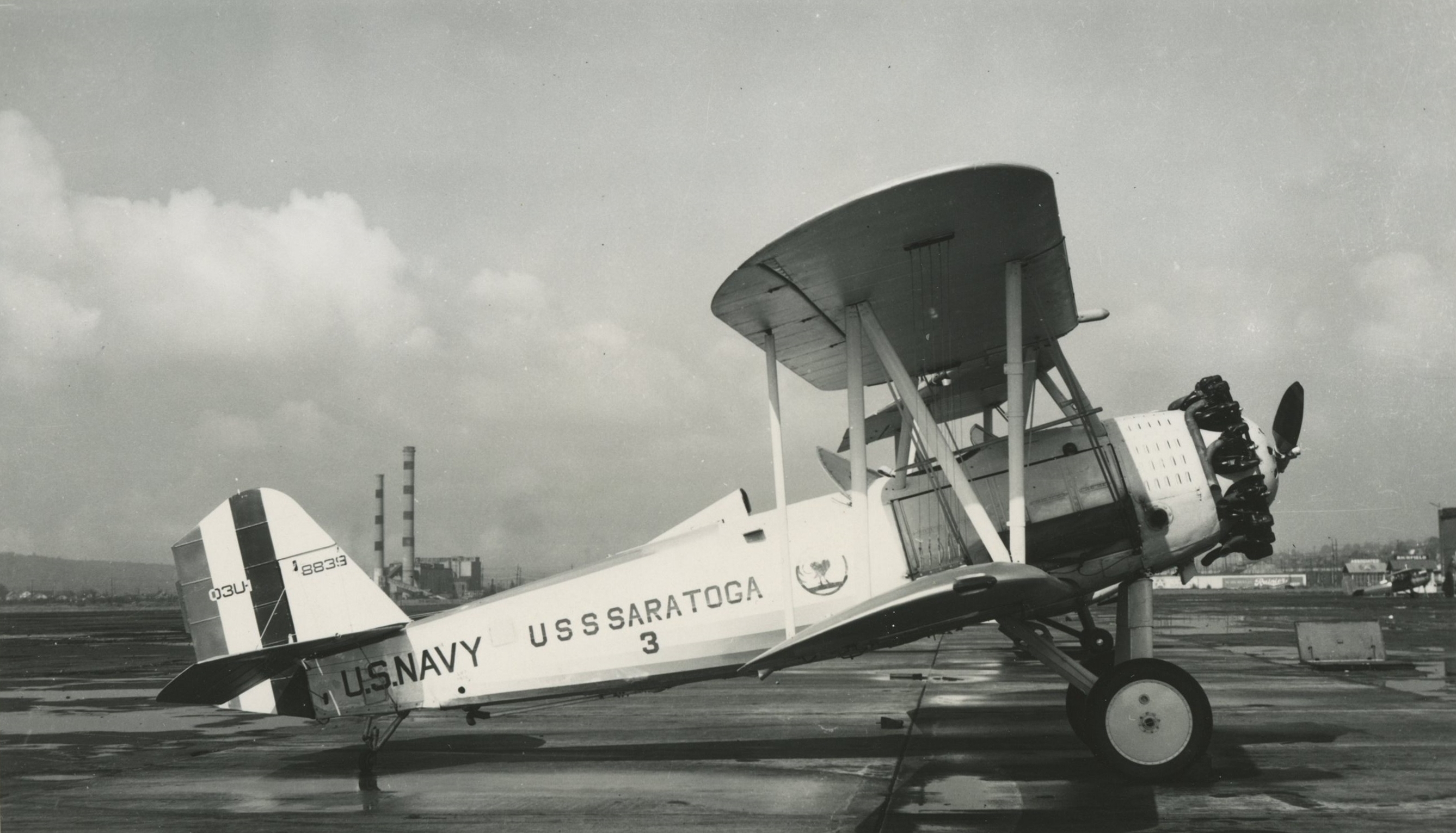
O3U from USS Saratoga Pays a Call at Boeing Field in the 1930s
F4B-4 (9051) of Bombing Five
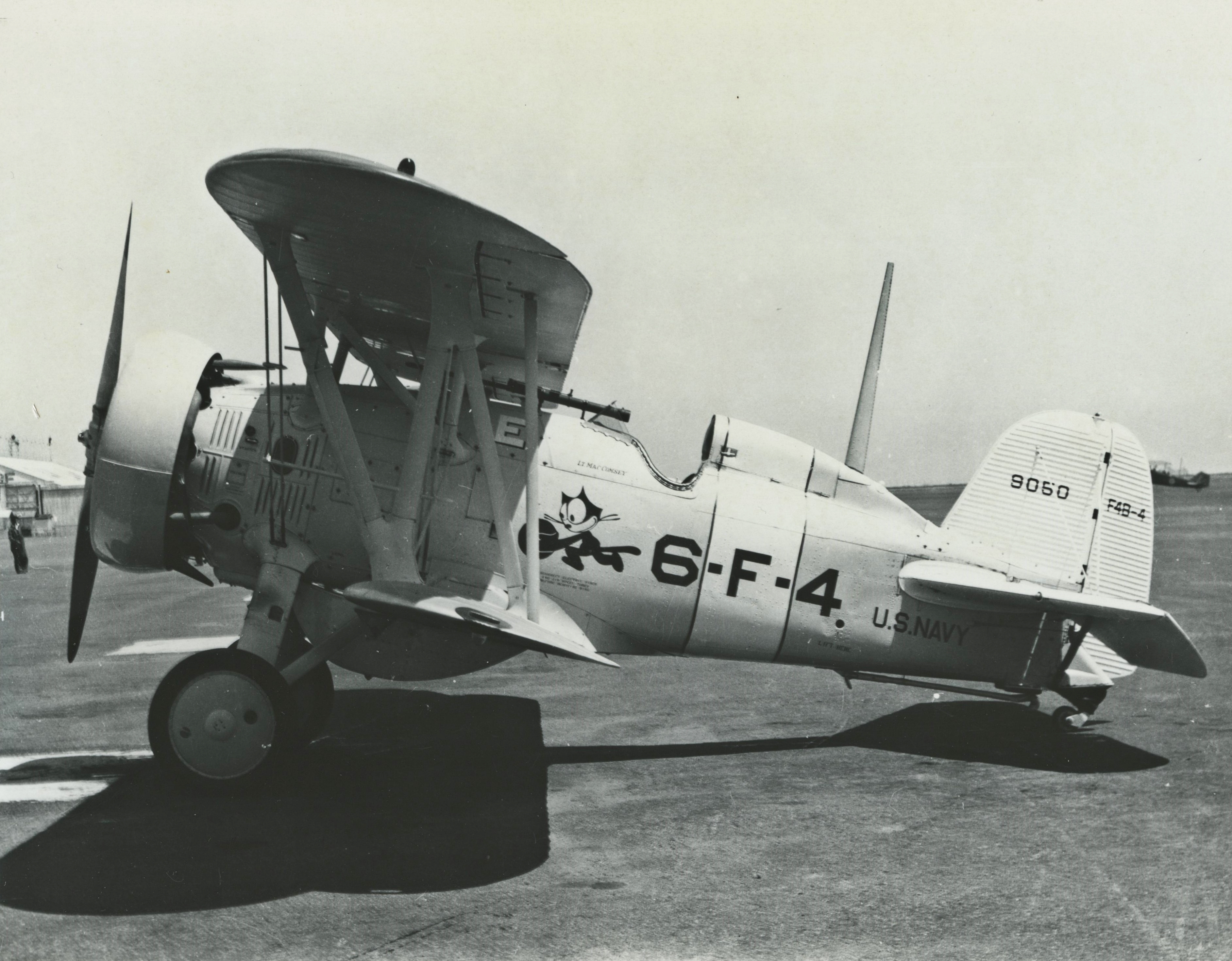
F4B-4 (9050) of VF-6 in the Late 1930s
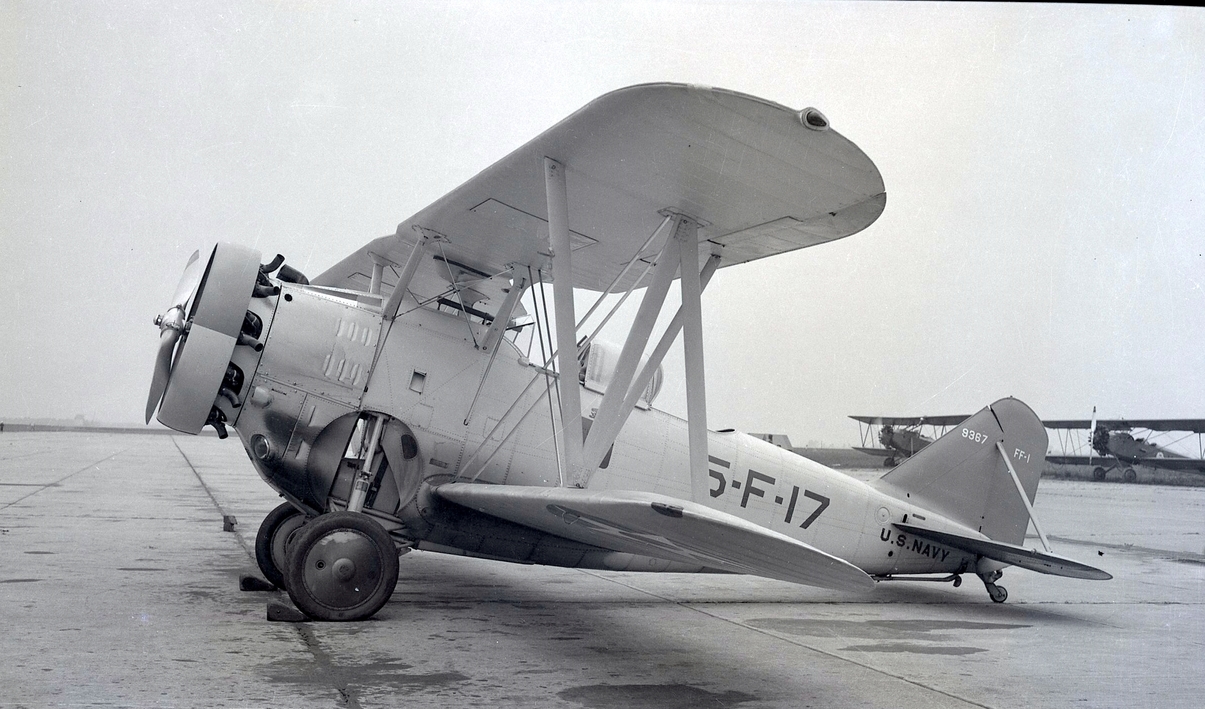
Grumman FF-1 (9367) of VF-5
Curtiss SOC from USS Louisville
This unfortunate incident occurred in 1938.
Berliner-Joyce OJ-2 (9199)
F3B (7726) of NAS San Diego Parked on Its Home Turf
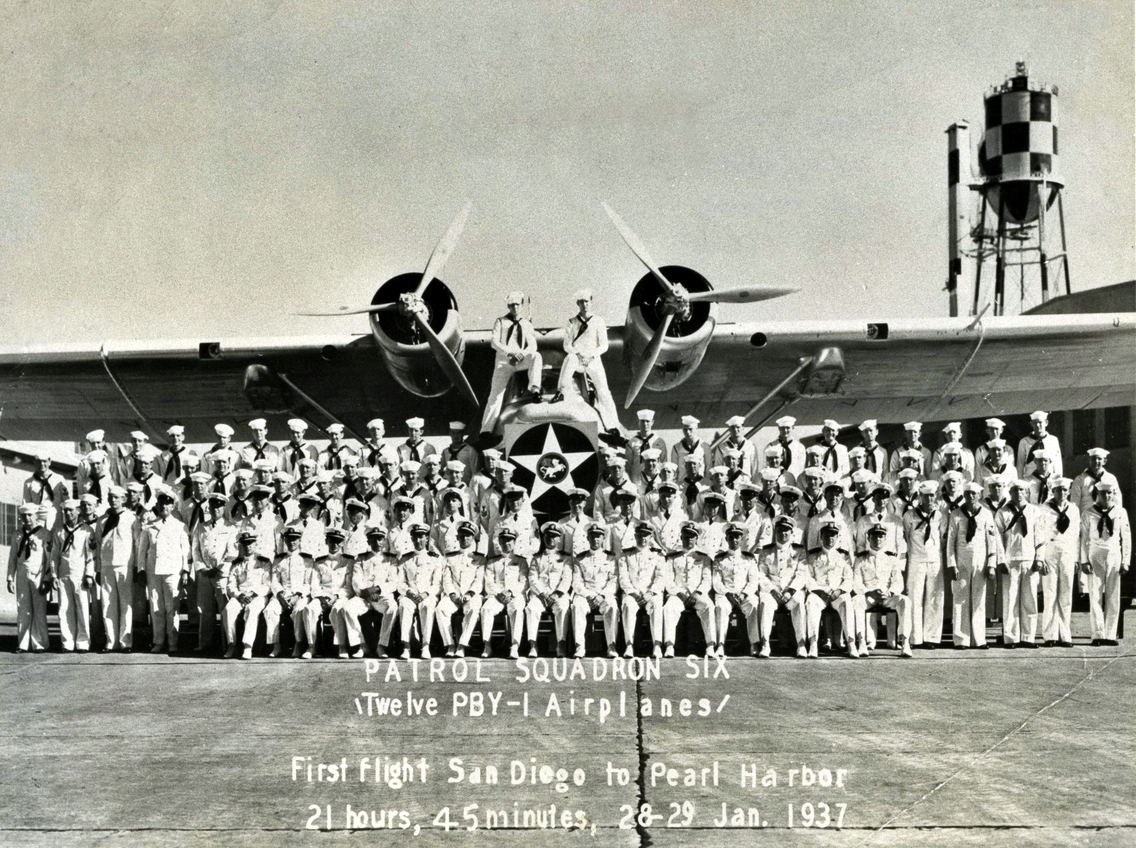
PBY of VP-6
F4U Corsair Fans May Disagree…
…but the aircraft sure looked a lot better with a “bubble” type canopy.
A Handsome Pair of F4B-2’s
Boeing F4B-1 (8133)
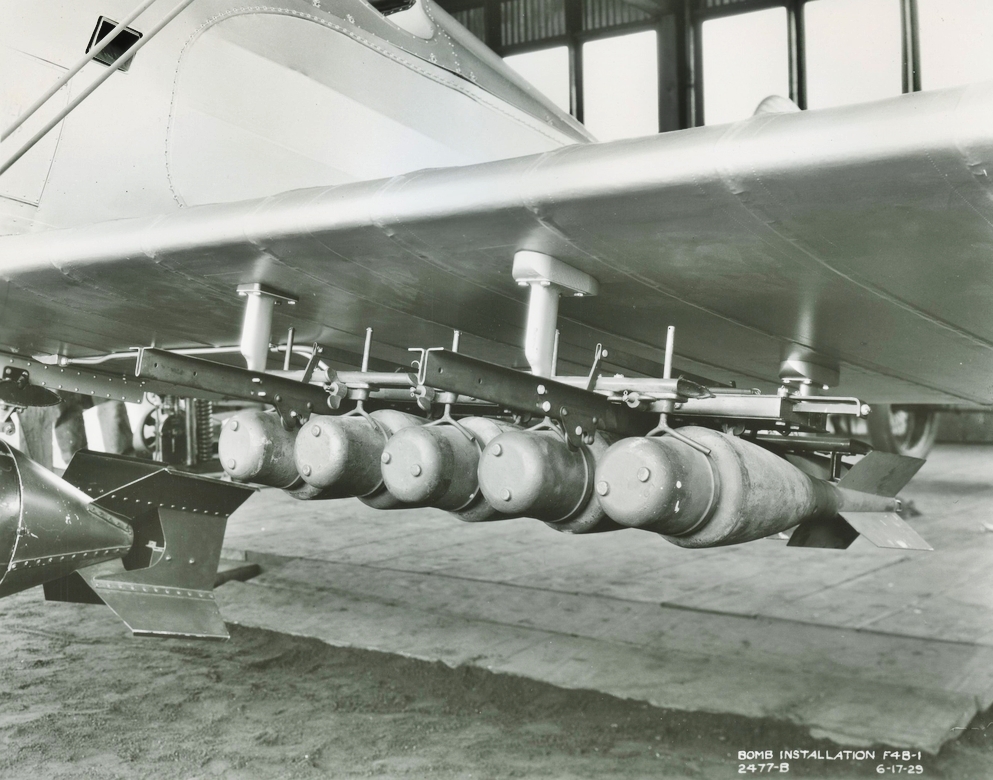
Boeing F4B-1 Demonstrates its Ability to Lug a Variety of Ordnance
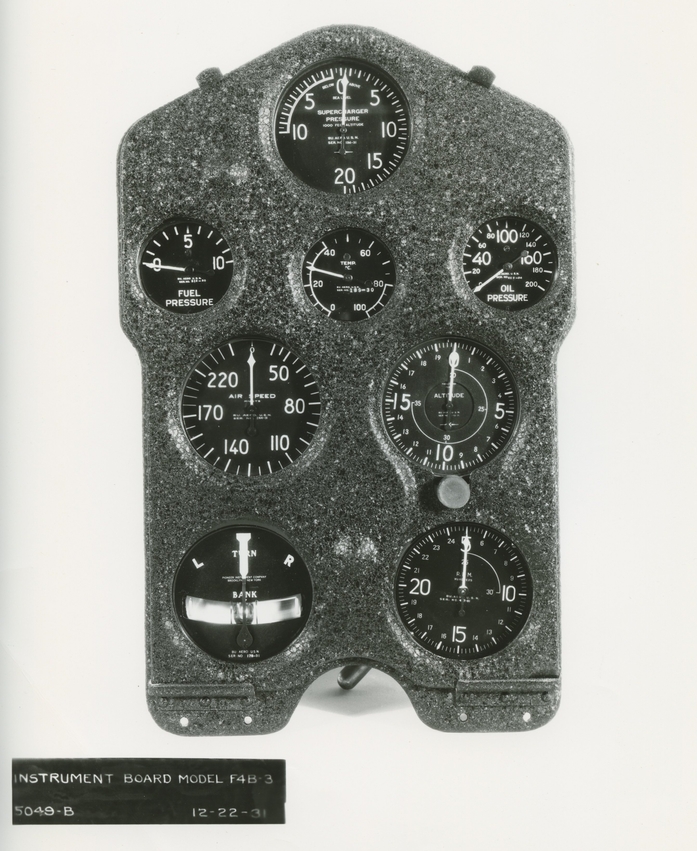
Simple
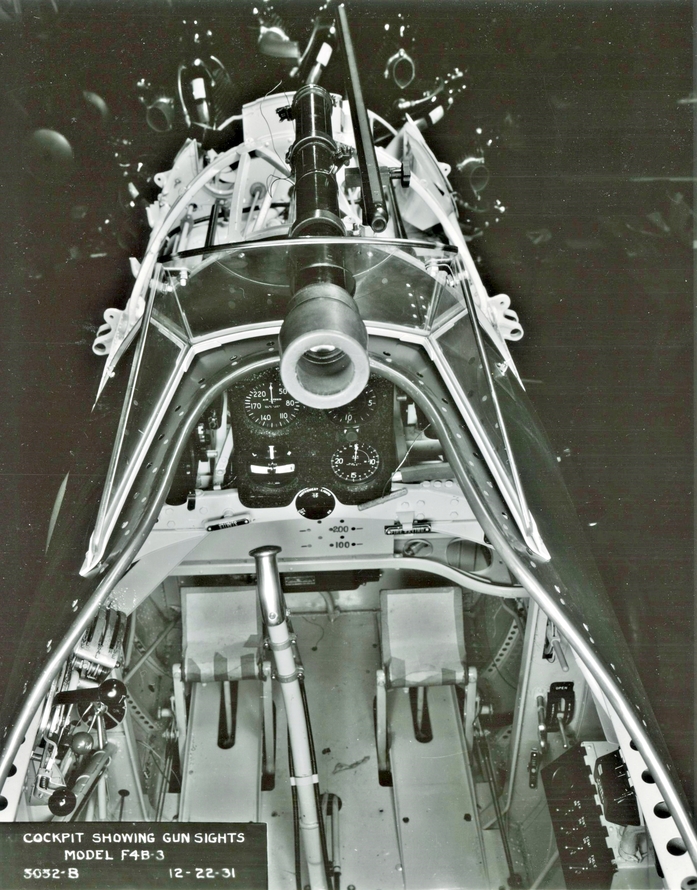
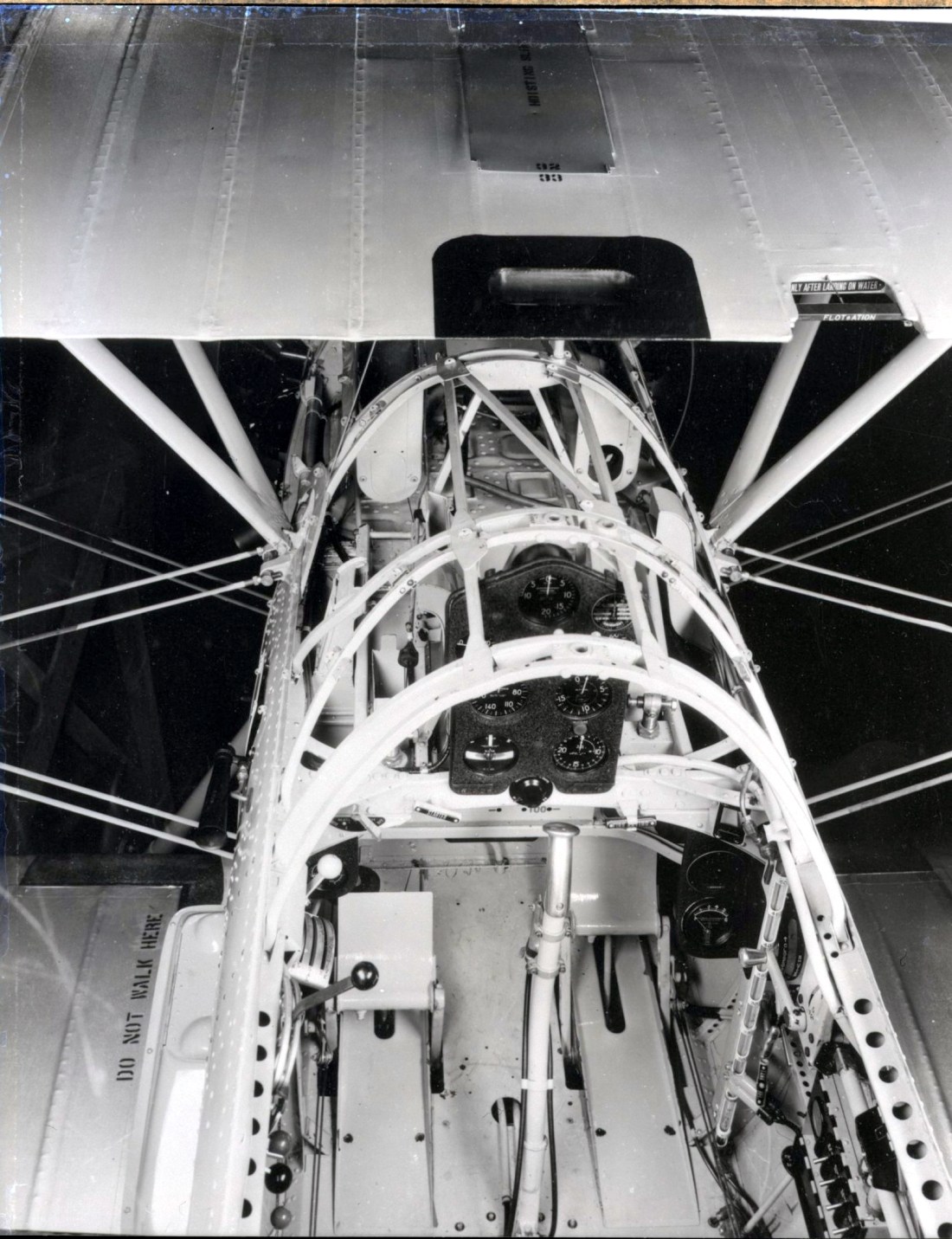
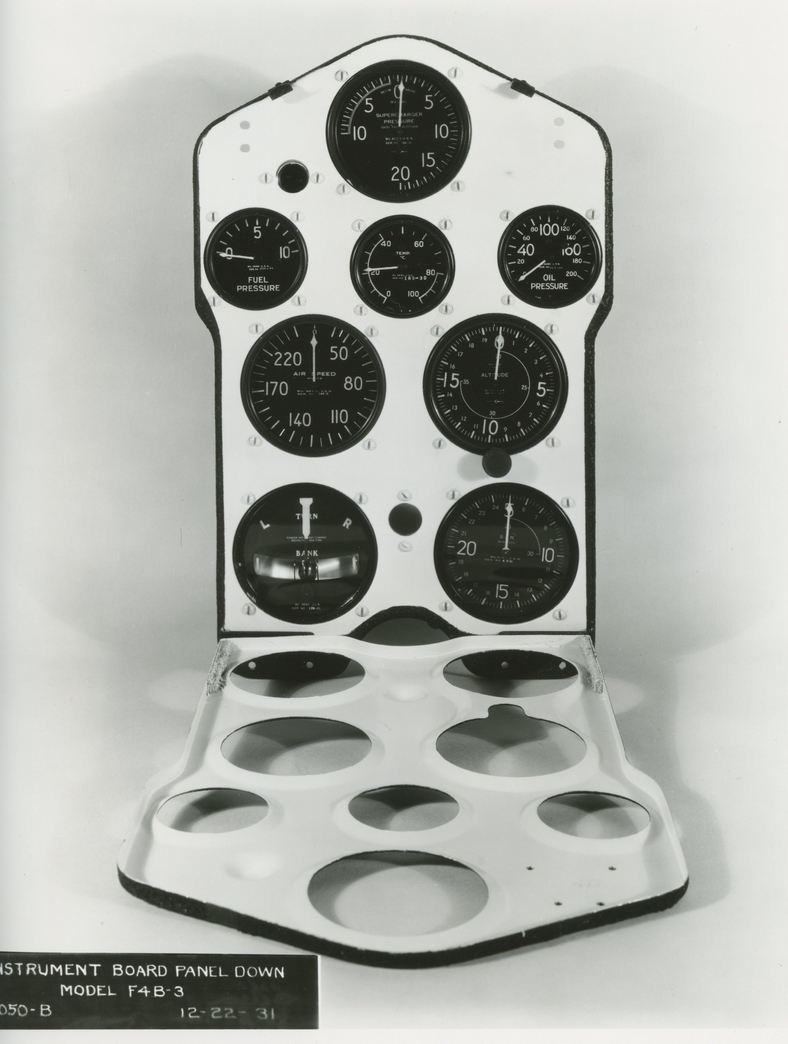
Pretty basic instrumentation, but even when this photo was taken in 1931, I am sure there were already those saying, “Wow, look at all them fancy dials!”.
This instrument panel would make a handsome addition to any Man Cave.