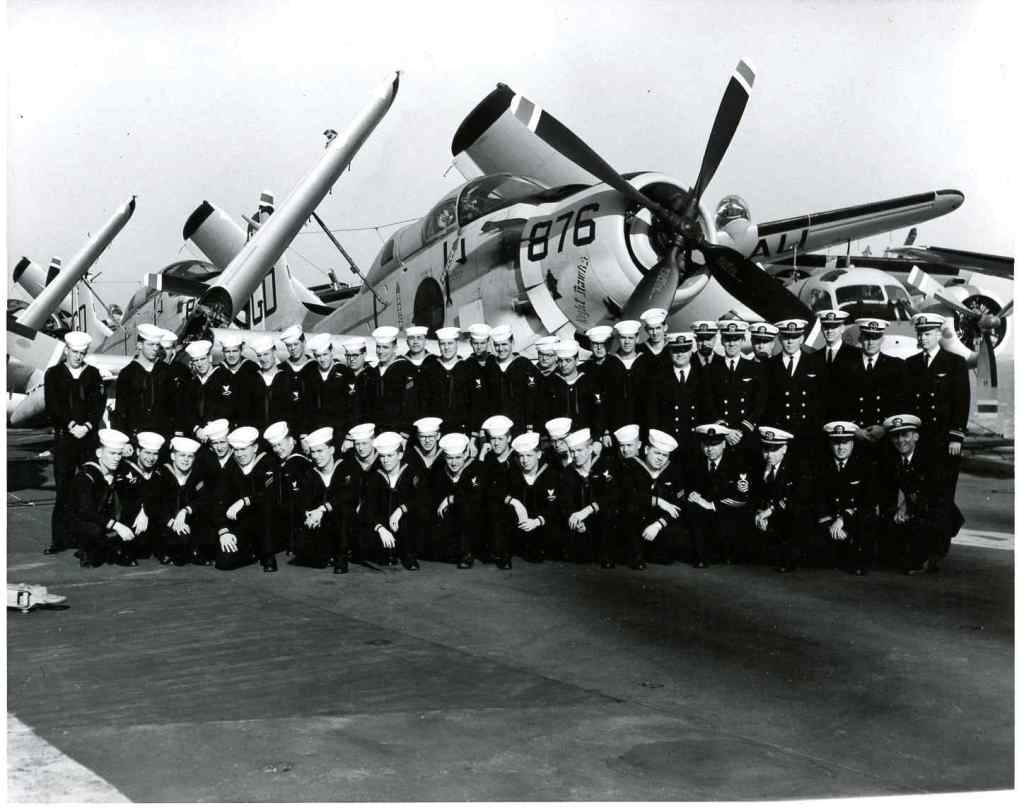
Pictured in the late 1960s are the men of VAW-33, the “Nighthawks”, who, with their Skyraiders, provided airborne early warning for the US Navy and its vessels. This included, of course, the ship they are standing on, USS Intrepid.
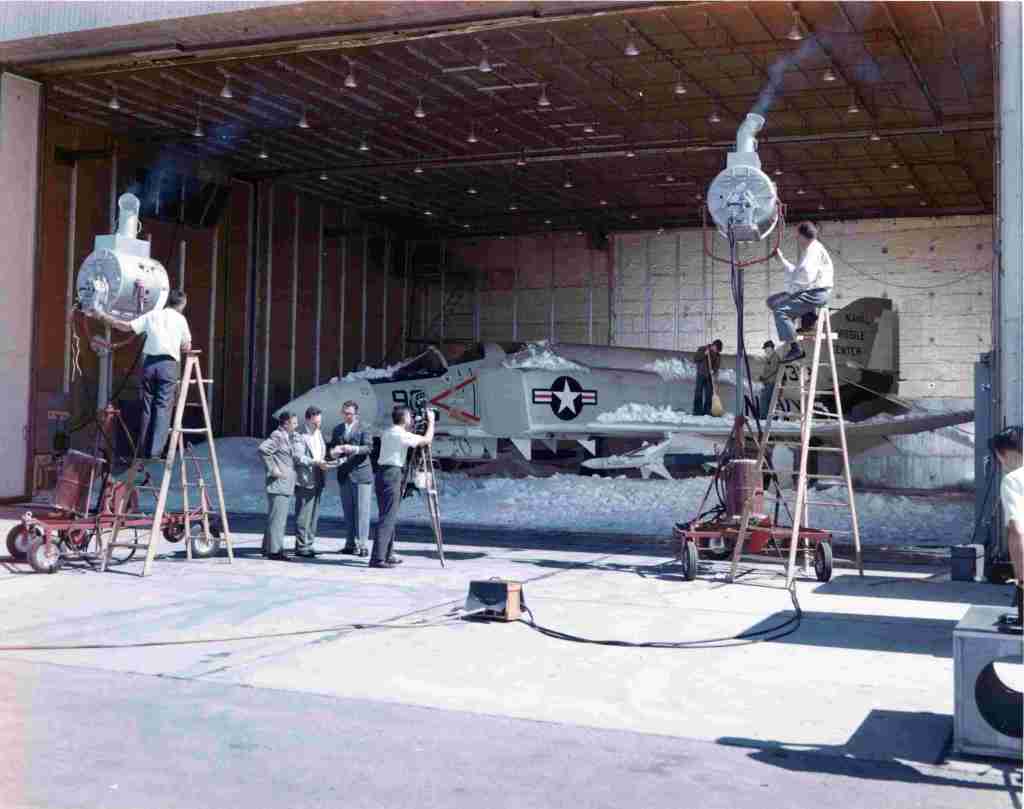
Despite the several feet of snow piled up in the hangar, the location of this photo is NAS Pt. Mugu in sunny Southern California. Given all the testing they do at Mugu, it is safe to assume that the hangar seen here can have snow, rain, etc. Lightning – probably not.
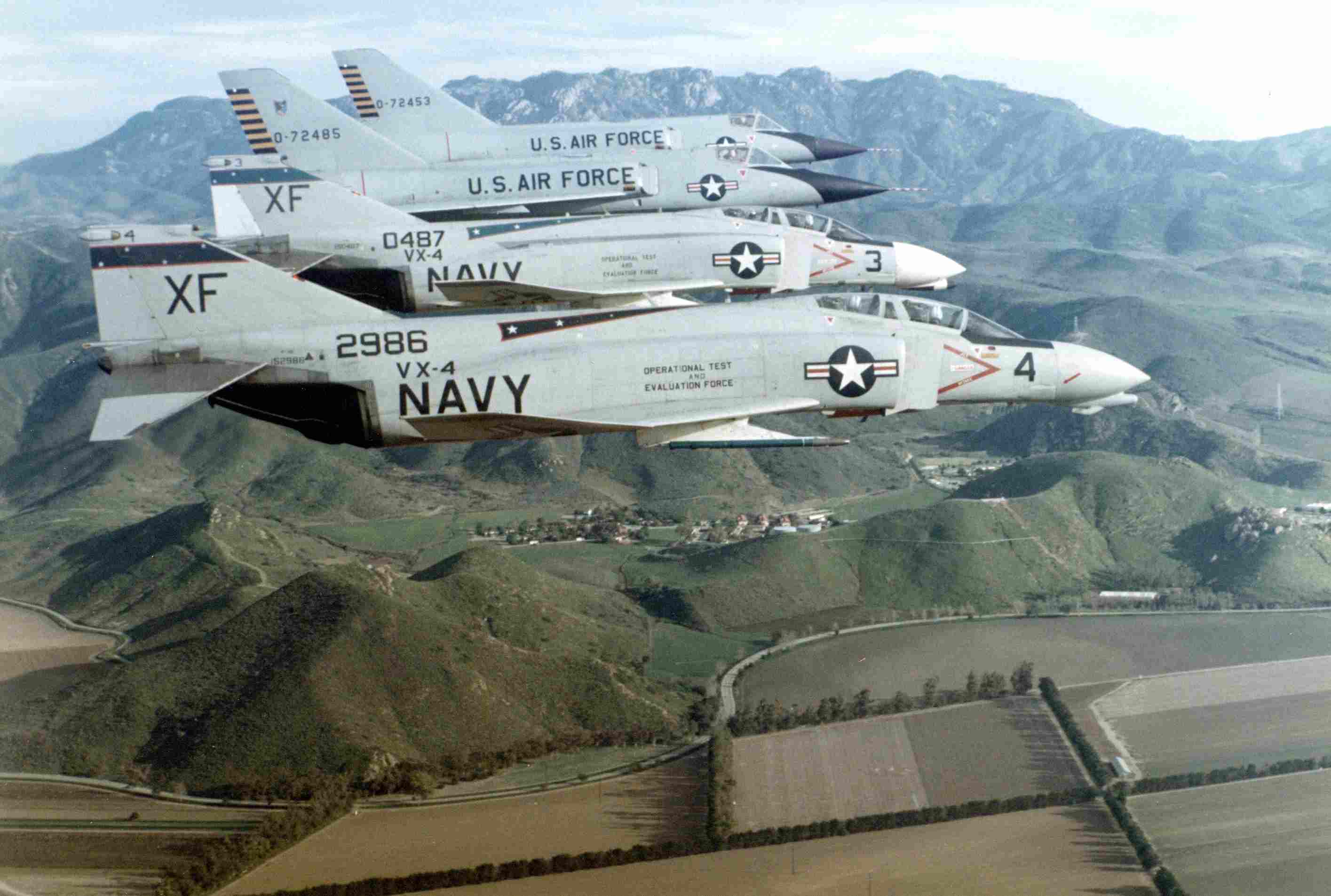
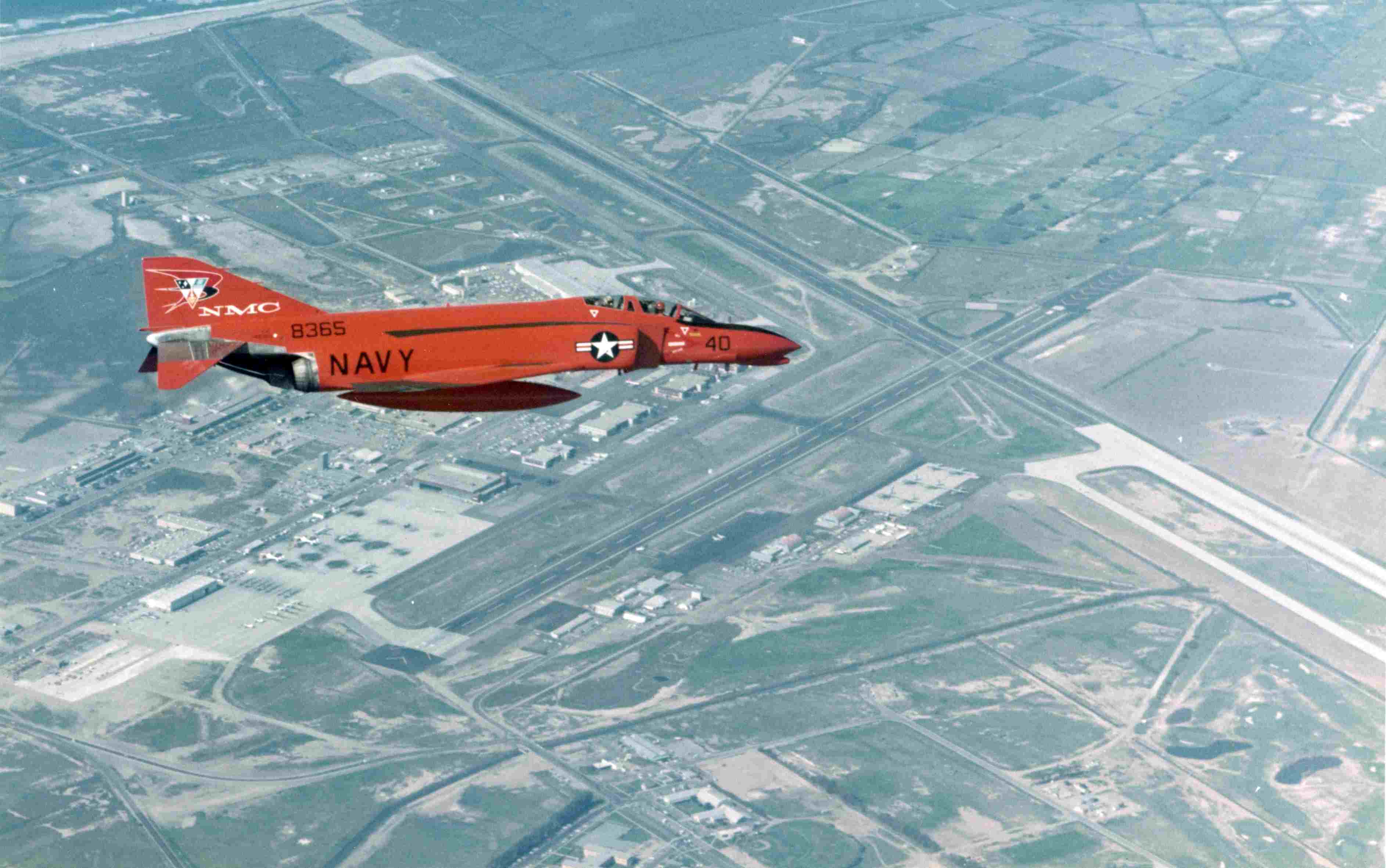
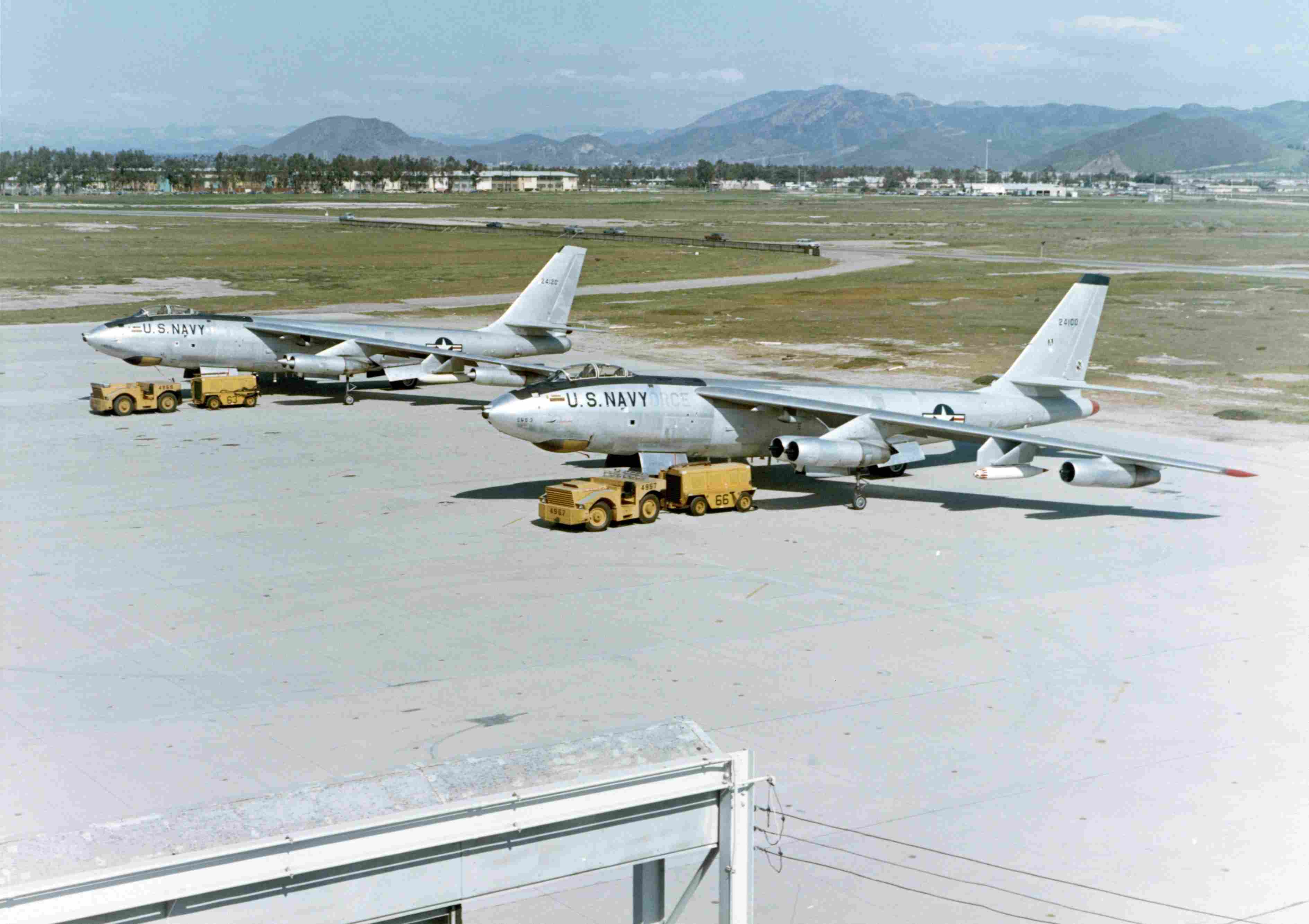
Home to the US Navy’s missile & weapons testing for nearly 80 years, NAS Point Mugu has, during those decades, also been home to a variety of aircraft. A few are seen here. The F-106s were not Mugu birds, but rather visitors from the 460th* Fighter Interceptor Squadron from nearby Oxnard AFB.
*The ‘106s could also be from Oxnard AFB’s 437th FIS – the 460th took over for them and pretty much kept the same markings.
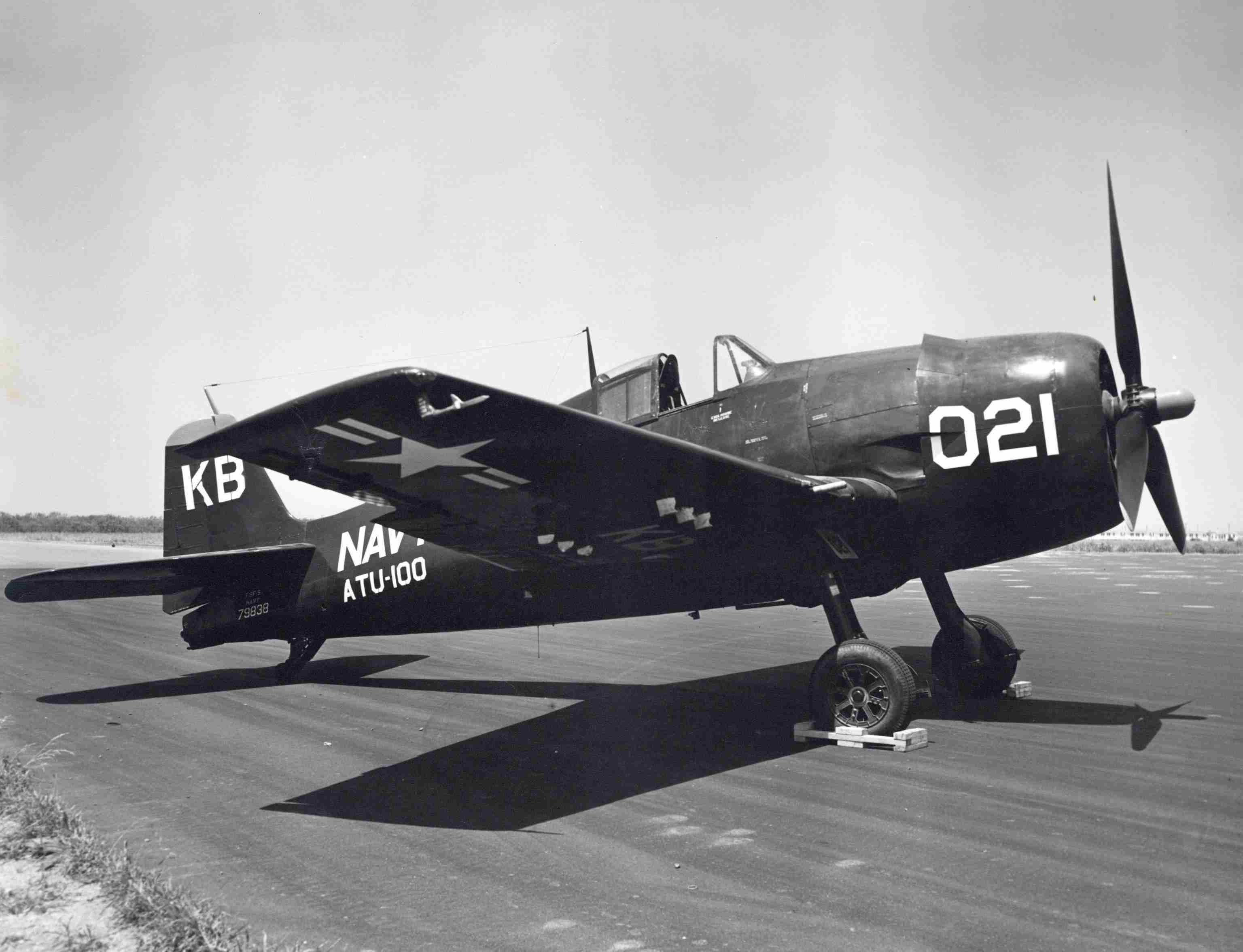
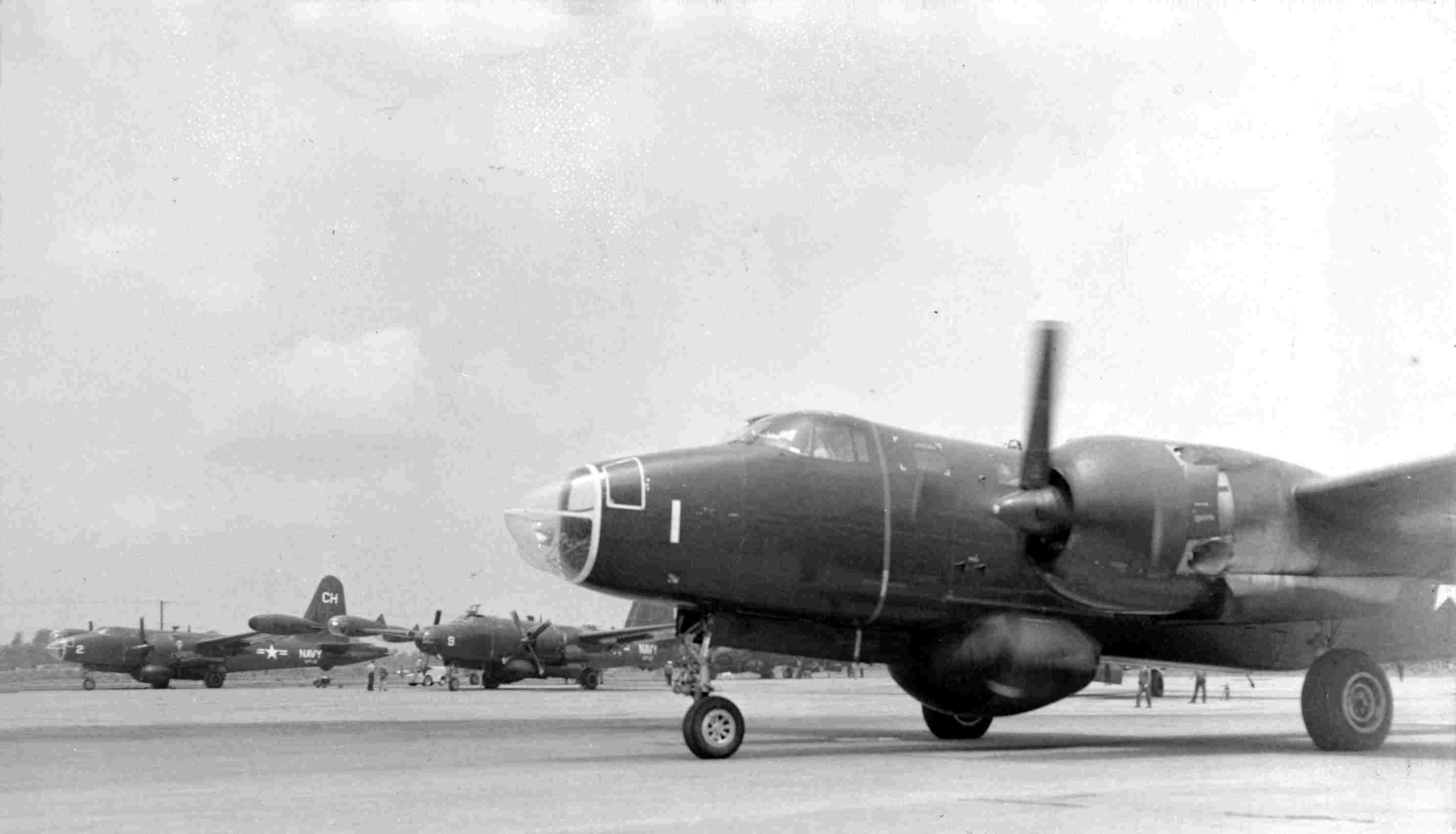
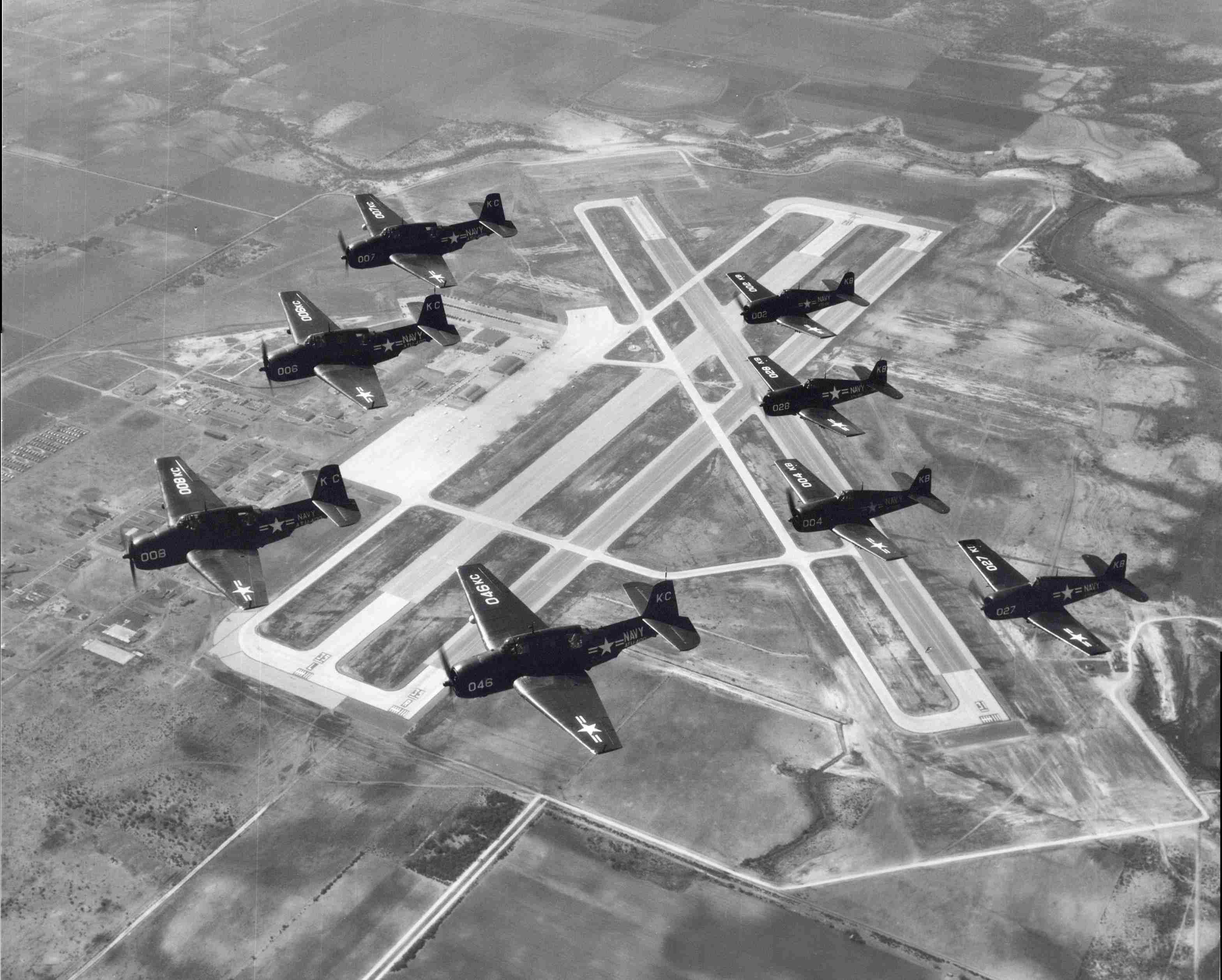
World War II veterans in the Jet Age. When these photos were taken on 23 May 1953, Hellcats and Avengers were starting to show their age but were still providing a valuable service in the training of fighter pilots (Hellcats) and anti-submarine aircrews (Avengers). The aircraft seen here are from Naval Auxiliary Air Station (NAAS) Kingsville, Texas. That base, shuttered since WWII, had been recommissioned due to the outbreak of the Korean War. The aircraft were assigned to Air Training Unit (ATU) 100 and ATU-400, respectively.
Given the variety of aircraft surrounding the hangar (helicopters, patrol planes, fighters, etc, one is inclined to believe this airfield is home to a test or overhaul facility. At lower right in photo #1 sits the fuselage of an F6F Hellcat.
So what’s the name of the place? Let’s hear from you aviation experts. Because…unlike other “Mystery Airfields” posted here before, I have no idea of the location of THIS mystery field.
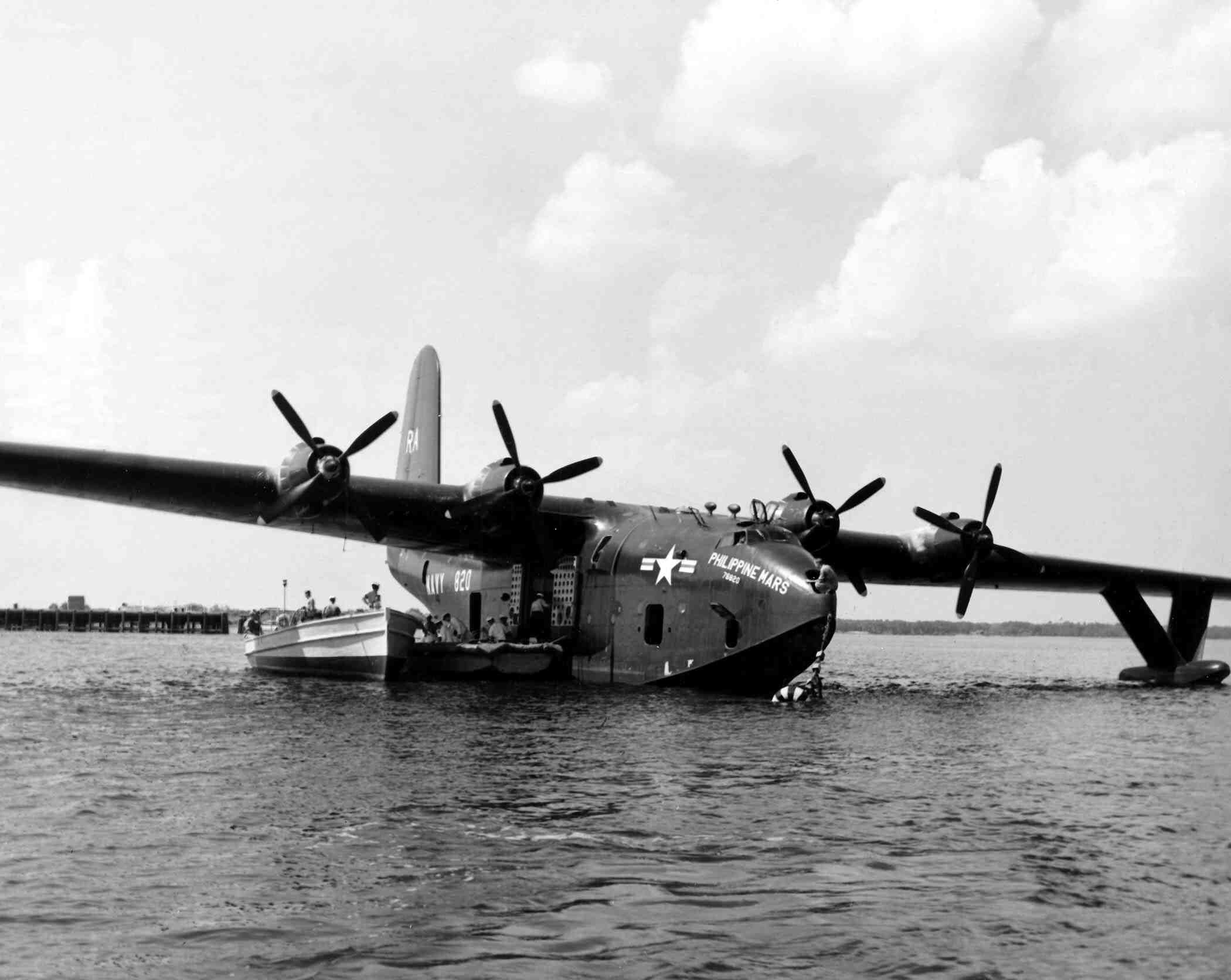
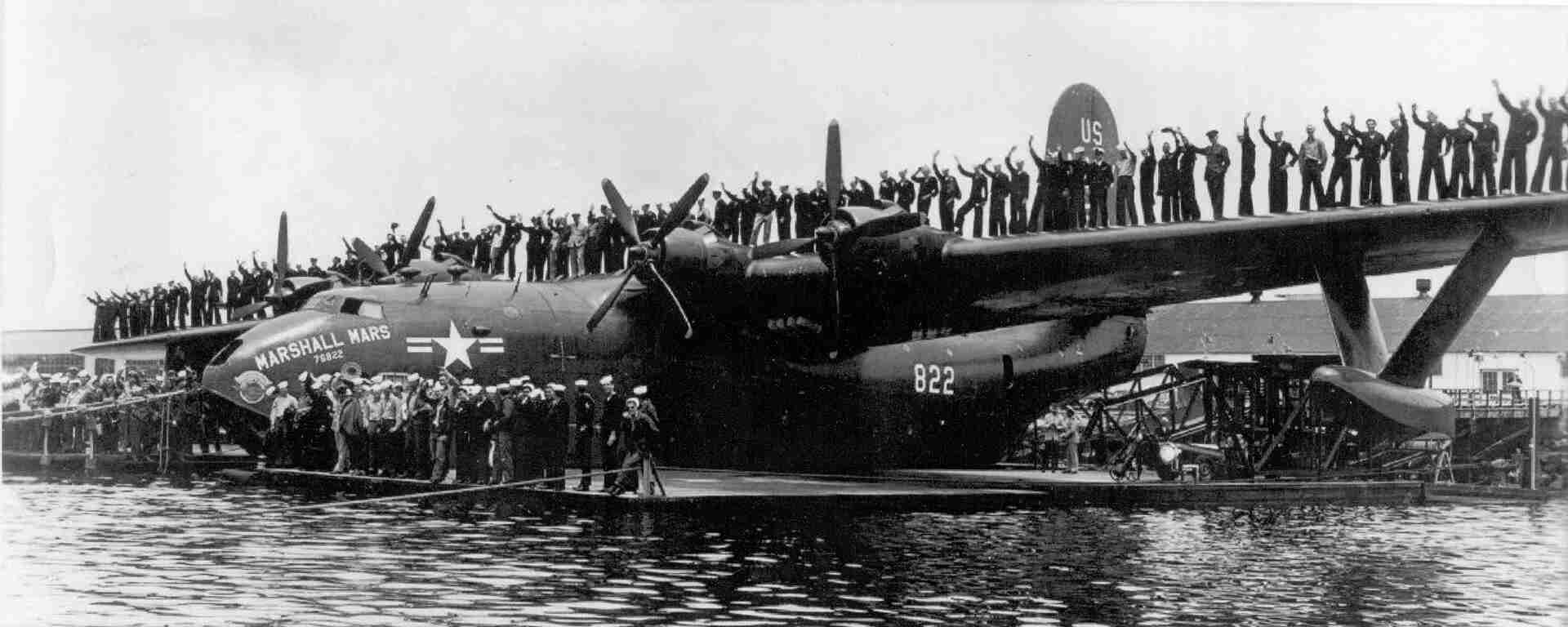
Today, the last operational Martin JRM Mars flying boat began its final journey. (It flew past my house.) It will enjoy a well-earned retirement under the sunny skies of Arizona. A scenario no one could have envisioned when the plane was built some 75 years ago.
Alone and unafraid, even if it’s only flying over the skies of the southwest USA.
From the olden days of beards and bellbottoms, ordnancemen are seen earning their pay.
“To each his own” the old saying goes, and that idiom certainly applies to the unique looks of the A-6 Intruder. However, like a pin-up girl with somewhat inverted proportions (wide up front and skinny in the rear), the design of the A-6 would always appeal to a certain breed of man. Nothing wrong with that.
Here are a few shots from VA-196 “The Main Battery” – legendary attack squadron of the US Navy – taken in the late 1970s-early ’80s.
It only took three round-trip flights, Alameda – Honolulu, to rack up 80+ hours of flying time.
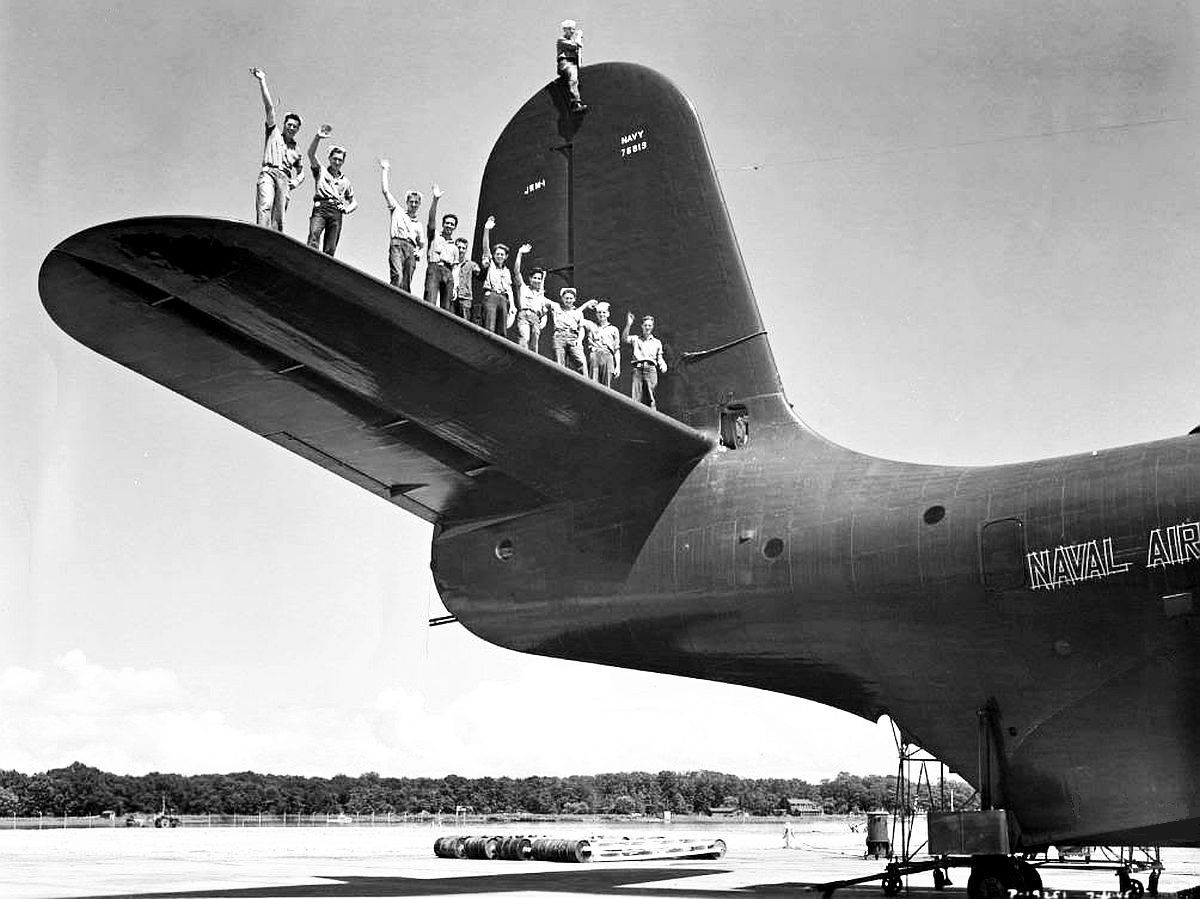
Yesterday, August 12th, one of the world’s great flying boats, the Martin JRM-1 Mars, was taken on its final ride to its new home in Victoria, British Columbia. This particular Mars, 76823, will always be known by its nickname that was bestowed a lifetime ago, “Hawaii Mars”. As the logbook depicted here shows, that island location was a frequent destination for Martin’s big seaplane.
The duration of yesterday’s last flight was about 3 hours. As seen by the logbook entries, a trip to the aircraft’s namesake islands required about ten additional hours.
The tongue-twister XSB2C-2 was a one-off float version.
Canadian-built Helldiver.
Well, that was stupid. The truck is marked “Electric Service Co. Ann Arbor Michigan. Willow Run Airport perhaps.
Despite being saddled with innumerable issues at the onset of its career, the Curtiss SB2C Helldiver did manage to eventually become a highly effective attack aircraft. Unfortunately for its reputation, though, it was trying to fill the shoes of a legend, a dive-bomber who was a very tough act to follow, the SBD Dauntless. Those who were involved with the Helldiver either loved the big “Beast” (as they called it), while at the same time, there were those who held it in contempt ( the SB2C as “Son of Bitch 2nd Class” was their sobriquet of choice).
Either way one looks at it, the Helldiver sank a lot of ships.
Like most bases back when, Shaw had a variety of planes – B-25s included.
And A-26s.
Shaw Field flightline with Mustangs in the distance..
A naval visitor – the Lockheed XR60-1 “Constitution”.
Another flying recruiting tool, the Constitution sports the logo “Your Navy – Air And Sea”.
As seen in these photos, mid-to-late 1940s Shaw Field (soon to be Shaw AFB) was a base sporting an impressive array of aircraft such as those seen here: P-61, AT-6, A-26, B-25, P-51, etc. A bonus is the visiting (and shortlived) Lockheed XR60-1 Constitution, one of only two built. Cause of demise: underpowered, overly expensive to operate. That said, the XR-60 Constitution is always good to remember when making a bet at your local bar. Just slap your dollar down, and then ask anyone to name the largest landplane ever flown by the US Navy.
Looking like some great beast took a bite out of its fuselage, the Great Lakes XSG-1 never went beyond this single prototype.
The Columbia XJL-1 was another also-ran in the world of US Navy seaplanes. This example (BuNo 31399) survives today at the Yanks Air Museum in California.
SOC aboard seaplane tender USS Currituck in 1947. The plane is being readied for dropping in the water.
Same aircraft seen in previous photo shows the rearseat man stowing the bridle used when hauling the aircraft in or out of the sea.
A pair of USS California SOCs as seen from the rear cockpit of another.
Another view of SOCs of the battleboat USS California.
SOCs and a variant, the SON-1 from Scouting 9 of the USS Honolulu.
O2Us aboard USS Chester. She and USS Indianapolis (R) are seen refueling from the tanker USS Salinas while enroute to South America in 1936.
USS Indianapolis arriving in Rio de Janeiro with a special passenger: President Roosevelt.
Chester and her O2Us depart Montevideo.
SOCs, USS Tuscaloosa.
Battleship USS New York is a sea of cranes and seaplanes.
USS Idaho. It took some guts to climb out on those guns.
Battleship USS Tennessee and her SOCs.
Here are two aircraft that had ridiculously long service lives by the standards of their time: Vought’s many variations of the O2U Corsair and the Curtiss SOC Seagull. In an era when an aircraft was here and gone in only a few years, the Corsair and Seagull served the US Navy for 19 and 14 years, respectively (and approximately).
Seattle paperboys get a good look at a real jet plane.
NAS Seattle and jets did not mix. Noise complaints abounded, and the runway was way too short.
What young man of the 1950s didn’t want to climb all over a real jet airplane? These boys are getting the grand tour of a TV-2 because they are top performers in sales and in excellence of service in their chosen profession. They are paperboys, and as a reward for their efforts, their employer, The Seattle Times, took them to both Naval Air Station Seattle and the nearby stadium for the University of Washington, where they were treated to a football game (Photo dated September 21, 1957: Washington v. Colorado ended in a 6-6 tie).
Smaller, straight-wing jets like the Lockheed TV were about all the 5,000-foot runway at NAS Seattle could handle. The base was on the shores of Lake Washington, and the runways had no overrun. If you landed long or short, you went swimming. Encroachment was also a serious issue: The city of Seattle had no problems permitting home construction right next to a military air base. And, as is always the case, those freshly arrived homeowners acted dumbstruck and indignant that a military runway could be rather noisy. Therefore, the local’s motto became NAS Seattle delenda est.
Sporting symbols denoting 211 missions, a snazzy-looking A-4C of VA-144 is seen from the summer of 1967. This aircraft (147822) crashed a few years later in 1972.
Another A-4C of the 60s, 147749 of VA-112, shares the ramp with an F-8 Crusader of VF-111.
Next 3 photos: Some detail shots of this A4D-2N of VA-153.
This aircraft (147680) crashed in 1974.
Another A4D-2N from the early 60’s is 147720 of VA-93.
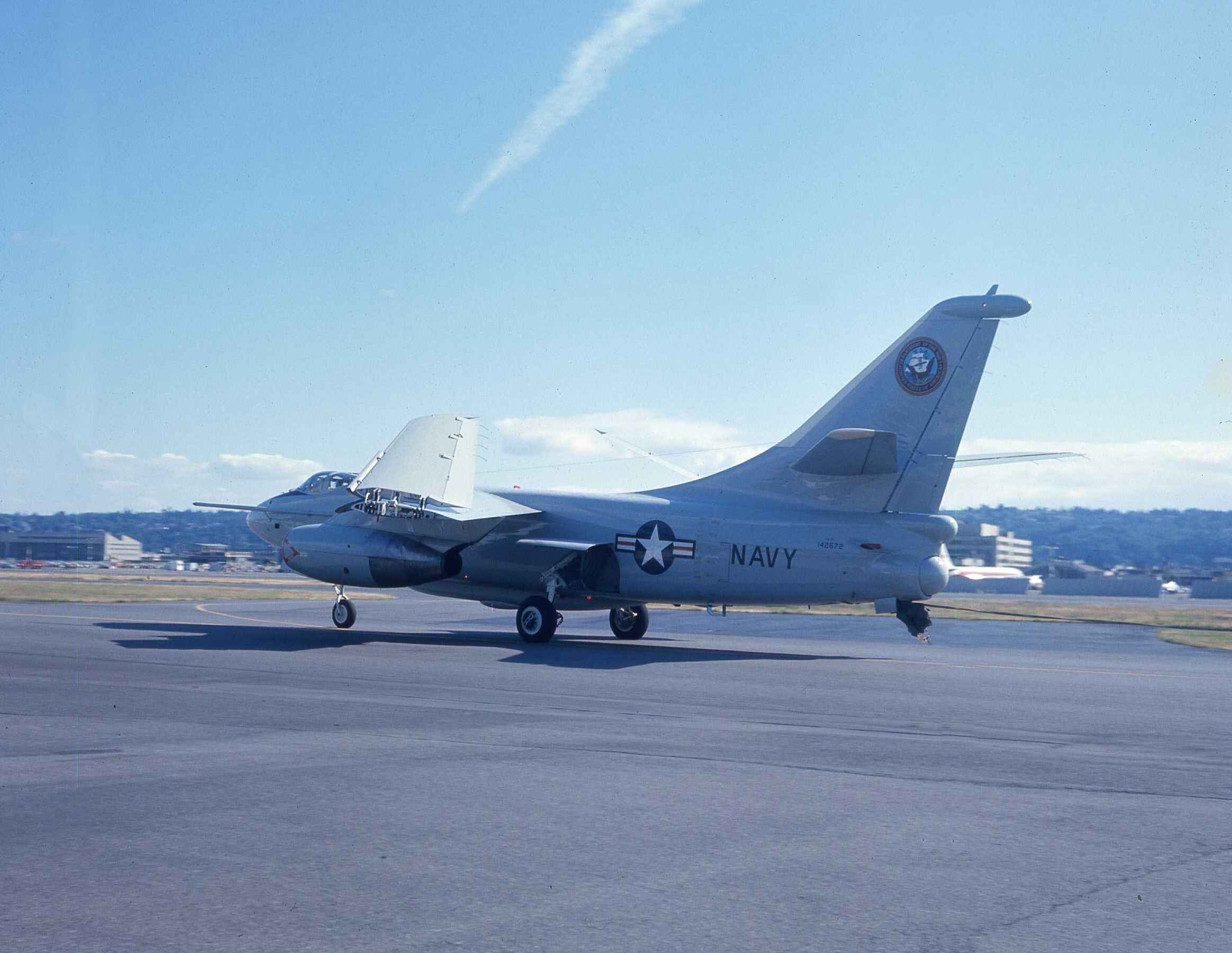
This A-3 (142672) was converted into a VA-3B soon after its delivery to the USN. The “V” in VA, of course, designates this aircraft for VIP usage, and that is what the bird did for many a year, including when this photo was taken in the 1960s. The plane is visiting Boeing Field, wings are folded, and the drag chute is tugging along behind just out of the picture. This airframe was retired for a while, then brought back into service for a more conventional electronic warfare role. In that role, the aircraft met its fate in 1985 when it crashed, killing all crewmen.





















 The Jive Bomber