KB’s

The term “One of the unsung aircraft…” is often misapplied, but it sticks like glue to the B-50 and its variants. Developed and produced by Boeing at a time when they would rather have been developing and producing jet bombers, the B-50 – basically a well-improved B-29 – was easily overshadowed by more sleek and futuristic designs such as the B-47. And, of course, it would always be comingled/confused with its more famous older brother, the aforesaid B-29. This was aided by the fact the B-50 never even got its own nickname; it too was the “Superfortress”. Apparently, Boeing and the USAF were not interested enough to even come up with a moniker for their new bomber.

Nearly 400 B-50s were built, the majority of which were converted into tankers. Their operations mostly confined to supporting fighter aircraft, the KB-50 became the mainstay of many an Air Refueling Squadron (AREFS) in the 1950s . They soldiered on until 1965, afterwards, they were soon forgotten.  Alas, only five B-50s have survived. 

Note: Back in the early 1980s, we had an old-timer (at age 40, he seemed ancient) in our USAF maintenance squadron who had worked on KB-50s late in their careers. Patiently puffing (always) on his cigarette, he explained to the youthful ignoramuses in his charge just what a KB-50 was. “Really not much different looking than a B-29” said he. In fact, he recalled that many of the parts were interchangeable.

As previously stated, truly an unsung (and ignored) aircraft (even by those who worked on them).

Post-War Props

Airshow time, circa 1979

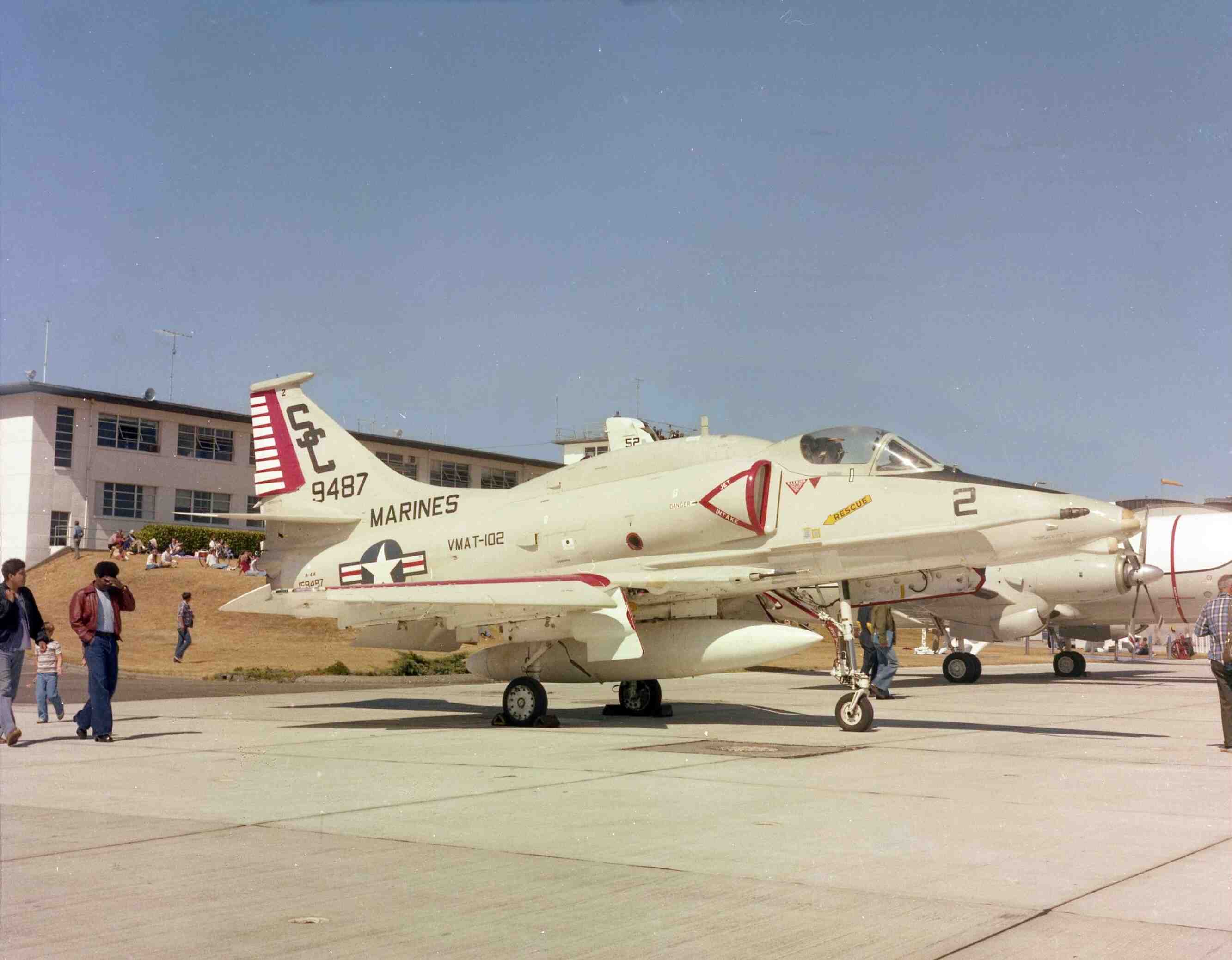
There was something for everybody at this open house back around 1979: Phantoms, Voodoo, Thunderchief, Vulcan, and the USAF Thunderbirds in their T-38s. Not 100 percent certain of the location, but I believe it is Whiteman AFB, MO. The photographer was not using the best of equipment, but I’m glad he took the pictures.

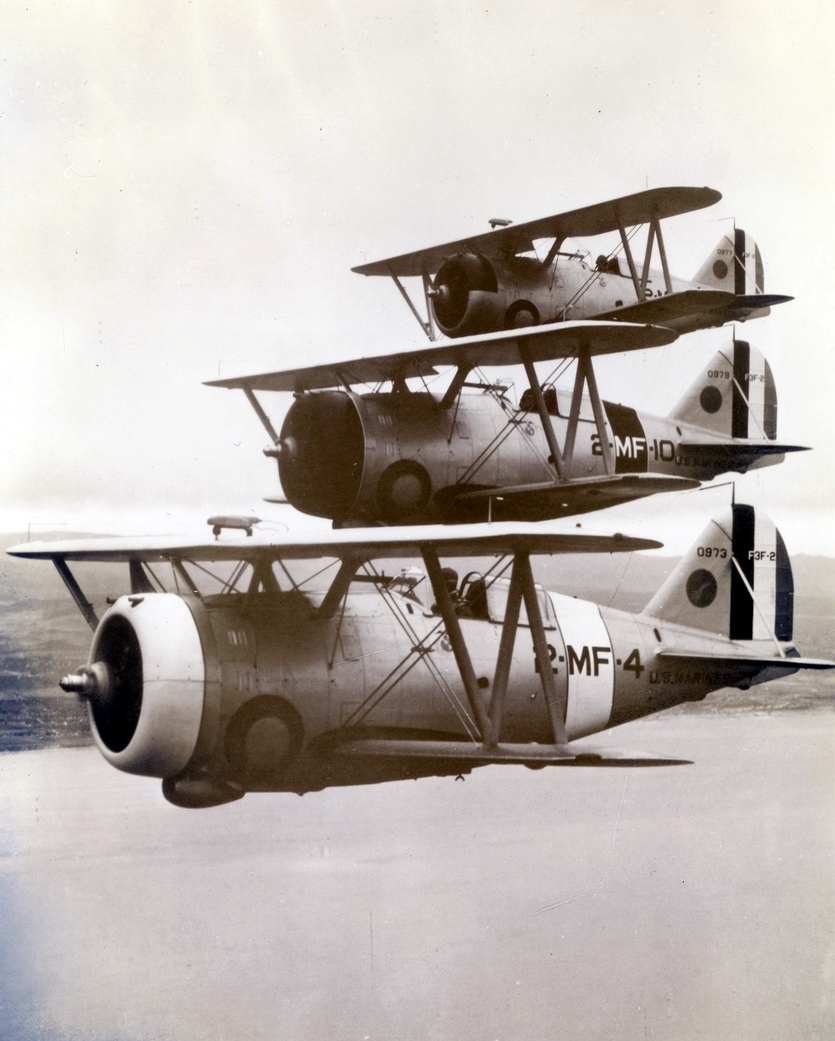
Grumman F3F – the “Flying Barrel”

Webp.net-resizeimage (2)

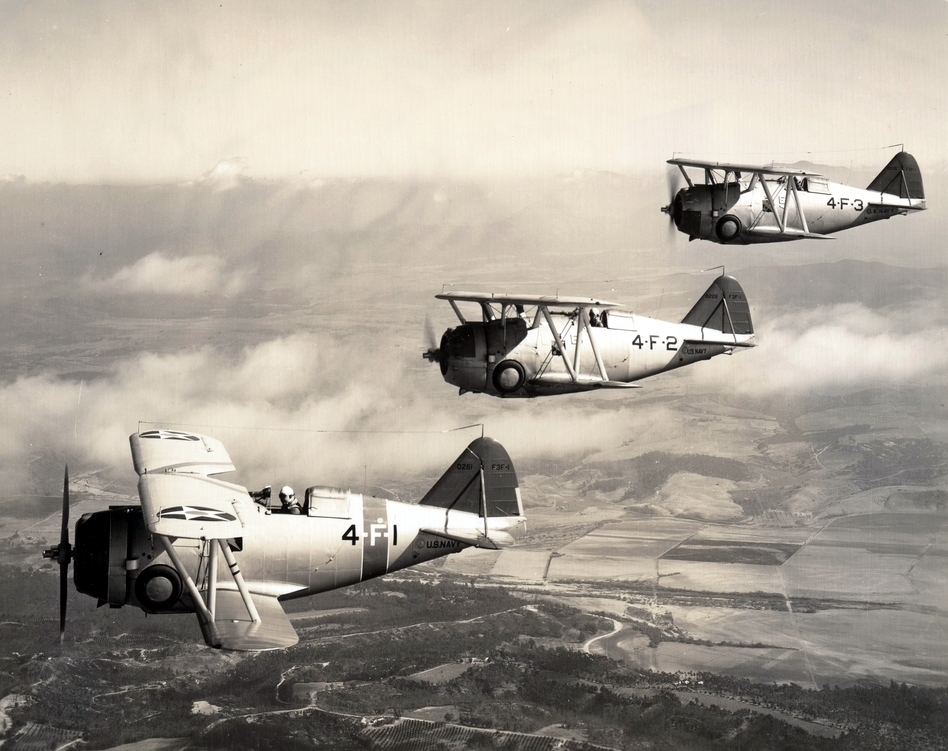
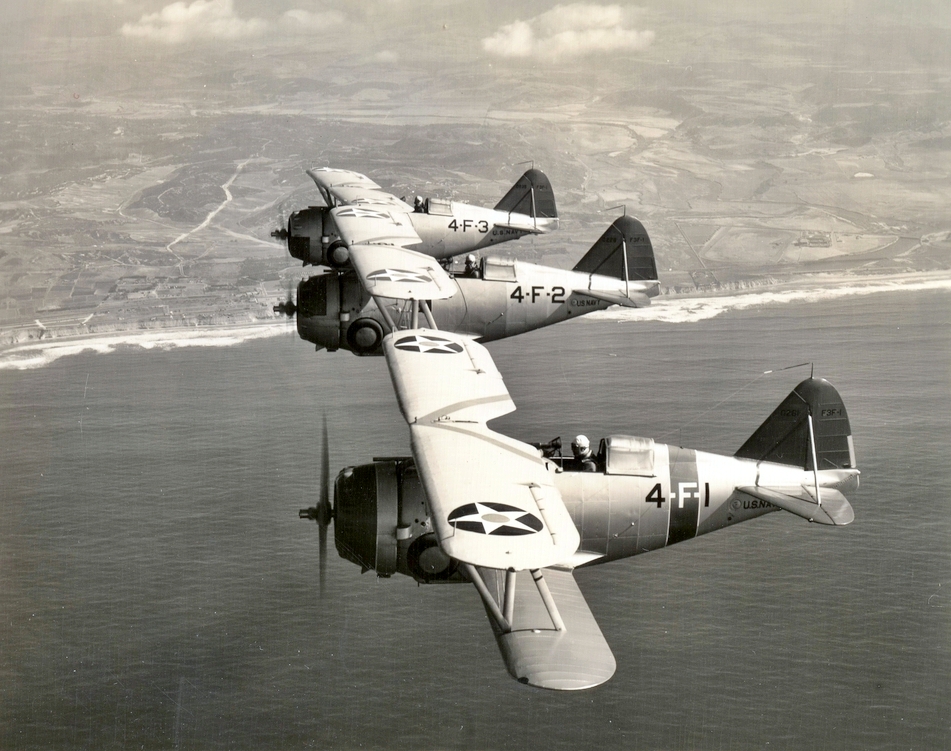
The F3F had several nicknames, all related to its appearance. Nevertheless, it was rugged, reliable, and pretty quick. It was also the last biplane fighter ordered by the US military. The first two photos show VF-4 out for a cruise above California in the late 1930s. Numbers are 0261, 0228, 0235

Webp.net-resizeimageWebp.net-resizeimage (3)

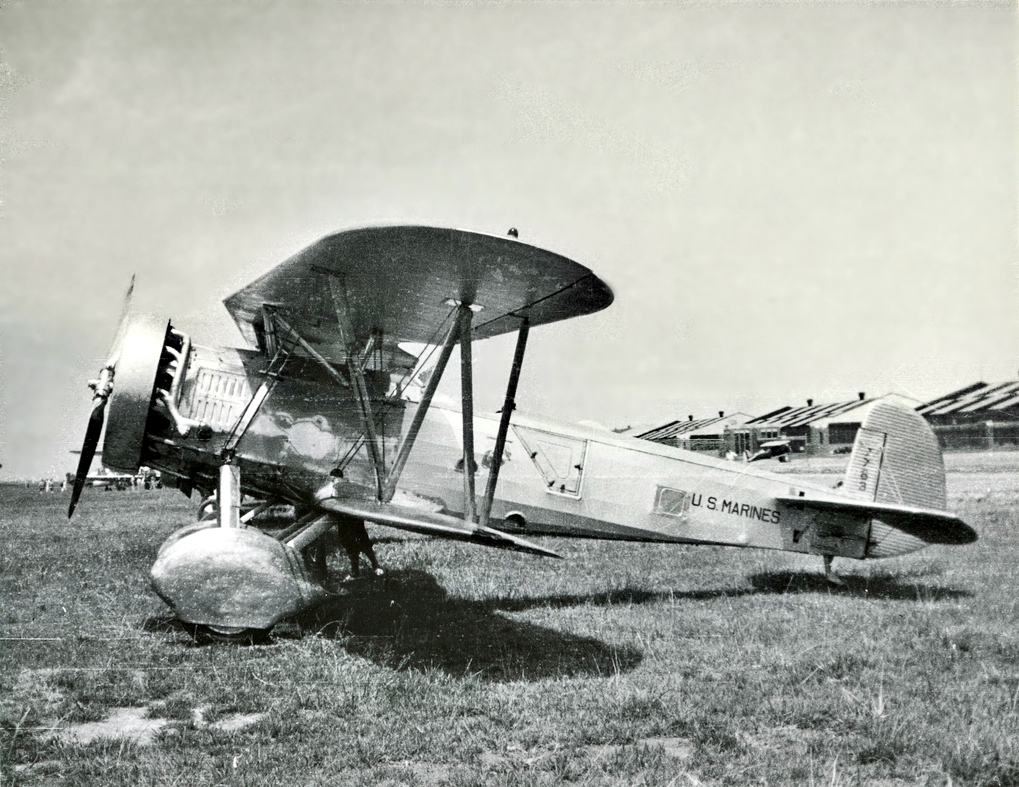
Here, we see Marines of VMF-2 out for a drive in the F3F-2. This second model had a bigger motor and was readily identified by the size of the engine cowl. Numbers are 0973, 0977, and 0979.

Corsairs…

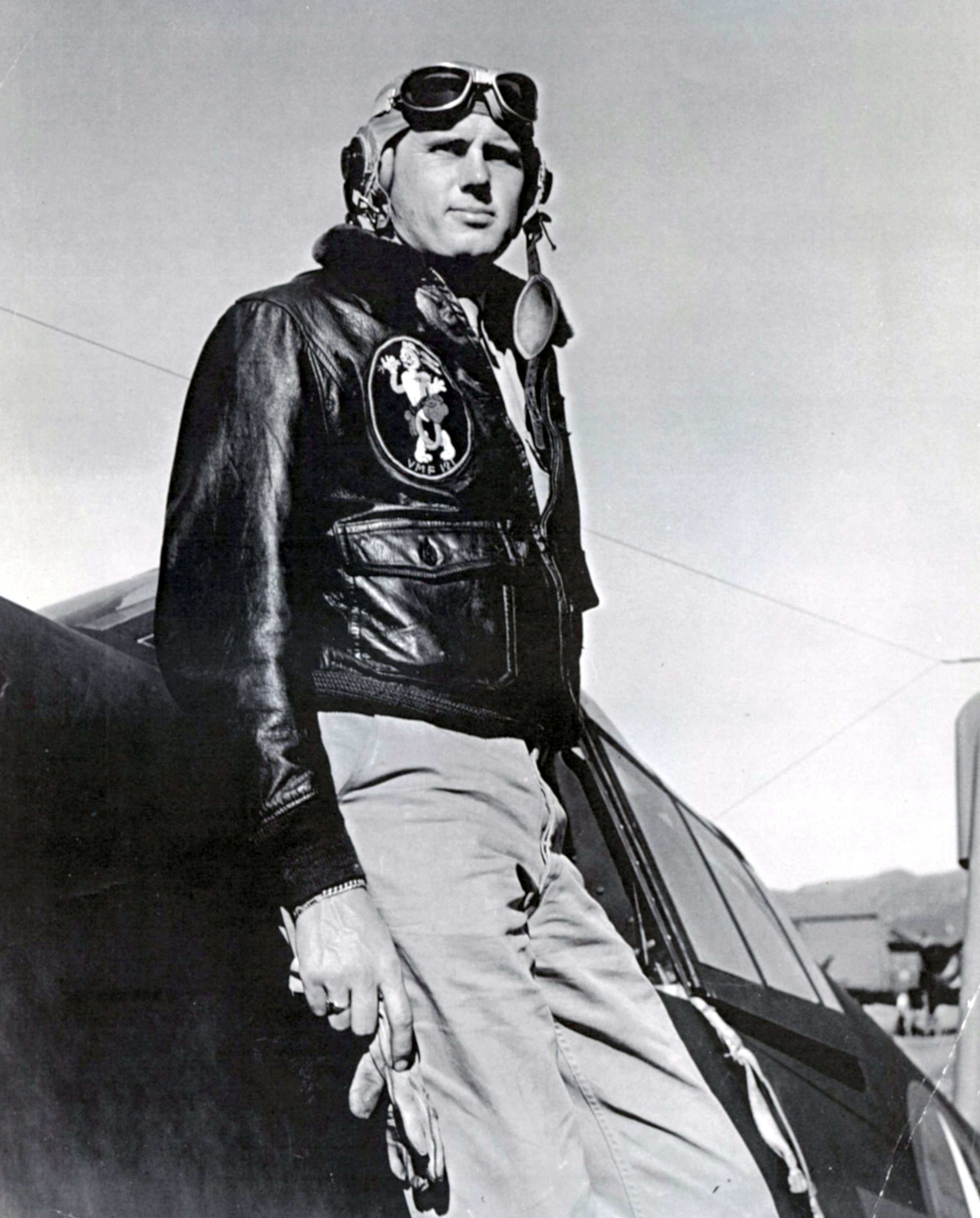
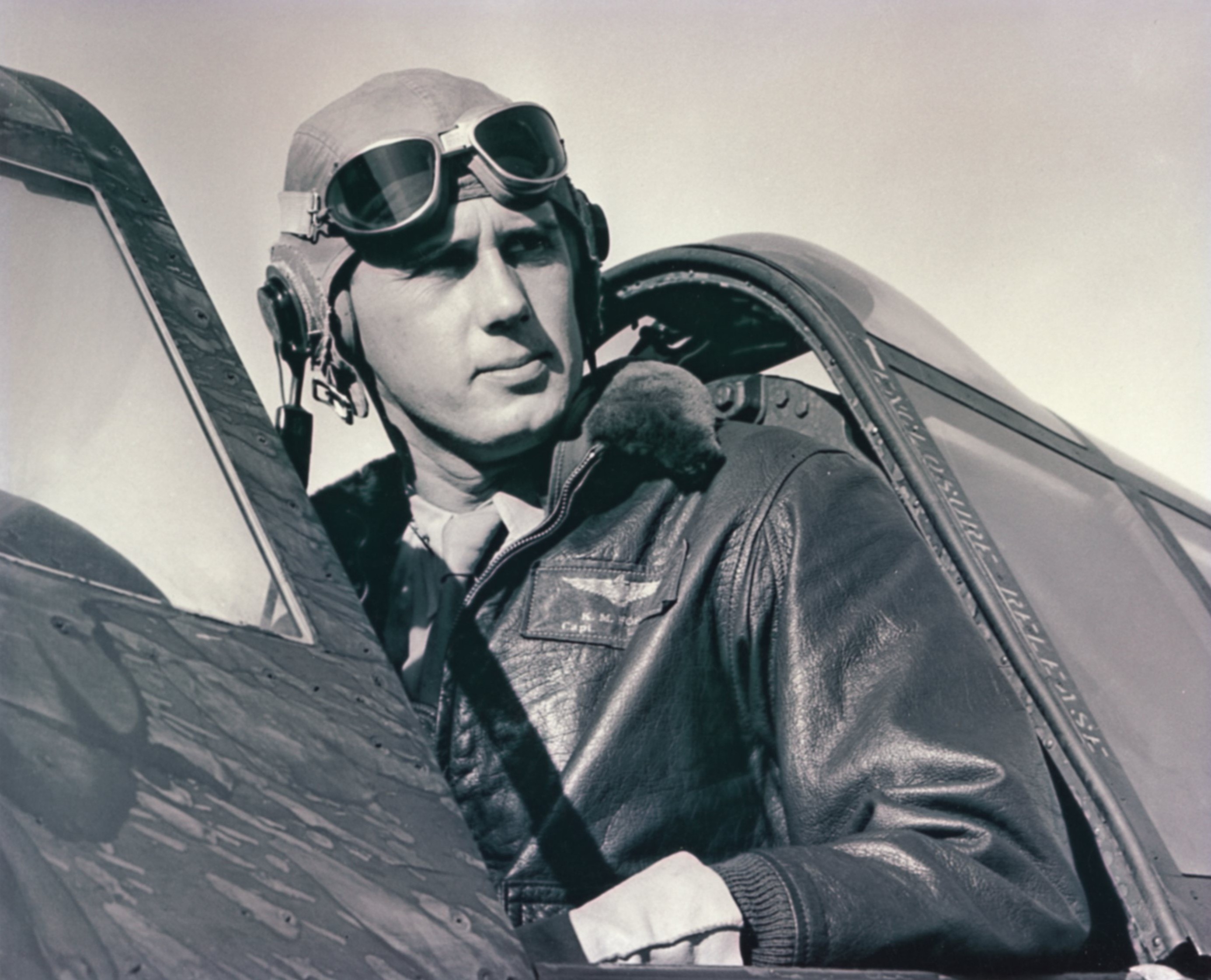
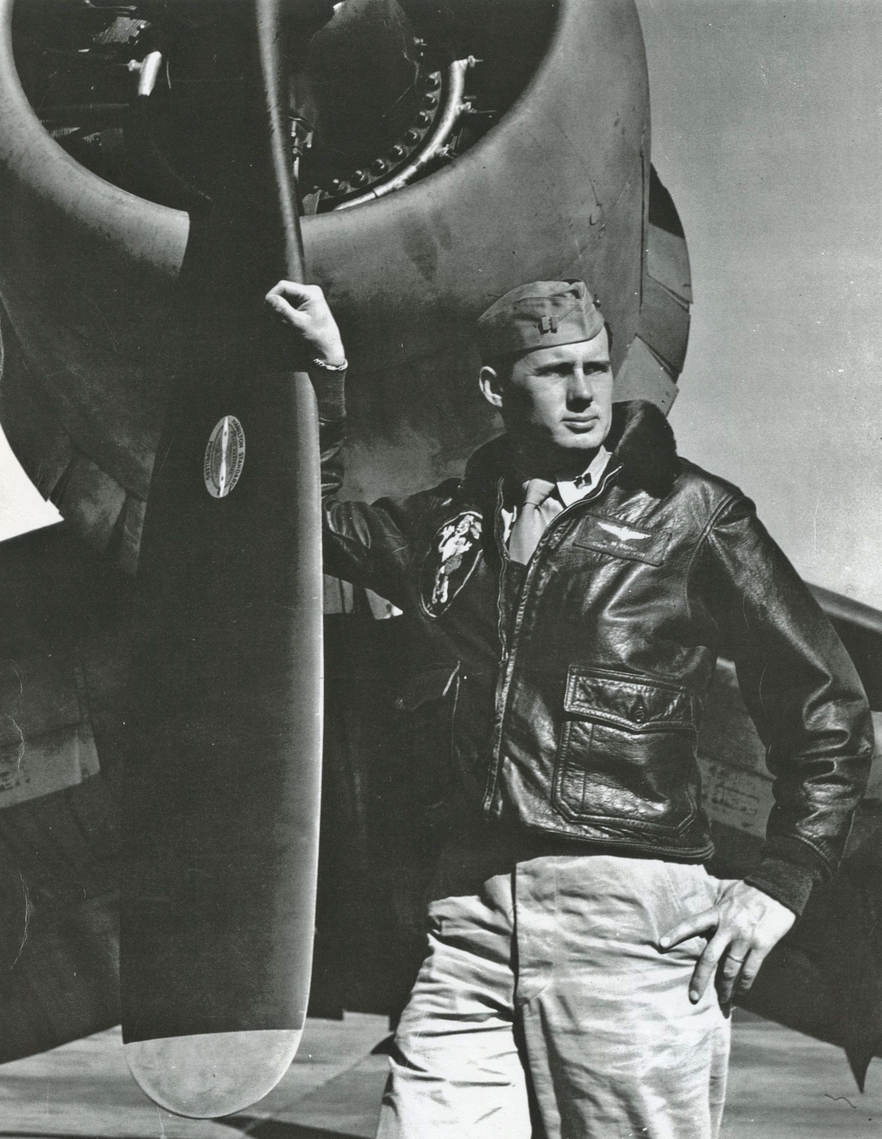
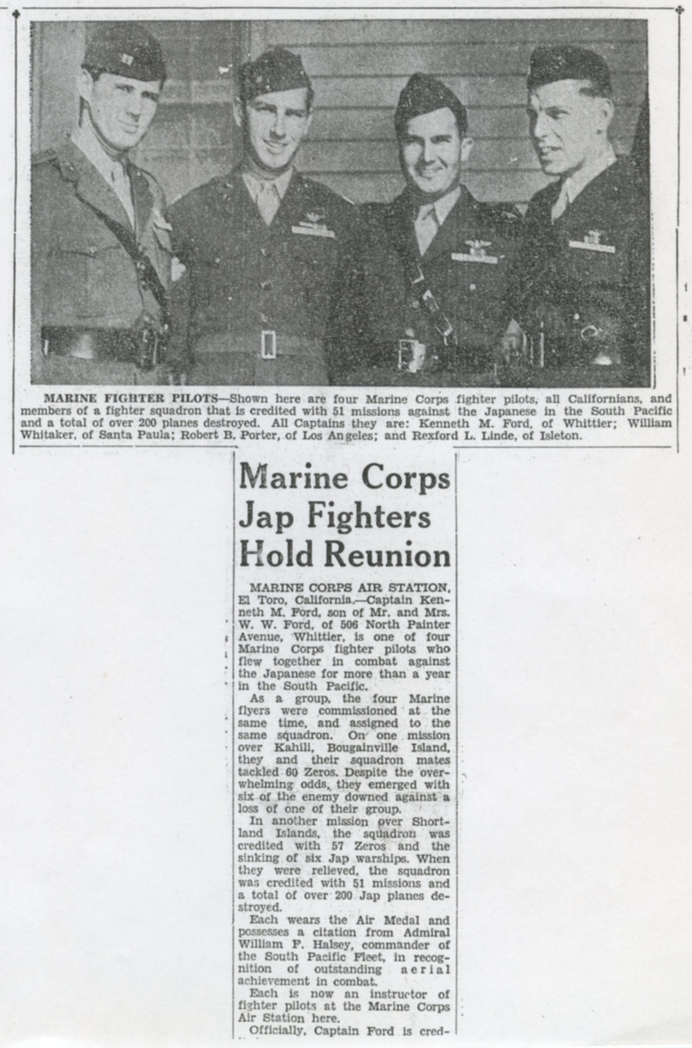
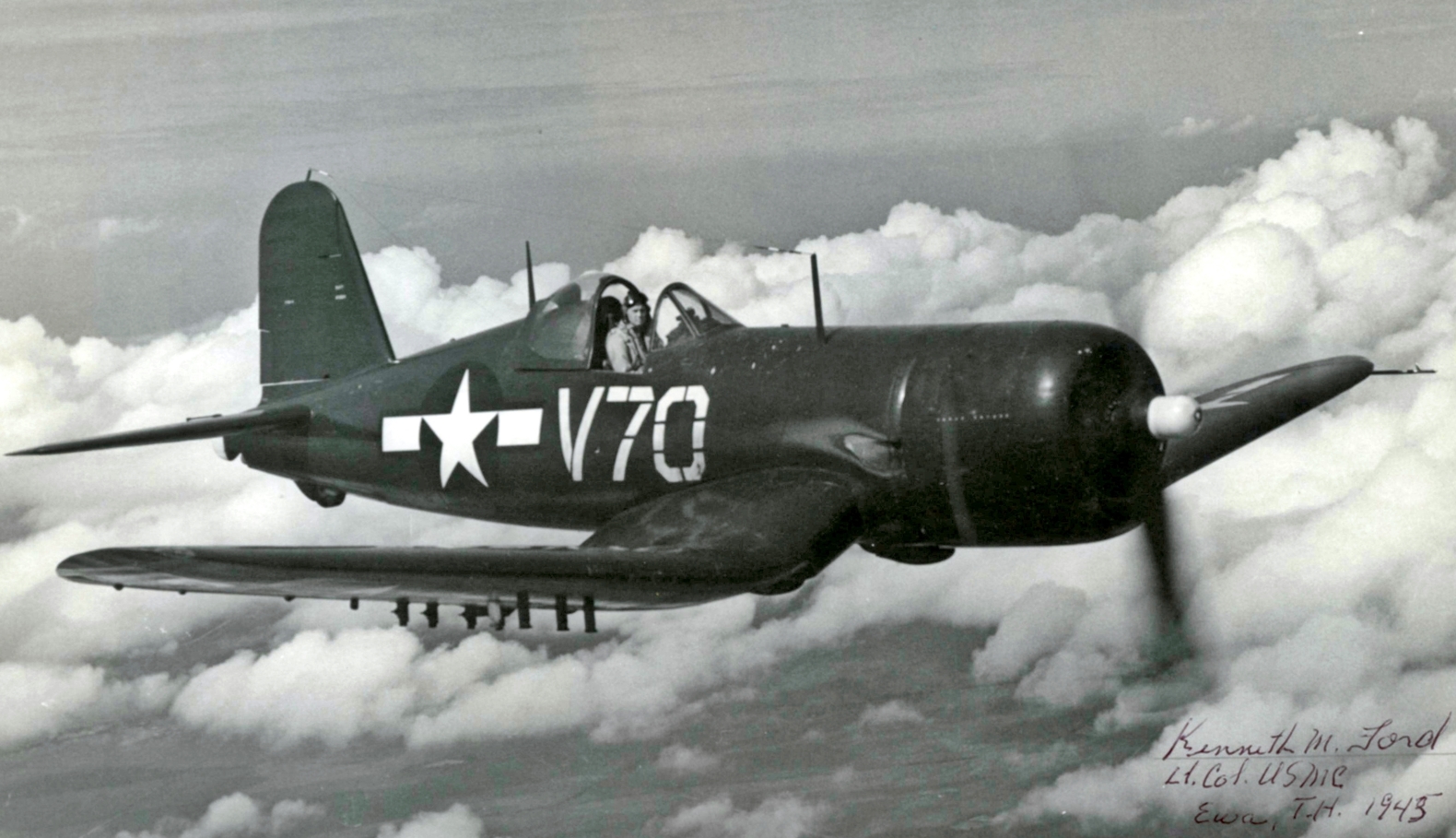
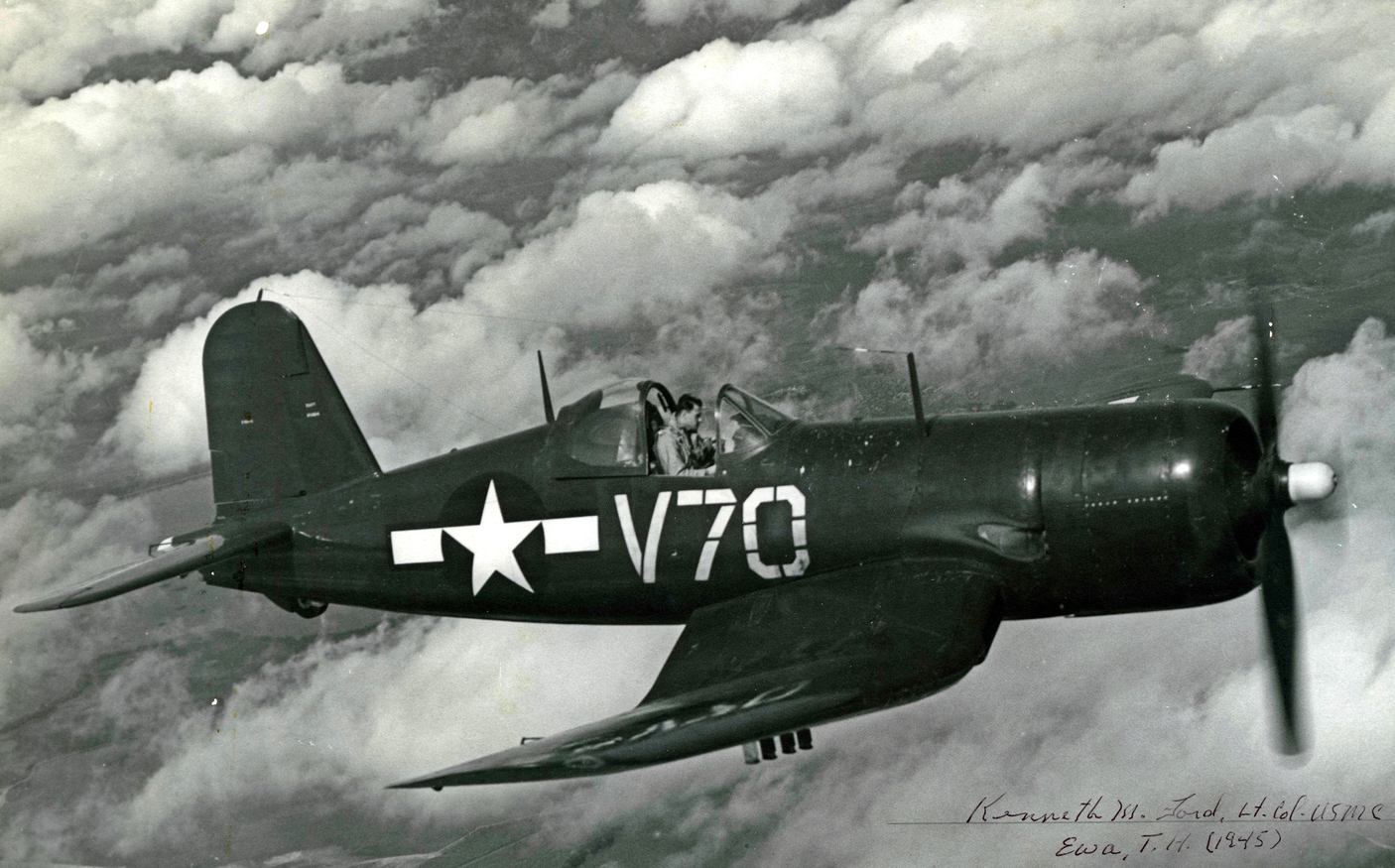
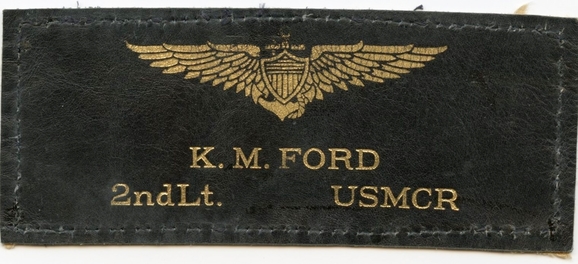
Kenneth Ford, Marine Corps Ace, VMF-121

img970img967Webp.net-resizeimage (2)

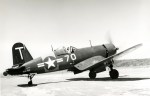
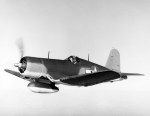
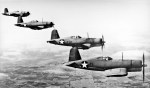
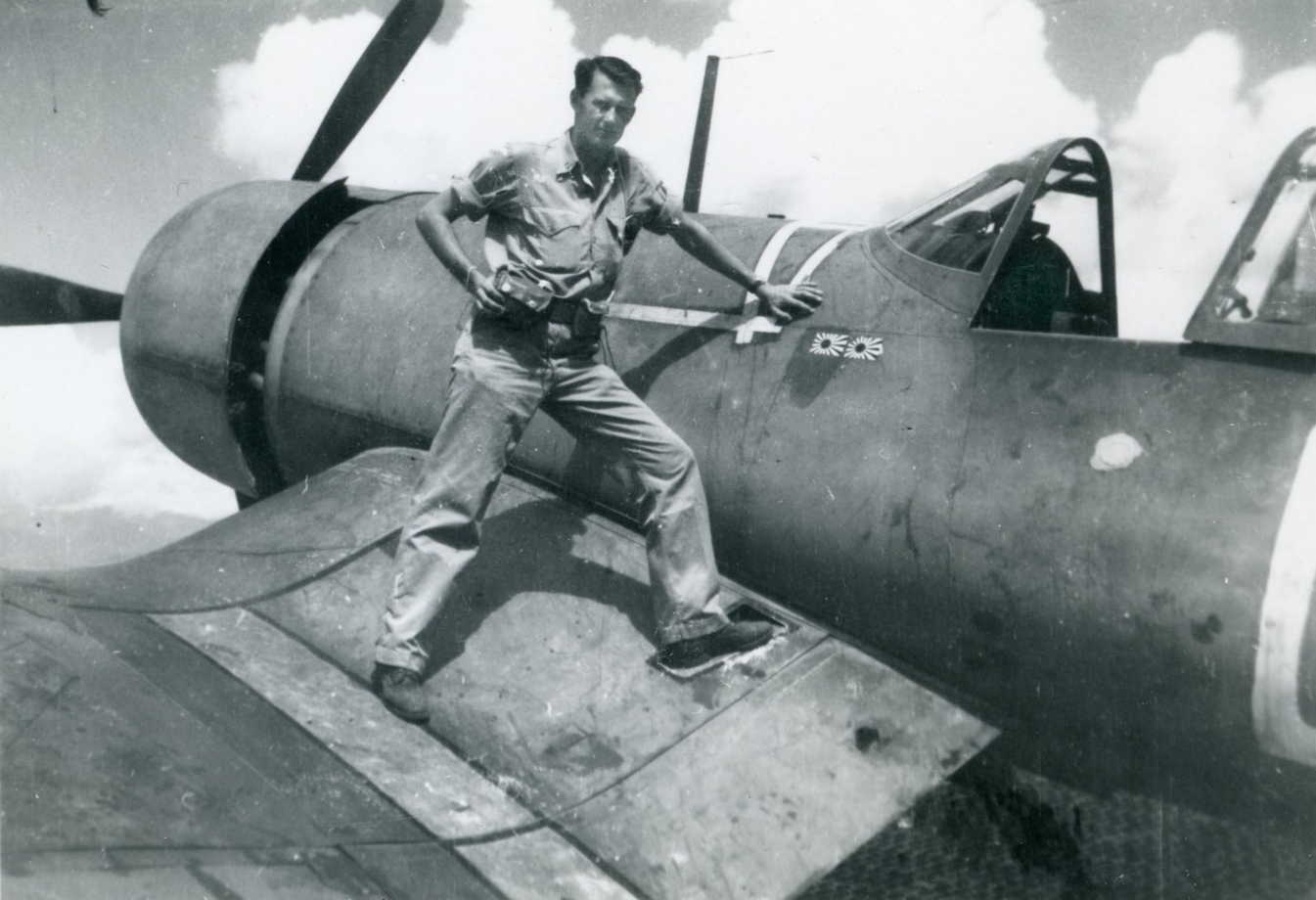
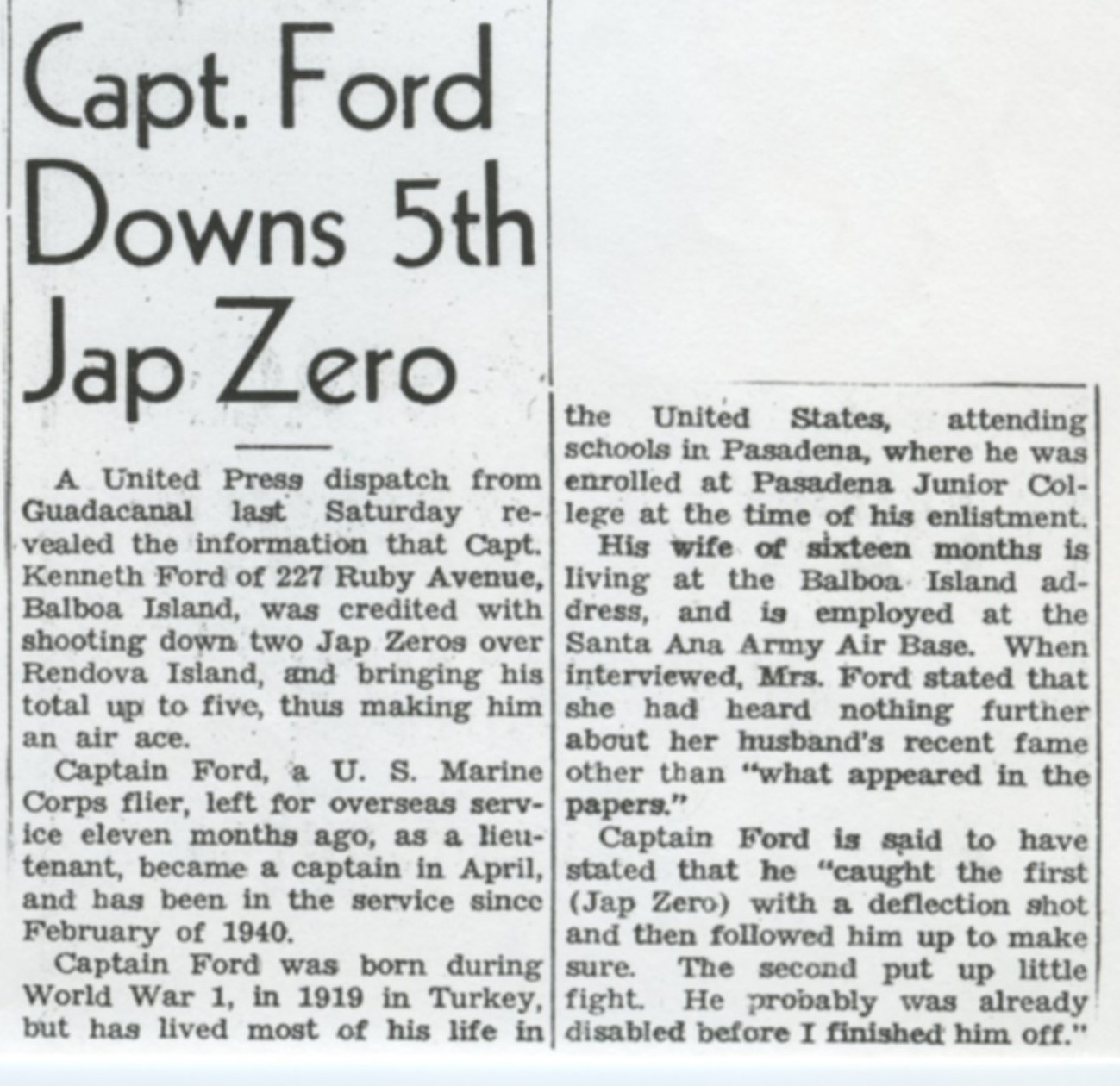
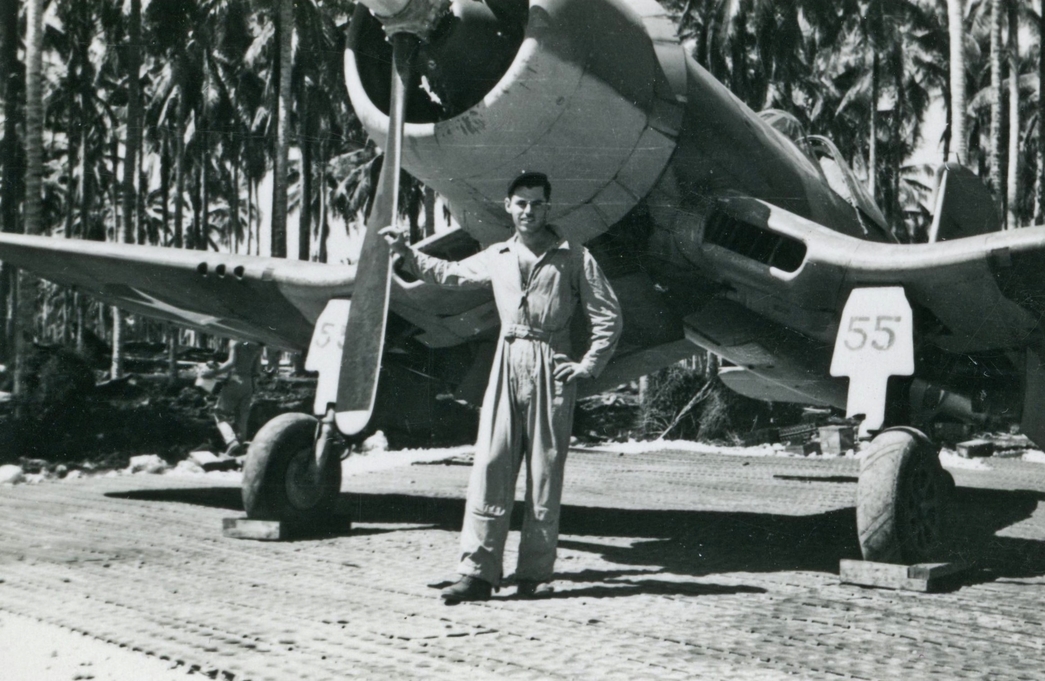
Kenneth M Ford flew with Guadalcanal’s “Cactus Air Force” during the early days of WWII. First seeing action in F4F Wildcats, Ford later shot down five aircraft at the controls of the F4U Corsair. Ford was in the thick of things. Shot down on one occasion, and forced to ditch on others, he never stayed on the ground for long. I got to know the man in later years. His love for the Marine Corps and his Corsairs were something he never tired of talking about.

Webp.net-resizeimage (7)

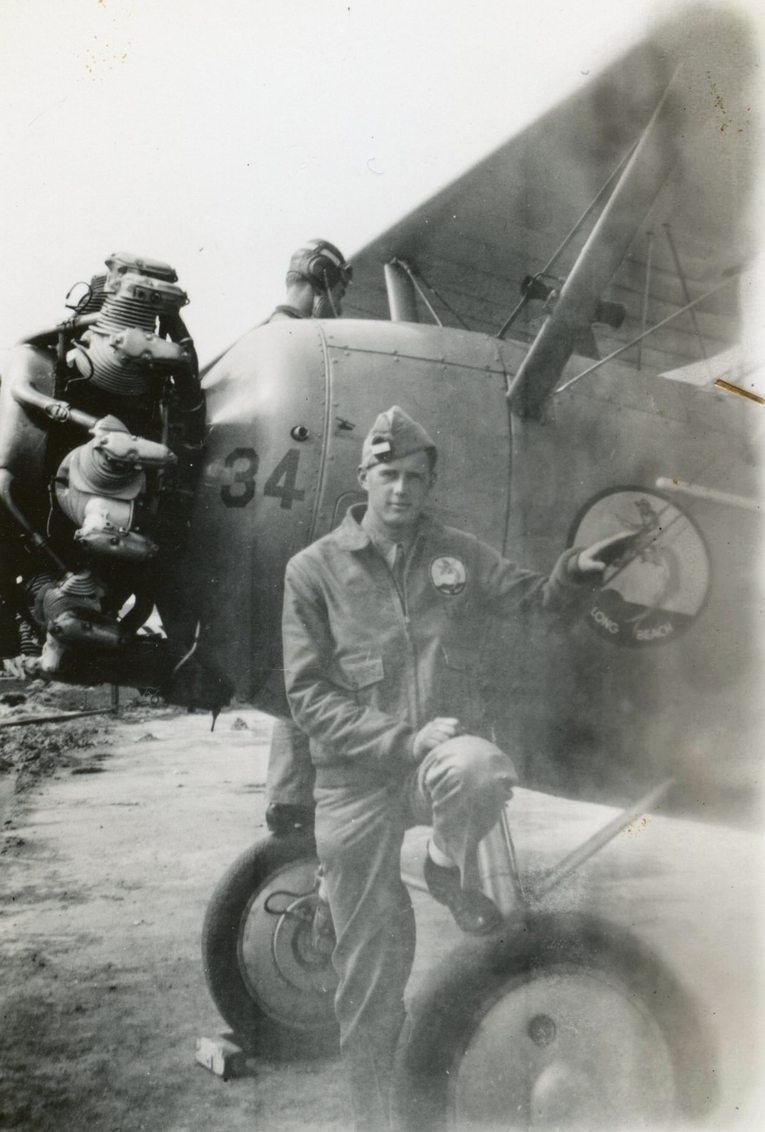
Marine Corps aviation cadet at Long Beach, 1940.

Webp.net-resizeimage (10)Webp.net-resizeimage (12)

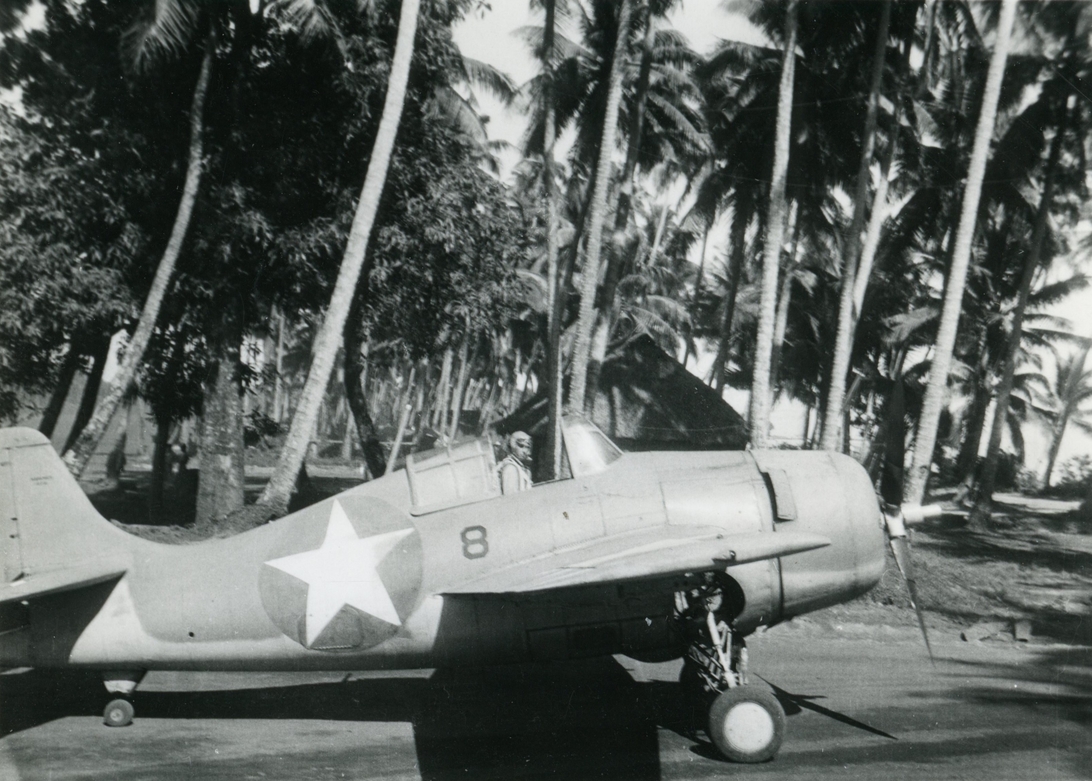
Early days in the South Pacific. The Wildcats Ford flew were ex-USS Lexington aircraft that recovered aboard USS Yorktown at Coral Sea when the former carrier was aflame. Given that the Yorktown had more Wildcats than it needed, the “surplus” Lexington aircraft were handed to the Marines. Pictured are two of those aircraft, F4F-3’s with non-folding wings. The new -4’s (folding wings) had arrived in the fleet, and the older “hard wing” birds were fine by the Marines on land.

Webp.net-resizeimage (8)Webp.net-resizeimage (11)

Webp.net-resizeimage (13)Webp.net-resizeimage (9)Webp.net-resizeimage (5)

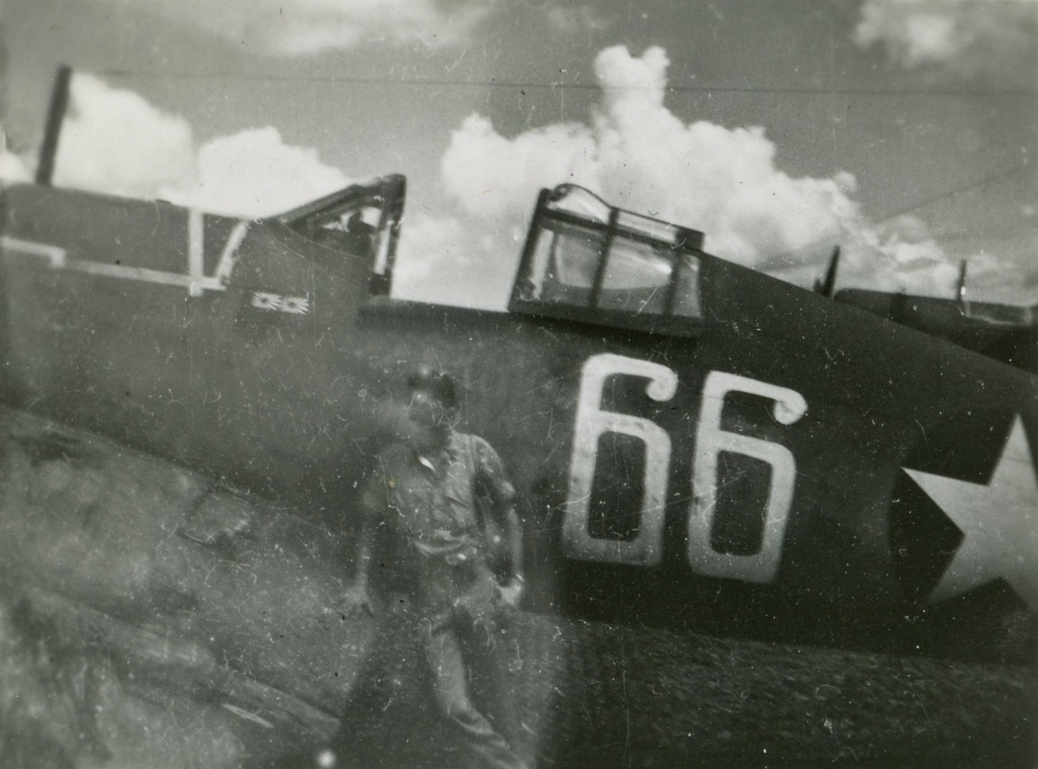
“66” was Ford’s mount when he bagged two Zeros. Taking off from Henderson Field on 12 June 1943, Ford and a flight of eight Corsairs intercepted Japanese fighters over the Russell Islands. Ford had two confirmed, and one probable. Ford told me that squadron mate Joe Foss was a great instructor. “I listened – we all listened – to Foss. When it came to air combat tactics, he was always right. When I first saw Zeros face to face, I was hopped-up and nervous, but boy, was I prepared.”
Webp.net-resizeimage (6)

img974Webp.net-resizeimage (3)Webp.net-resizeimage (4)Webp.net-resizeimage (14)Webp.net-resizeimage (1)