Category: Civil Aviation
Air Force One and the Skyranger

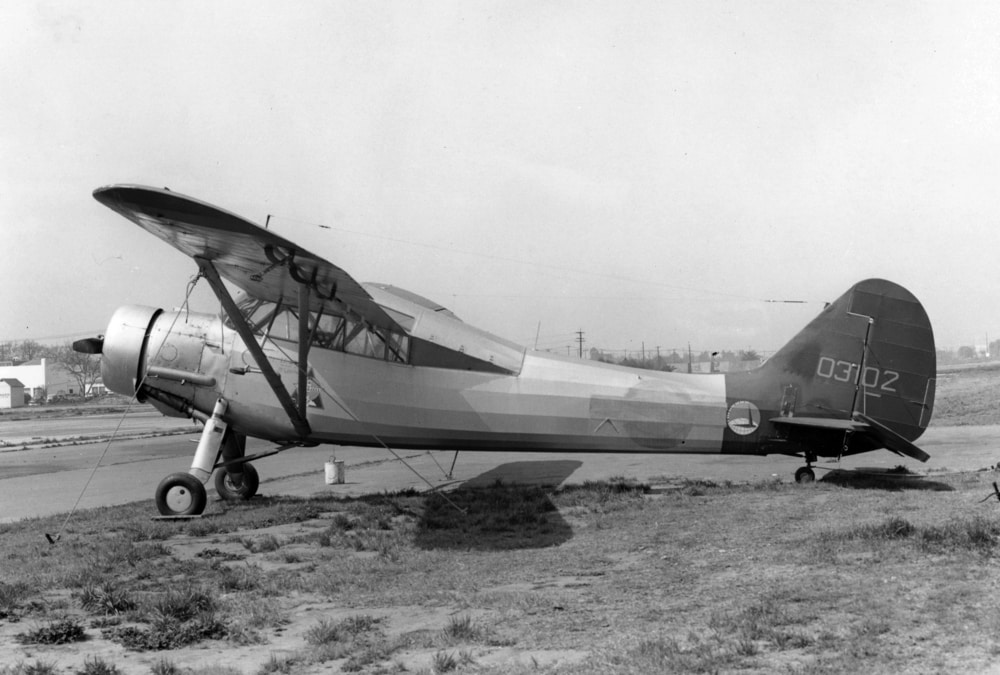
Two aircraft that one does not often see in the same photo would be the VC-137 and the Commonwealth Skyranger. Taken at the Renton Airport/Boeing plant in the summer of 1962, VC-137, “SAM 2600”, is undergoing finishing touches before it is delivered to the Air Force for the use of President Kennedy. This photo illustrates the classic adage of “I seen ’em come, I seen ’em go” by virtue of the fact that while SAM 2600 is now retired to the Air Force Museum, the Skyranger (N90682, built in 1946) is still registered and flying today. Really, about the only thing that shows this photo was not taken in recent times are the vintage automobiles.
The “Dash 80”
(From a stash of old negatives I recently found hidden in one of my file cabinets.)
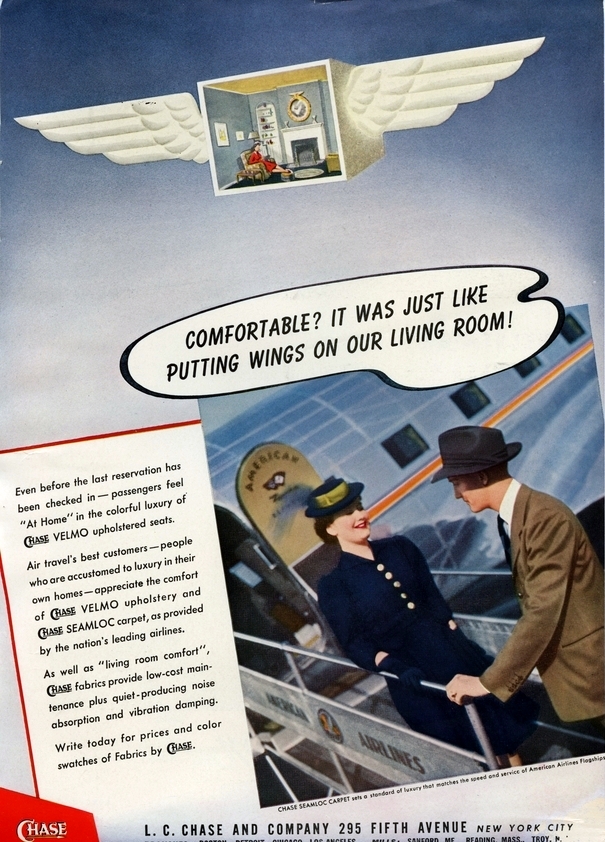
More great ads!
Considered by many as one of the worst aircraft designs of all time, the “strut-less, wings like a bird” Christmas Bullet had (surprise!) an annoying habit of shedding those unsupported wings immediately after takeoff. Two were built, both lost their visible means of support. Note: Dr. William Christmas designed the aircraft with an idea in mind that it could be used to fly over to Germany and kidnap Kaiser Wilhelm II during WW1. No, I did not make that up.
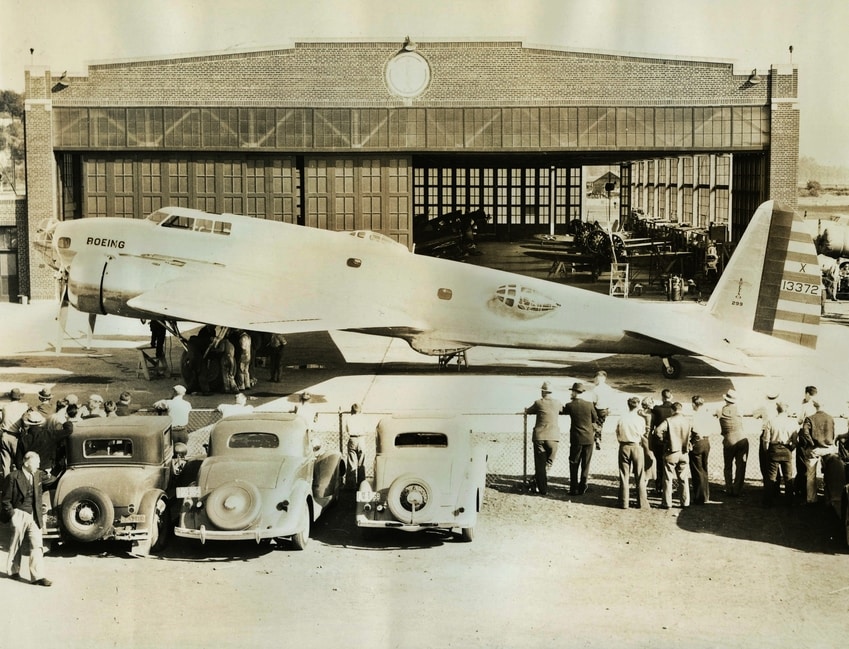
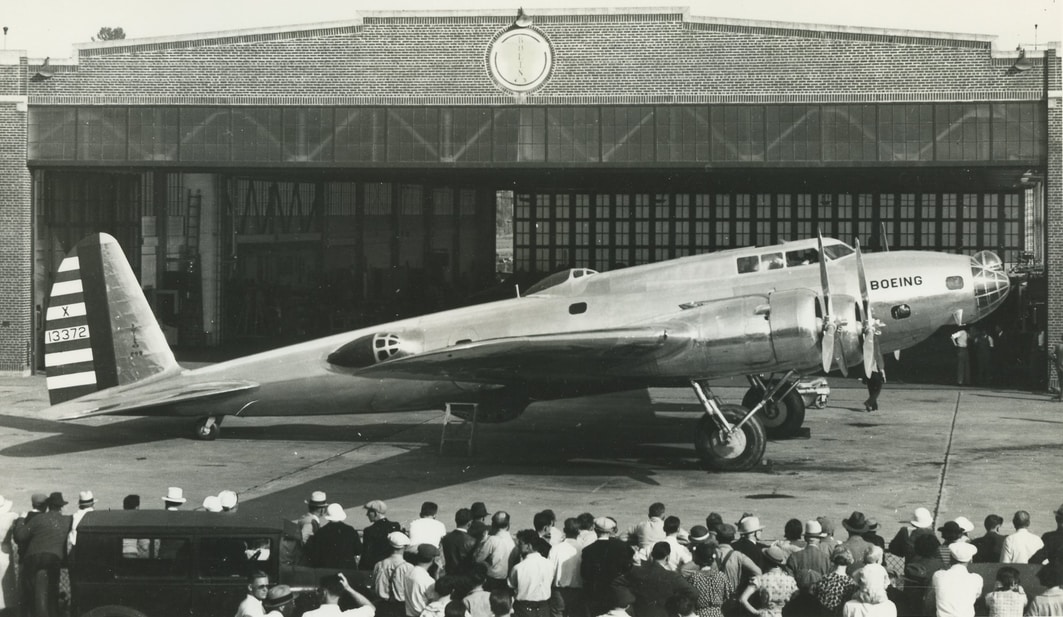
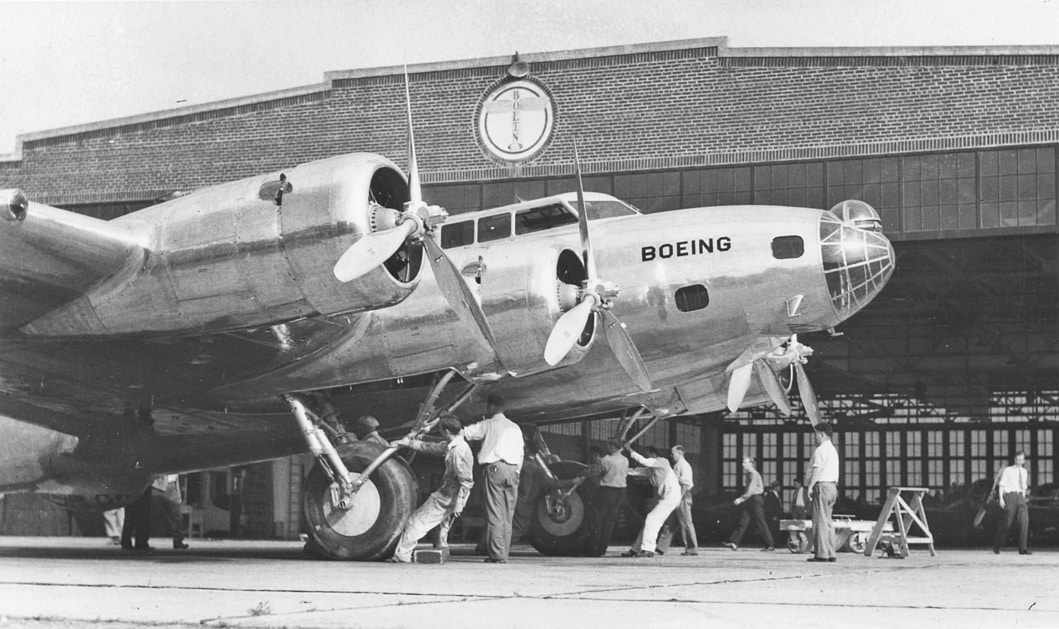
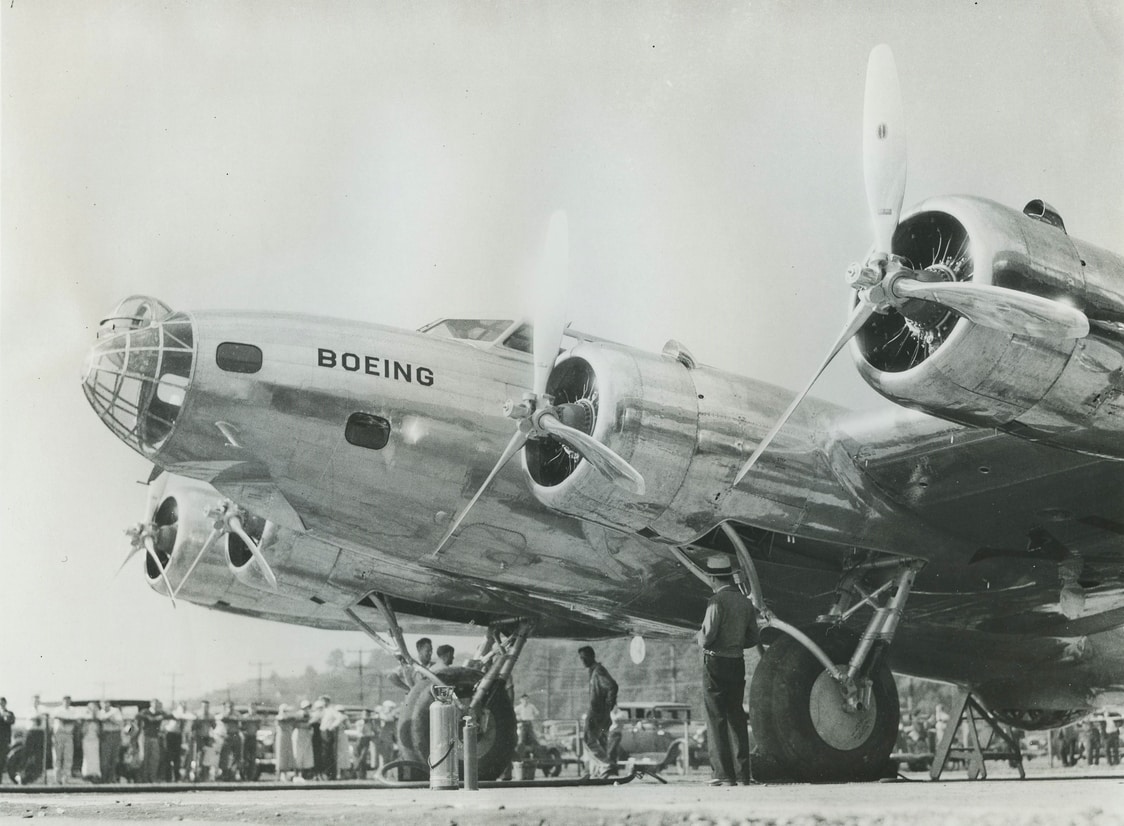
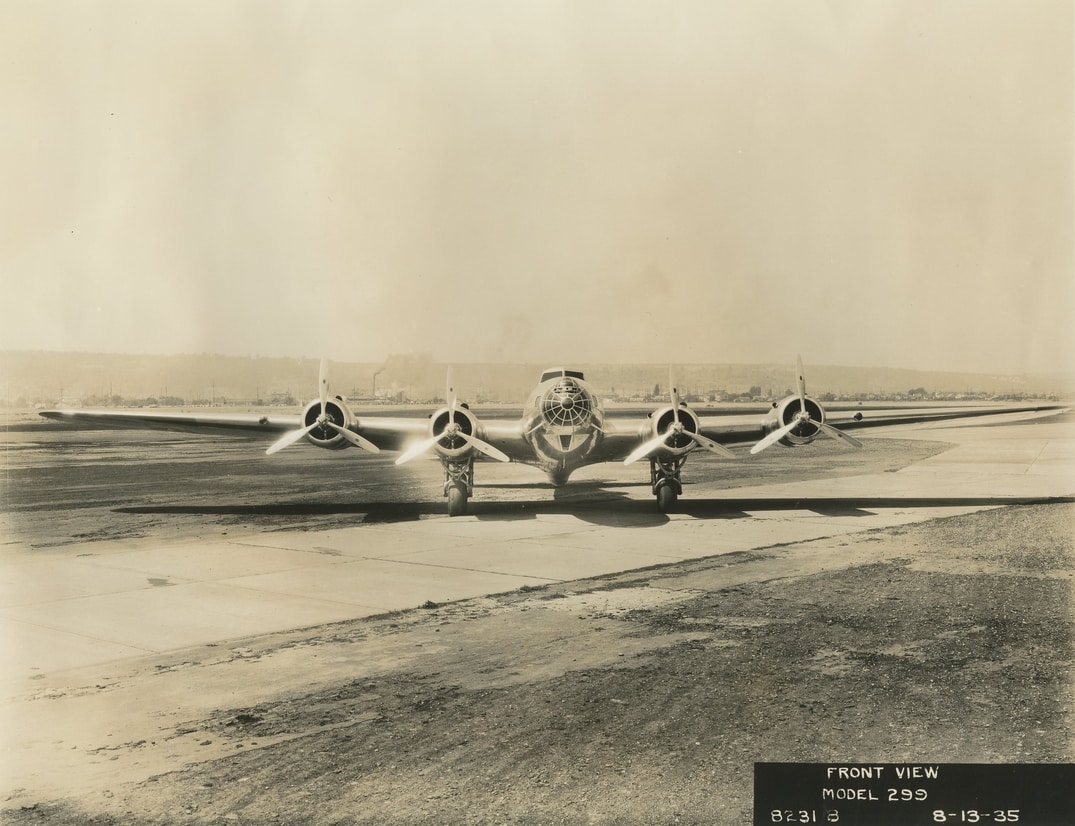
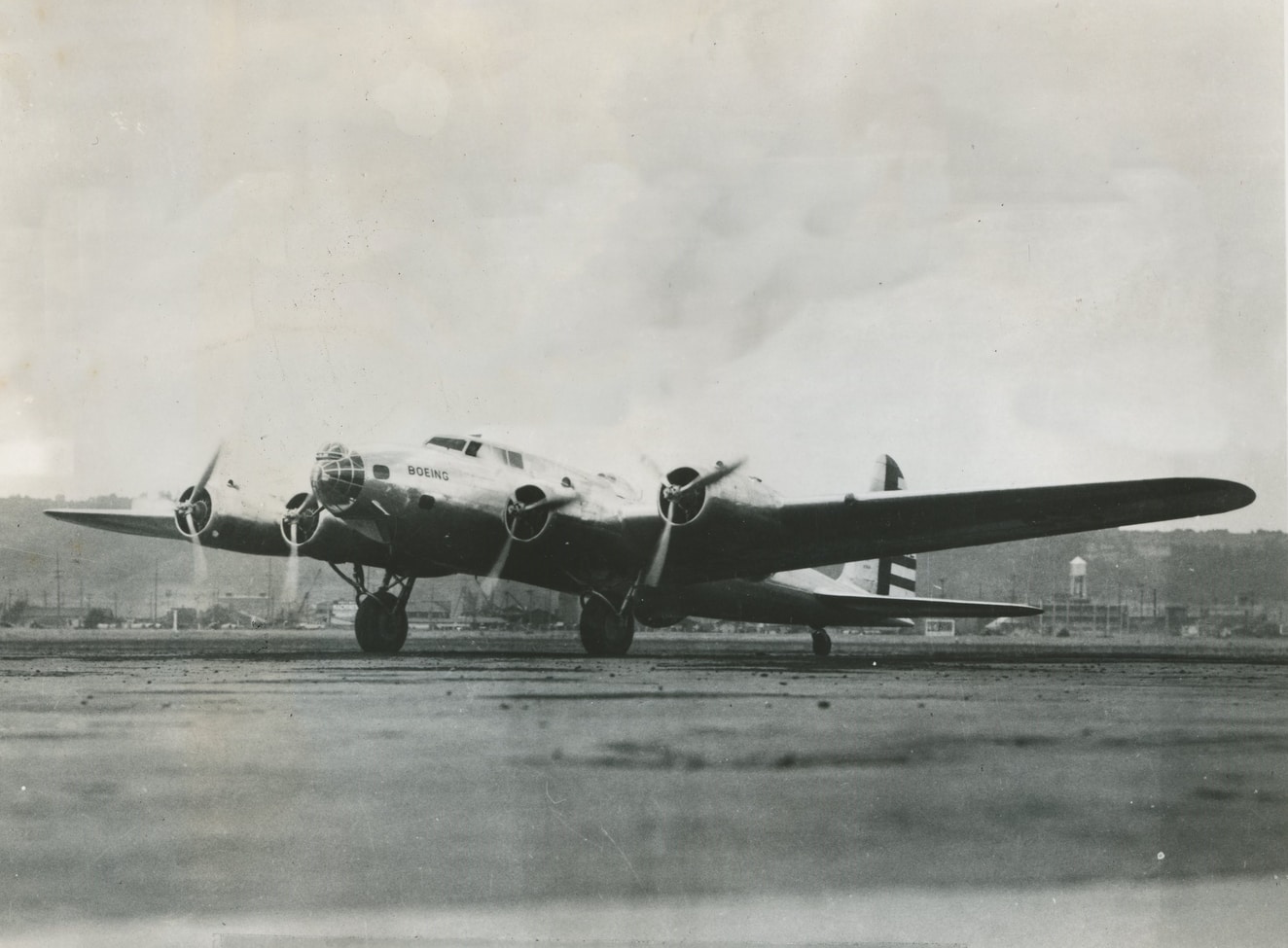
Boeing Model 299
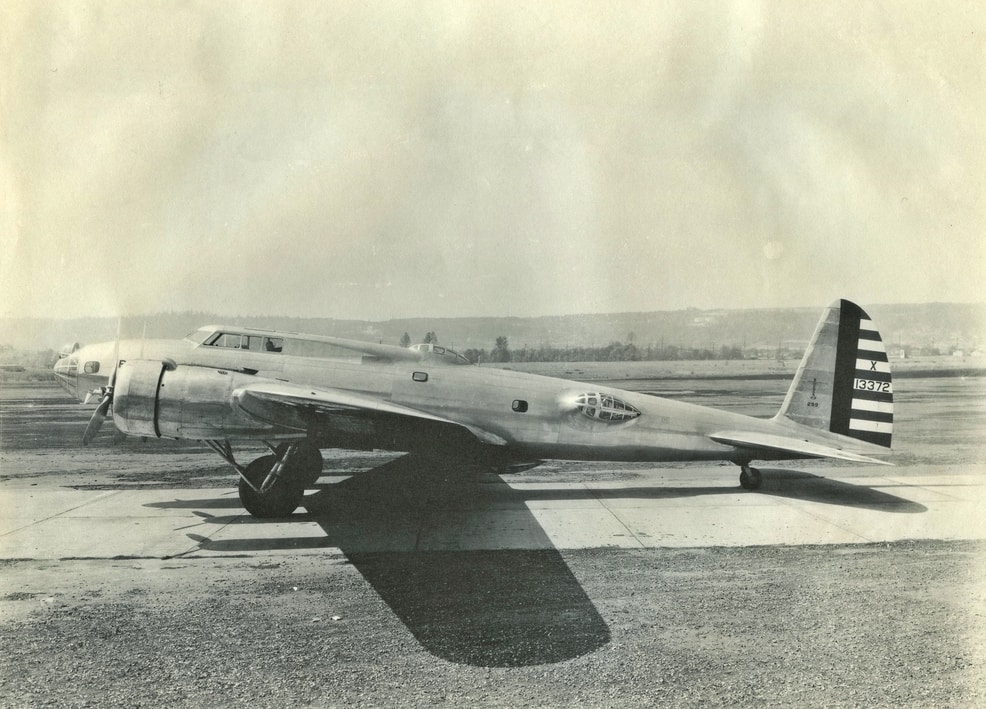
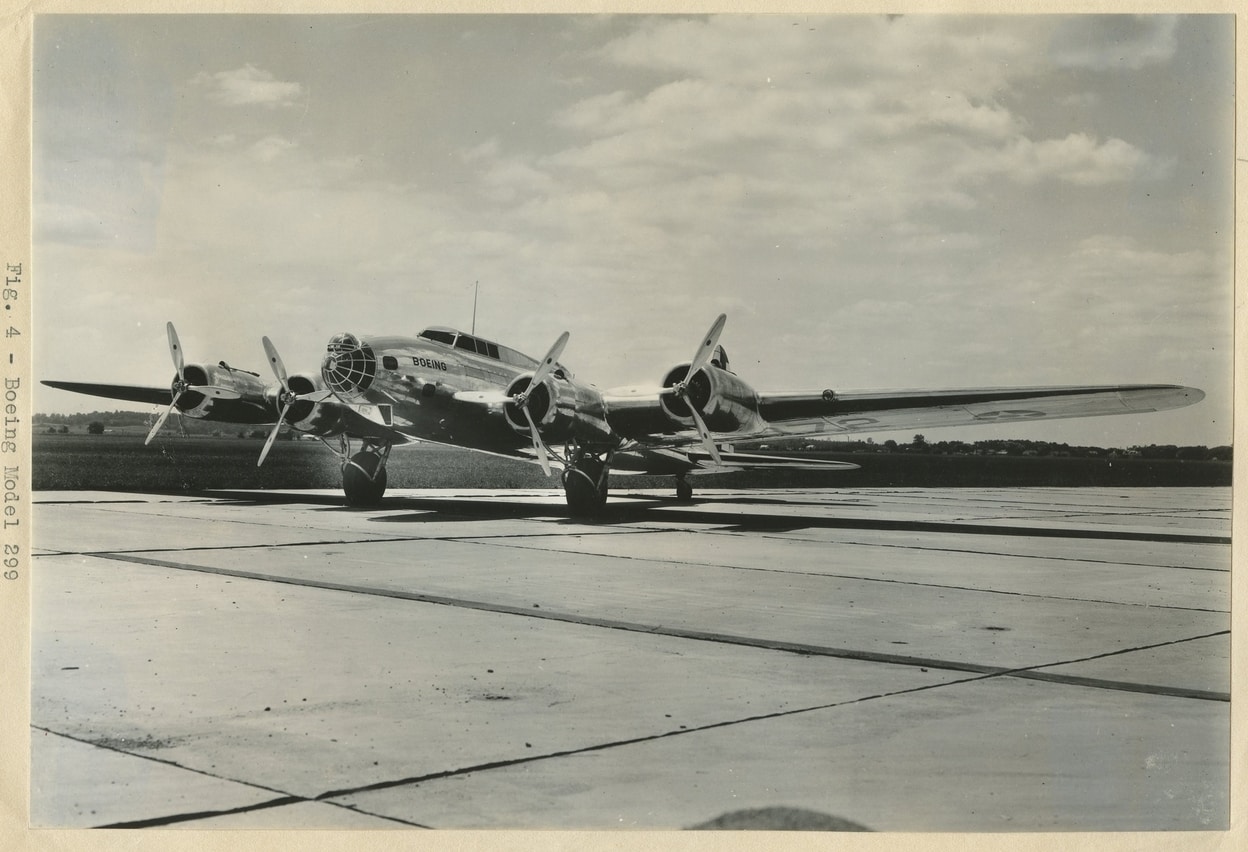
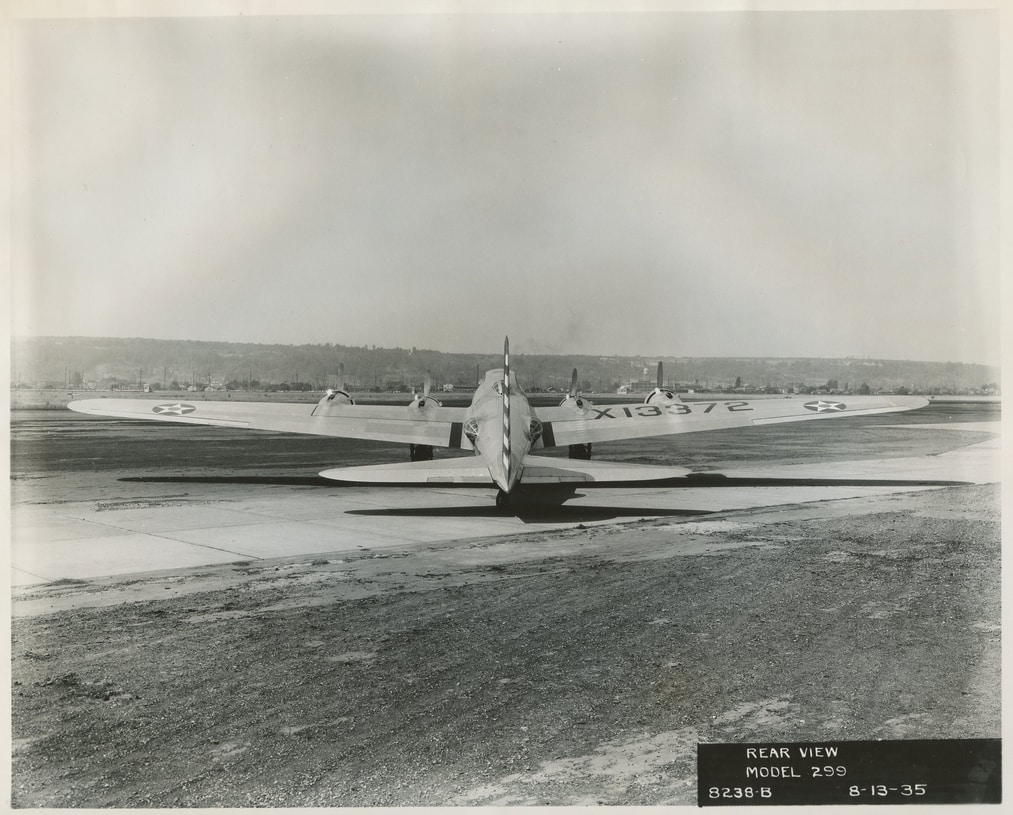
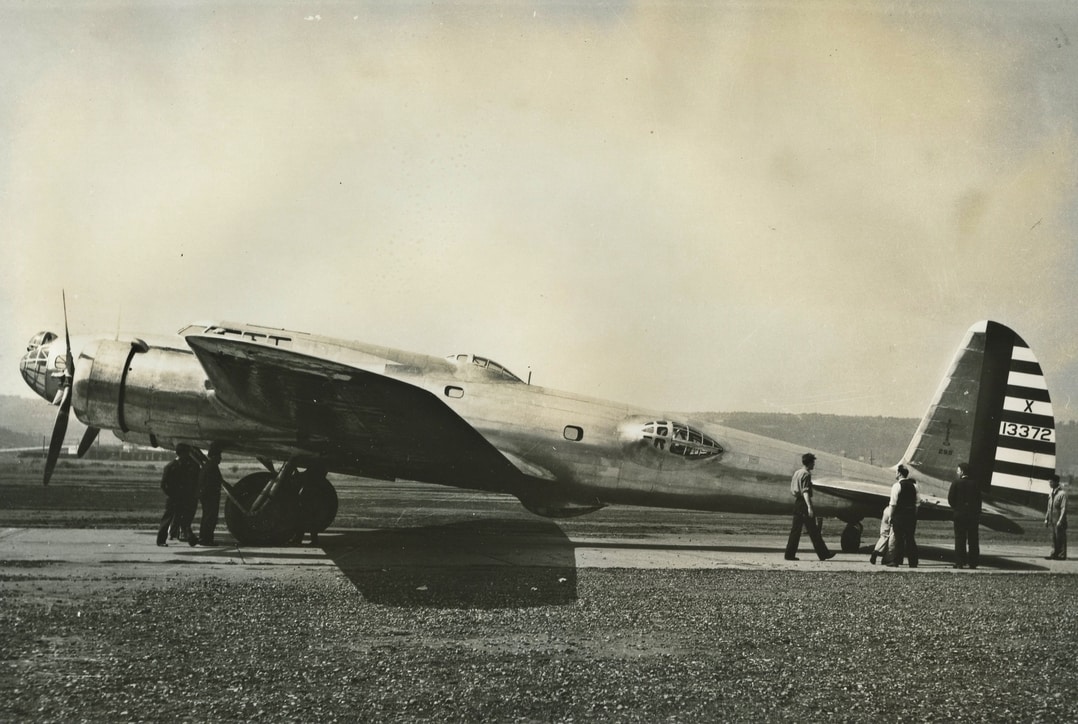
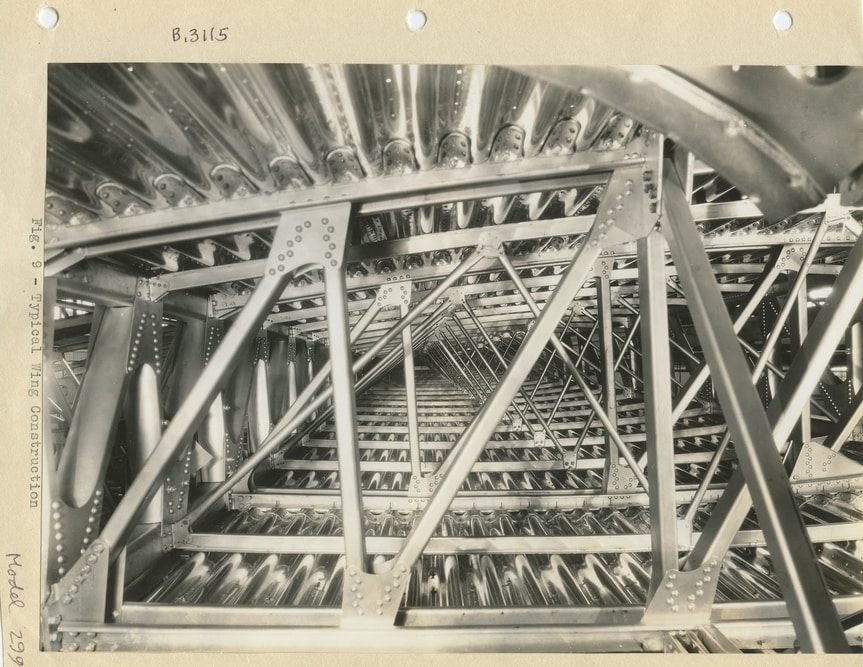
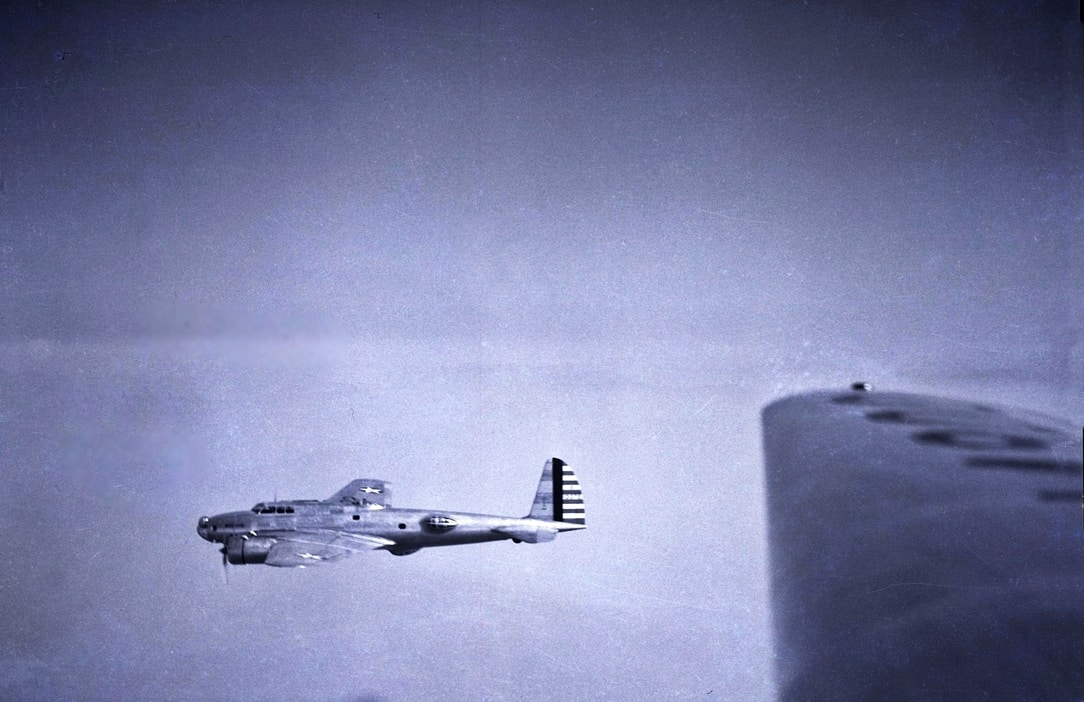
A salute to the forerunner of the world’s most famous bomber. Most of the photos taken of the 299 are well known, but here at Jivebomber’s you not only get to see them again, but in many cases, they are original 1935 photographs from long-discarded Boeing archives. Enjoy.
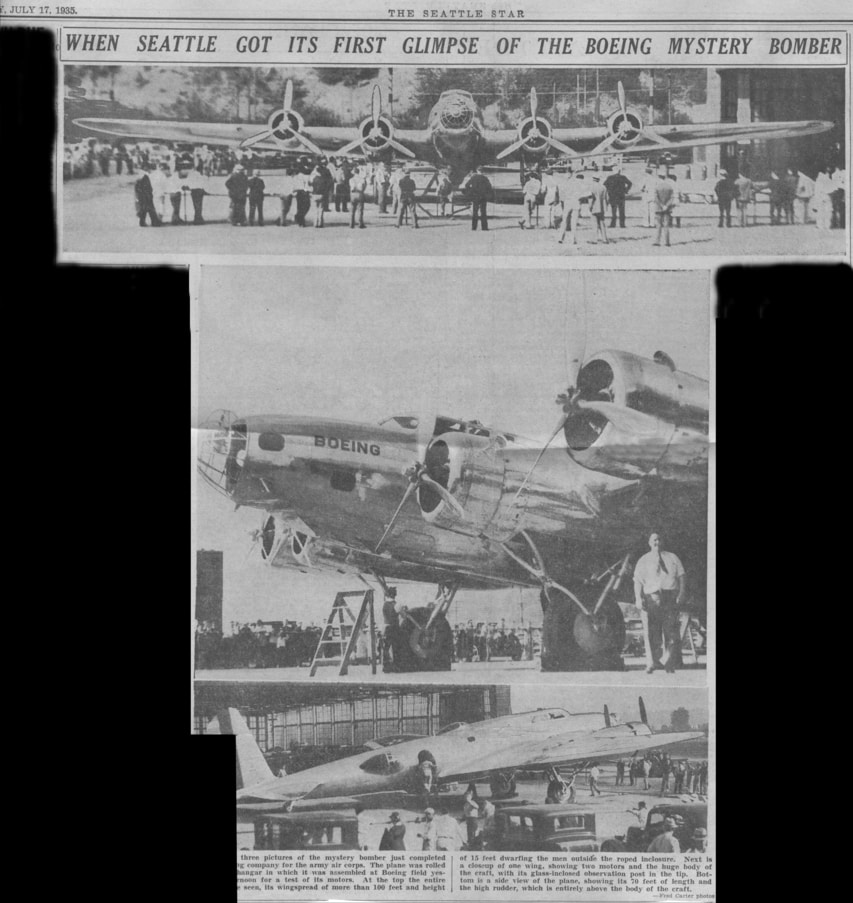
The Seattle Star of July 17, 1935, tells us that Boeing’s “Mystery Bomber” had rolled out the factory door only the day before.


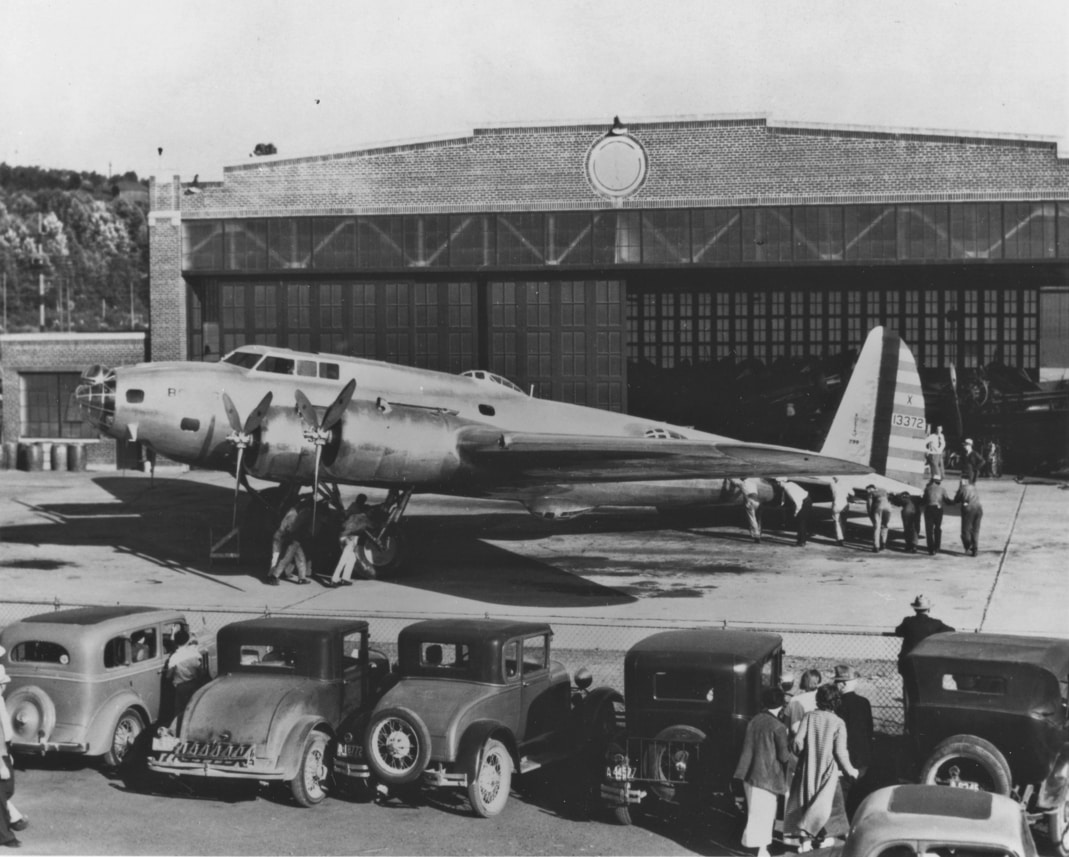
The 299 being ogled by appreciative onlookers at Boeing Field. Another famous product of that company can be seen in the hangar – the P-26.


The 299 takes to the skies.

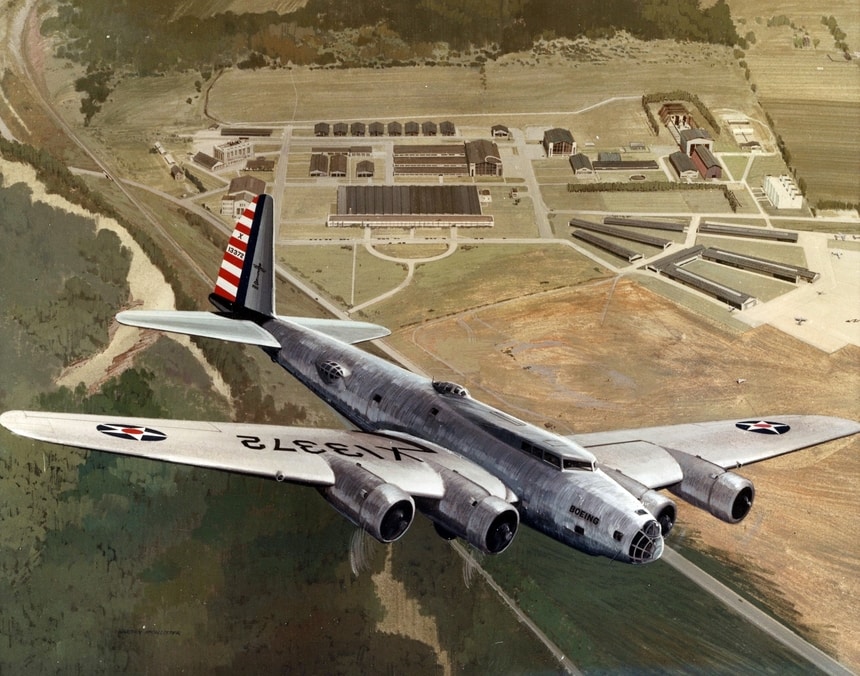
Artist’s conception of the Model 299 over Wright Field, Ohio.
Stinson Vigilant
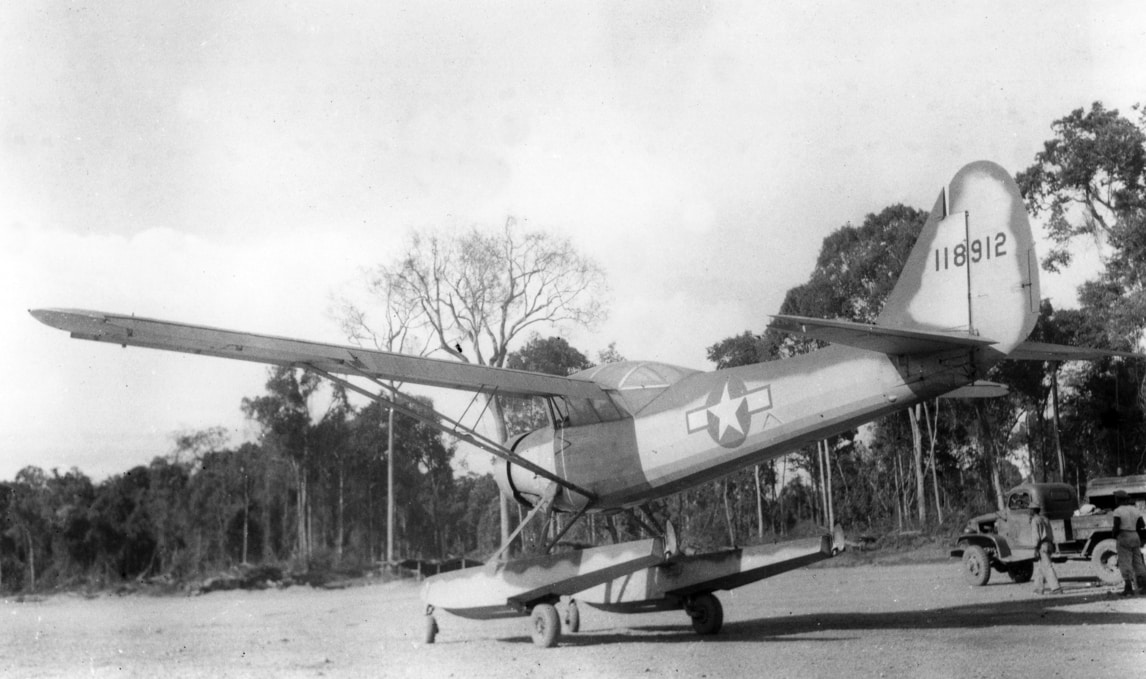
The Stinson L-1 Vigilant seen here has had a long and exciting life. Delivered to the Air Corps in 1941, 40-3012 served all over the United States before being purchased by legendary Hollywood pilot Paul Mantz at the war’s end. After decades of work as a camera plane, this airworthy craft now resides in the Fantasy of Flight museum in Florida. This photo shows the plane shortly after its sale to Mantz. The aircraft had last been assigned to the Air Transport Command (ATC) division in Alaska.
This L-1 was a rare bird. Built as 41-18912 for the Army Air Force, it was equipped with floats and redesignated the L-1F. Only a handful were so converted.
Carl Ben Eielson, Aviation Pioneer
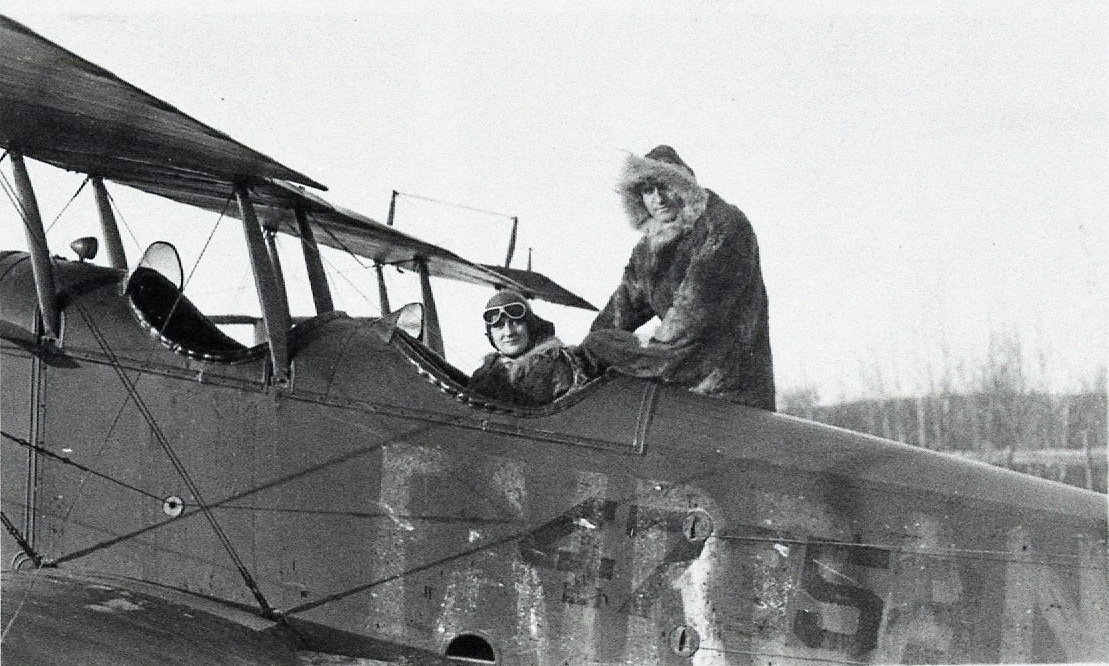
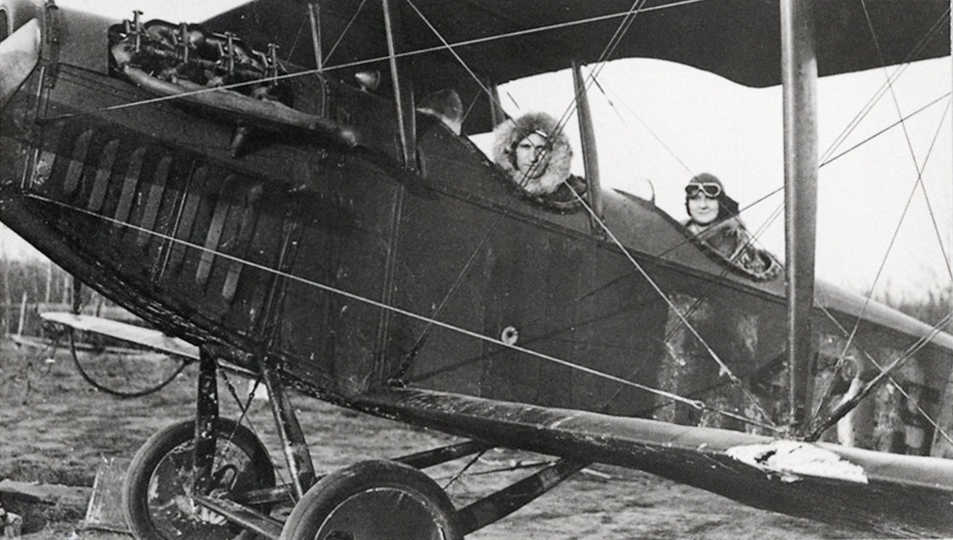
Furry-hooded Carl Ben Eielson earned his wings during World War I with the Army Air Service, became a post-war barnstormer, then headed north to Alaska and began making a name for himself. He flew the mail to remote towns where only dog sleds had gone before, started an airline, became a polar explorer, and made the first flight over the North Pole from Alaska to Norway. He died on a rescue mission in 1929, but his legacy lives on (Eielson Air Force Base, Alaska, is named in his honor).
Eielson’s aircraft of choice during his bush pilot days in Alaska was a Curtiss JN-4D “Jenny”, seen here. Weathered and beaten with the faded name “Fairbanks” emblazoned on its olive-drab fuselage, this aircraft (AS 47358) managed to survive and is now on display at Fairbanks Airport in Alaska.
On a side note, Eielson’s passenger is Mrs. Ladessa Nordale, wife of Fairbanks newsman Hjalmer Nordale. An adventuresome and interesting woman, Mrs. Nordale later became a prominent Alaska judge where, among her more interesting cases, was one that involved whether an automobile constituted a brothel.
In days gone by, prostitution was legal in Alaska, but, somewhat strangely, brothels were not. Any Alaska woman could partake in the world’s oldest profession, just not in a facility where one could offer (or attain) the services typically associated with such establishments. One day, a local young lady (of easy virtue) found herself in court. Her crime? Plying her “trade” in a car. As far as the police were concerned, that car was now a brothel on wheels and thus illegal.
Finding herself in front of Judge Nordale, the young lady’s legal strategy revolved around a defense that insisted a motor vehicle did not constitute a house of assignation. Judge Nordale thought otherwise by ruling that a Cadillac could indeed be considered a den of ill-repute and put the motorized entrepreneur out of business.
The Cadillac-as-bordello case accidentally created some comedy gold when it was later discovered that Judge Nordale was the proud owner of (you guessed it) a Cadillac.
Alaska aviation in days of yore
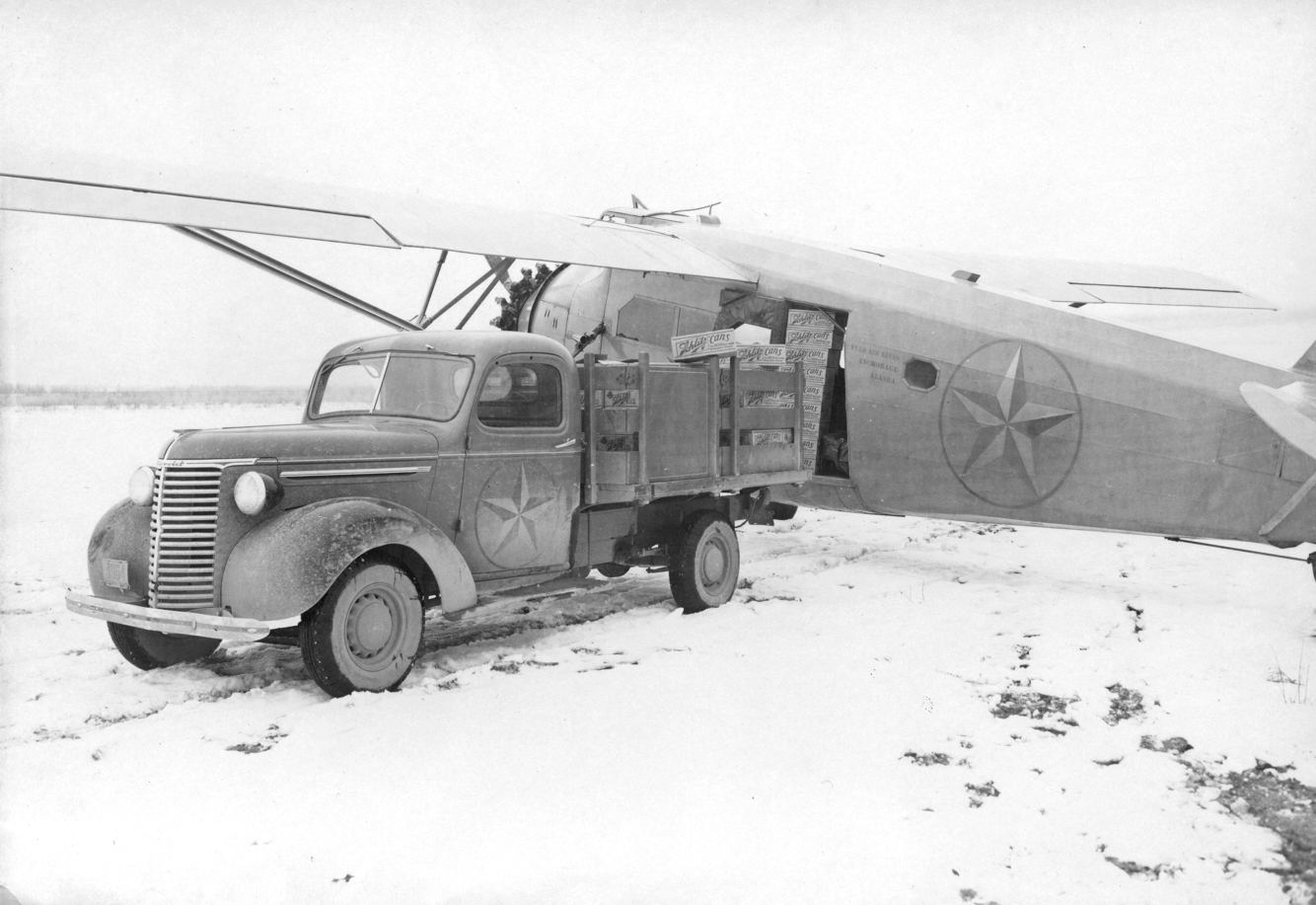
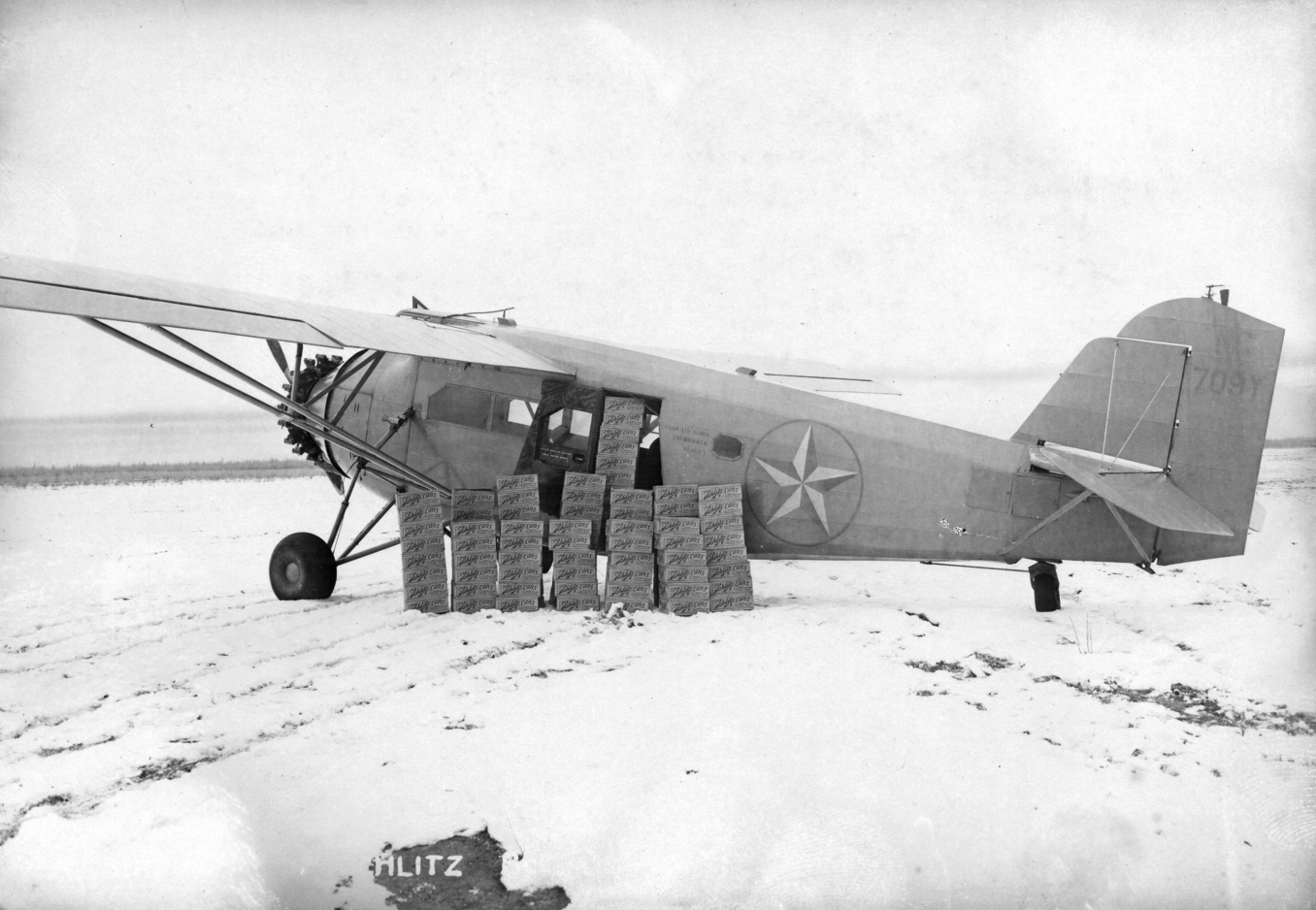
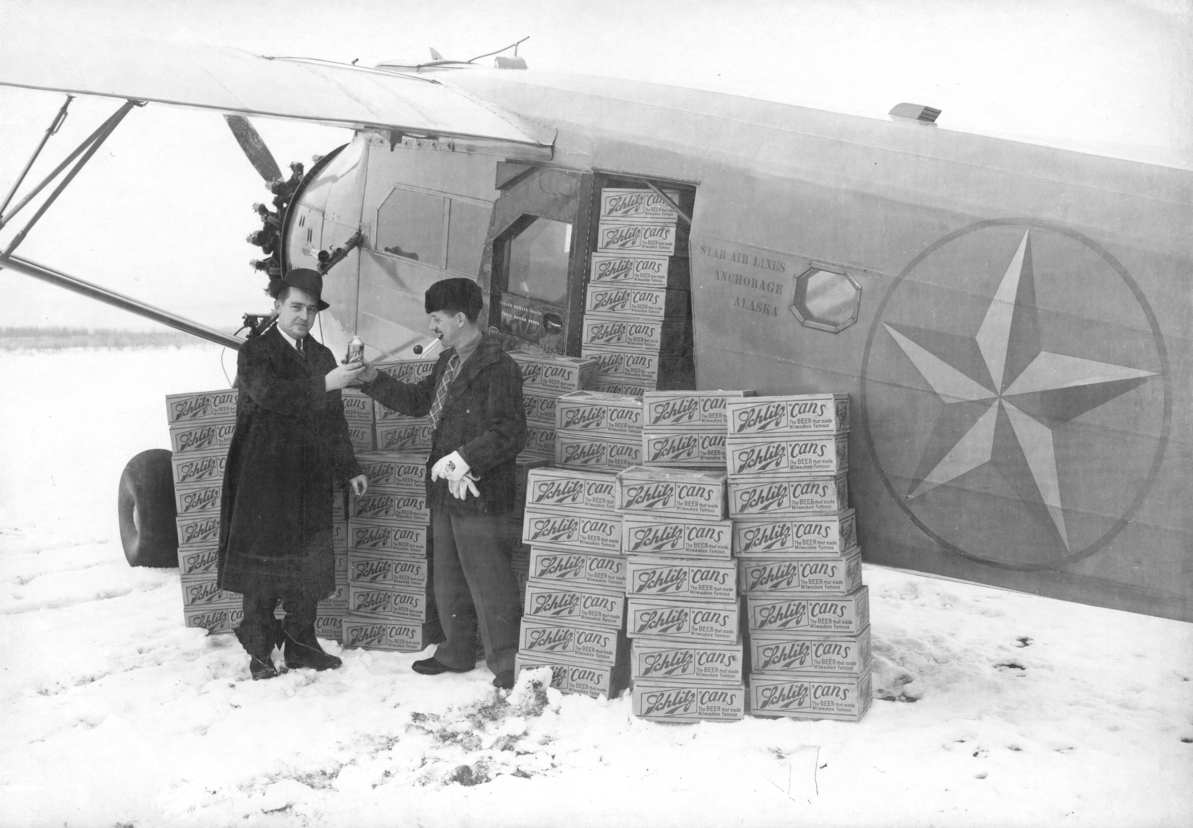
Naturally, the true test of an aircraft’s load capability is the amount of beer it can get airborne. A rough count of the number of beer cases x the 24 cans (12 oz. each) they hold makes this load approximately 2,000 pounds. Easily enough done, but the trick is finding a pilot who won’t help himself to the cargo while en route. Wherever this aircraft is bound in Alaska, the people there will be happier for its arrival.
The aircraft, a Pilgrim 100-B (N709Y), belongs to Star Air Lines and is, believe it or not, still in existence today. Comfortably housed in the Alaska Aviation Heritage Museum, N709Y is still in flying condition. It has been a few years since it hauled a ton of beer, but it’s still a pretty good old aircraft.
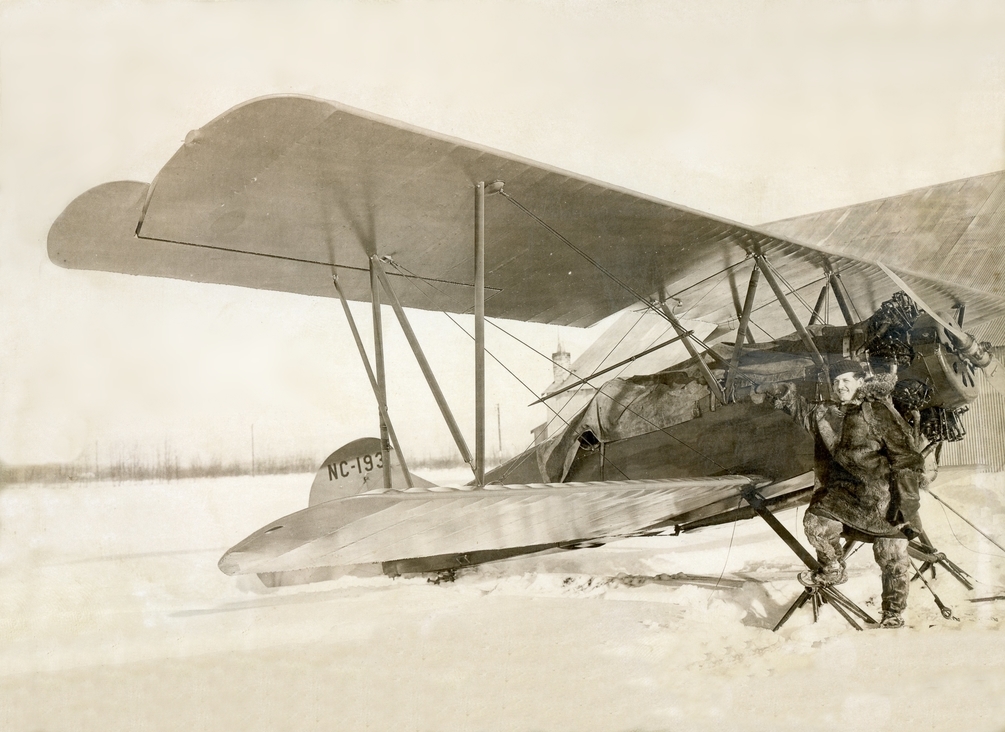
Pioneer Alaska Bush Pilot John W. “Johnny” Moore poses with a ski-equipped Travel Air BW. With that open cockpit for an office, Moore’s furry ensemble will serve him well in the skies of Alaska.
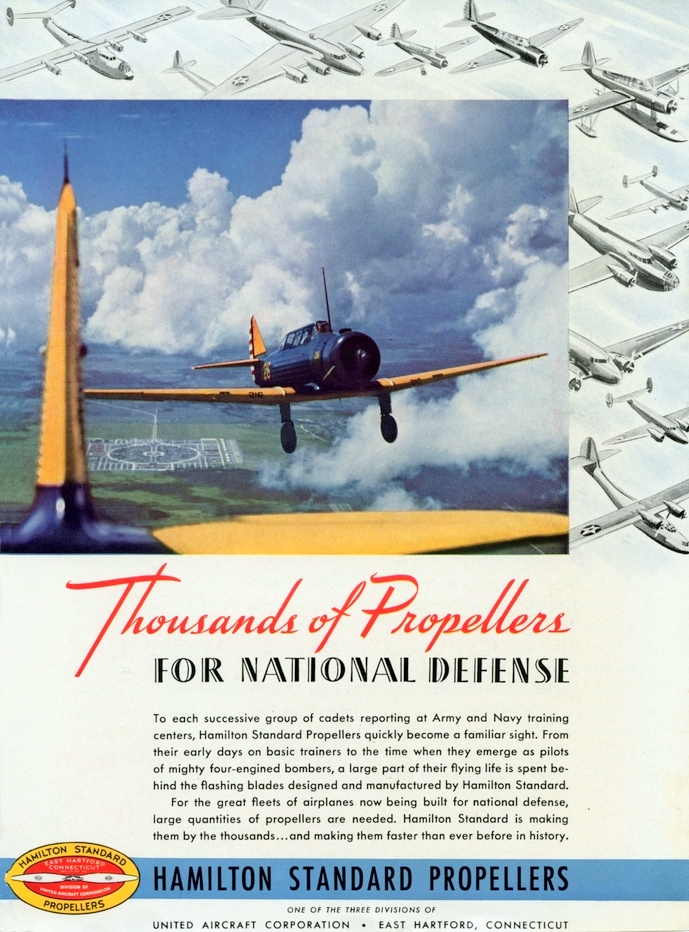
More great ads!


Civilian B-17’s
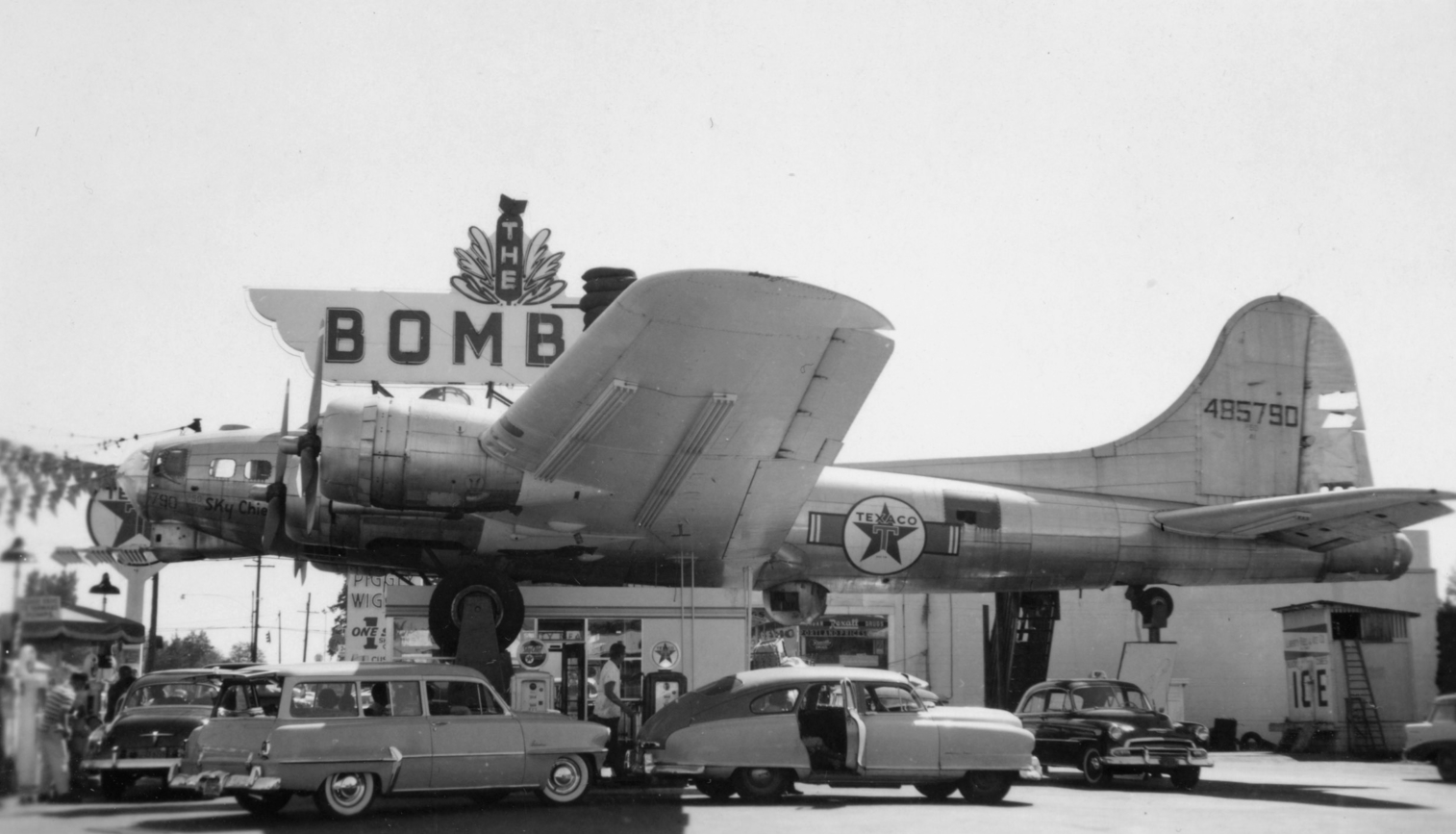
The Bomber Gas Station (1947-91) of Milwaukie Oregon was world famous. The aircraft was removed for restoration in 2014. I can proudly say that I did make a point of stopping there for gas on several occasions. I recall that the wings didn’t offer much protection on a windy and rainy day, but who cared.
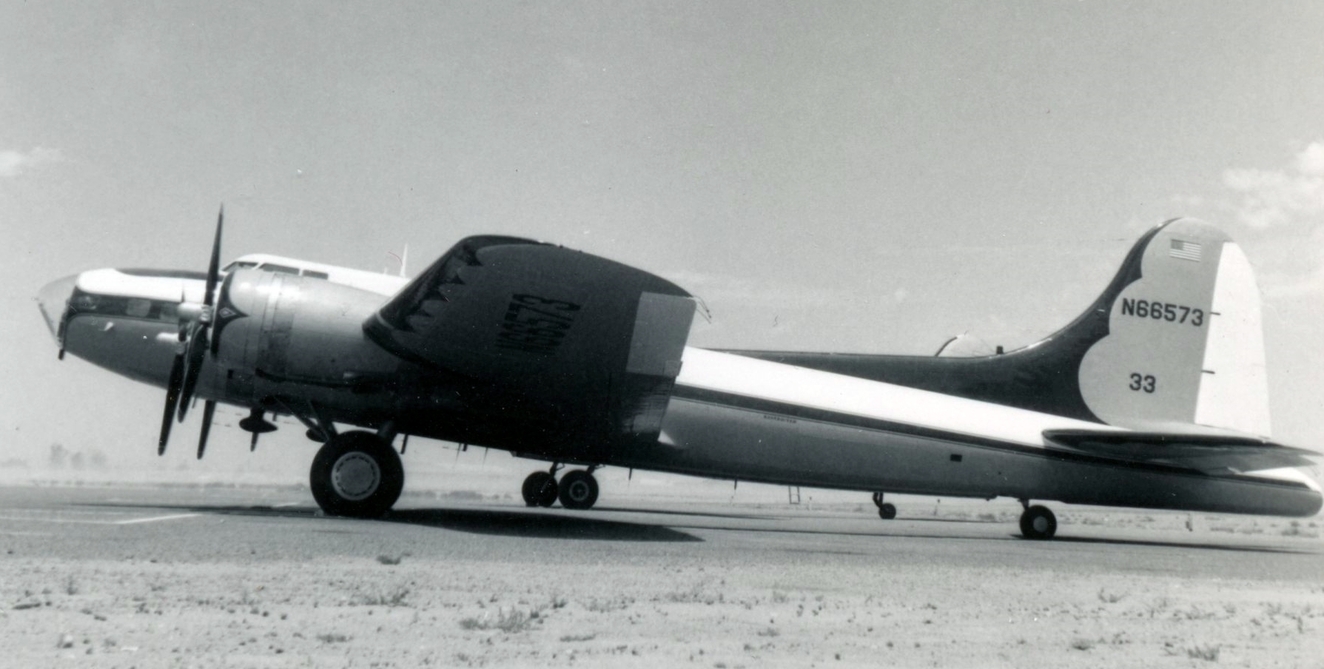
Starting life as 42-102715 (a B-17G), N66573 did a number of odd jobs before crashing as a fire bomber in 1979.
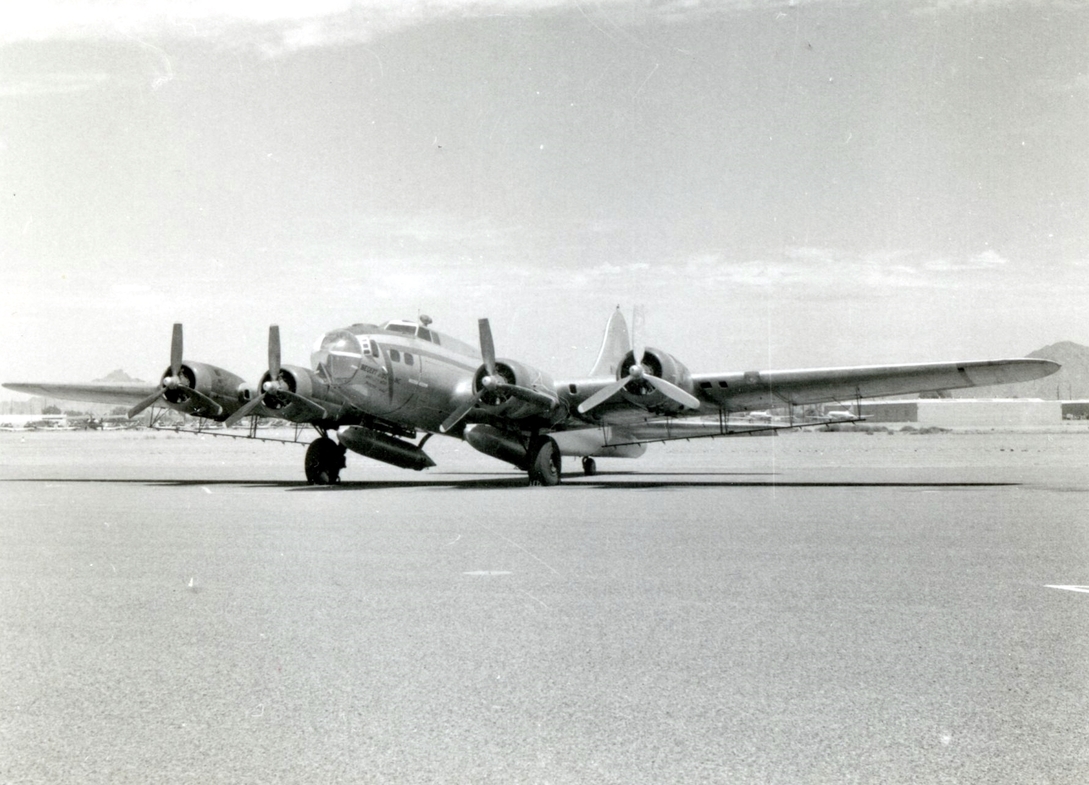
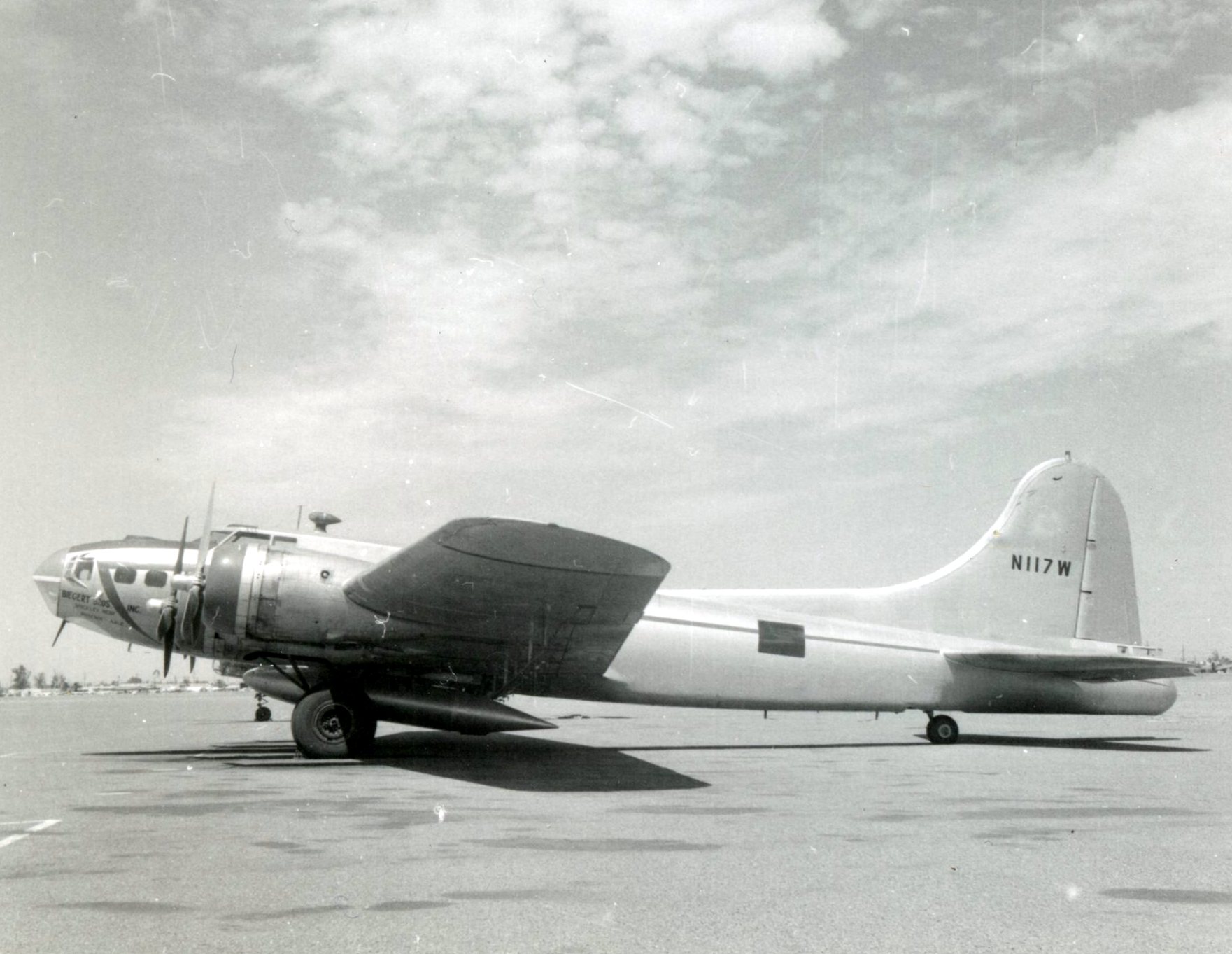
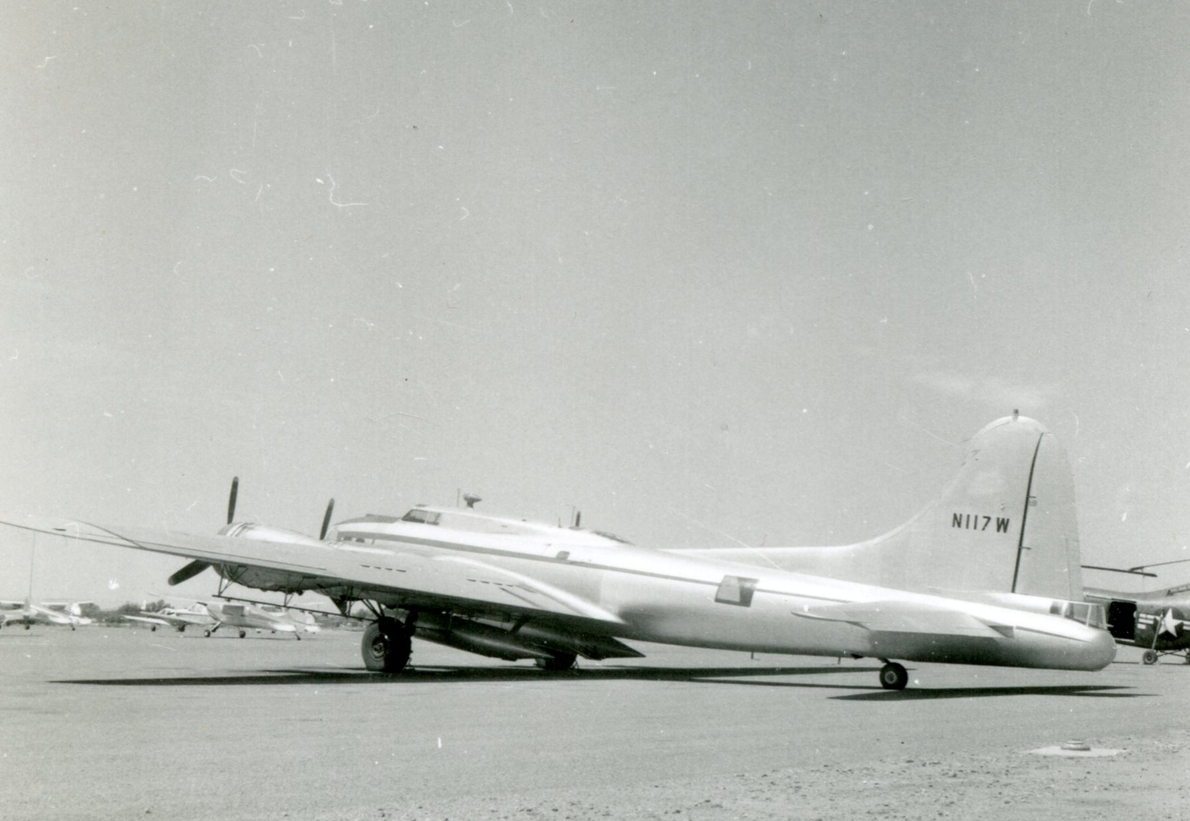
Typifying the life of a surplus B-17, N117W started life as a B-17G (44-85806), went to the Coast Guard as a PB-1G, passed through several civilian owners and was destroyed in 1964. These 3 photos show it in when it was flown by the Biegert Bros. of Nebraska as an aerial sprayer.
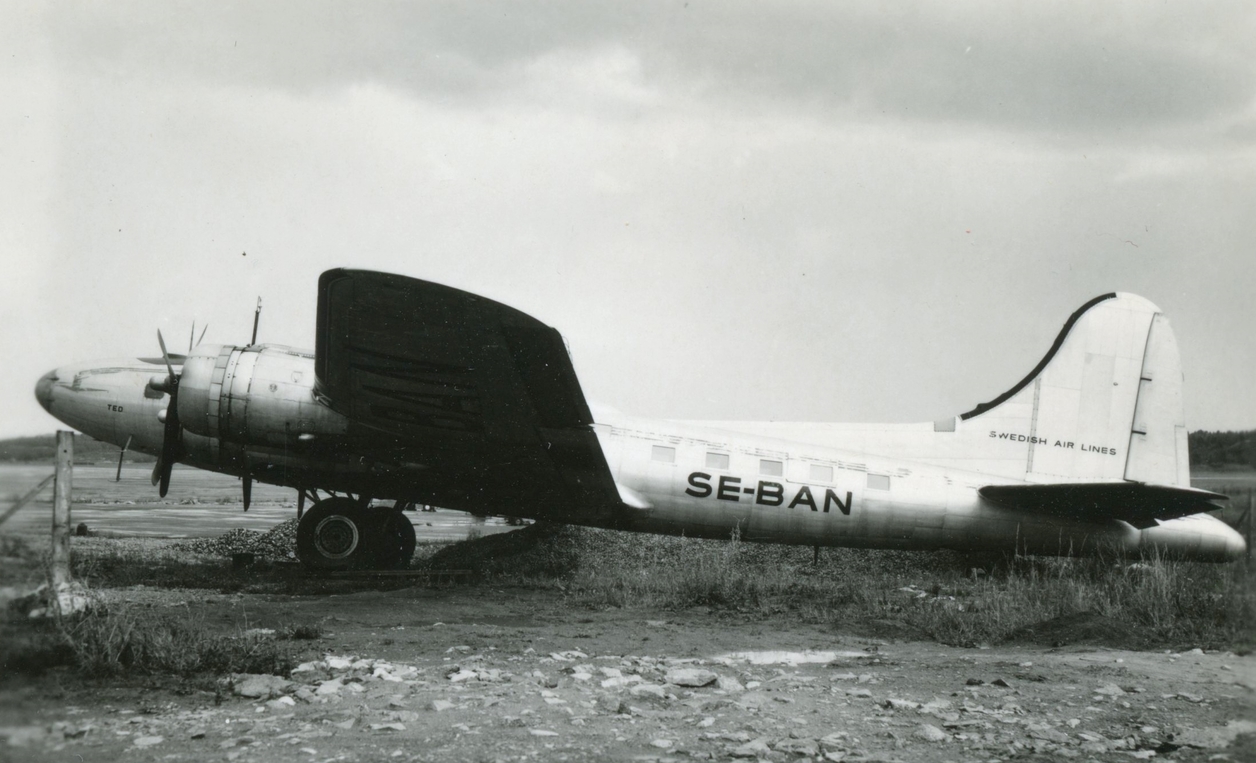
Unlike most civilian B-17’s, those operated by Sweden were combat veterans. SE-BAN (formerly USAAF 42-3490) of Swedish Air Lines came to that country courtesy of the 385th Bomb Group (and German flak) when damaged on a mission to Berlin. Opting for neutral Sweden, the crew was interned and the aircraft put into service at war’s end. Unfortunately it was scrapped in 1950.
Another weary B-17G (42-3470) ended its days in 1962 while flying for the Colombian government.
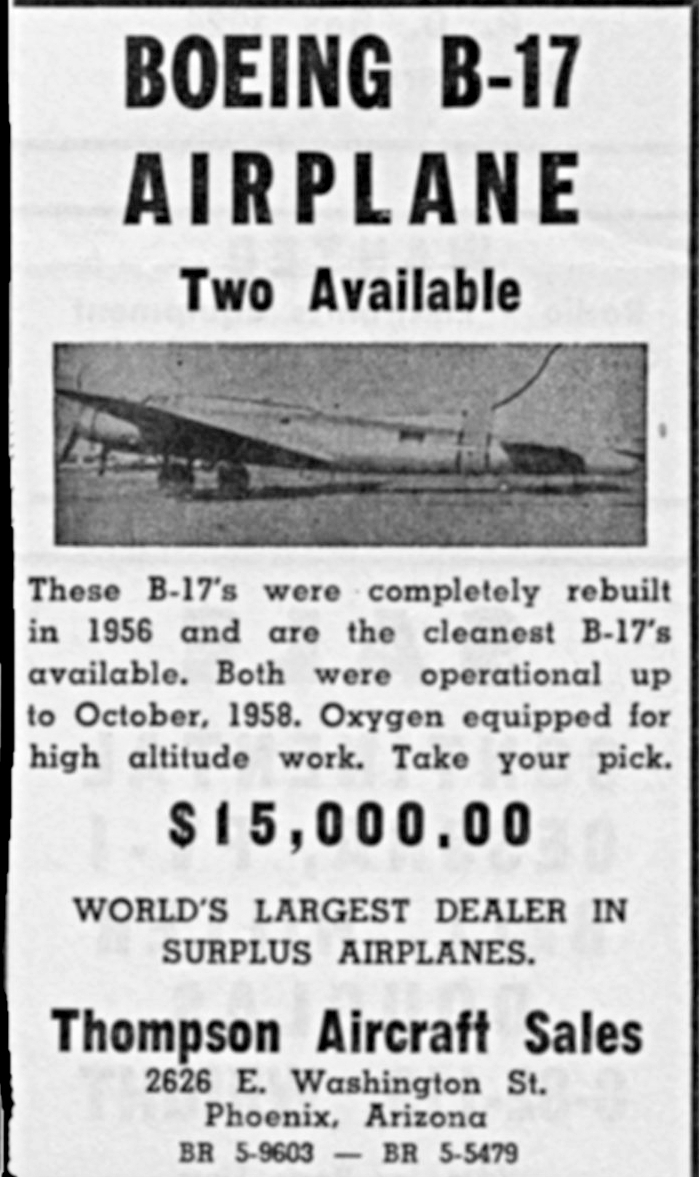
1959 ad from Flying Magazine. I did the math: $15,000 in today’s money is about $130,000.
Aeromarine
In 1919, the Aeromarine Plane & Motor Company took pride in stating that their company was already in business prior to WW1. They were not some new kid on the block, no, they had been around at least five years.
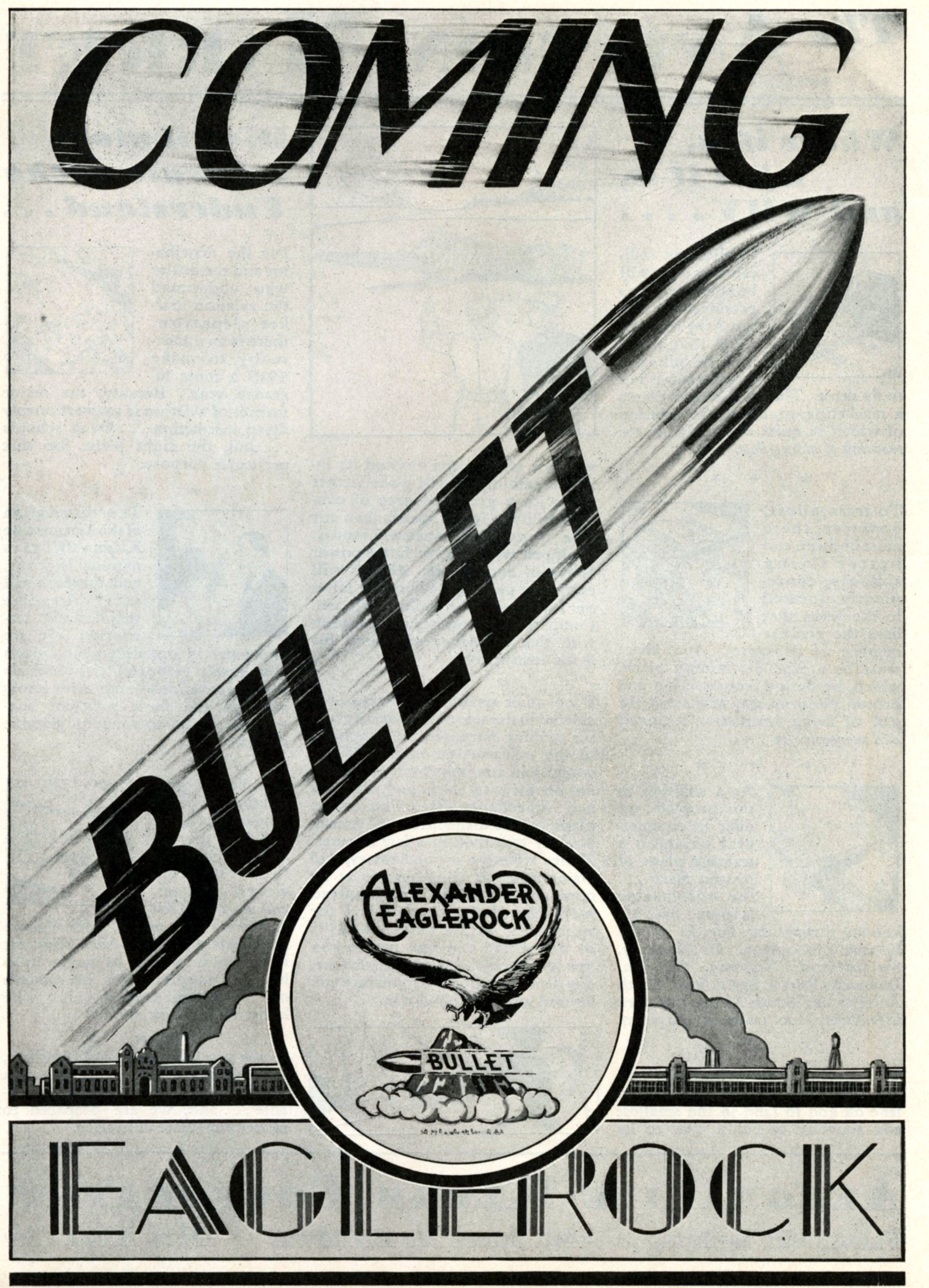
The Alexander Aircraft Company “Bullet”
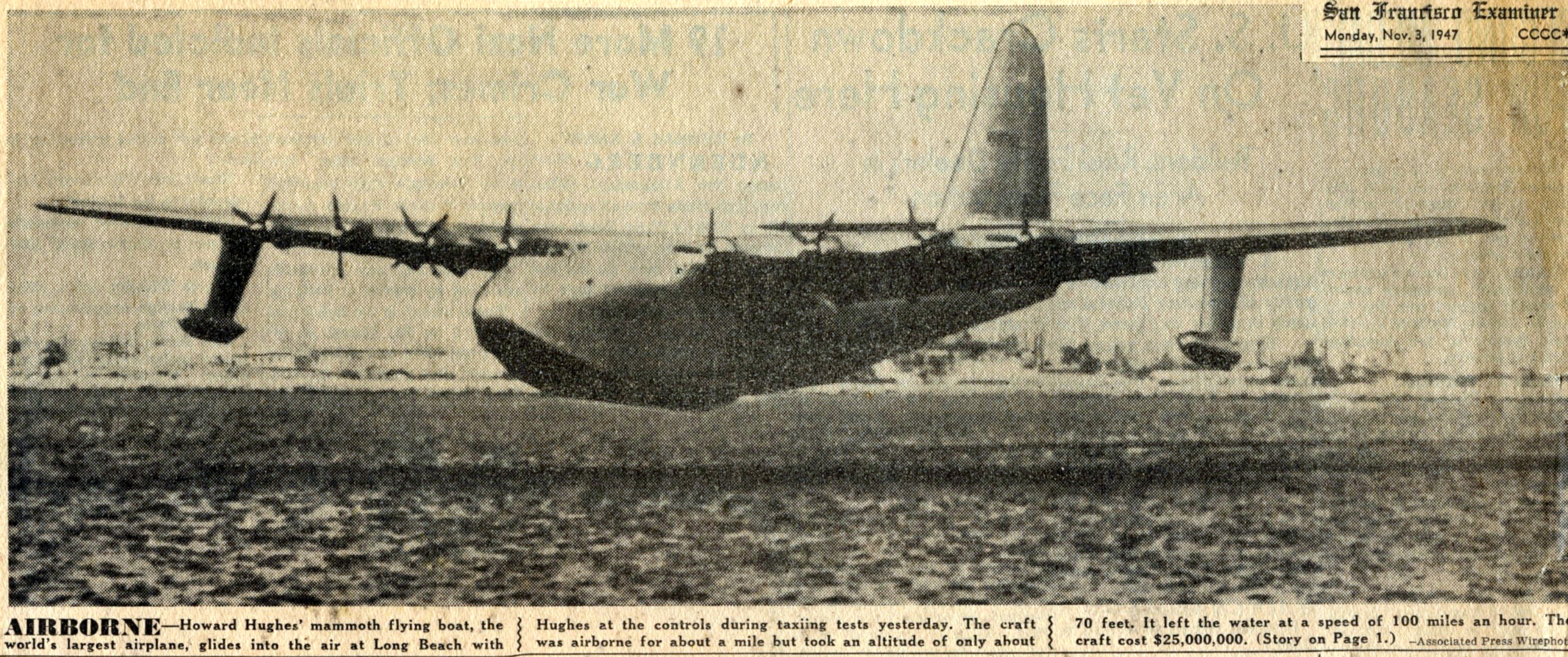
We’ve all seen the Spruce Goose on its one and only flight…
Boeing builds the plane…you buy it. Boeing teaches you to fly…you pay them. No wonder they are still around.
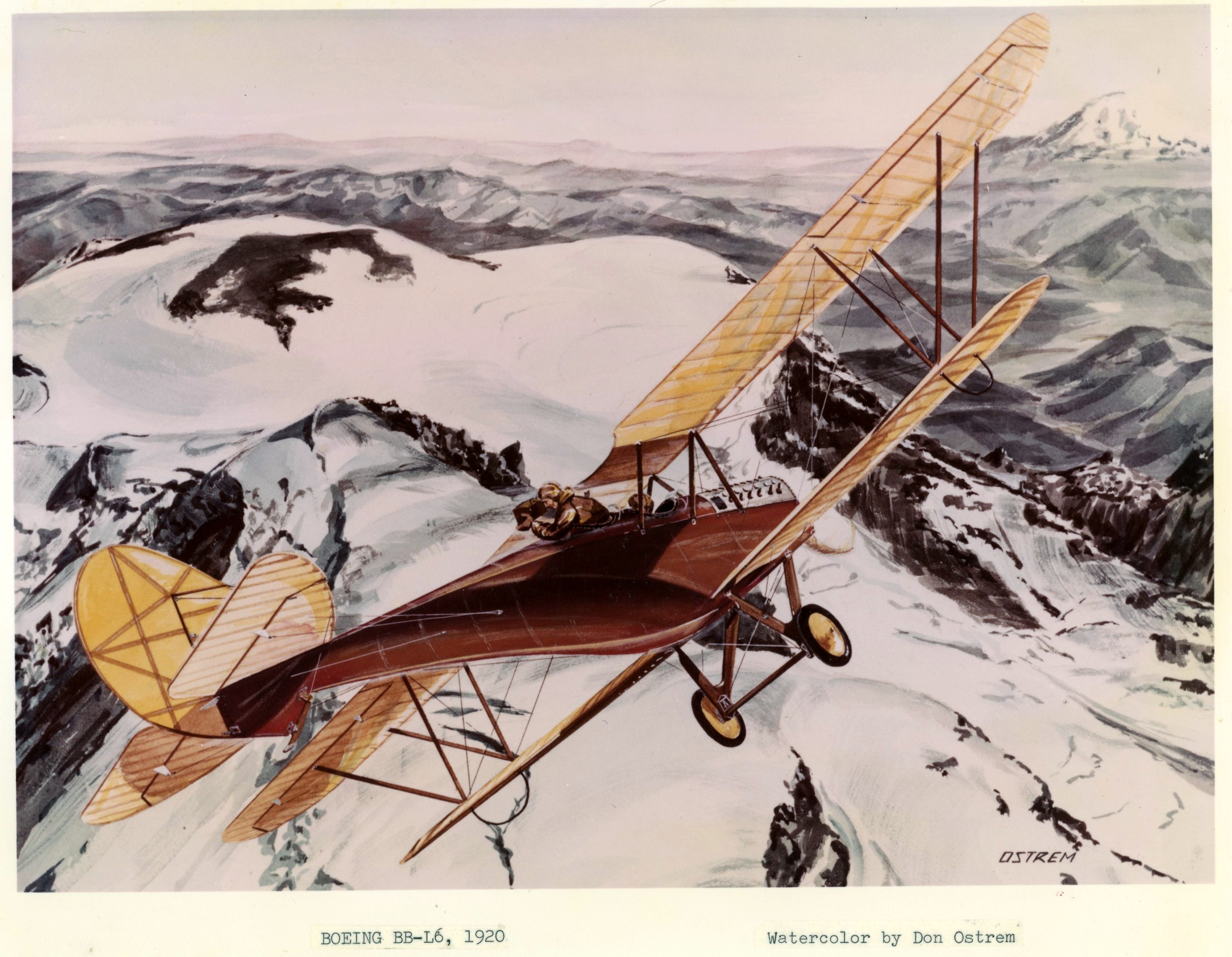
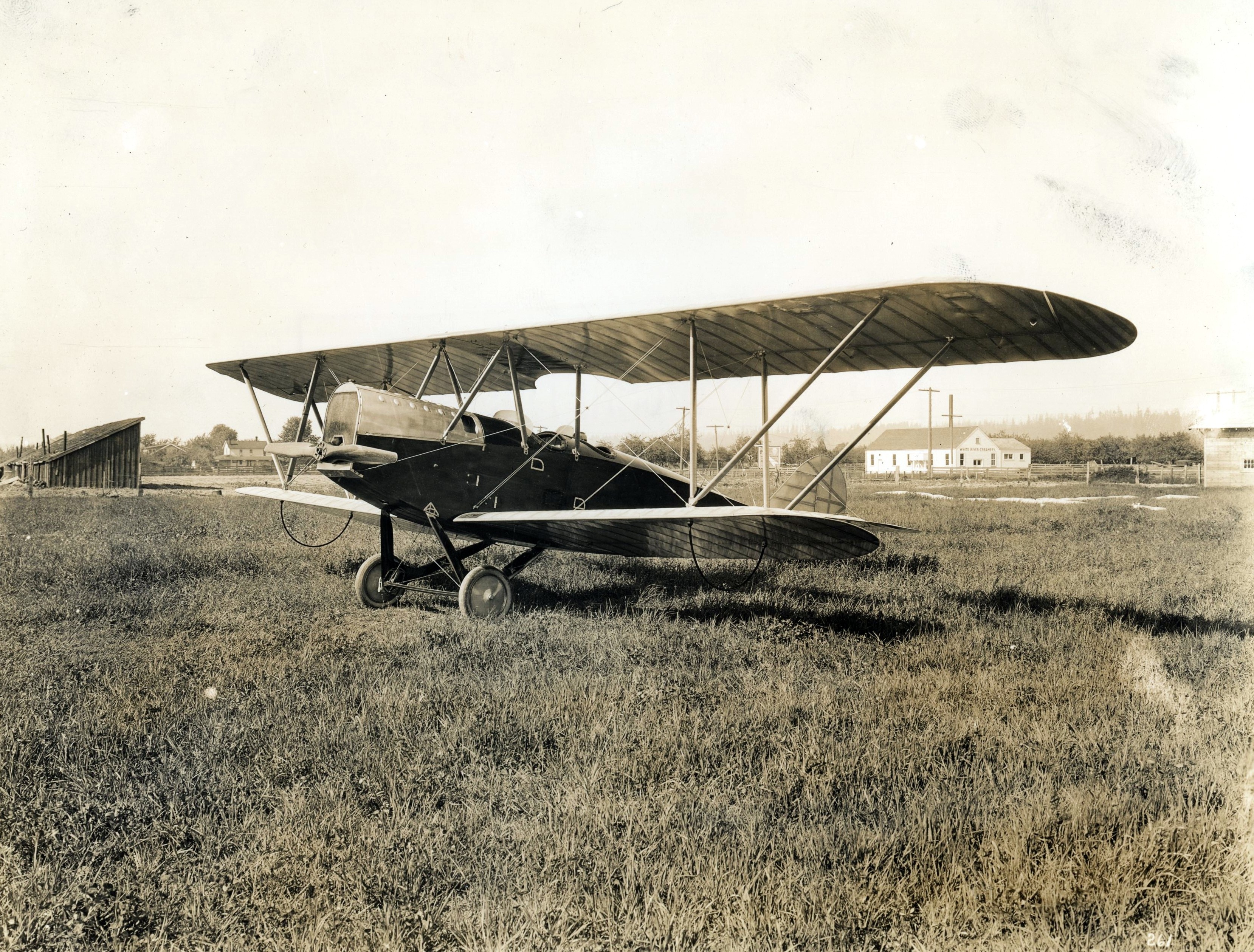
Boeing’s BB-L6
The Wright Brothers


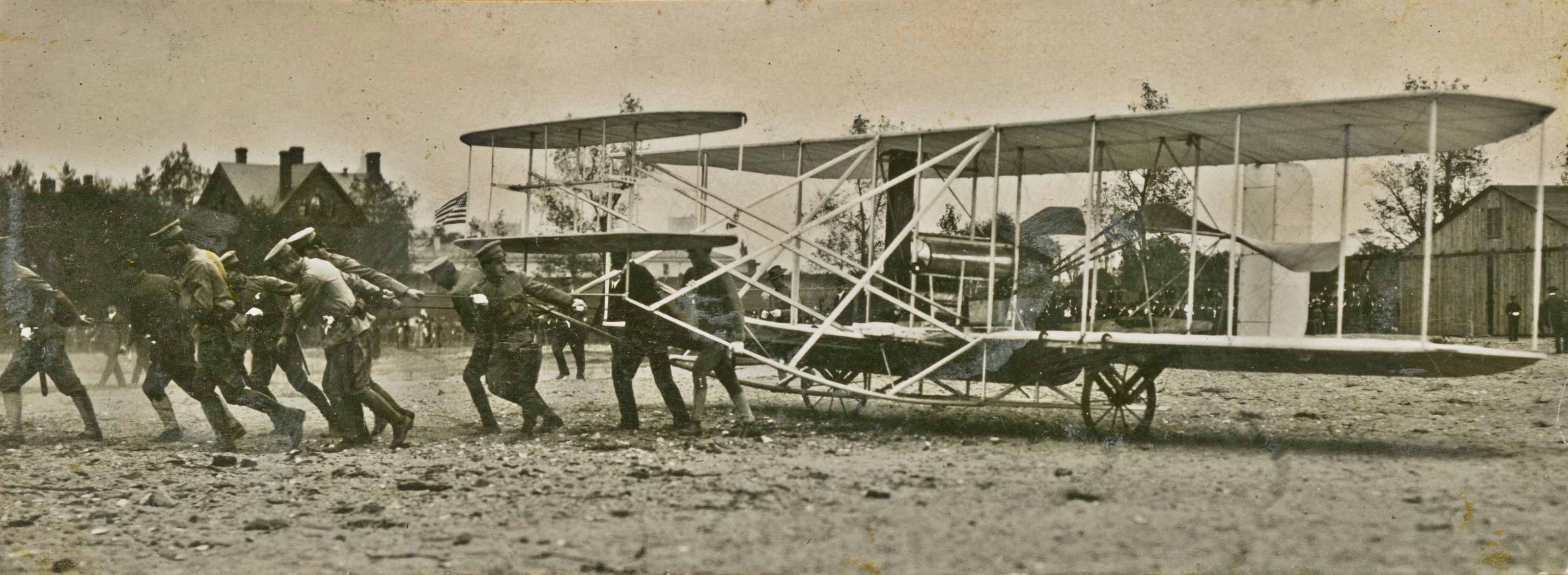
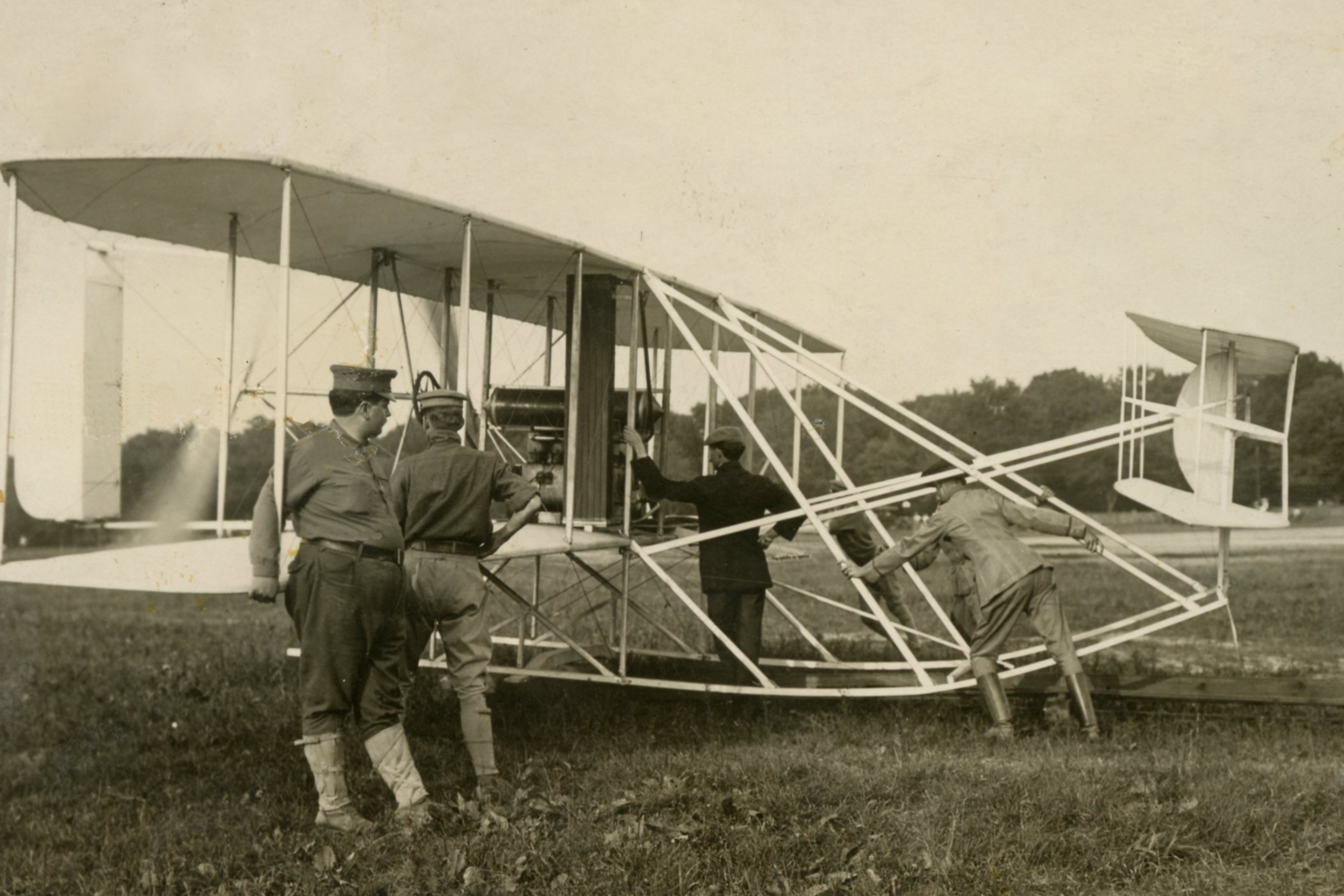
A series of original Wright Brothers photos that I have never seen before. Comparing them with known photos, the first two were taken during the famous trials at Fort Myer, Virginia in 1908. The second photo shows Orville standing in front of the “cockpit” while soldiers restrain the machine which ran at only one speed – full power. This series of demonstration flights ended in tragedy when the aircraft crashed killing the observer, Lt. Thomas Selfridge, and severely injuring Orville.
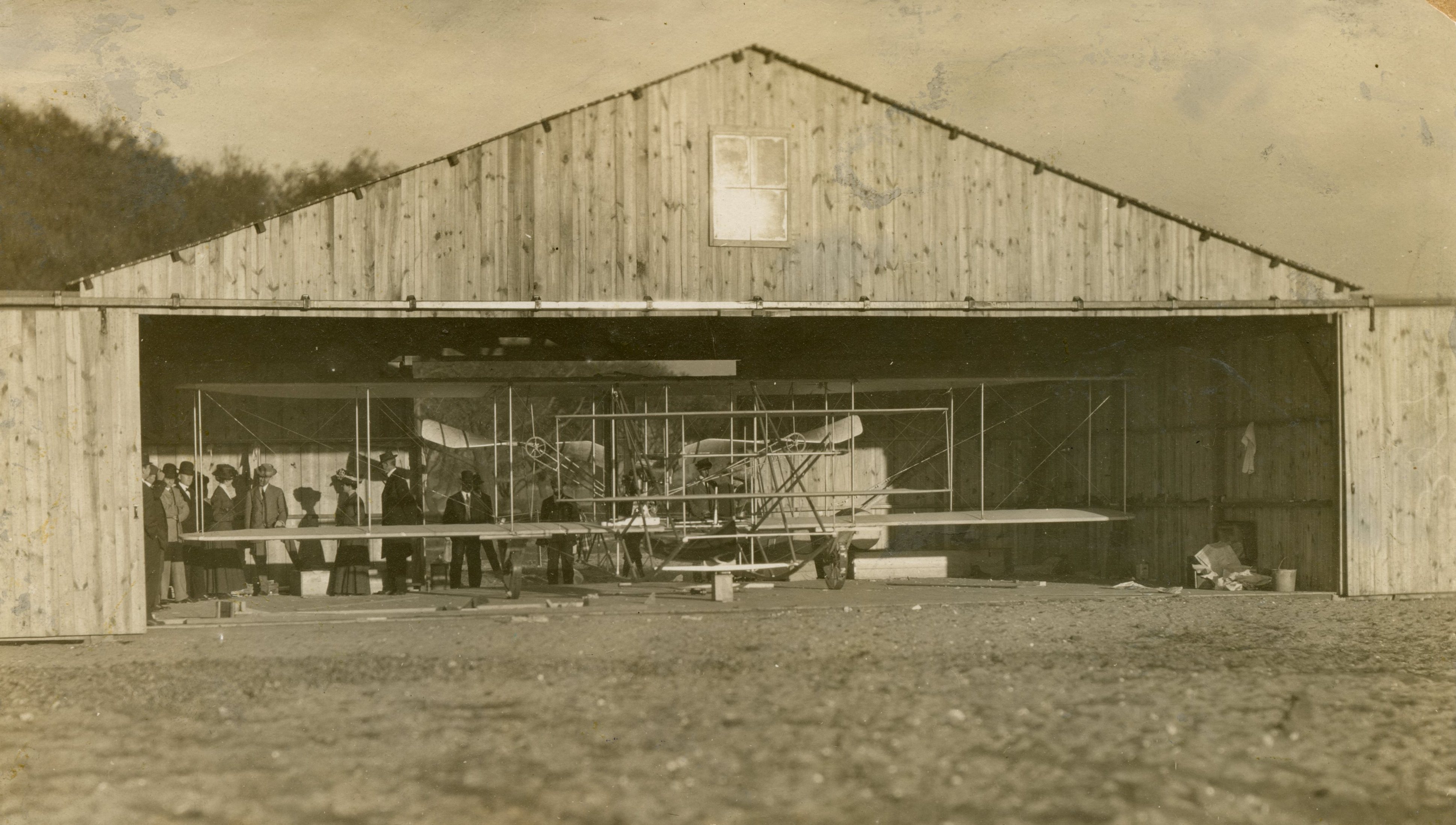
The next two photos show the Wright Flyer at Governors Island, NY, in September, 1910. The close-up sees Wilbur Wright explaining to a lady the finer points of the machine. With Orville recuperating from the Fort Myer crash, Wilbur carried on the brothers’s work. While at Governors Island, he undertook several flights the most famous being around the Statue of Liberty and New York harbor. If one looks closely, they can see the red canoe Wilbur strapped to the machine’s underside in case he had to ditch in that harbor. Ever the realist, Wilbur’s intent was not that the canoe would keep the aircraft afloat, but rather that it would make a water landing survivable – that set of forward elevators would have dug into the water and launched Wilbur right through them.
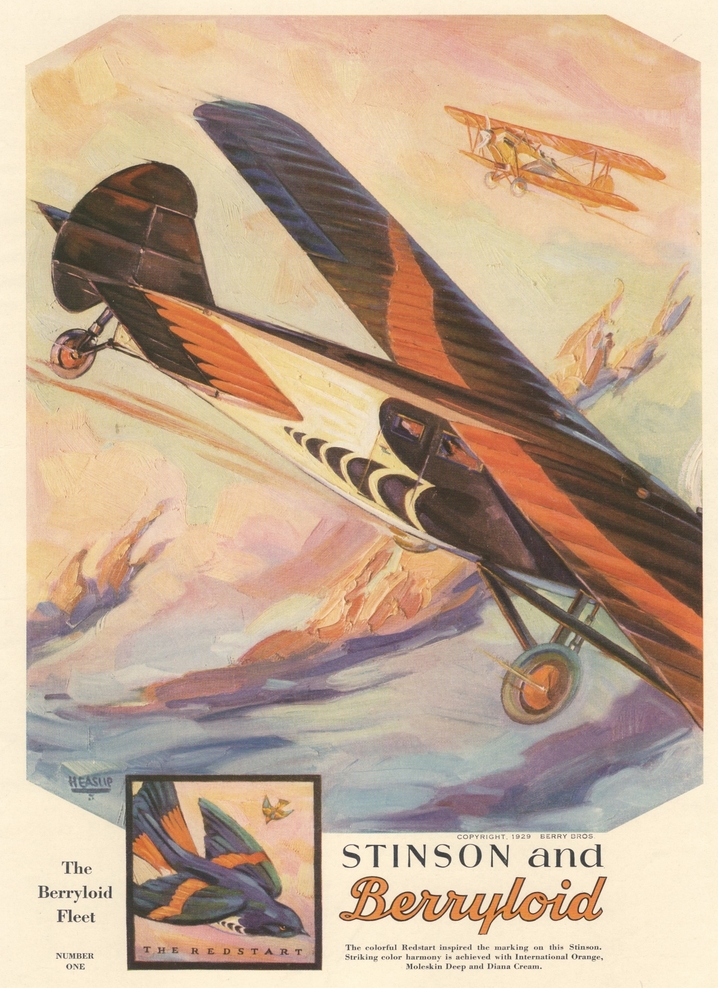
Stinson and Spartan
A couple of ads for a couple of pretty planes, Stinson and Spartan.
Note: It may not mean a whole heckuva lot, but every ad that I post is an original from a vintage publication or poster. Lots of great stuff on the internet, but I strive for the real deal.
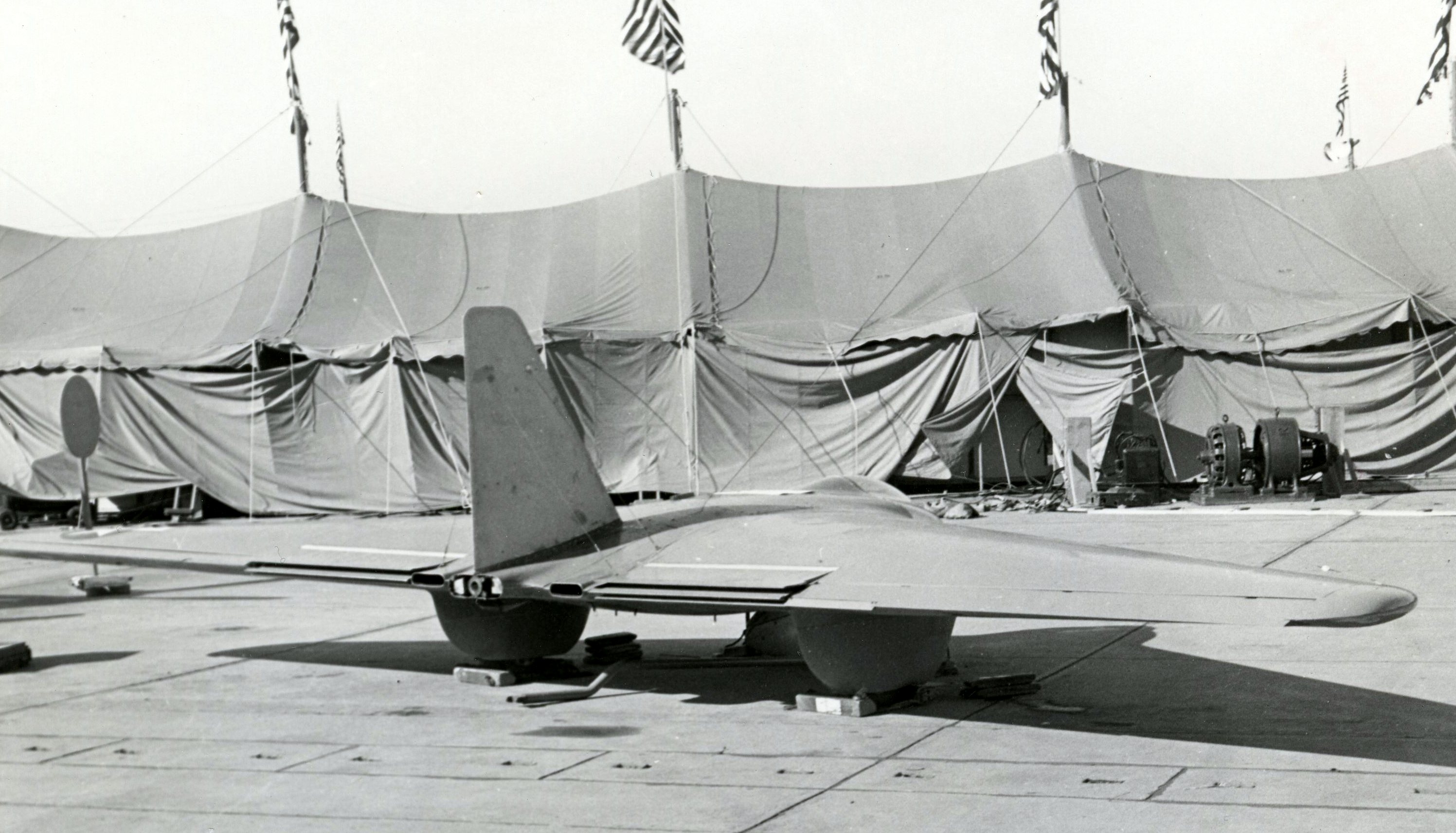
Northrop’s MX-324
The GeeBee
Roscoe Turner with his Boeing 247 at Floyd Bennett Field
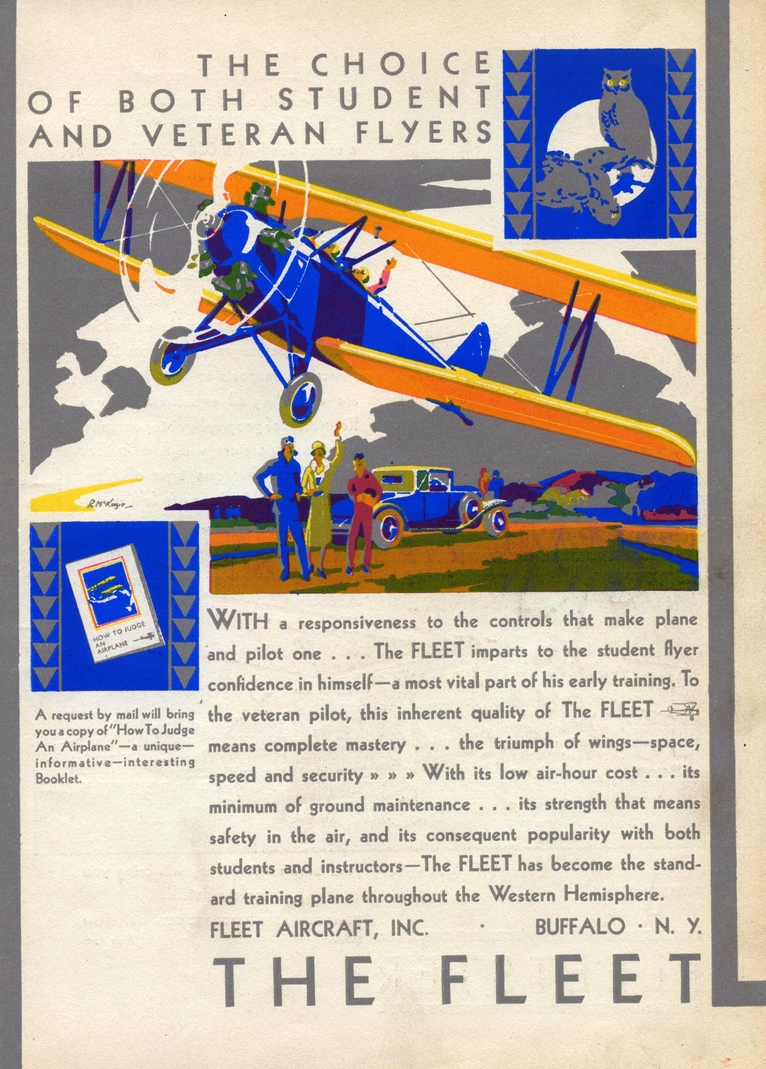
Fleet Aircraft
Ya just gotta love the ads they cooked up in the 1930’s. Fleet Aircraft inc. in Buffalo NY had some of the best.
Pitcairn autogyro
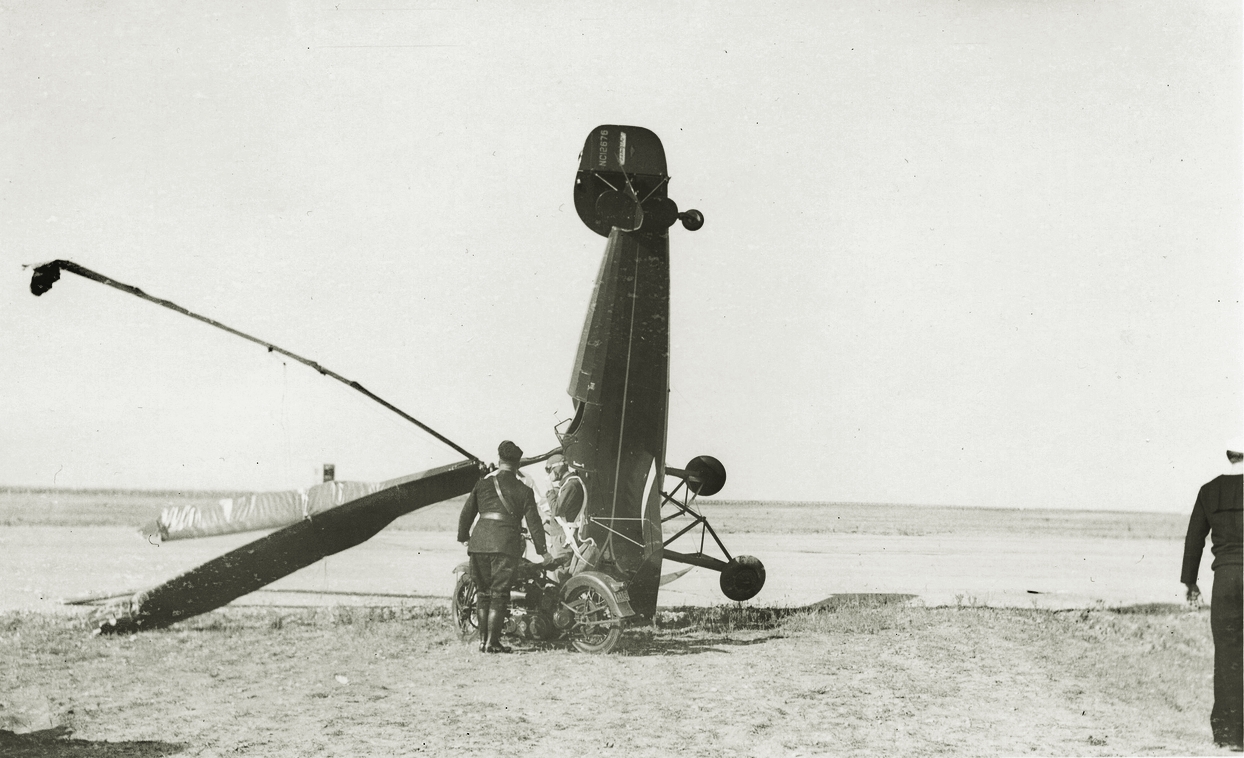
A Pitcairn autogyro always attracted an audience, but unfortunately for the pilot of this PA-18, the onlookers aren’t arriving to take in the wonders of his hybrid aerial marvel. The place is Floyd Bennett Field, date, June, 3rd, 1939. The pilot is standing next to the aircraft and calmly unbuckling his helmet. One of New York’s finest has arrived via Harley Davidson.
Another spiffy ad