

Category: Army Air Force
Warren “Bean” Campbell, 94th Fighter Squadron
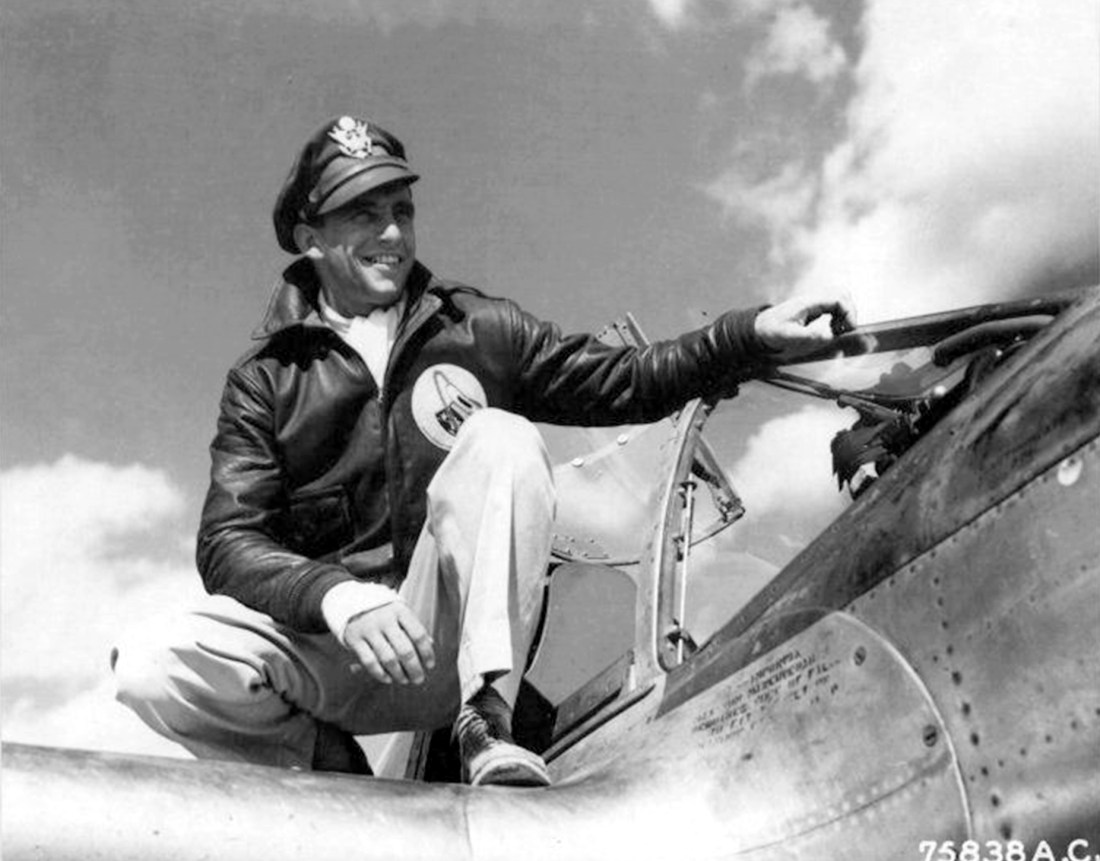
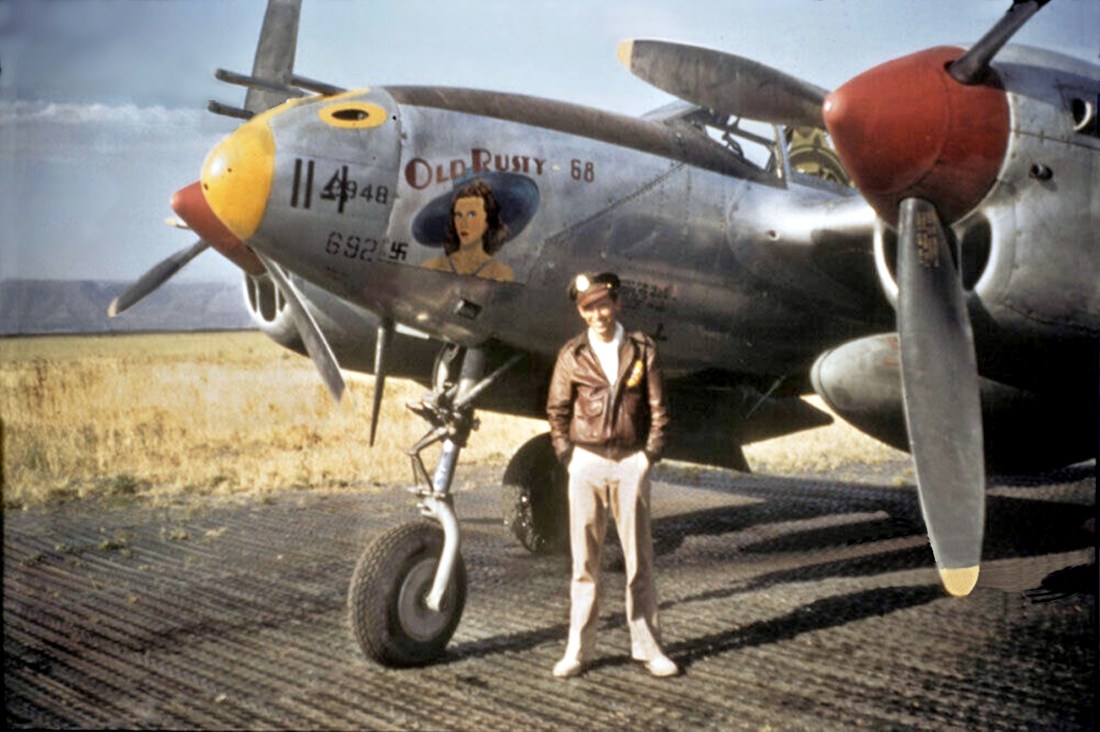
Campbell with his trusty P-38, “Old Rusty” (42-104114).
Lightning Strikes: F-5’s & P-38’s
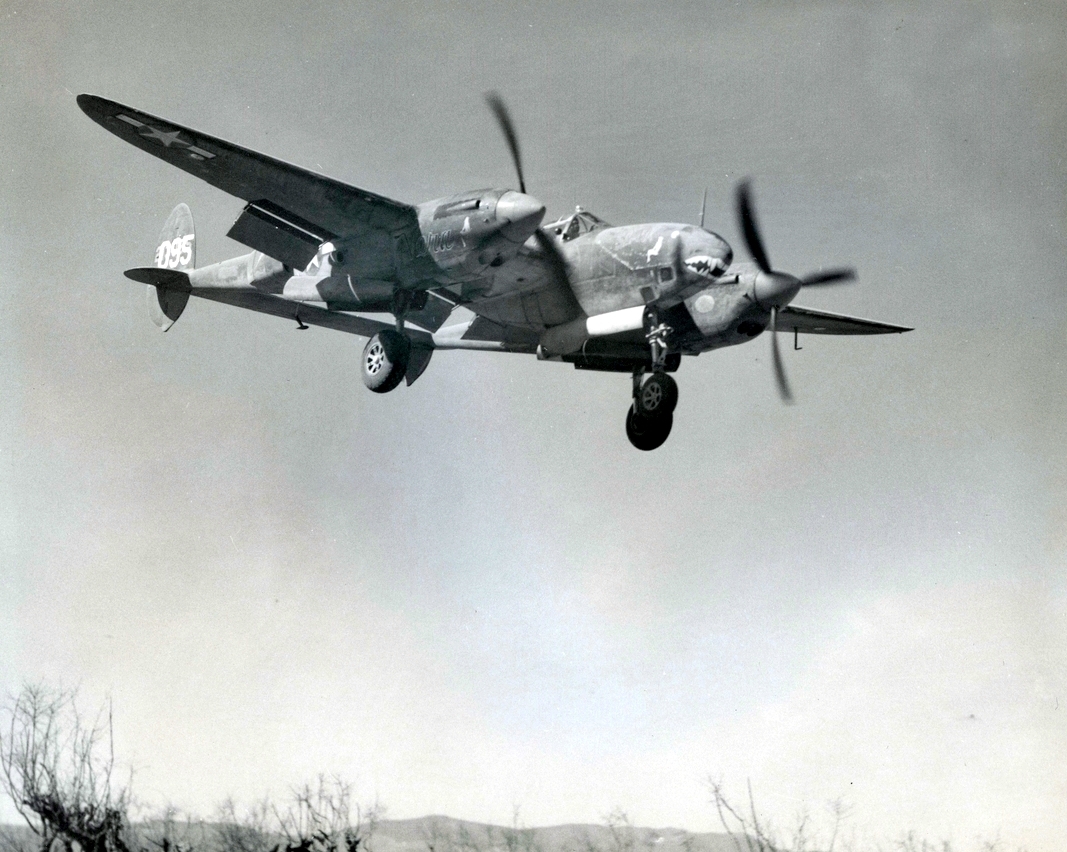
F-5 42-13095 of the 12th Photo Recon Squadron zooms in for landing at its base in Italy. This aircraft carried three names: “Shark” on the nose. “Louise” on the left engine nacelle, “Vera” on the right.
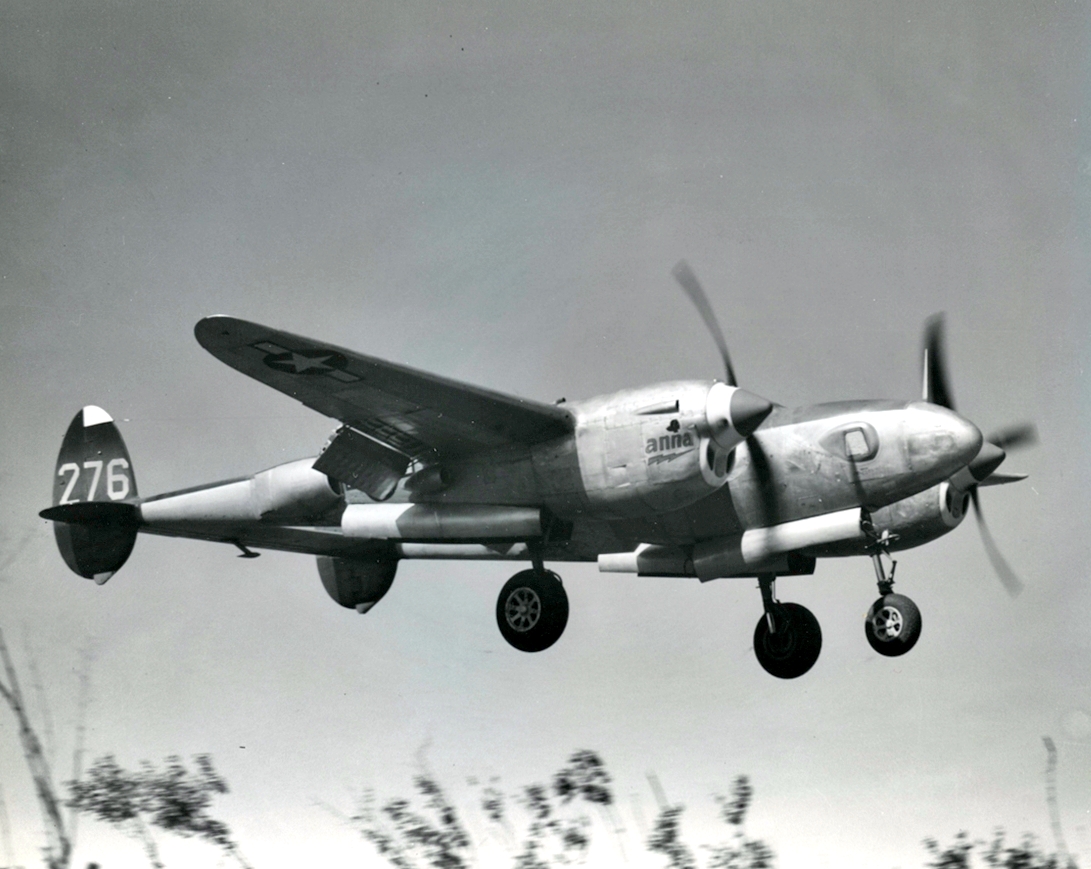

Two shots of “Anna” landing in Italy. Note the local civilian onlookers.
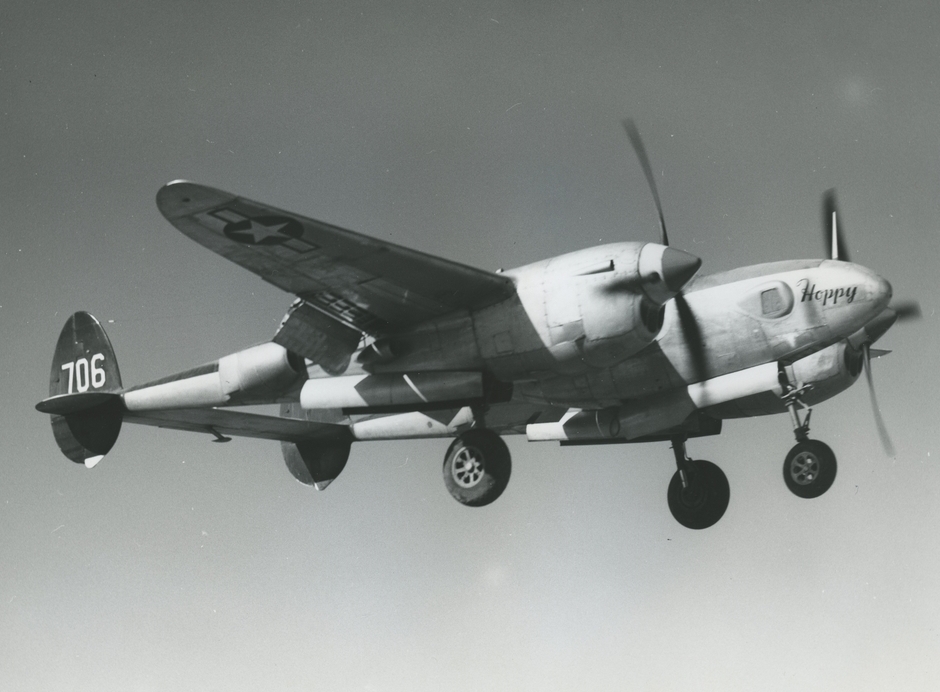
F-5 “Hoppy” flares for landing.
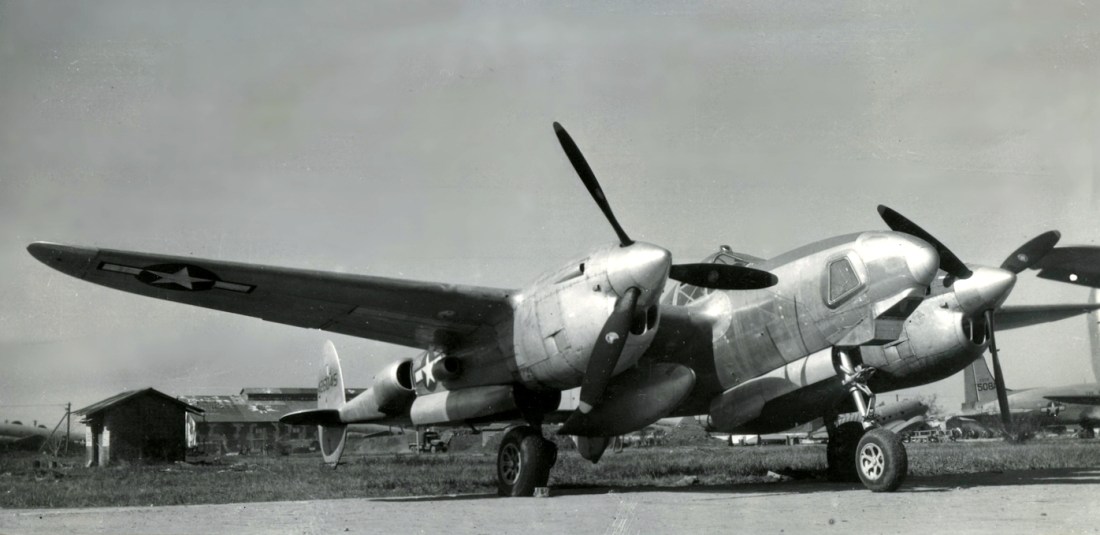

F-5F 44-26045 was transferred to the Chinese Air Force. The same thing happened to the B-24 in the background, 44-42270. Perhaps all of the aircraft pictured were similarly transferred (?)
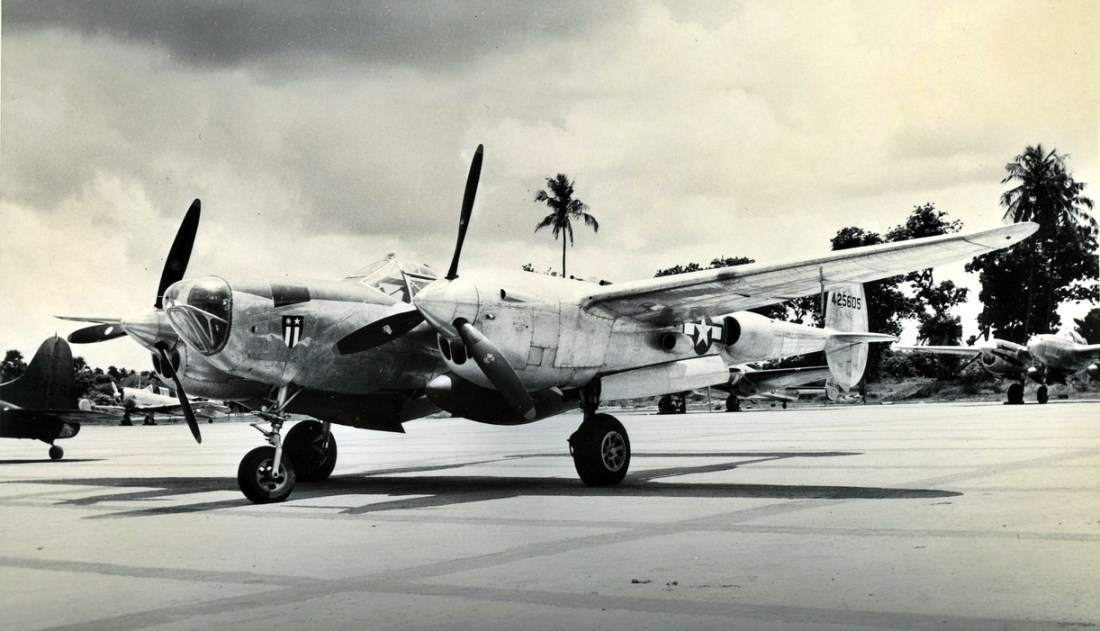
P-38J 44-25605 was modified to a personal transport for General George Stratemeyer. Perched in the Plexiglas nose, he had the best seat in the house.
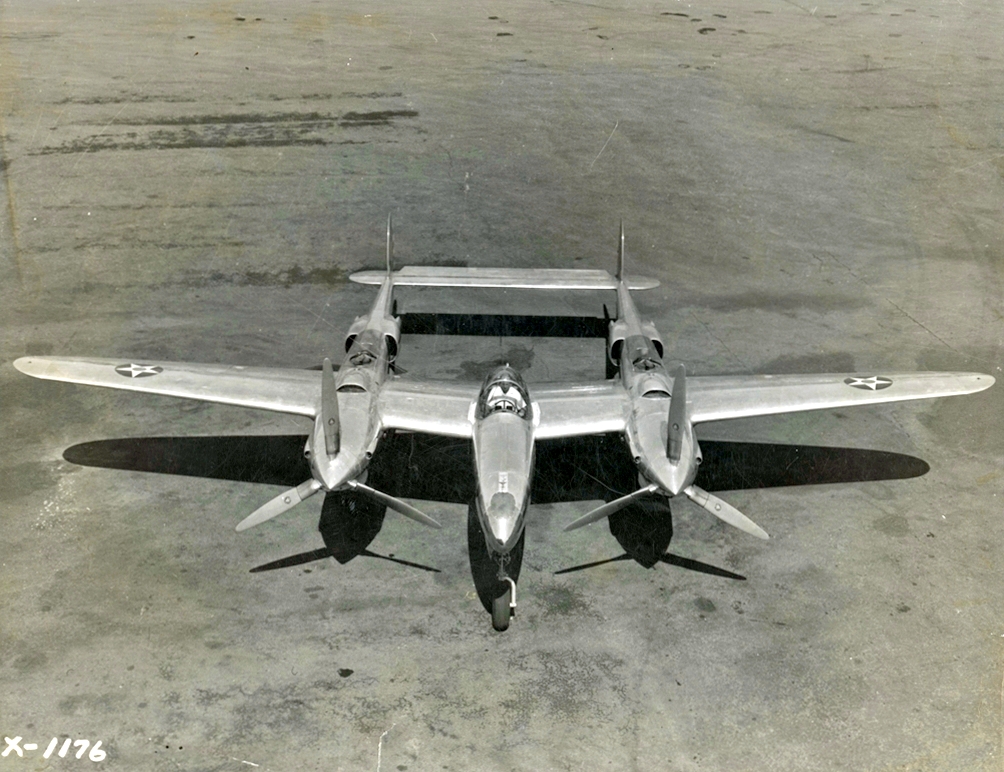
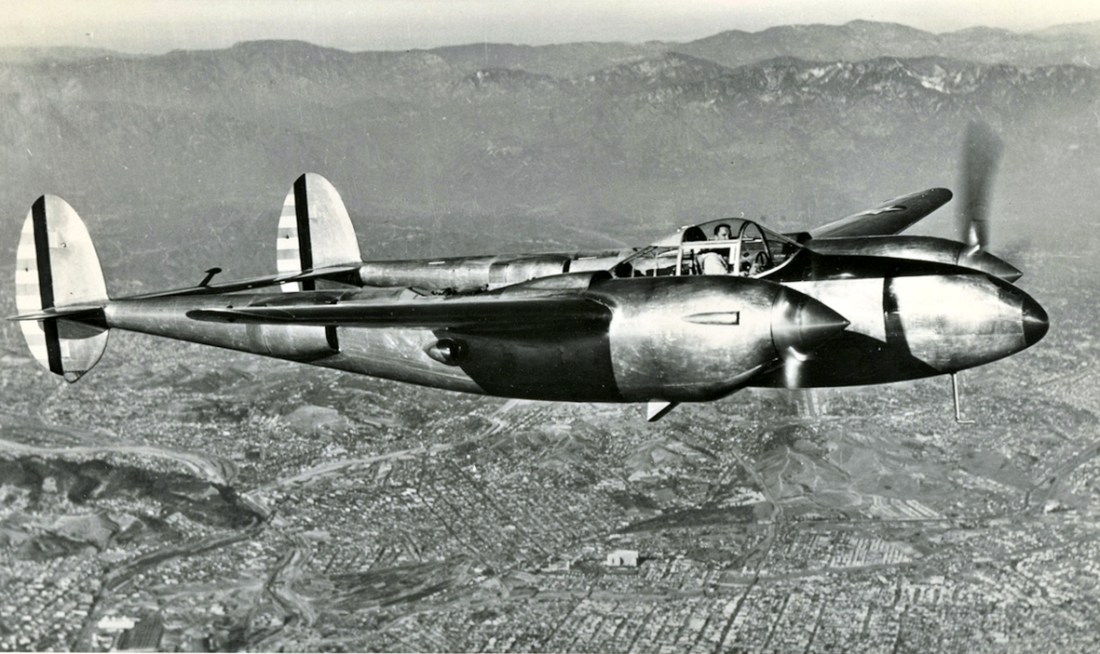
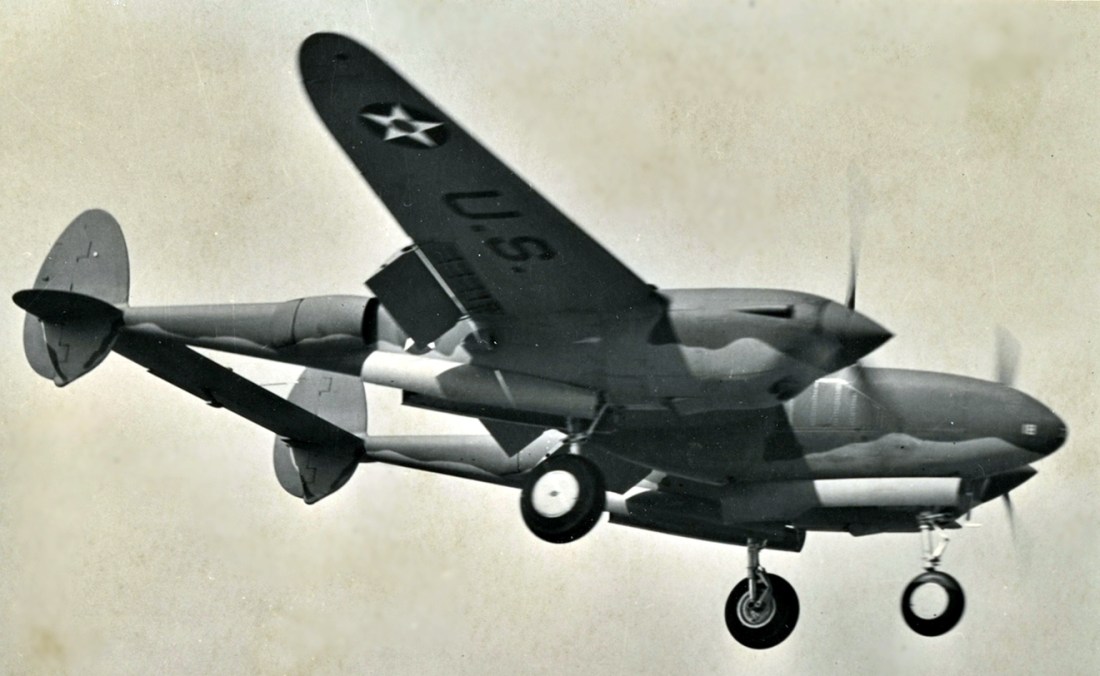
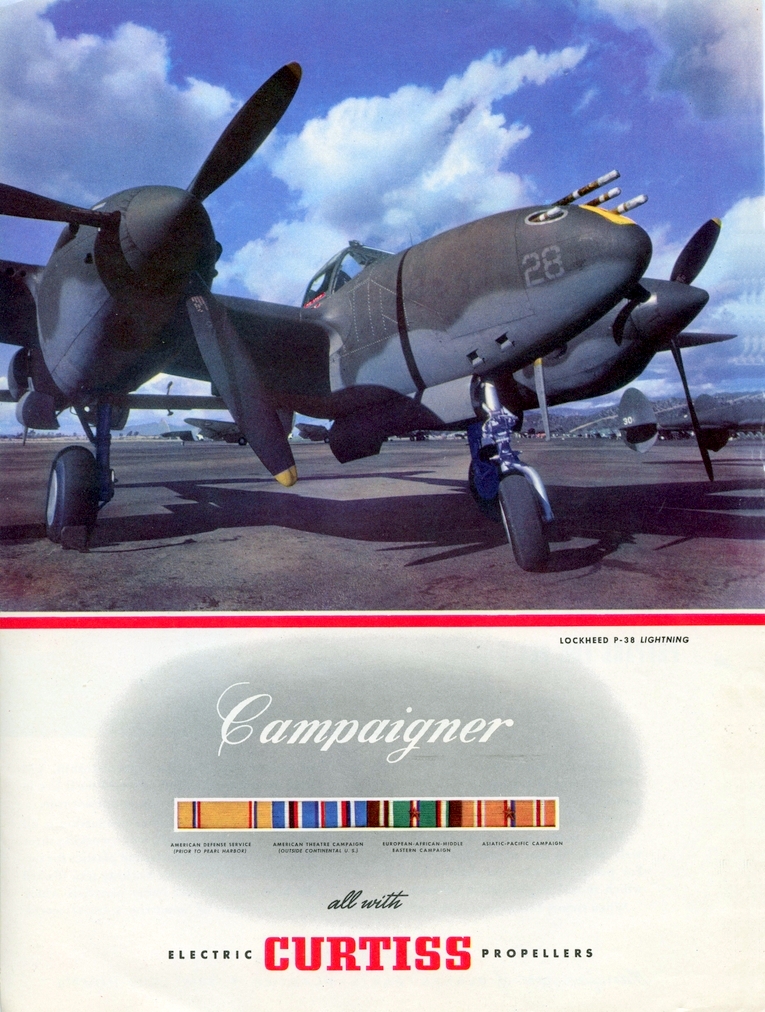
Early P-38’s. Marvelous aircraft.
B-26 Marauder, “Hell Cat”
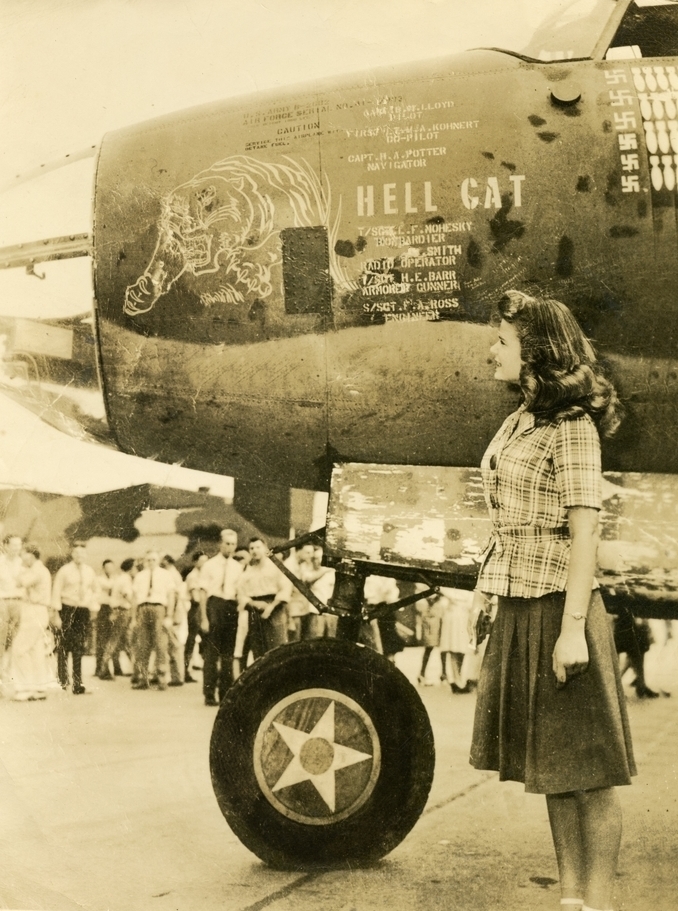
July, 1943. Fresh from the sands of North Africa where it served with the 17th Bomb Group, “Hell Cat”, a B-26B (41-17903), had just completed 50 missions and was on a War Bond tour when she was captured for posterity. Of course, a very pretty young lady “happened” to stop for a look. The navigator of this bird was Hank Potter, one of the Doolittle Raiders.
B-24 crew, Gowen Field Idaho

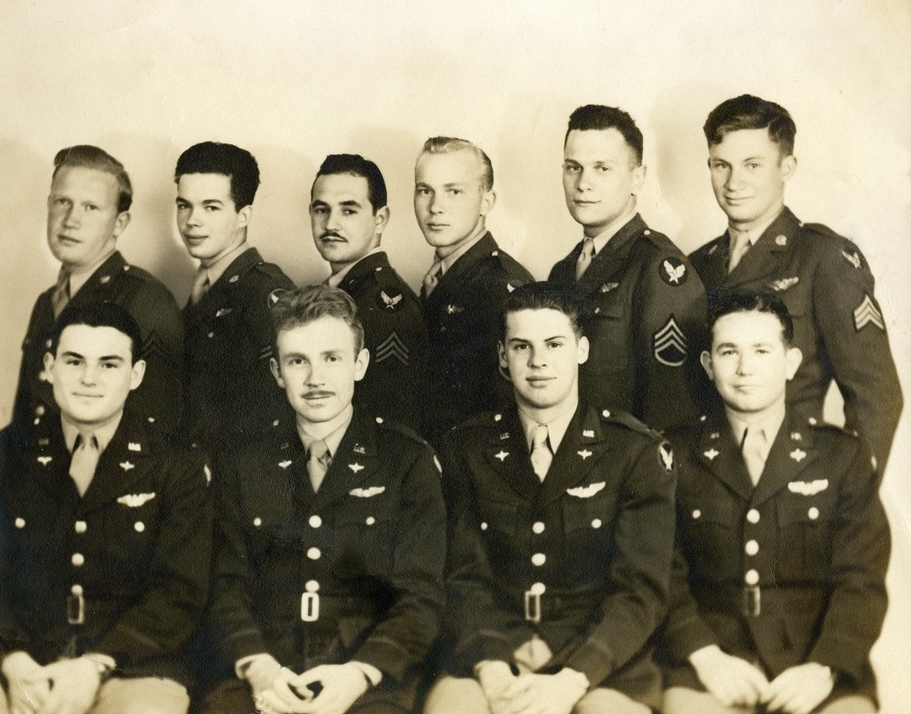
Unfortunately, the name of this crew remains a mystery. I tried every photo editing trick I have ever heard of to read the name tags on their A-2 jackets but I could get just one: top photo, kneeling 2nd from right “Davis”, one of the gunners. More research required.
Civilian B-17’s

The Bomber Gas Station (1947-91) of Milwaukie Oregon was world famous. The aircraft was removed for restoration in 2014. I can proudly say that I did make a point of stopping there for gas on several occasions. I recall that the wings didn’t offer much protection on a windy and rainy day, but who cared.
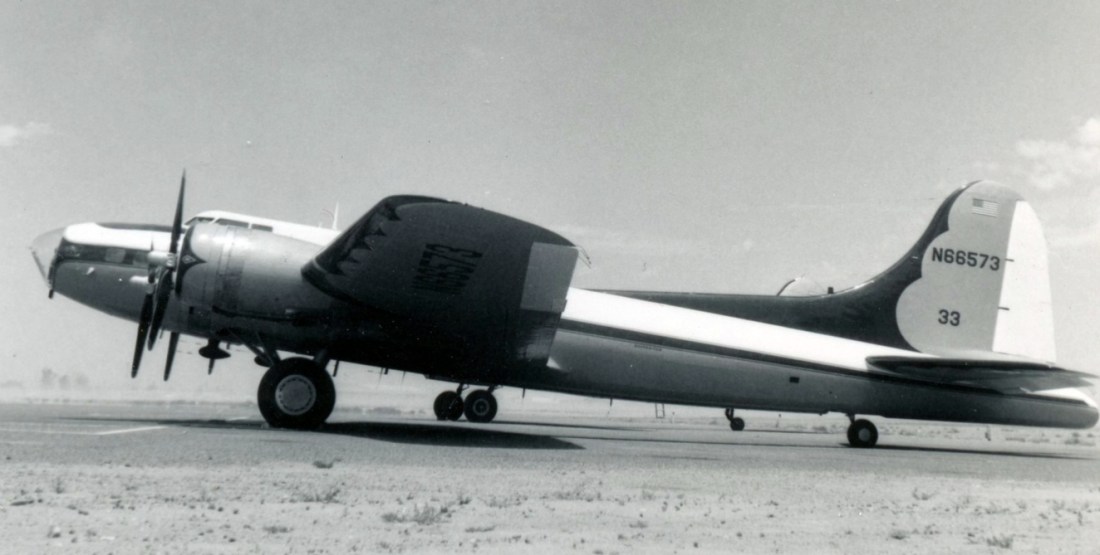
Starting life as 42-102715 (a B-17G), N66573 did a number of odd jobs before crashing as a fire bomber in 1979.


Typifying the life of a surplus B-17, N117W started life as a B-17G (44-85806), went to the Coast Guard as a PB-1G, passed through several civilian owners and was destroyed in 1964. These 3 photos show it in when it was flown by the Biegert Bros. of Nebraska as an aerial sprayer.
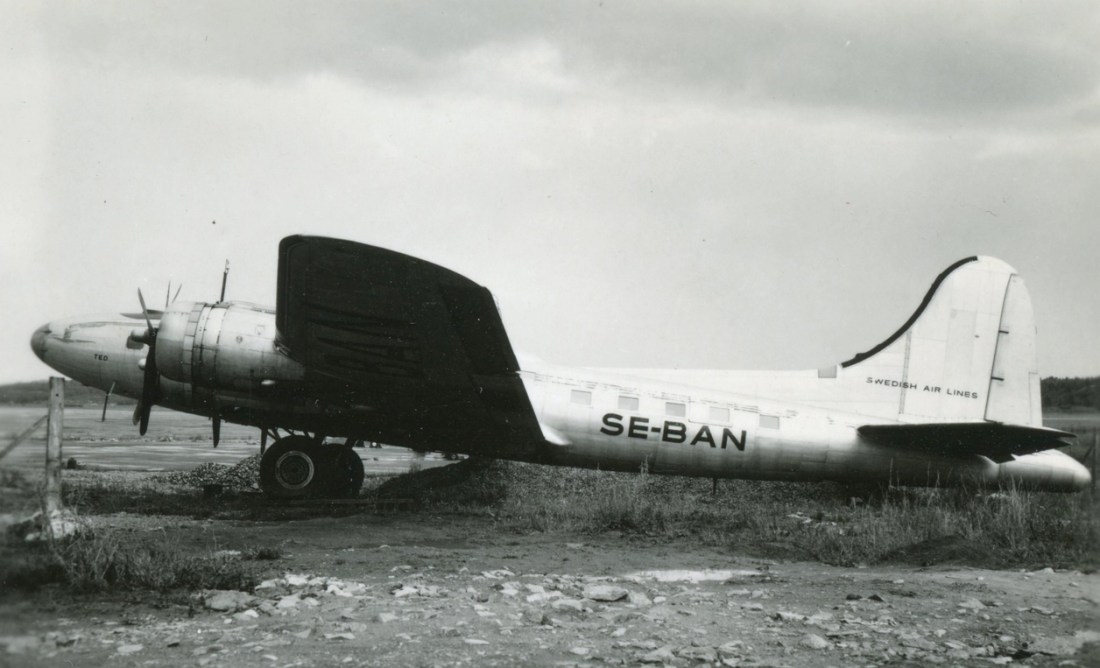
Unlike most civilian B-17’s, those operated by Sweden were combat veterans. SE-BAN (formerly USAAF 42-3490) of Swedish Air Lines came to that country courtesy of the 385th Bomb Group (and German flak) when damaged on a mission to Berlin. Opting for neutral Sweden, the crew was interned and the aircraft put into service at war’s end. Unfortunately it was scrapped in 1950.

Another weary B-17G (42-3470) ended its days in 1962 while flying for the Colombian government.

1959 ad from Flying Magazine. I did the math: $15,000 in today’s money is about $130,000.
B-17’s of France
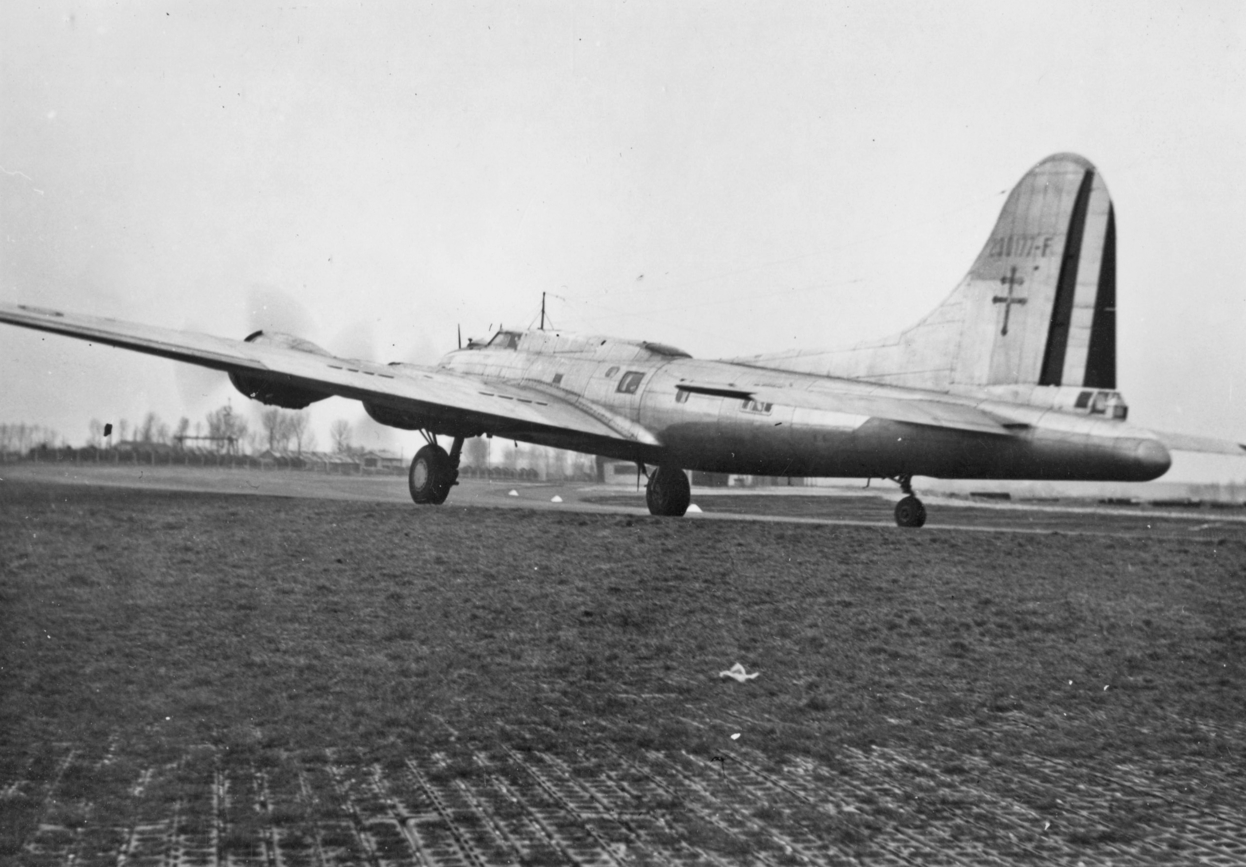
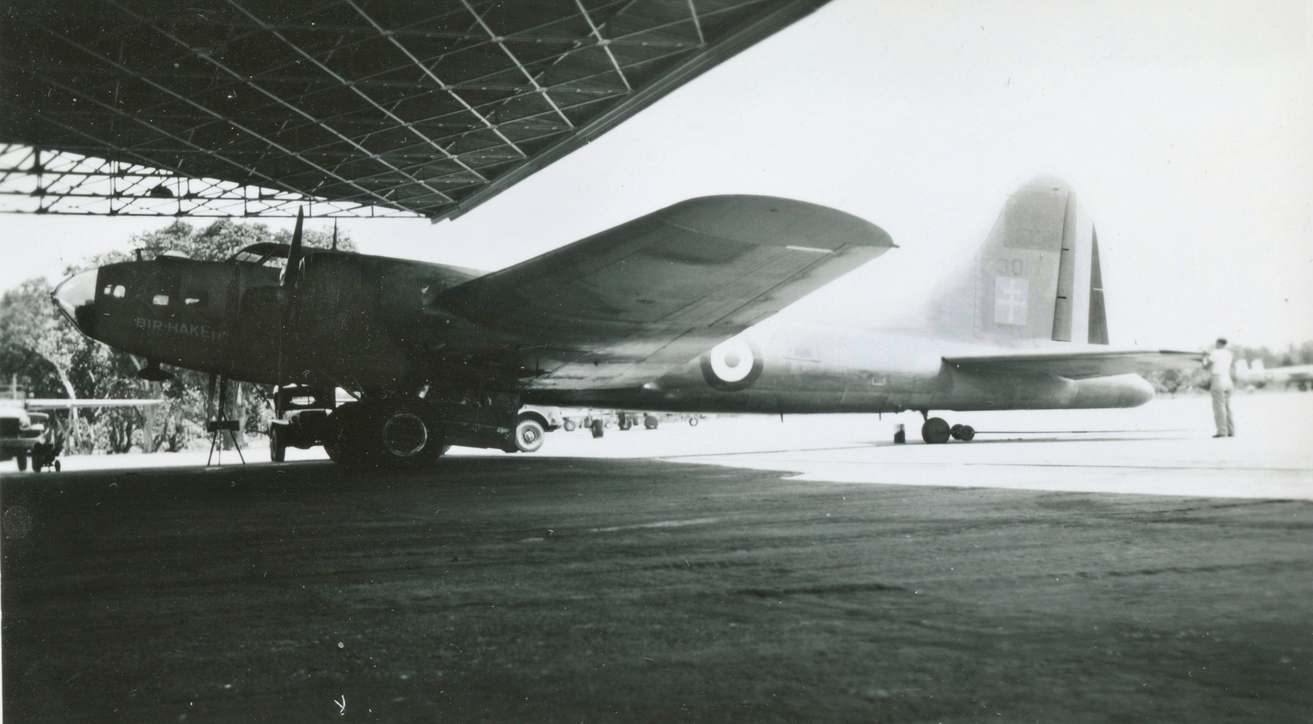
42-30177 started life with the USAAF but was donated to the Free French Air Force. Christened “Bir Hakeim” to honor the heroic Libyan battle where Free French forces held off the Germans for weeks in 1942, it was used as a transport by the commander at Bir Hakeim, General Marie-Pierre Kœnig.
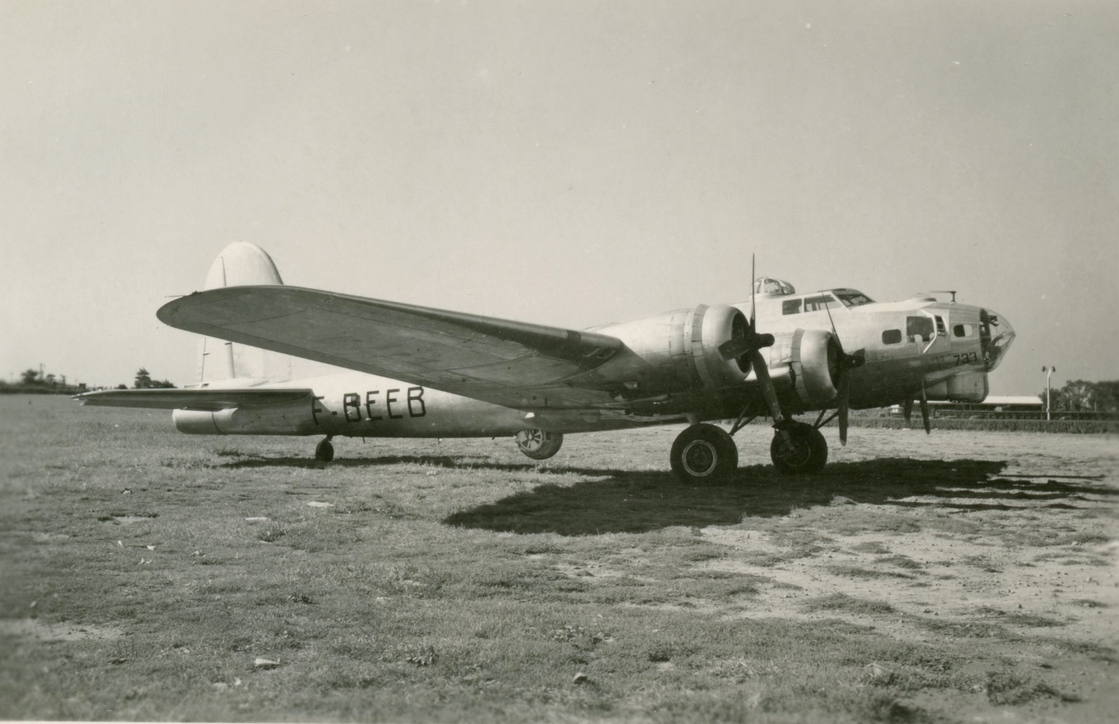
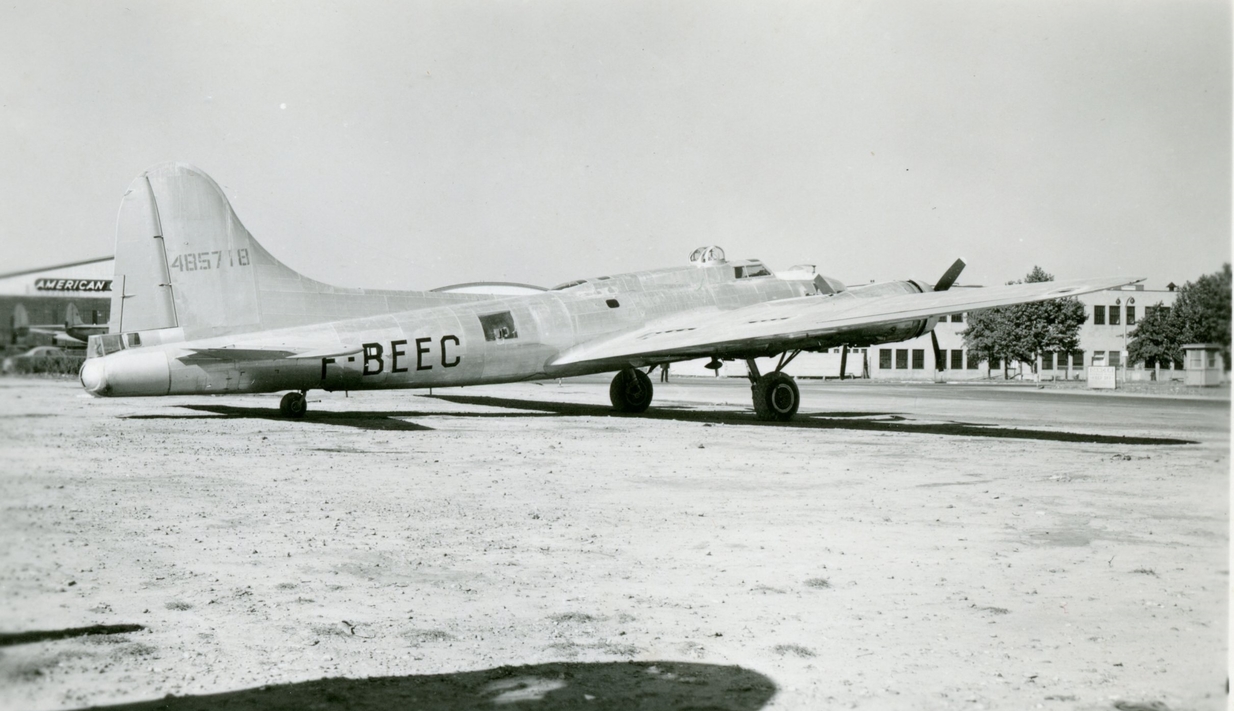
After the war, the French Institut Géographique National (IGN) acquired B-17’s and began what was a decades long affiliation with the aircraft. Used for research and mapping, several of these planes soldiered on until the 1980’s. “BEEB” was not so fortunate; she crashed in 1949. “BEEC” was luckier. She continued to fly with the IGN until 1987 and then was sold to the Lone Star Flight Museum to be restored to a WWII configuration and renamed “Thunderbird.”
B-17’s of Japan
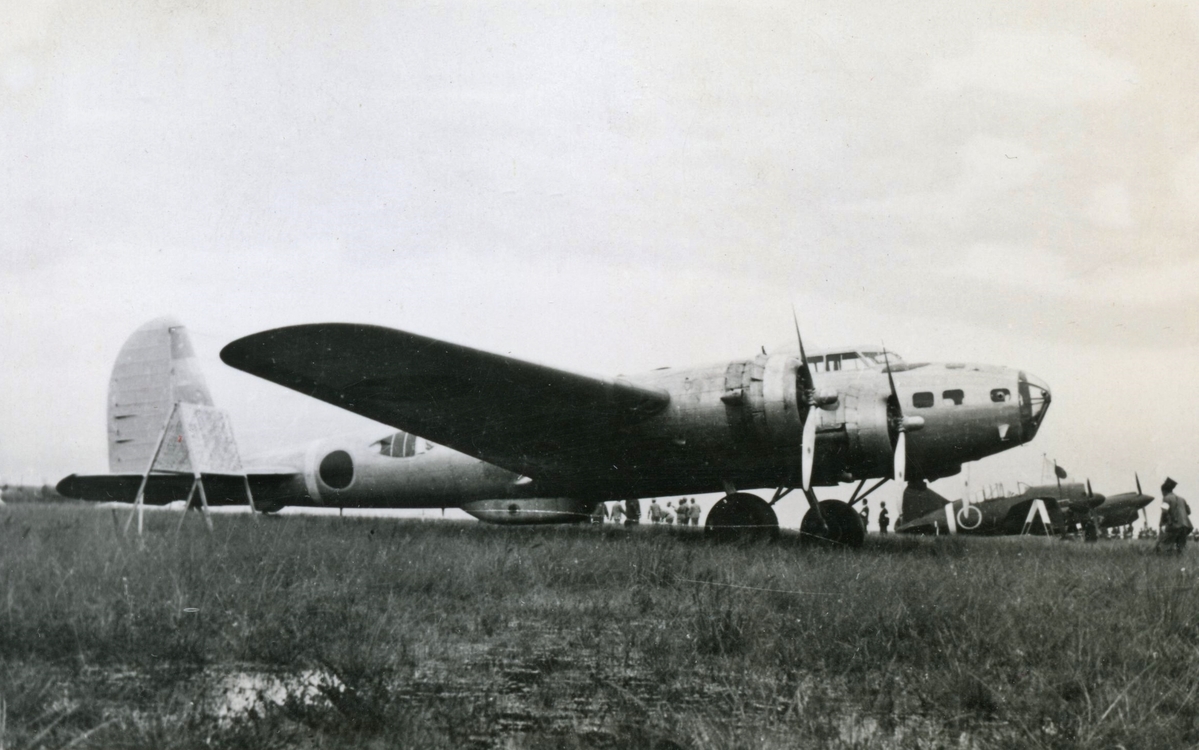
Former 19th Bomb Group B-17D that was pieced together from several damaged birds abandoned by the US in the Philippines. Alongside are a pair of other captured aircraft: A Brewster Buffalo from the Netherlands, and a U.S. P-40 Warhawk.

B-17E taken as a prize in Java. Interestingly, the photo was taken from what I believe is the B-17D in the previous picture.
B-29’s over North Field, Tinian

This 19th Bomb Group aircraft, “Slick Chick”, drones over its home base on Tinian Island in 1945. North Field was home to several bomb groups, most famous, of course, was the 509th tasked with the atomic bomb missions. The B-29 seen here bears the markings of many missions flown.
B-17F of the Free French Air Force
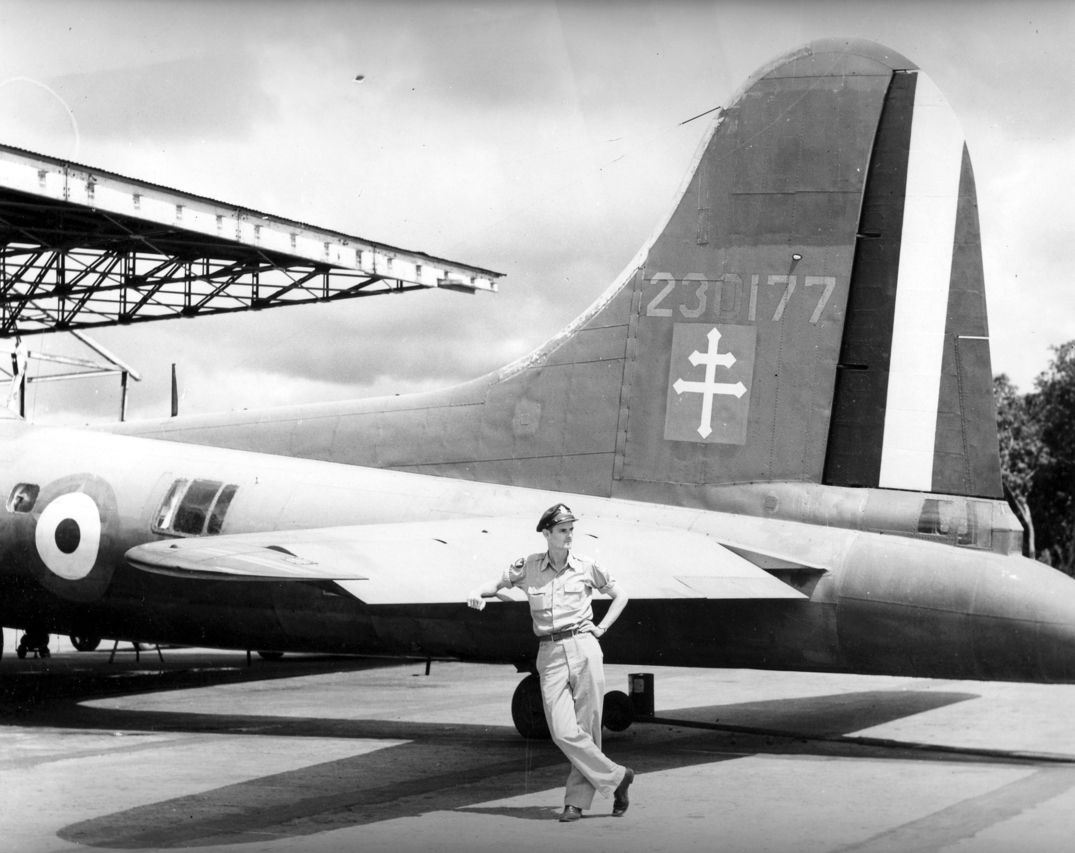
This aircraft (42-30177) survived until the 1970’s when it was foolishly allowed to be scrapped. Future famed aviation expert Pete Bowers, then with the USAAF, leans casually on the elevator. An absolute airplane aficionado, Bowers was also a pleasure to know. He was kind enough to give me a copy of this photo.
B-25, 1st Air Commando Group
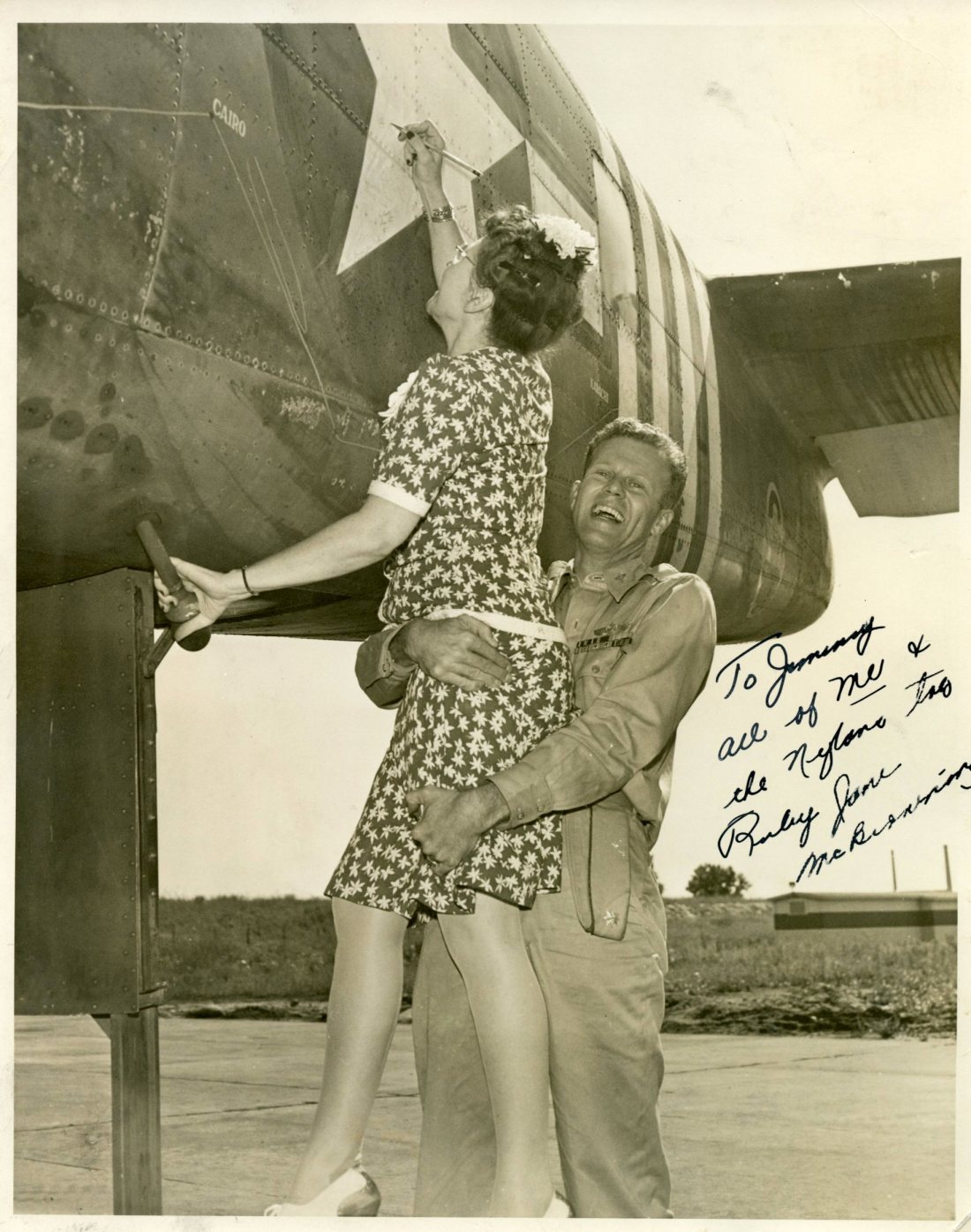
In what is obviously a stateside publicity shot, a recently returned B-25 is autographed by a perky Ruby Jane held aloft by one happy pilot.
492nd Bomb Squadron, WWII

The 492nd flew the B-24 Liberator from various bases in British India.
Actor Edgar G. Robinson greets the 532nd Bomb Squadron at Ridgewell, Essex

There were worse planes to land wheels-up…
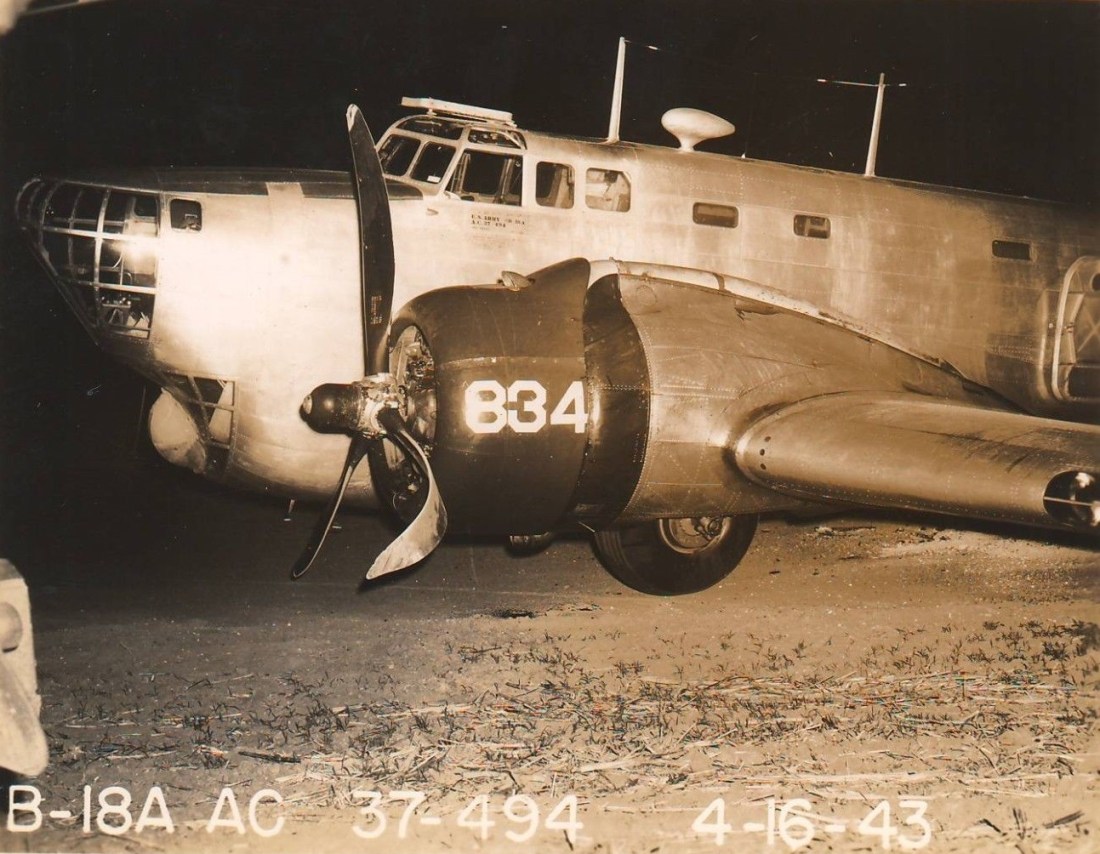
With it’s main gear always hanging part way out in the breeze, if you had to belly-in a bomber, the B-18 wasn’t a bad choice. Here, 37-494 shows how that was done. Given the April 16 1943 date – late in the B-18’s life – I would imagine this aircraft was simply written-off.
C-46 Commando comes to grief at Buffalo NY, August 6, 1942
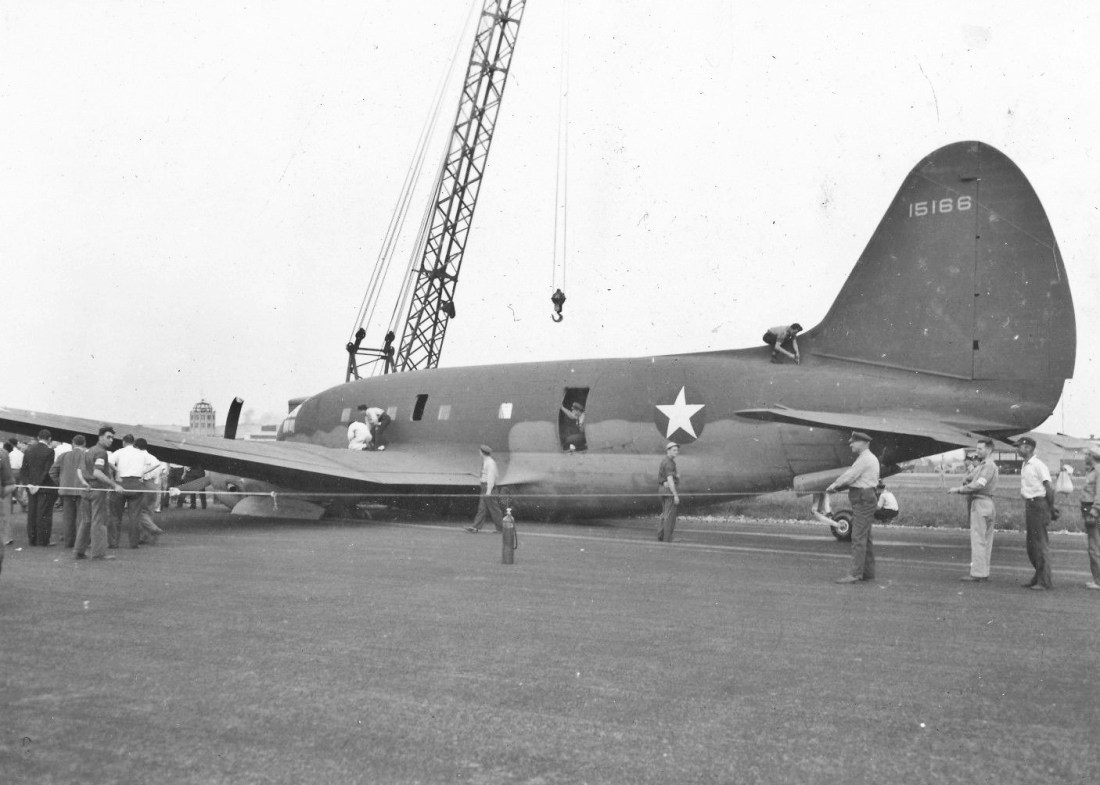
The tailwheel is extended, so I assume the gear handle was down. Handle down, but obviously the gear was not locked. It is worth noting that when this incident occurred in the summer of ’42, retractable landing gear was still in its infancy; the bugs had to be worked out. This aircraft, 41-5166, was soon patched up and doing its part to win the war.
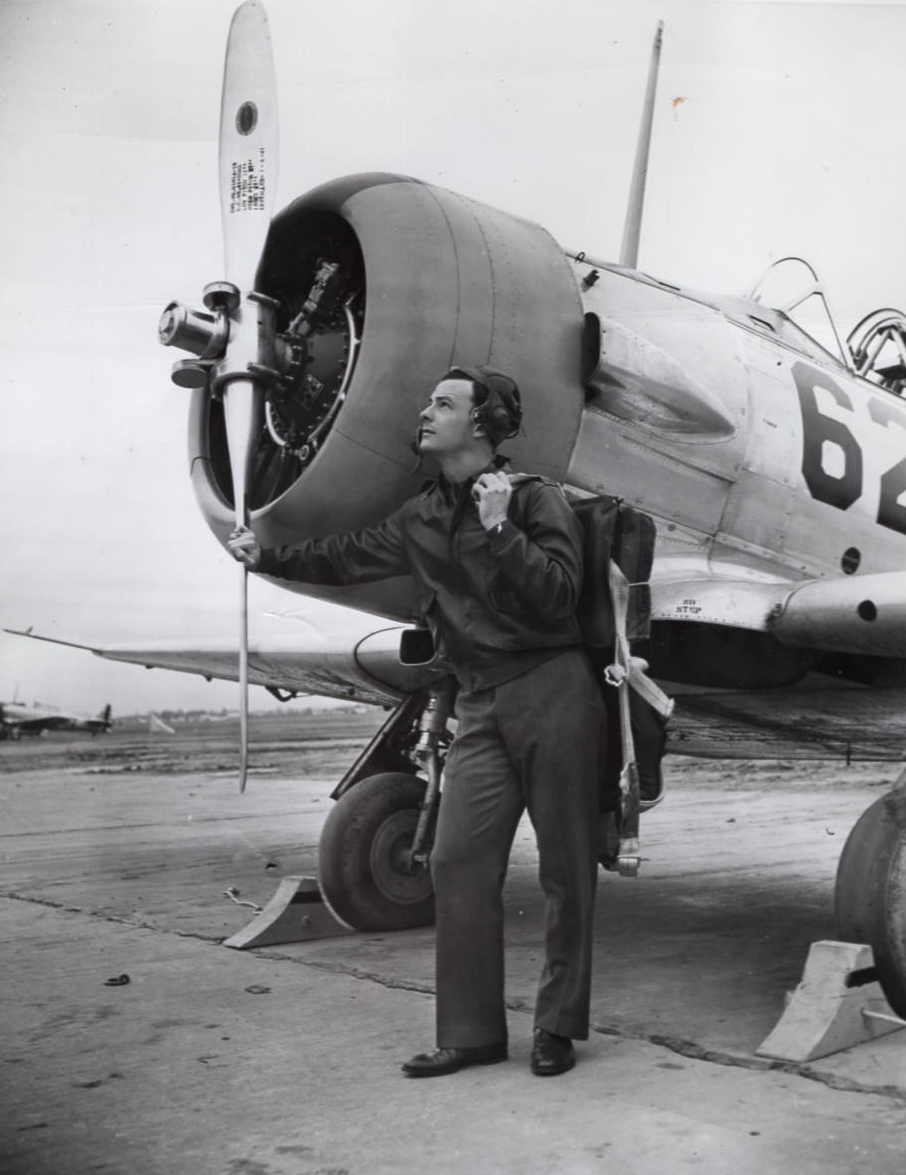
Junior birdman strikes a classic pose with his nice looking AT-6
Another installment in the series “Ya can’t do that anymore.” Place de l’Étoile, Paris, 1944
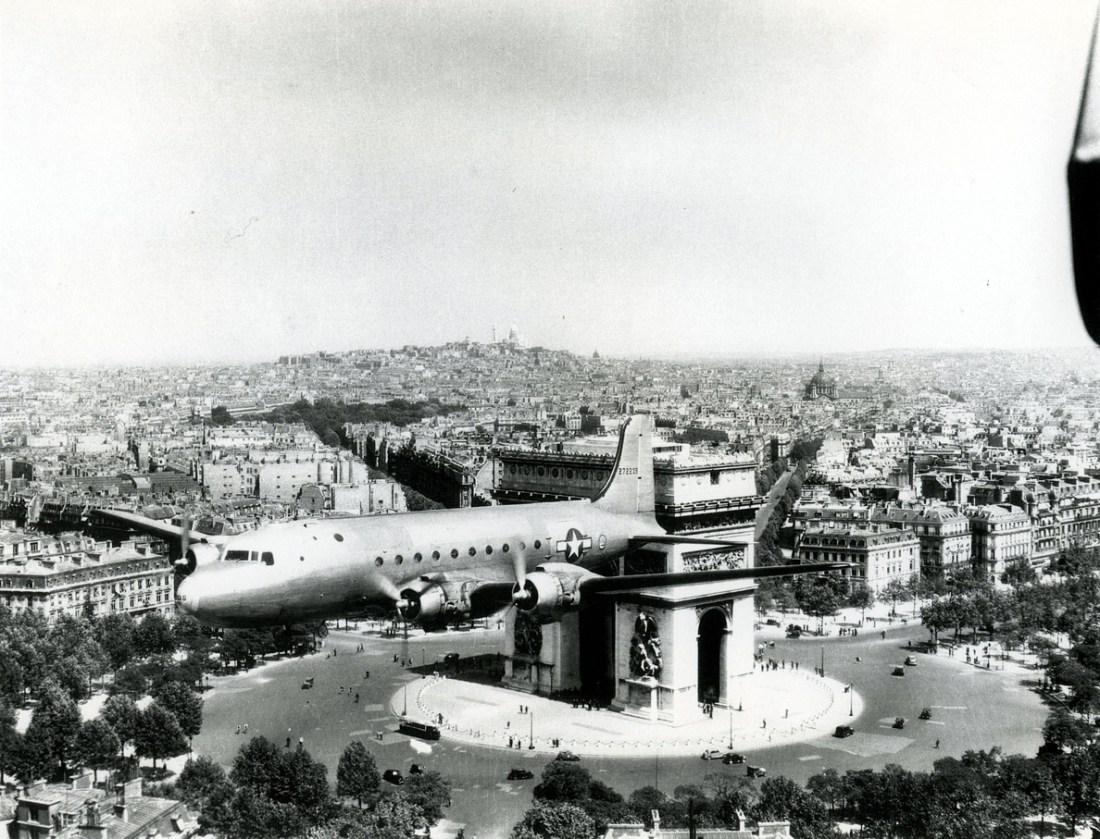
When I first saw this photo of a C-54 out for a little sightseeing along the Champs-Élysées I thought it had been composited/doctored. Not so – it’s the real deal. Besides, such buzzing was socially acceptable back then and something we all wish we could get away with today.
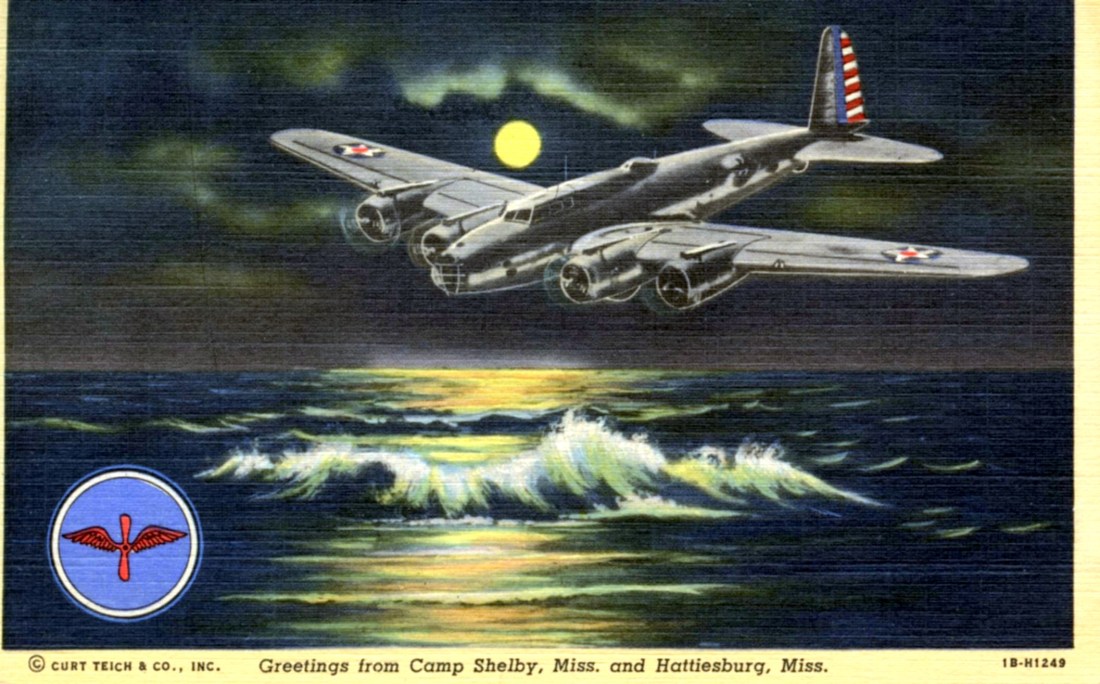
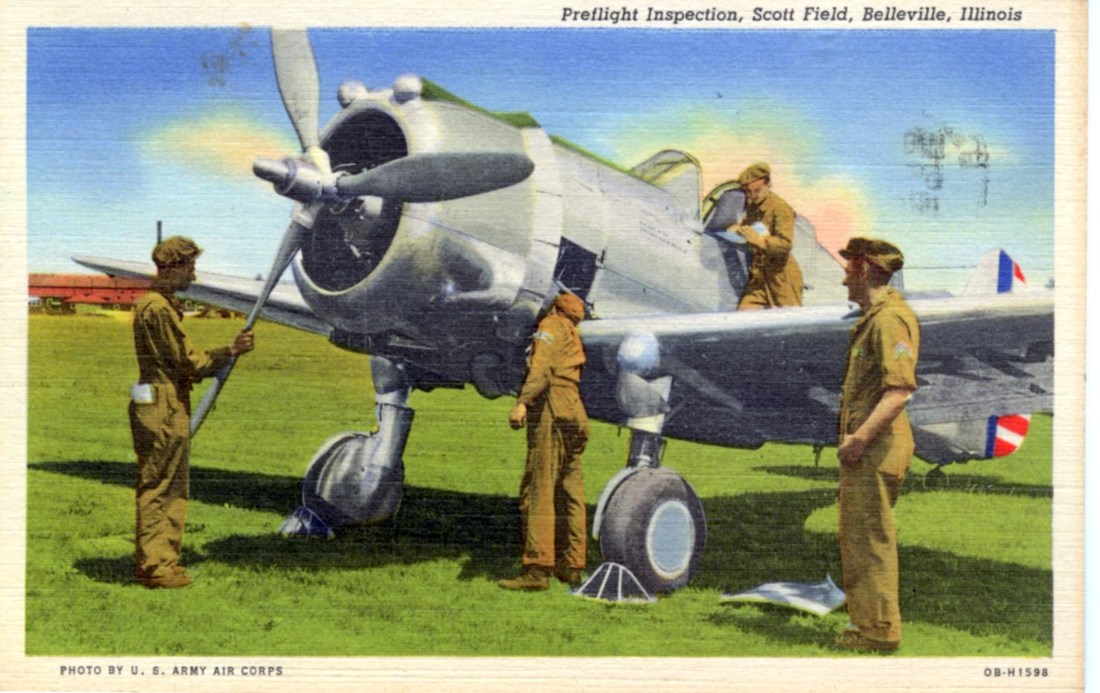
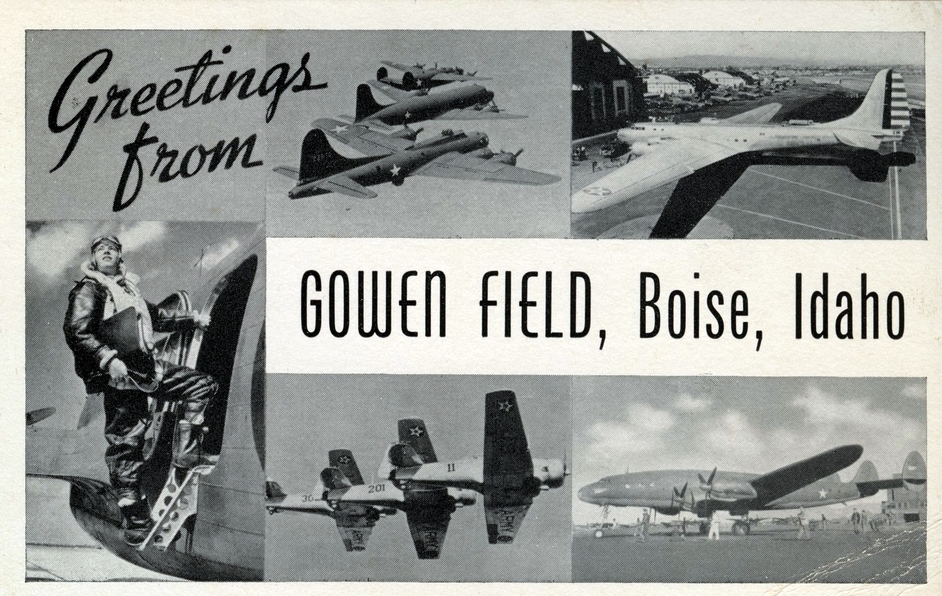
World War II postcards
Record setting B-29, the “Pacusan Dreamboat”
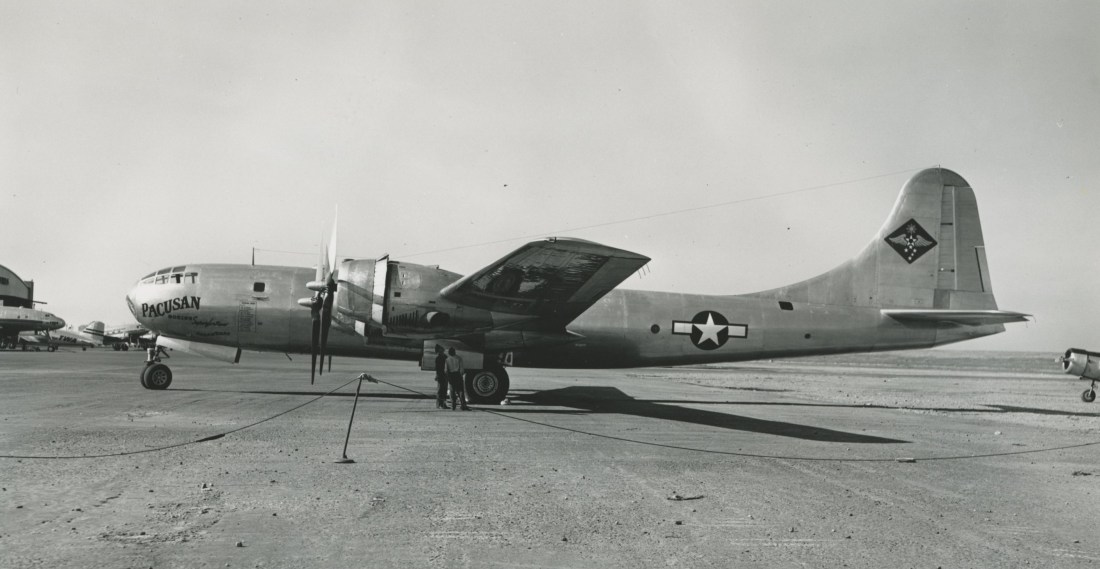
This B-29 was frequently in the news as it set one record after another in the late 1940s. One such record, California to New York in less than 5.5 hours was really something. I’ll take a guess and say that “Pacusan” stands for Pacific-US-Atlantic.
James E. Stewart, Harlingen Aerial Gunnery School

Stewart went on to serve as a B-17 flight engineer with the 833rd Bomb Squadron, 486th Bomb Group, at RAF Sudbury. Stewart is standing, left.