Sporting a hastily applied camouflage paint scheme. Such paint was usually water soluble, and was (at least in theory) easily enough removed as required.
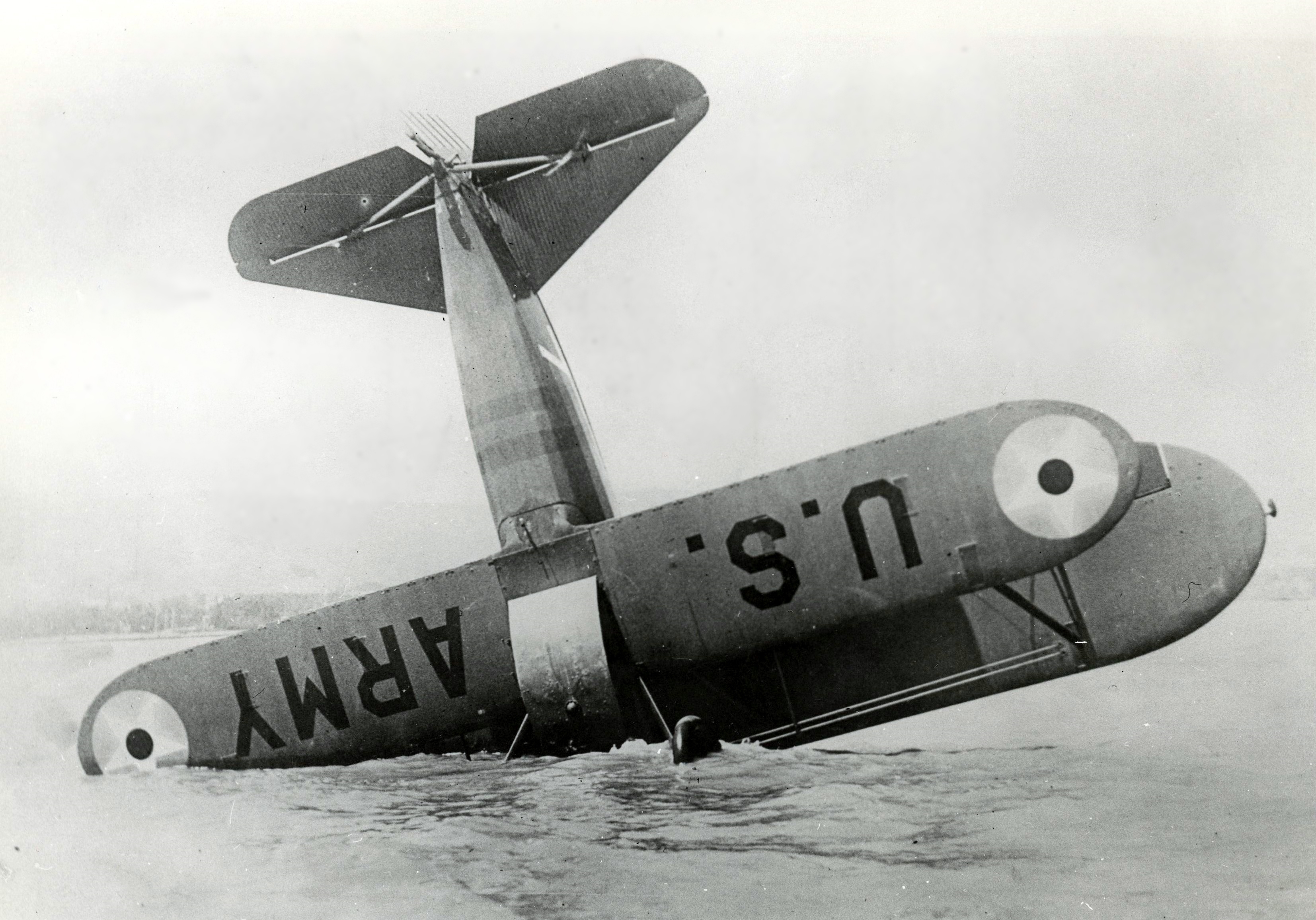
P-12 of the 6th Pursuit Squadron goes crunch. I believe this is the result of a hard landing – the bent prop shows the engine was running, the destroyed landing gear suggests he hit pretty hard and flipped.
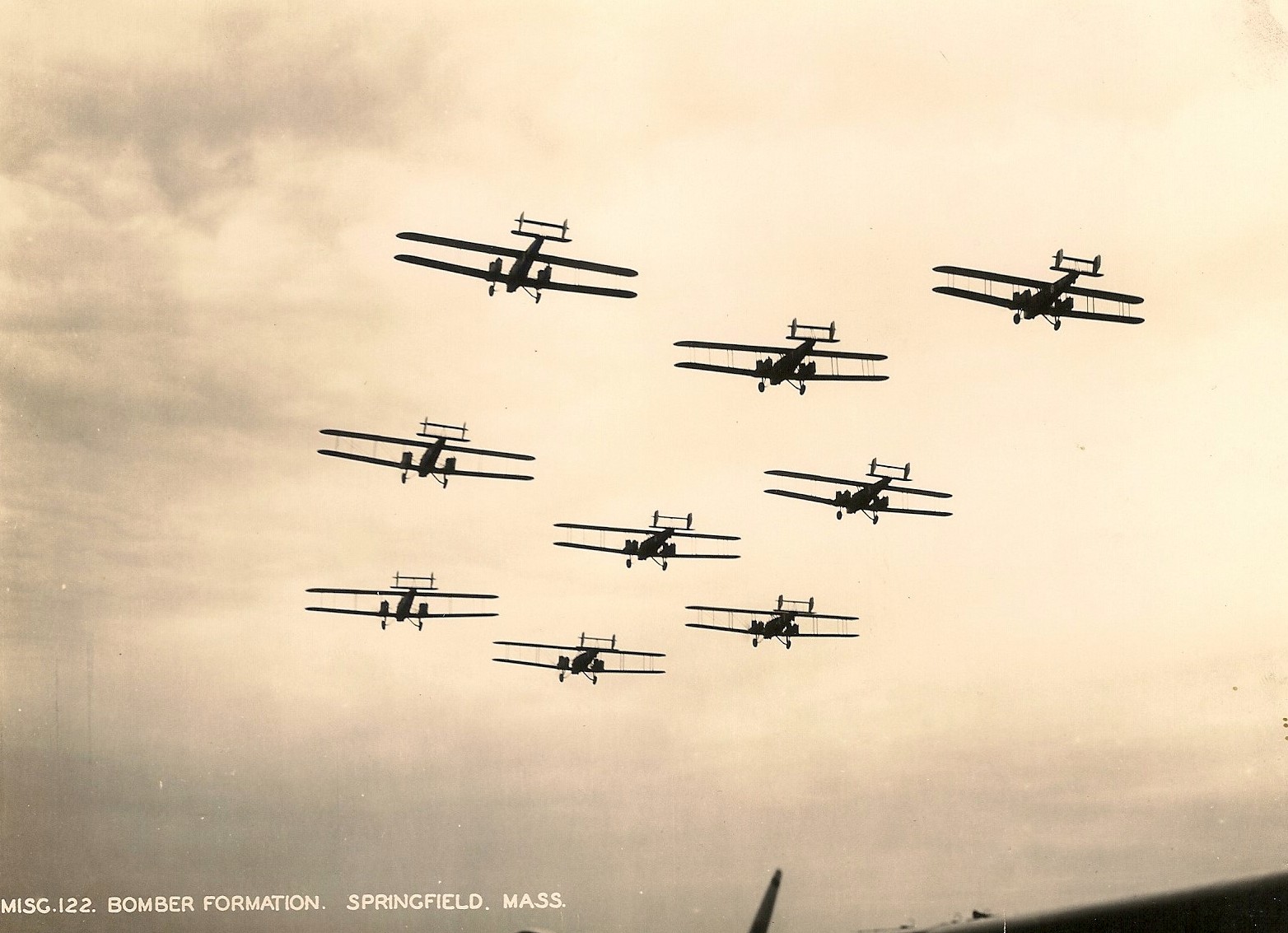
Keystone B-3, B-4, or maybe a B-6. The minor differences between these Keystone bombers is such that if you can tell them apart, you’re a better man than I.
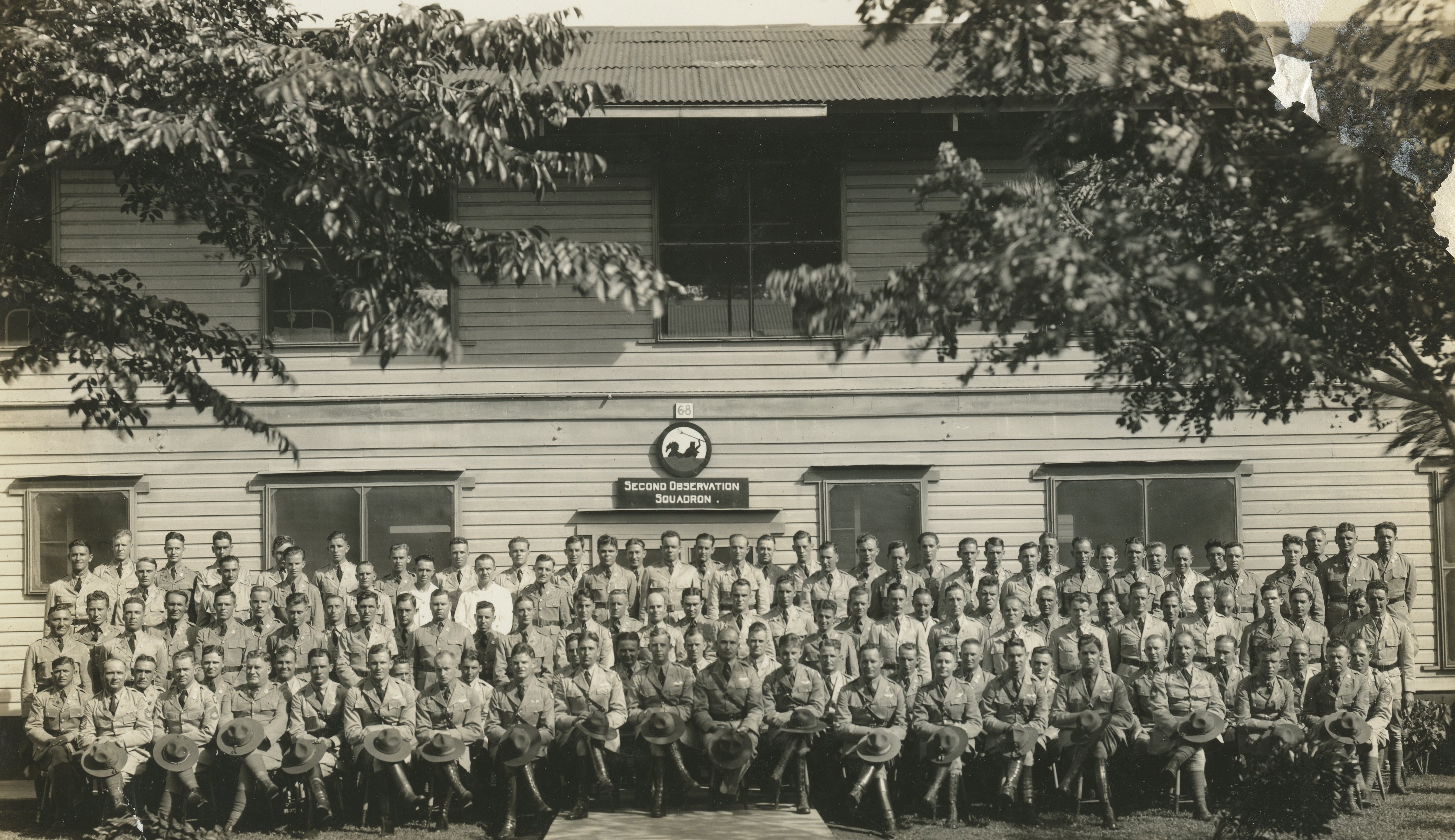
Nichols Field, PI. Aircraft are the Thomas-Morse O-19. One famous face is that of future 4-star general Leon Johnson. A Medal of Honor recipient for leading the 44th Bomb Group when it attacked Ploesti, August 1, 1943. Johnson was with the 2nd at Nichols from 1932-35.
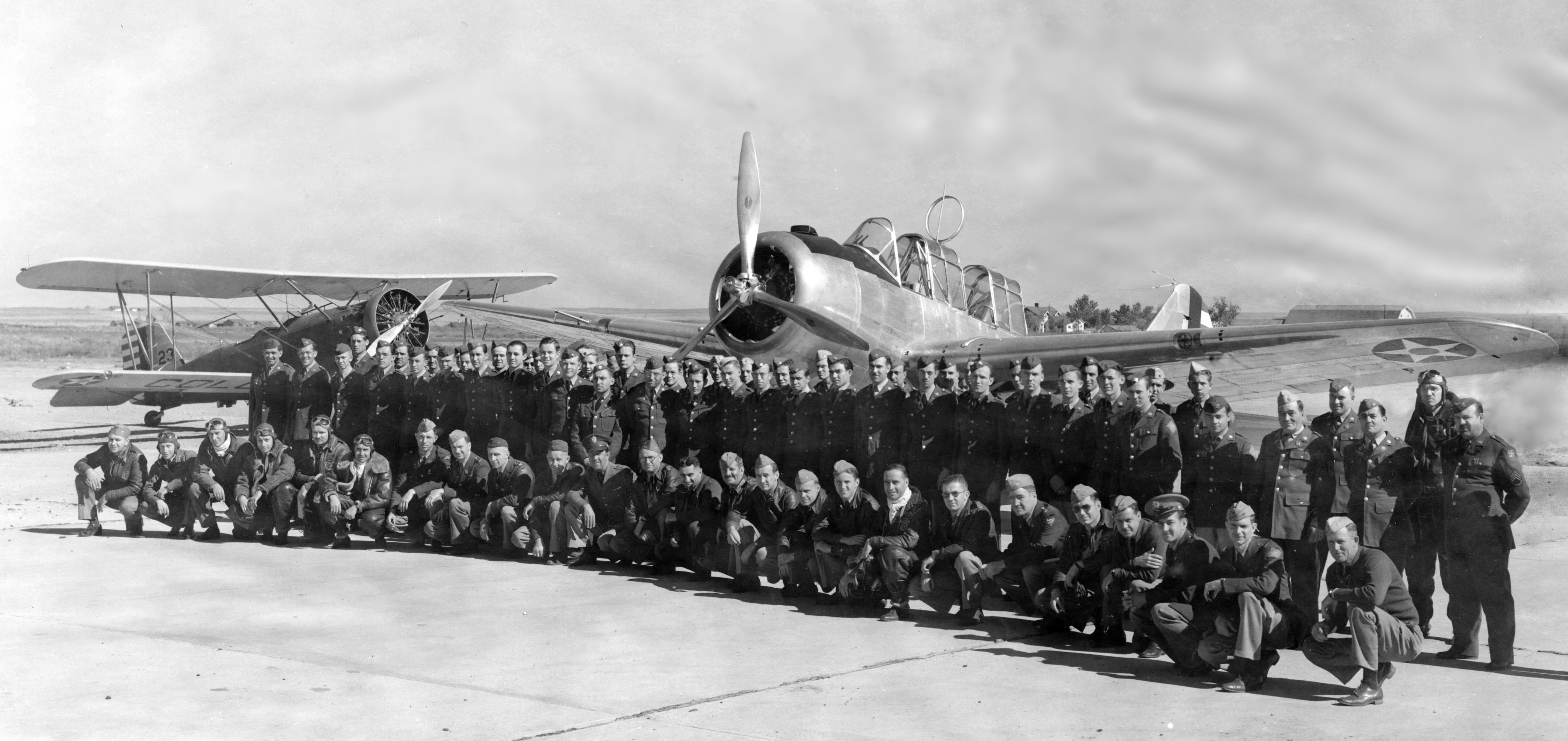
Colorado National Guard, 1938-39. Flying from Lowry Field, the 120th was transitioning from the Thomas-Morse O-19, to the North American O-47. This photo is about 3 feet long.
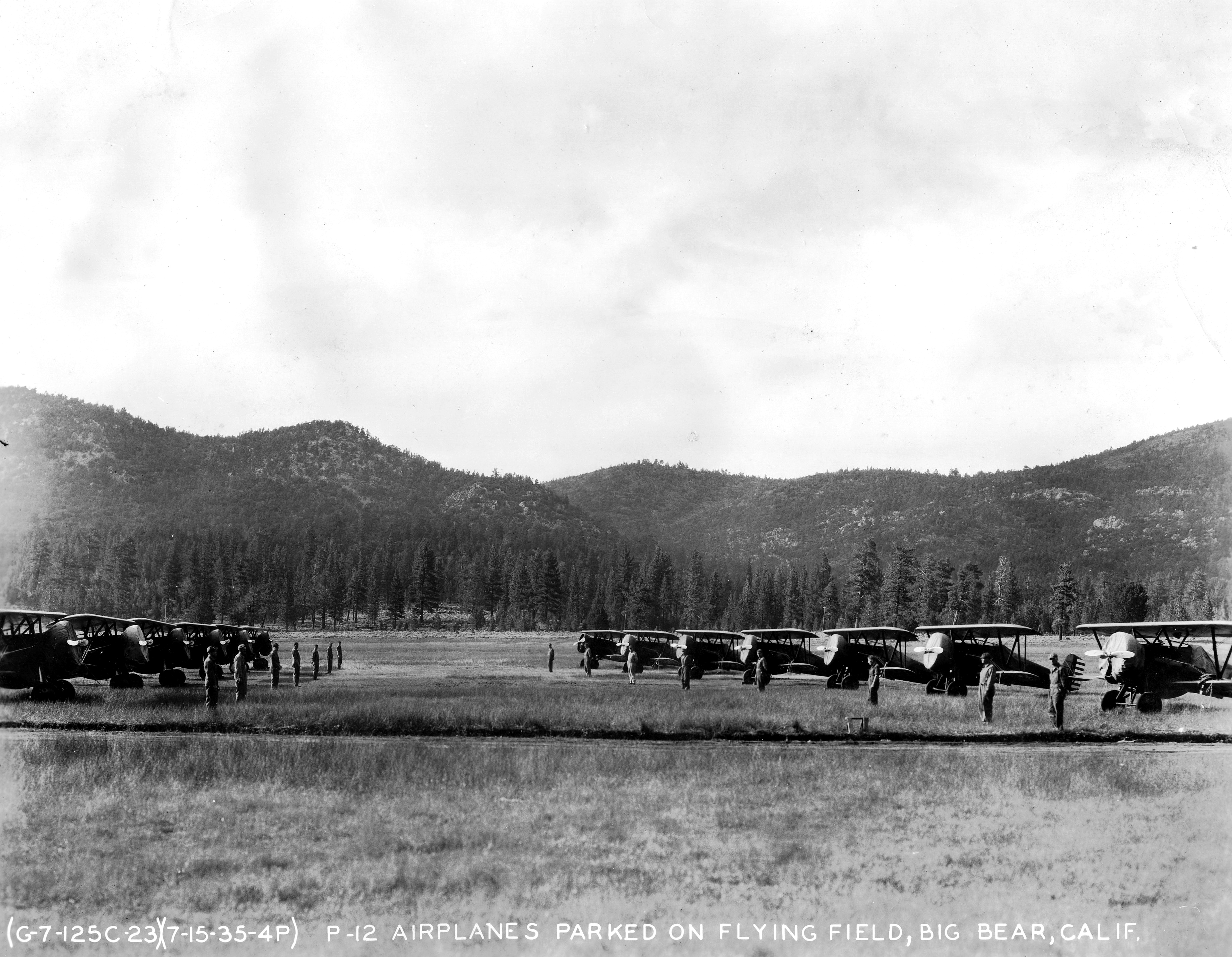
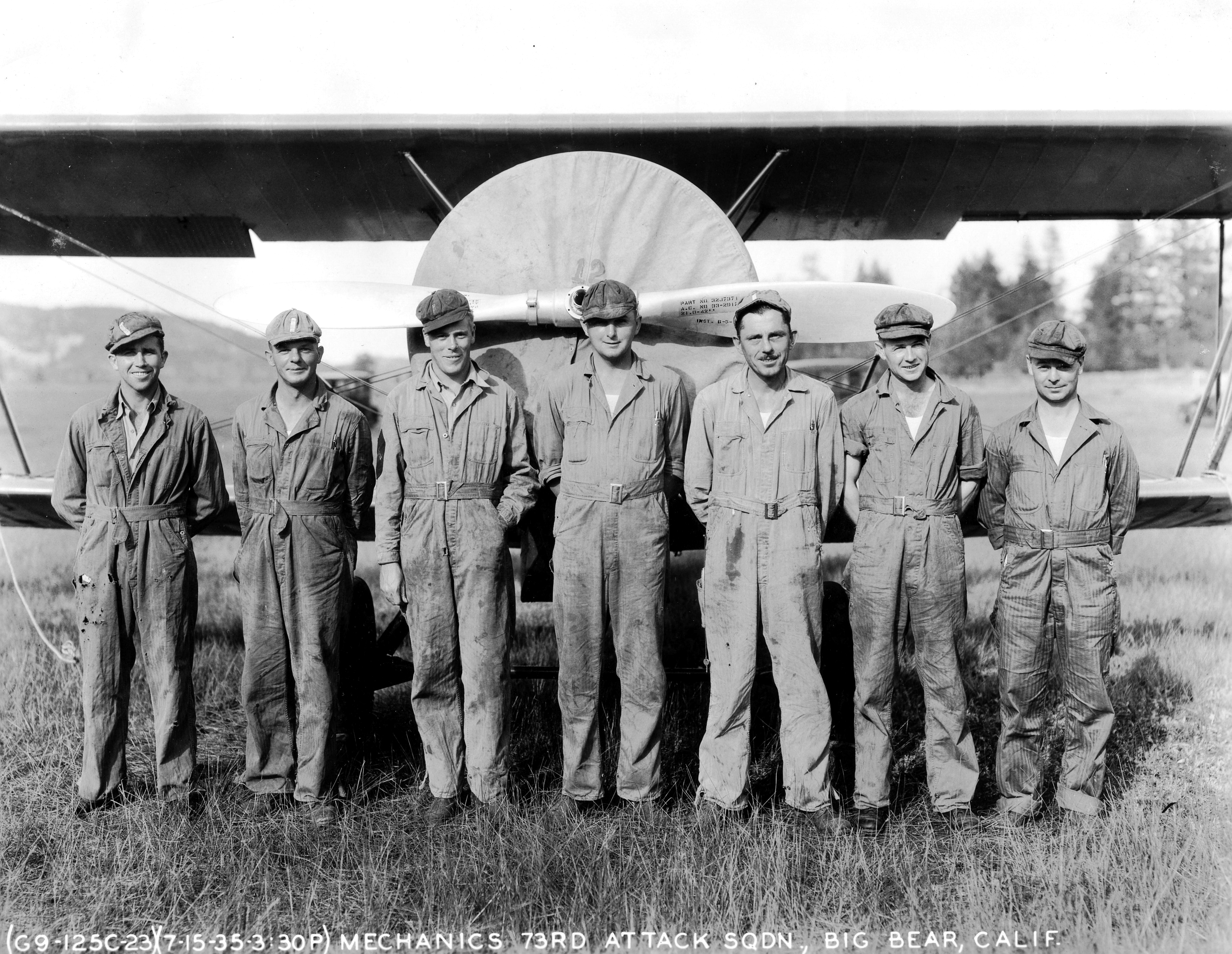
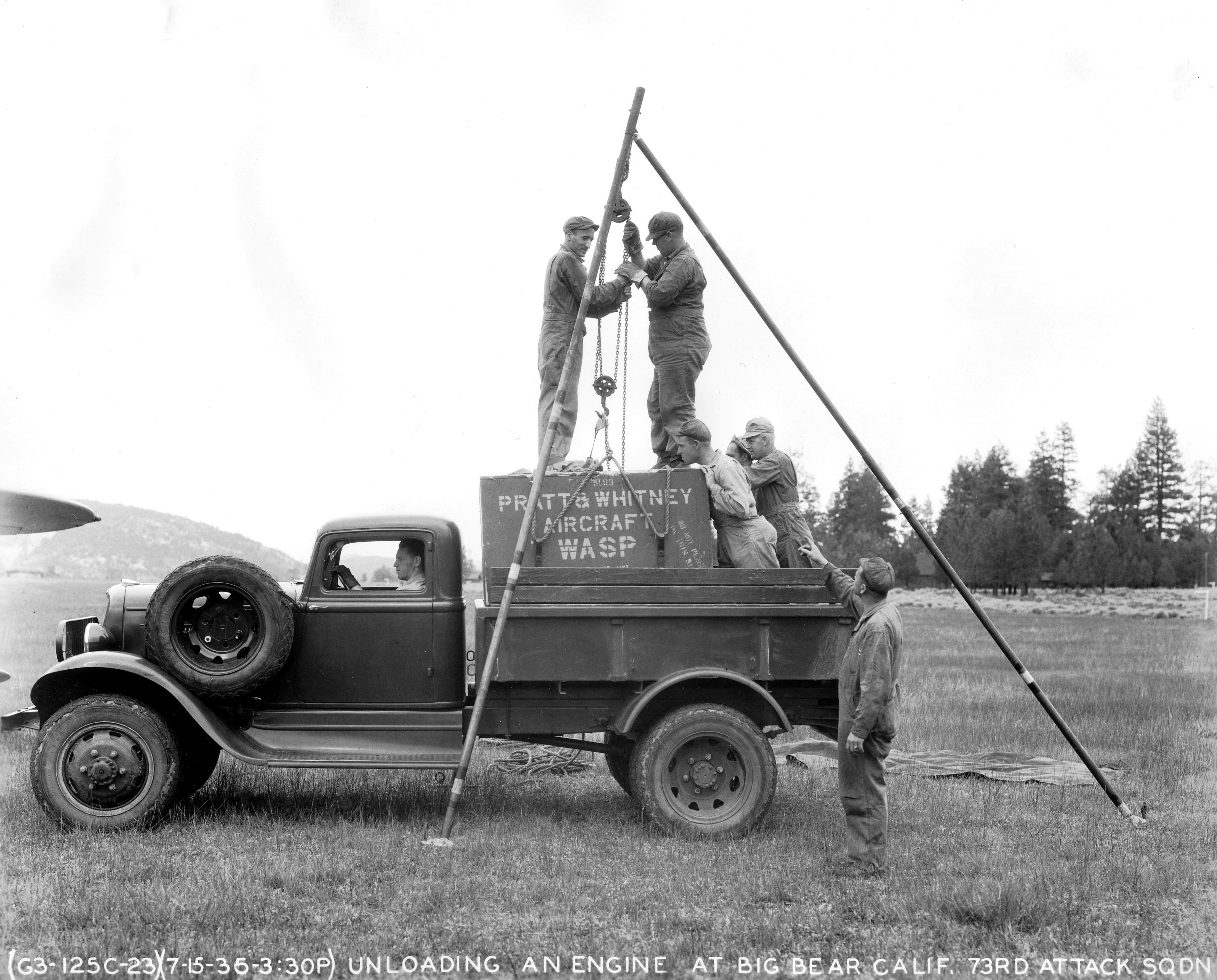
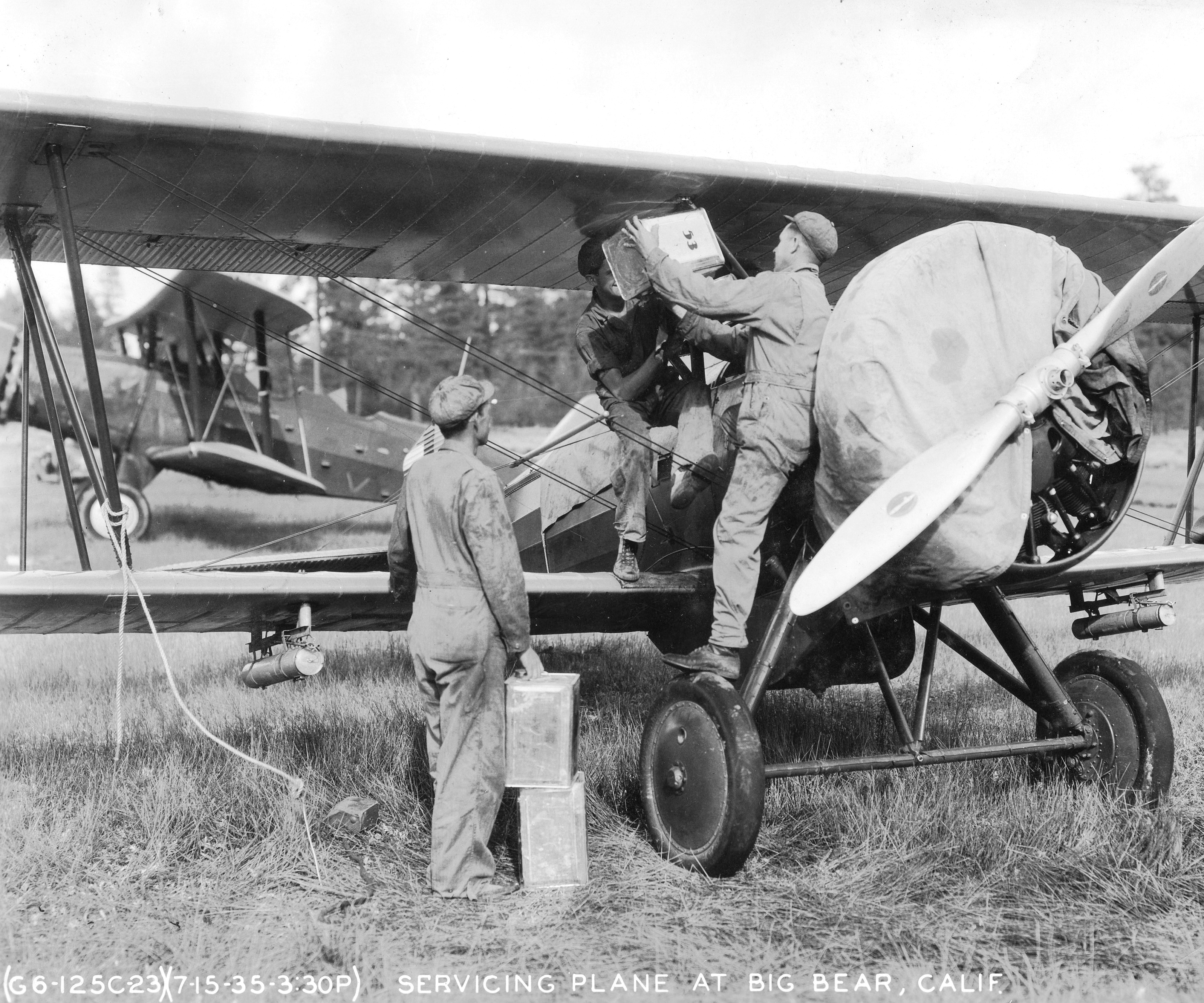
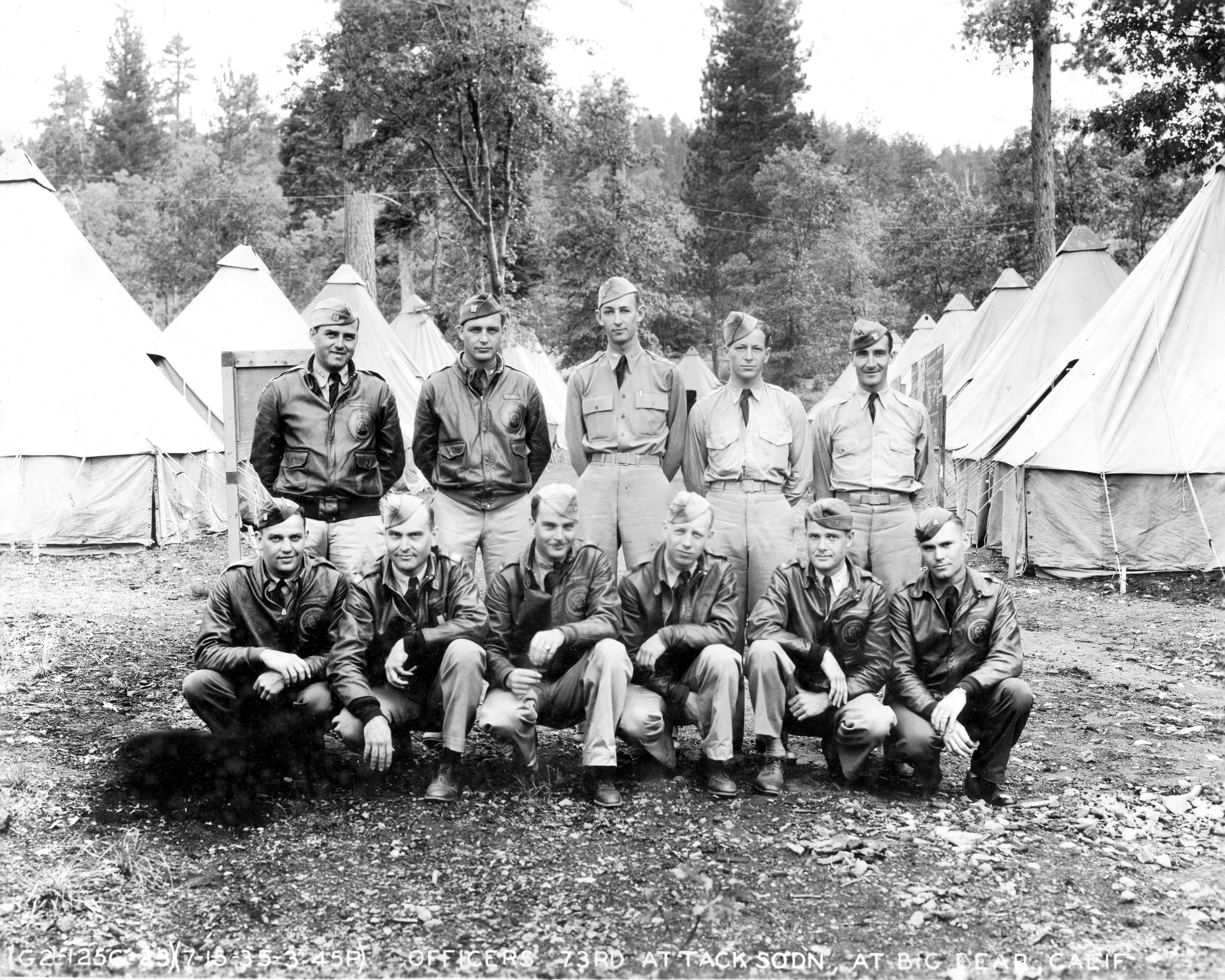
In the summer of 1935, the 73rd Attack Squadron and their P-12’s spent a few weeks away from their home at March Field, and got some fresh air at Big Bear, CA.
The mechanics seem to be enjoying their visit.
Good thing they brought a spare.
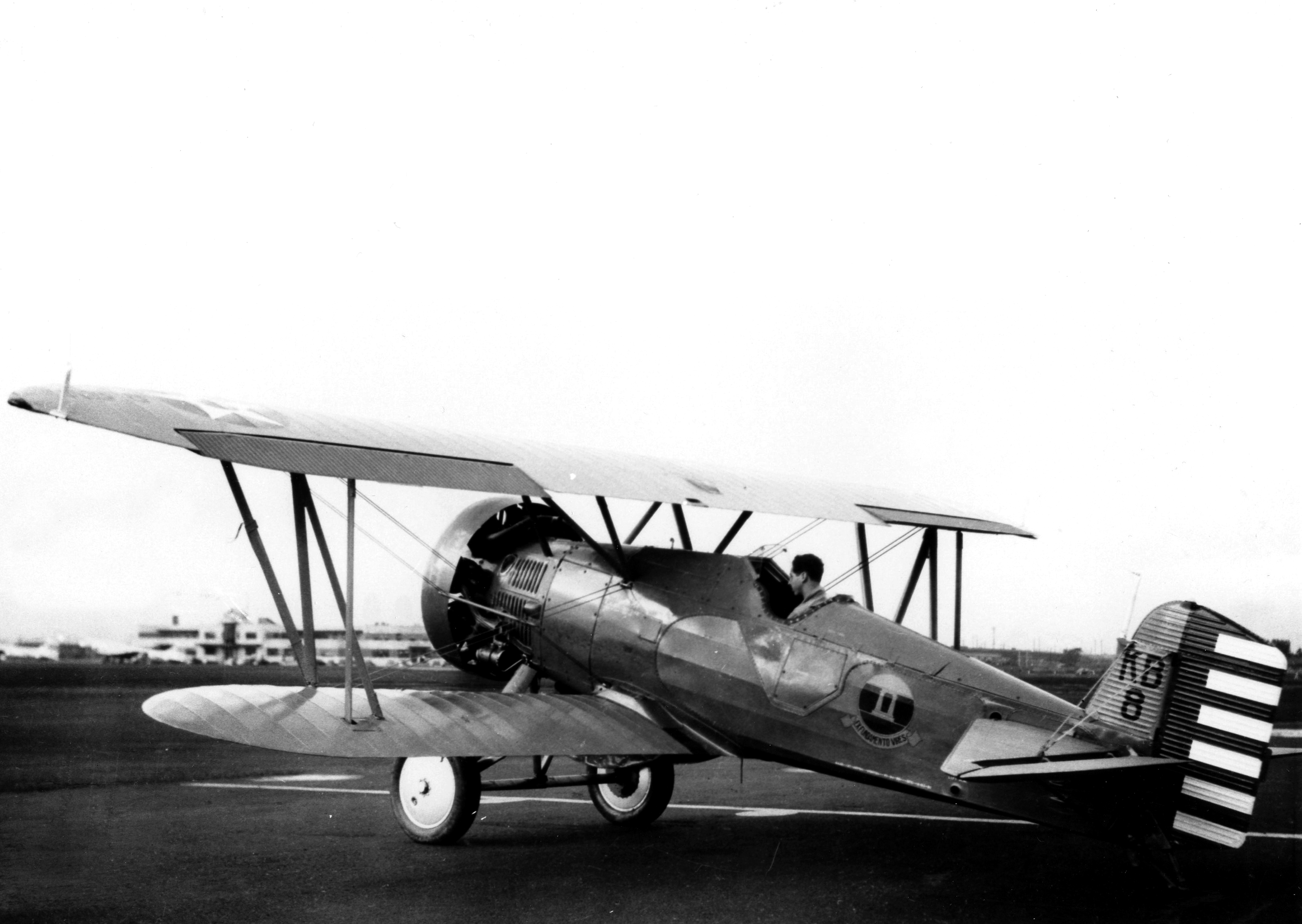
Though the insignia is that of the 36th Pursuit Squadron, I am inclined to believe the aircraft was a new arrival to the 73rd Attack. Either that, or a P-12 from Langley Field (home of the 36th), having flown across the continent, landed at Big Bear where, by the greatest of coincidences, a group of P-12 mechanics had a P&W Wasp engine, and nothing better to do.
Oil by the gallon.
Pilots of the 73rd. Several famous faces here. (Ira Eaker being one)
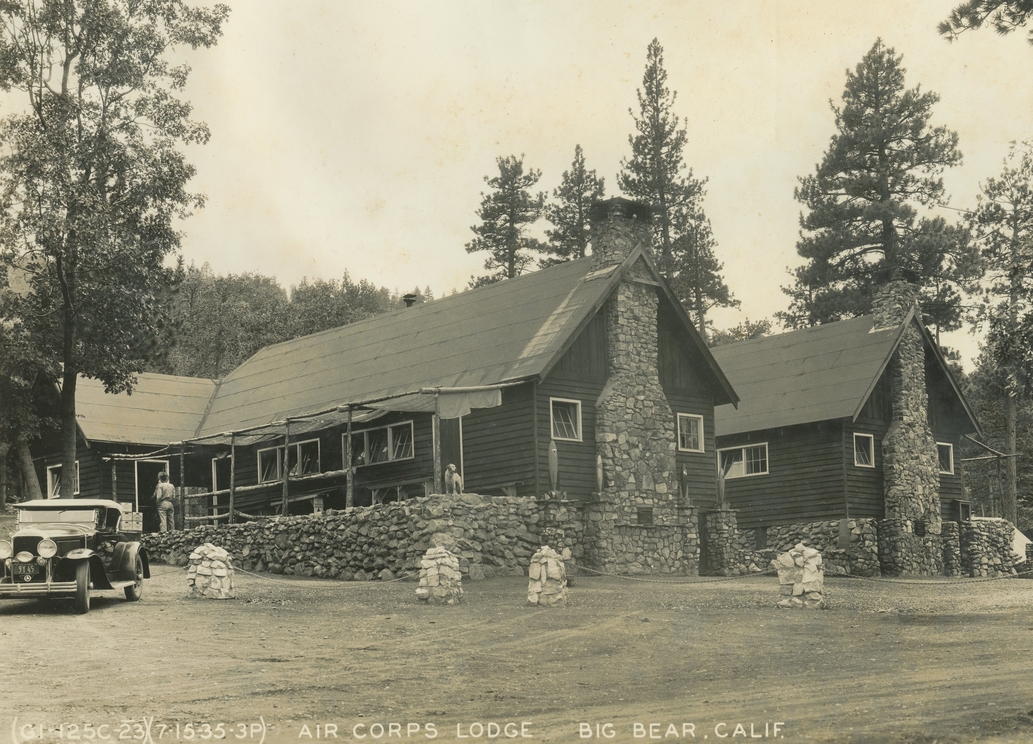
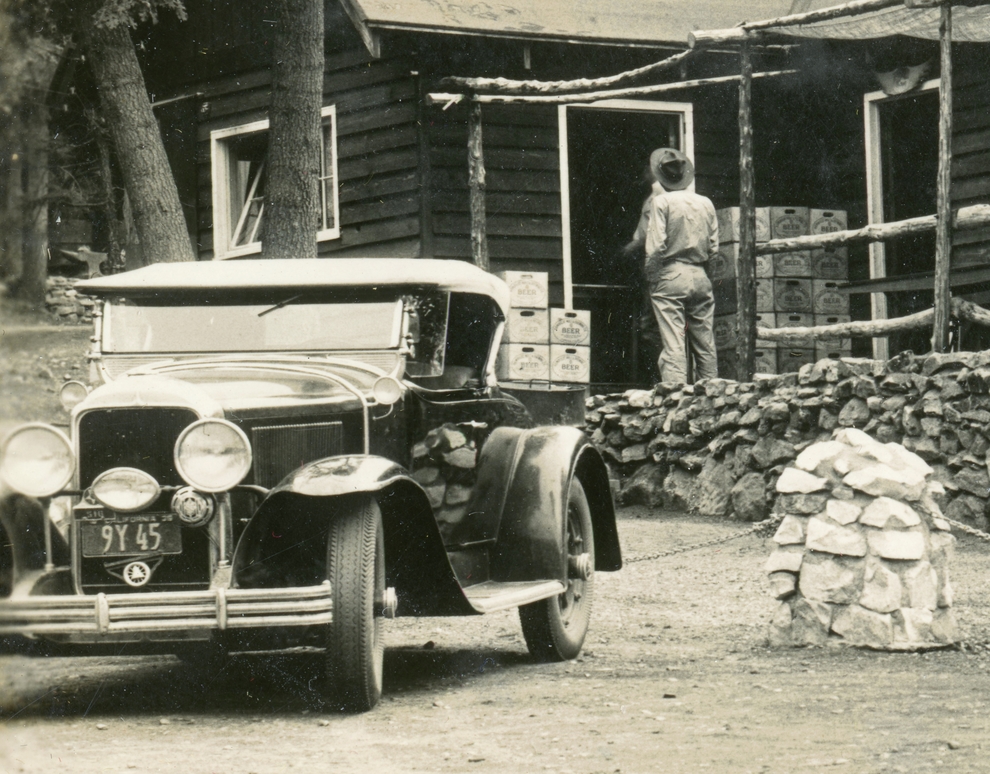
While staying at Big Bear, the squadron bunked in this lodge. Around the chimneys are bombs painted in the squadron markings of the 17th Attack Group.
Zooming in a bit, we see the Air Corps has found room for numerous cases of beer. Obviously this was a well-planned operation. The car bears a permit for March Field.
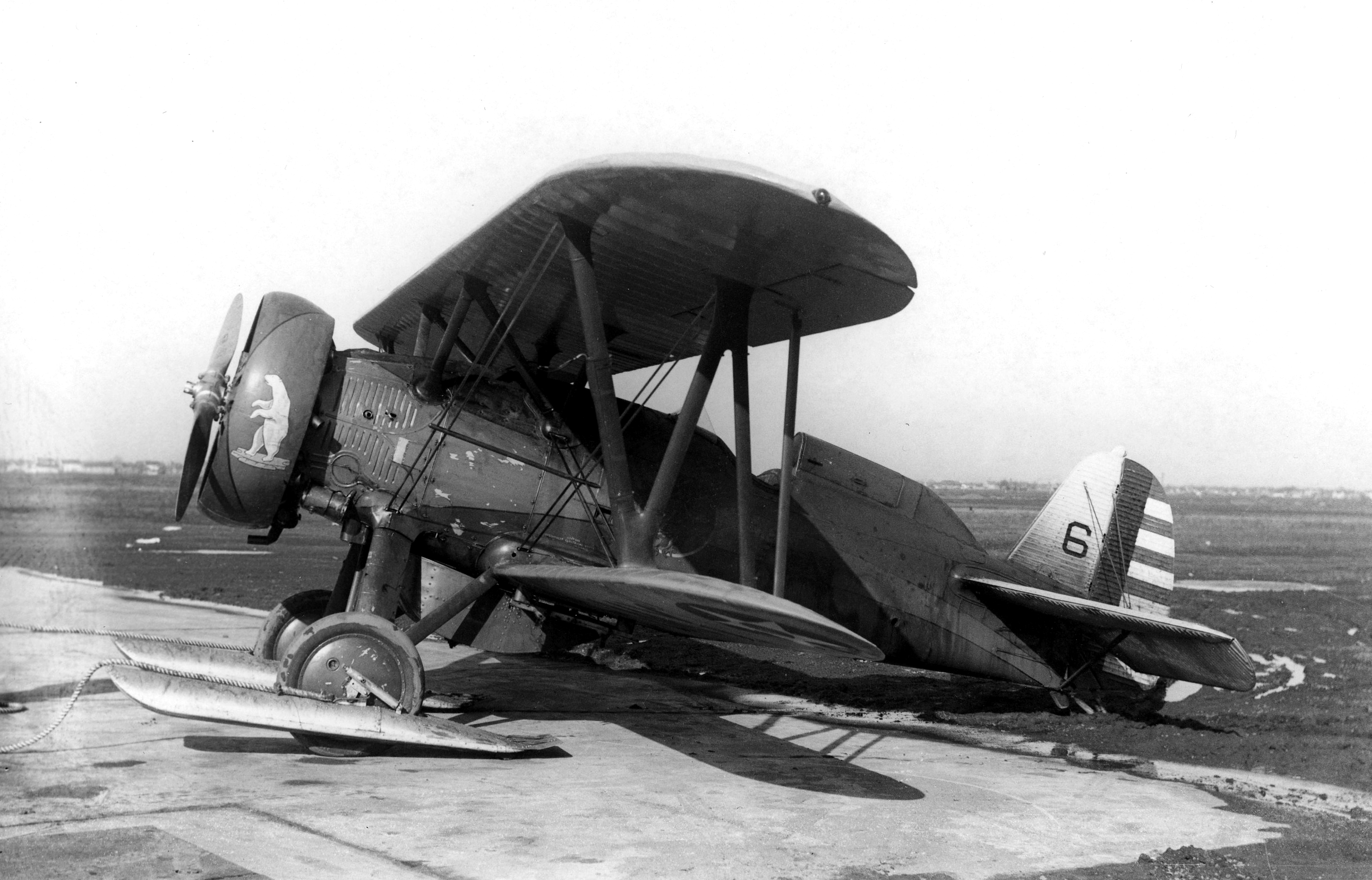
Taken at Selfridge Field, this P-12 sports a pair of skis which, judging by the lack of snow, are not required for the upcoming flight. However, the field is a sea of mud, so the skis might just come in handy after all.
The PW-9D shares the turf with an A-3 Falcon from Bolling Field, a Douglas O-32 (ser. 30-219), and a Douglas O-2. Kelly Field is the likely place for this early 30’s photo.
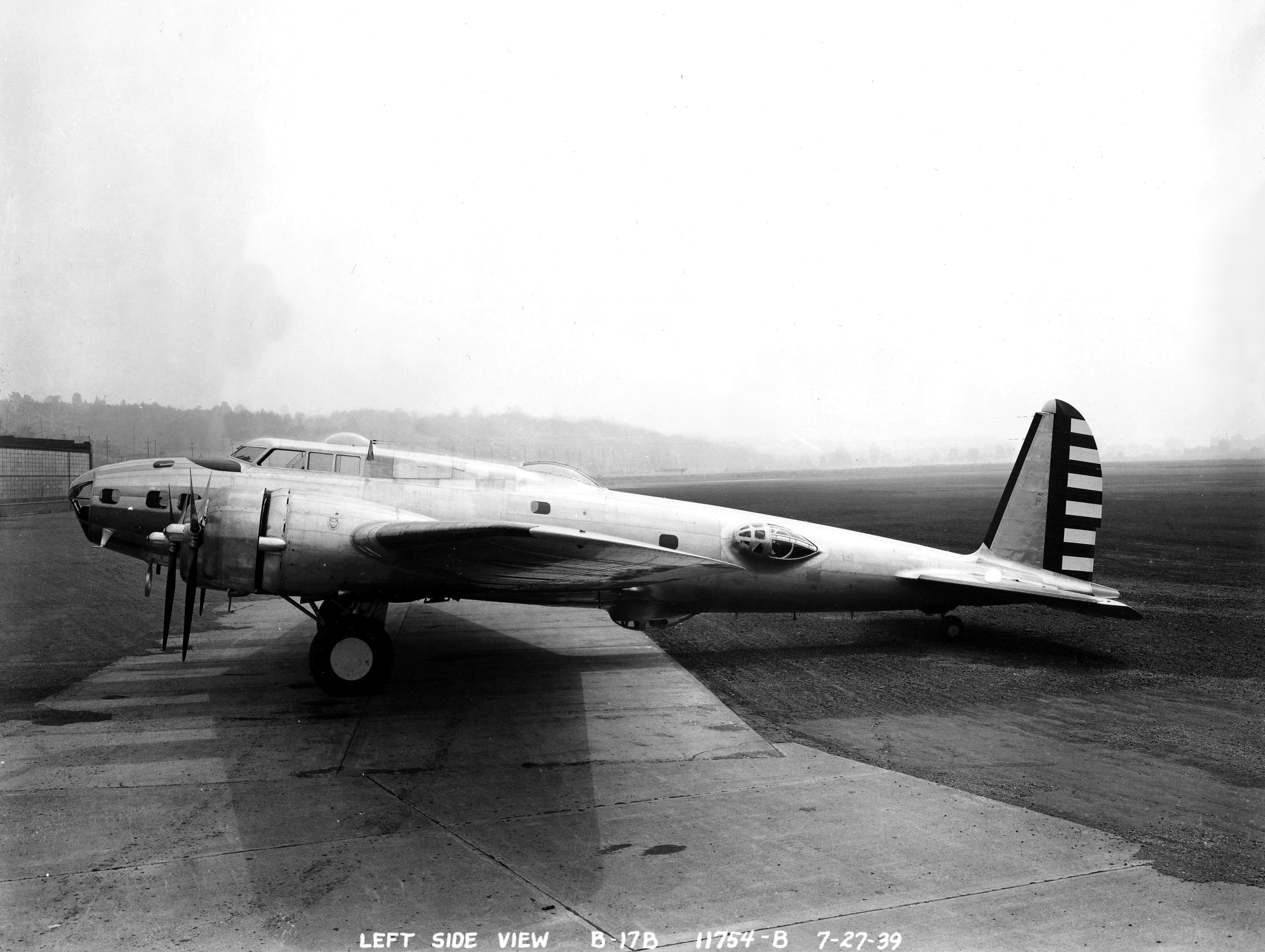
This B-17B will soon depart from gloomy Boeing Field to the more salubrious climate of Langley Field Virginia and become a welcome addition to the 2nd Bomb Group.
Taking a break in an Eastern Washington pasture. Years back, a pilot from the 116th told me of flying in those days: “Hell, we always found time to land for lunch in some podunk town. Who was to know, and who cared? Besides, the townsfolk were impressed enough where they would usually bring us lunch – they just wanted to look at the plane.”
One of the spiffy looking planes of the Air Corps was the Douglas O-35. A bomber version, the B-7, was identical in appearance – just a different role. This bird belongs to the 88th Observation Squadron at Hamilton Field, CA.
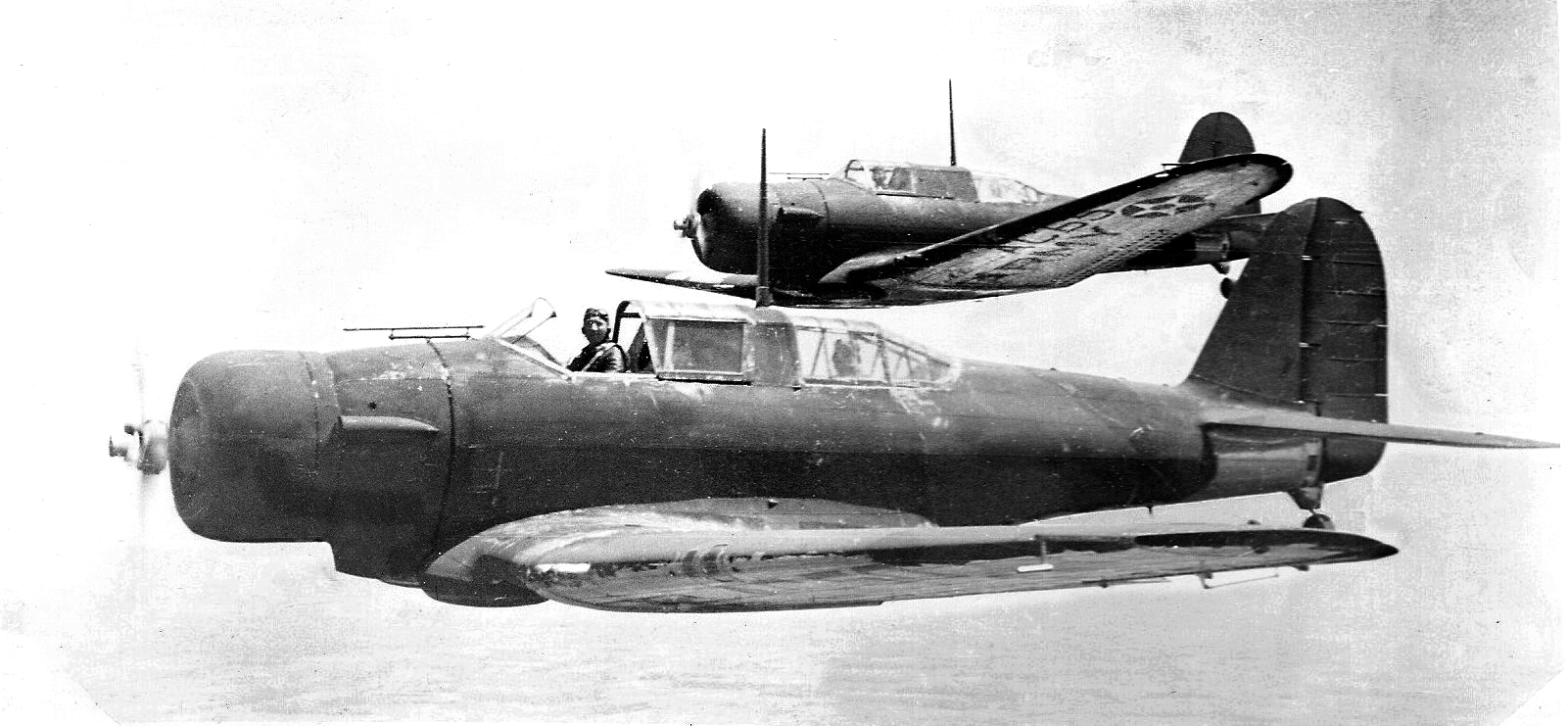
“PB-2A” Hmm…sounds like a navy patrol bomber, but (!) it was actually this: “Pursuit, Bi-place.” A real beauty of the 1930’s. (Also known as the P-30.)











 The Jive Bomber