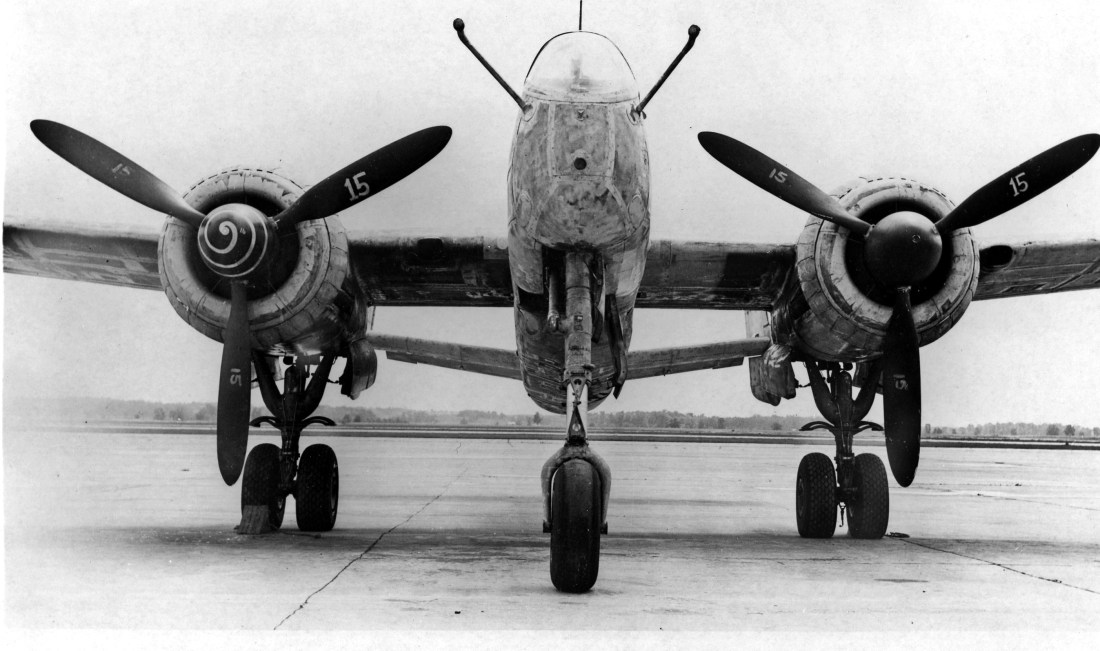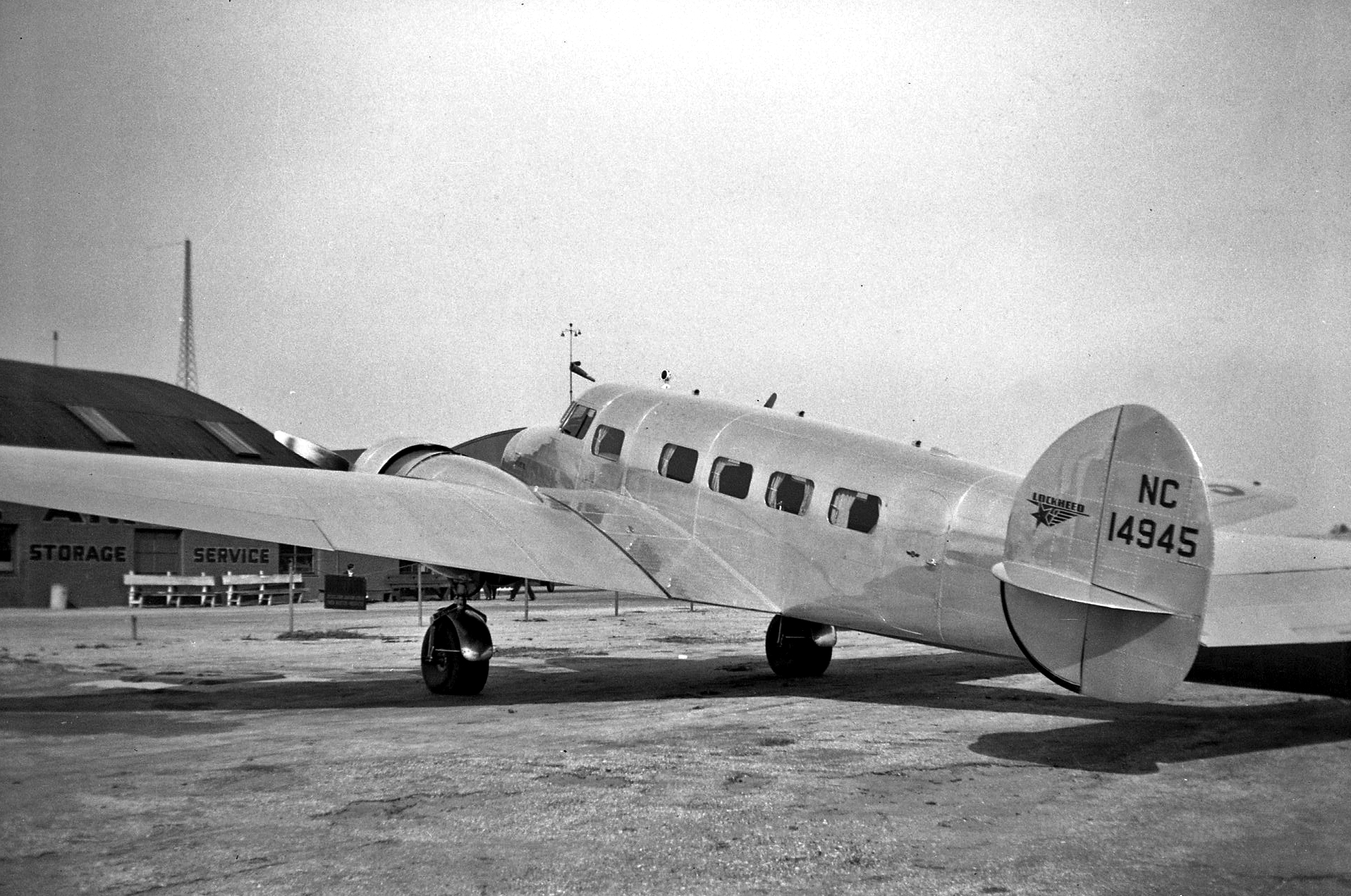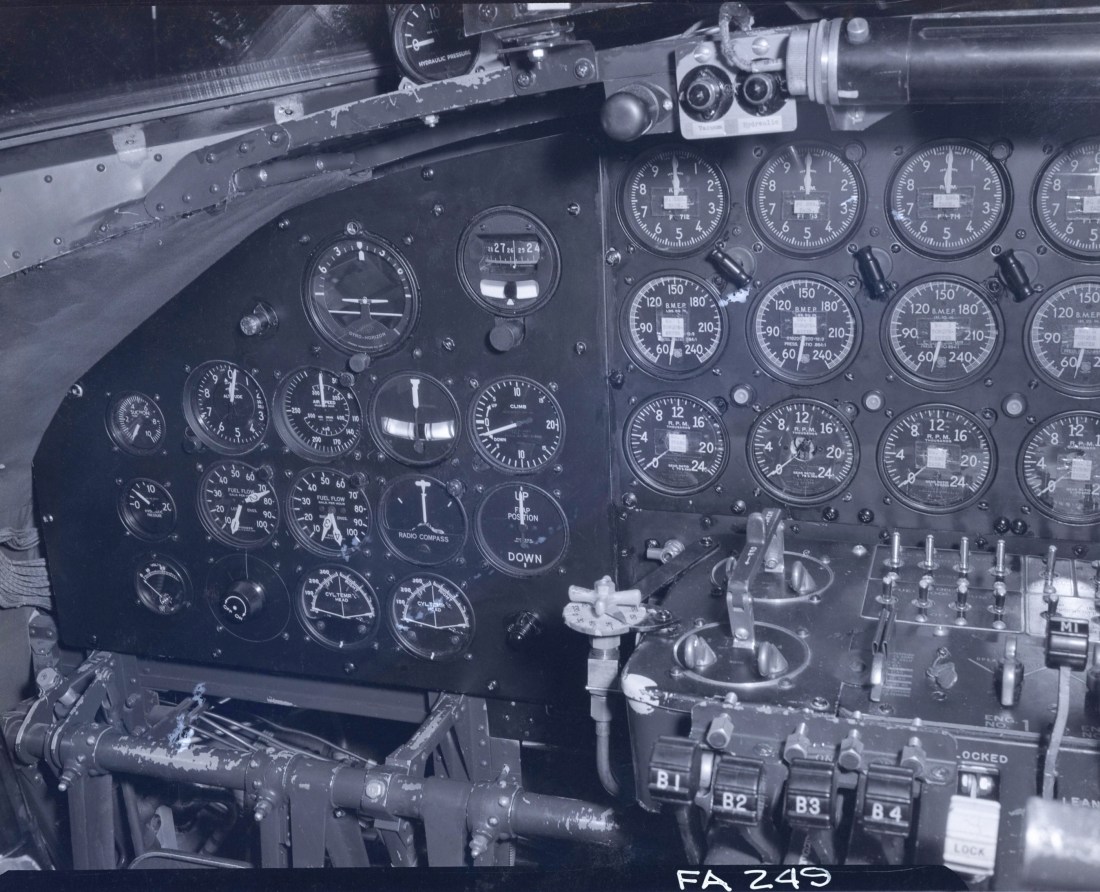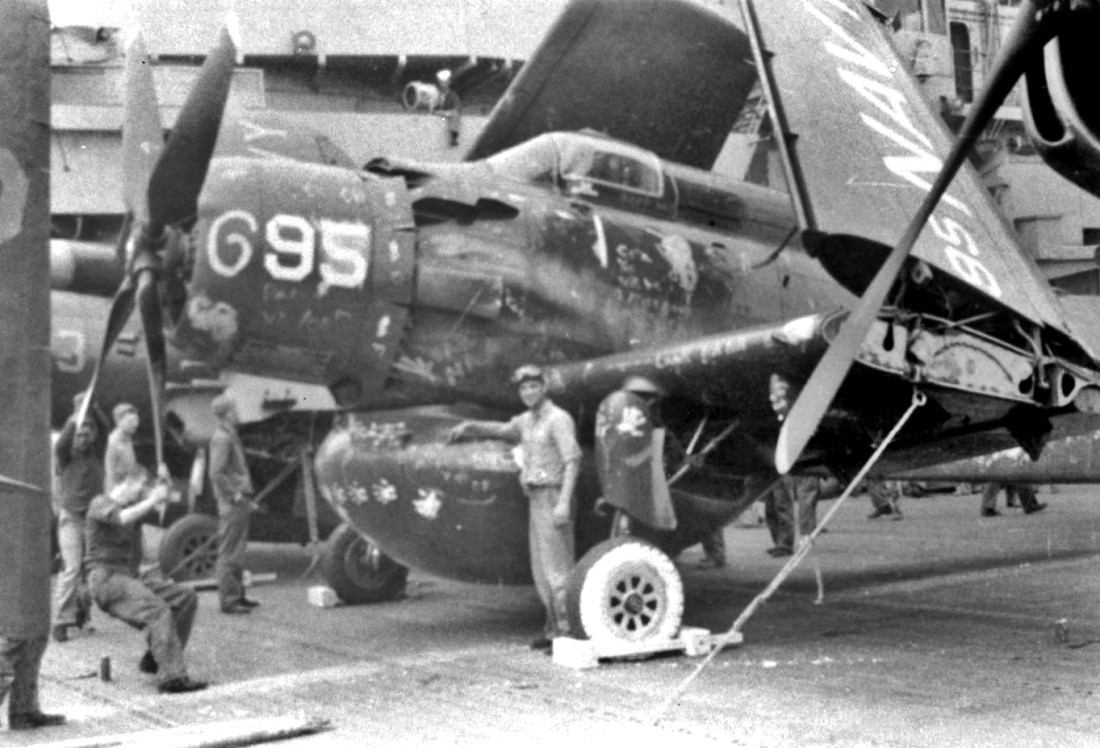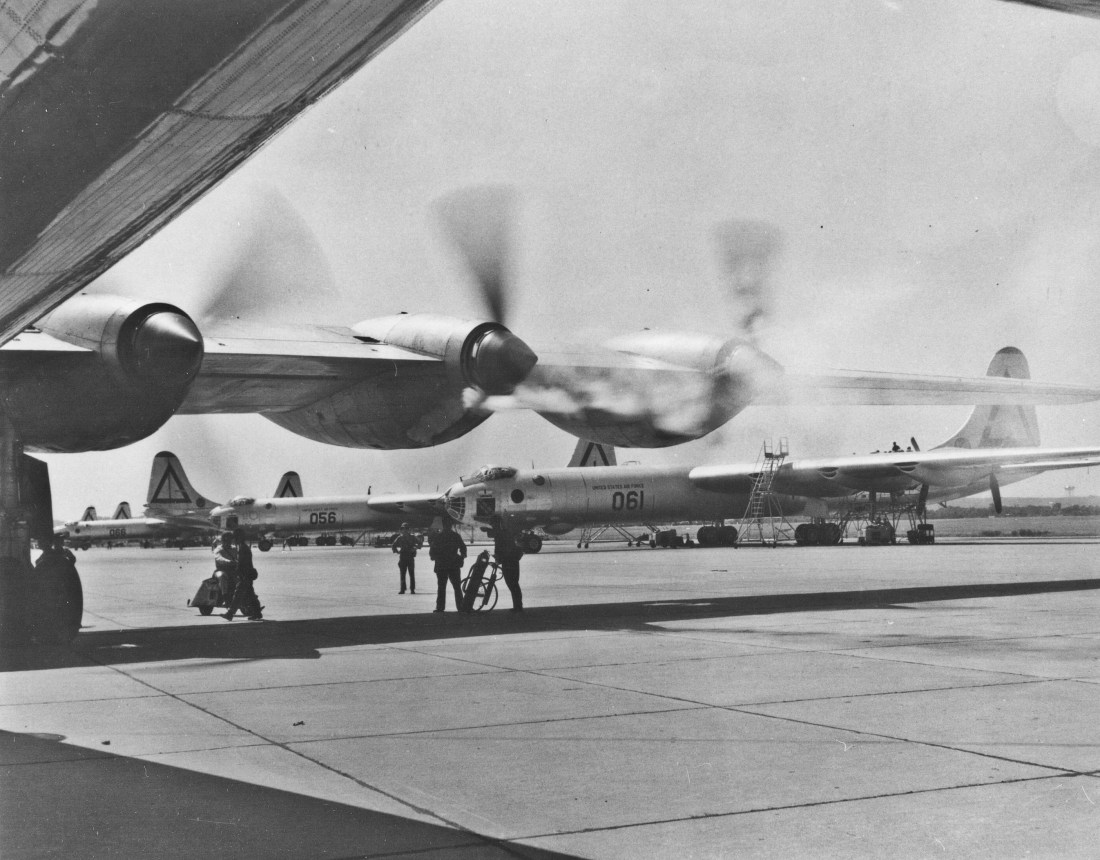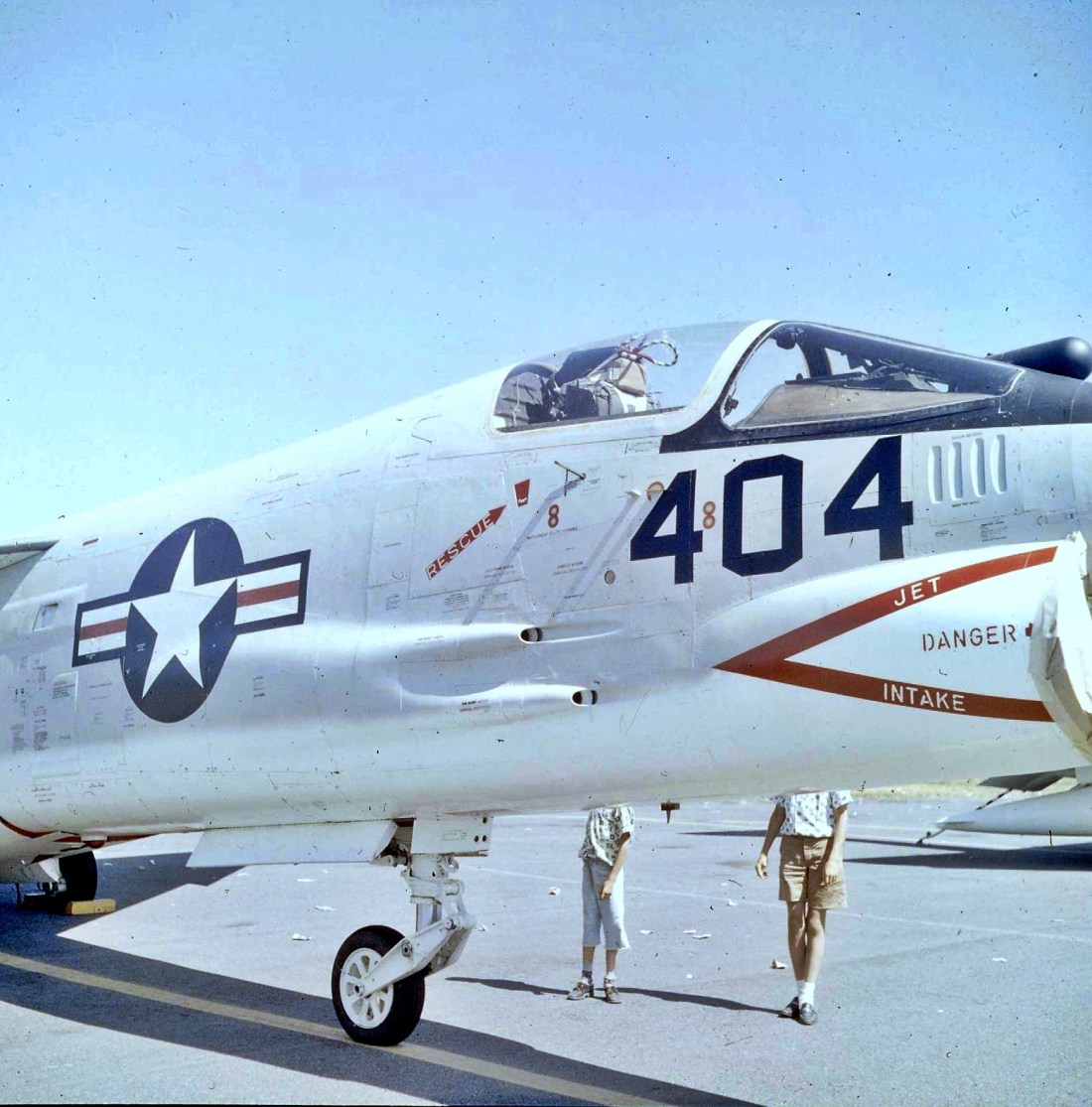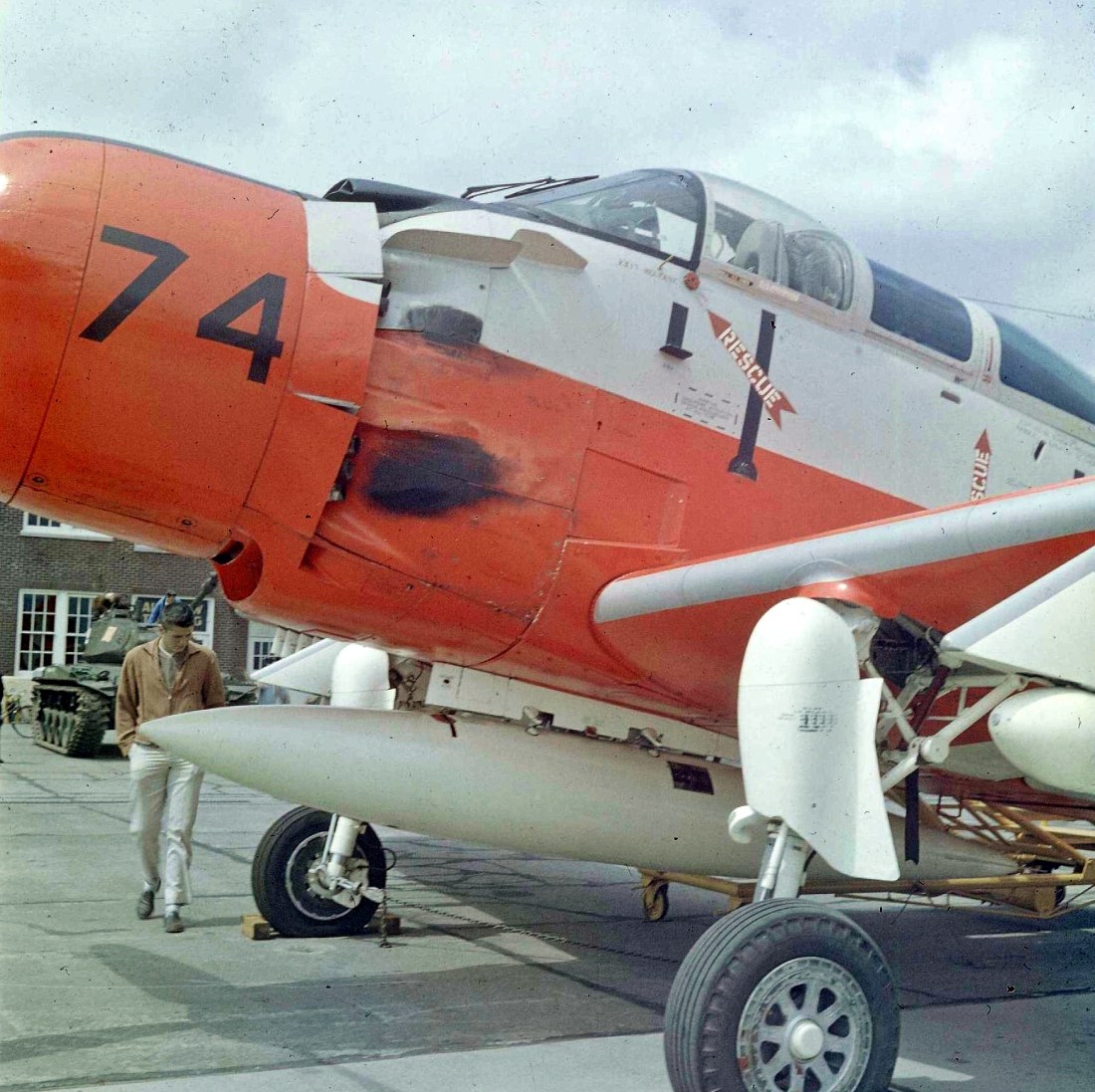
Comparing the display aircraft (top) with those on the flightline, one can see that the sailors had to do some scrubbing to rid the aircraft of at least most of its exhaust stains.
NAS Whidbey open house in the early 60’s. This aircraft (145913) served with VP-1 from ’59-63, went to VP-2, and was written off in a crash on Kodiak Island in ’64. Check out the Pepsi-Cola truck on the right.
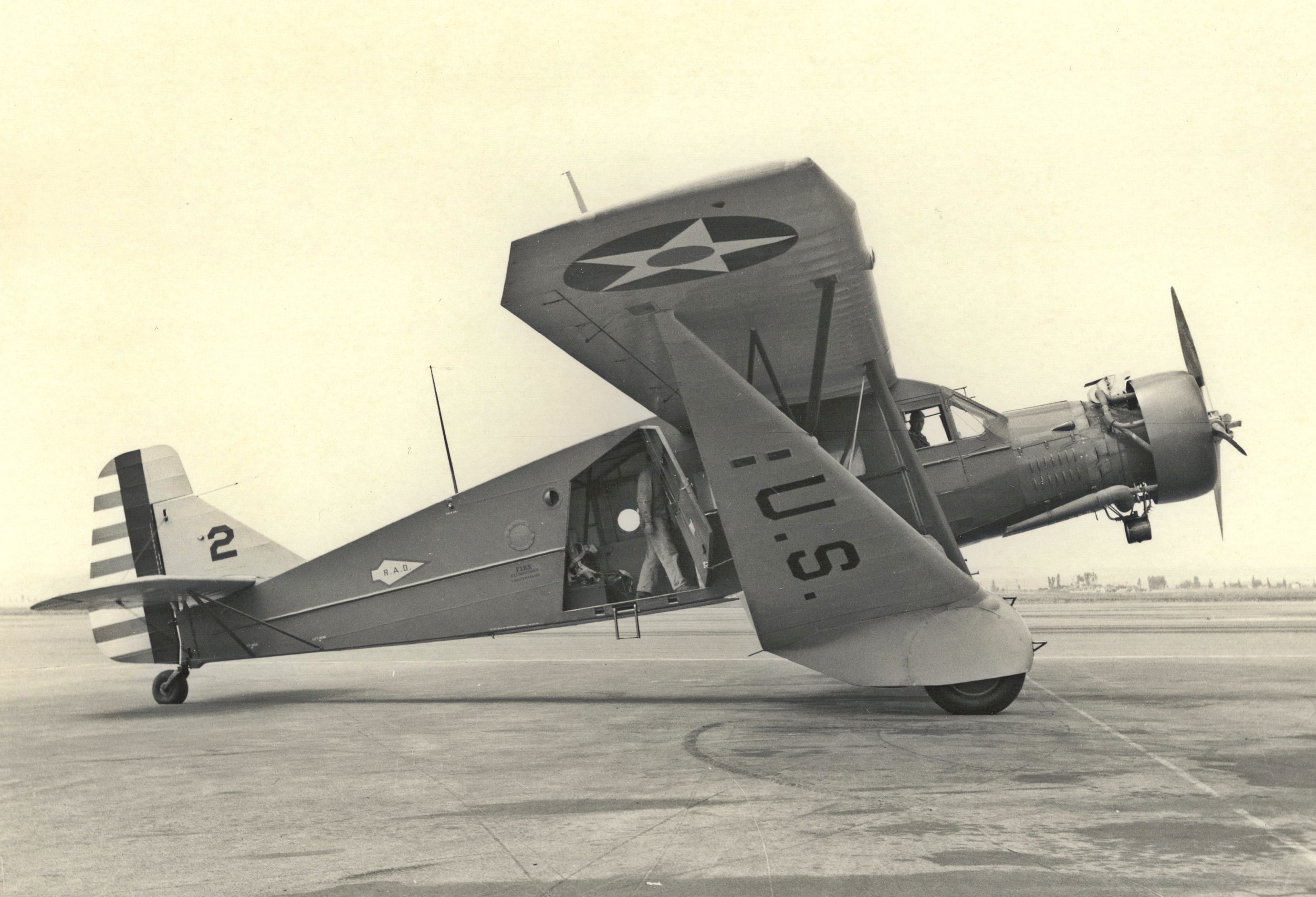
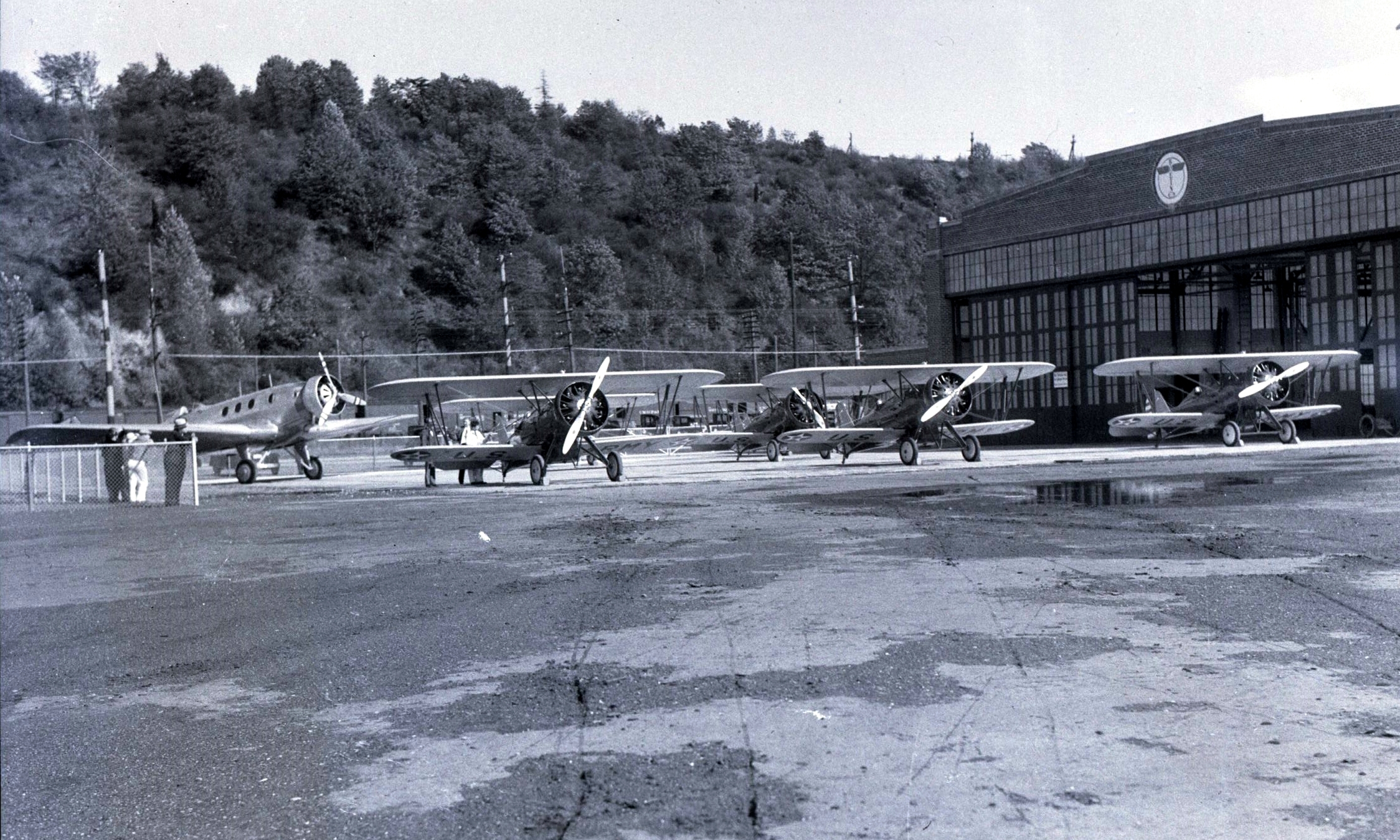
Martin (#7874) torpedo bomber at NAS Pensacola. A good airplane for the 1920’s, the T4M stuck around until the late 30’s. As the portholes on the side suggest, you could actually get up and walk around inside. It was said that a T4M torpedo truck took off, cruised, and landed at 65 knots.
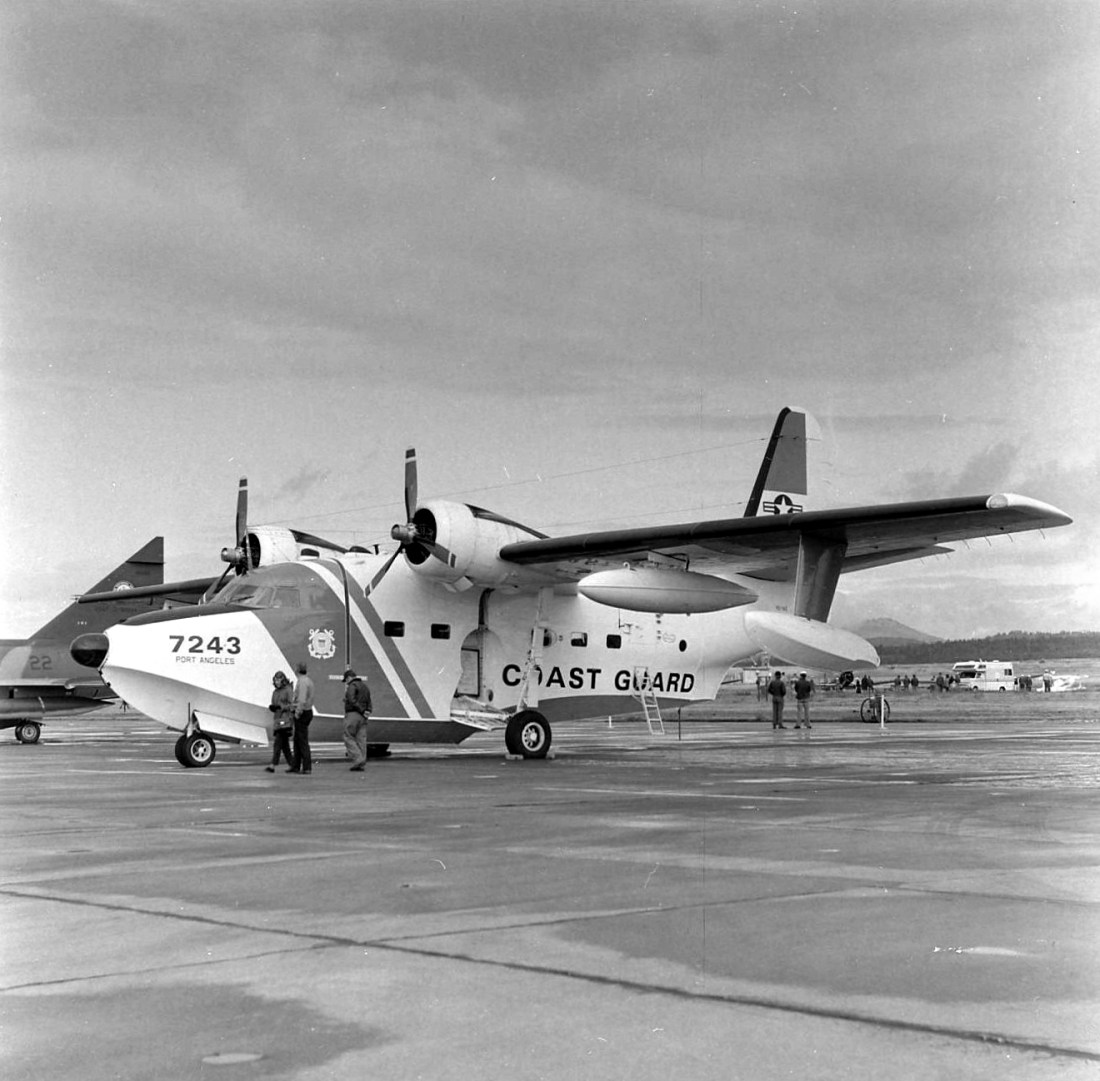
You thought I was going to say HC-130, but when this photo was taken, the (ahem) “Tri-Service aircraft designation system” had yet to implemented. Serial number of this R8V-1G was 60-0311.
Sharing the spotlight at a late 70’s open house, this F-5 (73-0881) is from the 58th Tactical Training Wing at Luke AFB. Interesting in that it carries the insignia of the 405th Tactical Training Wing, also at Luke. I can’t find any record the 405th flew the F-5. Maybe they briefly did so? Maybe some guy slapped on the wrong sticker. The Photo Phantom is from the 67th Tactical Reconnaissance Wing, Bergstrom AFB.
The Lockheed T-33 literally came in all shapes and sizes. This one (53-5404) is from Air Force Systems Command (AFSC) at Wright-Patterson AFB, and says “Project Rough Rider” on the nose. For a good reason too: It flew in to storms to measure the effects of hail. Though the insignia is that of Air Research and Development Command (ARDC), above it are the letters “AFSC”, the successor of ARDC. Apparently they hadn’t gotten around to putting on the new insignia. B-52’s of the 17th Bomb Wing are in the distance.
…but ‘whisper’ and ‘727’ are two words rarely used in the same sentence, or for that matter, the same month. But hey, it’s a great plane, and he’s having no trouble catching up with the Super Constellation photo bird. (No whisperer there either).
B-50 hooks up to a KB-29P during air refueling tests over Puget Sound. (Bainbridge island in the background). This B-50, 49-265, was eventually converted in to a tanker itself. The KB-29, 42-93921, started life as a bomber but never saw combat.