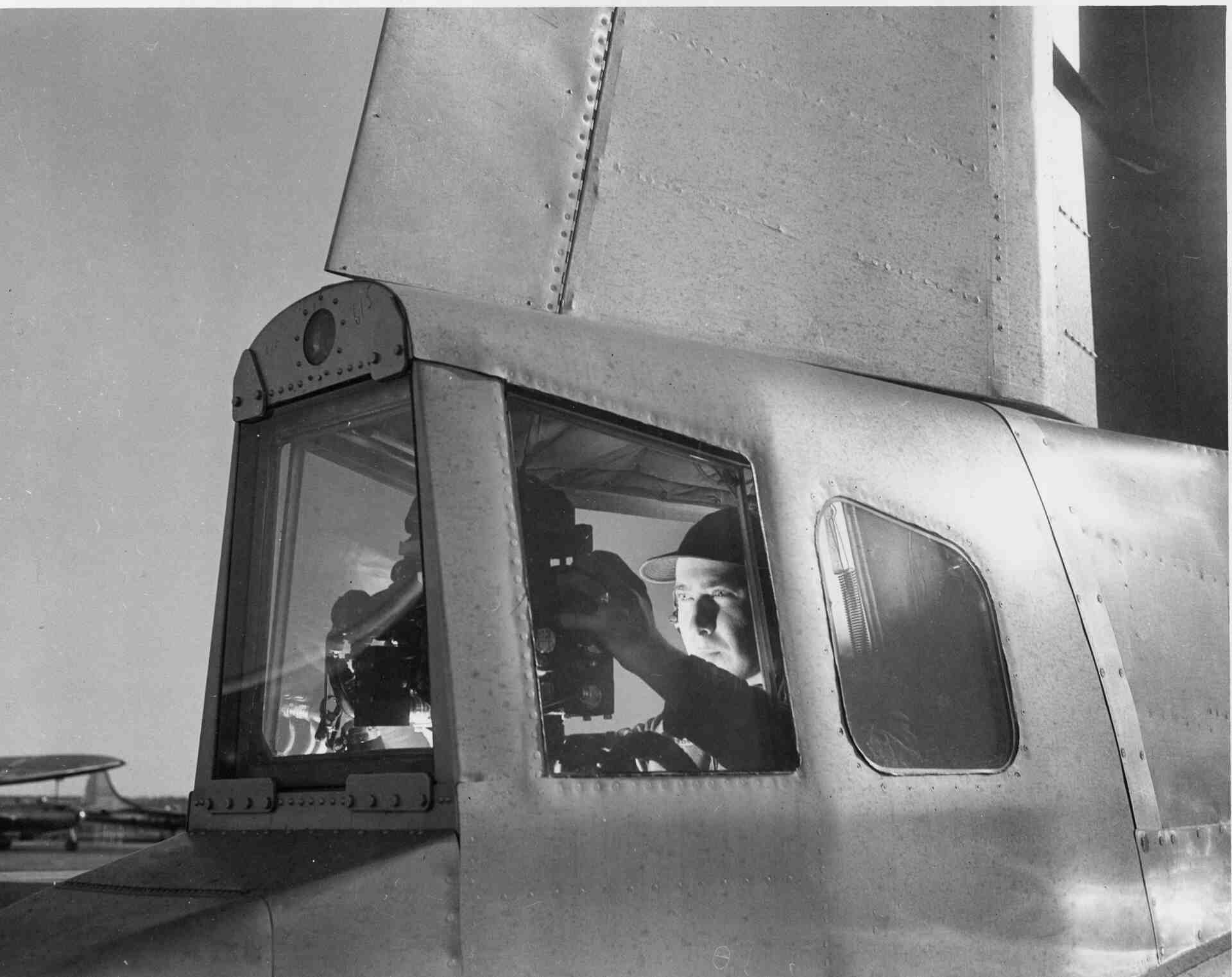
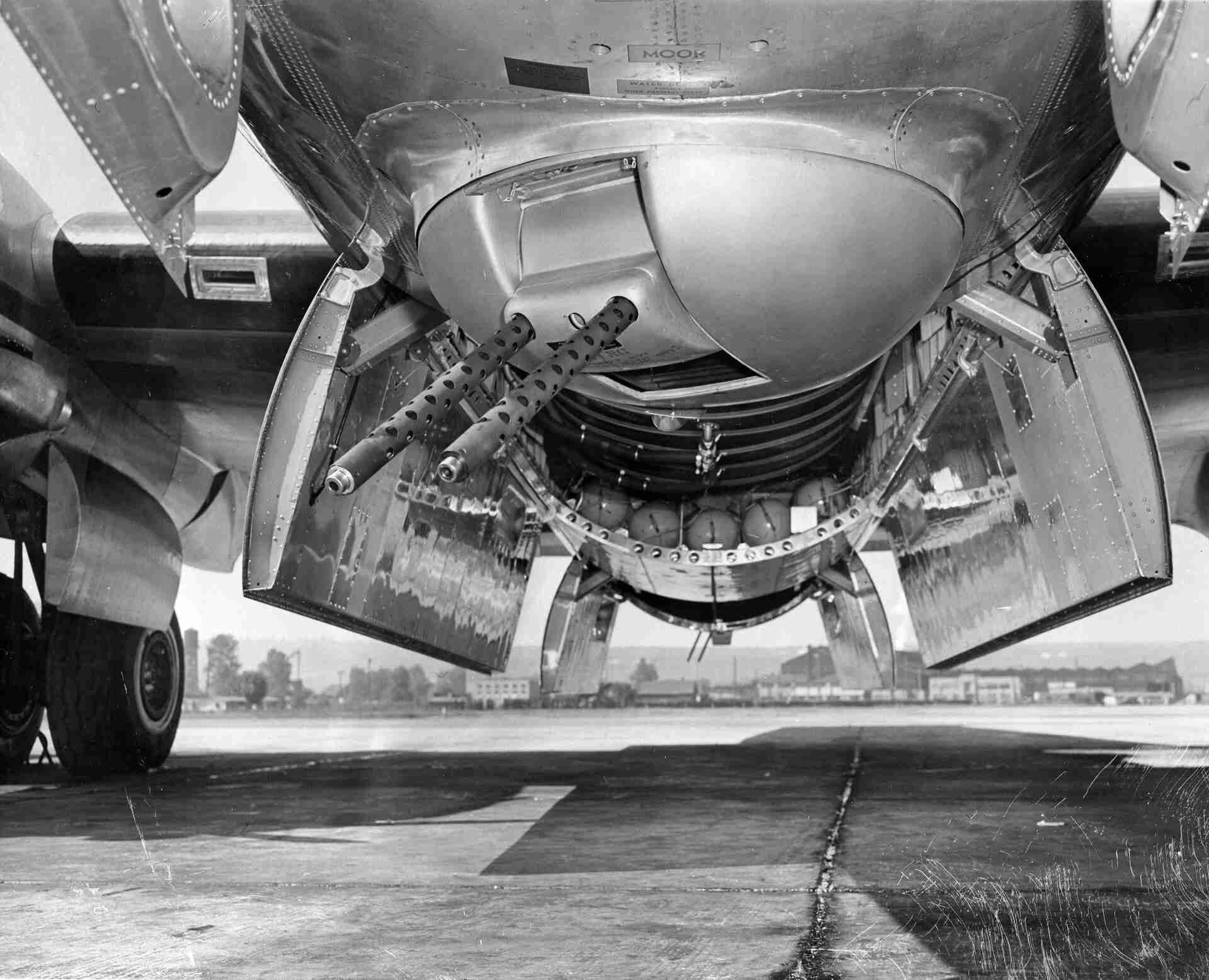
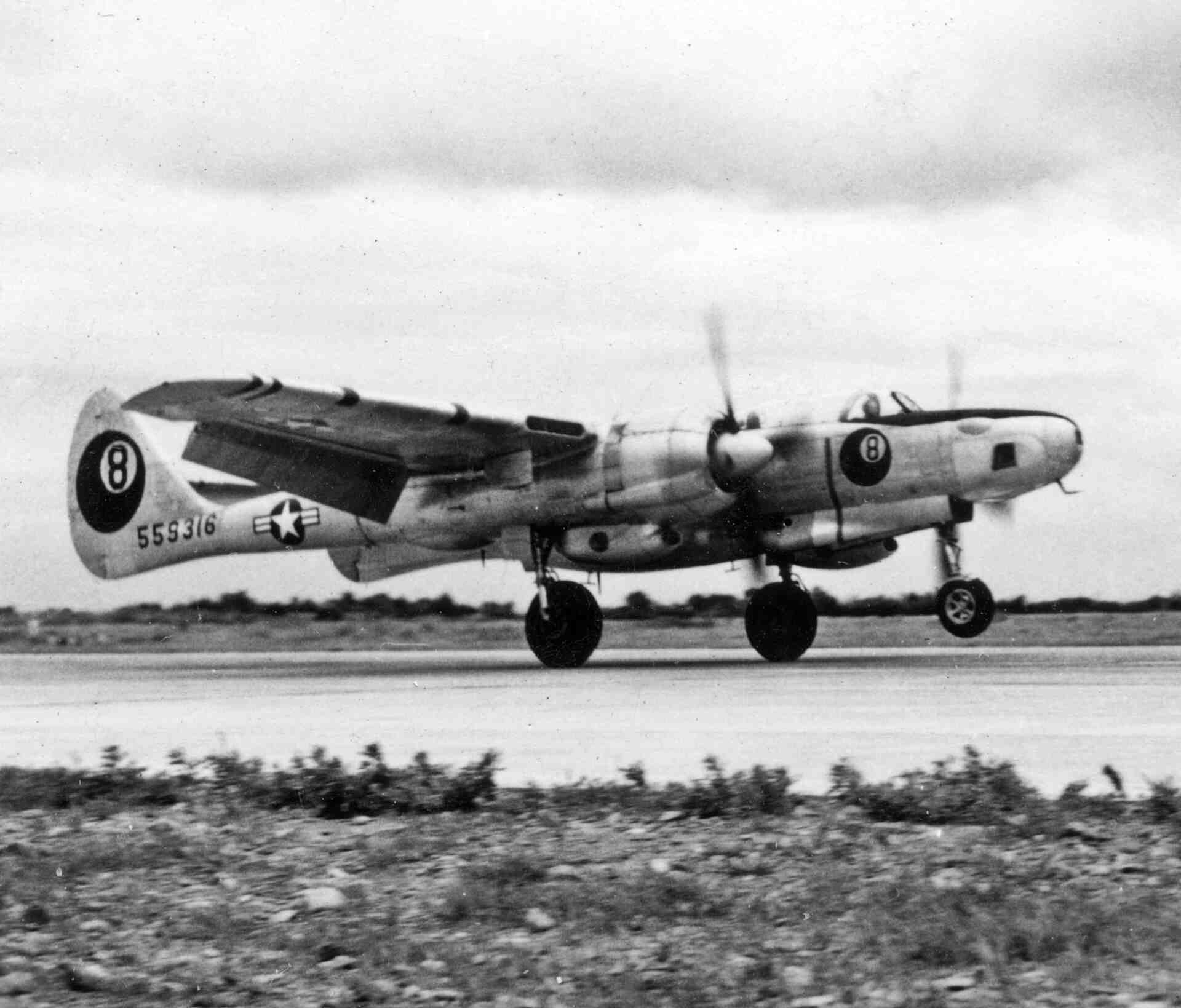
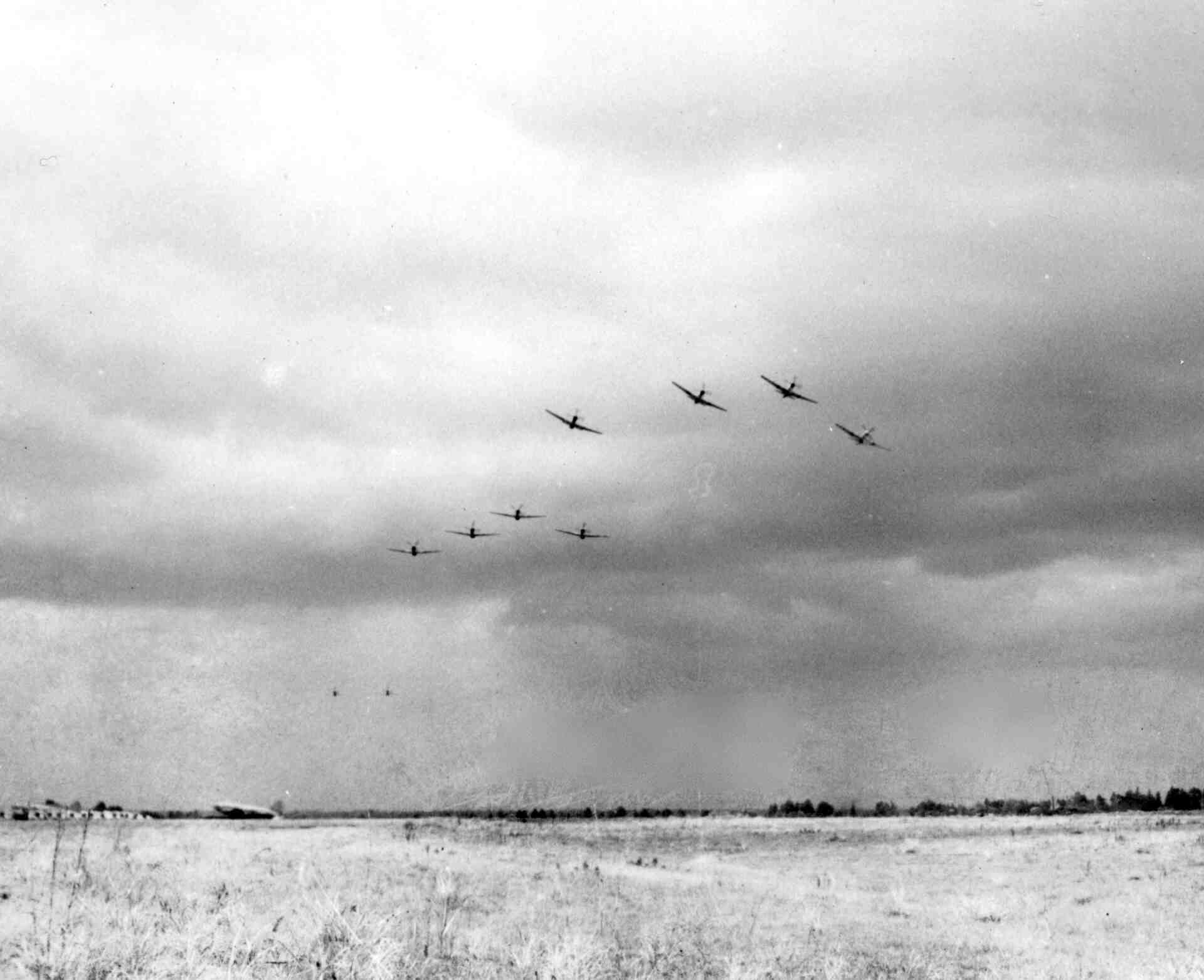
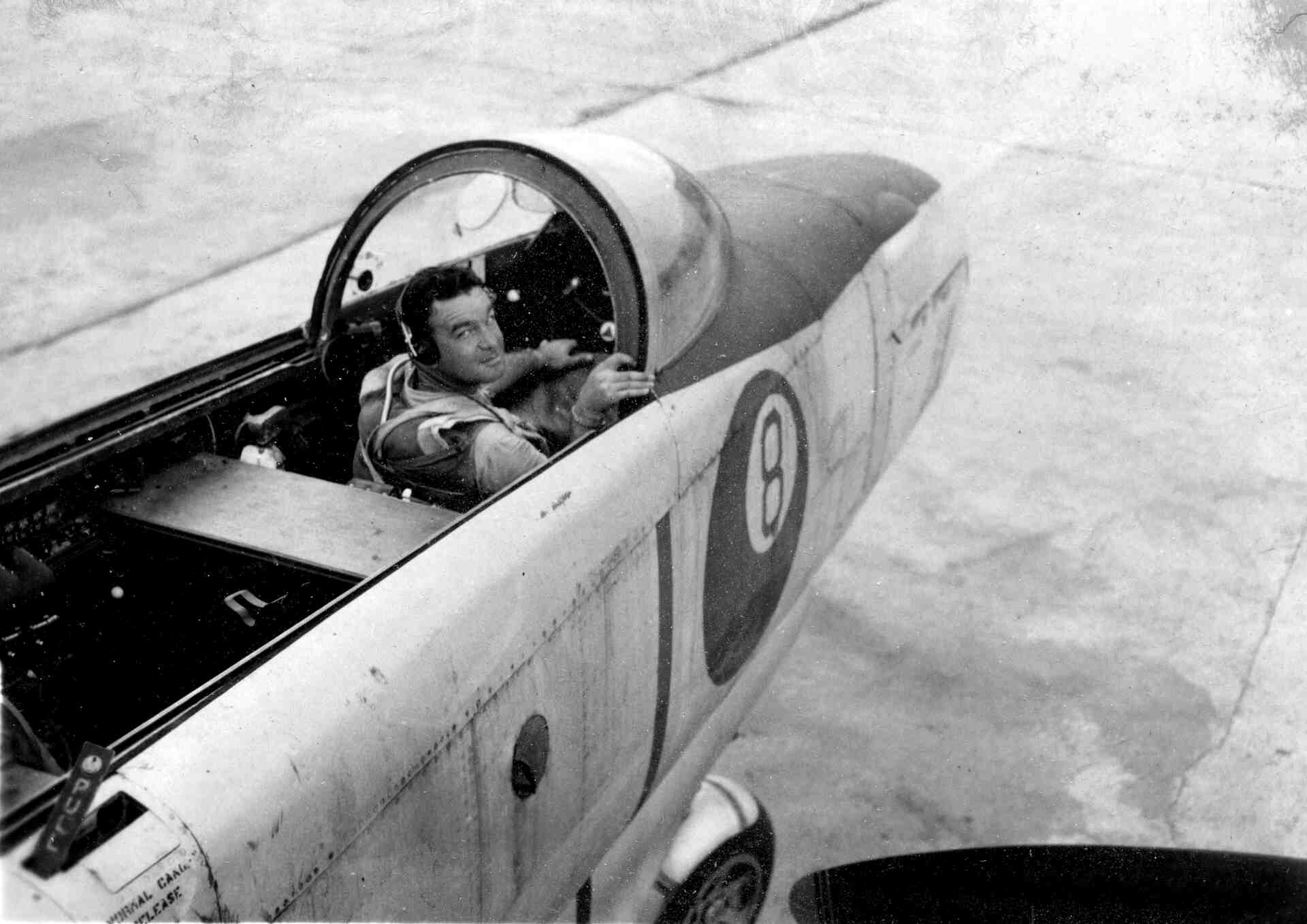
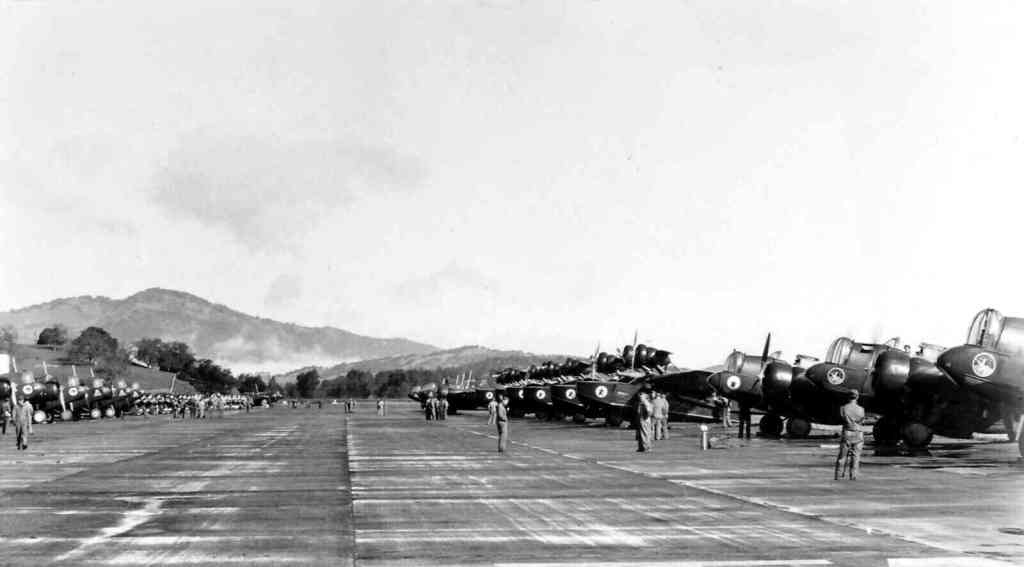
The photo-snapping derivative of Northrop’s much-vaunted P-61 Blackwidow, the F-15A Reporter was dealt by fate an unfavorable hand and did not enjoy the fame of its darker-skinned older relation. First flown in late 1945, with deliveries commencing the following year, the F-15 looked promising, but with the war over and defense spending curtailed, the contract was sharply slashed. Only 36 planes were built. Some were allocated for test purposes, and of the remainder, there was scarcely enough to equip one squadron – the 8th Photographic Reconnaissance Squadron (PRS) of Johnson Air Base, Japan – seen here in the featured photos. The squadron received their F-15s in 1947 and flew them for two years before transferring the surviving aircraft to the 82nd Tactical Reconnaissance Squadron (also at Johnson Air Base), whereupon they were quickly retired.
When, in 1948, the USAF redesignated reconnaissance planes from “F” to “R” (the “F” was needed, of course, to replace the “P” in the fighter world), the F-15 was renamed the RF-61C, thus linking it closer to its forebear, the P-61 (now F-61) Blackwidow. That being said, the designation on the data block below the cockpit in these photos identifies the planes as the “F-15A”. Either the images were taken before the name change, or – this is quite possible given the narrow timeline of service for the aircraft in question – the designation painted on the planes was never changed before they were retired.
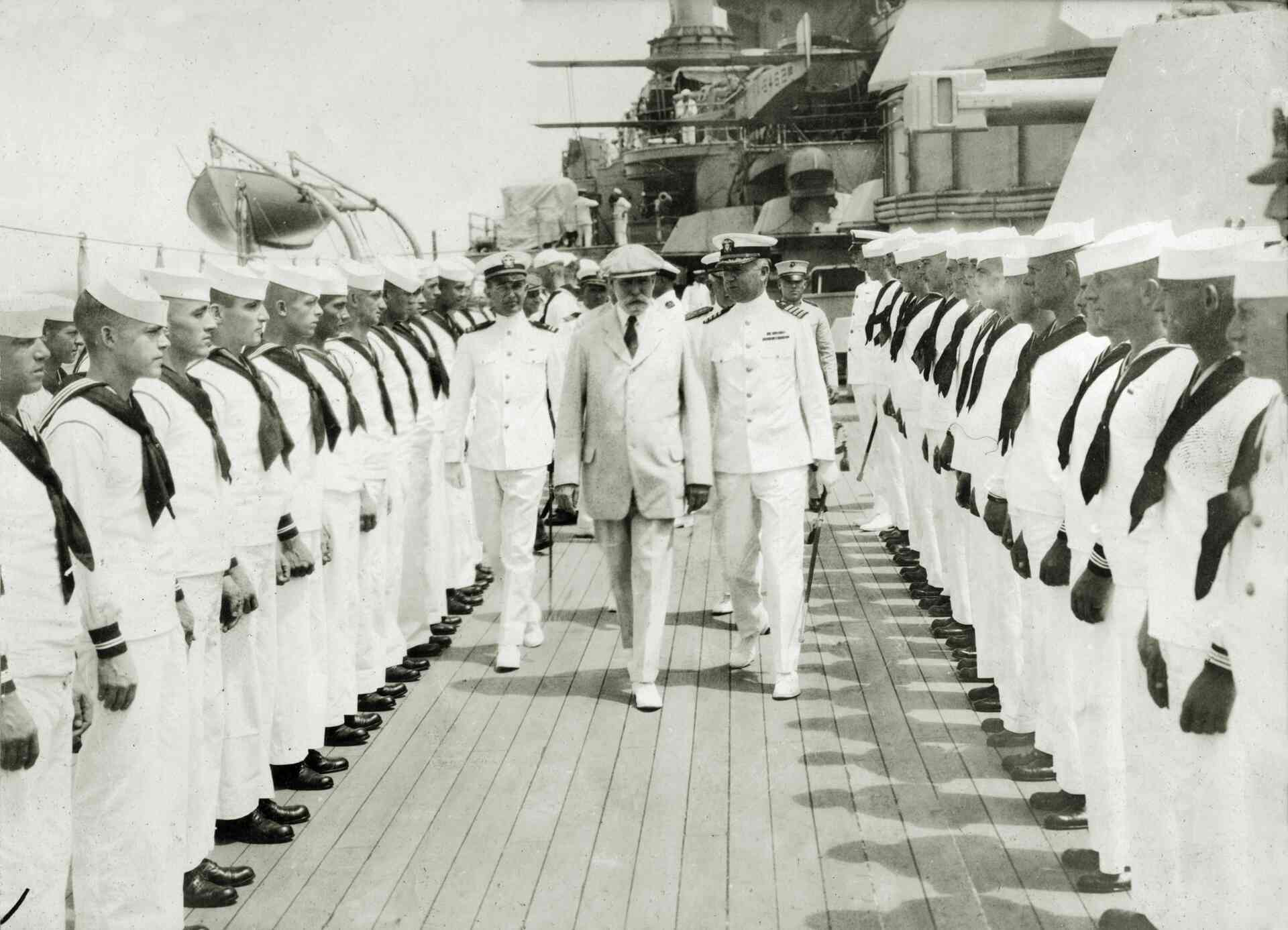
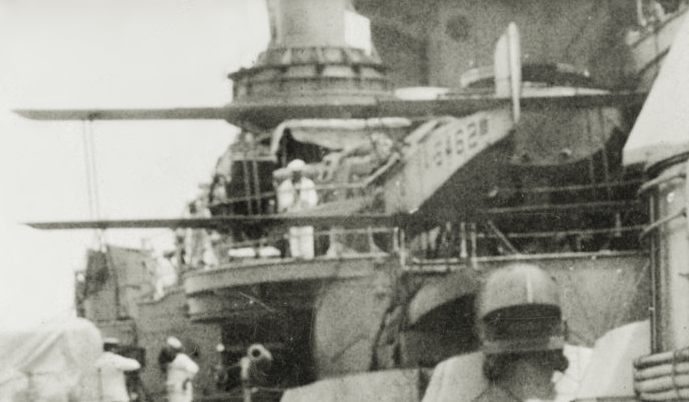
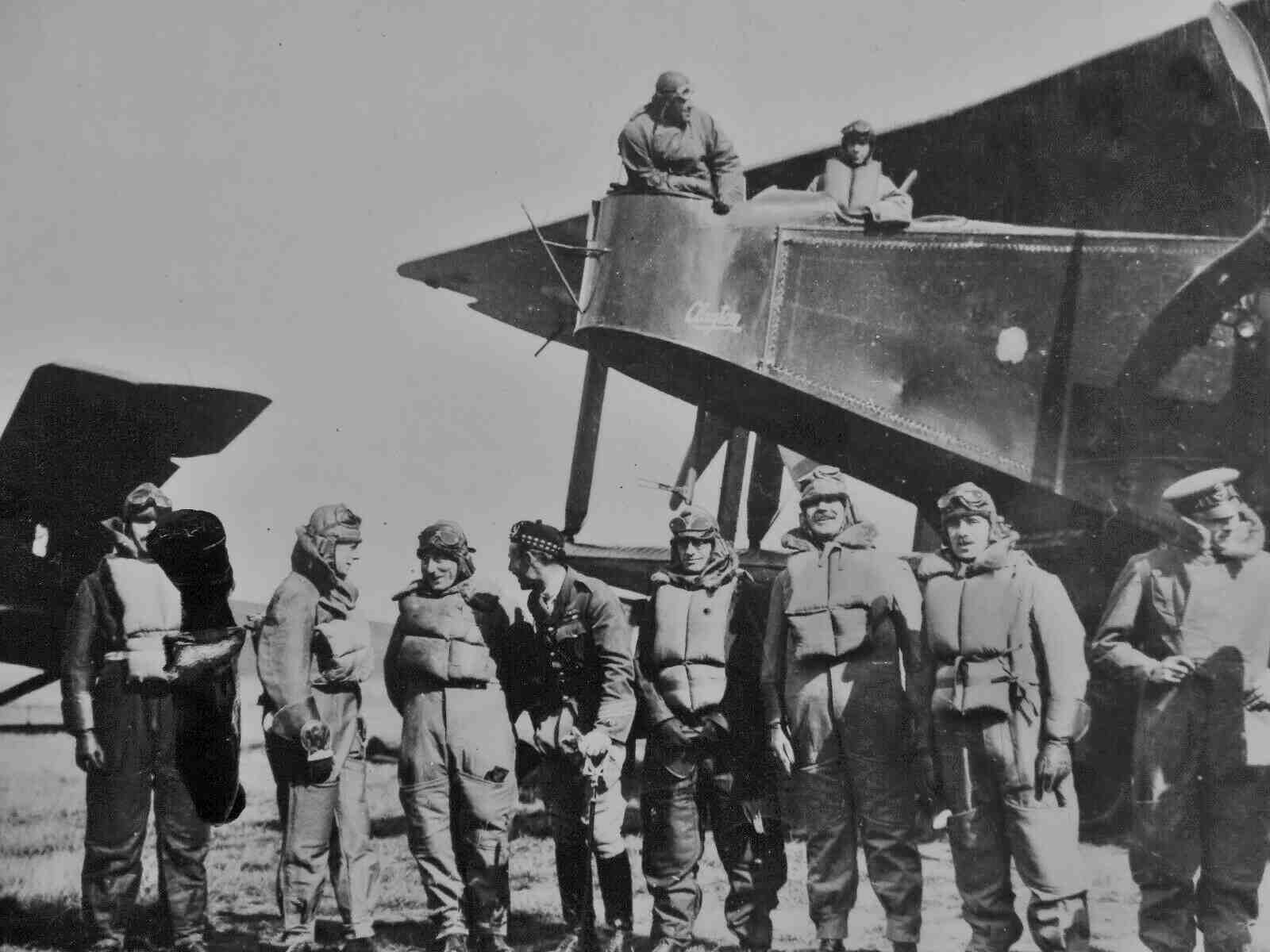
Tucked away in the background aboard the battleship USS Maryland is a Vought VE-9 (BuNo 6462), one of early naval aviation’s often-overlooked aircraft. Popularly known as the “Bluebird”, it was a slightly improved version of Vought’s VE-7, an incredibly historical machine that acquired several important “firsts” for the US Navy, one of them being the Navy’s first fighter.
The occasion for the main photo is the arrival of Secretary of State Charles Evans Hughes (the austere, bearded gentleman, center). On the right is the skipper of the Maryland, Captain D.F. Sellers (later, Commander-in-Chief, United States Fleet). Hughes was aboard the battleship for a trip to Rio de Janeiro, August-September, 1922. Earlier that same year, Secretary Hughes led the American Delegation at the Washington Naval Conference, where he successfully argued for reducing the number of battleships (a somewhat ironic position given his choice of transport seen here). Nonetheless, the Navy still had enough battle boats on hand to provide Secretary Hughes a ride to Rio.
Here is something that may give one a moment’s reflection:
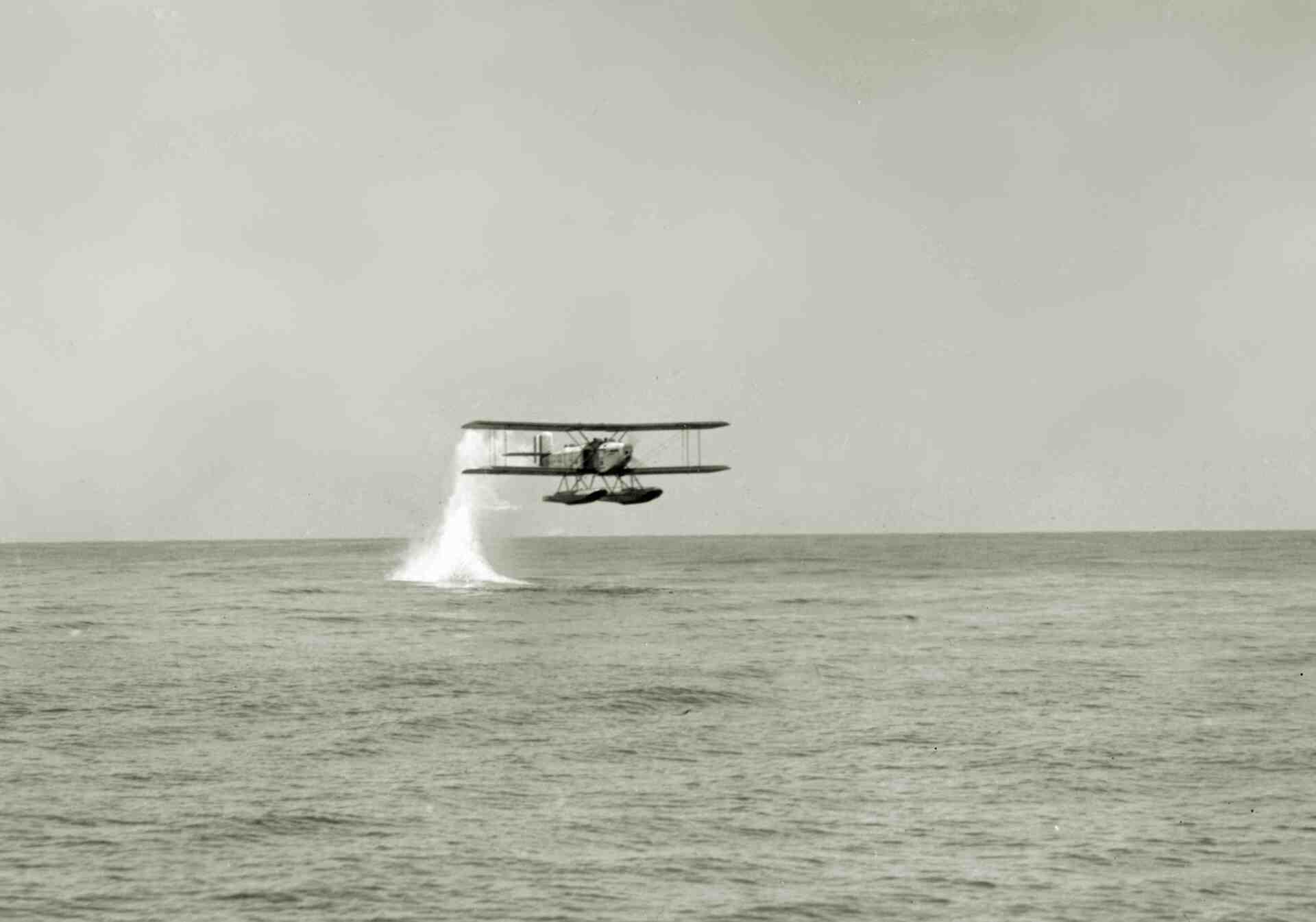
As the Maryland sailed southward, she kept busy launching her planes in order to fetch mail, scout, etc. While all that aerial activity was going on, interestingly enough, the first takeoff from a US aircraft carrier had yet to occur. That historic achievement (October 17, 1922) was another of the “firsts” for Vought and their VE-7.
Given the variety of aircraft surrounding the hangar (helicopters, patrol planes, fighters, etc, one is inclined to believe this airfield is home to a test or overhaul facility. At lower right in photo #1 sits the fuselage of an F6F Hellcat.
So what’s the name of the place? Let’s hear from you aviation experts. Because…unlike other “Mystery Airfields” posted here before, I have no idea of the location of THIS mystery field.
In the 1920s, Martin and Curtiss competed to supply the US Navy with torpedo bombers. They fielded two very similar designs: the Martin’s T3/4M and the Curtiss CS (seen here left and right, respectively). It was a tough choice, as the rival aircraft were similar in both appearance and performance. In the end, the Navy threw some business to both manufacturers, but it was Martin that won a bigger contract. It was a wise choice: the T4M (despite its bulky looks) became a highly effective machine and was the primary strike aircraft of the US Navy for nearly a decade.
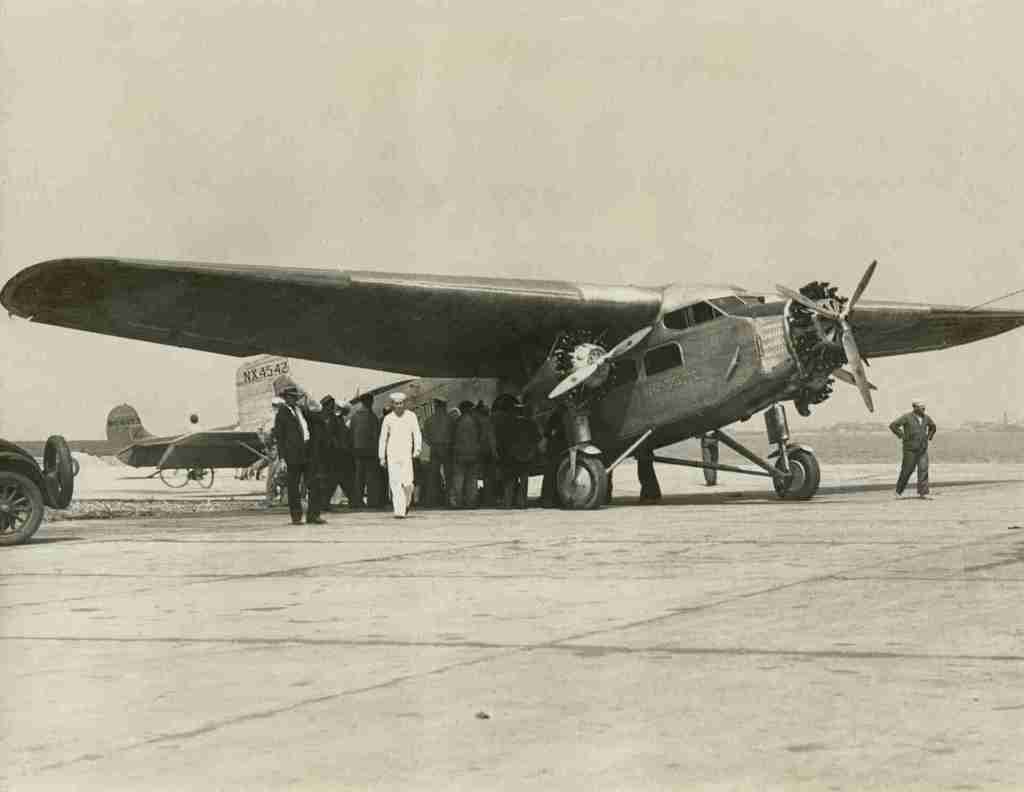
Two aircraft about to embark on Admiral Richard Byrd’s 1929 Antarctic Exploration are seen at NAS Norfolk. Prominent, of course, is the unmistakable Ford Trimotor. Peeking out behind its tail is a Fokker Super Universal. The latter airplane crashed on the Antarctic ice cap and is presumed still buried there today. The Trimotor, NX 4542, (Nicknamed “Floyd Bennett”) can be seen today at the Henry Ford Museum in Michigan.
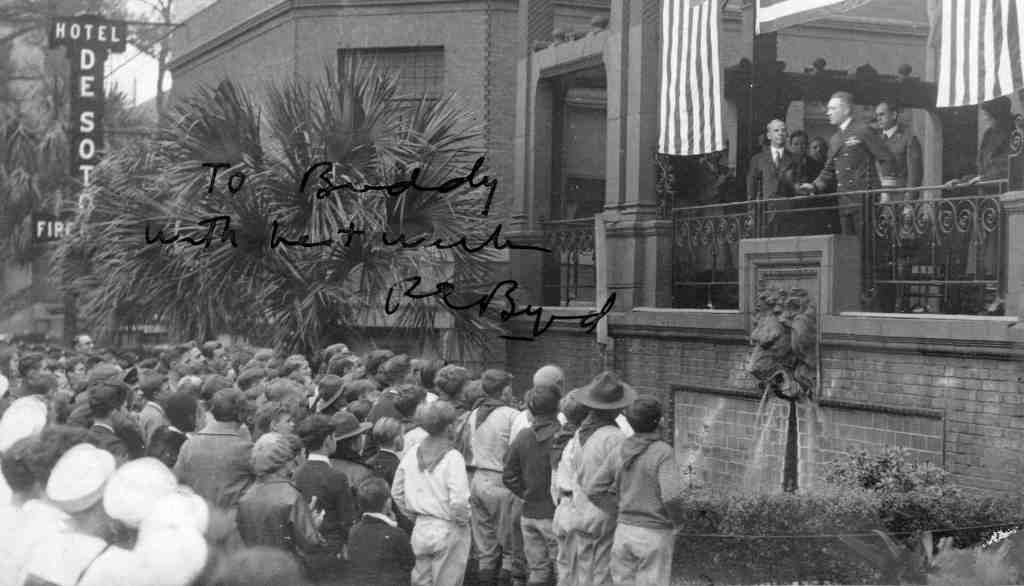
The autographed photo was taken in Savannah, Georgia. Byrd is seen on the balcony addressing an admiring crowd.
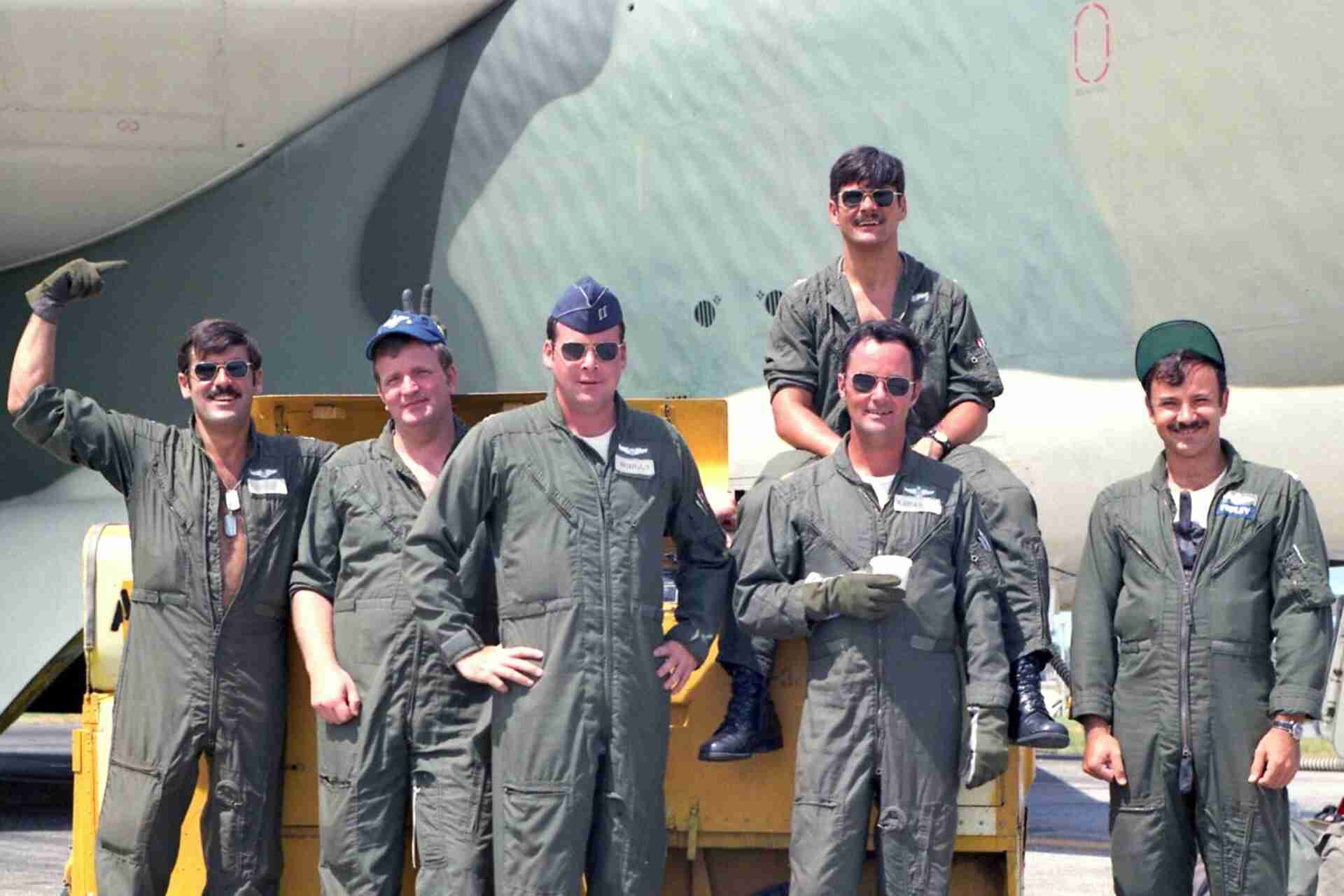
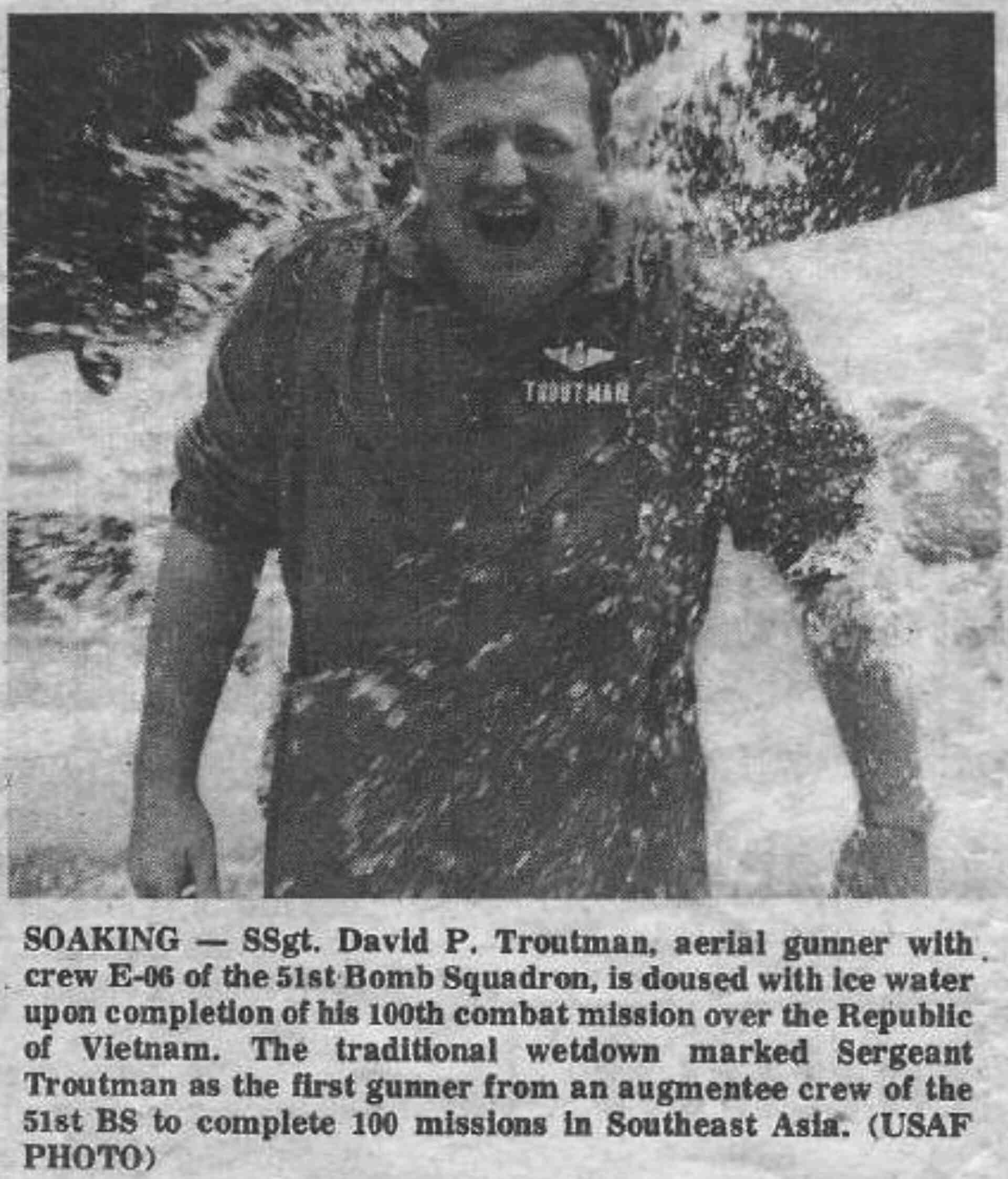
Today, we’re honoring Master Sergeant David P. Troutman, USAF, retired. What did he do during that fine career? Well, his was a very interesting job: He was an aerial gunner, a tail gunner on the B-52.
His main task was defending his B-52 against aerial attacks, a job description that instantly conjures up visions of ultimate combat showdowns in the stratosphere. However, more often than not, it was a job that entailed spending endless days on alert duty or, tallying up countless hours in the air on training missions.
And all that flying could seem to some to have been a pointless exercise. After all, those gunners were not likely to encounter Soviet MiGs lurking over Michigan or North Carolina just waiting to ambush any B-52 that happened by while doing touch & goes in the local pattern. Piled on top of that, there were those critics who chuckled at the idea of the gunners having the ability to defend their aircraft at all…
…which was a mistake made by several MiG pilots who, during the Vietnam War, decided to get too close to the business end of a B-52 and were blasted out of the sky for their troubles. (“C’est la vie” goes the B-52 gunner’s motto)
That is because the gunners were always ready.
All that endless flying in peaceful skies was time well spent. They did not just fly around waiting to pull a trigger; they were quite well-versed in all aspects of defending their aircraft. B-52 gunners were well-trained professionals, members of a dedicated team – a combat crew – and they were more than prepared to assure the completion of the mission by guarding their bomber and their crew/friends.
One of those committed professionals was our man of the hour, Master Sergeant David Troutman. Joining the USAF in 1959, he soon trained as a gunner before embarking on a long career where he served with the following bomb squadrons: 93rd, 716th (both at Kinchloe AFB), the 51st (Seymour Johnson AFB), and the 668th (Griffiss AFB).
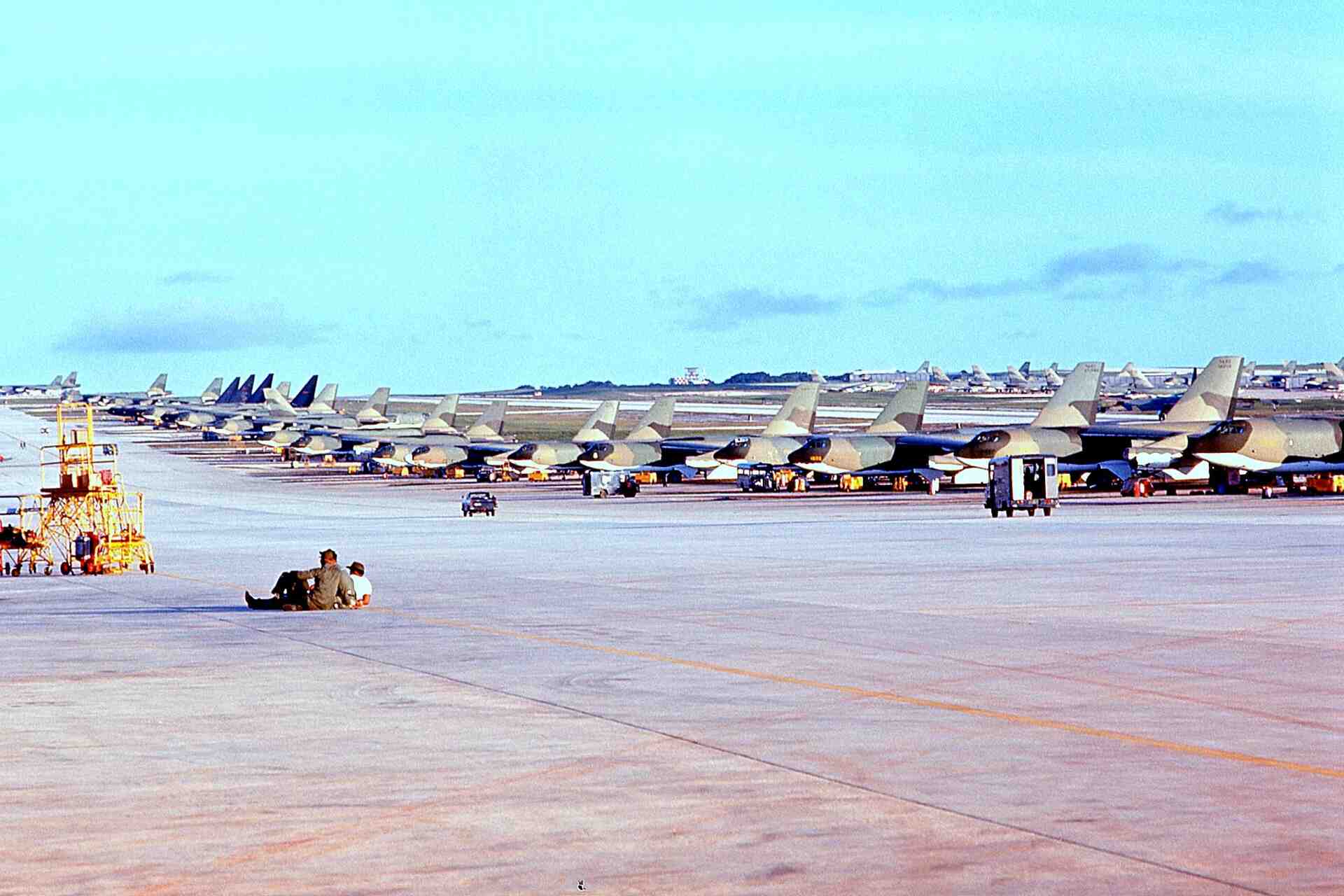
Already a highly experienced aerial gunner and Cold War veteran when the B-52s of Strategic Air Command were called upon to take to the skies over Vietnam, Troutman served six combat tours there, including Operation Linebacker I (May- Dec 1972) and Linebacker II (18-29 Dec 1972). The latter was the largest bomber operation since WWII and the last major military operation conducted by the US during the Vietnam War. By the end of the conflict, Troutman had flown over 200 combat missions.
When he retired in 1980, Master Sergeant Troutman had flown over 8,000 hours as an aerial gunner in the B-52B, C, D, E, F, G, and H models. He was awarded the Distinguished Flying Cross for his actions over North Vietnam during Linebacker II. His other combat decorations include nine Air Medals awarded for the many missions he flew in hostile skies. His is a career worth honoring, one that his country and his family can be proud of.
Notes
The plump 750-pound bombs were typically carried internally while the 500-pounders were carried on external bomb racks as seen here. Note the “Peace Sign” painted on the fins of one of the 750 pounders.
This photo is unusual in that this was a mission where the planes dropped their bombs from a 3-ship, wing abreast formation. A typical B-52 bomb drop was done in a “trail” formation, one after the other.
When the last bomber in his “cell” (formation) lost their radar and could not drop, Troutman guided him to the target by using his gunnery radar and a stop watch to accurately guide that aircraft to the target and complete their bomb run. For his professionalism, Troutman was awarded this certificate.
*These photographs were taken by, and are property of, David Troutman. Provided to this website courtesy of Randy Troutman.
The Minnesota National Guard was called up for active service in World War II to perform aerial reconnaissance, which was the established mission for Guard units at that time. The squadron, the 109th Tactical Reconnaissance, was eventually equipped with F-6D Mustangs (seen here) and fought their way across Europe and into Germany.
American Airlines 707-323B N8436 rolling out for an early test flight.
N760PA, the “Clipper Evening Star” awaits delivery to its owners at Pan Am.
Israel’s El AL Airlines was another 707 customer.
N7555A of American Airlines
Here is a batch of photos (of varying quality) from the early/mid 1960s that captured a mixed bag of 707s as they began what was for many, a long life of service with various airlines.
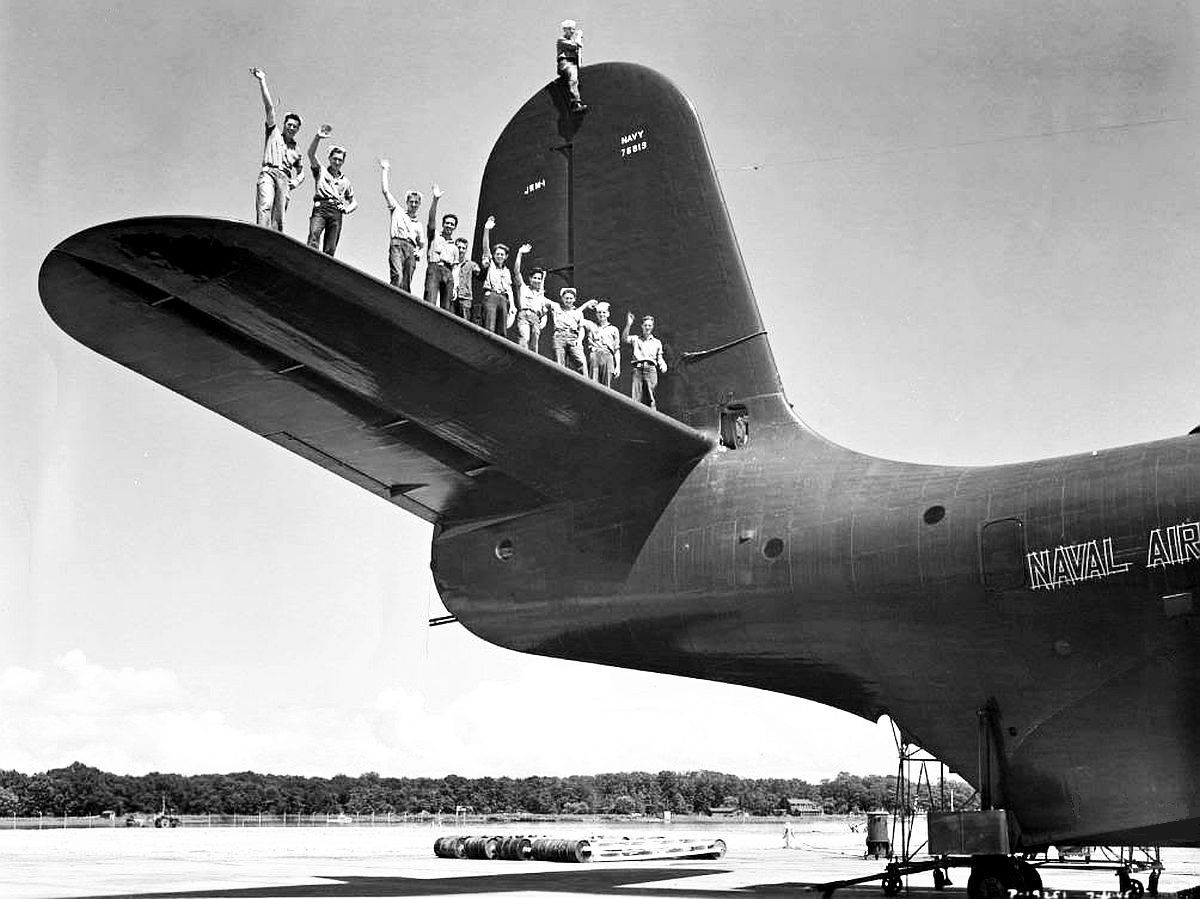
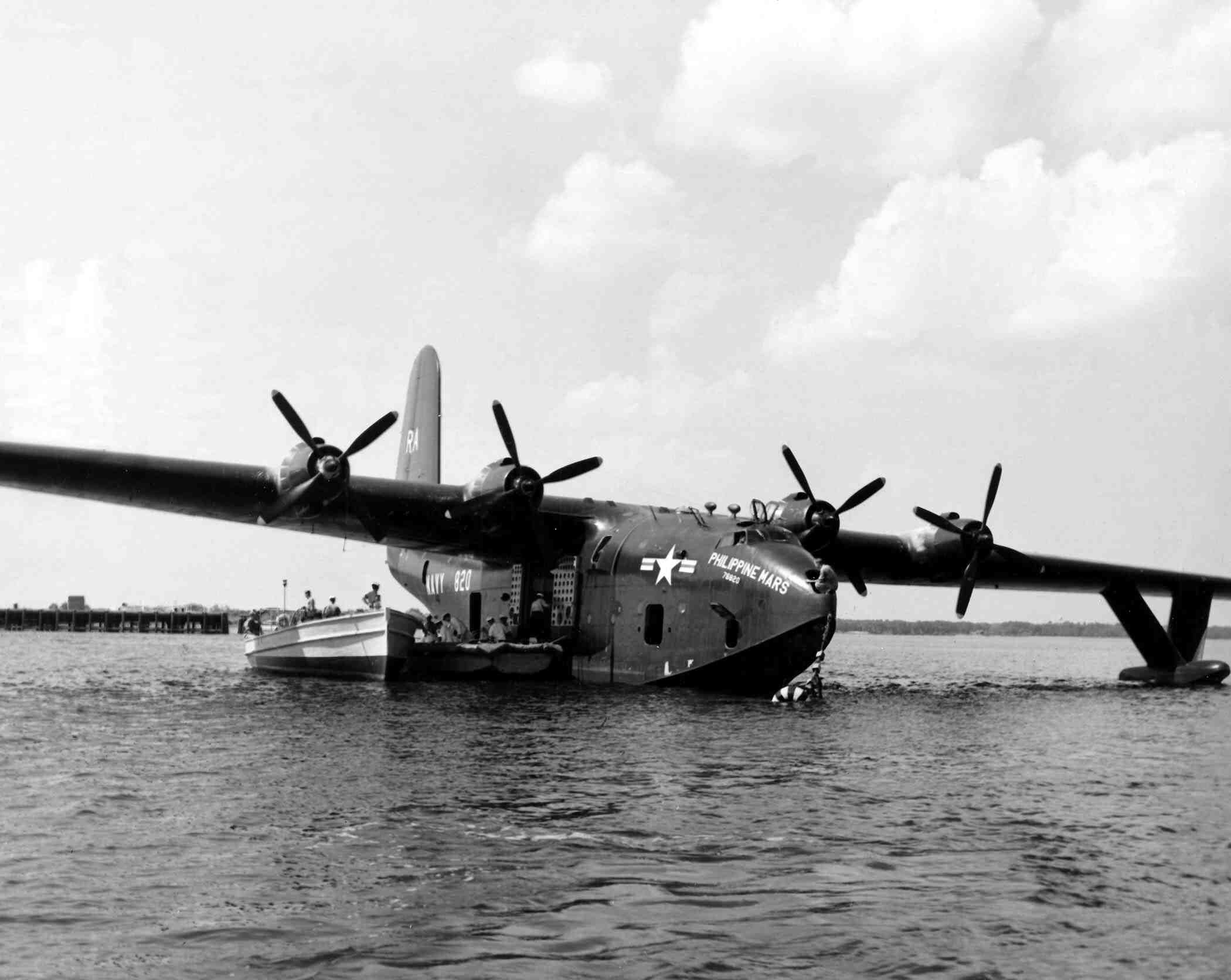
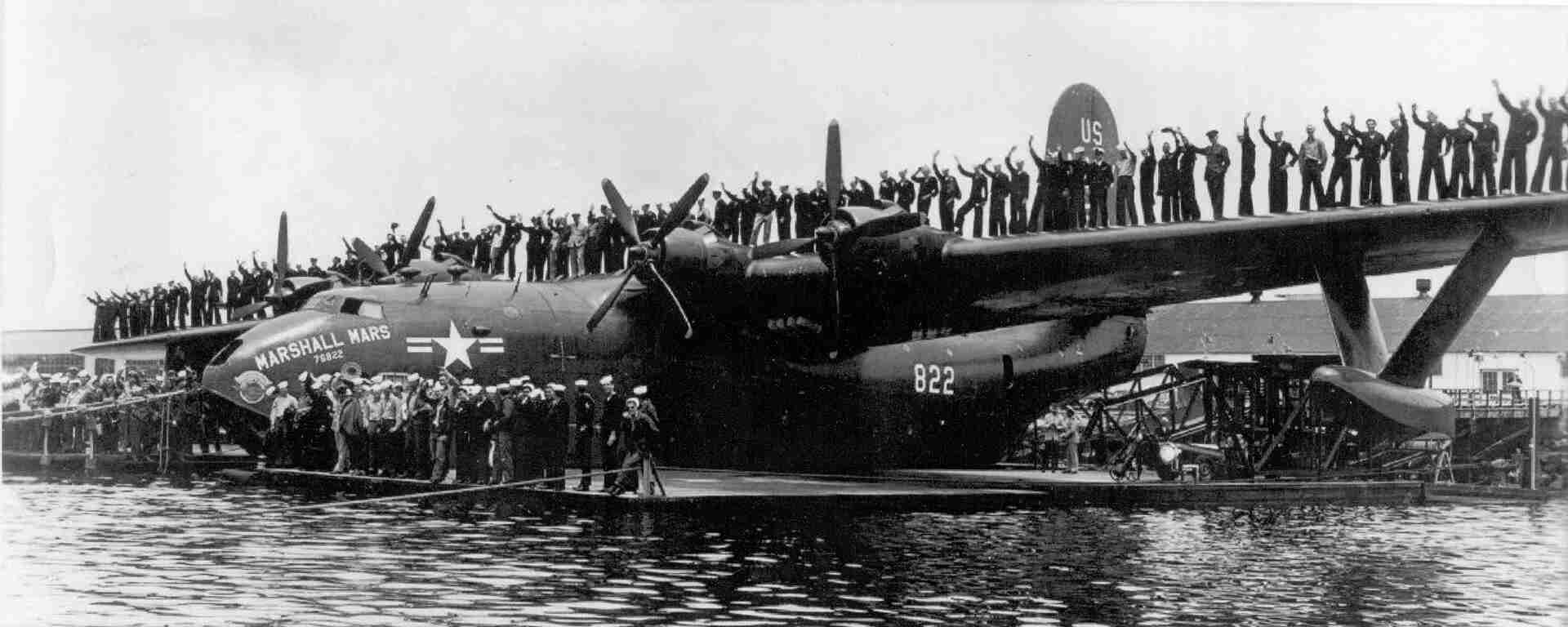
Today, the last operational Martin JRM Mars flying boat began its final journey. (It flew past my house.) It will enjoy a well-earned retirement under the sunny skies of Arizona. A scenario no one could have envisioned when the plane was built some 75 years ago.
Parked on the ramp at Elmendorf AFB is F-82H 46-384 of the 449th Fighter Squadron, All Weather, a visitor from Ladd AFB, Alaska.
For an airplane built in small numbers (less than 300) and introduced when jets were the center of attention, the piston-engined F-82 Twin Mustang compiled a noteworthy record during its service with the USAF from 1946 to 53.
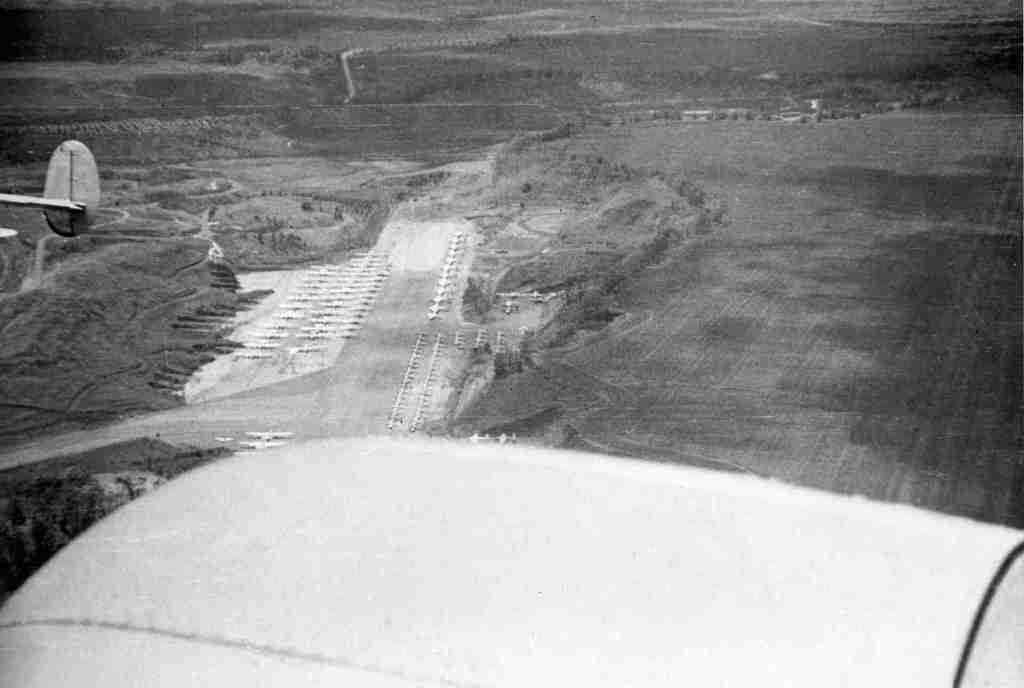
There were several good guesses as to the identity of this “Mystery” airfield, but no one nailed it. So, here are a few more clues:
– It is in Hawaii
– It is part of an active army post
– One could drive right past it and never know it was there
Avert your eyes because here comes the answer:
Waiele Gulch Field.
Where is that, you say? It is part of Wheeler Field and, as field’s name states, it is in a gulch and therefore rather hidden from the view of passersby. That, of course, was what made a small canyon/gulch such an appealing location for a military airfield.
Construction began just before Pearl Harbor with the idea of having a well-protected facility for the assembly of aircraft. Bunkers were hewed in the gulch walls. Taxiways connected with those on Wheeler Field. Today, it is still easily visible from the air, but still not so from the ground.
The top photo was taken at the height of World War II. The other photo is what one seens today.
The USA’s first super-sonic aircraft in Europe: the F-100.
Paris Air Show, 1957.
Paris Air Show brochure.
I believe this is the “Looping en forme de losange”.
Same.
Everything was done in formation.
The team.
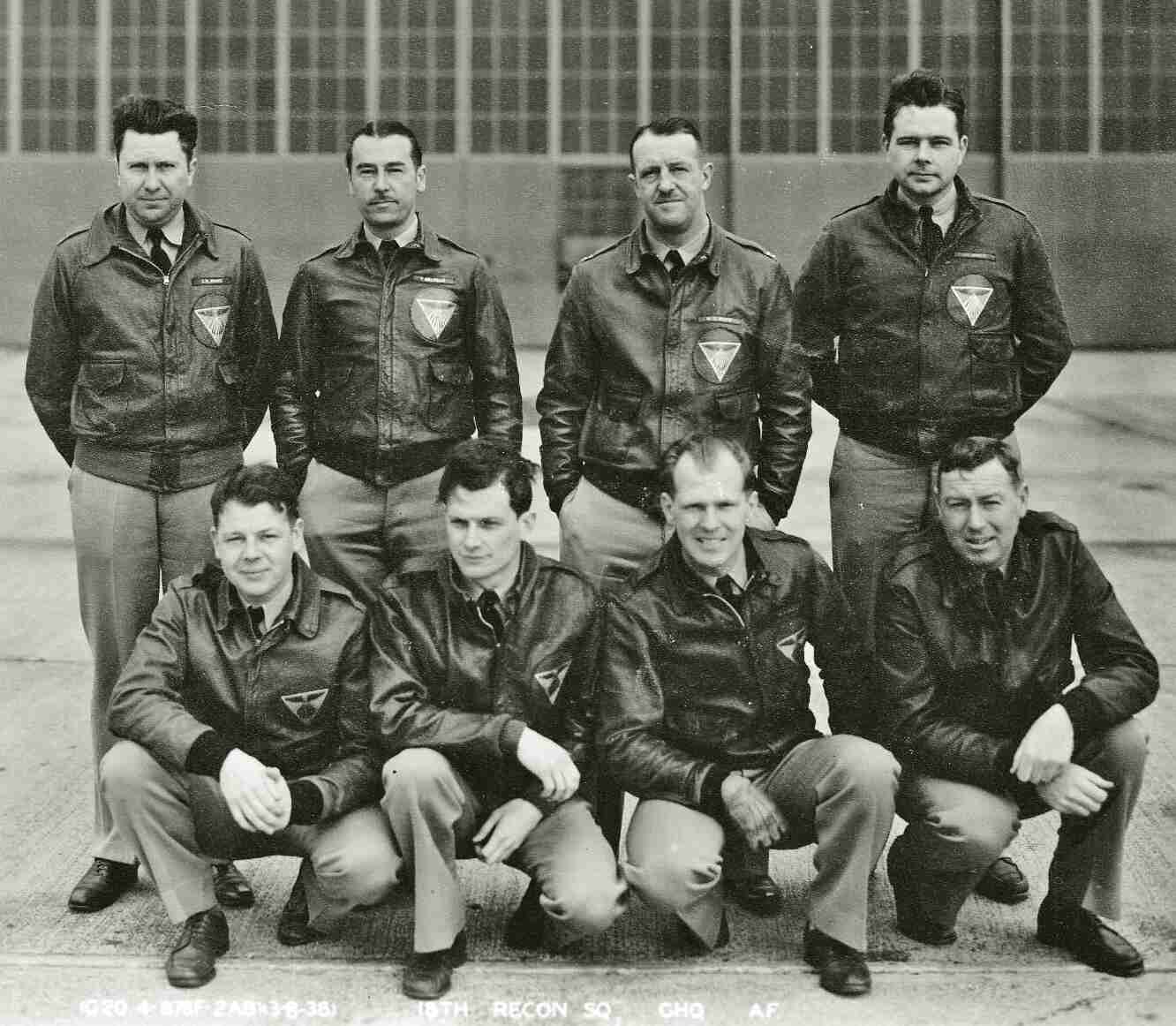
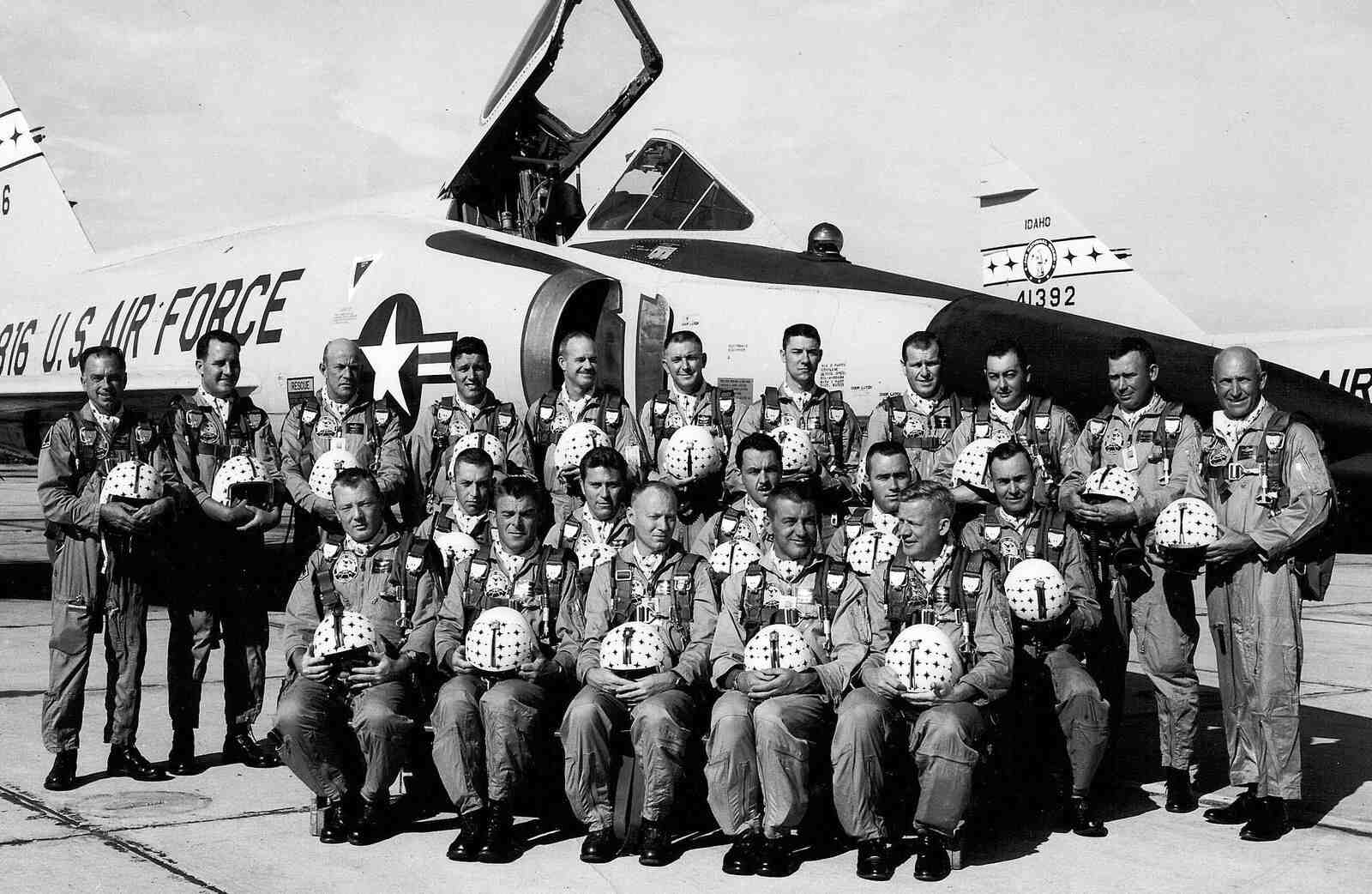
Assigned to Bitburg Air Base’s 36th Fighter Day Wing/Tactical Fighter Wing, the F-100C Super Sabre-flying “Skyblazers” wowed millions in the skies over Europe from 1957 to 1962. The team pictured here was led by Captain Bill Creech (later a 4-star general and the namesake of Creech AFB in Nevada). His wingmen were Captains Pat Kramer & Nevin Christensen and Lieutenants Gordon Eells & Gordon Scharnhorst.











































 There were several good guesses as to the identity of this “Mystery” airfield, but no one nailed it. So, here are a few more clues: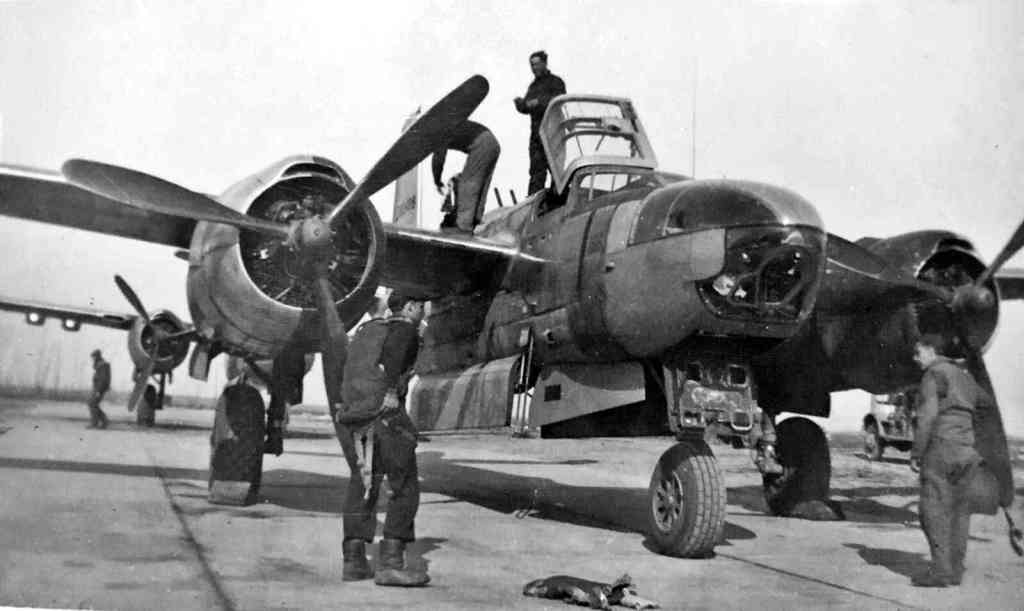





 The Jive Bomber