Author: thejivebombers
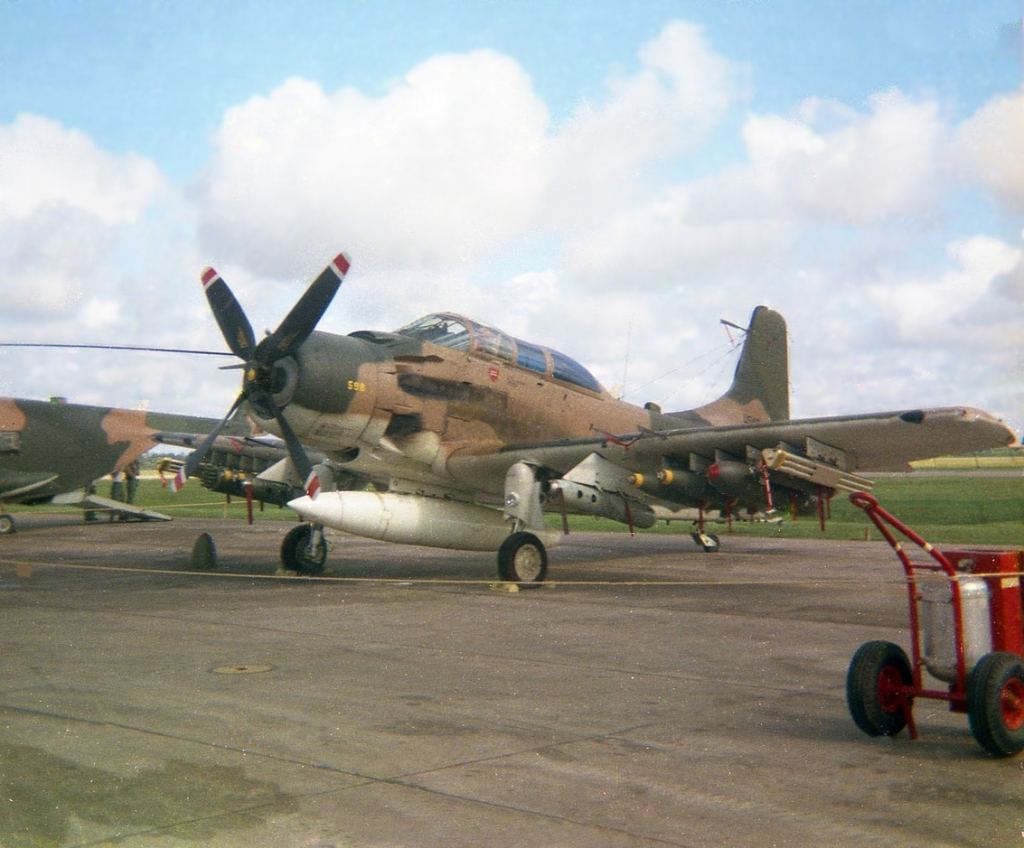
The Skyraider

Flown by 56th Special Operations Wing at Nakhon Phanom Air Base, Thailand, this Skyraider (52-139598) had its picture taken while on display at nearby Korat Air Base in 1970. Unfortunately, time was running out for 598: On 24 December of that same year, the aircraft was lost while escorting rescue helicopters deep into hostile country. The pilot, Major Albro L. Lundy, was killed, his body being recovered and identified decades later. R.I.P.
Aloha From the 1930s

A-3 Falcons of the 26th Attack Squadron, Wheeler Field.

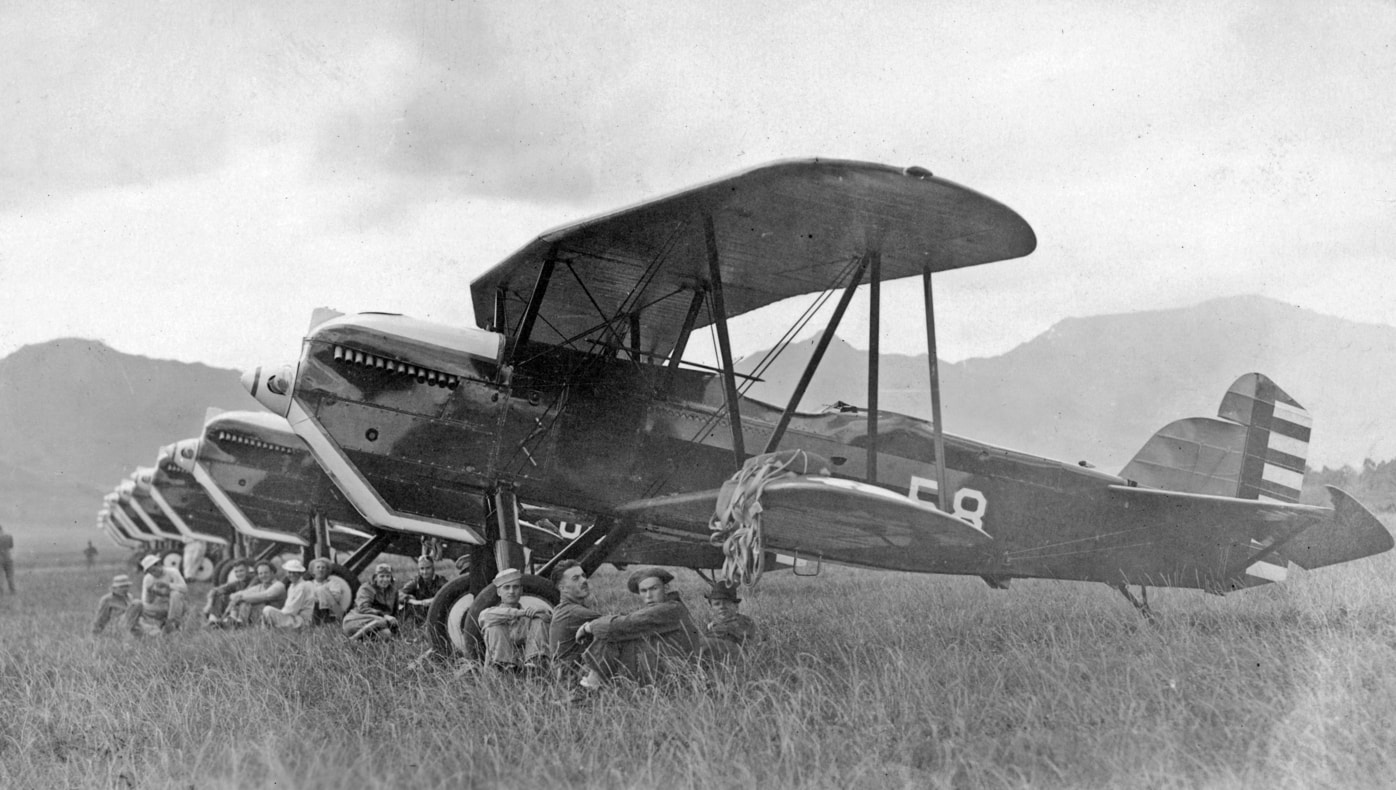
Keystone B-5s of Luke Field’s 72nd Bombardment Squadron pay a call to Wheeler.

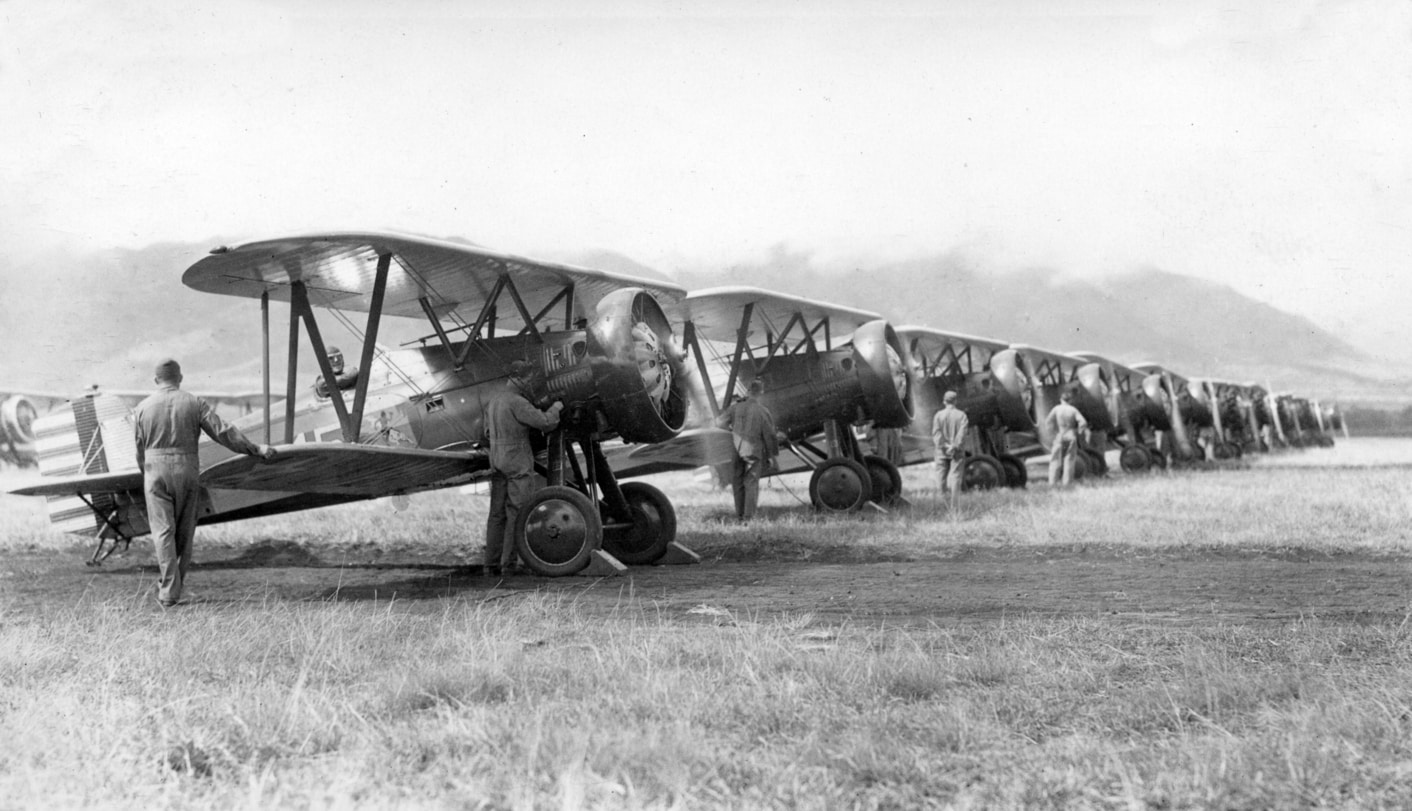
P-12s of the 18th Pursuit Group warming up at Wheeler Field.

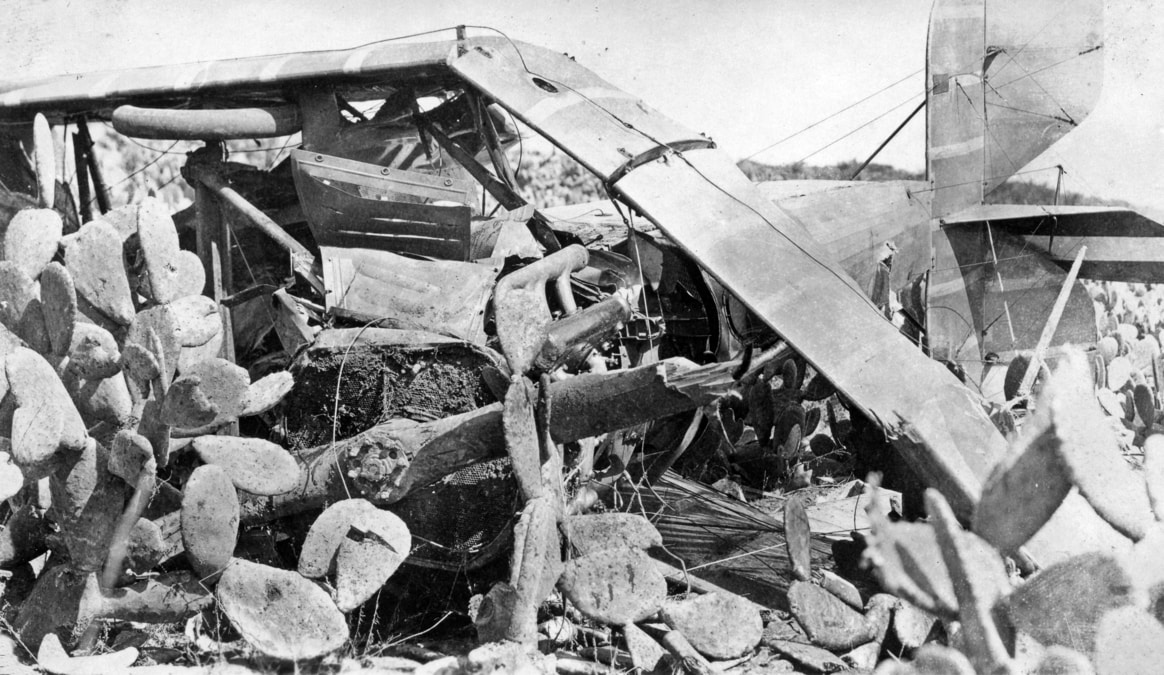
The photo’s caption says the crew of this DH-4 was “O.K.”. Well, that’s good, but despite having survived the crash, their troubles were not over: They have ended up in a field full of Opuntia ficus-indica, also known as the prickly pear cactus (“Panini” in Hawaiian). This no doubt caused a lot of cursing and swearing as the crew worked their way out of the field. Additional blasphemous language was supplied by the mechanics who arrived later to haul the wreck out of there.
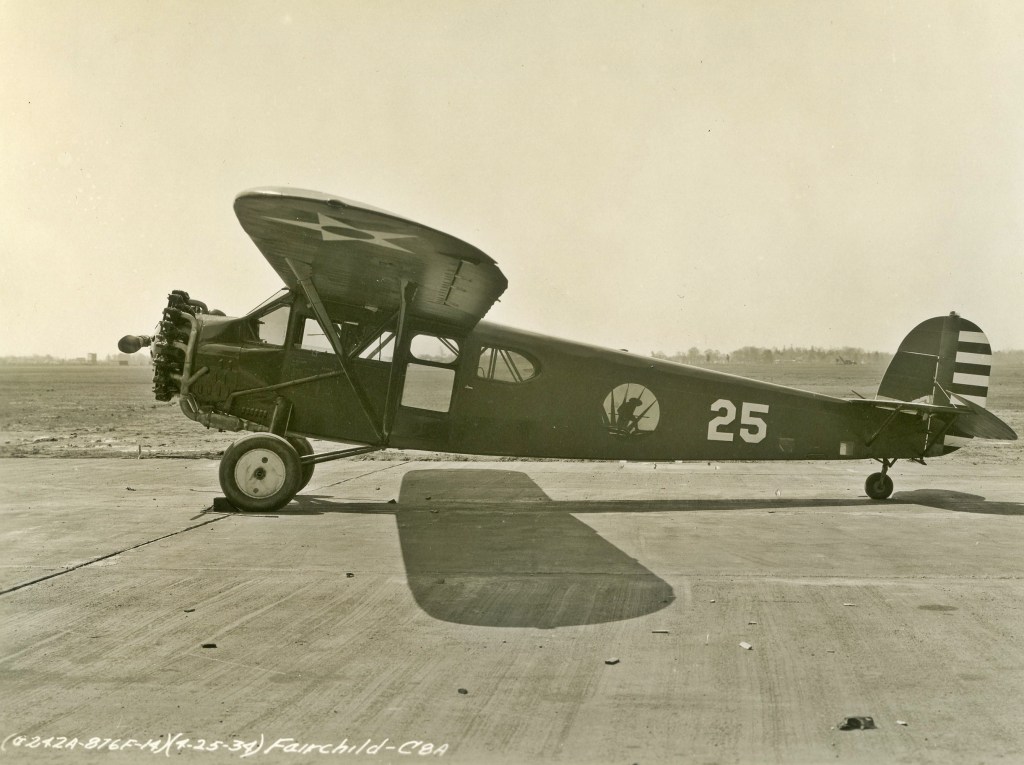
Fairchild C-8

When this photo was taken on April 24, 1934, the 1st Observation Squadron at Mitchel Field, NY, was mainly in the business of flying the Curtiss O-1 Falcon. However, they also had this Fairchild C-8 for hauling cargo and personnel from place to place. This C-8 (31-463) was one of only 14 ever built for the Air Corps.
The propeller shop at Randolph Field was a busy place in the 1930s…


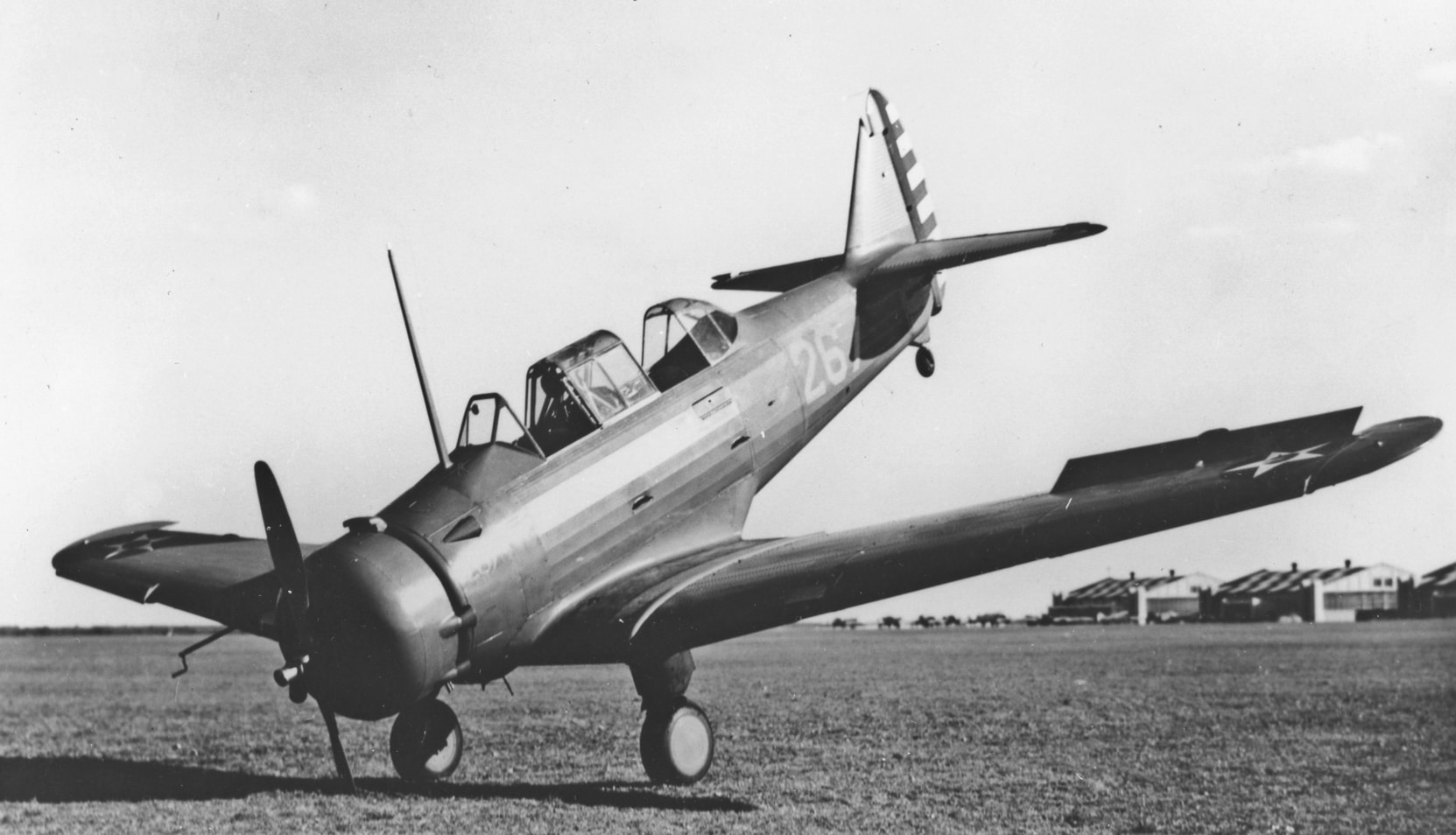
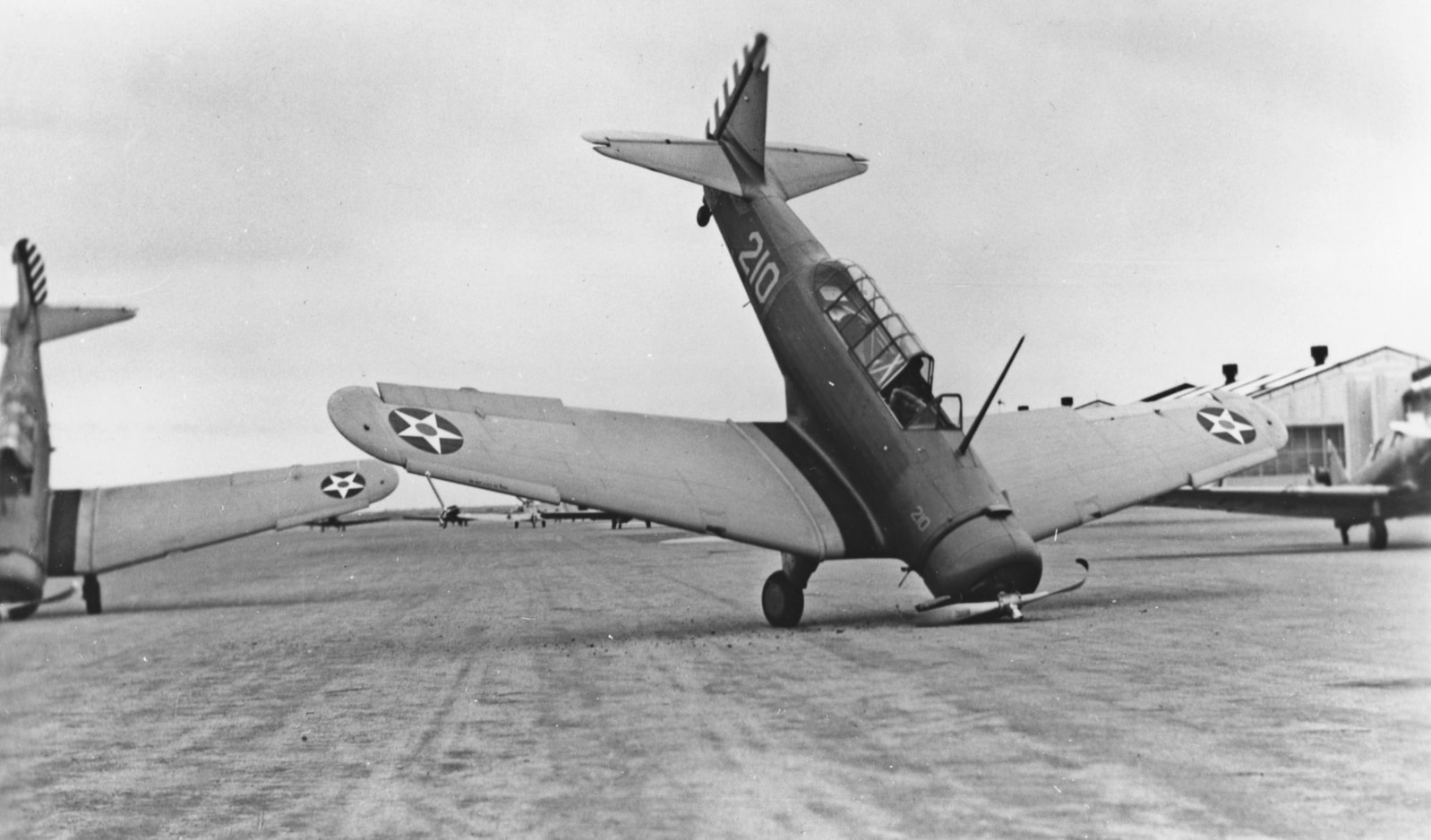
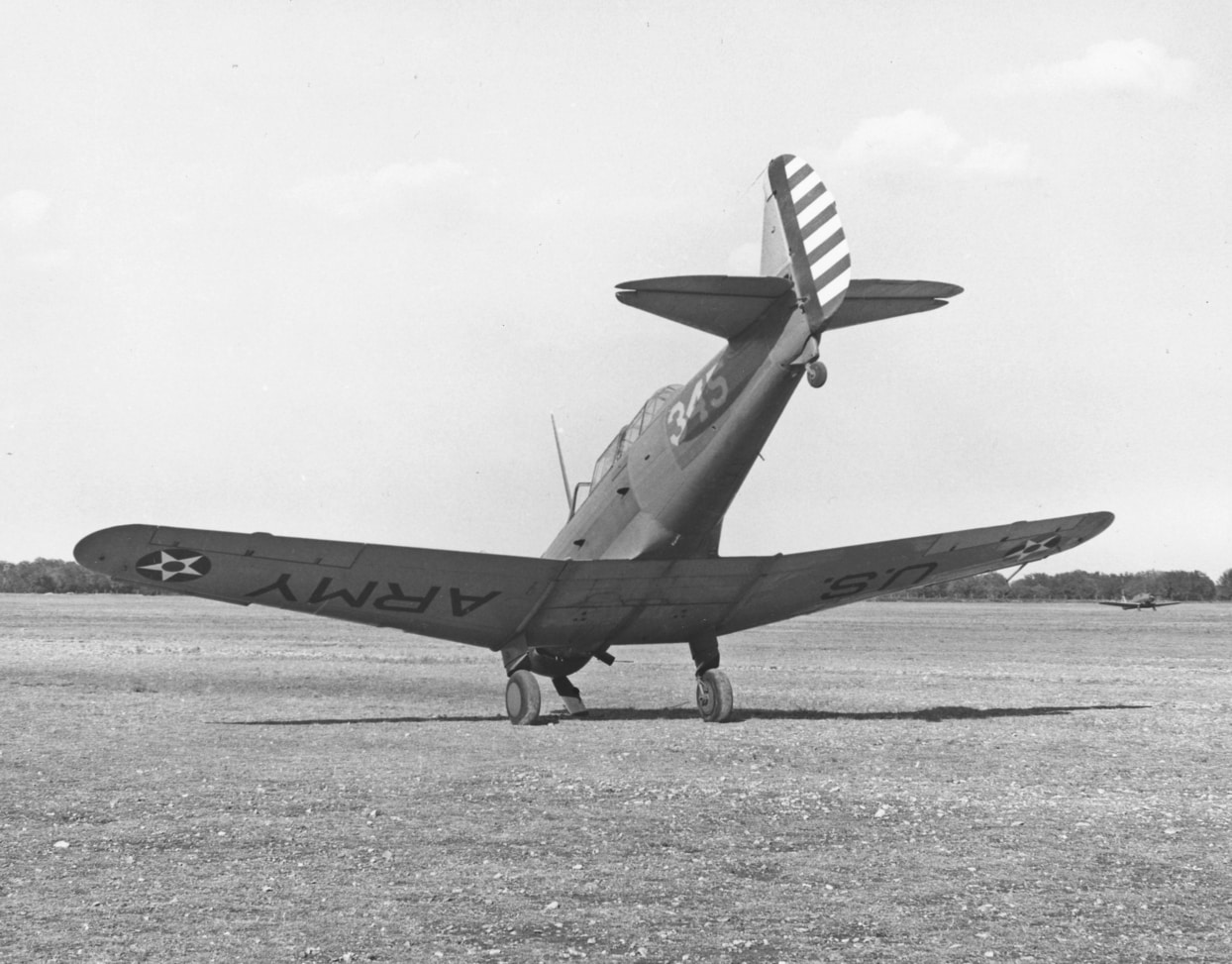
One would be forgiven when seeing these photos for laughing at what appears to be multiple views of one pilot’s misfortune. Unfortunately (for the taxpayer, that is) these are different aircraft on (I assume) different days. Same plane – the BT-14 – and, same place – Randolph Field. The invention of the tricycle landing gear was a welcome addition to the world of flying, especially for those who were just getting started.
More great ads!
Considered by many as one of the worst aircraft designs of all time, the “strut-less, wings like a bird” Christmas Bullet had (surprise!) an annoying habit of shedding those unsupported wings immediately after takeoff. Two were built, both lost their visible means of support. Note: Dr. William Christmas designed the aircraft with an idea in mind that it could be used to fly over to Germany and kidnap Kaiser Wilhelm II during WW1. No, I did not make that up.
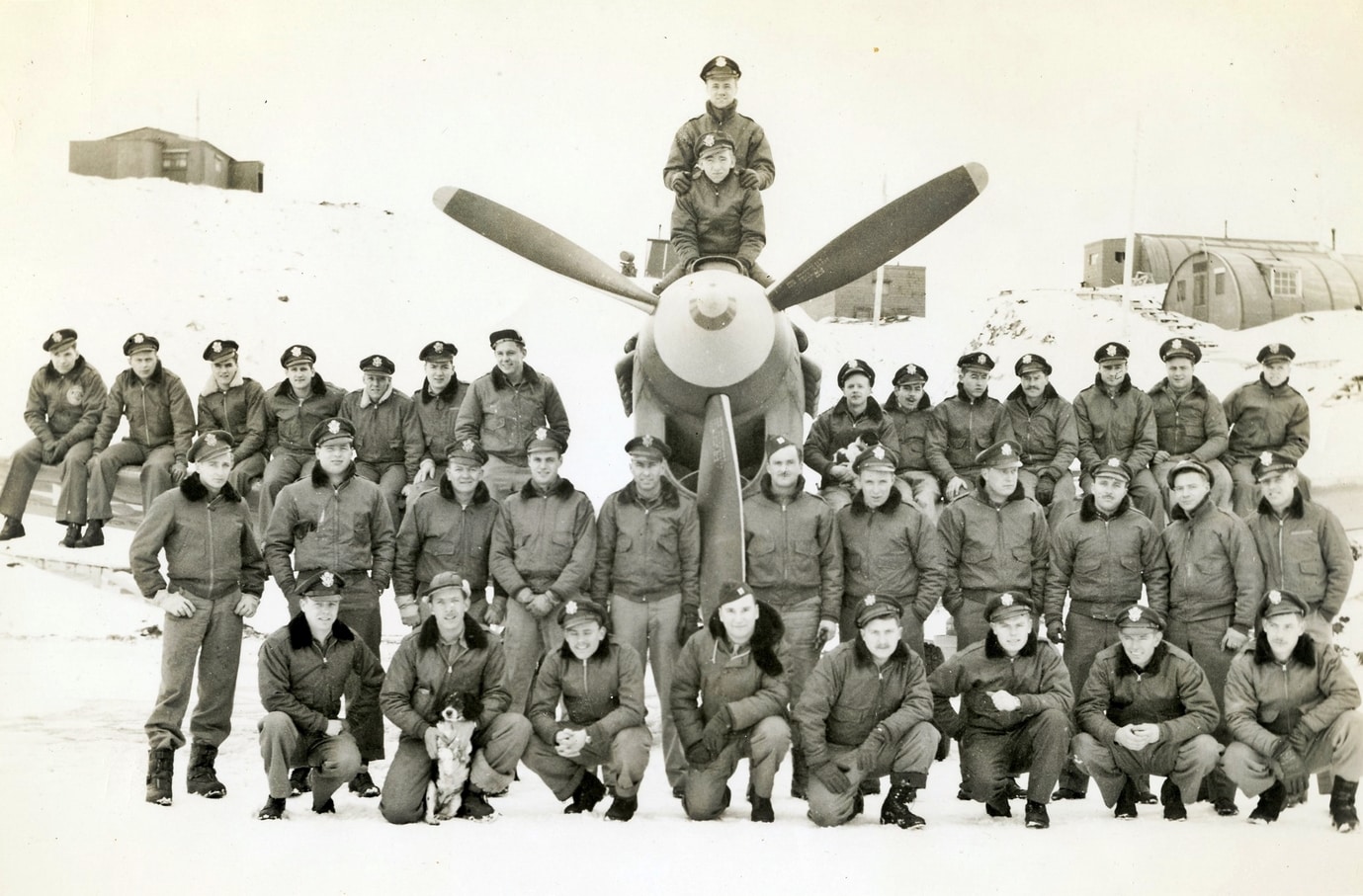
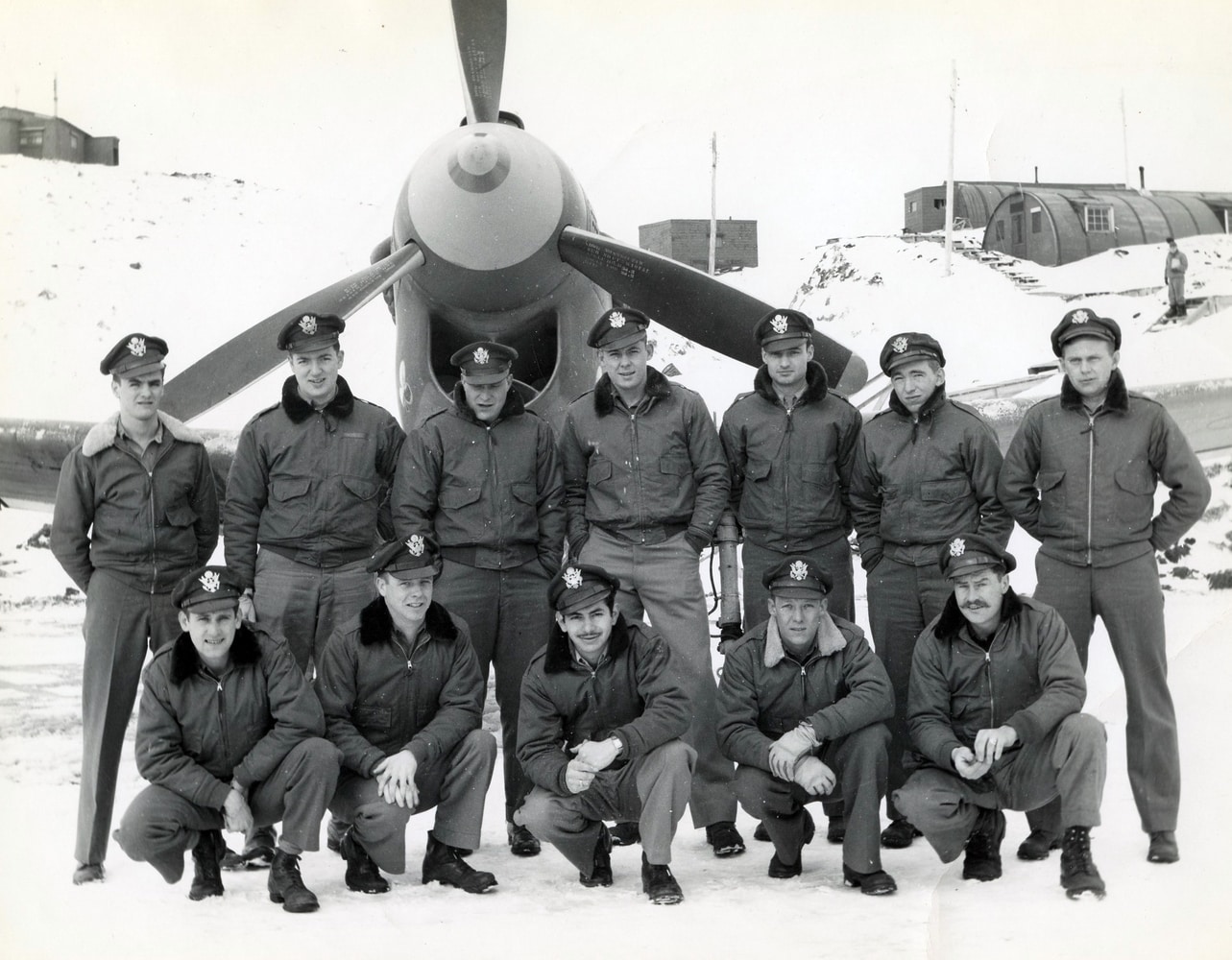
11th Fighter Squadron, Adak, Alaska


A 4th of July salute to a great American – General Curtis E. LeMay
On Independence day, it is well to remember those who have ensured that such liberty endures. One such man is the immortal General Curtis E. LeMay. General LeMay will be long remembered for his revolutionary concepts on airpower strategy and doctrine. As the absolute boss of Strategic Air Command, he put those theories to the test. He was always willing to find out what worked, or did not. Furthermore, from the B-29 to the SR-71, LeMay always knew a good aircraft when he saw one.
In his day, LeMay’s personality and strong beliefs caused him to be a terror in the minds of many. While he was incredibly firm, he was also incredibly fair. He knew what he wanted, and in case one did not know what that was, he would tell you in no uncertain terms. Intimidating though he was to those in the 1950s & 60s, in today’s juvenile-minded political & societal environment he would cause many of his fellow Americans to wet their pants. That being their sole means of expressing their inability to argue with the man.
USS Los Angeles in Puerto Rico

In May of 1925, the mighty airship USS Los Angeles (ZR-3) paid a call to the steamy waters of Puerto Rico where, as it swung lazily from its tender, USS Patoka, it attracted quite a crowd. Judging by the number of rowboats, I would guess a tidy business was underway where, for the right price, one could get a closer look at the giant airship.
B-36, 92nd Bomb Wing
44-92060 had, by today’s standards, a brief life. Delivered in 1949, and assigned to the 92nd Bomb Wing at Fairchild AFB in 1951, it did its part for five years until it was scrapped in 1956. Made for a lot of pots and pans.
The patch of the 92nd during the B-36 days at Fairchild. B-52s arrived in 1957, and, alas, this patch design was done away with.
In search of Pancho Villa: On the Border with the 1st Aero Squadron, 1916
The 1916 mission to bring Pancho Villa and his desperadoes to justice was the first military operation for the Aviation Section, U.S. Signal Corps. Despite the primitive conditions and seemingly frail aircraft, the 1st Aero Squadron proved invaluable for the Army’s operations.
Beginning in mid-March, 1916, the aircraft seen here, Signal Corps No. 43, flew many of the 1st’s early missions. Usually piloted by Lt. Herbert A. Dargue, No. 43 was considered one of the more reliable machines. However, aircraft reliability in 1916 was measured in weeks: No. 43 developed engine trouble on April 19, 1916, was forced to land in hostile territory, and was subsequently destroyed to prevent its capture. Hiking through the badlands of Mexico without food or water for two days and nights, Lt. Dargue and fellow pilot Robert H. Willis managed to avoid capture.
Shooting Stars
RB-66, Spangdahlem Air Base, 1961
The patches worn on the hats of these maintenance men tells us they are members of the 30th Tactical Reconnaissance Squadron. Looks like a typical rainy day for Germany, and especially for Spangdahlem.
84th Bomb Squadron (Tactical)
With its tail number of 47-084, this B-45A was a natural choice for assignment to Langley AFB’s 47th Bomb Group, 84th Bomb Squadron. The unit later moved to RAF Sculthorpe in the UK.
The B-45 was, of course, America’s first jet bomber, and like many of those early jets it had a checkered career (of the 143 B-45s built, almost one-third of them were destroyed in crashes and other mishaps). There are very few survivors, and 47-084 is not one of them: it ended its days in 1958 at Ramstein Air Base as an instructional airframe for training firemen. In other words, a charred and smashed wreck.

Insignia of the 84th
France, 1918
Last of the Shark Tails…for now
Still more early B-17s…
More B-17 Shark Tails
Shark Fin B-17s
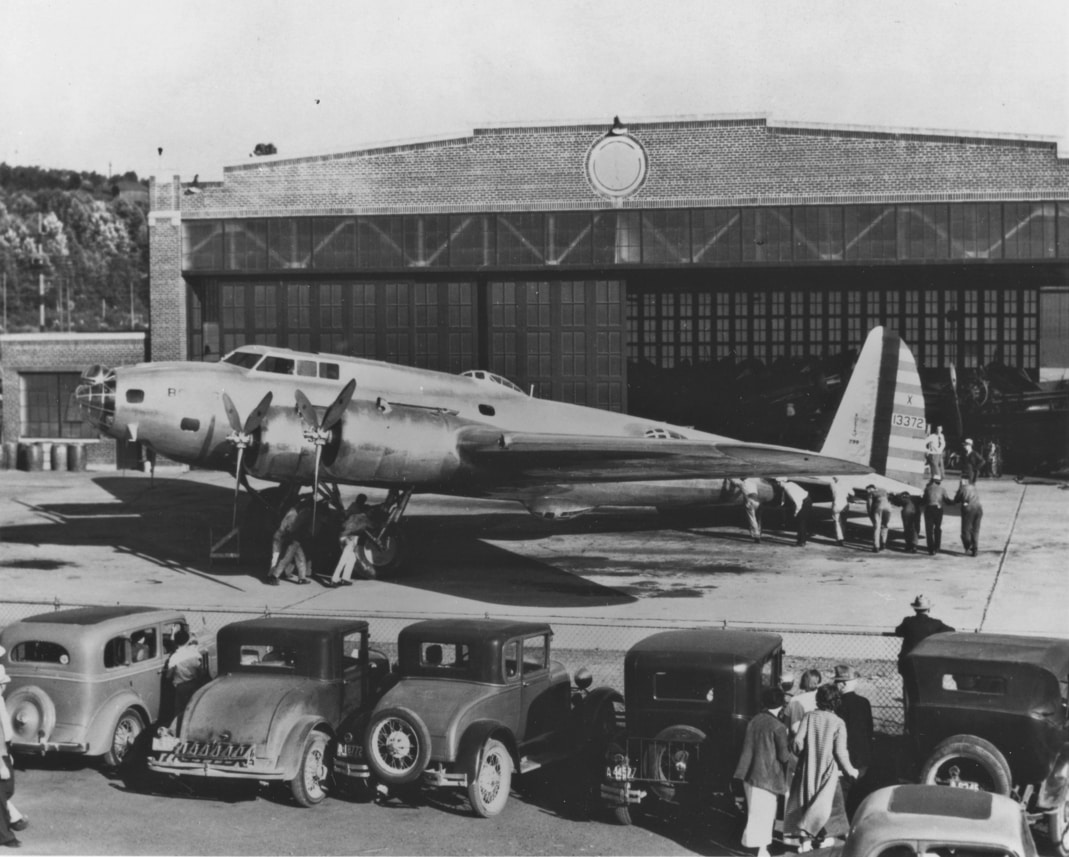
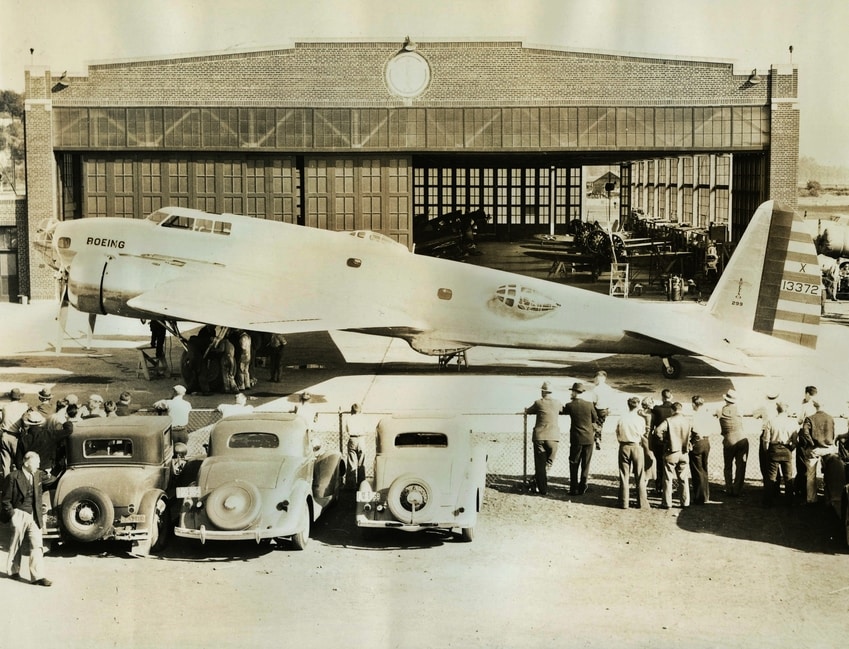
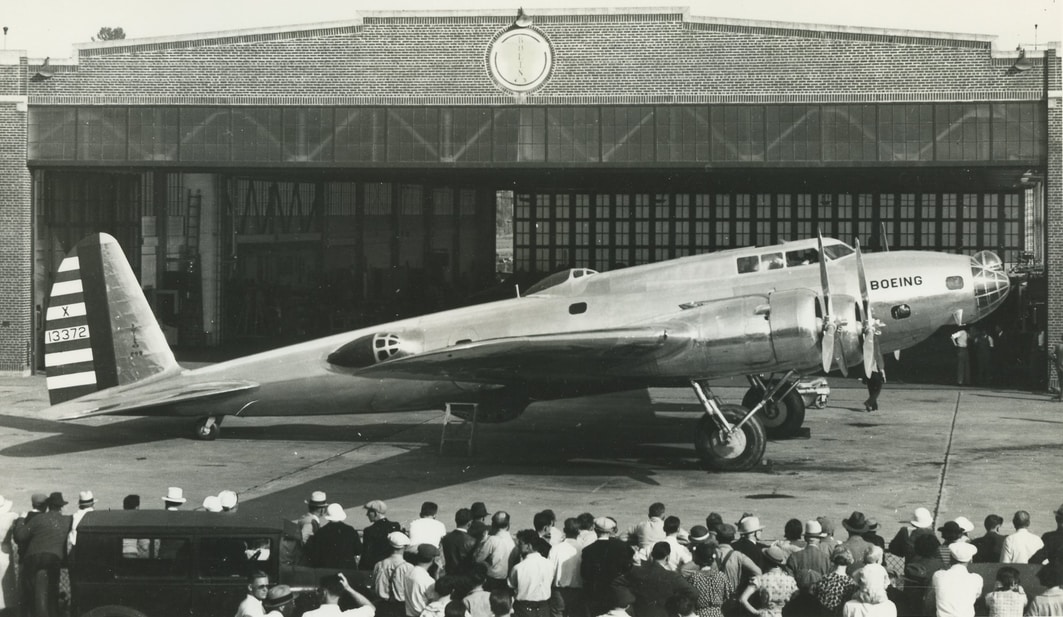
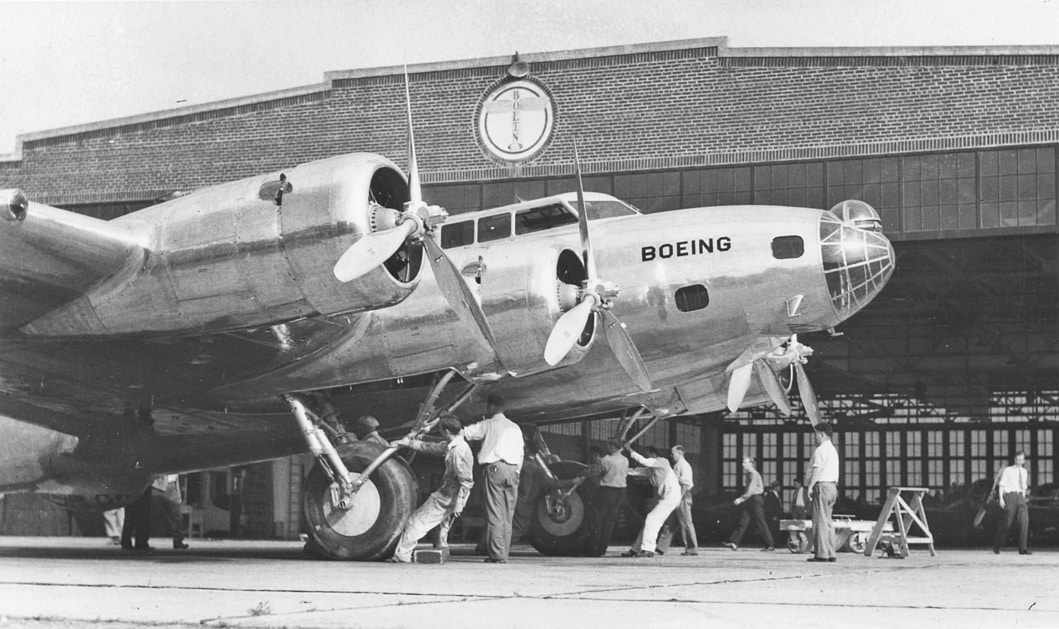
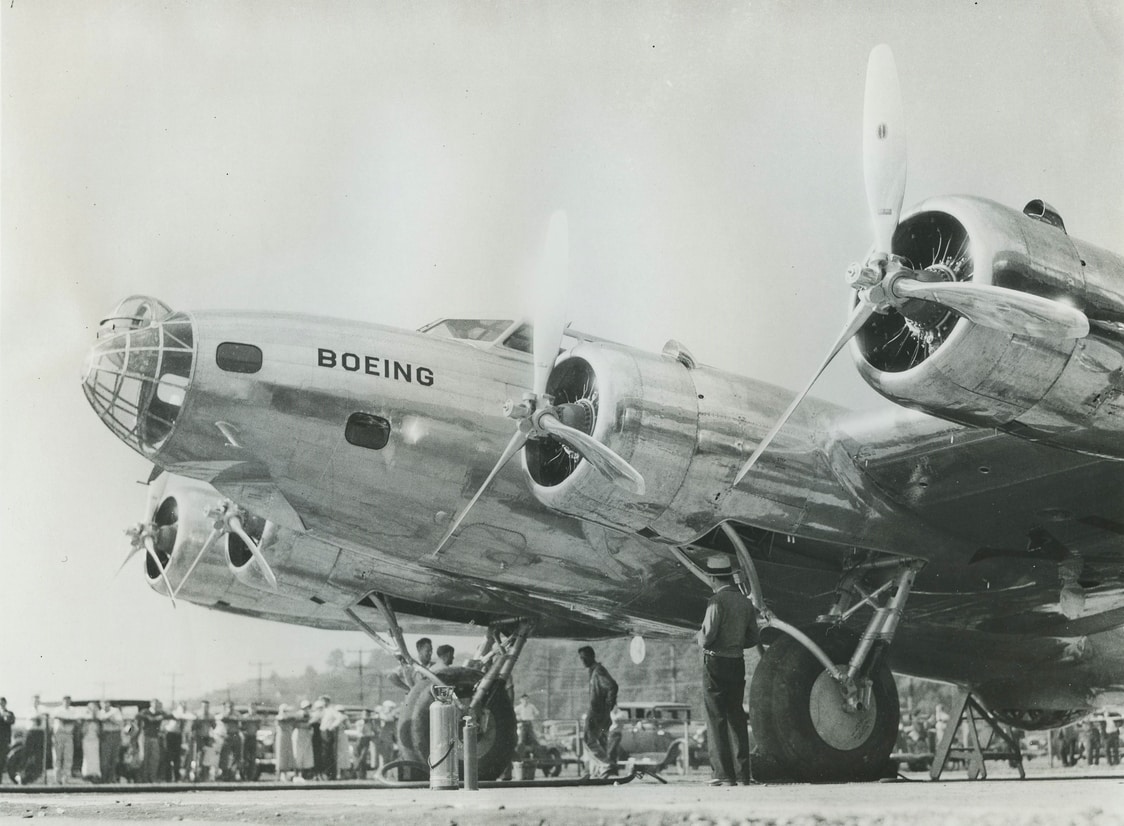
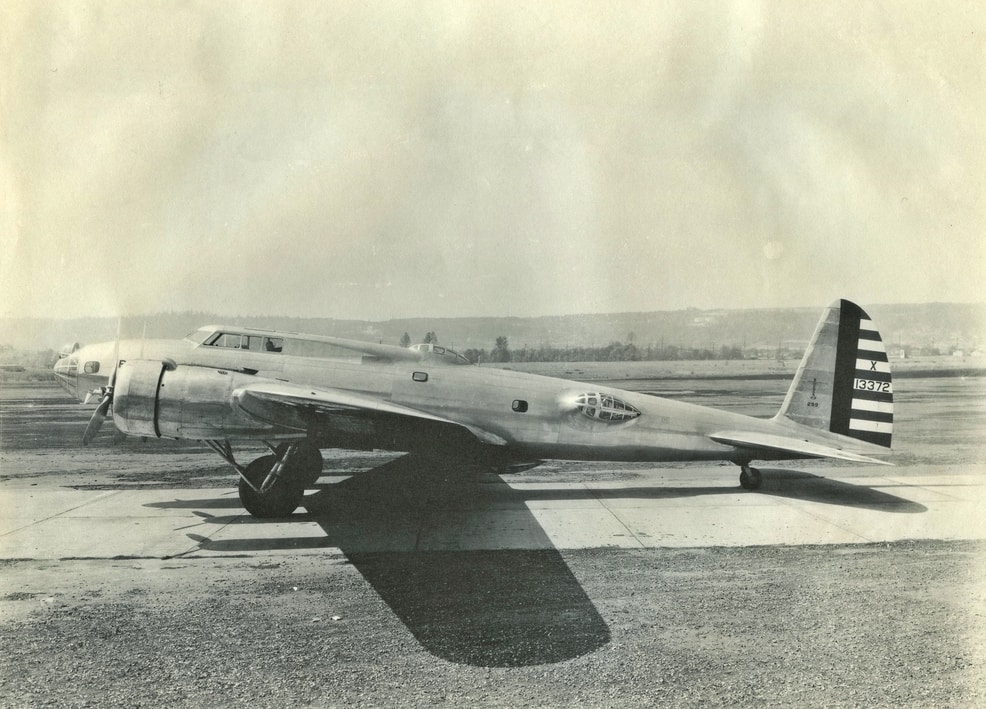
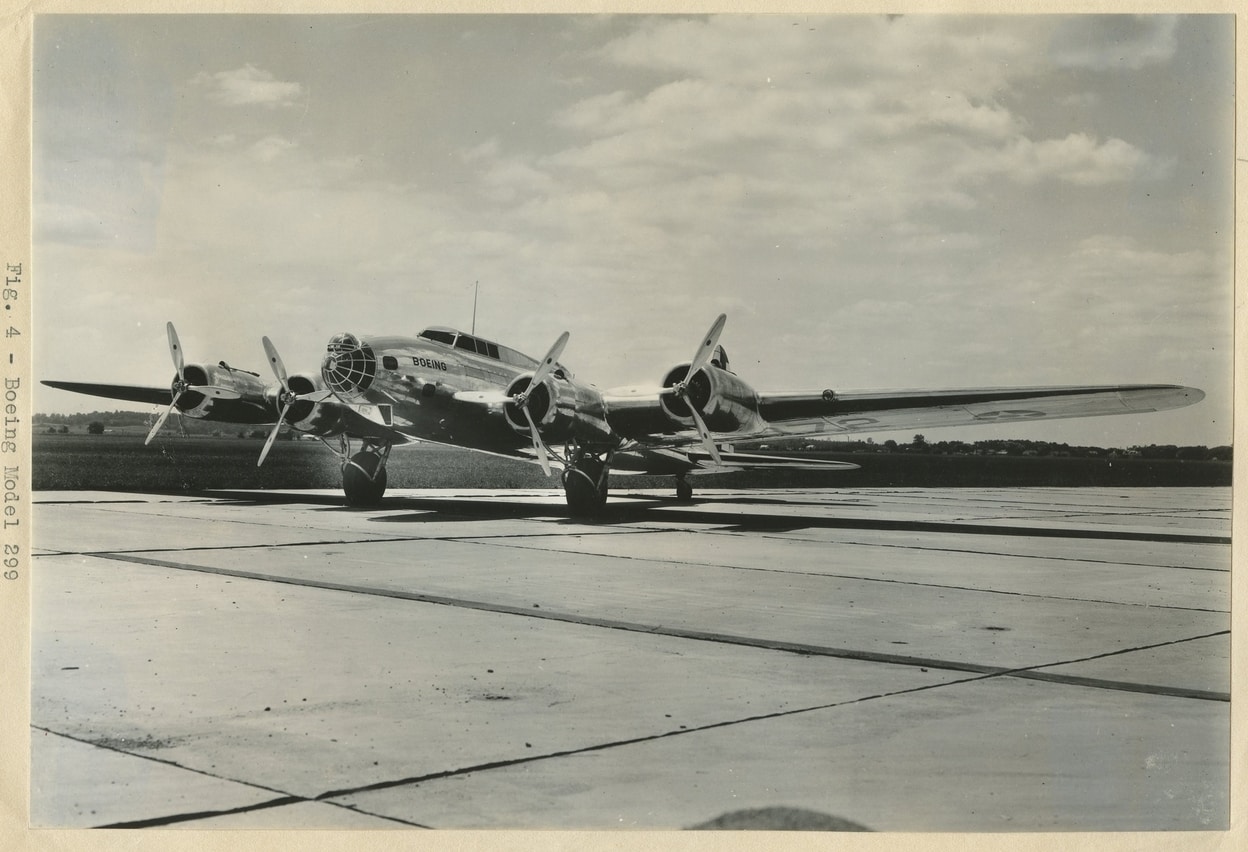
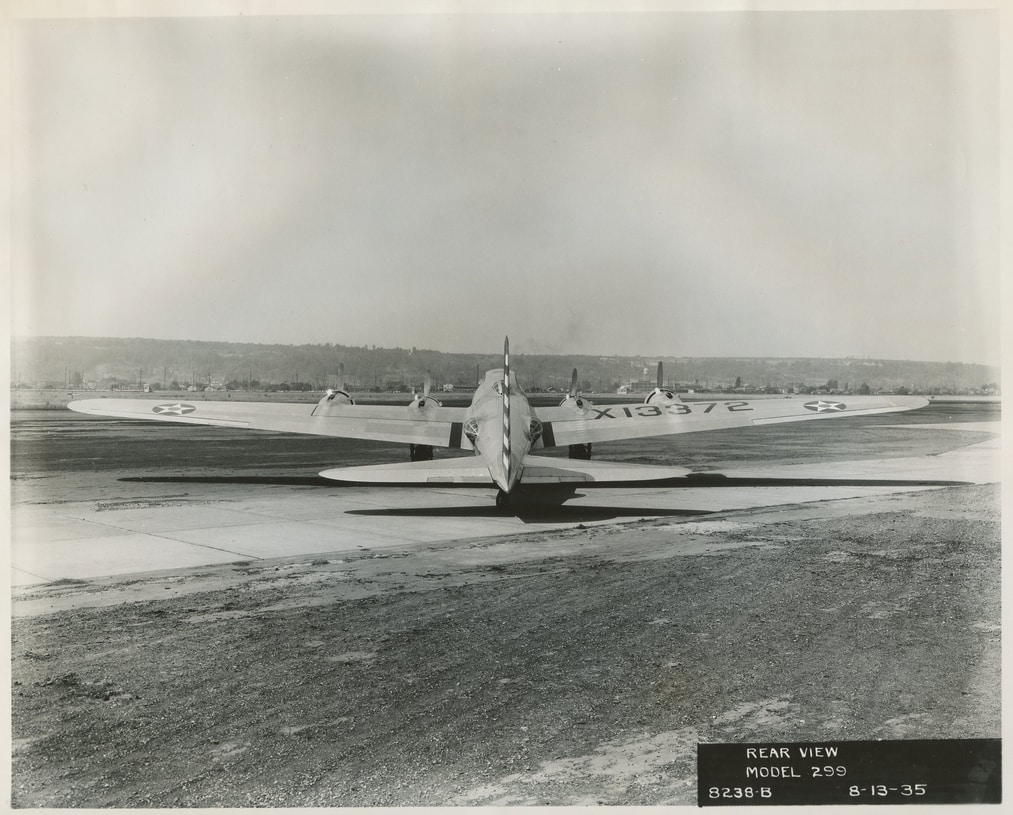
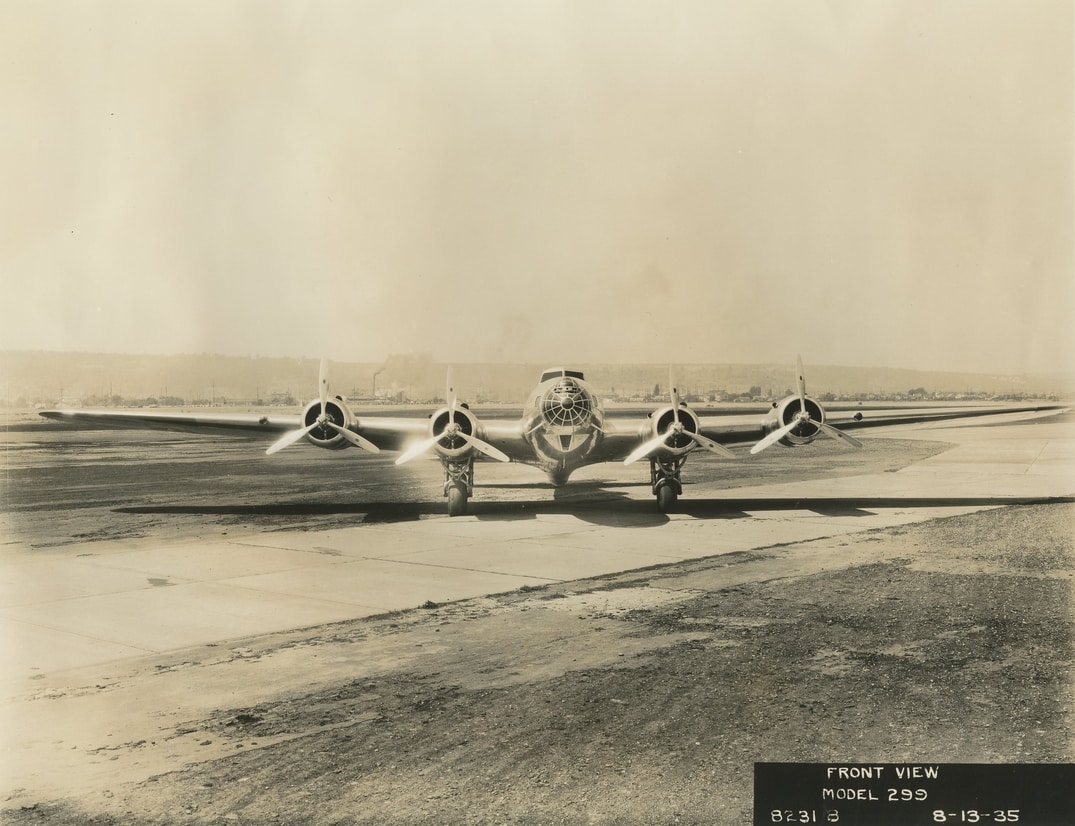
Boeing Model 299
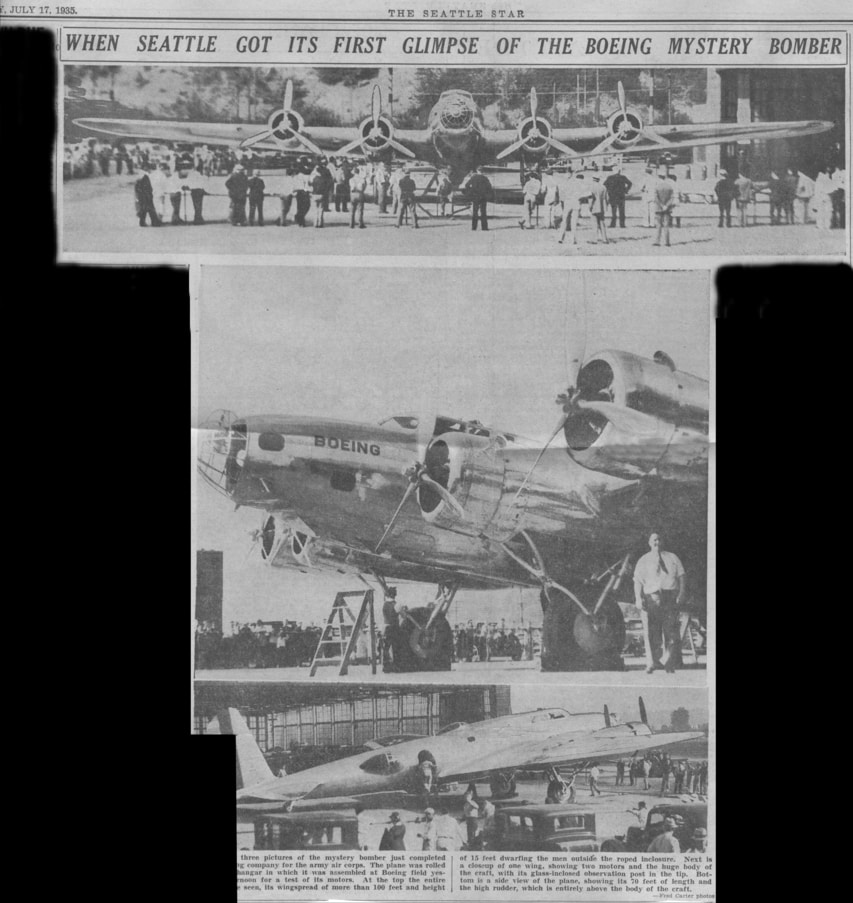
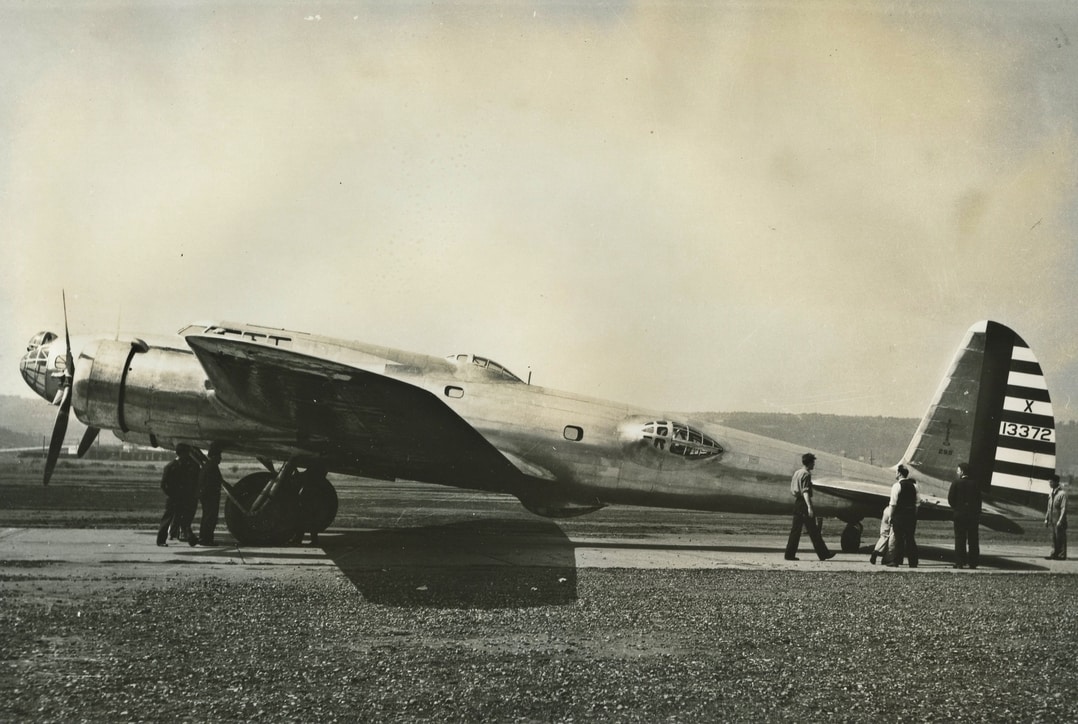
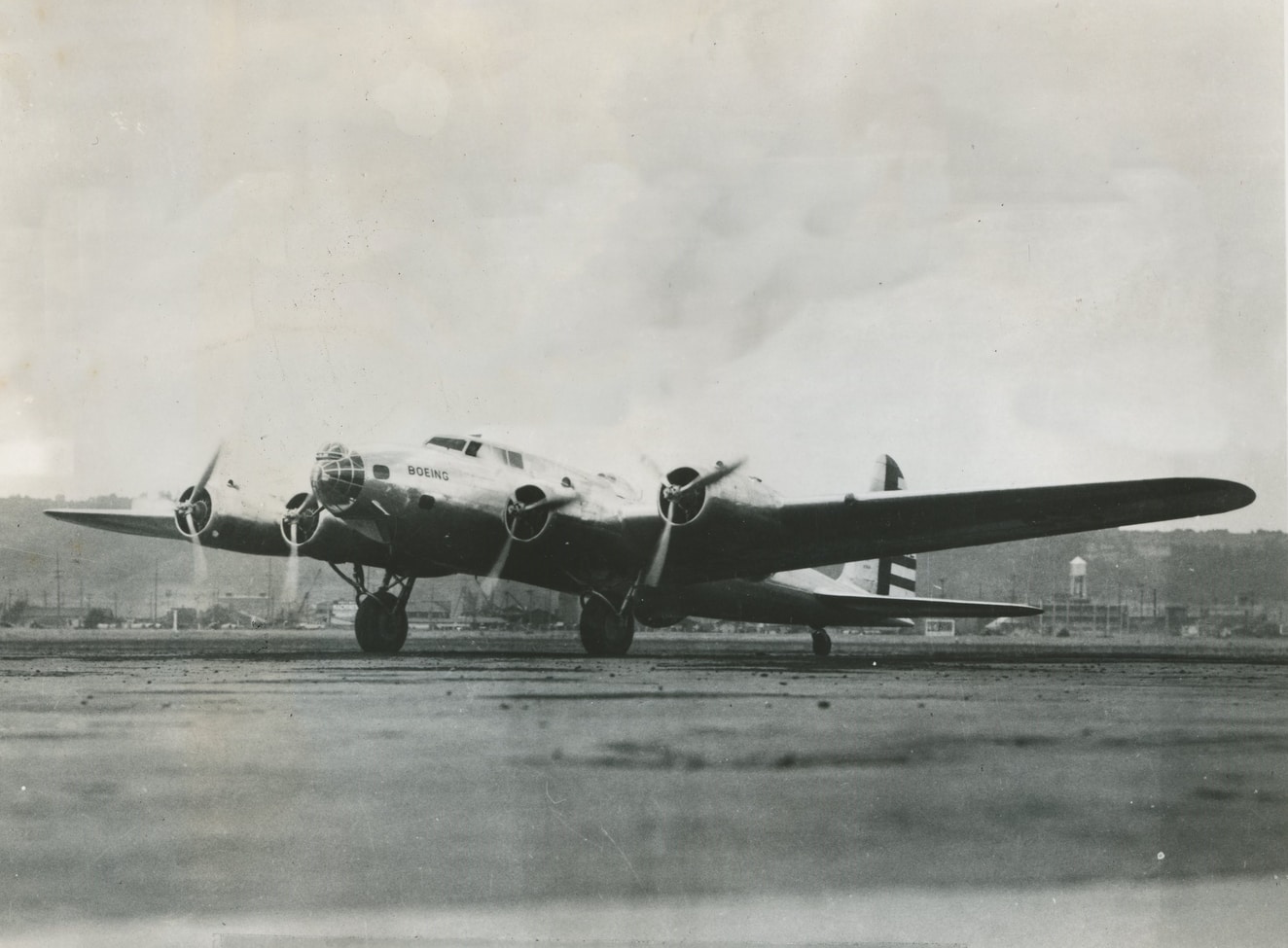
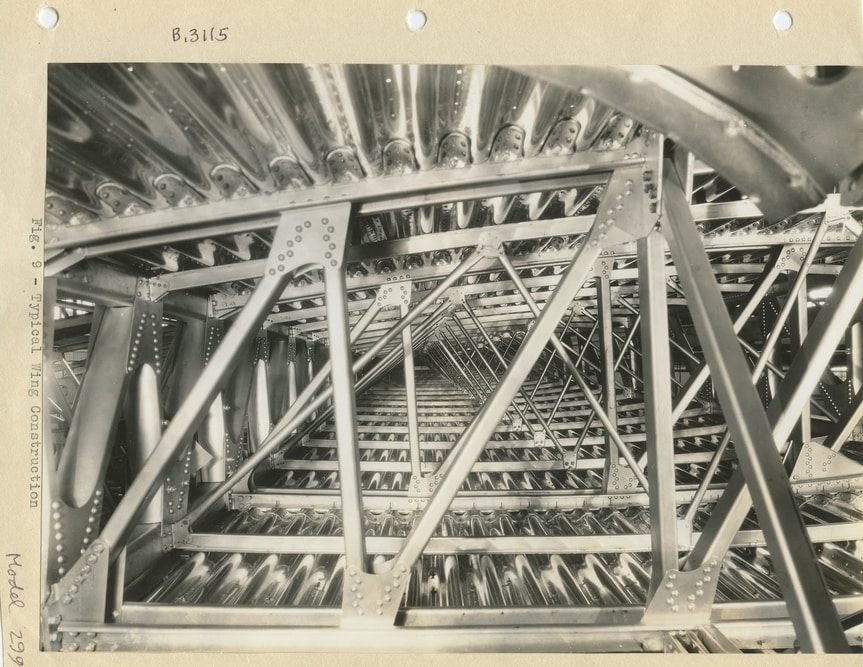
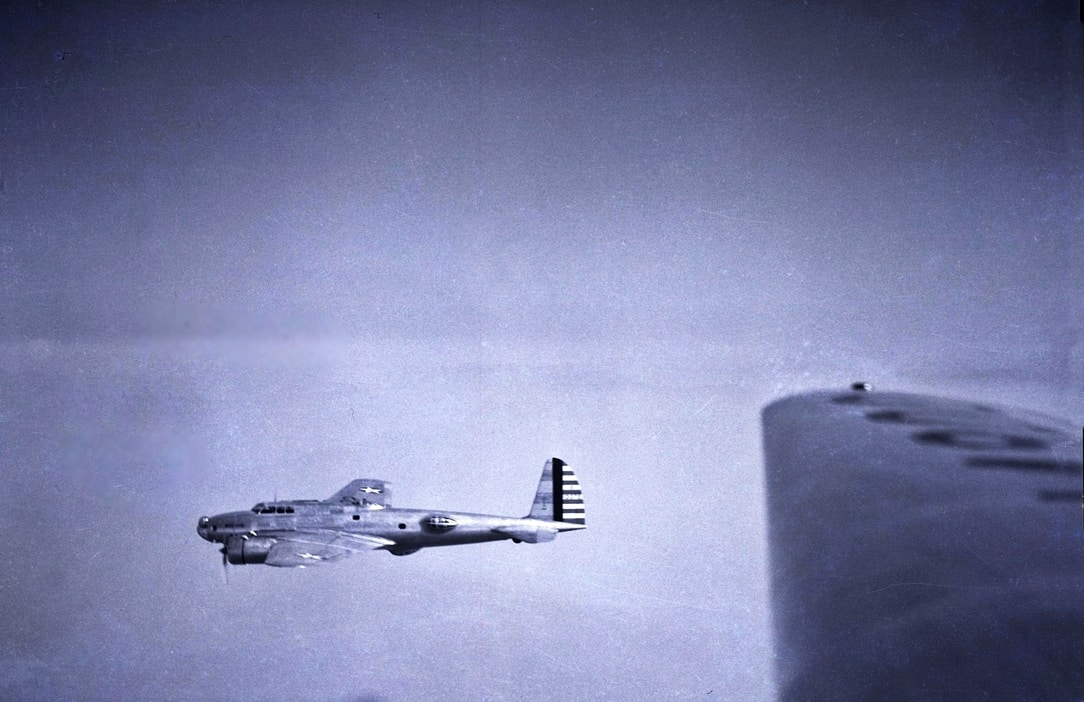
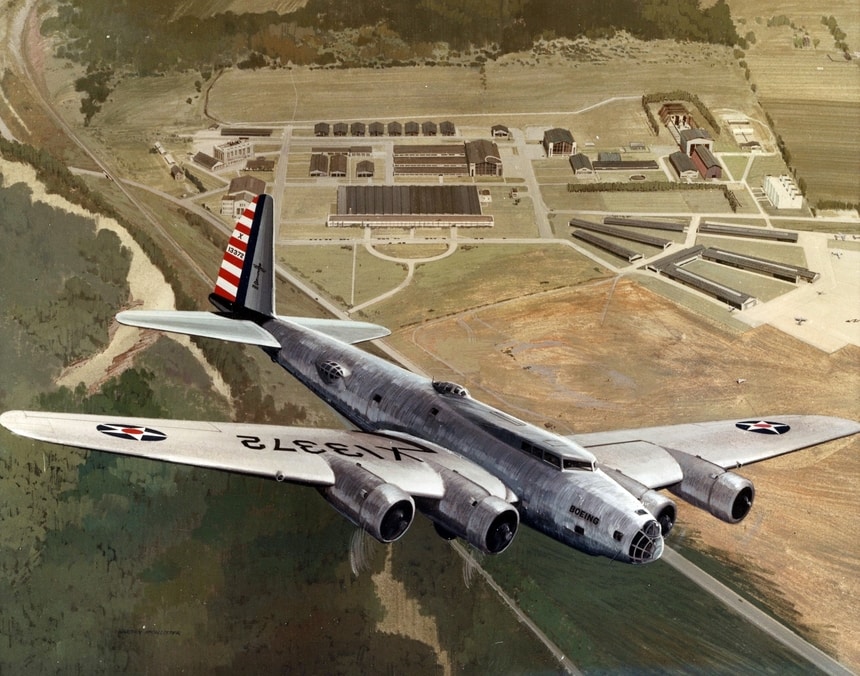
A salute to the forerunner of the world’s most famous bomber. Most of the photos taken of the 299 are well known, but here at Jivebomber’s you not only get to see them again, but in many cases, they are original 1935 photographs from long-discarded Boeing archives. Enjoy.
The Seattle Star of July 17, 1935, tells us that Boeing’s “Mystery Bomber” had rolled out the factory door only the day before.


The 299 being ogled by appreciative onlookers at Boeing Field. Another famous product of that company can be seen in the hangar – the P-26.


The 299 takes to the skies.

Artist’s conception of the Model 299 over Wright Field, Ohio.
Stinson Vigilant
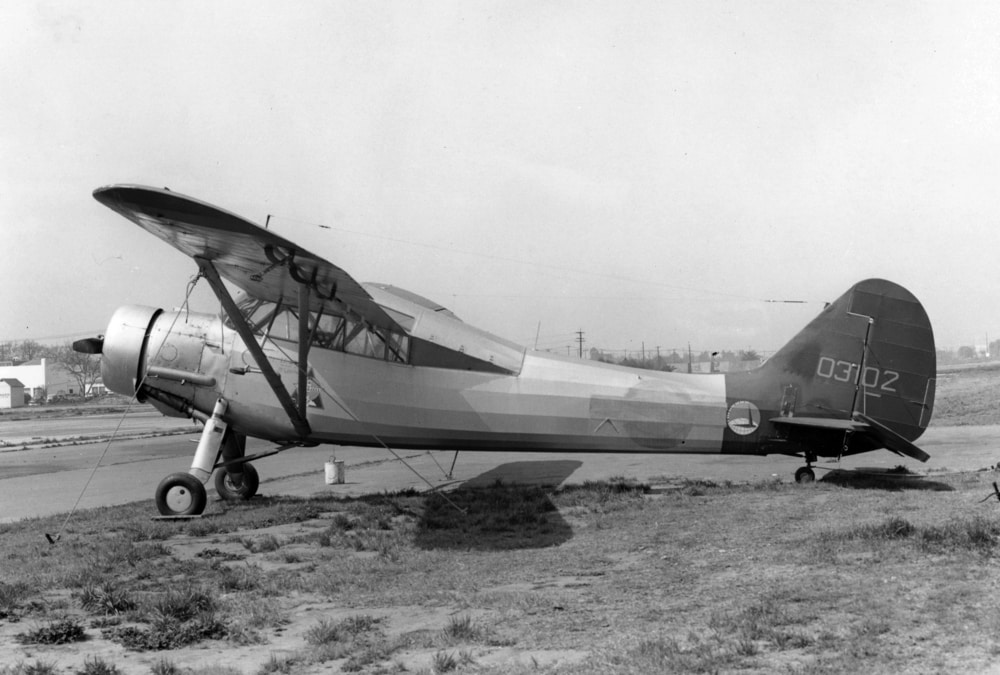
The Stinson L-1 Vigilant seen here has had a long and exciting life. Delivered to the Air Corps in 1941, 40-3012 served all over the United States before being purchased by legendary Hollywood pilot Paul Mantz at the war’s end. After decades of work as a camera plane, this airworthy craft now resides in the Fantasy of Flight museum in Florida. This photo shows the plane shortly after its sale to Mantz. The aircraft had last been assigned to the Air Transport Command (ATC) division in Alaska.
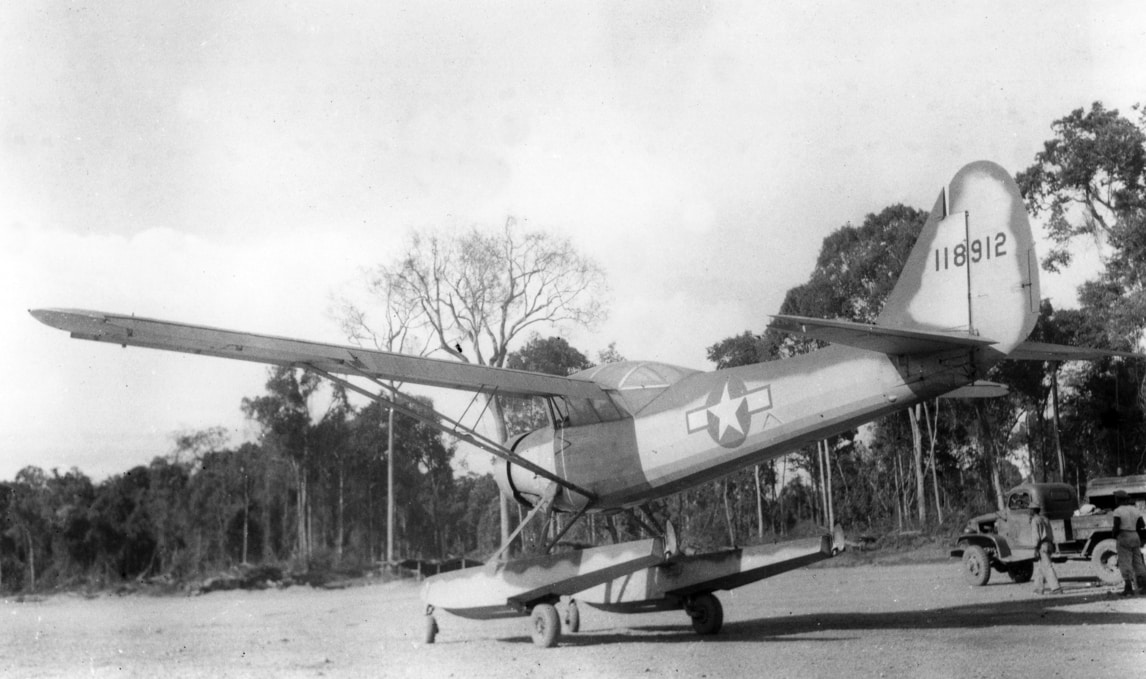
This L-1 was a rare bird. Built as 41-18912 for the Army Air Force, it was equipped with floats and redesignated the L-1F. Only a handful were so converted.
Boeing XPB-1
First flown in 1925, the XPB-1 with its all-metal hull seemed promising enough, but was plagued by difficulties with its liquid-cooled engines.
Despite the engine problems, the rugged XPB-1 was retained for testing purposes by the navy who eventually replaced the original motors with radials. Still, there was only one built.
The 94th Pursuit Squadron
Albatross D.III of the Polish Air Force

Poland’s fledgling air force began with top of the line machines such as the German-built Albatross. When war came with the Soviet Union in 1919, the untried Polish air force gave a good account of themselves and were instrumental in the victory over the USSR.
Curtiss P-36 Hawk, 1940-41