Inside the engine nacelle of the XB-15. The engines could be accessed in flight, and the nacelle interior seems roomy enough. Note the oil can mounted lower right. Manufactured by Brookins, its stamped “Two Gallons”.
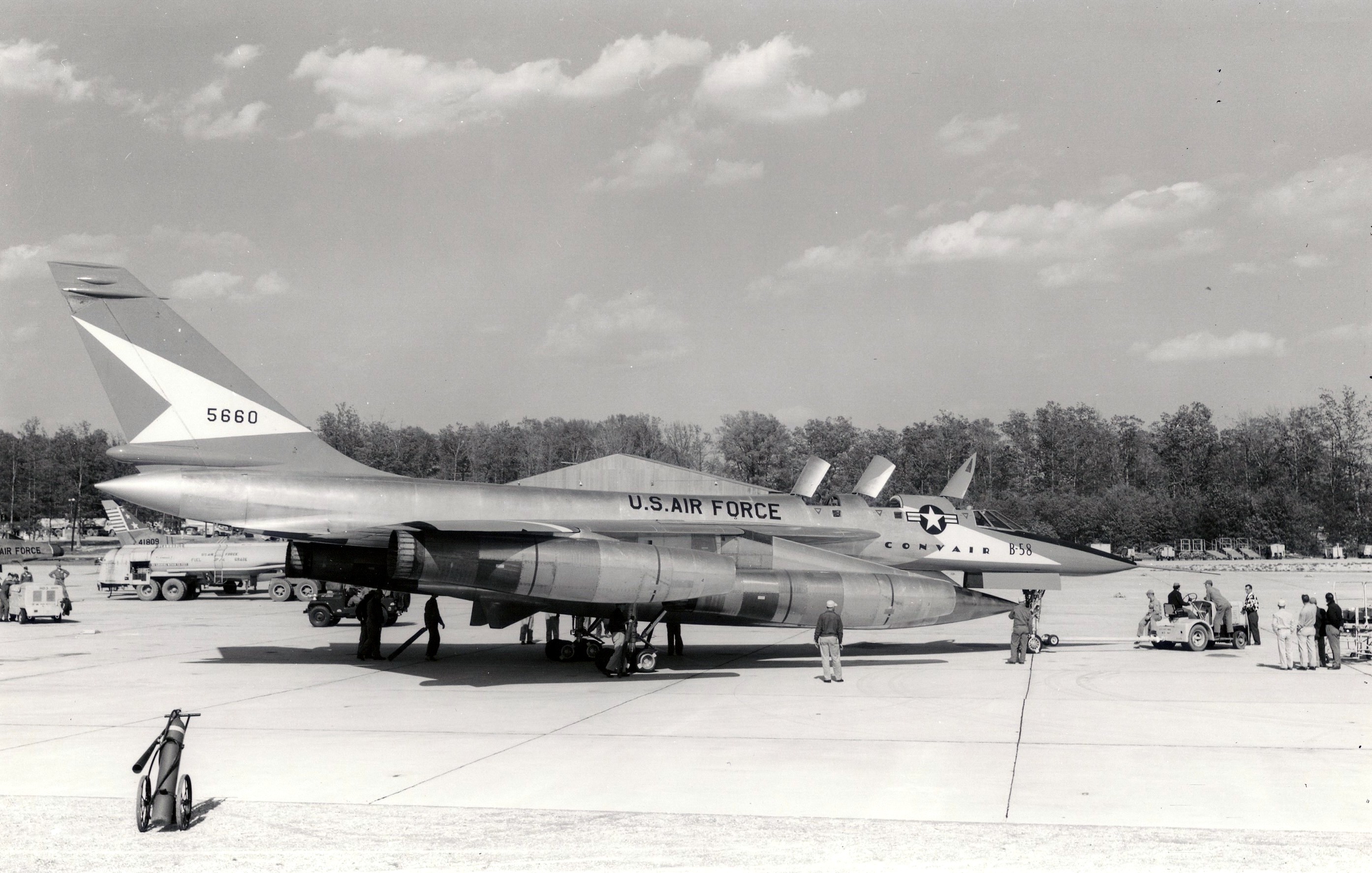
660 was the first of the B-58s and after spending a brief career as a test aircraft (it was the first one built) it was relegated to the role of an instructional airframe.
Sporting a hastily applied camouflage paint scheme. Such paint was usually water soluble, and was (at least in theory) easily enough removed as required.
Pictured are 80A and 80B. The 80A had an enclosed cockpit, the B model was open-air. You’d have thought it would be the other way around. Perhaps there were issues with cockpit visibility.
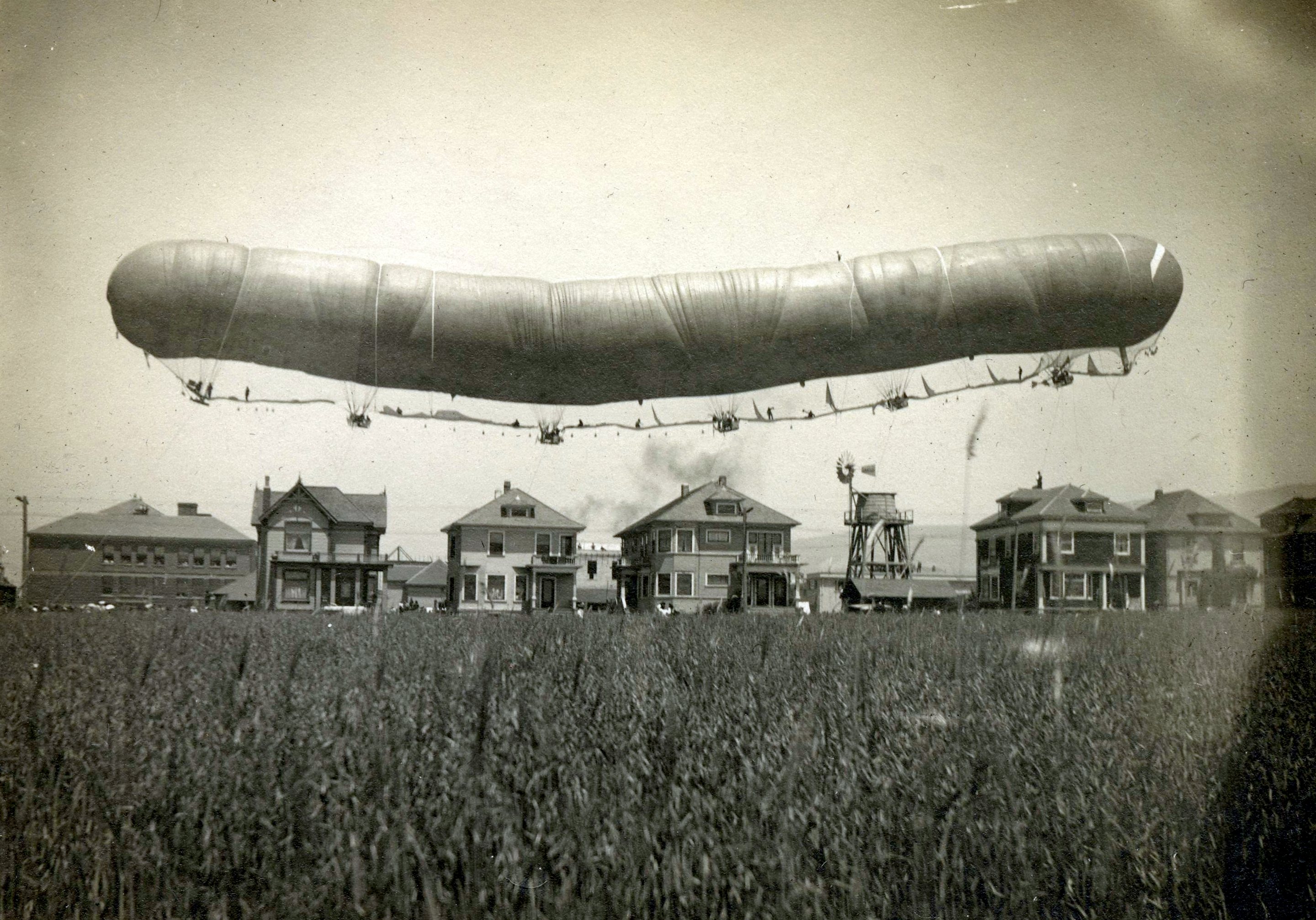
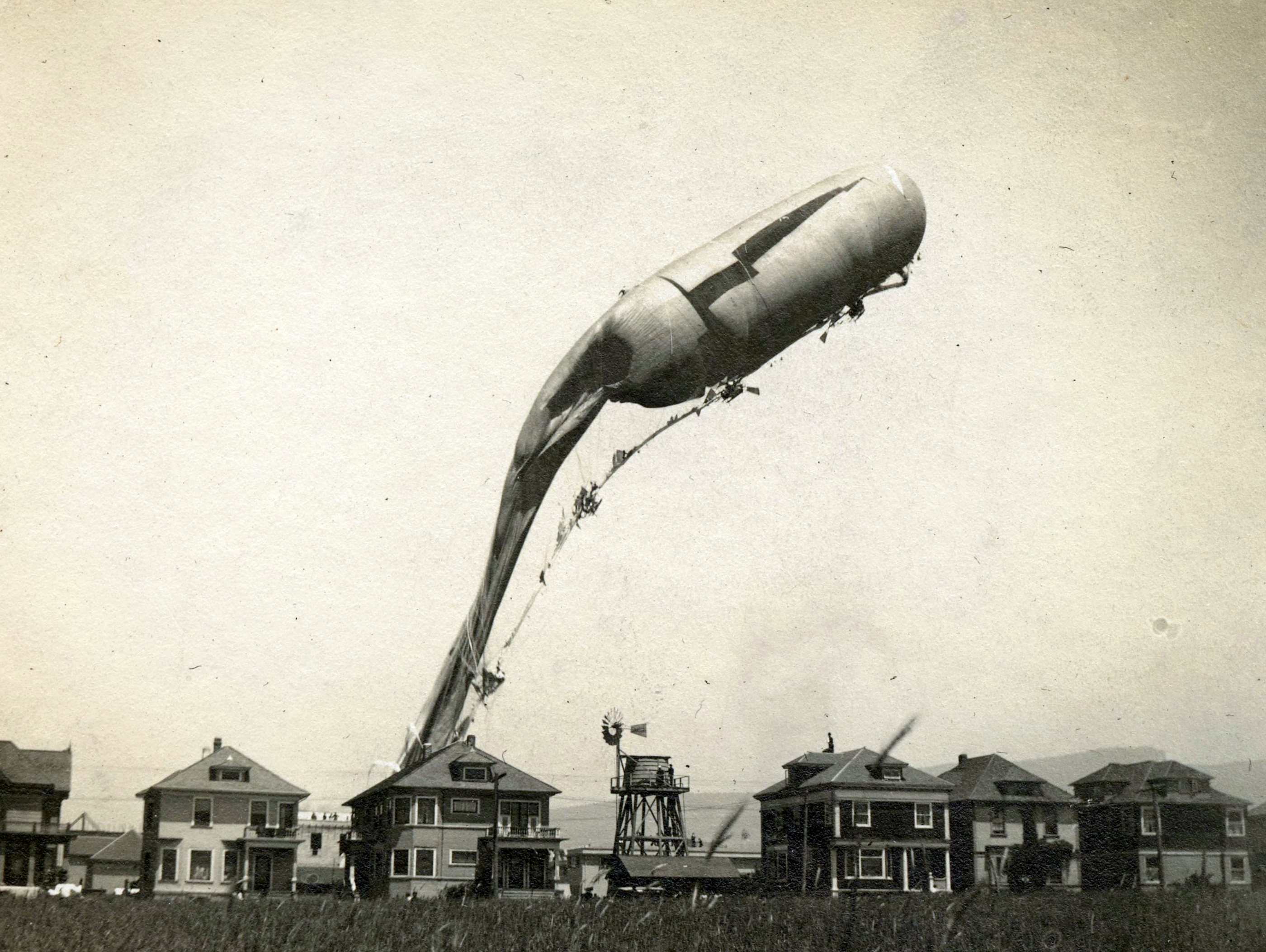
So, one minute you’re up in the air gaily waving to all your earthbound friends, the next, you’re peeing your pants. J.A. Morrell’s “airship” had a very brief flying career at Berkeley California on a day in May, 1908. According to one of the passengers, “we came down hard enough to realize we had reached solid earth again.” The good news: no one was killed, and, the passengers did have a good story to tell for the rest of their lives. Gee, it looked safe enough…
Northrop’s ground crew with the XB-35. Hard to believe the developments in aviation these guys were part of. Ten years earlier they had been working on open cockpit biplanes. Now, this.
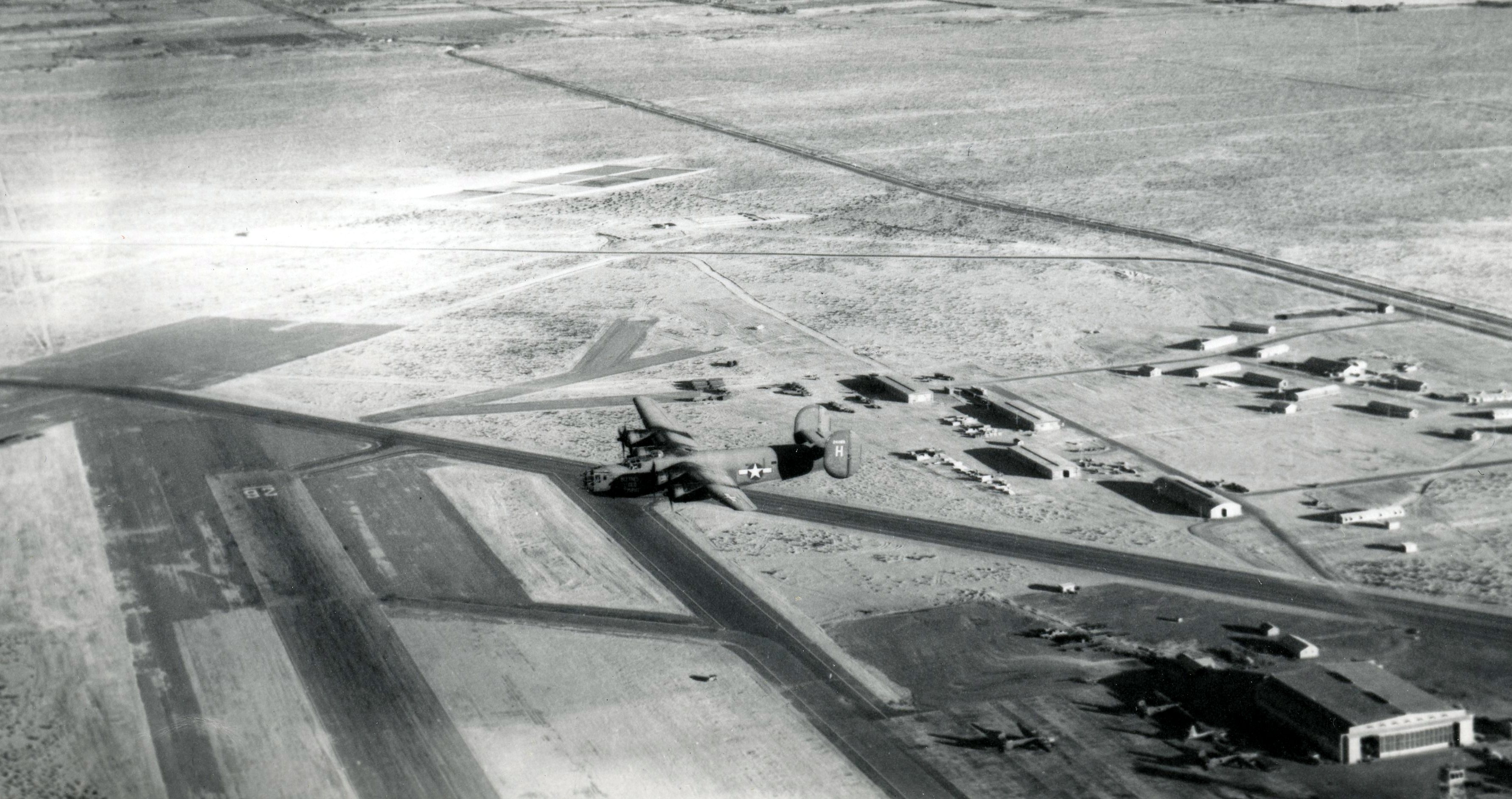
Took some searching to discover that this is Blythe Army Airfield in Calif. The B-24 is from the 34th Bomb Group. Despite being advertised as “The world’s healthiest airbase”, Blythe closed with the war’s end. Note: From my experience in the USAF, anytime a base is promoted as being the “healthiest”, the “best kept secret” (etc.), it is usually a place most people would choose not to reside.
P-12 of the 6th Pursuit Squadron goes crunch. I believe this is the result of a hard landing – the bent prop shows the engine was running, the destroyed landing gear suggests he hit pretty hard and flipped.
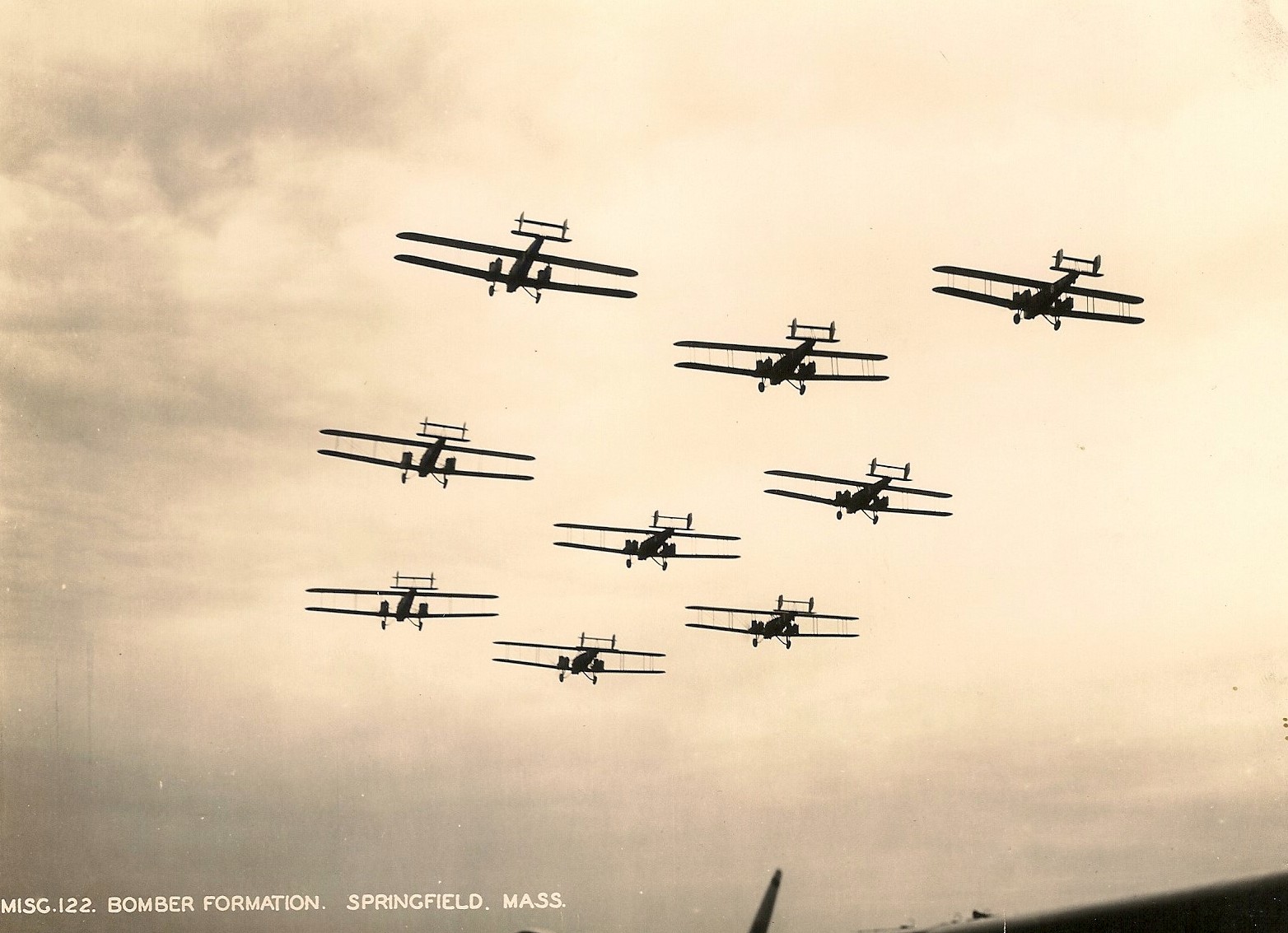
Keystone B-3, B-4, or maybe a B-6. The minor differences between these Keystone bombers is such that if you can tell them apart, you’re a better man than I.








 The Jive Bomber