B-17F “Bad Penny” turns up.
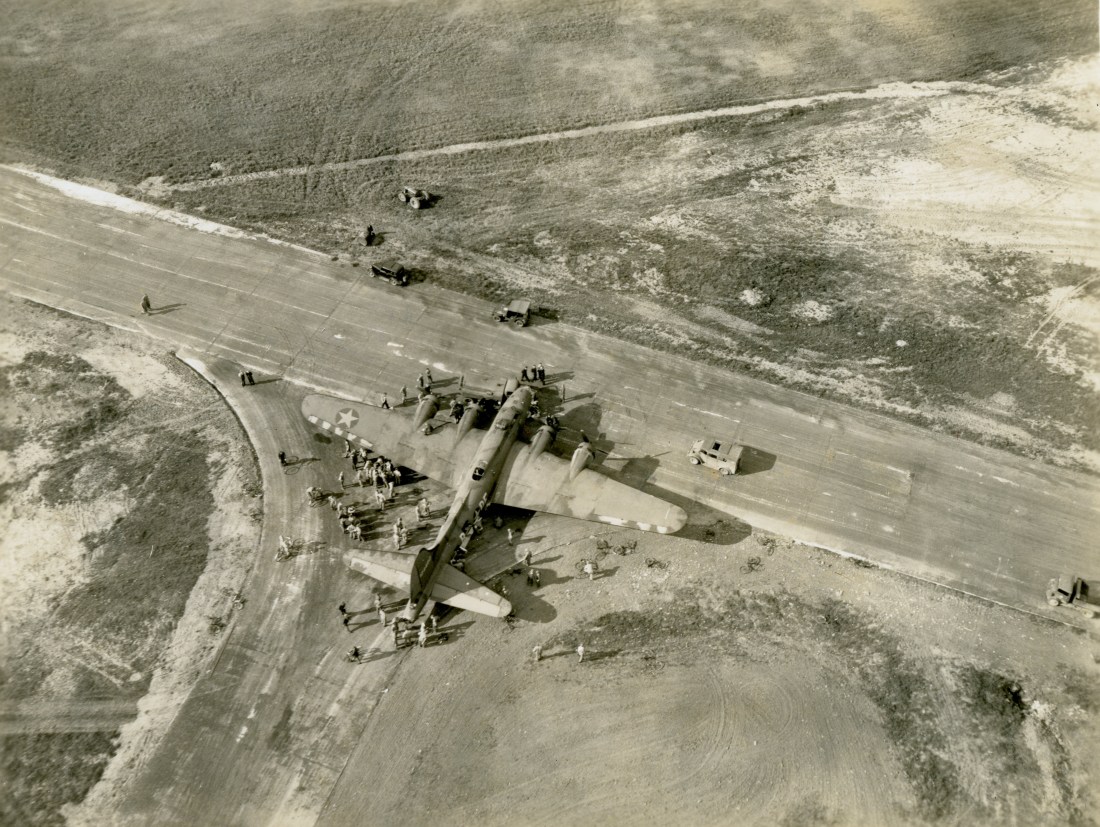
Obviously, the aircraft ran it to grief. “Penny” ( 41-24480) was part of the 91st Bomb Group at Bassingbourn, England, and was used as the camera ship for the 1943 film “Memphis Belle.”
Hollywood B-36

Now, I looked high and low to identify this B-36 unit. Great looking insignia, but my investigation revealed that this particular aircraft was used in a movie, and that the insignia is fictitious. Not a bad looking insignia though. This aircraft, 49-2652, when not leading a glamorous Hollywood life, was assigned to the 92nd Bomb Wing at Fairchild AFB, WA.
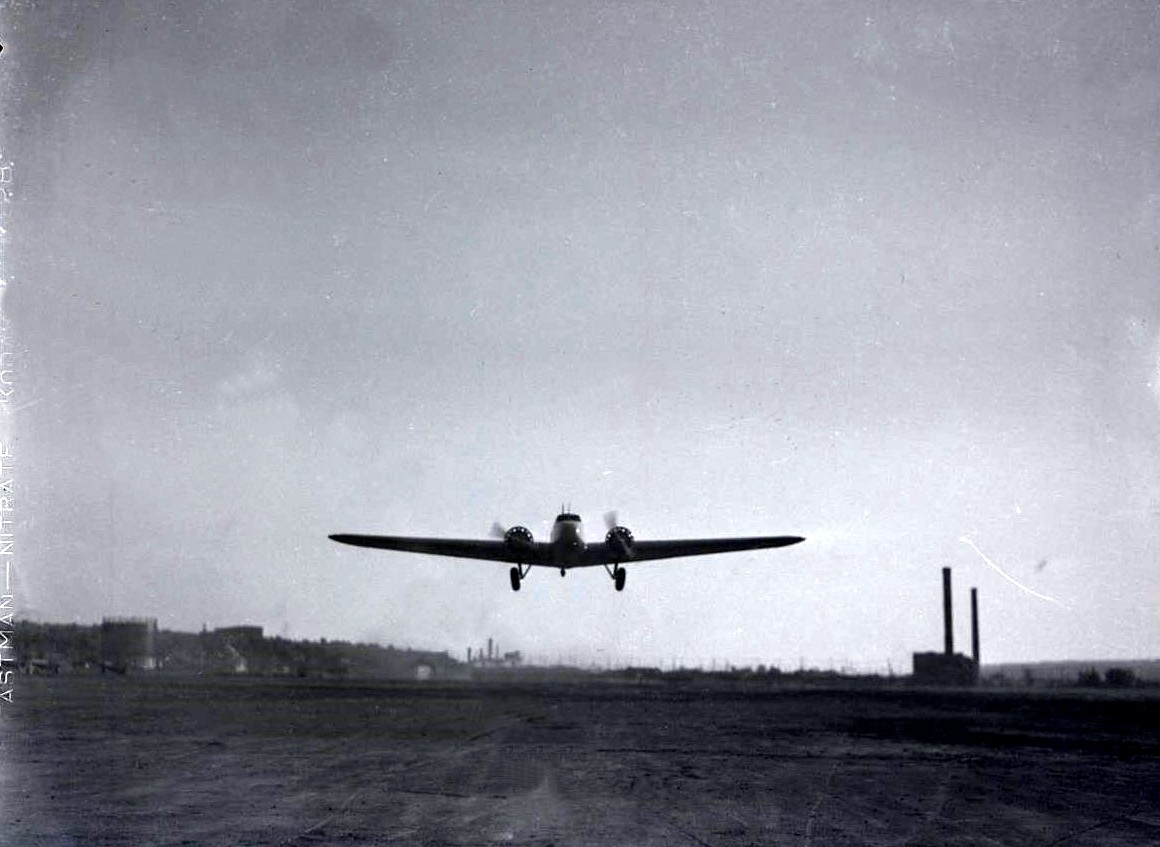
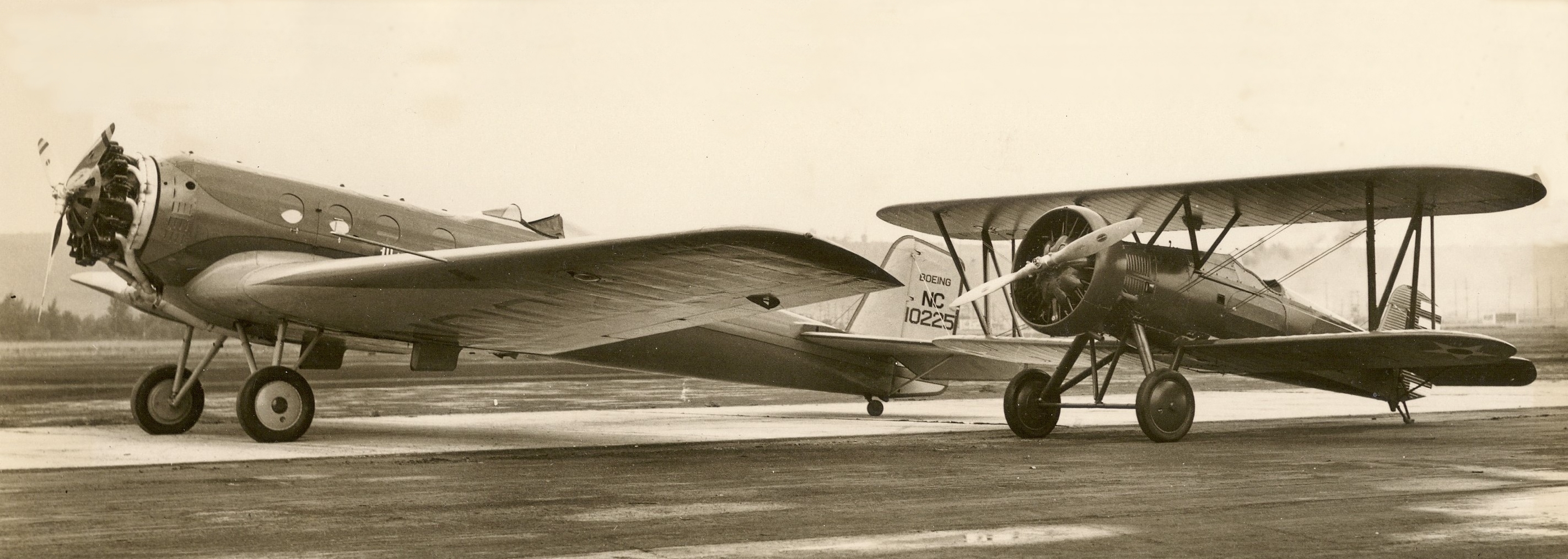
Boeing 247, Billings Airport in Montana
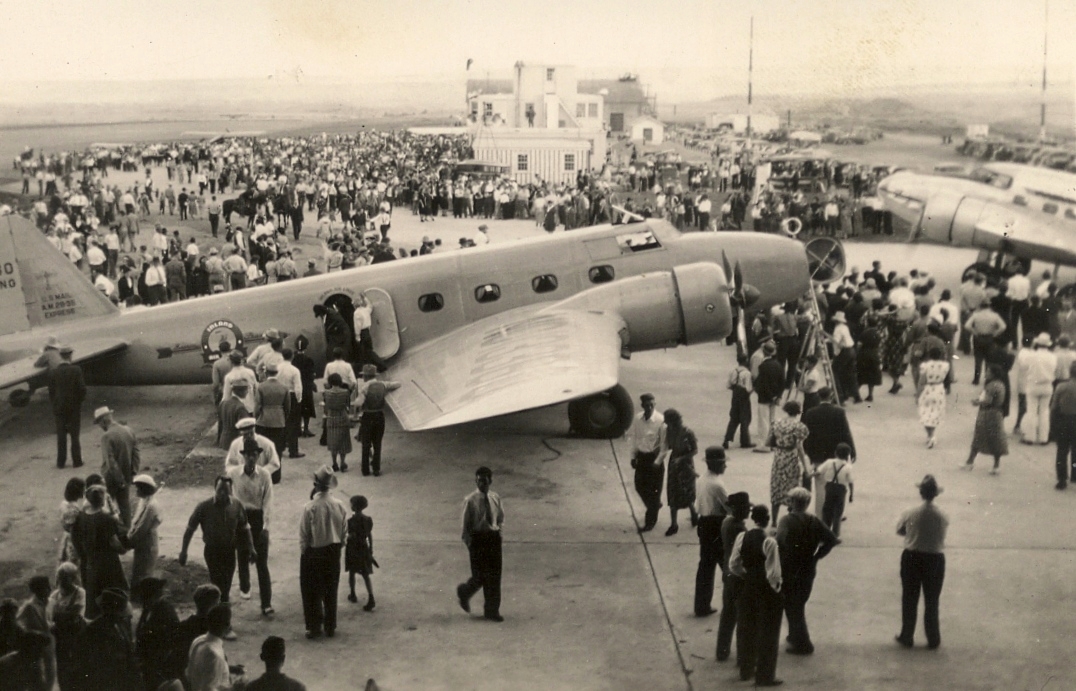
PBY Catalina, VP-71 “Black Cats”

Pistol cleaning time in a PBY

My first thought was that the man on the left was the aircraft’s navigator using a drift sight. (One can be mounted at the waist blisters.) But nope, he has a gun.
The legendary “Planemobile”
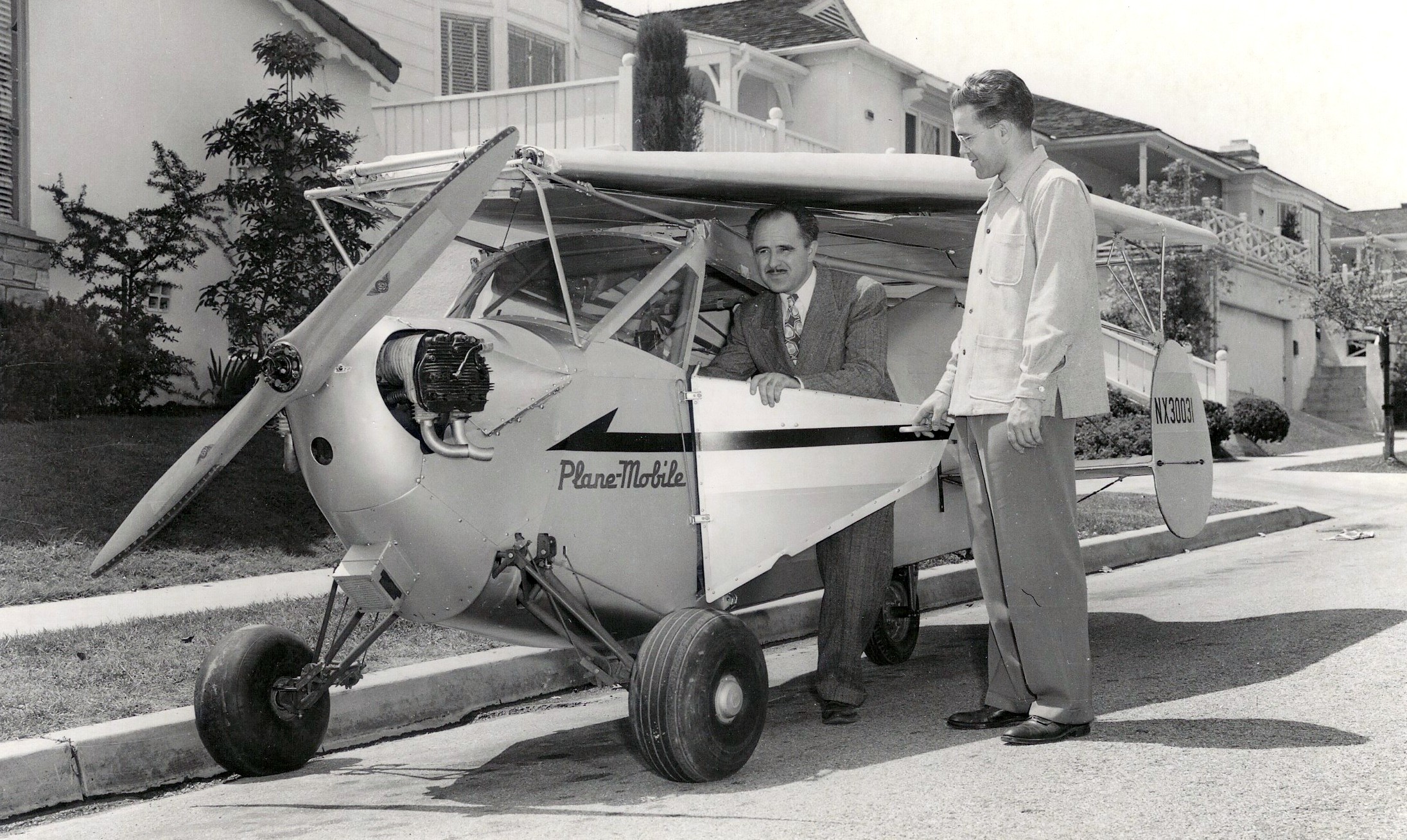
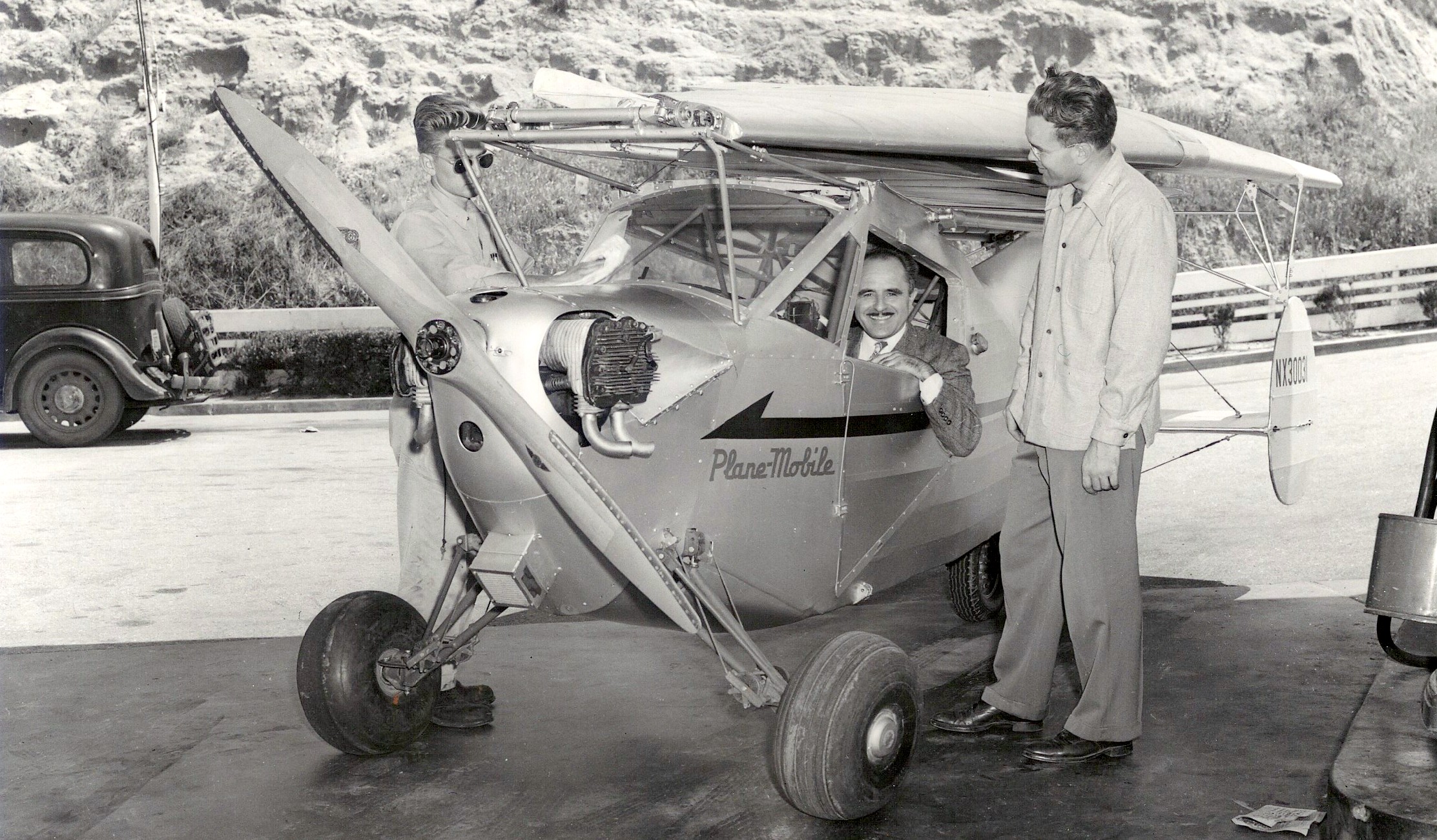
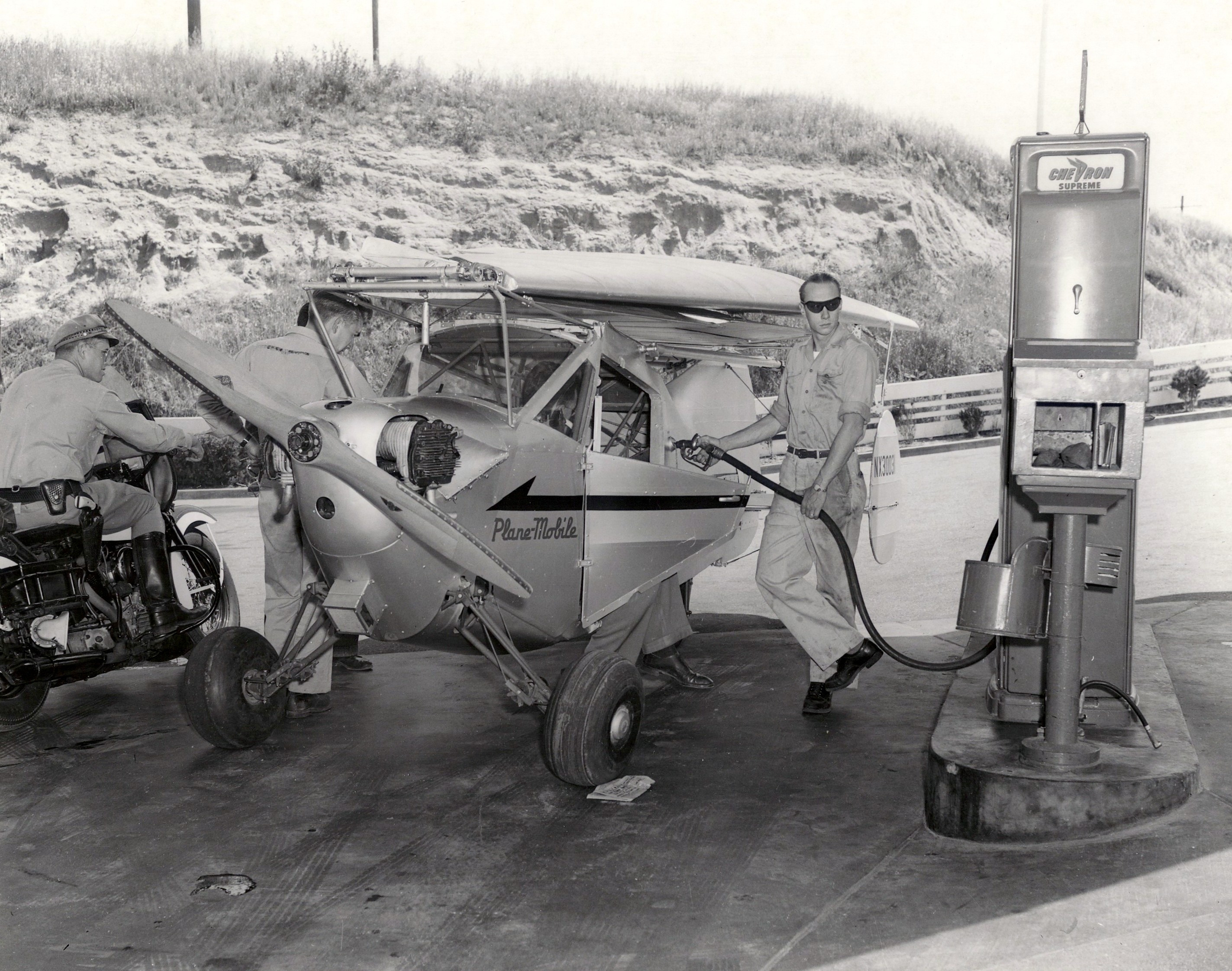
The post-war brainchild of Daniel Zuck and partner Stanley Whitaker, the Planemobile was what Zuck envisioned as part of a future world with “an airplane in every garage”. This would lead to less congestion on the road and shorter commute times. There was an additional benefit: Given that this was the Cold War era, Zuck foresaw his Planemobile’s mobility as a means to disperse the population thus making it less likely they would be vaporized in a nuclear attack. That, is one of the most unique sales pitches in both aviation and automobile advertising history.
The really great news is that this historic aircraft is now restored and on display at the Mid Atlantic Air Museum in Reading, PA. I have visited that fine museum a few times and if you have not gone, go.
TBM Avenger in the South Pacific
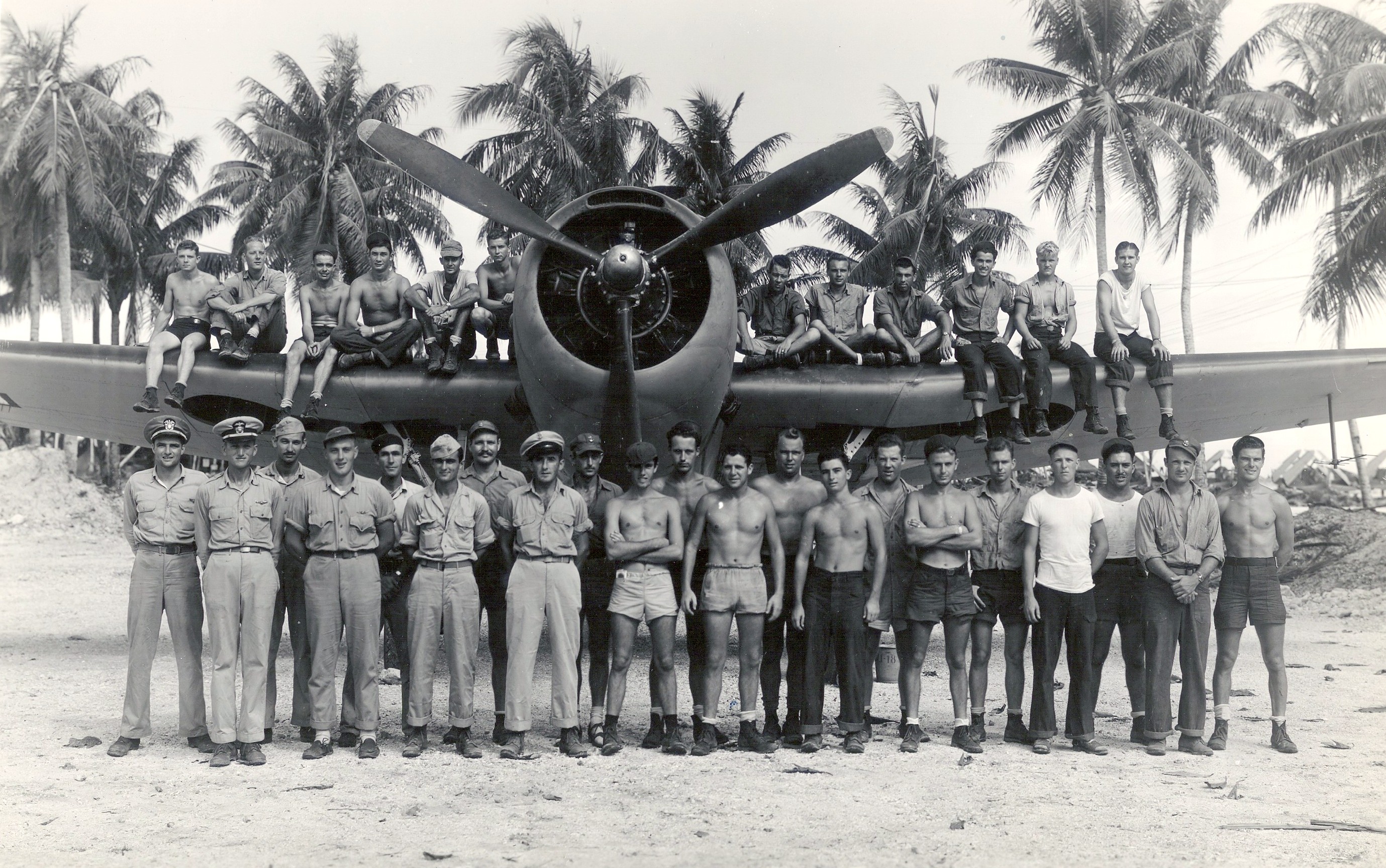
Photo was given to me by one of the pilots. Unlike most pilots, this one was an enlisted man, Chief Bill Shoalts. He’s 2nd on the right, first row.
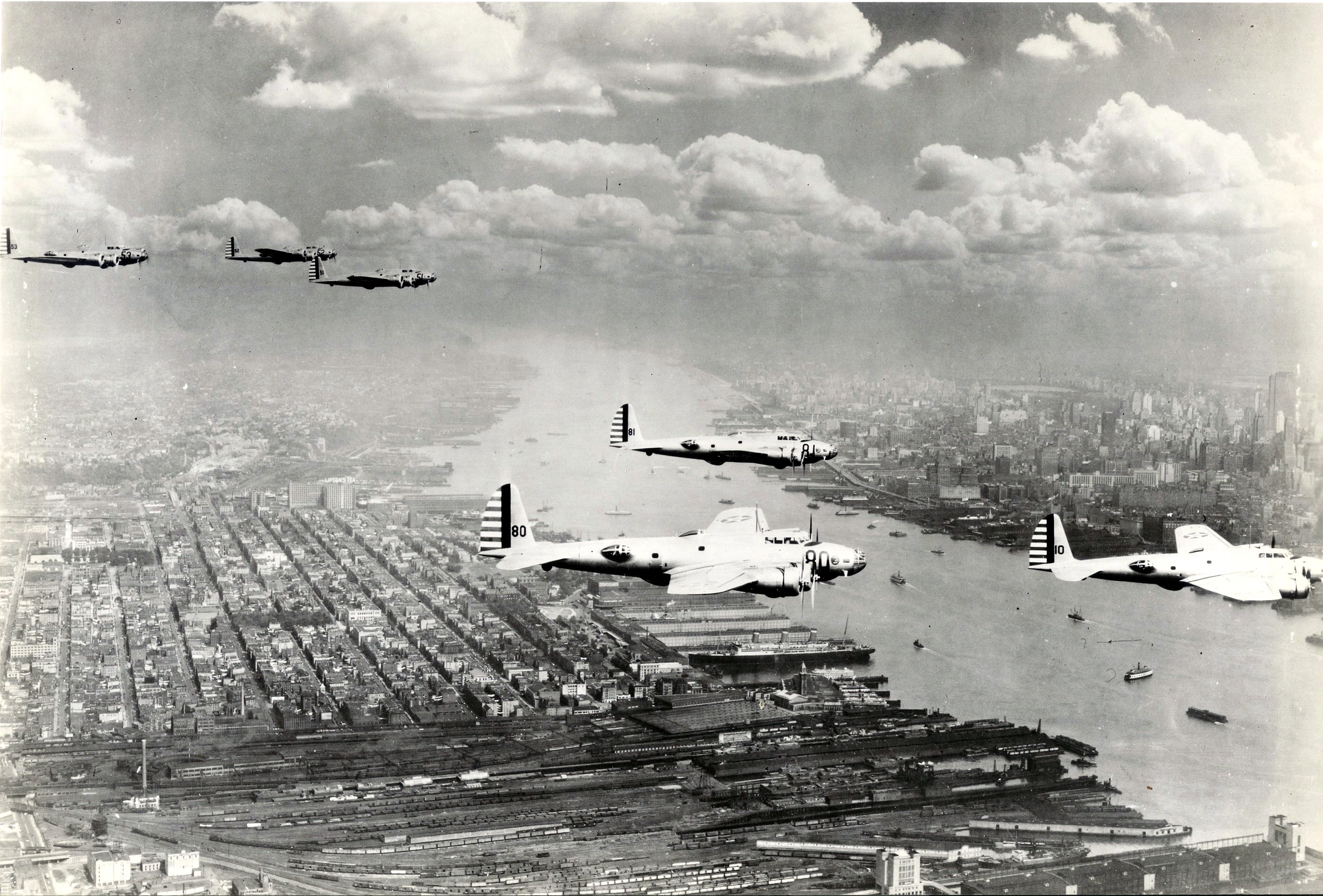
2nd Bomb Group B-17’s over New York City


Young P-80’s in a hurry
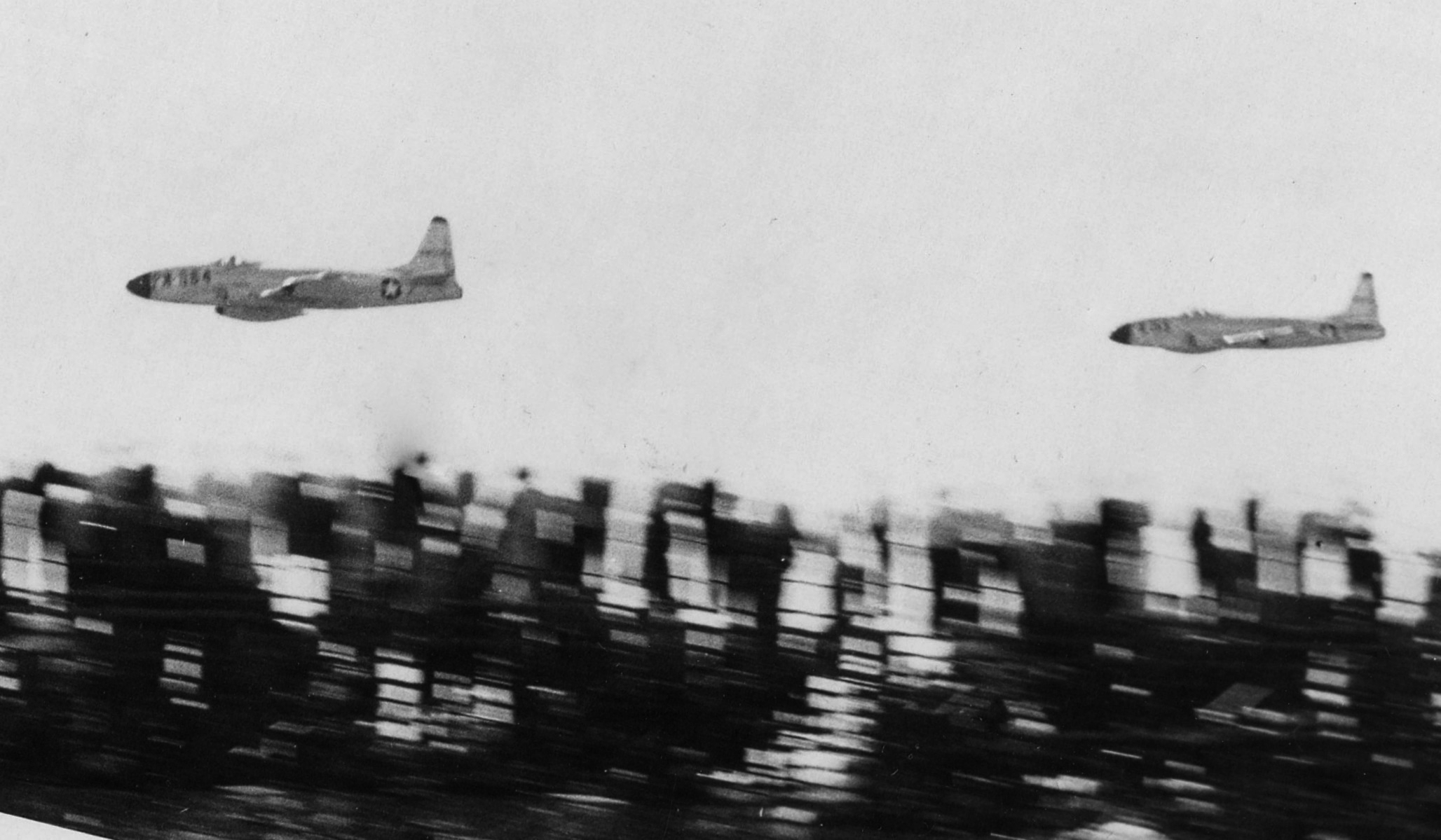
These are early-birds – they wear the “P” for pursuit on their noses.
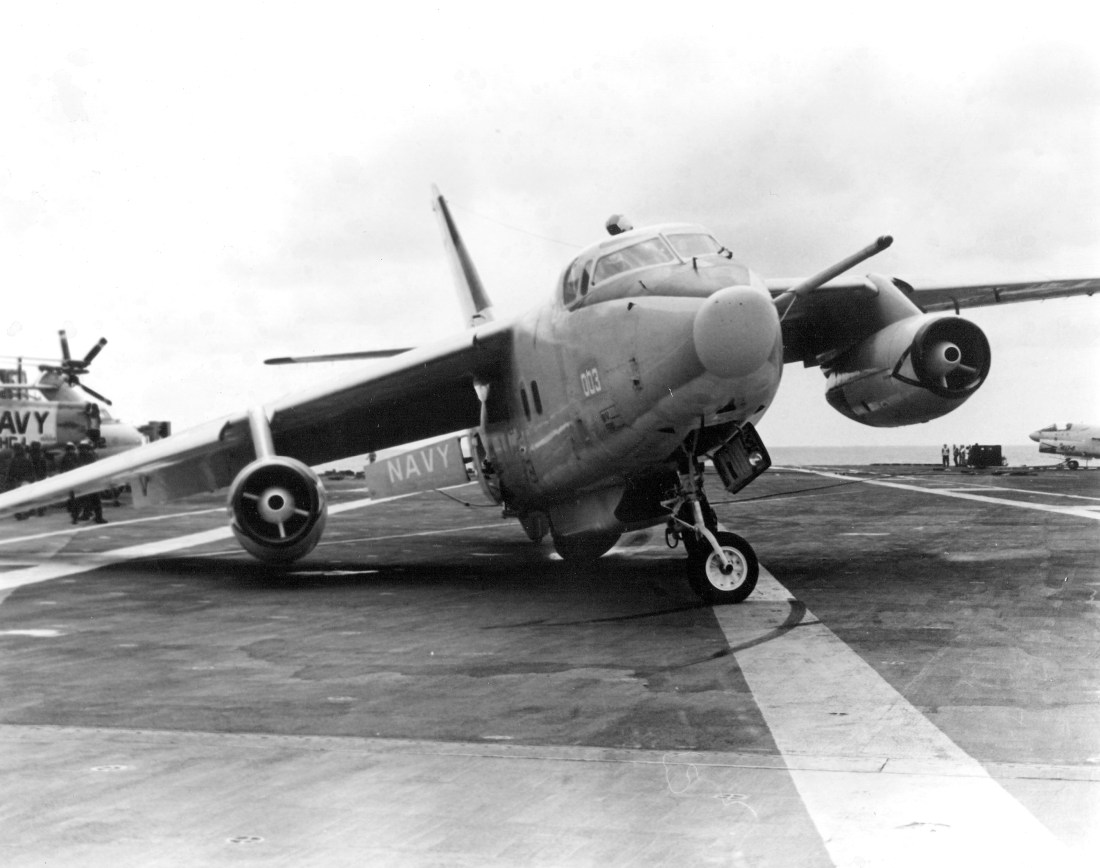
With a graceful curtsy, an A-3 Skywarrior makes it arrival.
“Hurry up and wait”
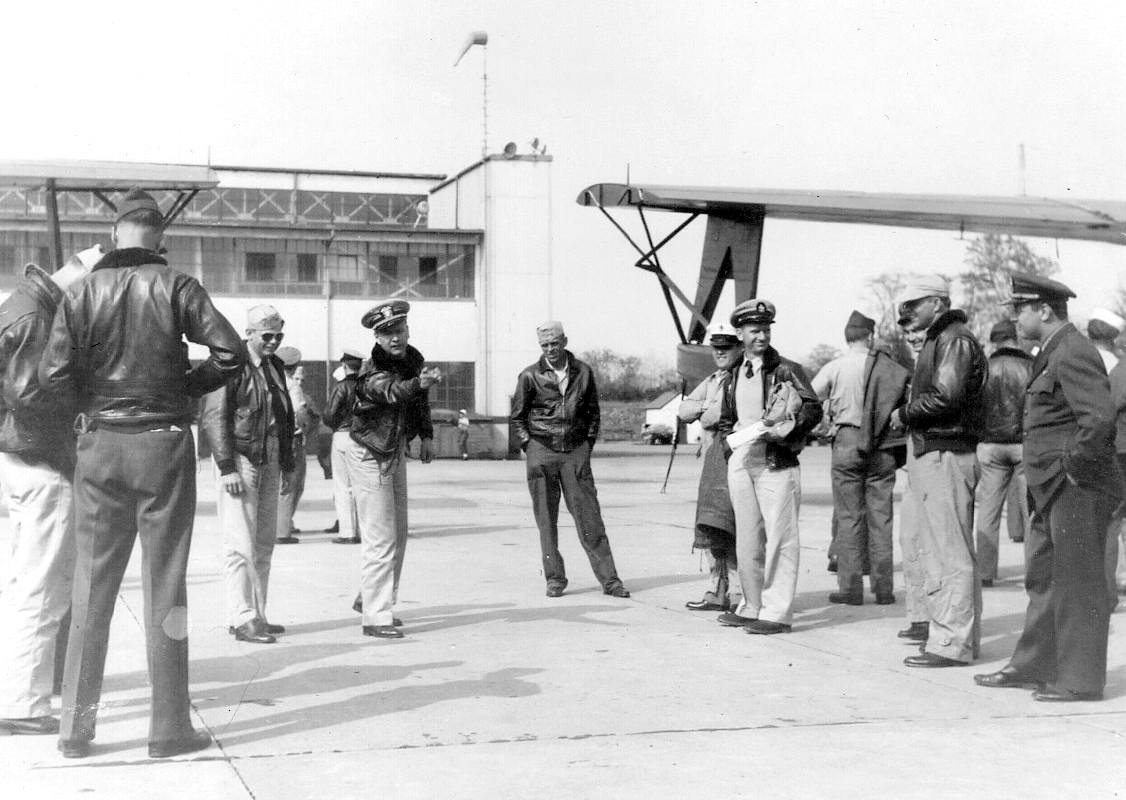
For those unfamiliar with the term, “hurry up & wait” refers to what is a large portion of military service: frantic haste followed by seemingly pointless delay. These guys decided to pitch a few pennies next to their PBY as they idle away the time before they hit the skies. In my Air Force days, we called this portion of the mission “the mill-around checklist.”
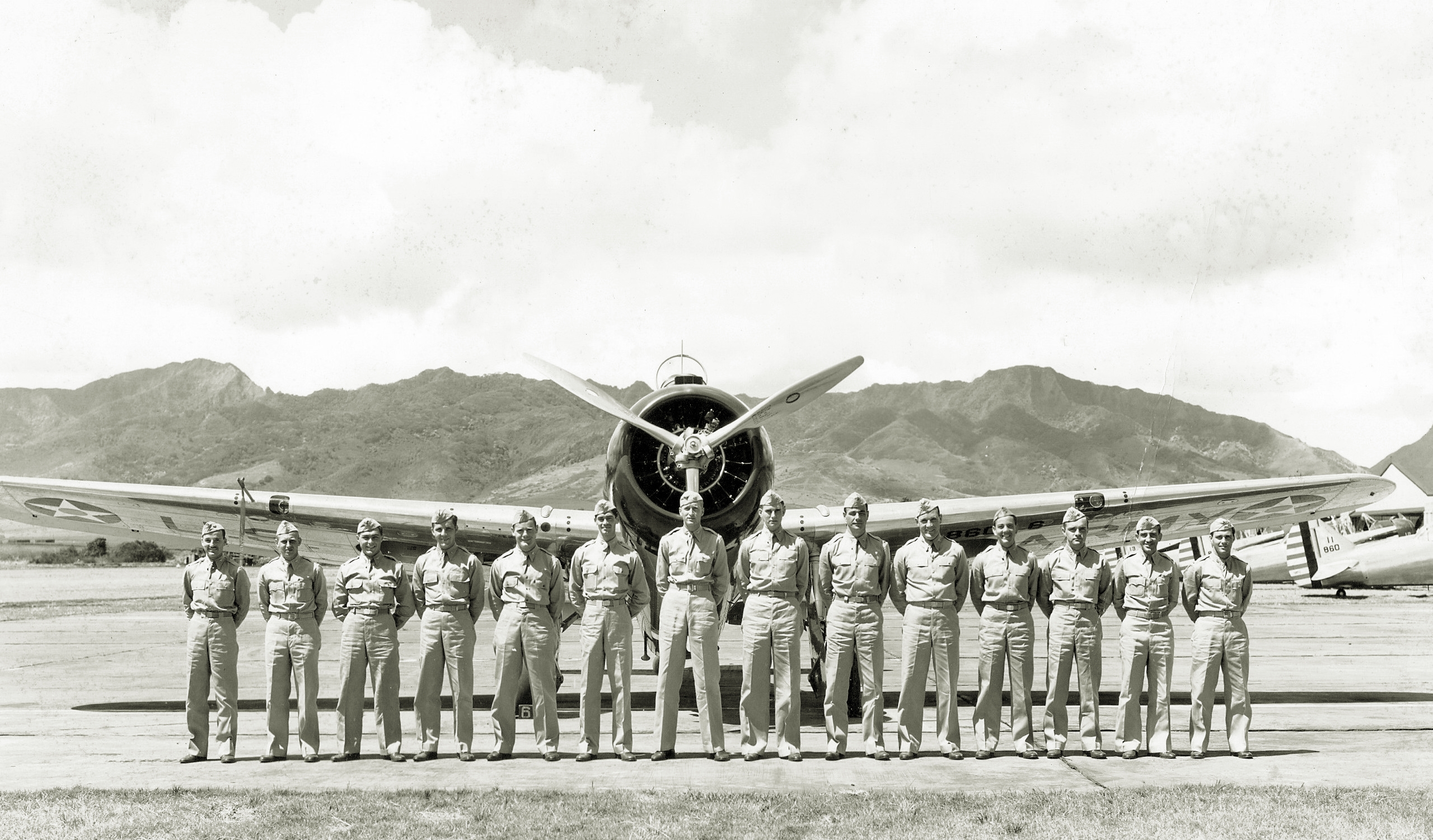
86th Observation Squadron, Wheeler Field, 1941
Jack Hansen, naval photographer, enjoys the scenery from a PBY
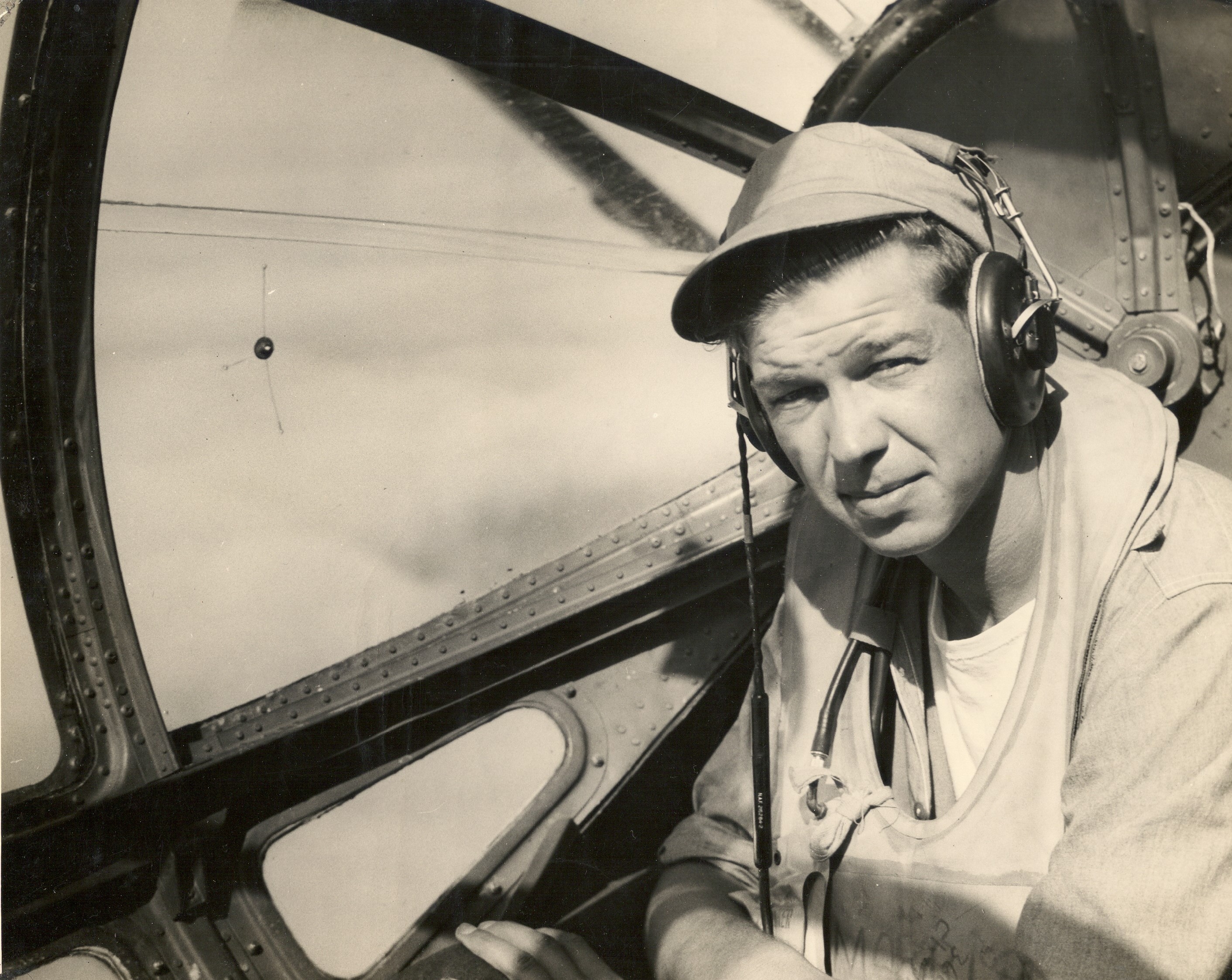
My grandmother’s kid brother, Uncle Jack was flying that day to photograph the rescue of a downed P-38 pilot. No pictures of that, because someone else rescued him first. But, Jack did take some of the photos you see on this website.
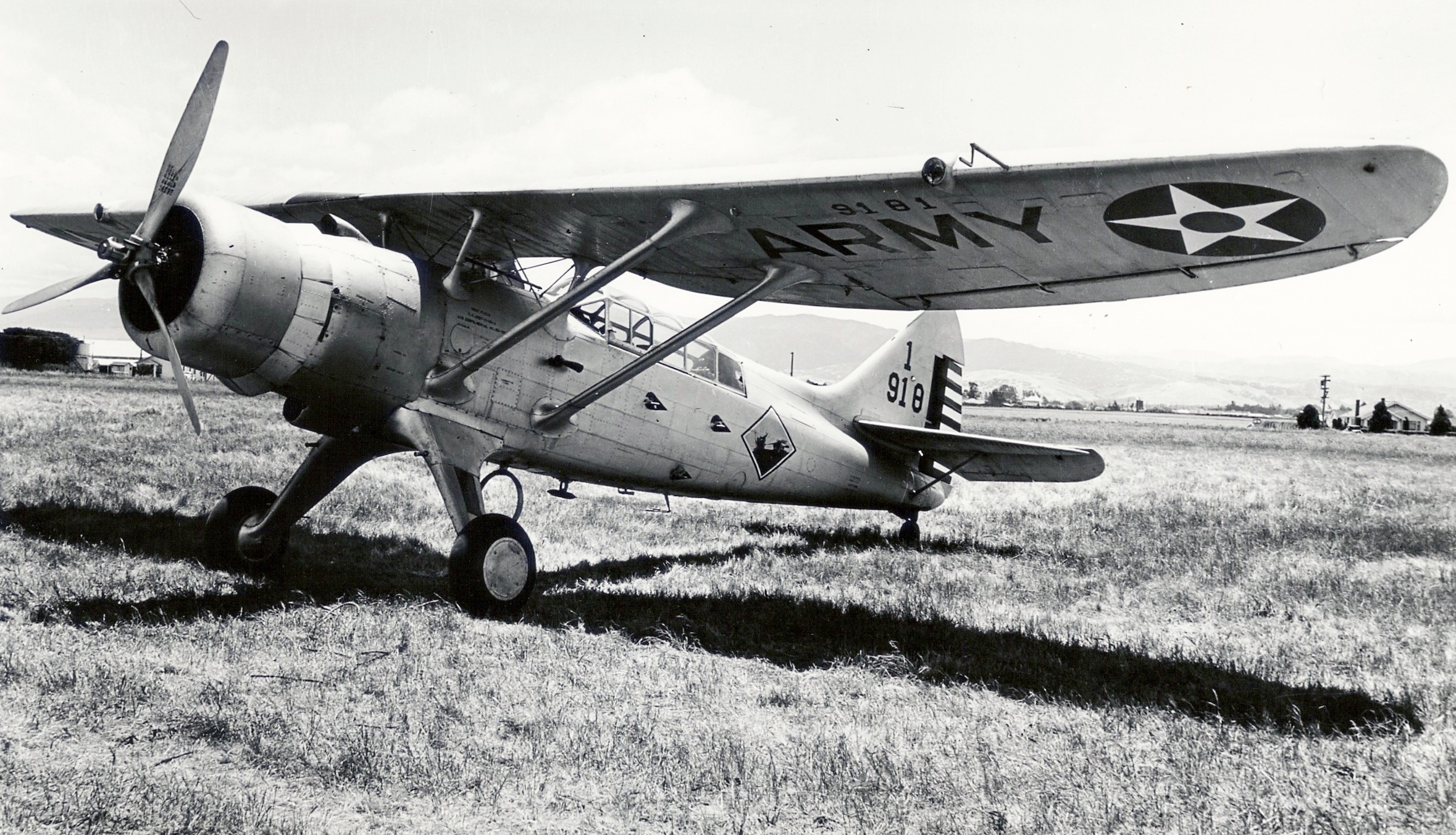
O-46, 91st Observation Squadron
Bellanca C-27 Airbus


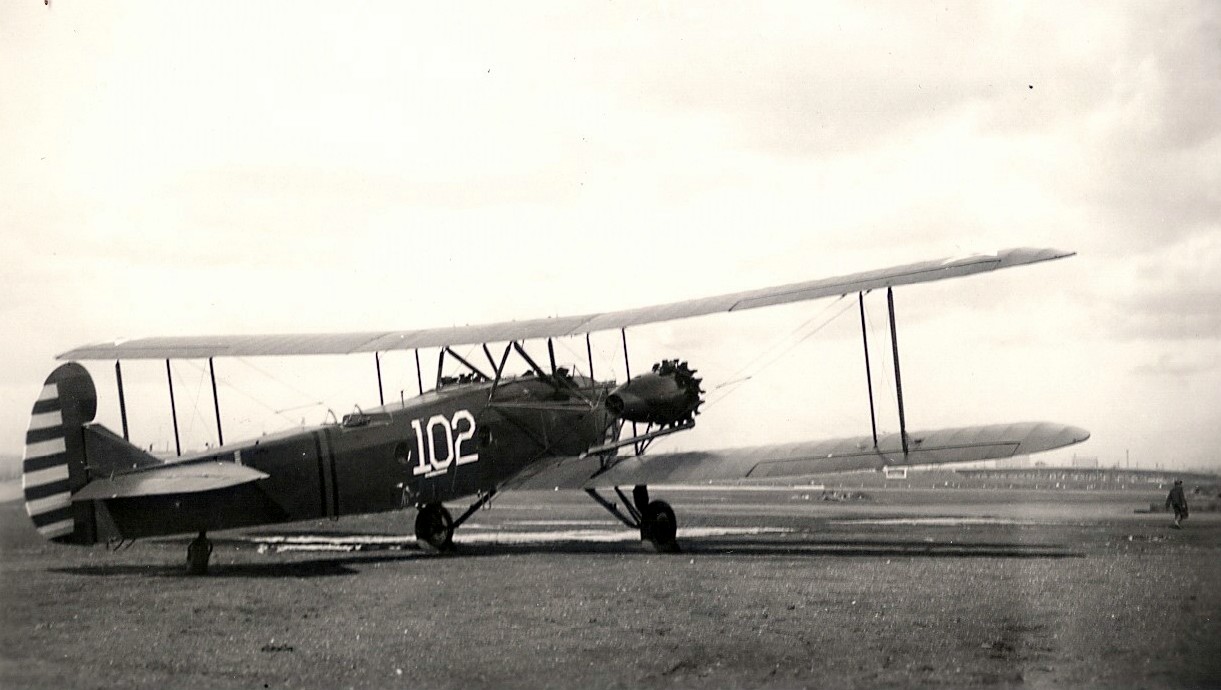
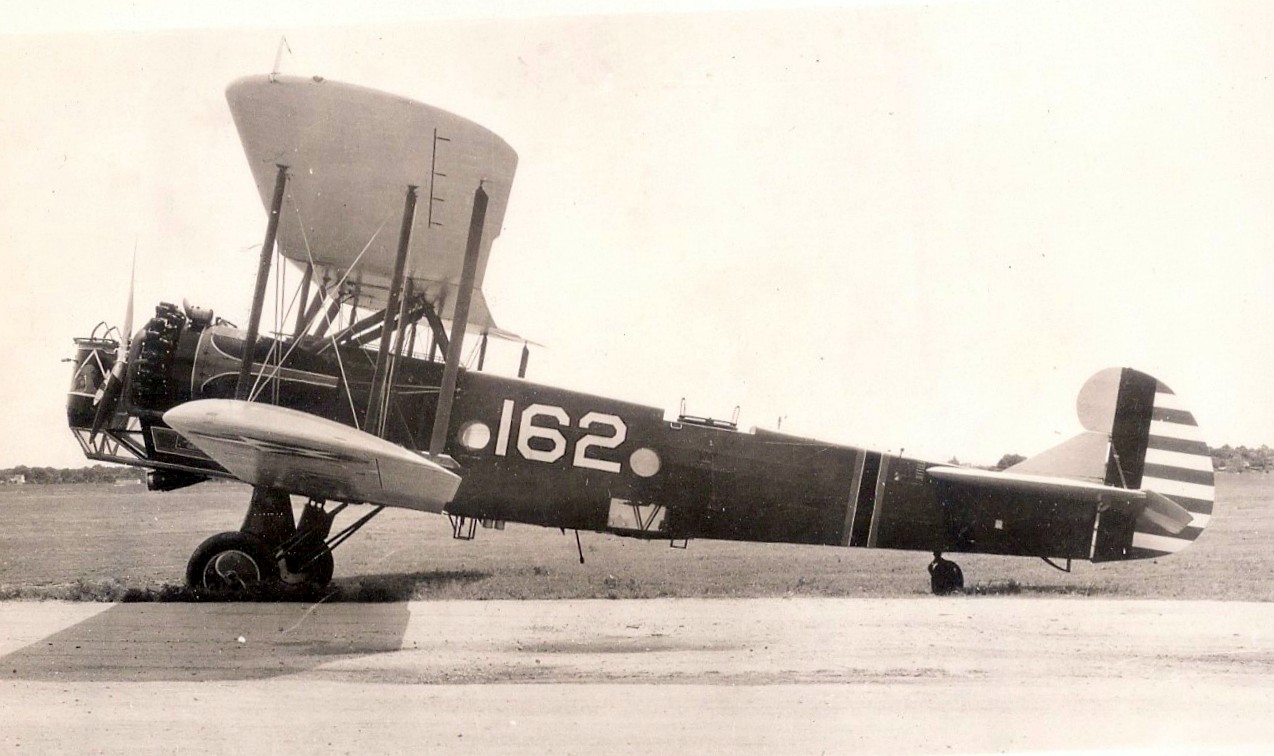


 The Jive Bomber