

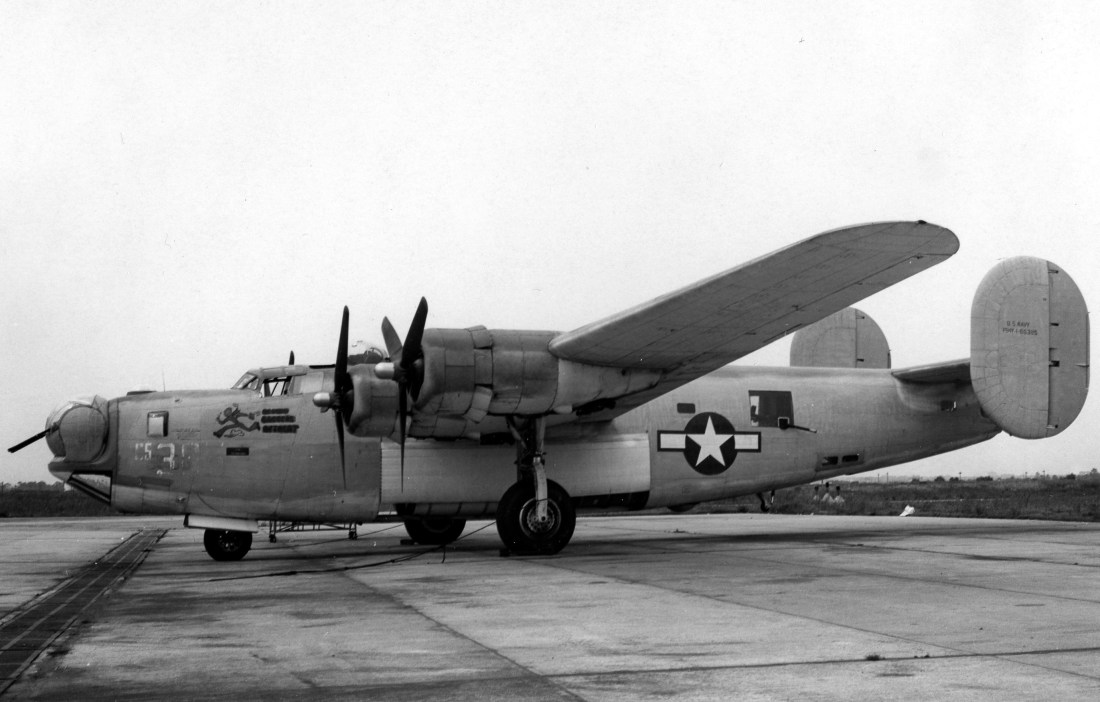
B-24J 42-50551, 44th Bomb Group
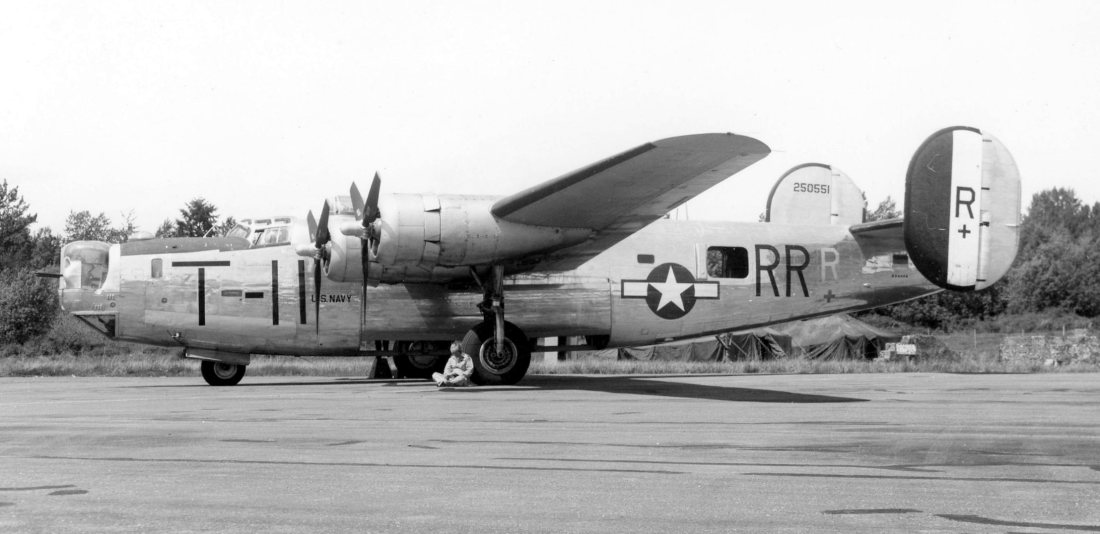
This aircraft was later named “Delectable Doris” (with appropriate nose art). I would be interested to know why “US Navy” is painted on the side just forward of the bomb bay.
The one and only XC-99 cranks ’em up.
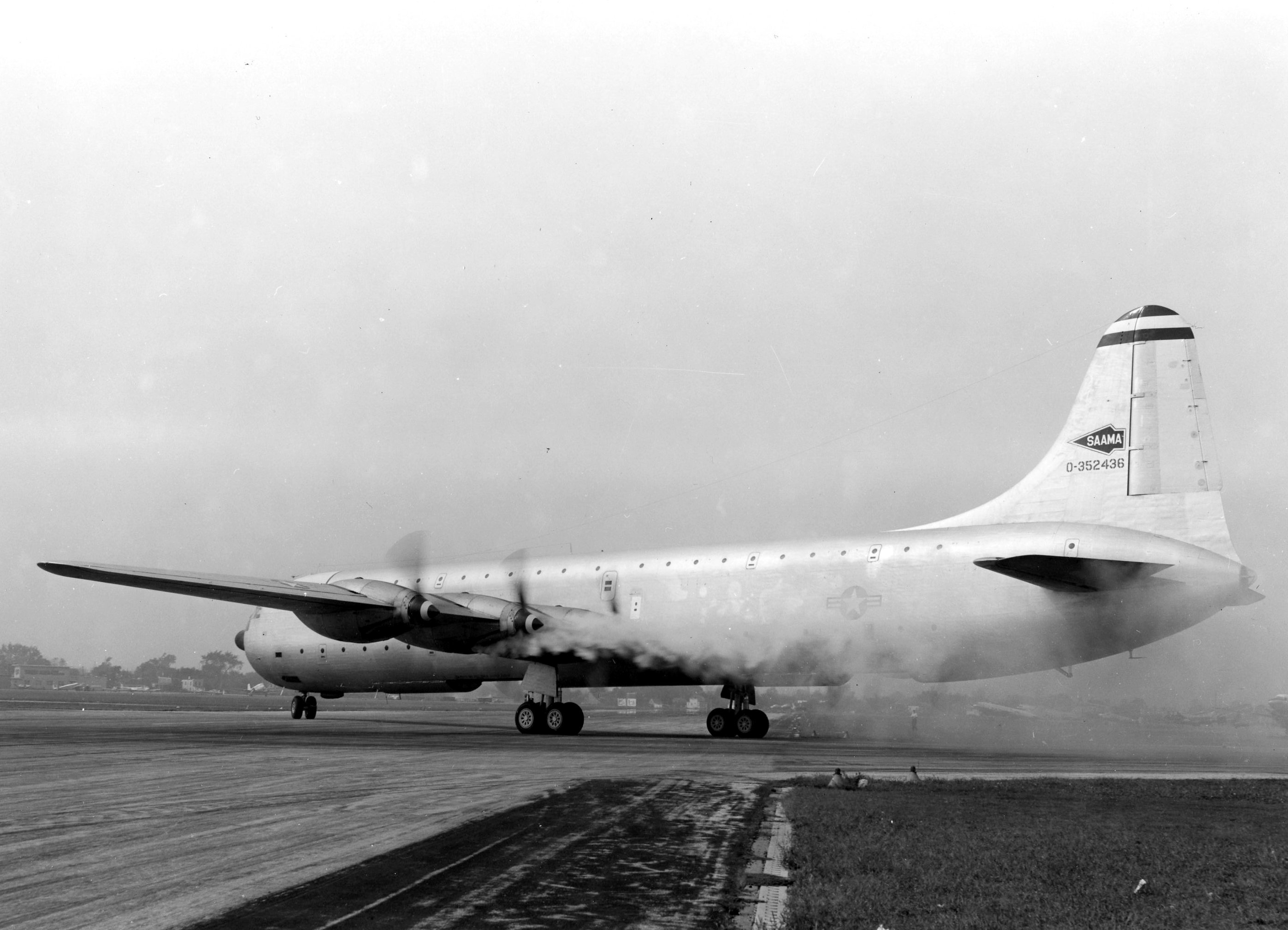
The arrowhead insignia is that of the “San Antonio Air Material Area”.
B-36’s of the 7th Bomb Wing

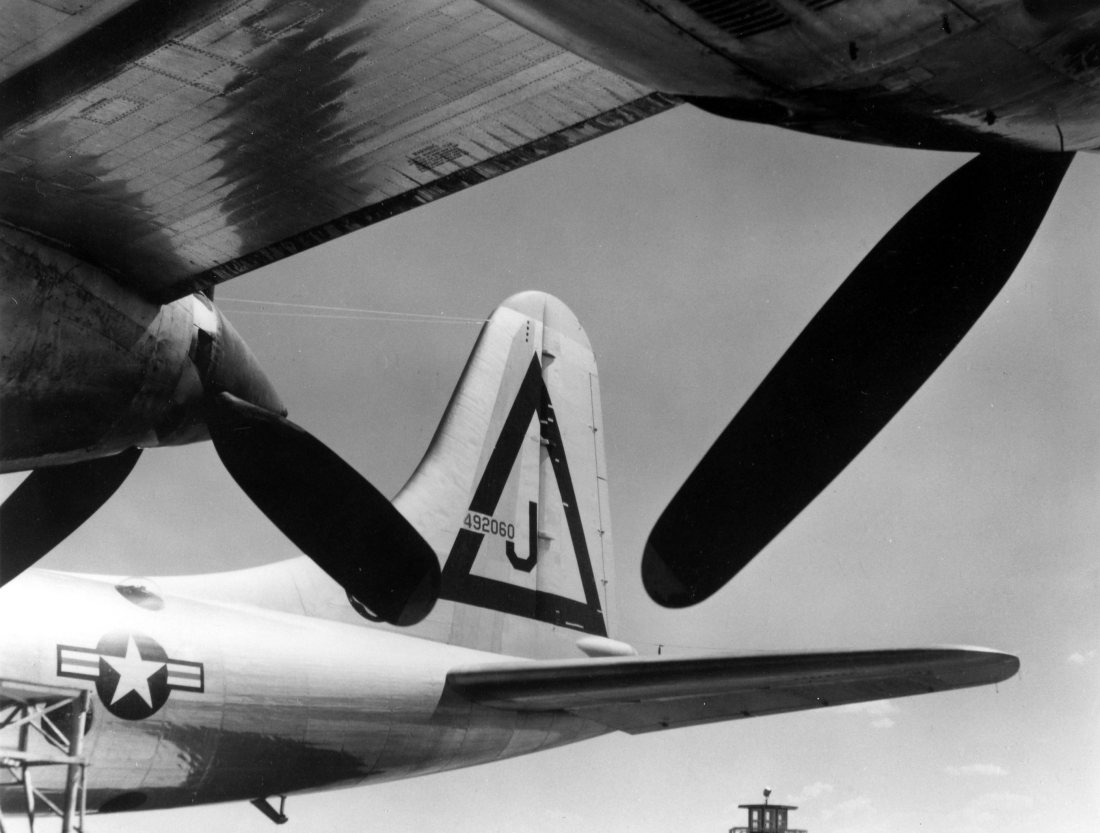
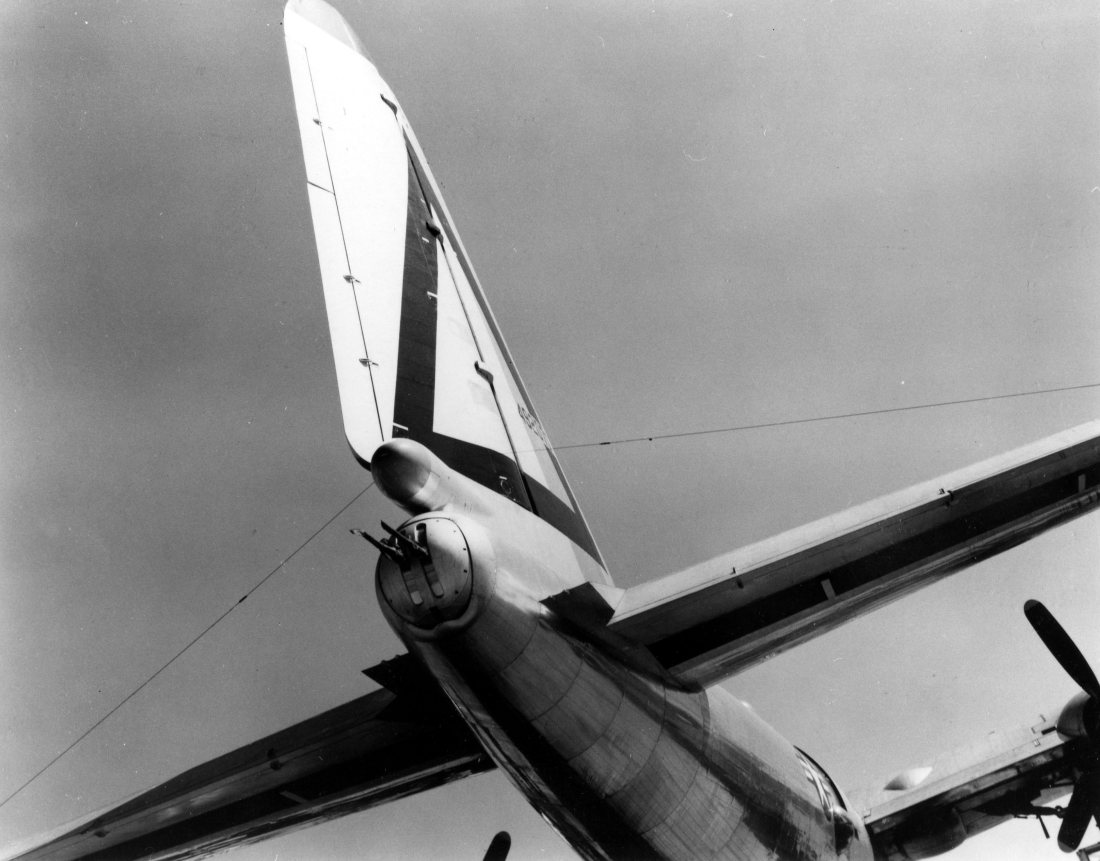
Carswell AFB. #1 & 2 is 44-92060. #3 is 44-92077. Both are the B-36B.
RB-36H 51-13739
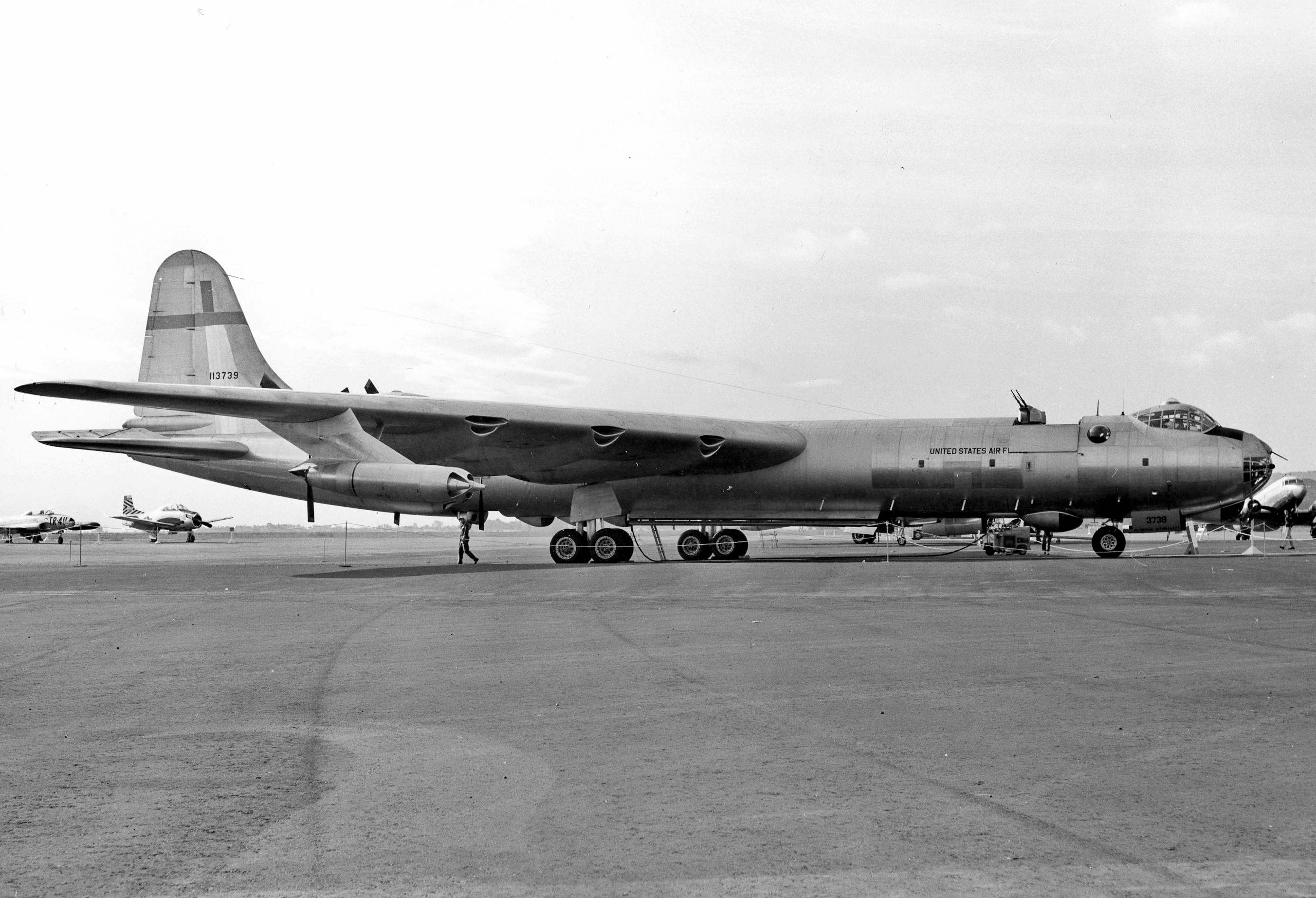
Nice view of a B-36’s defensive ability. Much has been said of the vulnerability of the B-36 – the USN even accused the USAF of suppressing such information. Of course it could be shot down, but as the Air Force (and the Soviets) knew well, intercepting fighters would never bag all the B-36’s. Even if only a handful got through, the nuclear weapons those few carried were deterrent enough.
Alaska Air Transport Bellanca Skyrocket bobbing on Seattle’s Lake Union.
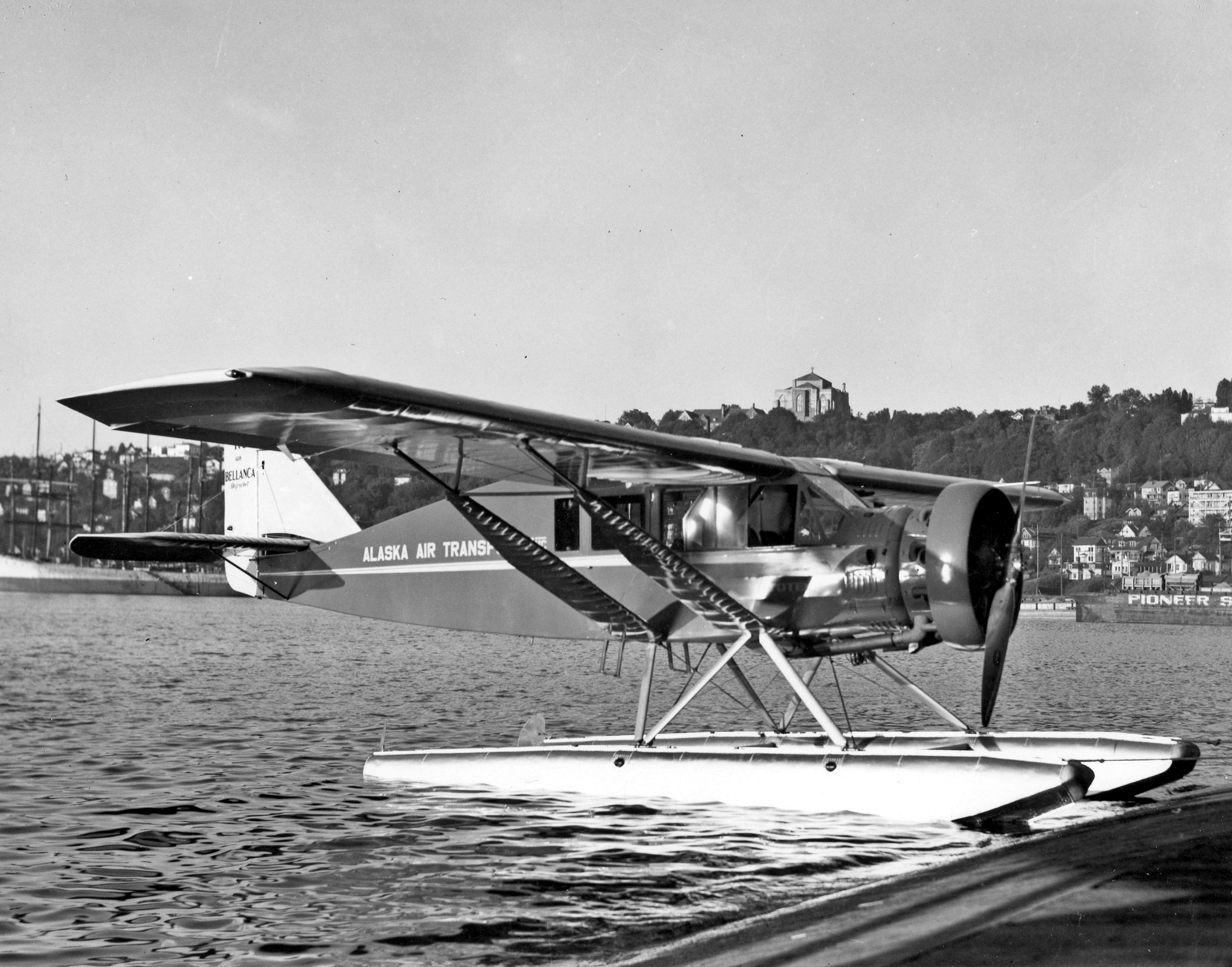
Bellanca Skyrocket (NC754W) of Shell Oil co.

Pathfinder Aerial Transportation JN-4

Couldn’t find much on Pathfinder Aerial Transportation, but it was owned by a former Air Service pilot, Valdo H. Brazil. Maybe that’s him holding aloft the tail of one of his Curtiss JN-4’s.
Curtiss JN-4 “Jenny” somewhere in California in 1923
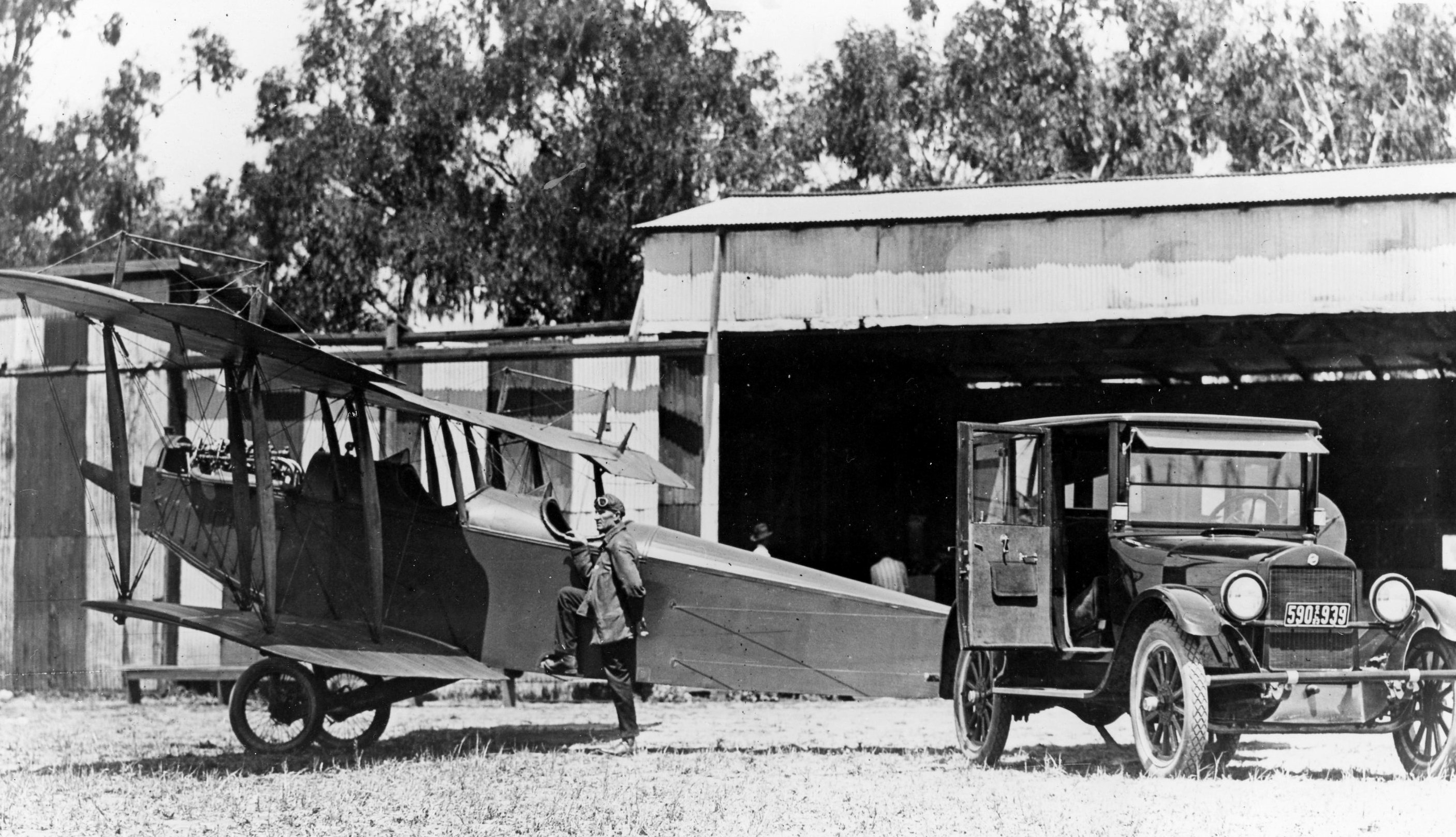
No caption on the photo, but the car’s (a Studebaker, I believe) and the car’s license plate says “California, 1923”. Where in California, I know not.
Famed race pilot Lowell Bayles and the Gee Bee Sportster
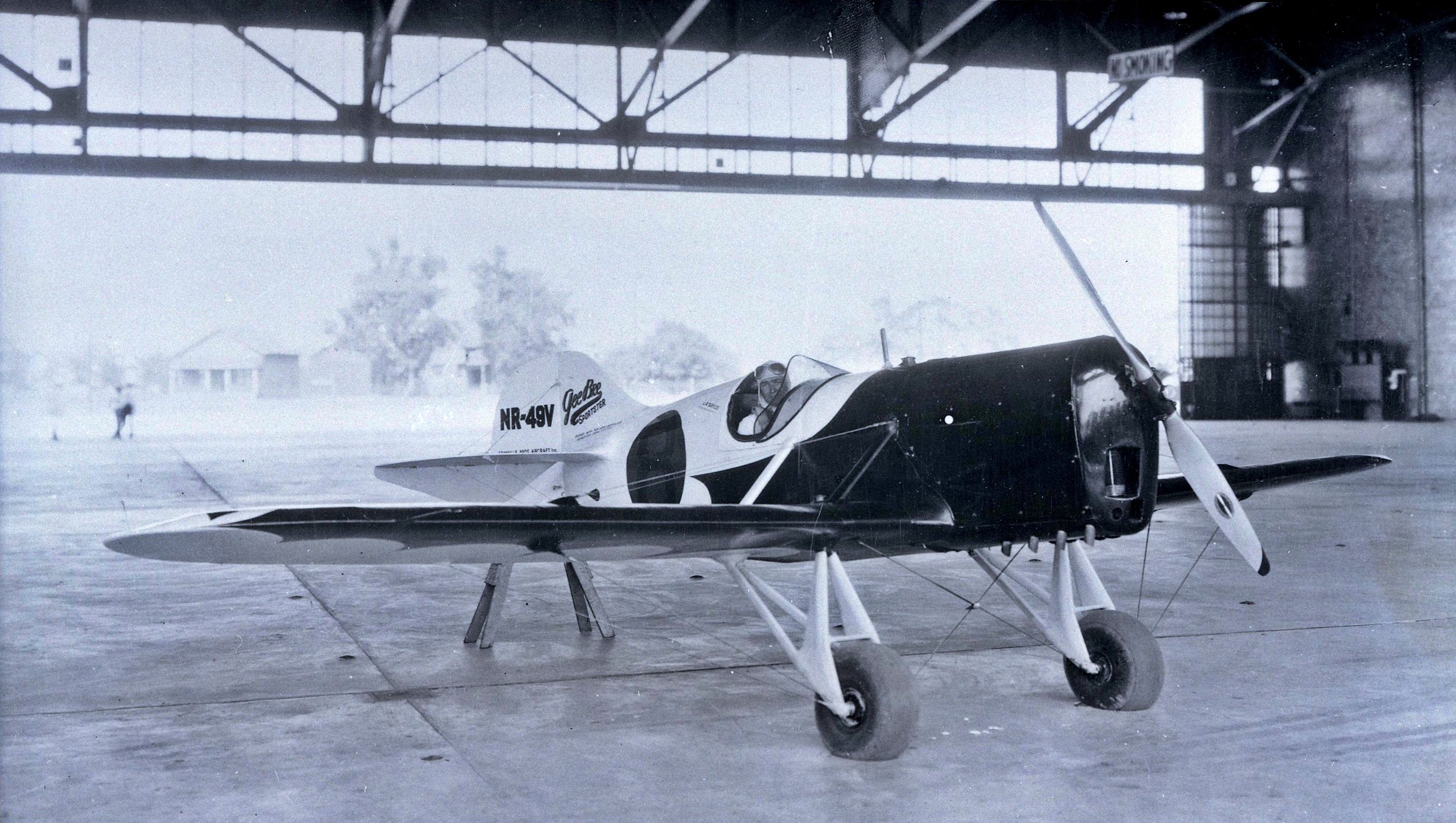
Unfortunately, Bayles died in 1931 while attempting a new speed record.







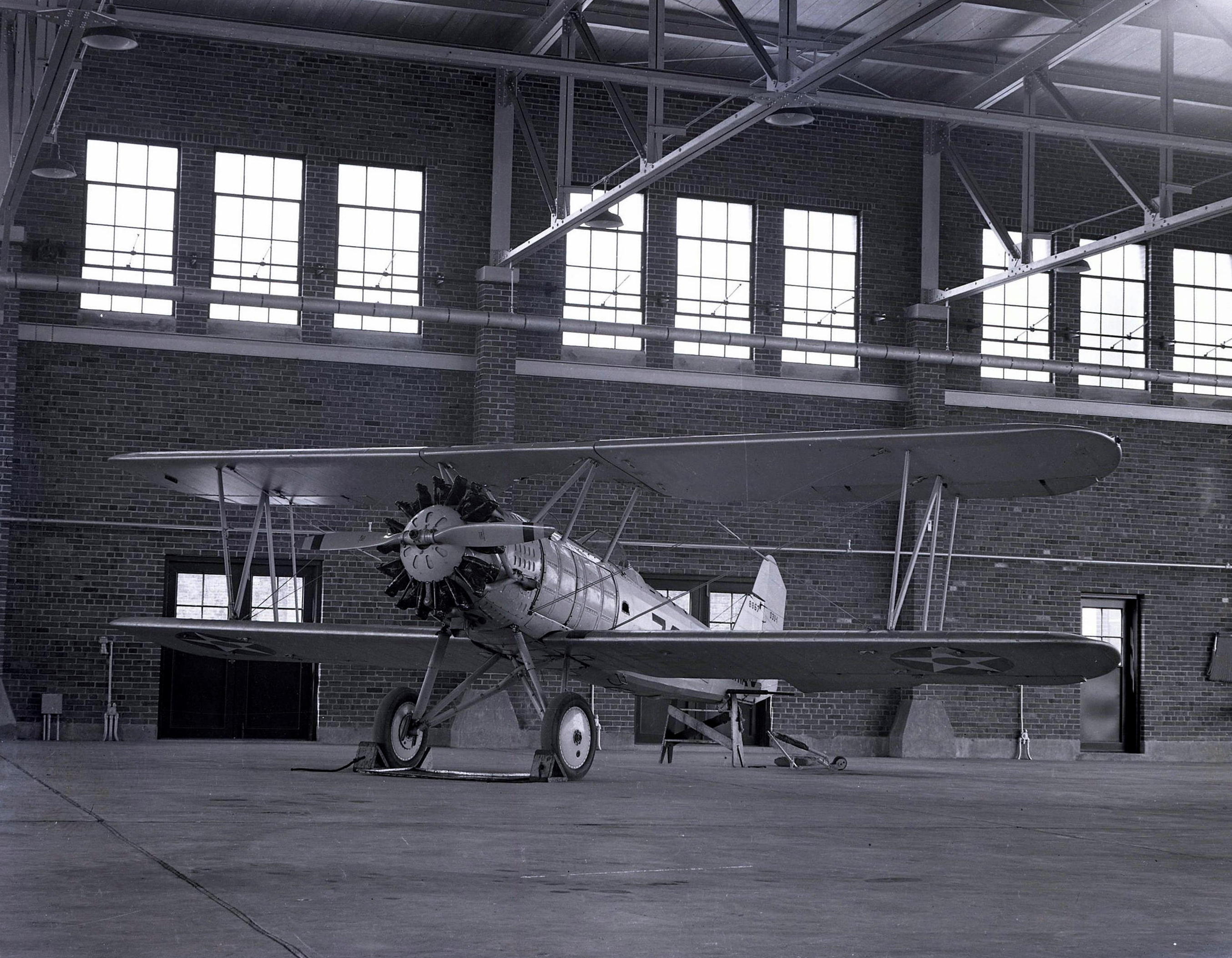
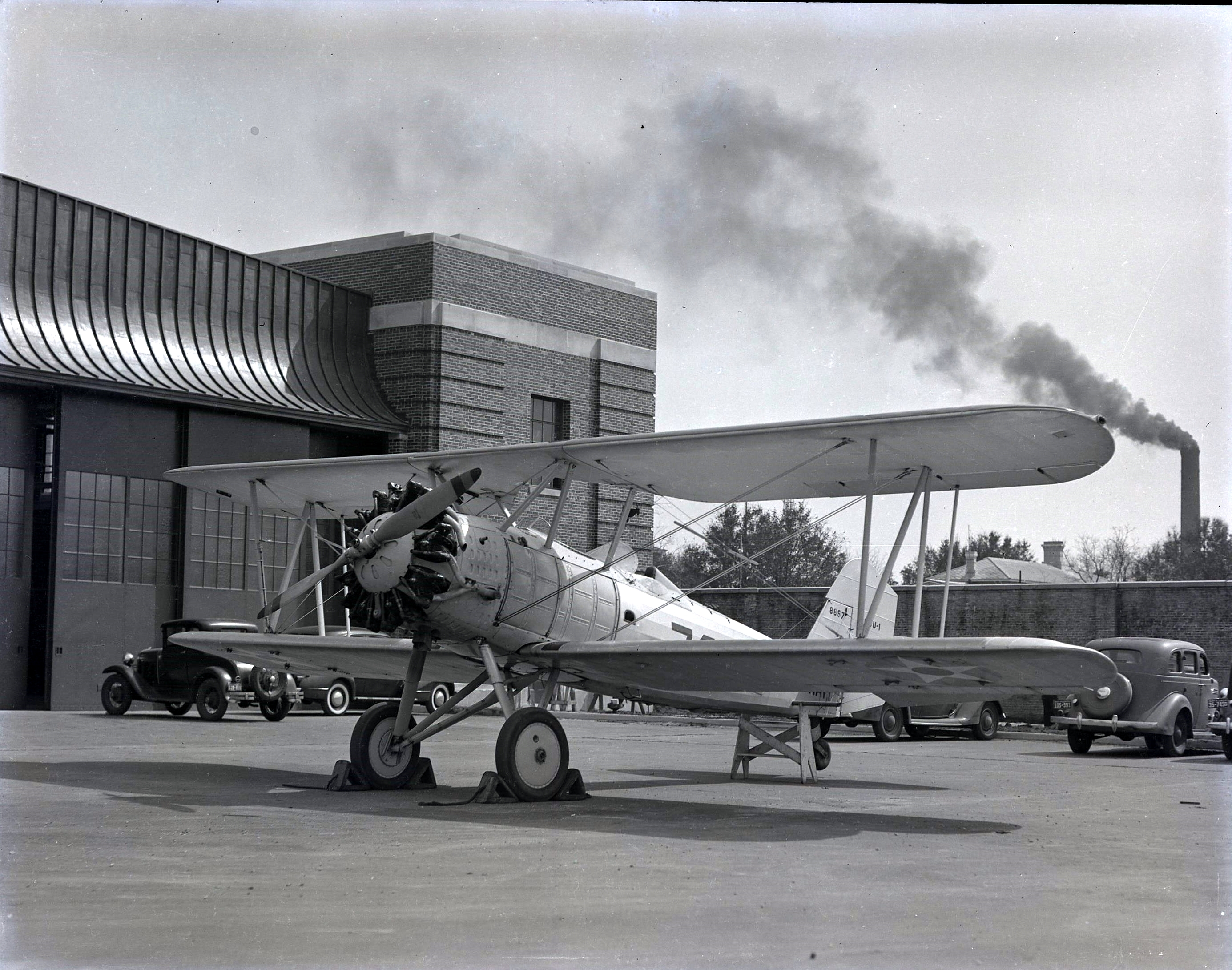

 The Jive Bomber