
The B-50
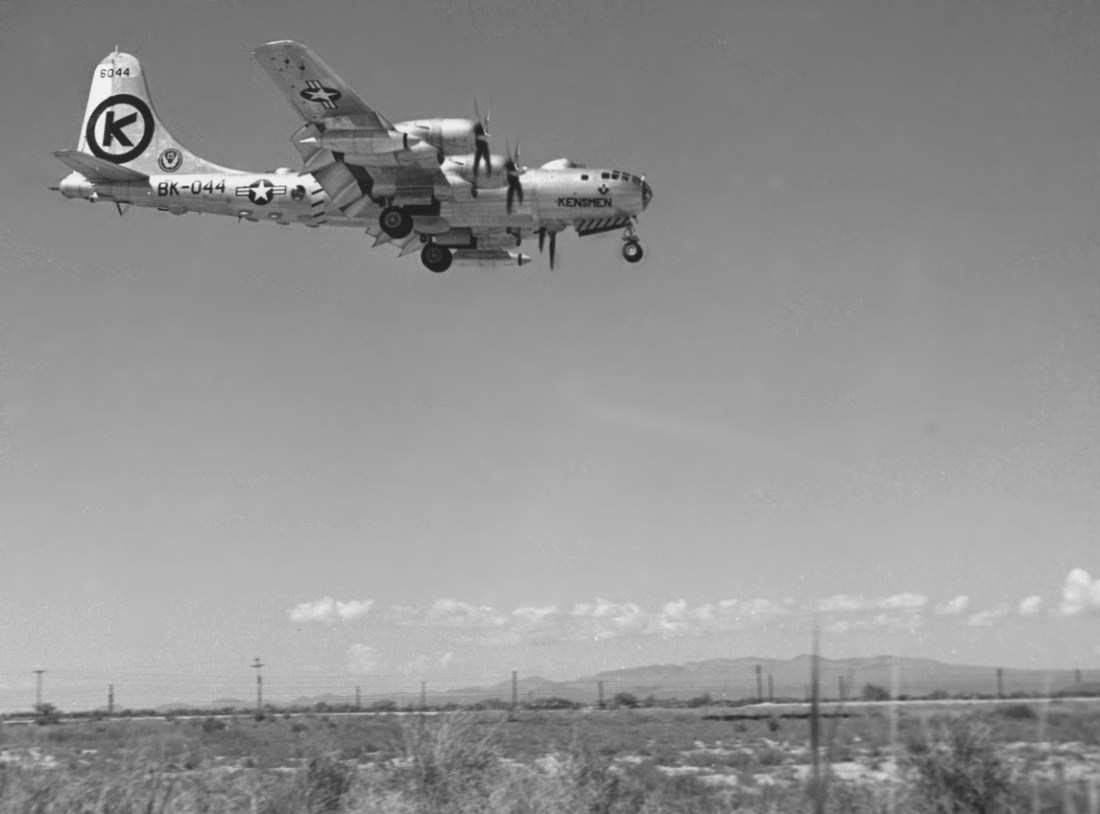

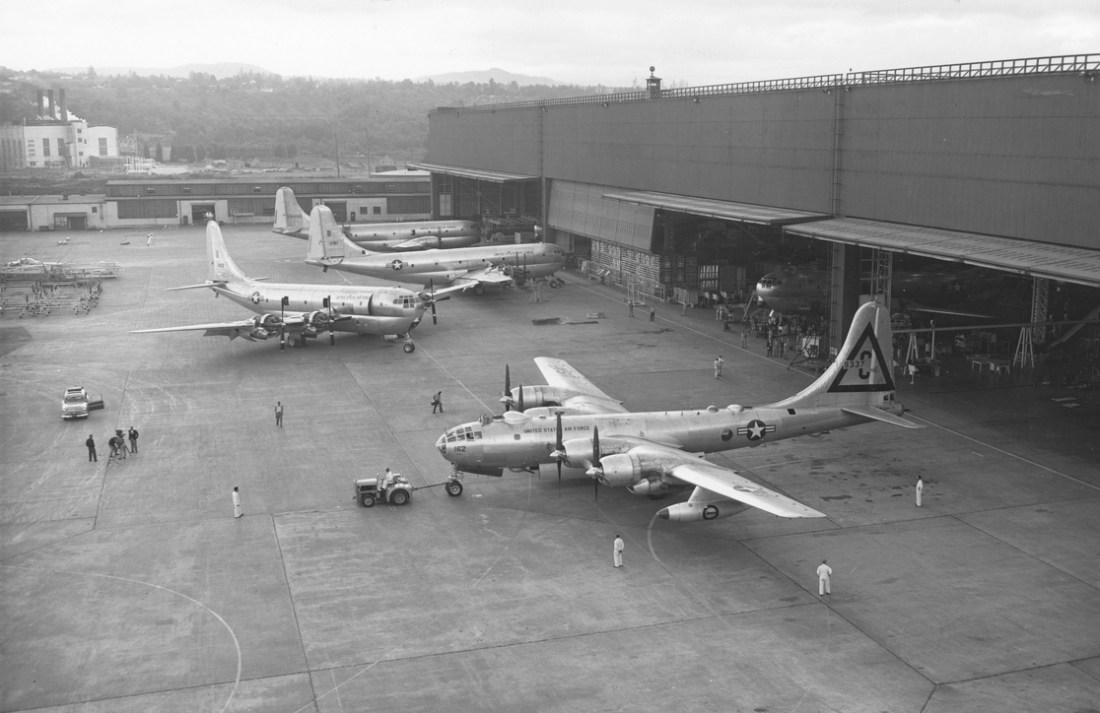
B-50’s of the late 1940’s & early 1950’s. First up is B-50 (46-044) of the 43rd Bomb Wing on final to its home at Davis-Monthan AFB. On the nose is the group’s motto “Kensmen.” 47-0161 is up next. Last, 49-337 of the 509th Bomb Wing.
F-86E (52-2857) of the 336th Fighter Interceptor Squadron
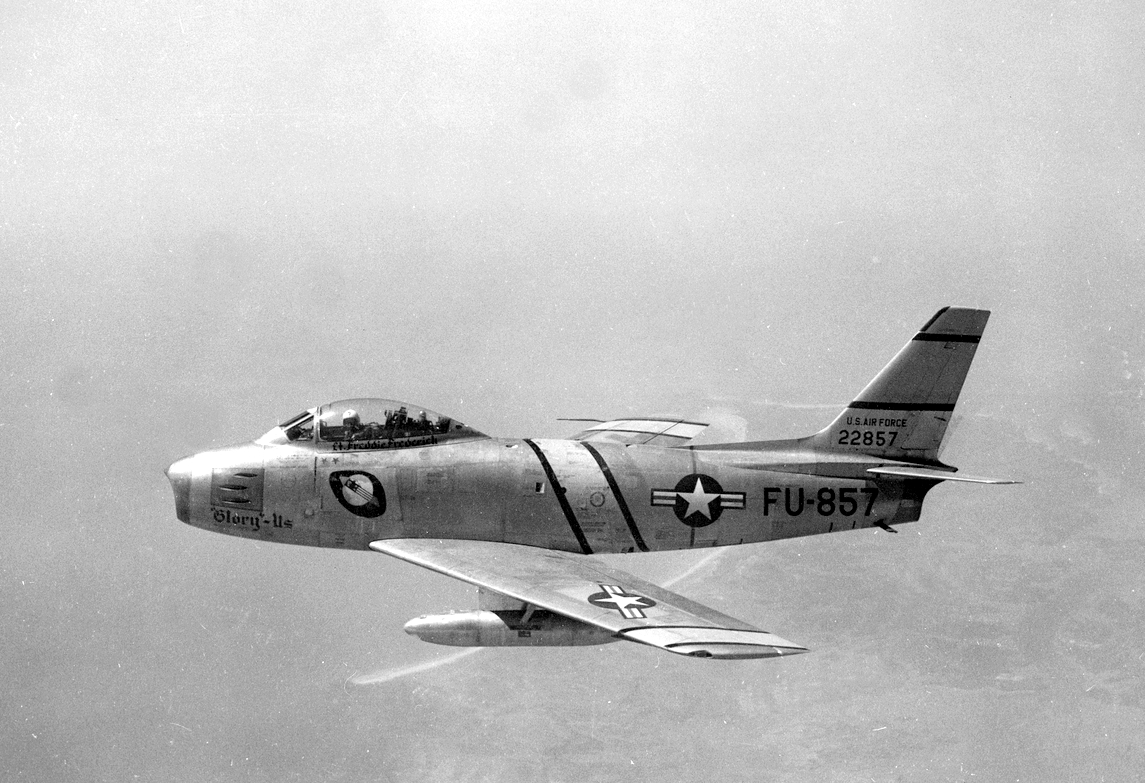

The pilot, Peter J. Frederick, was credited with shooting down two MiG-15’s. (The kills are painted below the canopy) Frederick later flew F-105’s in Vietnam with the 355th Tactical Fighter Wing. Sadly, he was shot down on March 15 1967. His remains were recovered in 2004. The second photo is from the yearbook of the 4th Fighter Interceptor Wing. RIP
The aircraft is a Lockheed Hudson. Great plane. The car is a LaSalle convertible. Sweet vehicle. Who’s the man? Hall Hibbard. As one of the great designers and engineers for Lockheed, Hibbard obviously knew a nice car when he saw one. 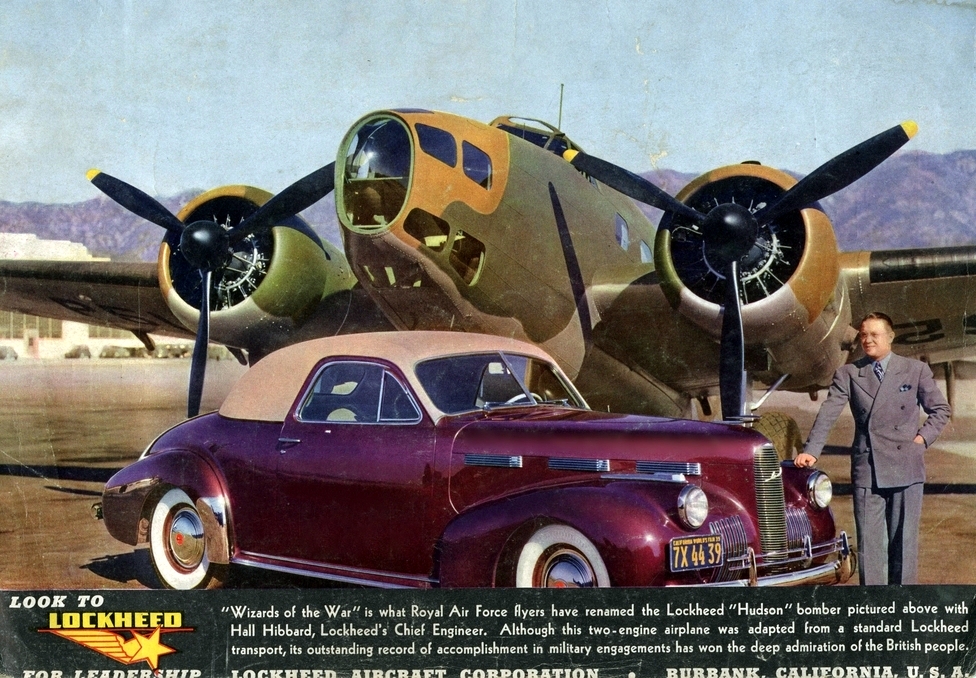
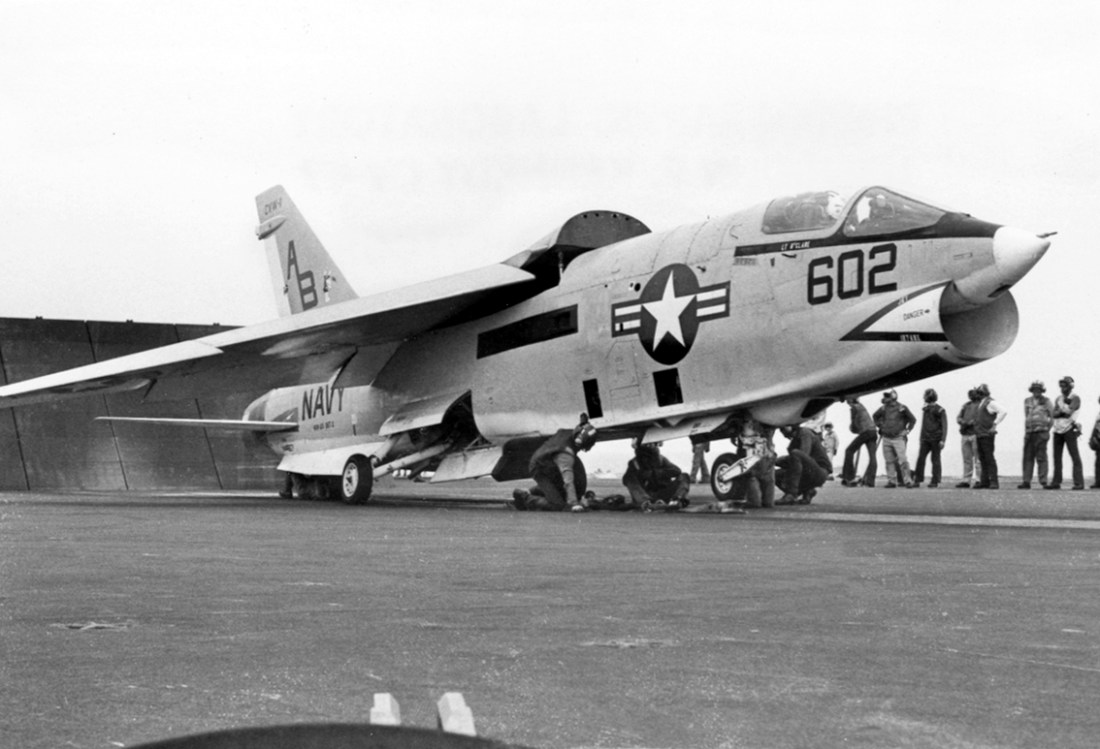
RF-8 Crusader of VFP-63 on the catapult.
PBY-5A (48386) of VP-62


The plane crashed at the base of Old Women’s Mountain on Kodiak Island Alaska in 1945. Of the 15 crew and passengers were aboard, 8 were killed. The aircraft, after several failed approaches in the weather, flew in to rising terrain and stalled while attempting to climb out of the situation. Upon stalling, the aircraft plunged nose-first in to the ground. Photos taken at NAS Kodiak.
Wary passengers accept the hospitality of Western Airlines

The way everyone is looking at the stewardess, you’d think they were told to beware of her habit of smashing food trays over the heads of unsuspecting passengers. Anyhoo, an original promotional poster for Western Airlines and their new wonder plane, the Lockheed L-188 Electra.
DB-47E, Formerly of the 321st Bomb Wing, Pinecastle AFB.

Upon closer examination, an XGAM-63 Rascal missile is seen attached to the right wing. This means that this Stratojet is one of two B-47s modified for testing said weapon, the Air Force’s first nuclear-armed standoff missile. Such a device came at a premium: at 2.2 million dollars, the Rascal cost more than its B-47 mothership.
Douglas TBD Devastators of USS Yorktown and USS Enterprise
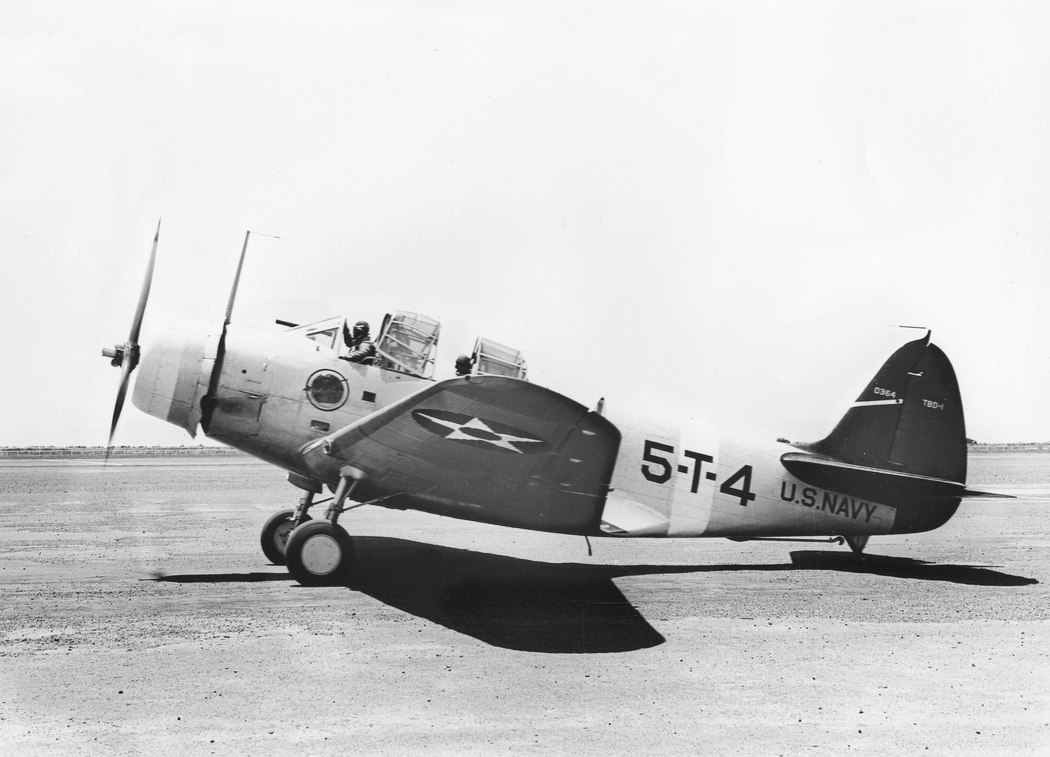
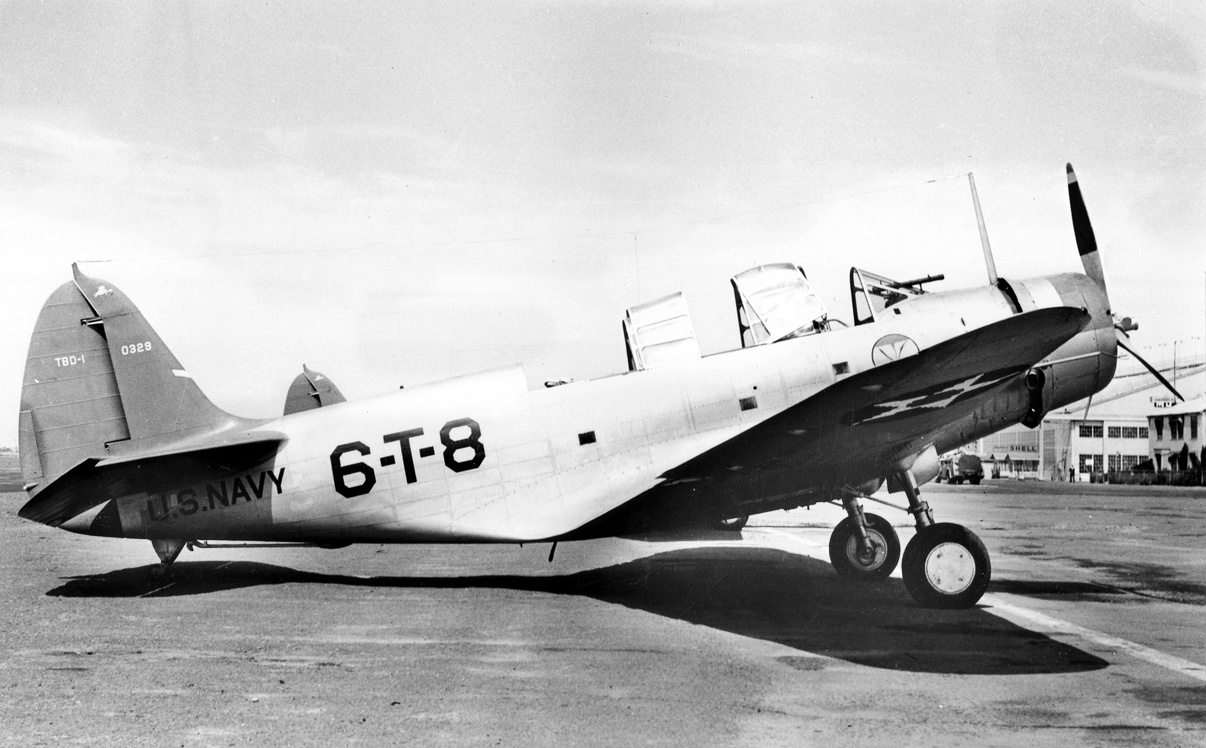
Unfortunately, both aircraft (BuNo 0364 and 0329) were reassigned to VT-8 of the USS Hornet. They met their fate with the other 13 TBDs of that squadron at the Battle of Midway, where the hopelessly outdated TBDs were nearly annihilated.
That being said…
Ever since they were slaughtered at Midway, the term “hopelessly obsolete” has been attached to the TBD and, therefore, implying/stating that the reason 35 of the 41 TBDs participating in the fight were destroyed was due to their advanced age. Yes, even before Midway in June 1942, the TBD had been overtaken by the rapid advances in aviation and, of course, was being replaced. However, the TBDs were obliterated not due to their age but the fact they were overwhelmed by defending Japanese fighters. Of course, being an older aircraft design did not help with survivability. Still, one must remember that the TBD’s replacement, the new TBF Avenger (an aircraft superior in all aspects to the TBD Devastator), was shot to pieces at Midway, where its loss rate was almost identical to that of the TBD. Therefore, the idea that the TBD squadrons were annihilated at Midway simply because the plane they flew was a few years old doesn’t add up – their near-annihilation (and that of the brand-new TBFs) was caused by their bravely flying unescorted into the teeth of the Japanese Combat Air Patrol.
A bunch of Clunks
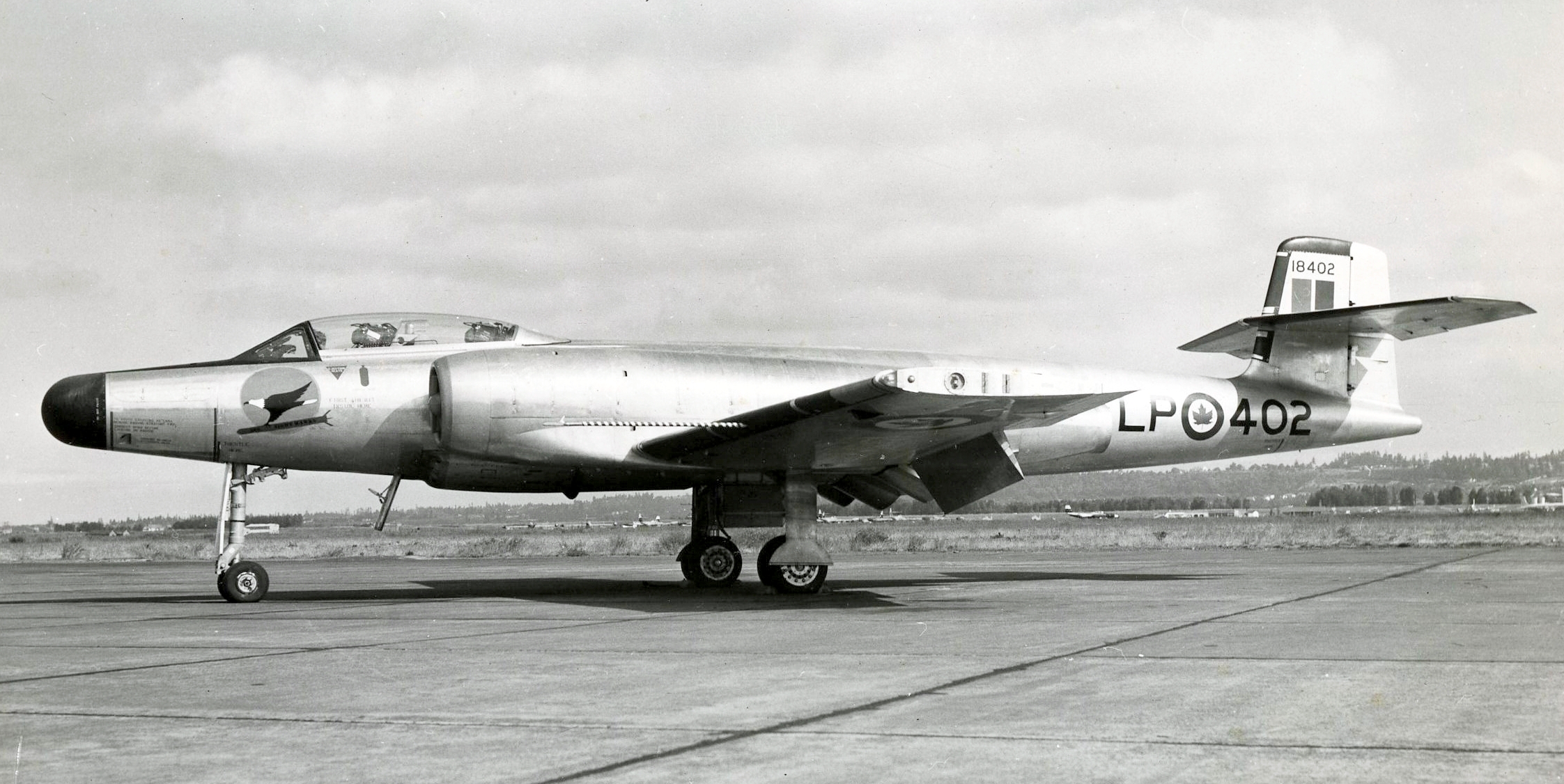
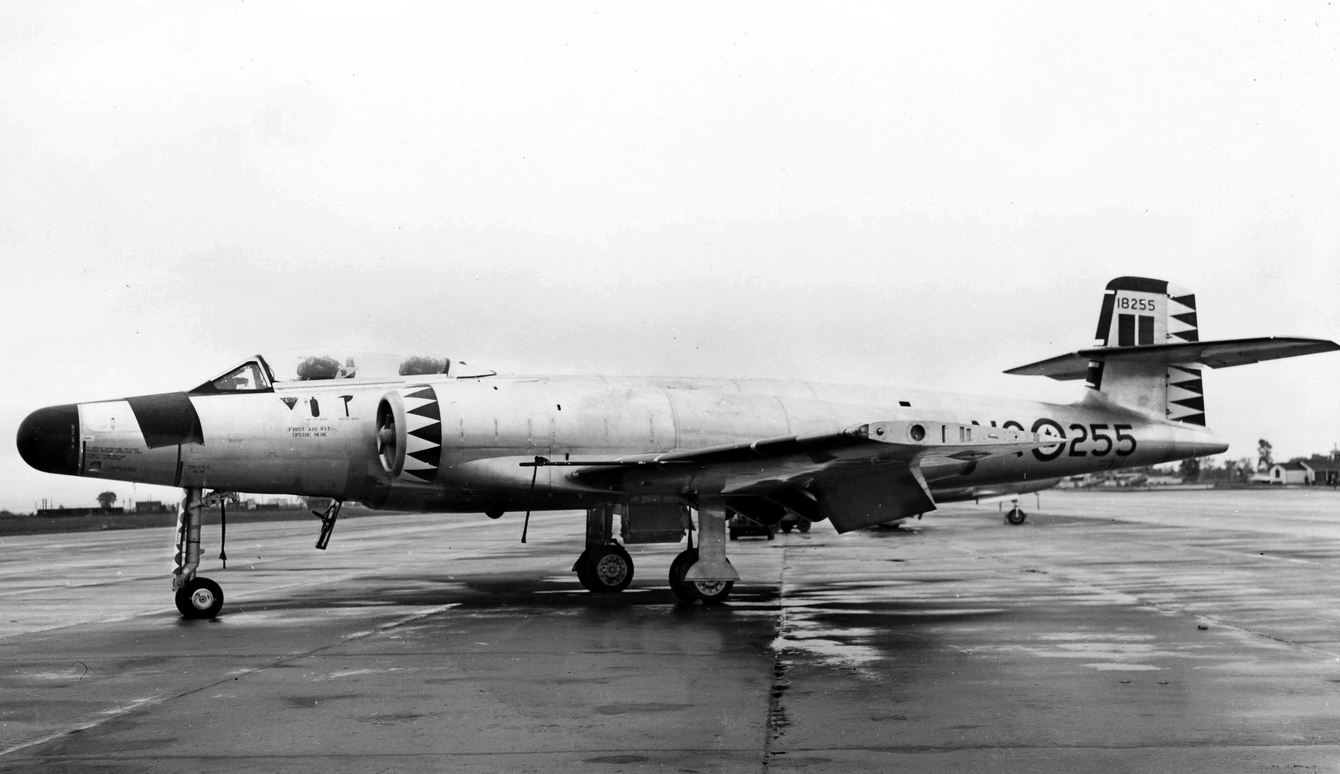


Avro CF-100 (serial 8402) enjoys some afternoon sunshine while out and about in the late 1950’s. Aircraft is from No. 409 AW(F) Squadron at Comox. Below it, in order: 18255 from No. 423 AW (F) Squadron, 18403 of No. 445 AW (F) Squadron, and below it lurks 18308 of 419 Squadron.








 The Jive Bomber