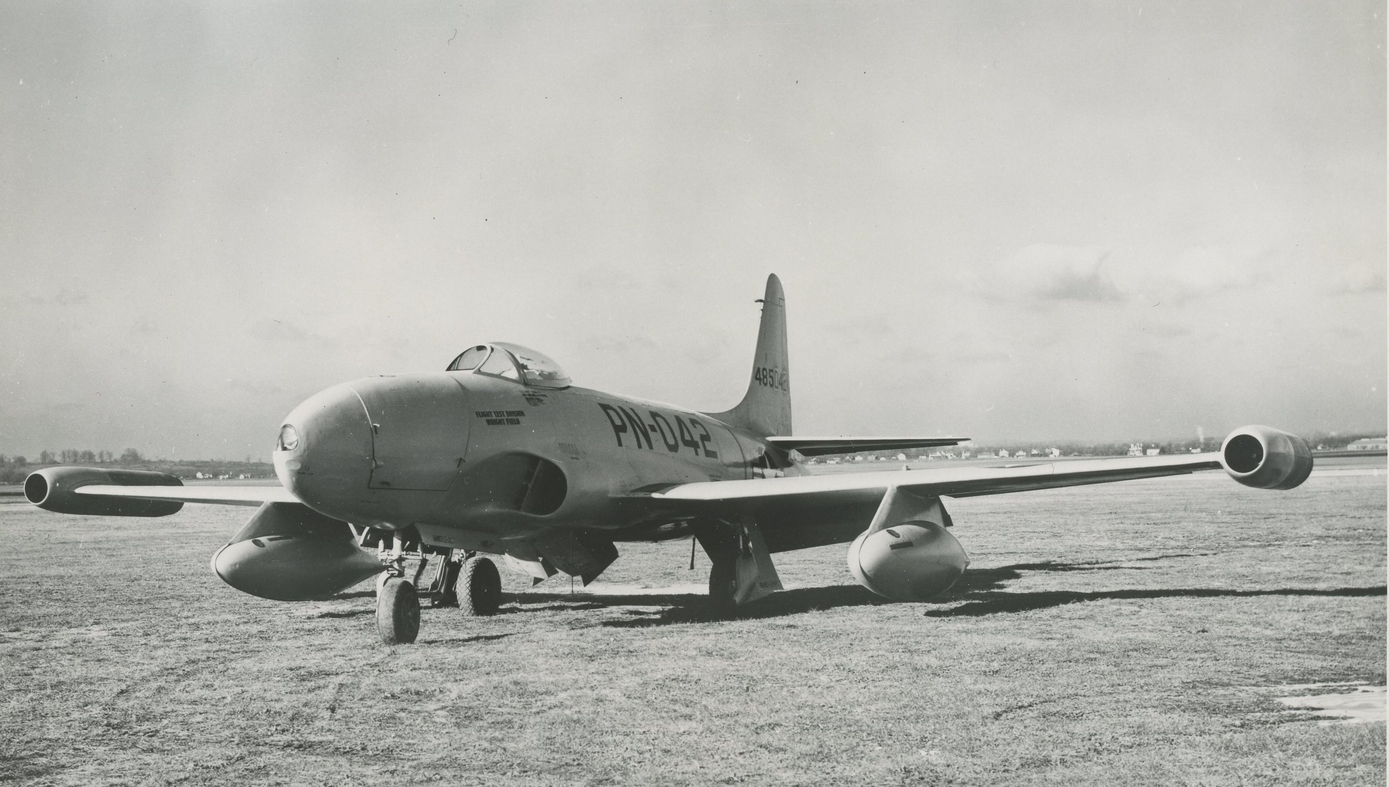
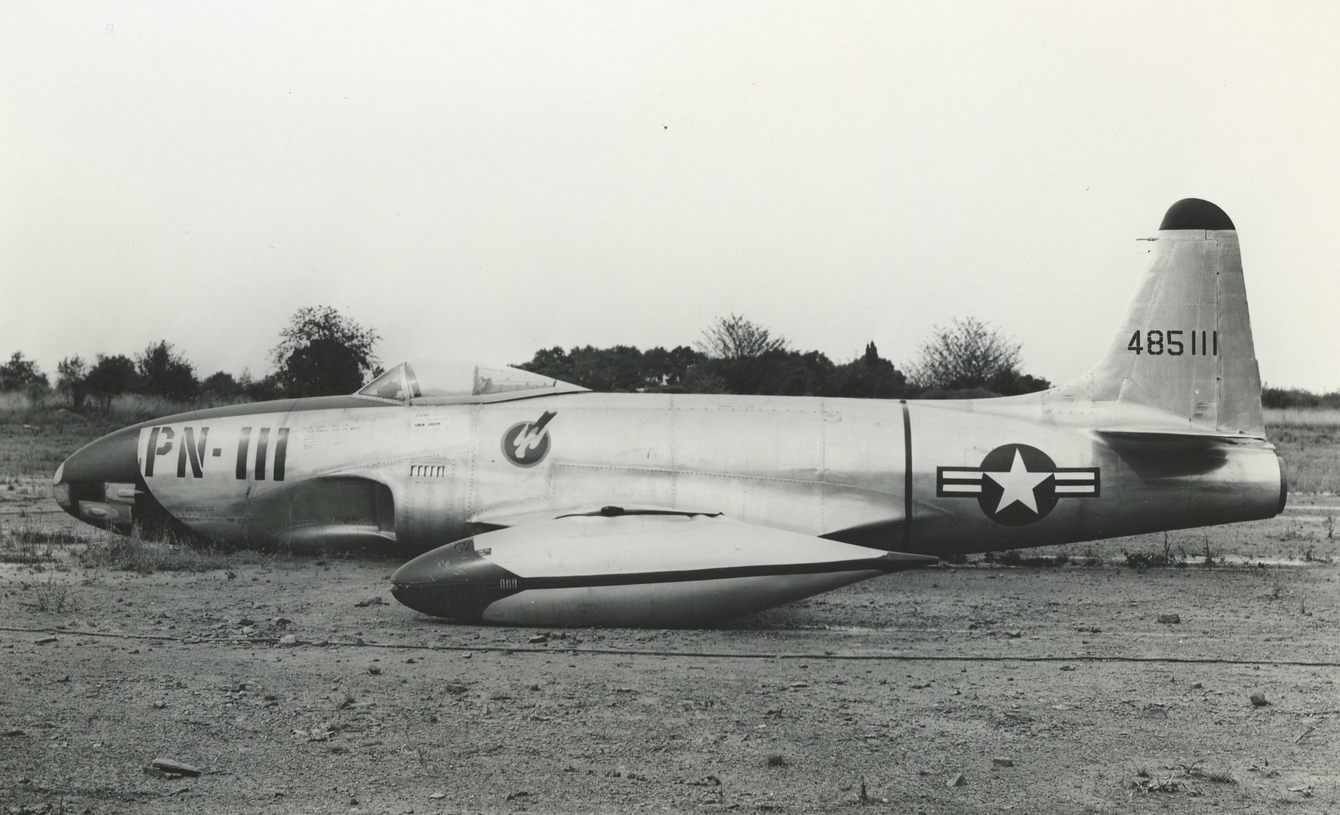
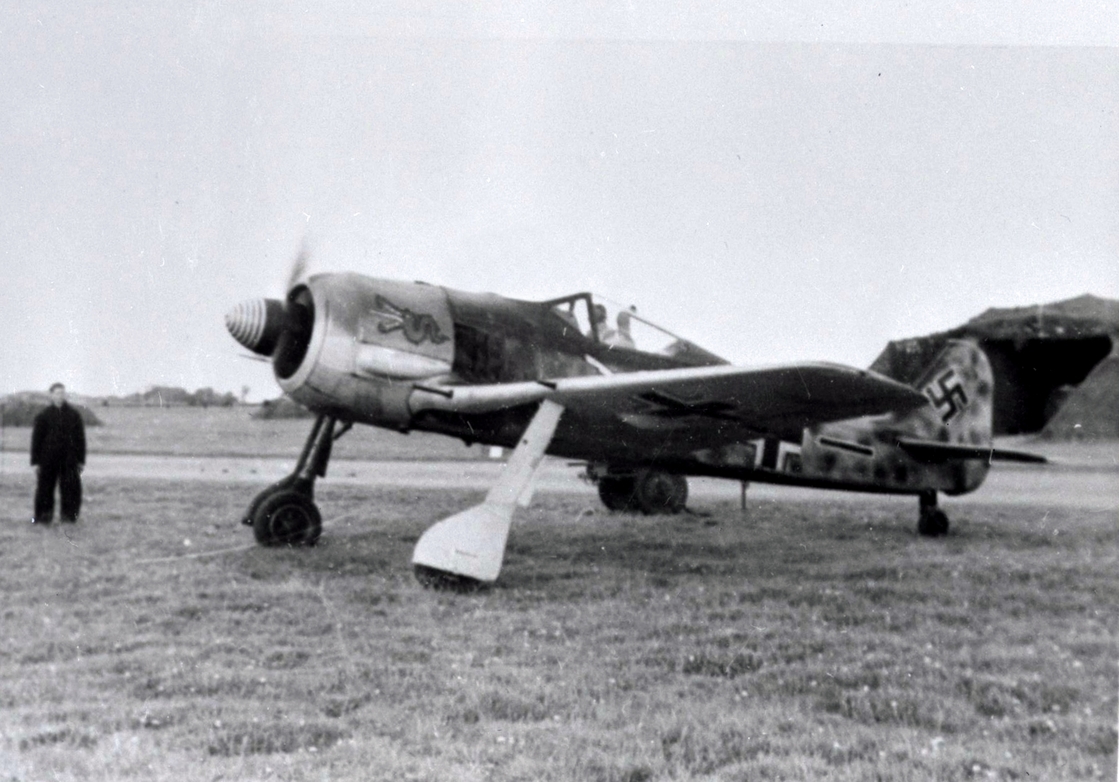
According to the marking forward of the cockpit, this aircraft was assigned to the Flight Test Division, Wright Field. It sure carries an interesting mixture of attachments. The aircraft was later assigned to the 336th FIS and the 26th FIS where, in 1950, it met its demise.
This bird had a short but eventful career. Entering service with the 412th Fighter Group, it transferred to the 1st Fighter Group where it joined the 71st Fighter Squadron as seen here. Unfortunately, the “incident” pictured here was not its last. After some necessary repairs to the underside of the aircraft, it eventually ended up with the 26th Fighter Interceptor Squadron where it crashed for good in 1950.
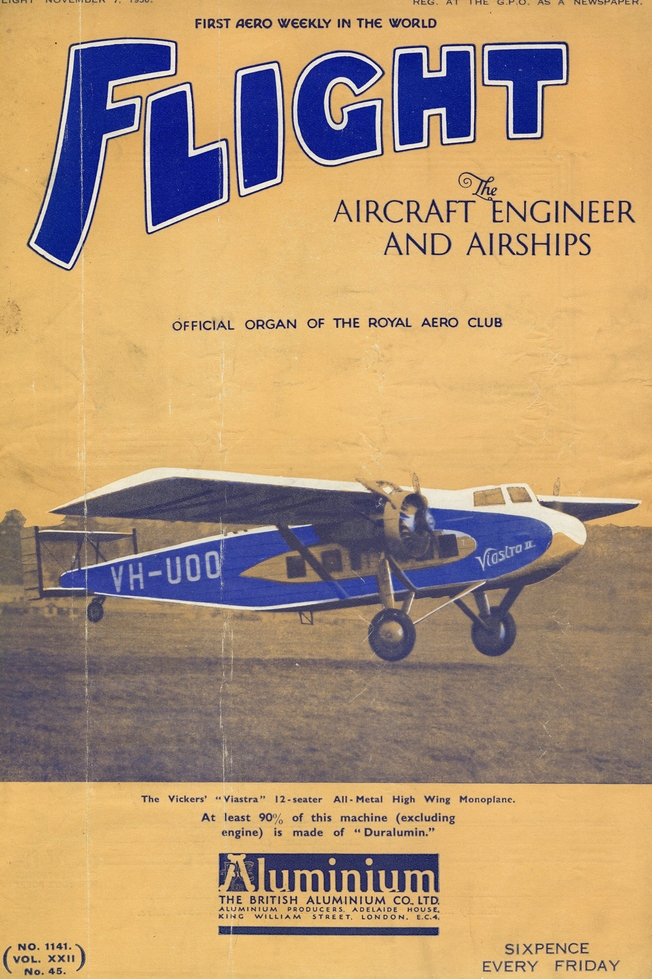
The Viastra was a nifty addition to the skies of Australia when it arrived in the early 1930’s. Operated by West Australia Airways from 1931-36, it was eclipsed by more capable aircraft.
When a Vickers Varsity ended up on the roof of a Gloucester home in March, 1963, it made headlines around the world – including the Seattle Post-Intelligencer in my home town. Despite the appearance of the seemingly comical resting place of the Varsity, it was in fact a tragedy in that both pilots lost their life. The only good news was the occupants of the home escaping relatively unscathed.
Wildcats being armed up aboard USS Enterprise during the early days of the war in the Pacific. Of note is the over-sized US insignia – an aid to not being shot down by your own guys.
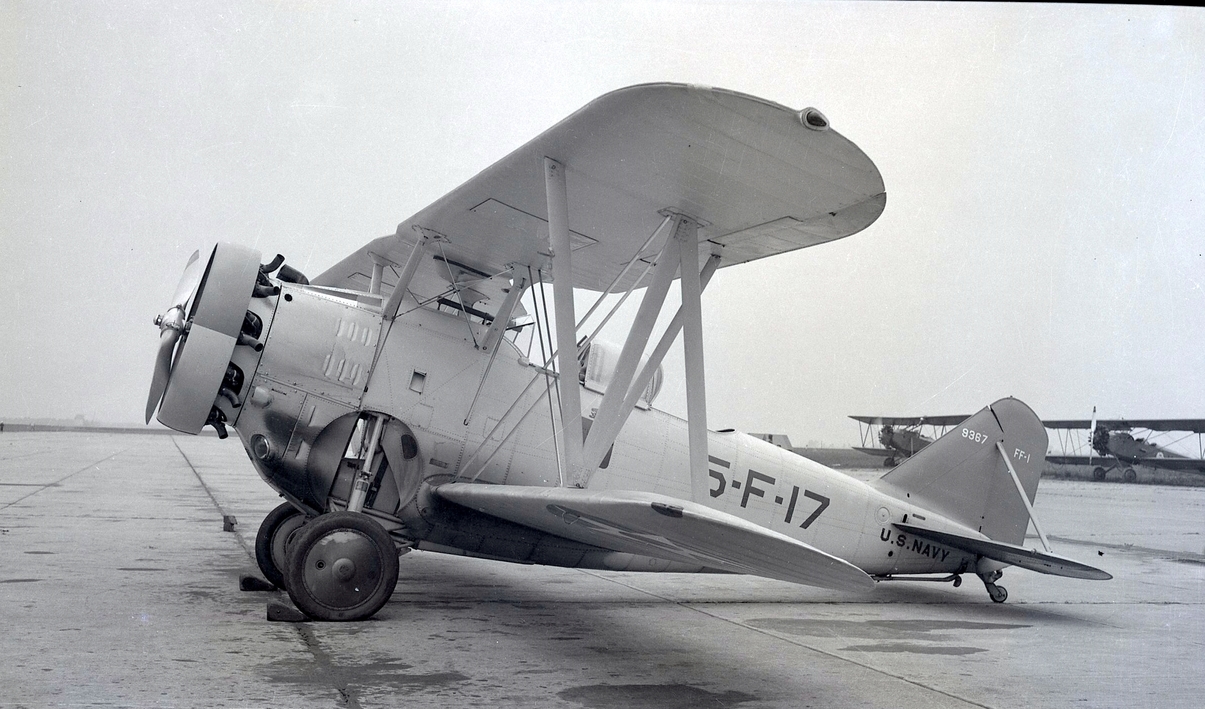
Years back, a gent who had been a 1930s navy pilot informed me that when he first saw the FF, he thought it looked like it had swallowed a Boeing F4B. It does have that look.
The bad news is that this TBM Avenger is heading forever to the bottom of the Pacific Ocean. Good news is that the crewmen are on the wings and the aircraft will make that deep sea journey on its own.
Going on a cruise over Florida. The aircraft was assigned to a training unit there before being written-off in 1943.
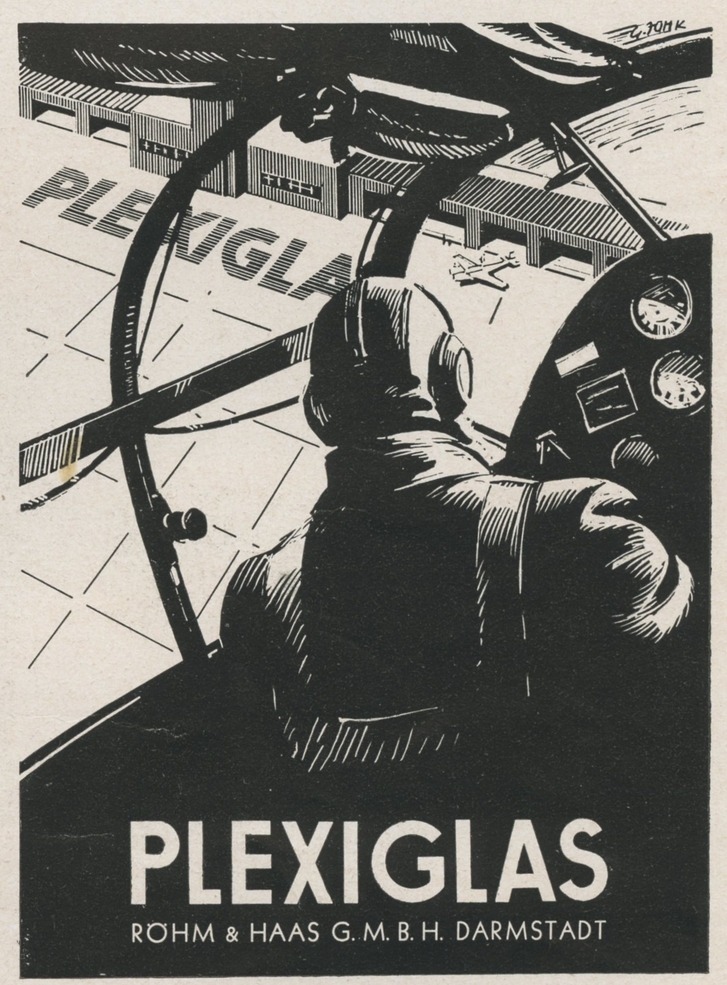
Great ad from Roehm & Haas. Though a German company, R&H also had a plant in the USA. Both operations made a fortune as manufacturers of Plexiglas. The company is still around today.
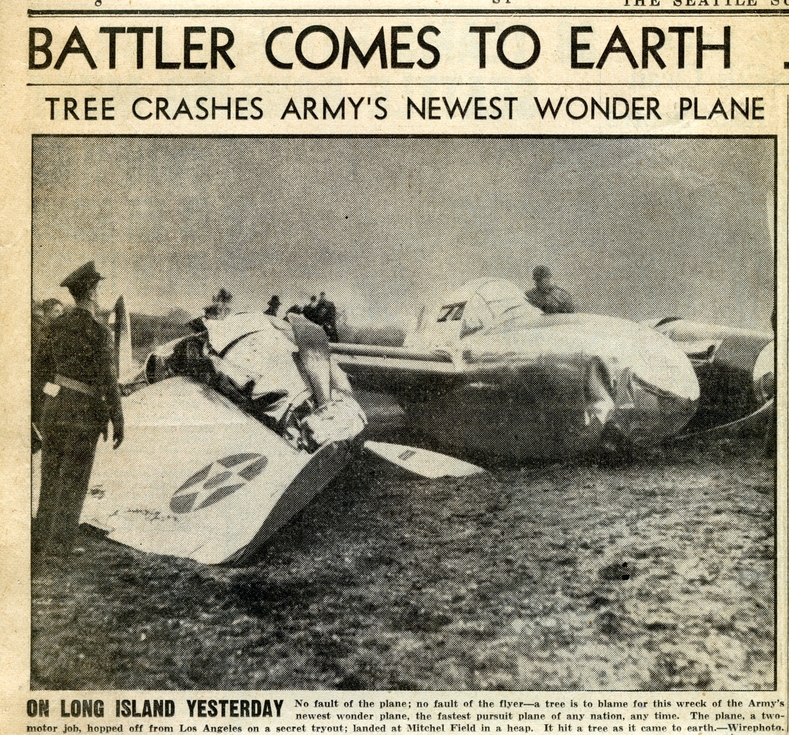
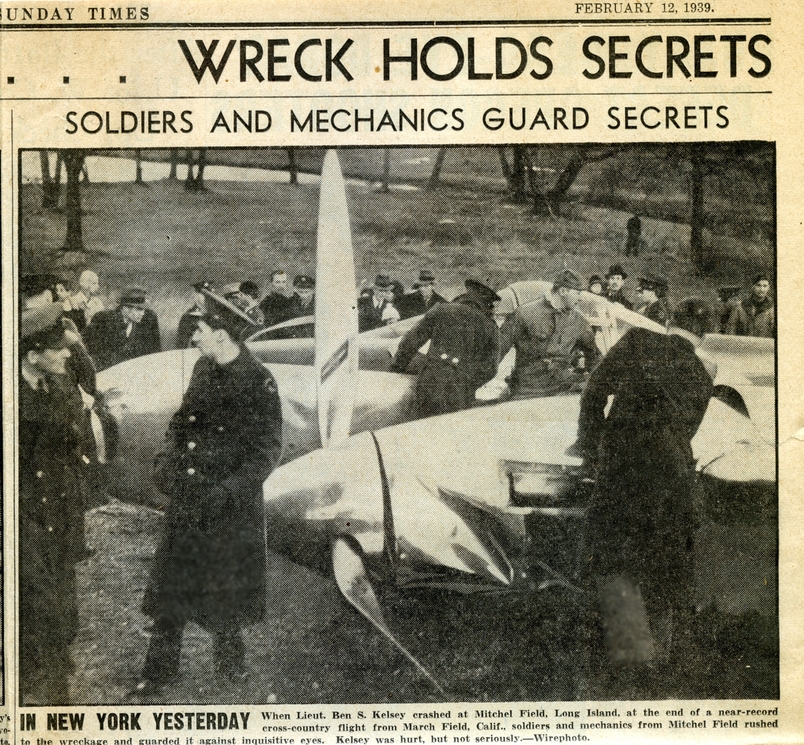
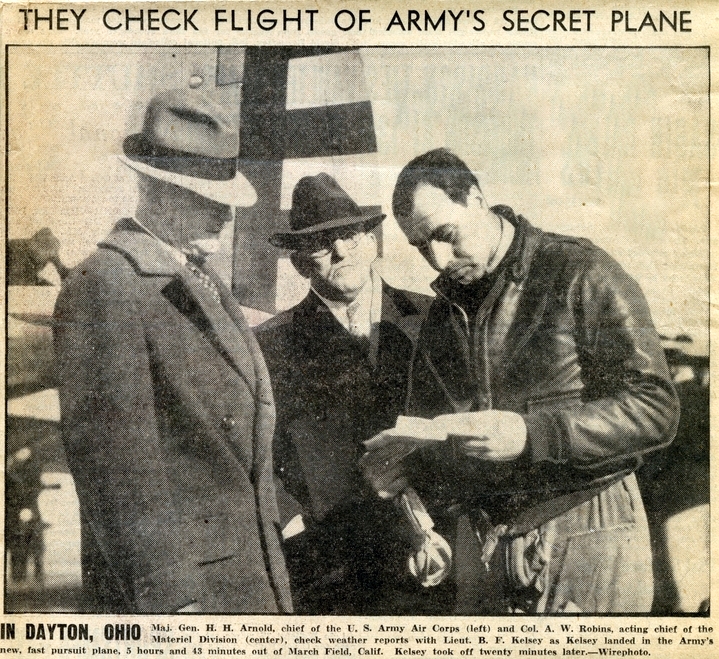
Interesting newspaper clippings from the Seattle Times in 1939 telling the story of the XP-38’s ill-fated cross-country flight. Things were going pretty well until the carbs iced up. The aircraft crashed near Mitchel Field, NY.