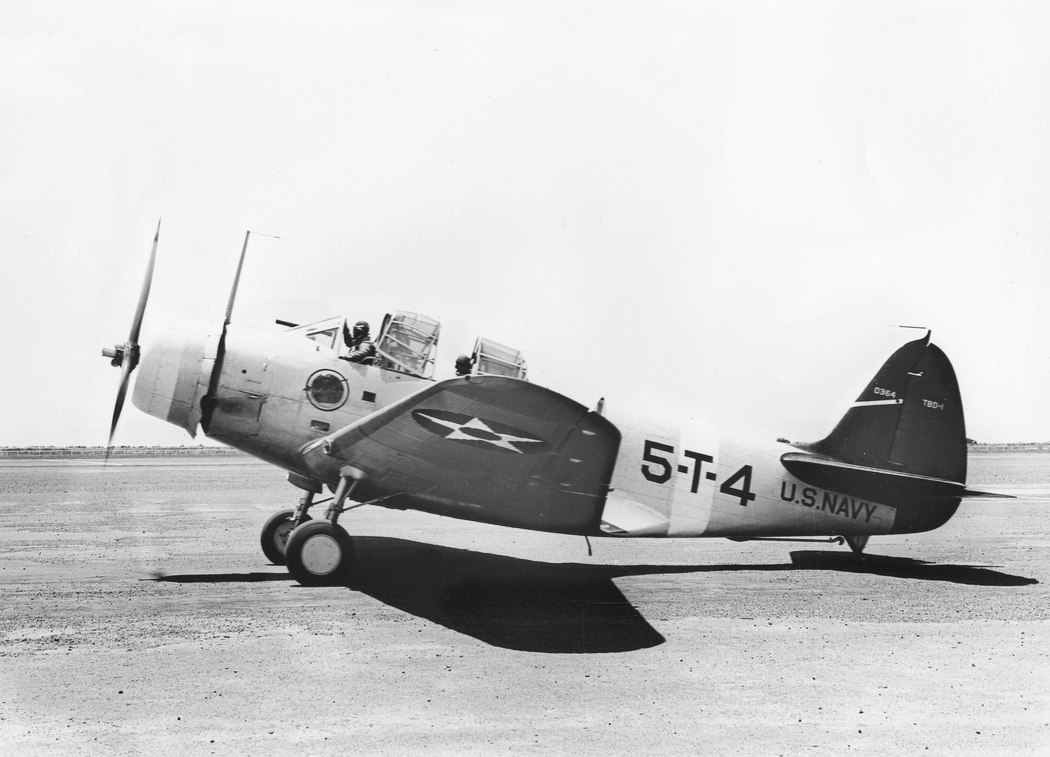
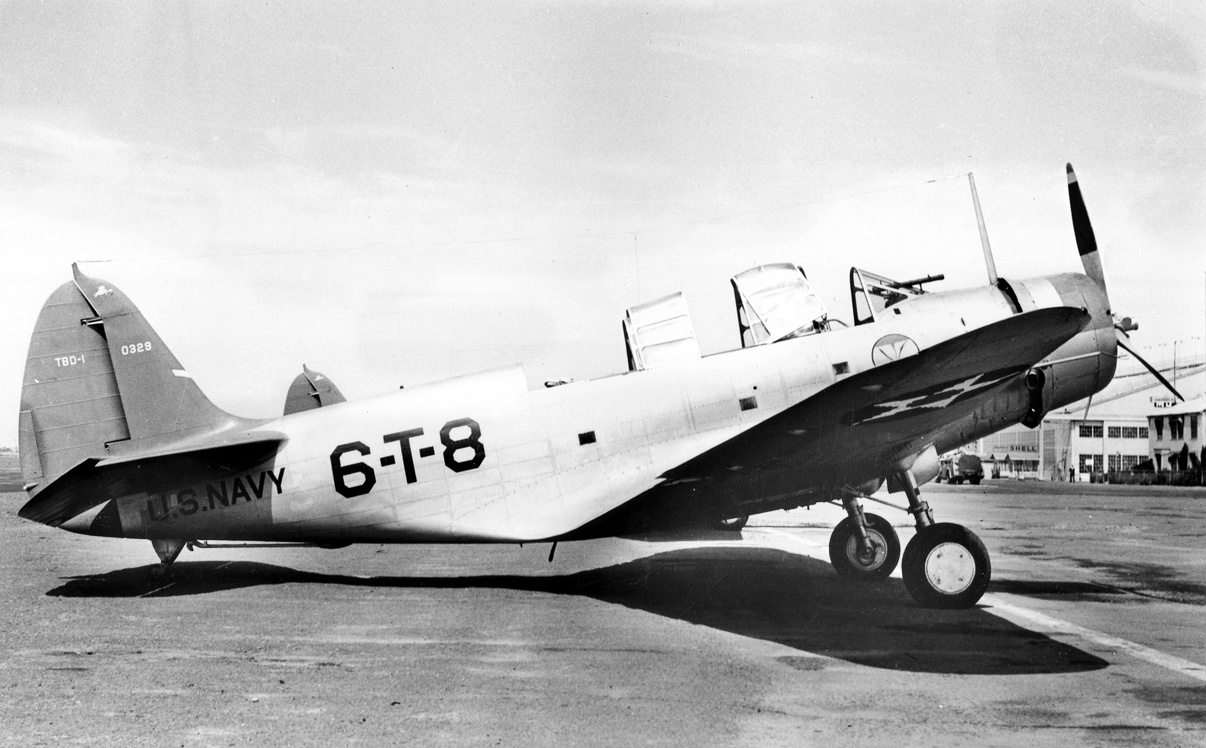
Unfortunately, both aircraft (BuNo 0364 and 0329) were reassigned to VT-8 of the USS Hornet. They met their fate with the other 13 TBDs of that squadron at the Battle of Midway, where the hopelessly outdated TBDs were nearly annihilated.
That being said…
Ever since they were slaughtered at Midway, the term “hopelessly obsolete” has been attached to the TBD and, therefore, implying/stating that the reason 35 of the 41 TBDs participating in the fight were destroyed was due to their advanced age. Yes, even before Midway in June 1942, the TBD had been overtaken by the rapid advances in aviation and, of course, was being replaced. However, the TBDs were obliterated not due to their age but the fact they were overwhelmed by defending Japanese fighters. Of course, being an older aircraft design did not help with survivability. Still, one must remember that the TBD’s replacement, the new TBF Avenger (an aircraft superior in all aspects to the TBD Devastator), was shot to pieces at Midway, where its loss rate was almost identical to that of the TBD. Therefore, the idea that the TBD squadrons were annihilated at Midway simply because the plane they flew was a few years old doesn’t add up – their near-annihilation (and that of the brand-new TBFs) was caused by their bravely flying unescorted into the teeth of the Japanese Combat Air Patrol.
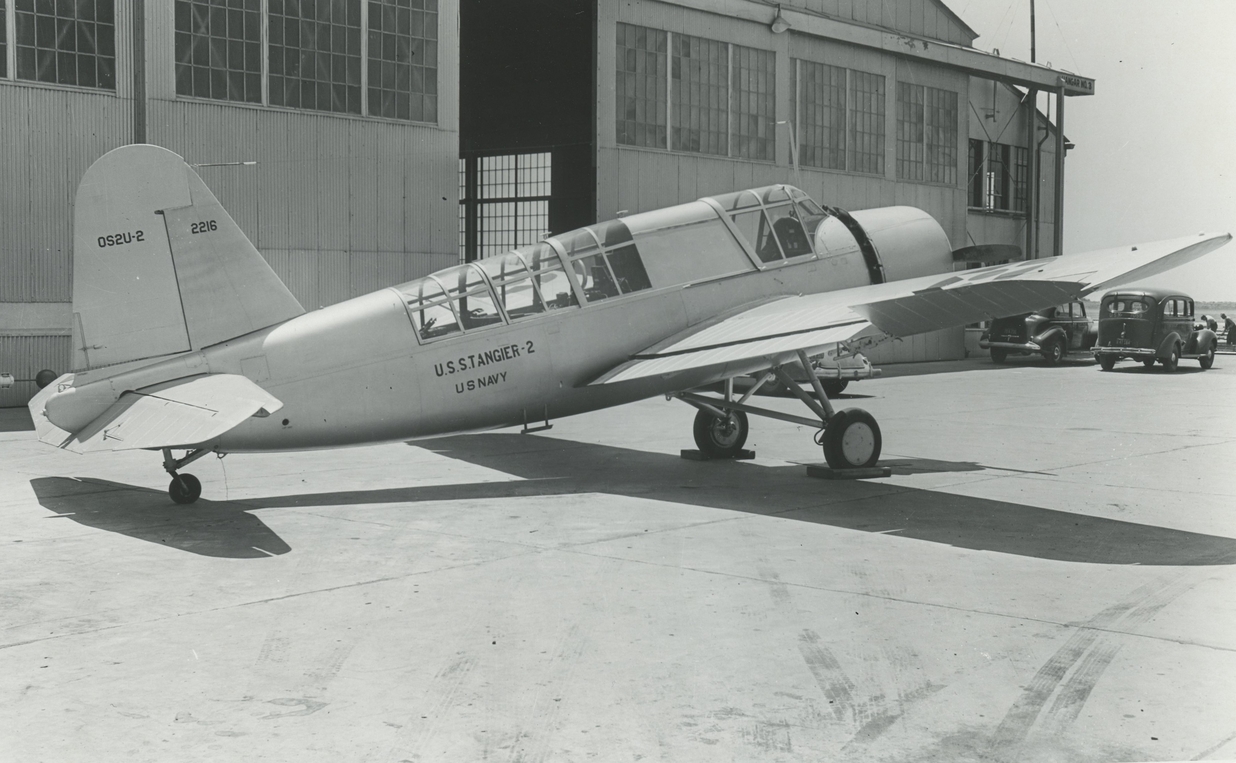
From the seaplane tender USS Tangier at Oakland, CA, July 1941. At that time, Tangier was still being placed in commission, so I’m guessing this Kingfisher (2216) will lose his wheels once its ship is ready.
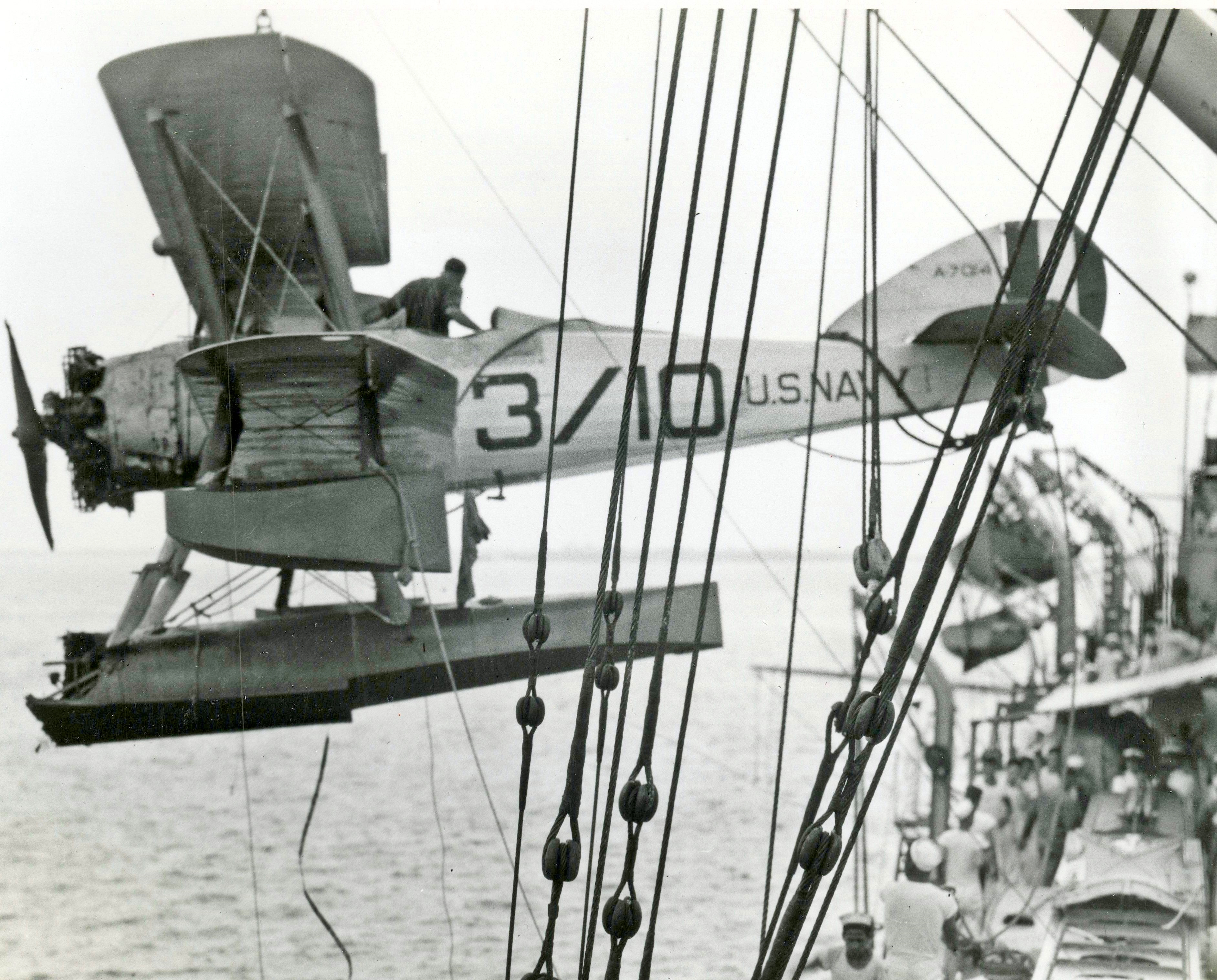
I have no idea what caused this aircraft to have its floats sliced, but given that the plane is not on the bottom of the ocean illustrates why such floats were divided into watertight compartments.
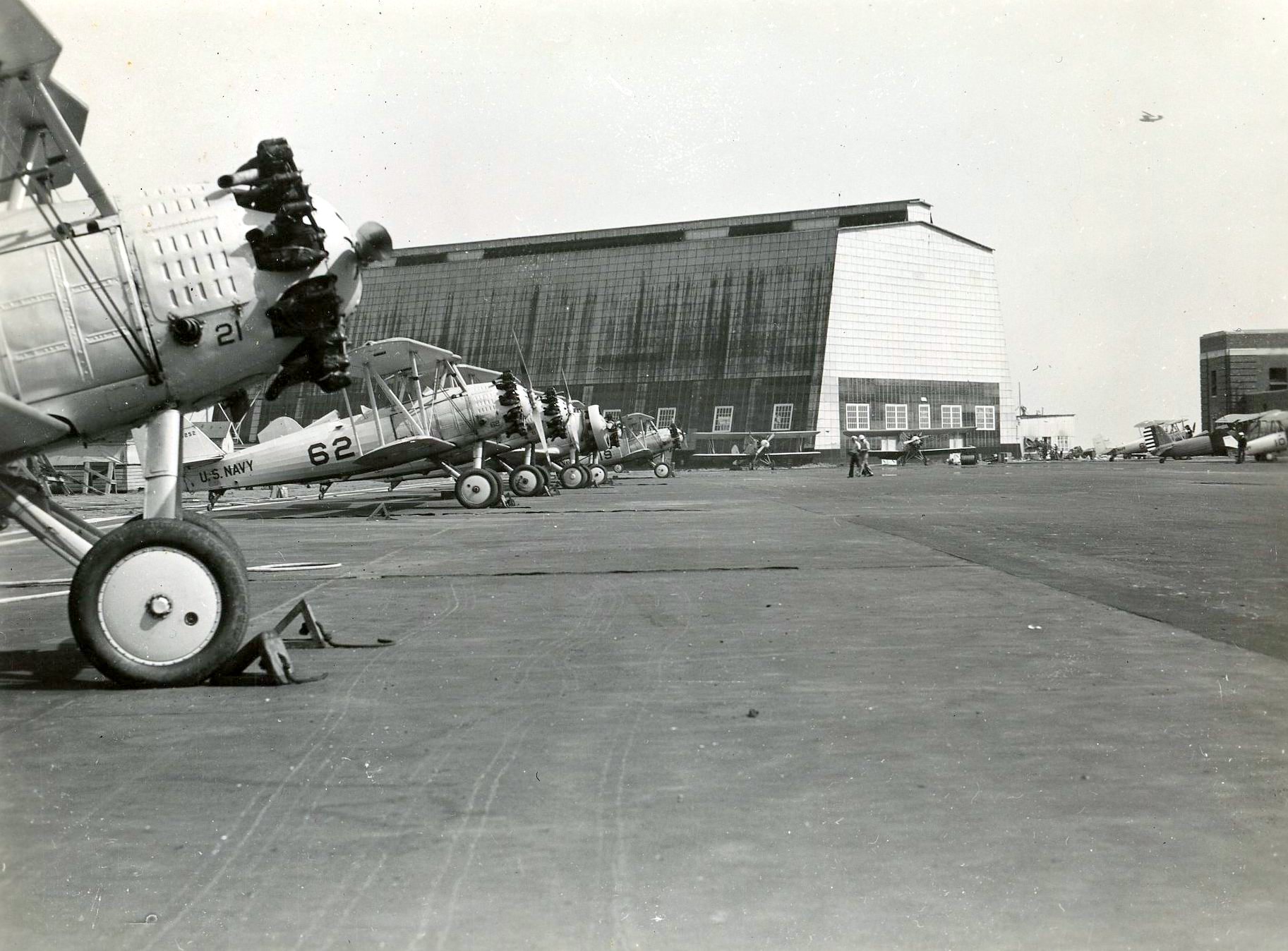
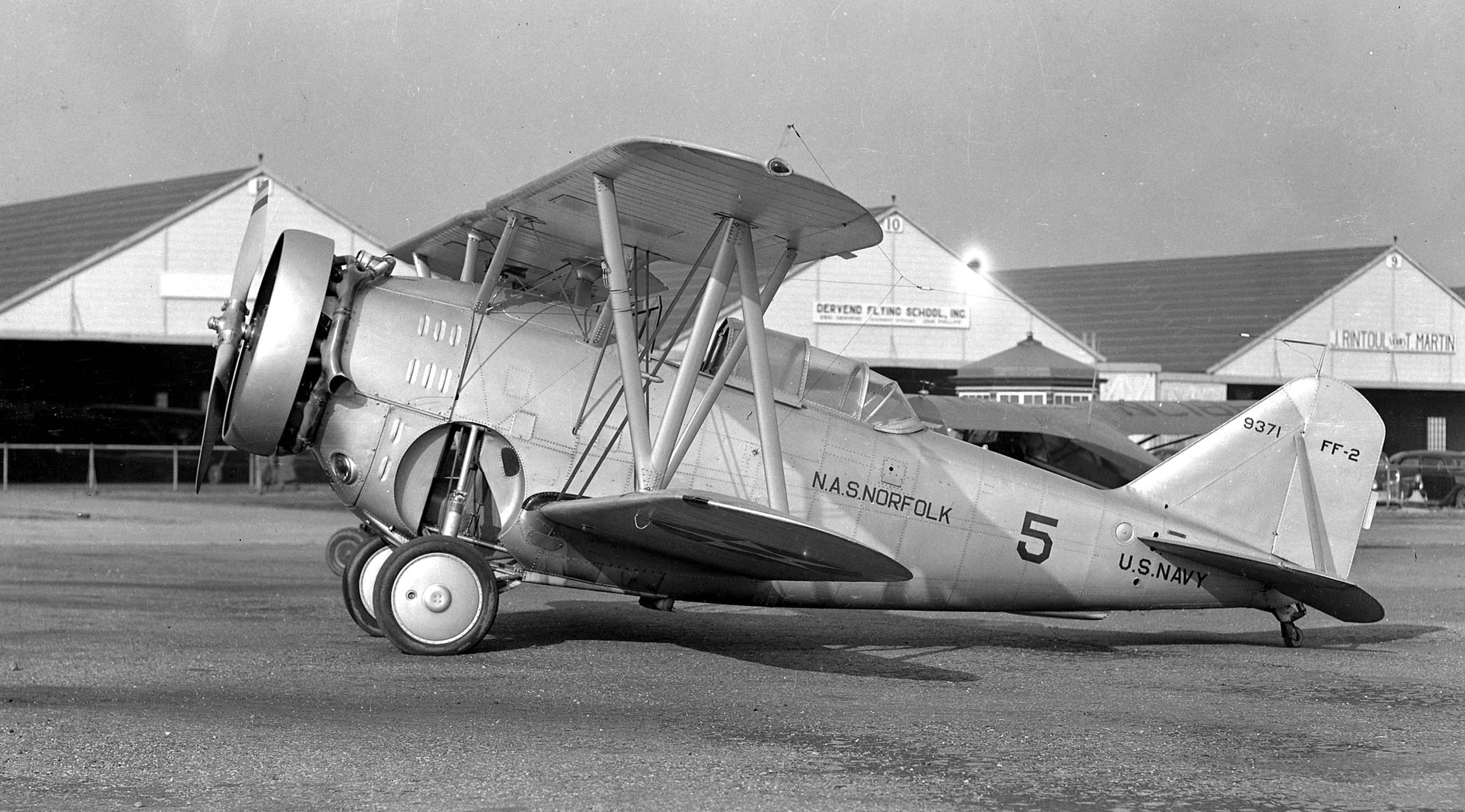
The FF made up with innovation what it lacked in the “svelte and graceful” department. What was so innovative, you ask? It was the first US Navy carrier plane with retractable landing gear. Pic #1 shows an FF-1 (9361) of VF-5B (USS Lexington). It crashed in 1935. #2 is an FF-2 (9371) of NAS Norfolk. The hangars are those of Roosevelt Field, NY.
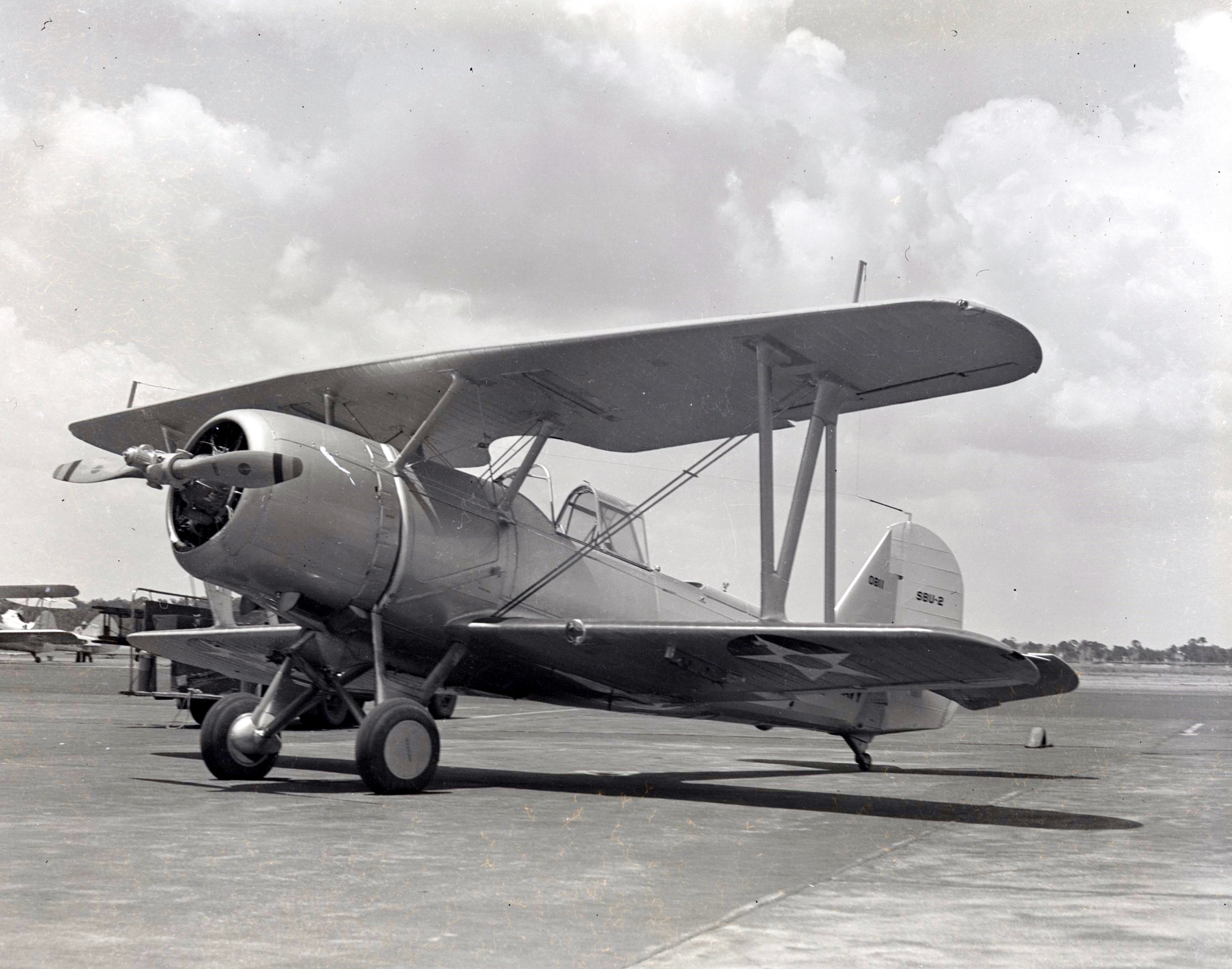
The SBU was one of several aircraft named “Corsair” by its manufacturer, Vought. A speedy scout bomber when it entered service in the mid-30s, the SBU was soon overtaken by the lightning-fast changes in aviation of that era. Even so, it stayed around as a trainer well into WWII. Serving in that role, the aircraft seen here, BuNo 811, crashed in 1943.
A tractor (or a Model T) would come in handy to assist these sailors as they heave-ho away. Location as based on sailor’s clothing: Someplace warm like Florida; probably Pensacola.
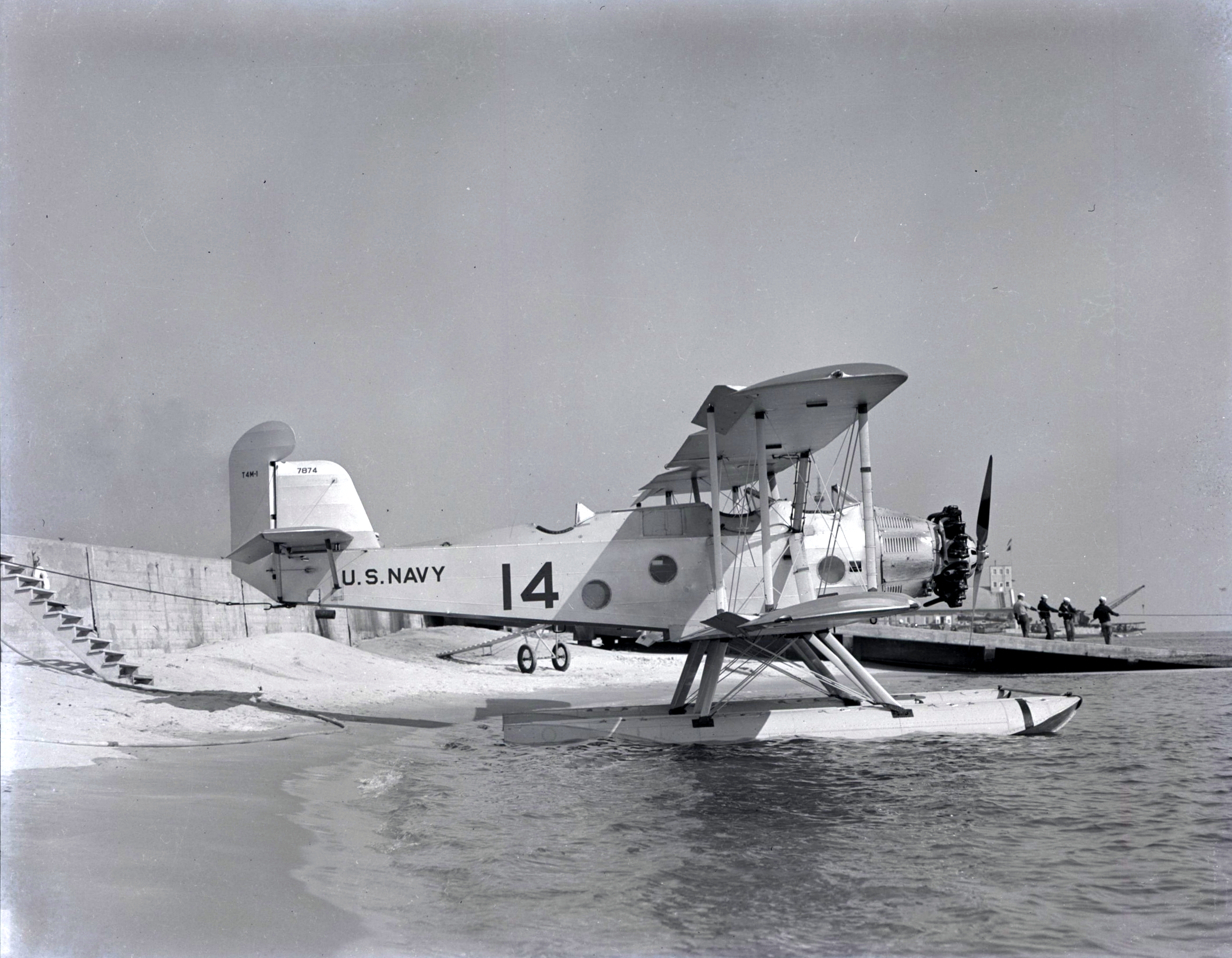
Martin (#7874) torpedo bomber at NAS Pensacola. A good airplane for the 1920’s, the T4M stuck around until the late 30’s. As the portholes on the side suggest, you could actually get up and walk around inside. It was said that a T4M torpedo truck took off, cruised, and landed at 65 knots.





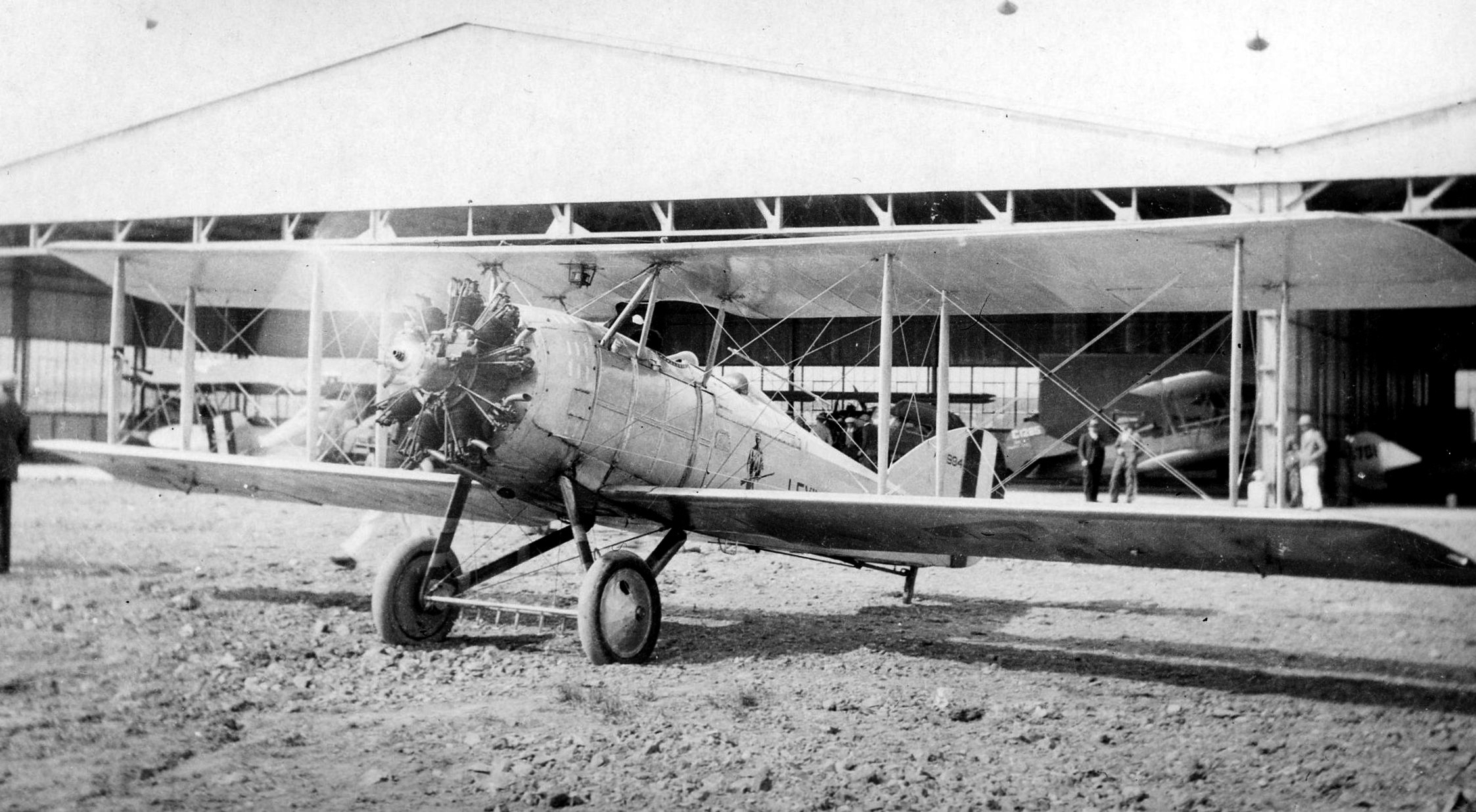
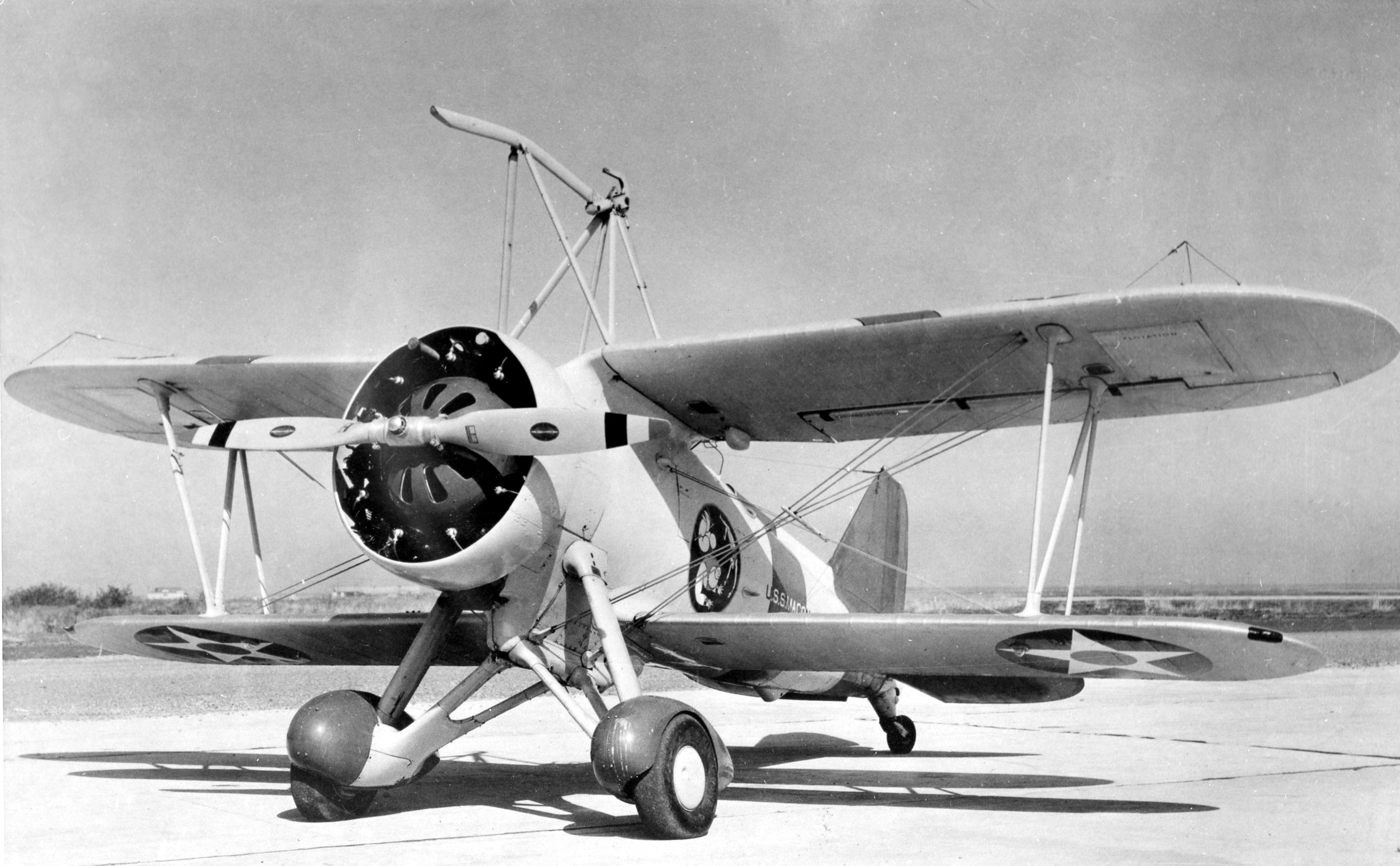


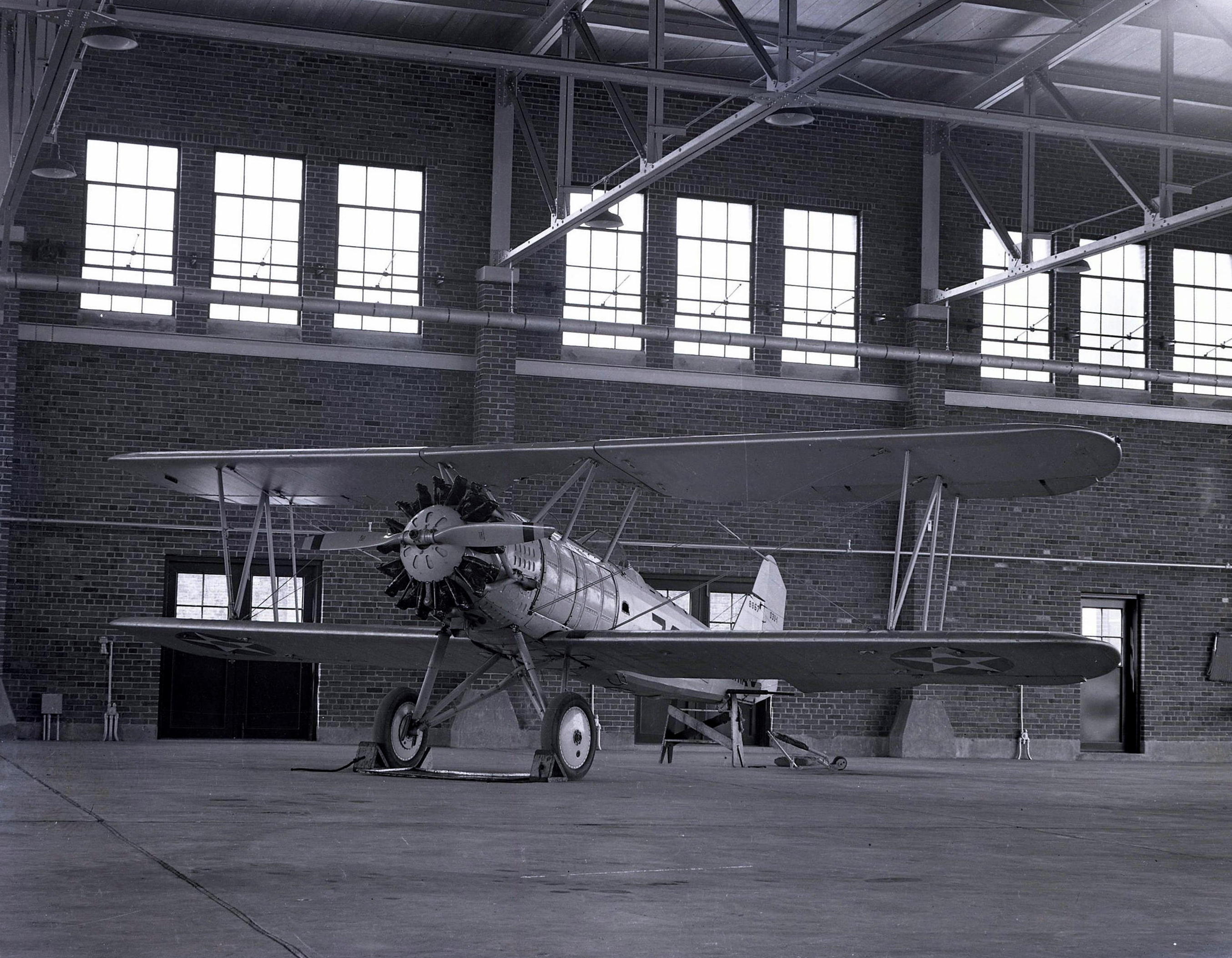
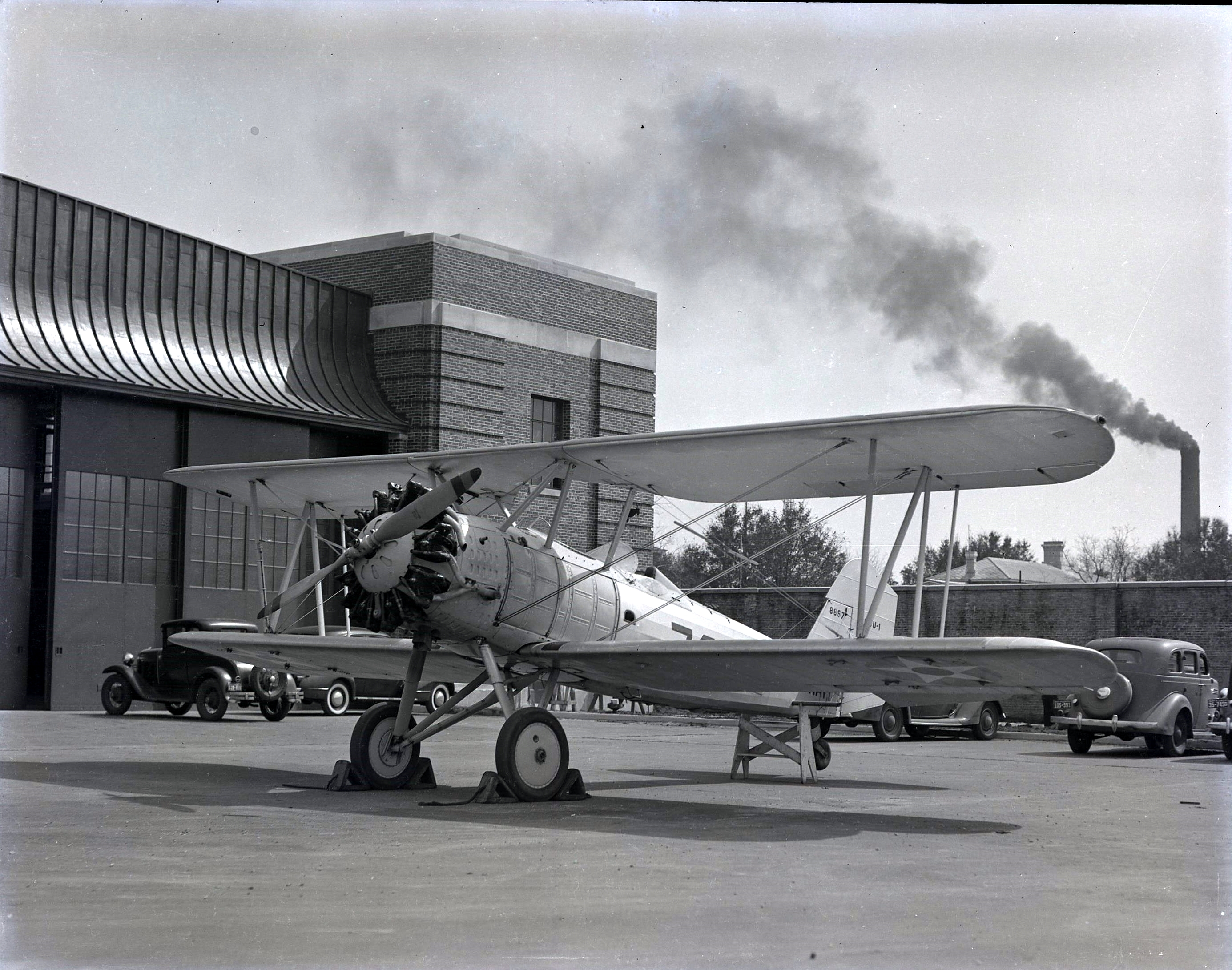



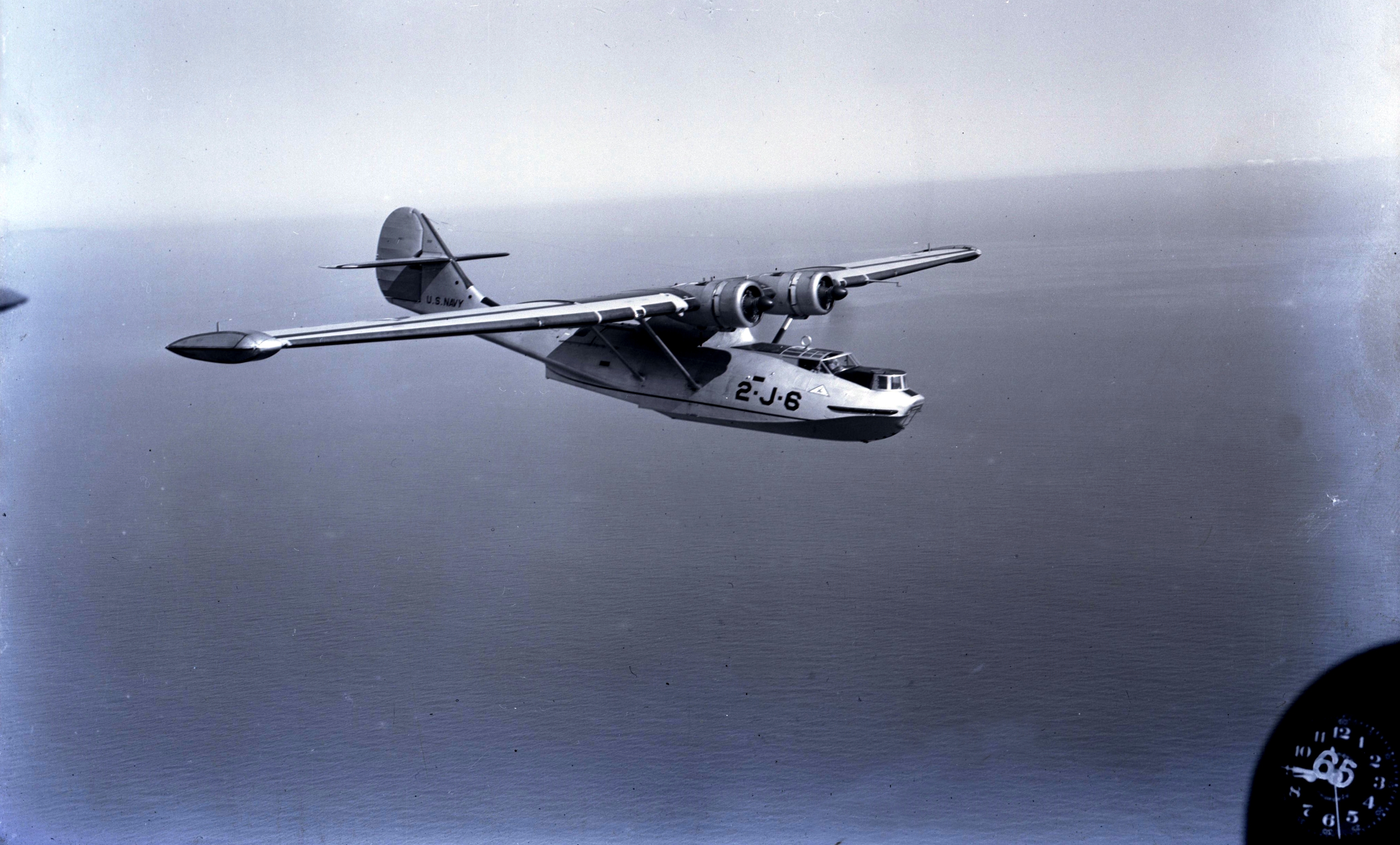
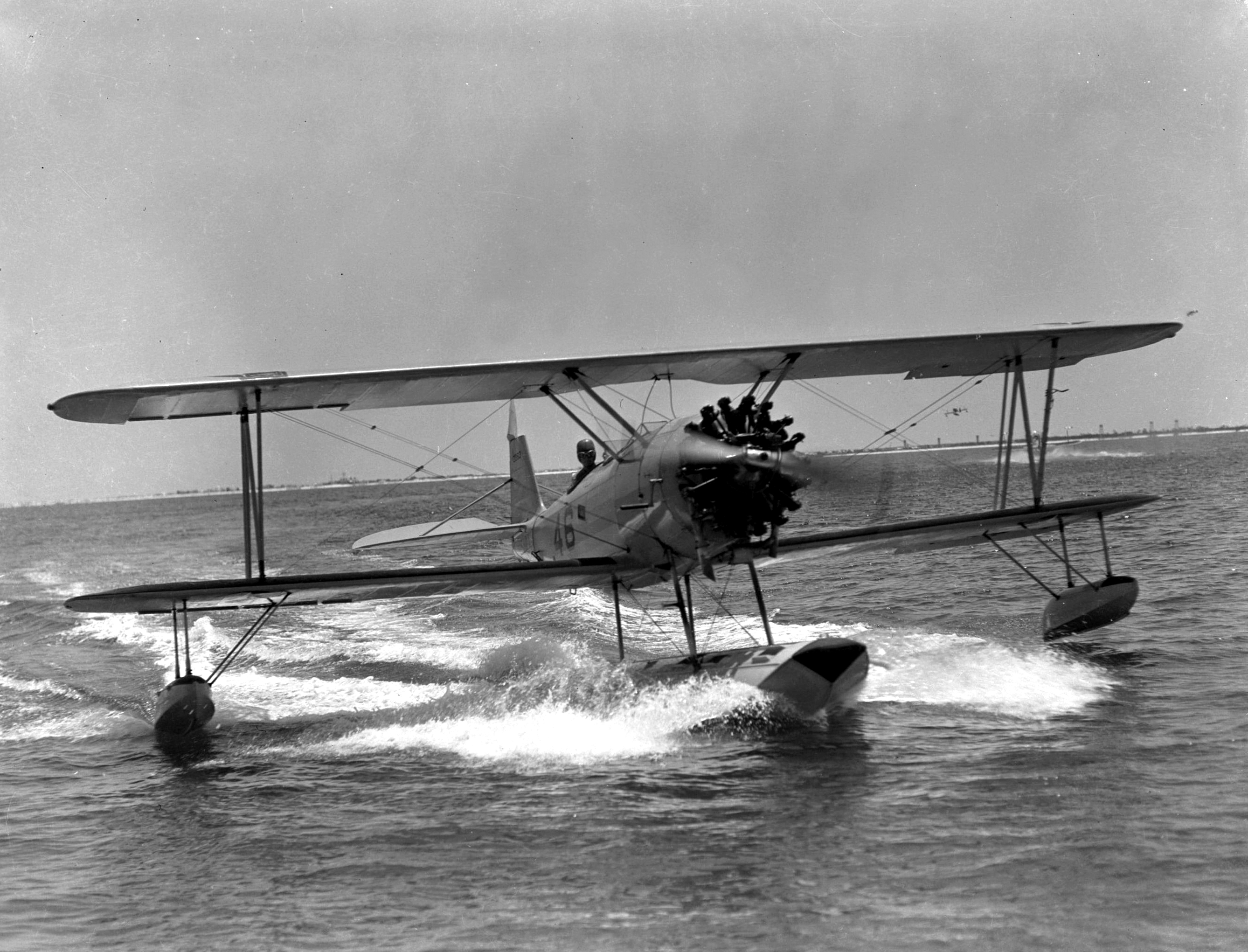
 The Jive Bomber