The RAF in SEA

During the Vietnam War, the skies of Southeast Asia were not limited to aircraft directly involved in the conflict. Life went on for the various air forces in nearby countries, including the Royal Air Force based in Singapore. Here, one of their aircraft is paying a visit to Pleiku Air Base in South Vietnam. The plane is, of course, a Gloster Javelin – a FAW9R from No. 60 Squadron, RAF Tengah. May 1967 is the date on the photo.

Note the variety of USAF birds: C-123s, an F-100, and an RF-101. There was a war on.

The B-17″E”

The War Can Wait…

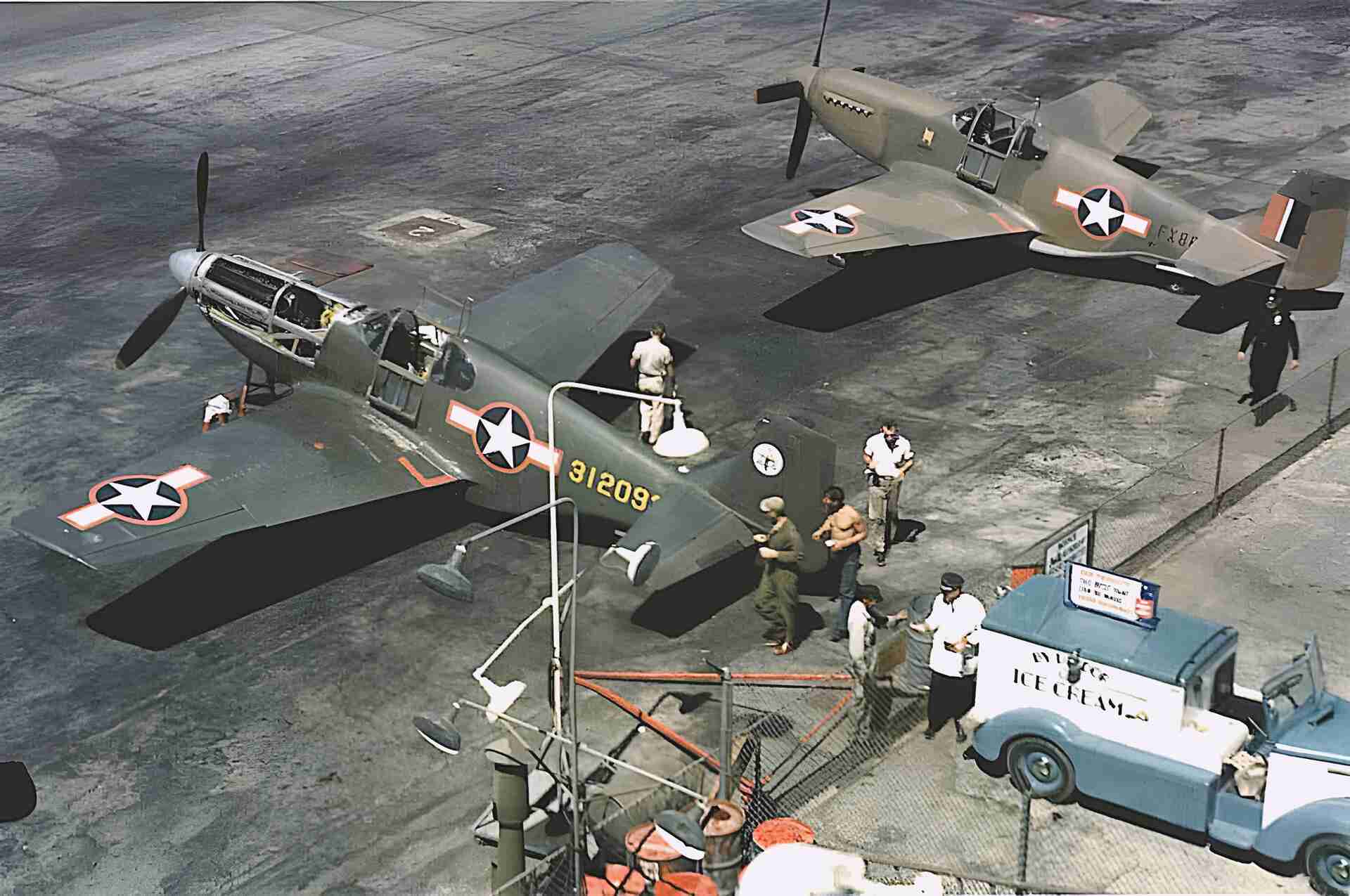
NAA P-51B 43-12093_

Los Angeles, Mines Field, 1943. When the ice cream man arrived, work came to a halt outside North American Aviation’s plant.

The pair of Mustangs are an interesting duo: the first P-51 “B” model (43-12093), and an RAF bird (FX863, also a “B” model). 43-12093, befitting its first-in-the-series status, was retained by NAA for test purposes. (Notice it is experimenting with a three-bladed propellor). Our Mustang III, FX863, never made it to the RAF but was instead handed over to the USAAF and eventually saw combat in the skies over Europe with the 357th Fighter Group.

The Alabama Air National Guard in Europe, 1952

When the 117th Tactical Reconnaissance Group(TRG) of the Alabama Air National Guard was activated during the Korean War, its squadrons spent about six months in Europe. Initially deployed to Toul Rosières Air Base in France, the unit found the steel matting and dirt flightline less-than optimal for the 160th TRS and its FOD-sucking RF-80s. (It was fine for the 1st TRS – they had RB-26s). It was decided to send the 160th to Neubiberg Air Base in Germany, where they would share the facilities with the base’s host unit, the 86th Fighter Bomber Group, and their F-84Es. The 160th remained at Neubiberg until de-activated in July 1952. Loaded with souvenir beer steins and lots of memories, they returned home to Alabama. 

World War 1 USN Airship Operations

Airshow time, circa 1979

There was something for everybody at this open house back around 1979: Phantoms, Voodoo, Thunderchief, Vulcan, and the USAF Thunderbirds in their T-38s. Not 100 percent certain of the location, but I believe it is Whiteman AFB, MO. The photographer was not using the best of equipment, but I’m glad he took the pictures.

Jets (and props) of the 1940s

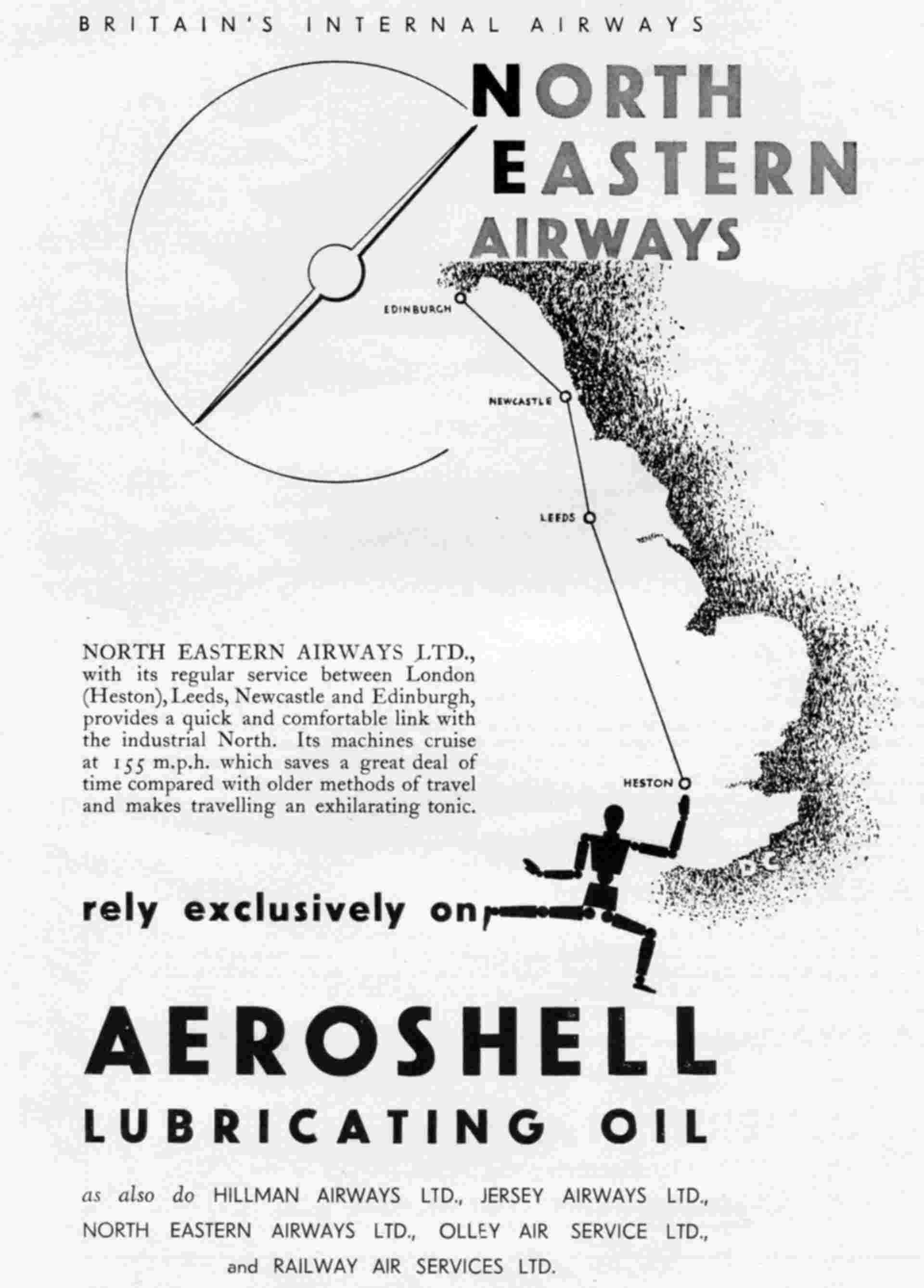
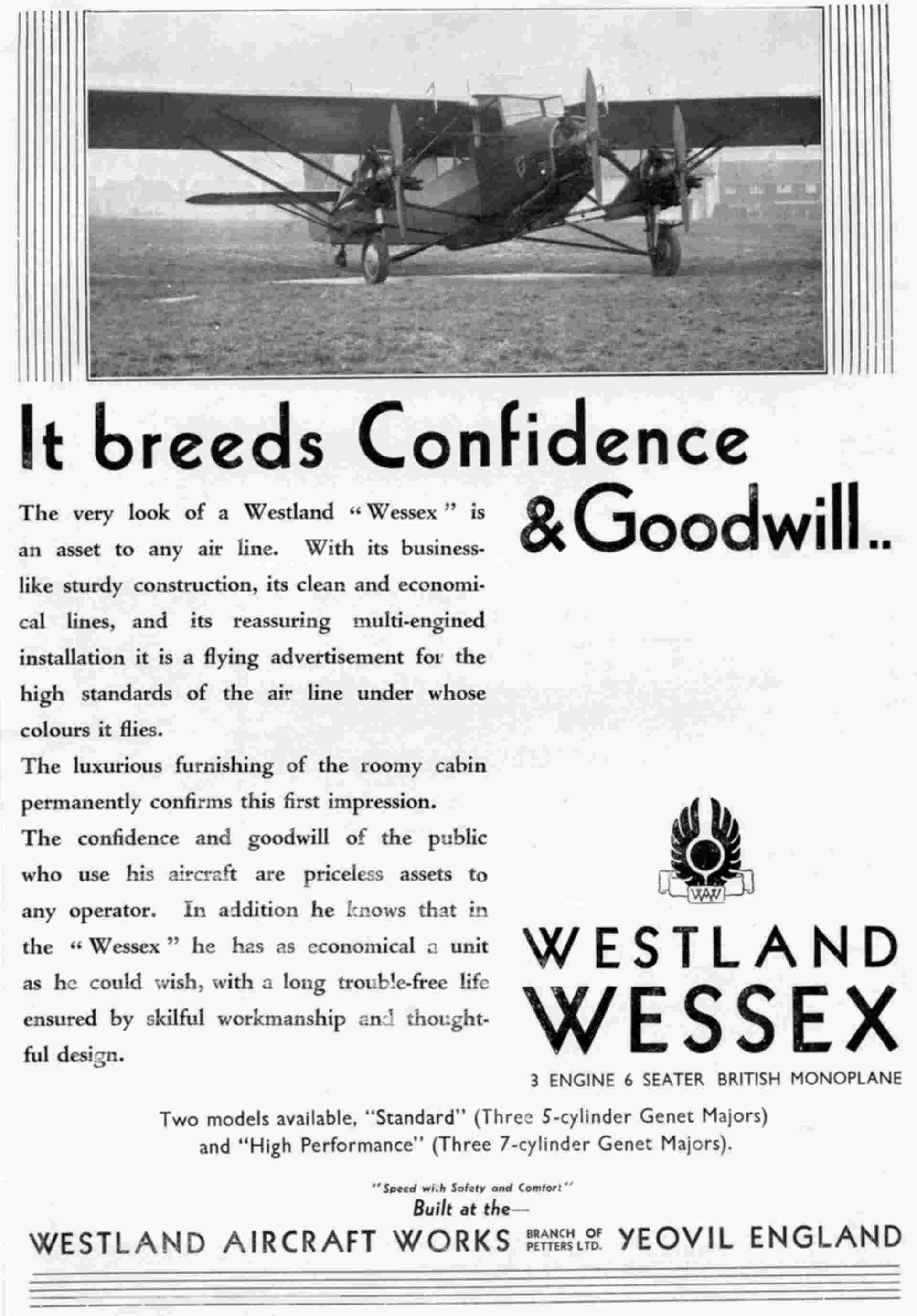
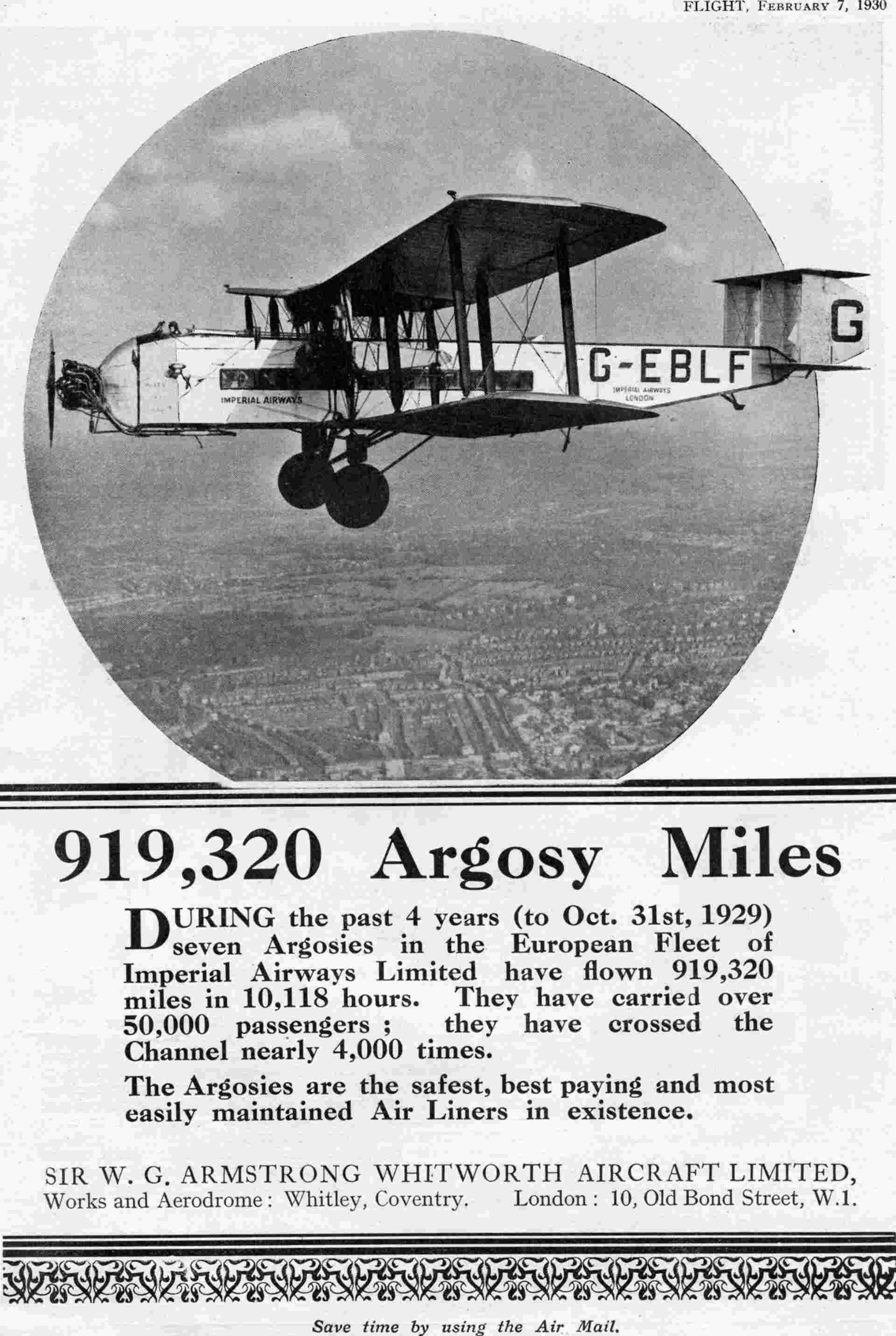
More great ads!

The Vickers Valiant

The R.34 comes to America

No one in the United States had any experience.

When the British airship R.34 crossed the Atlantic in 1919, she and her crew became instant celebrities. Taking off from Britain on July 2, the crew battled winds, storms, freezing conditions, and a rapidly dwindling fuel supply before arriving 108 flying hours later. Hovering over a field in Mineola, NY, the airship discharged its first cargo – Major John Pritchard – who parachuted down to organize the landing party below. This was necessary because no one in the United States had any experience in handling such a craft. As the photos illustrate, obviously, Pritchard was successful. He also became the first man to arrive in America by air.

The first photo shows R.34 resting after its journey. Hundreds of hydrogen cylinders are scattered and stacked all around to provide gas for the trip home. Why the whole place wasn’t blown to Kingdom-come is probably a miracle.

Photo #2 is interesting because the men of the 278th Aero Squadron decided to use the R.34 as a backdrop for their group photo. At this time, the 278th was being disbanded at Mineola, and the arrival of R.34 was obviously inspiring. This is the only explanation because the 278th certainly had nothing to do whatsoever with airships (other than trying to shoot them down, should the opportunity present itself.).

The last photo exemplifies how the R.34 compared to the Woolworth Building in New York City. The tallest building in the world at that time, Woolworth’s was always a handy prop for comparison (ocean liners, airships, etc.).
Oddball Aircraft