Civilian B-17’s

webp.net-resizeimage (2)

The Bomber Gas Station (1947-91) of Milwaukie Oregon was world famous.  The aircraft was removed for restoration in 2014. I can proudly say that I did make a point of stopping there for gas on several occasions. I recall that the wings didn’t offer much protection on a windy and rainy day, but who cared.


webp.net-resizeimage (1)

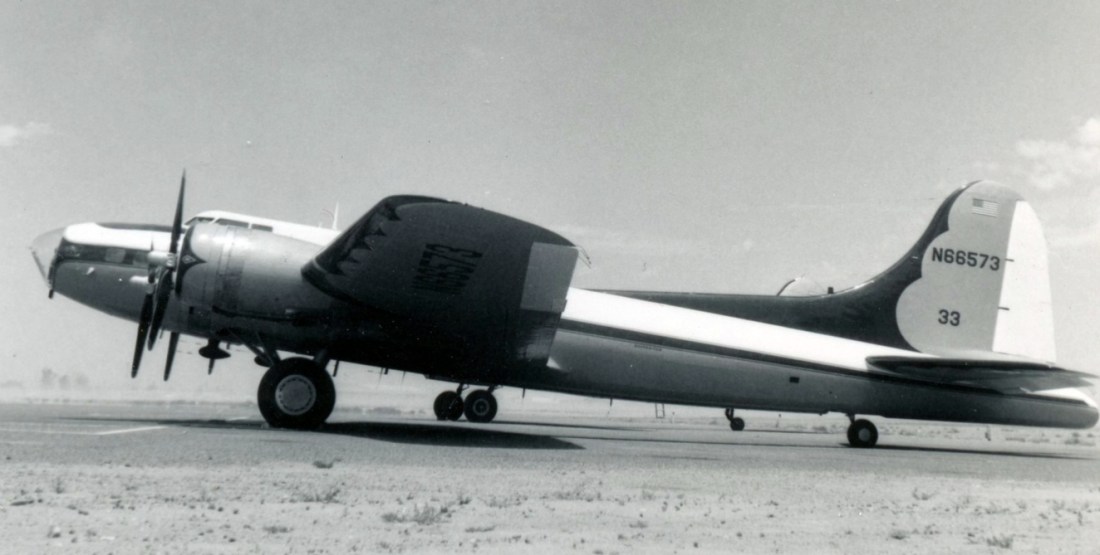
Starting life as 42-102715 (a B-17G), N66573 did a number of odd jobs before crashing as a fire bomber in 1979.


webp.net-resizeimageimg221webp.net-resizeimage (5)

Typifying the life of a surplus B-17, N117W started life as a B-17G (44-85806), went to the Coast Guard as a PB-1G, passed through several civilian owners and was destroyed in 1964. These 3 photos show it in when it was flown by the Biegert Bros. of Nebraska as an aerial sprayer.


webp.net-resizeimage (4)

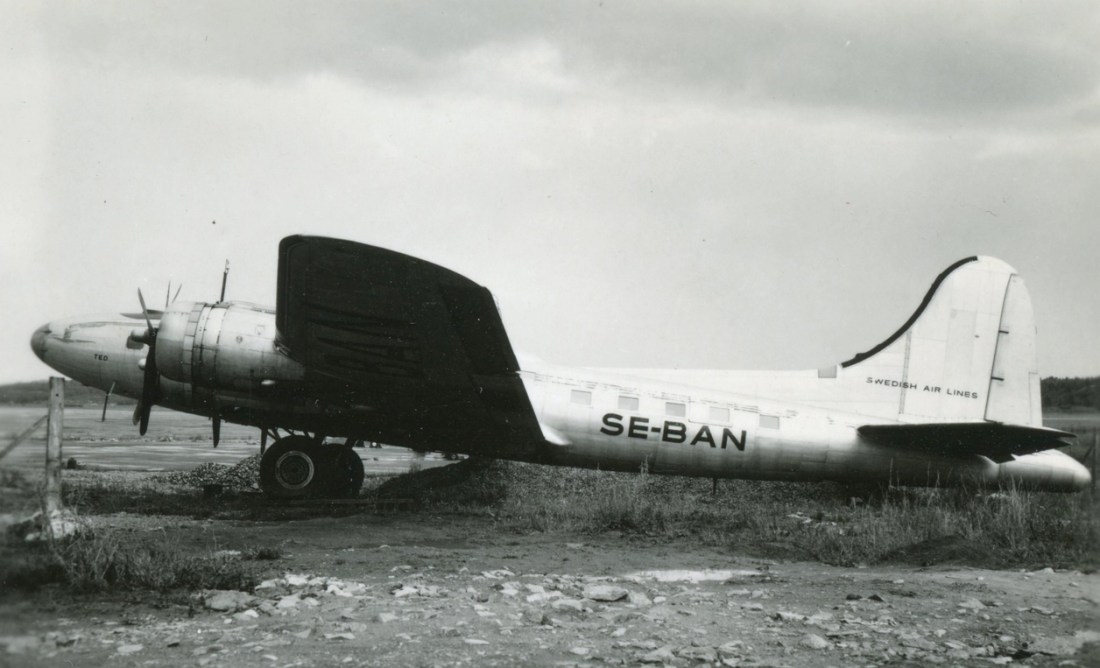
Unlike most civilian B-17’s, those operated by Sweden were combat veterans. SE-BAN (formerly USAAF 42-3490) of Swedish Air Lines came to that country courtesy of the 385th Bomb Group (and German flak) when damaged on a mission to Berlin. Opting for neutral Sweden, the crew was interned and the aircraft put into service at war’s end. Unfortunately it was scrapped in 1950.


webp.net-resizeimage (3)

Another weary B-17G (42-3470) ended its days in 1962 while flying for the Colombian government.


img220

  1959 ad from Flying Magazine. I did the math: $15,000 in today’s money is about $130,000.

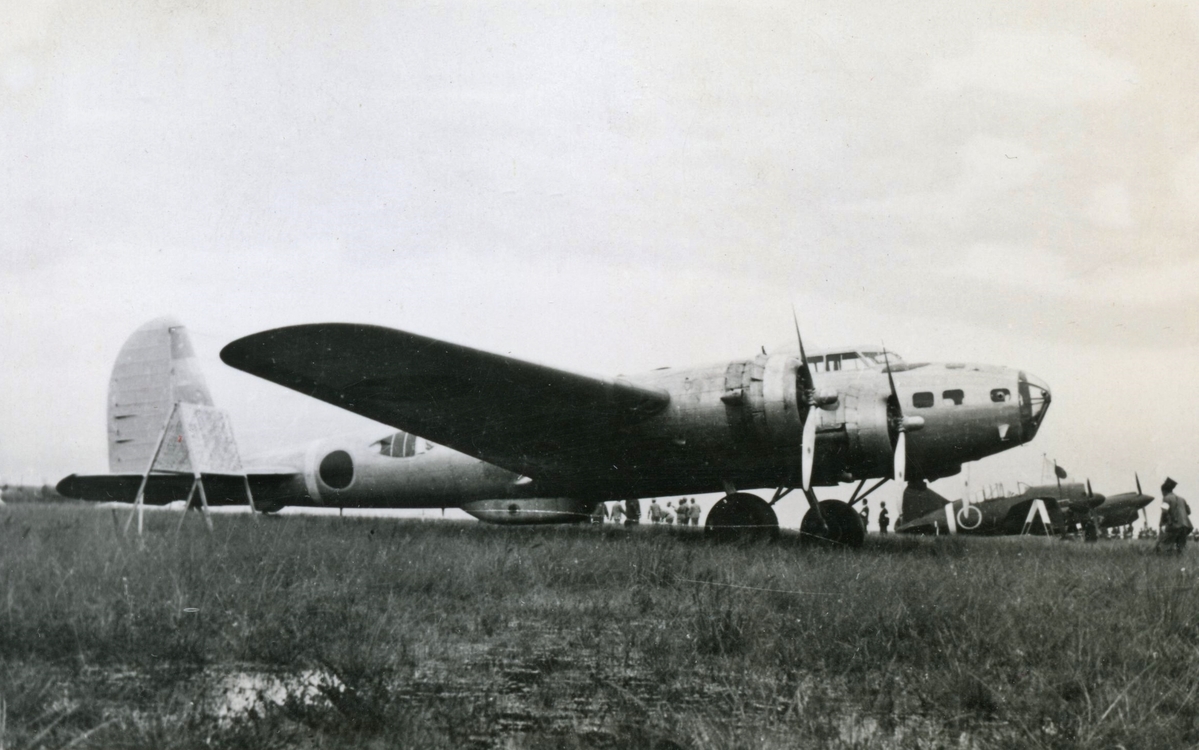
B-17’s of France

webp.net-resizeimagewebp.net-resizeimage (3)

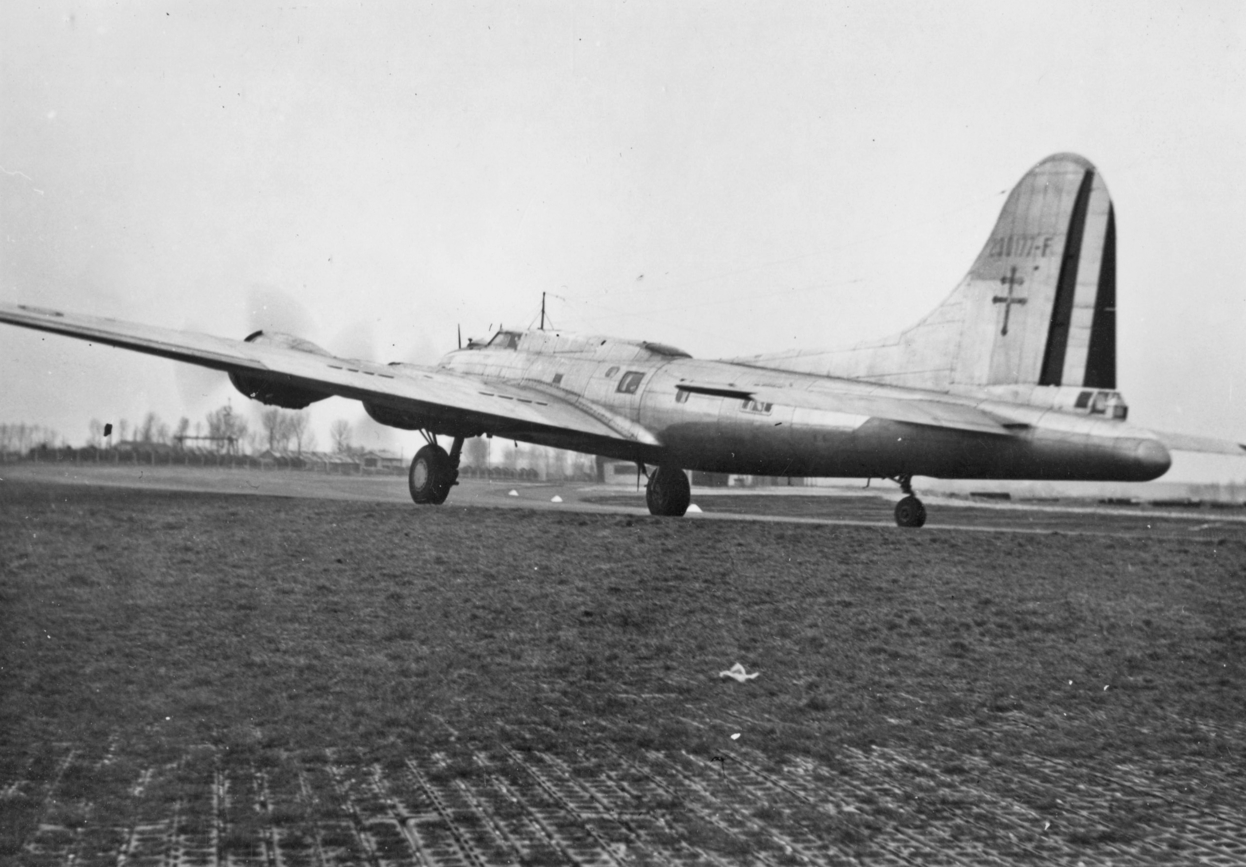
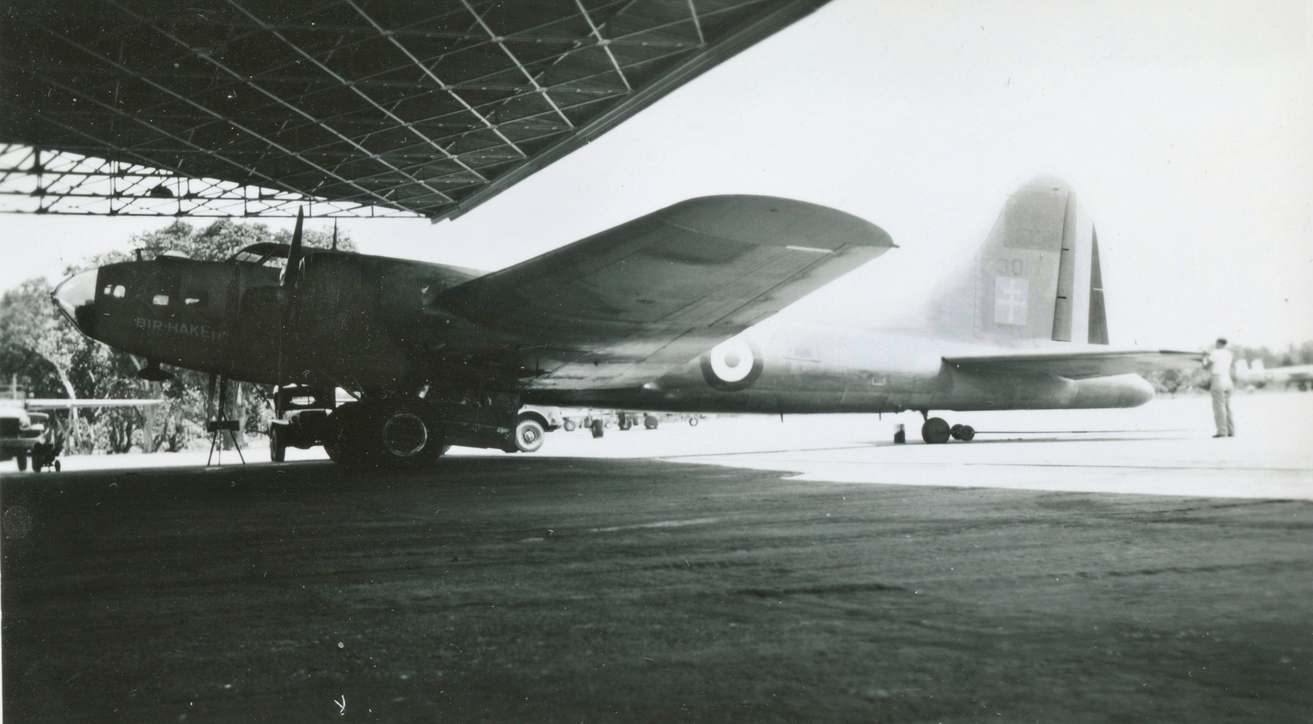
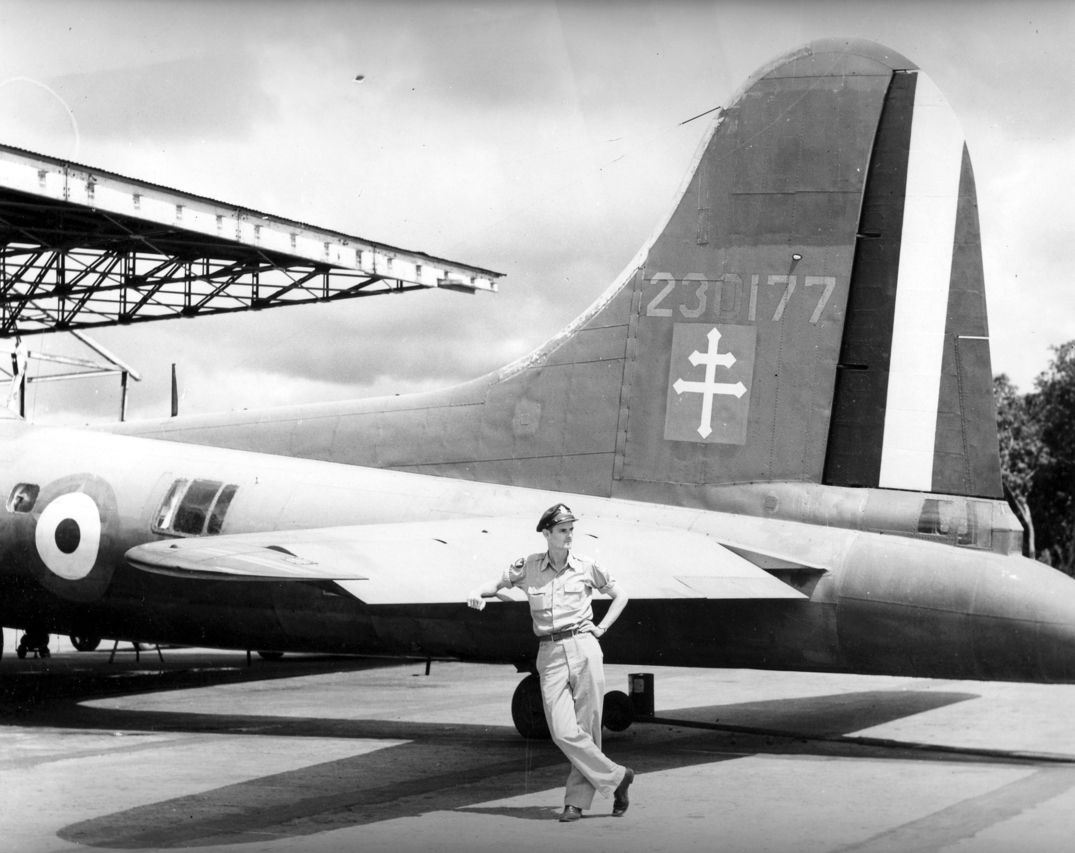
42-30177 started life with the USAAF but was donated to the Free French Air Force. Christened “Bir Hakeim” to honor the heroic Libyan battle where Free French forces held off the Germans for weeks in 1942, it was used as a transport by the commander at Bir Hakeim, General Marie-Pierre Kœnig.


webp.net-resizeimage (1)webp.net-resizeimage (2)

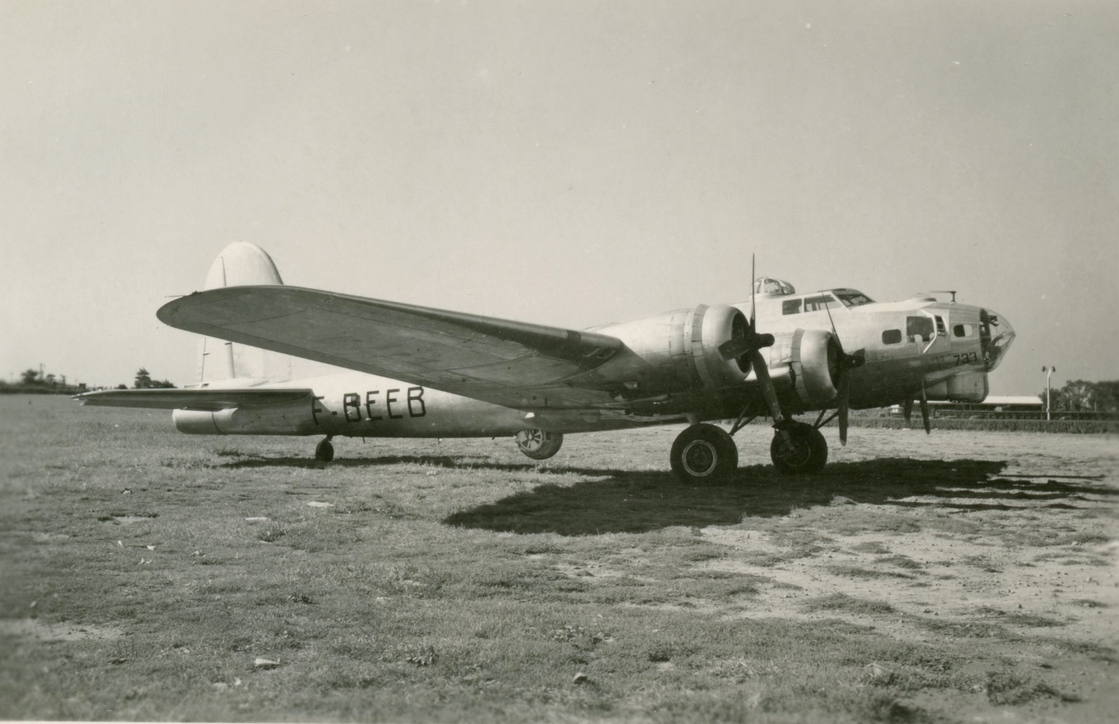
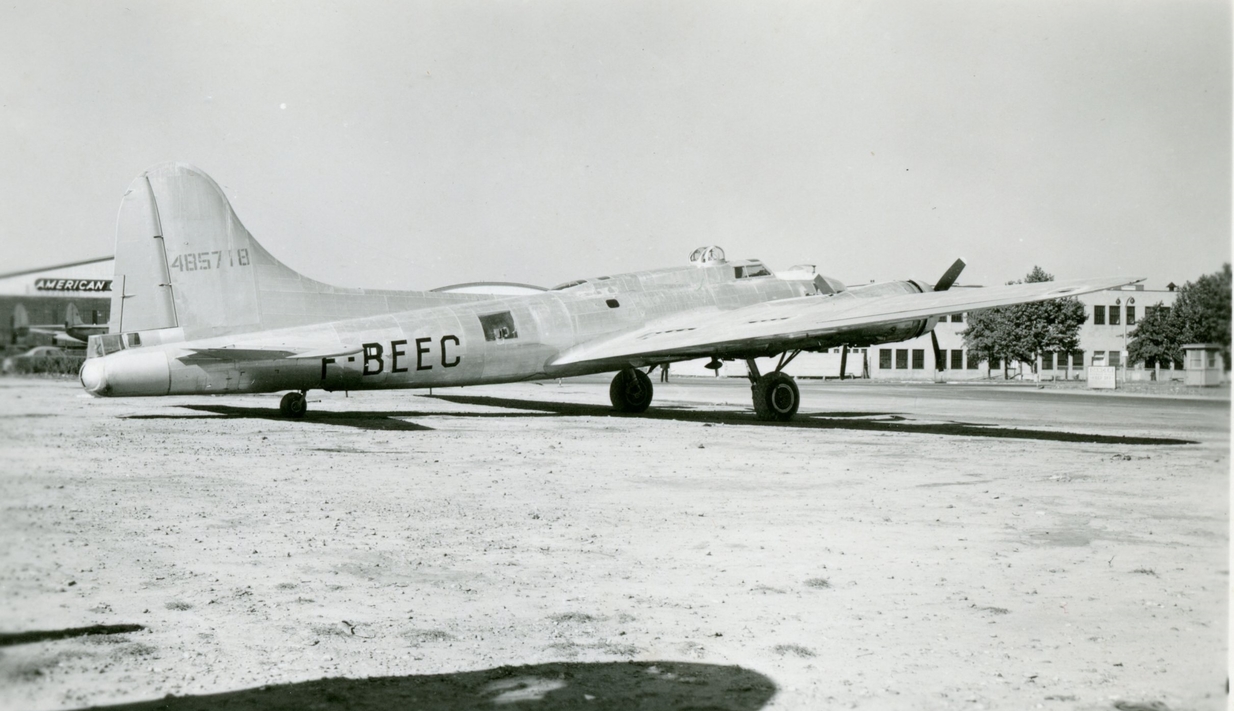
After the war, the French Institut Géographique National (IGN) acquired B-17’s and began what was a decades long affiliation with the aircraft. Used for research and mapping, several of these planes soldiered on until the 1980’s. “BEEB” was not so fortunate; she crashed in 1949. “BEEC” was luckier. She continued to fly with the IGN until 1987 and then was sold to the Lone Star Flight Museum to be restored to a WWII configuration and renamed “Thunderbird.”


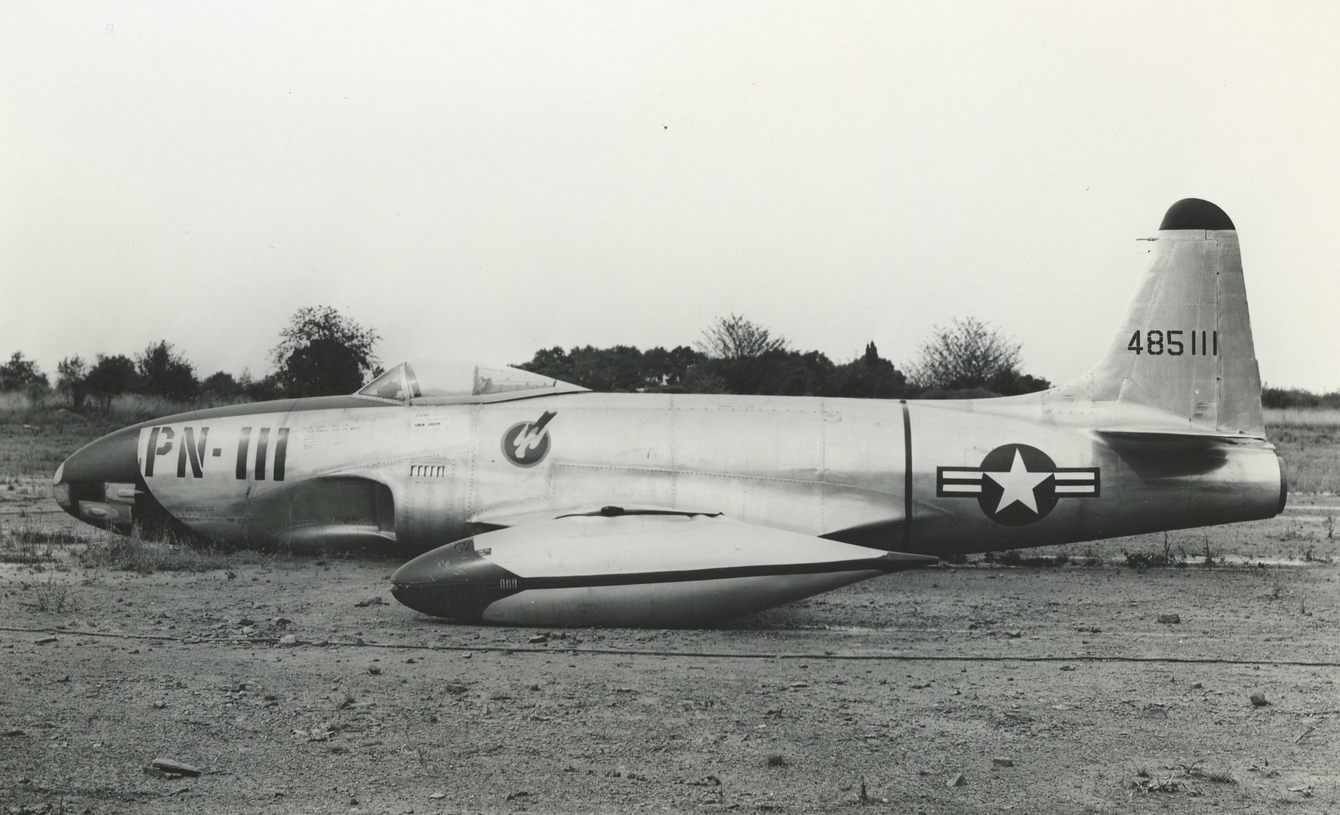
P-80 44-85111

Webp.net-resizeimage (28)

This bird had a short but eventful career.  Entering service with the 412th Fighter Group, it transferred to the 1st Fighter Group where it joined the 71st Fighter Squadron as seen here.  Unfortunately, the “incident” pictured here was not its last. After some necessary repairs to the underside of the aircraft, it eventually ended up with the 26th Fighter Interceptor Squadron where it crashed for good in 1950.