Aviation Section, U.S. Signal Corps, Army Air Service, Army Air Corps, Army Air Forces.
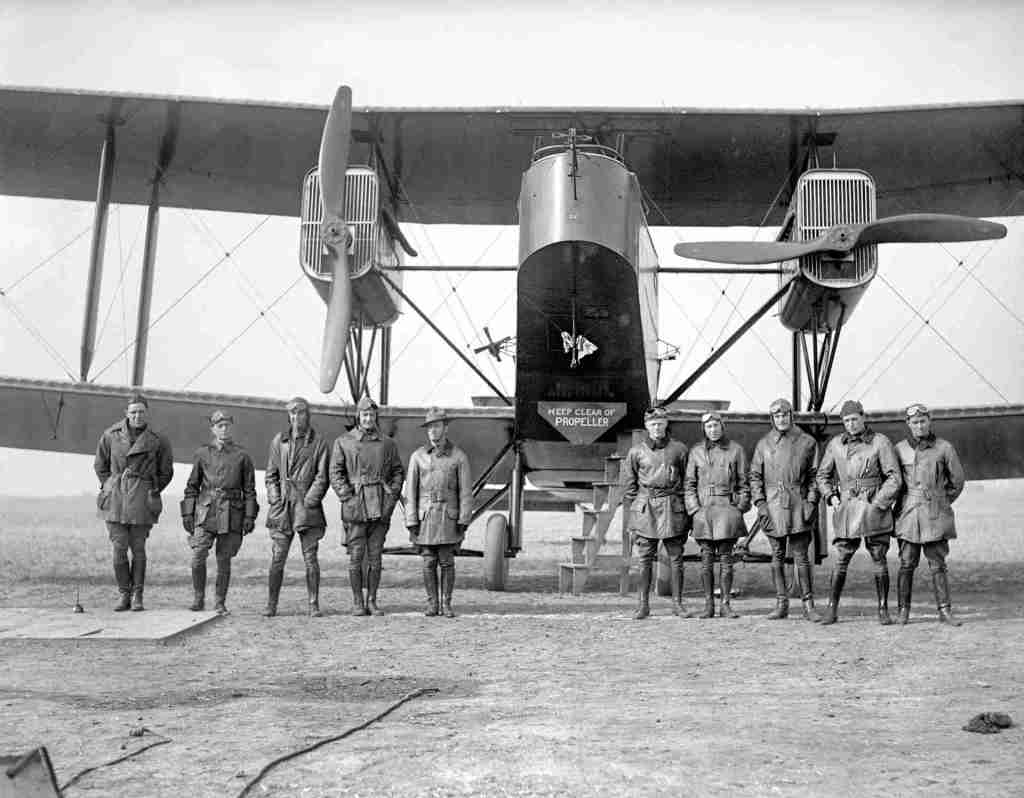
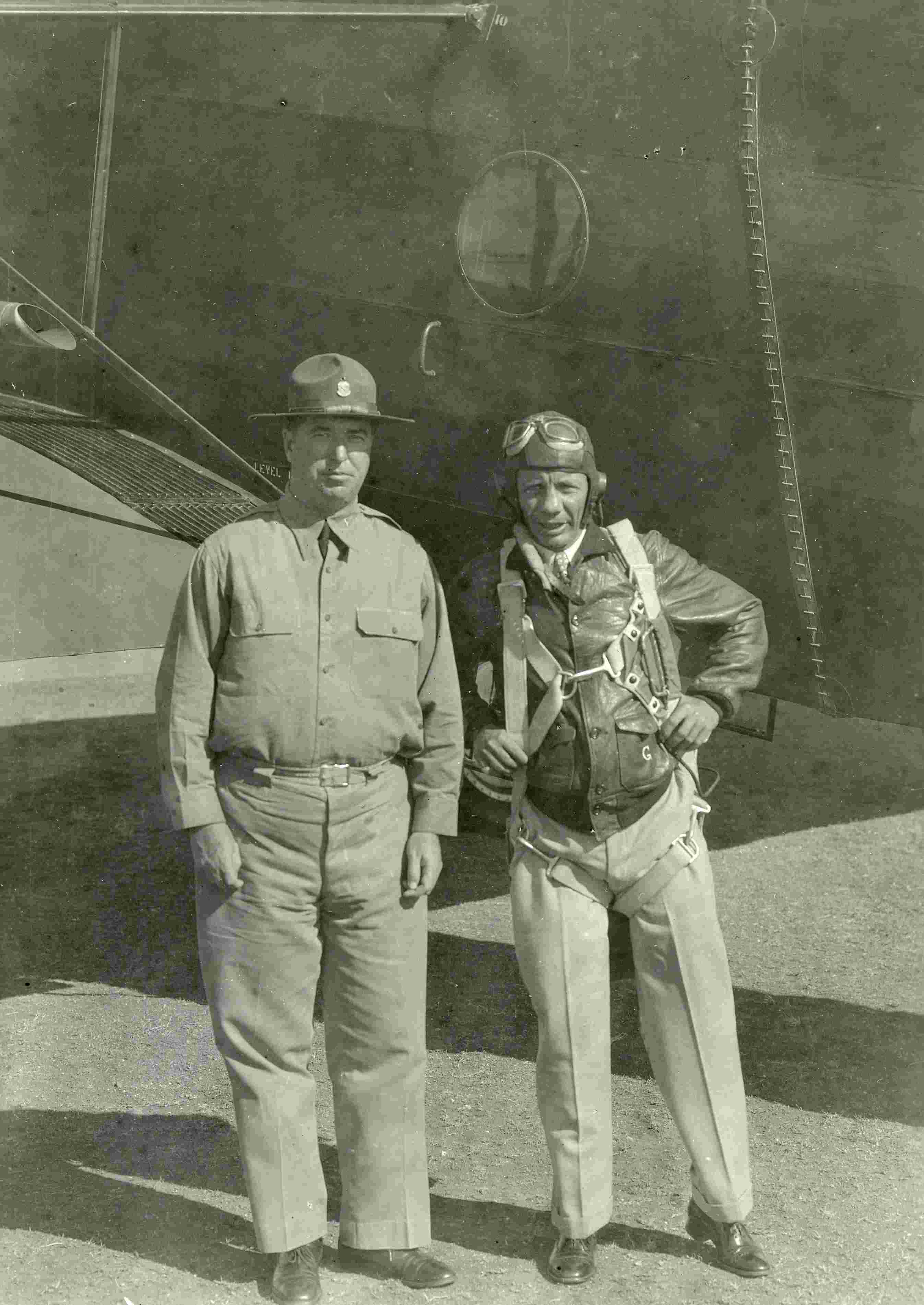
One of the unsung trailblazers of flight, Major General John Bernard Brooks initially served in the U.S. Cavalry (the kind with horses) along the Mexican border hunting banditos way back in 1915. He went off to pilot training, then returned to the border in 1916 with the Punitive Expedition chasing Pancho Villa & co.
He went on to serve in Hawaii, where he was among the first aviators in the islands, as well as the commander of Luke Field on Ford Island in Pearl Harbor. He also spent time in the Philippines and Alaska. In fact, “Johnny” Brooks wore just about every title one could back in the early years of American military aviation. His is a story worth studying.
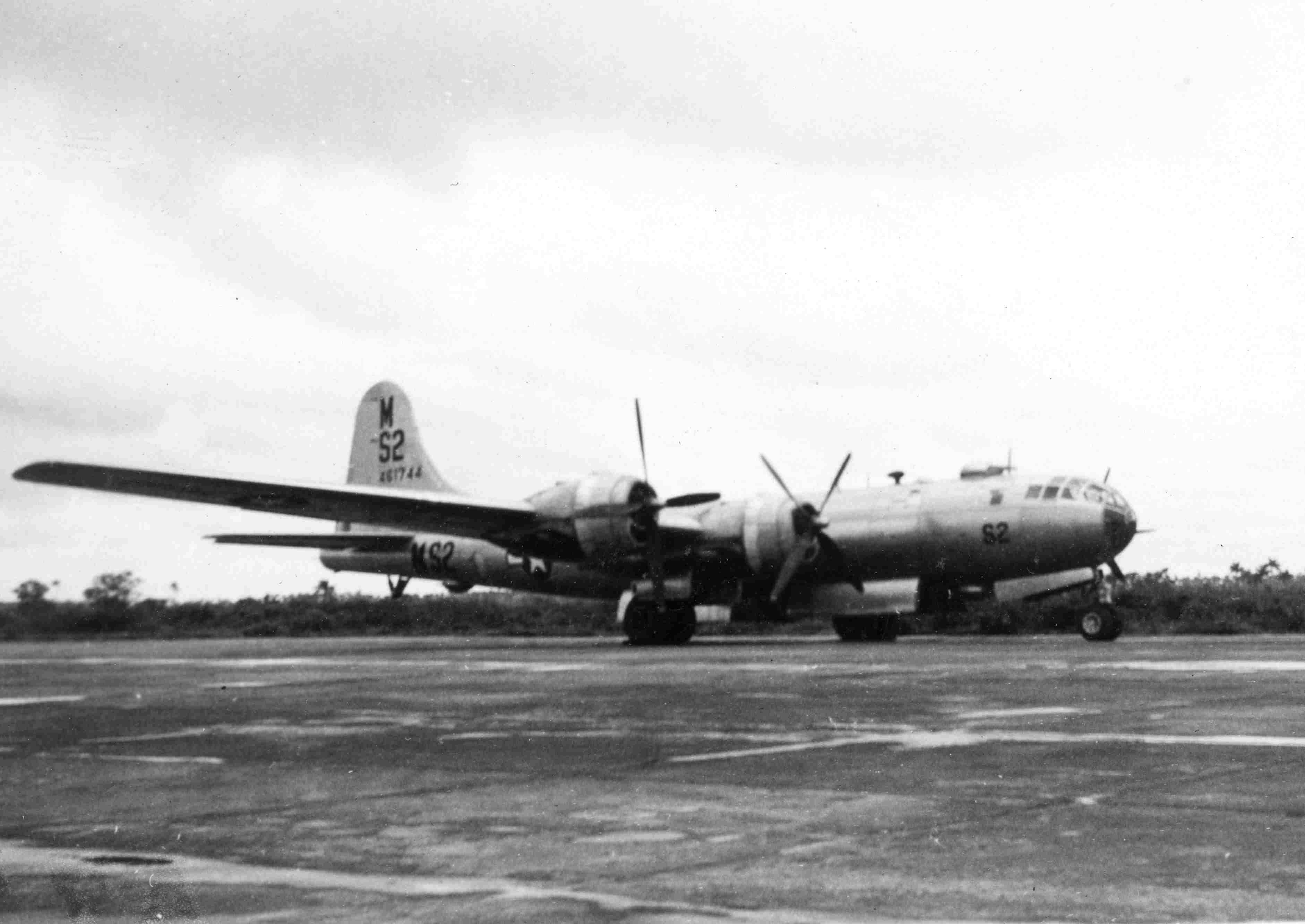
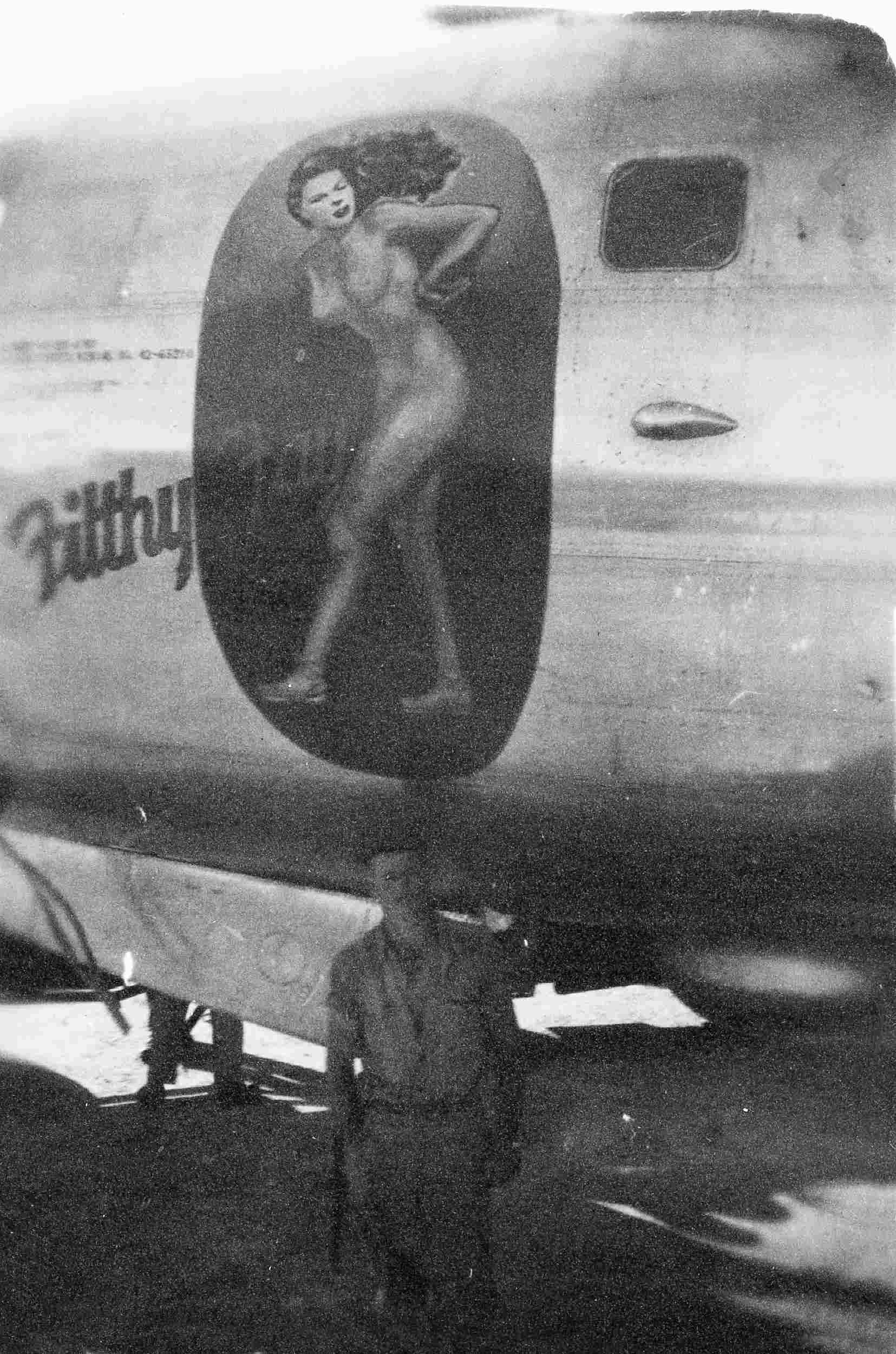
B-29 crews had only one destination in mind when they said they were heading for “The Empire”. That was, of course, Japan itself. Here are a few of the Superforts that took part in those missions.
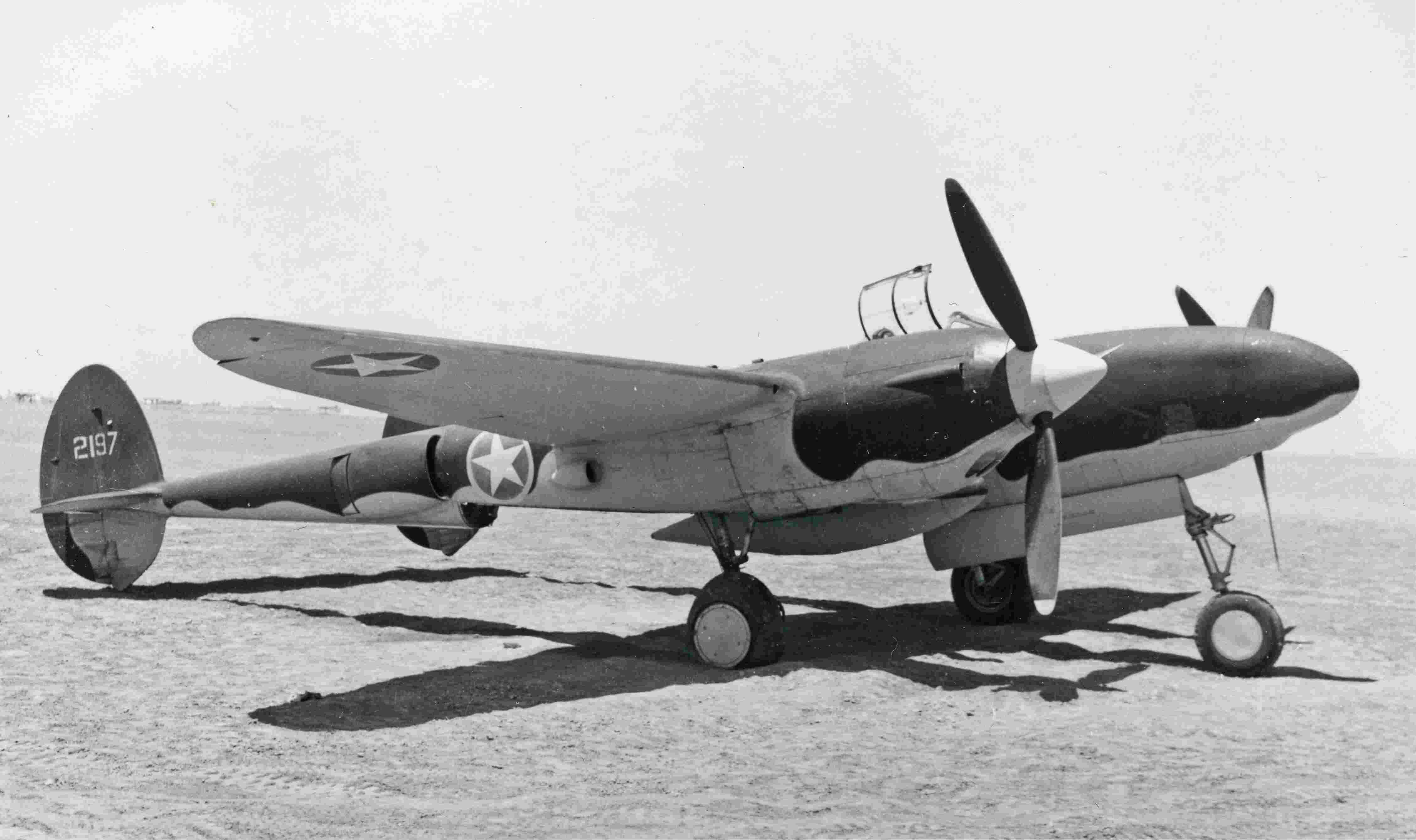
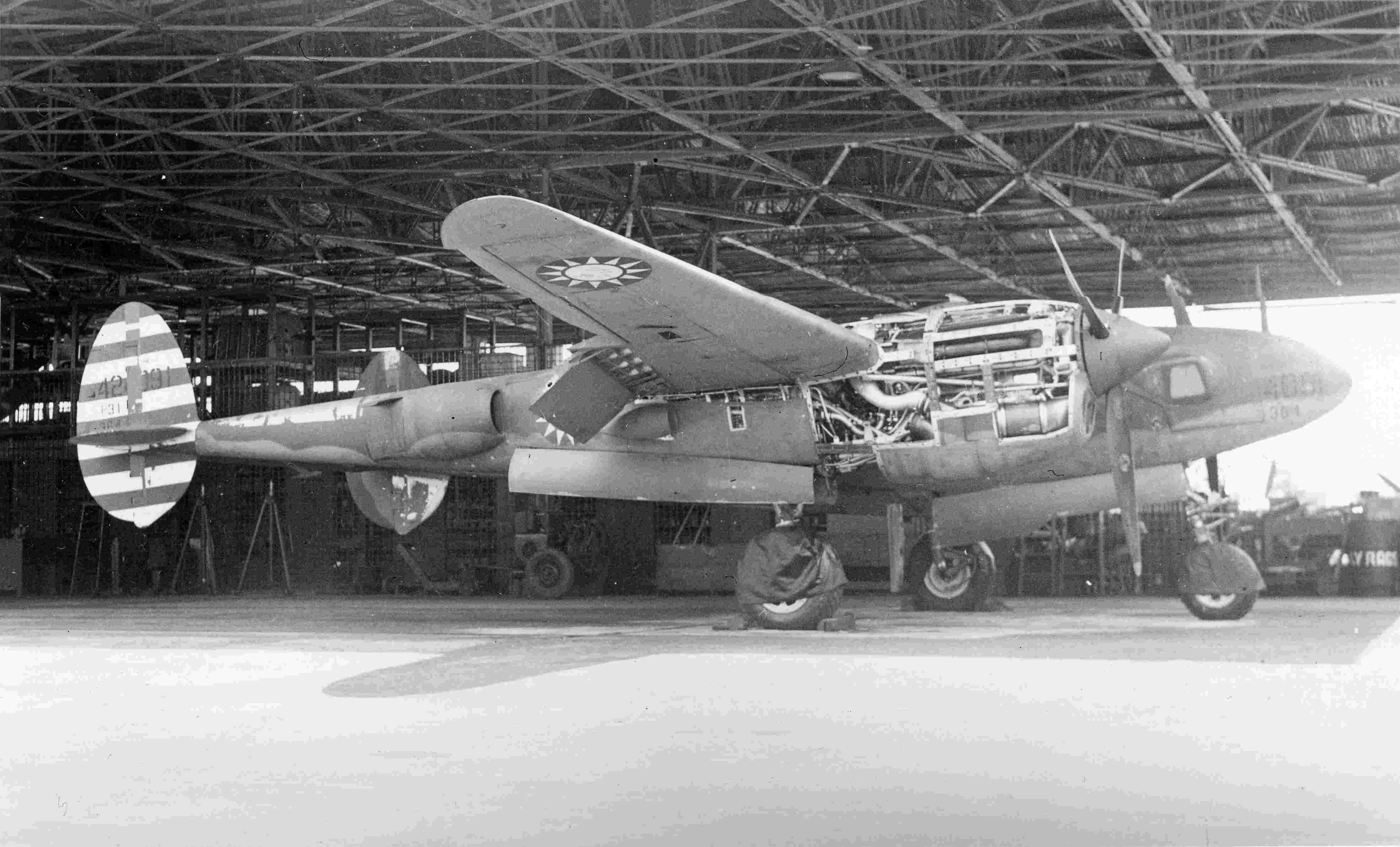
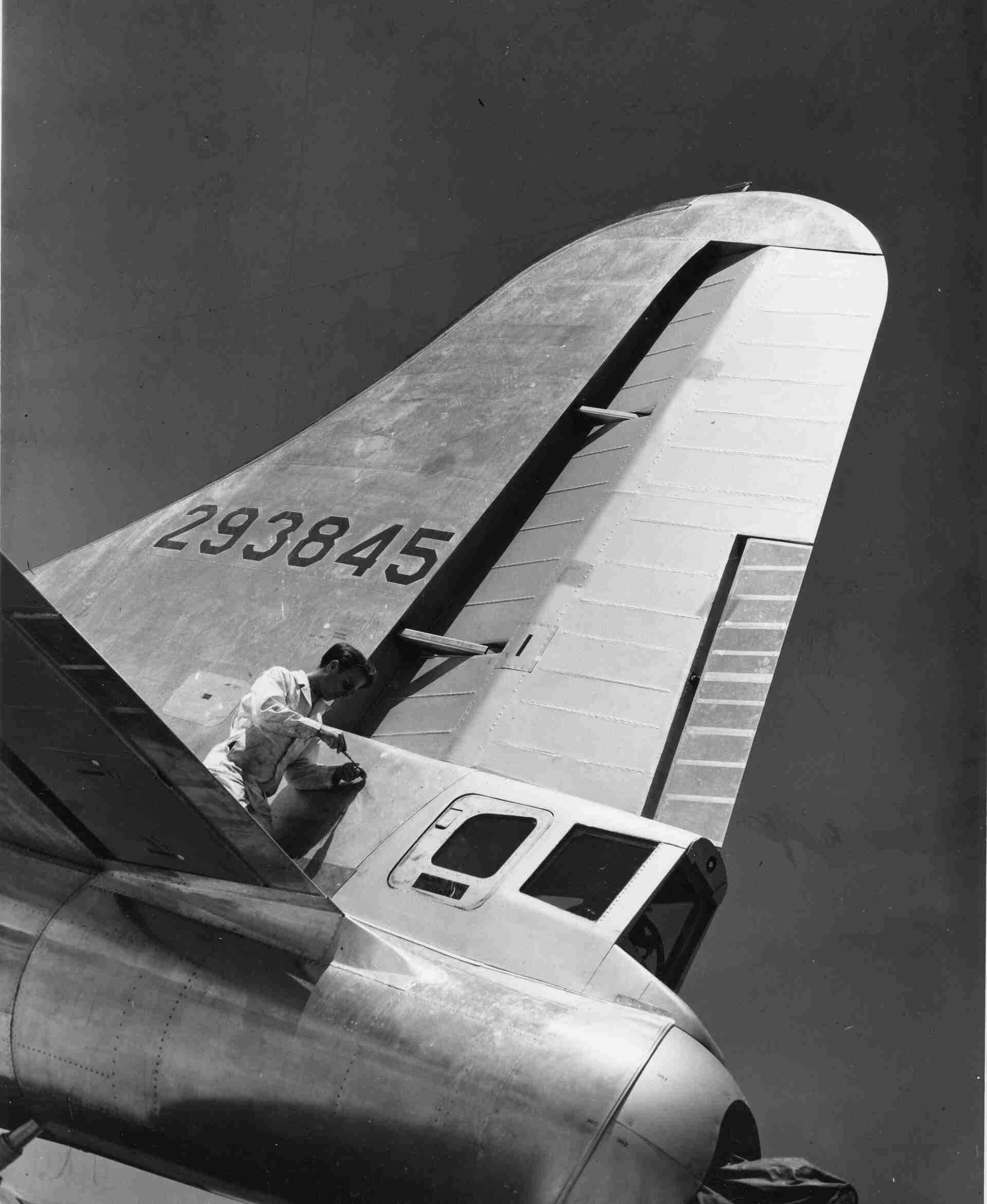
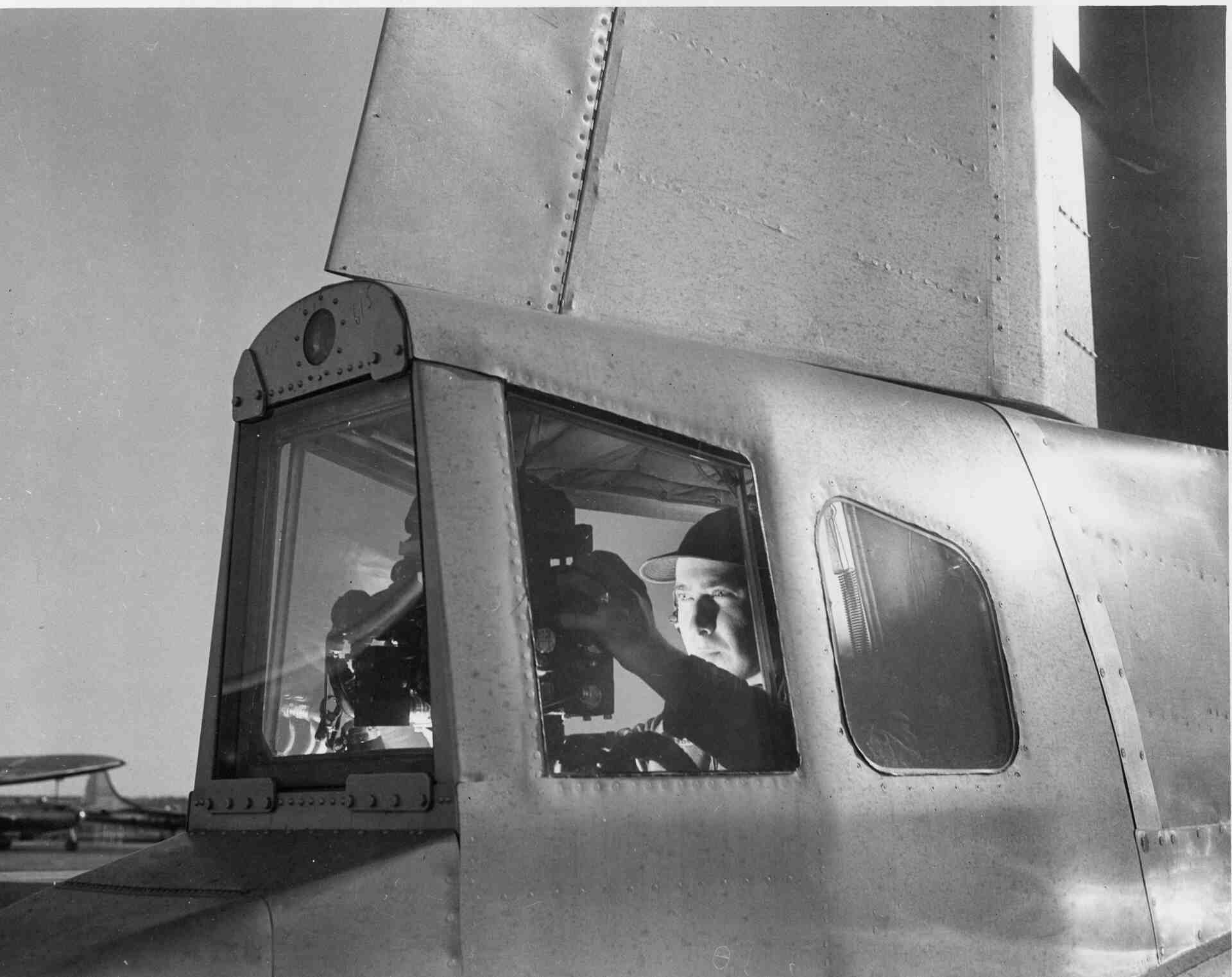
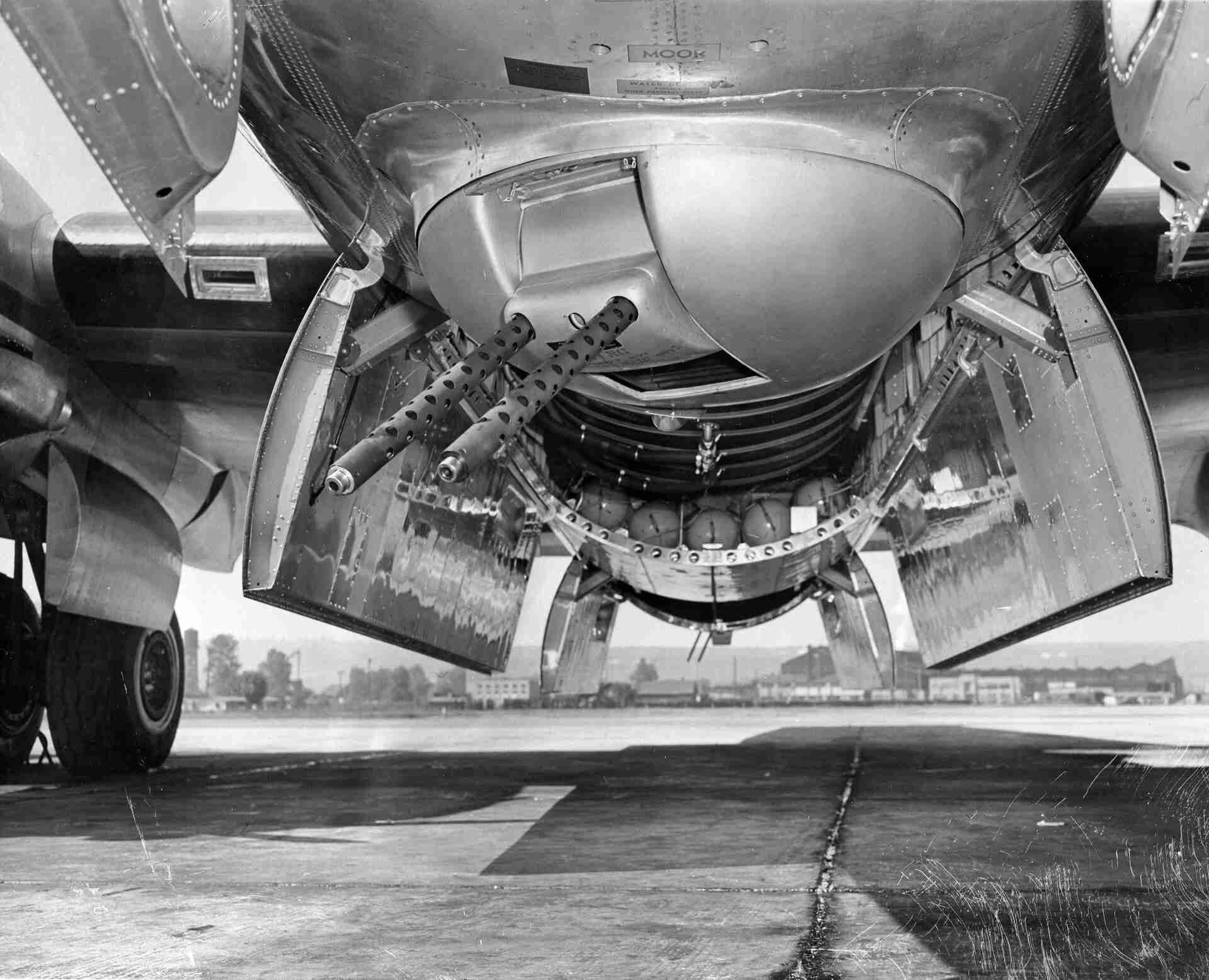
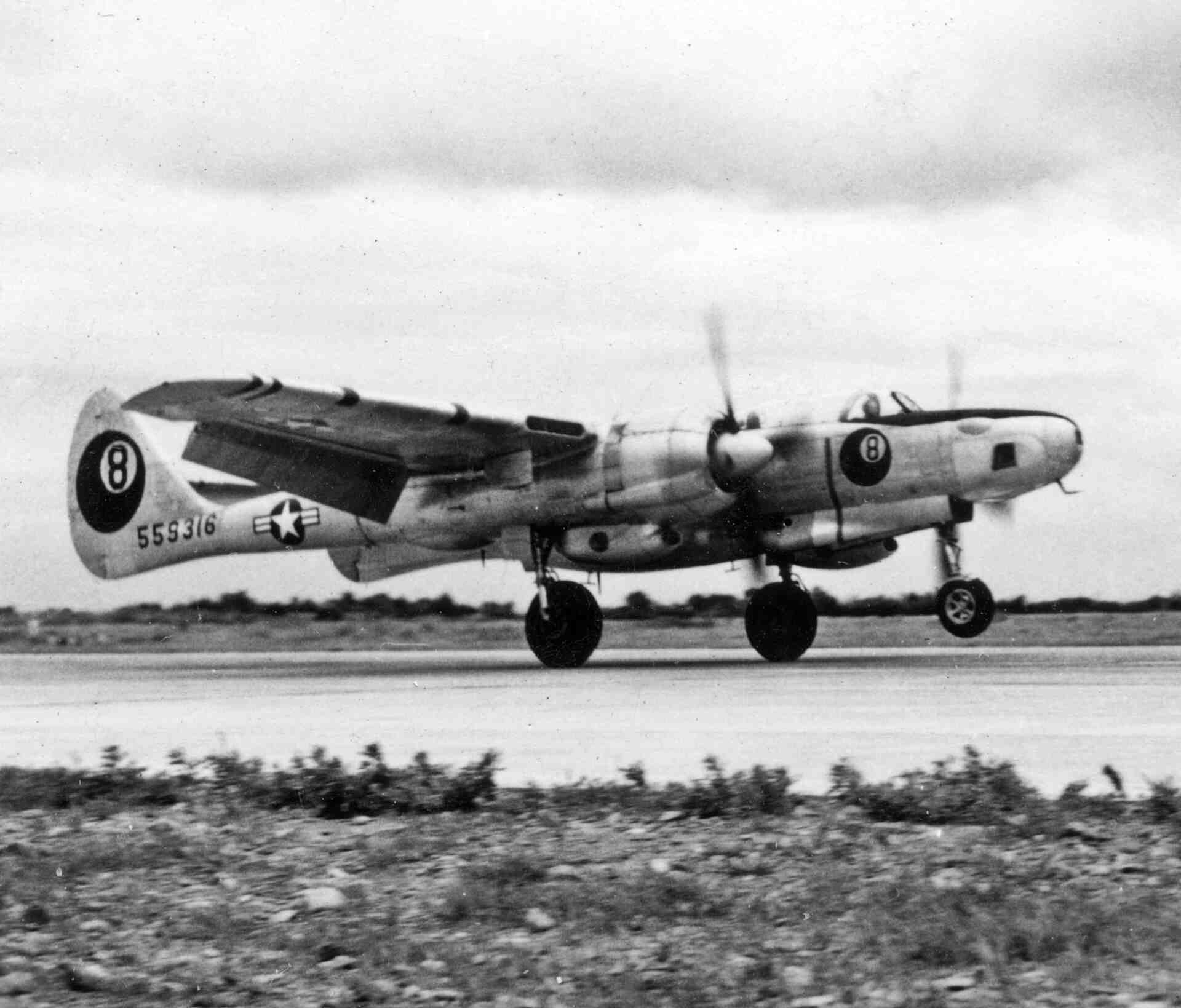
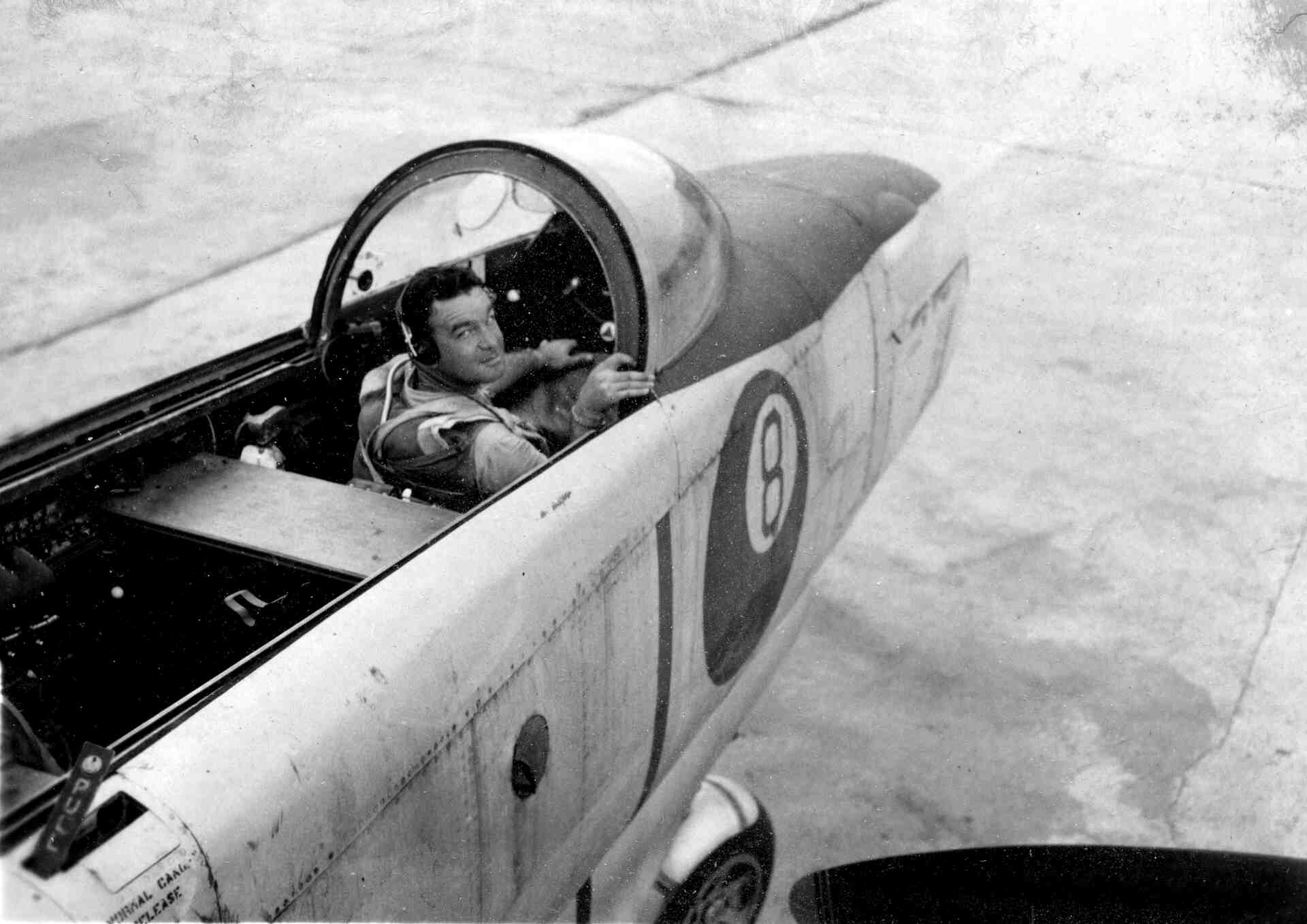
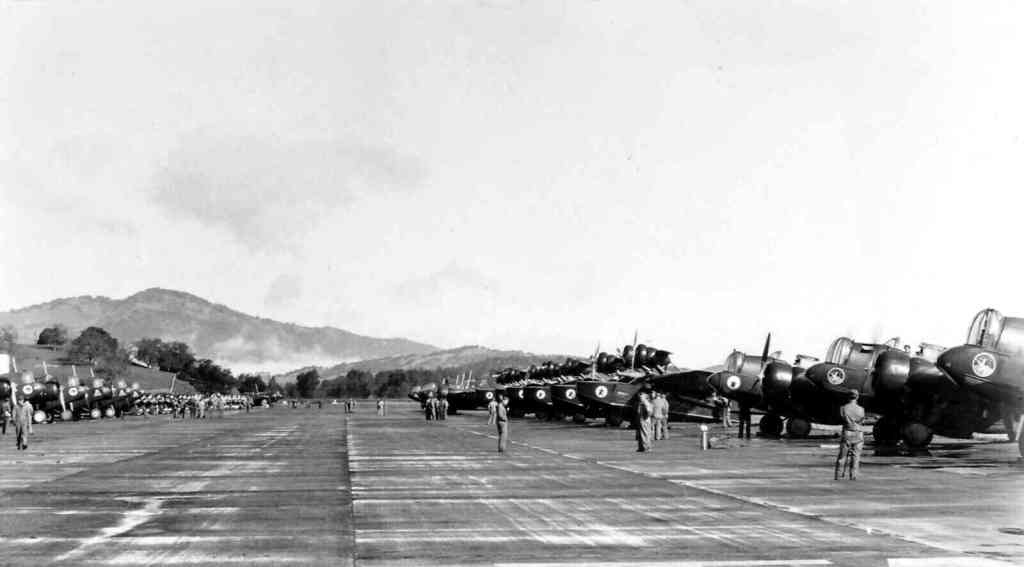
The photo-snapping derivative of Northrop’s much-vaunted P-61 Blackwidow, the F-15A Reporter was dealt by fate an unfavorable hand and did not enjoy the fame of its darker-skinned older relation. First flown in late 1945, with deliveries commencing the following year, the F-15 looked promising, but with the war over and defense spending curtailed, the contract was sharply slashed. Only 36 planes were built. Some were allocated for test purposes, and of the remainder, there was scarcely enough to equip one squadron – the 8th Photographic Reconnaissance Squadron (PRS) of Johnson Air Base, Japan – seen here in the featured photos. The squadron received their F-15s in 1947 and flew them for two years before transferring the surviving aircraft to the 82nd Tactical Reconnaissance Squadron (also at Johnson Air Base), whereupon they were quickly retired.
When, in 1948, the USAF redesignated reconnaissance planes from “F” to “R” (the “F” was needed, of course, to replace the “P” in the fighter world), the F-15 was renamed the RF-61C, thus linking it closer to its forebear, the P-61 (now F-61) Blackwidow. That being said, the designation on the data block below the cockpit in these photos identifies the planes as the “F-15A”. Either the images were taken before the name change, or – this is quite possible given the narrow timeline of service for the aircraft in question – the designation painted on the planes was never changed before they were retired.
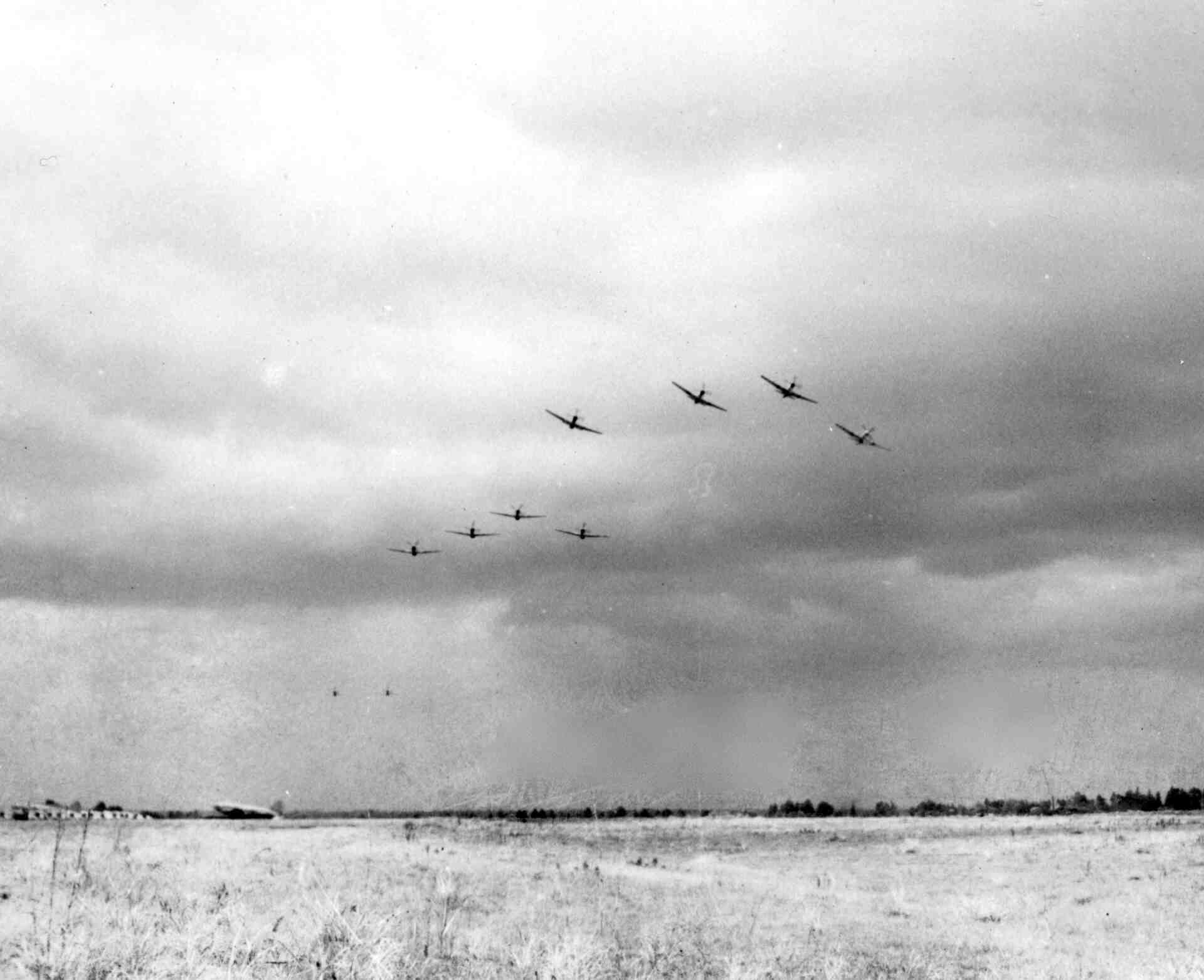
The Minnesota National Guard was called up for active service in World War II to perform aerial reconnaissance, which was the established mission for Guard units at that time. The squadron, the 109th Tactical Reconnaissance, was eventually equipped with F-6D Mustangs (seen here) and fought their way across Europe and into Germany.
There were several good guesses as to the identity of this “Mystery” airfield, but no one nailed it. So, here are a few more clues:
– It is in Hawaii
– It is part of an active army post
– One could drive right past it and never know it was there
Avert your eyes because here comes the answer:
Waiele Gulch Field.
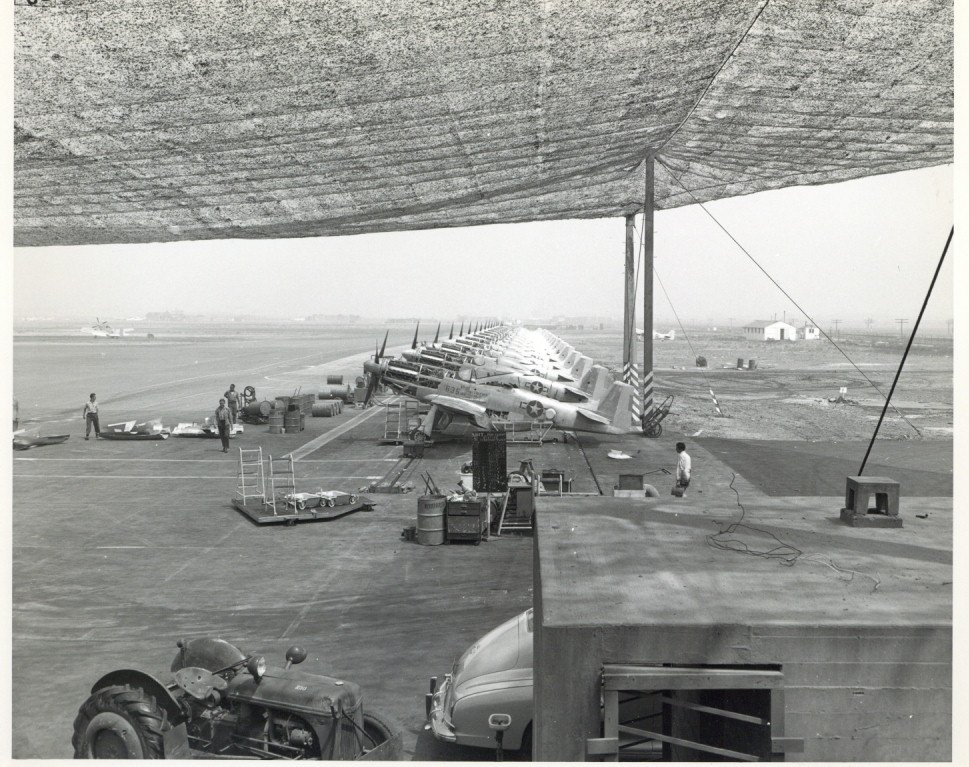
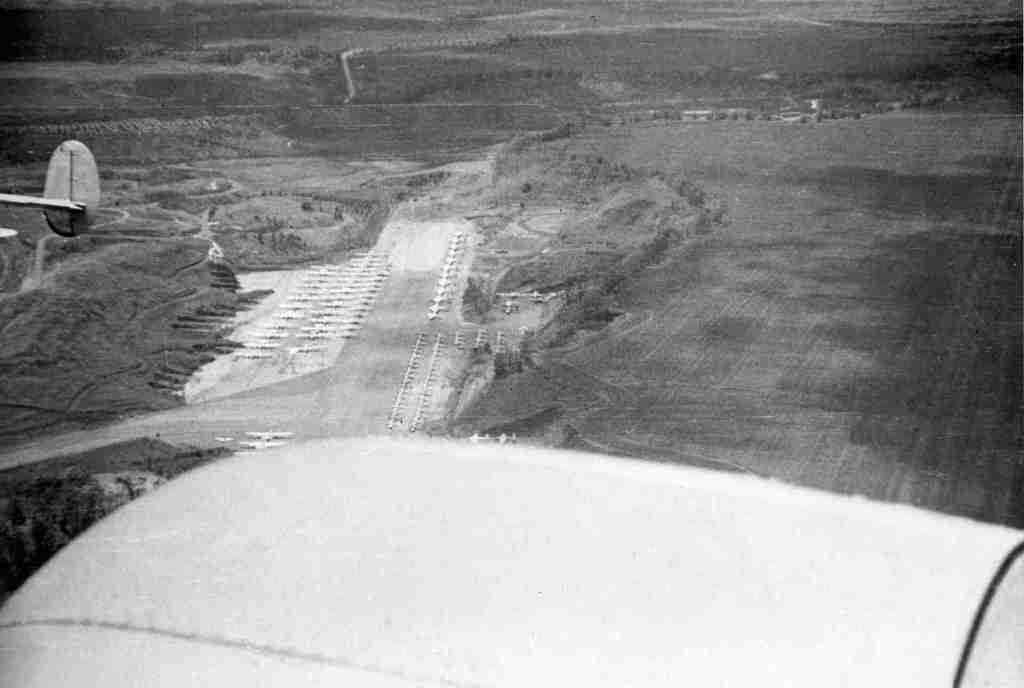
Where is that, you say? It is part of Wheeler Field and, as field’s name states, it is in a gulch and therefore rather hidden from the view of passersby. That, of course, was what made a small canyon/gulch such an appealing location for a military airfield.
Construction began just before Pearl Harbor with the idea of having a well-protected facility for the assembly of aircraft. Bunkers were hewed in the gulch walls. Taxiways connected with those on Wheeler Field. Today, it is still easily visible from the air, but still not so from the ground.
The top photo was taken at the height of World War II. The other photo is what one seens today.
Aircraft designer Robert Noorduijn/Noorduyn was born in the Netherlands, came to Canada, and didn’t design too many airplanes, but the ones he did cook up were pretty good birds, including his magnum opus, the Norseman. An aircraft that was in production for decades and can still be seen buzzing around to this day, the Norseman also made its way into the air forces inventories of many nations, including the United States, as seen here in World War II when it was known as the C-64.
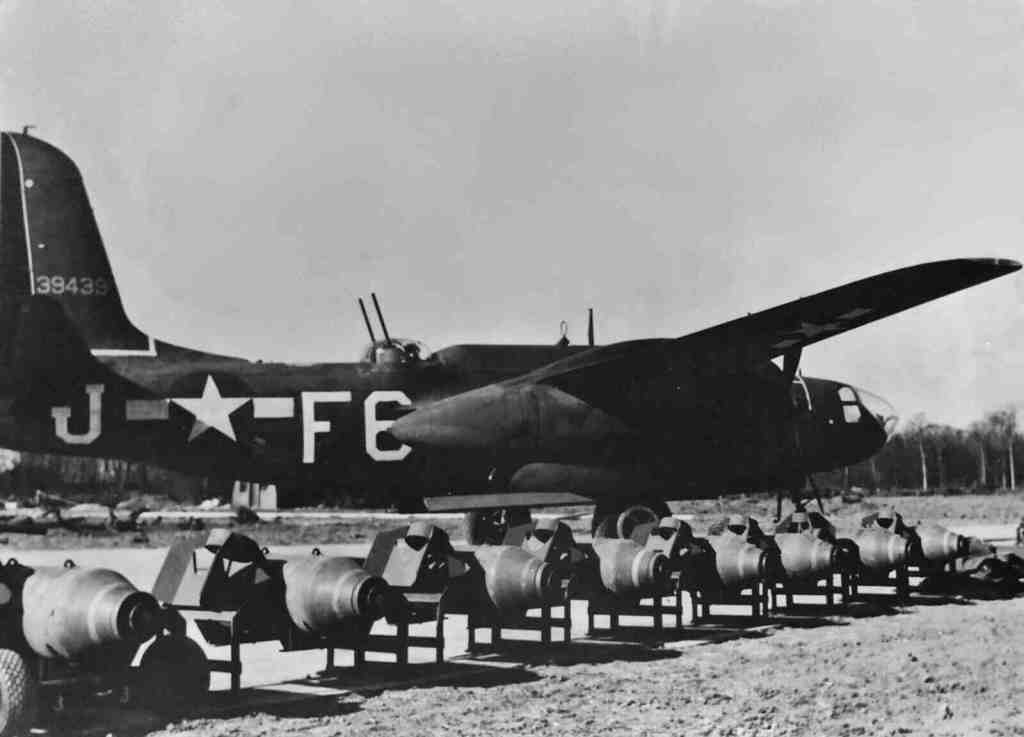
Like most bases back when, Shaw had a variety of planes – B-25s included.
And A-26s.
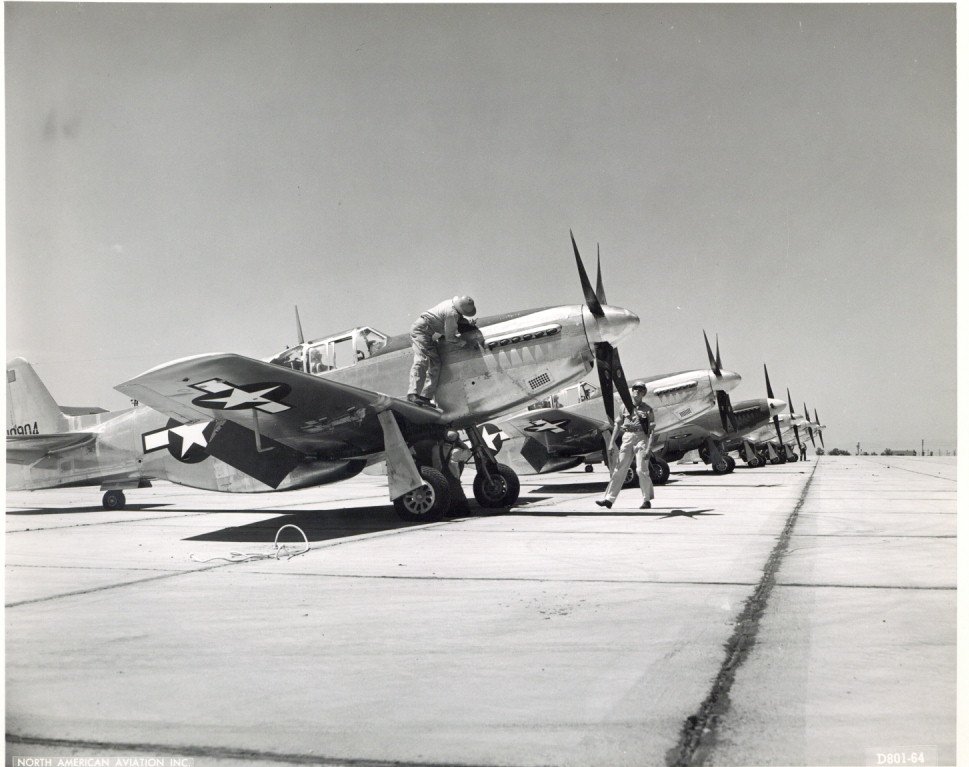
Shaw Field flightline with Mustangs in the distance..
A naval visitor – the Lockheed XR60-1 “Constitution”.
Another flying recruiting tool, the Constitution sports the logo “Your Navy – Air And Sea”.
As seen in these photos, mid-to-late 1940s Shaw Field (soon to be Shaw AFB) was a base sporting an impressive array of aircraft such as those seen here: P-61, AT-6, A-26, B-25, P-51, etc. A bonus is the visiting (and shortlived) Lockheed XR60-1 Constitution, one of only two built. Cause of demise: underpowered, overly expensive to operate. That said, the XR-60 Constitution is always good to remember when making a bet at your local bar. Just slap your dollar down, and then ask anyone to name the largest landplane ever flown by the US Navy.
44-74547 of the 20th FG. This plane crashed in July 1947.
44-74624 sports an early “buzz number” on its nose.
The group commander’s P-51, 44-84750.
Same aircraft. Later transferred to the South African Air Force, it was shot down in Korea.
The commander’s bird.
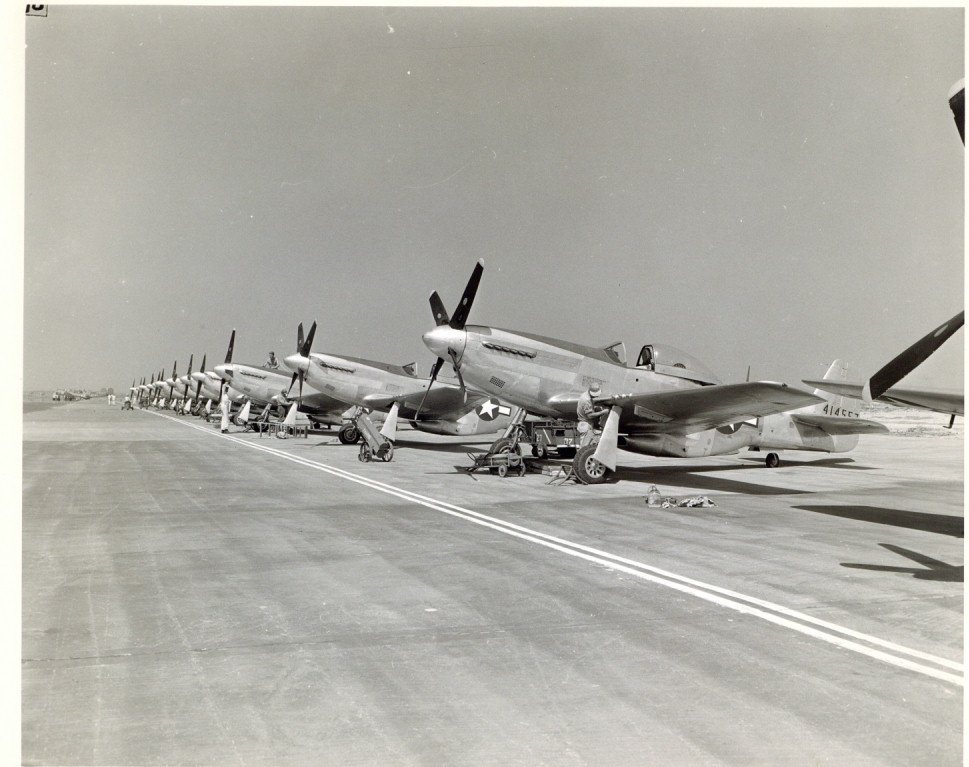
Here are a few photos from an airman who was stationed at Shaw Field (now Shaw AFB) in South Carolina, and, judging by the markings on these Mustangs, the pics were taken not terribly long after the war. Most of the birds are from the 20th Fighter Group, which arrived at Shaw in October 1946, so it is safe to date these photos to early-mid 1947.
By the time this photo reached “Aunt Olga & Uncle Fred” back in his home state of Iowa, Private James Stewart had completed aerial gunner training at Harlingen, Texas, and was now at Keeseler Field in Mississippi for the next phase of his training, that of aircraft mechanic. Upon graduation from Keesler, newly promoted Sergeant Stewart was off to RAF Sudbury in Suffolk, Great Britain, where he served as a B-17 flight engineer with the 833rd Bomb Squadron, 486th Bomb Group. He flew his missions, survived running gun battles with the Luftwaffe, got blasted by flak batteries, and eventually returned home to Iowa.
Stewart did all these things while still a teenager.
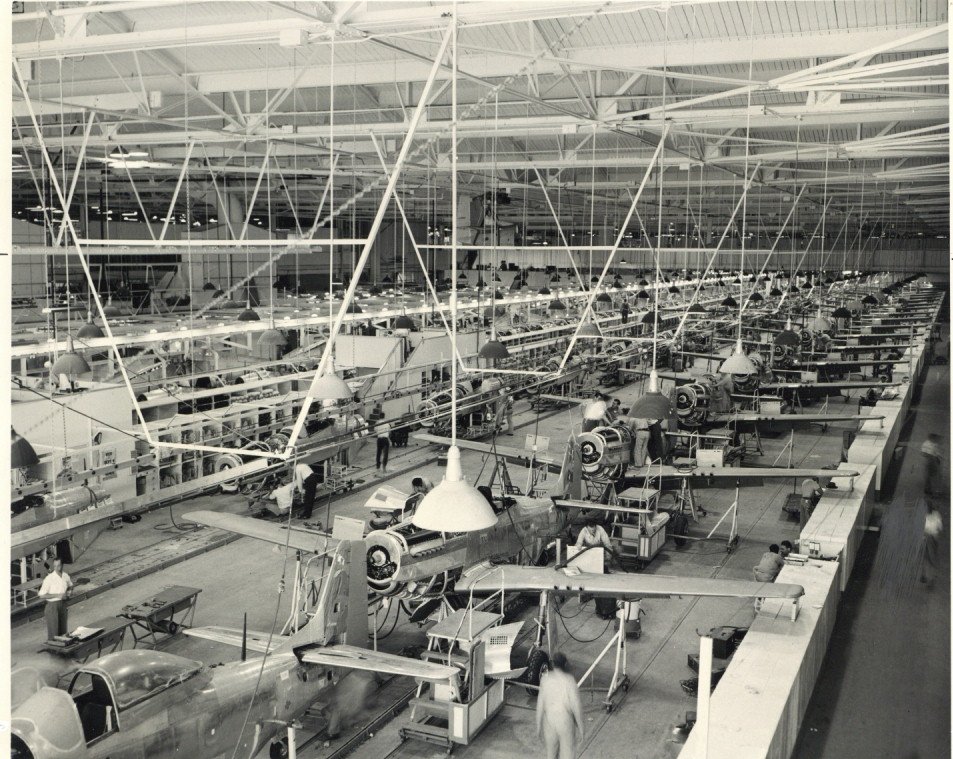
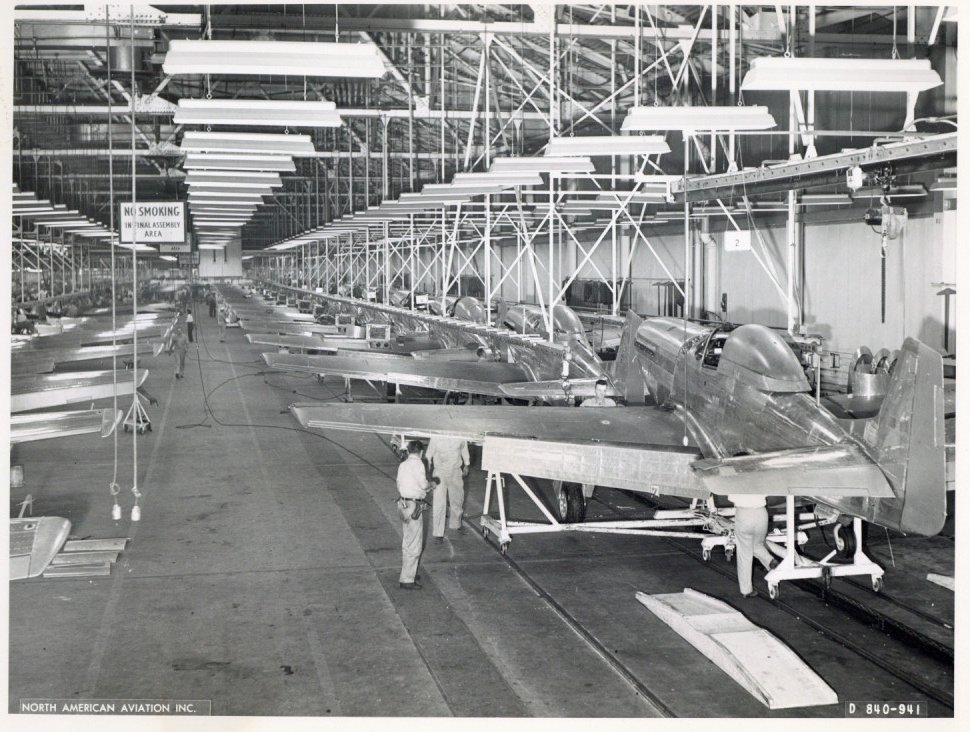
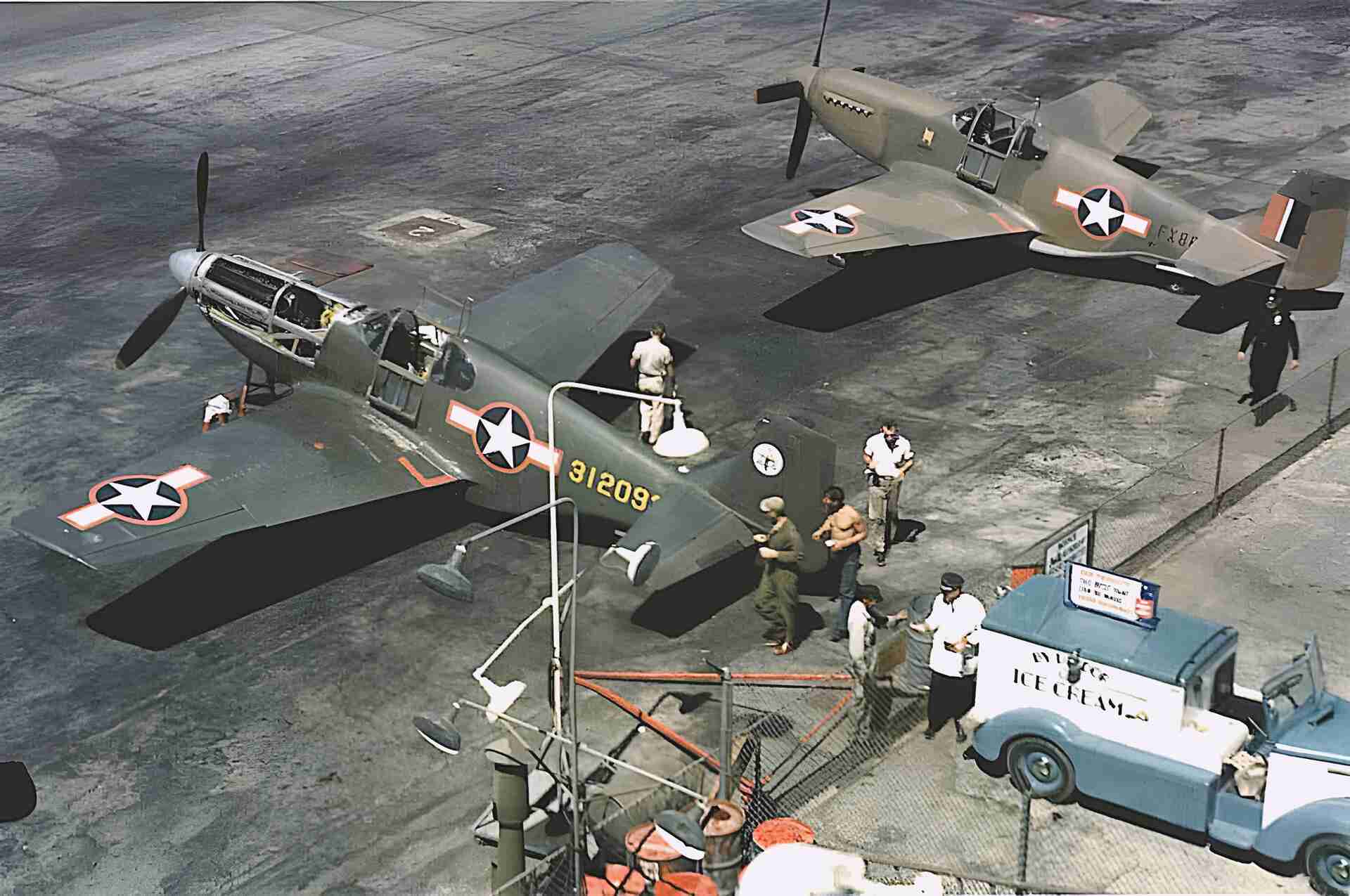
Los Angeles, Mines Field, 1943. When the ice cream man arrived, work came to a halt outside North American Aviation’s plant.
The pair of Mustangs are an interesting duo: the first P-51 “B” model (43-12093), and an RAF bird (FX863, also a “B” model). 43-12093, befitting its first-in-the-series status, was retained by NAA for test purposes. (Notice it is experimenting with a three-bladed propellor). Our Mustang III, FX863, never made it to the RAF but was instead handed over to the USAAF and eventually saw combat in the skies over Europe with the 357th Fighter Group.