Category: Army Air Corps & Army Air Service
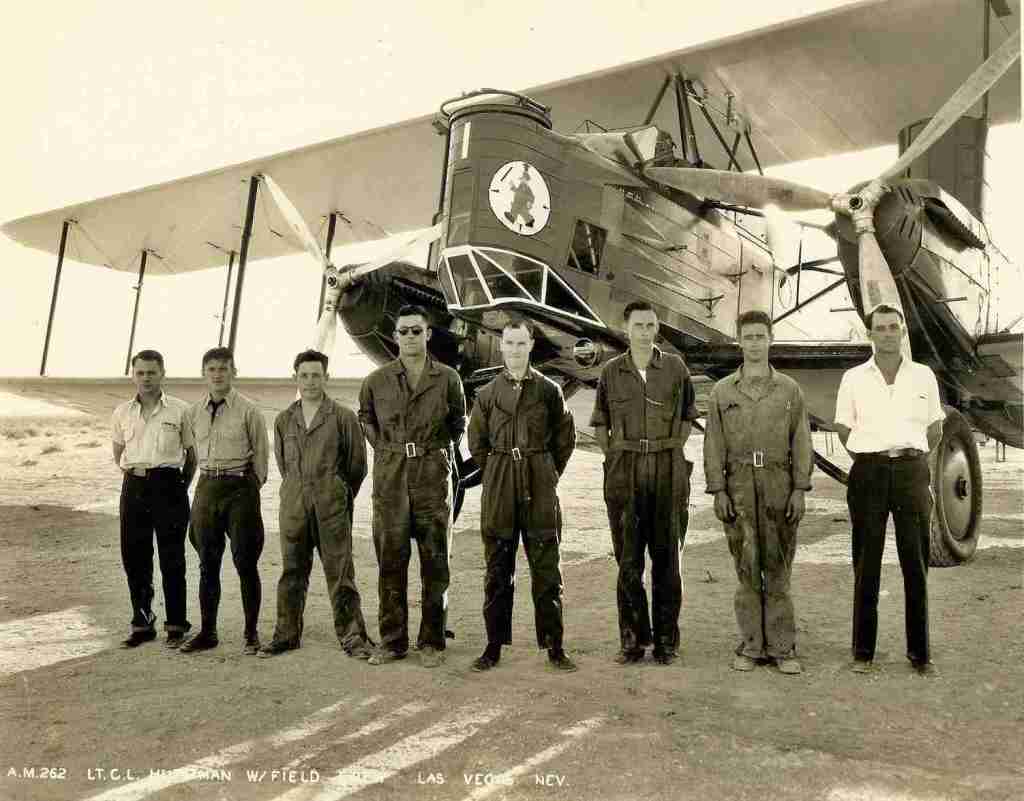
30th Bomb Squadron Curtiss B-2 Visits Las Vegas
John B. Brooks, Aerial Pioneer
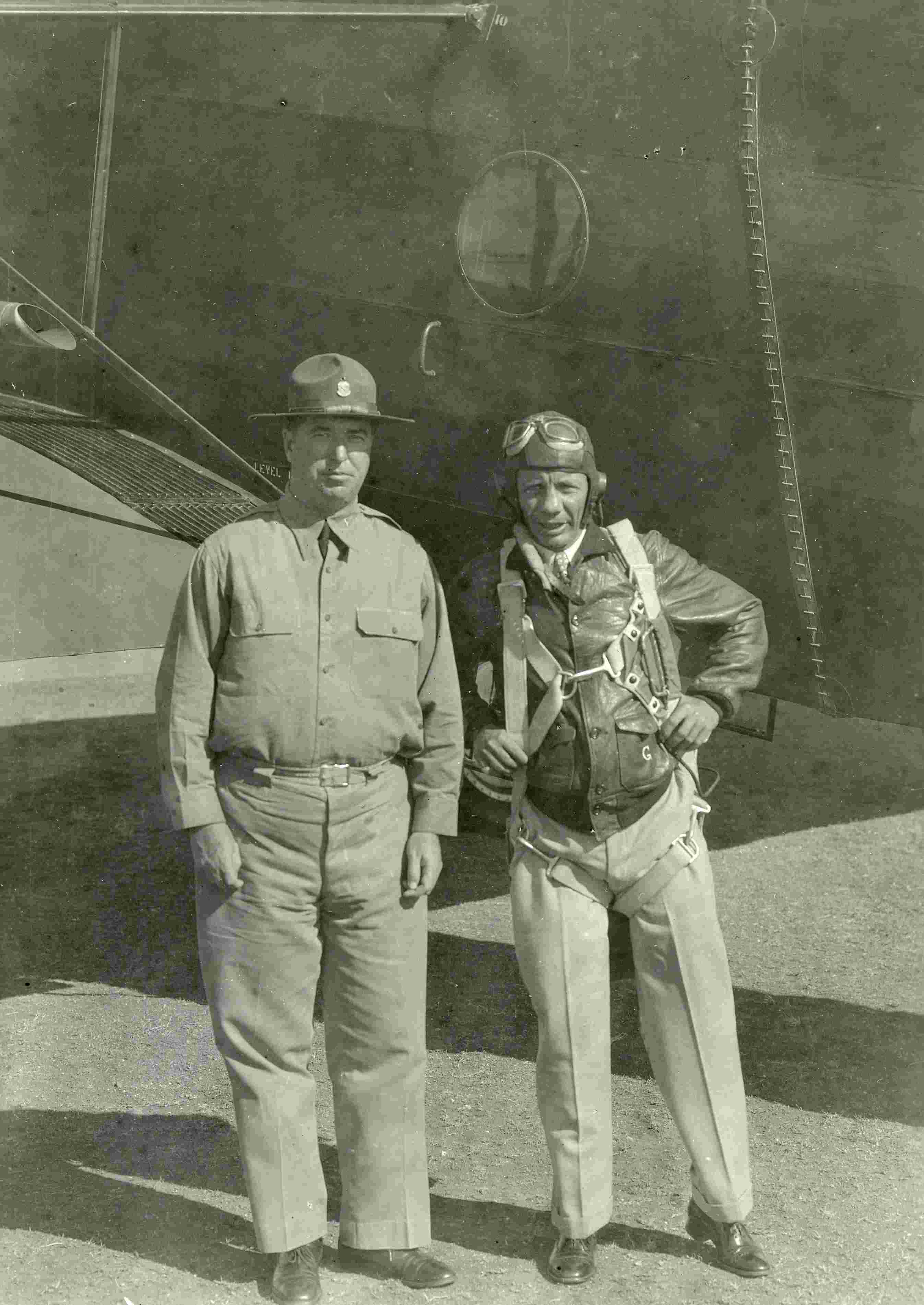


Aviation Section, U.S. Signal Corps, Army Air Service, Army Air Corps, Army Air Forces.
One of the unsung trailblazers of flight, Major General John Bernard Brooks initially served in the U.S. Cavalry (the kind with horses) along the Mexican border hunting banditos way back in 1915. He went off to pilot training, then returned to the border in 1916 with the Punitive Expedition chasing Pancho Villa & co.
He went on to serve in Hawaii, where he was among the first aviators in the islands, as well as the commander of Luke Field on Ford Island in Pearl Harbor. He also spent time in the Philippines and Alaska. In fact, “Johnny” Brooks wore just about every title one could back in the early years of American military aviation. His is a story worth studying.
Barksdale Field, 1930s

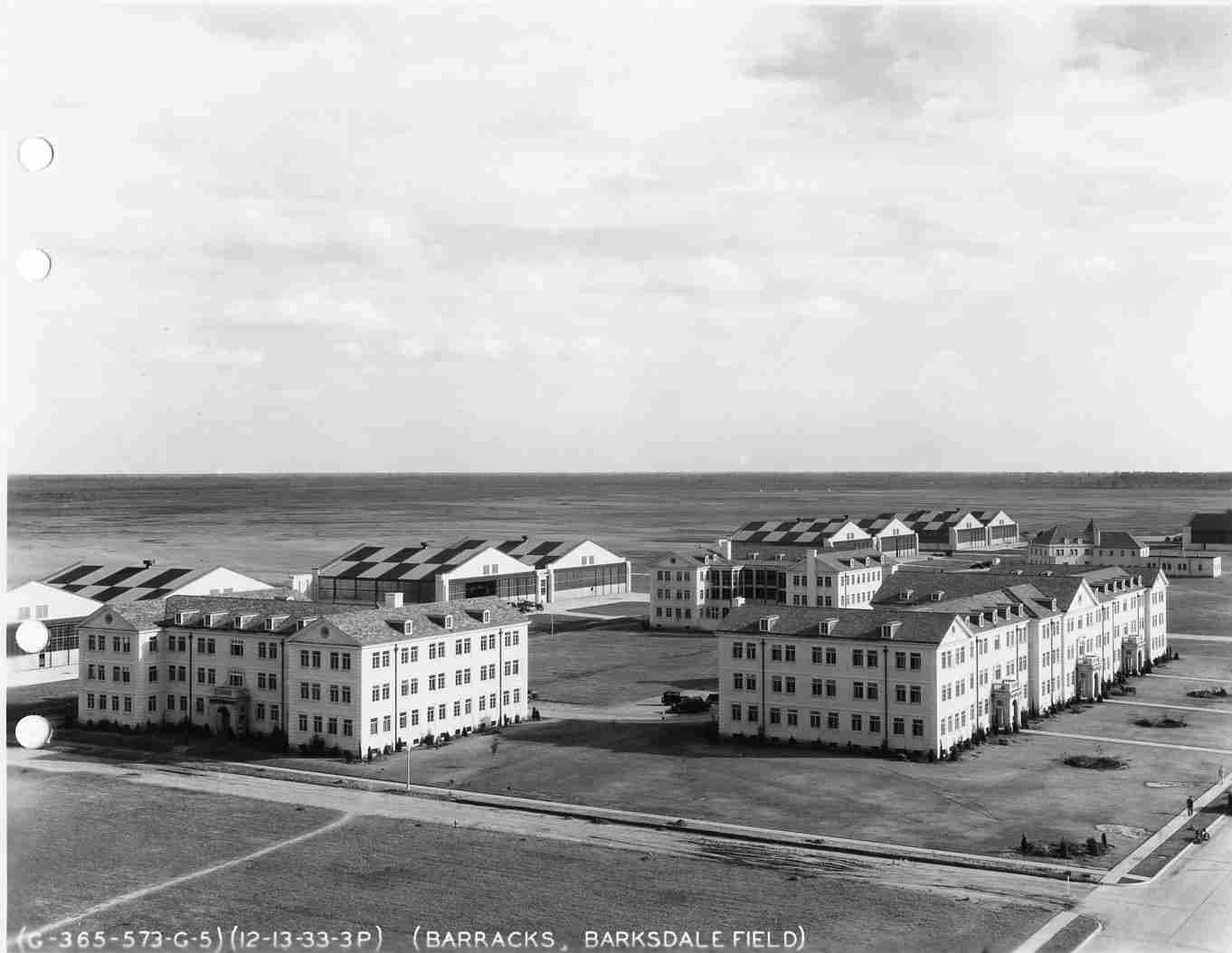

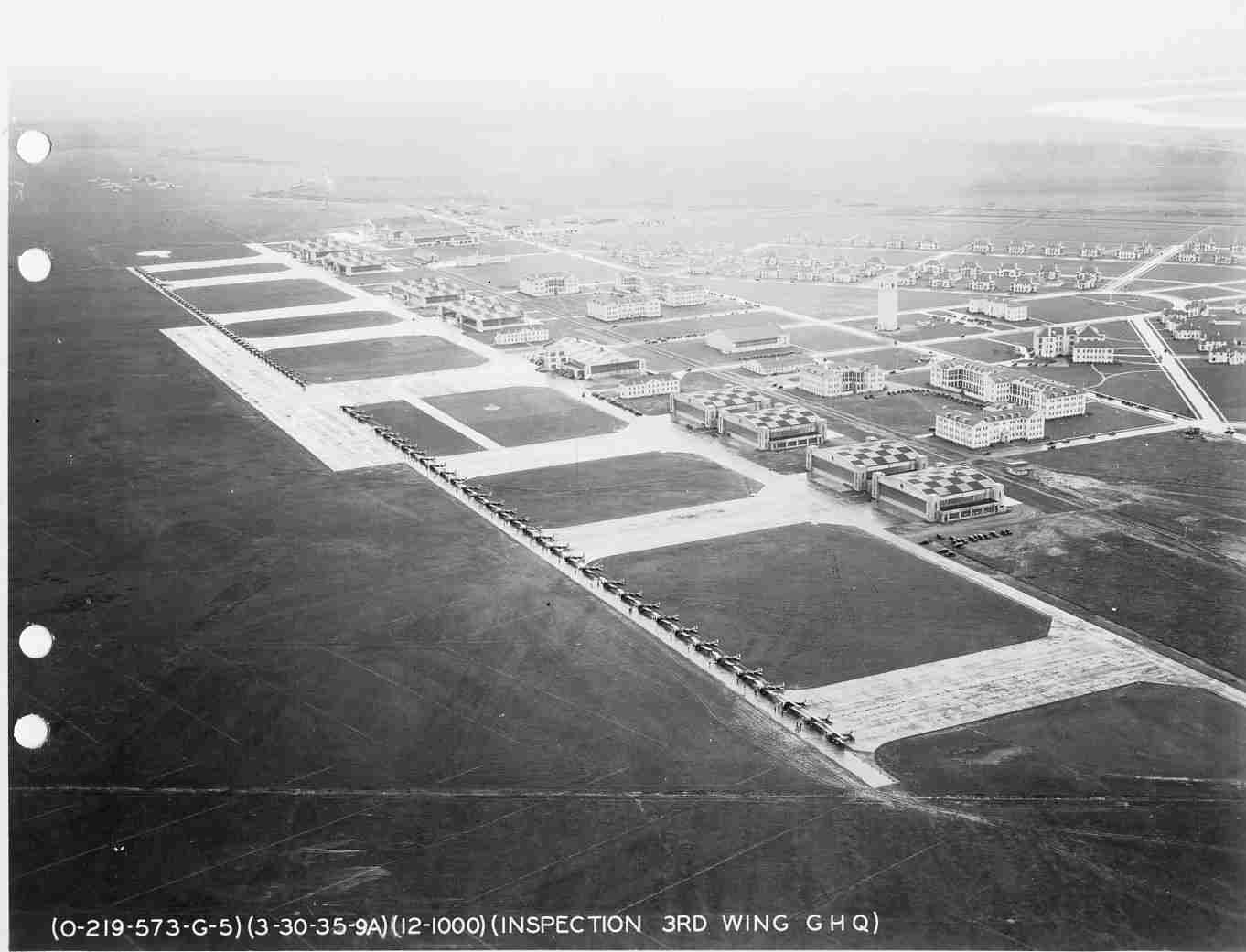
When these photos were taken, Barksdale Field, officially opened in 1933, was still wearing its first coat of paint. (The photos date 1933-36). The early date also explains the almost total absence of trees and other features to lessen the bleakness of the setting.
A Pair of P-12s


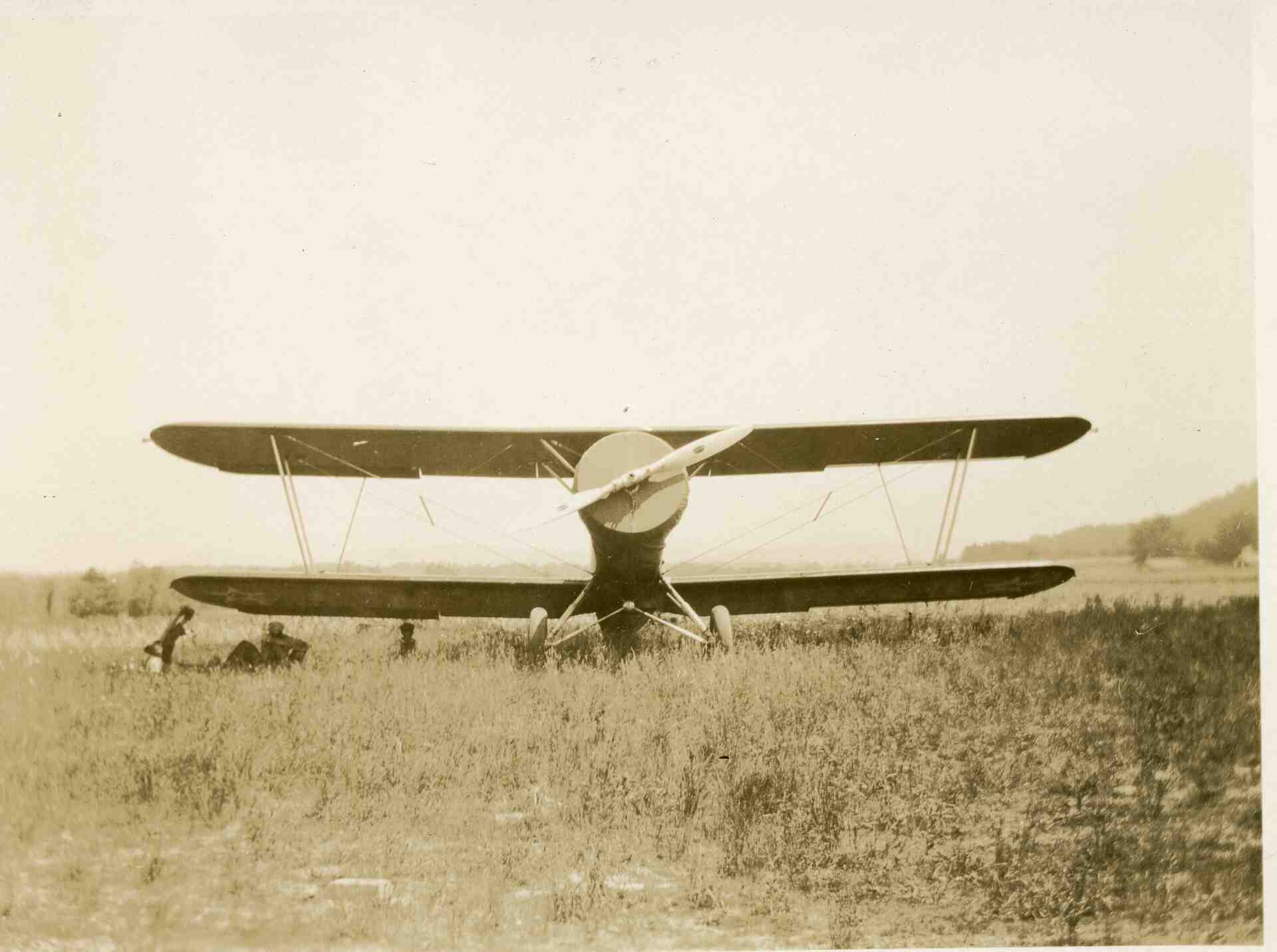
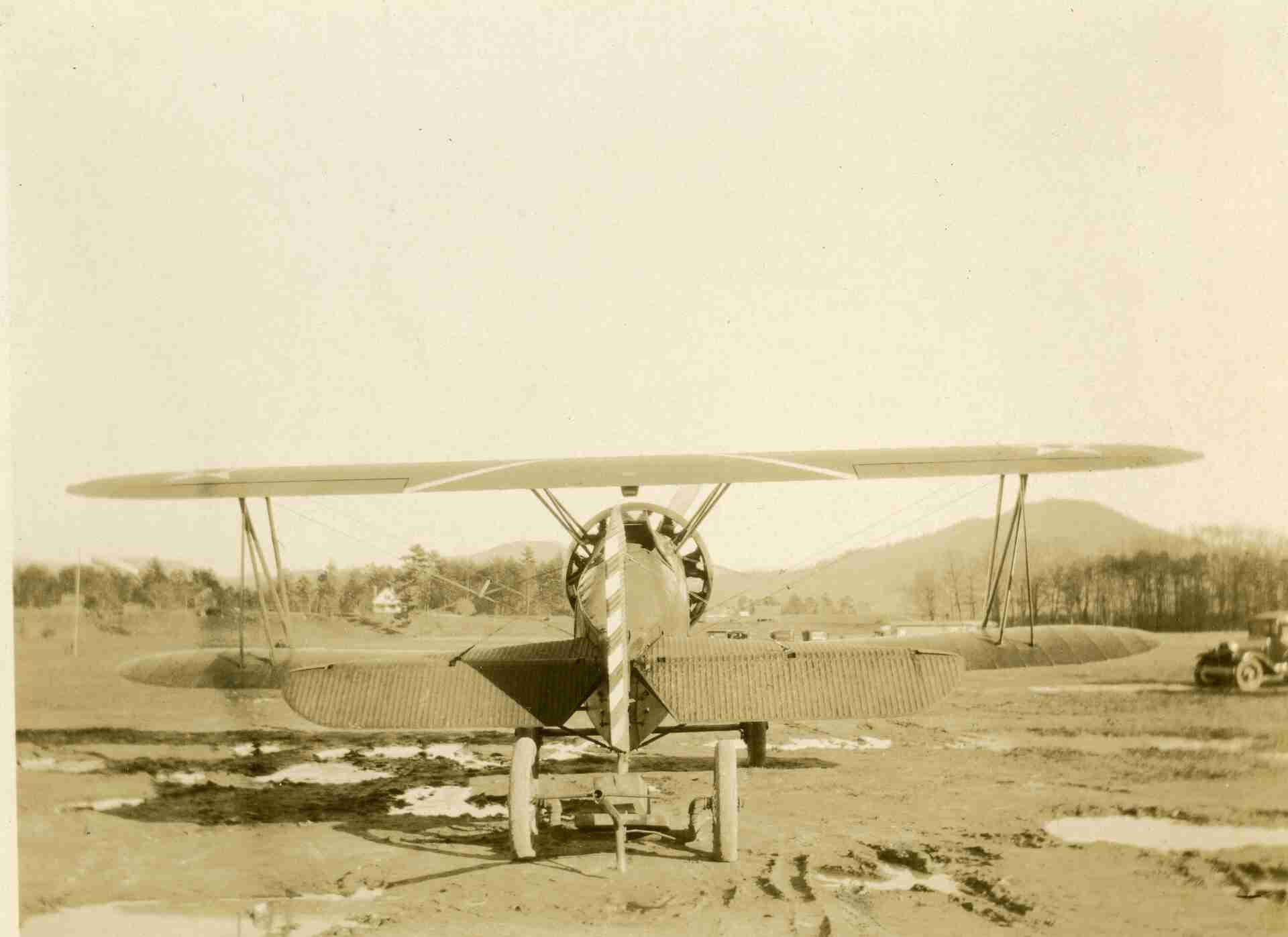
I believe both photos are airmail-related. The pilot in the second photo is Clarence Tinker, namesake of Tinker AFB in Oklahoma. He is flying his personal P-12, nicknamed “Bird-O-Prey”, one of a string of aircraft he applied that moniker to.
The Air Corps Visits Ashville, NC, June 20, 1931


Griffith Park, Wednesday, June 19, 1935

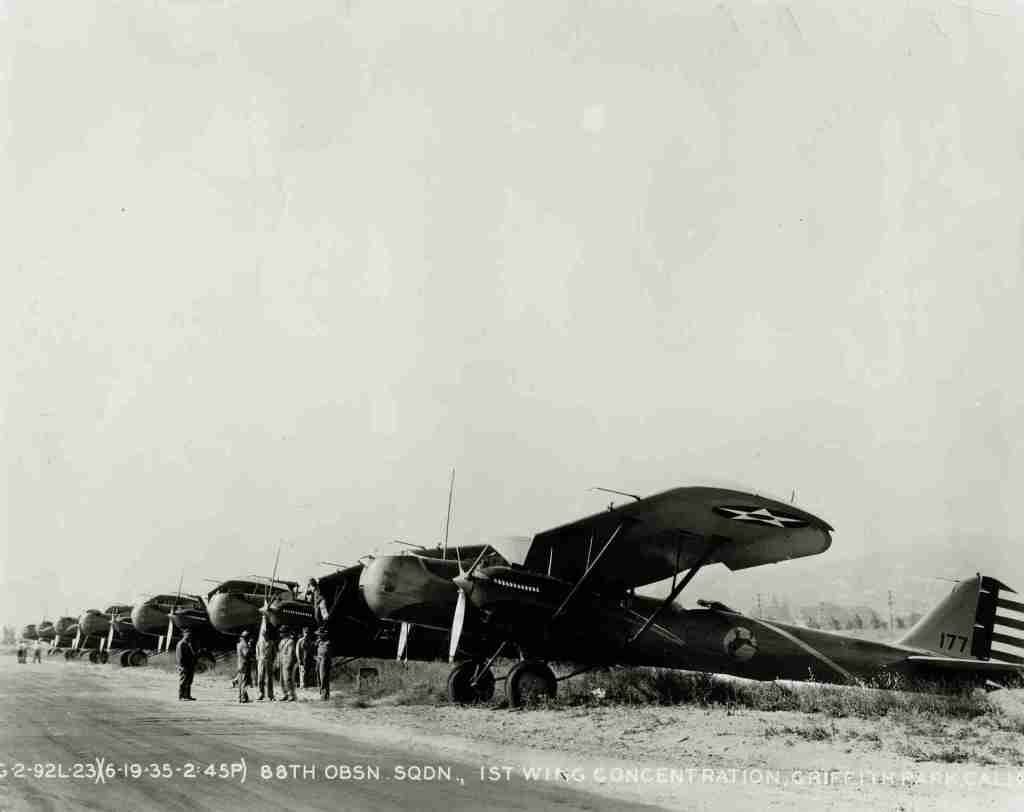
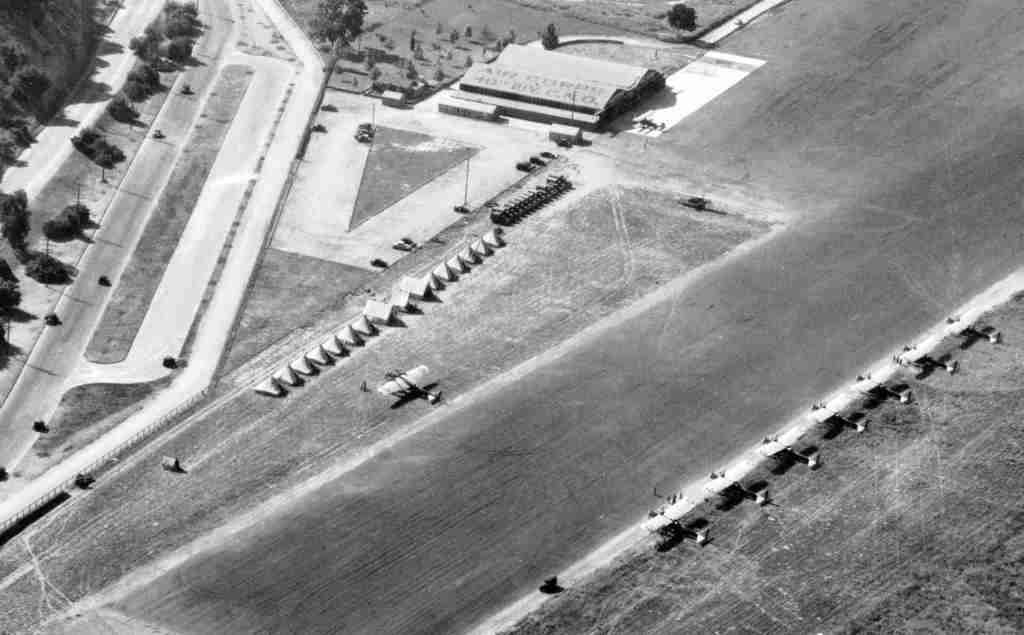
Los Angeles’ Griffith Park Aerodrome/Airport/Field, home to the 115th Observation Squadron, California National Guard, was one of countless airfields that dotted the area in the 1920s & 30s (note Glendale Airport in the upper right of the photo). As a military airfield, Griffith Park was host to a variety of different aircraft, such as the ones seen in these photos, Douglas Y10-35/Y1B-7s. Only a dozen of these planes were built, and most of them are seen here, parked along the runway’s edge. The aircraft are visitors from the 88th Observation Squadron, Brooks Field, Texas, the occasion is the “1st Wing Concentration”, an Air Corps exercise that involved numerous airplanes and airfields assigned to that Wing. A close inspection of Glendale Airport in photo #1 shows that they, too, have a line-up of Air Corps planes.
Unfortunately, tragedy struck the next day, June 20th. On that Thursday, a Y10-35 lost a right engine on takeoff and slewed toward the line of tents seen in the photo. Soldiers in the onrushing plane’s path scattered to safety, but at 70 MPH, the aircraft crashed through a fence and struck a parked car, killing three people. The victims, Daniel Krauss, his wife Freda, and two-year-old daughter Donna, had simply stopped by to watch the goings-on at the airfield. A four-year-old son survived, he being with relatives in Washington State. Congress later approved a bill that provided a princely $60 a month for that orphan’s upbringing.
The death of this family no doubt served to heighten ongoing concerns over Griffith Park Airport location, namely because it was built on the edge of, well, an actual park. The kind with green trees, nature paths, a zoo, etc. The field closed around the outset of World War II; today, it is buried under acres of freeway.
Consolidated O-17 Courier
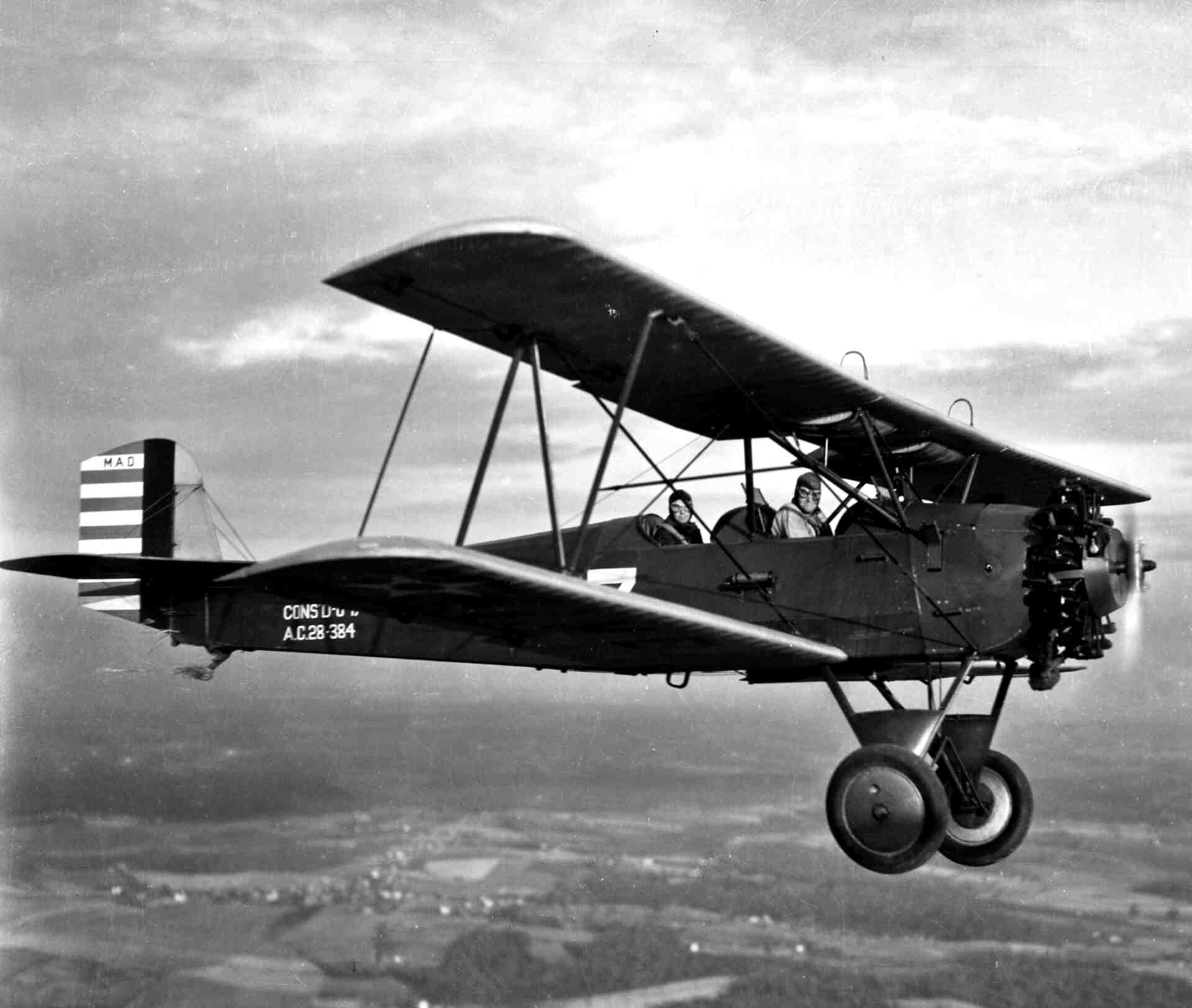
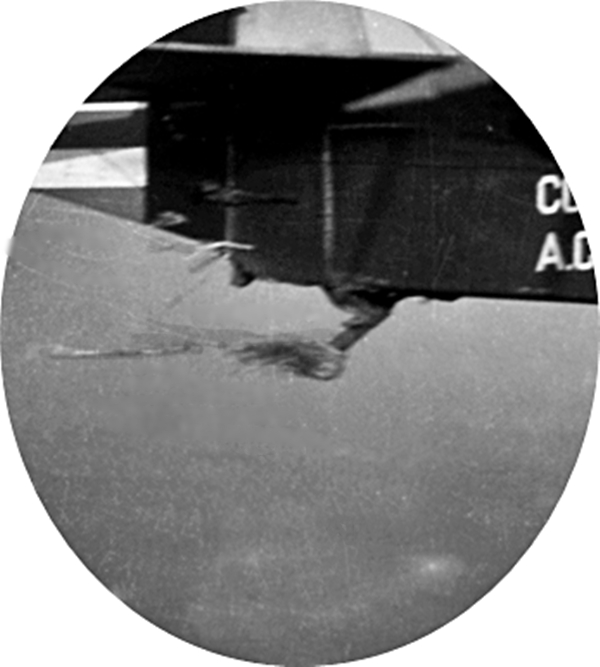
Cruising along in the Depression-era skies of the Northeast United States, an O-17 (28-384) of the Middletown Air Depot, Olmsted Field, Pennsylvania. His tail skid has brought along some of Olmsted’s turf for the flight.
Flying Machines & Femmes


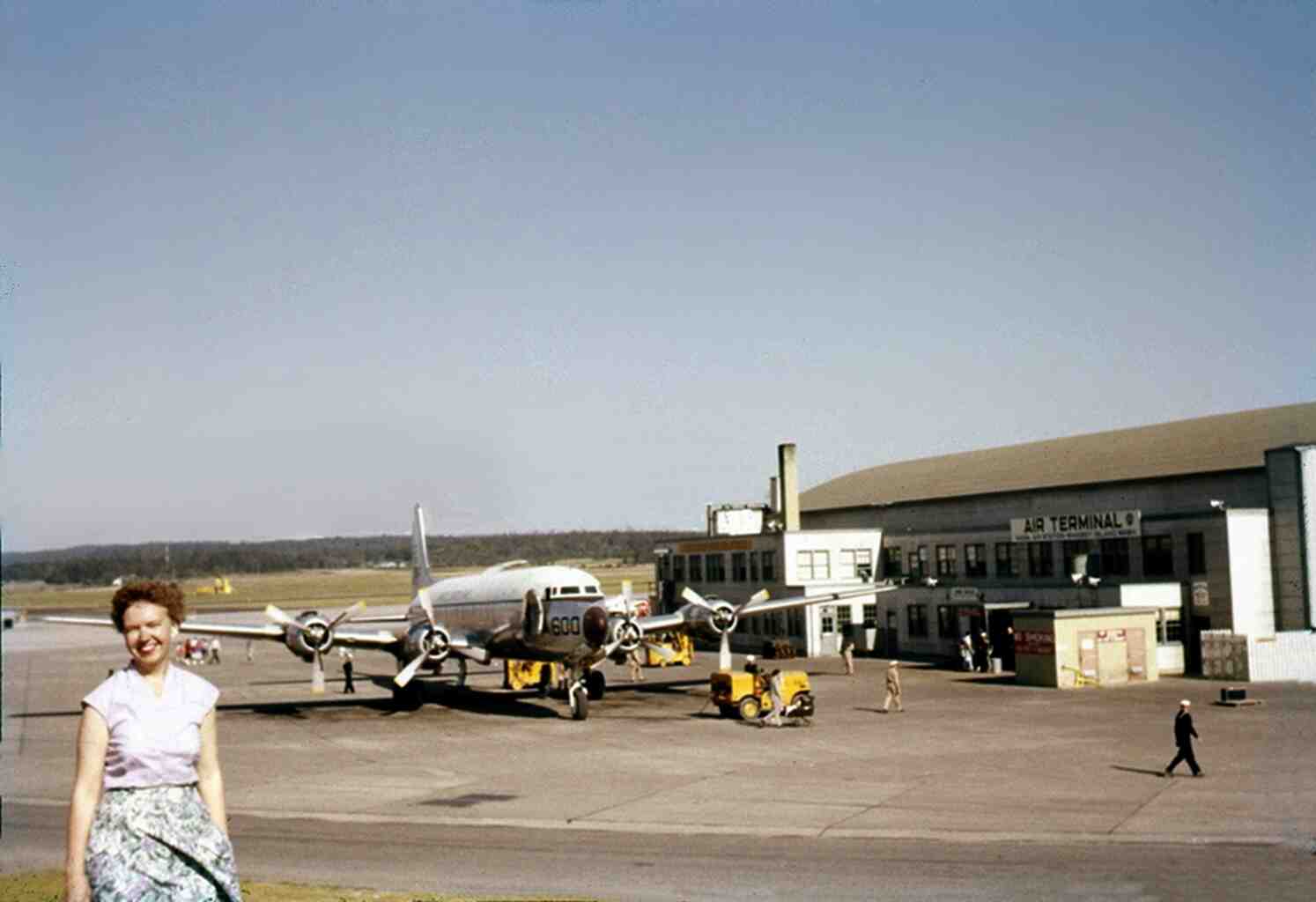

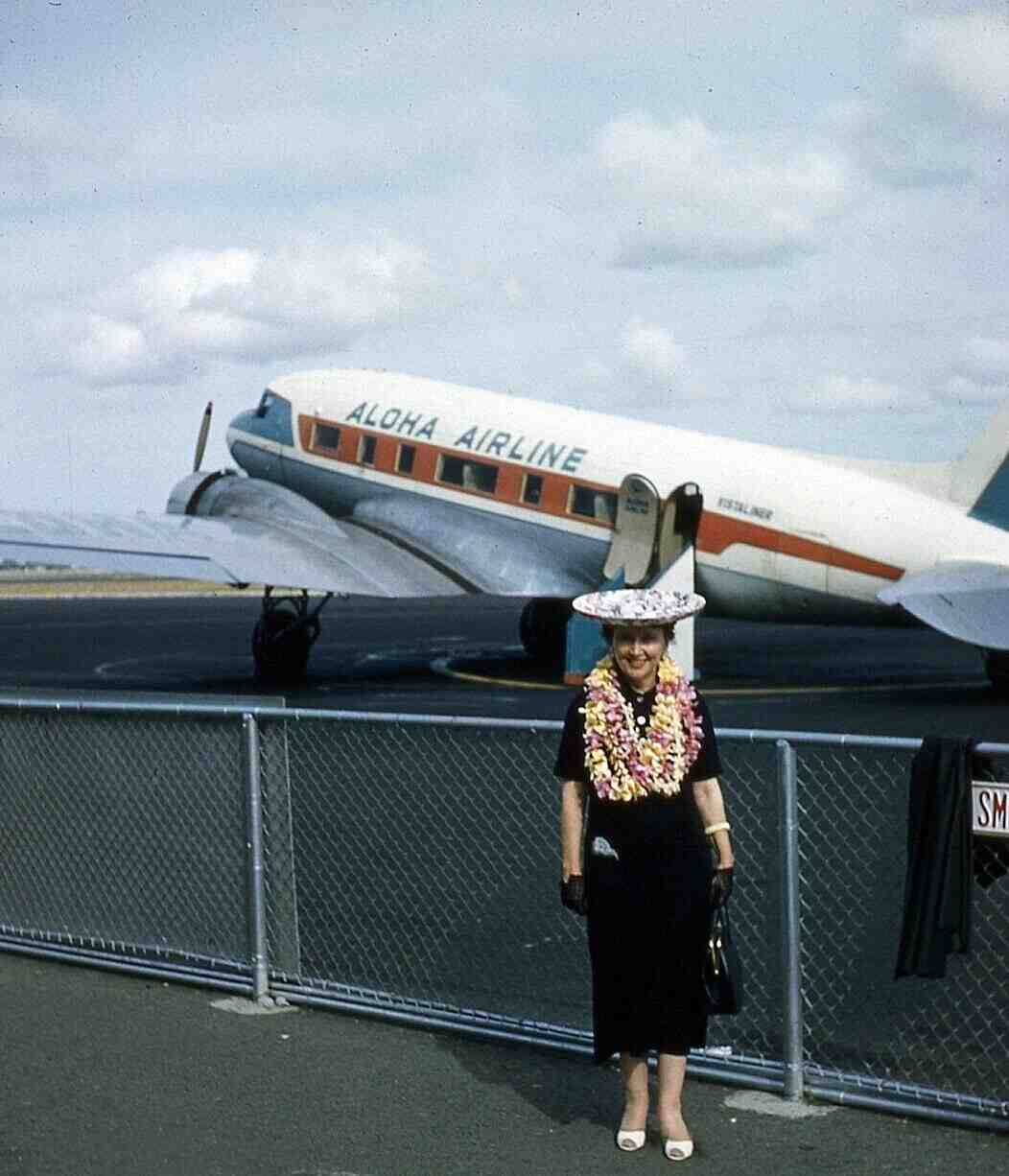


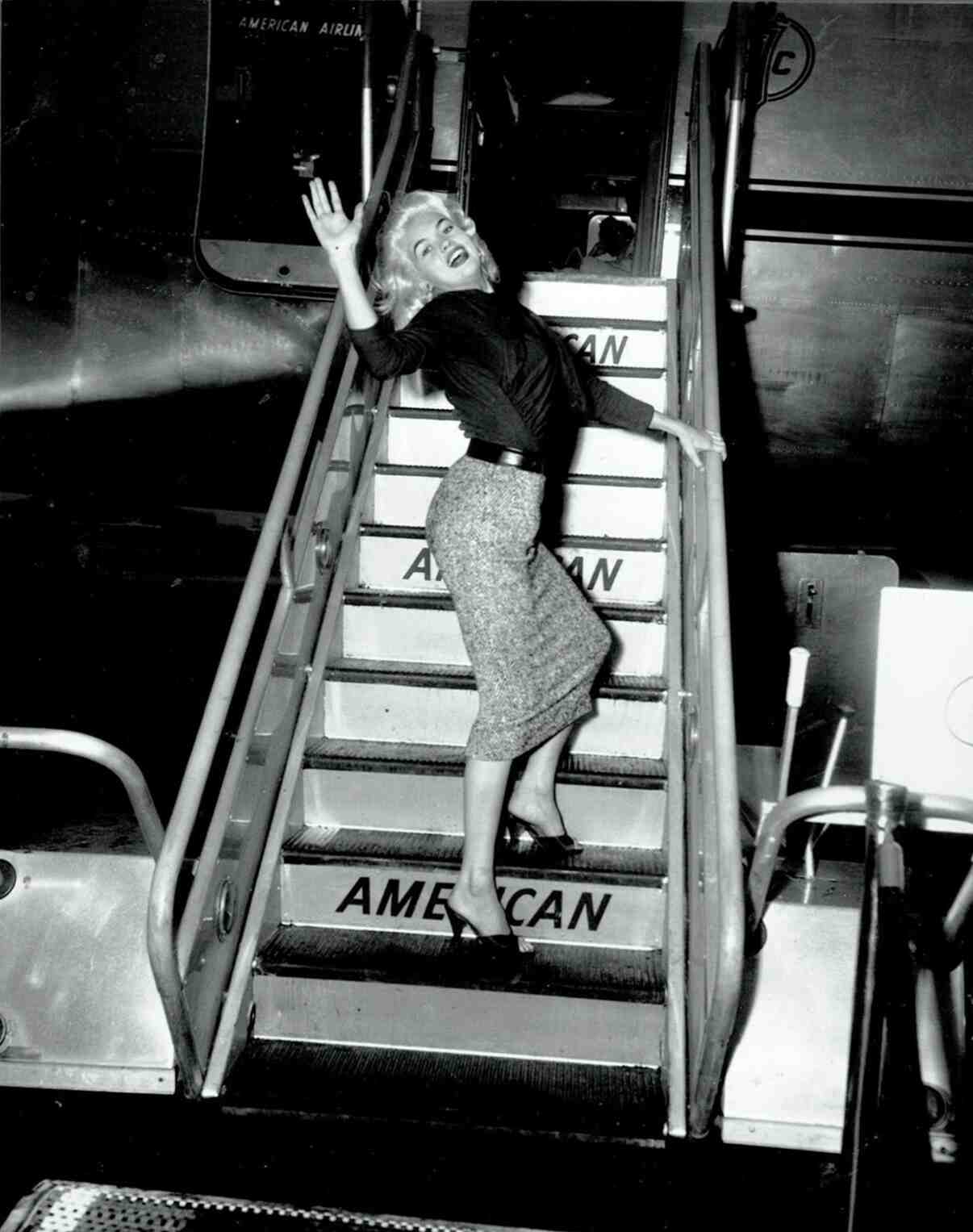

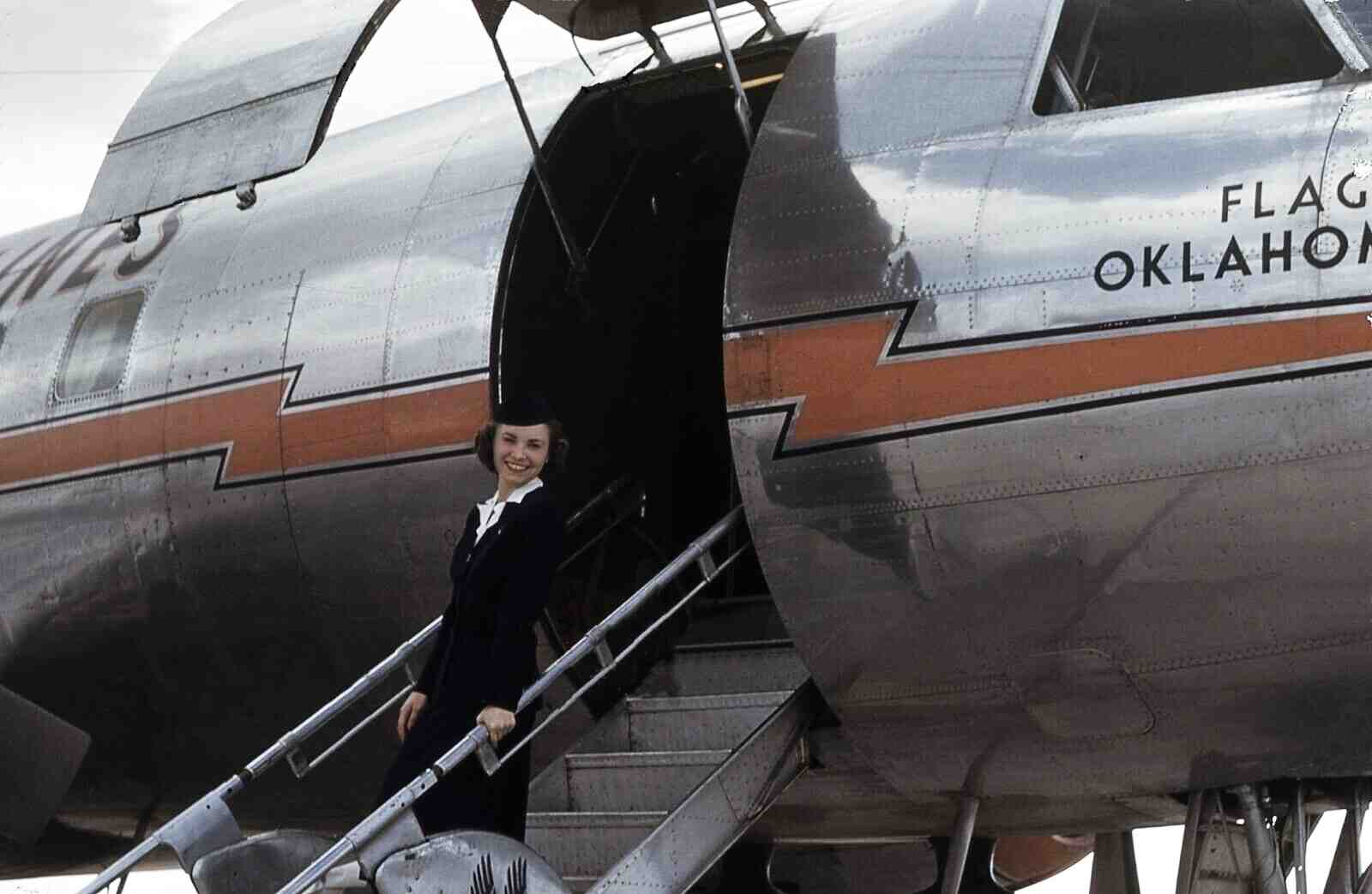

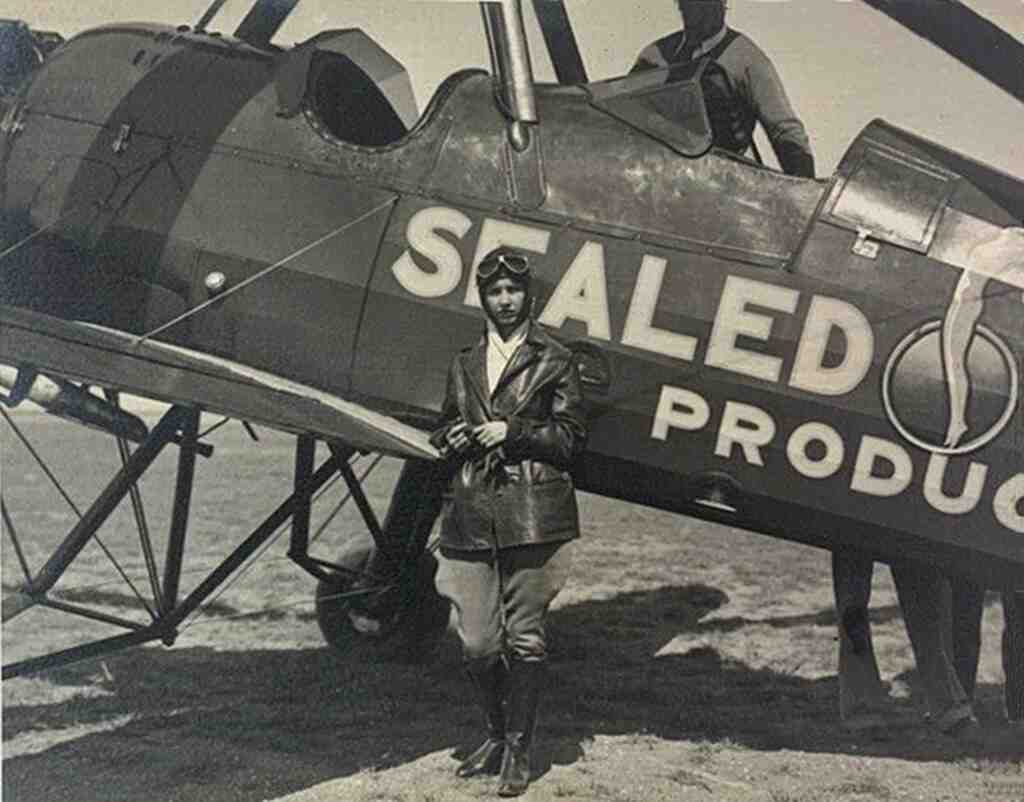


Beau Brummels of the Air


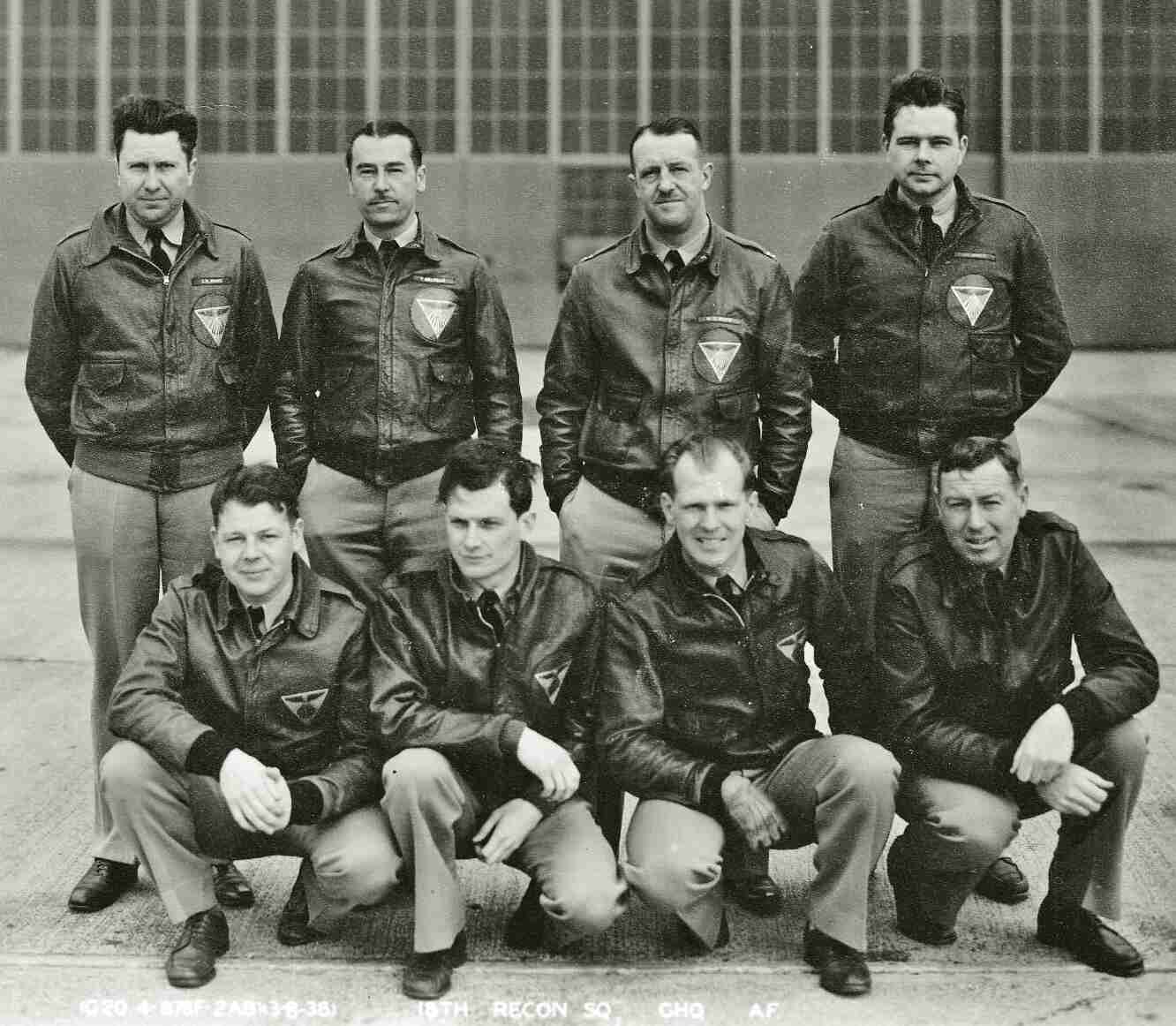

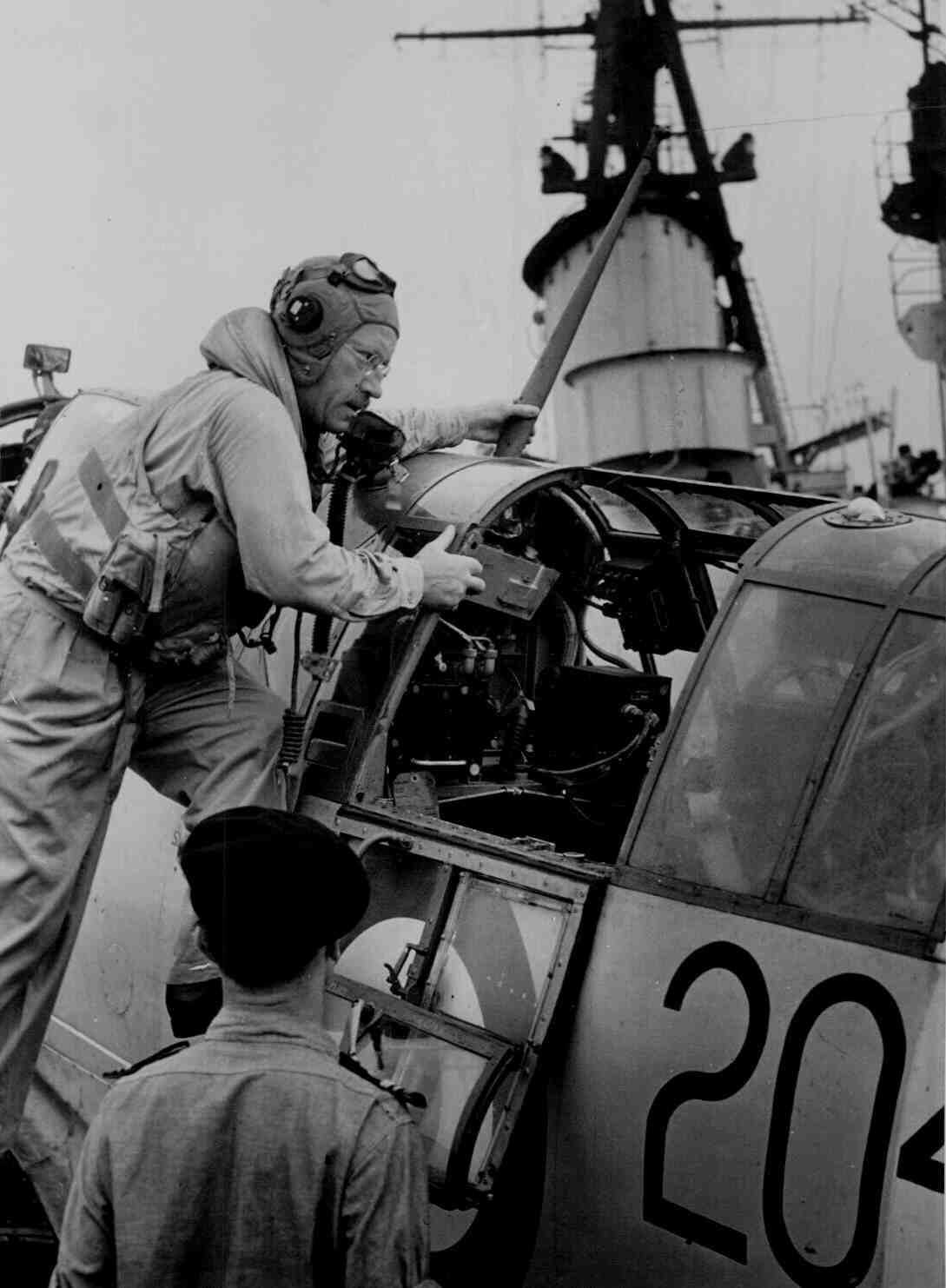


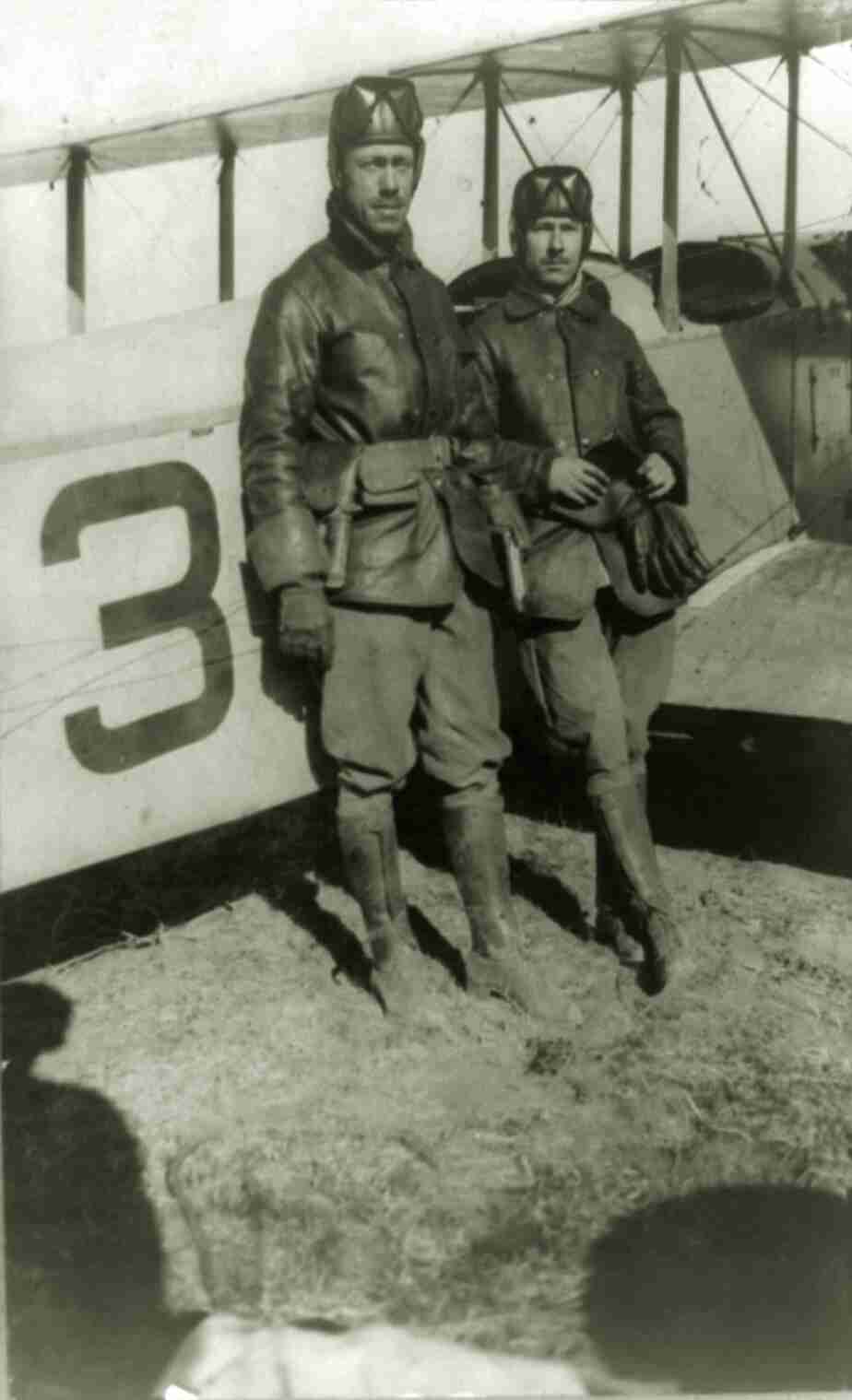

More Bombers

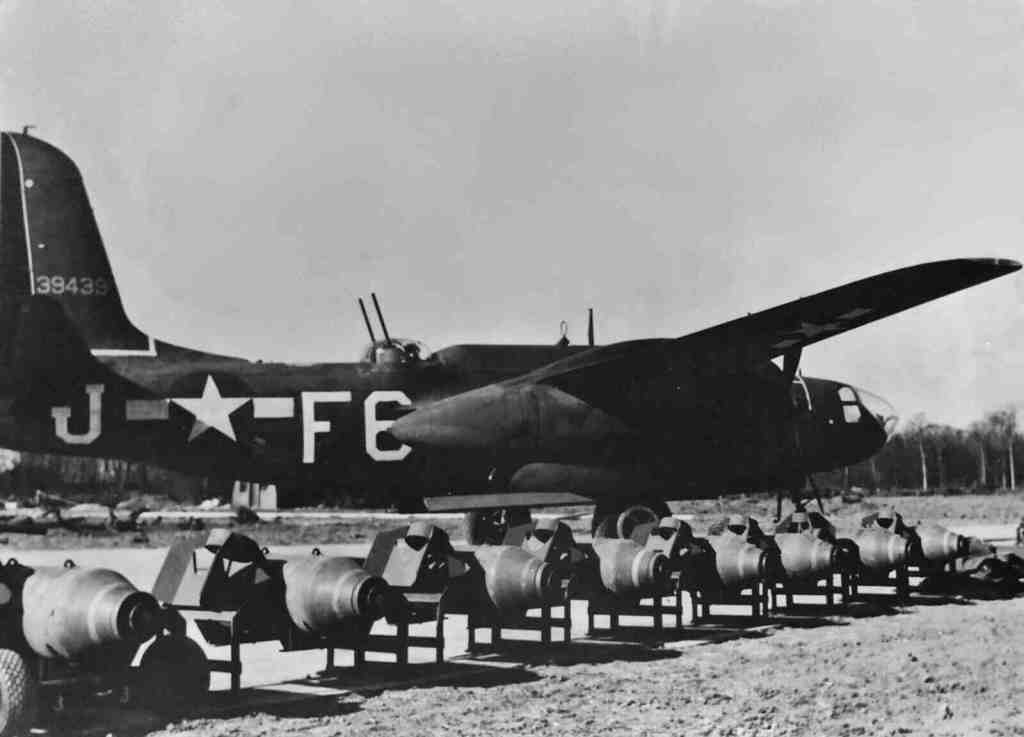


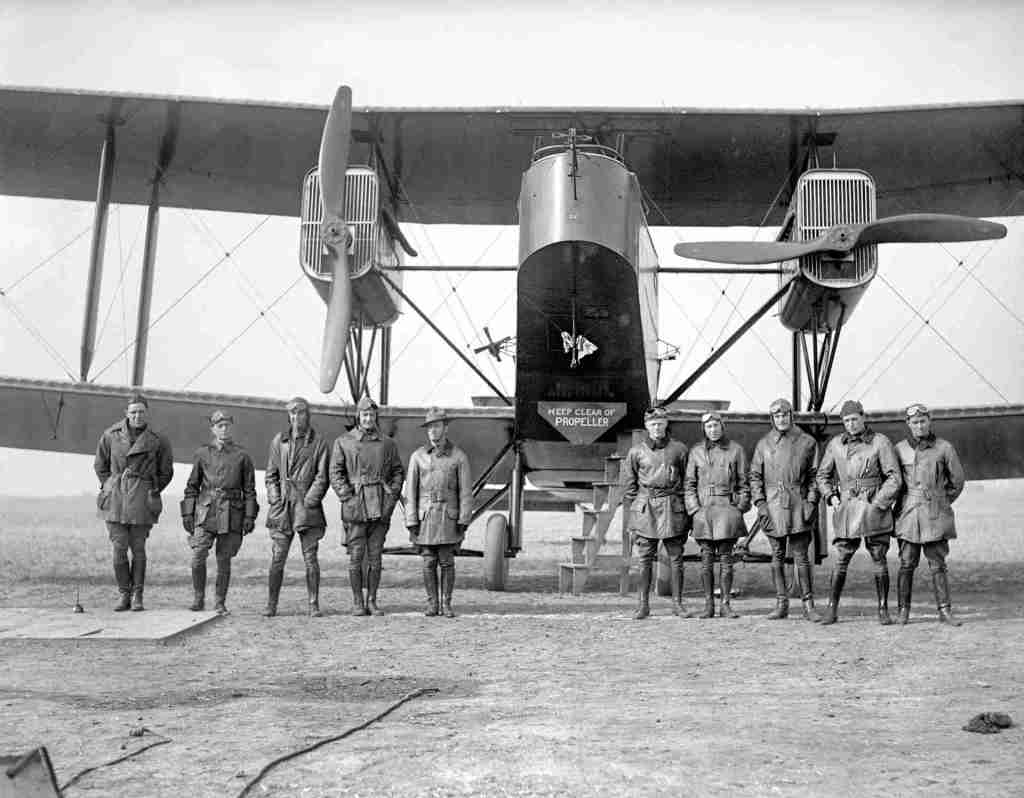
Bombers Inc.


Northrop A-17

74th Attack Squadron, Albrook Field, Canal Zone, 1939.

An A-17 from Bolling Field, Wash. DC.
An Army Air Service Photo Album

DH-4s of the 22nd Observation Squadron.


Different DH-4, same squadron.


Close-up of previous photo shows the pilot stripped down to his underwear.

Martin NBS-1 (MB-2) of Langley Field’s 96th Bomb Squadron.

This (I believe) is a Martin torpedo bomber, the MBT.

No aviation photo album from the 1920s is complete without the wreck of a JN-4


“The hapless pilot stands helplessly by as mechanics…” – this was the standard photo caption for such events as seen here.

This was a mystery plane…

…assumed it was a bomber, but couldn’t find a match…

…that’s because it’s a TC class airship. Probably taken at Langley Field.

Our photographer gets in the act (he’s on the left).
Taken a century ago, these photos came from a “soldier of the air” stationed at Langley Field and Maxwell Field in the early/mid-1920s. Aircraft seen in these photos include the DH-4, NBS-1, JN-4, and a couple others. Enjoy!
20th Pursuit Group Visits Billings, Montana


September 28, 1924: The First Flight Around The World
175 Days After Taking Off From Seattle, The Douglas World Cruisers Return


Aloha To “Hawaii Mars”

“Hawaii Mars” takes a break.

It only took three round-trip flights, Alameda – Honolulu, to rack up 80+ hours of flying time.
Yesterday, August 12th, one of the world’s great flying boats, the Martin JRM-1 Mars, was taken on its final ride to its new home in Victoria, British Columbia. This particular Mars, 76823, will always be known by its nickname that was bestowed a lifetime ago, “Hawaii Mars”. As the logbook depicted here shows, that island location was a frequent destination for Martin’s big seaplane.
The duration of yesterday’s last flight was about 3 hours. As seen by the logbook entries, a trip to the aircraft’s namesake islands required about ten additional hours.
Air Corps Tin Geese

C-9 belonging to Wright Field.

C-4A of the Air Corps Technical School.

29-224, a C-9 of the 90th Attack Squadron. Photo location: Selfridge Field, Michigan.

31-402, a C-4A from Bolling Field.
XB-19A

The first three photos show the gigantic bird at Miami Army Airfield, Florida.

Showing a photo of oneself standing next to the XB-19 was always a conversation starter. Note the patch on the wing underside.


Post-war found the XB-19 languishing at Clinton County Field in Ohio, where it served with the USAAF’s All Weather Flying Center.

In its early days, everything about the aircraft’s size was worth a photo. The XB-19’s gigantic tail looms in the background.
“O” Is For Observation

The Douglas XO-31 was the company’s first observation aircraft with a monoplane design.

O-46 of the 118th Observation Squadron, Connecticut National Guard

O-43 of the 22nd Observation Squadron.

Exactly one YO-31C was built. (Its cantilever landing gear was the most noticeable feature).

An O-35 at Boeing Field.

The lone O-31 “B” model was used by the War Department Militia Bureau (note the two stars on the fuselage).

O-38B of the 116th Observation Squadron, Washington National Guard.

O-31A of the 5th Observation Squadron.

O-38B (30-419) of Ohio’s 112th Observation Squadron.
As seen here, Douglas Aircraft Company pretty much owned the observation aircraft market for the US Army Air Corps back in the 1930s.
1930s Candler Field (Atlanta Airport)


No 1930s Air Corps visit was complete without a gaggle of A-12 Shrikes.

O-1 Falcons

Keystone Bombers were always on hand whenever the Air Corps wanted to impress the locals.


The Army Air Corps pays a visit to Candler Field in Atlanta sometime around 1935-36. Although renamed Atlanta Municipal Airport in 1929, one can see by the title of the photo album page that the “Candler” moniker was still unofficially in use.
There is absolutely nothing left of the scenery captured in these photos – the last of these hangars were demolished decades ago.
From the “Looks are Deceiving” Dept.

Loening Model 23 of the New York – Newport Air Service.

Army Air Service S-1 (24-1) seen at Langley Field in the mid-20s.
The Loening Model 23/S-1 of the early 1920s is a testament that one cannot judge an aircraft solely by its appearance. Yes, the Model 23 looked somewhat ungainly in its design. Yes, it looked far more hydrodynamic than aerodynamic (This outward form would explain the origins of the Model 23’s official name: “The Flying Yacht”).
But, as they say in the Looks are Deceiving Dept…
In actuality, the awkward-appearing “Flying Yacht”, was an amazingly efficient airplane. First taking to the sky in 1921, Loening’s bird won multiple awards for its design – including the Collier Trophy. It also set world records for speed, distance, and altitude. To top it off, the Model 23 was one of the first monoplane-configured seaplanes to go into production.
Loening’s “Flying Yacht” was quickly eclipsed by the rapid advances in 1920s aviation, but for a brief shining moment, it was unquestionably among the top seaplanes in the world.
One of Curtiss’s Countless Hawks

Over the years, Curtiss built the following:
Hawk, Hawk I, Hawk II, Turkeyhawk, Goshawk, Seahawk, Sparrowhawk, Goshawk (again), Hawk III, Hawk IV, Mohawk, Tomahawk, Kittyhawk, Warhawk, Seahawk (also again). Oh, and Curtiss also built a Hawk I for the Gulf Oil Company. It was named, you guessed it, the Gulfhawk.
The aircraft seen here is the P-3A (Hawk).
If “Hawk” could be tacked onto a word (or supplemented with Roman numerals) then Curtiss would immediately do so.
Randolph Field, 1930s

A BT-8 with its distinctive “hunchback” design.

PT-13 is ready for the next flying cadet.

This PT-13 is no doubt already well-aquainted with the budding birdmen of Randolph.

A BT-9 taxis along while airmen gaze at the distant A-12s and A-17s of the visiting 3rd Attack Group.

A-17s taxiing out. In the foreground is part of Randolph’s airfield lighting. Some of these lights are still at the base today.

A visiting C-33.


A Texas National Guard O-43.

A-17s of the 13th Attack Squadron.

More A-17s. These birds belong to the 90th Attack Squadron.

A-12 Shrike of the 13th Attack Squadron.

Another visitor: B-18 of the 32nd Bombardment Squadron.

No 1930s collection of Air Corps aircraft would be complete without a P-26 (or two). These are probably from the 20th Pursuit Group.

And of course, a visiting B-10 of the 30th Bombardment Squadron.
A small collection of photos from a flying cadet at Randolph Field in the mid-1930s.
Boeing 314 #1


It’s 1938, and Boeing’s new baby, the 314, makes its appearance in Seattle.

The first Model 314 sticks its tail over the Duwamish River. Note that the cockpit has yet to be completed.

Seen afloat on Seattle’s Elliot Bay, the first 314, now numbered NX18601, is ready to begin testing.

NX18601 was initially built with a single vertical stabilizer.


The single tail did not provide adequete directional control…

…and a fix was devised in the form of a double tail.

The short-lived double tail/no center stabilizer.

Even two tails were not doing the trick and thus the three-tailed 314 was born.

In the spotlight.
 The Jive Bomber