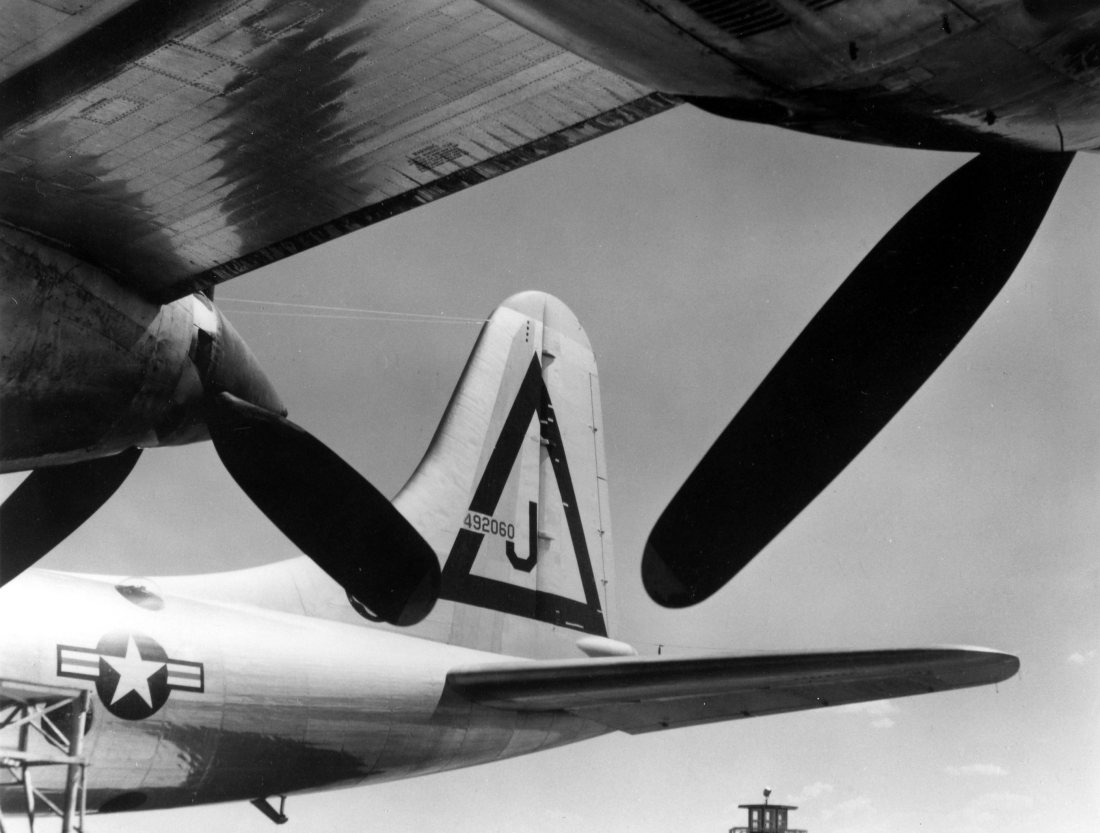
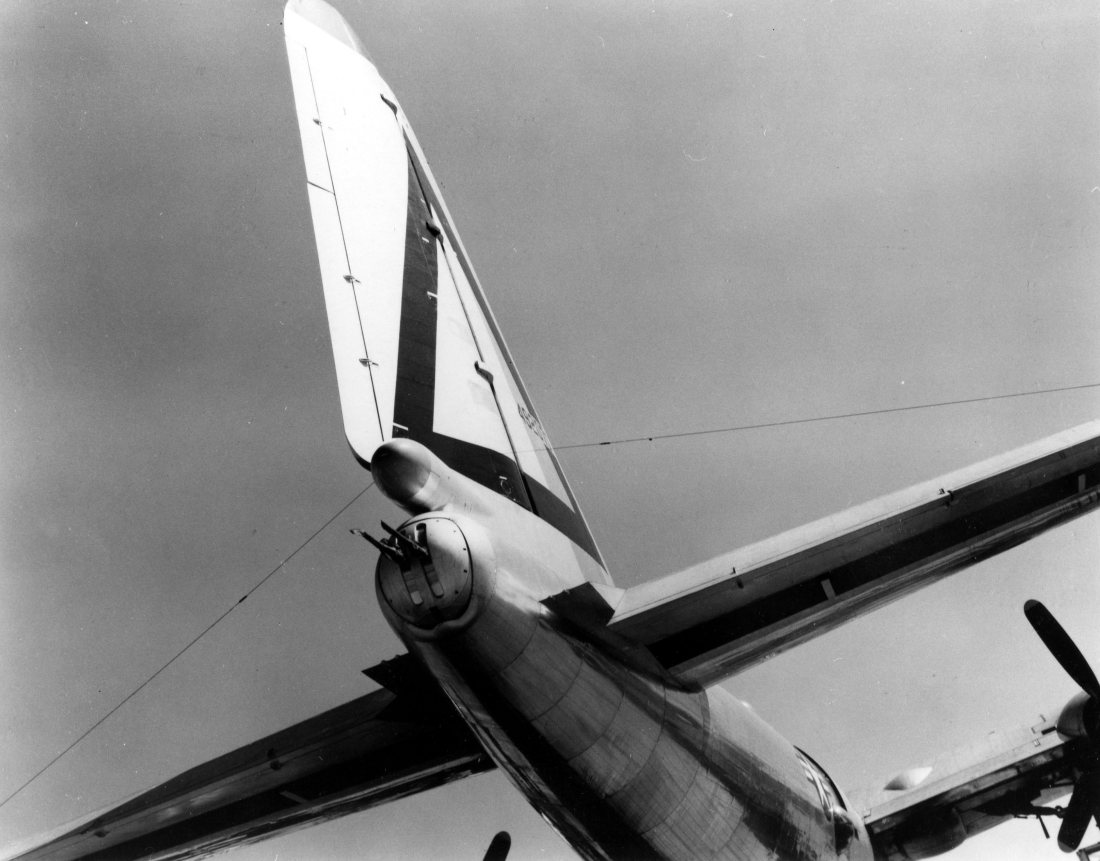
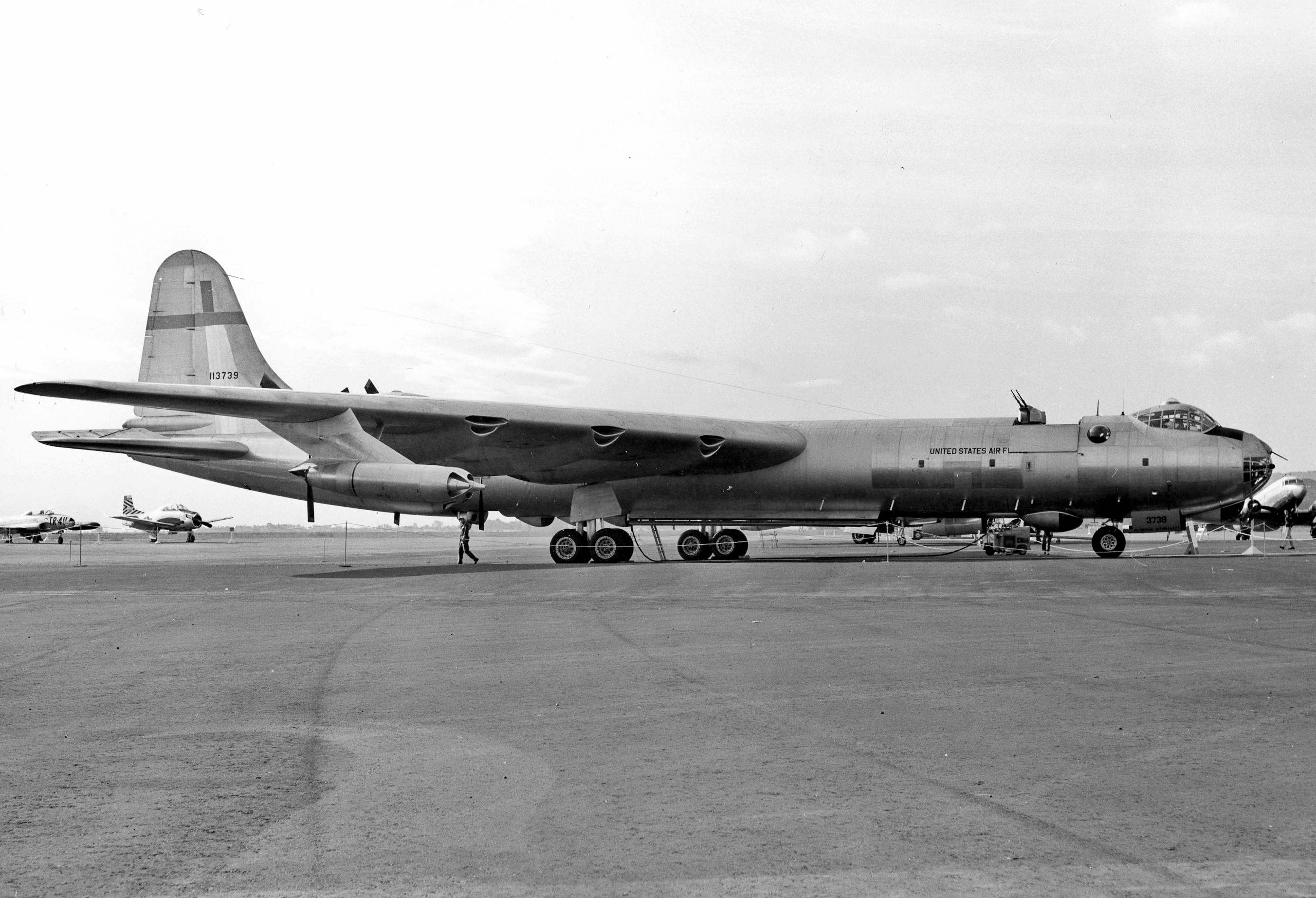
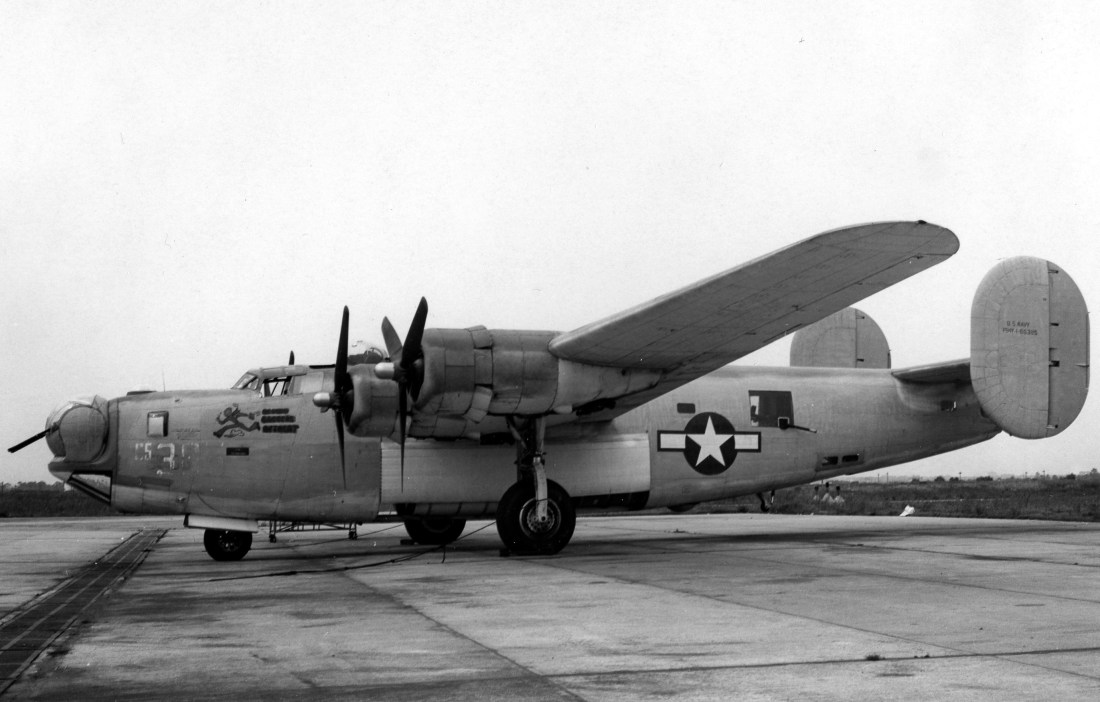
Nice view of a B-36’s defensive ability. Much has been said of the vulnerability of the B-36 – the USN even accused the USAF of suppressing such information. Of course it could be shot down, but as the Air Force (and the Soviets) knew well, intercepting fighters would never bag all the B-36’s. Even if only a handful got through, the nuclear weapons those few carried were deterrent enough.
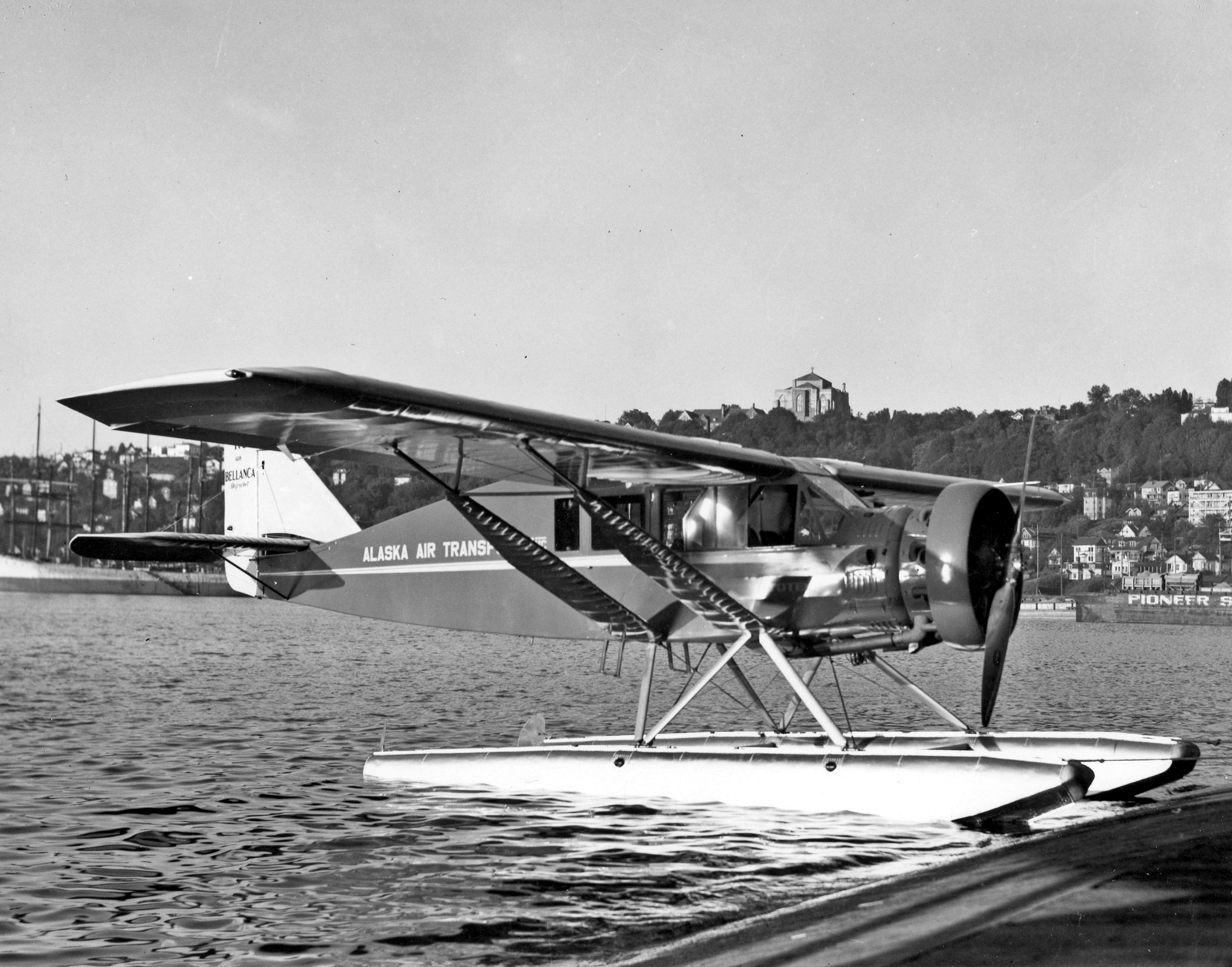
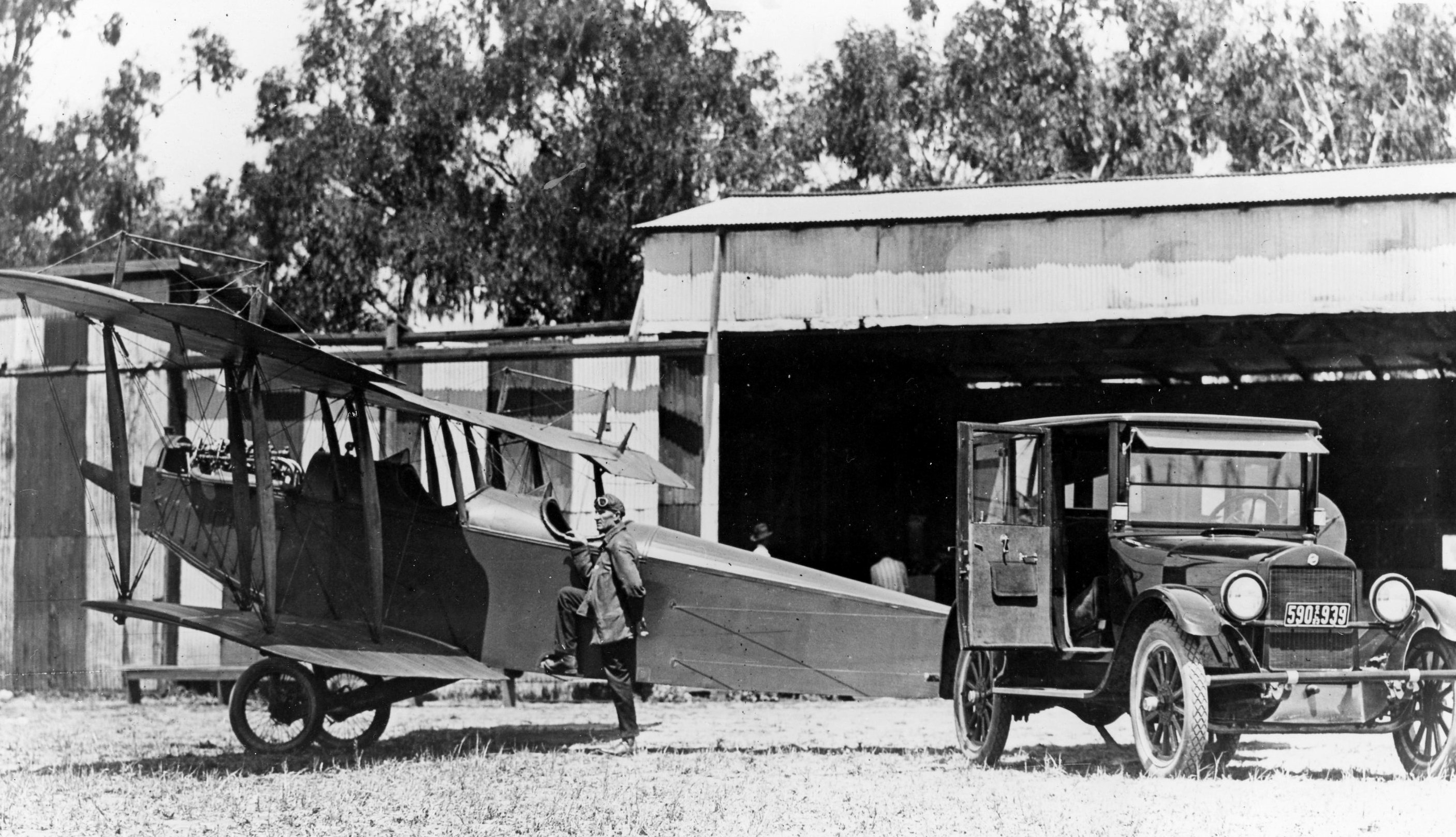
Couldn’t find much on Pathfinder Aerial Transportation, but it was owned by a former Air Service pilot, Valdo H. Brazil. Maybe that’s him holding aloft the tail of one of his Curtiss JN-4’s.
Based at CGAS Port Angeles, this UF-2G (7236) of the Coast Guard is seen while on a visit to Boeing Field in the late 1950’s. Later renamed the HU-16, this “bird” is now displayed at the Naval Air Museum in Pensacola.
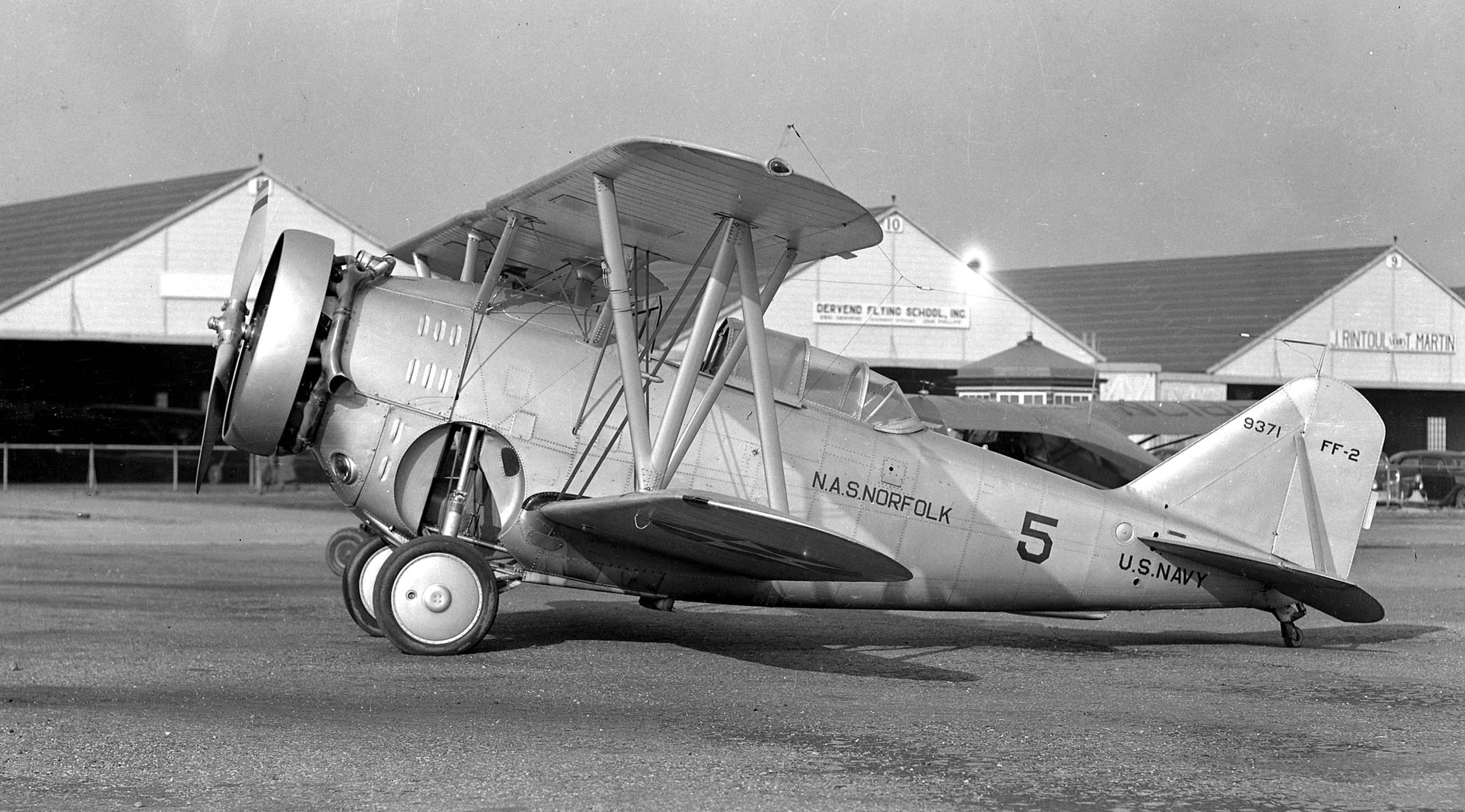
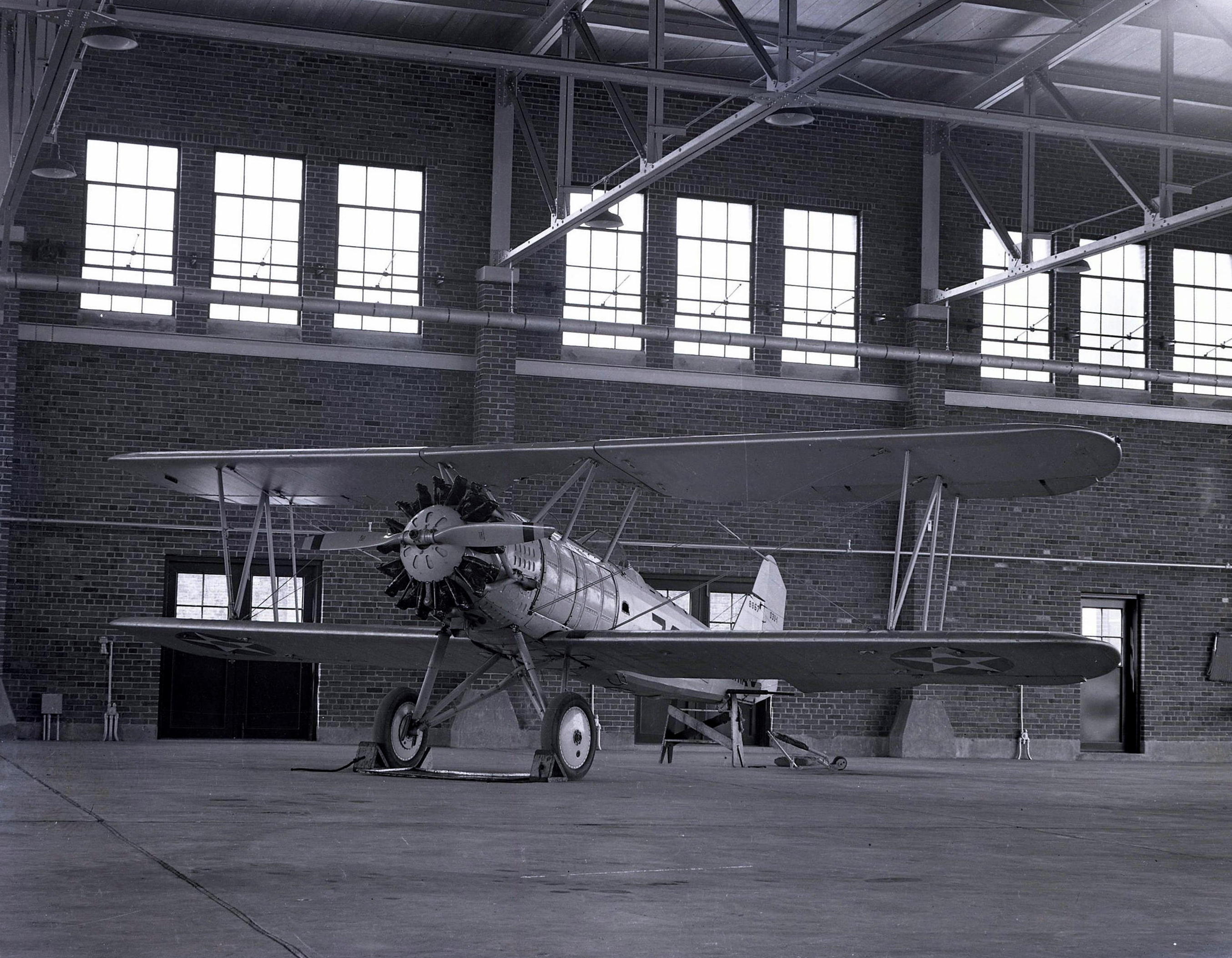
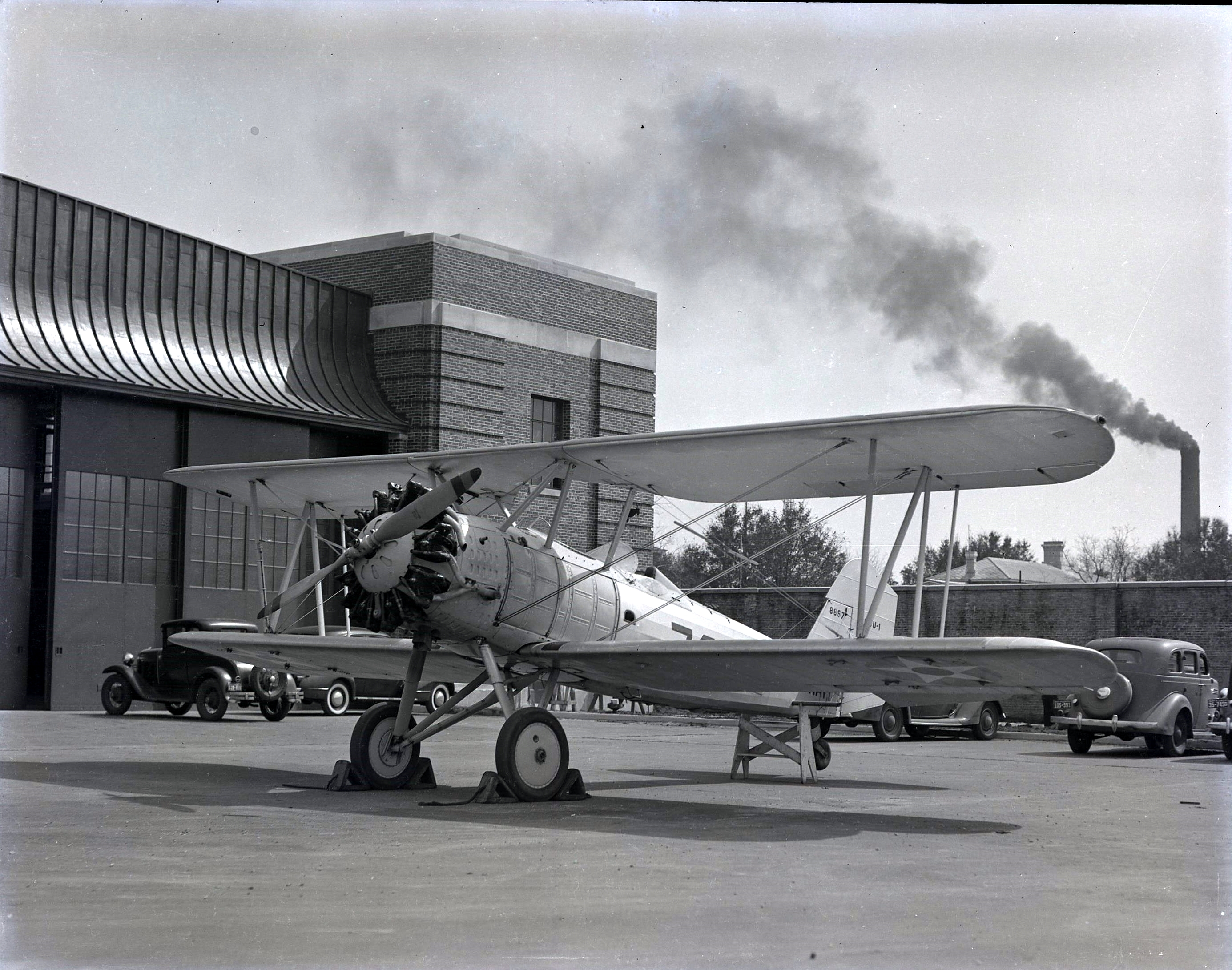
The FF made up with innovation what it lacked in the “svelte and graceful” department. What was so innovative, you ask? It was the first US Navy carrier plane with retractable landing gear. Pic #1 shows an FF-1 (9361) of VF-5B (USS Lexington). It crashed in 1935. #2 is an FF-2 (9371) of NAS Norfolk. The hangars are those of Roosevelt Field, NY.
A-6A of the Naval Weapons Evaluation Facility pays a call at NAS Whidbey Island in the 1970’s. This would not be its last visit to the island, in fact, it is ongoing: 149482 is now on permanent display outside Whidbey’s gate.
9482 is a real oldie. Delivered in 1962, it was the 16th Intruder, the first eight of those were built as the A2F. In ’62 of course, the services restructured their aircraft designations. There was already an A-2, 3, 4, & 5, so next up: A-6.
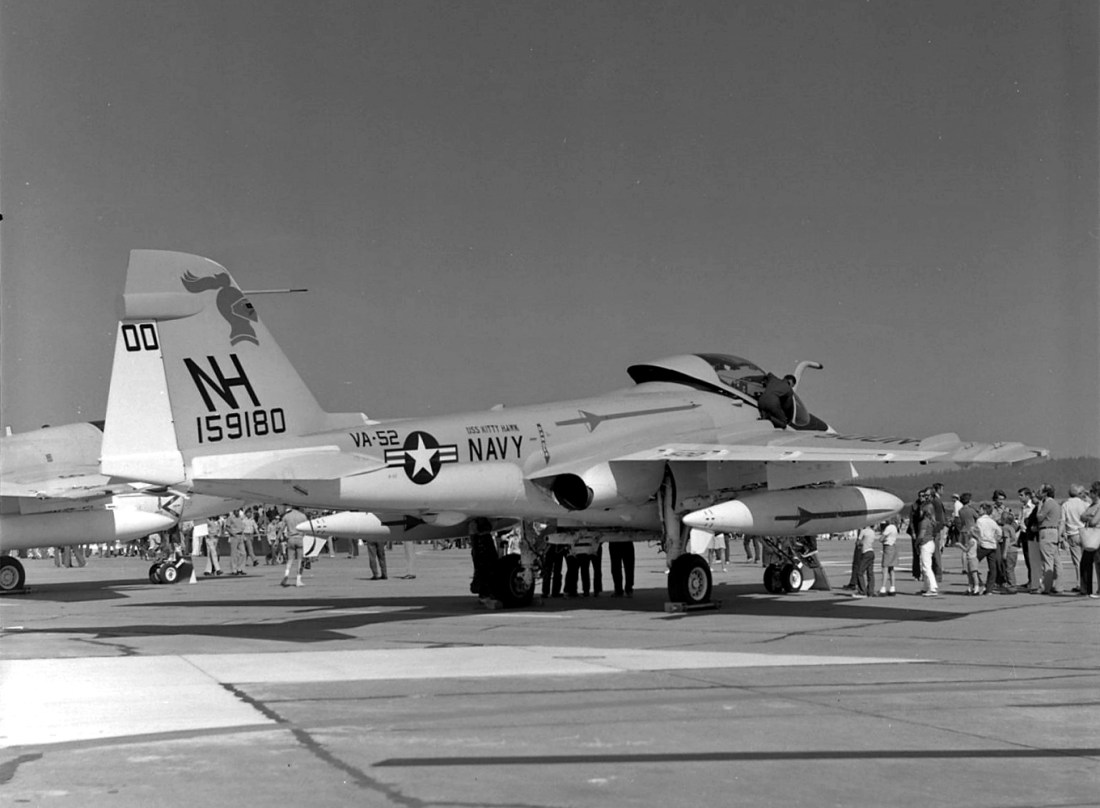
Showing its stuff during a 1970’s airshow at the home drome, 159180 saw many years of service with the navy and marines before calling it quits in 1996.
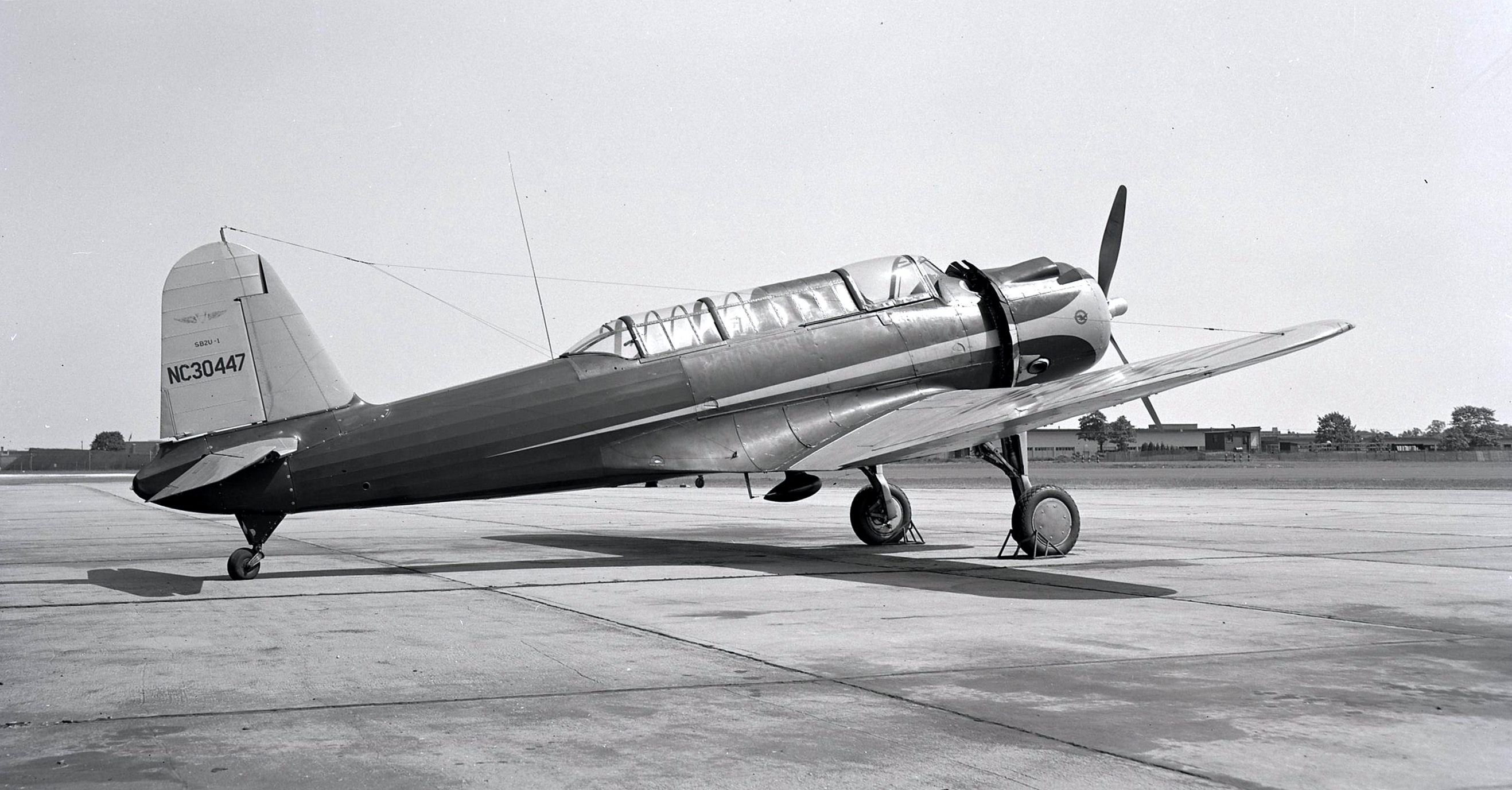
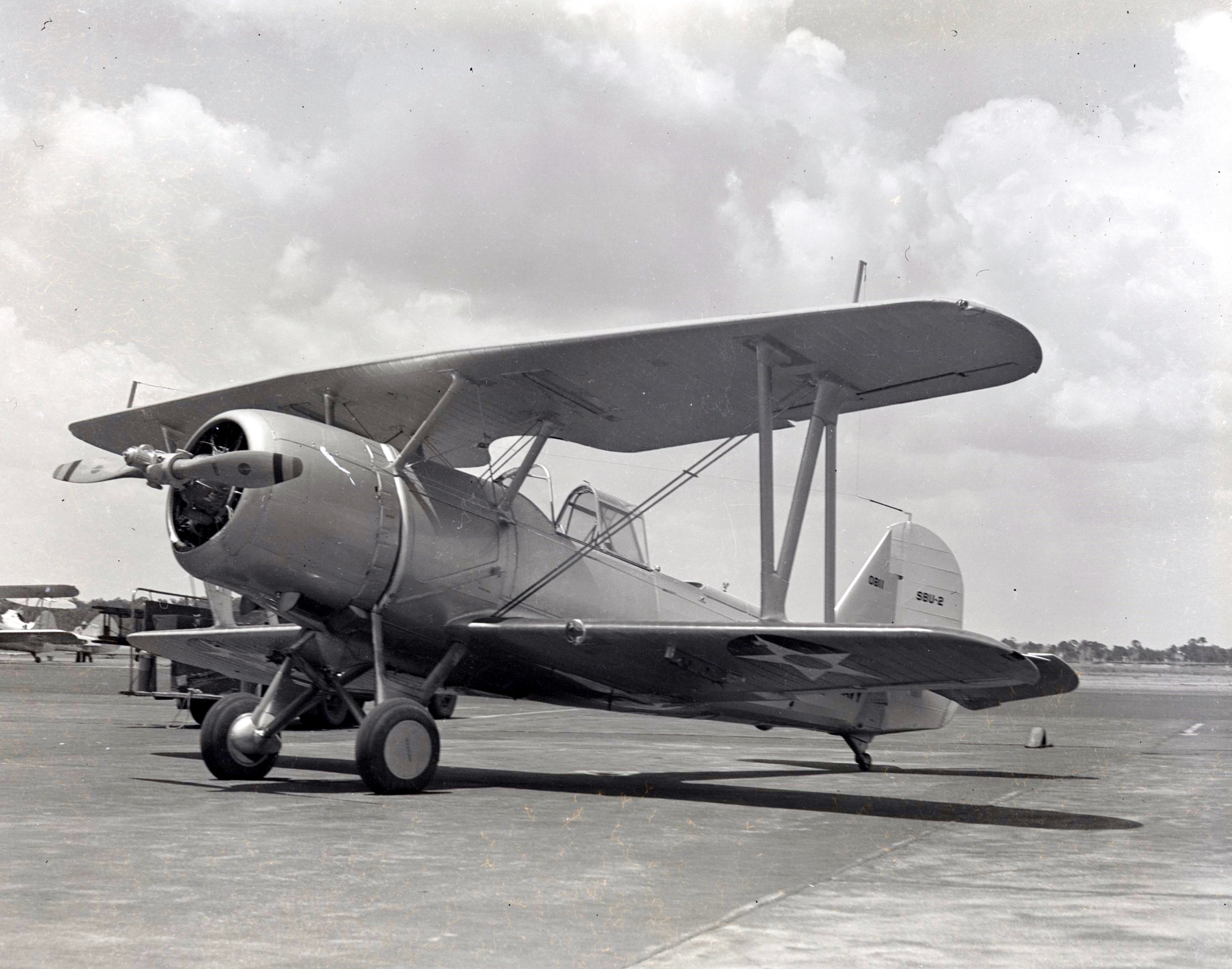
The SBU was one of several aircraft named “Corsair” by its manufacturer, Vought. A speedy scout bomber when it entered service in the mid-30s, the SBU was soon overtaken by the lightning-fast changes in aviation of that era. Even so, it stayed around as a trainer well into WWII. Serving in that role, the aircraft seen here, BuNo 811, crashed in 1943.
When the Boeing B-9 went aloft in 1931, it was one speedy airplane. Its top speed of almost 200 MPH equaled or bettered that of the pursuit planes who vainly tried to intercept it. Within a year or two, it was eclipsed by the Martin B-10, but the B-9 had now set the standard for all future bomber and pursuit aircraft.