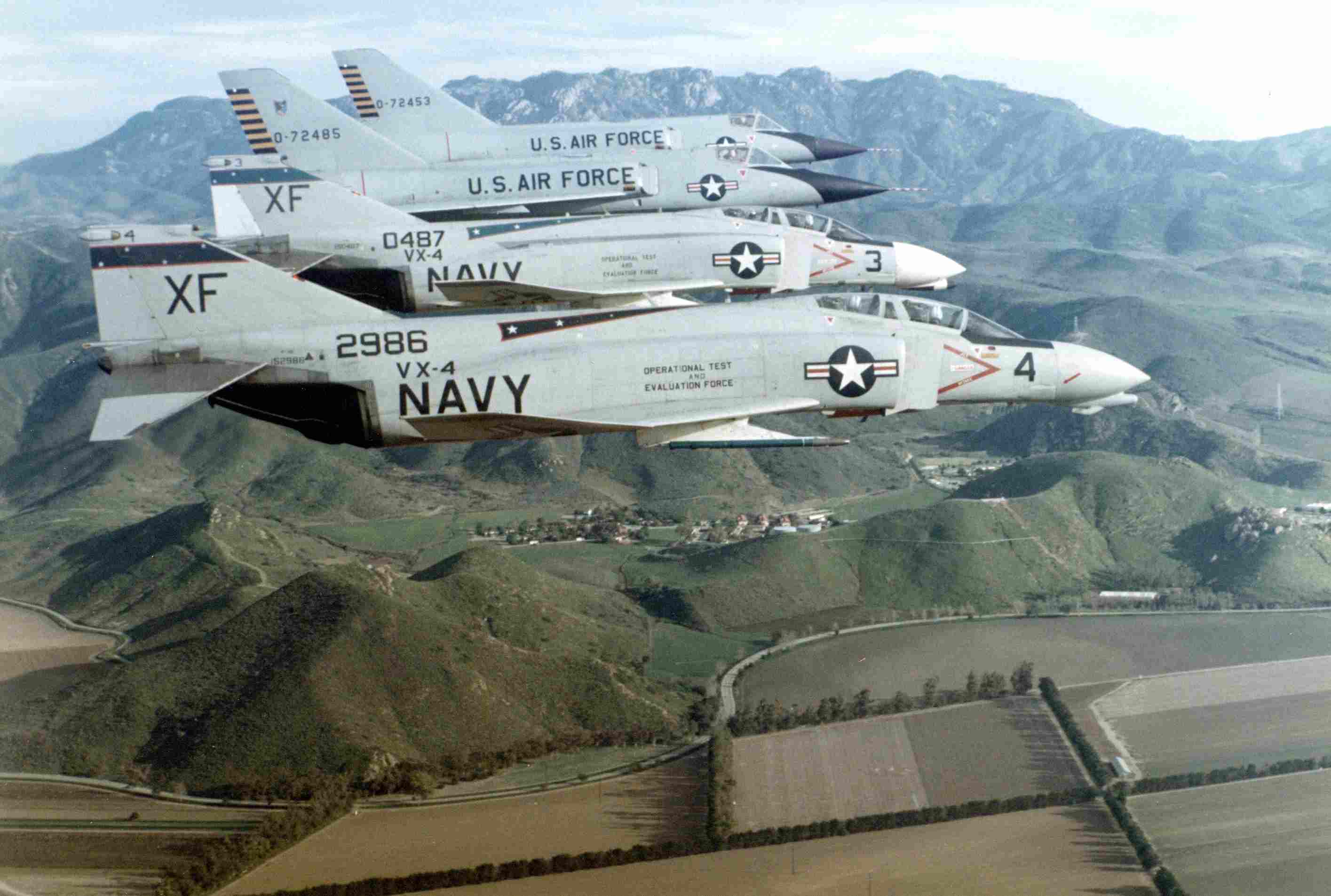
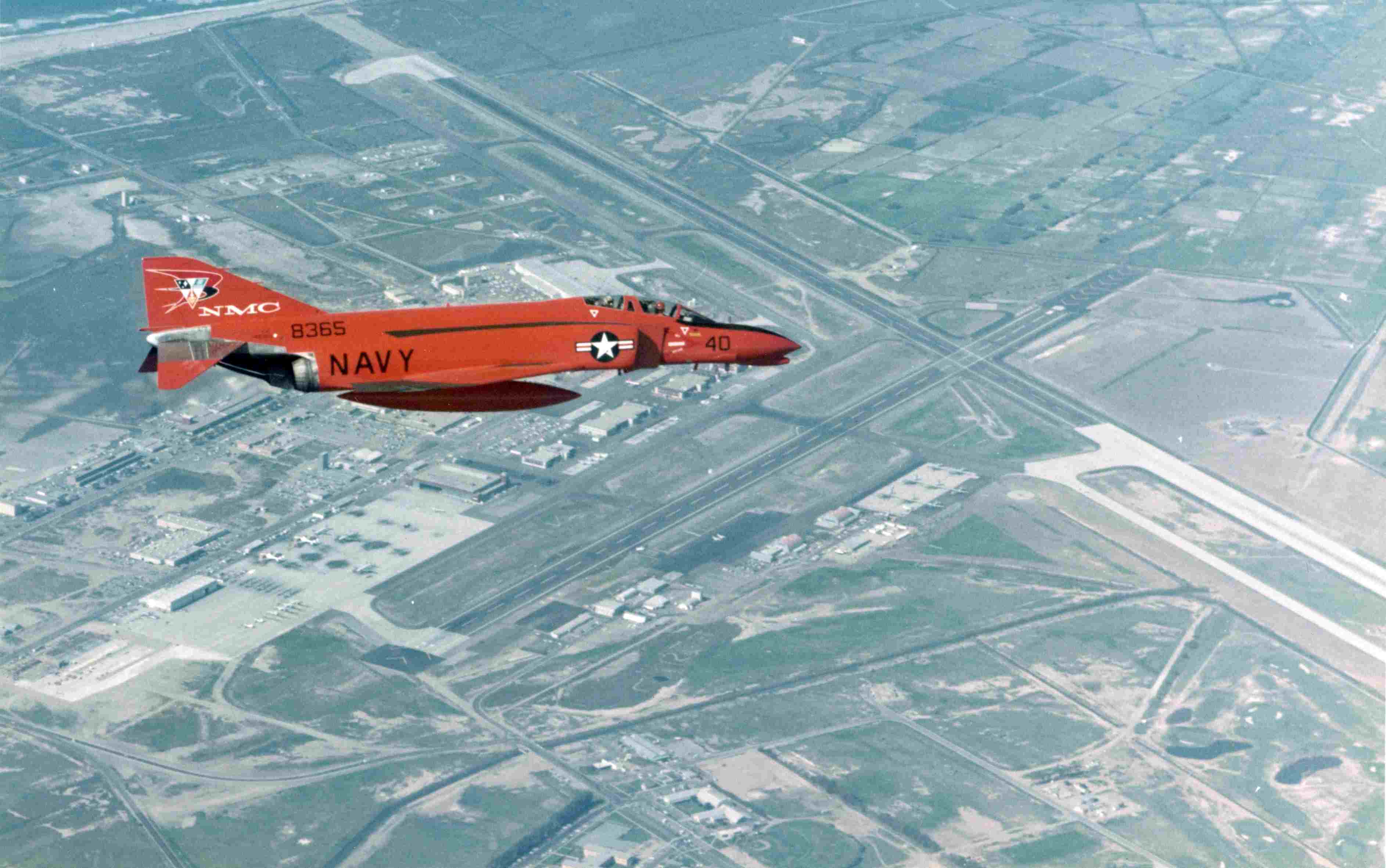
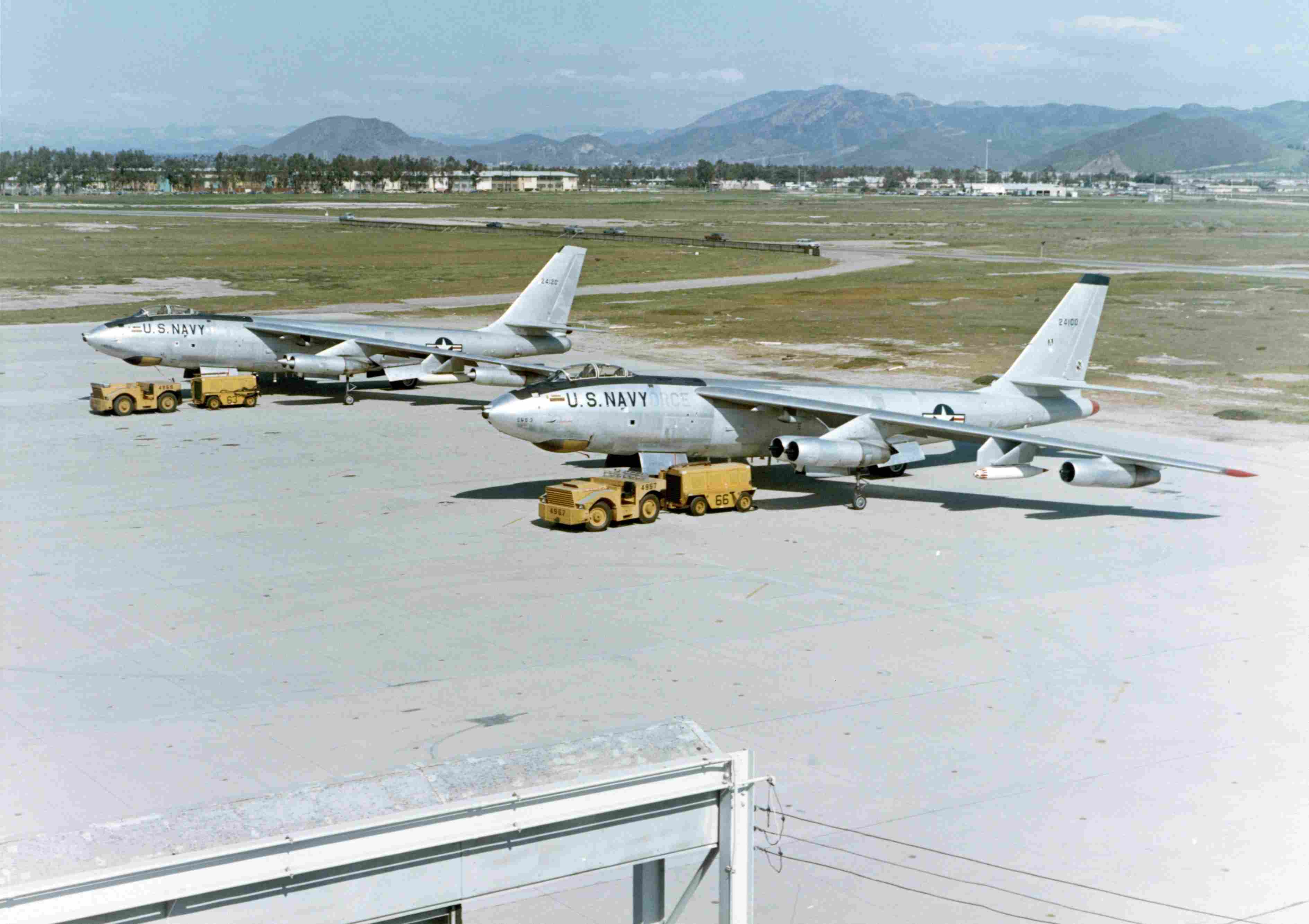
Home to the US Navy’s missile & weapons testing for nearly 80 years, NAS Point Mugu has, during those decades, also been home to a variety of aircraft. A few are seen here. The F-106s were not Mugu birds, but rather visitors from the 460th* Fighter Interceptor Squadron from nearby Oxnard AFB.
*The ‘106s could also be from Oxnard AFB’s 437th FIS – the 460th took over for them and pretty much kept the same markings.
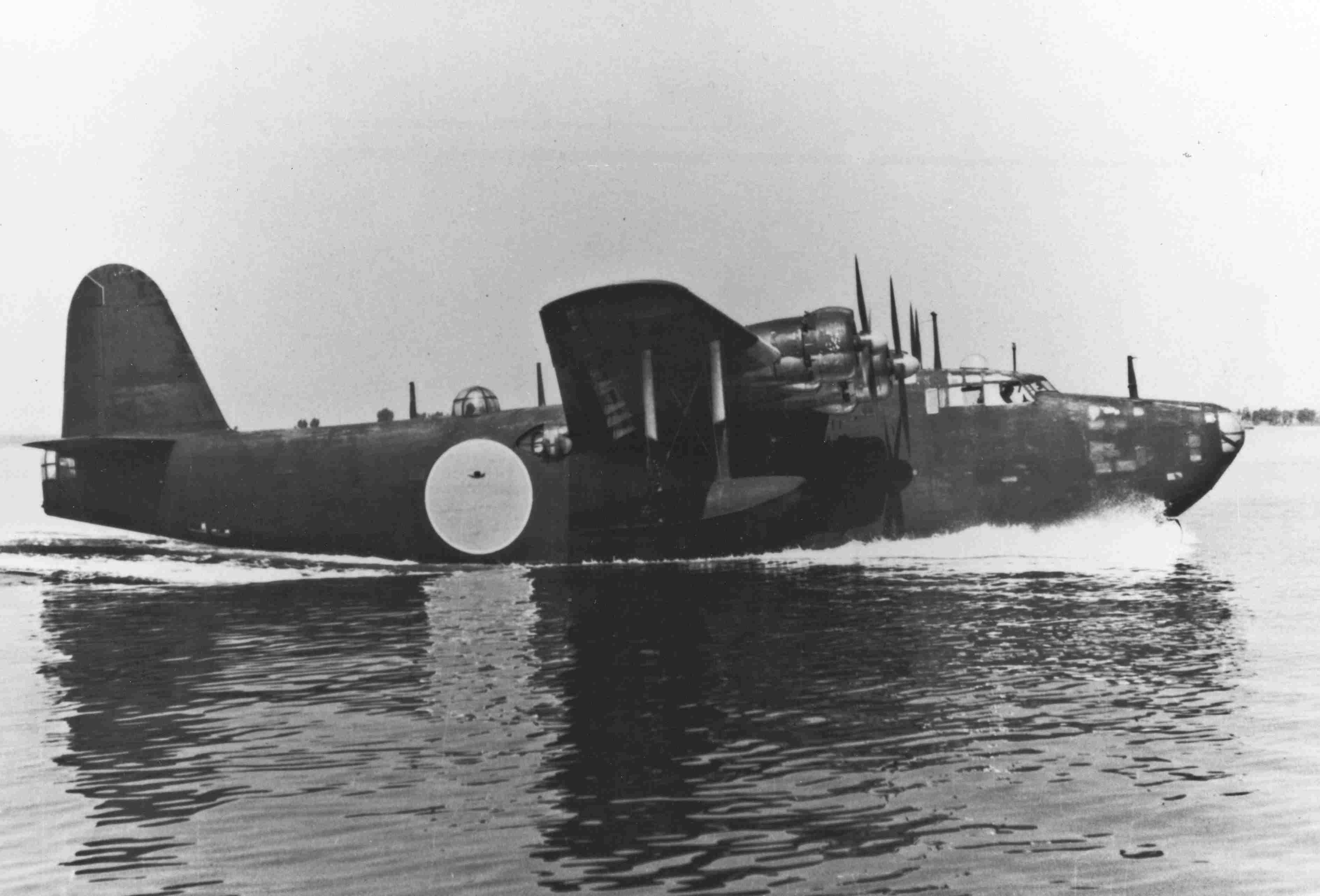
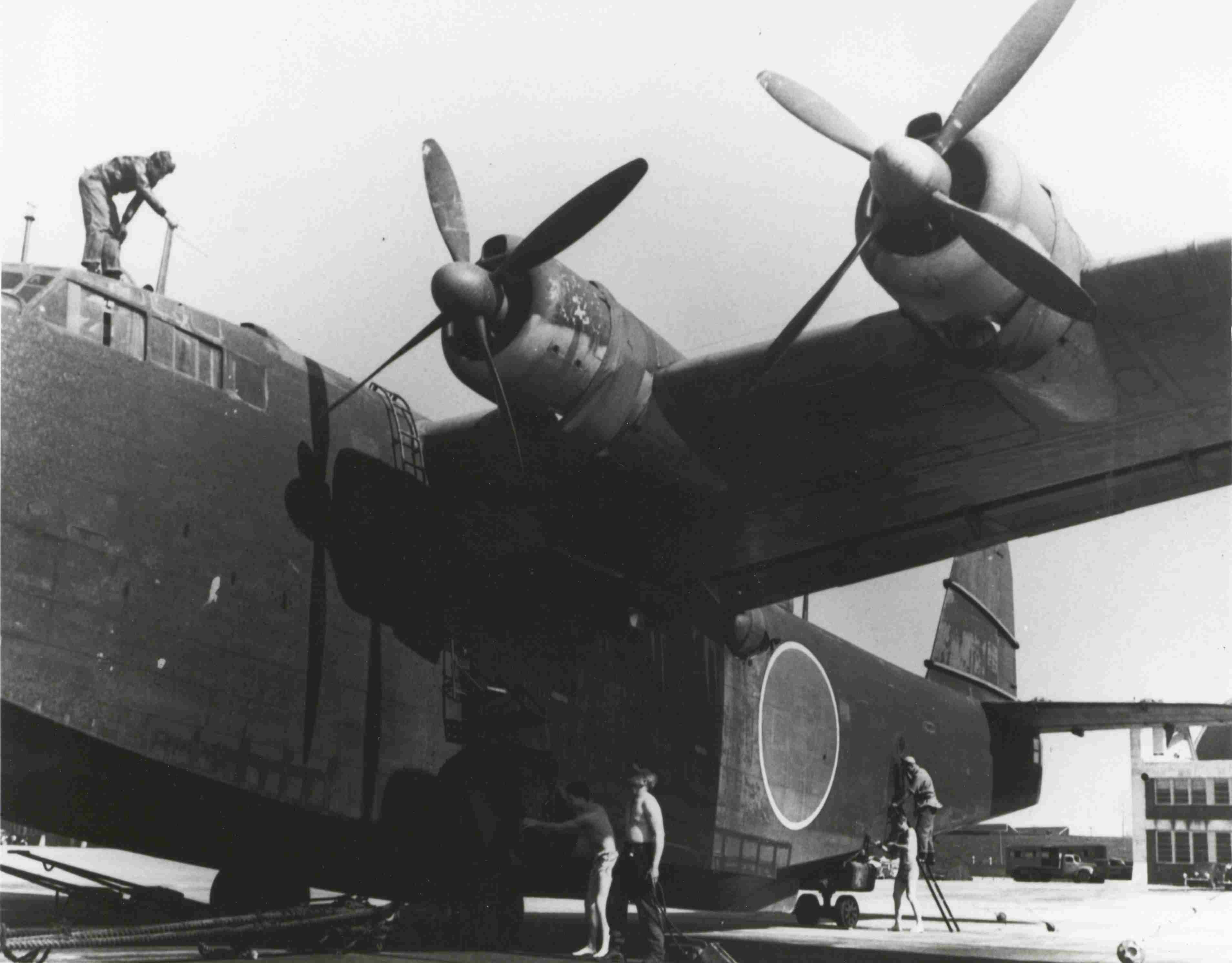
Captured during World War II and hauled to America, the last surviving H8K “Emily” is seen here undergoing evaluation at NAS Patuxent River in 1946-7. It is now on display in Japan.
A “navalized” B-24 in US Navy service was designated as a PB4Y-1, but it was still named “Liberator”, and not, as is often assumed, “Privateer”. That title came later with the purpose-built PB4Y-2. The photos seen here were taken at RAF Dunkeswell, where Liberators of Fleet Air Wing 7 were based to search for U-boats.
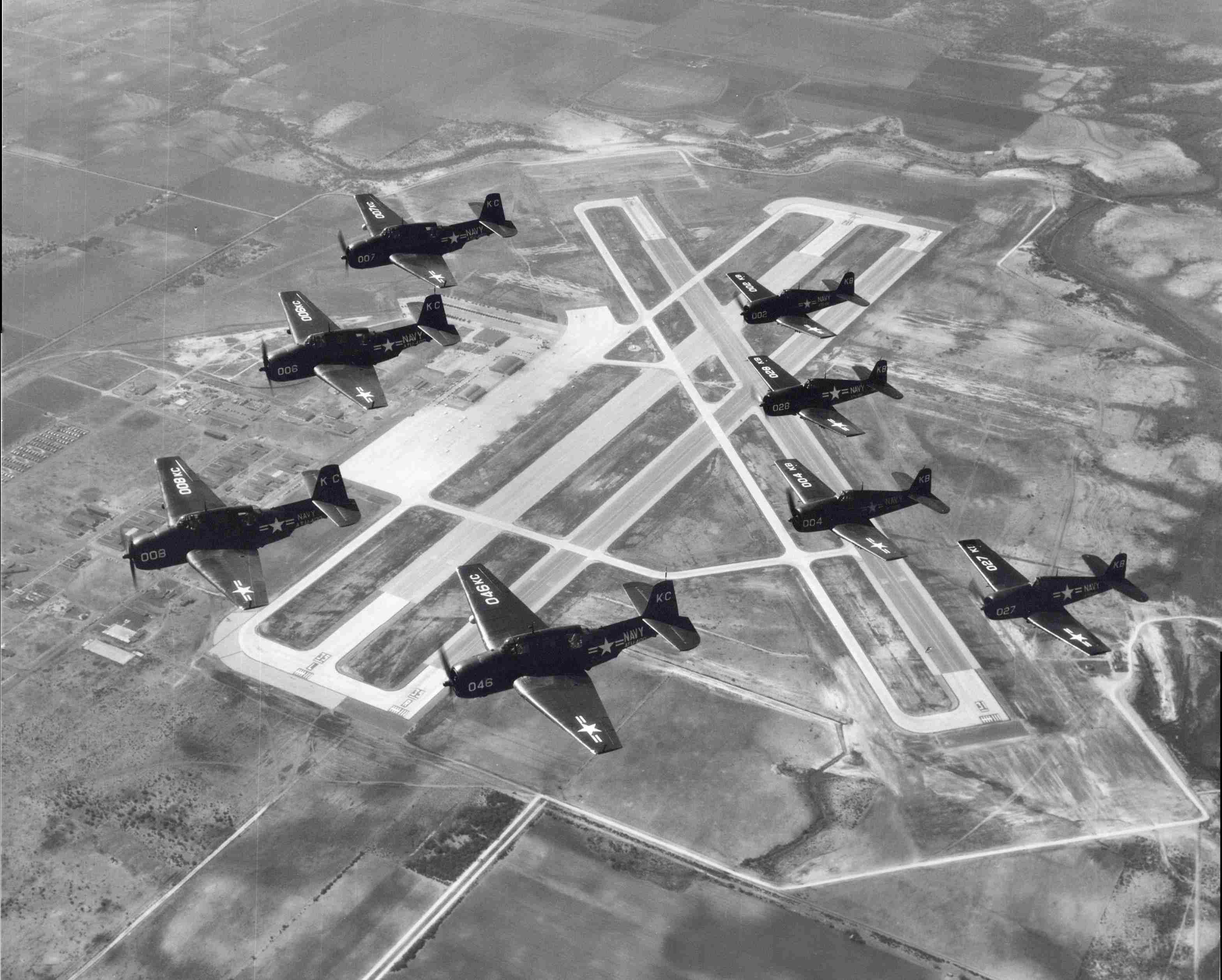
World War II veterans in the Jet Age. When these photos were taken on 23 May 1953, Hellcats and Avengers were starting to show their age but were still providing a valuable service in the training of fighter pilots (Hellcats) and anti-submarine aircrews (Avengers). The aircraft seen here are from Naval Auxiliary Air Station (NAAS) Kingsville, Texas. That base, shuttered since WWII, had been recommissioned due to the outbreak of the Korean War. The aircraft were assigned to Air Training Unit (ATU) 100 and ATU-400, respectively.
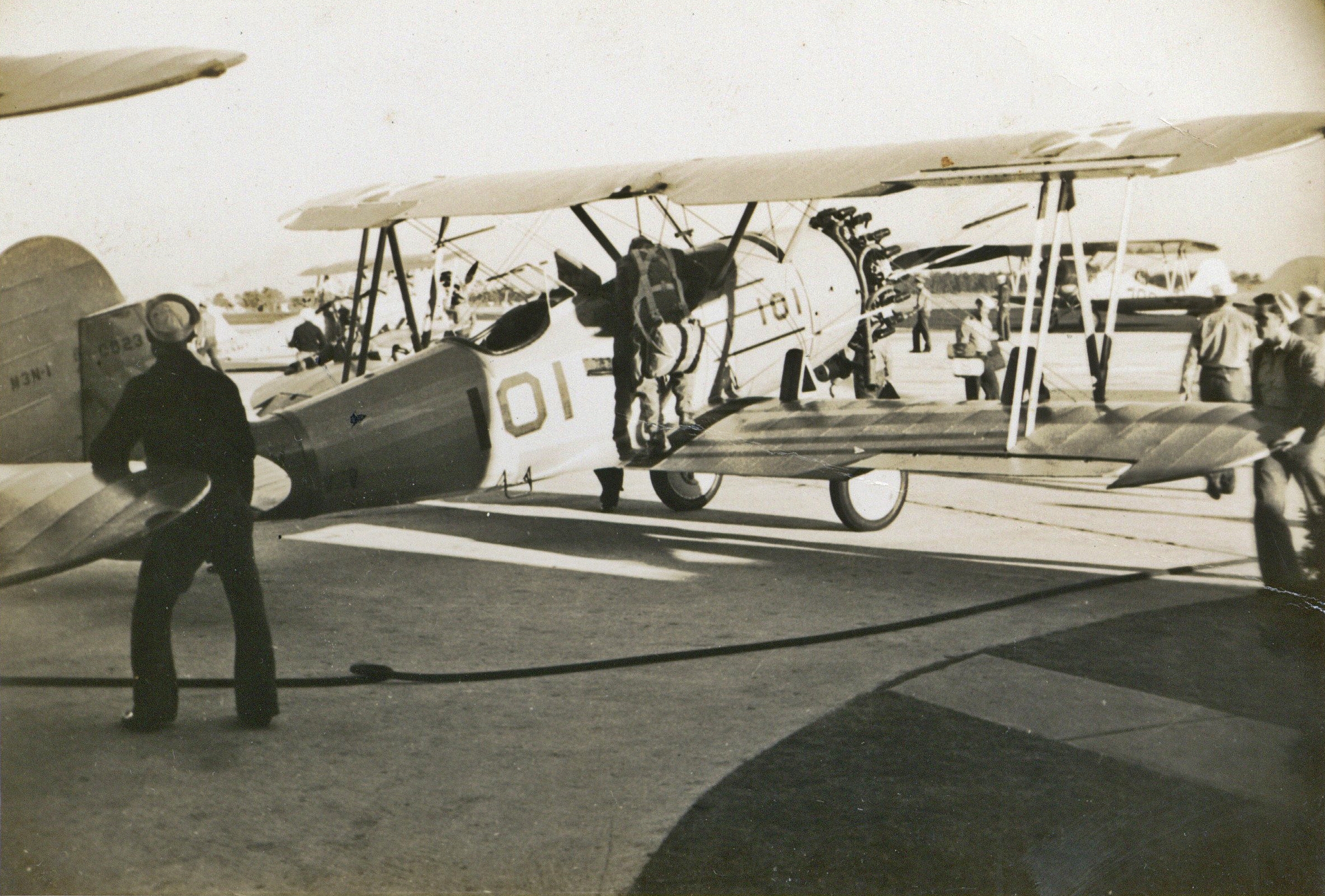
These three photos illustrate three different ways a budding naval aviator could maneuver his Naval Air Factory N3N when it wasn’t flying. 1. Just drive it right up to the beach. 2. Have a crane do the lifting. 3. Attach wheels.
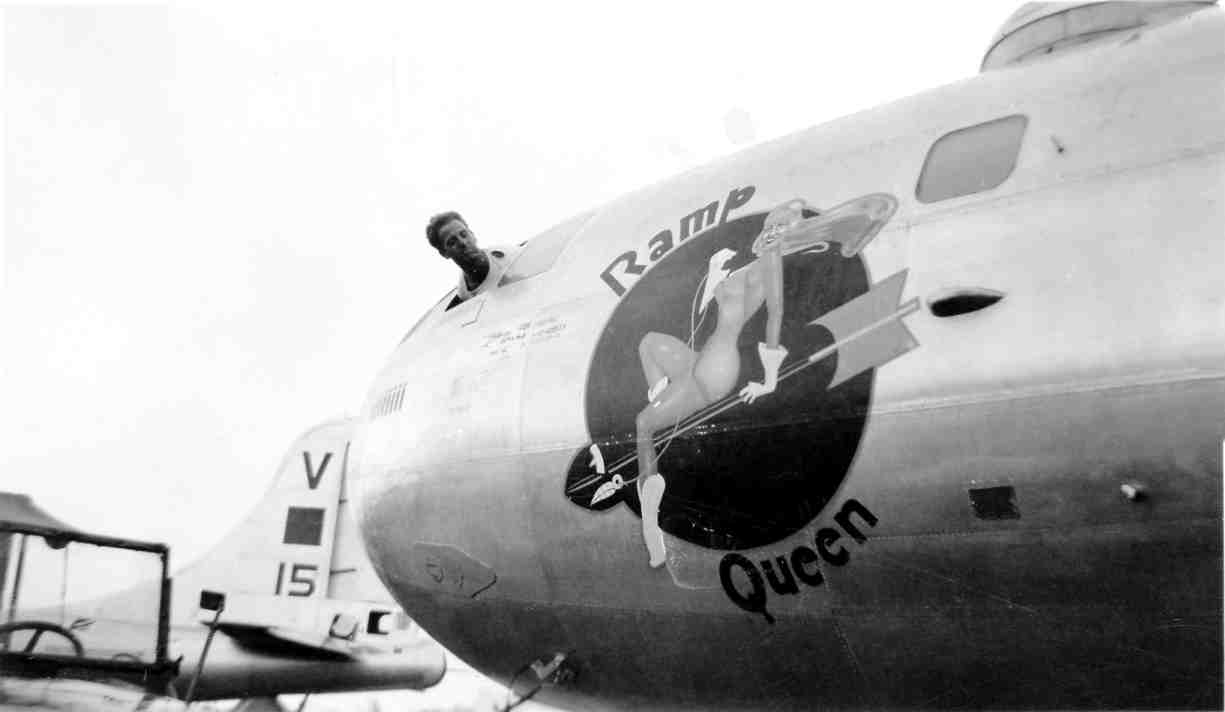
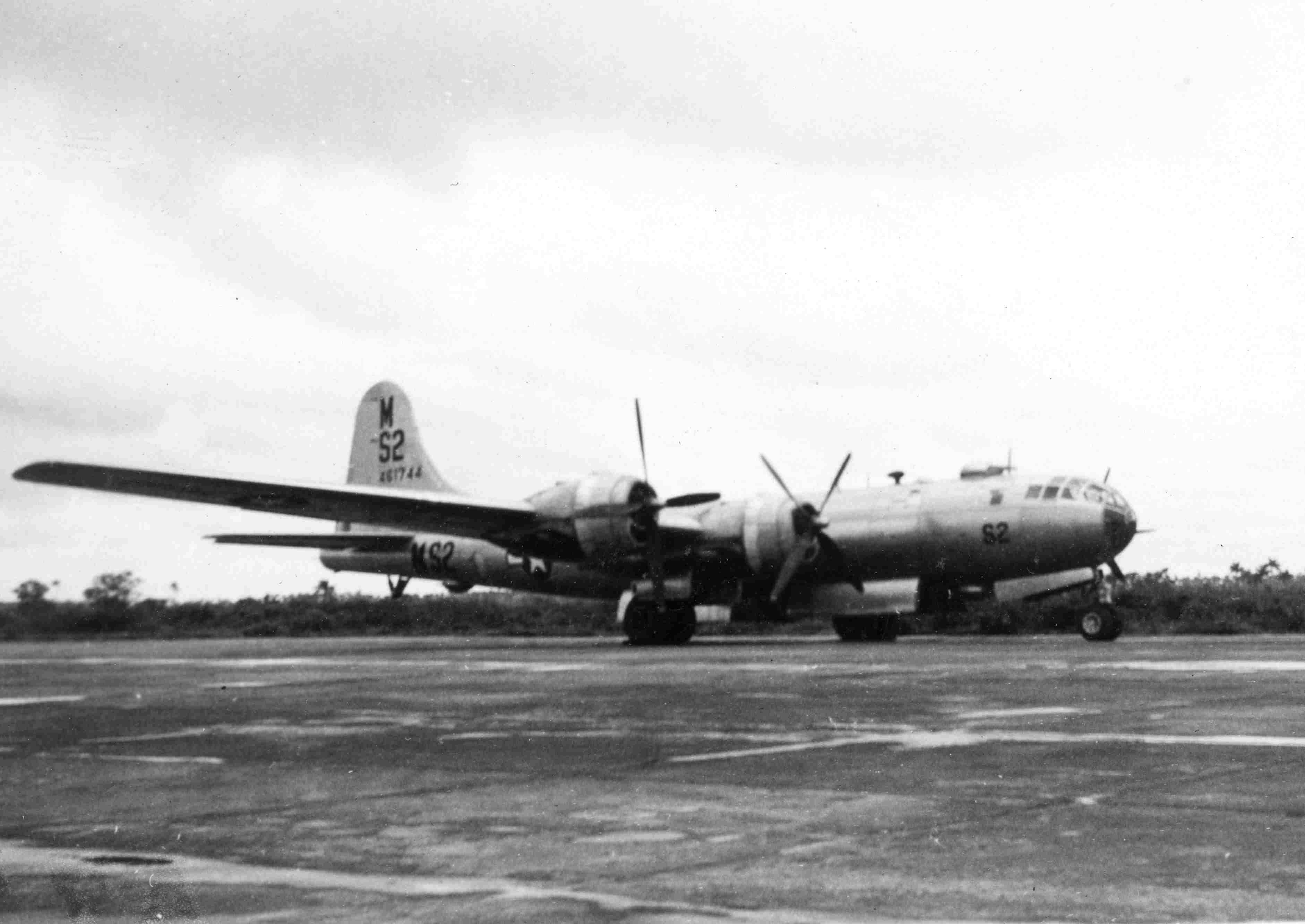
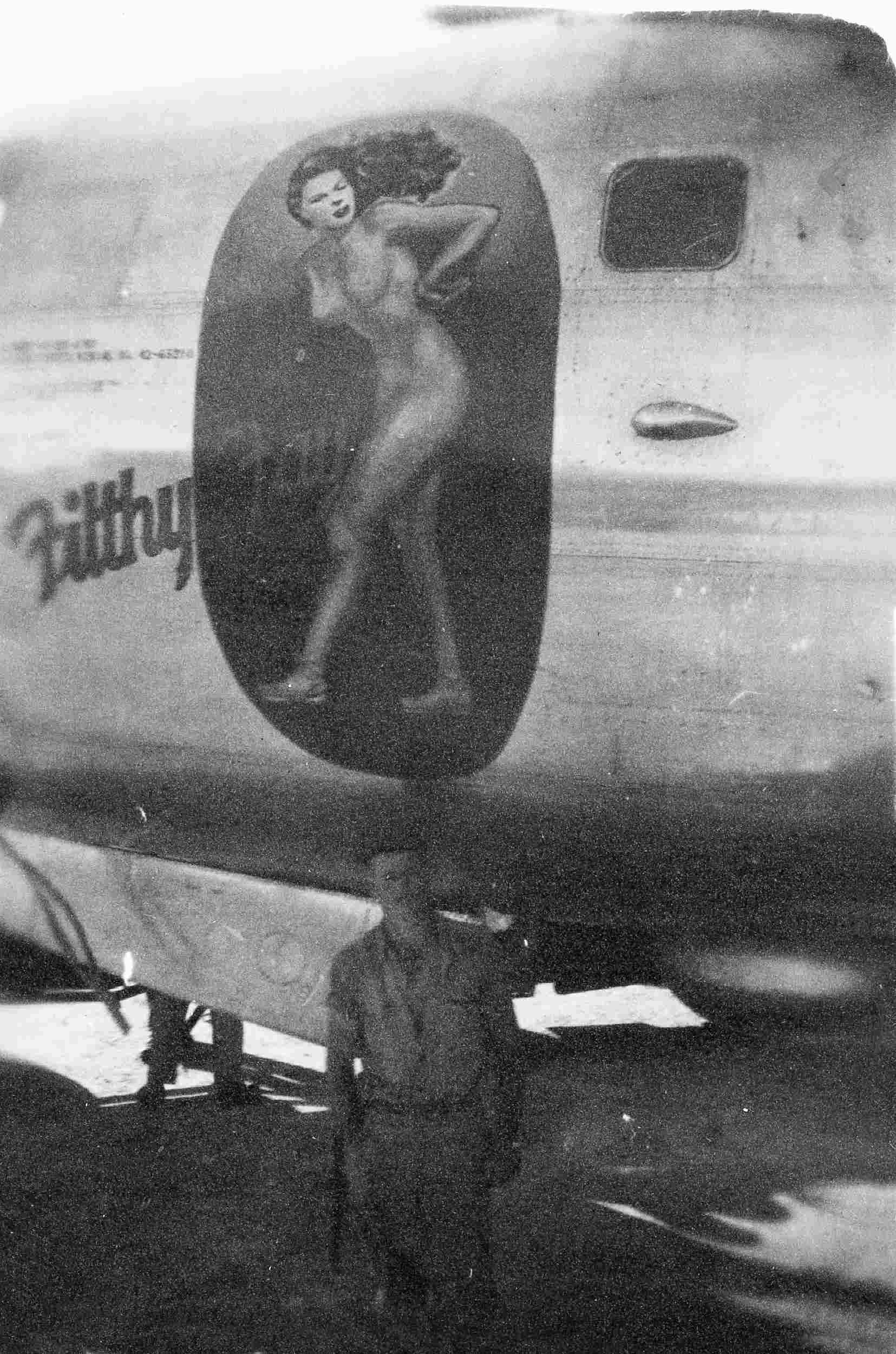
B-29 crews had only one destination in mind when they said they were heading for “The Empire”. That was, of course, Japan itself. Here are a few of the Superforts that took part in those missions.
I believe both photos are airmail-related. The pilot in the second photo is Clarence Tinker, namesake of Tinker AFB in Oklahoma. He is flying his personal P-12, nicknamed “Bird-O-Prey”, one of a string of aircraft he applied that moniker to.
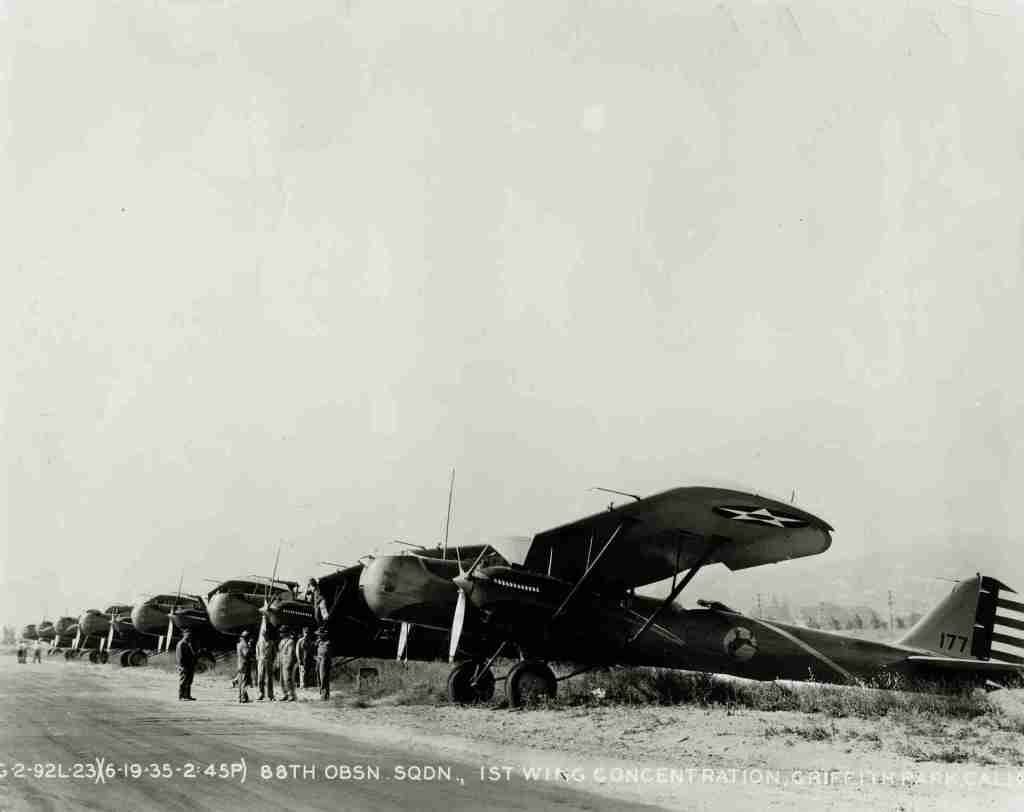
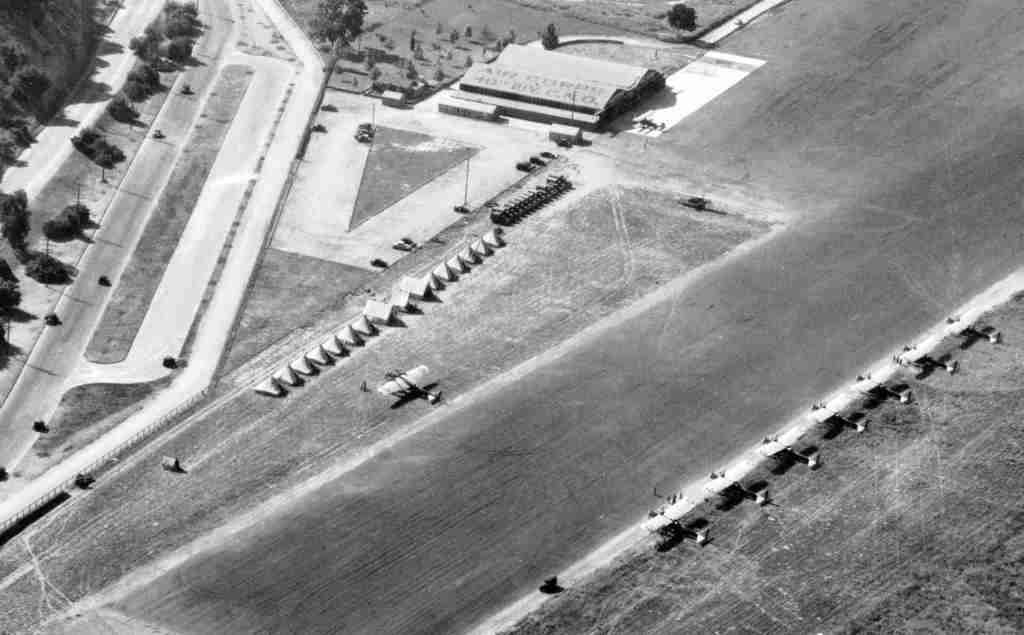
Los Angeles’ Griffith Park Aerodrome/Airport/Field, home to the 115th Observation Squadron, California National Guard, was one of countless airfields that dotted the area in the 1920s & 30s (note Glendale Airport in the upper right of the photo). As a military airfield, Griffith Park was host to a variety of different aircraft, such as the ones seen in these photos, Douglas Y10-35/Y1B-7s. Only a dozen of these planes were built, and most of them are seen here, parked along the runway’s edge. The aircraft are visitors from the 88th Observation Squadron, Brooks Field, Texas, the occasion is the “1st Wing Concentration”, an Air Corps exercise that involved numerous airplanes and airfields assigned to that Wing. A close inspection of Glendale Airport in photo #1 shows that they, too, have a line-up of Air Corps planes.
Unfortunately, tragedy struck the next day, June 20th. On that Thursday, a Y10-35 lost a right engine on takeoff and slewed toward the line of tents seen in the photo. Soldiers in the onrushing plane’s path scattered to safety, but at 70 MPH, the aircraft crashed through a fence and struck a parked car, killing three people. The victims, Daniel Krauss, his wife Freda, and two-year-old daughter Donna, had simply stopped by to watch the goings-on at the airfield. A four-year-old son survived, he being with relatives in Washington State. Congress later approved a bill that provided a princely $60 a month for that orphan’s upbringing.
The death of this family no doubt served to heighten ongoing concerns over Griffith Park Airport location, namely because it was built on the edge of, well, an actual park. The kind with green trees, nature paths, a zoo, etc. The field closed around the outset of World War II; today, it is buried under acres of freeway.
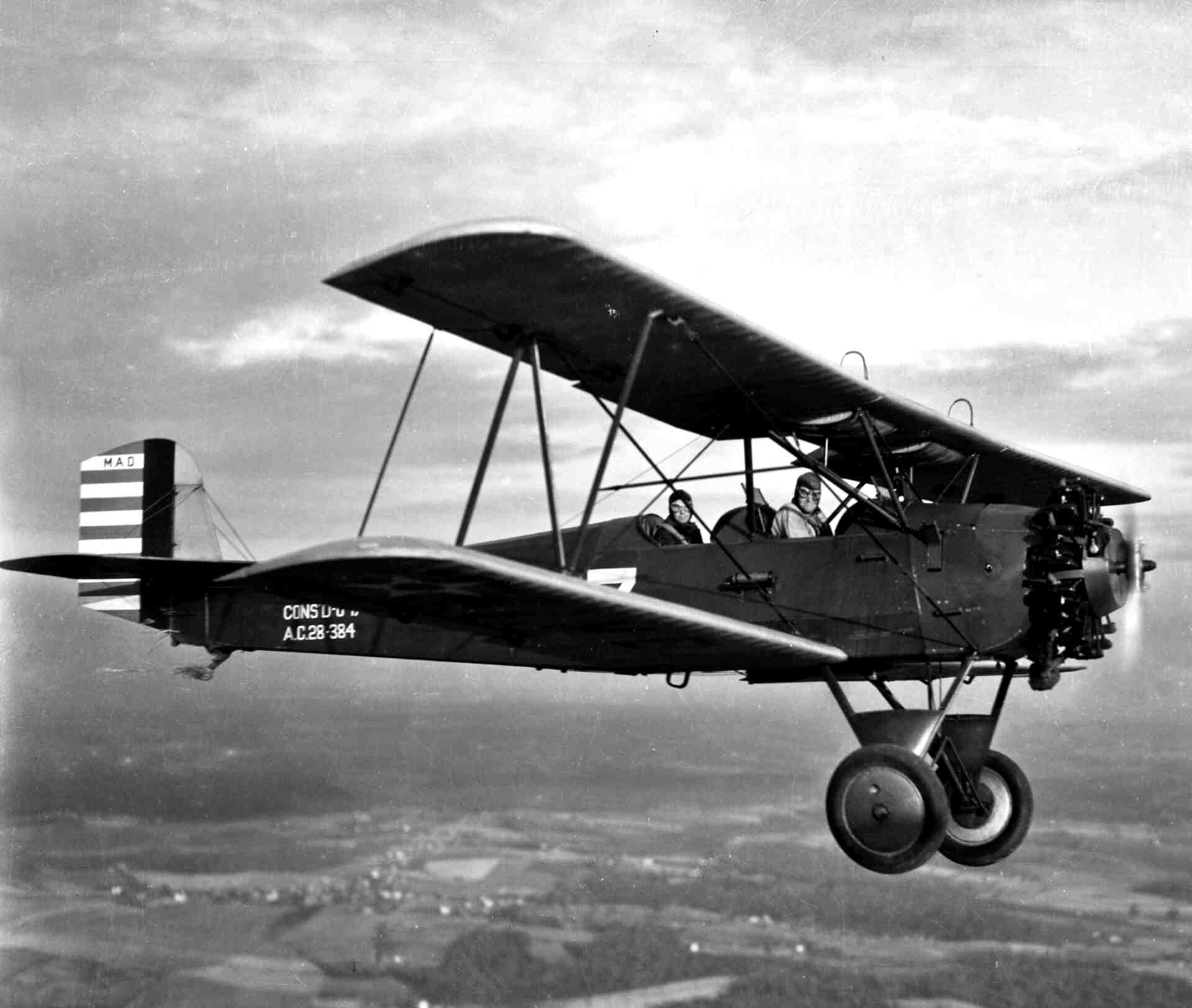
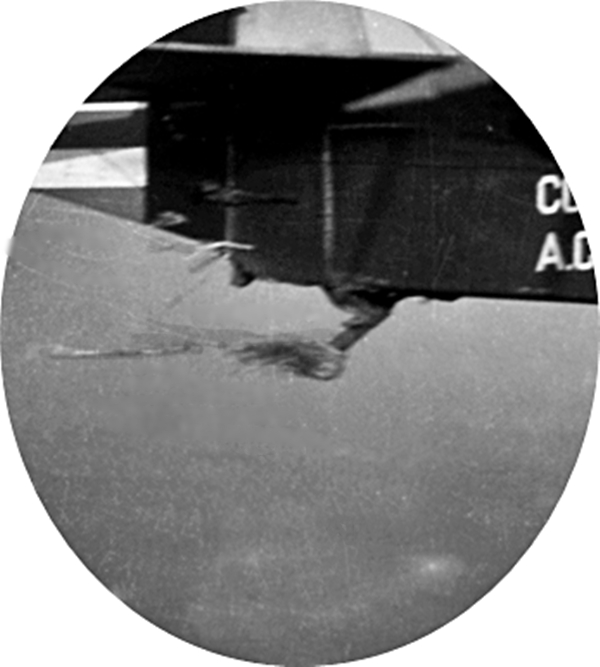
Cruising along in the Depression-era skies of the Northeast United States, an O-17 (28-384) of the Middletown Air Depot, Olmsted Field, Pennsylvania. His tail skid has brought along some of Olmsted’s turf for the flight.

































 The Jive Bomber